Interviews are more than just a Q&A session—they’re a chance to prove your worth. This blog dives into essential Proficient in Collaboration and Information Sharing interview questions and expert tips to help you align your answers with what hiring managers are looking for. Start preparing to shine!
Questions Asked in Proficient in Collaboration and Information Sharing Interview
Q 1. Describe your experience using collaborative tools like Slack, Microsoft Teams, or Google Workspace.
I’ve extensively used Slack, Microsoft Teams, and Google Workspace for collaborative projects, each offering unique strengths. Slack excels in quick, threaded conversations and its integrations with other apps. Microsoft Teams integrates well with the broader Microsoft 365 ecosystem, particularly beneficial for organizations already using Office apps. Google Workspace, with its suite of integrated tools like Docs, Sheets, and Slides, facilitates seamless real-time co-authoring and version control. My experience encompasses utilizing these platforms for project management, file sharing, video conferencing, and team communication in various professional settings.
For example, in a previous project involving website development, we used Slack for daily stand-ups and quick queries, Microsoft Teams for longer meetings and presentations, and Google Workspace for collaboratively editing the website’s content and design documents. This multi-platform approach optimized our workflow based on the specific task’s requirements.
Q 2. Explain a time you had to resolve a conflict within a team.
In a past project, team members disagreed on the best approach to a critical design element. One team member advocated for a more minimalist approach while another preferred a more complex, feature-rich design. This conflict threatened to delay the project. To resolve this, I facilitated a structured meeting. I started by actively listening to each team member, ensuring everyone felt heard and understood. I then rephrased the conflicting viewpoints to ensure everyone was on the same page regarding the root issue, not just the surface-level differences. We then collaboratively brainstormed solutions, considering the pros and cons of each approach. We eventually reached a compromise: a design incorporating elements of both original proposals, which satisfied the majority while adhering to project deadlines.
This experience highlighted the importance of active listening, clear communication, and a collaborative problem-solving approach to effectively manage team conflicts.
Q 3. How do you ensure effective information sharing within a team?
Effective information sharing requires a multi-faceted approach. First, establishing clear communication channels is crucial. This includes selecting the right collaborative tools (as discussed in the previous question) and defining how different types of information should be shared (e.g., project updates via a shared project management tool, quick questions via instant messaging, detailed reports via email). Second, I advocate for a well-structured information architecture. This involves organizing information logically and making it easily accessible through clear labeling, categorisation, and the use of searchable databases or repositories.
Third, regular knowledge-sharing sessions are invaluable. These sessions can include briefings, presentations, or informal discussions to keep the team informed and aligned. Finally, clear documentation protocols are essential, ensuring all decisions, updates and progress are well documented in a centralized and easily accessible location. This reduces confusion and supports onboarding of new team members.
Q 4. Describe your approach to managing information overload.
Information overload is a significant challenge in today’s fast-paced work environment. My approach is based on a combination of proactive prevention and effective management techniques. I prioritize tasks using methods such as Eisenhower Matrix (urgent/important), focusing on high-impact activities first. I leverage technology to filter and organize information. This involves utilizing email filters, RSS readers, and news aggregators to manage the flow of incoming information, allowing me to focus on relevant updates.
Regularly scheduling dedicated time blocks for focused work, free from distractions, significantly improves my ability to process information efficiently. I also practice the art of saying ‘no’ to non-essential tasks or commitments to avoid unnecessary information intake. Finally, I make sure to take regular breaks to avoid burnout and maintain clear thinking.
Q 5. How do you facilitate communication between different teams or departments?
Facilitating communication between different teams or departments involves establishing clear communication channels and processes. This often starts with identifying key stakeholders and their information needs. Then, I select the appropriate communication channels, such as regular cross-departmental meetings, shared project management tools, or cross-functional task forces. Depending on the complexity of the interaction, dedicated communication platforms can be helpful.
For instance, I once facilitated communication between our marketing and engineering teams by creating a shared online document that tracked feature requests, their associated marketing campaigns and the timeline for engineering implementation. This created transparency and alignment between the departments, preventing misunderstandings and improving collaboration.
Q 6. What strategies do you use to build consensus within a group?
Building consensus involves a combination of strategies. First, I start by clearly defining the problem or decision to be made and the desired outcome. Then, I gather diverse perspectives through open discussions and brainstorming sessions, creating a safe space for all team members to voice their opinions without fear of judgment. I actively listen and paraphrase to ensure everyone feels heard and understood. I then synthesize the different ideas, highlighting areas of common ground and areas where compromise may be necessary.
I often use visual tools like mind maps or decision matrices to help structure the discussion and identify points of agreement. Finally, I work with the team to create a clear action plan to implement the agreed-upon solution. The key is to involve everyone in the process, fostering a sense of ownership and buy-in.
Q 7. How do you handle disagreements or conflicting viewpoints within a team?
Disagreements and conflicting viewpoints are inevitable in team settings. My approach focuses on constructive conflict resolution. I ensure open and respectful dialogue, encouraging team members to clearly articulate their perspectives and the reasoning behind their positions. I guide the discussion to focus on the issues, not the individuals involved, promoting a collaborative atmosphere rather than a confrontational one. I often reframe disagreements as opportunities for innovative solutions, encouraging the exploration of different perspectives and potential compromises.
If a solution can’t be immediately reached, I may suggest a structured problem-solving process, such as using a decision matrix to weigh different options based on predefined criteria. The goal is to find a mutually acceptable solution that addresses the underlying concerns and advances the team’s objectives.
Q 8. Explain your experience with knowledge management systems.
Knowledge management systems (KMS) are crucial for effective collaboration. They are essentially centralized repositories for organizational knowledge, allowing for easy access, sharing, and management of information. My experience spans various KMS platforms, from simple shared drives and wikis to more sophisticated enterprise solutions like SharePoint and Confluence. I’ve used these systems to manage project documentation, track progress, share best practices, and facilitate communication across teams. For instance, in a previous role, we implemented a SharePoint site to centralize all project-related documents, meeting minutes, and decision logs, ensuring everyone had access to the most up-to-date information. This significantly reduced confusion and duplicated efforts.
Beyond simply storing documents, I’m adept at structuring KMS to optimize searchability and information retrieval. Proper tagging, metadata implementation, and the creation of intuitive folder structures are key. I also understand the importance of regular audits and content updates to maintain the relevance and accuracy of information within the KMS. Ultimately, a well-maintained KMS fosters a culture of knowledge sharing and improves overall team efficiency.
Q 9. How do you prioritize tasks within a collaborative project?
Prioritizing tasks in a collaborative project requires a structured approach. I typically utilize a combination of methodologies, including MoSCoW (Must have, Should have, Could have, Won’t have) prioritization and the Eisenhower Matrix (Urgent/Important). The MoSCoW method helps to categorize tasks based on their importance to the project’s success, while the Eisenhower Matrix allows for further refinement by considering urgency. We then visually represent this prioritized list using tools like Trello or Jira, ensuring everyone has a clear understanding of what needs to be done and in what order. Open communication is key—regular team meetings allow for discussion and adjustments to the priorities as needed, considering factors like dependencies and emerging risks. For example, if a critical dependency is delayed, we may need to re-prioritize tasks to mitigate its impact.
Q 10. Describe a time you had to adapt your communication style to different audiences.
Adapting communication style is essential for effective collaboration. In one project, I worked with a team that included senior executives, technical engineers, and marketing specialists. With executives, I focused on delivering concise summaries and high-level insights, emphasizing the business impact of our work. When communicating with engineers, I used more technical language and detailed explanations, focusing on specific processes and solutions. Finally, with the marketing team, I emphasized the broader implications of the project, highlighting its potential for market impact and customer engagement. This involved using simpler language, focusing on the benefits and outcomes. Tailoring my communication approach based on the audience’s background and needs ensured everyone understood the information clearly and effectively.
Q 11. How do you ensure everyone on the team understands the project goals?
Ensuring everyone understands project goals requires a multi-pronged approach. Firstly, I start by creating a clear and concise project charter that articulates the objectives, scope, deliverables, and timelines. This charter is then shared and discussed during a project kickoff meeting. Beyond the initial communication, I use regular progress updates, team meetings, and visual tools (e.g., Kanban boards) to reinforce the project goals and track progress towards them. I also actively encourage questions and provide clear explanations to address any uncertainties. Making sure everyone understands ‘why’ we’re doing something, beyond simply ‘what’ we’re doing, is vital for maintaining motivation and commitment throughout the project lifecycle.
Q 12. How do you measure the effectiveness of your collaboration efforts?
Measuring the effectiveness of collaboration involves both qualitative and quantitative assessments. Quantitatively, we can track metrics such as project completion rate, time to completion, budget adherence, and defect rate. These metrics provide an objective view of the project’s success. However, equally important are qualitative assessments. This includes gathering feedback through surveys, focus groups, or individual discussions to assess team satisfaction, communication effectiveness, and overall collaboration dynamics. Furthermore, we can analyze the quality of deliverables and the level of innovation achieved as a team. Combining quantitative and qualitative data provides a holistic view of the effectiveness of our collaborative efforts.
Q 13. What are some common challenges you’ve faced in collaborative projects, and how did you overcome them?
Common challenges in collaborative projects often include communication breakdowns, conflicting priorities, and personality clashes. To address communication issues, I emphasize clear and consistent communication channels, regular team meetings, and the use of collaborative tools. When priorities clash, we use a structured prioritization process (as described earlier) and ensure transparency in decision-making. Addressing personality clashes requires proactive conflict resolution, often facilitated through team-building activities and open, honest dialogue. For example, I once had a team member who was consistently late to meetings. Instead of directly confronting them, I approached the situation by understanding the root cause – a heavy workload. We then collaboratively adjusted the work assignments and created more realistic deadlines, thereby resolving the issue positively.
Q 14. Describe your experience with different collaboration methodologies (e.g., Agile, Scrum).
I have extensive experience with Agile and Scrum methodologies. Agile, in its core principles, promotes iterative development, flexibility, and collaboration. Scrum, a specific Agile framework, provides a structured approach with defined roles (Product Owner, Scrum Master, Development Team) and events (Sprint Planning, Daily Scrum, Sprint Review, Sprint Retrospective). I’ve successfully implemented Scrum in numerous projects, leading to improved team productivity, enhanced product quality, and increased client satisfaction. For instance, in a recent project, using Scrum’s iterative approach, we were able to incorporate client feedback early and often, resulting in a final product that significantly exceeded initial expectations. The daily Scrum meetings kept everyone aligned and allowed for immediate issue resolution.
Q 15. How do you use technology to facilitate collaboration and information sharing?
Technology is crucial for effective collaboration and information sharing. I leverage a variety of tools depending on the project and team needs. This includes project management software like Asana or Jira for task assignment, progress tracking, and communication. For real-time collaboration, we use tools such as Google Docs or Microsoft Teams, allowing multiple users to work simultaneously on documents and spreadsheets. For more complex projects requiring version control, we utilize Git repositories like GitHub or GitLab. Finally, platforms like Slack or Microsoft Teams facilitate quick communication and file sharing, ensuring everyone stays informed and connected.
For example, during a recent website redesign project, we used Jira to manage tasks, assigning responsibilities and tracking progress. Simultaneously, we used Google Docs for collaborative writing of content, and Slack for quick questions and updates. This streamlined workflow improved efficiency and transparency significantly.
Career Expert Tips:
- Ace those interviews! Prepare effectively by reviewing the Top 50 Most Common Interview Questions on ResumeGemini.
- Navigate your job search with confidence! Explore a wide range of Career Tips on ResumeGemini. Learn about common challenges and recommendations to overcome them.
- Craft the perfect resume! Master the Art of Resume Writing with ResumeGemini’s guide. Showcase your unique qualifications and achievements effectively.
- Don’t miss out on holiday savings! Build your dream resume with ResumeGemini’s ATS optimized templates.
Q 16. How do you ensure the confidentiality and security of sensitive information?
Confidentiality and security are paramount. We utilize a multi-layered approach. First, we establish clear access control protocols, limiting access to sensitive information based on the ‘need-to-know’ principle. This involves using role-based access control features within our chosen platforms. Second, we encrypt sensitive data both in transit (using HTTPS) and at rest (using encryption tools offered by our cloud storage providers). Third, regular security audits and penetration testing help identify and mitigate vulnerabilities. Finally, we enforce strong password policies and conduct regular security awareness training for team members to foster responsible data handling practices. For extremely sensitive data, we might even utilize specialized secure file-sharing platforms with advanced encryption and audit trails.
For instance, during a project involving client financial data, we employed a dedicated secure server with restricted access and multi-factor authentication, ensuring that only authorized personnel could view this confidential information.
Q 17. Describe your approach to providing feedback to team members.
I believe in providing constructive and timely feedback. My approach is based on the SBI (Situation-Behavior-Impact) model. I start by describing the specific situation, then objectively detail the behavior observed, and finally explain the impact of that behavior on the project or team. This avoids vague criticism and focuses on specific actions. Feedback is always delivered privately and respectfully, focusing on improvement rather than blame. I also encourage a two-way conversation, giving team members the opportunity to respond and clarify.
For example, if a team member consistently misses deadlines, instead of simply saying ‘You’re always late,’ I might say: ‘I noticed (Situation) that the report was submitted three days past the deadline. This (Behavior) caused a delay in the project timeline. As a result (Impact), it impacted the marketing team’s ability to start their campaigns on time.’ This approach enables a more productive conversation focused on solutions.
Q 18. How do you keep a team motivated and engaged?
Keeping a team motivated and engaged requires a multifaceted approach. I focus on fostering a positive and supportive team culture, celebrating successes, and recognizing individual contributions. Clear communication and transparency about project goals and progress are crucial. I also ensure that team members have a voice and feel valued by encouraging open dialogue and incorporating their ideas. Providing opportunities for professional development and skill enhancement also boosts morale and engagement. Regularly checking in with team members individually to address concerns and provide support is vital.
In one project, we implemented a weekly ‘wins’ session where each team member shared their achievements. This simple act significantly boosted morale and fostered a sense of shared accomplishment.
Q 19. How do you handle situations where team members are not contributing equally?
Addressing unequal contribution requires a careful and empathetic approach. I first try to understand the root cause. Are there skill gaps? Are some team members overloaded? Is there a lack of clarity about roles and responsibilities? I would engage in a private conversation with the underperforming team member, seeking to understand the challenges they face and offering support or guidance. If the issue persists despite support, I might adjust task assignments or provide additional training. In severe cases, after multiple attempts to address the issue, more formal action may be necessary in consultation with management.
It’s important to remember that open communication and a supportive environment are crucial for resolving these situations effectively. It’s not about blaming, but finding solutions collaboratively.
Q 20. How do you document and share project knowledge?
Project knowledge documentation is essential for continuity and future reference. We utilize a combination of methods: detailed project plans and meeting minutes, stored centrally and accessible to all team members. We also create comprehensive wikis or shared documents that summarize key decisions, processes, and technical specifications. For code-based projects, thorough comments within the code itself and detailed design documents are vital. Finally, we conduct thorough knowledge transfer sessions at the project’s conclusion, capturing lessons learned and best practices.
For instance, after completing a complex software development project, we created a detailed wiki outlining the system architecture, code structure, and troubleshooting guidelines. This ensured that future developers could easily understand and maintain the software.
Q 21. How do you ensure information is easily accessible and readily available to team members?
Easy access to information is critical for efficient collaboration. We utilize a centralized repository for all project-related documents and files. This might be a shared network drive, a cloud-based storage solution (like Dropbox, Google Drive, or SharePoint), or a project management platform’s built-in file storage. Clear folder structures and consistent file naming conventions are crucial for easy navigation. We also leverage search capabilities and create comprehensive indexes to facilitate quick retrieval of specific information. Finally, regular updates and communication ensure that everyone has access to the latest version of documents and files.
We also establish clear guidelines on where to find specific types of information to avoid confusion and wasted time searching in multiple locations.
Q 22. Describe your experience with project management software and tools.
My experience with project management software and tools is extensive, spanning several platforms and methodologies. I’ve worked extensively with tools like Jira, Asana, Trello, and Microsoft Project, tailoring my choice to the specific project needs and team preferences. For example, in a recent agile development project, we utilized Jira for its robust issue tracking, sprint management capabilities, and Kanban board functionality. This allowed the team to visualize workflow, track progress effectively, and manage dependencies clearly. In contrast, for a smaller, less complex project with a smaller team, Trello’s simplicity and intuitive interface proved to be more efficient. My proficiency extends beyond simply using the software; I understand how to configure workflows, create custom dashboards, and utilize reporting features to provide insightful data on project performance and resource allocation. I’m also adept at integrating these tools with other communication and collaboration platforms to streamline workflows further.
Q 23. How do you adapt your communication style to different personality types?
Adapting my communication style is crucial for effective collaboration. I believe in employing a versatile approach, understanding that different personality types require different approaches. For instance, when communicating with introverted team members, I opt for asynchronous communication methods like emails or detailed project documentation, giving them ample time to process information. With extroverted individuals, I prefer more dynamic interactions, using team meetings, brainstorming sessions, and informal check-ins to foster engagement. Furthermore, I tailor my language to the individual’s understanding. With technically proficient colleagues, I use precise terminology; with those less familiar with the technical aspects, I use simpler language and clear visual aids. Active listening and observation are critical to identifying communication preferences and adjusting my approach accordingly.
Q 24. Describe your experience working in a virtual or remote team environment.
My experience in virtual and remote team environments is substantial. I’ve consistently delivered successful projects in fully remote settings, relying heavily on asynchronous communication tools, regular virtual meetings, and well-defined processes. In a recent project involving a geographically dispersed team, we effectively used tools like Slack for daily communication, Zoom for weekly team meetings, and Google Drive for shared document collaboration. Key to our success was establishing clear communication protocols: we defined response times for urgent messages, scheduled regular check-ins, and documented decision-making processes transparently. I also proactively fostered a sense of community through virtual social events and team-building activities, helping to combat the potential for isolation inherent in remote work. This approach significantly contributed to team cohesion and morale, leading to increased productivity and successful project completion.
Q 25. How do you ensure clarity and consistency in communication within a team?
Ensuring clarity and consistency in team communication requires a multi-pronged approach. Firstly, I emphasize the importance of clear and concise messaging. This means using unambiguous language, avoiding jargon unless clearly defined, and structuring communication logically. Secondly, I utilize consistent communication channels. For example, designating specific channels for different communication types (e.g., Slack for quick questions, email for formal announcements, project management software for task updates) minimizes confusion. Thirdly, I document all key decisions and processes. This documentation serves as a single source of truth and helps maintain consistency. Finally, I encourage open and honest feedback, regularly soliciting input from team members to identify potential communication breakdowns and address them proactively. For example, if there are recurring misunderstandings about a specific process, I’ll initiate a discussion to clarify it and update the documentation.
Q 26. What are your preferred methods for conducting effective meetings?
My preferred methods for conducting effective meetings prioritize brevity, clarity, and actionable outcomes. Before each meeting, I distribute a clear agenda outlining the objectives, key discussion points, and expected outcomes. During the meeting, I ensure everyone has an opportunity to contribute, actively managing participation to avoid domination by a few individuals. I use visual aids like presentations or shared documents to enhance understanding. Time management is crucial; I stick to the allotted time, and I assign action items with clear owners and deadlines. Finally, post-meeting, I circulate meeting minutes summarizing key decisions and action items, ensuring everyone is aligned and accountable.
Q 27. How do you identify and address knowledge gaps within a team?
Identifying and addressing knowledge gaps within a team is an ongoing process that requires proactive monitoring and responsive action. I regularly assess team members’ skills and knowledge through observation, informal discussions, and performance reviews. Knowledge gaps can be identified through analyzing project performance, observing challenges faced by team members, and soliciting feedback. Once identified, I address these gaps through several strategies: targeted training programs, mentoring opportunities, knowledge-sharing sessions, cross-training initiatives, and access to relevant learning resources. For instance, if I notice a lack of proficiency in a specific software tool, I might arrange a training session or assign a mentor to guide the team member. The key is to create a culture of continuous learning and improvement.
Q 28. Describe your experience with creating and maintaining collaborative workspaces.
My experience in creating and maintaining collaborative workspaces focuses on establishing a centralized and accessible hub for all project-related information and communication. I leverage platforms like SharePoint, Google Workspace, or dedicated project management software to create these workspaces. These spaces are structured logically, with clear directories, easily accessible documents, and well-defined access permissions. I emphasize regular updates and maintenance, ensuring the workspace remains organized, current, and relevant. I also utilize features like version control to manage document revisions and collaboration tools like shared editing to encourage teamwork. Finally, I actively promote the use of the workspace, providing training and support to team members as needed, fostering a culture of transparency and collaboration.
Key Topics to Learn for Proficient in Collaboration and Information Sharing Interview
- Effective Communication Strategies: Understanding various communication styles, active listening techniques, and tailoring your communication to different audiences. Practical application: Describe a situation where you successfully navigated a communication challenge in a team setting.
- Teamwork and Collaboration Dynamics: Identifying team roles, understanding conflict resolution strategies, and contributing effectively to a shared goal. Practical application: Explain your approach to resolving disagreements within a team and achieving consensus.
- Information Sharing and Knowledge Management: Utilizing various tools and platforms for efficient information sharing (e.g., project management software, shared drives). Practical application: Describe your experience implementing or improving information sharing processes within a team or organization.
- Project Management Methodologies: Familiarity with Agile, Waterfall, or other project management frameworks and their application to collaborative projects. Practical application: Discuss how you have utilized a specific project management methodology to enhance team collaboration and project success.
- Feedback and Mentorship: Providing and receiving constructive feedback effectively, and mentoring junior team members. Practical application: Describe a time you mentored a colleague and the positive outcomes.
- Technological Proficiency: Demonstrate understanding and practical experience using collaboration tools (e.g., Slack, Microsoft Teams, Google Workspace). Practical application: Discuss your experience with a specific collaboration tool and how it improved your team’s efficiency.
Next Steps
Mastering proficient collaboration and information sharing is crucial for career advancement. It demonstrates essential soft skills highly valued by employers across industries. To significantly boost your job prospects, create an ATS-friendly resume that clearly highlights these skills. ResumeGemini is a trusted resource to help you build a professional and impactful resume. We provide examples of resumes tailored to showcasing proficiency in collaboration and information sharing, helping you present yourself as the ideal candidate.
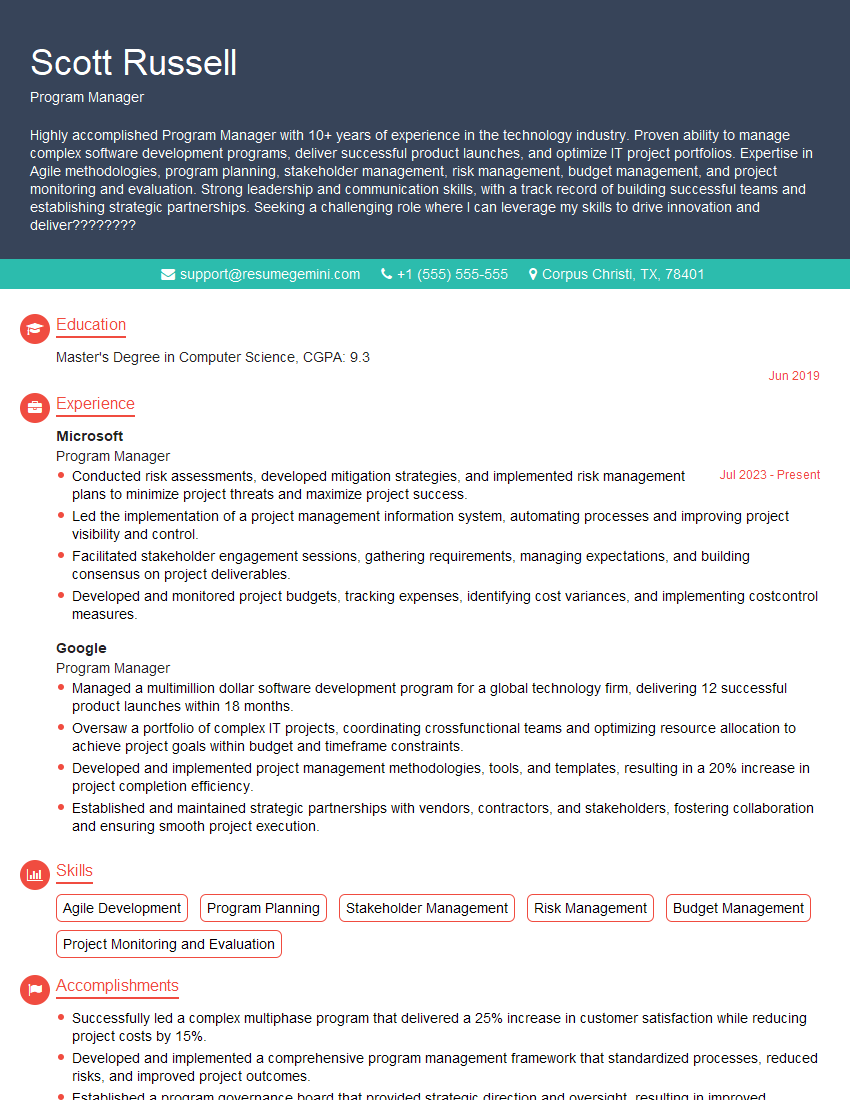
Program Manager Resume Sample

Operations Manager Resume Sample
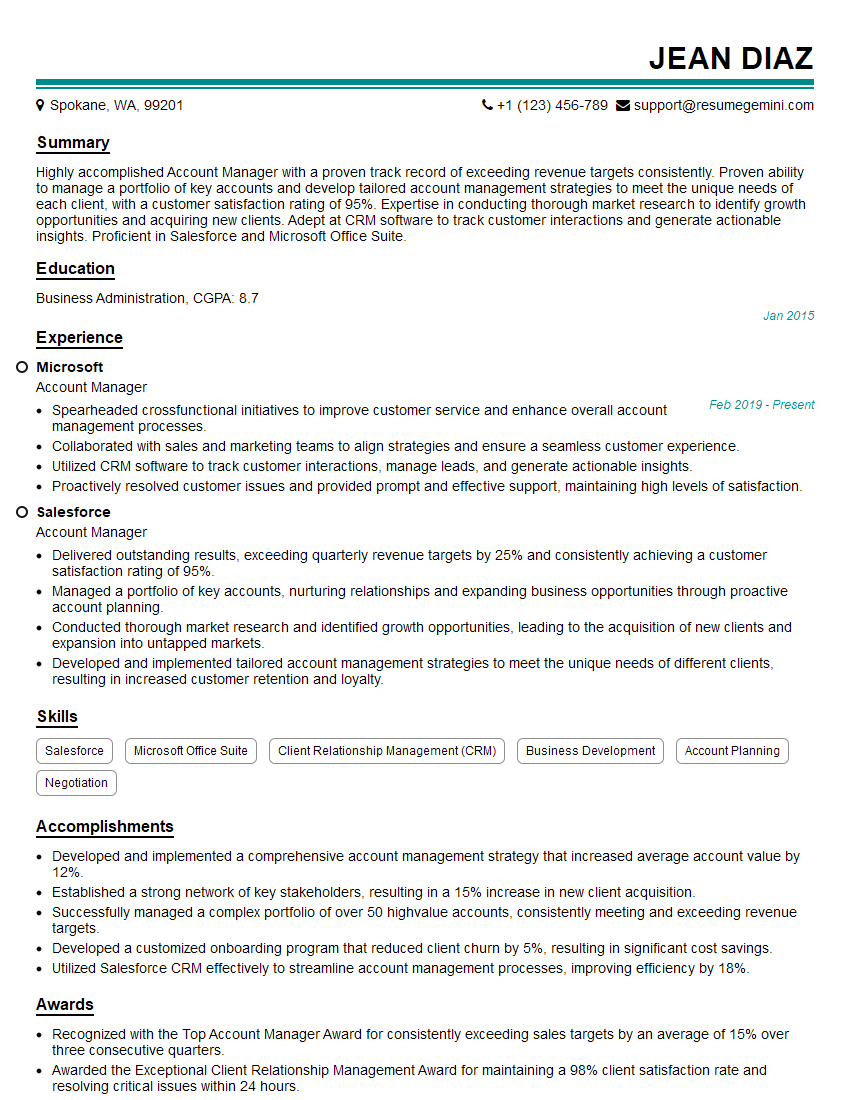
Account Manager Resume Sample
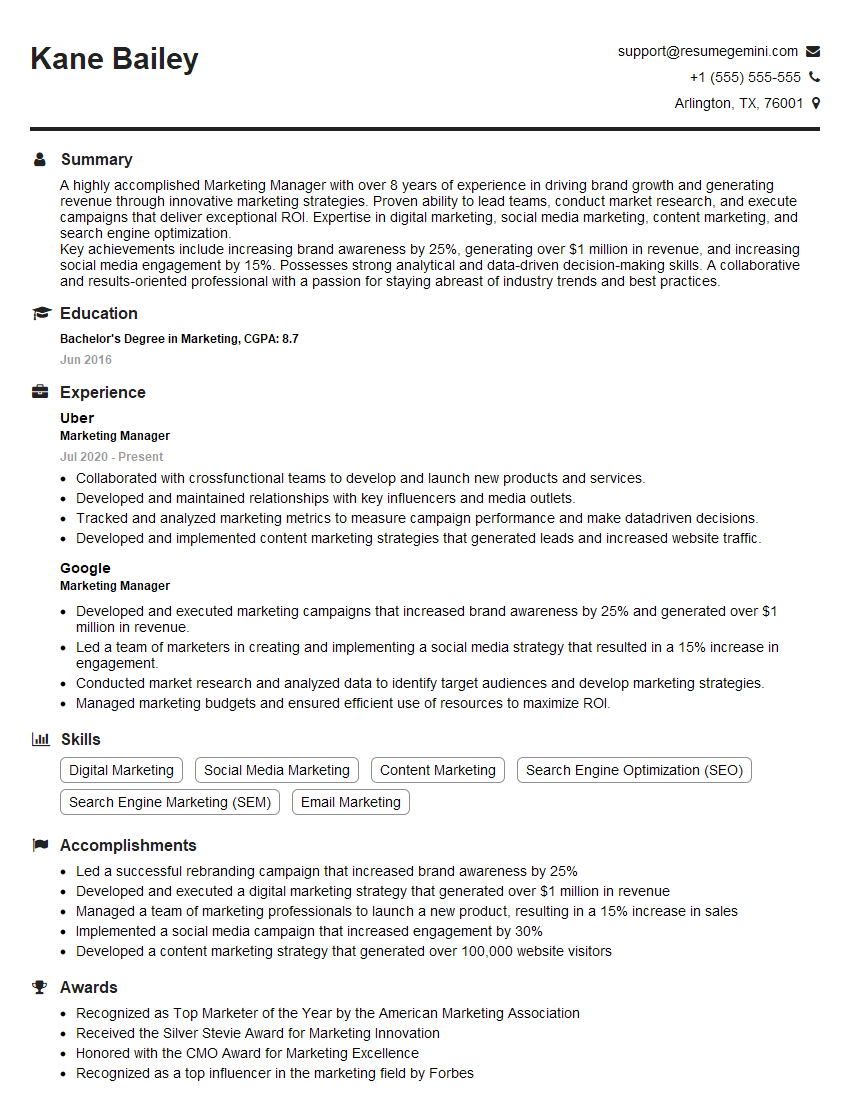
Marketing Manager Resume Sample
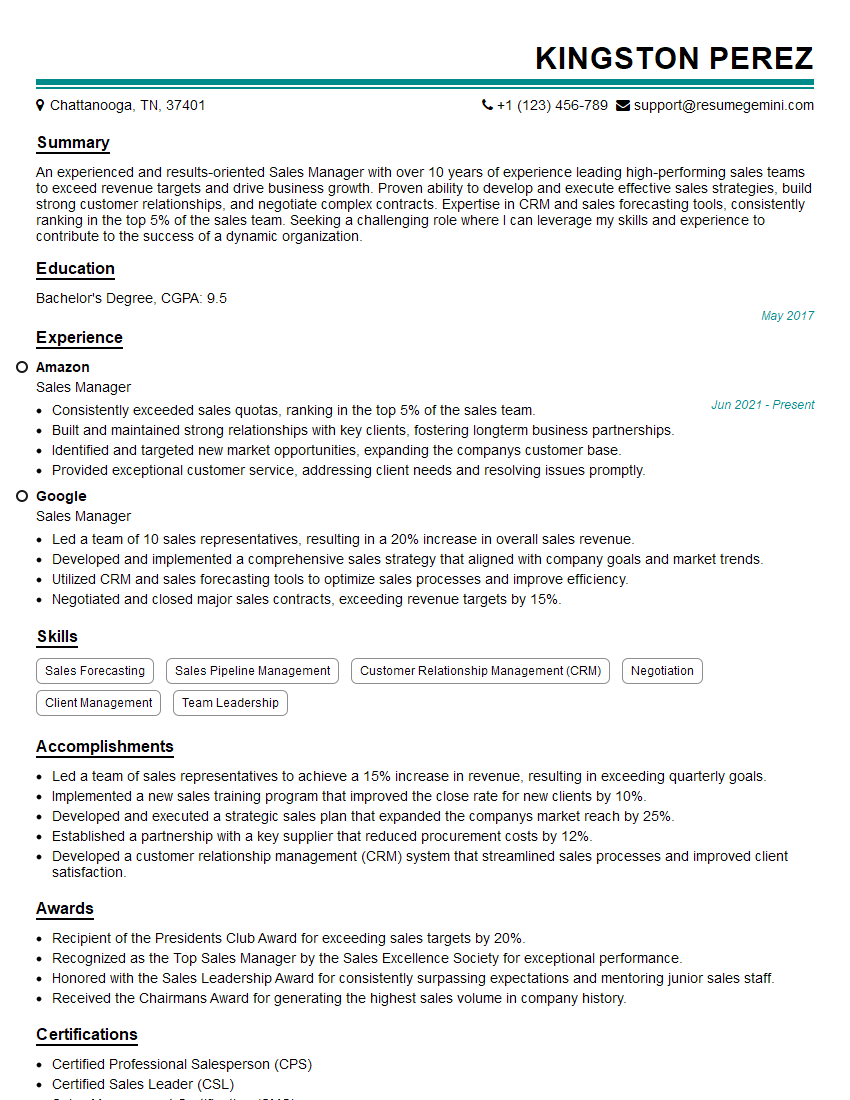
Sales Manager Resume Sample
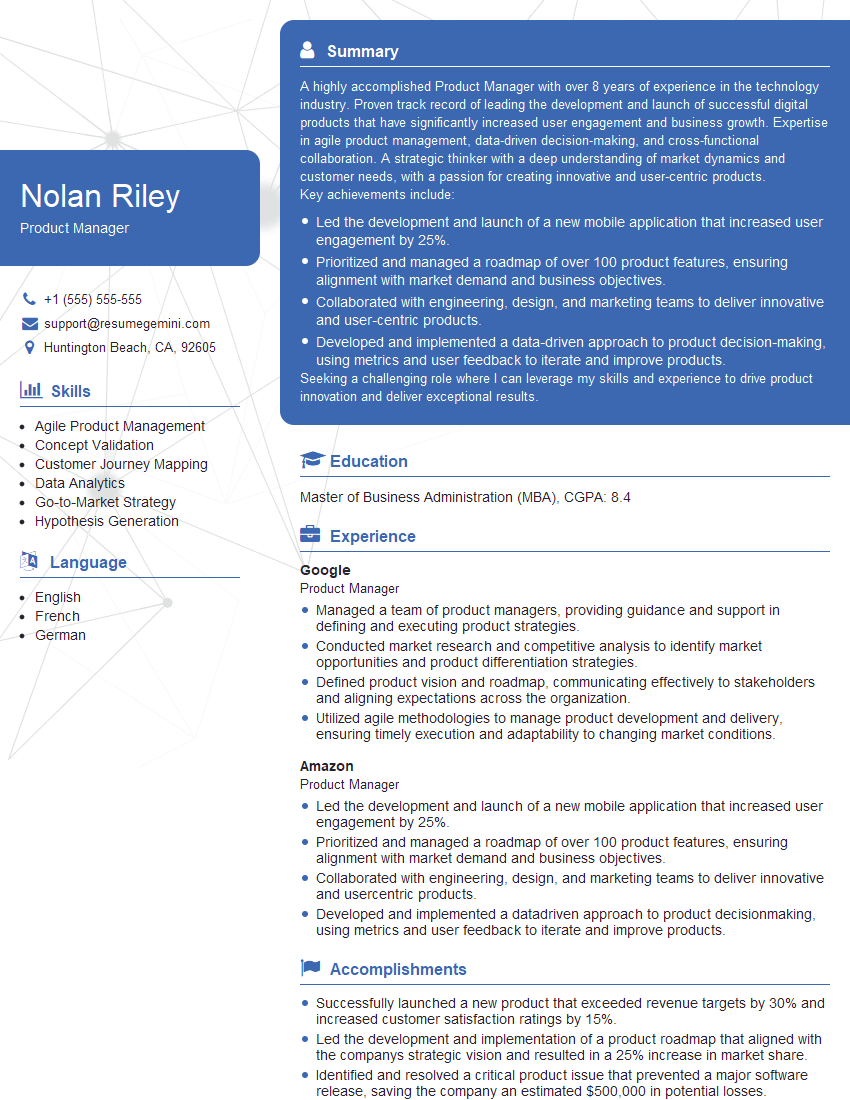
Product Manager Resume Sample

Communications Manager Resume Sample

Knowledge Manager Resume Sample
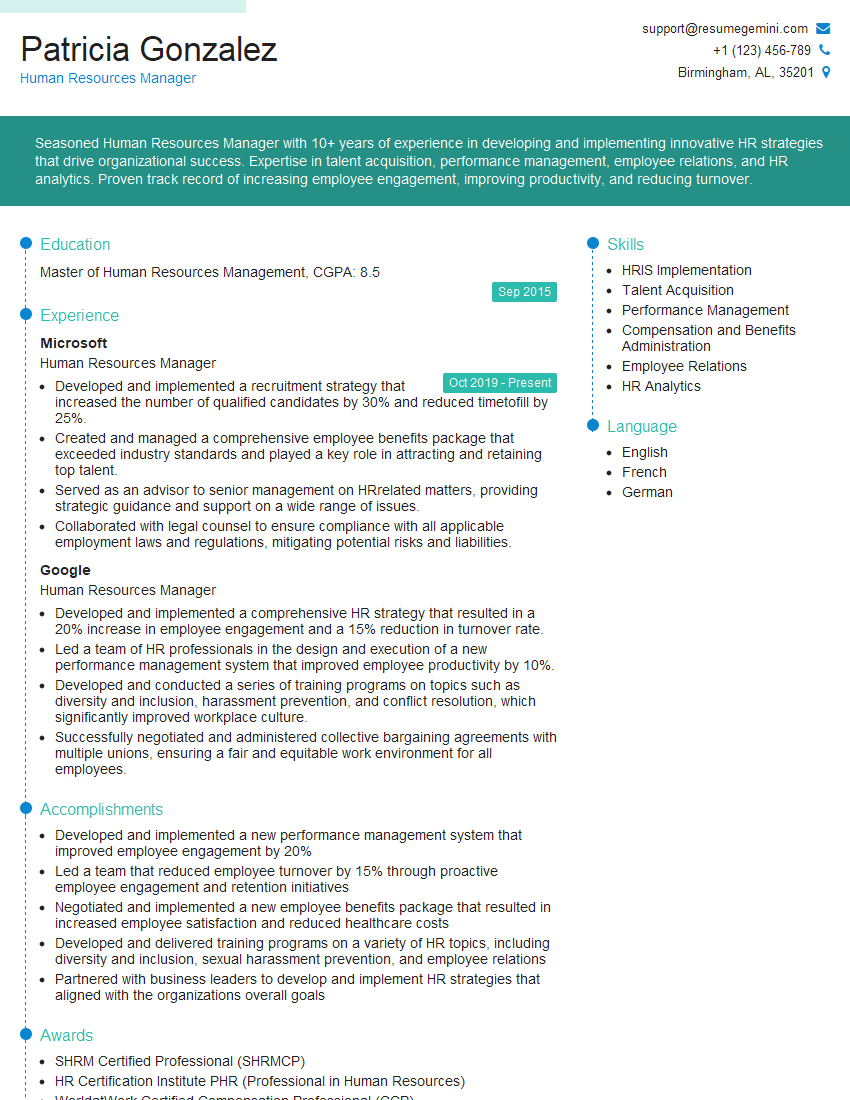
Human Resources Manager Resume Sample

Project Manager Resume Sample
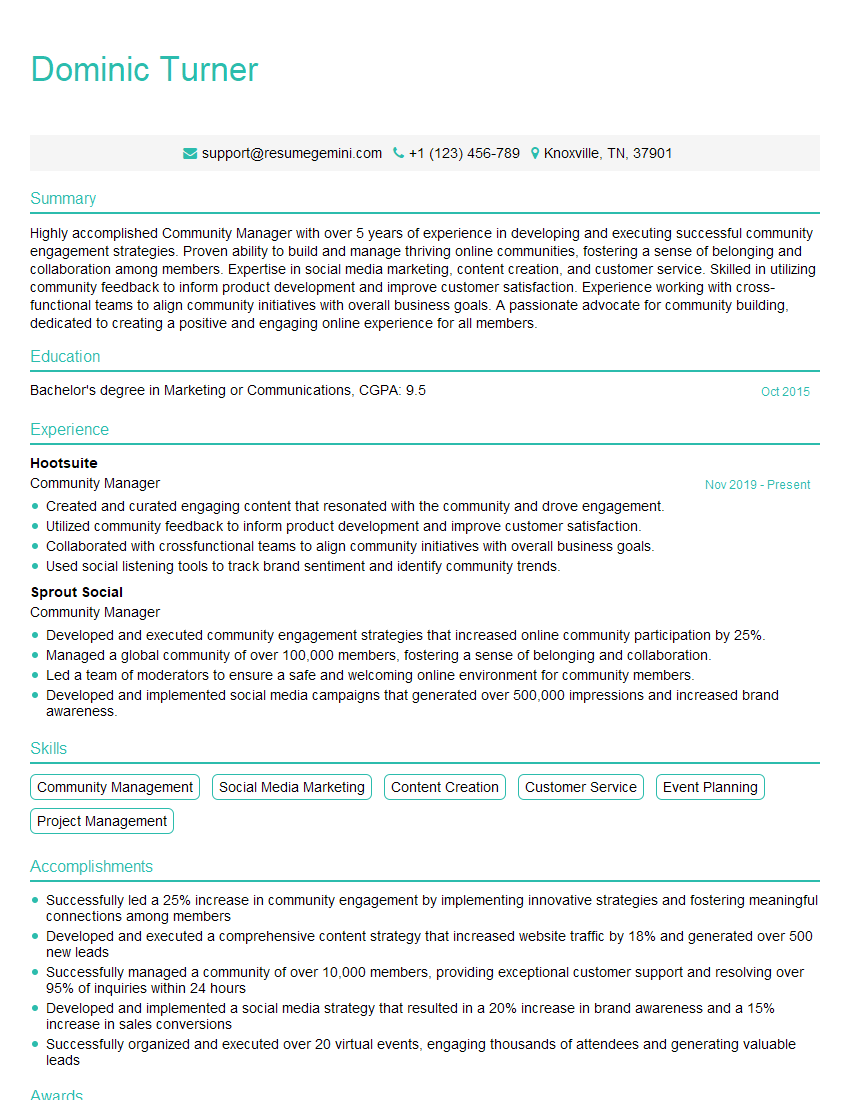
Community Manager Resume Sample

Business Analyst Resume Sample

Training Specialist Resume Sample
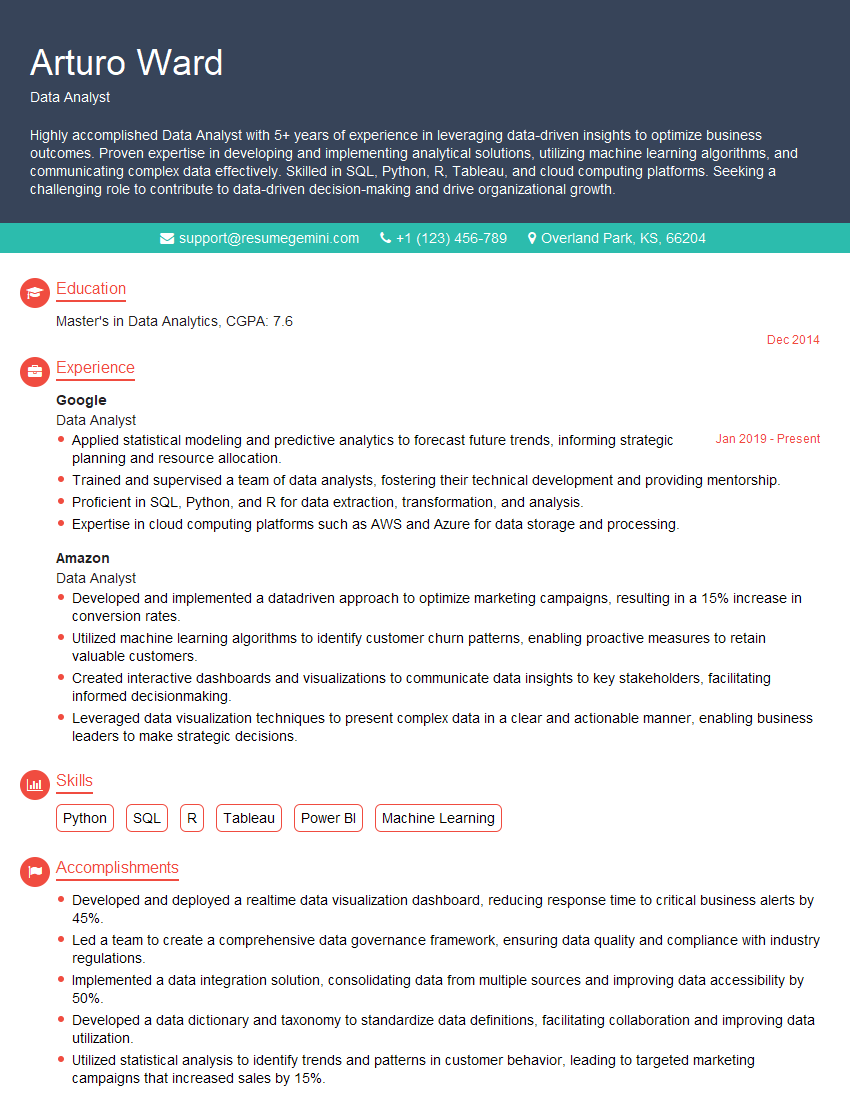
Data Analyst Resume Sample
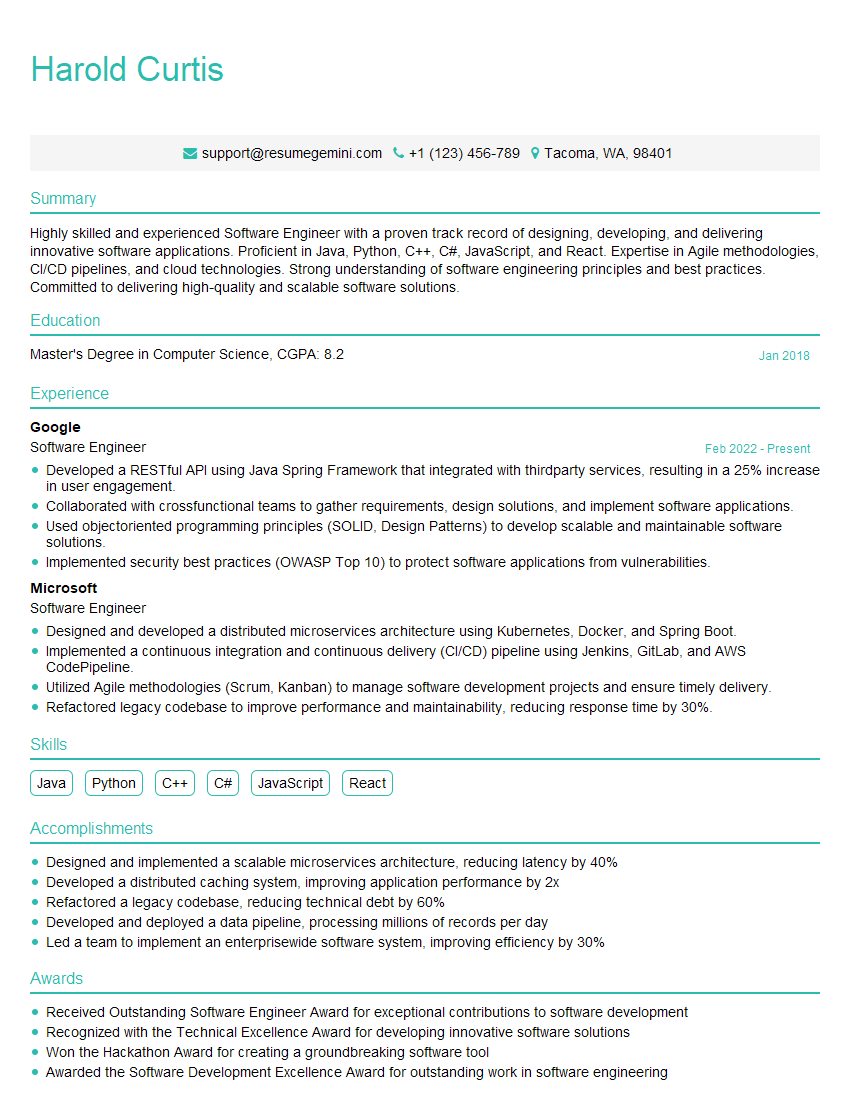
Software Engineer Resume Sample

Information Architect Resume Sample
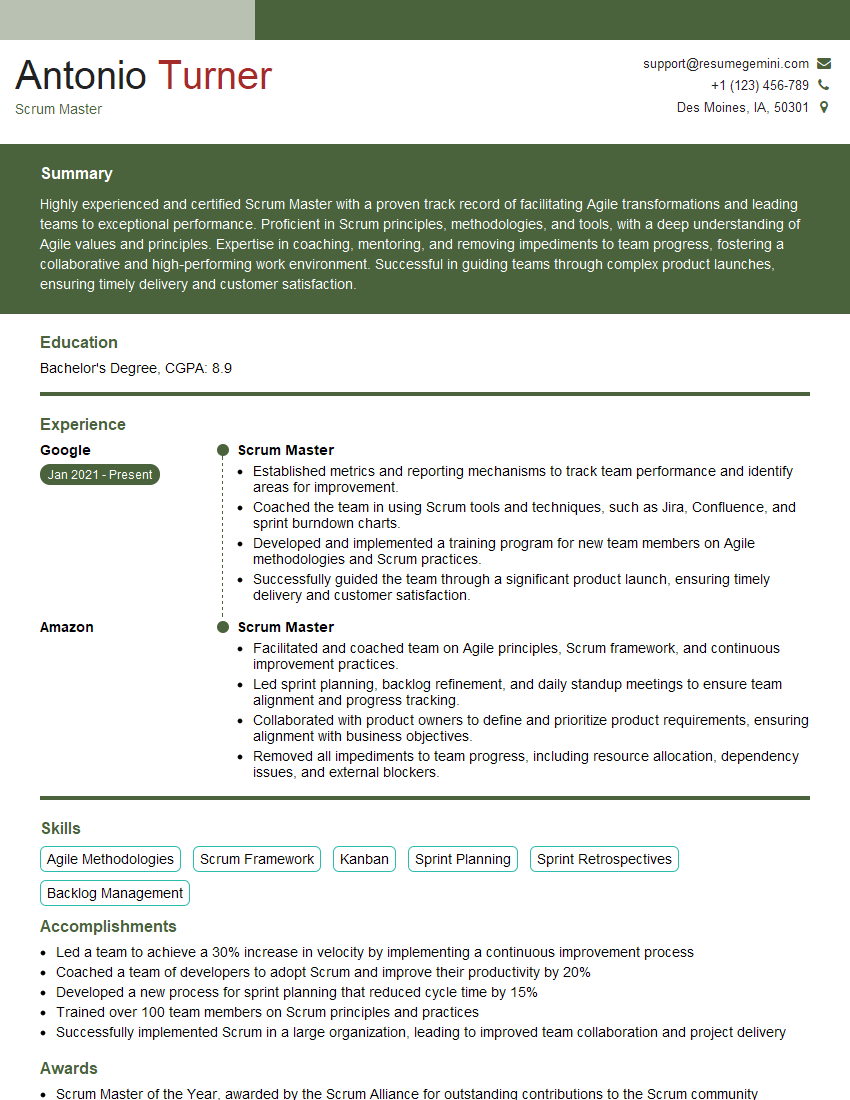
Scrum Master Resume Sample

Technical Writer Resume Sample
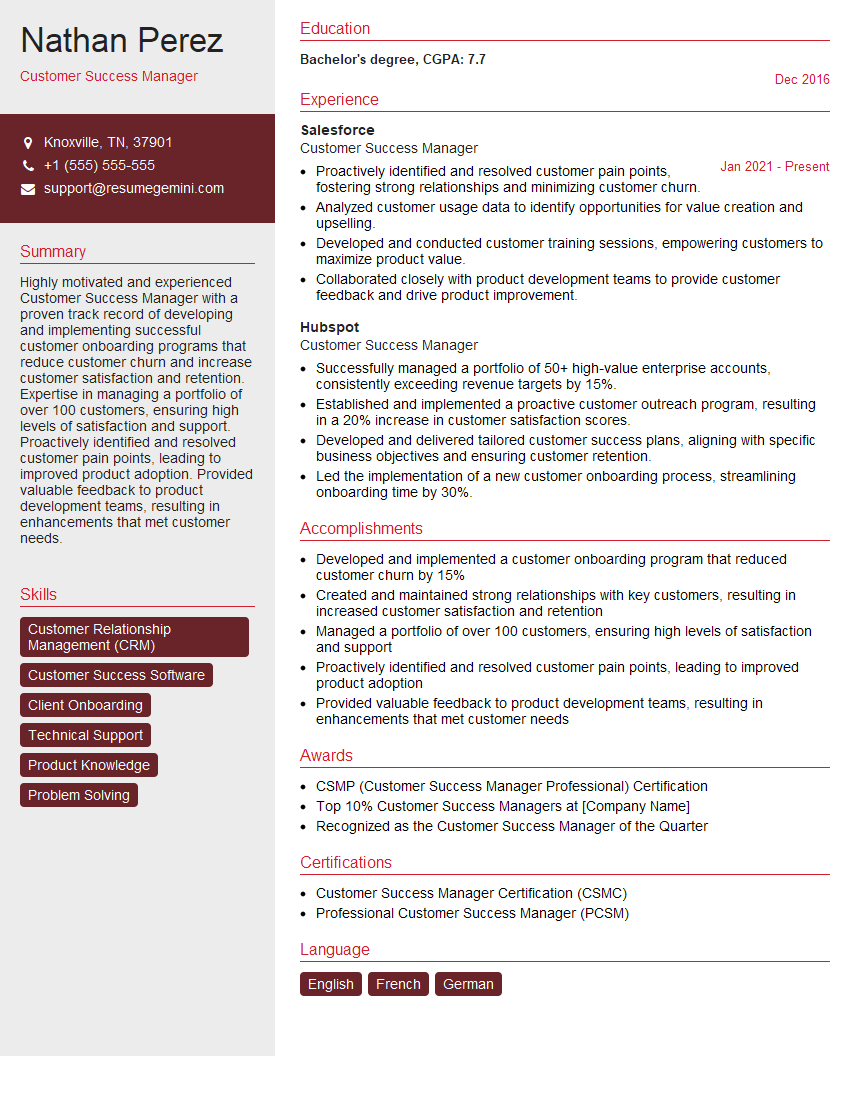
Customer Success Manager Resume Sample
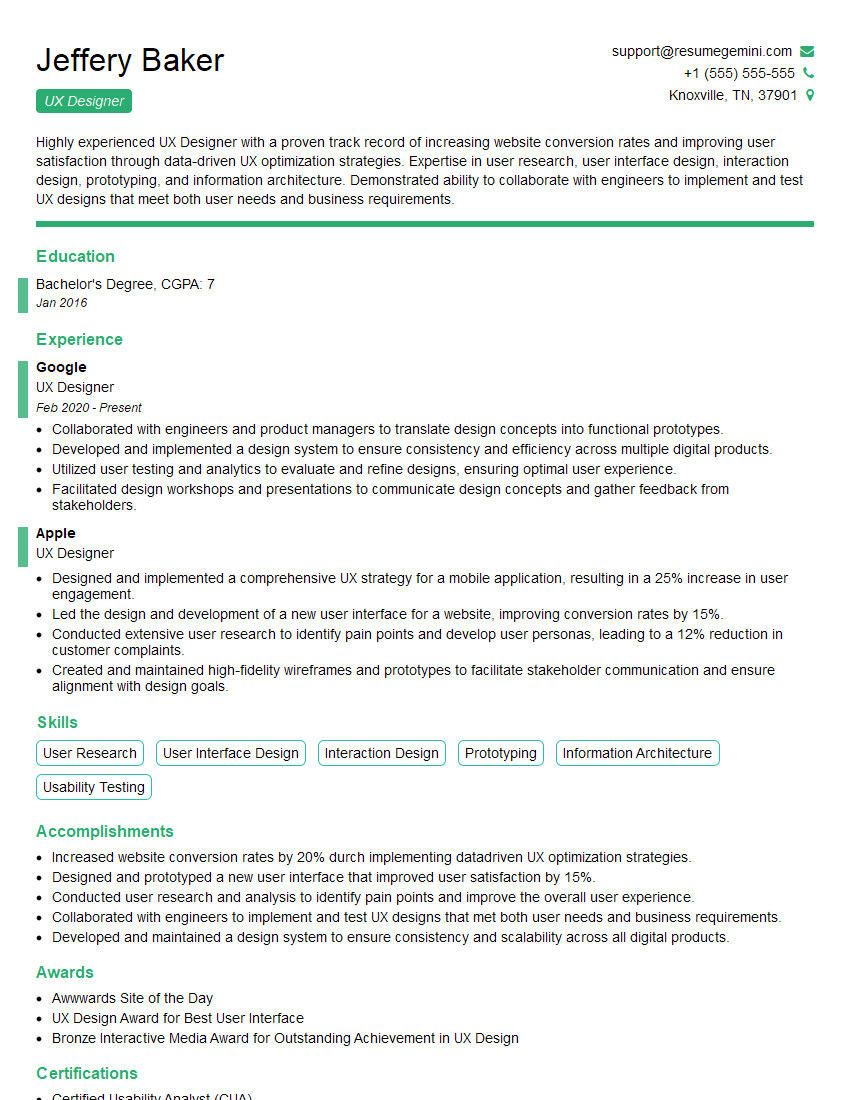
UX Designer Resume Sample
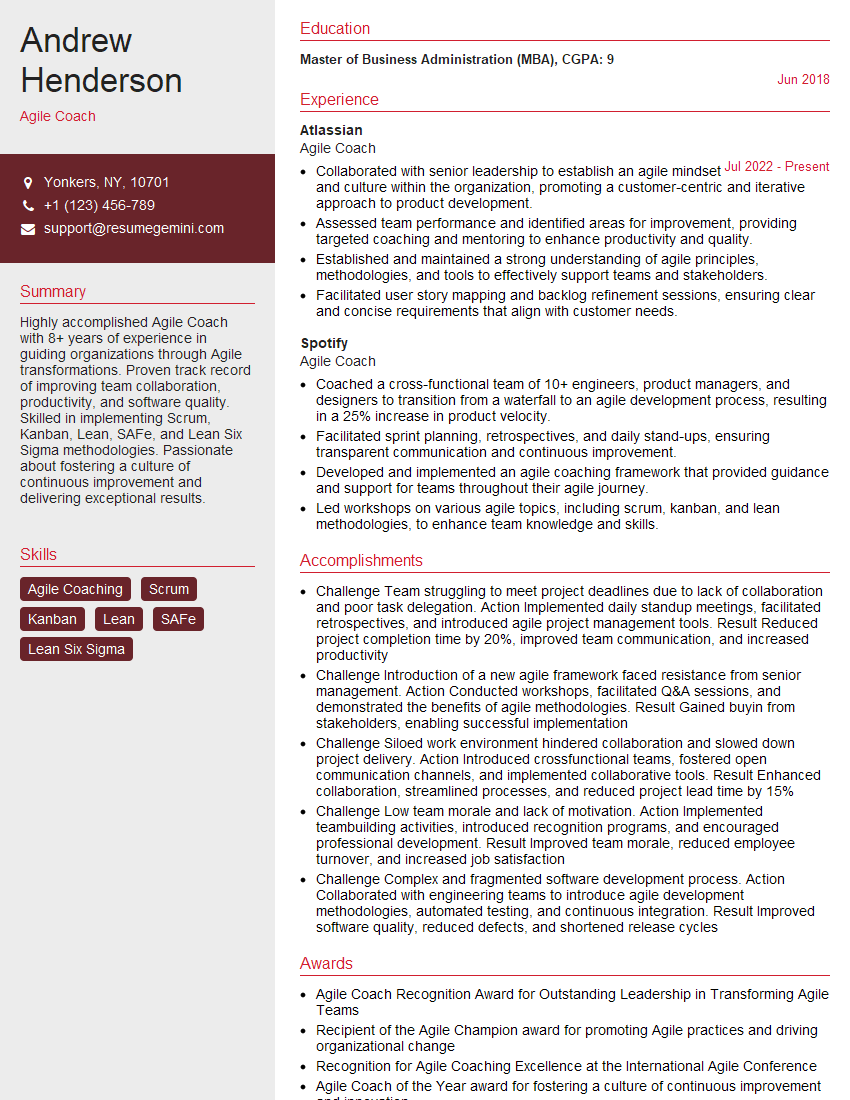
Agile Coach Resume Sample
- Program Manager
- Operations Manager
- Account Manager
- Marketing Manager
- Sales Manager
- Product Manager
- Communications Manager
- Knowledge Manager
- Human Resources Manager
- Project Manager
- Community Manager
- Business Analyst
- Training Specialist
- Data Analyst
- Software Engineer
- Information Architect
- Scrum Master
- Technical Writer
- Customer Success Manager
- UX Designer
- Agile Coach
Explore more articles
Users Rating of Our Blogs
Share Your Experience
We value your feedback! Please rate our content and share your thoughts (optional).
What Readers Say About Our Blog
Attention music lovers!
Wow, All the best Sax Summer music !!!
Spotify: https://open.spotify.com/artist/6ShcdIT7rPVVaFEpgZQbUk
Apple Music: https://music.apple.com/fr/artist/jimmy-sax-black/1530501936
YouTube: https://music.youtube.com/browse/VLOLAK5uy_noClmC7abM6YpZsnySxRqt3LoalPf88No
Other Platforms and Free Downloads : https://fanlink.tv/jimmysaxblack
on google : https://www.google.com/search?q=22+AND+22+AND+22
on ChatGPT : https://chat.openai.com?q=who20jlJimmy20Black20Sax20Producer
Get back into the groove with Jimmy sax Black
Best regards,
Jimmy sax Black
www.jimmysaxblack.com
Hi I am a troller at The aquatic interview center and I suddenly went so fast in Roblox and it was gone when I reset.
Hi,
Business owners spend hours every week worrying about their website—or avoiding it because it feels overwhelming.
We’d like to take that off your plate:
$69/month. Everything handled.
Our team will:
Design a custom website—or completely overhaul your current one
Take care of hosting as an option
Handle edits and improvements—up to 60 minutes of work included every month
No setup fees, no annual commitments. Just a site that makes a strong first impression.
Find out if it’s right for you:
https://websolutionsgenius.com/awardwinningwebsites
Hello,
we currently offer a complimentary backlink and URL indexing test for search engine optimization professionals.
You can get complimentary indexing credits to test how link discovery works in practice.
No credit card is required and there is no recurring fee.
You can find details here:
https://wikipedia-backlinks.com/indexing/
Regards
NICE RESPONSE TO Q & A
hi
The aim of this message is regarding an unclaimed deposit of a deceased nationale that bears the same name as you. You are not relate to him as there are millions of people answering the names across around the world. But i will use my position to influence the release of the deposit to you for our mutual benefit.
Respond for full details and how to claim the deposit. This is 100% risk free. Send hello to my email id: lukachachibaialuka@gmail.com
Luka Chachibaialuka
Hey interviewgemini.com, just wanted to follow up on my last email.
We just launched Call the Monster, an parenting app that lets you summon friendly ‘monsters’ kids actually listen to.
We’re also running a giveaway for everyone who downloads the app. Since it’s brand new, there aren’t many users yet, which means you’ve got a much better chance of winning some great prizes.
You can check it out here: https://bit.ly/callamonsterapp
Or follow us on Instagram: https://www.instagram.com/callamonsterapp
Thanks,
Ryan
CEO – Call the Monster App
Hey interviewgemini.com, I saw your website and love your approach.
I just want this to look like spam email, but want to share something important to you. We just launched Call the Monster, a parenting app that lets you summon friendly ‘monsters’ kids actually listen to.
Parents are loving it for calming chaos before bedtime. Thought you might want to try it: https://bit.ly/callamonsterapp or just follow our fun monster lore on Instagram: https://www.instagram.com/callamonsterapp
Thanks,
Ryan
CEO – Call A Monster APP
To the interviewgemini.com Owner.
Dear interviewgemini.com Webmaster!
Hi interviewgemini.com Webmaster!
Dear interviewgemini.com Webmaster!
excellent
Hello,
We found issues with your domain’s email setup that may be sending your messages to spam or blocking them completely. InboxShield Mini shows you how to fix it in minutes — no tech skills required.
Scan your domain now for details: https://inboxshield-mini.com/
— Adam @ InboxShield Mini
support@inboxshield-mini.com
Reply STOP to unsubscribe
Hi, are you owner of interviewgemini.com? What if I told you I could help you find extra time in your schedule, reconnect with leads you didn’t even realize you missed, and bring in more “I want to work with you” conversations, without increasing your ad spend or hiring a full-time employee?
All with a flexible, budget-friendly service that could easily pay for itself. Sounds good?
Would it be nice to jump on a quick 10-minute call so I can show you exactly how we make this work?
Best,
Hapei
Marketing Director
Hey, I know you’re the owner of interviewgemini.com. I’ll be quick.
Fundraising for your business is tough and time-consuming. We make it easier by guaranteeing two private investor meetings each month, for six months. No demos, no pitch events – just direct introductions to active investors matched to your startup.
If youR17;re raising, this could help you build real momentum. Want me to send more info?
Hi, I represent an SEO company that specialises in getting you AI citations and higher rankings on Google. I’d like to offer you a 100% free SEO audit for your website. Would you be interested?
Hi, I represent an SEO company that specialises in getting you AI citations and higher rankings on Google. I’d like to offer you a 100% free SEO audit for your website. Would you be interested?