Interviews are opportunities to demonstrate your expertise, and this guide is here to help you shine. Explore the essential Proficient in Data Collection and Interpretation interview questions that employers frequently ask, paired with strategies for crafting responses that set you apart from the competition.
Questions Asked in Proficient in Data Collection and Interpretation Interview
Q 1. Explain the difference between qualitative and quantitative data collection methods.
Qualitative and quantitative data collection methods differ fundamentally in their approach to information gathering. Qualitative data focuses on in-depth understanding of experiences, perspectives, and meanings. It uses methods like interviews, focus groups, and observations to collect rich, descriptive data. Think of it like painting a detailed picture of a phenomenon. Quantitative data, on the other hand, emphasizes numerical measurement and statistical analysis. It employs surveys, experiments, and structured observations to collect numerical data, aiming to quantify relationships and test hypotheses. Imagine this as creating a precise map of a landscape.
Example: Imagine researching customer satisfaction with a new product. A qualitative approach might involve conducting in-depth interviews with customers to understand their feelings and experiences. A quantitative approach might involve administering a survey with rating scales to measure customer satisfaction numerically.
Q 2. Describe your experience with various data collection tools and techniques.
Throughout my career, I’ve utilized a wide range of data collection tools and techniques, adapting my approach to the specific research question. For quantitative data, I’ve extensively used online survey platforms like SurveyMonkey and Qualtrics to distribute questionnaires to large samples. For structured data, I’ve leveraged APIs to collect data directly from databases and other digital sources. I am proficient in using R and Python for web scraping and data extraction from unstructured sources like websites or social media.
For qualitative data, I’m experienced in conducting semi-structured interviews, moderating focus groups, and performing ethnographic observations. I’ve employed transcription software to manage interview data and utilize qualitative data analysis software such as NVivo to organize and analyze textual data.
For example, in a recent project analyzing social media sentiment, I used Python with libraries like Tweepy to collect tweets, then employed natural language processing techniques to analyze the sentiment expressed.
Q 3. How do you ensure the accuracy and reliability of your data collection process?
Ensuring data accuracy and reliability is paramount. My approach involves a multi-faceted strategy. First, I meticulously design the data collection instruments (e.g., questionnaires, interview guides) to ensure clarity, avoid ambiguity, and minimize bias. This involves pilot testing to refine instruments and identify any potential issues.
Second, I implement rigorous quality control measures during data collection. This includes double-checking data entry, employing standardized procedures, and training data collectors thoroughly. For example, in a large-scale survey, we might use double-data entry to detect and correct errors.
Third, I use appropriate statistical methods to assess data quality. This includes calculating reliability measures (e.g., Cronbach’s alpha for internal consistency) and validity measures (e.g., content validity, construct validity) to ensure data reflects what it is intended to measure. Any inconsistencies or issues are systematically addressed.
Q 4. What methods do you use to clean and prepare data for analysis?
Data cleaning and preparation are crucial steps before analysis. My process begins with identifying and handling missing data (discussed in the next answer). Next, I check for inconsistencies in data format (e.g., dates, numbers). Then, I look for outliers and unusual values. I might use box plots and histograms to visualize the data and identify potential issues.
Data transformation is often necessary. This might involve recoding variables, creating new variables, or standardizing variables to improve data analysis. For instance, I might transform a skewed variable using logarithmic transformation to improve normality.
Finally, I verify data integrity by carefully checking the cleaned data. I use various programming languages such as R and Python with libraries like pandas and dplyr to automate this process, ensuring efficient and reproducible data cleaning.
Q 5. Explain your approach to handling missing data in a dataset.
Missing data is a common challenge in research. My approach depends on the extent and pattern of missing data. For small amounts of missing data (less than 5%), I might use listwise deletion, removing cases with any missing values. However, this method can lead to bias if missing data is not random.
For larger amounts of missing data, or if missingness is not random, I often employ imputation techniques. This involves estimating the missing values based on observed data. Common methods include mean/median imputation, regression imputation, and multiple imputation. Multiple imputation is generally preferred as it considers the uncertainty in the imputed values. The choice of imputation method depends on the nature of the data and the missingness mechanism.
I always document my missing data handling strategy, acknowledging its potential limitations and impact on the analysis.
Q 6. How do you identify and address outliers in your data?
Outliers, extreme values that deviate significantly from the rest of the data, can distort analysis and mislead conclusions. I identify outliers using visual methods (box plots, scatter plots) and statistical methods (z-scores, interquartile range (IQR)).
My approach to handling outliers depends on their cause. If an outlier is due to a data entry error, I correct it. If it’s a genuine extreme value, I might either transform the data (e.g., using logarithmic transformation) or use robust statistical methods (e.g., median instead of mean) that are less sensitive to outliers. In some cases, I might exclude outliers but only after carefully considering the potential implications and justifying the decision.
Always investigate the reason for an outlier before deciding how to handle it. It might signal an important finding that requires further investigation.
Q 7. Describe your experience with data visualization tools and techniques.
Data visualization is essential for effective communication and understanding. I’m proficient in using various tools and techniques to create compelling visuals. I utilize software like Tableau and Power BI for interactive dashboards, and programming languages like R and Python (with libraries such as ggplot2 and matplotlib) for creating customized visualizations.
My approach focuses on selecting the appropriate chart type for the data and the research question. For example, I might use bar charts for categorical data, scatter plots for relationships between two continuous variables, and heatmaps for visualizing correlations. I pay careful attention to creating clear and concise visuals with appropriate labels, titles, and legends to enhance readability and interpretation.
In a recent project, I used Tableau to create an interactive dashboard that allowed stakeholders to explore sales data across different regions and time periods. The ability to filter and drill down into the data proved extremely helpful in uncovering key insights.
Q 8. How do you interpret correlation vs. causation in data analysis?
Correlation measures the association between two variables, indicating whether they tend to change together. Causation, however, implies that one variable directly influences another. A correlation doesn’t necessarily mean causation. Think of it like this: ice cream sales and crime rates might be correlated (both increase in summer), but ice cream doesn’t cause crime. A confounding variable – the warm weather – affects both.
In data analysis, we use statistical methods like regression analysis to explore correlations. However, establishing causation requires more rigorous methods, such as randomized controlled trials or carefully designed observational studies that control for confounding variables. We look for temporal precedence (cause precedes effect), a strong correlation, and the absence of plausible alternative explanations.
For example, if we observe a correlation between hours spent studying and exam scores, we might suspect a causal relationship. However, other factors like prior knowledge or study techniques could influence the exam score. Further investigation, perhaps using regression analysis to control for these factors, would be needed to establish a stronger causal link.
Q 9. Explain different data sampling techniques and their applications.
Data sampling is crucial when dealing with large datasets. It allows us to analyze a representative subset of the data, saving time and resources while still drawing meaningful conclusions about the entire population. Several techniques exist, each with its advantages and disadvantages:
- Simple Random Sampling: Every data point has an equal chance of being selected. This is straightforward but may not be representative if the population is heterogeneous.
- Stratified Sampling: The population is divided into subgroups (strata), and random samples are drawn from each stratum. This ensures representation from all subgroups, particularly useful if certain groups are underrepresented.
- Cluster Sampling: The population is divided into clusters (e.g., geographical regions), and some clusters are randomly selected for analysis. All data points within the selected clusters are included. This is efficient for geographically dispersed data.
- Systematic Sampling: Data points are selected at regular intervals from an ordered list. Simple but can be problematic if there’s a pattern in the data that aligns with the sampling interval.
- Convenience Sampling: Data points are selected based on ease of access. This is biased and should be avoided for rigorous analysis unless specifically chosen for a particular exploratory purpose.
The choice of sampling technique depends on the research question, the nature of the data, and the available resources. For instance, stratified sampling would be ideal for studying consumer preferences across different age groups, while cluster sampling might be more suitable for surveying opinions across different cities.
Q 10. How do you choose the appropriate statistical method for a given dataset?
Choosing the right statistical method depends on several factors: the type of data (categorical, numerical, continuous), the research question (e.g., comparing means, identifying relationships, making predictions), and the assumptions of the method. There’s no one-size-fits-all solution, but a systematic approach is crucial.
First, I’d carefully examine the data’s characteristics. Is it normally distributed? Are there outliers? What’s the scale of measurement? Next, I’d clearly define the research question. Am I trying to compare groups, find correlations, or build a predictive model? Based on these, I would consider several options and evaluate their suitability based on the data’s characteristics and the validity of underlying assumptions.
For example, if I want to compare the average income of two groups, a t-test might be appropriate if the data is normally distributed. If the data is non-normal, a non-parametric test like the Mann-Whitney U test would be more suitable. For identifying relationships between variables, correlation analysis or regression analysis would be considered depending on the type of variables and the desired outcome.
Q 11. Describe your experience with hypothesis testing.
Hypothesis testing is a cornerstone of statistical inference. It involves formulating a hypothesis (a testable statement about a population parameter), collecting data, and then using statistical methods to determine if the data provides enough evidence to reject the null hypothesis (the hypothesis of no effect or no difference).
My experience includes using a variety of hypothesis tests, such as t-tests, ANOVA (Analysis of Variance), chi-square tests, and more advanced tests like regression analysis with hypothesis testing for individual coefficients. I am proficient in interpreting p-values and understanding the concept of statistical significance. I also understand the importance of controlling for Type I and Type II errors and choosing appropriate significance levels based on the context.
For instance, in a clinical trial evaluating a new drug, I might test the null hypothesis that there is no difference in effectiveness between the drug and a placebo. By analyzing the data from the trial using a t-test, I would determine if there is enough statistical evidence to reject the null hypothesis and conclude that the drug is indeed effective.
Q 12. How do you communicate complex data analysis results to a non-technical audience?
Communicating complex data analysis results to a non-technical audience requires clear, concise language and effective visualization. I avoid jargon and technical terms, focusing instead on using plain language and relatable analogies.
My approach usually includes a combination of:
- Visualizations: Charts, graphs, and dashboards are powerful tools for conveying information quickly and efficiently. I’d choose the most appropriate chart type (e.g., bar chart, line graph, pie chart) depending on the data and the message.
- Storytelling: I frame the results within a narrative, emphasizing the key findings and their implications. I start with a clear, concise summary of the main points and then gradually add detail as needed.
- Analogies and metaphors: These can help make complex concepts more understandable. For example, I might compare a statistical concept to something familiar from everyday life.
- Interactive elements: If appropriate, I might use interactive dashboards or presentations to allow the audience to explore the data at their own pace.
For example, instead of saying ‘The p-value was less than 0.05, indicating statistical significance,’ I might say, ‘Our analysis shows a strong likelihood that the observed effect is real, not due to chance.’
Q 13. What are the ethical considerations in data collection and analysis?
Ethical considerations in data collection and analysis are paramount. My approach is guided by principles of fairness, transparency, and respect for individuals’ rights and privacy.
Key ethical considerations include:
- Informed consent: Participants must be fully informed about the purpose of the data collection and how their data will be used. They must give their explicit consent to participate.
- Data privacy and security: Data must be collected, stored, and used in a way that protects individuals’ privacy. Appropriate security measures must be in place to prevent unauthorized access or disclosure.
- Data integrity and accuracy: Data must be collected and analyzed in a rigorous and unbiased manner. Any potential biases or limitations of the data must be clearly disclosed.
- Confidentiality: Data should be anonymized or pseudonymized whenever possible to protect the identity of participants.
- Avoiding bias: Researchers should be aware of and actively mitigate potential biases in data collection and analysis, ensuring fairness and equitable representation.
- Responsible use of data: The data should only be used for its intended purpose and not for discriminatory or unethical practices.
These ethical considerations guide my decision-making throughout the entire data lifecycle, from design to dissemination of results.
Q 14. How do you handle large datasets efficiently?
Handling large datasets efficiently requires a combination of technical skills and strategic thinking. I utilize several techniques to manage and analyze these datasets effectively:
- Data sampling: As previously discussed, sampling allows for analyzing representative subsets of large datasets, significantly reducing processing time and resources.
- Distributed computing: For extremely large datasets, I leverage distributed computing frameworks like Apache Spark or Hadoop to parallelize the processing across multiple machines.
- Data compression: Techniques like gzip or other specialized compression methods can significantly reduce storage space and improve processing speeds.
- Database technologies: Relational databases (e.g., PostgreSQL, MySQL) and NoSQL databases (e.g., MongoDB, Cassandra) are designed to manage and query large volumes of data efficiently. I choose the most appropriate database based on the data structure and the type of analysis.
- Data warehousing and ETL processes: For complex analytical tasks, a data warehouse can centralize and clean data from various sources. ETL (Extract, Transform, Load) processes facilitate this integration and transformation.
- Data visualization tools: Tools designed for large datasets (e.g., Tableau, Power BI) provide efficient ways to explore and visualize patterns in the data.
The specific methods chosen depend on the data’s characteristics and the analytical goals. For example, for real-time analytics, streaming data platforms might be more appropriate, while for batch processing, Hadoop or Spark would be considered.
Q 15. Describe your experience with SQL or other database query languages.
My experience with SQL and other database query languages is extensive. I’ve used SQL extensively throughout my career, from simple data retrieval to complex data manipulation and analysis. I’m proficient in writing queries using various clauses like SELECT, FROM, WHERE, JOIN, GROUP BY, and HAVING to extract meaningful insights from relational databases. For instance, in a previous role analyzing customer purchase data, I used SQL to identify high-value customers by querying sales data, grouping it by customer ID, and then filtering for customers with total purchase amounts exceeding a certain threshold. Beyond SQL, I’ve also worked with NoSQL databases like MongoDB, using their query languages to handle unstructured or semi-structured data, such as user profiles and log files. This versatility allows me to adapt to different data structures and extract relevant information effectively.
For example, I once used a complex JOIN operation in SQL to combine sales data from multiple tables – a product table, a customer table, and a transaction table – to analyze sales trends across different product categories and customer segments. The query efficiently integrated data from various sources, creating a comprehensive view that simplified trend analysis and informed targeted marketing strategies.
Career Expert Tips:
- Ace those interviews! Prepare effectively by reviewing the Top 50 Most Common Interview Questions on ResumeGemini.
- Navigate your job search with confidence! Explore a wide range of Career Tips on ResumeGemini. Learn about common challenges and recommendations to overcome them.
- Craft the perfect resume! Master the Art of Resume Writing with ResumeGemini’s guide. Showcase your unique qualifications and achievements effectively.
- Don’t miss out on holiday savings! Build your dream resume with ResumeGemini’s ATS optimized templates.
Q 16. How do you use data to identify trends and patterns?
Identifying trends and patterns in data involves a combination of exploratory data analysis (EDA) and statistical methods. I typically start with EDA techniques, visualizing data through histograms, scatter plots, and box plots to understand its distribution and identify potential outliers or anomalies. For example, if analyzing website traffic data, I might create a line graph showing website visits over time to detect seasonal patterns or sudden spikes. This visual inspection often reveals initial patterns.
Beyond visualization, I employ statistical techniques like correlation analysis to quantify relationships between variables. For example, analyzing customer purchase data and website activity, I can see if there’s a correlation between time spent on a product page and likelihood of purchase. Furthermore, time series analysis is crucial for understanding trends over time. I often use techniques like moving averages and exponential smoothing to identify underlying trends within noisy time series data. For instance, to forecast future sales, I’d apply these techniques to historical sales data, smoothing out random fluctuations to reveal the underlying sales growth trend.
Q 17. Explain your experience with data mining techniques.
My experience with data mining techniques is quite extensive, encompassing various methods for discovering patterns and insights in large datasets. I’m proficient in techniques like association rule mining (using algorithms like Apriori), which helps uncover relationships between items. For instance, in retail, this could reveal that customers who buy diapers often also buy baby wipes, enabling targeted promotions. I also have experience with clustering techniques like k-means and hierarchical clustering to group similar data points together. This can be used to segment customers based on their purchasing behavior or to identify different types of website visitors.
Furthermore, I’ve utilized classification algorithms, such as decision trees and logistic regression, to predict outcomes based on input features. For example, I’ve used these techniques to predict customer churn by analyzing features like customer tenure, spending habits, and customer service interactions. Each technique serves a different purpose, and choosing the appropriate method depends on the specific problem and the nature of the data.
Q 18. How do you evaluate the effectiveness of your data analysis?
Evaluating the effectiveness of data analysis is crucial. I use a multi-faceted approach involving both quantitative and qualitative measures. Quantitatively, I assess the accuracy of predictive models using metrics such as precision, recall, F1-score, and AUC (Area Under the Curve). For example, if building a model to predict customer churn, these metrics will tell me how well the model predicts actual churn. The choice of metric depends on the business context; for example, in fraud detection, minimizing false negatives (high recall) might be prioritized.
Qualitatively, I assess the insights gained. Do the findings align with business expectations? Are the insights actionable? I often present my findings to stakeholders and solicit feedback, ensuring that the analysis is relevant and contributes to informed decision-making. For example, if my analysis suggests a new marketing campaign targeting a specific customer segment, the success of that campaign would be a key measure of the effectiveness of the underlying analysis. It’s critical to remember that the value of data analysis is not solely in the numbers but in the impact it has on strategic business decisions.
Q 19. Describe your experience with A/B testing or similar experimental designs.
I have extensive experience with A/B testing and other experimental designs. A/B testing is a powerful method for comparing two versions of something (e.g., a website, an advertisement) to see which performs better. I’ve designed and executed numerous A/B tests to optimize website elements, email campaigns, and marketing materials. This involves carefully defining the hypotheses, selecting appropriate sample sizes, randomizing participants, and analyzing the results using statistical tests to ensure that observed differences are statistically significant and not due to random chance.
For example, in a recent project, we tested two different versions of a landing page. One version emphasized the product’s features, while the other focused on customer benefits. By tracking conversion rates (e.g., purchases or sign-ups), we determined which version was more effective. Beyond A/B testing, I understand the principles of more complex experimental designs, including factorial designs and multivariate testing, which allow for testing multiple variables simultaneously. These designs are more efficient than running numerous separate A/B tests.
Q 20. How do you stay updated on the latest advancements in data analysis techniques?
Staying updated in the rapidly evolving field of data analysis is paramount. I actively participate in online courses from platforms like Coursera and edX to learn about new techniques and tools. I regularly read research papers and industry publications, such as the Journal of the American Statistical Association or Towards Data Science, to keep abreast of the latest developments in data science. I also attend conferences and workshops to network with other professionals and learn from their experiences.
Furthermore, I actively engage with online communities and forums dedicated to data science and analytics. This provides exposure to practical challenges and innovative solutions being implemented in the industry. Participating in these activities not only keeps my skills sharp but also ensures I’m aware of the latest trends and best practices in the field.
Q 21. What is your experience with data warehousing and business intelligence?
My experience with data warehousing and business intelligence (BI) is significant. I’ve worked with various data warehousing architectures, including star schemas and snowflake schemas, to design and implement efficient data storage solutions for analytical purposes. This involves understanding data modeling techniques and optimizing database performance for complex queries. I’ve used ETL (Extract, Transform, Load) tools to consolidate data from various sources into a central data warehouse, ensuring data consistency and accuracy.
With regards to BI, I have experience with different BI tools, such as Tableau and Power BI, to create interactive dashboards and reports that visualize key business metrics. For example, I’ve built dashboards to track sales performance, customer behavior, and marketing campaign effectiveness, providing stakeholders with a clear and concise overview of business performance. This enables data-driven decision-making across different departments within an organization.
Q 22. Describe a time you had to deal with conflicting data sources.
Conflicting data sources are a common challenge in data analysis. It often arises when data from different systems, surveys, or studies don’t align. For example, one database might show higher sales figures than another for the same period. Resolving these conflicts requires a methodical approach.
In a previous project analyzing customer churn, we used two data sources: customer relationship management (CRM) data and website analytics. The CRM showed a lower churn rate than the website analytics. After investigation, we discovered the CRM data lacked records for customers who canceled their accounts via the website but didn’t contact customer service. We reconciled the data by cross-referencing customer IDs from both sources and implementing a data cleaning process to account for missing information. We also added a new data field to track cancellation methods to prevent future discrepancies.
The key is to understand the limitations of each source. Careful documentation and metadata analysis are crucial to identify biases or inconsistencies. Methods to resolve conflicts include data merging (combining datasets), data imputation (filling in missing values based on other data), and data reconciliation (investigating discrepancies and choosing the most reliable source).
Q 23. How do you prioritize different data collection methods based on project needs?
Prioritizing data collection methods depends heavily on the project’s goals, budget, and timeframe. Imagine needing to understand customer satisfaction for a new product. Several methods could be employed: surveys, focus groups, social media monitoring, and analyzing customer service interactions.
Surveys are efficient for large-scale data collection, providing quantitative insights into customer satisfaction. Focus groups offer rich qualitative data, but are more time-consuming and less scalable. Social media monitoring captures spontaneous feedback, but can be less structured and may require significant cleaning. Analyzing customer service interactions provides insights into specific issues driving dissatisfaction.
To prioritize, I would create a matrix weighing the cost, time, data quality, and relevance to the project goals. For example, if the project’s goal is to quickly assess overall satisfaction before product launch, a large-scale survey might be prioritized. If a deeper understanding of specific pain points is needed, focus groups might be more appropriate.
This prioritization involves understanding each method’s strengths and weaknesses. Ultimately, it’s a balance between the need for comprehensive data and the practical constraints of the project.
Q 24. How do you ensure data security and privacy in your work?
Data security and privacy are paramount. My approach involves adhering to best practices throughout the data lifecycle. This begins with ethical data collection, ensuring informed consent and transparency about data usage. I employ encryption to protect data in transit and at rest. For sensitive information, I use anonymization or pseudonymization techniques.
Access control is rigorously managed, with strict protocols based on the principle of least privilege. Only authorized personnel have access to sensitive data. Regular audits and security assessments are crucial to identify and mitigate vulnerabilities. Compliance with relevant regulations, such as GDPR or CCPA, is essential, requiring careful attention to data retention policies and data subject rights.
Furthermore, I always use secure data storage and processing methods. I avoid storing unnecessary personal information, and employ strong password policies and multi-factor authentication where applicable.
Q 25. What are your preferred tools for data collection and analysis?
My tool selection adapts to the project’s requirements. For data collection, I often use online survey platforms like Qualtrics or SurveyMonkey for structured data and tools like NVivo for qualitative data analysis. For web analytics, Google Analytics is indispensable. I use spreadsheet software (Excel, Google Sheets) for smaller datasets and data manipulation. For larger datasets, I rely on powerful databases such as SQL Server or PostgreSQL.
For data analysis and visualization, I frequently use Python with libraries like Pandas, NumPy, and Scikit-learn for data manipulation, statistical modeling, and machine learning. Data visualization is done using tools like Tableau or Python’s Matplotlib and Seaborn. R is another strong contender, especially for statistical computing and visualization.
The choice is always data-driven, considering factors like dataset size, complexity, and desired analytical techniques.
Q 26. Explain your experience with predictive modeling or machine learning.
I have extensive experience with predictive modeling and machine learning. In a previous project, we developed a model to predict customer lifetime value (CLTV). We used a combination of regression techniques and machine learning algorithms to identify key drivers of CLTV, such as purchase frequency, average order value, and customer tenure.
The process involved data cleaning, feature engineering, model selection (comparing models like linear regression, decision trees, and random forests), model training, and evaluation using metrics like RMSE and R-squared. We also performed hyperparameter tuning to optimize model performance. This allowed us to identify high-value customers and tailor marketing strategies accordingly, leading to a significant increase in revenue.
I’m proficient in various algorithms, including linear regression, logistic regression, decision trees, support vector machines, and neural networks. I’m familiar with both supervised and unsupervised learning techniques and comfortable interpreting model outputs to derive actionable insights.
Q 27. Describe a time you identified a critical error in collected data and how you corrected it.
During a project analyzing social media sentiment towards a new product, we noticed an unusually high percentage of negative sentiment associated with a specific hashtag. Upon closer inspection, we discovered that the hashtag was also being used in unrelated, negative contexts by other brands. The data was contaminated by irrelevant information.
To correct this, we refined our data filtering process. We added additional keywords and filters to ensure that only posts directly related to our product and its associated hashtags were included in the analysis. We also implemented sentiment analysis techniques to identify and remove false positives associated with the incorrectly assigned negative sentiment.
This highlights the importance of careful data cleaning and validation. Regular checks and verification processes help catch errors before they affect the reliability of analysis and conclusions.
Q 28. How do you ensure the validity and reliability of your data analysis conclusions?
Ensuring validity and reliability is crucial. Validity refers to whether the analysis measures what it intends to measure, and reliability refers to the consistency and repeatability of results. I use various techniques to ensure both.
For validity, I meticulously define variables, operationalize concepts, and ensure that the data collection methods align with the research questions. Triangulation, using multiple data sources to corroborate findings, is a key strategy. I also consider potential biases in the data and methods used and mitigate them where possible. A clear and detailed description of the methods and their limitations builds transparency.
For reliability, I employ rigorous statistical methods and ensure that the analysis is replicable. Using robust statistical techniques, and reporting the results with appropriate measures of uncertainty (e.g., confidence intervals, p-values) enhances reliability. Detailed documentation of the entire process, from data collection to analysis, enables future replication and validation.
Key Topics to Learn for Proficient in Data Collection and Interpretation Interview
- Data Collection Methods: Understanding various methods like surveys, experiments, observations, and their respective strengths and weaknesses. Consider how to choose the appropriate method for a given research question.
- Data Cleaning and Preparation: Mastering techniques for handling missing data, outliers, and inconsistencies. Discuss practical approaches to data transformation and standardization.
- Descriptive Statistics: Demonstrate proficiency in summarizing and visualizing data using measures of central tendency, dispersion, and frequency distributions. Be prepared to discuss the implications of different visualization choices.
- Inferential Statistics: Understand hypothesis testing, confidence intervals, and regression analysis. Be ready to explain the underlying assumptions and limitations of these techniques.
- Data Visualization: Showcase your ability to create clear and effective visualizations using charts, graphs, and dashboards. Discuss how different visualizations communicate different aspects of the data.
- Interpreting Results: Explain how to draw meaningful conclusions from data analysis, considering both statistical significance and practical implications. Practice articulating findings clearly and concisely.
- Bias and Ethical Considerations: Discuss potential biases in data collection and interpretation, and demonstrate awareness of ethical implications in data handling and reporting.
- Specific Software Proficiency: Highlight your skills with relevant software packages like SPSS, R, Python (with libraries like pandas and numpy), or Excel, emphasizing your ability to perform complex data analysis tasks.
Next Steps
Mastering data collection and interpretation is crucial for career advancement in numerous fields, opening doors to exciting opportunities and higher earning potential. A well-crafted resume is your key to unlocking these opportunities. Ensure your resume is ATS-friendly to maximize your chances of getting noticed by recruiters. We strongly recommend using ResumeGemini to build a professional and impactful resume. ResumeGemini provides tools and resources to create a compelling narrative showcasing your skills and experience. Examples of resumes tailored to highlight proficiency in data collection and interpretation are available within the ResumeGemini platform.
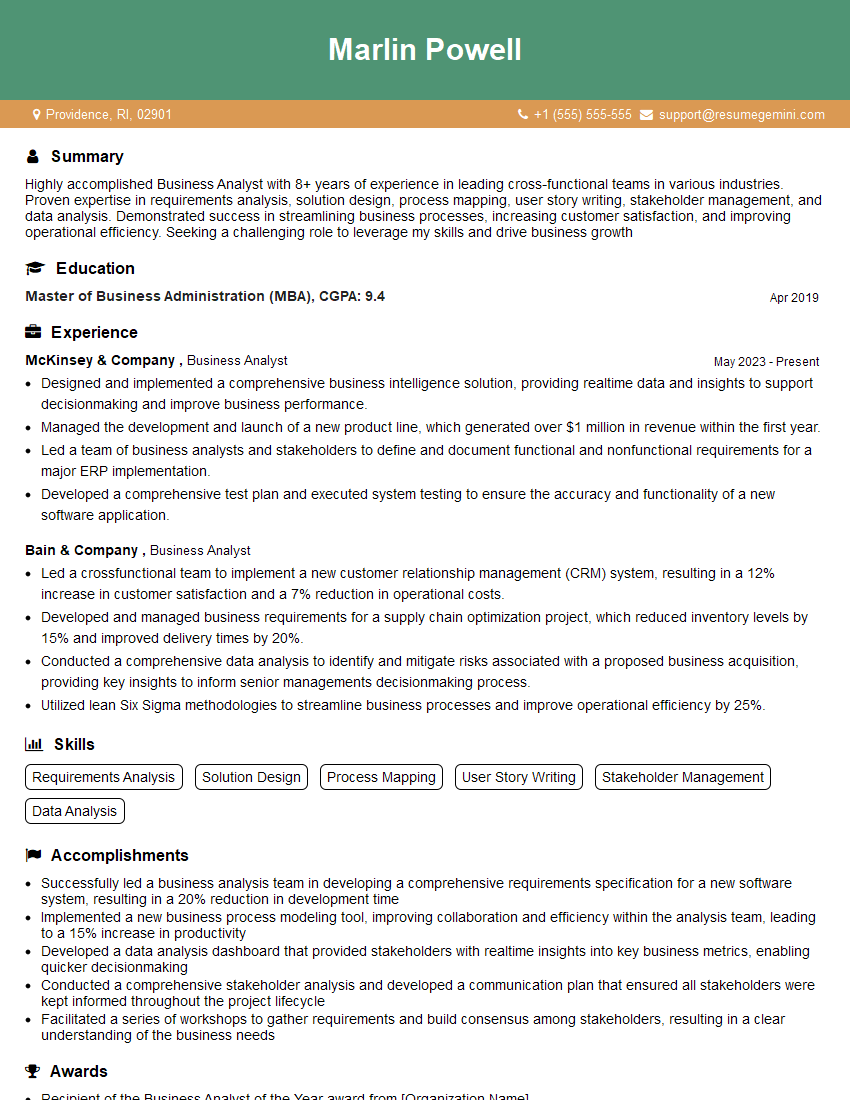
Business Analyst Resume Sample
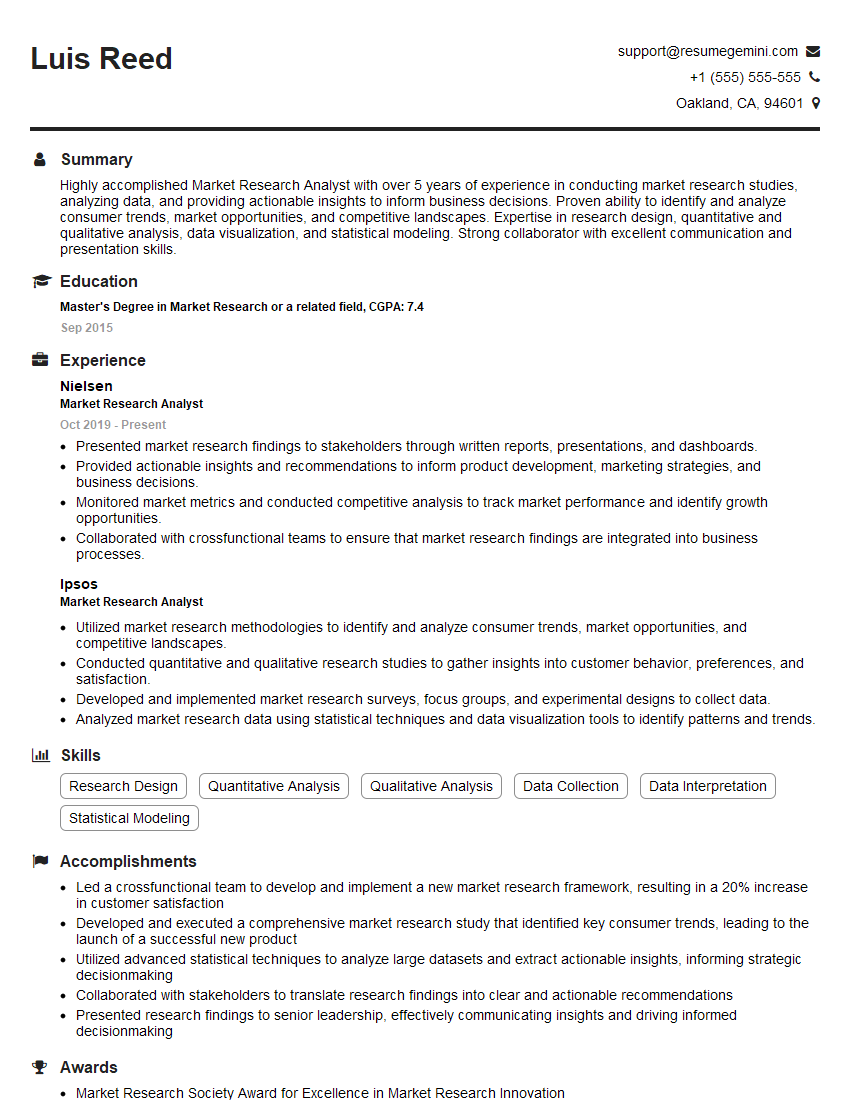
Market Research Analyst Resume Sample
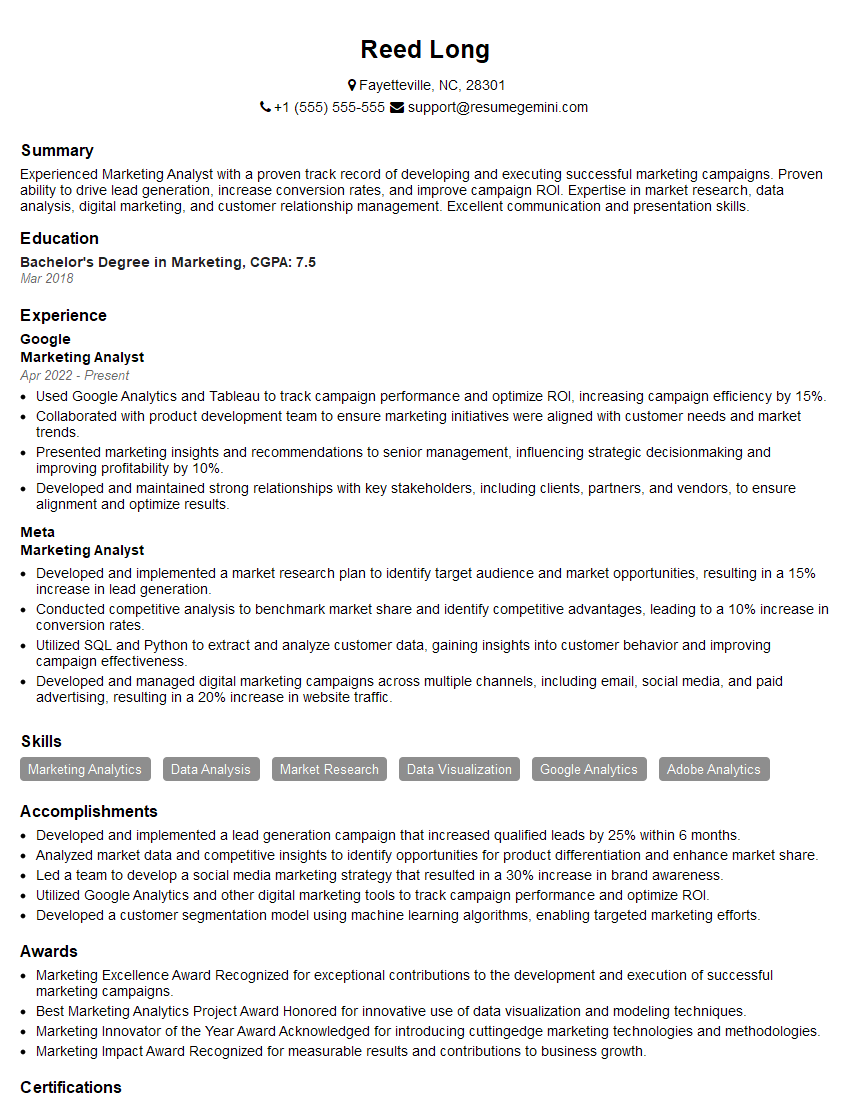
Marketing Analyst Resume Sample
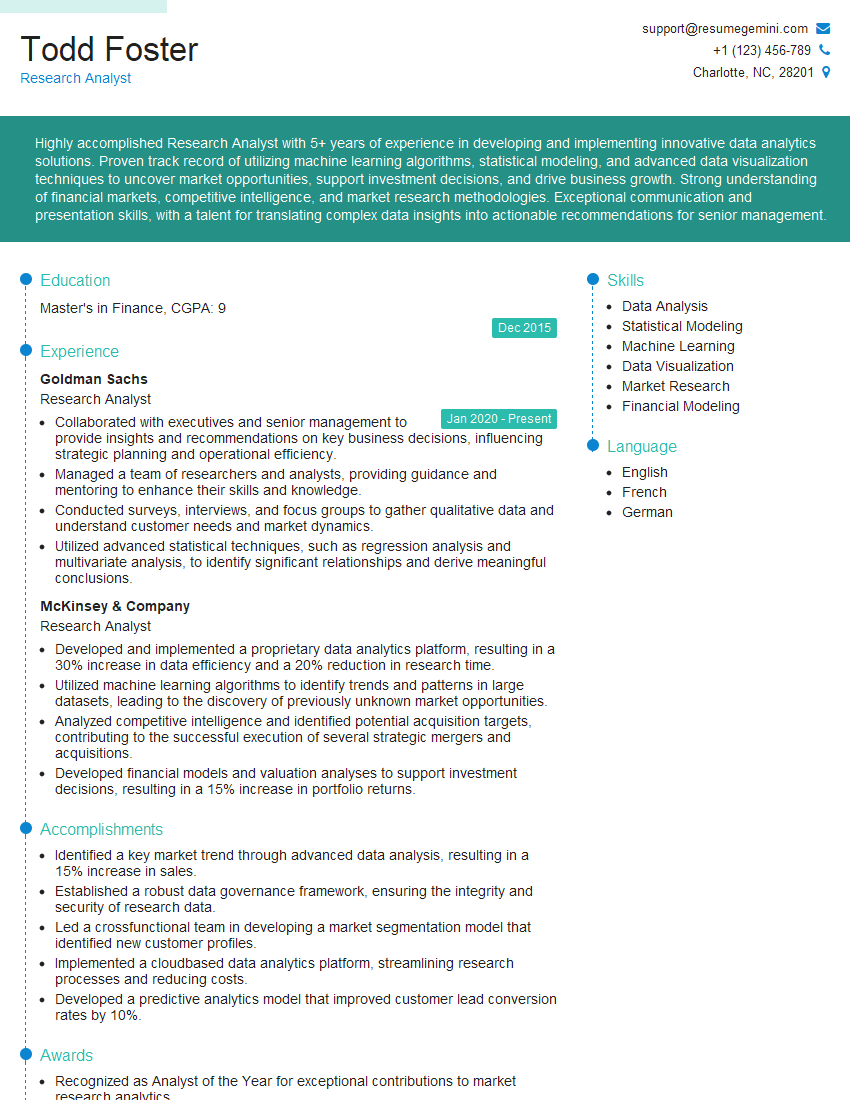
Research Analyst Resume Sample
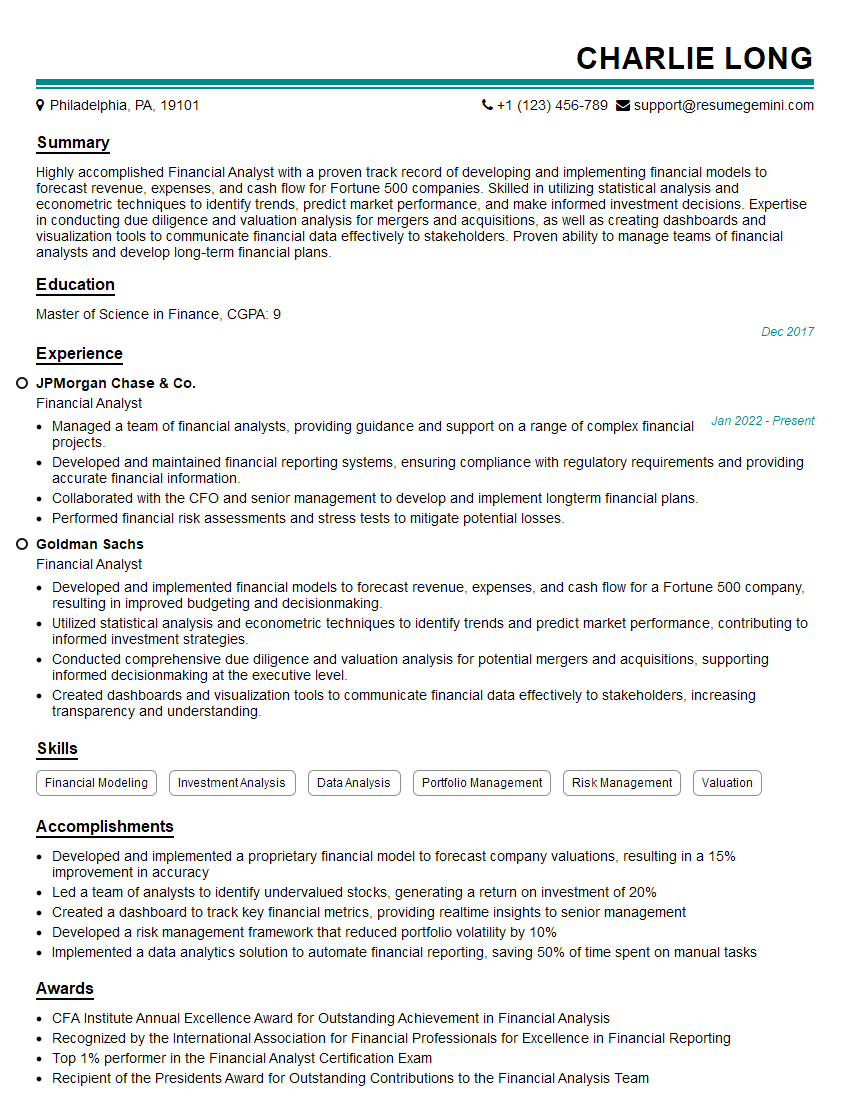
Financial Analyst Resume Sample
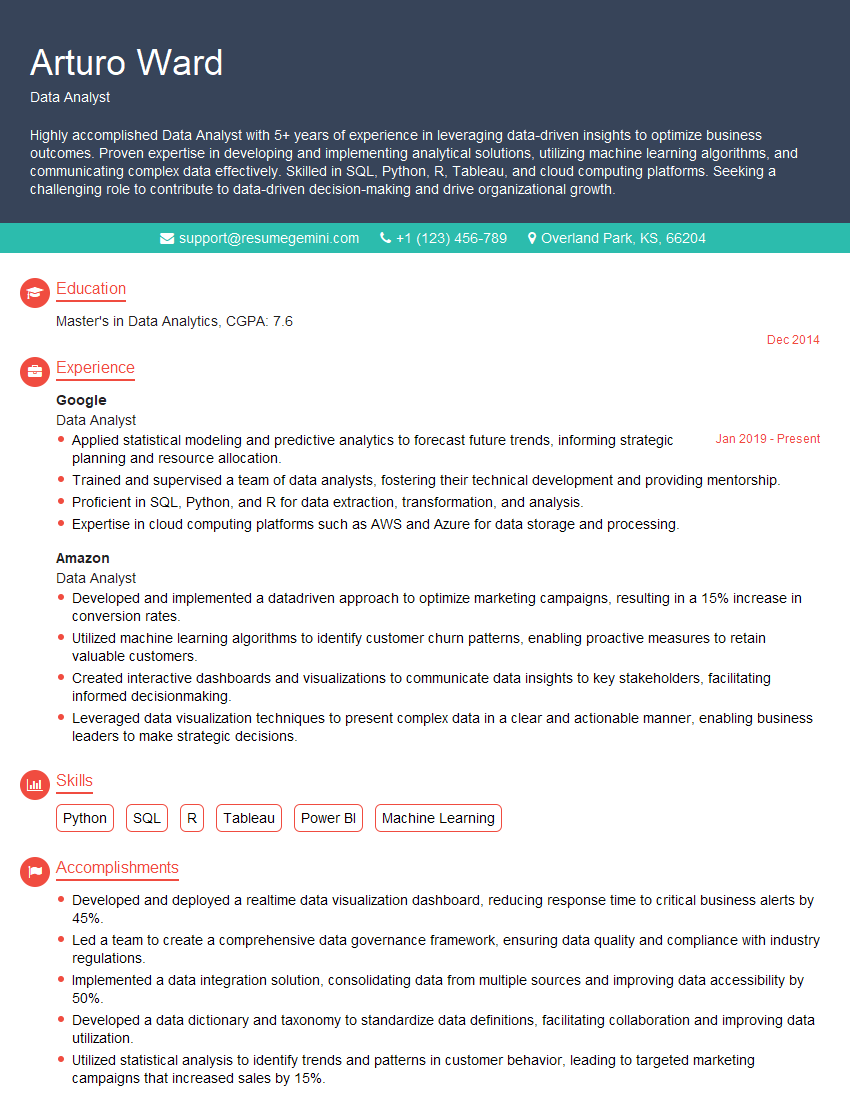
Data Analyst Resume Sample
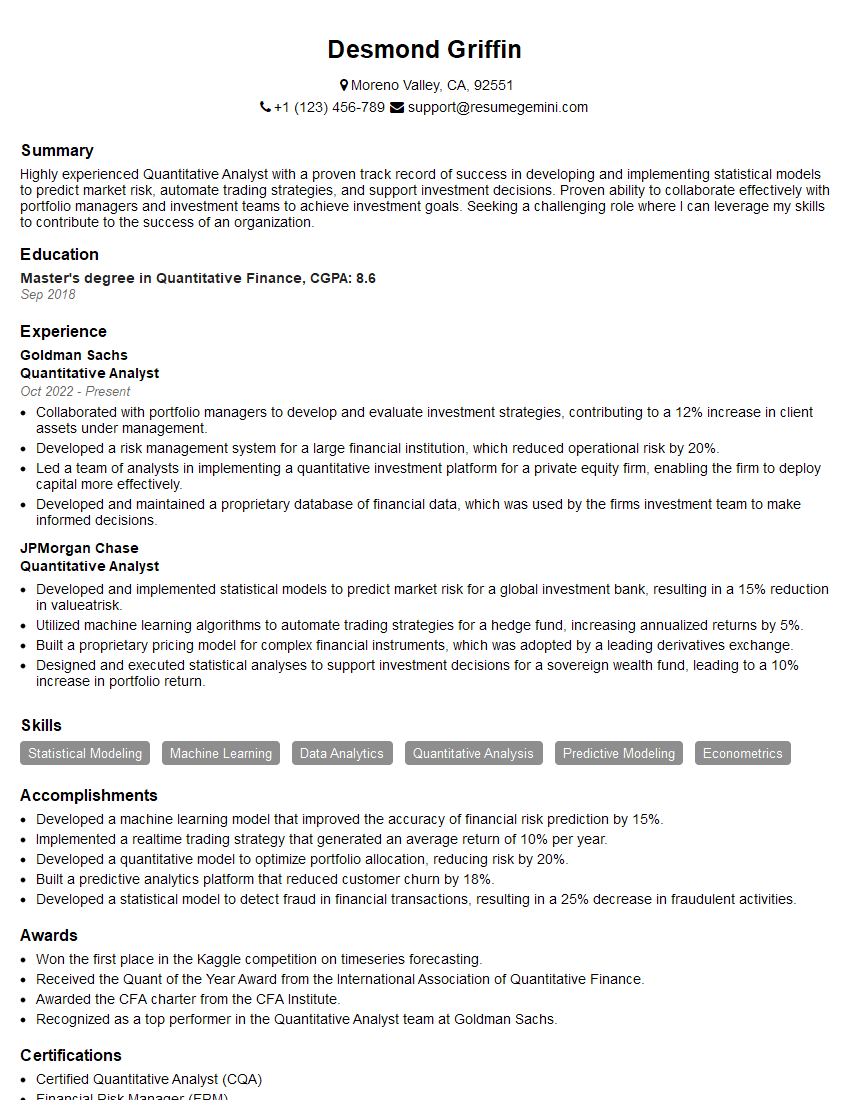
Quantitative Analyst Resume Sample
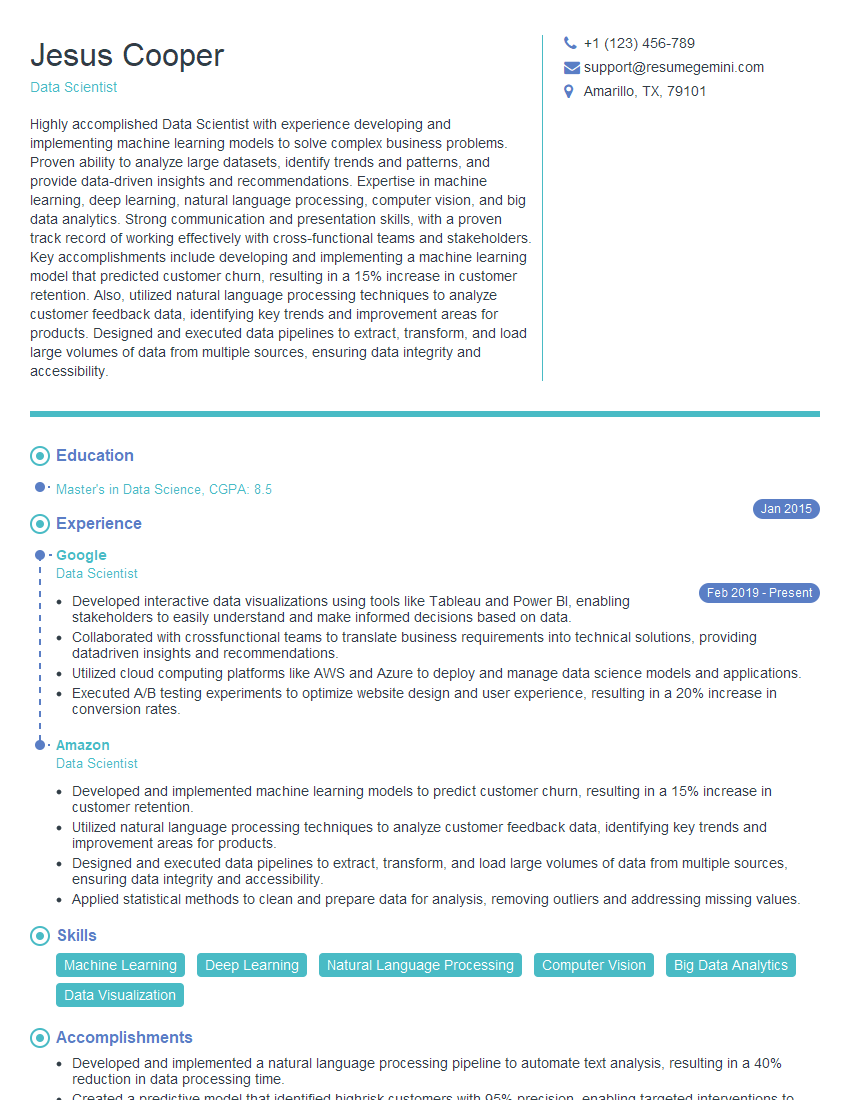
Data Scientist Resume Sample
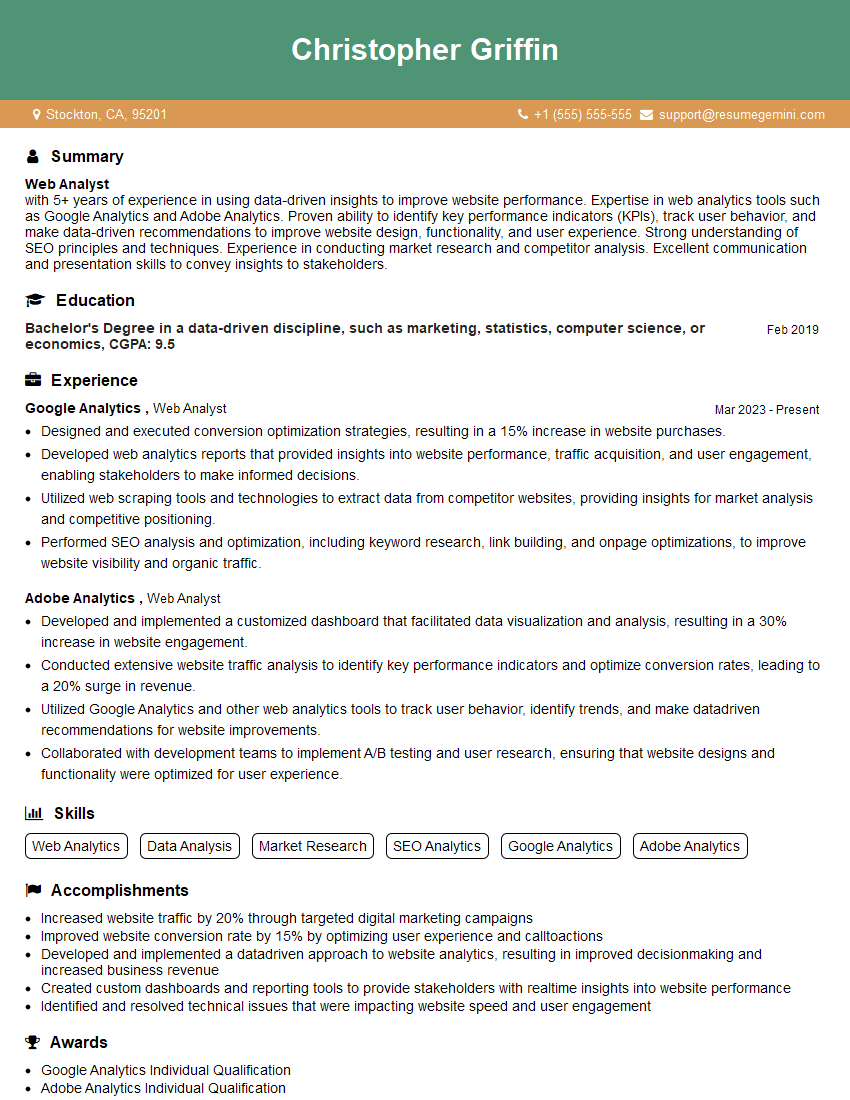
Web Analyst Resume Sample
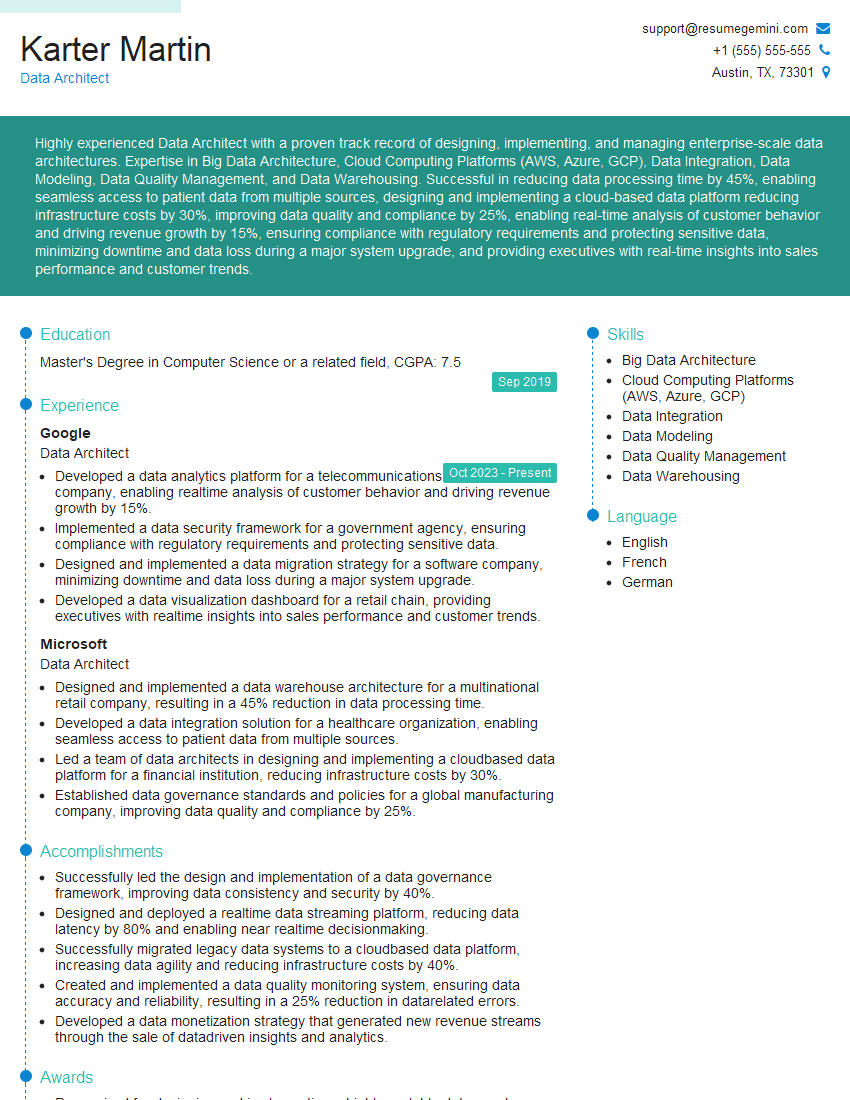
Data Architect Resume Sample
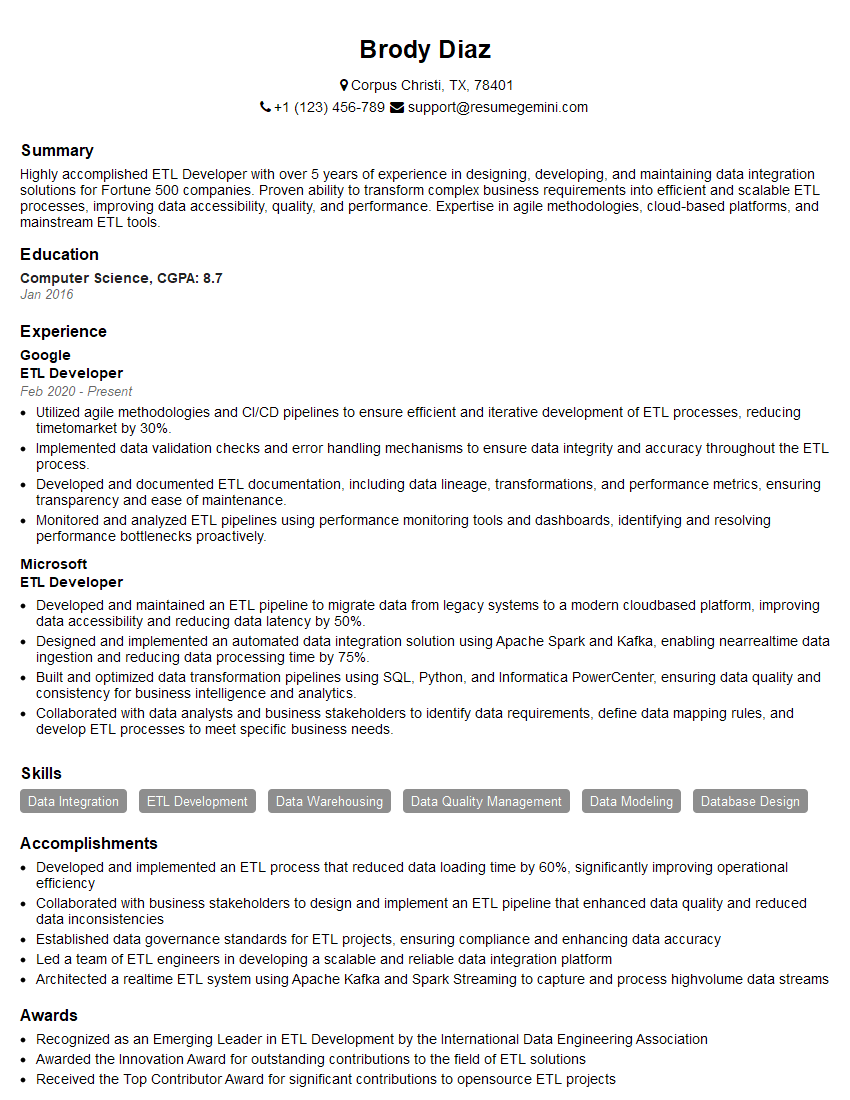
ETL Developer Resume Sample
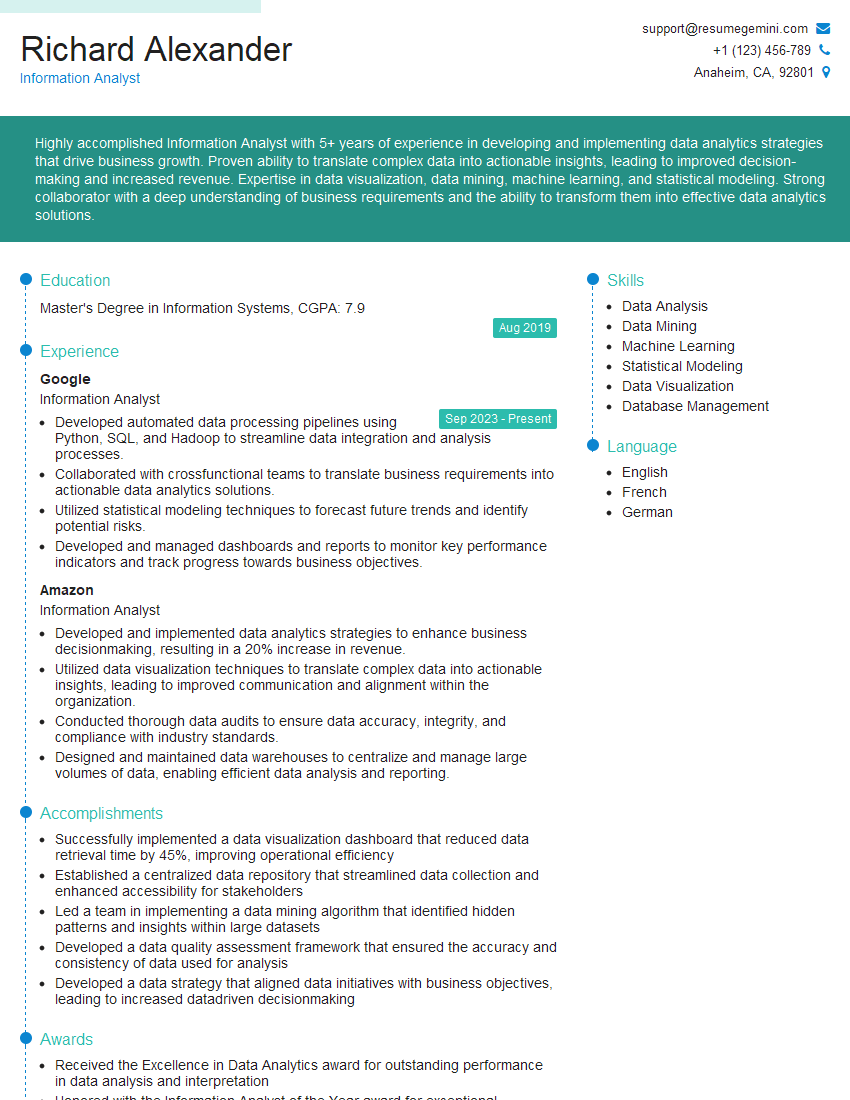
Information Analyst Resume Sample
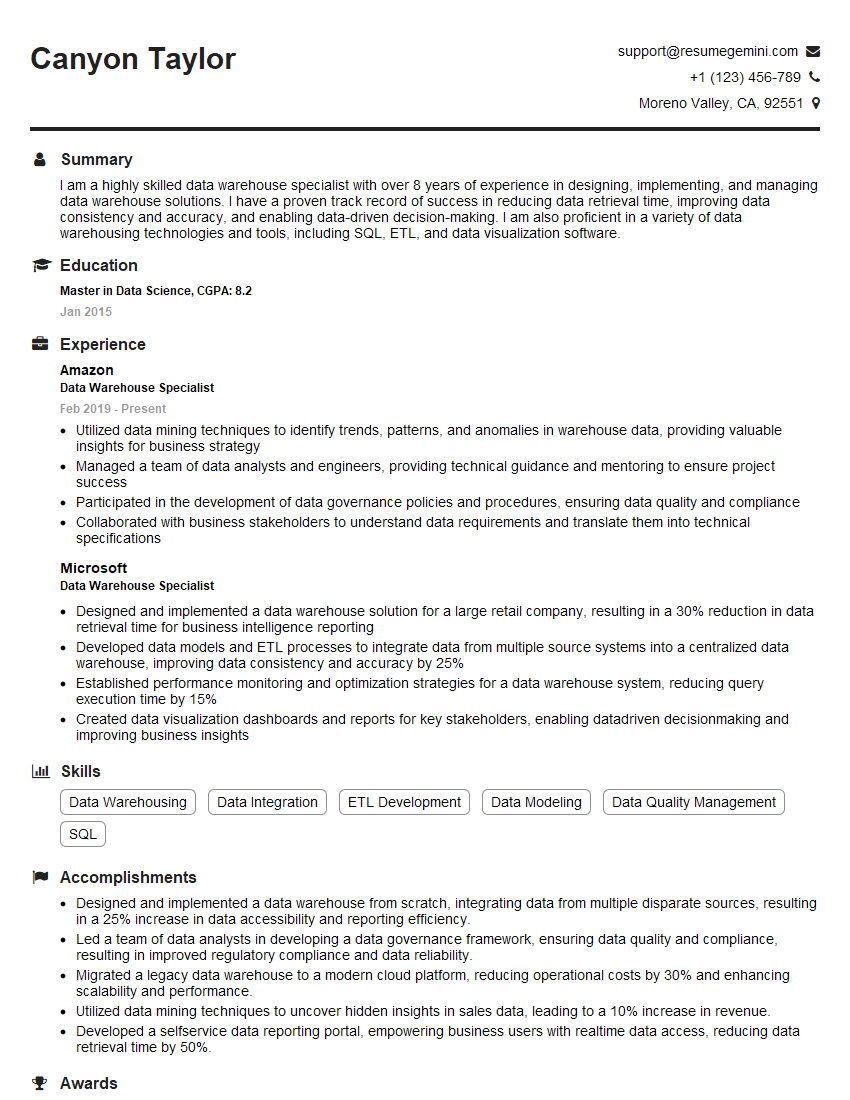
Data Warehouse Specialist Resume Sample
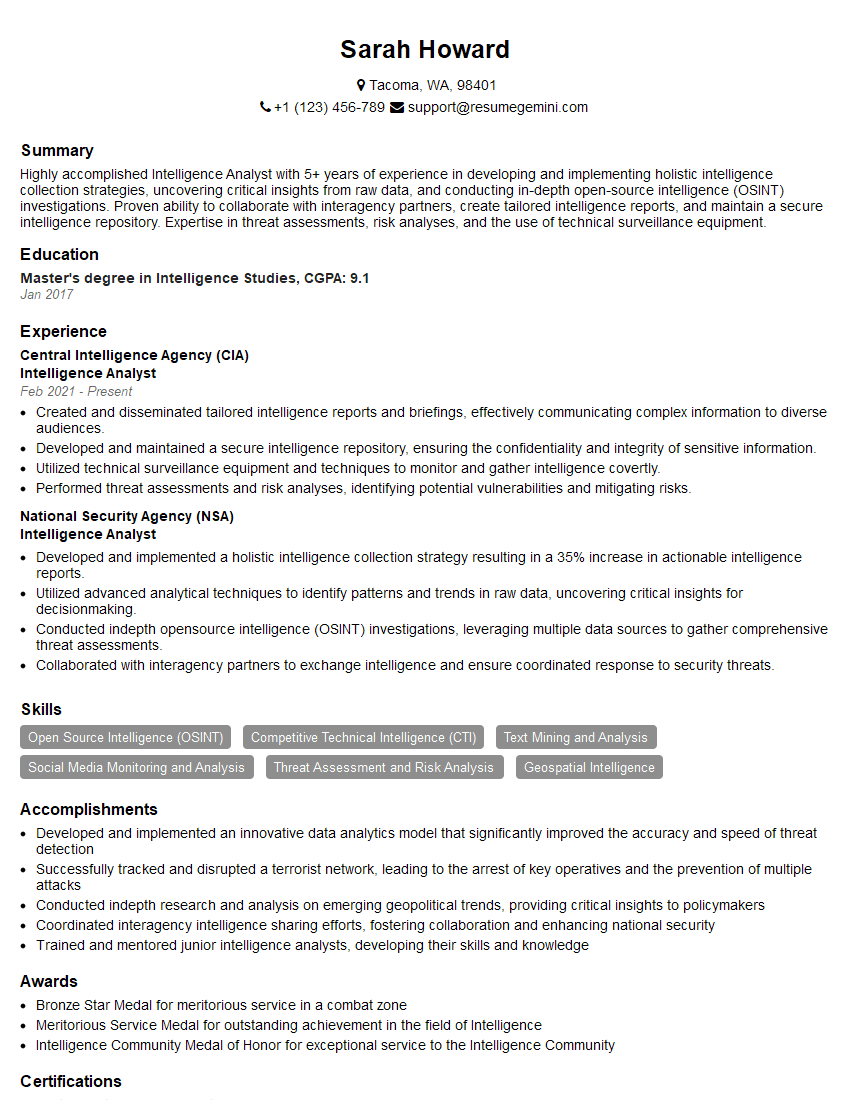
Intelligence Analyst Resume Sample
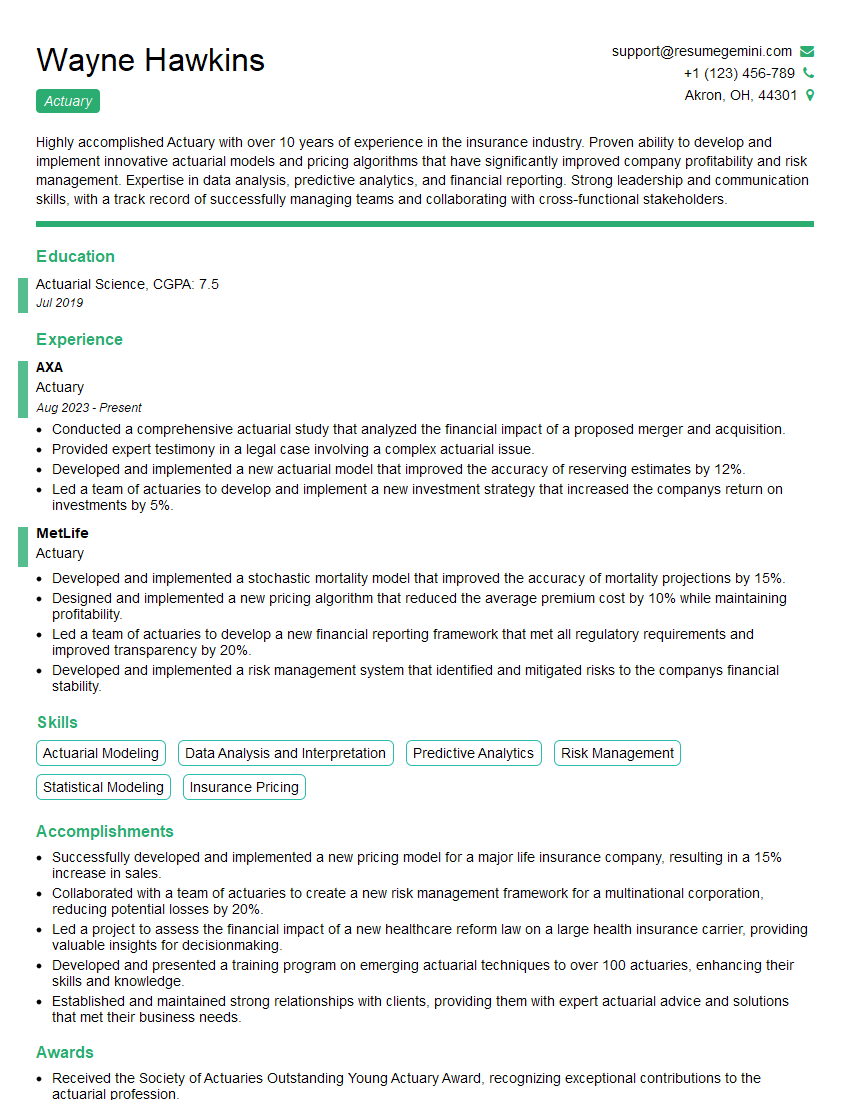
Actuary Resume Sample

Operations Research Analyst Resume Sample
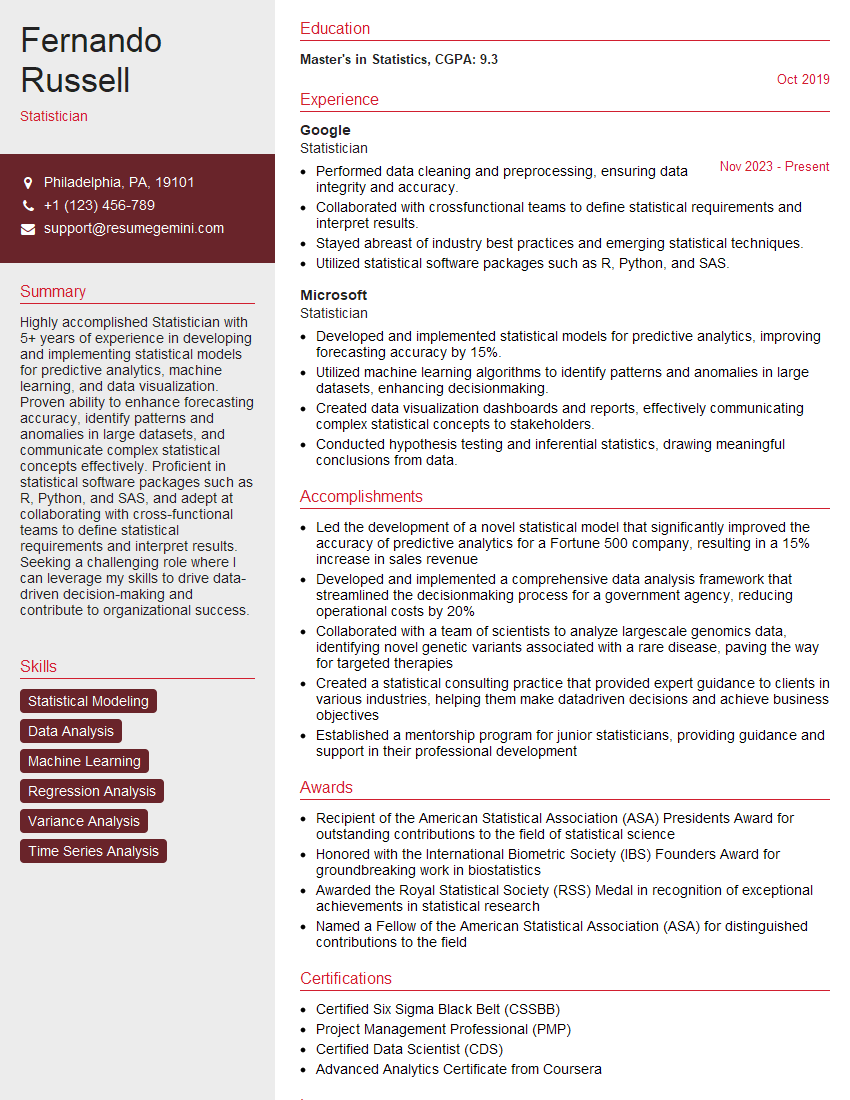
Statistician Resume Sample
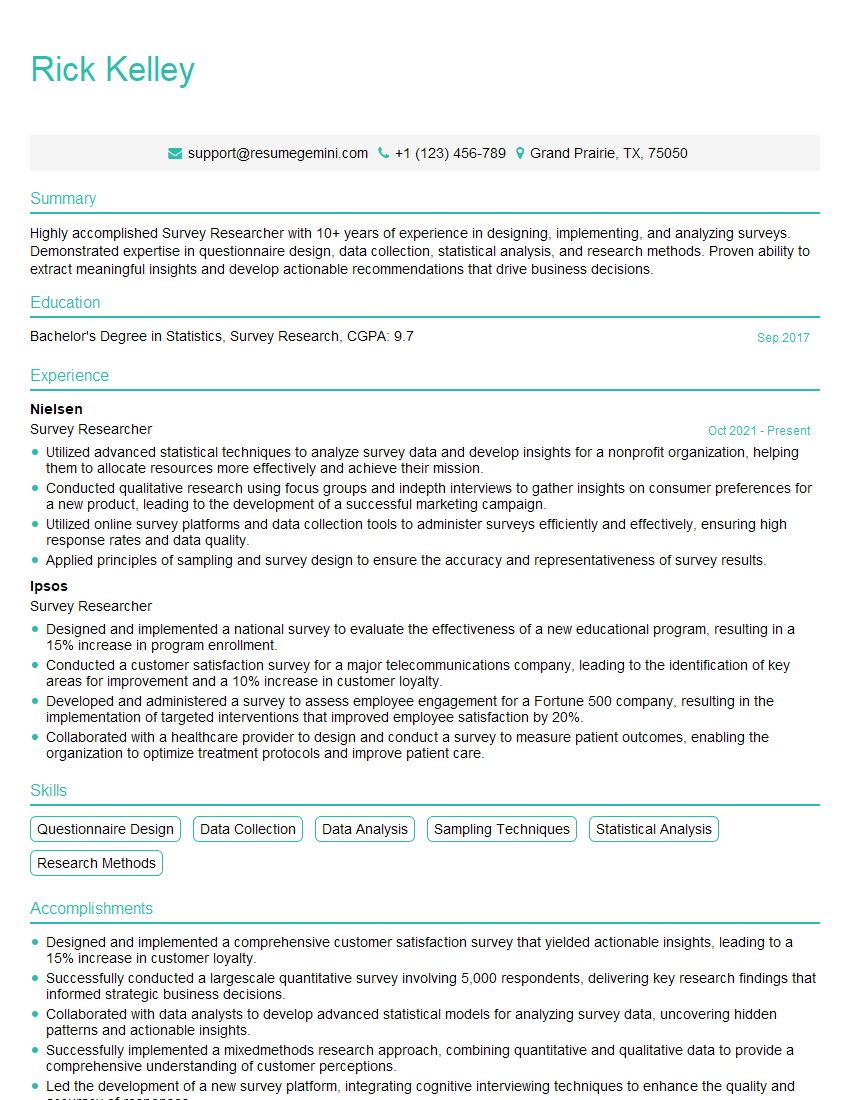
Survey Researcher Resume Sample
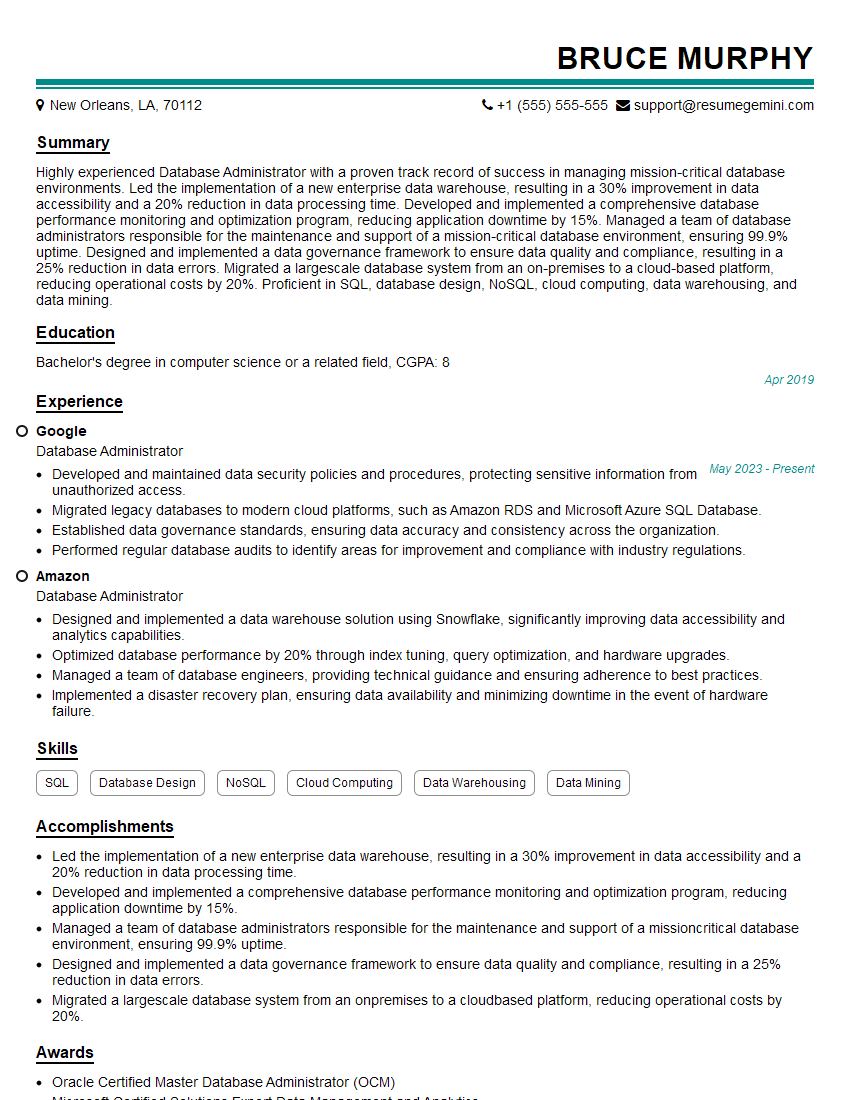
Database Administrator Resume Sample
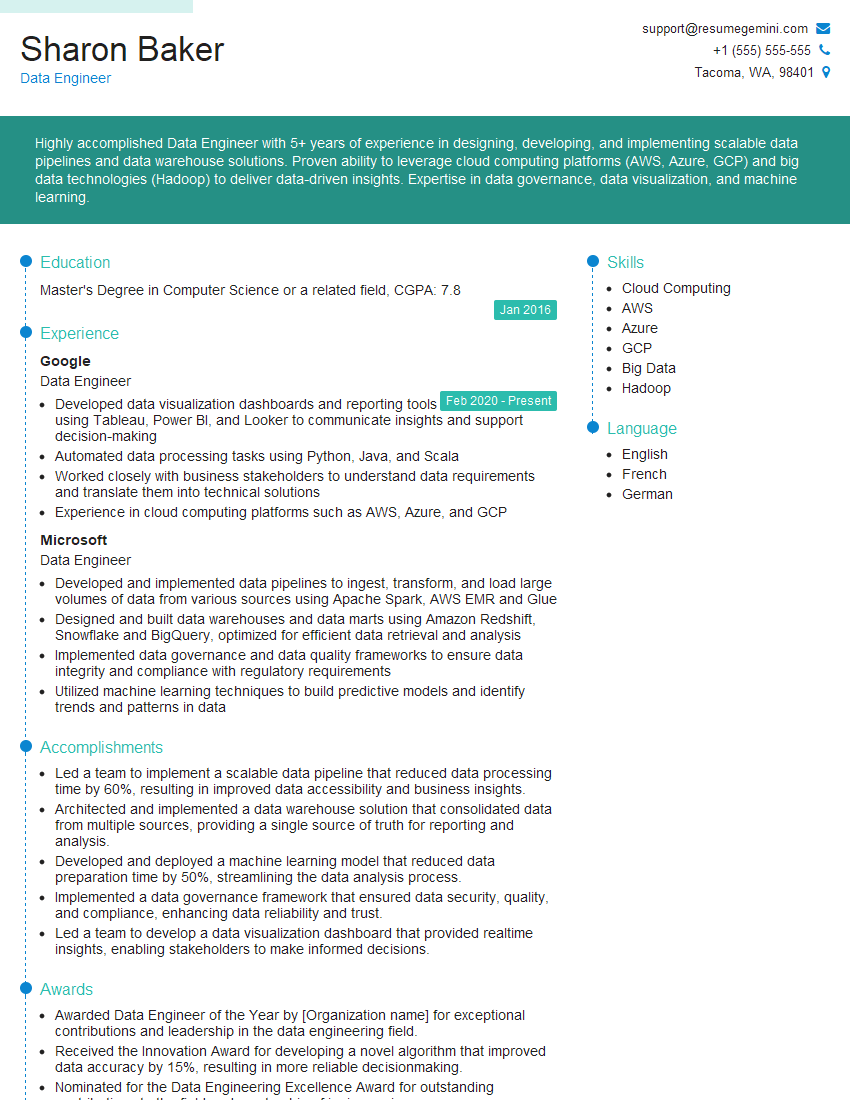
Data Engineer Resume Sample
- Business Analyst
- Market Research Analyst
- Marketing Analyst
- Research Analyst
- Financial Analyst
- Data Analyst
- Quantitative Analyst
- Data Scientist
- Web Analyst
- Data Architect
- ETL Developer
- Information Analyst
- Data Warehouse Specialist
- Intelligence Analyst
- Actuary
- Operations Research Analyst
- Statistician
- Survey Researcher
- Database Administrator
- Data Engineer
Explore more articles
Users Rating of Our Blogs
Share Your Experience
We value your feedback! Please rate our content and share your thoughts (optional).
What Readers Say About Our Blog
Hello,
we currently offer a complimentary backlink and URL indexing test for search engine optimization professionals.
You can get complimentary indexing credits to test how link discovery works in practice.
No credit card is required and there is no recurring fee.
You can find details here:
https://wikipedia-backlinks.com/indexing/
Regards
NICE RESPONSE TO Q & A
hi
The aim of this message is regarding an unclaimed deposit of a deceased nationale that bears the same name as you. You are not relate to him as there are millions of people answering the names across around the world. But i will use my position to influence the release of the deposit to you for our mutual benefit.
Respond for full details and how to claim the deposit. This is 100% risk free. Send hello to my email id: [email protected]
Luka Chachibaialuka
Hey interviewgemini.com, just wanted to follow up on my last email.
We just launched Call the Monster, an parenting app that lets you summon friendly ‘monsters’ kids actually listen to.
We’re also running a giveaway for everyone who downloads the app. Since it’s brand new, there aren’t many users yet, which means you’ve got a much better chance of winning some great prizes.
You can check it out here: https://bit.ly/callamonsterapp
Or follow us on Instagram: https://www.instagram.com/callamonsterapp
Thanks,
Ryan
CEO – Call the Monster App
Hey interviewgemini.com, I saw your website and love your approach.
I just want this to look like spam email, but want to share something important to you. We just launched Call the Monster, a parenting app that lets you summon friendly ‘monsters’ kids actually listen to.
Parents are loving it for calming chaos before bedtime. Thought you might want to try it: https://bit.ly/callamonsterapp or just follow our fun monster lore on Instagram: https://www.instagram.com/callamonsterapp
Thanks,
Ryan
CEO – Call A Monster APP
To the interviewgemini.com Owner.
Dear interviewgemini.com Webmaster!
Hi interviewgemini.com Webmaster!
Dear interviewgemini.com Webmaster!
excellent
Hello,
We found issues with your domain’s email setup that may be sending your messages to spam or blocking them completely. InboxShield Mini shows you how to fix it in minutes — no tech skills required.
Scan your domain now for details: https://inboxshield-mini.com/
— Adam @ InboxShield Mini
Reply STOP to unsubscribe
Hi, are you owner of interviewgemini.com? What if I told you I could help you find extra time in your schedule, reconnect with leads you didn’t even realize you missed, and bring in more “I want to work with you” conversations, without increasing your ad spend or hiring a full-time employee?
All with a flexible, budget-friendly service that could easily pay for itself. Sounds good?
Would it be nice to jump on a quick 10-minute call so I can show you exactly how we make this work?
Best,
Hapei
Marketing Director
Hey, I know you’re the owner of interviewgemini.com. I’ll be quick.
Fundraising for your business is tough and time-consuming. We make it easier by guaranteeing two private investor meetings each month, for six months. No demos, no pitch events – just direct introductions to active investors matched to your startup.
If youR17;re raising, this could help you build real momentum. Want me to send more info?
Hi, I represent an SEO company that specialises in getting you AI citations and higher rankings on Google. I’d like to offer you a 100% free SEO audit for your website. Would you be interested?
Hi, I represent an SEO company that specialises in getting you AI citations and higher rankings on Google. I’d like to offer you a 100% free SEO audit for your website. Would you be interested?
good