Unlock your full potential by mastering the most common Proficient in Safety and Environmental Software (e.g., PGM, EHS Insight) interview questions. This blog offers a deep dive into the critical topics, ensuring you’re not only prepared to answer but to excel. With these insights, you’ll approach your interview with clarity and confidence.
Questions Asked in Proficient in Safety and Environmental Software (e.g., PGM, EHS Insight) Interview
Q 1. Describe your experience using PGM or EHS Insight for incident reporting.
My experience with incident reporting in PGM and EHS Insight centers around streamlining the process from initial report to investigation and resolution. I’ve used both systems to log incidents, assign responsibility for investigation, track corrective actions, and generate reports on trends and root causes.
In PGM, for example, I’ve utilized its workflow features to automate notifications to relevant personnel upon incident reporting. This ensured timely response and minimized delays in corrective action implementation. I’ve also leveraged the system’s customizable forms to capture all necessary details, reducing ambiguity and improving data accuracy. EHS Insight’s strength lies in its robust reporting capabilities – I’ve used it to create comprehensive summaries of incidents by location, type, or severity, helping to identify high-risk areas and inform safety improvements.
One specific example involved a near-miss incident at a manufacturing plant. Using PGM, I documented the incident, initiated an investigation, and tracked the implementation of corrective actions—from improved safety training to equipment modifications—all within the system. The system’s audit trail provided a clear record of all actions taken, aiding in future preventative measures.
Q 2. How would you use PGM to track environmental permits and compliance deadlines?
Tracking environmental permits and compliance deadlines using PGM is critical for preventing non-compliance and associated penalties. PGM’s calendar and alert features are invaluable in this regard.
I typically input all permit information, including expiration dates, into the system. I then set up automated reminders for upcoming renewals, inspections, or reporting requirements. This proactive approach ensures we never miss a deadline. For example, I’ve used PGM to create custom reports detailing upcoming permit expirations, allowing management to allocate resources effectively and prioritize renewal processes. Further, I often leverage the system’s document management capabilities to store permit copies and supporting documentation, creating a centralized, easily accessible repository.
Think of it like a personal digital calendar, but for environmental compliance. It’s a proactive, rather than reactive, approach to environmental management.
Q 3. Explain your understanding of data integrity within EHS software systems.
Data integrity in EHS software is paramount. It’s about ensuring the data is accurate, complete, consistent, and reliable. Compromised data integrity can lead to incorrect decisions, ineffective risk management, and potentially, legal issues. In EHS Insight and similar systems, this is achieved through a combination of technical and procedural controls.
- Technical Controls: These include data validation rules (e.g., ensuring data types are correct, preventing duplicate entries), access controls to limit data modification to authorized personnel, and robust audit trails to track all changes made to the data.
- Procedural Controls: These involve establishing clear data entry procedures, providing thorough training to users, implementing regular data quality checks and audits, and maintaining clear data governance policies.
For instance, in EHS Insight, I often configure data validation rules to prevent the entry of illogical or impossible values (e.g., negative quantities of hazardous waste). Regular data audits help to identify and correct any inconsistencies or inaccuracies that may have slipped through the validation checks.
Q 4. How proficient are you in generating reports and dashboards using EHS Insight?
I’m highly proficient in generating reports and dashboards using EHS Insight. My experience includes creating a wide variety of reports, from simple summaries of key performance indicators (KPIs) to complex analyses of environmental incidents and compliance data.
I can leverage EHS Insight’s reporting tools to create custom reports tailored to specific needs. This includes using filters, sorting options, and data aggregation techniques to extract meaningful insights from the data. For example, I can generate a report showing the number of safety incidents by department over time, or a dashboard visualizing trends in hazardous waste generation. The ability to export these reports in various formats (e.g., Excel, PDF) is essential for sharing findings with stakeholders.
My skills extend to creating interactive dashboards, which provide a dynamic, real-time view of key safety and environmental performance indicators. These dashboards allow for quick identification of potential issues and facilitate proactive decision-making.
Q 5. Describe a time you had to troubleshoot a technical issue within an EHS software application.
During a system upgrade of EHS Insight, we encountered an issue where certain data fields were not populating correctly in newly created reports. This impacted our ability to accurately track compliance data.
My troubleshooting process involved:
- Identifying the Problem: We systematically tested different report templates and data fields to pinpoint the affected areas.
- Gathering Information: We checked the system logs for error messages and consulted the EHS Insight documentation.
- Testing Solutions: We attempted several solutions, including checking data mappings, verifying database connections, and restarting the server.
- Escalation: When internal troubleshooting failed, we contacted the vendor’s support team. They provided guidance on database schema updates that resolved the issue.
- Documentation: We documented the issue, the troubleshooting steps, and the solution in our internal knowledge base to prevent similar problems in the future.
This experience highlighted the importance of thorough testing during upgrades and the value of a collaborative approach to problem-solving.
Q 6. What methods do you use to ensure data accuracy in EHS software?
Ensuring data accuracy in EHS software is a multi-faceted process. My approach relies on a combination of preventative measures and quality checks.
- Data Validation Rules: Setting up robust data validation rules within the software to automatically check for errors during data entry, ensuring data consistency and preventing illogical entries.
- Data Entry Training: Providing comprehensive training to all data entry personnel to ensure they understand the importance of data accuracy and the proper procedures for data entry.
- Regular Data Audits: Conducting regular data audits to identify inconsistencies, errors, and omissions. This might involve comparing the data in the EHS system with source documents.
- Data Reconciliation: Reconciling data from different sources to identify discrepancies and resolve conflicts. This process ensures data consistency across various systems.
- Version Control: Using version control systems for all documents and data, preventing accidental overwrites and providing an audit trail of changes made to the data.
By implementing these methods, I can minimize errors and enhance the reliability of the data within the EHS system.
Q 7. How familiar are you with data migration processes in EHS software?
I have significant experience with data migration processes in EHS software, particularly between different systems or during upgrades. It’s a complex process requiring careful planning and execution to ensure data integrity is maintained.
My approach typically involves these steps:
- Data Assessment: A thorough analysis of the source and target systems to understand the data structures, data quality, and any potential data mapping challenges.
- Data Mapping: Creating a detailed mapping document that outlines how data from the source system will be transformed and loaded into the target system. This is crucial to ensure that data is correctly interpreted and placed in the appropriate fields.
- Data Cleansing: Cleaning and preparing the source data to address inconsistencies, errors, and duplicates prior to migration. This step is essential for ensuring data quality in the new system.
- Data Migration: Using appropriate tools and techniques (e.g., ETL tools) to migrate the data from the source to the target system. This process should be carefully tested in a staging environment before being applied to the production system.
- Data Validation: Validating the data in the target system to ensure data integrity after the migration. This involves comparing the data in the new system to the source data and verifying the accuracy of the transformation.
In one instance, I successfully migrated data from a legacy EHS system to EHS Insight, ensuring minimal disruption to ongoing operations. The careful planning and detailed mapping were critical to the success of this project.
Q 8. How do you ensure compliance with regulatory requirements using EHS software?
Ensuring regulatory compliance with EHS software involves leveraging its capabilities to manage and track all aspects of environmental, health, and safety regulations. This goes beyond simply inputting data; it’s about using the software’s features to proactively manage compliance.
- Automated alerts and reminders: Configure the software to send alerts when permits are expiring, inspections are due, or regulatory changes affect your operations. Think of it like a digital calendar for your environmental compliance tasks.
- Centralized document management: Store all relevant permits, licenses, and training records within the system, ensuring easy access and auditability. This eliminates the risk of misplacing critical documents.
- Reporting and analytics: Utilize the software’s reporting tools to generate compliance reports for internal review and submission to regulatory agencies. This often involves custom reports tailored to specific requirements.
- Workflow management: Use the software to manage the approval processes for permits, work orders, and other regulatory-related tasks, ensuring that actions are taken in a timely manner.
For example, in a manufacturing facility, the software might be used to track hazardous waste generation, ensuring that disposal methods comply with EPA regulations. Automated reports would highlight any discrepancies, allowing for timely corrective action.
Q 9. What are the key features of PGM that you find most valuable?
PGM (assuming this refers to a specific EHS software; the acronym is not universally standard) offers many valuable features, but some stand out as particularly impactful. My experience highlights:
- Incident management: The ability to track incidents from initial report to investigation, corrective action, and preventative measures is crucial for improving safety performance. A robust incident management module is essential for demonstrating proactive risk management to stakeholders.
- Training management: The capacity to schedule, track, and manage employee training, ensuring everyone is appropriately certified and up-to-date on safety protocols, is a significant time-saver. This helps reduce compliance risks by ensuring your workforce is adequately trained.
- Auditing and reporting: Comprehensive reporting capabilities are essential. PGM’s ability to generate customized reports for internal audits and regulatory submissions makes it invaluable. The ease of data extraction facilitates streamlined reporting.
In one project, PGM’s robust incident reporting feature helped us identify a recurring safety issue related to a specific piece of machinery. This led to targeted training and process improvements, significantly reducing the frequency of those incidents.
Q 10. How would you train new users on an EHS software system?
Training new users on EHS software requires a multi-faceted approach. It’s not just about showing them the buttons; it’s about understanding their roles and tailoring training to their needs. My approach includes:
- Needs assessment: I begin by understanding the users’ roles and responsibilities within the EHS system. This allows me to tailor the training to their specific needs, focusing on the features they’ll use most frequently.
- Modular training: I break down the training into manageable modules. This allows users to focus on specific functions, gradually building their knowledge and confidence. Each module includes hands-on exercises.
- Hands-on practice: I incorporate hands-on exercises and real-world scenarios into the training program, encouraging active participation and application of learned concepts.
- Ongoing support: I provide ongoing support and resources, including documentation, FAQs, and quick reference guides. This ensures users feel comfortable using the software and can access help when needed.
For instance, I might create separate training modules for safety officers focused on incident investigation and for HR personnel focused on employee training records.
Q 11. Describe your experience with auditing EHS data within software applications.
Auditing EHS data involves systematically examining data for accuracy, completeness, and consistency. This is vital for ensuring regulatory compliance and identifying areas for improvement. Within software applications, I leverage the tools provided to streamline this process.
- Data validation: I use the software’s built-in validation rules to check for data inconsistencies. For example, I’d ensure that all required fields are completed and that data types are correct (e.g., dates are entered in the correct format).
- Data comparison: I may compare data from different sources within the software to ensure consistency. This could involve comparing reported incidents with associated corrective actions.
- Report generation: I use the software to generate audit reports which highlight any inconsistencies or discrepancies identified during the audit. These reports form a key part of the audit findings.
- Trend analysis: I analyze data trends over time to identify patterns and potential issues. For instance, a spike in a particular type of incident might indicate a need for additional training or process improvement.
In one audit, using the software’s reporting capabilities, I identified a significant discrepancy in waste disposal records, highlighting a potential non-compliance issue that was addressed immediately.
Q 12. How do you handle conflicting data entries in EHS software?
Conflicting data entries in EHS software can create serious compliance and reporting issues. My approach to resolving these conflicts is systematic:
- Identify and document the conflict: The first step is to clearly identify the conflicting data entries. I’ll document the nature of the conflict, the source of the data, and the potential impact on compliance.
- Investigate the root cause: I try to determine the cause of the conflicting entries. This could be due to data entry errors, system glitches, or discrepancies in data sources.
- Reconcile the data: Based on the investigation, I’ll reconcile the conflicting data. This may involve correcting errors, updating information based on verifiable sources, or flagging data points that require further investigation.
- Implement preventative measures: After resolving the conflict, I put preventative measures in place to prevent similar situations from occurring in the future. This might involve implementing stricter data validation rules or providing additional user training.
Imagine a scenario where two different users report conflicting data about the same incident. I would investigate, confirm the correct details (perhaps through interviewing witnesses), and correct the data accordingly. I’d then address the root cause (e.g., lack of clear procedures for incident reporting).
Q 13. Explain your experience with integrating EHS software with other business systems.
Integrating EHS software with other business systems, such as ERP (Enterprise Resource Planning) or HR systems, is critical for efficient data management and decision-making. My experience includes:
- Data mapping: Understanding the data structures of both systems and mapping data fields for seamless transfer. This often involves careful consideration of data formats and types.
- API integration: Leveraging APIs (Application Programming Interfaces) to enable real-time data exchange between systems. This allows for automated updates and reduces manual data entry.
- Data validation: Implementing robust data validation rules to ensure data integrity during the integration process. This prevents inaccurate data from being transferred between systems.
- Testing and validation: Thorough testing and validation of the integration process to ensure data accuracy and system stability after the integration.
For instance, integrating EHS software with an HR system allows for automatic updates of employee training records, ensuring up-to-date information on training compliance. This automation saves significant time and reduces the risk of errors.
Q 14. What are the limitations of using EHS Insight for a specific regulatory requirement?
While EHS Insight offers a robust platform, its limitations for specific regulatory requirements can arise. This often depends on the specific industry and the level of detail demanded by the regulations.
- Specific regulatory requirements not covered: EHS Insight, like any software, may not fully cover all aspects of every regulatory framework. There might be niche regulations or industry-specific requirements not explicitly addressed within the system’s modules and reporting features. This necessitates manual data entry or supplementary tools.
- Customization limitations: While offering customization options, there might be constraints on how deeply one can customize reports or workflows to precisely match a specific regulatory format or reporting requirement.
- Data import/export limitations: Challenges might arise when importing data from legacy systems or exporting data to a specific regulatory agency’s required format. This might demand manual intervention to reformat data.
For example, a company operating in a highly regulated industry like pharmaceuticals might find that EHS Insight’s default reporting templates don’t precisely match the formatting or data elements required by a specific agency’s reporting regulations. This would require manual adjustments and might increase the risk of human error.
Q 15. How would you assess the effectiveness of your organization’s EHS software?
Assessing the effectiveness of EHS software isn’t a one-size-fits-all process. It requires a multi-faceted approach focusing on both qualitative and quantitative measures. Think of it like a health check-up for your safety system. We need to examine different aspects to see how well it’s functioning.
- Data Completeness and Accuracy: We start by analyzing the percentage of completed records in various modules – are all incidents being reported? Are inspections being fully documented? Low completion rates indicate potential gaps in data collection and, therefore, limited insights.
- System Usability and Adoption: Are employees actually using the software? Are they finding it user-friendly and intuitive? Low usage suggests either training deficiencies or usability issues that need addressing. We’d look at user feedback, training attendance, and the frequency of software access.
- Reporting and Analysis Capabilities: Does the software provide meaningful reports that highlight trends and areas for improvement? Can we easily generate reports for regulatory compliance? Ineffective reporting undermines the value of the data collected.
- Integration with other Systems: Does the EHS software seamlessly integrate with other business systems (e.g., HR, maintenance)? Lack of integration creates data silos and hinders holistic risk management.
- Return on Investment (ROI): Ultimately, we need to assess if the software is delivering a return on investment. Are we seeing a reduction in incidents, improved compliance, or cost savings thanks to the software’s capabilities?
By combining these qualitative and quantitative measures, we can create a comprehensive picture of the software’s effectiveness and identify areas for improvement. For example, if we find a low completion rate for near-miss reports, we might need to review training materials or simplify the reporting process.
Career Expert Tips:
- Ace those interviews! Prepare effectively by reviewing the Top 50 Most Common Interview Questions on ResumeGemini.
- Navigate your job search with confidence! Explore a wide range of Career Tips on ResumeGemini. Learn about common challenges and recommendations to overcome them.
- Craft the perfect resume! Master the Art of Resume Writing with ResumeGemini’s guide. Showcase your unique qualifications and achievements effectively.
- Don’t miss out on holiday savings! Build your dream resume with ResumeGemini’s ATS optimized templates.
Q 16. What are your preferred methods for validating data accuracy in EHS software?
Validating data accuracy in EHS software is crucial for reliable decision-making. It’s like ensuring the foundation of your house is strong before building the rest. My preferred methods combine automated checks with manual verification.
- Data Validation Rules: I’d leverage the software’s built-in data validation rules to ensure data integrity during entry. For instance, setting up rules to prevent illogical entries, like negative values for hours worked or dates in the future.
- Automated Data Comparisons: Where possible, I’d automate comparisons between data from different sources. For example, comparing incident reports from the EHS software with data from the HR system to verify employee details.
- Random Sampling and Spot Checks: Regular random sampling of records for manual verification helps catch errors that automated checks might miss. This ensures that the data is accurate and reliable across the system.
- Data Reconciliation: Periodic reconciliation of data with physical records (e.g., comparing inspection checklists in the software with the physical documents) provides an extra layer of validation.
- Audit Trails: Utilizing the software’s audit trails to track data modifications and identify potential discrepancies is critical. This allows for tracing data changes and understanding any potential inaccuracies.
The specific methods will depend on the software used and the type of data being validated. But the goal remains consistent: to ensure the data we’re using to inform safety decisions is accurate and reliable.
Q 17. Describe your experience in customizing reports and dashboards within PGM.
I have extensive experience customizing reports and dashboards within PGM, leveraging its robust reporting engine to tailor insights to specific business needs. Think of it like designing a custom suit – it fits perfectly and reveals exactly what you need to see.
I’m proficient in creating various report types, including summary reports, trend analyses, and detailed breakdowns of key performance indicators (KPIs). For example, I’ve built customized reports to track leading indicators such as training completion rates and lagging indicators like incident rates. This allows for proactive identification of potential risks and effective monitoring of our safety performance.
My approach to dashboard design prioritizes clarity and ease of understanding. I utilize different chart types (bar charts, pie charts, line graphs) to effectively visualize data, ensuring that key insights are immediately apparent. I’ve even used PGM’s scripting capabilities (if applicable) to automate the generation of reports, saving significant time and effort.
For instance, I recently created a custom dashboard for senior management, highlighting key EHS metrics across different facilities. The dashboard included interactive maps showing incident locations, enabling quick identification of high-risk areas and facilitating timely interventions. This demonstrably improved our ability to make data-driven decisions related to safety investments and resource allocation.
Q 18. How do you prioritize tasks related to maintaining and updating EHS software?
Prioritizing tasks related to EHS software maintenance and updates is crucial to ensure its continued effectiveness. I utilize a risk-based approach, prioritizing tasks based on their potential impact on compliance, safety, and operational efficiency.
- Regulatory Compliance: Updates related to regulatory changes are always top priority. These updates ensure our software remains compliant with the latest legal requirements, avoiding potential penalties and liabilities.
- System Security Patches: Security patches address vulnerabilities that could compromise data integrity or expose the organization to cyber threats. They are prioritized to protect our sensitive EHS data.
- Critical Bug Fixes: Addressing critical bugs that hinder core functionality or negatively impact data accuracy is a high priority. These bugs often disrupt workflows and need immediate attention.
- Performance Improvements: Addressing performance issues that slow down the system can impact user productivity and data access. Improvements are prioritized based on their impact on workflows.
- Feature Enhancements: New features or enhancements are prioritized based on their alignment with business objectives and the overall value they bring to the organization. This ensures that the software continues to support evolving business needs.
I often use a project management tool to track tasks, deadlines, and dependencies, ensuring transparency and efficient resource allocation. Regular review meetings with stakeholders help to ensure the prioritization aligns with overall business objectives.
Q 19. How would you troubleshoot an issue with slow performance in EHS software?
Troubleshooting slow performance in EHS software requires a systematic approach. It’s like diagnosing a car problem – you need to systematically check different parts until you find the source of the trouble.
- Check Server Resources: Start by checking the server’s CPU usage, memory, and disk space. High utilization in any of these areas could indicate a resource bottleneck.
- Database Performance: Analyze database query performance. Slow queries are often the culprit, often requiring database optimization or indexing improvements.
- Network Connectivity: Check network bandwidth and latency. Slow network connections can significantly impact software performance.
- Software Configuration: Review the software’s configuration settings to ensure they are optimal for the current system resources and user load.
- User Activity: Analyze user activity to identify potential causes, such as too many concurrent users or excessive data processing.
- Software Updates: Ensure the software and its related components are running the latest versions and patches; outdated software may contain performance issues that have been addressed in later releases.
I would use the software’s logging and monitoring tools to gather data, then employ a combination of these steps to identify and resolve the performance bottleneck. This might involve collaborating with IT support or the software vendor to address complex issues.
Q 20. How familiar are you with different EHS software modules (e.g., training, inspections, etc.)?
I’m very familiar with various EHS software modules. My experience spans a wide range of functionalities, enabling me to understand how different aspects of EHS management integrate to create a holistic system. Think of it as knowing all the pieces of a complex puzzle, and understanding how they fit together.
- Incident Management: Managing incident reports, investigations, and corrective actions.
- Inspection Management: Scheduling, conducting, and documenting inspections of facilities, equipment, and processes.
- Training Management: Tracking employee training records, scheduling training sessions, and ensuring compliance with training requirements.
- Permitting: Managing work permits and ensuring compliance with permit-to-work systems.
- Auditing: Conducting internal and external audits to ensure compliance with regulations and internal policies.
- Risk Assessment: Identifying, assessing, and managing potential hazards and risks.
- Environmental Monitoring: Tracking environmental data and ensuring compliance with environmental regulations.
My experience extends beyond just knowing how to use these modules; I understand how the data from each module informs and interacts with the others, providing a more complete understanding of the overall EHS performance.
Q 21. Describe your experience with different reporting formats available in EHS Insight.
EHS Insight offers a wide array of reporting formats, providing flexibility in presenting data to various stakeholders. It’s like having a toolbox full of different instruments, each designed for a specific job.
- Standard Reports: Pre-built reports offering key metrics such as incident rates, inspection results, and training completion rates. These are useful for quick overviews.
- Custom Reports: The ability to create customized reports tailored to specific needs allows for deep dives into specific aspects of EHS performance. For example, I’ve created reports highlighting trends in specific hazard types or analyzing the effectiveness of specific control measures.
- Interactive Dashboards: Dashboards offer a visual representation of key metrics, facilitating quick comprehension and allowing for interactive exploration of the data. I find these especially useful for presenting key insights to senior management.
- Data Export Options: EHS Insight typically offers several data export formats (e.g., Excel, CSV, PDF), allowing for easy integration with other systems or for further analysis using external tools. This is very important for external audits.
- Graphical Representations: Various chart types (bar charts, pie charts, line graphs) allow for effective visualization of data, improving comprehension and highlighting key trends.
My experience with these different formats allows me to select the most appropriate method for communicating EHS information, ensuring the message is clear, concise, and effective for the intended audience. For example, a simple summary report might be suitable for routine updates, while a detailed custom report with interactive charts might be preferred for in-depth analysis or regulatory reporting.
Q 22. How do you ensure the security of sensitive data within EHS software?
Ensuring the security of sensitive data within EHS software is paramount. It’s like protecting the crown jewels of your organization’s safety and environmental performance. This involves a multi-layered approach encompassing technical safeguards and robust organizational policies.
Access Control: Implementing role-based access control (RBAC) is crucial. This means assigning permissions based on an individual’s job function. For example, a safety manager might have full access, while a line worker might only see incident reports relevant to their area. This minimizes the risk of unauthorized data access.
Data Encryption: Both data at rest (stored on servers) and data in transit (transferred across networks) should be encrypted using strong encryption algorithms. This prevents unauthorized access even if the data is intercepted.
Regular Security Audits: Performing regular security audits and penetration testing helps identify vulnerabilities and weaknesses in the system before malicious actors can exploit them. Think of it as a security check-up for your EHS software.
Employee Training: Educating employees about security best practices, including password management, phishing awareness, and the importance of reporting suspicious activity, is vital. A well-informed workforce is your first line of defense.
Regular Software Updates: Keeping the EHS software and its underlying operating systems updated with the latest security patches is essential to protect against known vulnerabilities. This is like getting a flu shot for your software.
In a previous role, we implemented multi-factor authentication (MFA) across our EHS system, significantly reducing the risk of unauthorized access. This added layer of security proved invaluable.
Q 23. Explain your understanding of data backups and disaster recovery for EHS software.
Data backups and disaster recovery are the lifeblood of any EHS system. They’re your safety net, ensuring business continuity in the event of a system failure, natural disaster, or cyberattack. Think of it as having a robust insurance policy for your valuable environmental and safety data.
Regular Backups: Implementing a robust backup strategy is crucial. This typically involves daily or even more frequent backups of the entire EHS database to a separate, secure location. We used a 3-2-1 backup strategy (3 copies, on 2 different media, with 1 offsite copy).
Disaster Recovery Plan: A well-defined disaster recovery plan outlines the steps to take in the event of a system failure. This includes identifying backup systems, recovery procedures, and communication protocols. It’s like having a detailed emergency escape plan for your data.
Testing: Regularly testing the backup and recovery process is crucial to ensure its effectiveness. We conduct full system recovery tests at least annually to validate our plan.
Data Redundancy: Implementing data redundancy, such as using a cloud-based backup solution or a geographically diverse server setup, ensures data availability even if one location fails.
During a recent server migration, our robust backup and recovery plan ensured minimal downtime. The seamless transition showcased the importance of a well-tested disaster recovery plan.
Q 24. What strategies do you use to optimize the use of EHS software for improved efficiency?
Optimizing EHS software for improved efficiency involves a holistic approach focusing on user training, process improvement, and data analysis. It’s about making the system work smarter, not harder.
User Training: Comprehensive training ensures users are proficient in utilizing the software’s features. This minimizes errors and maximizes productivity. We used a blended learning approach, incorporating online modules and hands-on workshops.
Process Automation: Automating routine tasks, such as report generation or data entry, frees up valuable time for more strategic activities. We used the software’s built-in workflow tools to automate permit-to-work processes.
Data Integration: Integrating the EHS software with other systems, such as maintenance management or enterprise resource planning (ERP) systems, can streamline data flow and reduce manual data entry.
Data Analysis & Reporting: Utilizing the software’s reporting and analytics capabilities to identify trends, patterns, and areas for improvement is critical for data-driven decision making. Regularly reviewing key performance indicators (KPIs) allows for proactive risk mitigation.
In one instance, we automated incident reporting using the software’s mobile app, reducing reporting time by 50% and improving data accuracy.
Q 25. How would you identify and address gaps in your organization’s EHS software capabilities?
Identifying and addressing gaps in EHS software capabilities involves a systematic approach involving needs assessment, gap analysis, and solution implementation. It’s similar to conducting a thorough medical check-up for your organization’s EHS management.
Needs Assessment: Conduct a comprehensive assessment of the organization’s EHS needs, identifying current challenges, regulatory requirements, and areas for improvement.
Gap Analysis: Compare the organization’s needs with the software’s current capabilities. This involves a detailed analysis to identify any functional or reporting gaps.
Prioritization: Prioritize gaps based on their impact on the organization’s safety, environmental performance, and regulatory compliance. Focus on high-impact areas first.
Solution Implementation: Implement solutions to address identified gaps. This may involve configuring existing software features, integrating with other systems, or implementing new software modules.
Continuous Monitoring: Regularly monitor the effectiveness of implemented solutions and make adjustments as needed. It’s an iterative process of improvement.
For example, we identified a gap in our software’s ability to track sustainability metrics. We addressed this by integrating a new module and implemented custom reporting to track our progress towards our sustainability goals.
Q 26. Describe your experience with system administration tasks related to EHS software.
My experience with system administration tasks related to EHS software is extensive. It involves more than just technical proficiency; it’s about ensuring the system’s smooth operation and availability for all users. This includes:
User Management: Creating and managing user accounts, assigning permissions, and ensuring data security.
Software Updates and Patches: Installing and testing software updates and patches to maintain system stability and security. This involves careful planning to minimize disruption to users.
System Monitoring: Monitoring system performance, identifying potential issues, and proactively addressing them before they impact users. We use system monitoring tools to track resource usage and identify potential bottlenecks.
Database Management: Performing database backups, restores, and maintenance tasks to ensure data integrity and availability. Regular database optimization is crucial for performance.
Troubleshooting: Diagnosing and resolving technical issues related to the EHS software, ensuring minimal downtime.
In one case, I successfully migrated our EHS database to a new server with zero downtime, demonstrating my skills in system administration and planning.
Q 27. How do you stay up-to-date with the latest developments in EHS software and regulations?
Staying current with the latest developments in EHS software and regulations requires a proactive and multi-faceted approach. It’s like staying abreast of the latest medical breakthroughs to provide optimal care. This involves:
Industry Publications & Conferences: Regularly reading industry publications, attending conferences, and participating in webinars to stay informed about emerging trends and best practices.
Regulatory Updates: Monitoring regulatory changes and updates at the local, national, and international levels. Understanding new regulations ensures our EHS software and practices remain compliant.
Vendor Communication: Maintaining open communication with software vendors to stay informed about new features, updates, and support options.
Professional Networks: Engaging with professional networks and online forums to exchange knowledge and best practices with other EHS professionals.
Continuing Education: Pursuing continuing education opportunities to expand knowledge and skills in EHS software and regulations.
For example, I recently completed a training course on the latest updates to ISO 14001, ensuring our EHS software aligns with the new requirements.
Q 28. Describe your experience with the implementation of a new EHS software system.
Implementing a new EHS software system is a significant undertaking, akin to building a new house. It requires careful planning, execution, and ongoing monitoring. My experience includes the following stages:
Needs Assessment & Selection: Identifying business requirements, evaluating different software options, and selecting the most suitable system. This phase involves user input and careful consideration of budget and timeline.
Project Planning: Developing a detailed project plan, outlining timelines, responsibilities, and resources. This is essential for successful implementation.
Data Migration: Migrating existing data from legacy systems to the new EHS software. This often involves data cleansing and validation to ensure data accuracy.
System Configuration: Configuring the new EHS software to meet the organization’s specific requirements. This typically involves customization of workflows, reports, and user interfaces.
User Training & Go-Live: Providing comprehensive user training and supporting the go-live process. This involves ongoing support and troubleshooting after the system goes live.
Post-Implementation Review: Conducting a post-implementation review to evaluate the success of the implementation and identify areas for improvement.
In a previous role, we successfully implemented a new EHS software system, resulting in improved data management, enhanced reporting capabilities, and significant cost savings through process automation.
Key Topics to Learn for Proficient in Safety and Environmental Software (e.g., PGM, EHS Insight) Interview
- Data Entry and Management: Understand the intricacies of accurately inputting, updating, and managing safety and environmental data within the chosen software. Practice efficient data organization and retrieval techniques.
- Reporting and Analysis: Master the creation of various reports, including incident reports, compliance reports, and environmental monitoring reports. Learn to interpret data and draw meaningful conclusions for informed decision-making.
- Regulatory Compliance: Familiarize yourself with the relevant safety and environmental regulations and how the software assists in ensuring compliance. Understand how to utilize the software to track permits, inspections, and deadlines.
- Incident Investigation and Management: Learn how to effectively utilize the software to document, investigate, and analyze safety incidents. Understand the features related to root cause analysis and corrective actions.
- Auditing and Inspections: Explore the software’s capabilities for conducting and documenting audits and inspections. Understand how to use the software to track findings and ensure corrective actions are implemented.
- System Administration (if applicable): If the role involves system administration, learn about user management, data backup and recovery, and system maintenance within the chosen software.
- Practical Application: Prepare case studies demonstrating your ability to apply your knowledge to solve real-world problems using the software. Focus on scenarios involving data analysis, problem identification, and solution implementation.
Next Steps
Mastering Proficient in Safety and Environmental Software like PGM or EHS Insight is crucial for career advancement in the EHS field. These systems are essential tools for modern EHS professionals, and demonstrating proficiency significantly increases your job prospects. To stand out, create an ATS-friendly resume that showcases your skills and experience effectively. ResumeGemini is a trusted resource to help you build a professional and impactful resume. We provide examples of resumes tailored to highlight proficiency in Proficient in Safety and Environmental Software (e.g., PGM, EHS Insight) to guide you.
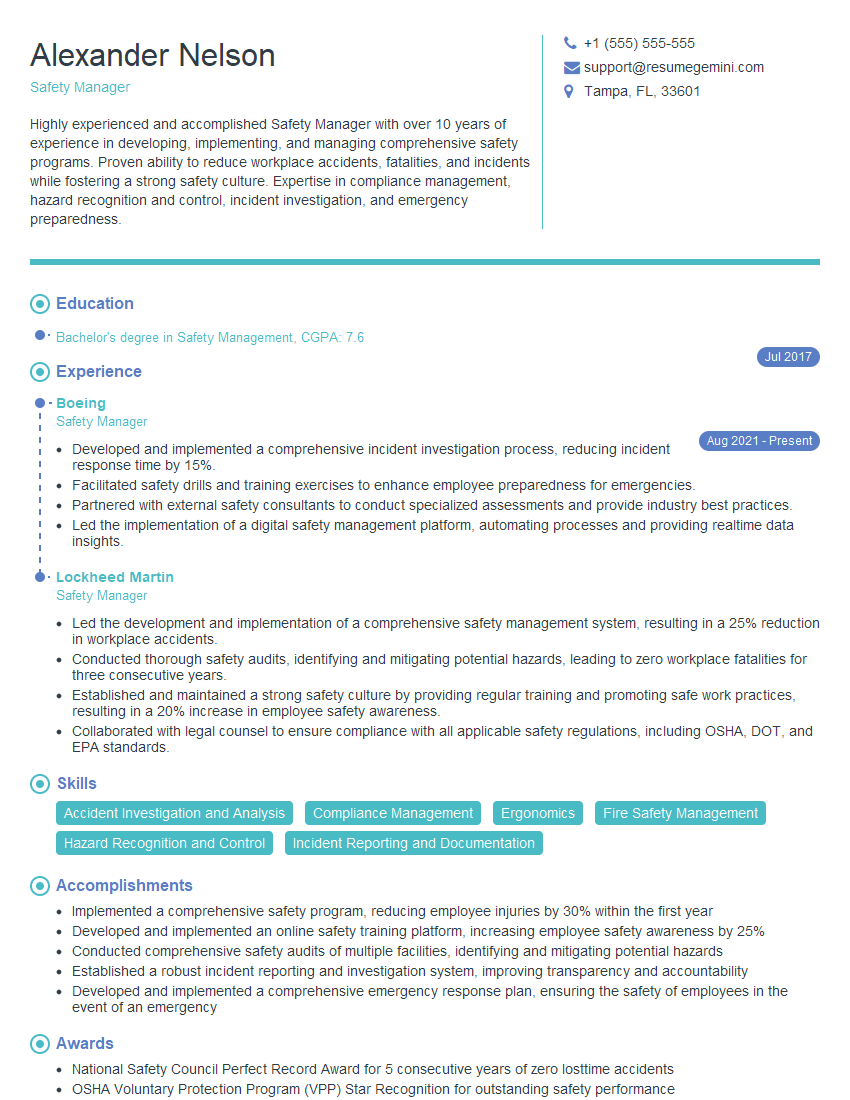
Safety Manager Resume Sample
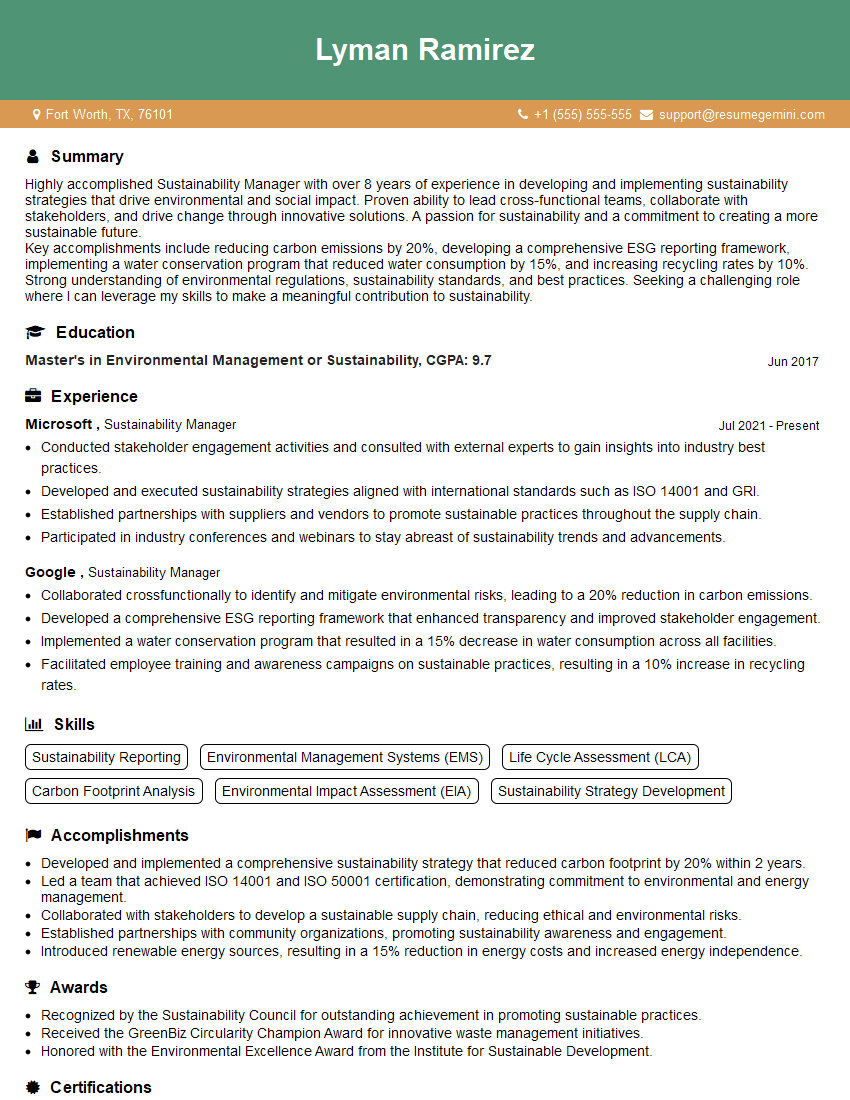
Sustainability Manager Resume Sample
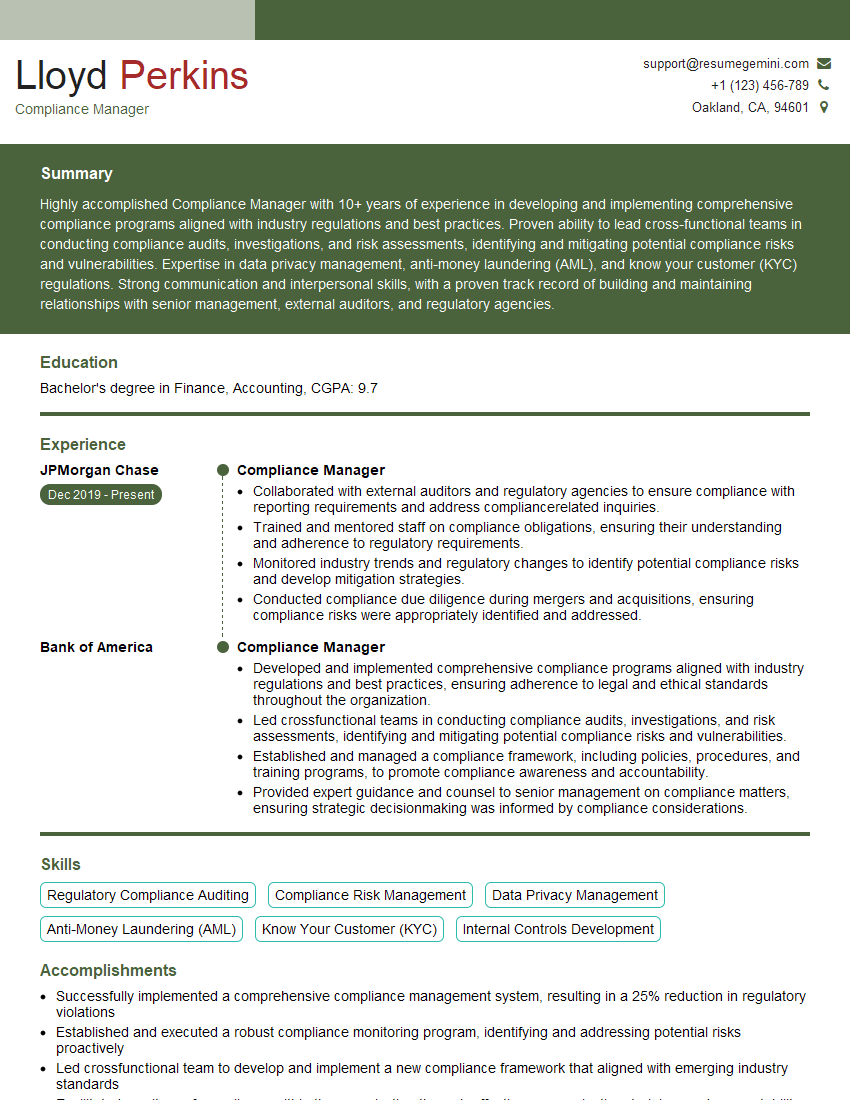
Compliance Manager Resume Sample
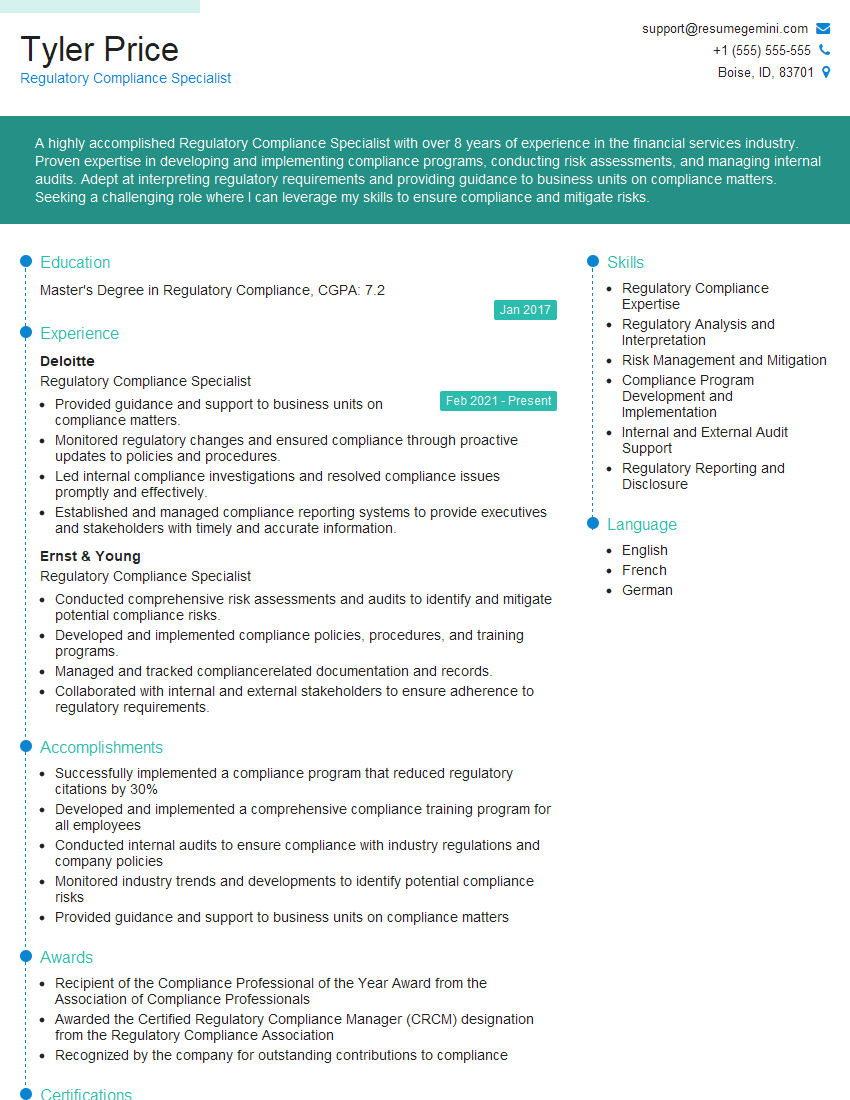
Regulatory Compliance Specialist Resume Sample
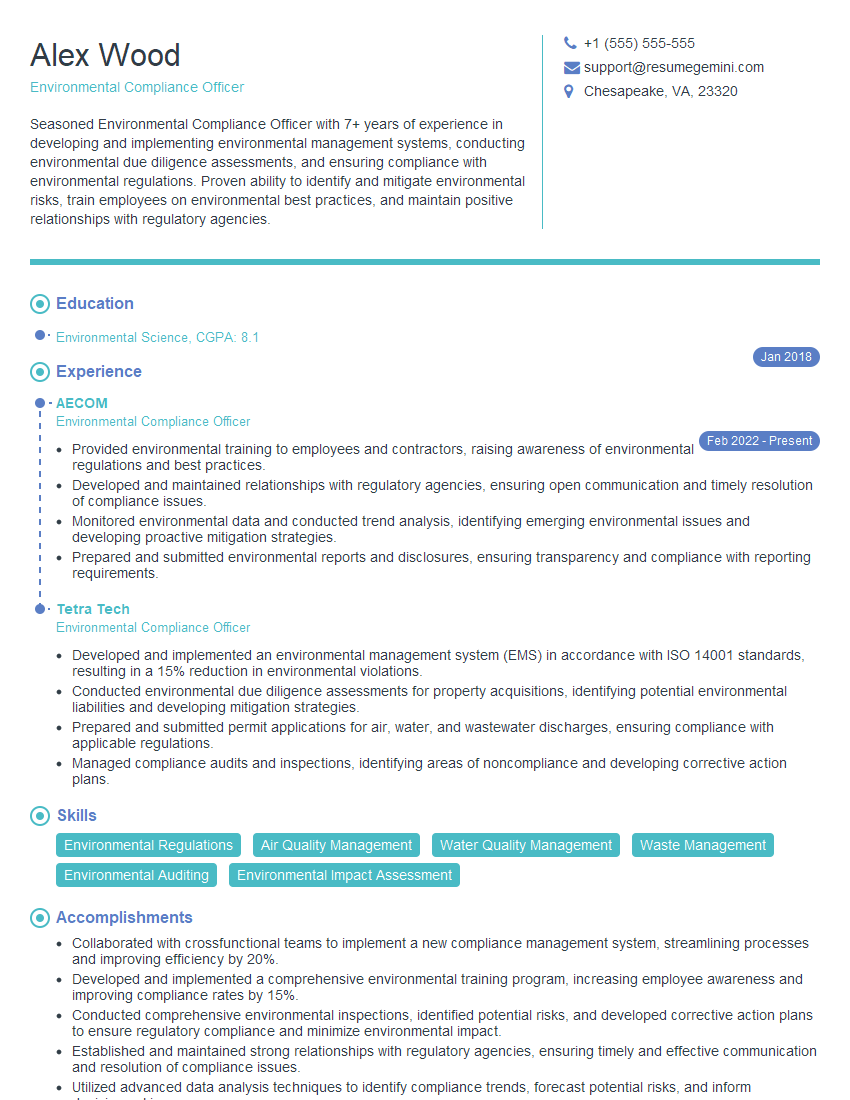
Environmental Compliance Officer Resume Sample
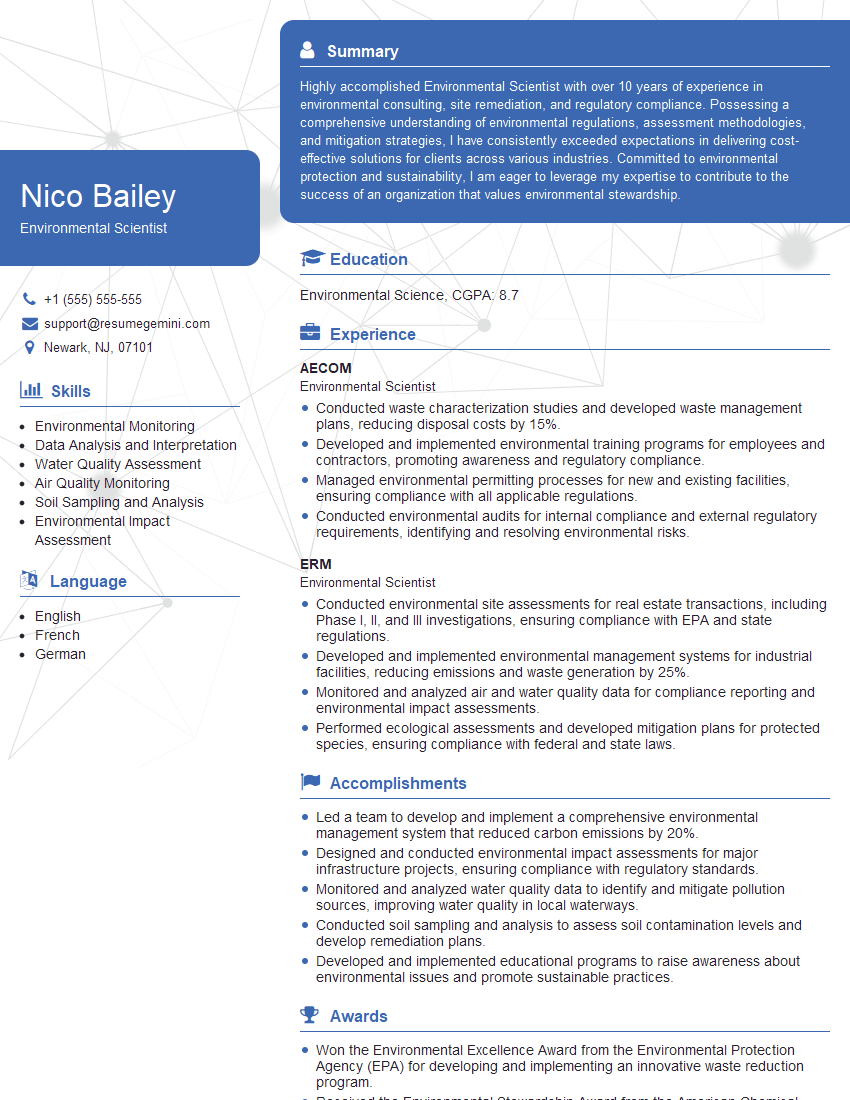
Environmental Scientist Resume Sample

Risk Management Specialist Resume Sample
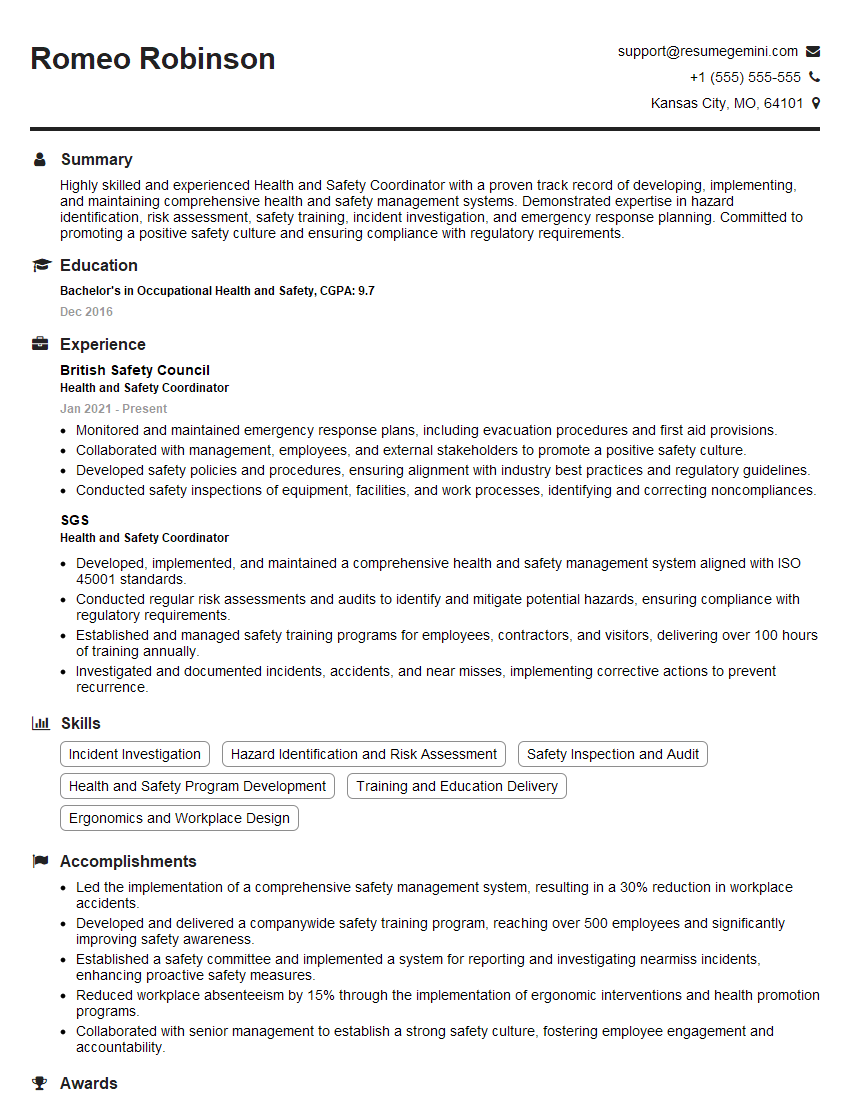
Health and Safety Coordinator Resume Sample
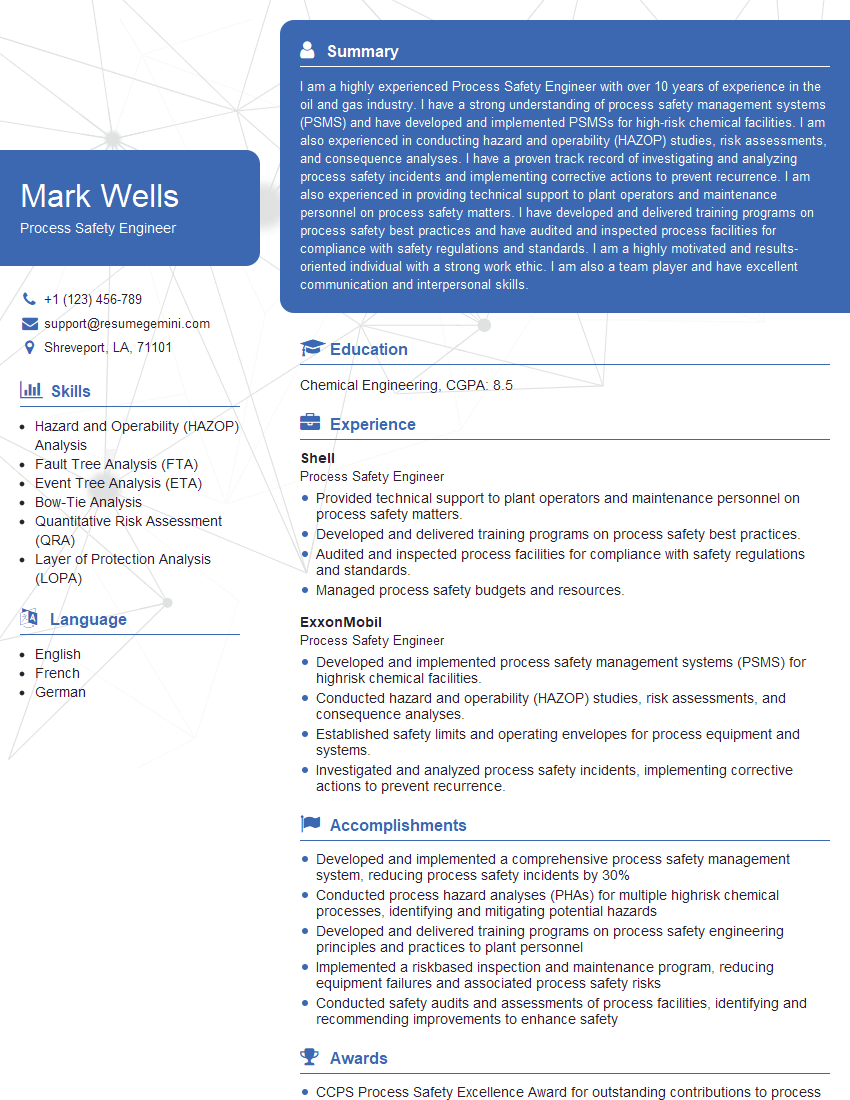
Process Safety Engineer Resume Sample
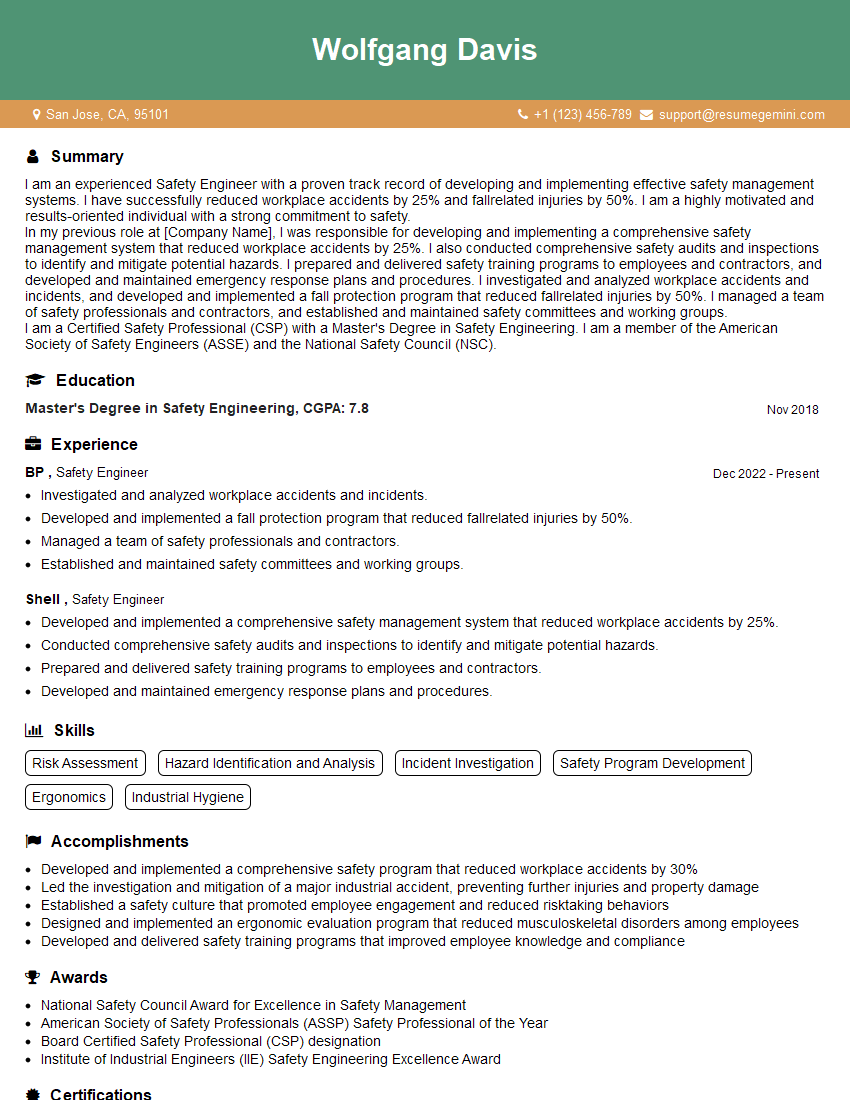
Safety Engineer Resume Sample
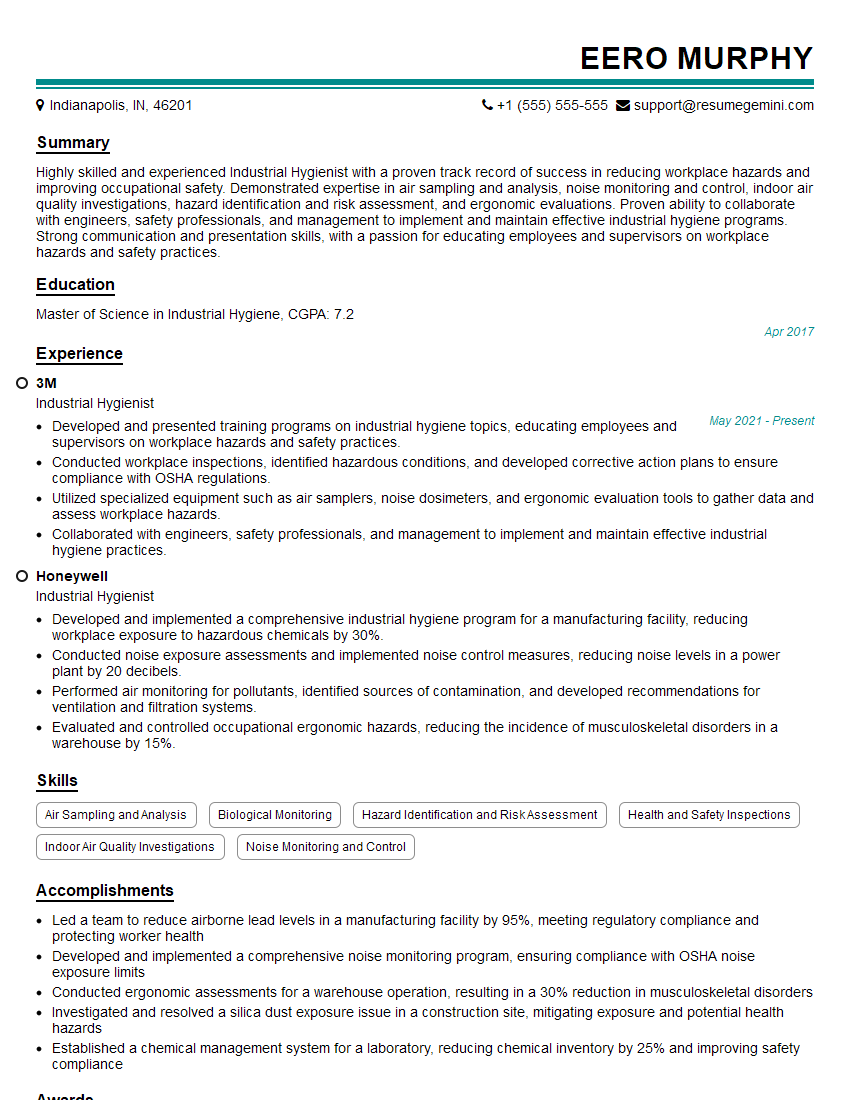
Industrial Hygienist Resume Sample
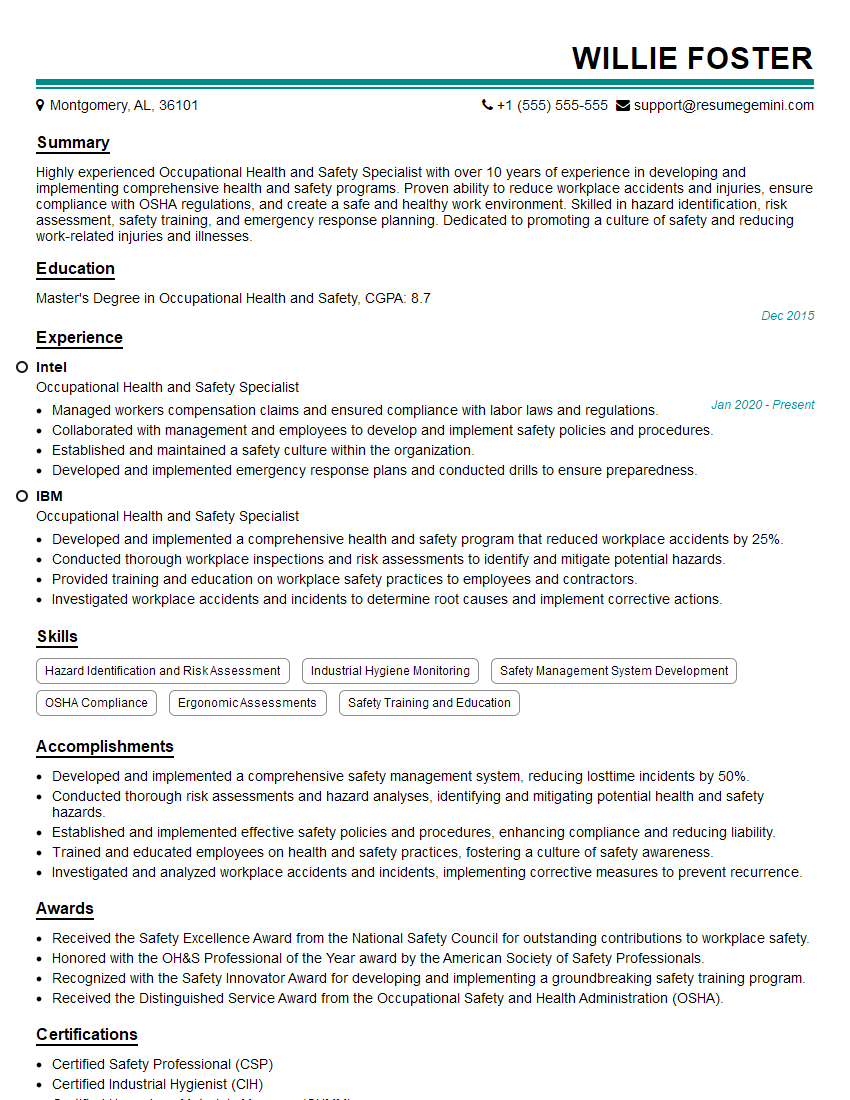
Occupational Health and Safety Specialist Resume Sample
- Safety Manager
- Sustainability Manager
- Compliance Manager
- Regulatory Compliance Specialist
- Environmental Compliance Officer
- Environmental Scientist
- Risk Management Specialist
- Health and Safety Coordinator
- Process Safety Engineer
- Safety Engineer
- Industrial Hygienist
- Occupational Health and Safety Specialist
Explore more articles
Users Rating of Our Blogs
Share Your Experience
We value your feedback! Please rate our content and share your thoughts (optional).
What Readers Say About Our Blog
Attention music lovers!
Wow, All the best Sax Summer music !!!
Spotify: https://open.spotify.com/artist/6ShcdIT7rPVVaFEpgZQbUk
Apple Music: https://music.apple.com/fr/artist/jimmy-sax-black/1530501936
YouTube: https://music.youtube.com/browse/VLOLAK5uy_noClmC7abM6YpZsnySxRqt3LoalPf88No
Other Platforms and Free Downloads : https://fanlink.tv/jimmysaxblack
on google : https://www.google.com/search?q=22+AND+22+AND+22
on ChatGPT : https://chat.openai.com?q=who20jlJimmy20Black20Sax20Producer
Get back into the groove with Jimmy sax Black
Best regards,
Jimmy sax Black
www.jimmysaxblack.com
Hi I am a troller at The aquatic interview center and I suddenly went so fast in Roblox and it was gone when I reset.
Hi,
Business owners spend hours every week worrying about their website—or avoiding it because it feels overwhelming.
We’d like to take that off your plate:
$69/month. Everything handled.
Our team will:
Design a custom website—or completely overhaul your current one
Take care of hosting as an option
Handle edits and improvements—up to 60 minutes of work included every month
No setup fees, no annual commitments. Just a site that makes a strong first impression.
Find out if it’s right for you:
https://websolutionsgenius.com/awardwinningwebsites
Hello,
we currently offer a complimentary backlink and URL indexing test for search engine optimization professionals.
You can get complimentary indexing credits to test how link discovery works in practice.
No credit card is required and there is no recurring fee.
You can find details here:
https://wikipedia-backlinks.com/indexing/
Regards
NICE RESPONSE TO Q & A
hi
The aim of this message is regarding an unclaimed deposit of a deceased nationale that bears the same name as you. You are not relate to him as there are millions of people answering the names across around the world. But i will use my position to influence the release of the deposit to you for our mutual benefit.
Respond for full details and how to claim the deposit. This is 100% risk free. Send hello to my email id: lukachachibaialuka@gmail.com
Luka Chachibaialuka
Hey interviewgemini.com, just wanted to follow up on my last email.
We just launched Call the Monster, an parenting app that lets you summon friendly ‘monsters’ kids actually listen to.
We’re also running a giveaway for everyone who downloads the app. Since it’s brand new, there aren’t many users yet, which means you’ve got a much better chance of winning some great prizes.
You can check it out here: https://bit.ly/callamonsterapp
Or follow us on Instagram: https://www.instagram.com/callamonsterapp
Thanks,
Ryan
CEO – Call the Monster App
Hey interviewgemini.com, I saw your website and love your approach.
I just want this to look like spam email, but want to share something important to you. We just launched Call the Monster, a parenting app that lets you summon friendly ‘monsters’ kids actually listen to.
Parents are loving it for calming chaos before bedtime. Thought you might want to try it: https://bit.ly/callamonsterapp or just follow our fun monster lore on Instagram: https://www.instagram.com/callamonsterapp
Thanks,
Ryan
CEO – Call A Monster APP
To the interviewgemini.com Owner.
Dear interviewgemini.com Webmaster!
Hi interviewgemini.com Webmaster!
Dear interviewgemini.com Webmaster!
excellent
Hello,
We found issues with your domain’s email setup that may be sending your messages to spam or blocking them completely. InboxShield Mini shows you how to fix it in minutes — no tech skills required.
Scan your domain now for details: https://inboxshield-mini.com/
— Adam @ InboxShield Mini
support@inboxshield-mini.com
Reply STOP to unsubscribe
Hi, are you owner of interviewgemini.com? What if I told you I could help you find extra time in your schedule, reconnect with leads you didn’t even realize you missed, and bring in more “I want to work with you” conversations, without increasing your ad spend or hiring a full-time employee?
All with a flexible, budget-friendly service that could easily pay for itself. Sounds good?
Would it be nice to jump on a quick 10-minute call so I can show you exactly how we make this work?
Best,
Hapei
Marketing Director
Hey, I know you’re the owner of interviewgemini.com. I’ll be quick.
Fundraising for your business is tough and time-consuming. We make it easier by guaranteeing two private investor meetings each month, for six months. No demos, no pitch events – just direct introductions to active investors matched to your startup.
If youR17;re raising, this could help you build real momentum. Want me to send more info?
Hi, I represent an SEO company that specialises in getting you AI citations and higher rankings on Google. I’d like to offer you a 100% free SEO audit for your website. Would you be interested?
Hi, I represent an SEO company that specialises in getting you AI citations and higher rankings on Google. I’d like to offer you a 100% free SEO audit for your website. Would you be interested?