Are you ready to stand out in your next interview? Understanding and preparing for Proficient in Using Digital Measuring Tools interview questions is a game-changer. In this blog, we’ve compiled key questions and expert advice to help you showcase your skills with confidence and precision. Let’s get started on your journey to acing the interview.
Questions Asked in Proficient in Using Digital Measuring Tools Interview
Q 1. Explain the principles of precision and accuracy in digital measurements.
Precision and accuracy are crucial in digital measurements, but they’re distinct concepts. Accuracy refers to how close a measurement is to the true value. Imagine hitting the bullseye on a dartboard – that’s high accuracy. Precision, on the other hand, refers to how close repeated measurements are to each other. Think of repeatedly hitting the same spot on the dartboard, even if that spot is off-center – that’s high precision, but low accuracy. A good digital measuring tool should ideally demonstrate both high precision and high accuracy. For instance, a micrometer consistently reading 10.001 mm when measuring a standard 10mm gauge block shows high precision, but if the gauge block’s actual dimension is 10.005 mm then it is not accurate. A perfect measurement is both precise and accurate.
Q 2. Describe different types of digital measuring tools (e.g., calipers, micrometers, laser scanners).
The world of digital measuring tools is diverse! Some common examples include:
- Digital Calipers: These are versatile tools used to measure internal, external, and depth dimensions. They’re like a highly precise ruler with jaws that adjust to the object’s size.
- Digital Micrometers: Offering even higher precision than calipers, micrometers measure extremely small distances with remarkable accuracy. They’re often used in machining and manufacturing for precise part measurement.
- Laser Scanners: These advanced tools use laser beams to create 3D models of objects, providing highly detailed measurements. They’re frequently employed in fields like reverse engineering and quality control, particularly for complex shapes.
- Digital Height Gauges: These measure vertical distances with high precision, often used in metrology and inspection.
- Digital Thickness Gauges: Specialized instruments designed for precise measurement of material thickness, typically used in industries like paper manufacturing or metal fabrication.
Each tool excels in different measurement scenarios depending on the required precision, the size and shape of the object, and the overall application.
Q 3. How do you ensure the accuracy and calibration of digital measuring tools?
Ensuring accuracy and proper calibration is paramount. This involves several steps:
- Regular Calibration: Digital measuring tools, like any instrument, drift over time due to wear and tear. Regular calibration against known standards (e.g., gauge blocks) is essential. The frequency of calibration depends on the tool’s use and the required accuracy – some tools might require daily calibration, others might be sufficient with monthly checks.
- Using Standard Calibration Procedures: Follow the manufacturer’s instructions meticulously, as each tool has its unique calibration method. This usually involves comparing readings with certified standards.
- Maintaining Cleanliness: Dust, dirt, and debris can affect readings. Keep the tools clean and free of contaminants using appropriate cleaning methods.
- Proper Handling and Storage: Store the tools in a safe, dry environment to prevent damage. Avoid dropping them or subjecting them to extreme temperatures.
- Calibration Certificates: Always obtain calibration certificates from a reputable calibration laboratory to ensure traceability and compliance with quality standards.
Neglecting calibration can lead to inaccurate measurements with potentially significant consequences, especially in precision manufacturing or critical applications.
Q 4. What are the common sources of error when using digital measuring instruments?
Several factors can introduce errors into digital measurements:
- Parallax Error: This occurs when the measurement is not taken directly perpendicular to the scale, leading to inaccurate readings. It’s especially common with analog tools but can impact digital ones if the display isn’t viewed directly.
- Tool Wear: Over time, the measuring jaws or probes can wear down, resulting in inaccurate readings. Regular maintenance and calibration can mitigate this.
- Temperature Variations: Temperature changes can affect the tool’s accuracy. Some tools compensate for this, but understanding the temperature sensitivity is crucial.
- Operator Error: Incorrect use of the tool, improper zeroing, or misreading the display can lead to errors. Proper training and careful operation are essential.
- Environmental Factors: Vibration, electromagnetic interference (EMI), or strong magnetic fields can also impact readings.
Understanding these sources of error allows for better measurement techniques and improved data reliability.
Q 5. How would you troubleshoot a malfunctioning digital measuring tool?
Troubleshooting a malfunctioning digital measuring tool follows a systematic approach:
- Check the Battery: Low battery power can lead to inaccurate readings or complete failure. Replace or recharge the battery.
- Inspect for Physical Damage: Look for any signs of damage to the tool, such as bent jaws or a cracked display.
- Verify Calibration: Calibrate the tool using a known standard to confirm accuracy. If the calibration fails, the tool might require professional repair or replacement.
- Check the Display: Is the display clear and easy to read? A faulty display could indicate a problem with the electronics.
- Examine the Connections: If applicable, check for any loose or damaged connections.
- Consult the Manual: The manufacturer’s manual usually provides troubleshooting tips and potential solutions.
- Seek Professional Help: If the problem persists, contact a qualified technician or the manufacturer for repairs or replacement.
Documenting the troubleshooting steps is essential for efficient problem resolution and record-keeping.
Q 6. Explain the difference between resolution and accuracy in a digital measurement.
Resolution and accuracy are often confused, but they are different aspects of measurement capabilities. Accuracy, as previously discussed, describes how close a measurement is to the true value. Resolution, on the other hand, refers to the smallest increment that the tool can measure. For example, a tool with a resolution of 0.01 mm can measure only in increments of 0.01 mm, meaning that the reading will always be a multiple of 0.01 mm. A high-resolution tool may not necessarily be accurate. A tool might be highly precise with readings such as 10.000mm, 10.000mm, 10.001mm and 10.001mm, but if the actual value is 10.005mm, its accuracy is poor. In simple terms, resolution is the smallest division on the measuring scale, while accuracy is how close the measurement is to the real value.
Q 7. How do you select the appropriate digital measuring tool for a specific task?
Selecting the right digital measuring tool depends on the specific task and the required level of accuracy and precision. Consider these factors:
- Measurement Range: What is the size of the object being measured?
- Required Accuracy: How precise do the measurements need to be? Micrometers are better for extremely small tolerances than calipers.
- Type of Measurement: Do you need to measure internal, external, depth, or other dimensions?
- Material: The material of the object may influence the choice of tool (e.g., hardness may affect micrometer usage).
- Ease of Use: How easy is the tool to operate and read? Consider operator experience and comfort.
- Environmental Conditions: Will the tool be used in harsh or sensitive conditions (e.g., high temperature, moisture)?
- Cost: The budget for the tool should also be taken into consideration.
For example, measuring the thickness of a sheet of paper would require a digital micrometer for high precision, while measuring the overall dimensions of a wooden block might be suitable for a digital caliper. Choosing the appropriate tool ensures accurate and efficient measurement.
Q 8. Describe your experience with different measurement units (e.g., inches, millimeters, microns).
My experience spans a wide range of measurement units, from the commonly used inches and millimeters to the much finer micron (µm). I’m comfortable working with imperial and metric systems and seamlessly converting between them. For example, in machining, I might measure a part’s dimensions in millimeters using a digital caliper, while verifying the thickness of a coating in microns using an optical profilometer. Understanding the relationship between these units is crucial for precision work. A micron is one-thousandth of a millimeter, highlighting the significant difference in scale and the need for appropriately sensitive tools.
I’ve used digital instruments that directly display measurements in various units, and I’m also proficient in manual conversions when necessary, ensuring accuracy and consistency across projects. In one project involving the fabrication of microfluidic devices, precision in the micron range was essential for the proper functioning of the device, and accurate conversion between units was critical to ensure all components were properly sized.
Q 9. How do you document and record measurements obtained using digital tools?
Documenting and recording measurements involves meticulous attention to detail. I always use a standardized format, typically including the date, time, instrument used (including its serial number and calibration date), the measured value with its units, the part or component being measured, and my initials or identification number. I prefer using digital data acquisition systems that automatically record measurements along with metadata, which reduces the risk of human error.
For instance, if I’m using a digital micrometer to measure the diameter of a shaft, my entry might look like this:
Date: 2024-10-27, Time: 14:30, Instrument: Mitutoyo 293-250-30, Serial: 1234567, Calibration Date: 2024-07-15, Measurement: 10.000 mm ± 0.002 mm, Part: Shaft A, Measured by: John DoeThis comprehensive recording method guarantees traceability and allows for easy review and analysis of the data. I always maintain backups of my data to prevent loss and ensure data integrity.
Q 10. Explain the importance of proper handling and maintenance of digital measuring tools.
Proper handling and maintenance are paramount to ensure the accuracy and longevity of digital measuring tools. Neglecting this can lead to inaccurate readings, damage to the instrument, and potentially safety hazards. My routine includes regular cleaning of the measuring surfaces, using appropriate cleaning solutions to avoid corrosion or damage. I store the tools in their designated cases to protect them from impacts and dust. Calibration is crucial – I always adhere to the manufacturer’s recommendations for calibration frequency, ensuring the accuracy remains within acceptable tolerances.
For example, a digital caliper needs its jaws cleaned after each use to prevent debris from affecting measurements. A damaged or improperly calibrated tool can lead to costly mistakes, such as manufacturing parts that don’t meet specifications, leading to rework or scrap.
Q 11. What safety precautions do you take when using digital measuring tools?
Safety precautions are always at the forefront of my mind. I never use tools that are damaged or improperly calibrated. Before using any powered instruments, I carefully read and follow the manufacturer’s safety instructions. When dealing with potentially hazardous materials or environments, I wear appropriate personal protective equipment (PPE), such as safety glasses and gloves. I avoid distractions and maintain a safe working environment, ensuring there is ample workspace and proper lighting.
Specifically, when working with laser-based distance meters, I always wear laser safety glasses to protect my eyes from potential harm. Furthermore, if measuring a part that has sharp edges, I use protective gloves to prevent cuts or injuries.
Q 12. How do you interpret measurement data obtained from digital measuring tools?
Interpreting measurement data involves understanding the displayed values, the associated tolerances, and any potential sources of error. I analyze the data to identify trends, outliers, and any discrepancies. I consider the instrument’s resolution and accuracy when evaluating the data. If there are multiple measurements, I calculate the average and standard deviation to determine the precision of the measurements.
For example, if I obtain multiple measurements of a component’s length and notice a consistent bias, I would investigate the cause, which could be due to a systematic error in the measuring tool or a problem in my measurement technique. Understanding the underlying causes is crucial for correcting errors and improving future measurements.
Q 13. Describe your experience with statistical process control (SPC) related to measurement data.
I have extensive experience applying statistical process control (SPC) to measurement data. SPC helps to monitor and control the variation in processes. Using control charts (like X-bar and R charts), I track the mean and range of measurement data over time, identifying patterns and potential issues. This helps to prevent defects and improve process efficiency.
For instance, in a manufacturing process, I might use control charts to monitor the diameter of a manufactured part. If the data points consistently fall outside the control limits, it would indicate a problem that requires immediate attention, such as tool wear or process drift. Implementing corrective actions based on SPC analysis ensures consistent product quality and reduces waste.
Q 14. Explain the concept of tolerance and its significance in digital measurement.
Tolerance specifies the permissible range of variation for a measured dimension. It defines the acceptable upper and lower limits of a measurement, often expressed as ± a certain value. For example, a tolerance of ±0.1 mm means that the measured value can deviate by a maximum of 0.1 mm above or below the nominal value. Tolerance is crucial in manufacturing to ensure that parts fit together correctly and function as designed.
In quality control, exceeding the specified tolerance indicates a defect, requiring corrective action. In my work, understanding tolerances is paramount, especially in high-precision applications, such as aerospace or medical device manufacturing, where even minor deviations can have significant consequences. Meeting tolerances consistently is essential to producing high-quality components and avoiding costly rework or scrap.
Q 15. How do you deal with discrepancies or inconsistencies in measurement data?
Discrepancies in measurement data are inevitable, but understanding their sources is crucial for accurate results. My approach involves a systematic investigation, starting with identifying the potential sources of error. This could range from instrument calibration issues (e.g., a miscalibrated caliper), environmental factors (e.g., temperature fluctuations affecting dimensional stability), operator error (e.g., incorrect measurement technique), or even flaws in the measurement process itself (e.g., improper workpiece fixturing).
I first check the instrument’s calibration certificate and recent calibration history. If the instrument is outside its tolerance limits, I’ll have it recalibrated by a certified lab. Next, I carefully review the measurement process, checking for any procedural errors. I might re-measure the part multiple times, using different techniques or even different instruments, to see if the discrepancy persists. If the error persists after these checks, I might need to investigate the part itself—is it warped, damaged, or otherwise inconsistent?
Statistical analysis plays a key role here. I’ll often use control charts or other statistical tools to determine if the discrepancies are random or systematic. Random errors can usually be minimized by increasing the sample size or improving measurement techniques, while systematic errors usually indicate a problem that needs to be addressed directly. For example, if consistently measuring a dimension 0.02mm smaller than expected, I would inspect the tool or setup for a systematic bias.
Career Expert Tips:
- Ace those interviews! Prepare effectively by reviewing the Top 50 Most Common Interview Questions on ResumeGemini.
- Navigate your job search with confidence! Explore a wide range of Career Tips on ResumeGemini. Learn about common challenges and recommendations to overcome them.
- Craft the perfect resume! Master the Art of Resume Writing with ResumeGemini’s guide. Showcase your unique qualifications and achievements effectively.
- Don’t miss out on holiday savings! Build your dream resume with ResumeGemini’s ATS optimized templates.
Q 16. Describe your experience with different types of digital display interfaces on measuring tools.
My experience spans a wide range of digital display interfaces, from simple LCD displays on basic calipers and micrometers to advanced color touchscreens on CMMs and laser scanners. I’m proficient with various display types, including:
- Seven-segment displays: Common on simpler instruments, providing clear numerical readout.
- LCD (Liquid Crystal Display): Widely used for their readability and relatively low power consumption.
- LED (Light Emitting Diode) displays: Offer bright, easily visible readings, particularly in low-light conditions.
- Color touchscreens: Found on more advanced instruments, offering intuitive interaction and graphical representations of data.
Understanding the strengths and limitations of each interface is crucial. For instance, a seven-segment display might only offer limited resolution, making it unsuitable for precise measurements, while a touchscreen interface might be more susceptible to environmental influences.
I also appreciate the importance of clear, unambiguous display formatting, ensuring the units (mm, inches, etc.) are clearly indicated and the resolution is appropriate for the task at hand. I’ve encountered instances where poorly designed displays have led to misinterpretations, and I always prioritize using tools with easily understandable interfaces.
Q 17. How familiar are you with data logging capabilities of digital measuring tools?
I’m highly familiar with the data logging capabilities of digital measuring tools. Many modern instruments have built-in data loggers, allowing for the automatic recording of measurement data over time or for large numbers of measurements. This is incredibly valuable for various reasons:
- Improved Efficiency: Data logging eliminates manual data entry, saving time and reducing the risk of human error.
- Data Analysis: Logged data can be easily exported to spreadsheets or specialized software for statistical analysis, trend identification, and process improvement.
- Traceability: Data logging provides a complete audit trail of all measurements, ensuring traceability and compliance with quality standards.
- Process Monitoring: Real-time data logging allows for immediate feedback on the process and early detection of anomalies.
I have experience with various data logging methods, including direct data export to a computer via USB, SD card storage, and even wireless communication via Bluetooth or Wi-Fi. My familiarity extends to different data formats, such as CSV (Comma Separated Values), and understanding how to efficiently import and manage this data in statistical software packages like Minitab or JMP.
For instance, I’ve used data logging extensively in a quality control setting to monitor the dimensions of manufactured parts over several production runs. The logged data allowed us to quickly identify a systematic shift in dimensions and take corrective action, preventing a large batch of defective parts.
Q 18. Describe your experience using software to interface with digital measuring tools.
I have extensive experience using software to interface with digital measuring tools. This typically involves using software specifically designed to control and collect data from the instrument, but it can also include general-purpose software like spreadsheets or data analysis packages. My expertise covers:
- Dedicated Measurement Software: This software allows for advanced control of the measuring instrument, programming of measurement routines, and sophisticated data analysis. I’ve worked with various proprietary software packages from different manufacturers.
- Spreadsheet Software (e.g., Excel): Often used for basic data import, organization, and simple analysis, particularly for smaller datasets.
- Statistical Software (e.g., Minitab, JMP): Used for more in-depth statistical analysis, including capability studies, control charts, and regression analysis.
- Custom Software: In some cases, I’ve worked with custom software developed to integrate measuring instruments into larger automation systems.
The specific software used depends heavily on the complexity of the measurement task and the desired level of analysis. For example, simple measurements using a caliper might only need spreadsheet software, while a complex CMM measurement might require specialized software with features for probe calibration, geometric tolerance checking, and report generation. A key skill is understanding how to effectively manage and interpret the data extracted from the measuring tool via the software interface.
Q 19. How do you ensure traceability in your measurements?
Ensuring traceability in measurements is paramount for maintaining the integrity and reliability of the data. Traceability means establishing an unbroken chain of custody, linking a measurement back to a known standard. This is achieved through several key steps:
- Instrument Calibration: Regular calibration of measuring instruments against traceable national or international standards is essential. I always verify that the equipment I use has a current calibration certificate from a reputable laboratory.
- Standard Operating Procedures (SOPs): Following established SOPs for measurement procedures minimizes variability and ensures consistency. This includes defining the measurement techniques, environmental conditions, and data recording methods.
- Data Logging: As mentioned earlier, recording all measurement data, including the instrument used, date, time, operator, and any relevant environmental conditions, provides a detailed audit trail.
- Documentation: Maintaining meticulous records of all calibration certificates, SOPs, and measurement data is critical for demonstrating traceability. I’m proficient in maintaining this type of documentation according to industry best practices and relevant standards.
In practice, this might involve documenting the calibration certificate number of a micrometer used to measure a component, noting down the measurement date and time, and including the measurement in a larger quality control report. This complete chain of documentation allows any discrepancies to be tracked back to their source.
Q 20. What is your experience with CMM (Coordinate Measuring Machine) operation?
I possess extensive experience in operating Coordinate Measuring Machines (CMMs). My experience includes programming CMMs using various software packages, performing complex measurements on a wide range of parts, and analyzing the results to ensure conformance to specifications. This encompasses several key areas:
- Programming: I’m proficient in creating CMM programs using various CAD software packages and CMM-specific programming languages. This includes defining measurement points, creating probing strategies, and setting up data collection routines.
- Measurement Techniques: I’m experienced in various measurement techniques, including touch-trigger probing, scanning, and laser scanning. Selecting the appropriate technique depends on the part geometry, material properties, and required accuracy.
- Data Analysis: I’m adept at interpreting CMM measurement data, identifying sources of error, and generating comprehensive reports to document the measurement results. This involves using statistical tools to assess measurement uncertainty and determining part conformance to specifications.
- Maintenance and Troubleshooting: I have experience maintaining and troubleshooting CMMs, including performing routine checks, identifying and resolving mechanical issues, and coordinating with service technicians when needed.
I’ve used CMMs extensively in various industries, including aerospace, automotive, and medical device manufacturing, for tasks ranging from first-article inspection to process capability studies. For example, in one project, I used a CMM to inspect the complex geometry of a turbine blade, ensuring it met stringent dimensional tolerances crucial for its performance and safety.
Q 21. Explain your understanding of GD&T (Geometric Dimensioning and Tolerancing).
Geometric Dimensioning and Tolerancing (GD&T) is a standardized system for specifying and interpreting the geometric tolerances of parts. It goes beyond simple linear measurements to define the permissible variations in form, orientation, location, and runout of features. Understanding GD&T is crucial for effective communication between designers, manufacturers, and inspectors.
My understanding encompasses:
- Fundamental GD&T Symbols: I’m proficient in interpreting the various GD&T symbols, including those for straightness, flatness, circularity, cylindricity, parallelism, perpendicularity, angularity, position, profile, runout, and concentricity.
- Datum References: I understand the importance of datum references in defining the coordinate system for measurements. Datums provide a stable reference for determining the location and orientation of features.
- Tolerance Zones: I understand how tolerance zones are defined and applied to ensure that a part meets its geometric requirements.
- Material Condition Modifiers: I know how material condition modifiers (like MMC – Maximum Material Condition and LMC – Least Material Condition) affect the interpretation of tolerances.
GD&T ensures that parts function correctly and are interchangeable. In my experience, a thorough understanding of GD&T avoids misinterpretations of design intent, leading to significant cost savings and improved quality. For instance, using GD&T on a complex assembly prevented costly rework by clearly defining the allowable variations in the mating features.
Q 22. How do you handle measurements taken in different environmental conditions?
Environmental conditions significantly impact measurement accuracy. Temperature, humidity, and even air pressure can cause dimensional changes in the object being measured and affect the performance of the measuring instrument itself. For example, a metal part might expand slightly in higher temperatures, leading to an inaccurate measurement if not accounted for.
My approach involves several steps: 1. Controlled Environment: Whenever possible, I conduct measurements in a climate-controlled environment to minimize these variables. This is especially crucial for precision measurements. 2. Temperature Compensation: Many digital measuring instruments offer temperature compensation features. I always utilize these if available, ensuring the instrument adjusts its readings based on the ambient temperature. 3. Calibration: Regular calibration of the measuring instruments is essential. Calibration checks the instrument’s accuracy against known standards under controlled conditions. 4. Data Logging: I meticulously record environmental conditions (temperature, humidity, pressure) alongside the measurements. This allows for later analysis and correction if necessary. 5. Statistical Analysis: For large datasets, statistical analysis techniques can help identify and mitigate the impact of environmental variations.
Imagine measuring a precise component for an aerospace application. Ignoring temperature changes could result in a part that’s out of tolerance and potentially dangerous. By meticulously controlling and accounting for environmental factors, I ensure the highest possible measurement accuracy.
Q 23. Describe your experience with laser scanning technology for dimensional measurements.
Laser scanning technology is a game-changer for dimensional measurement, providing rapid and highly accurate data capture for complex geometries. I’ve extensively used laser scanners in reverse engineering projects, creating 3D models from physical parts, and in quality control inspections to verify part conformity.
My experience includes working with both contact and non-contact laser scanners. Contact scanners utilize a laser to measure surface features directly, while non-contact scanners, such as those based on triangulation principles, create a 3D point cloud by measuring the distance to numerous points on a surface. I’m proficient in processing the point cloud data using specialized software to generate accurate CAD models and analyze deviations from nominal dimensions. This technology is invaluable for capturing intricate details that would be impossible to measure with traditional methods.
For instance, in one project involving a complex die-casting mold, using a laser scanner allowed us to rapidly capture the entire surface geometry, identifying minor defects and deviations quickly, enabling rapid mold correction and avoiding costly downtime.
Q 24. How do you calculate measurement uncertainty?
Calculating measurement uncertainty is critical for expressing the reliability of a measurement result. It’s not simply about stating a single value; it’s about providing a range within which the true value likely lies. This range is defined by the uncertainty.
The process typically involves identifying and quantifying various sources of uncertainty, such as:
- Instrument Resolution: The smallest increment the instrument can display.
- Calibration Uncertainty: Uncertainty associated with the calibration of the measuring instrument.
- Environmental Factors: Uncertainty due to temperature, humidity, etc.
- Operator Error: Uncertainty introduced by the person taking the measurement.
- Repeatability: Variation in measurements taken under the same conditions.
These individual uncertainties are then combined using statistical methods, typically root-sum-square (RSS), to obtain the overall measurement uncertainty. The final result is often expressed as a value ± the uncertainty. For example, a measurement of 10.00 mm ± 0.02 mm indicates that the true value likely falls between 9.98 mm and 10.02 mm.
Accurate uncertainty calculation is vital for ensuring that measurements meet the required tolerances, especially in critical applications.
Q 25. What is your experience with using digital measuring tools in a manufacturing environment?
My experience in manufacturing involves the extensive use of digital measuring tools for quality control and process optimization. I’ve worked in various settings, from automotive parts manufacturing to precision machining. This includes using a wide range of tools, such as:
- Coordinate Measuring Machines (CMMs): For high-precision measurements of complex parts.
- Digital Calipers and Micrometers: For routine measurements of dimensions and diameters.
- Laser Distance Meters: For quick and easy distance measurements.
- Optical Comparators: For precise measurements and detailed inspection of intricate parts.
I’m adept at selecting the appropriate tool for a given task, understanding its limitations and capabilities, and interpreting the data accurately. I regularly work with manufacturing process engineers to establish and refine measurement procedures to enhance efficiency and improve product quality.
For example, in one project, I implemented a CMM-based inspection system to automate the quality control process for critical engine components, significantly reducing inspection time and improving accuracy.
Q 26. Explain your process for verifying the accuracy of a digital measurement system.
Verifying the accuracy of a digital measurement system is a crucial aspect of ensuring reliable measurements. This process, known as verification or validation, involves a series of steps to ensure that the system performs within its specified tolerances.
My verification process involves:
- Calibration: Regular calibration against traceable standards (e.g., national or international standards) is fundamental. The frequency of calibration depends on the instrument’s specifications and its usage.
- Traceability: Maintaining a clear chain of traceability from the instrument’s calibration back to national or international standards is crucial.
- Standard Artifacts: Using calibrated standard artifacts (e.g., gauge blocks, precision spheres) of known dimensions to verify the instrument’s readings. Multiple measurements are taken and statistically analyzed.
- Control Charts: Implementing statistical process control (SPC) methods to monitor the system’s performance over time. Control charts help identify trends and deviations from expected performance.
- Documentation: Maintaining thorough records of all calibration procedures, results, and verification tests.
Failure to perform regular verification could lead to significant errors in measurements and potentially affect the quality and safety of the products being manufactured.
Q 27. How do you handle out-of-tolerance measurements?
Handling out-of-tolerance measurements requires a systematic approach focused on investigation, resolution, and prevention. It’s not simply about rejecting a part; it’s about understanding why the measurement is out of tolerance.
My approach involves:
- Repeatability Check: First, I repeat the measurement multiple times to verify the consistency of the result. Random errors can cause occasional outliers.
- Instrument Verification: I verify the instrument’s accuracy and calibration status. A malfunctioning instrument can lead to inaccurate readings.
- Root Cause Analysis: I investigate the potential causes of the deviation. This could include issues with the manufacturing process, tool wear, material defects, or even environmental factors.
- Corrective Actions: Based on the root cause analysis, I recommend and implement corrective actions. This may involve adjustments to the manufacturing process, replacement of faulty tools, or improved quality control procedures.
- Documentation: I meticulously document all findings, corrective actions, and preventative measures to prevent future occurrences.
For example, consistently out-of-tolerance measurements might indicate a problem with the machine’s settings or tool wear, requiring recalibration or replacement.
Q 28. Describe your experience using different types of digital probes with measuring instruments.
Different digital probes are designed for specific measurement tasks, each with its advantages and limitations. My experience includes using various probe types with different measuring instruments.
Some examples include:
- Touch Probes: These are commonly used with CMMs and offer high accuracy and repeatability for point-to-point measurements. Different tip styles (e.g., spherical, cylindrical) are chosen depending on the feature being measured.
- Scanning Probes: These allow for rapid data acquisition over a surface, generating a point cloud for 3D measurement. They are particularly useful for complex shapes and reverse engineering applications.
- Laser Probes: Non-contact probes offer fast and accurate measurements, particularly for delicate or hard-to-reach surfaces.
- Stylus Probes: Used with CMMs, these probes incorporate a stylus which follows a defined path to measure complex profiles.
Selecting the appropriate probe type is crucial to ensure accurate and efficient measurements. The choice depends on factors such as the geometry of the part, required accuracy, and measurement speed. I always consider the probe’s capabilities and limitations when planning a measurement procedure.
Key Topics to Learn for Proficient in Using Digital Measuring Tools Interview
- Understanding Different Digital Measuring Tools: Explore the various types of digital measuring tools available (e.g., calipers, micrometers, laser distance meters), their functionalities, and limitations. Consider the precision and accuracy of each tool.
- Calibration and Maintenance: Learn the importance of proper calibration techniques and routine maintenance procedures for ensuring accurate measurements. Understand how to identify and troubleshoot common issues.
- Practical Application in Different Fields: Explore how digital measuring tools are used in various industries (e.g., manufacturing, engineering, construction). Consider specific examples and scenarios where precise measurements are crucial.
- Data Interpretation and Analysis: Develop skills in interpreting data obtained from digital measuring tools. Practice converting units, calculating tolerances, and identifying potential sources of measurement error.
- Safety Procedures: Understand and adhere to all relevant safety guidelines and procedures when using digital measuring tools. This includes appropriate handling, storage, and disposal.
- Troubleshooting and Problem Solving: Develop your ability to identify and resolve issues related to malfunctioning equipment, inaccurate readings, or unexpected measurement results. Practice using systematic approaches to troubleshoot problems.
- Selecting the Appropriate Tool: Learn to choose the most suitable digital measuring tool for a given task based on factors such as the required accuracy, the material being measured, and the size and shape of the object.
Next Steps
Mastering proficiency in using digital measuring tools is crucial for career advancement in numerous technical fields, opening doors to higher-paying roles and more challenging projects. A strong resume is essential for showcasing this expertise to potential employers. To increase your chances of getting noticed by Applicant Tracking Systems (ATS), focus on creating an ATS-friendly resume that highlights your skills and experience effectively. ResumeGemini is a trusted resource that can help you build a professional and impactful resume. They provide examples of resumes tailored to roles requiring proficiency in using digital measuring tools, ensuring your application stands out from the competition.
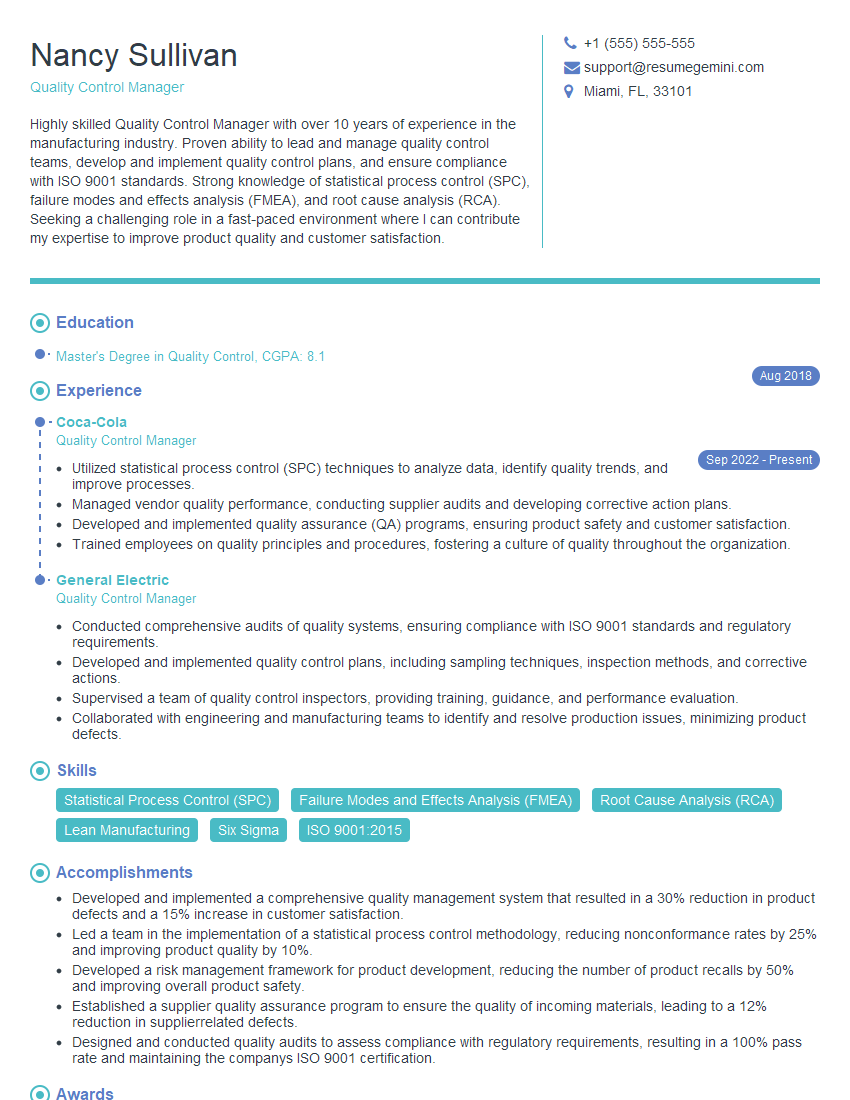
Quality Control Manager Resume Sample
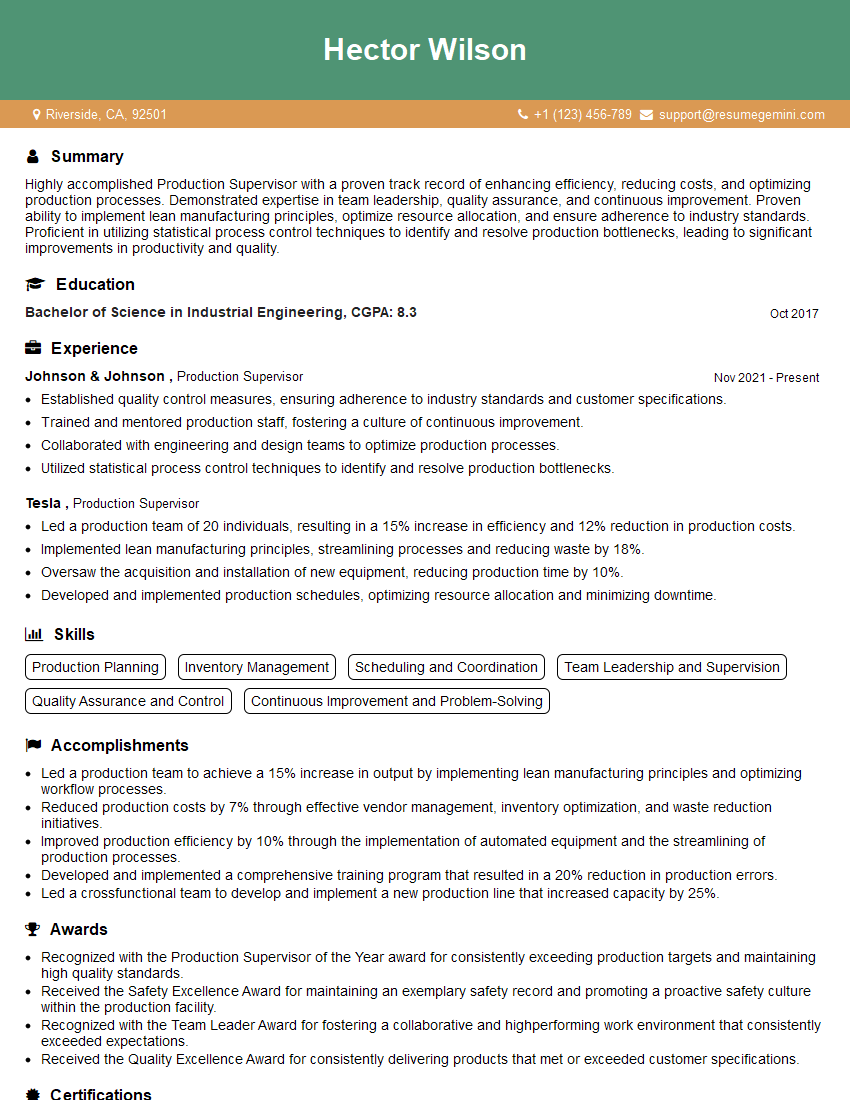
Production Supervisor Resume Sample
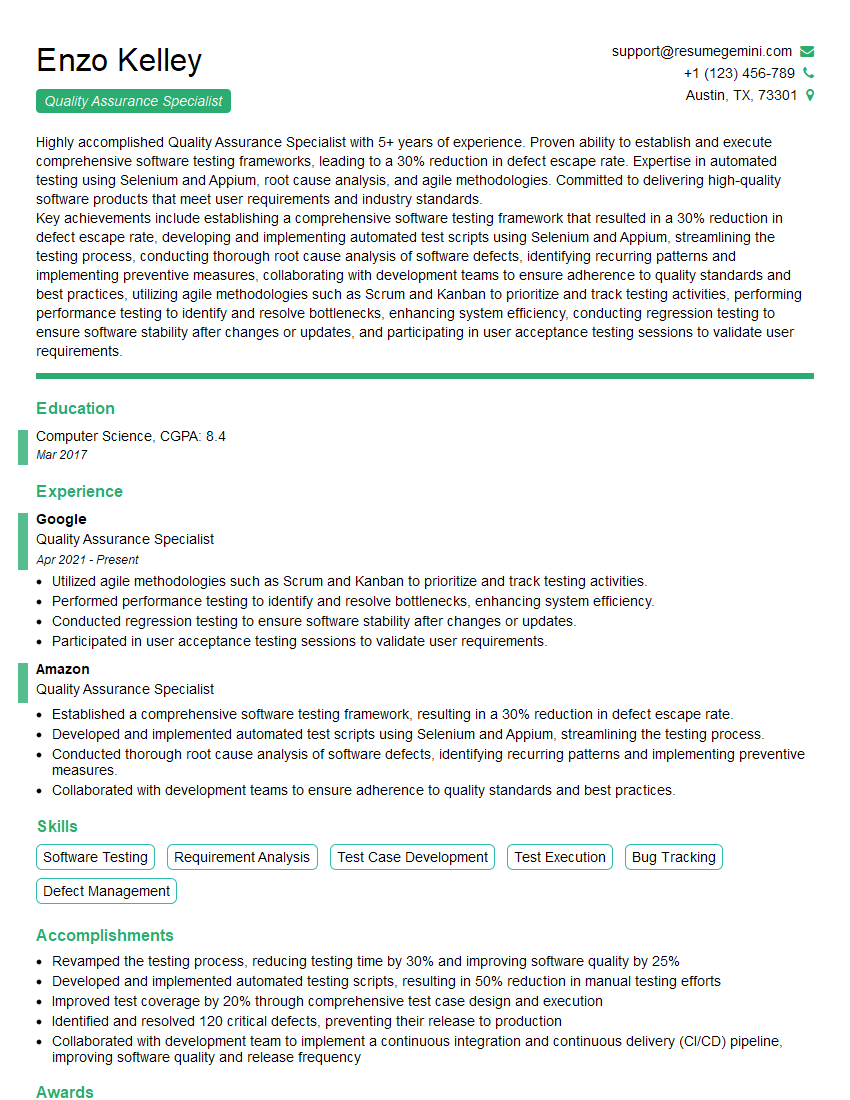
Quality Assurance Specialist Resume Sample
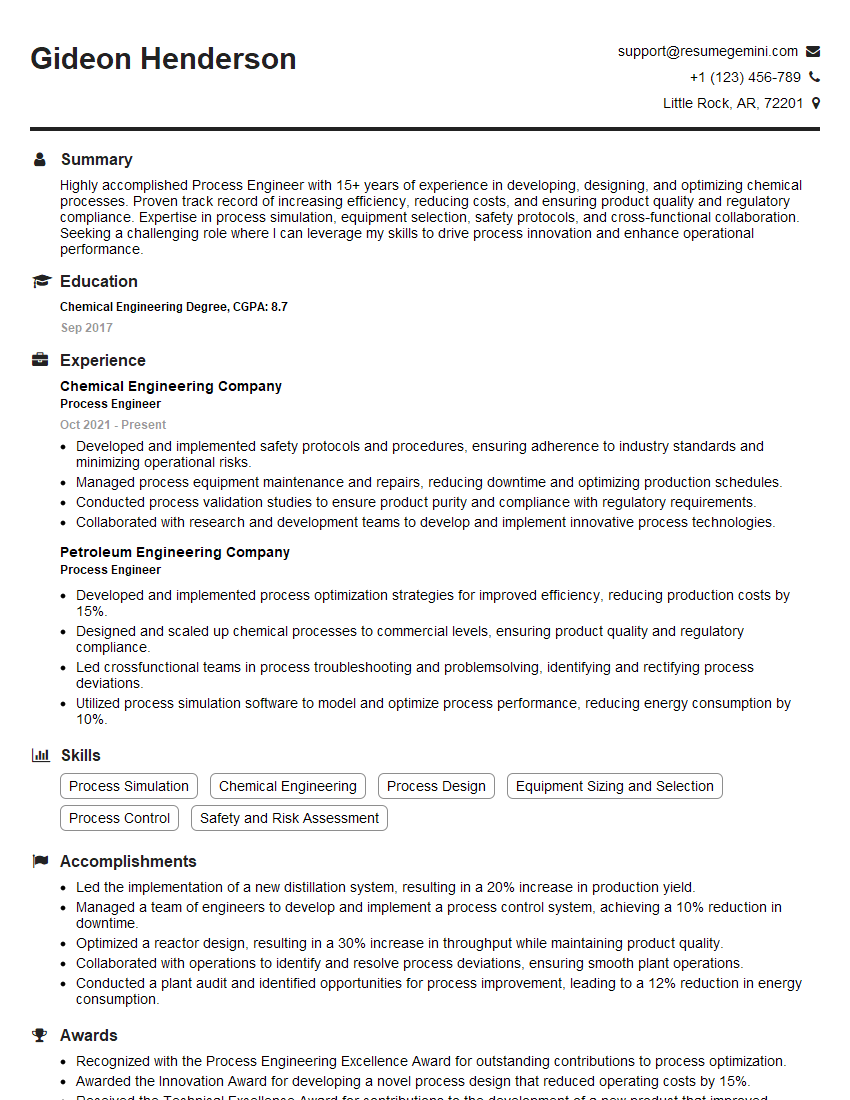
Process Engineer Resume Sample
Automation Engineer Resume Sample
Test Engineer Resume Sample
Maintenance Technician Resume Sample
Surveyor Resume Sample
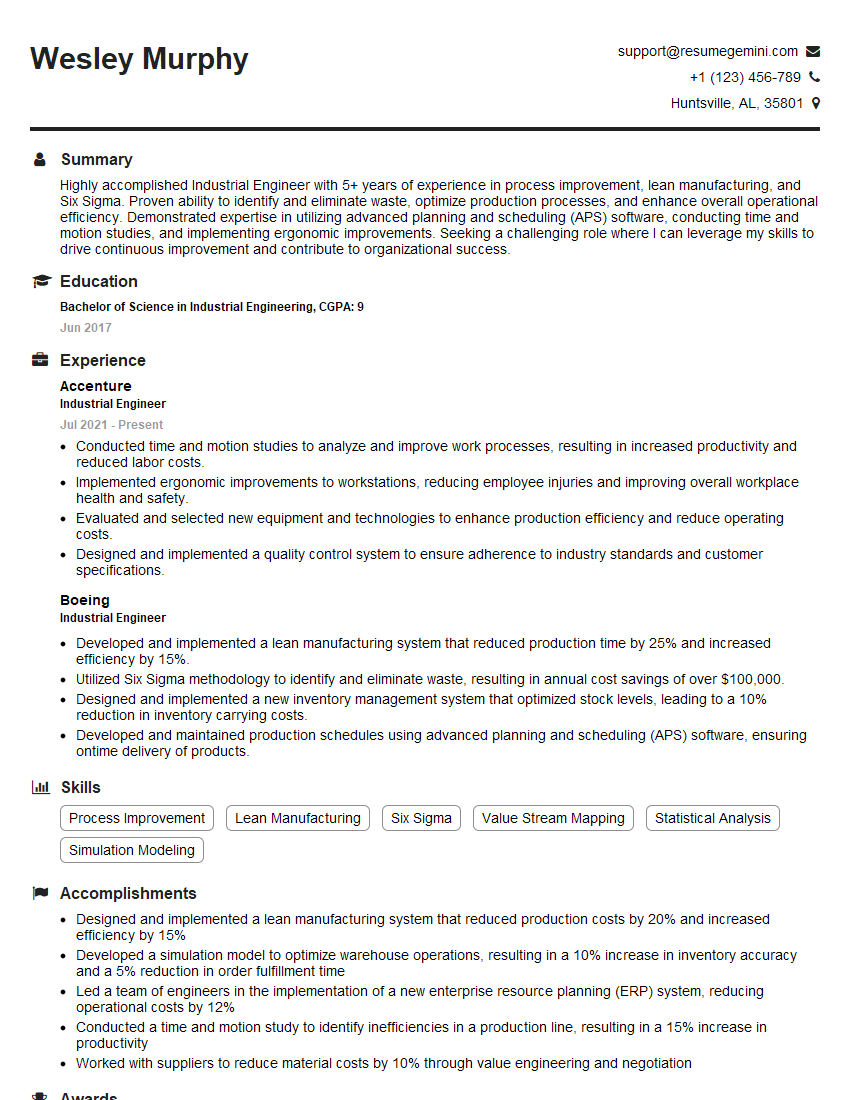
Industrial Engineer Resume Sample
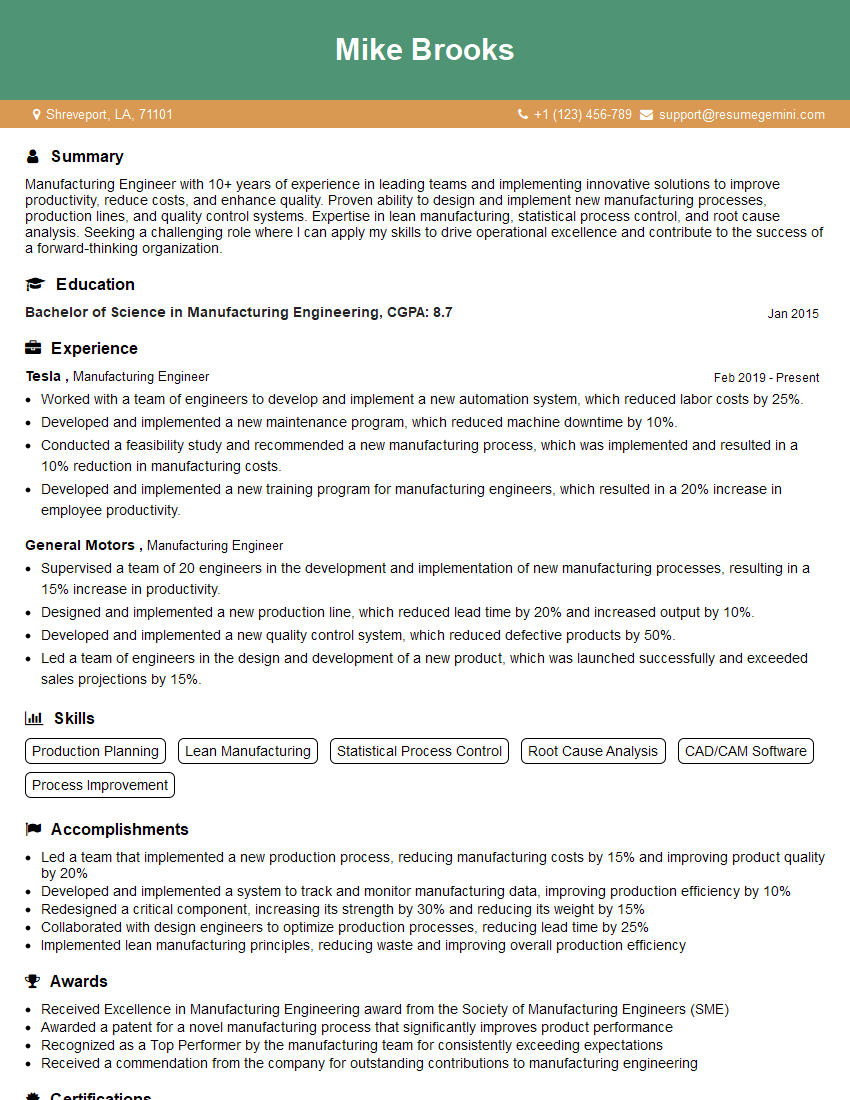
Manufacturing Engineer Resume Sample
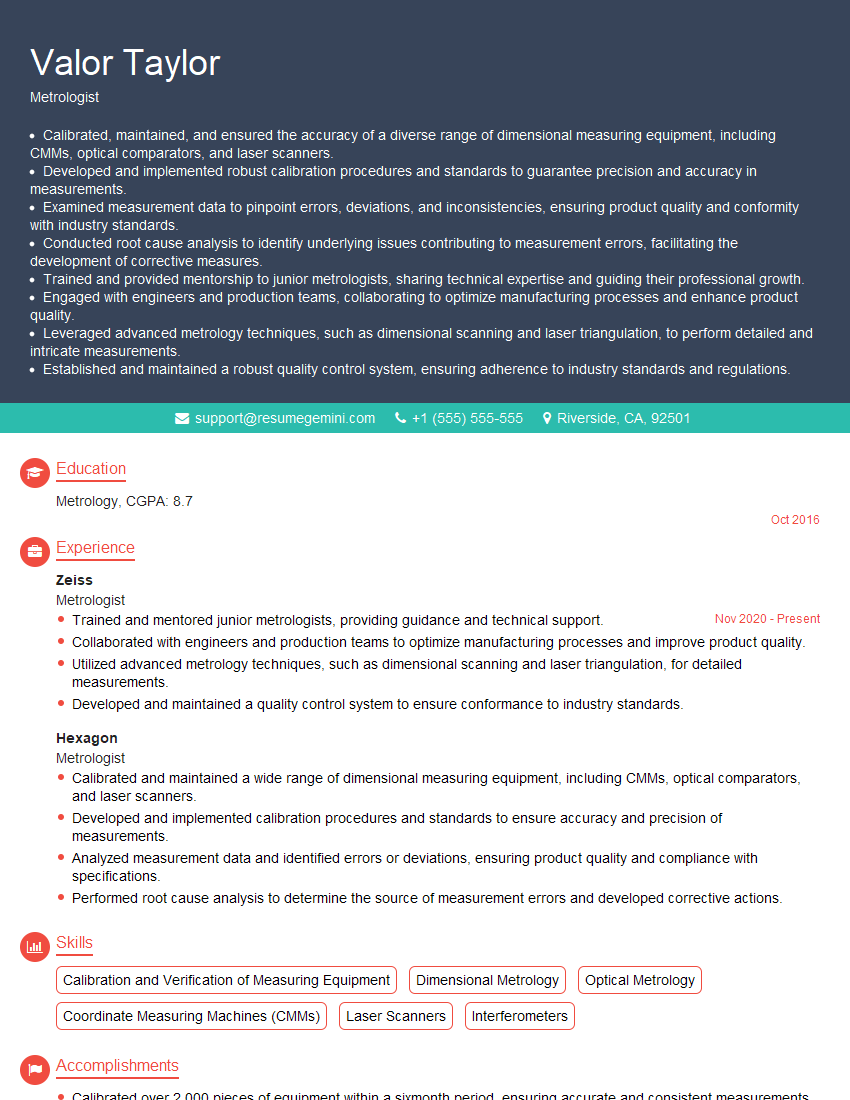
Metrologist Resume Sample
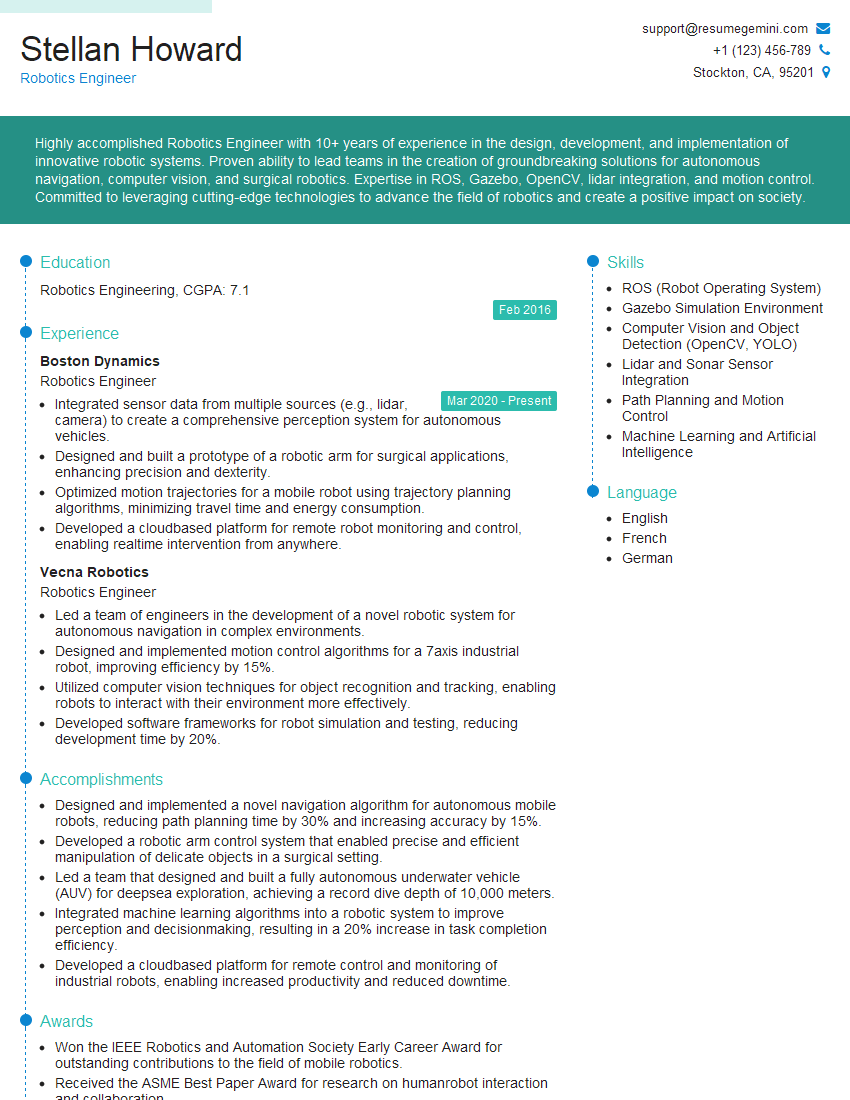
Robotics Engineer Resume Sample
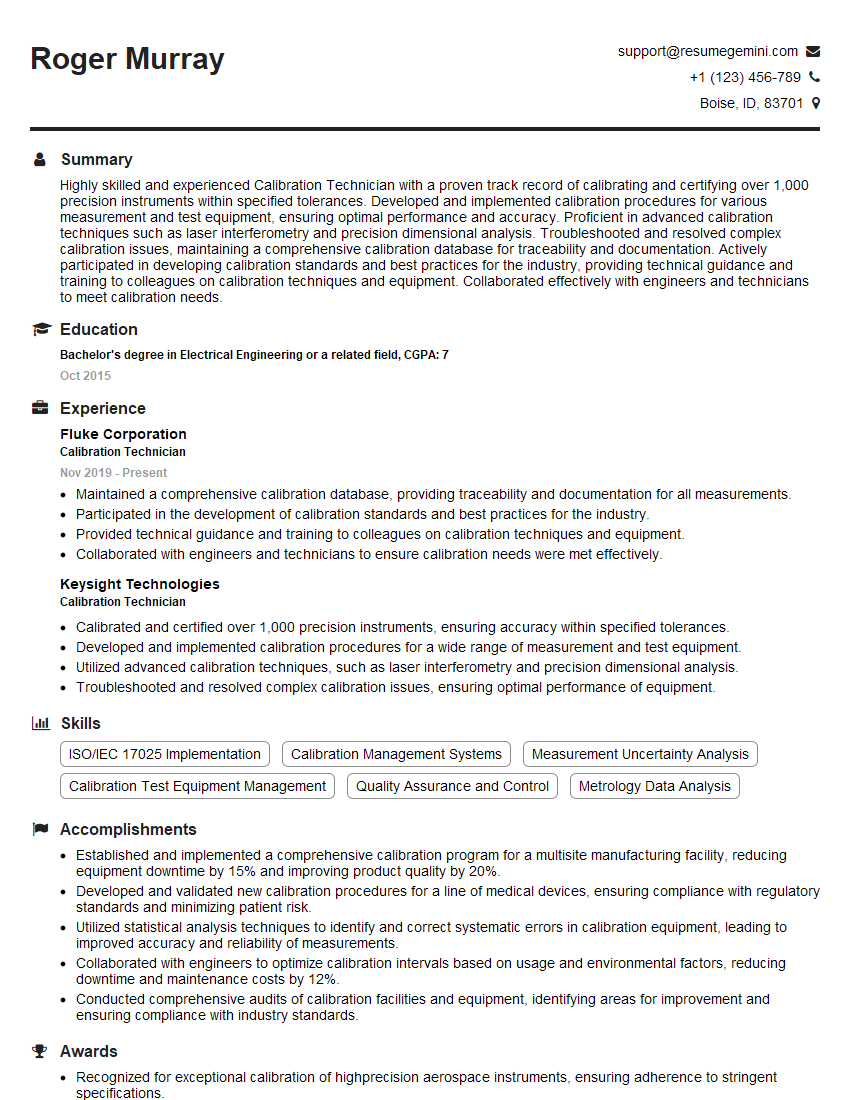
Calibration Technician Resume Sample
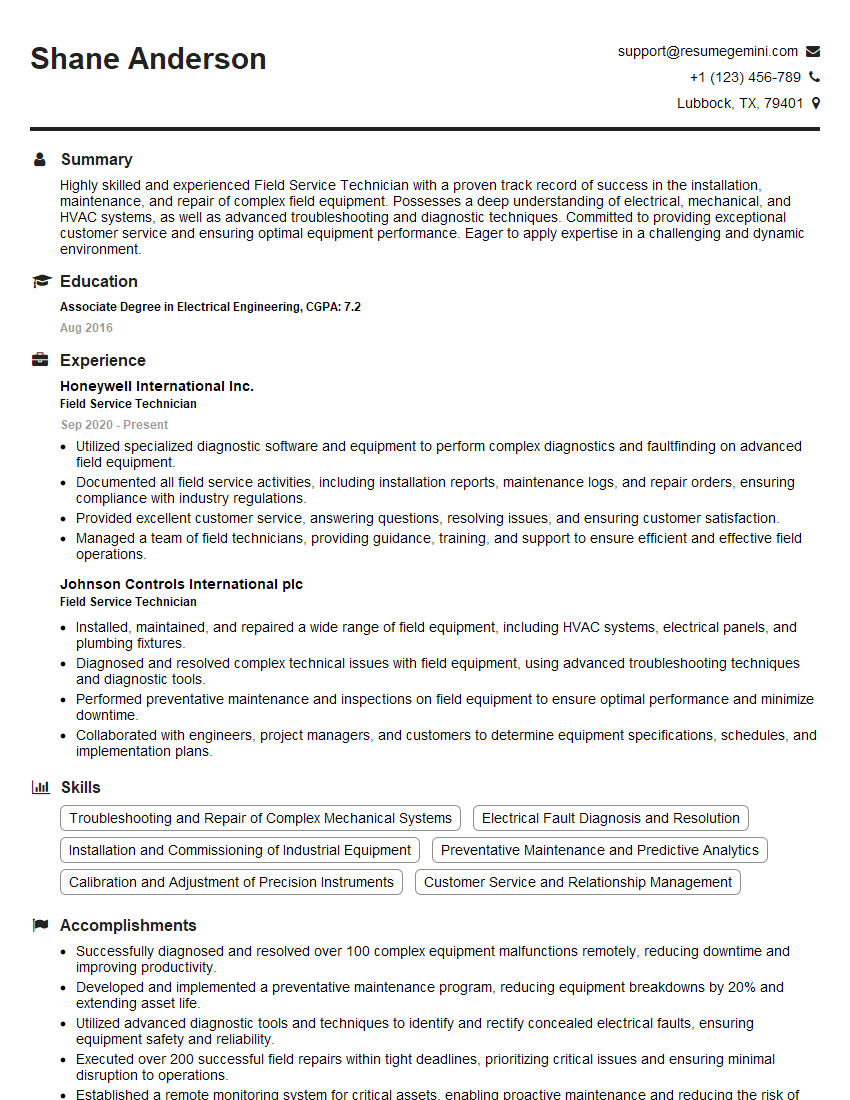
Field Service Technician Resume Sample
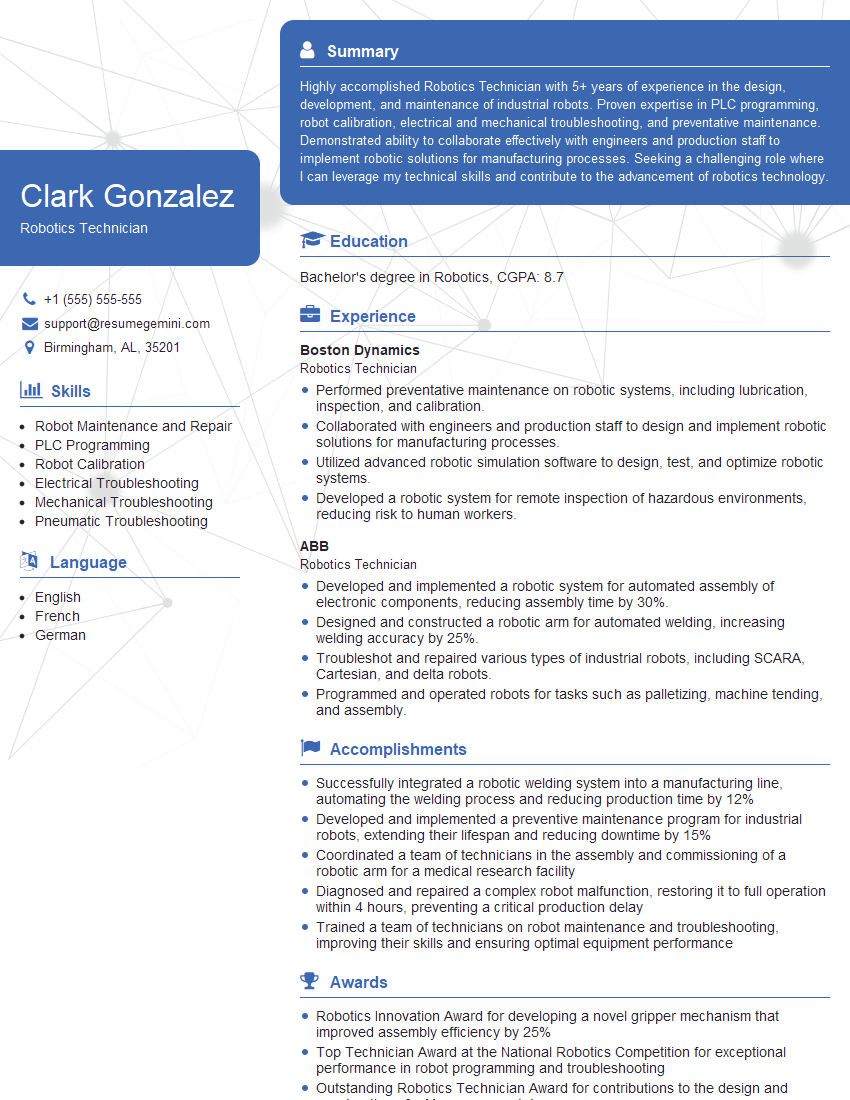
Robotics Technician Resume Sample
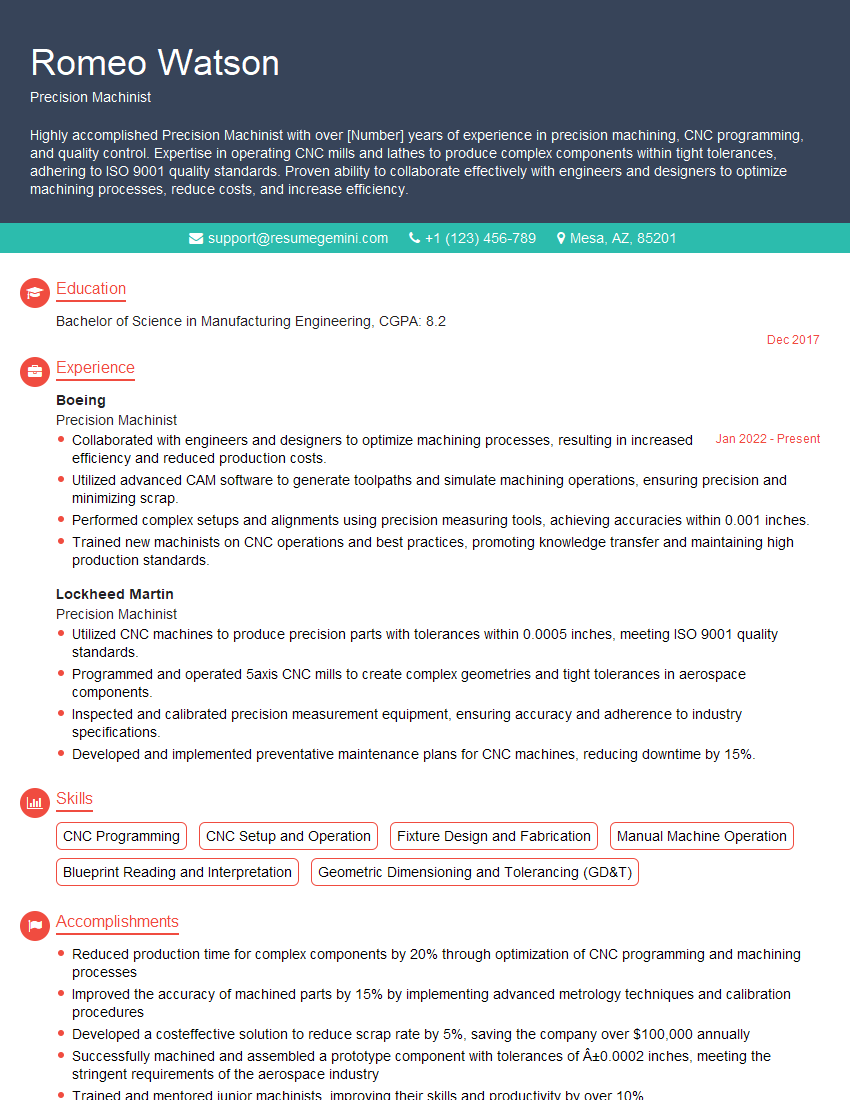
Precision Machinist Resume Sample
Tool and Die Maker Resume Sample
Dimensional Inspector Resume Sample
Mechanical Inspector Resume Sample

Quality Control Inspector Resume Sample
Technical Inspector Resume Sample
- Quality Control Manager
- Production Supervisor
- Quality Assurance Specialist
- Process Engineer
- Automation Engineer
- Test Engineer
- Maintenance Technician
- Surveyor
- Industrial Engineer
- Manufacturing Engineer
- Metrologist
- Robotics Engineer
- Calibration Technician
- Field Service Technician
- Robotics Technician
- Precision Machinist
- Tool and Die Maker
- Dimensional Inspector
- Mechanical Inspector
- Quality Control Inspector
- Technical Inspector
Explore more articles
Users Rating of Our Blogs
Share Your Experience
We value your feedback! Please rate our content and share your thoughts (optional).
What Readers Say About Our Blog
Hello,
we currently offer a complimentary backlink and URL indexing test for search engine optimization professionals.
You can get complimentary indexing credits to test how link discovery works in practice.
No credit card is required and there is no recurring fee.
You can find details here:
https://wikipedia-backlinks.com/indexing/
Regards
NICE RESPONSE TO Q & A
hi
The aim of this message is regarding an unclaimed deposit of a deceased nationale that bears the same name as you. You are not relate to him as there are millions of people answering the names across around the world. But i will use my position to influence the release of the deposit to you for our mutual benefit.
Respond for full details and how to claim the deposit. This is 100% risk free. Send hello to my email id: [email protected]
Luka Chachibaialuka
Hey interviewgemini.com, just wanted to follow up on my last email.
We just launched Call the Monster, an parenting app that lets you summon friendly ‘monsters’ kids actually listen to.
We’re also running a giveaway for everyone who downloads the app. Since it’s brand new, there aren’t many users yet, which means you’ve got a much better chance of winning some great prizes.
You can check it out here: https://bit.ly/callamonsterapp
Or follow us on Instagram: https://www.instagram.com/callamonsterapp
Thanks,
Ryan
CEO – Call the Monster App
Hey interviewgemini.com, I saw your website and love your approach.
I just want this to look like spam email, but want to share something important to you. We just launched Call the Monster, a parenting app that lets you summon friendly ‘monsters’ kids actually listen to.
Parents are loving it for calming chaos before bedtime. Thought you might want to try it: https://bit.ly/callamonsterapp or just follow our fun monster lore on Instagram: https://www.instagram.com/callamonsterapp
Thanks,
Ryan
CEO – Call A Monster APP
To the interviewgemini.com Owner.
Dear interviewgemini.com Webmaster!
Hi interviewgemini.com Webmaster!
Dear interviewgemini.com Webmaster!
excellent
Hello,
We found issues with your domain’s email setup that may be sending your messages to spam or blocking them completely. InboxShield Mini shows you how to fix it in minutes — no tech skills required.
Scan your domain now for details: https://inboxshield-mini.com/
— Adam @ InboxShield Mini
Reply STOP to unsubscribe
Hi, are you owner of interviewgemini.com? What if I told you I could help you find extra time in your schedule, reconnect with leads you didn’t even realize you missed, and bring in more “I want to work with you” conversations, without increasing your ad spend or hiring a full-time employee?
All with a flexible, budget-friendly service that could easily pay for itself. Sounds good?
Would it be nice to jump on a quick 10-minute call so I can show you exactly how we make this work?
Best,
Hapei
Marketing Director
Hey, I know you’re the owner of interviewgemini.com. I’ll be quick.
Fundraising for your business is tough and time-consuming. We make it easier by guaranteeing two private investor meetings each month, for six months. No demos, no pitch events – just direct introductions to active investors matched to your startup.
If youR17;re raising, this could help you build real momentum. Want me to send more info?
Hi, I represent an SEO company that specialises in getting you AI citations and higher rankings on Google. I’d like to offer you a 100% free SEO audit for your website. Would you be interested?
Hi, I represent an SEO company that specialises in getting you AI citations and higher rankings on Google. I’d like to offer you a 100% free SEO audit for your website. Would you be interested?
good