Every successful interview starts with knowing what to expect. In this blog, we’ll take you through the top Proficient in using explosives, pyrotechnics, and other hazardous materials safely. interview questions, breaking them down with expert tips to help you deliver impactful answers. Step into your next interview fully prepared and ready to succeed.
Questions Asked in Proficient in using explosives, pyrotechnics, and other hazardous materials safely. Interview
Q 1. Describe the different classes of explosives and their applications.
Explosives are categorized into several classes based on their sensitivity and hazard potential. Understanding these classes is crucial for safe handling and application.
- High Explosives: These detonate rapidly, requiring a strong initiating shock. Examples include TNT (trinitrotoluene), RDX (cyclotrimethylenetrinitramine), and PETN (pentaerythritol tetranitrate). They’re used in demolition, mining, and military applications, often requiring specialized knowledge and permits.
- Low Explosives: These burn rapidly, producing a pushing effect rather than a shattering detonation. Black powder and smokeless powder are examples. They’re common in fireworks, propellant charges, and some mining applications, often with less stringent regulatory requirements compared to high explosives.
- Primary Explosives: These are extremely sensitive and easily detonated by heat, shock, or friction. Lead azide and mercury fulminate are examples. They’re primarily used as detonators to initiate the detonation of less sensitive secondary explosives like TNT or RDX. Extreme care is needed when handling them, as accidental detonation is a significant concern.
- Blasting Agents: These are mixtures of explosives and other substances designed for specific purposes. Ammonium nitrate/fuel oil (ANFO) is a common example. They typically require a strong initiating charge, and while powerful, they present a lower risk of accidental detonation than primary explosives.
The choice of explosive depends entirely on the specific task. For instance, a controlled demolition of a building might utilize high explosives like RDX, whereas a quarry blast might use a blasting agent like ANFO for greater cost-effectiveness.
Q 2. Explain the process of calculating the required amount of explosives for a demolition task.
Calculating the required amount of explosives is a complex process that necessitates experience and specialized software. There’s no single formula; it depends heavily on the material’s properties, desired fragmentation, and the blasting geometry. It’s crucial to consider factors like:
- Rock type: Different rock types have varying strengths and require different explosive amounts.
- Borehole diameter and spacing: These influence the blast pattern and the overall effectiveness.
- Explosive type and strength: Each explosive has different energy outputs.
- Desired fragmentation size: Larger fragments require less explosive than finely pulverized material.
- Water content: Excessive water in the rock can reduce the effectiveness of the blast.
Experienced blasters use sophisticated software incorporating all these parameters, alongside empirical data, to model and predict the outcome of a blast. Safety factors are always included to account for unforeseen variations. Overestimating is always preferred to ensure success and minimize risk, and several trial blasts may be conducted to optimize the process. Imagine it like baking a cake – you need the precise recipe (calculations) and the right oven temperature (environmental conditions) for optimal results, but adjustments can be needed based on the oven and ingredients.
Q 3. What safety precautions must be taken when handling explosives?
Safety with explosives is paramount. There’s no room for error. Precautions include:
- Strict adherence to regulations: All handling and usage must comply with local, regional, and national regulations, often demanding licensing and permits.
- Proper training and certification: Only trained and certified personnel should handle explosives.
- Designated storage areas: Explosives must be stored in secure, climate-controlled locations, far from ignition sources.
- Personal Protective Equipment (PPE): This includes blast-resistant clothing, hearing protection, eye protection, and safety footwear. Think of PPE as your armor against potential hazards.
- Grounding and bonding: Preventing static electricity build-up is crucial to avoid accidental ignition.
- Careful handling and transport: Explosives must be transported in designated vehicles, following strict procedures to prevent shocks or vibrations.
- Emergency preparedness: Having a detailed emergency plan and readily available emergency equipment is non-negotiable.
Ignoring any of these precautions can lead to serious injury or death.
Q 4. How do you ensure the safety of personnel during a demolition operation?
Ensuring personnel safety during demolition requires a multi-layered approach:
- Risk assessment: A thorough assessment identifies potential hazards and develops mitigation strategies.
- Evacuation zones: Establishing clear evacuation zones and implementing rigorous evacuation procedures.
- Blast mats and other safety barriers: Using blast mats to contain debris and protect nearby structures.
- Monitoring and communication: Continuous monitoring of the operation with clear communication channels among all personnel.
- Emergency medical services: Having readily available medical personnel and equipment.
- Post-blast inspections: Thorough inspections to ensure the site is safe before allowing personnel back into the area.
Think of a demolition site as a complex machine; every part needs to work in perfect harmony to prevent accidents. Failing to prioritize safety protocols puts lives at risk. We always emphasize a culture of safety on every project.
Q 5. What are the different types of blasting caps and their uses?
Blasting caps are small, highly sensitive devices used to initiate the detonation of explosives. Different types exist:
- Electric blasting caps: These are initiated by an electric current, offering precise timing and control. They are often preferred for large-scale operations because they allow for precise sequencing of blasts, but require careful management of electrical circuits to avoid accidental initiation. A common method uses a blasting machine to transmit timed electrical signals.
- Non-electric blasting caps: These are initiated by shock tubes or detonating cords, offering better safety in the presence of electrical hazards. They are usually less expensive, making them preferable in smaller or more isolated operations.
- Delay blasting caps: These incorporate a delay element, allowing multiple charges to be detonated sequentially with precise timing, essential for controlled demolition and rock fragmentation.
The choice of blasting cap depends on factors like the scale of the operation, the environment (presence of electrical hazards), and the required timing precision. Improper selection can lead to safety risks and project failures.
Q 6. Explain the process of initiating explosives using different methods.
Initiating explosives can be achieved through several methods, depending on the explosive type and the application:
- Electric initiation: A blasting machine sends an electric current through wires connected to electric blasting caps. This is precise and enables sequential detonation.
- Non-electric initiation: Shock tubes or detonating cords transmit a shock wave to initiate non-electric blasting caps. This method offers enhanced safety in electrically hazardous environments.
- Fuse initiation: A slow-burning fuse ignites a blasting cap, offering a simple and low-cost method (though less precise timing). This is a less common method today due to safety concerns.
The selection of initiation method must always be appropriate for the task. Factors such as the number of charges, environmental conditions, and safety requirements will determine the most suitable option. Incorrect initiation can have catastrophic consequences.
Q 7. How do you mitigate risks associated with transporting explosives?
Transporting explosives involves significant risks, hence strict regulations are in place. Mitigation strategies include:
- Specialized vehicles: Explosives are transported only in vehicles designed for hazardous materials transport, with features to prevent shocks, spills, and unauthorized access.
- Designated routes: Following pre-approved routes that avoid populated areas and sensitive locations.
- Trained drivers: Drivers must have specialized training in handling hazardous materials.
- Secure packaging: Explosives must be packed appropriately to prevent damage during transit.
- Proper documentation: Detailed documentation is essential, including manifests listing the types and quantities of explosives, ensuring all paperwork complies with legal requirements.
- Emergency response plan: A detailed plan should address potential emergencies during transport.
Failure to adhere to these measures can have dire consequences. Proper transport planning and execution are vital for preventing accidents and ensuring public safety.
Q 8. What are the legal requirements for storing and handling explosives?
Legal requirements for storing and handling explosives are stringent and vary by jurisdiction, but common themes include secure storage facilities, detailed record-keeping, licensed personnel, and adherence to strict safety protocols. Think of it like handling highly regulated pharmaceuticals – every step is documented and audited.
- Secure Storage: Explosives must be stored in structures designed to withstand fire, explosion, and theft. This often involves specialized vaults, climate control, and robust security systems.
- Licensing and Permits: Individuals and businesses need licenses and permits to possess, transport, and use explosives. These licenses are obtained after rigorous background checks and training demonstrating competency.
- Record Keeping: Detailed records of acquisition, storage, use, and disposal of explosives are mandatory. This documentation is crucial for audits and investigations.
- Safety Procedures: Comprehensive safety procedures must be in place, outlining safe handling, transportation, and emergency response protocols. Regular safety training for personnel is essential.
For example, in the US, the Bureau of Alcohol, Tobacco, Firearms and Explosives (ATF) regulates the handling and storage of explosives. Failure to comply can lead to severe penalties, including fines and imprisonment.
Q 9. Describe your experience with different types of pyrotechnic devices.
My experience encompasses a wide range of pyrotechnic devices, from simple fuse-lit fireworks to complex, computer-controlled displays. I’ve worked with various compositions, including black powder, flash powder, and various colored stars and smoke compositions. Each type presents unique handling and safety challenges.
- Fireworks: I’ve extensively worked with consumer fireworks, learning the nuances of their construction, ignition systems, and safe deployment. This included understanding the different classifications and their associated risks.
- Stage Pyrotechnics: My experience includes designing and implementing stage pyrotechnics for theatrical productions, incorporating special effects like flame jets, sparklers, and smoke effects. This demands a keen understanding of timing and safety in dynamic environments.
- Display Shells: I’ve worked with various display shells, ranging in size and complexity, each requiring specific loading and firing techniques to ensure a safe and aesthetically pleasing effect. The larger the shell, the more critical the safety procedures.
For instance, I recall a project where we integrated precise timing mechanisms with a complex multi-shell firework display for a large outdoor event. The timing precision was crucial to avoid any misfires and ensure a visually stunning, coordinated show.
Q 10. Explain the process of designing a pyrotechnic display.
Designing a pyrotechnic display is a multi-stage process requiring meticulous planning and execution. It begins with understanding the client’s vision and the venue’s constraints, then translating that into a safe and spectacular show.
- Concept and Design: This involves sketching the overall design, selecting appropriate pyrotechnic effects, and considering factors like audience visibility and potential hazards.
- Site Survey: A thorough site survey is critical. This includes assessing the area for obstructions, wind conditions, and proximity to flammable materials.
- Fireworks Selection: Based on the design, specific fireworks are chosen, considering their size, effects, and compatibility with other devices.
- Firing System Design: A safe and reliable firing system is crucial, often utilizing computer-controlled electronic firing systems for precise synchronization of the pyrotechnic effects.
- Safety Plan: A detailed safety plan is developed, including emergency procedures, fire suppression strategies, and designated safety personnel.
- Testing and Simulation: Simulations, using software or even smaller-scale tests, can help refine the timing and placement of the fireworks to ensure a flawless performance.
- Implementation and Execution: The final step involves setting up the firing system, loading the fireworks according to the plan, and executing the display under strict safety supervision.
For example, I designed a display that incorporated a choreographed sequence of aerial shells, ground effects, and flame jets synchronized with music. This required precise timing calculations, considering both the duration of the effects and the travel time of the shells.
Q 11. How do you ensure the safety of a pyrotechnic display?
Safety is paramount in any pyrotechnic display. Multiple layers of safety measures are implemented, from initial design through execution and cleanup.
- Pre-show Inspection: Thorough inspection of all pyrotechnic devices, firing systems, and the site itself before the display.
- Qualified Personnel: Employing licensed and experienced pyrotechnicians to handle all aspects of the display.
- Emergency Response Plan: Having a detailed emergency plan in place, including fire suppression equipment, trained personnel, and communication systems.
- Weather Monitoring: Closely monitoring weather conditions, postponing or adjusting the display as necessary in case of high winds, rain, or other hazardous conditions.
- Safety Zone: Establishing a secure safety zone around the firing area, keeping spectators at a safe distance.
- Post-show Cleanup: Proper disposal of spent fireworks and debris, ensuring the site is safe after the event concludes.
For instance, in a recent large-scale display, we had a dedicated safety team responsible for monitoring wind speed, temperature, and the overall safety zone. This proactive approach ensured the safety of both the audience and our crew.
Q 12. What are the environmental concerns associated with the use of explosives?
Environmental concerns associated with explosives and pyrotechnics primarily involve air and water pollution. The combustion of pyrotechnic compositions releases various pollutants into the atmosphere.
- Air Pollution: The burning of fireworks releases particulate matter, heavy metals (like lead and copper), and various gases that contribute to air pollution and can negatively impact air quality, especially in densely populated areas.
- Water Pollution: Improper disposal of fireworks debris can contaminate water sources with heavy metals and other harmful chemicals.
- Noise Pollution: The loud bangs and explosions associated with pyrotechnics can cause significant noise pollution, disturbing wildlife and potentially affecting human hearing.
Minimizing these impacts requires using environmentally friendly compositions whenever possible, implementing proper waste management strategies, and using noise reduction techniques. For example, switching to low-smoke formulations can significantly reduce the impact on air quality.
Q 13. How do you identify and handle unexpected situations during an explosives operation?
Handling unexpected situations during an explosives operation requires a calm, methodical approach, relying on thorough training and pre-planned emergency procedures.
- Malfunctions: If a device malfunctions, the first priority is to secure the area, preventing unauthorized access. Following established emergency protocols, attempt to safely neutralize the situation, potentially involving professional bomb disposal teams.
- Accidental Detonations: In the event of an accidental detonation, immediately initiate the emergency response plan, focusing on evacuating personnel and securing the area. A post-incident investigation is crucial to identify the cause and prevent future incidents.
- Unexpected Weather: If unforeseen weather conditions make a pyrotechnic display unsafe, the show should be immediately postponed or cancelled, prioritizing the safety of everyone involved.
I once had a situation where a fuse malfunctioned on a large-caliber shell. Following protocol, we immediately secured the area, notified the relevant authorities, and a specialized team was called in to safely disarm the device. This underscores the importance of preparedness and training in handling such eventualities.
Q 14. What are the different types of hazardous materials and their associated risks?
Hazardous materials encompass a vast range of substances posing various risks depending on their physical and chemical properties. These risks can be broadly categorized as:
- Toxicity: Many substances are toxic if inhaled, ingested, or absorbed through the skin. Examples include cyanide, mercury, and certain pesticides.
- Flammability: Flammable materials can ignite easily, posing fire and explosion risks. Examples include gasoline, propane, and many solvents.
- Reactivity: Reactive substances can undergo violent chemical reactions, often resulting in explosions or fires. Examples include many oxidizing agents and certain acids.
- Corrosivity: Corrosive substances can damage tissues, metals, and other materials. Examples include strong acids and bases.
- Radioactivity: Radioactive materials emit ionizing radiation, posing significant health risks. Examples include uranium and plutonium.
Proper handling of hazardous materials requires specialized training, personal protective equipment (PPE), and adherence to strict safety regulations. The specific risks associated with a particular material are detailed in its Safety Data Sheet (SDS).
Q 15. Explain the process of handling and disposing of hazardous materials.
Handling and disposing of hazardous materials, particularly explosives and pyrotechnics, requires meticulous adherence to safety regulations and established procedures. The process begins with segregation – separating different hazardous materials to prevent accidental reactions. This is followed by secure storage in designated areas with appropriate environmental controls (temperature, humidity). Storage locations need to be clearly marked, well-ventilated, and protected from unauthorized access.
Disposal is highly dependent on the specific material. Some materials may require specialized neutralization processes before disposal, while others might necessitate incineration under controlled conditions or transport to licensed hazardous waste facilities. Each step is meticulously documented, adhering to local, regional, and national regulations. For example, a spent blasting cap would be rendered inert before disposal, likely by submerging it in a designated container of specialized solution, then transported in appropriate packaging to a licensed facility. Improper disposal can lead to severe environmental damage and risk to human life.
- Segregation: Keeping incompatible materials apart.
- Secure Storage: Maintaining controlled environments.
- Neutralization (if needed): Rendering materials inert.
- Licensed Disposal: Using approved facilities.
- Documentation: Maintaining detailed records of every step.
Career Expert Tips:
- Ace those interviews! Prepare effectively by reviewing the Top 50 Most Common Interview Questions on ResumeGemini.
- Navigate your job search with confidence! Explore a wide range of Career Tips on ResumeGemini. Learn about common challenges and recommendations to overcome them.
- Craft the perfect resume! Master the Art of Resume Writing with ResumeGemini’s guide. Showcase your unique qualifications and achievements effectively.
- Don’t miss out on holiday savings! Build your dream resume with ResumeGemini’s ATS optimized templates.
Q 16. Describe your experience with various safety equipment used in explosives handling.
My experience encompasses a wide range of safety equipment, crucial for mitigating risks associated with explosives handling. This includes:
- Personal Protective Equipment (PPE): This is fundamental and includes blast-resistant suits, helmets, safety glasses with side shields, hearing protection, and steel-toe boots. During a recent demolition project, the PPE prevented injuries from flying debris. I would not even consider working with explosives without appropriate PPE.
- Blast Mats and Barriers: These help contain the blast radius and direct the energy away from sensitive areas. The selection and placement of these are crucial to project planning and safety. We used heavy-duty blast mats in a project to protect nearby buildings.
- Specialized Tools: This includes non-sparking tools made from copper or brass for working around explosive materials, preventing accidental ignition. We use these tools extensively during the loading and preparation phases.
- Detection Equipment: Devices to detect the presence of explosive vapors or residues, ensuring safety during post-blast cleanup.
- Communication Systems: Reliable communication equipment, such as two-way radios, is crucial for coordinating activities during a blast operation. Clear and efficient communication is paramount to ensure everyone’s safety during the critical moments of detonation.
Q 17. How do you conduct a pre-blast survey?
A pre-blast survey is a critical initial step in any demolition project involving explosives. It’s a thorough assessment of the site and its surroundings to identify potential hazards and plan the demolition safely and effectively. It’s akin to a meticulous doctor’s examination before surgery.
The process usually involves:
- Site Inspection: A visual inspection of the structure to be demolished, noting its structural integrity, potential instability points, and the presence of hazardous materials (asbestos, gas lines).
- Surrounding Area Assessment: Analyzing the proximity of structures, utilities (power lines, gas mains, water pipes), and environmental factors (vegetation, bodies of water). Mapping this area carefully is a key component of the survey.
- Risk Identification: Pinpointing potential hazards—structural weaknesses, nearby sensitive infrastructure, presence of underground utilities, and environmental concerns.
- Data Collection: Gathering information through measurements, photographs, and drawings. This information helps to design a safe blasting plan.
- Documentation: Creating a comprehensive report summarizing the findings and proposing mitigation strategies.
For example, a pre-blast survey might reveal an underground utility line near the target structure. This would require careful planning to avoid damaging the line during the demolition and would lead to changes in the charge design.
Q 18. What are the key considerations when planning a demolition project?
Planning a demolition project using explosives requires careful consideration of several key factors:
- Safety: This is paramount. Detailed safety plans must address all potential hazards, including the selection and use of PPE, emergency response procedures, and the establishment of exclusion zones.
- Environmental Protection: Minimizing environmental impact, such as air and water pollution, through careful selection of explosives and mitigation strategies. Measures to control dust and debris are very important.
- Structural Assessment: A comprehensive understanding of the structure’s characteristics, including materials, structural integrity, and potential instability, to design a safe and effective demolition plan.
- Regulatory Compliance: Adherence to local, regional, and national regulations related to explosives handling, storage, transportation, and use. Strict licensing and permit requirements need to be fulfilled.
- Sequence of Events: Defining a precise sequence of events that ensure the safe and controlled demolition of the structure. This will include the timing and placement of charges.
- Contingency Planning: Developing procedures for dealing with unexpected events, such as premature detonation or equipment malfunction. Safety is the utmost priority and plans must be in place to address all eventualities.
Q 19. Explain the importance of proper documentation in explosives handling.
Proper documentation in explosives handling is critical for safety, accountability, and legal compliance. It provides a verifiable record of all aspects of the process, from acquisition and storage to use and disposal. Think of it as a detailed medical chart for a high-risk procedure.
Documentation covers:
- Inventory Control: Maintaining precise records of explosives quantities, types, and locations.
- Storage and Handling Procedures: Documenting adherence to safety protocols.
- Blast Plans: Detailed plans outlining the sequence of events, charge placement, and safety measures.
- Pre- and Post-Blast Surveys: Comprehensive reports outlining site conditions and post-blast assessment.
- Incident Reports: Documentation of any accidents or incidents, including causes and remedial actions.
- Disposal Records: Detailed accounts of hazardous materials disposal.
Thorough documentation protects individuals and organizations from liability. It also provides valuable data for continuous improvement and risk mitigation.
Q 20. How do you maintain accurate records of explosives inventory?
Accurate explosives inventory records are essential for safety, security, and compliance. A well-maintained inventory system prevents shortages, ensures proper storage, and helps to track explosives throughout their lifecycle. Imagine a pharmacy without accurate medication tracking – a recipe for disaster.
Methods for maintaining accurate records include:
- Database System: Using a computerized system to track explosives types, quantities, lot numbers, acquisition dates, and locations. I use a purpose-built software system for this purpose.
- Physical Inventory: Regularly conducting physical checks of explosives stores to verify accuracy and identify any discrepancies. This must be done by at least two individuals.
- Signed Receipts: Maintaining documentation of all explosives transfers and transactions.
- Regular Audits: Periodic reviews and audits to ensure that the inventory system is functional and accurate.
- Secure Access: Limiting access to the records and the explosives to authorized personnel only. A stringent access control policy is essential.
Q 21. Describe your experience with different types of detonators.
I have extensive experience with various types of detonators, each with its specific applications and characteristics. The choice of detonator is crucial to ensuring the successful and safe initiation of explosives.
Common types include:
- Electric Detonators: These are initiated by an electrical current, allowing for precise timing and sequencing of blasts. They offer great control and versatility.
- Non-electric Detonators: These are initiated using shock tubes, providing an alternative to electrical systems where electrical hazards might be present, such as in very wet or stormy environments.
- Delay Detonators: These incorporate a time delay before initiation, allowing for controlled sequential blasting. This can be essential in demolition projects to achieve the desired effect safely and with minimal environmental impact. The delay period is crucial in shaping the blast.
- Booster Detonators: These high-energy detonators are used to ensure reliable detonation of less sensitive explosives. They provide a powerful secondary initiation.
In practice, I carefully consider the specific requirements of each project to select the most suitable type of detonator. Safety considerations always take precedence.
Q 22. Explain the concept of blast fragmentation and its impact on demolition projects.
Blast fragmentation is the process by which a material, typically rock or concrete, is broken into smaller pieces by the action of an explosive charge. In demolition projects, controlled blast fragmentation is crucial for achieving the desired outcome – safe and efficient structure removal. The size and distribution of fragments are carefully planned to minimize environmental impact and ensure worker safety.
The effectiveness of blast fragmentation depends on several factors, including the type and amount of explosive used, the geometry of the charge placement, and the properties of the material being fragmented. For instance, a highly fractured rock mass will require less explosive and yield smaller fragments than a dense, homogenous material. We use sophisticated modeling software to predict fragmentation patterns and optimize the blasting design. In one project, we used a combination of emulsion explosives and shaped charges to precisely fragment a large concrete structure, minimizing damage to nearby utilities.
Q 23. What are the different types of blasting agents and their properties?
Blasting agents encompass a wide range of materials with explosive properties. Common types include:
- Emulsion explosives: These are water-in-oil emulsions containing oxidizing agents and fuels. They’re highly versatile, relatively insensitive to shock, and provide good energy output. Their sensitivity can be adjusted via the addition of sensitizers.
- Anfo (Ammonium Nitrate-Fuel Oil): A common, cost-effective blasting agent consisting of ammonium nitrate crystals mixed with fuel oil. It’s relatively insensitive to shock but requires careful handling to avoid unintentional detonation. We typically use ANFO in large-scale excavations.
- Water gels: Similar to emulsions, these are water-based explosives with improved water resistance compared to ANFO. They offer enhanced performance in wet conditions.
- Dynamites: While less common now due to safety concerns and the availability of more stable alternatives, dynamites contain nitroglycerin as the main explosive component, and their use is strictly controlled.
The properties of these agents vary significantly. Key factors include sensitivity to shock and friction, detonation velocity, energy output, water resistance, and cost. The selection of the most suitable blasting agent depends on the specific project requirements and the surrounding environment.
Q 24. How do you assess the stability of explosives over time?
Assessing the stability of explosives over time is paramount for safety. Several factors contribute to potential degradation, including exposure to heat, moisture, and UV light. We employ a multi-pronged approach:
- Visual inspection: Regularly checking for any signs of deterioration, such as discoloration, cracking, or leakage.
- Chemical analysis: Periodic testing of samples to determine the explosive’s composition and identify any significant changes. This helps assess the remaining potency and stability.
- Storage conditions monitoring: Maintaining strict control over temperature and humidity within storage facilities. This includes using appropriate containers and ensuring proper ventilation.
- Regular rotation of stock: Following a ‘first in, first out’ (FIFO) system to ensure that older explosives are used before newer ones.
By combining these methods, we can effectively monitor the stability of explosives and take preventative measures to avoid any potential hazards.
Q 25. Describe your experience with emergency response procedures related to explosives incidents.
My experience with emergency response procedures involves rigorous training and drills to handle various scenarios, including accidental detonations, fires involving explosives, and unauthorized access to explosives storage. I’m proficient in using appropriate personal protective equipment (PPE) and evacuation procedures. We utilize detailed emergency response plans specific to each project site. These plans outline procedures for containment, evacuation, communication with emergency services, and post-incident investigation.
In one instance, a small fire broke out near an explosives storage container. Thanks to our well-rehearsed emergency procedures, we immediately activated the site’s emergency response team, evacuated personnel from the area, and contacted the local fire department. The fire was contained swiftly, minimizing the risk of a major incident. Post-incident investigation revealed the cause was a faulty electrical connection, leading to immediate corrective actions to prevent recurrence.
Q 26. How do you ensure compliance with all relevant safety regulations?
Compliance with safety regulations is not merely a checklist; it’s fundamental to our operations. We adhere to all relevant local, regional, and national regulations related to the handling, storage, transportation, and use of explosives. This involves:
- Obtaining necessary licenses and permits: Ensuring that all our activities are legally authorized.
- Maintaining detailed records: Keeping accurate records of all explosive materials, their usage, and any incidents.
- Conducting regular safety inspections: Inspecting equipment, storage facilities, and work areas to identify and rectify potential hazards.
- Providing comprehensive safety training: Ensuring all personnel receive extensive training on safe explosives handling practices.
- Utilizing qualified personnel: Employing only certified and experienced professionals to handle explosives.
We regularly audit our processes to identify areas for improvement and maintain a culture of safety. Our commitment to compliance not only protects our workforce but also ensures the safety of the public and the environment.
Q 27. What are the potential hazards associated with improperly stored explosives?
Improperly stored explosives pose a multitude of serious hazards, the most significant being accidental detonation. This can lead to devastating consequences, including:
- Loss of life and injuries: The immediate impact of an explosion can be catastrophic.
- Property damage: Explosions can cause extensive damage to buildings and infrastructure.
- Environmental contamination: The release of explosive materials into the environment can cause significant pollution.
- Fires: Many explosives are flammable and can easily ignite, leading to widespread fire damage.
Factors contributing to improper storage include inadequate security measures, unsuitable storage conditions (e.g., high temperatures, moisture), and insufficient training of personnel responsible for storage and handling. We mitigate these risks by adhering to strict storage protocols, using secure, climate-controlled facilities, and regularly inspecting our storage areas.
Q 28. Describe your experience with conducting post-blast assessments.
Post-blast assessments are critical for evaluating the success of a demolition project and identifying lessons learned for future operations. These assessments involve a systematic evaluation of various aspects, including:
- Fragmentation analysis: Determining if the fragmentation pattern met the project’s objectives. This involves measuring fragment size and distribution.
- Environmental impact assessment: Evaluating potential environmental damage, such as ground vibration, airblast, and dust generation.
- Safety review: Analyzing the safety measures implemented during the blast and identifying any areas for improvement.
- Data analysis: Reviewing blast parameters, such as explosive quantity and placement, to optimize future blasting designs.
In one project, post-blast assessments revealed a slight over-fragmentation in one area. By analyzing the data, we identified that a minor adjustment in charge placement could optimize the blast in future similar projects. These assessments are crucial for continuous improvement and ensuring efficient and safe demolition projects.
Key Topics to Learn for Proficient in using explosives, pyrotechnics, and other hazardous materials safely. Interview
- Understanding Explosive Properties: Study the chemical and physical properties of various explosives, including their sensitivity, detonation velocity, and brisance.
- Pyrotechnics Composition and Function: Learn about the different components of pyrotechnic devices and how they interact to produce desired effects, including safety considerations.
- Hazardous Material Handling and Storage: Master safe handling, storage, and transportation procedures for explosives and other hazardous materials, including compliance with relevant regulations.
- Safety Regulations and Compliance: Familiarize yourself with local, national, and international regulations governing the use and handling of explosives and hazardous materials.
- Risk Assessment and Mitigation: Develop skills in conducting thorough risk assessments, identifying potential hazards, and implementing effective mitigation strategies.
- Emergency Response Procedures: Understand and practice emergency response procedures in case of accidents or incidents involving explosives or hazardous materials.
- Personal Protective Equipment (PPE): Learn about the proper selection, use, and maintenance of PPE for handling explosives and hazardous materials.
- Incident Investigation and Reporting: Understand the process of investigating incidents, identifying root causes, and preparing accurate reports.
- Practical Application: Be prepared to discuss real-world scenarios and how you would apply your knowledge and skills to ensure safe operations.
- Problem-Solving and Decision-Making: Demonstrate your ability to analyze situations, make informed decisions under pressure, and solve problems related to safety and compliance.
Next Steps
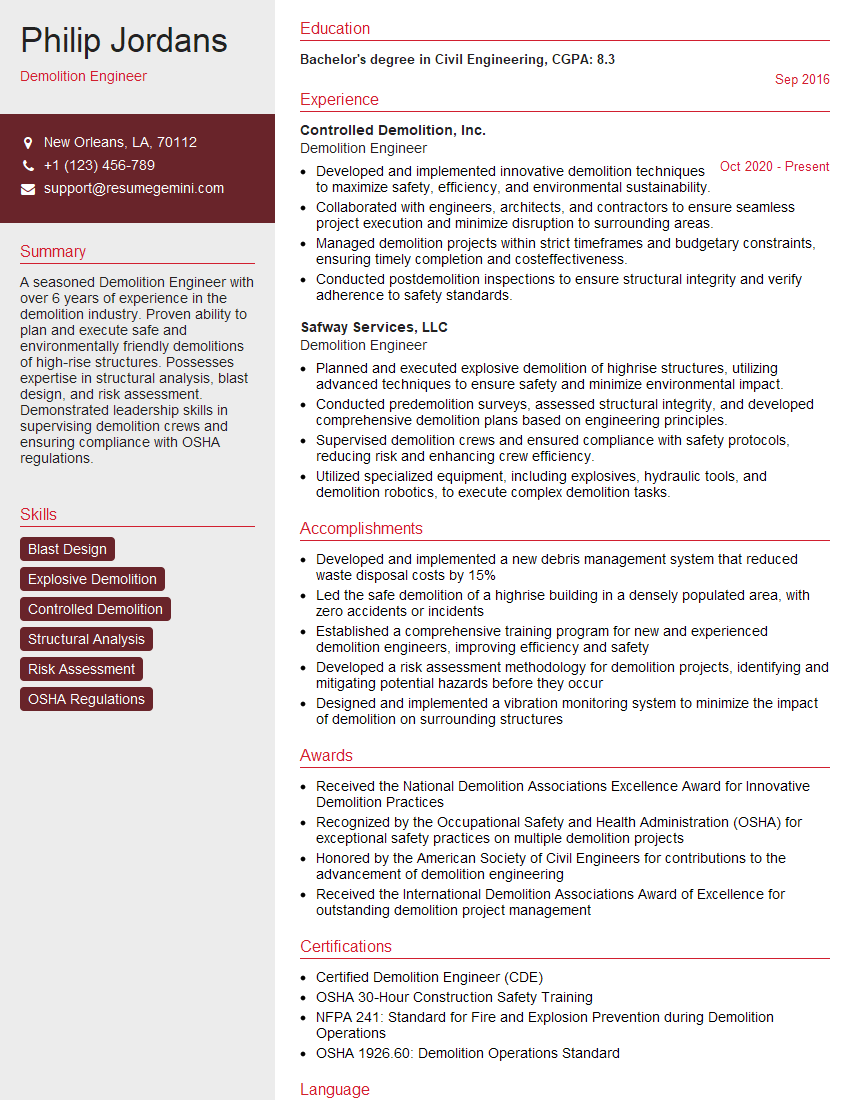
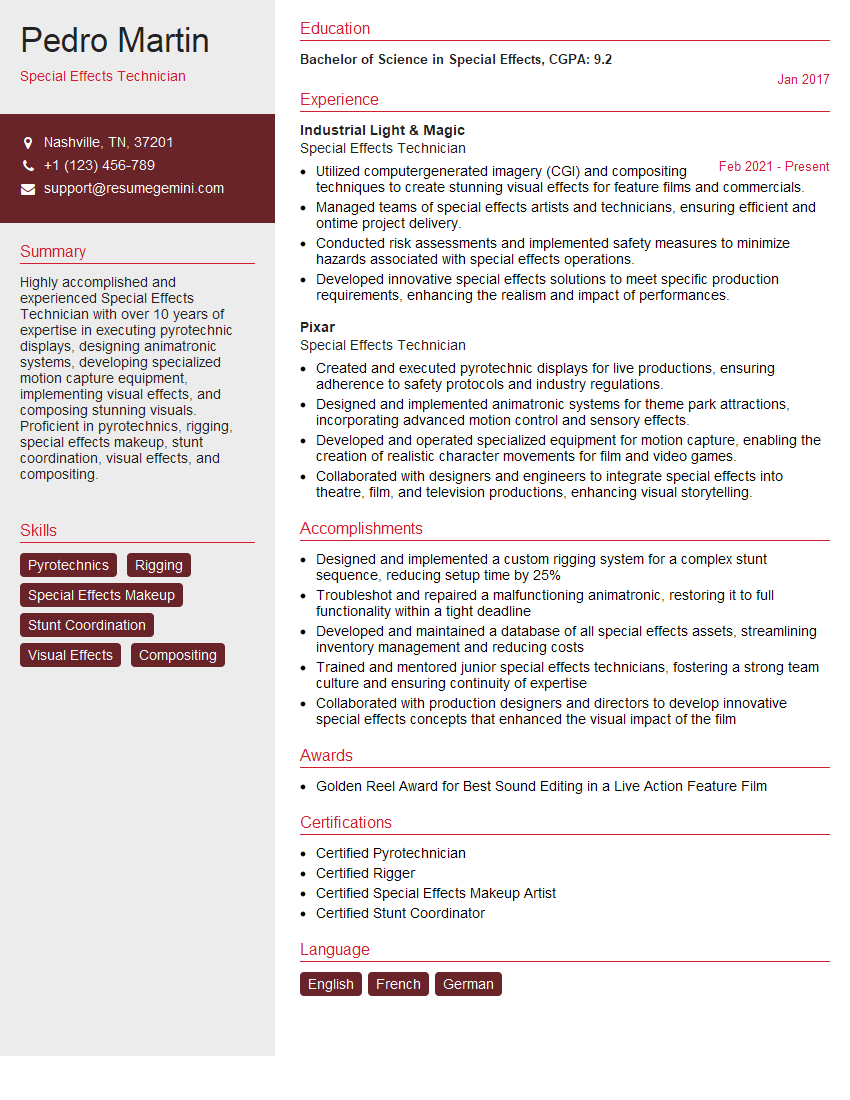
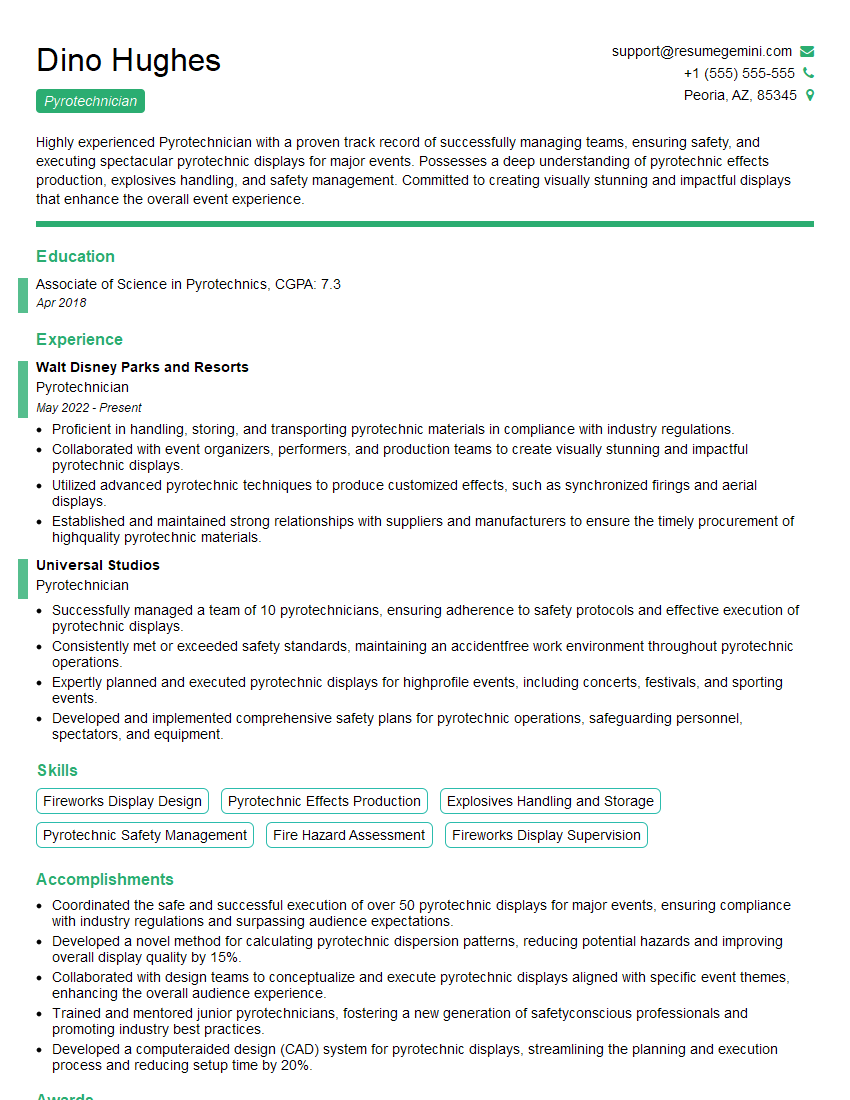
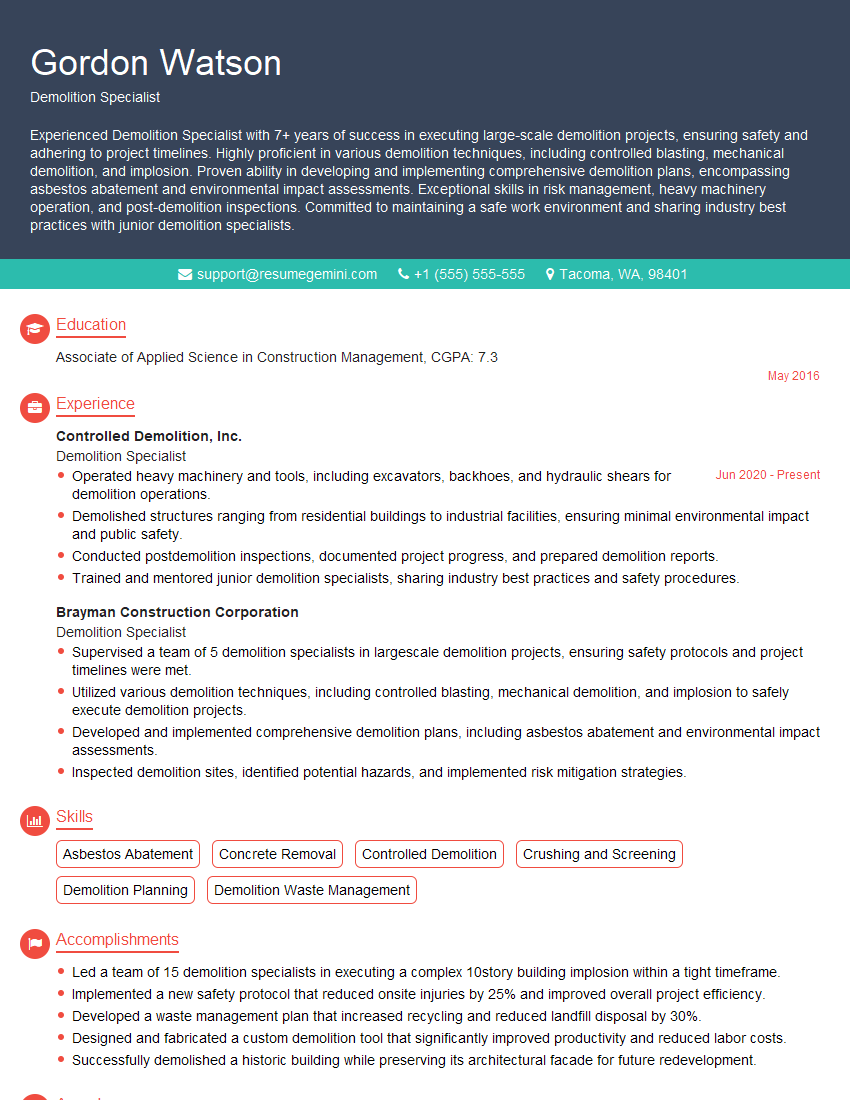
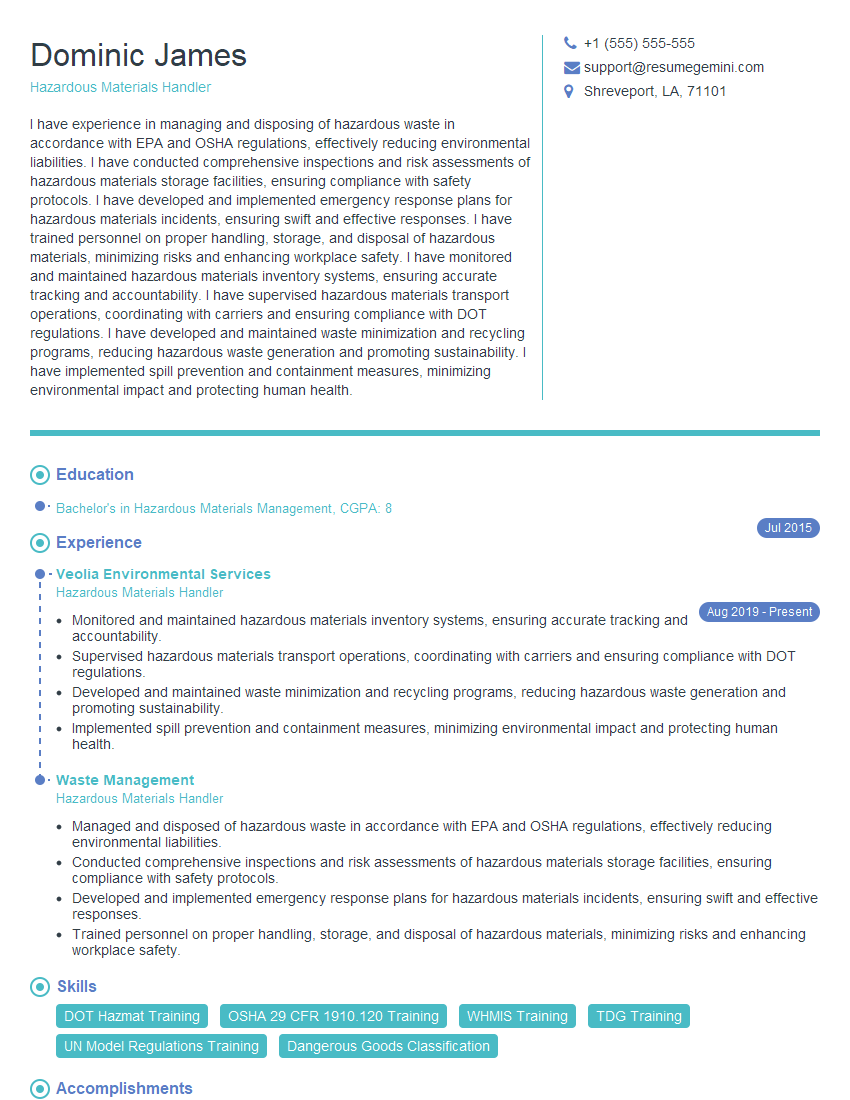
Mastering the safe handling of explosives, pyrotechnics, and hazardous materials is crucial for career advancement in this specialized field. It demonstrates a commitment to safety and a high level of professional competence. To significantly enhance your job prospects, focus on creating an ATS-friendly resume that highlights your skills and experience effectively. ResumeGemini is a trusted resource that can help you build a professional and impactful resume tailored to the specific requirements of this industry. Examples of resumes tailored to showcasing proficiency in handling explosives, pyrotechnics, and hazardous materials safely are available to guide you.
Explore more articles
Users Rating of Our Blogs
Share Your Experience
We value your feedback! Please rate our content and share your thoughts (optional).
What Readers Say About Our Blog
Attention music lovers!
Wow, All the best Sax Summer music !!!
Spotify: https://open.spotify.com/artist/6ShcdIT7rPVVaFEpgZQbUk
Apple Music: https://music.apple.com/fr/artist/jimmy-sax-black/1530501936
YouTube: https://music.youtube.com/browse/VLOLAK5uy_noClmC7abM6YpZsnySxRqt3LoalPf88No
Other Platforms and Free Downloads : https://fanlink.tv/jimmysaxblack
on google : https://www.google.com/search?q=22+AND+22+AND+22
on ChatGPT : https://chat.openai.com?q=who20jlJimmy20Black20Sax20Producer
Get back into the groove with Jimmy sax Black
Best regards,
Jimmy sax Black
www.jimmysaxblack.com
Hi I am a troller at The aquatic interview center and I suddenly went so fast in Roblox and it was gone when I reset.
Hi,
Business owners spend hours every week worrying about their website—or avoiding it because it feels overwhelming.
We’d like to take that off your plate:
$69/month. Everything handled.
Our team will:
Design a custom website—or completely overhaul your current one
Take care of hosting as an option
Handle edits and improvements—up to 60 minutes of work included every month
No setup fees, no annual commitments. Just a site that makes a strong first impression.
Find out if it’s right for you:
https://websolutionsgenius.com/awardwinningwebsites
Hello,
we currently offer a complimentary backlink and URL indexing test for search engine optimization professionals.
You can get complimentary indexing credits to test how link discovery works in practice.
No credit card is required and there is no recurring fee.
You can find details here:
https://wikipedia-backlinks.com/indexing/
Regards
NICE RESPONSE TO Q & A
hi
The aim of this message is regarding an unclaimed deposit of a deceased nationale that bears the same name as you. You are not relate to him as there are millions of people answering the names across around the world. But i will use my position to influence the release of the deposit to you for our mutual benefit.
Respond for full details and how to claim the deposit. This is 100% risk free. Send hello to my email id: [email protected]
Luka Chachibaialuka
Hey interviewgemini.com, just wanted to follow up on my last email.
We just launched Call the Monster, an parenting app that lets you summon friendly ‘monsters’ kids actually listen to.
We’re also running a giveaway for everyone who downloads the app. Since it’s brand new, there aren’t many users yet, which means you’ve got a much better chance of winning some great prizes.
You can check it out here: https://bit.ly/callamonsterapp
Or follow us on Instagram: https://www.instagram.com/callamonsterapp
Thanks,
Ryan
CEO – Call the Monster App
Hey interviewgemini.com, I saw your website and love your approach.
I just want this to look like spam email, but want to share something important to you. We just launched Call the Monster, a parenting app that lets you summon friendly ‘monsters’ kids actually listen to.
Parents are loving it for calming chaos before bedtime. Thought you might want to try it: https://bit.ly/callamonsterapp or just follow our fun monster lore on Instagram: https://www.instagram.com/callamonsterapp
Thanks,
Ryan
CEO – Call A Monster APP
To the interviewgemini.com Owner.
Dear interviewgemini.com Webmaster!
Hi interviewgemini.com Webmaster!
Dear interviewgemini.com Webmaster!
excellent
Hello,
We found issues with your domain’s email setup that may be sending your messages to spam or blocking them completely. InboxShield Mini shows you how to fix it in minutes — no tech skills required.
Scan your domain now for details: https://inboxshield-mini.com/
— Adam @ InboxShield Mini
Reply STOP to unsubscribe
Hi, are you owner of interviewgemini.com? What if I told you I could help you find extra time in your schedule, reconnect with leads you didn’t even realize you missed, and bring in more “I want to work with you” conversations, without increasing your ad spend or hiring a full-time employee?
All with a flexible, budget-friendly service that could easily pay for itself. Sounds good?
Would it be nice to jump on a quick 10-minute call so I can show you exactly how we make this work?
Best,
Hapei
Marketing Director
Hey, I know you’re the owner of interviewgemini.com. I’ll be quick.
Fundraising for your business is tough and time-consuming. We make it easier by guaranteeing two private investor meetings each month, for six months. No demos, no pitch events – just direct introductions to active investors matched to your startup.
If youR17;re raising, this could help you build real momentum. Want me to send more info?
Hi, I represent an SEO company that specialises in getting you AI citations and higher rankings on Google. I’d like to offer you a 100% free SEO audit for your website. Would you be interested?
Hi, I represent an SEO company that specialises in getting you AI citations and higher rankings on Google. I’d like to offer you a 100% free SEO audit for your website. Would you be interested?