The thought of an interview can be nerve-wracking, but the right preparation can make all the difference. Explore this comprehensive guide to Proficient in Window Cleaning and Maintenance Techniques interview questions and gain the confidence you need to showcase your abilities and secure the role.
Questions Asked in Proficient in Window Cleaning and Maintenance Techniques Interview
Q 1. What window cleaning methods are you proficient in (e.g., traditional, water-fed pole, etc.)?
I’m proficient in a variety of window cleaning methods, tailored to the specific job requirements. Traditional methods using squeegees and buckets are my foundation, offering precision control for intricate window designs and smaller spaces. For larger projects or multi-story buildings, I’m highly skilled in using water-fed pole systems. These poles extend reach significantly, allowing for efficient cleaning of hard-to-reach windows while maintaining safety. I also utilize the reach and wash system which allows for cleaning of windows and frames from the ground. Finally, I am adept at interior window cleaning, using specialized techniques to avoid damaging interior finishes and minimize disruption.
- Traditional Method: Ideal for detailed cleaning and smaller windows. Involves using a squeegee, bucket, cleaning solution, and microfiber cloths.
- Water-Fed Pole System: Uses purified water fed through a long pole with a brush head. Ideal for high-rise buildings and large areas, minimizing the need for ladders.
- Reach and Wash System: A similar system to water-fed pole but with the addition of a rotating brush for increased cleaning power. Best used for larger areas where ground access is feasible.
Q 2. Describe your experience with different types of window cleaning solutions.
My experience encompasses a range of window cleaning solutions, each chosen based on the specific window type, soiling level, and environmental considerations. I routinely use both commercial-grade and eco-friendly solutions. For everyday cleaning, I typically use a solution of distilled water and a mild detergent. This is effective for removing general dirt and grime while being gentle on window surfaces. For more stubborn stains, I might use a specialized cleaner containing more powerful solvents, always ensuring it’s appropriate for the window material. I’m also familiar with solutions designed for specific window materials, such as those optimized for wood or aluminum frames. Safety is always paramount, and I always follow the manufacturer’s instructions on dilution ratios and safety precautions.
- Mild Detergent Solutions: Perfect for everyday cleaning and maintaining a streak-free shine. Effective on most window types.
- Specialized Cleaners: Used for tough stains like bird droppings or hard water deposits. These require careful selection based on the window material to avoid damage.
- Eco-Friendly Solutions: A growing preference for environmentally conscious cleaning, these solutions are biodegradable and gentle on the environment.
Q 3. How do you ensure the safety of yourself and others while cleaning windows at heights?
Safety is my absolute top priority. When working at heights, I meticulously assess the area before commencing any work. This includes checking for potential hazards like power lines, unstable surfaces, or obstructions. I always use appropriate safety equipment and never compromise on safety procedures. My risk assessment process includes evaluating window access and determining whether a ladder, scaffold, or water-fed pole system is most appropriate and safe for the task. For high-rise buildings, I only work with certified and reputable scaffolding companies or building managers who can ensure structural soundness and adherence to safety regulations. Communication is key; I maintain constant communication with colleagues and building occupants to ensure a safe working environment for everyone.
Q 4. What safety equipment are you familiar with and how do you properly use it?
I’m experienced with a variety of safety equipment crucial for window cleaning, particularly at heights. This includes harnesses and lanyards for fall protection when working on ladders or scaffolds, appropriate safety footwear to prevent slips and falls, safety glasses to protect my eyes from flying debris or chemicals, and gloves to protect my hands from cleaning solutions and sharp edges. I’m also trained in the proper use of scaffolding, ensuring it’s properly erected and secured according to all safety regulations. Before every job, I inspect all equipment thoroughly for damage or wear and tear, and I only use equipment that’s in perfect working condition. Proper usage involves following manufacturer’s instructions meticulously and participating in regular safety training to remain up-to-date on best practices.
Q 5. Explain your process for cleaning different types of window frames (wood, aluminum, vinyl).
My cleaning process adapts to different window frame materials. For wooden frames, I use a soft brush and mild cleaning solution to avoid scratching the delicate surface. I meticulously clean around the intricate details of the frame, ensuring the solution doesn’t soak into the wood and damage it. For aluminum frames, a slightly stronger solution might be used, as they are more resistant to damage. However, I still avoid harsh chemicals to prevent discoloration or dulling. Vinyl frames are generally the easiest to clean; a simple wipe down with a damp cloth and mild detergent is usually sufficient. After cleaning the frame, I always ensure it’s thoroughly dried to prevent mold or mildew growth. For all frame types, I pay close attention to removing dirt and grime from crevices and joints.
Q 6. How do you handle stubborn stains or streaks on windows?
Stubborn stains require a more strategic approach. I first assess the type of stain and the window material to determine the best course of action. For bird droppings or insect residue, a solution of warm water and a mild detergent is usually sufficient; however, I let it dwell for a few minutes before carefully scrubbing with a soft brush. For hard water spots or mineral deposits, a specialized cleaner designed to remove these types of stains may be required. Sometimes, a razor scraper might be utilized for particularly stubborn mineral deposits, but it’s used very carefully to prevent scratching. If a stain proves particularly resistant, I might use a combination of techniques, working methodically to avoid causing damage to the window.
Q 7. How do you prepare for window cleaning in various weather conditions?
Weather plays a significant role in window cleaning. In direct sunlight, windows can dry too quickly, leaving streaks. I usually work during cooler periods of the day or on overcast days to allow sufficient time for cleaning and drying. Rain can obviously make cleaning impossible, so I reschedule jobs to avoid wet windows. Extremely cold weather can affect cleaning solutions, making them less effective, or cause the water to freeze, making cleaning difficult or dangerous. Conversely, extreme heat can cause the cleaning solution to evaporate too quickly, making it less effective. I always consult weather forecasts to plan my work accordingly, ensuring safe and effective cleaning in all conditions.
Q 8. Describe your experience with cleaning windows in high-rise buildings.
Cleaning windows in high-rise buildings requires specialized training and equipment, prioritizing safety and efficiency. My experience encompasses working on structures up to 50 stories high, utilizing advanced rope access techniques and water-fed pole systems. I’m proficient in assessing structural integrity before commencing work, ensuring safe anchor points and adhering strictly to all safety regulations. For example, on one project, we utilized a combination of swing-stage scaffolding and a water-fed pole system to reach difficult-to-access areas while ensuring the safety of both the cleaning team and the public below. This involved meticulous planning, including risk assessments, detailed communication amongst the team and regular safety checks.
We also carefully consider weather conditions – wind speed and direction are crucial, and we postpone work if conditions are unsafe. Proper communication with building management is paramount to ensure smooth operations, minimize disruption to building occupants, and schedule work around any other building activities.
Q 9. What is your experience with water-fed pole systems?
Water-fed pole systems are a game-changer for high-reach window cleaning. They use purified water, eliminating the need for harsh chemicals, which is environmentally friendly and safer for building materials. My experience with these systems includes operation, maintenance, and troubleshooting. I’m adept at selecting the appropriate brush heads and pole extensions for various window sizes and configurations. I understand the importance of water pressure regulation and maintaining consistent water flow for optimal cleaning results. For instance, I’ve successfully used a water-fed pole system with a reach of over 70 feet to clean the exterior windows of a multi-story office building, reaching areas that would be otherwise inaccessible without specialized equipment.
Understanding the intricacies of water filtration is also crucial to maintain pure water quality, ensuring streak-free results and preventing water spotting.
Q 10. How do you maintain and clean your window cleaning equipment?
Maintaining window cleaning equipment is critical for efficiency and longevity. After each job, I thoroughly rinse all equipment, including brushes, poles, and filtration systems, to remove debris and prevent mineral build-up. I regularly inspect the poles for damage, ensuring all connections are secure and functioning correctly. The water filtration system requires regular maintenance, including changing filters as needed, to prevent contamination and ensure pure water quality.
- Brushes: Regularly cleaned and replaced when bristles become worn or damaged.
- Poles: Checked for cracks or loose connections.
- Filtration System: Filters are replaced according to manufacturer’s instructions.
- Storage: Equipment is stored properly to prevent damage and corrosion.
This preventative approach ensures the equipment operates at peak performance, minimizing downtime and extending its lifespan. Think of it like maintaining a car – regular servicing prevents major problems down the road.
Q 11. How do you manage your time efficiently when cleaning multiple windows or large areas?
Efficient time management is vital in window cleaning. I use a systematic approach, starting by thoroughly assessing the job site, identifying access points, and calculating the total window area. This allows me to plan a logical cleaning route, minimizing unnecessary movement and maximizing efficiency. I often break down large areas into smaller, manageable sections, tackling each systematically. For instance, cleaning windows on one floor completely before moving to the next. This prevents going back and forth, saving time and effort.
Using checklists and scheduling tools helps track progress, ensuring all areas are covered and jobs are completed on schedule. Working efficiently is not just about speed, but about a strategic approach to maximize productivity and minimize disruptions.
Q 12. What is your approach to dealing with unexpected challenges or issues on a job site?
Unexpected challenges are part of the job. My approach is based on problem-solving and adaptability. This involves carefully assessing the situation, identifying the root cause of the problem, and developing a solution promptly. Examples include dealing with broken window panes, unexpected weather changes, or equipment malfunctions.
For a broken window, for example, I would prioritize safety, secure the area, immediately contact the building management and document the damage thoroughly with photographs. For equipment malfunction, I have a backup plan and necessary repair tools, or know when to call for professional assistance. Communicating clearly with clients about any delays or changes to the plan is crucial to maintain a professional image and manage client expectations.
Q 13. How do you identify and address potential damage to windows or frames?
Identifying potential damage requires careful inspection before, during, and after cleaning. I visually inspect windows and frames for existing cracks, chips, or weak points before I begin. During the cleaning process, I use gentle techniques, avoiding excessive pressure or abrasive materials. After the job, another inspection is done to ensure the cleaning process hasn’t caused any damage.
Any damage observed is documented with photographs and reported immediately to the client. I understand the importance of preventing further damage, and I have the knowledge to explain the cause of the damage. For instance, if a frame is rotting, this might be from water leakage which I would point out to the client. Prevention is key and sometimes a quick call for maintenance is necessary.
Q 14. Describe your experience with different types of cleaning solutions and their applications.
I have experience with various cleaning solutions, from traditional detergents to environmentally friendly products. The choice of cleaning solution depends on the type of window (glass type, frame material), the level of soiling, and environmental considerations. For example, I use a pH-neutral detergent for regular cleaning to avoid damaging window surfaces. For stubborn grime, a stronger solution might be necessary, but I always ensure it’s compatible with the window material and test it in an inconspicuous area first.
I always choose the most environmentally friendly option possible, and prioritize the health and safety of both myself and the occupants of the building. This informed approach ensures optimal cleaning results while protecting the environment and building materials.
Q 15. How do you dispose of cleaning solutions and waste materials responsibly?
Responsible disposal of cleaning solutions and waste materials is crucial for environmental protection and worker safety. I strictly adhere to all local regulations and utilize best practices. This involves carefully reading product labels for disposal instructions. For example, I never mix cleaning chemicals, as this can create hazardous fumes.
- Cleaning Solutions: I use environmentally friendly, biodegradable cleaning solutions whenever possible. Leftover solutions are properly diluted with water before disposal according to the manufacturer’s instructions, often down the drain after careful dilution. Concentrated solutions are stored in clearly labeled containers.
- Waste Materials: Paper towels, microfiber cloths, and other solid waste are disposed of in designated trash receptacles. If dealing with broken glass or sharp objects, I take extra precautions to prevent injury and follow safe disposal protocols, often using puncture-resistant containers.
- Hazardous Waste: Any materials considered hazardous waste, such as certain specialized cleaning agents, are handled according to local hazardous waste disposal regulations. I’ll contact the appropriate authorities or a licensed waste disposal company for proper handling and disposal.
Think of it like this: responsible disposal is like cleaning up after yourself – it’s about leaving the environment cleaner than you found it, ensuring everyone’s safety.
Career Expert Tips:
- Ace those interviews! Prepare effectively by reviewing the Top 50 Most Common Interview Questions on ResumeGemini.
- Navigate your job search with confidence! Explore a wide range of Career Tips on ResumeGemini. Learn about common challenges and recommendations to overcome them.
- Craft the perfect resume! Master the Art of Resume Writing with ResumeGemini’s guide. Showcase your unique qualifications and achievements effectively.
- Don’t miss out on holiday savings! Build your dream resume with ResumeGemini’s ATS optimized templates.
Q 16. How do you communicate with clients and address their concerns?
Clear and proactive communication is key to successful client relationships. I believe in fostering open dialogue throughout the entire process. Before starting any job, I conduct a thorough site inspection with the client to discuss their needs, expectations, and any concerns. During the process, I keep the clients updated on progress and immediately address any questions or concerns. For example, I’ll point out any potential issues with windows, such as significant grime buildup or damaged frames, so they can make informed decisions.
- Active Listening: I actively listen to client concerns and ask clarifying questions to ensure I fully understand their needs.
- Clear and Concise Communication: I communicate clearly and concisely, avoiding technical jargon. I use simple language and visual aids when necessary.
- Professionalism: I maintain a professional demeanor at all times and address any concerns promptly and courteously.
- Follow-up: After the job is completed, I follow up with clients to ensure they are satisfied. I also seek feedback to improve my services.
Once, a client was concerned about streaks on their newly installed windows. I patiently explained the difference in glass treatment and how I’d adjust my technique for those specific windows to their satisfaction.
Q 17. What is your experience with pressure washing techniques and their application to window cleaning?
Pressure washing is a powerful tool for exterior window cleaning, particularly for removing stubborn dirt, grime, and mildew. However, it’s crucial to use it appropriately. Overusing pressure washing can damage window frames, seals, and the glass itself. Therefore, I always assess the situation before applying pressure washing.
- Low-Pressure Applications: I typically use a low-pressure setting, especially on delicate window frames made of wood or softer materials. A gentle stream is often sufficient to loosen dirt.
- Appropriate Nozzles: Selecting the right nozzle is paramount. A fan-shaped nozzle provides a wider, gentler spray ideal for cleaning larger areas. A concentrated nozzle should be used sparingly and cautiously.
- Distance and Angle: I maintain a safe distance from the window surface and use a consistent angle to prevent uneven cleaning and damage.
- Pre-Treatment: In situations with extreme dirt buildup, I often pre-treat the windows with a cleaning solution before using pressure washing. This allows for easier removal of dirt and minimizes the need for high-pressure applications.
For instance, on a brick building, I might use pressure washing to initially clean the exterior brick and then switch to a gentler method for the windows to avoid splashing dirty water onto the cleaned glass. It’s all about precision and understanding the limits of the equipment.
Q 18. Explain your understanding of different window types and their cleaning requirements.
Different window types have unique cleaning requirements due to variations in materials, construction, and coatings. My experience encompasses a variety of window types:
- Single-Pane Glass: These are relatively easy to clean but require careful handling to avoid scratches.
- Double-Pane/Insulated Glass: These need a gentle approach to avoid damaging the seal between the panes. I typically avoid harsh chemicals or pressure washing on these types of windows.
- Tempered Glass: Tempered glass is stronger, but requires extra care as scratching can compromise its integrity. I ensure to use soft cloths and avoid abrasive cleaners.
- Laminated Glass: This type of glass is typically very durable and can withstand more robust cleaning.
- Specialty Glass (e.g., stained glass, textured glass): These types require specialized cleaning techniques and products to prevent damage and preserve their unique appearance. I’ll research cleaning methods specific to these specialized surfaces prior to starting work.
Understanding these differences allows me to choose the appropriate cleaning methods, solutions, and tools for optimal results without causing damage.
Q 19. How do you assess the condition of windows before beginning the cleaning process?
A thorough assessment of the windows before cleaning is essential for planning and safety. This assessment involves a visual inspection and physical assessment.
- Visual Inspection: I look for signs of damage such as cracks, chips, or loose sealant. I also check the type of glass and frames (wood, aluminum, vinyl) to determine the appropriate cleaning methods.
- Physical Assessment: I touch the window surfaces to assess the level of dirt, grime, or mildew buildup. This helps in determining the cleaning solution and techniques necessary. I’ll also check for any potential hazards such as loose debris or sharp objects.
- Accessibility: I consider the accessibility of the windows. Are they easily reachable or will specialized equipment like ladders or scaffolding be required? This impacts the overall time and safety precautions needed.
For example, if I notice extensive bird droppings, I’ll pre-treat the area to prevent smearing during the cleaning process. If I see loose sealant, I’ll inform the client about the need for potential repairs.
Q 20. What is your experience with working in a team environment?
I have extensive experience working in team environments, both as a team leader and a team member. Effective teamwork is essential for completing large-scale projects efficiently and safely.
- Communication: I communicate clearly and effectively with my team members to ensure everyone understands their roles and responsibilities.
- Collaboration: I work collaboratively with others, sharing my expertise and offering support when needed.
- Problem-Solving: I contribute to problem-solving by identifying challenges and proposing solutions.
- Safety: I prioritize safety and ensure that all team members are aware of and follow safe work practices.
In one particular instance, our team was tasked with cleaning the windows of a high-rise building. Through careful coordination, clear communication, and a collaborative approach, we successfully completed the project on time and without incident.
Q 21. How do you estimate the time and resources needed for a window cleaning job?
Accurately estimating time and resources is critical for efficient job management and client satisfaction. This requires a combination of experience, assessment, and planning.
- Window Measurement: The number and size of windows are the primary factors influencing time and resource needs. I use precise measurements to determine the total surface area needing cleaning.
- Window Type and Condition: The type of windows (single-pane, double-pane, etc.) and their condition (level of dirt, accessibility) affect the cleaning time and resources required.
- Accessibility and Equipment: The accessibility of windows influences the time needed. I factor in the need for ladders, scaffolding, or other equipment.
- Cleaning Solution: Specific cleaning solutions for stubborn stains or specialized glass will affect both time and cost.
I typically use a combination of software, historical data, and my personal experience to create a detailed estimate that outlines the time, materials, and personnel required. This ensures the client is fully informed and avoids unforeseen costs or delays.
Q 22. How do you maintain a high standard of quality in your work?
Maintaining a high standard of quality in window cleaning involves a meticulous approach from start to finish. It begins with a thorough assessment of the windows – identifying the type of glass, the level of soiling, and any potential damage. This informs my choice of cleaning solutions and techniques. For instance, I use different cleaning solutions for heavily soiled commercial windows compared to delicate residential stained glass. I always employ a systematic cleaning process – starting from the top and working downwards to prevent re-soiling. This involves pre-washing to remove loose dirt, careful application of cleaning solution, thorough rinsing, and finally, a meticulous squeegee technique to ensure streak-free results. Regular quality checks throughout the process, and a final inspection before leaving, guarantees customer satisfaction.
For example, I recently cleaned a set of large, multi-paned windows in a commercial building. By using a combination of a telescopic pole and a specialized squeegee, I was able to efficiently clean every pane, reaching hard-to-access areas with ease. The final inspection revealed perfectly clean windows, enhancing the building’s appearance significantly. I consistently strive for excellence, viewing every job as an opportunity to showcase my skills and build my reputation.
Q 23. What are the common health and safety risks associated with window cleaning?
Window cleaning presents several health and safety risks. Working at heights is a primary concern, potentially leading to falls if proper safety measures aren’t followed. This necessitates the use of appropriate safety harnesses, scaffolding, or cherry pickers depending on the height and structure. Another significant risk is exposure to cleaning chemicals. I always use safety gloves, eye protection, and ensure adequate ventilation to minimize inhalation risks. Furthermore, the use of sharp tools like squeegees and razor blades demands caution to prevent cuts. Regular safety training and adherence to all safety guidelines are crucial for mitigating these hazards. Finally, the weather also plays a role; strong winds or rain can create unsafe working conditions, requiring postponement or adjustments to the cleaning methods.
Q 24. How do you prevent cross-contamination while cleaning?
Preventing cross-contamination is paramount in window cleaning to avoid spreading dirt and germs. My cleaning process emphasizes thorough rinsing of tools and equipment between different windows and locations. I use separate buckets and cloths for pre-washing and final rinsing. The cleaning solutions are changed regularly, especially when moving from one property to another. For example, I have separate cleaning kits for residential and commercial jobs to prevent any cross-contamination. Additionally, I use microfiber cloths which are much better at picking up particles and can be easily laundered, further minimizing the risk. This diligent approach ensures a hygienic and professional service for every client.
Q 25. What is your experience with working with different types of clients (residential, commercial)?
I have extensive experience working with both residential and commercial clients. Residential clients often require personalized attention to detail and a flexible schedule. I build rapport with them and ensure communication is clear throughout the process. Commercial clients typically require larger-scale cleaning projects with specific deadlines and potentially specialized techniques, such as cleaning high-rise buildings. I adapt my approach to meet their specific needs, ensuring efficient and timely completion of work. For instance, I recently completed a large-scale window cleaning project for a high-rise office building, coordinating with the building management to schedule the work around occupant needs. This involved utilizing advanced equipment and a team of experienced cleaners to ensure efficient completion within the designated timeframe.
Q 26. How do you handle customer complaints effectively?
Handling customer complaints effectively is crucial. I always approach complaints with empathy and professionalism. I actively listen to the client’s concerns, asking clarifying questions to fully understand the issue. Then, I calmly explain the steps taken during the cleaning process and explore solutions to address their concerns. If the complaint is justified, I readily offer a solution such as a partial refund or a re-clean. I keep meticulous records of all jobs, so I can easily refer back to the details of the job if needed. Open and honest communication and a willingness to find a mutually agreeable solution are key to resolving customer complaints efficiently and positively. For example, I once had a customer complain about some streaks on one window after a large job. I immediately scheduled a time to return, recleaned the window, and apologized for the oversight. This demonstrated my commitment to customer satisfaction and maintained a positive relationship.
Q 27. Describe a time you had to troubleshoot a problem during a window cleaning job. What was the solution?
During a recent window cleaning job in a historic building, I encountered a problem with severely stubborn grime on the exterior windows. My initial cleaning solution wasn’t effective. I had to troubleshoot by testing a few different cleaning agents and methods. I started by carefully testing a stronger, more specialized cleaning solution on a small, inconspicuous area. Once that proved effective, I proceeded to clean the entire window area with it. I used a combination of scrubbing brushes with softer bristles and soft cloths to tackle the grime safely, without damaging the historic glass. I then rinsed thoroughly to prevent any residue. The solution worked perfectly, and I was able to complete the job to the client’s satisfaction. This incident highlighted the importance of having a range of cleaning agents and techniques to handle various situations.
Q 28. What are your salary expectations for this position?
My salary expectations for this position are in line with the industry standard for experienced window cleaners with my skillset and years of experience. I am flexible and open to discussing a compensation package that reflects the responsibilities and benefits offered.
Key Topics to Learn for Proficient in Window Cleaning and Maintenance Techniques Interview
- Understanding Window Types and Materials: Knowing the differences between various window types (e.g., single-pane, double-pane, tempered glass) and materials (e.g., glass, vinyl, aluminum) is crucial for selecting appropriate cleaning methods and avoiding damage.
- Cleaning Techniques and Equipment: Mastering various cleaning techniques, from traditional squeegee methods to advanced water-fed pole systems, and understanding the proper use and maintenance of cleaning equipment (e.g., squeegees, buckets, extension poles) is essential for efficient and high-quality work.
- Cleaning Solutions and Chemicals: Learn about different cleaning solutions, their applications, and safety precautions. Understanding the proper dilution ratios and the environmental impact of different chemicals is vital.
- Safety Procedures and Risk Management: Demonstrating knowledge of safe working practices, including fall protection, handling of cleaning chemicals, and awareness of potential hazards (e.g., heights, slippery surfaces) is crucial for a successful career.
- Maintenance and Repair: Understanding basic window maintenance, such as identifying and addressing minor repairs (e.g., replacing broken seals, fixing leaks), will highlight your comprehensive skillset.
- Customer Service and Communication: Effectively communicating with clients, understanding their needs, and addressing their concerns is a critical aspect of the job. This includes professionalism, punctuality, and clear communication of procedures.
- Estimating and Pricing: Demonstrate understanding of how to accurately estimate the time and materials required for various window cleaning projects and develop competitive pricing strategies.
Next Steps
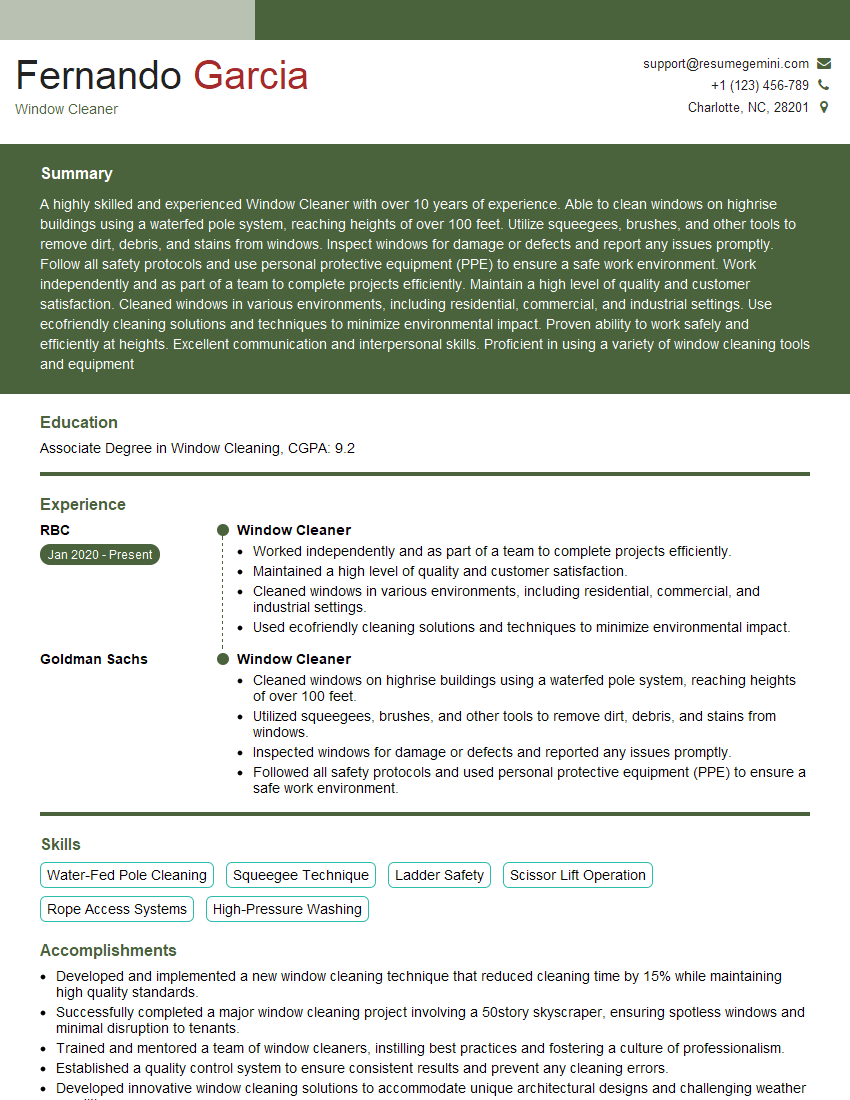
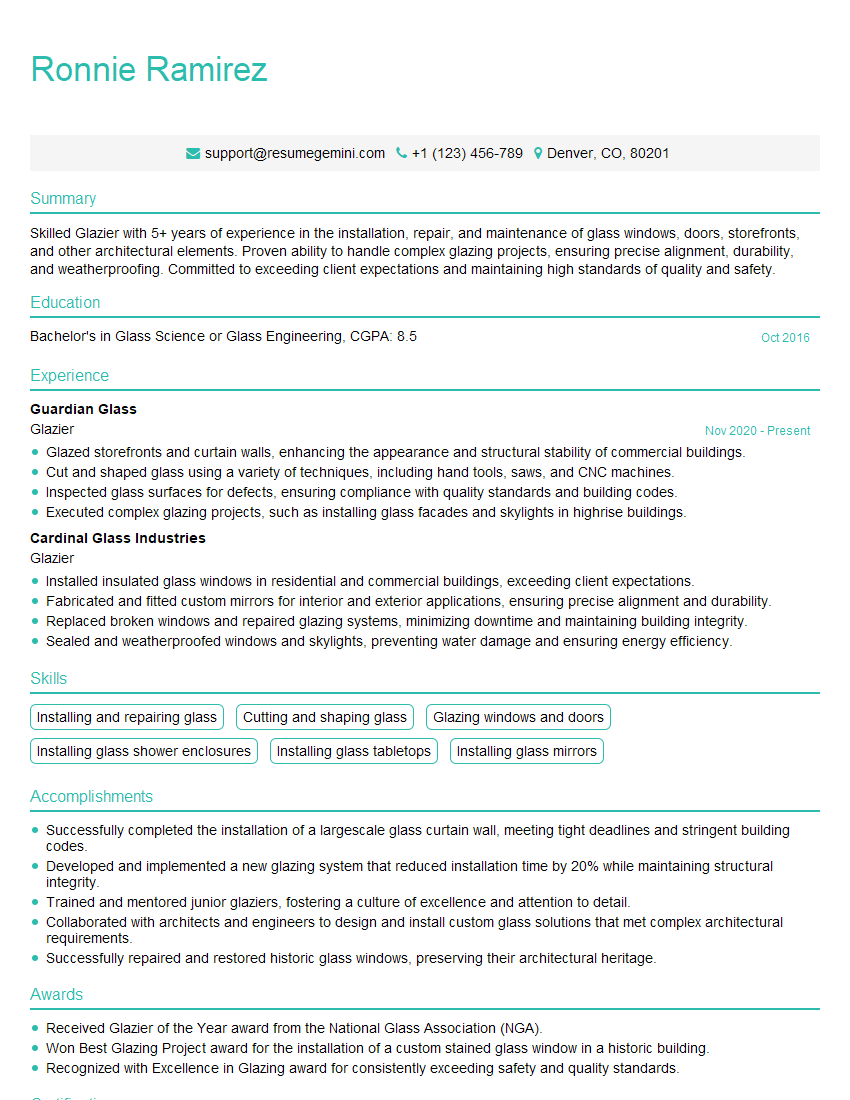
Mastering Proficient in Window Cleaning and Maintenance Techniques is key to advancing your career, opening doors to higher-paying positions, and greater job security. A well-crafted resume is your first step towards showcasing these skills. Make sure your resume is ATS-friendly to ensure it gets noticed by potential employers. ResumeGemini is a trusted resource that can help you create a professional and impactful resume tailored to highlight your expertise. We provide examples of resumes specifically designed for candidates proficient in Window Cleaning and Maintenance Techniques to help you get started.
Explore more articles
Users Rating of Our Blogs
Share Your Experience
We value your feedback! Please rate our content and share your thoughts (optional).
What Readers Say About Our Blog
Hello,
we currently offer a complimentary backlink and URL indexing test for search engine optimization professionals.
You can get complimentary indexing credits to test how link discovery works in practice.
No credit card is required and there is no recurring fee.
You can find details here:
https://wikipedia-backlinks.com/indexing/
Regards
NICE RESPONSE TO Q & A
hi
The aim of this message is regarding an unclaimed deposit of a deceased nationale that bears the same name as you. You are not relate to him as there are millions of people answering the names across around the world. But i will use my position to influence the release of the deposit to you for our mutual benefit.
Respond for full details and how to claim the deposit. This is 100% risk free. Send hello to my email id: [email protected]
Luka Chachibaialuka
Hey interviewgemini.com, just wanted to follow up on my last email.
We just launched Call the Monster, an parenting app that lets you summon friendly ‘monsters’ kids actually listen to.
We’re also running a giveaway for everyone who downloads the app. Since it’s brand new, there aren’t many users yet, which means you’ve got a much better chance of winning some great prizes.
You can check it out here: https://bit.ly/callamonsterapp
Or follow us on Instagram: https://www.instagram.com/callamonsterapp
Thanks,
Ryan
CEO – Call the Monster App
Hey interviewgemini.com, I saw your website and love your approach.
I just want this to look like spam email, but want to share something important to you. We just launched Call the Monster, a parenting app that lets you summon friendly ‘monsters’ kids actually listen to.
Parents are loving it for calming chaos before bedtime. Thought you might want to try it: https://bit.ly/callamonsterapp or just follow our fun monster lore on Instagram: https://www.instagram.com/callamonsterapp
Thanks,
Ryan
CEO – Call A Monster APP
To the interviewgemini.com Owner.
Dear interviewgemini.com Webmaster!
Hi interviewgemini.com Webmaster!
Dear interviewgemini.com Webmaster!
excellent
Hello,
We found issues with your domain’s email setup that may be sending your messages to spam or blocking them completely. InboxShield Mini shows you how to fix it in minutes — no tech skills required.
Scan your domain now for details: https://inboxshield-mini.com/
— Adam @ InboxShield Mini
Reply STOP to unsubscribe
Hi, are you owner of interviewgemini.com? What if I told you I could help you find extra time in your schedule, reconnect with leads you didn’t even realize you missed, and bring in more “I want to work with you” conversations, without increasing your ad spend or hiring a full-time employee?
All with a flexible, budget-friendly service that could easily pay for itself. Sounds good?
Would it be nice to jump on a quick 10-minute call so I can show you exactly how we make this work?
Best,
Hapei
Marketing Director
Hey, I know you’re the owner of interviewgemini.com. I’ll be quick.
Fundraising for your business is tough and time-consuming. We make it easier by guaranteeing two private investor meetings each month, for six months. No demos, no pitch events – just direct introductions to active investors matched to your startup.
If youR17;re raising, this could help you build real momentum. Want me to send more info?
Hi, I represent an SEO company that specialises in getting you AI citations and higher rankings on Google. I’d like to offer you a 100% free SEO audit for your website. Would you be interested?
Hi, I represent an SEO company that specialises in getting you AI citations and higher rankings on Google. I’d like to offer you a 100% free SEO audit for your website. Would you be interested?
good