The right preparation can turn an interview into an opportunity to showcase your expertise. This guide to Project Management and Workflow Optimization interview questions is your ultimate resource, providing key insights and tips to help you ace your responses and stand out as a top candidate.
Questions Asked in Project Management and Workflow Optimization Interview
Q 1. Describe your experience with Agile methodologies (e.g., Scrum, Kanban).
Agile methodologies, such as Scrum and Kanban, are iterative approaches to project management that prioritize flexibility and collaboration. I’ve extensively used both. Scrum, for instance, employs short development cycles called sprints (typically 2-4 weeks), with daily stand-up meetings to track progress and address roadblocks. This allows for frequent feedback and adaptation. I’ve successfully managed several projects using Scrum, including the development of a new e-commerce platform where we iteratively released features based on user feedback, resulting in a 20% increase in customer satisfaction. Kanban, on the other hand, focuses on visualizing workflow and limiting work in progress (WIP). I used Kanban effectively in a marketing campaign project, where we visualized tasks on a Kanban board, identifying and resolving bottlenecks quickly, leading to a timely and successful campaign launch.
My experience encompasses all aspects of Agile, from sprint planning and backlog grooming to daily stand-ups and sprint retrospectives. I’m adept at facilitating Agile ceremonies, coaching teams on Agile principles, and adapting Agile frameworks to suit specific project needs.
Q 2. Explain the difference between project management and workflow optimization.
While both project management and workflow optimization aim to improve efficiency, they differ in scope and focus. Project management encompasses the entire lifecycle of a project, from initiation to closure, encompassing planning, execution, monitoring, and controlling. It focuses on delivering a specific outcome within defined constraints (time, budget, scope). Think of building a house – project management handles the entire process, from design to final inspection.
Workflow optimization, conversely, focuses on improving the efficiency and effectiveness of ongoing processes within a team or organization. It’s about streamlining repetitive tasks, eliminating bottlenecks, and improving the overall flow of work. Imagine the process of processing customer orders – workflow optimization focuses on making that process faster, smoother, and less error-prone, regardless of any specific project. They are not mutually exclusive; indeed, effective workflow optimization is crucial for successful project management.
Q 3. How do you prioritize tasks in a high-pressure environment?
Prioritization in high-pressure environments requires a structured approach. I use a combination of techniques, including the Eisenhower Matrix (urgent/important), MoSCoW method (Must have/Should have/Could have/Won’t have), and risk assessment. First, I clearly define the project goals and identify critical success factors. Then, I analyze each task based on its urgency, importance, and potential impact on the project’s success and associated risks. Tasks deemed critical and high-risk are prioritized first. I frequently communicate these priorities to the team, ensuring everyone understands the rationale and reducing potential conflicts.
For example, during a product launch facing a tight deadline, I prioritized bug fixes over new feature implementation using the Eisenhower Matrix. We focused on resolving critical bugs impacting user experience, while deferring less urgent features to the next release. This ensured a successful launch despite the time pressure.
Q 4. What project management tools are you proficient in (e.g., Jira, Asana, MS Project)?
I’m proficient in several project management tools, including Jira, Asana, and Microsoft Project. Jira is my go-to for Agile project management, particularly for tracking sprints, managing issues, and collaborating with development teams. I’ve used it extensively for software development projects, creating customized workflows and dashboards to track progress and identify potential delays. Asana is excellent for managing tasks and workflows across multiple teams, particularly in marketing or cross-functional projects. I’ve used Asana to successfully manage content creation projects, ensuring deadlines are met and resources are allocated effectively. Microsoft Project is invaluable for complex projects requiring detailed scheduling and resource allocation, particularly in scenarios with significant dependencies between tasks.
Q 5. Describe your experience with risk management in project execution.
Risk management is integral to successful project execution. My approach involves proactive identification, assessment, and mitigation of potential risks. I start by conducting a thorough risk assessment at the project initiation phase, identifying potential threats (technical challenges, resource constraints, market changes) and their likelihood and impact. This is often documented in a Risk Register. For each identified risk, I develop a mitigation strategy – outlining preventative measures or contingency plans to minimize its impact. Regular risk reviews are crucial throughout the project lifecycle to monitor identified risks, assess emerging threats, and adjust mitigation strategies as needed.
For example, in a project involving a new technology, we identified a risk of integration difficulties. Our mitigation strategy involved allocating additional time for testing and securing expert consultants. This proactive approach prevented significant delays and cost overruns.
Q 6. How do you handle conflicting priorities among team members?
Handling conflicting priorities among team members requires clear communication, collaboration, and effective prioritization. I start by facilitating open and honest discussion among team members to understand the underlying reasons for the conflict. This often involves active listening and empathy to grasp each team member’s perspective and concerns. Then, I use a collaborative approach to re-prioritize tasks, weighing the importance and urgency of each task relative to the overall project goals. This frequently involves using the prioritization techniques mentioned earlier (Eisenhower Matrix, MoSCoW method). Compromise and clear communication are key to resolving conflicts fairly and constructively. Following the prioritization, I ensure all team members understand the rationale and are aligned on the revised plan.
Transparency is crucial; I’ll clearly communicate the revised priorities and how they contribute to project success. If necessary, I’ll involve stakeholders to help make difficult decisions.
Q 7. Explain your approach to defining project scope and objectives.
Defining project scope and objectives is a critical first step. I use a collaborative approach, involving key stakeholders from the outset to ensure shared understanding and buy-in. This typically involves workshops or meetings to gather requirements, identify deliverables, and define success criteria. The scope is documented in a Project Charter or Scope Statement, outlining the project’s goals, deliverables, timelines, and constraints. It’s essential to be specific and avoid ambiguity. SMART objectives (Specific, Measurable, Achievable, Relevant, Time-bound) are crucial to ensure clarity and measurability of success.
For example, instead of simply stating “improve website performance”, a SMART objective would be “increase website page load speed by 20% within 3 months, as measured by Google PageSpeed Insights.” This clear definition ensures everyone understands what needs to be achieved and how success will be measured. Regular reviews and scope management processes are vital to maintain control and prevent scope creep throughout the project lifecycle.
Q 8. How do you measure the success of a workflow optimization initiative?
Measuring the success of a workflow optimization initiative goes beyond simply completing the project. It requires a multi-faceted approach, focusing on both qualitative and quantitative improvements. We need to define Key Performance Indicators (KPIs) before the initiative begins to establish a clear benchmark and track progress objectively.
- Quantitative Metrics: These involve measuring concrete improvements. Examples include reduced cycle time (e.g., ‘order processing time decreased by 20%’), increased throughput (e.g., ‘number of units produced per hour increased by 15%’), lower error rates (e.g., ‘defect rate reduced by 10%’), and improved cost efficiency (e.g., ‘operational costs reduced by 5%).
- Qualitative Metrics: These assess the less tangible benefits. We can use surveys, interviews, and feedback sessions to gauge employee satisfaction (’employee satisfaction with workflow improved by 25% based on survey results’), identify improvements in collaboration (‘improved communication and collaboration based on team feedback’), and assess customer satisfaction (‘customer satisfaction scores improved by 12%’).
A balanced scorecard approach, incorporating both quantitative and qualitative measures, provides a comprehensive view of success. Regular monitoring and analysis of these KPIs are critical to ensure the optimization initiative is on track and delivering the desired results. For instance, if we see a significant increase in throughput but a simultaneous rise in error rates, it suggests the optimization might have overlooked quality control aspects, requiring adjustments to the process.
Q 9. What is your experience with process mapping and improvement techniques?
I have extensive experience with various process mapping and improvement techniques, including BPMN (Business Process Model and Notation), Value Stream Mapping, and Lean methodologies. Process mapping provides a visual representation of a workflow, allowing for identification of bottlenecks and inefficiencies. I’ve used BPMN to model complex processes, creating clear diagrams that facilitate understanding and collaboration among stakeholders.
Value Stream Mapping helps visualize the entire flow of materials and information, from beginning to end, highlighting areas where waste is generated. This technique is particularly useful for identifying non-value-added activities that can be eliminated or improved. In a recent project, applying Value Stream Mapping to a manufacturing process revealed a significant amount of time wasted due to inefficient material handling. By reorganizing the workspace and implementing a Kanban system, we reduced lead time by 30%.
Lean methodologies, such as Six Sigma, focus on continuous improvement through data-driven problem-solving. I’ve successfully used DMAIC (Define, Measure, Analyze, Improve, Control) to systematically address process inefficiencies. In another project, using the DMAIC framework, we identified and eliminated a significant source of defects in a software development process, resulting in a reduction of software bugs by 40%.
Q 10. How do you ensure effective communication within a project team?
Effective communication is the cornerstone of any successful project. I employ a multi-pronged approach to ensure clear and consistent communication within the project team:
- Regular Meetings: We hold regular stand-up meetings (daily) and more in-depth progress meetings (weekly) to discuss progress, address roadblocks, and share updates. The frequency and format are adjusted based on project complexity and team size.
- Collaboration Tools: I utilize project management software (e.g., Asana, Jira, Microsoft Project) to centralize project information, track progress, and facilitate communication. These tools provide a single source of truth, ensuring everyone is on the same page.
- Clear Communication Channels: We establish clear channels for communication – for example, using email for formal updates, instant messaging for quick questions, and project management software for task assignments and status updates.
- Active Listening and Feedback: I actively encourage open communication and feedback, fostering an environment where team members feel comfortable raising concerns and sharing ideas. This involves truly listening to their perspectives and responding thoughtfully.
- Visual Communication: Visual aids such as charts, graphs, and dashboards help convey complex information quickly and effectively. This is particularly useful for communicating progress updates and highlighting key performance indicators.
Clear communication prevents misunderstandings, improves collaboration, and ensures everyone is aligned towards achieving project goals. I believe in transparent communication, keeping the team informed of both successes and challenges.
Q 11. Describe a time you had to overcome a significant project challenge.
In a previous project involving the implementation of a new customer relationship management (CRM) system, we encountered a significant challenge during the integration phase. The legacy system was outdated and poorly documented, making integration more complex than anticipated. The initial timeline was severely impacted.
To overcome this, I first assembled a team of experienced integration specialists and data analysts. We then implemented a phased integration approach, focusing on integrating smaller modules initially to minimize risk and identify potential issues early on. This allowed us to validate the integration process incrementally and address any unforeseen challenges as we progressed. We used Agile methodologies, implementing daily stand-up meetings and sprint reviews to monitor progress and adapt quickly to any changes.
Further, we developed a detailed risk mitigation plan, identifying potential issues and outlining proactive measures to address them. Transparent communication with stakeholders was crucial, keeping them informed of the progress and any potential delays. Ultimately, we successfully completed the integration, albeit with a revised timeline, and the new CRM system is functioning effectively.
Q 12. How do you manage stakeholder expectations?
Managing stakeholder expectations is vital for project success. My approach focuses on proactive communication and setting realistic expectations from the outset. I begin by identifying all key stakeholders and understanding their individual interests and concerns. I then work with them to define clear and measurable project goals and objectives.
Regular updates, both written and verbal, keep stakeholders informed of progress, challenges, and potential risks. These updates use simple, non-technical language to ensure everyone understands the information. I also hold regular meetings with stakeholders to discuss progress, address any concerns, and solicit feedback. These meetings serve as platforms for open dialogue and collaboration.
In cases of unexpected changes or delays, I communicate proactively and transparently, explaining the situation, outlining mitigation strategies, and discussing potential impacts. This helps build trust and maintain positive relationships with stakeholders. I believe in managing expectations by setting realistic timelines and targets, being upfront about potential challenges, and demonstrating consistent commitment to delivering results.
Q 13. What is your experience with budget management and forecasting?
Budget management and forecasting are essential components of project management. My experience includes developing detailed budget proposals, tracking expenses, and forecasting future costs. I utilize various budgeting techniques, such as bottom-up budgeting (where individual tasks are estimated and aggregated), and top-down budgeting (where a high-level budget is allocated and then broken down). The choice of technique depends on the project’s size and complexity.
I leverage project management software to track budget expenditures and compare them against planned costs. Regular budget reviews and variance analysis identify potential overruns or under-spending, allowing for timely corrective actions. I also incorporate contingency planning into the budget to account for unexpected costs. Furthermore, forecasting future costs involves using historical data, industry benchmarks, and expert judgment to estimate future expenses. This forecasting is crucial for long-term project planning and resource allocation.
In a recent project, I used Earned Value Management (EVM) to monitor the budget and schedule performance. EVM allows for a comprehensive assessment of project performance, revealing potential variances and facilitating timely corrective actions. By actively monitoring and managing the budget, I can ensure that the project is completed within the allocated resources.
Q 14. How do you use data to drive decisions in project management?
Data-driven decision-making is crucial in project management. I utilize data from various sources – project management software, performance reports, stakeholder feedback – to gain insights into project performance, identify areas for improvement, and make informed decisions. This involves collecting, analyzing, and interpreting data to understand trends, patterns, and potential risks.
For example, analyzing task completion rates and identifying bottlenecks can help optimize resource allocation. Monitoring key performance indicators (KPIs) such as schedule adherence and budget performance allows for timely interventions to address any deviations from the plan. Data visualization tools, such as dashboards and charts, are essential for effectively communicating these insights to stakeholders.
In a previous project, we used data analysis to identify a correlation between specific task dependencies and project delays. By reorganizing the task sequence and implementing parallel processing where feasible, we were able to reduce project duration significantly. Data analytics helps identify root causes of problems and provides objective evidence to support decision-making, leading to improved project outcomes and better resource utilization. It’s all about using facts to navigate complex situations and optimize project delivery.
Q 15. Explain your understanding of critical path analysis.
Critical Path Analysis (CPA) is a crucial project management technique used to identify the longest sequence of dependent tasks in a project. This longest sequence, the critical path, determines the shortest possible duration for project completion. Any delay on tasks within the critical path directly impacts the overall project timeline.
Imagine building a house. The foundation needs to be poured before the walls go up, and the walls must be finished before the roof. The foundation, walls, and roof represent sequential tasks on the critical path. If pouring the foundation is delayed, the entire project is delayed, because the other tasks are dependent on it.
To perform CPA, you’d typically use a network diagram that visually represents the tasks and their dependencies. Each task is assigned a duration, and then you calculate the earliest and latest start and finish times for each task. The path with the longest duration is the critical path.
- Identifying the critical path allows for proactive resource allocation: You can focus resources on the critical path tasks to prevent delays.
- It helps in risk management: By pinpointing critical tasks, you can identify potential risks and develop mitigation strategies to avoid delays.
- Improved scheduling and planning: Understanding the critical path provides a clearer picture of the project timeline and helps in more accurate scheduling.
In practice, I’ve used software like Microsoft Project and Smartsheet for CPA, automating the calculation and visualization of the critical path. This allows for easier identification of bottlenecks and enables better communication and collaboration within the project team.
Career Expert Tips:
- Ace those interviews! Prepare effectively by reviewing the Top 50 Most Common Interview Questions on ResumeGemini.
- Navigate your job search with confidence! Explore a wide range of Career Tips on ResumeGemini. Learn about common challenges and recommendations to overcome them.
- Craft the perfect resume! Master the Art of Resume Writing with ResumeGemini’s guide. Showcase your unique qualifications and achievements effectively.
- Don’t miss out on holiday savings! Build your dream resume with ResumeGemini’s ATS optimized templates.
Q 16. How do you handle project scope creep?
Scope creep is the uncontrolled expansion of a project’s scope beyond the initial agreed-upon requirements. It’s a common problem that can lead to project delays, budget overruns, and reduced quality. My approach to managing scope creep is proactive and multi-faceted.
- Clearly Defined Scope Statement: Starting with a meticulously detailed scope statement, outlining every deliverable, feature, and acceptance criteria is paramount. This forms the baseline against which any change requests are measured.
- Change Control Process: A formal change control process is essential. This includes a mechanism for submitting, reviewing, approving, and tracking change requests. Each request undergoes a thorough impact assessment to determine its effect on time, cost, and resources.
- Regular Monitoring and Communication: Consistent monitoring of progress against the scope statement is critical. Frequent communication with stakeholders ensures any emerging needs are identified early and addressed before they escalate into significant issues.
- Prioritization and Negotiation: When change requests are justified, we prioritize them based on their impact and value. This might involve negotiations with stakeholders to adjust expectations or to find alternative solutions that align with the project constraints.
For example, in a recent software development project, a client requested an additional feature midway through development. Using our change control process, we assessed the impact – an extra two weeks and $5,000. We presented this to the client, who agreed to the changes after evaluating the trade-off.
Q 17. Describe your experience with resource allocation and management.
Resource allocation and management are vital to project success. This involves identifying, assigning, and managing the human, financial, and material resources required to complete a project within the given constraints.
My approach emphasizes a combination of planning, tracking, and optimization.
- Resource Leveling: This involves adjusting the project schedule to ensure that resource utilization remains within capacity. This avoids over-allocation of resources to specific tasks and allows for smoother workflow.
- Resource Smoothing: This focuses on optimizing resource allocation while maintaining the project’s critical path. It aims to minimize resource fluctuations without changing the overall project duration.
- Regular Monitoring and Reporting: Tracking resource utilization and identifying potential issues early is crucial. Regular reports provide a clear picture of resource allocation status, alerting to potential over-allocations or under-utilizations.
- Tools and Techniques: I am proficient in using project management software (like MS Project, Jira) for resource allocation and tracking, facilitating easier visualization and management.
In a past project, we faced a shortage of skilled developers. By employing resource leveling, we slightly adjusted the project timeline and reallocated developers from less critical tasks, ensuring all tasks were completed efficiently and on time without compromising quality.
Q 18. How do you ensure project quality and adherence to standards?
Ensuring project quality and adherence to standards requires a proactive, systematic approach. This involves establishing quality standards, implementing quality control measures, and continuously monitoring and improving the project’s quality.
- Defining Quality Standards: We start by clearly defining quality standards and metrics relevant to the project. These are usually derived from industry best practices, client requirements, and organizational standards.
- Quality Control Measures: Throughout the project lifecycle, we implement various quality control measures including regular reviews, testing, inspections, and audits. This involves using checklists, templates, and standard operating procedures to maintain consistency.
- Continuous Improvement: We incorporate regular feedback loops and lessons learned to constantly improve our processes and quality outcomes. Post-project reviews help identify areas for improvement in future projects.
- Documentation and Traceability: Thorough documentation of all processes, decisions, and results helps ensure quality and enables easy traceability of any issues.
For instance, in a recent project, we used a standardized testing framework to ensure our software met all performance and security requirements. This involved writing unit tests, integration tests, and user acceptance tests, catching and resolving bugs early in the process.
Q 19. What is your experience with change management processes?
Change management is the structured approach to guiding individuals, teams, and organizations through changes. Successful change management requires careful planning, communication, and stakeholder engagement.
My experience includes using various models, such as the ADKAR model (Awareness, Desire, Knowledge, Ability, Reinforcement) and the Kotter’s 8-step process.
- Assessment and Planning: Before implementing any change, I carefully assess the impact on individuals and the organization. This informs the development of a comprehensive change management plan outlining the steps, timelines, and resources needed.
- Communication and Engagement: Transparency and clear communication are key. I ensure that all stakeholders are kept informed throughout the change process. This often involves regular meetings, updates, and training sessions.
- Support and Training: Providing adequate support and training is crucial to ensure that individuals have the necessary skills and knowledge to adapt to the changes. This may involve coaching, mentoring, or providing access to helpful resources.
- Monitoring and Evaluation: Continuously monitoring the change implementation process helps in identifying challenges early on and adjusting the strategy accordingly. Post-implementation reviews evaluate the success of the change and help identify lessons learned.
In one project, we transitioned to a new project management software. We used a phased approach, starting with training sessions and pilot projects before full implementation, effectively managing resistance to change and ensuring a smoother transition.
Q 20. Explain your approach to conflict resolution within a project team.
Conflict is inevitable in any team environment. My approach to conflict resolution focuses on early identification, proactive communication, and finding mutually acceptable solutions.
- Early Identification and Intervention: I actively listen to team members and address any emerging conflicts promptly before they escalate. This often involves informal discussions to understand the underlying issues.
- Facilitating Communication: I create a safe space for open and honest communication between conflicting parties. This involves ensuring everyone feels heard and respected. Mediation may be necessary to facilitate productive conversation.
- Focus on Interests, not Positions: I work with team members to understand their underlying interests and concerns, rather than just their stated positions. This helps find solutions that address the root cause of the conflict.
- Collaborative Problem-Solving: I guide team members towards collaborative problem-solving by encouraging brainstorming and exploring different solutions together. The aim is to find a solution that is acceptable to all parties.
- Documentation and Follow-up: Once a solution is agreed upon, I document it and ensure that all parties are clear on the action plan and timelines. Follow-up meetings help track progress and ensure the conflict is resolved effectively.
For example, in one project, two team members had conflicting approaches to a technical problem. I facilitated a meeting where they presented their perspectives, identified common ground, and collaboratively developed a hybrid solution that incorporated the best elements of both approaches.
Q 21. How do you identify and mitigate project risks?
Risk management is a proactive process of identifying, analyzing, and responding to potential threats to a project’s success. My approach involves a systematic process of risk identification, analysis, response planning, and monitoring.
- Risk Identification: I utilize brainstorming sessions, checklists, and SWOT analysis to systematically identify potential risks across various aspects of the project, including technical, schedule, budget, resource, and stakeholder risks.
- Risk Analysis: Each identified risk is analyzed based on its likelihood and impact. This often involves using a risk matrix to prioritize risks based on their potential severity.
- Risk Response Planning: Based on the risk analysis, I develop appropriate response strategies. These strategies can range from risk avoidance (eliminating the risk), risk mitigation (reducing the likelihood or impact), risk transfer (shifting the risk to a third party), and risk acceptance (acknowledging and accepting the risk).
- Risk Monitoring and Control: Throughout the project, I regularly monitor risks to track their status and identify any emerging risks. Contingency plans are activated if a risk occurs. Regular reviews and updates of the risk register ensure the plan remains current and relevant.
In a previous project, we identified the risk of a key supplier failing to deliver components on time. We mitigated this risk by identifying a backup supplier and negotiating favorable contract terms to ensure timely delivery. This proactive approach prevented significant project delays.
Q 22. Describe your experience with different project delivery methodologies (e.g., Waterfall, Agile).
I have extensive experience with both Waterfall and Agile project delivery methodologies, understanding their strengths and weaknesses and when each is most appropriate. Waterfall, with its sequential phases (requirements, design, implementation, testing, deployment, maintenance), works best for projects with clearly defined, stable requirements and minimal anticipated changes. I’ve utilized Waterfall successfully in projects involving large-scale infrastructure development where deviations from the plan were costly and time-consuming. However, Agile, with its iterative and incremental approach, is ideally suited for projects where requirements evolve frequently, requiring flexibility and rapid adaptation. My experience with Agile includes Scrum and Kanban, employing sprints, daily stand-ups, and continuous integration for projects involving software development and marketing campaigns. For example, in a recent software project, using Scrum allowed us to incorporate client feedback throughout the development cycle, resulting in a product that far exceeded initial expectations.
- Waterfall: Suitable for projects with stable requirements and low risk tolerance.
- Agile (Scrum & Kanban): Best for projects with evolving requirements, high risk tolerance, and a need for continuous feedback.
Q 23. How do you track project progress and report on key metrics?
Tracking project progress and reporting on key metrics is crucial for success. I utilize a combination of tools and techniques. Project management software like Jira or Asana helps track tasks, deadlines, and resource allocation. I regularly monitor the project’s burn-down chart (for Agile) or Gantt chart (for Waterfall) to identify potential delays. Key metrics I track include:
- Progress against schedule: Percentage of completed tasks versus planned schedule.
- Budget adherence: Actual spending versus planned budget.
- Resource utilization: Efficiency of resource allocation.
- Risk identification & mitigation: Proactive identification and management of potential problems.
- Quality metrics: Defect rate, customer satisfaction scores.
These metrics are reported regularly to stakeholders through dashboards, presentations, and progress reports, tailored to their needs and level of detail required. For instance, a high-level summary for executives might focus on key milestones and budget, while a detailed report for the project team would include task-specific progress and risk assessments.
Q 24. What is your approach to building and maintaining strong team relationships?
Building and maintaining strong team relationships is paramount. I believe in fostering a collaborative and supportive environment where everyone feels valued and respected. My approach involves:
- Open communication: Regular team meetings, both formal and informal, to discuss progress, challenges, and concerns.
- Active listening: Paying close attention to team members’ input and concerns.
- Conflict resolution: Addressing conflicts promptly and fairly, focusing on finding solutions that work for everyone.
- Recognition and appreciation: Acknowledging individual and team accomplishments.
- Mentorship and support: Providing guidance and support to team members, helping them develop their skills and grow professionally.
For example, during a particularly challenging project, I organized team-building activities to improve morale and collaboration, resulting in a significant boost in team spirit and productivity.
Q 25. How do you ensure that projects are completed on time and within budget?
Ensuring projects are completed on time and within budget requires proactive planning, diligent monitoring, and effective risk management. My approach includes:
- Detailed project planning: Creating a comprehensive project plan with clearly defined tasks, timelines, and resource allocation.
- Regular monitoring and control: Tracking progress against the plan, identifying and addressing deviations promptly.
- Risk management: Identifying potential risks, assessing their likelihood and impact, and developing mitigation strategies.
- Change management: Establishing a process for managing changes to the project scope, schedule, or budget.
- Communication and stakeholder management: Keeping stakeholders informed of project progress and any potential issues.
For instance, by implementing a robust change management process in a past project, we minimized the impact of unexpected changes, preventing significant cost overruns and delays.
Q 26. Describe a time you had to make a difficult decision in a project setting.
In a previous project, we faced a critical delay due to a third-party vendor failing to deliver on time. The deadline was looming, and the initial solution—waiting for the vendor—would have resulted in significant financial penalties and reputational damage. The difficult decision was to switch vendors, even though it meant incurring additional costs and potentially compromising some aspects of the original design. I weighed the options carefully, considering the potential consequences of each choice. We opted to engage a new vendor, resulting in a slight cost increase but ensuring on-time project delivery. We also initiated a process to evaluate vendor performance more rigorously in future projects. This experience taught me the importance of having contingency plans and the necessity to make tough calls for the overall project success.
Q 27. How do you utilize technology to improve workflow efficiency?
Technology plays a pivotal role in improving workflow efficiency. I utilize various tools and platforms to streamline processes and enhance collaboration. Examples include:
- Project management software: Jira, Asana, Monday.com for task management, progress tracking, and collaboration.
- Collaboration tools: Slack, Microsoft Teams for communication and file sharing.
- Automation tools: Zapier, IFTTT for automating repetitive tasks.
- Data analytics platforms: Tableau, Power BI for visualizing project data and identifying trends.
- Cloud storage: Google Drive, Dropbox for secure file storage and accessibility.
For instance, implementing an automated system for timesheet submission significantly reduced administrative overhead and provided more accurate data for project costing.
Q 28. Explain your understanding of Lean principles and their application to project management.
Lean principles, originating from manufacturing, focus on eliminating waste and maximizing value. In project management, this translates to streamlining processes, reducing unnecessary steps, and delivering maximum value to the customer. Key Lean principles I apply are:
- Value Stream Mapping: Visualizing the entire workflow to identify bottlenecks and areas for improvement.
- Kaizen (Continuous Improvement): Constantly seeking ways to improve processes and efficiency.
- Just-in-Time (JIT) Delivery: Delivering resources and information only when needed.
- 5S Methodology (Sort, Set in Order, Shine, Standardize, Sustain): Organizing the workplace for maximum efficiency.
- Pull System: Responding to customer demand rather than pushing work through the system.
For example, by applying Value Stream Mapping to a software development process, we identified a significant bottleneck in the testing phase, which was addressed by adding additional testers and improving the testing process. This resulted in a faster delivery time and increased efficiency.
Key Topics to Learn for Project Management and Workflow Optimization Interview
- Project Initiation & Planning: Understanding project charters, scope definition, stakeholder analysis, and developing realistic project schedules. Practical application: Describe your experience in defining project scope and managing stakeholder expectations.
- Risk Management & Mitigation: Identifying potential project risks, developing contingency plans, and proactively addressing challenges. Practical application: Explain a situation where you successfully identified and mitigated a project risk.
- Agile Methodologies: Working knowledge of Scrum, Kanban, or other agile frameworks, including sprint planning, daily stand-ups, and retrospectives. Practical application: Describe your experience working within an Agile environment and the benefits you observed.
- Workflow Analysis & Optimization: Identifying bottlenecks, streamlining processes, and implementing improvements using tools like process mapping and Lean methodologies. Practical application: Detail a project where you analyzed and improved a workflow, quantifying the improvements achieved.
- Resource Allocation & Management: Effectively allocating resources (human, financial, material) to optimize project outcomes. Practical application: Describe a situation where you had to manage competing resource demands and how you prioritized effectively.
- Communication & Collaboration: Effectively communicating project status, managing stakeholder expectations, and fostering collaboration within project teams. Practical application: Explain your approach to keeping stakeholders informed and managing potential conflicts.
- Project Monitoring & Control: Tracking progress against the project plan, identifying deviations, and implementing corrective actions. Practical application: Describe your experience using project management software and reporting on project performance.
- Project Closure & Evaluation: Formally closing out projects, conducting post-project reviews, and documenting lessons learned. Practical application: Explain your process for documenting project successes and areas for improvement.
Next Steps
Mastering Project Management and Workflow Optimization is crucial for career advancement, opening doors to leadership roles and higher earning potential. A strong resume is your key to unlocking these opportunities. Creating an ATS-friendly resume is essential for getting your application noticed by recruiters. To help you craft a compelling and effective resume, we strongly recommend using ResumeGemini. ResumeGemini provides a user-friendly platform and valuable resources to help you build a professional resume that highlights your skills and experience. Examples of resumes tailored to Project Management and Workflow Optimization are available to guide your process.
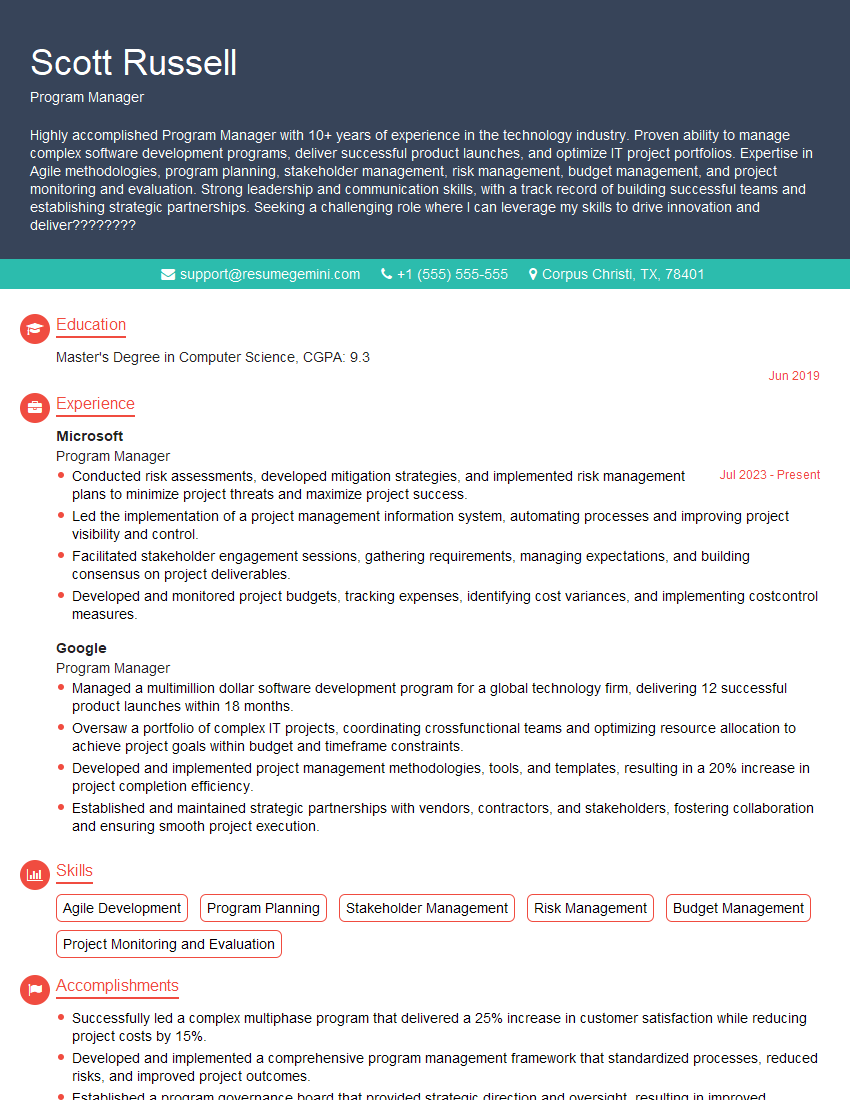
Program Manager Resume Sample

Operations Manager Resume Sample
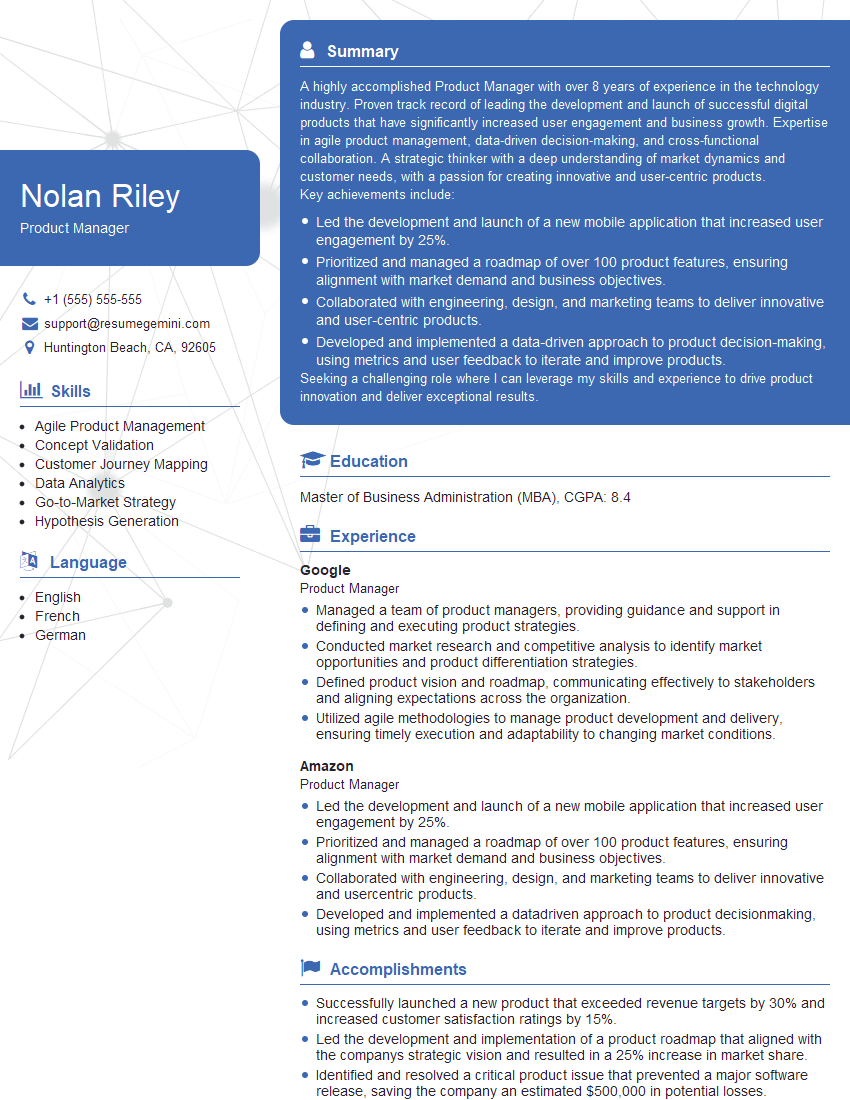
Product Manager Resume Sample
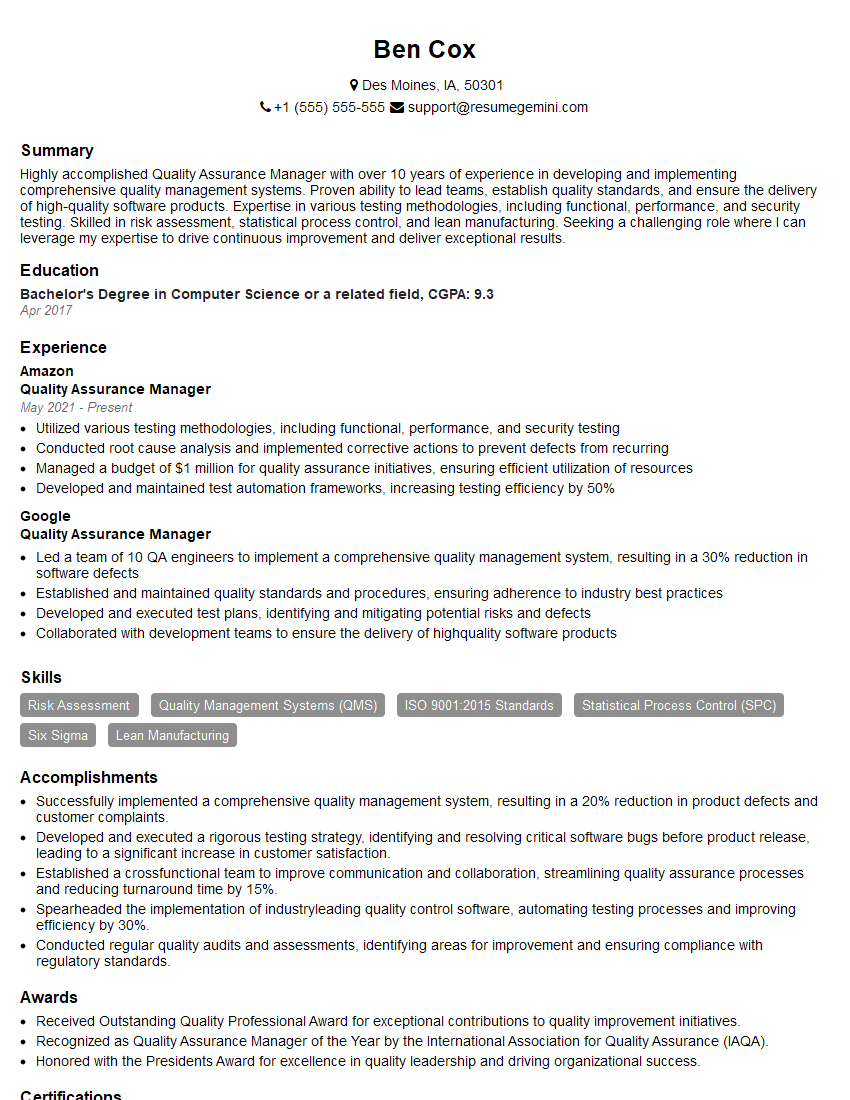
Quality Assurance Manager Resume Sample
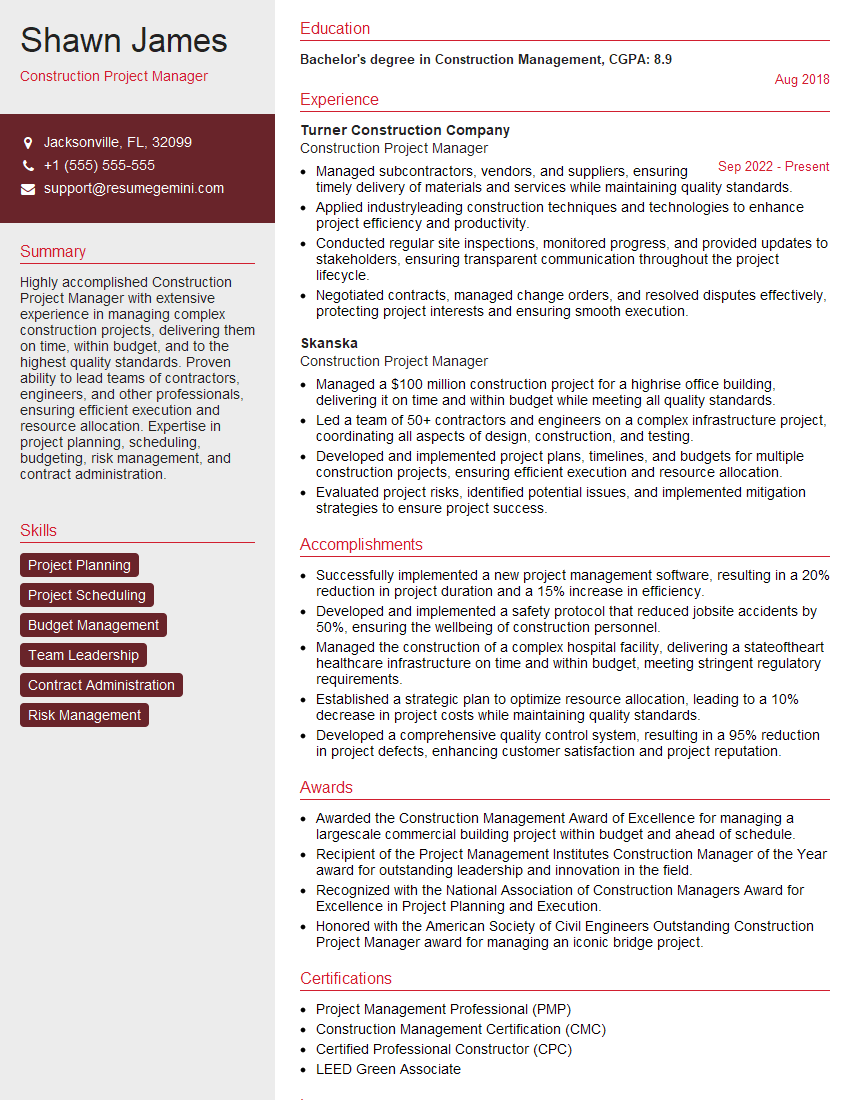
Construction Project Manager Resume Sample
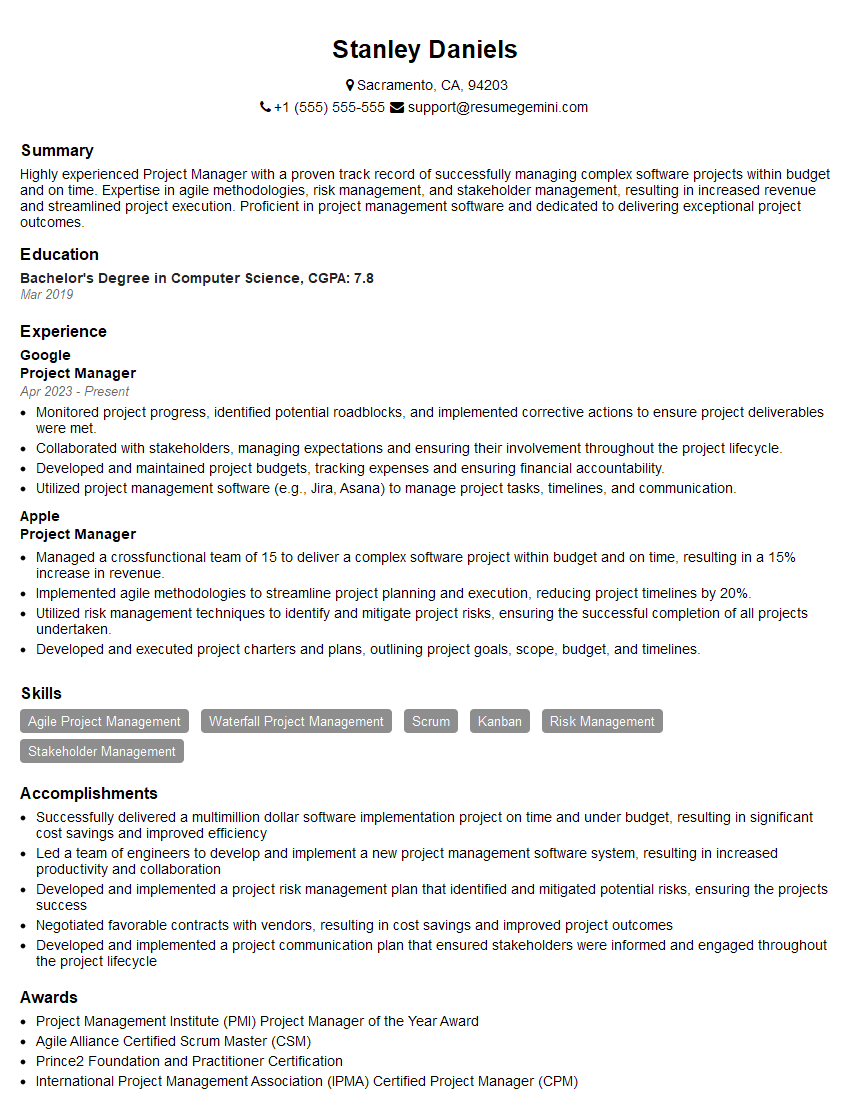
Project Manager Resume Sample
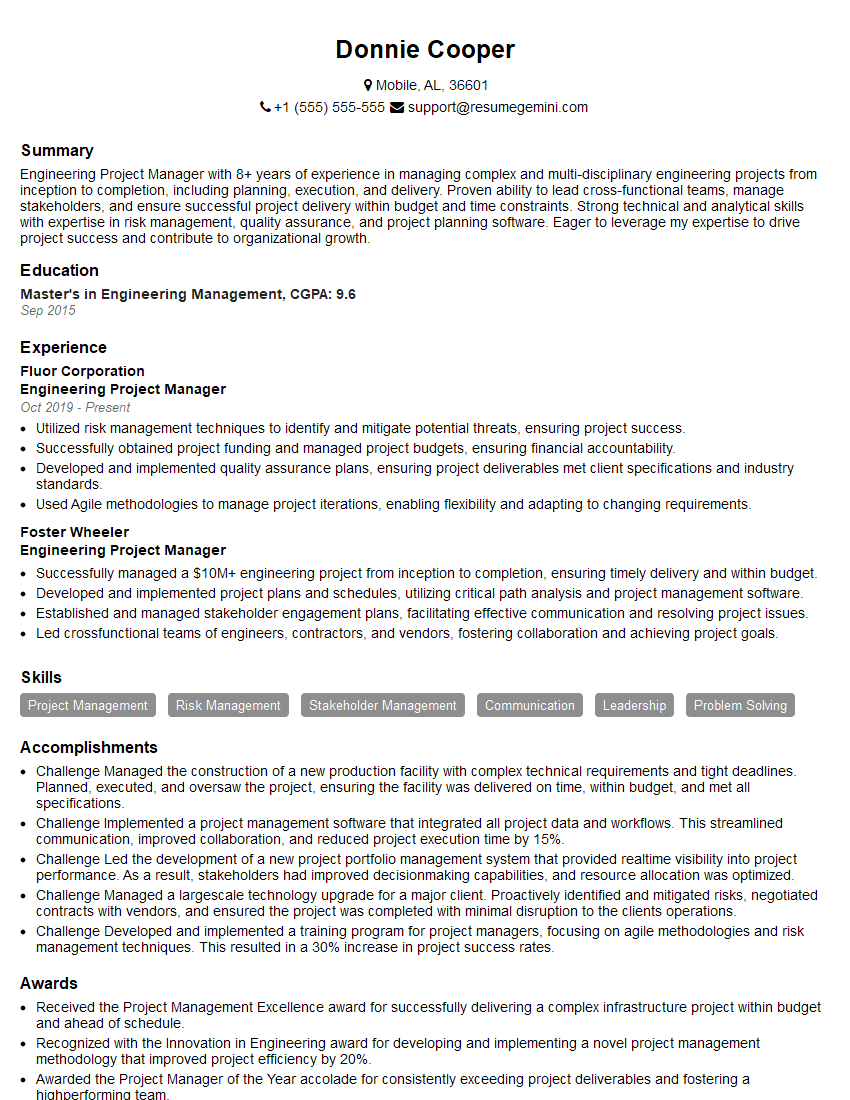
Engineering Project Manager Resume Sample
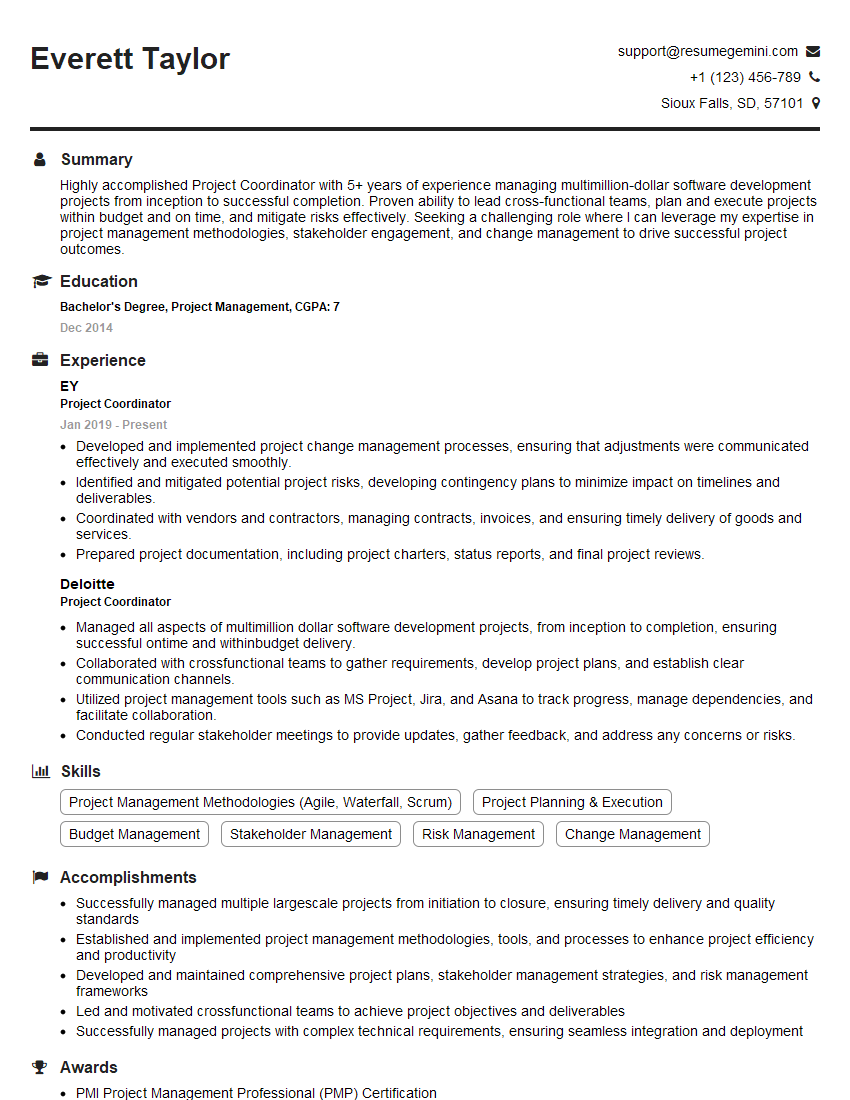
Project Coordinator Resume Sample
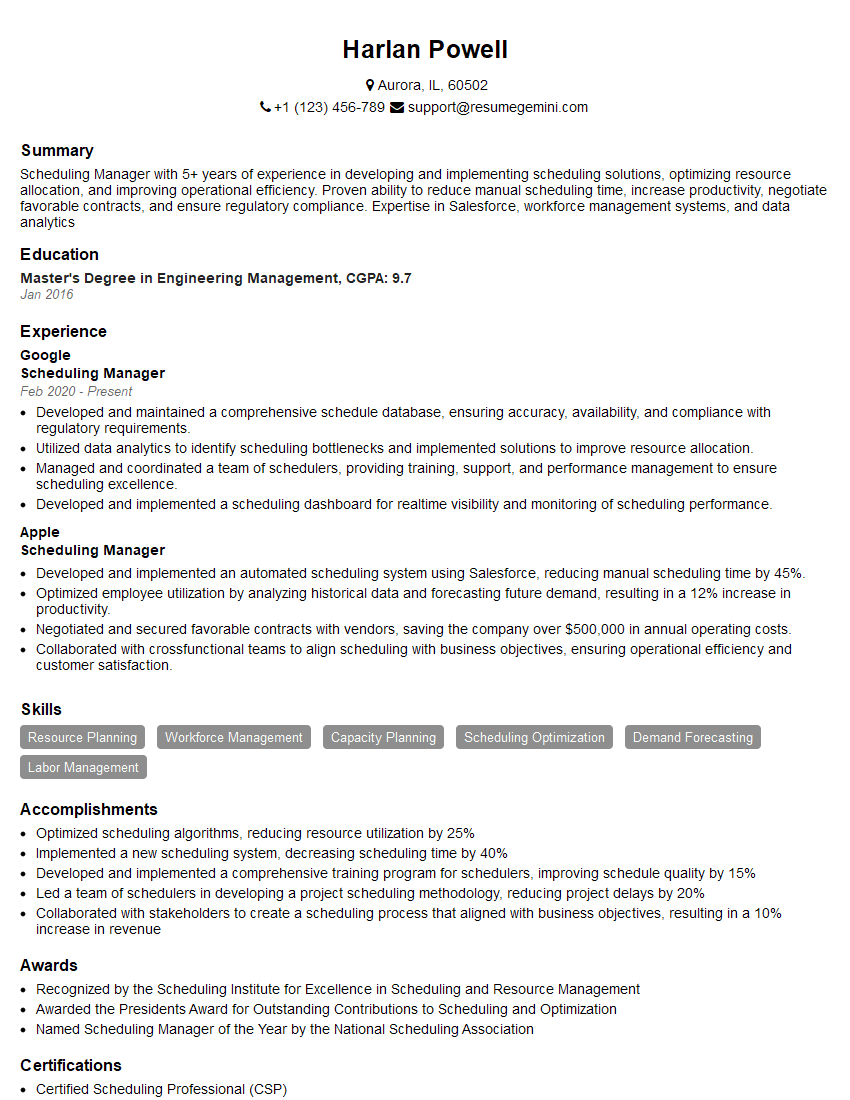
Scheduling Manager Resume Sample
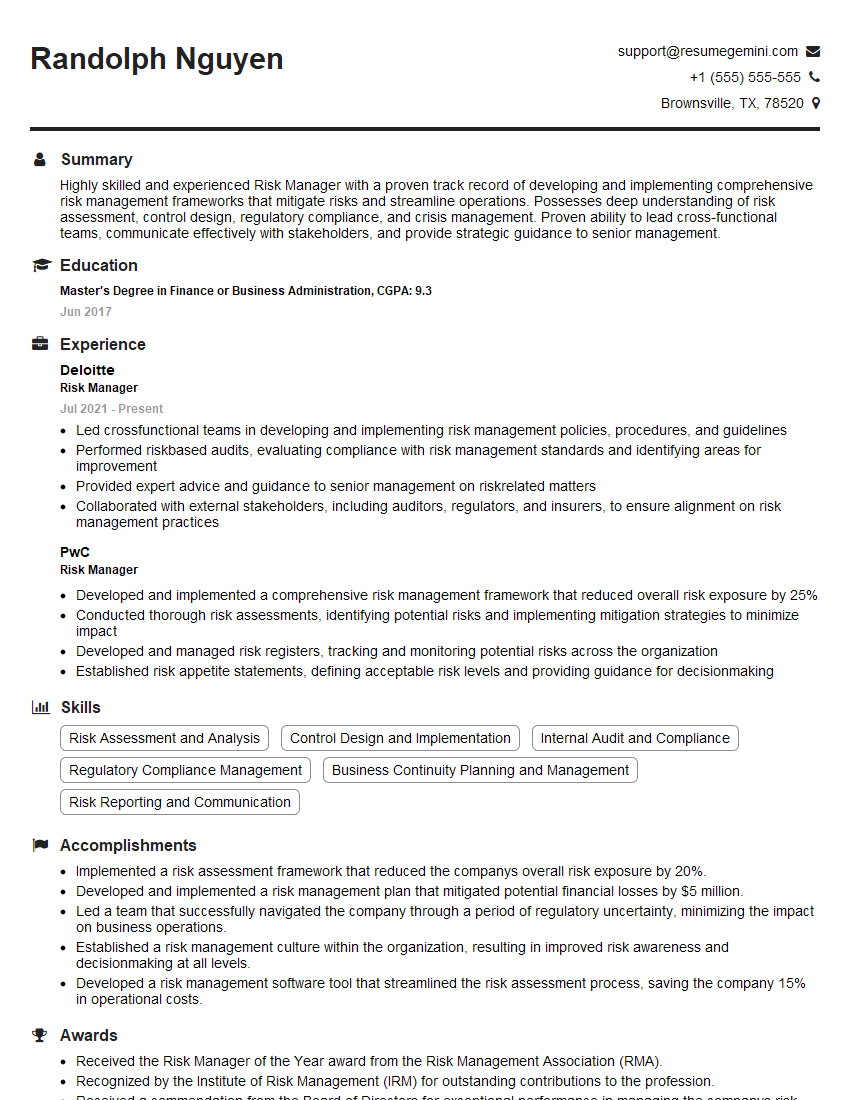
Risk Manager Resume Sample
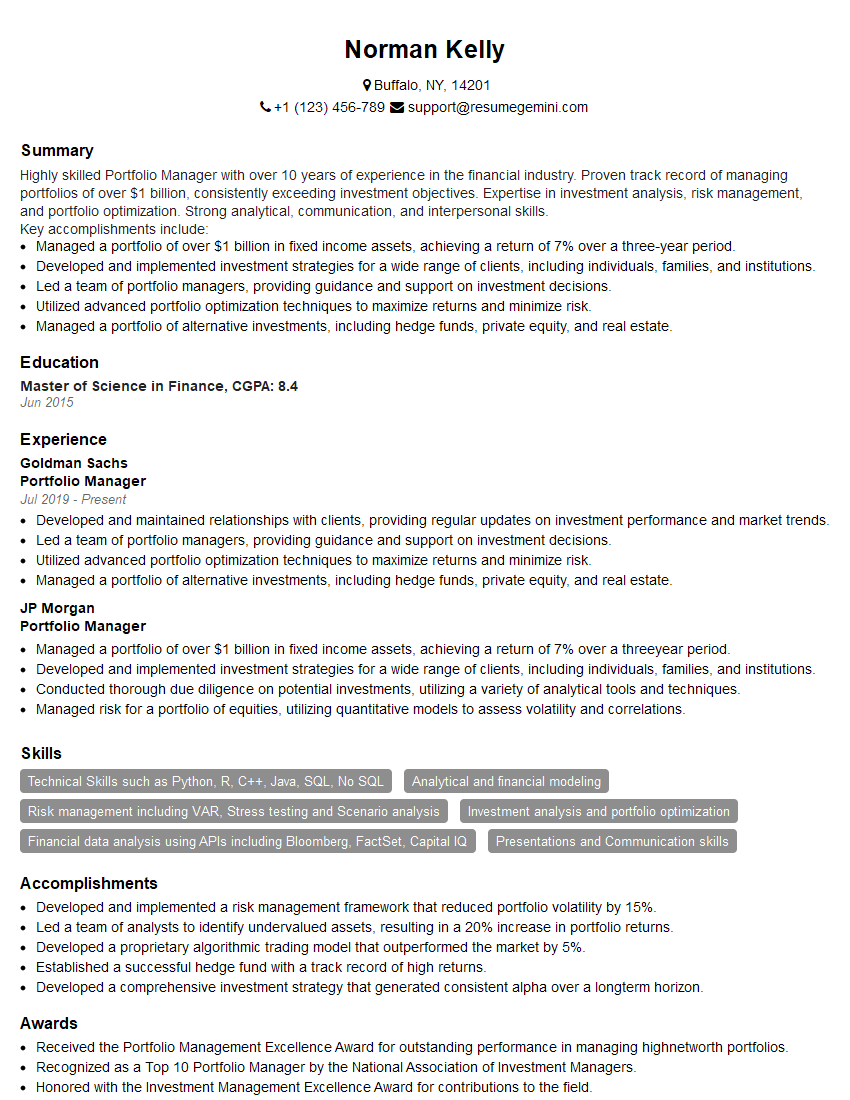
Portfolio Manager Resume Sample
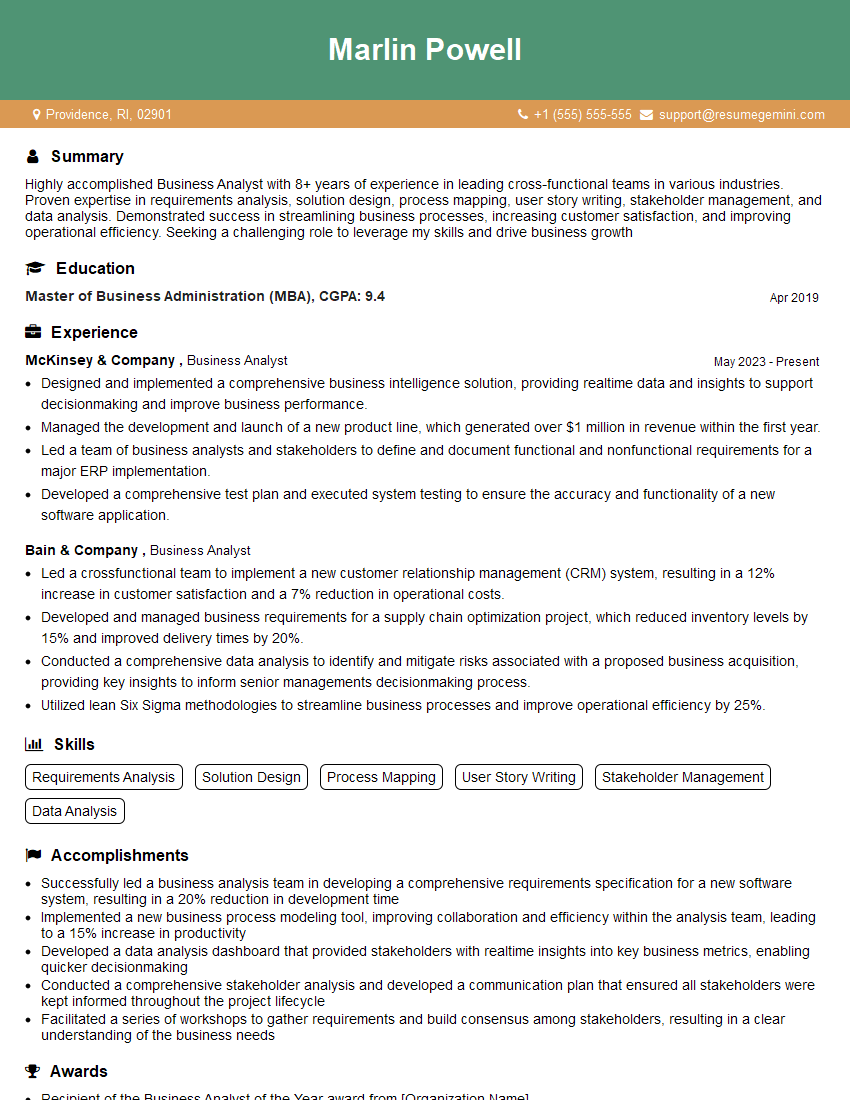
Business Analyst Resume Sample
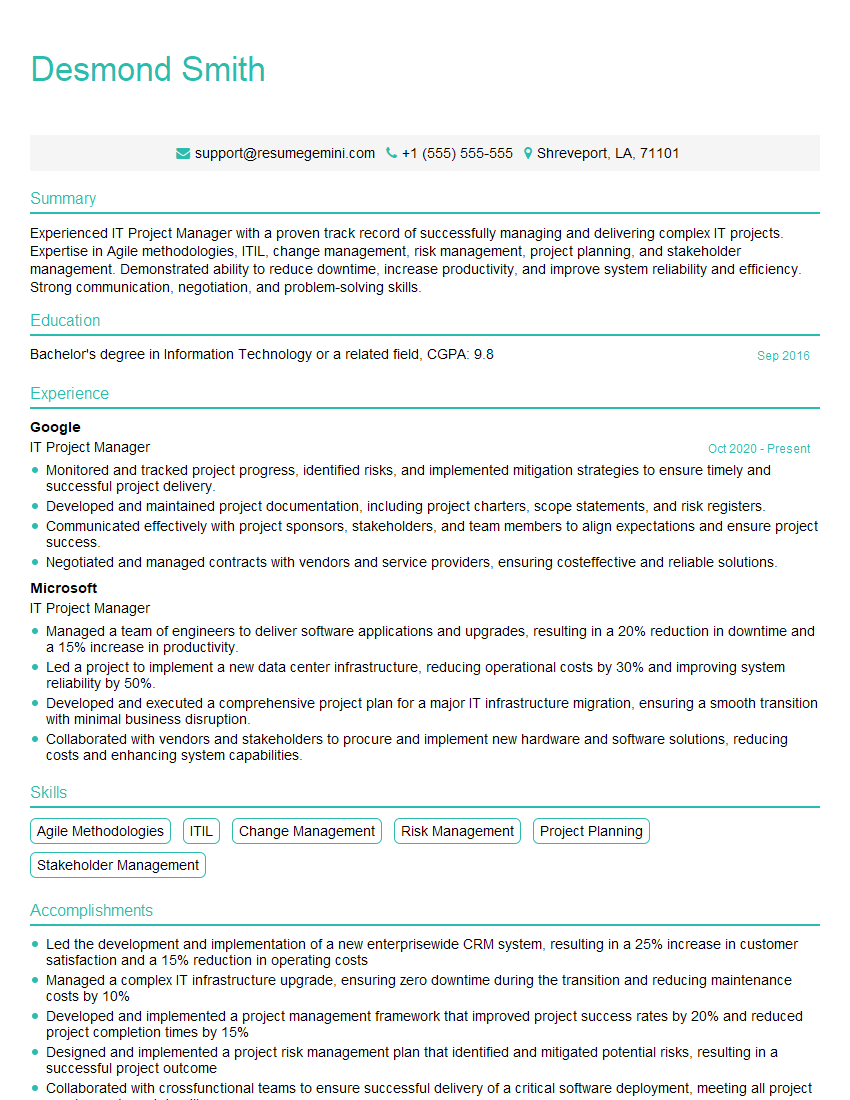
IT Project Manager Resume Sample
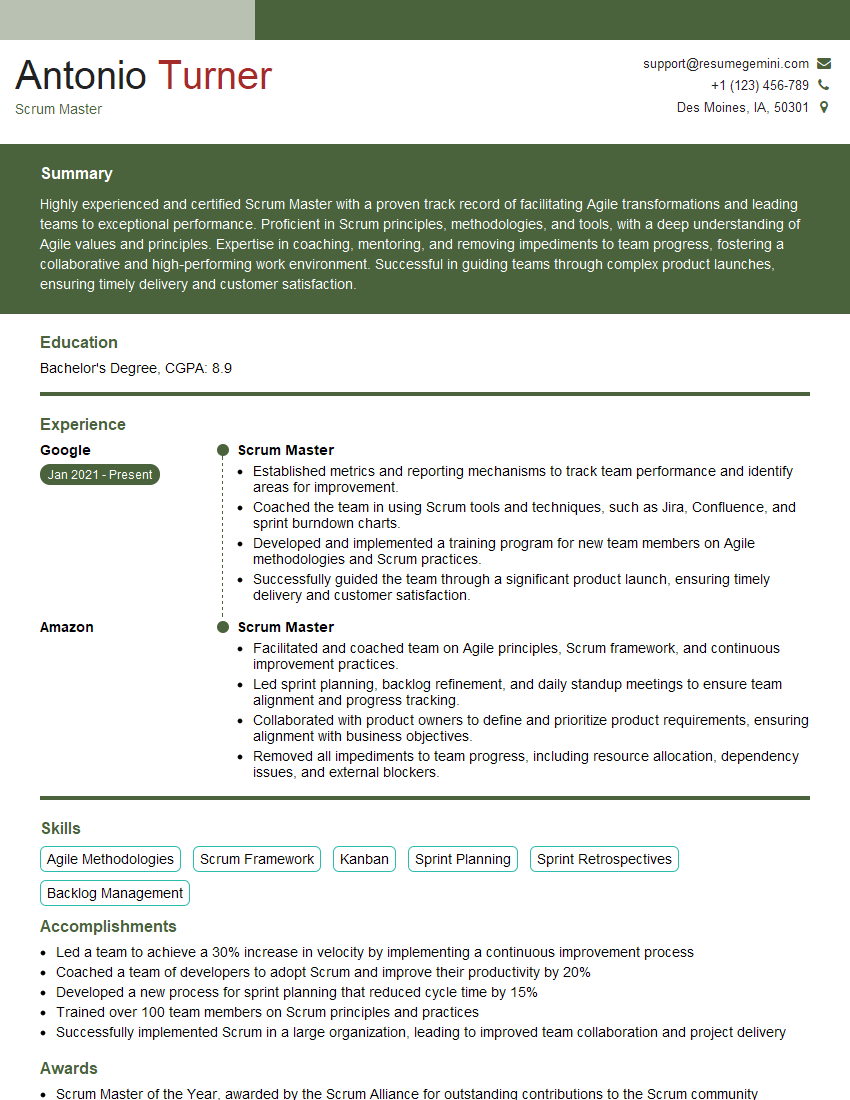
Scrum Master Resume Sample
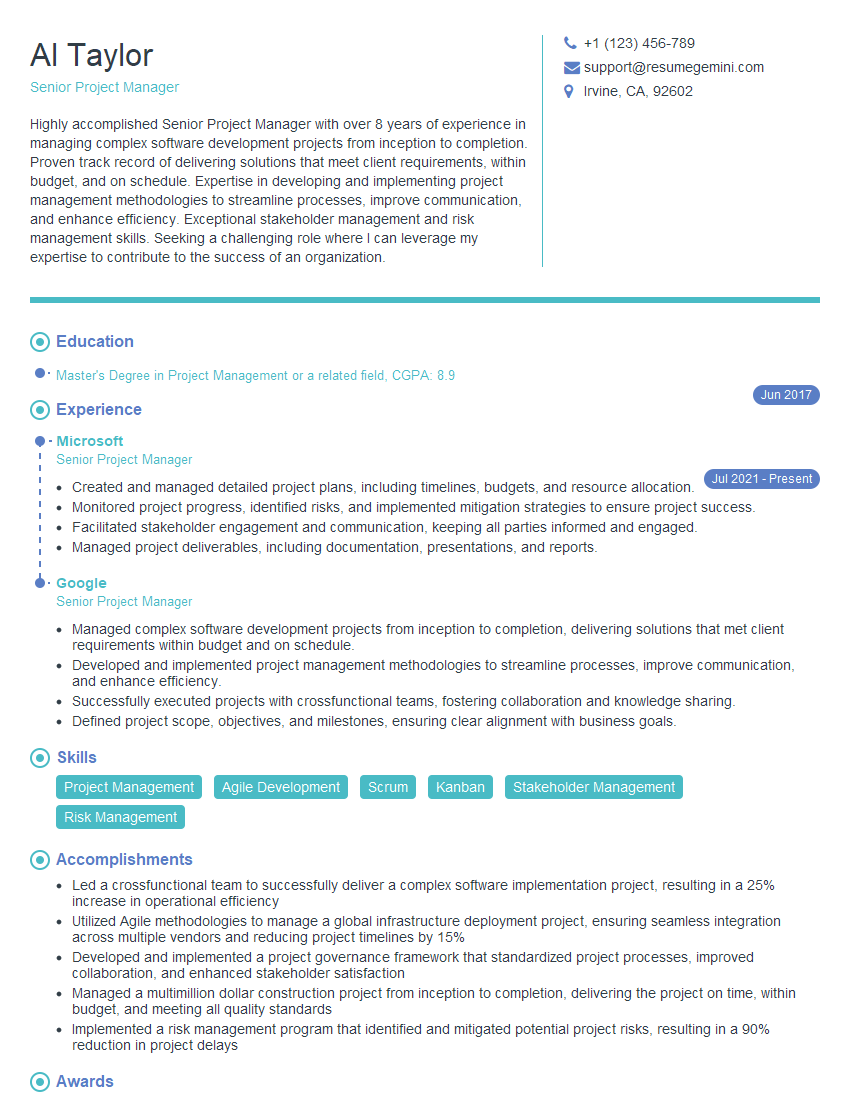
Senior Project Manager Resume Sample
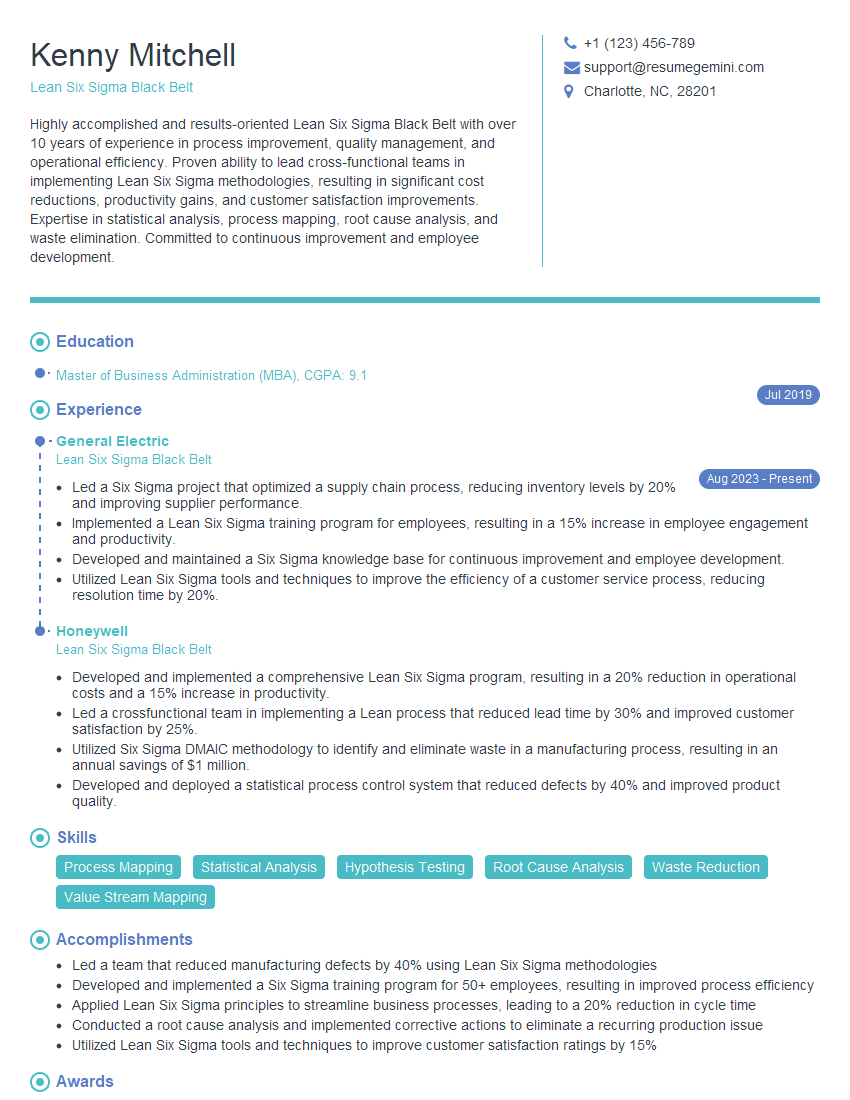
Lean Six Sigma Black Belt Resume Sample
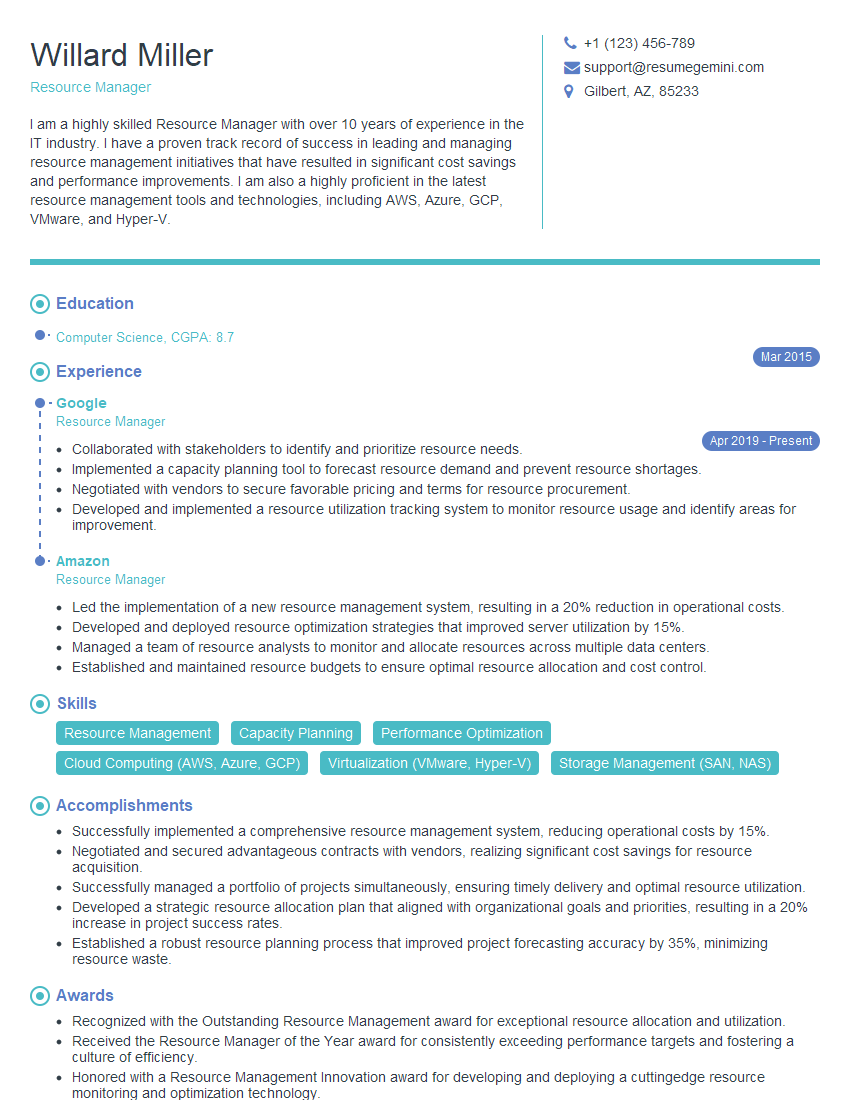
Resource Manager Resume Sample
- Program Manager
- Operations Manager
- Product Manager
- Quality Assurance Manager
- Construction Project Manager
- Project Manager
- Engineering Project Manager
- Project Coordinator
- Scheduling Manager
- Risk Manager
- Portfolio Manager
- Business Analyst
- IT Project Manager
- Scrum Master
- Senior Project Manager
- Lean Six Sigma Black Belt
- Resource Manager
Explore more articles
Users Rating of Our Blogs
Share Your Experience
We value your feedback! Please rate our content and share your thoughts (optional).
What Readers Say About Our Blog
Hello,
we currently offer a complimentary backlink and URL indexing test for search engine optimization professionals.
You can get complimentary indexing credits to test how link discovery works in practice.
No credit card is required and there is no recurring fee.
You can find details here:
https://wikipedia-backlinks.com/indexing/
Regards
NICE RESPONSE TO Q & A
hi
The aim of this message is regarding an unclaimed deposit of a deceased nationale that bears the same name as you. You are not relate to him as there are millions of people answering the names across around the world. But i will use my position to influence the release of the deposit to you for our mutual benefit.
Respond for full details and how to claim the deposit. This is 100% risk free. Send hello to my email id: [email protected]
Luka Chachibaialuka
Hey interviewgemini.com, just wanted to follow up on my last email.
We just launched Call the Monster, an parenting app that lets you summon friendly ‘monsters’ kids actually listen to.
We’re also running a giveaway for everyone who downloads the app. Since it’s brand new, there aren’t many users yet, which means you’ve got a much better chance of winning some great prizes.
You can check it out here: https://bit.ly/callamonsterapp
Or follow us on Instagram: https://www.instagram.com/callamonsterapp
Thanks,
Ryan
CEO – Call the Monster App
Hey interviewgemini.com, I saw your website and love your approach.
I just want this to look like spam email, but want to share something important to you. We just launched Call the Monster, a parenting app that lets you summon friendly ‘monsters’ kids actually listen to.
Parents are loving it for calming chaos before bedtime. Thought you might want to try it: https://bit.ly/callamonsterapp or just follow our fun monster lore on Instagram: https://www.instagram.com/callamonsterapp
Thanks,
Ryan
CEO – Call A Monster APP
To the interviewgemini.com Owner.
Dear interviewgemini.com Webmaster!
Hi interviewgemini.com Webmaster!
Dear interviewgemini.com Webmaster!
excellent
Hello,
We found issues with your domain’s email setup that may be sending your messages to spam or blocking them completely. InboxShield Mini shows you how to fix it in minutes — no tech skills required.
Scan your domain now for details: https://inboxshield-mini.com/
— Adam @ InboxShield Mini
Reply STOP to unsubscribe
Hi, are you owner of interviewgemini.com? What if I told you I could help you find extra time in your schedule, reconnect with leads you didn’t even realize you missed, and bring in more “I want to work with you” conversations, without increasing your ad spend or hiring a full-time employee?
All with a flexible, budget-friendly service that could easily pay for itself. Sounds good?
Would it be nice to jump on a quick 10-minute call so I can show you exactly how we make this work?
Best,
Hapei
Marketing Director
Hey, I know you’re the owner of interviewgemini.com. I’ll be quick.
Fundraising for your business is tough and time-consuming. We make it easier by guaranteeing two private investor meetings each month, for six months. No demos, no pitch events – just direct introductions to active investors matched to your startup.
If youR17;re raising, this could help you build real momentum. Want me to send more info?
Hi, I represent an SEO company that specialises in getting you AI citations and higher rankings on Google. I’d like to offer you a 100% free SEO audit for your website. Would you be interested?
Hi, I represent an SEO company that specialises in getting you AI citations and higher rankings on Google. I’d like to offer you a 100% free SEO audit for your website. Would you be interested?
good