The thought of an interview can be nerve-wracking, but the right preparation can make all the difference. Explore this comprehensive guide to Provide crisis intervention and support interview questions and gain the confidence you need to showcase your abilities and secure the role.
Questions Asked in Provide crisis intervention and support Interview
Q 1. Describe your experience de-escalating a volatile situation.
De-escalation involves calming a volatile situation to prevent harm. It requires a calm, empathetic approach, focusing on understanding the individual’s perspective and needs. My approach centers on active listening, validating their feelings, and collaboratively finding solutions. For example, I once worked with a client experiencing an acute psychotic episode who was agitated and shouting. Instead of confronting them directly, I spoke softly, used simple language, and mirrored their emotions, acknowledging their distress. I offered them water and a quiet space, gradually building trust and reducing their agitation. This allowed us to explore their concerns and develop a plan for managing their symptoms.
Key components of my de-escalation strategy include: maintaining a safe distance, using a calm and reassuring tone, offering choices whenever possible, validating their feelings, avoiding arguments, and seeking assistance from colleagues if needed. The goal is not to ‘win’ an argument but to collaboratively find a path to safety and stability.
Q 2. Explain your understanding of trauma-informed care.
Trauma-informed care recognizes the pervasive impact of trauma on individuals’ lives and acknowledges that past experiences significantly shape their present behaviors and responses. It emphasizes safety, trustworthiness, choice, collaboration, and empowerment. It avoids triggering or re-traumatizing individuals by creating a safe and supportive environment. For example, instead of demanding compliance, I might offer choices, understanding that past experiences of coercion could make compliance challenging. Understanding the individual’s history and current triggers is paramount, enabling me to personalize our interactions to promote healing and recovery.
In practice, this means understanding that behaviors stemming from trauma might not be intentional but a response to past experiences. I would approach a client cautiously, using validating language, and actively listening. I’d also be mindful of my own reactions and ensure my actions don’t inadvertently re-traumatize the client.
Q 3. How do you assess the immediate risk of harm in a crisis situation?
Assessing immediate risk involves systematically evaluating the potential for harm to the individual or others. This is done using a combination of observation, questioning, and understanding the context of the situation. I employ a structured risk assessment framework which considers factors such as the individual’s verbalizations, their behavior, access to means of self-harm or harm to others, and their history of violence or self-harm.
For instance, if someone is making specific threats of self-harm with readily available means, the risk is obviously higher than someone expressing general distress without specific plans. The assessment is dynamic and constantly reassessed based on new information or changes in the situation. It guides the interventions and decisions needed to ensure safety.
Q 4. What resources are available for individuals experiencing a mental health crisis?
A wide range of resources are available for individuals experiencing a mental health crisis. These include emergency services (e.g., 911, local crisis hotlines), mobile crisis teams, walk-in crisis centers, inpatient psychiatric hospitals, and community-based support programs. There are also various online resources providing information, support groups, and self-help tools. The specific resources available will vary depending on the location and the individual’s needs.
Connecting individuals with appropriate resources depends on their specific needs and the severity of their crisis. It is important to consider the level of acuity and resource availability, always prioritizing safety and client well-being.
Q 5. Outline your process for establishing rapport with someone in crisis.
Establishing rapport is crucial in crisis intervention. It’s about building trust and understanding, which creates a foundation for effective communication and collaboration. I begin by introducing myself, clearly stating my role and intentions. I use active listening skills, paying close attention to both verbal and nonverbal cues. I validate their feelings and experiences without judgment, showing empathy and understanding.
I might use simple, clear language, avoiding jargon or overly technical terms. The key is to create a safe and non-judgmental space where the individual feels heard and understood. This builds trust and allows for a more effective intervention.
Q 6. How do you handle resistance from a client in crisis?
Resistance is common in crisis situations. It can manifest in verbal aggression, refusal to cooperate, or physical withdrawal. My response to resistance is guided by safety and de-escalation principles. I avoid confrontation and attempt to understand the underlying reasons for the resistance.
I might use techniques like validating their feelings, offering choices, and collaboratively brainstorming solutions. For example, instead of forcing medication, I might explore the individual’s concerns about medication and collaboratively find a way to address those concerns. If the resistance escalates and safety is compromised, I would seek assistance from colleagues or emergency services.
Q 7. Describe a time you had to make a quick decision in a crisis.
I once encountered a client who was actively self-harming. I had to make a quick decision to intervene immediately to ensure their safety. After assessing the situation and determining the level of immediate risk, I calmly and firmly intervened, while simultaneously calling for backup. My primary goal was to ensure their immediate safety, and I took the necessary steps to prevent further harm until more support arrived. It involved a balance of assertive intervention while simultaneously de-escalating the situation to minimize further distress.
This highlights the importance of quick, yet thoughtful, decision-making in crisis intervention. Risk assessment and immediate actions to ensure safety are paramount, while maintaining a de-escalation approach as much as possible.
Q 8. How do you prioritize client needs during a crisis?
Prioritizing client needs during a crisis involves a rapid assessment of urgency and risk. It’s not simply a matter of ‘first come, first served,’ but rather a triage system based on the severity of the immediate threat to life or safety. We use a framework that considers the following:
- Imminent Danger: Clients exhibiting immediate self-harm or harm to others are the highest priority. This might include someone actively attempting suicide or threatening violence.
- High Risk: Clients with strong suicidal ideation, severe self-neglect, or significant risk of escalation towards violence are next. Examples include someone expressing detailed plans for suicide or engaging in self-harming behaviors.
- Moderate Risk: These clients experience significant distress but without immediate life-threatening behavior. This could include someone overwhelmed by grief, experiencing a panic attack, or facing an acute personal crisis.
- Low Risk: Clients experiencing mild distress or seeking general support. This category needs support, but their needs can often be addressed with less immediate intervention.
This system is not rigid; assessments are dynamic, constantly adjusted as new information emerges. Consider a client initially presenting with moderate distress who then reveals a detailed suicide plan – their priority would immediately increase to high risk. The goal is to swiftly identify and address the most pressing needs while still ensuring everyone receives appropriate care.
Q 9. How would you handle a client experiencing suicidal ideation?
Handling a client experiencing suicidal ideation requires a calm, empathetic, and direct approach. Safety is paramount. My steps include:
- Assess the immediate risk: I’d ask direct questions about their suicidal thoughts, plans, and access to means. This includes inquiring about specific methods, timelines, and lethality of plans. The more concrete the plan, the higher the risk.
- Establish rapport and validate feelings: I would create a safe space by actively listening and validating their emotions without judgment. Showing empathy is crucial; letting them know their feelings are understood can be a powerful de-escalation technique.
- Develop a safety plan: Collaboratively create a safety plan with the client that includes immediate steps, like contacting a support person, removing access to lethal means, or going to the ER. This should involve concrete strategies for managing distressing emotions.
- Connect them to resources: I would refer them to appropriate resources like crisis hotlines, mental health professionals, or emergency services. This could be a direct connection or providing information and encouraging them to reach out themselves.
- Document thoroughly: All interactions, assessments, interventions, and referrals are meticulously documented for safety and continuity of care. This is crucial for legal and ethical compliance.
Example: A client expressing hopelessness and thoughts of ending their life might be immediately connected to a mobile crisis team for on-site assessment and potential hospitalization if the risk is deemed imminent. For someone with less immediate risk, a safety plan involving family support and therapy appointments could suffice.
Q 10. Explain your understanding of different coping mechanisms.
Coping mechanisms are strategies individuals use to manage stress, trauma, and difficult emotions. These can be healthy or unhealthy, and their effectiveness varies greatly depending on the individual and the situation.
- Healthy Coping Mechanisms: These promote well-being and long-term resilience. Examples include exercise, mindfulness, journaling, spending time in nature, healthy eating, social support, and creative expression (art, music, writing).
- Unhealthy Coping Mechanisms: These may provide temporary relief but often exacerbate problems in the long run. Examples include substance abuse, self-harm, avoidance, excessive gambling, isolation, and emotional eating.
Understanding these mechanisms is vital in crisis intervention. We encourage clients to identify their coping mechanisms and develop healthier alternatives. For instance, a client who relies on alcohol to cope with anxiety might be encouraged to try mindfulness techniques or cognitive behavioral therapy (CBT).
Q 11. How do you work with diverse populations in crisis?
Working with diverse populations requires cultural sensitivity and humility. It’s crucial to understand that crisis presentation and coping strategies vary significantly across cultures, ethnicities, religions, and socioeconomic backgrounds. I address this by:
- Cultural Humility: Acknowledging my own cultural biases and limitations, and continuously learning about different cultural perspectives. This involves ongoing self-reflection and seeking consultation when needed.
- Culturally Informed Assessment: Considering cultural factors when assessing a client’s situation and needs. This means understanding how cultural norms, beliefs, and values might influence their response to crisis.
- Language Access: Ensuring access to interpreters and culturally appropriate resources. This is crucial for effective communication and the delivery of culturally competent care.
- Trauma-Informed Approach: Recognizing that many marginalized communities experience disproportionate rates of trauma, and adapting my approach accordingly. This involves creating a safe and trustworthy environment and avoiding retraumatization.
- Collaboration with Community Resources: Partnering with community organizations that specialize in serving diverse populations. This could include cultural centers, faith-based organizations, or immigrant support groups.
For instance, a client from a collectivist culture might prioritize family involvement in their care, unlike a client from an individualistic culture. Recognizing and respecting these differences is paramount to providing effective intervention.
Q 12. How do you manage your own stress and burnout when working in crisis intervention?
Managing stress and burnout in crisis intervention is crucial for both personal well-being and professional effectiveness. I utilize several strategies:
- Self-Care: Prioritizing physical health (exercise, sleep, nutrition), mental health (mindfulness, meditation), and emotional well-being (engaging in hobbies, spending time with loved ones). This is not a luxury but a necessity.
- Supervision: Regular supervision with a qualified professional provides a space for processing challenging cases, discussing ethical dilemmas, and receiving support. This is crucial for maintaining objectivity and preventing emotional exhaustion.
- Debriefing: Participating in peer debriefings after particularly difficult cases helps to process emotions and gain new perspectives. This allows for shared learning and prevents isolation.
- Maintaining Boundaries: Setting clear boundaries between work and personal life is essential to prevent emotional spillover. This means respecting working hours and avoiding engaging in work-related tasks outside of designated times.
- Seeking Support: Utilizing employee assistance programs (EAPs) or other support networks for personal counseling or stress management techniques. It’s important to remember that asking for help is a sign of strength, not weakness.
Burnout is a real threat; proactively addressing stress is not only beneficial but essential for long-term sustainability in this profession.
Q 13. Describe your experience working within a multidisciplinary team.
My experience working within multidisciplinary teams has been invaluable. In crisis intervention, collaboration is critical. I’ve worked closely with:
- Psychiatrists: For medication management and psychiatric evaluations.
- Social Workers: For case management, connecting clients to resources, and long-term support.
- Law Enforcement: In situations involving potential threats to safety or legal issues.
- Medical Professionals: For physical health assessments and management of co-occurring medical conditions.
- Family members/Support Networks: To involve loved ones in care planning and support systems.
Effective teamwork involves clear communication, shared decision-making, and mutual respect. I value a collaborative model where everyone’s expertise is leveraged to provide holistic and effective care. For example, a team meeting might involve a psychiatrist discussing medication options, a social worker outlining case management plans, and myself providing insights on the client’s immediate crisis needs and coping strategies. This comprehensive approach ensures clients receive comprehensive support.
Q 14. What are the ethical considerations of crisis intervention?
Ethical considerations in crisis intervention are paramount. Several key principles guide my practice:
- Confidentiality: Protecting client information is crucial, with exceptions only in cases where there’s a risk of imminent harm to self or others (duty to warn).
- Informed Consent: Ensuring clients understand the interventions offered and make autonomous decisions about their care. This especially applies to involuntary treatment.
- Beneficence: Acting in the best interests of the client, always striving to promote their well-being and safety.
- Non-Maleficence: Avoiding harm to the client, both physically and psychologically. This involves careful consideration of interventions and potential side effects.
- Justice: Ensuring equitable access to care, regardless of background, socioeconomic status, or other factors. This might involve advocating for resources or addressing systemic inequities.
- Autonomy: Respecting the client’s right to self-determination, even when their choices are not what we deem ideal. We guide and support them, but their decisions must be respected unless they pose a risk to themselves or others.
Navigating these ethical considerations requires constant reflection and, in complex situations, consultation with supervisors and colleagues. For instance, balancing confidentiality with a duty to warn a potential victim presents an ethical challenge that requires careful consideration and documentation.
Q 15. How do you ensure confidentiality in crisis situations?
Confidentiality is paramount in crisis intervention. It’s the cornerstone of trust, allowing individuals to open up honestly about vulnerable experiences without fear of judgment or repercussions. I uphold confidentiality by adhering to strict ethical guidelines and legal regulations. This includes:
- Only sharing information with relevant parties: This is strictly limited to those directly involved in the client’s care, such as supervisors, collaborating clinicians, and, in cases of mandated reporting (discussed later), legal authorities.
- Secure data storage and handling: All client information, whether electronic or paper-based, is stored securely and accessed only by authorized personnel. I utilize password-protected electronic health records and locked filing cabinets for physical records.
- Obtaining informed consent: Before disclosing any information, I obtain explicit informed consent from the client, ensuring they understand the purpose and limits of the disclosure.
- Maintaining professional boundaries: I avoid discussing client cases in informal settings and never share identifiable information with anyone outside of the professional context.
For instance, if a client shares they are experiencing suicidal thoughts, I would not discuss this information with my friends or family. Even the general details about their experience would be confidential.
Career Expert Tips:
- Ace those interviews! Prepare effectively by reviewing the Top 50 Most Common Interview Questions on ResumeGemini.
- Navigate your job search with confidence! Explore a wide range of Career Tips on ResumeGemini. Learn about common challenges and recommendations to overcome them.
- Craft the perfect resume! Master the Art of Resume Writing with ResumeGemini’s guide. Showcase your unique qualifications and achievements effectively.
- Don’t miss out on holiday savings! Build your dream resume with ResumeGemini’s ATS optimized templates.
Q 16. How would you document a crisis intervention session?
Documentation of a crisis intervention session is crucial for several reasons: it ensures continuity of care, facilitates effective collaboration among professionals, and provides legal protection. My documentation includes:
- Identifying information: Client’s name, date of birth, contact information (with consent).
- Presenting problem: A clear and concise description of the crisis situation, including the client’s perception of the problem.
- Client’s emotional state: Detailed observation of the client’s mood, affect, and behavior.
- Interventions implemented: A thorough record of the strategies used to address the crisis, including de-escalation techniques, safety planning, and resource referrals.
- Client’s response to interventions: Documentation of the client’s immediate response and any changes observed during the session.
- Safety planning: A record of any safety plan developed with the client, including contact numbers and coping mechanisms.
- Referral information: Details of any referrals made to other services or professionals.
I use objective language, avoiding subjective interpretations or judgments. For example, instead of writing ‘The client was very angry,’ I might write ‘The client exhibited aggressive verbal behavior, including shouting and cursing.’ This ensures accurate and unbiased record-keeping.
Q 17. What is your understanding of mandated reporting?
Mandated reporting refers to the legal obligation of certain professionals, including those in crisis intervention, to report suspected instances of child abuse, elder abuse, or neglect to the appropriate authorities. This is a critical aspect of my work, balancing the client’s confidentiality with the safety and well-being of vulnerable individuals.
The key here is ‘suspected.’ If I have reasonable cause to believe a child or elder is in imminent danger, I am legally required to report it, even if the client hasn’t explicitly admitted to abuse. Failure to do so can have serious legal consequences. The reporting process usually involves contacting child protective services or adult protective services depending on the situation. This often involves providing only the necessary information needed for the authorities to conduct their investigation.
It’s important to remember that mandated reporting is a delicate balance; while it’s essential to protect vulnerable populations, it’s also crucial to approach these situations ethically and with sensitivity. I always explain the legal requirements to my client whenever possible.
Q 18. Explain the difference between crisis intervention and long-term therapy.
Crisis intervention and long-term therapy are distinct approaches with different goals and methods. Crisis intervention focuses on immediate stabilization and safety during an acute crisis, while long-term therapy addresses underlying issues and promotes sustained personal growth.
- Crisis Intervention: This is short-term, focused on immediate problem-solving and risk management. The aim is to help the individual regain control, reduce distress, and develop coping strategies to manage the current crisis. It’s often time-limited and goal-oriented.
- Long-term Therapy: This is ongoing, in-depth exploration of personal experiences, emotions, behaviors, and relationships to promote self-awareness and lasting change. It’s a collaborative process focused on identifying and addressing underlying patterns and developing resilience over time.
Think of it like this: crisis intervention is like providing first aid – it addresses immediate needs and stabilizes the situation. Long-term therapy is more like rehabilitation – it works toward lasting healing and recovery.
Q 19. How do you tailor your approach to individuals with different cultural backgrounds?
Cultural competence is vital in crisis intervention. I recognize that individuals from different cultural backgrounds have unique experiences, beliefs, and communication styles that influence their responses to crisis situations. My approach involves:
- Cultural self-awareness: Understanding my own cultural biases and assumptions and how they might impact my interactions with clients.
- Cultural humility: Recognizing the limits of my knowledge and being open to learning from clients about their cultural perspectives.
- Adapting communication styles: Using language and communication techniques that are appropriate and respectful of the client’s cultural background.
- Considering cultural values: Understanding how cultural values and beliefs might influence the client’s coping strategies and help-seeking behaviors. For example, family involvement might be highly valued in some cultures and not others.
- Utilizing culturally appropriate resources: Connecting clients with culturally sensitive support services and resources.
For example, I would adjust my approach with a client from a collectivist culture, perhaps by including family members in the intervention process where appropriate, unlike with a client from an individualistic culture who might prefer a more private setting.
Q 20. Describe your experience working with individuals experiencing substance abuse.
I have significant experience working with individuals experiencing substance abuse, understanding that it often exacerbates existing mental health conditions and creates complex challenges. My approach involves:
- Harm reduction strategies: Prioritizing immediate safety and reducing the risk of harm associated with substance use. This may involve connecting clients with detox facilities or harm reduction programs.
- Motivational interviewing: Using a collaborative and empathetic approach to help clients explore their ambivalence toward change and identify their own reasons for seeking help.
- Collaboration with treatment teams: Working closely with other professionals, including addiction specialists, psychiatrists, and support groups, to provide holistic care. This includes coordinating medication management, therapy, and sober living support.
- Addressing co-occurring disorders: Recognizing that substance abuse often co-occurs with other mental health disorders (e.g., depression, anxiety) and addressing both simultaneously.
- Relapse prevention planning: Assisting clients in developing strategies to manage cravings and prevent relapse.
I’ve witnessed first-hand how recovery is possible with the right support and a client’s commitment. Providing a safe, non-judgmental environment is paramount to building trust, which is essential to success in this area.
Q 21. How do you handle a situation where a client refuses help?
When a client refuses help, I respect their autonomy while attempting to understand their reasons for refusal. This might involve:
- Validating their feelings: Acknowledging their right to make choices and expressing understanding of their concerns.
- Exploring their reasons: Gently inquiring about their hesitations and addressing any misconceptions or fears they may have.
- Offering different options: Suggesting alternative approaches or resources that might be more appealing to them.
- Providing information: Educating them about the potential consequences of not seeking help and highlighting the benefits of intervention.
- Documenting the refusal: Thoroughly documenting the interaction, including the client’s reasons for refusal and any steps taken to offer assistance.
- Respecting their decision: Accepting their decision if they persist in refusing help, while reiterating that support is available if they change their mind.
It’s crucial to avoid pressuring or coercing the individual, as this can be counterproductive and damage the therapeutic relationship. The goal is to plant a seed of hope and leave the door open for future engagement, should the need arise.
Q 22. How would you respond to a client experiencing a panic attack?
Responding to a panic attack requires a calm and reassuring approach. The priority is to help the client feel safe and grounded. I would first ensure their physical safety, moving them to a quiet and comfortable space if possible. Then, I’d use a calm, gentle voice to acknowledge their distress: ‘I can see you’re really struggling right now, and it’s okay to feel this way.’ I’d avoid trying to minimize their experience or offer unsolicited solutions. Instead, I’d focus on validating their feelings.
Next, I’d employ grounding techniques such as deep breathing exercises or focusing on their senses – ‘Notice the feeling of your feet on the floor, the temperature of the air on your skin.’ I might guide them through a simple mindfulness exercise, helping them anchor to the present moment. If the panic attack is severe or prolonged, and the client agrees, I’d assist them in contacting emergency services or their healthcare provider.
For example, I once worked with a young woman experiencing a panic attack during a therapy session. By calmly guiding her through deep breathing and focusing on her senses, we were able to reduce her anxiety within 15 minutes. The key is to remain calm, empathetic, and supportive, allowing the client to regulate their own response at their own pace.
Q 23. Describe your experience with crisis hotlines or similar services.
I’ve volunteered extensively with a local crisis hotline, answering calls from individuals facing various crises including suicidal ideation, domestic violence, and acute mental health episodes. This experience provided invaluable training in active listening, crisis assessment, and resource referral. The hotline utilized a structured approach to crisis intervention, employing techniques like motivational interviewing and safety planning. We were trained to identify the client’s immediate needs, de-escalate the situation, and provide appropriate support, often connecting them with emergency services or other relevant community resources if necessary. The emphasis was always on client safety and empowerment.
The experience underscored the importance of empathy, patience, and clear communication. It also highlighted the need for self-care among crisis workers to prevent burnout, a significant concern given the emotionally demanding nature of the work. Working in this setting significantly improved my ability to handle stressful situations with clarity and competence, skills that are directly transferable to other crisis intervention settings.
Q 24. How do you balance providing support with setting boundaries?
Balancing support and setting boundaries is crucial in crisis intervention. While empathy and unconditional positive regard are essential, enabling behavior or becoming overly involved can be detrimental to the client’s long-term well-being. I prioritize client safety and autonomy while establishing clear, respectful limits. This includes establishing a therapeutic relationship where clear expectations are set concerning communication, meeting frequency, and the scope of the intervention.
For example, if a client repeatedly calls outside of scheduled sessions in a non-emergency situation, I might gently explain that while I’m happy to support them, consistent adherence to our agreed-upon communication boundaries promotes their independence and self-reliance. If the client is exhibiting manipulative or abusive behavior, I would clearly and firmly address those actions while reassuring them that I am still there to provide support within those boundaries. Ultimately, setting boundaries isn’t about rejection; it’s about promoting healthy coping mechanisms and fostering self-sufficiency.
Q 25. What is your approach to safety planning with clients?
Safety planning is a collaborative process where I work with the client to identify potential triggers, warning signs, coping mechanisms, and crisis contacts. This involves a structured approach, often using a written plan that the client can readily access during times of distress. We’ll discuss potential triggers leading to crisis, then brainstorm coping strategies like deep breathing, meditation, or distraction techniques. Then, we identify people they can contact for support and safe places they can go. We’ll also list professional resources, such as emergency hotlines and mental health facilities.
The plan is tailored to the individual’s needs and resources. It’s not a rigid document but rather a flexible guide that can be updated and revised as needed. For instance, a client struggling with substance abuse might include a relapse prevention plan as part of their safety plan. A client experiencing domestic violence would identify escape routes and safe houses in their safety plan. The goal is to empower the client with a tangible tool that promotes their safety and self-efficacy.
Q 26. How would you assess the effectiveness of your intervention strategies?
Assessing the effectiveness of my intervention strategies involves multiple approaches. Firstly, I regularly monitor the client’s progress using various methods including direct observation, self-reported measures, and feedback from support systems. Secondly, I utilize standardized assessment tools to track changes in their symptoms and overall functioning. Thirdly, I regularly engage in self-reflection and peer supervision to ensure that my approaches are effective and evidence-based.
For instance, if a client is reporting a decrease in suicidal ideation and an increase in their ability to cope with stressors, it indicates the effectiveness of the safety planning and coping skills training. However, if a client’s symptoms are not improving or are worsening, I would re-evaluate the chosen strategies, consider alternative interventions, or refer the client to a specialist if needed. Regular evaluation is crucial to ensure the intervention remains relevant and responsive to the client’s evolving needs.
Q 27. Describe your experience with crisis intervention within a specific setting (e.g., school, hospital).
My experience in crisis intervention within a hospital setting has been particularly impactful. I worked as a crisis counselor in a psychiatric emergency department. The environment is fast-paced and demanding, requiring rapid assessment and intervention. I was responsible for stabilizing patients experiencing acute mental health crises, including severe anxiety, depression, psychosis, and suicidal ideation. This included conducting comprehensive risk assessments, developing safety plans, and providing immediate support while coordinating with medical and nursing staff for appropriate medical care.
A significant challenge was managing the interplay of mental health needs and medical emergencies. For example, I had to effectively de-escalate a patient exhibiting aggressive behavior while ensuring the safety of staff and other patients. The work demanded excellent communication skills, adaptability, and a strong understanding of both mental health and medical protocols. This experience honed my skills in rapid assessment, de-escalation techniques, and effective collaboration within a multidisciplinary team, skills applicable across various crisis intervention settings.
Q 28. What are some common challenges faced in crisis intervention, and how do you overcome them?
Several challenges commonly arise in crisis intervention. One is managing vicarious trauma, the emotional toll from exposure to clients’ traumatic experiences. Another is dealing with clients who are resistant to help or are exhibiting manipulative behavior. Limited resources, including lack of funding for services or access to specialized care, also pose considerable challenges. Additionally, navigating ethical dilemmas, particularly around confidentiality and mandated reporting, requires careful consideration and professional judgment.
To overcome these challenges, I prioritize self-care practices such as regular supervision, peer support, and engagement in activities that promote personal well-being. I rely on clear professional boundaries and employ evidence-based de-escalation techniques to manage challenging client behavior. I advocate for increased resources within the system and maintain a strong understanding of ethical guidelines to ensure I’m delivering the most effective and responsible care.
Key Topics to Learn for Crisis Intervention and Support Interviews
- Crisis Assessment and Intervention Models: Understanding various models like the problem-solving model, the collaborative model, and their practical applications in diverse crisis situations.
- Active Listening and Empathetic Communication: Mastering techniques for active listening, verbal and nonverbal communication, and building rapport with individuals in crisis.
- De-escalation Strategies: Learning and applying effective de-escalation techniques to manage potentially volatile situations and prevent escalation.
- Safety Planning and Risk Assessment: Developing comprehensive safety plans with individuals, assessing risk factors, and implementing appropriate interventions.
- Ethical Considerations and Boundaries: Understanding ethical dilemmas, professional boundaries, confidentiality, and mandated reporting requirements.
- Trauma-Informed Care: Recognizing the impact of trauma and implementing trauma-informed approaches in crisis intervention.
- Self-Care and Stress Management: Developing strategies for self-care and stress management to maintain professional well-being in a demanding role.
- Collaboration and Referral Networks: Understanding the importance of collaboration with other professionals and community resources, and effective referral processes.
- Legal and Regulatory Frameworks: Familiarity with relevant laws, regulations, and policies related to crisis intervention and mental health.
- Cultural Competence and Sensitivity: Demonstrating awareness and sensitivity to diverse cultural backgrounds and beliefs in crisis intervention.
Next Steps
Mastering crisis intervention and support skills is crucial for a successful and rewarding career in the helping professions. These skills are highly valued across various sectors and open doors to diverse opportunities for growth and advancement. To maximize your job prospects, creating a strong and ATS-friendly resume is essential. ResumeGemini is a trusted resource that can help you build a professional resume that highlights your qualifications effectively. Examples of resumes tailored to crisis intervention and support roles are available through ResumeGemini to help guide you.
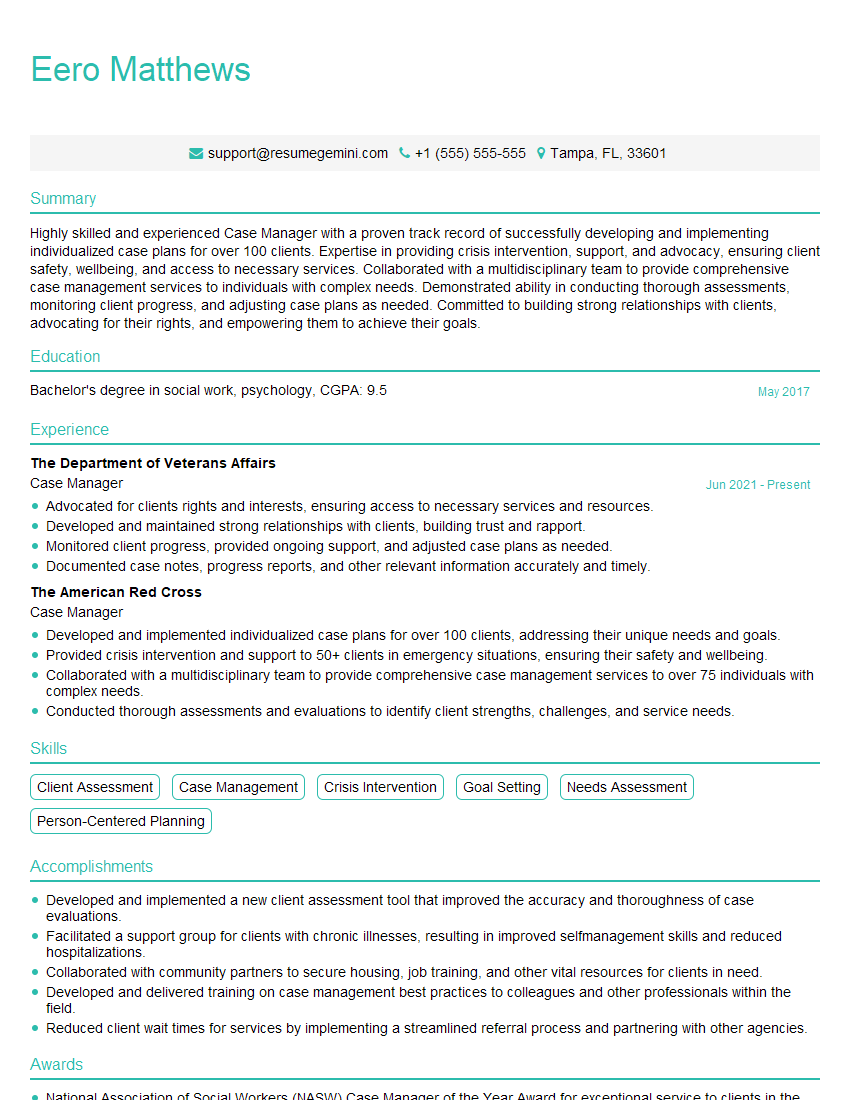
Case Manager Resume Sample
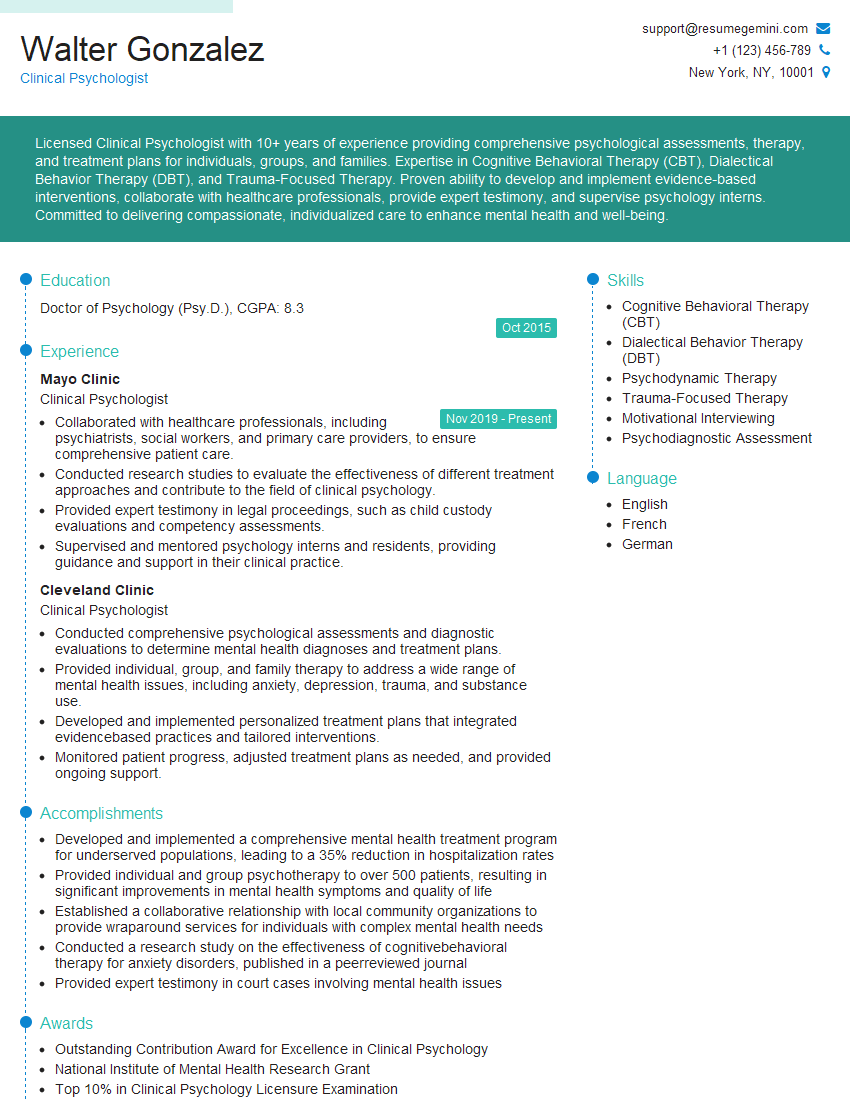
Clinical Psychologist Resume Sample
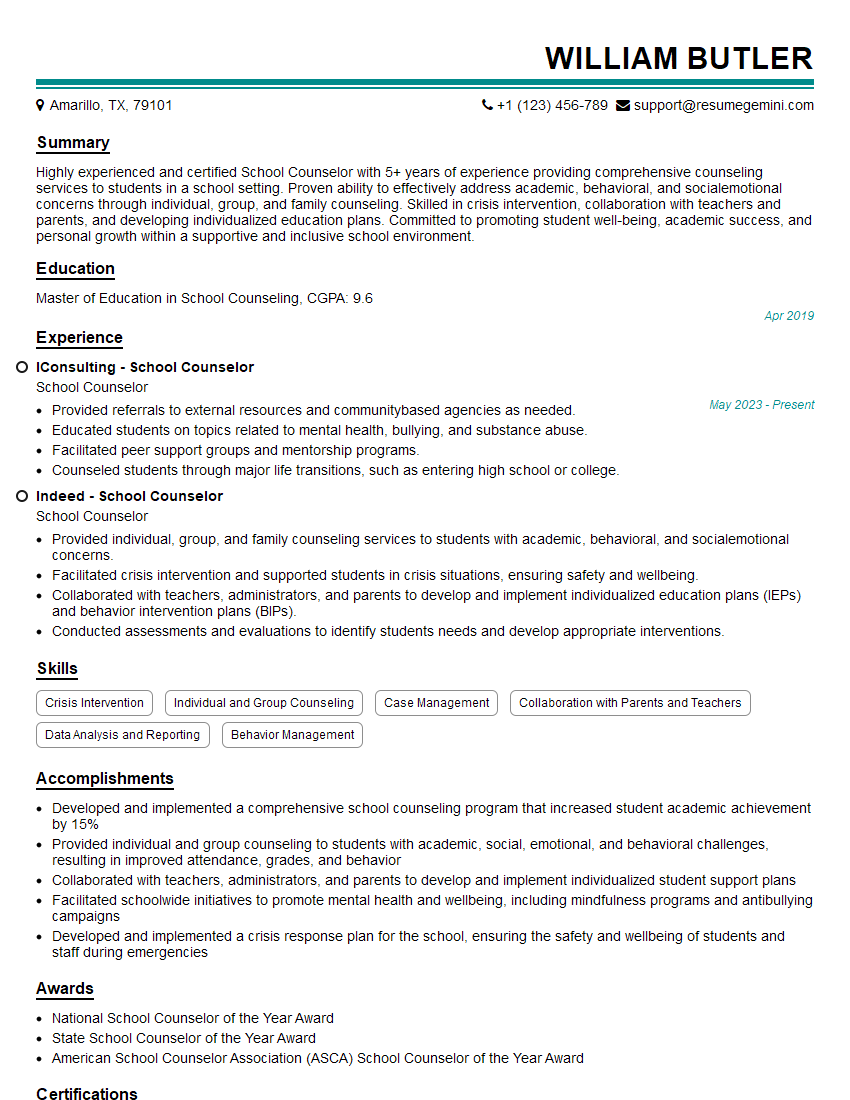
School Counselor Resume Sample
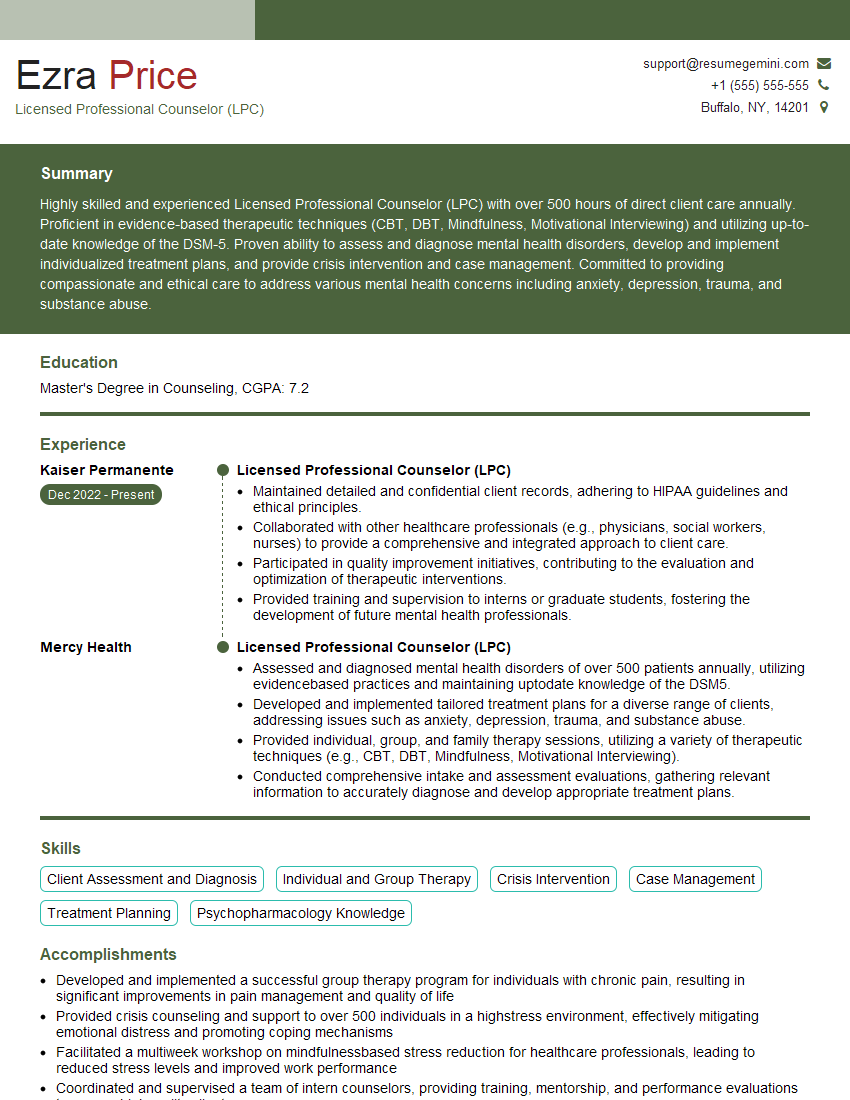
Licensed Professional Counselor (LPC) Resume Sample
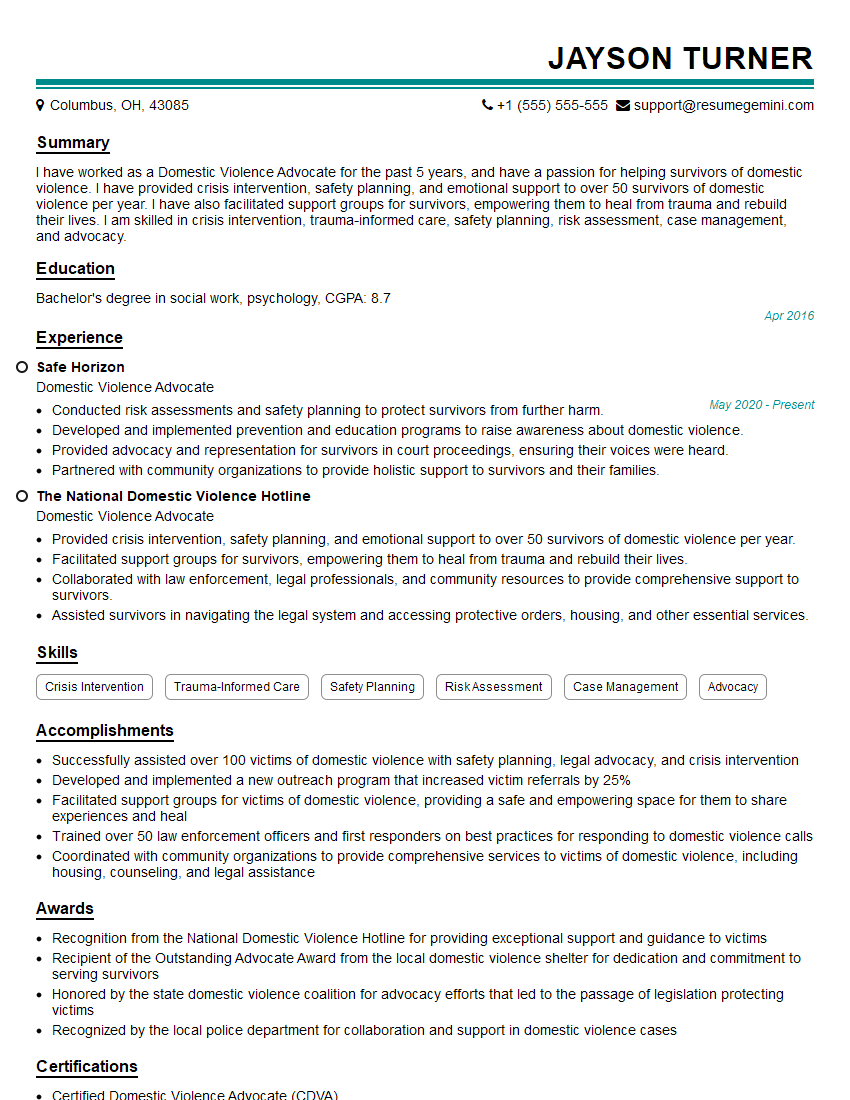
Domestic Violence Advocate Resume Sample

Mental Health Counselor Resume Sample
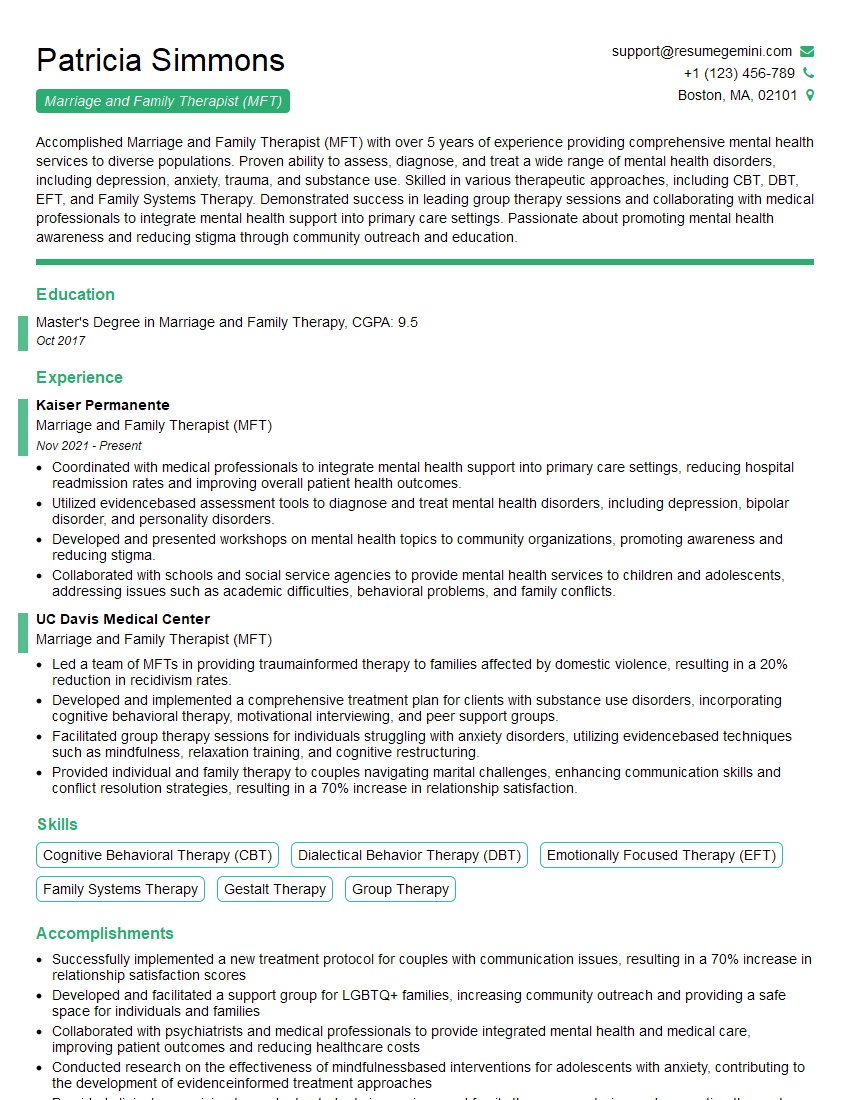
Marriage and Family Therapist (MFT) Resume Sample

Rehabilitation Counselor Resume Sample
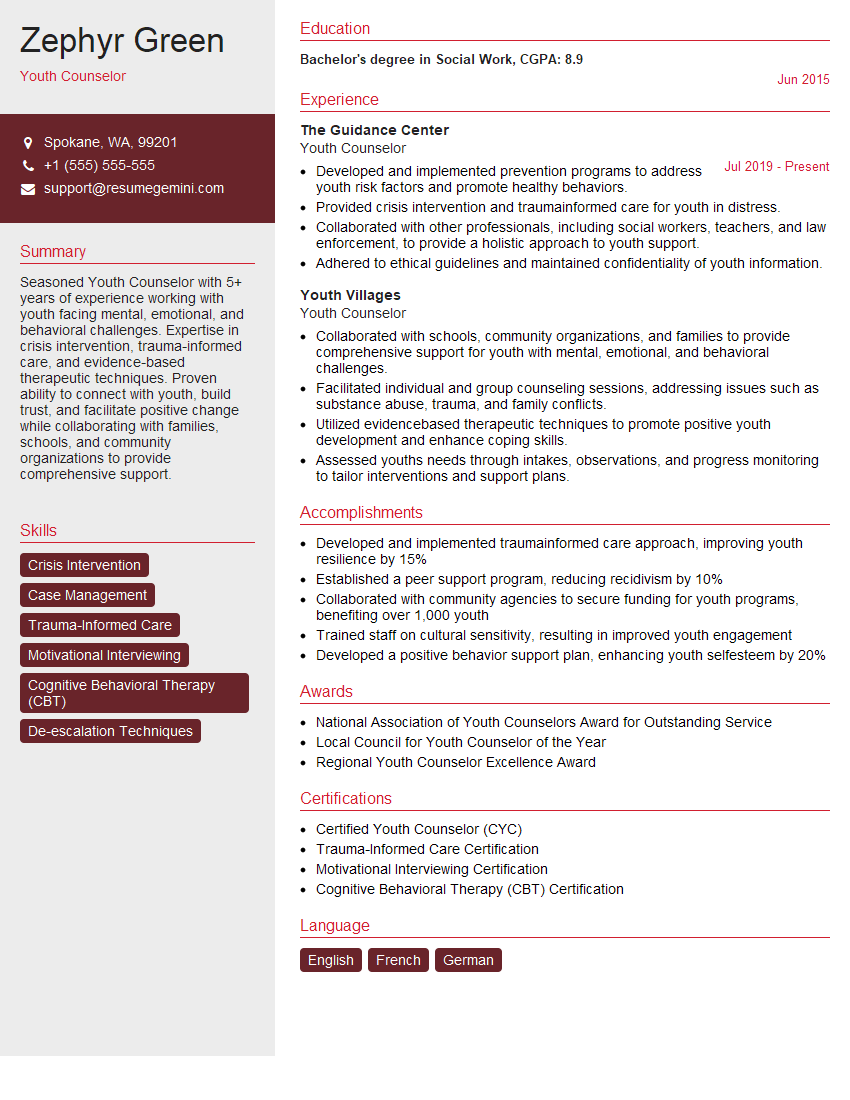
Youth Counselor Resume Sample
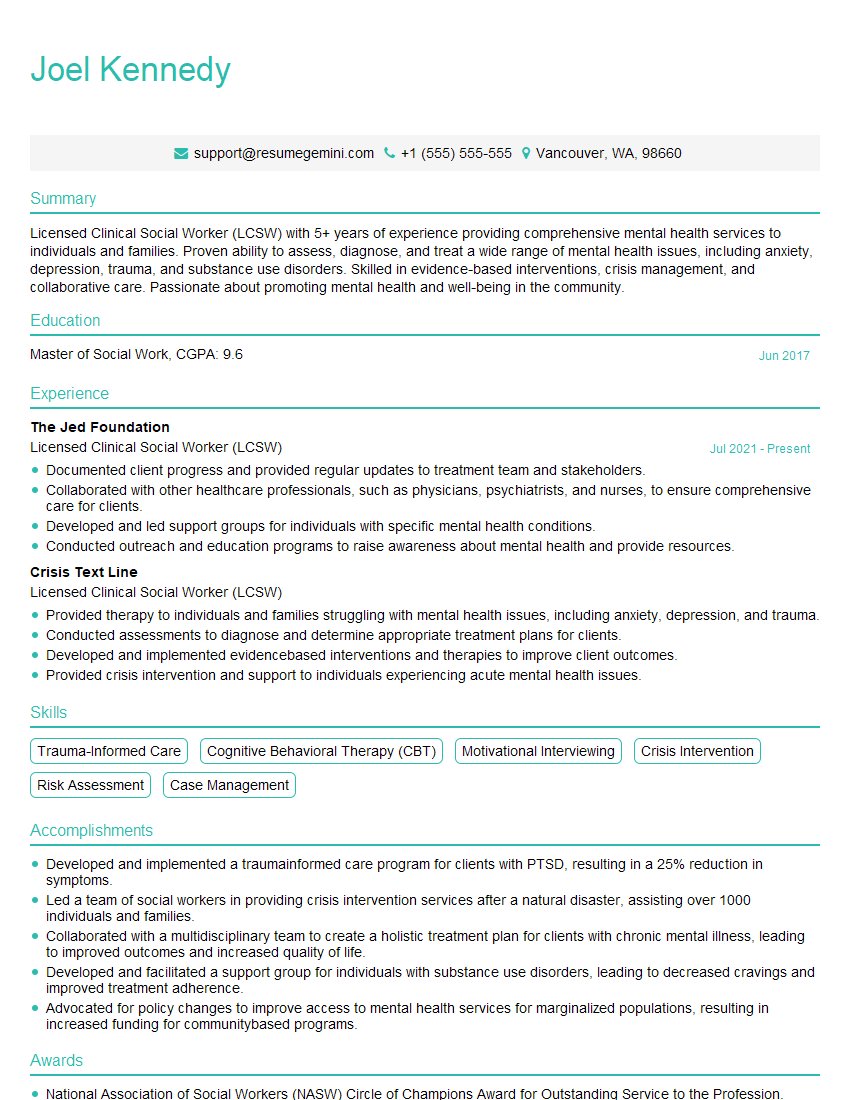
Licensed Clinical Social Worker (LCSW) Resume Sample
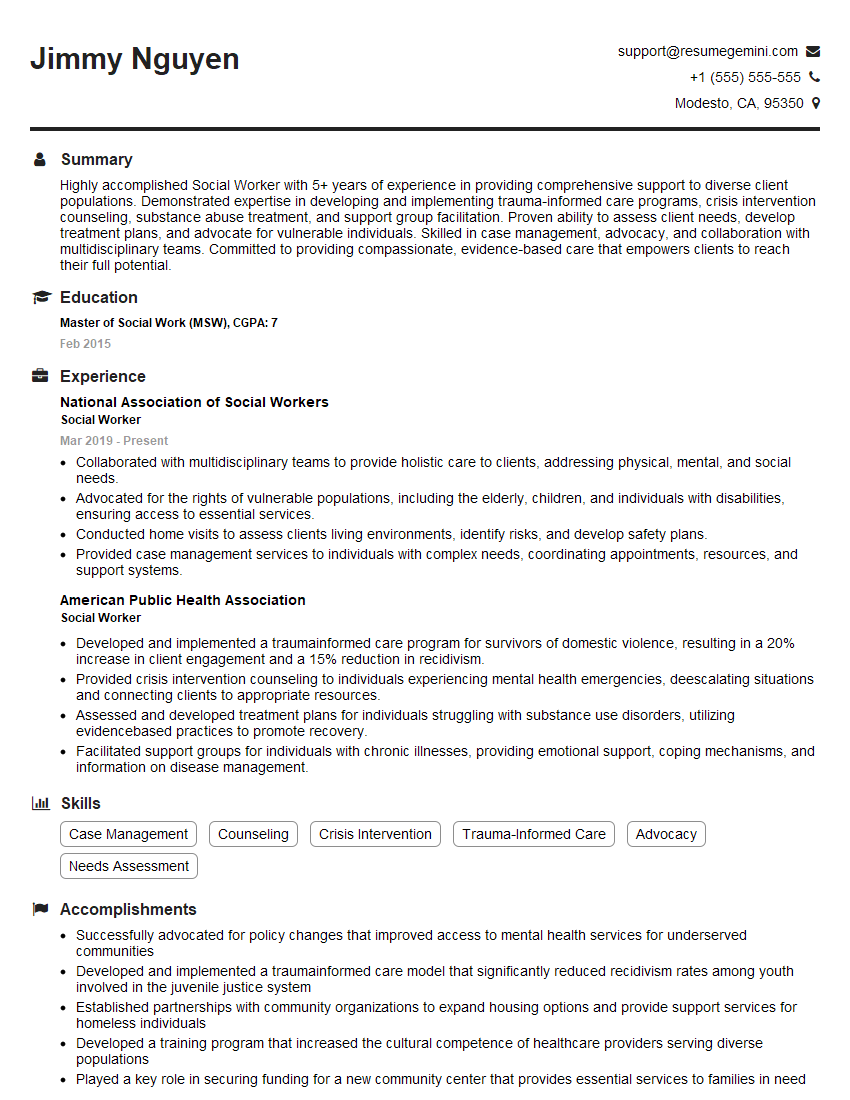
Social Worker Resume Sample
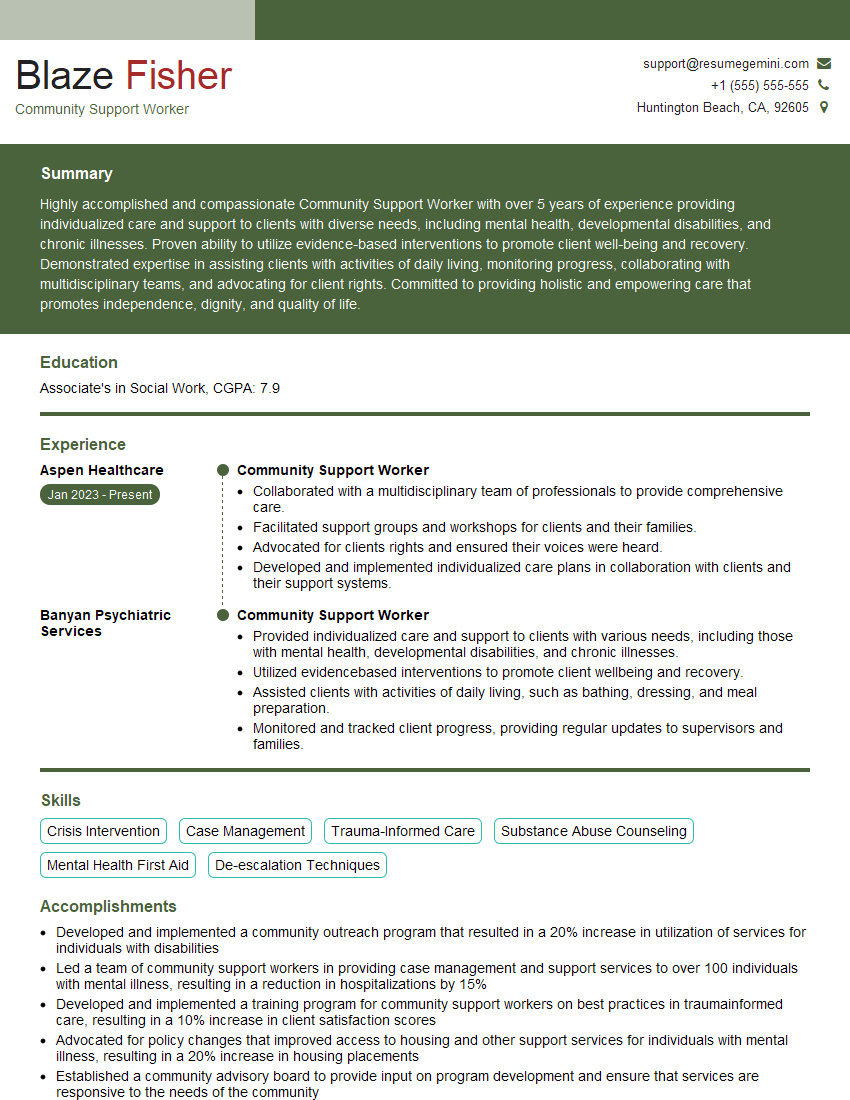
Community Support Worker Resume Sample

Crisis Intervention Specialist Resume Sample
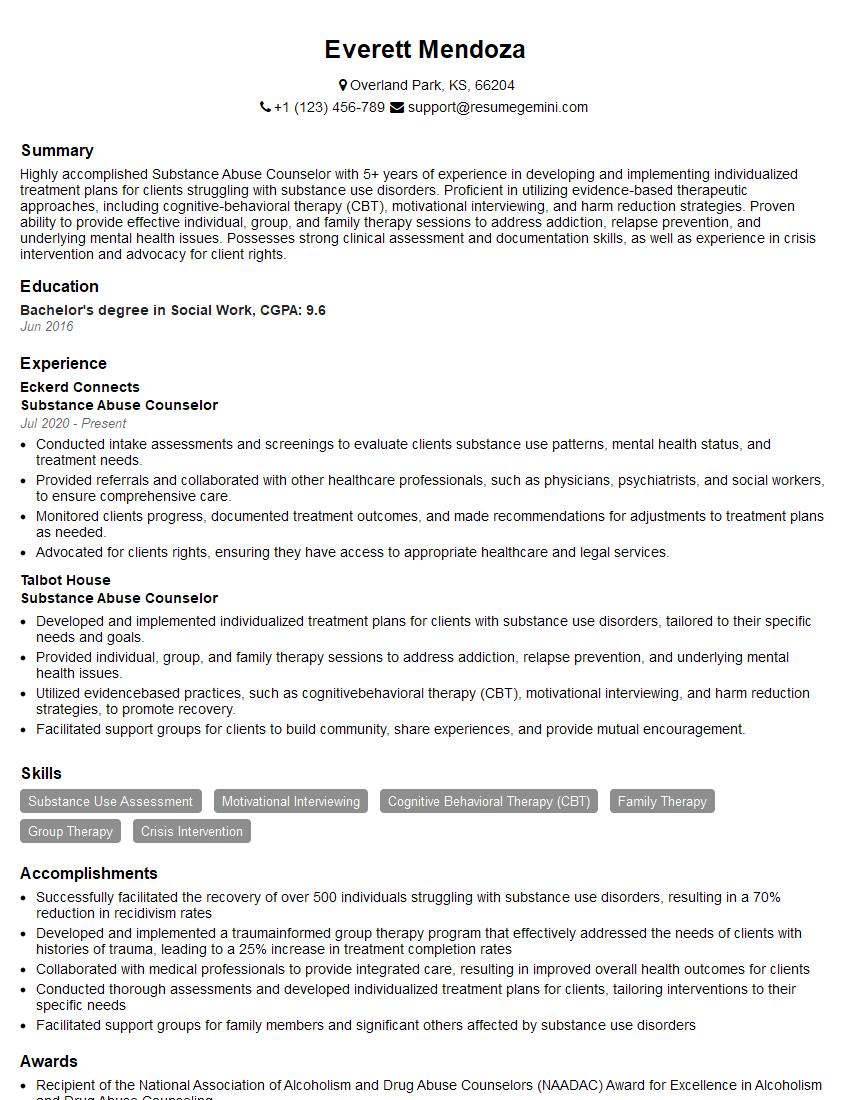
Substance Abuse Counselor Resume Sample
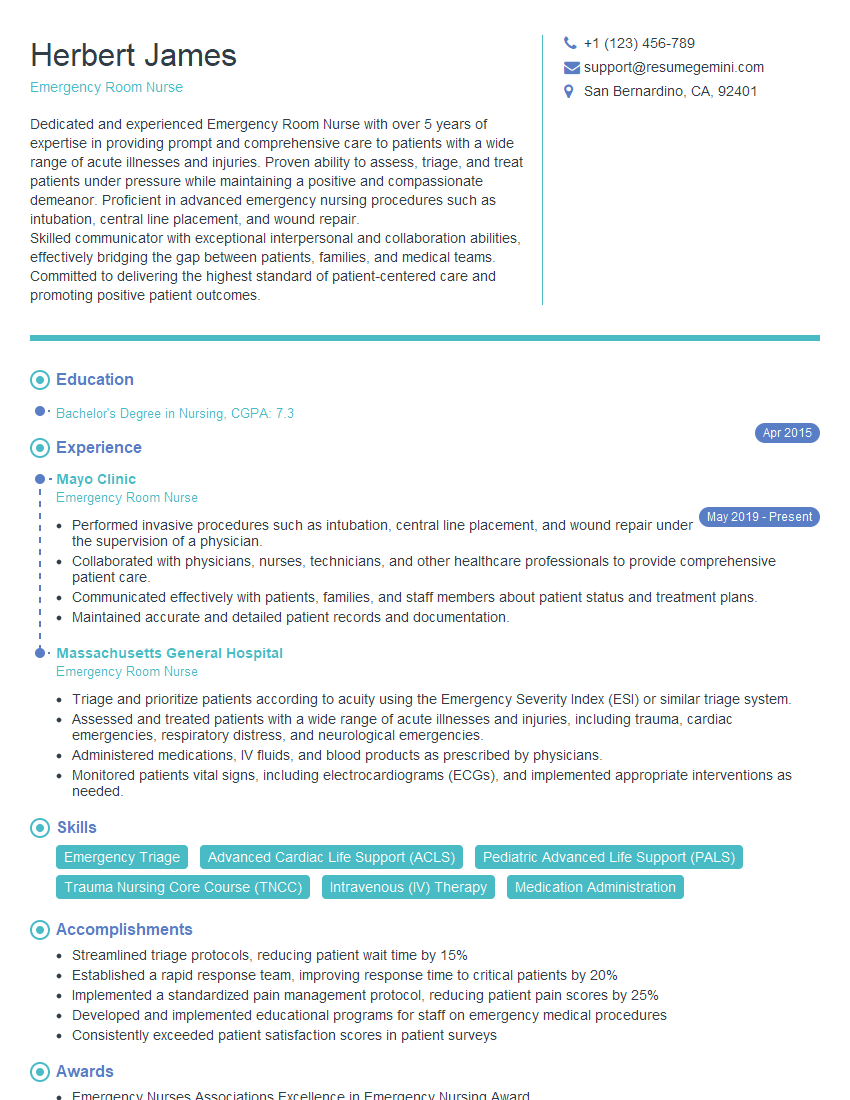
Emergency Room Nurse Resume Sample
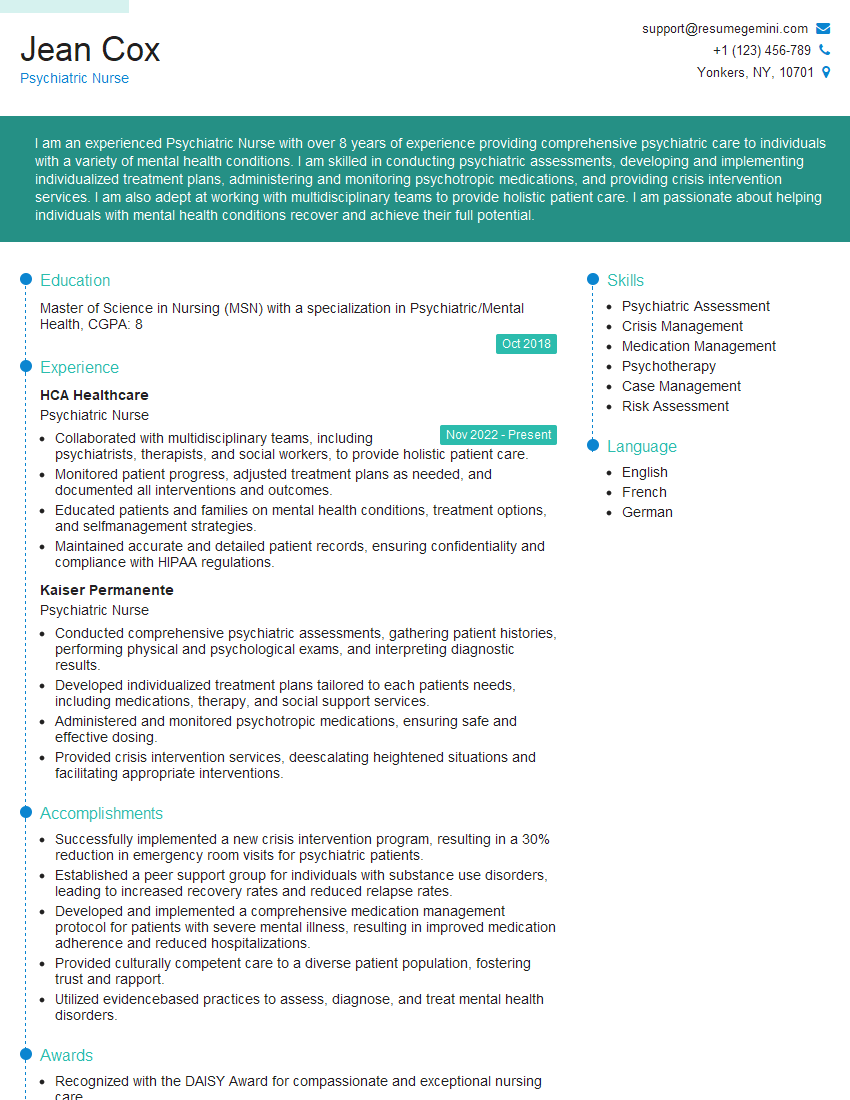
Psychiatric Nurse Resume Sample
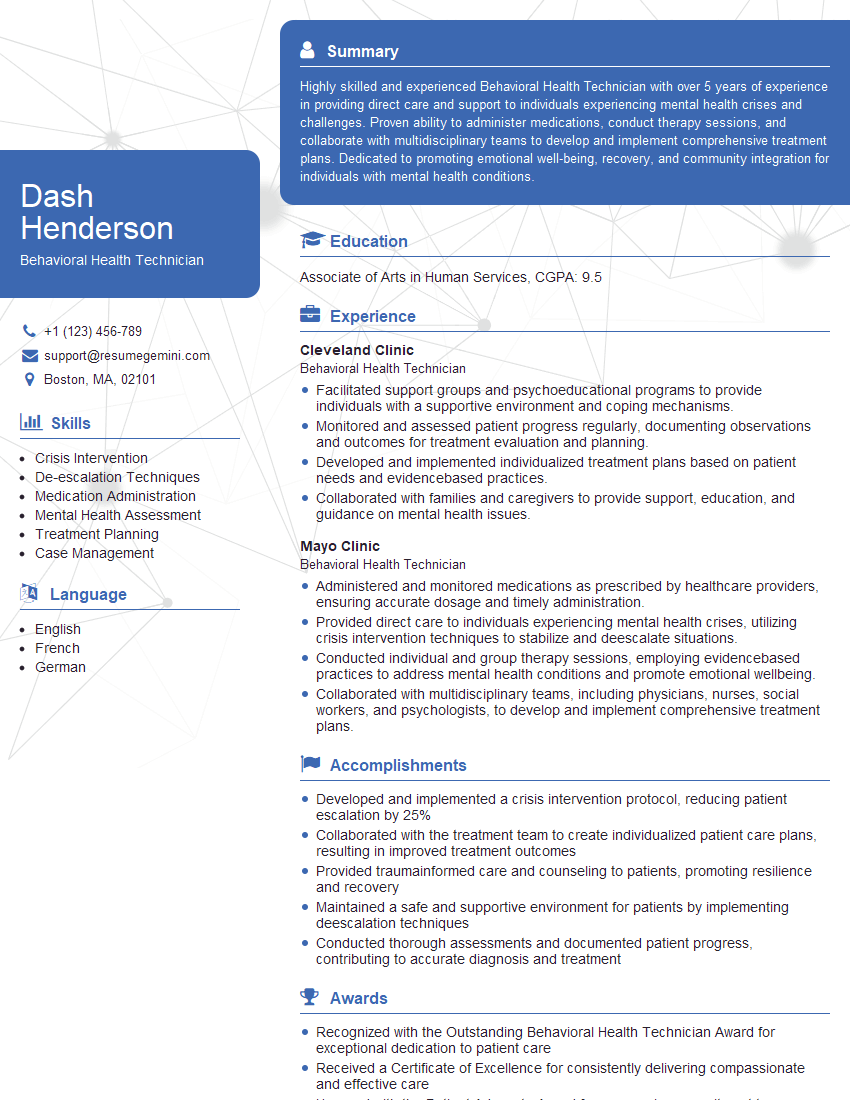
Behavioral Health Technician Resume Sample
- Case Manager
- Clinical Psychologist
- School Counselor
- Licensed Professional Counselor (LPC)
- Domestic Violence Advocate
- Mental Health Counselor
- Marriage and Family Therapist (MFT)
- Rehabilitation Counselor
- Youth Counselor
- Licensed Clinical Social Worker (LCSW)
- Social Worker
- Community Support Worker
- Crisis Intervention Specialist
- Substance Abuse Counselor
- Emergency Room Nurse
- Psychiatric Nurse
- Behavioral Health Technician
Explore more articles
Users Rating of Our Blogs
Share Your Experience
We value your feedback! Please rate our content and share your thoughts (optional).
What Readers Say About Our Blog
Attention music lovers!
Wow, All the best Sax Summer music !!!
Spotify: https://open.spotify.com/artist/6ShcdIT7rPVVaFEpgZQbUk
Apple Music: https://music.apple.com/fr/artist/jimmy-sax-black/1530501936
YouTube: https://music.youtube.com/browse/VLOLAK5uy_noClmC7abM6YpZsnySxRqt3LoalPf88No
Other Platforms and Free Downloads : https://fanlink.tv/jimmysaxblack
on google : https://www.google.com/search?q=22+AND+22+AND+22
on ChatGPT : https://chat.openai.com?q=who20jlJimmy20Black20Sax20Producer
Get back into the groove with Jimmy sax Black
Best regards,
Jimmy sax Black
www.jimmysaxblack.com
Hi I am a troller at The aquatic interview center and I suddenly went so fast in Roblox and it was gone when I reset.
Hi,
Business owners spend hours every week worrying about their website—or avoiding it because it feels overwhelming.
We’d like to take that off your plate:
$69/month. Everything handled.
Our team will:
Design a custom website—or completely overhaul your current one
Take care of hosting as an option
Handle edits and improvements—up to 60 minutes of work included every month
No setup fees, no annual commitments. Just a site that makes a strong first impression.
Find out if it’s right for you:
https://websolutionsgenius.com/awardwinningwebsites
Hello,
we currently offer a complimentary backlink and URL indexing test for search engine optimization professionals.
You can get complimentary indexing credits to test how link discovery works in practice.
No credit card is required and there is no recurring fee.
You can find details here:
https://wikipedia-backlinks.com/indexing/
Regards
NICE RESPONSE TO Q & A
hi
The aim of this message is regarding an unclaimed deposit of a deceased nationale that bears the same name as you. You are not relate to him as there are millions of people answering the names across around the world. But i will use my position to influence the release of the deposit to you for our mutual benefit.
Respond for full details and how to claim the deposit. This is 100% risk free. Send hello to my email id: lukachachibaialuka@gmail.com
Luka Chachibaialuka
Hey interviewgemini.com, just wanted to follow up on my last email.
We just launched Call the Monster, an parenting app that lets you summon friendly ‘monsters’ kids actually listen to.
We’re also running a giveaway for everyone who downloads the app. Since it’s brand new, there aren’t many users yet, which means you’ve got a much better chance of winning some great prizes.
You can check it out here: https://bit.ly/callamonsterapp
Or follow us on Instagram: https://www.instagram.com/callamonsterapp
Thanks,
Ryan
CEO – Call the Monster App
Hey interviewgemini.com, I saw your website and love your approach.
I just want this to look like spam email, but want to share something important to you. We just launched Call the Monster, a parenting app that lets you summon friendly ‘monsters’ kids actually listen to.
Parents are loving it for calming chaos before bedtime. Thought you might want to try it: https://bit.ly/callamonsterapp or just follow our fun monster lore on Instagram: https://www.instagram.com/callamonsterapp
Thanks,
Ryan
CEO – Call A Monster APP
To the interviewgemini.com Owner.
Dear interviewgemini.com Webmaster!
Hi interviewgemini.com Webmaster!
Dear interviewgemini.com Webmaster!
excellent
Hello,
We found issues with your domain’s email setup that may be sending your messages to spam or blocking them completely. InboxShield Mini shows you how to fix it in minutes — no tech skills required.
Scan your domain now for details: https://inboxshield-mini.com/
— Adam @ InboxShield Mini
support@inboxshield-mini.com
Reply STOP to unsubscribe
Hi, are you owner of interviewgemini.com? What if I told you I could help you find extra time in your schedule, reconnect with leads you didn’t even realize you missed, and bring in more “I want to work with you” conversations, without increasing your ad spend or hiring a full-time employee?
All with a flexible, budget-friendly service that could easily pay for itself. Sounds good?
Would it be nice to jump on a quick 10-minute call so I can show you exactly how we make this work?
Best,
Hapei
Marketing Director
Hey, I know you’re the owner of interviewgemini.com. I’ll be quick.
Fundraising for your business is tough and time-consuming. We make it easier by guaranteeing two private investor meetings each month, for six months. No demos, no pitch events – just direct introductions to active investors matched to your startup.
If youR17;re raising, this could help you build real momentum. Want me to send more info?
Hi, I represent an SEO company that specialises in getting you AI citations and higher rankings on Google. I’d like to offer you a 100% free SEO audit for your website. Would you be interested?
Hi, I represent an SEO company that specialises in getting you AI citations and higher rankings on Google. I’d like to offer you a 100% free SEO audit for your website. Would you be interested?