Unlock your full potential by mastering the most common Pruning Techniques for Removal interview questions. This blog offers a deep dive into the critical topics, ensuring you’re not only prepared to answer but to excel. With these insights, you’ll approach your interview with clarity and confidence.
Questions Asked in Pruning Techniques for Removal Interview
Q 1. Explain the difference between crown cleaning and crown reduction.
Crown cleaning and crown reduction are both pruning techniques aimed at improving tree health and structure, but they differ significantly in their scope and objectives.
Crown cleaning involves the selective removal of dead, diseased, damaged, or crossing branches. Think of it as a spring cleaning for your tree. It’s about maintaining the tree’s natural form while removing hazards and improving its aesthetics. This process primarily focuses on removing smaller branches to improve the tree’s overall health and vigor.
Crown reduction, on the other hand, is a more substantial procedure involving the shortening of branches to reduce the overall size of the crown. This is typically done for safety reasons (reducing the risk of branches impacting buildings or power lines) or to manage the size of the tree within a confined space. Crown reduction is a more invasive procedure and requires more expertise to avoid damaging the tree’s structure and creating wounds that are difficult for the tree to heal.
Example: Imagine a large oak tree overhanging a house. Crown cleaning might remove dead branches that pose a risk of falling. Crown reduction would shorten the main branches significantly to reduce the tree’s overall height and spread, thus minimizing the risk to the house.
Q 2. Describe the proper techniques for pruning different tree species.
Pruning techniques vary considerably depending on the tree species. Each species has unique growth habits and structural characteristics that dictate appropriate pruning methods. Here are some examples:
- Deciduous Trees (e.g., Maple, Oak): These trees generally tolerate more aggressive pruning than evergreens. Proper pruning involves removing branches at the branch collar (the slightly swollen area at the base of the branch) to minimize damage and promote rapid healing. Thinning cuts are preferred to heading cuts (which cut back the branch to a stub).
- Evergreen Trees (e.g., Pine, Spruce): Evergreens are more sensitive to pruning and often respond poorly to heavy pruning. For pines, removing candles (new growth tips) can control size and shape. For spruces and firs, light pruning of dead or damaged branches is usually sufficient. Avoid drastic pruning that can create bare patches or deform the tree.
- Fruit Trees (e.g., Apple, Pear): Pruning fruit trees is essential for maximizing fruit production and maintaining tree health. This typically involves removing competing branches, suckers, and water sprouts. Specific techniques vary depending on the type of fruit tree and its age. Understanding the tree’s fruiting spurs and the principles of espalier or other training methods is crucial.
The key is to understand the species’ natural growth habit, mature size, and its response to pruning before undertaking any work. Incorrect pruning can lead to long-term damage and even tree death.
Q 3. What safety measures are crucial when performing tree pruning and removal?
Safety is paramount when pruning trees. Never attempt pruning beyond your skill level. Always assess the risks and if needed, hire a certified arborist.
- Personal Protective Equipment (PPE): Wear appropriate safety gear including eye protection (safety glasses or goggles), hearing protection (earplugs or muffs), gloves, sturdy footwear, and a hard hat.
- Proper Tool Usage and Maintenance: Use sharp, well-maintained tools to avoid accidents caused by slipping or broken equipment. Regularly inspect your tools and replace any damaged parts.
- Safe Work Practices: Secure a clear work area, ensuring no one is in the vicinity of falling branches. Work from a stable position using proper climbing techniques and equipment if necessary. Avoid overreaching.
- Awareness of Surroundings: Be aware of overhead power lines, other obstacles, and weather conditions. Never work in high winds or thunderstorms.
- Emergency Planning: Have a communication plan and emergency contact information readily available.
Following these safety measures greatly reduces the risk of accidents and ensures a safer working environment.
Q 4. How do you assess the health of a tree before pruning?
A thorough assessment of a tree’s health is crucial before pruning. This assessment helps determine the appropriate pruning techniques and avoids unnecessary damage.
- Visual Inspection: Examine the tree for signs of disease or insect infestations, such as dead or dying branches, discoloration of leaves or needles, presence of cankers, or insect activity.
- Structural Assessment: Assess the tree’s overall structure, looking for signs of weakness, decay, or damage from storms or other events. Check for cracks or splits in the trunk or major branches.
- Soil Conditions: Evaluate the condition of the soil surrounding the tree, including its drainage, compaction, and nutrient levels. Poor soil health can affect tree vigor and resilience.
- Growth Habits: Observe the tree’s growth patterns and identify any unusual growth or branching characteristics.
If unsure about any aspect of the tree’s health, consult with a certified arborist who can conduct a detailed assessment and recommend appropriate pruning strategies.
Q 5. Explain the concept of proper branch collar pruning.
Proper branch collar pruning is a key technique that minimizes damage to the tree and promotes faster healing. The branch collar is the slightly swollen area at the base of the branch where it joins the main stem or another branch. It contains protective tissues that are crucial for compartmentalizing decay.
Incorrect pruning, where the branch is cut flush with the trunk, removes these protective tissues, leaving a large wound that is more susceptible to decay. Similarly, cutting the branch too far into the trunk also causes unnecessary damage.
Correct branch collar pruning involves making a cut just outside the branch collar, removing the branch without damaging the collar tissues. This allows the tree to heal the wound more effectively and efficiently, reducing the risk of decay and disease. The cut should be made at a slight angle to allow water runoff. This is analogous to removing a scab from a wound. Remove only the scab without damaging the healthy skin underneath.
Q 6. What tools and equipment are essential for safe and efficient pruning?
The essential tools and equipment for safe and efficient pruning vary depending on the size and type of tree and the complexity of the work. However, some common tools include:
- Hand Pruners: For small branches (less than 1 inch in diameter).
- Loppers: For larger branches (1 to 2 inches in diameter).
- Pruning Saws: For even larger branches, choosing between a bow saw, a folding saw, or a pole saw depending on the access and size of the branch.
- Pole Saw: For reaching high branches without climbing.
- Chainsaw: For very large branches or trees (requires appropriate training and safety precautions).
- Safety Gear: Eye protection, gloves, hearing protection, hard hat, sturdy footwear, and potentially climbing equipment.
Always ensure your tools are sharp and well-maintained. Dull tools can cause crushing and tearing of branches, leading to increased damage to the tree.
Q 7. How do you identify and address diseases or pests affecting tree health during pruning?
Identifying and addressing diseases or pests during pruning is crucial for maintaining the health of the tree. Careful observation during the pruning process can reveal various problems.
- Visual Inspection: Look for signs of disease, such as cankers (sunken, discolored areas on branches), leaf spots, wilting, or dieback. Inspect for signs of insect activity, such as insect borings, leaf damage, or the presence of insects or insect frass (excrement).
- Sample Collection: Collect samples of diseased leaves, branches, or insects for identification purposes. Contact a local agricultural extension office or arborist for assistance with identification and treatment recommendations.
- Sanitation: Remove and properly dispose of any diseased or infested branches to prevent the spread of disease or pests. Do not leave infested materials lying around.
- Treatment: Apply appropriate treatments, such as fungicides or insecticides, as recommended by a professional. Follow the instructions carefully and use proper safety precautions.
Early detection and prompt treatment are essential for controlling diseases and pests and preventing significant damage to the tree.
Q 8. Describe the different types of pruning cuts (thinning, heading, etc.) and their applications.
Pruning cuts are categorized to achieve specific tree-shaping and health goals. Think of it like a haircut – different cuts achieve different styles. The most common types are:
- Thinning: This involves removing entire branches back to a lateral branch or the trunk. It’s like selectively removing some hairs to thin out the overall density. It improves light penetration, air circulation, and reduces the weight of the crown, preventing potential structural issues. We use this frequently to open up dense canopies in older trees.
- Heading: This cut removes the terminal portion of a branch. It’s like trimming the ends of your hair. While sometimes necessary, it can lead to weak growth and multiple shoots (water sprouts), so it’s usually a less preferred method unless specifically needed for shaping or reducing the height.
- Raising: This removes lower branches to create clearance under the canopy. This is essential for walkways or driveways. It’s similar to shaving the sides of your head.
- Reduction: This reduces the overall size of a tree by removing larger branches. This is a more aggressive cut that requires careful planning and expertise to avoid harming the tree. Think of it as a significant haircut to significantly change the hair’s overall appearance. Improper reduction can leave stubs that are prone to disease and decay.
The choice of cut depends on the tree species, its age, health, and the desired outcome. For example, thinning is ideal for mature shade trees, while heading might be used to reduce the height of a tree near a power line (though reduction is often safer for larger cuts).
Q 9. How do you determine the appropriate pruning schedule for different trees?
Determining the appropriate pruning schedule depends heavily on the tree species, its growth rate, and its overall health. Each species has different flowering and fruiting patterns, and pruning at the wrong time can interfere with these natural cycles. Some trees are better pruned in late winter or early spring before new growth begins (deciduous trees), while others might be pruned after they finish blooming (ornamental flowering trees).
For example, fruit trees often benefit from dormant season pruning (late winter) to maintain shape and improve fruit production. Conversely, some flowering trees should be pruned after they flower to avoid removing next year’s buds. I always consult up-to-date resources and research the specific species involved.
I usually create a detailed pruning plan which incorporates the tree’s specific needs and any potential future growth. The plan guides the schedule, ensuring the health and aesthetics of the trees under my care. Regular inspections and documentation are also key to identifying problems early and adjusting the plan as needed. This proactive approach ensures the long-term well-being of each tree.
Q 10. What are the legal and regulatory considerations for tree removal in your area?
Legal and regulatory considerations for tree removal vary significantly by location. In my area, we must always obtain necessary permits before removing or significantly pruning any trees on public property, or trees protected by local ordinances. This usually involves submitting a detailed plan outlining the reasons for removal and alternative measures considered. Furthermore, any removal near power lines always involves close coordination with the utility company.
There are often restrictions concerning protected tree species, those within specific zones (floodplains, easements), or trees that contribute significantly to a property’s value or visual appeal. It’s crucial to stay informed on local laws and obtain all required approvals before commencing any work. Failure to comply with these regulations can result in hefty fines, legal action, and a damaged reputation.
Q 11. Explain your experience with different pruning methods (e.g., drop crotch, thinning out).
My experience encompasses a wide range of pruning methods, including thinning out and addressing drop crotches.
Thinning out is a precise technique I frequently use to improve light penetration and airflow within the canopy. It involves removing individual branches selectively, often back to a lateral branch or the trunk. The goal is to create a more balanced and open structure without significantly altering the tree’s overall form.
Drop Crotches are a common structural weakness where two major branches grow from a very acute angle at the trunk creating a ‘V’ shape rather than a more desirable ‘U’. These are prone to splitting under stress from wind or snow. The management of a drop crotch may involve cabling and bracing to support the weakened area in conjunction with pruning cuts to reduce stress and improve the branch union if possible. In cases where the crotch is beyond repair, surgical removal of the weaker branch is sometimes necessary. I always prioritize safety and long-term tree health when handling these situations.
Q 12. How do you assess the risk of tree failure before pruning or removal?
Assessing the risk of tree failure is paramount before any pruning or removal. It involves a detailed visual inspection of the tree, considering factors such as:
- Structural defects: This includes cavities, cracks, decay, weak branch unions (like drop crotches), and leaning stems. I use a variety of tools to assess the extent of internal decay, if necessary, such as sound detection.
- Species and age: Some species are inherently more prone to failure than others. Age also plays a significant role, as older trees are naturally more susceptible to decay and structural weakness.
- Environmental factors: Recent storms, drought conditions, and soil conditions can all contribute to increased risk of failure. I take the area’s climate history into account.
- Site conditions: The tree’s proximity to structures, power lines, or other potential hazards plays a major role in my risk assessment.
Based on my assessment, I determine the appropriate actions. In high-risk scenarios, I may recommend more extensive pruning to alleviate stress, implement support systems, or even complete removal to prevent potential damage or injury. Safety is my top priority.
Q 13. Describe your experience with various climbing and rigging techniques for pruning.
I am proficient in various climbing and rigging techniques, ensuring safety and efficiency during pruning operations. These include:
- Traditional climbing: This involves using climbing ropes, spurs, and safety harnesses to ascend the tree. This method offers excellent control and maneuverability for intricate pruning.
- Throw line techniques: Efficiently placing a rope over a high branch using a weighted line. This is useful for accessing higher branches.
- Aerial lift devices (cherry pickers): These machines provide a safe and efficient method for accessing taller trees, especially in situations where traditional climbing is impractical.
- Rigging systems: This involves using ropes, pulleys, and other equipment to safely lower pruned branches to the ground, minimizing the risk of damage or injury.
Choosing the right technique depends on factors such as tree size, access, and the specific pruning task. I always use appropriate personal protective equipment (PPE) and follow strict safety protocols to ensure both my safety and the safety of others.
Q 14. How do you manage challenging pruning situations (e.g., difficult access, large trees)?
Challenging pruning situations require creative problem-solving and a flexible approach. For example, when dealing with difficult access, I may utilize specialized equipment like aerial lifts, or ropes and pulleys for lowering branches. Large trees often necessitate a multi-step approach, involving strategic pruning over several sessions to avoid excessive stress on the tree.
Another example: A tree overhanging a busy street would demand careful planning and implementation, possibly requiring temporary road closures or traffic management. In cases where trees are close to power lines, I would always contact the utility company to coordinate the work safely. I would never cut a tree without addressing those factors first.
My experience allows me to adapt my techniques to overcome various obstacles, ensuring the safety and efficiency of the operation while maintaining the health of the tree. Proper planning and risk assessment are key to successfully navigating these challenging situations.
Q 15. Explain your understanding of tree biology and how it influences pruning practices.
Understanding tree biology is fundamental to effective pruning. Trees are complex organisms with specific growth patterns, structural weaknesses, and responses to stress. Knowing how branches grow, the function of different parts of the tree (like the leader, scaffold branches, and laterals), and the tree’s natural healing processes are key.
- Apical Dominance: The main stem (leader) grows more vigorously than side branches. Pruning practices must respect this, preventing the removal of the leader unless absolutely necessary. Overly aggressive pruning of the leader can lead to multiple leaders and structural weakness.
- Branch Collar: This is the swollen area at the base of a branch where it joins the trunk or a larger branch. It’s crucial to avoid cutting into the branch collar during pruning, as this can hinder the tree’s ability to compartmentalize decay and heal the wound.
- Branch Bark Ridge: This is a ridge of bark found on the upper side of the branch collar. Cutting above it leaves a large wound, making the tree more susceptible to disease.
- Growth Habits: Different species have different growth habits. Knowing if a tree is a fast or slow grower impacts the amount and type of pruning needed. Fast growers may require more frequent maintenance pruning while slow growers are often better suited to larger, less frequent pruning cuts.
For instance, a poorly pruned oak, with its characteristic strong apical dominance and sensitive branch collars, will exhibit significantly reduced healing capacity compared to a more appropriately pruned one.
Career Expert Tips:
- Ace those interviews! Prepare effectively by reviewing the Top 50 Most Common Interview Questions on ResumeGemini.
- Navigate your job search with confidence! Explore a wide range of Career Tips on ResumeGemini. Learn about common challenges and recommendations to overcome them.
- Craft the perfect resume! Master the Art of Resume Writing with ResumeGemini’s guide. Showcase your unique qualifications and achievements effectively.
- Don’t miss out on holiday savings! Build your dream resume with ResumeGemini’s ATS optimized templates.
Q 16. Describe your process for creating a pruning plan.
Creating a pruning plan involves a systematic approach, beginning with a thorough assessment of the tree and its surrounding environment. I use a multi-step process:
- Site Assessment: This includes evaluating the tree’s overall health, size, species, and structural integrity. I look for signs of disease, decay, damage, or any other issues.
- Goal Definition: I discuss the client’s objectives for the pruning, whether it’s for improving aesthetics, enhancing safety, removing deadwood, or preparing for a storm. Clear communication is key at this stage.
- Pruning Method Selection: Based on the assessment and goals, I choose the appropriate pruning method (e.g., thinning, reduction, cleaning). Thinning involves removing some branches to improve light penetration, while reduction aims to decrease the overall size of the tree.
- Detailed Plan Creation: This involves creating a detailed plan that specifies which branches to remove, the type of cut to be made (e.g., flush cut, thinning cut), and the overall approach to maintaining tree health and safety. I often use diagrams or photographs to illustrate this plan for clarity.
- Client Consultation: Before starting the work, I review the plan with the client and answer any questions. I will also explain the implications of the pruning and the expected outcome.
For example, a mature oak tree displaying dead branches and exhibiting signs of possible internal decay would require a comprehensive plan emphasizing the safe removal of compromised parts and minimizing further damage during the process. The plan should address the removal of deadwood, reduction of large branches for structural improvement, and the need for ongoing monitoring.
Q 17. How do you communicate effectively with clients about pruning needs and recommendations?
Effective communication is paramount. I ensure clients understand the rationale behind my recommendations, using clear, non-technical language where possible. I achieve this by:
- Visual Aids: I use diagrams, photos, and even on-site demonstrations to illustrate the pruning plan and the results.
- Plain Language: I avoid jargon and explain concepts in simple terms. If specialized terms are necessary, I define them clearly.
- Interactive Discussion: I encourage clients to ask questions, and I address their concerns openly and honestly.
- Written Documentation: I provide a written summary of the pruning plan, including the work done, the reasons for it, and follow-up care instructions.
For instance, when dealing with a client concerned about the removal of a large, seemingly healthy branch, I will clearly explain how it might pose a future hazard (e.g., due to its weak attachment point), showcasing potential risks if left untouched, and highlighting its impact on the overall balance and aesthetics of the tree.
Q 18. What are the common mistakes to avoid during tree pruning?
Several common mistakes can severely damage a tree or create safety hazards. Some of the most important to avoid include:
- Incorrect Branch Collar Cuts: Cutting into the branch collar prevents proper wound closure and increases the risk of disease and decay. The cut should be made just outside the branch collar.
- Topping: This involves severely shortening branches, creating a multitude of stubby branches that are prone to disease and decay. It drastically weakens the tree, making it more vulnerable to storms.
- Over-Pruning: Removing too much foliage at once stresses the tree and weakens its ability to heal. Pruning should be done gradually over several years.
- Improper Tool Use: Dull or damaged pruning tools can cause jagged cuts that invite disease. Tools should be sharp and properly maintained.
- Ignoring Safety Procedures: Neglecting safety procedures (e.g., wearing appropriate safety gear, assessing drop zones) can lead to accidents.
For instance, topping a large tree may seem like a quick solution to reduce its height, but it often results in multiple weak stems, increased susceptibility to diseases, and poses significant risks to surrounding property and people.
Q 19. How do you ensure the safety of the public during tree removal operations?
Public safety is my utmost priority. I employ several strategies to ensure a safe environment during tree removal operations:
- Proper Risk Assessment: I conduct a thorough assessment of the tree’s condition, the surrounding area (including power lines, buildings, and pedestrian traffic), and weather conditions before commencing work.
- Controlled Drop Zones: I establish safe drop zones, clearing the area of people and objects that could be damaged or pose a hazard.
- Appropriate Equipment: I use appropriate safety equipment, including hard hats, safety glasses, and high-visibility clothing. I also employ specialized equipment, like bucket trucks, to reach heights safely.
- Traffic Control: If needed, I set up traffic control measures to prevent accidents involving vehicles or pedestrians.
- Qualified Personnel: I work with qualified, experienced arborists who are trained in safe tree removal techniques.
In situations involving large or unstable trees near buildings or power lines, we may employ additional measures like traffic barriers, public warnings, and coordination with utility companies.
Q 20. Explain your experience with using specialized equipment for pruning (e.g., bucket trucks, chippers).
I am proficient in using a variety of specialized equipment, including bucket trucks, chippers, and chainsaws. Experience and proper training are crucial for safe and efficient operation.
- Bucket Trucks: These provide access to high branches safely, reducing the need for dangerous climbing techniques. Proper operation involves understanding weight limits, hydraulic systems, and safety protocols.
- Chippers: These reduce pruned branches into smaller pieces for easier disposal. Safe operation requires familiarity with feed mechanisms and safety guards to prevent injury.
- Chainsaws: Proficiency in chainsaw use involves understanding proper cutting techniques, safety measures (e.g., kickback prevention, chain sharpening), and the appropriate type of saw for different tasks.
For example, when pruning a tall tree near a power line, a bucket truck is crucial for accessing the branches safely without risking contact with the power line. A chipper is then utilized to efficiently process the removed material.
Q 21. How do you handle emergency situations involving damaged or dangerous trees?
Emergency situations involving damaged or dangerous trees require prompt action and assessment. My approach involves:
- Immediate Assessment: Quickly assess the situation to determine the extent of the damage and potential hazards. This includes evaluating the stability of the tree, the potential impact area, and the presence of any people at risk.
- Emergency Response: If the tree poses an immediate danger, I initiate emergency response procedures, which may involve contacting relevant authorities (e.g., emergency services, utility companies), evacuating the area, and taking immediate steps to mitigate the risk, like strategically securing unstable branches.
- Detailed Assessment and Planning: Once the immediate danger is addressed, a thorough assessment of the tree’s condition is conducted, followed by the development of a detailed plan for safe removal or stabilization. This may involve the use of specialized equipment and techniques.
- Communication: I maintain open communication with all relevant parties, keeping them updated on progress and any potential risks.
For example, a tree damaged by a severe storm that is leaning precariously over a house would require immediate action. I would secure the area, contact the homeowner and emergency services as needed, and then develop a safe plan for removing or stabilizing the tree based on the specific circumstances and hazards.
Q 22. Describe your experience with stump grinding and removal techniques.
Stump grinding and removal are crucial aspects of tree care, particularly after a tree has been felled or needs to be removed for safety or other reasons. Stump grinding involves using a specialized machine with a rotating cutting wheel to pulverize the stump and roots below ground level. This leaves behind wood chips that can be used as mulch or removed. Removal techniques vary depending on the size and type of tree, soil conditions, and the desired outcome. For smaller stumps, manual removal with axes and shovels might suffice. Larger stumps often necessitate the use of stump grinders for efficiency and effectiveness. I’ve personally handled everything from small shrub stumps using a hand-held grinder to significantly large oak stumps requiring a powerful, industrial-sized machine. In challenging situations, such as stumps close to structures or with extensive root systems, I utilize a combination of techniques, including careful excavation and the use of specialized equipment to minimize damage and ensure complete removal.
For example, I once worked on a job where a large willow tree had fallen near a house. The stump was massive, and its roots extended close to the foundation. I used a combination of careful excavation to expose the roots, a high-powered stump grinder to reduce the bulk, and finally hand tools to remove the remaining debris without damaging the house’s foundation.
Q 23. How do you dispose of tree waste responsibly?
Responsible disposal of tree waste is paramount for environmental stewardship. My approach prioritizes reducing, reusing, and recycling. Smaller branches and twigs are often chipped and used as mulch in landscaping projects, reducing the need for synthetic mulches. Larger pieces of wood can sometimes be salvaged for firewood or used in construction projects, depending on their condition and size. If the wood is not suitable for reuse, I work with certified and licensed waste disposal facilities that adhere to environmental regulations. These facilities typically compost the organic waste and properly dispose of any hazardous materials or non-compostable materials. Proper disposal prevents soil contamination, reduces landfill waste, and protects our environment.
For instance, after a large-scale tree removal project, we meticulously separated the waste into different piles: compostable material, recyclable wood, and non-recyclable materials. This ensured the maximum amount of waste could be diverted from landfills.
Q 24. What are the long-term implications of improper pruning techniques?
Improper pruning techniques can have significant long-term implications for tree health and safety. These include: increased susceptibility to diseases and pests, structural weakness leading to limb failure or even tree death, and aesthetic damage affecting the tree’s overall appearance. For example, making cuts that are too close to the branch collar (the swollen area at the base of the branch) can leave the tree vulnerable to decay. Similarly, improperly removing large branches can leave behind large wounds that are slow to heal and create entry points for diseases.
Another example: topping a tree (severely cutting back the top) often results in a dense, weak growth that is prone to breakage, making the tree more dangerous and requiring more frequent, more extensive pruning in the future. Proper pruning focuses on maintaining the tree’s natural shape and structural integrity, promoting long-term health and minimizing risks.
Q 25. How do you stay up-to-date on best practices in pruning and tree care?
Staying current on best practices is crucial in this field. I regularly attend workshops and seminars offered by organizations like the International Society of Arboriculture (ISA). I am also a certified arborist, which requires ongoing professional development. I actively read industry journals and publications, keeping abreast of new techniques and technologies in pruning and tree care. Moreover, I network with other professionals in the field, exchanging knowledge and experiences. This continuous learning ensures I provide the safest and most effective pruning services.
One recent example: I attended a workshop on the use of new climbing techniques, which enhanced my ability to prune trees safely and efficiently in challenging environments.
Q 26. Describe your experience working with different types of pruning saws and shears.
My experience encompasses a wide range of pruning tools. I’m proficient with various pruning saws, from hand saws (like bow saws and pruning saws with curved blades) for smaller branches to pole saws for reaching higher branches. For delicate work, I use bypass and anvil-type hand shears. Bypass shears have blades that slide past each other, making a clean cut, ideal for smaller branches and twigs. Anvil shears have a blade that cuts against a flat surface, better suited for thicker branches although it causes more crushing.
The choice of saw or shear depends on branch size, tree species, and the desired cut. I’ve worked extensively with both traditional and modern tools, ensuring I have the right tool for each job. For example, I might use a pole saw with a long reach to prune high branches while using hand shears for shaping and detailing in lower branches.
Q 27. How do you maintain your pruning tools to ensure safety and efficiency?
Maintaining pruning tools is essential for safety and efficiency. After each use, I clean the tools thoroughly to remove sap, dirt, and debris. I then sharpen the blades using a high-quality sharpening stone or file to maintain a sharp edge. This ensures cleaner cuts, preventing damage to the tree and improving the overall effectiveness of the pruning. Lubrication with a suitable oil helps to prevent rust and corrosion, extending the life of the tools. I also regularly inspect the tools for any damage, such as cracks or loose parts, and replace or repair them as needed. This routine maintenance is critical for ensuring safety—a dull or damaged tool increases the risk of accidents.
I always store my tools in a dry, clean place to prevent rust and damage. Proper maintenance not only extends tool lifespan, but also ensures the quality of my work and promotes safe practices.
Key Topics to Learn for Pruning Techniques for Removal Interview
- Understanding Tree Anatomy and Physiology: Knowing the structure of trees, including branches, buds, and cambium layers, is crucial for safe and effective pruning.
- Different Pruning Cuts: Mastering techniques like thinning cuts, heading cuts, and drop crotch removal, understanding their impact on tree health and growth.
- Identifying Hazards and Assessing Risk: Learning to recognize potential hazards like disease, decay, and structural weaknesses before commencing any removal.
- Safe Climbing and Roping Techniques: Understanding safe climbing practices, proper use of ropes and harnesses, and effective rigging for branch and tree removal.
- Equipment Selection and Use: Choosing the right saws, shears, ropes, and other equipment for various pruning and removal tasks, ensuring safe and efficient operation.
- Planning and Execution: Developing a comprehensive plan before starting any pruning or removal operation, including safety precautions and waste disposal.
- Proper Wound Care and Treatment: Understanding how to properly treat pruning wounds to minimize disease and promote healing.
- Legal and Regulatory Compliance: Familiarizing yourself with local regulations and permits related to tree removal.
- Problem-Solving and Decision-Making: Developing the ability to assess complex situations, identify potential problems, and make informed decisions on the spot.
- Environmental Considerations: Understanding the impact of pruning and removal on the surrounding environment and employing sustainable practices.
Next Steps
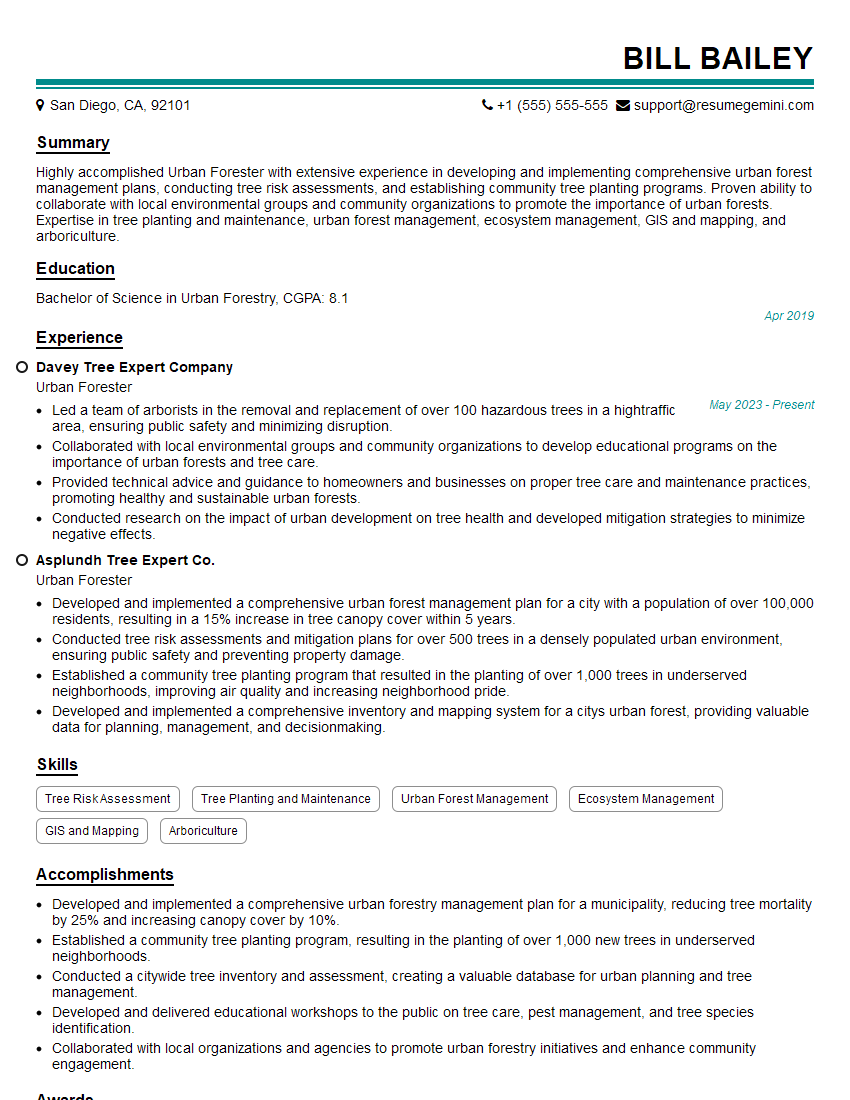
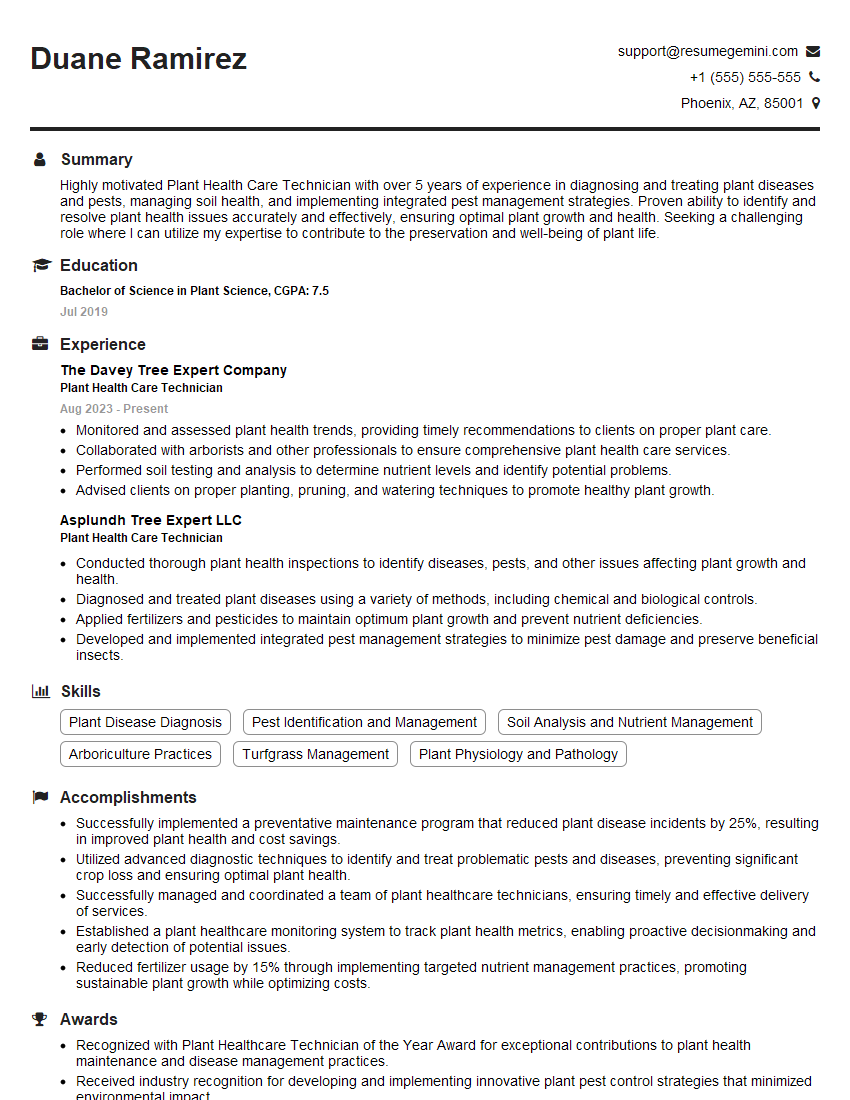
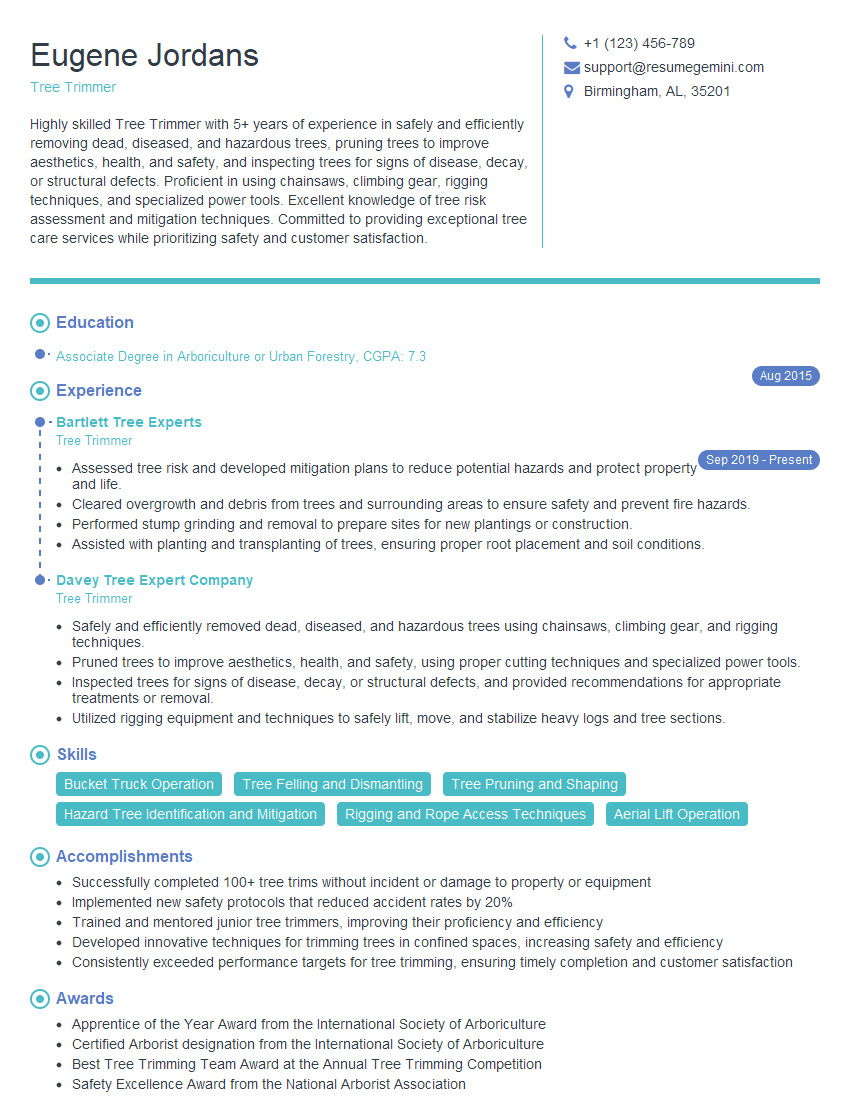
Mastering pruning techniques for removal is vital for career advancement in arboriculture and related fields. A strong understanding of these techniques demonstrates professionalism, competence, and a commitment to safety. To maximize your job prospects, create an ATS-friendly resume that highlights your skills and experience effectively. ResumeGemini is a trusted resource for building professional resumes, offering tools and templates to help you showcase your abilities. Examples of resumes tailored to Pruning Techniques for Removal are available, allowing you to craft a compelling document that gets noticed.




Explore more articles
Users Rating of Our Blogs
Share Your Experience
We value your feedback! Please rate our content and share your thoughts (optional).
What Readers Say About Our Blog
Attention music lovers!
Wow, All the best Sax Summer music !!!
Spotify: https://open.spotify.com/artist/6ShcdIT7rPVVaFEpgZQbUk
Apple Music: https://music.apple.com/fr/artist/jimmy-sax-black/1530501936
YouTube: https://music.youtube.com/browse/VLOLAK5uy_noClmC7abM6YpZsnySxRqt3LoalPf88No
Other Platforms and Free Downloads : https://fanlink.tv/jimmysaxblack
on google : https://www.google.com/search?q=22+AND+22+AND+22
on ChatGPT : https://chat.openai.com?q=who20jlJimmy20Black20Sax20Producer
Get back into the groove with Jimmy sax Black
Best regards,
Jimmy sax Black
www.jimmysaxblack.com
Hi I am a troller at The aquatic interview center and I suddenly went so fast in Roblox and it was gone when I reset.
Hi,
Business owners spend hours every week worrying about their website—or avoiding it because it feels overwhelming.
We’d like to take that off your plate:
$69/month. Everything handled.
Our team will:
Design a custom website—or completely overhaul your current one
Take care of hosting as an option
Handle edits and improvements—up to 60 minutes of work included every month
No setup fees, no annual commitments. Just a site that makes a strong first impression.
Find out if it’s right for you:
https://websolutionsgenius.com/awardwinningwebsites
Hello,
we currently offer a complimentary backlink and URL indexing test for search engine optimization professionals.
You can get complimentary indexing credits to test how link discovery works in practice.
No credit card is required and there is no recurring fee.
You can find details here:
https://wikipedia-backlinks.com/indexing/
Regards
NICE RESPONSE TO Q & A
hi
The aim of this message is regarding an unclaimed deposit of a deceased nationale that bears the same name as you. You are not relate to him as there are millions of people answering the names across around the world. But i will use my position to influence the release of the deposit to you for our mutual benefit.
Respond for full details and how to claim the deposit. This is 100% risk free. Send hello to my email id: lukachachibaialuka@gmail.com
Luka Chachibaialuka
Hey interviewgemini.com, just wanted to follow up on my last email.
We just launched Call the Monster, an parenting app that lets you summon friendly ‘monsters’ kids actually listen to.
We’re also running a giveaway for everyone who downloads the app. Since it’s brand new, there aren’t many users yet, which means you’ve got a much better chance of winning some great prizes.
You can check it out here: https://bit.ly/callamonsterapp
Or follow us on Instagram: https://www.instagram.com/callamonsterapp
Thanks,
Ryan
CEO – Call the Monster App
Hey interviewgemini.com, I saw your website and love your approach.
I just want this to look like spam email, but want to share something important to you. We just launched Call the Monster, a parenting app that lets you summon friendly ‘monsters’ kids actually listen to.
Parents are loving it for calming chaos before bedtime. Thought you might want to try it: https://bit.ly/callamonsterapp or just follow our fun monster lore on Instagram: https://www.instagram.com/callamonsterapp
Thanks,
Ryan
CEO – Call A Monster APP
To the interviewgemini.com Owner.
Dear interviewgemini.com Webmaster!
Hi interviewgemini.com Webmaster!
Dear interviewgemini.com Webmaster!
excellent
Hello,
We found issues with your domain’s email setup that may be sending your messages to spam or blocking them completely. InboxShield Mini shows you how to fix it in minutes — no tech skills required.
Scan your domain now for details: https://inboxshield-mini.com/
— Adam @ InboxShield Mini
support@inboxshield-mini.com
Reply STOP to unsubscribe
Hi, are you owner of interviewgemini.com? What if I told you I could help you find extra time in your schedule, reconnect with leads you didn’t even realize you missed, and bring in more “I want to work with you” conversations, without increasing your ad spend or hiring a full-time employee?
All with a flexible, budget-friendly service that could easily pay for itself. Sounds good?
Would it be nice to jump on a quick 10-minute call so I can show you exactly how we make this work?
Best,
Hapei
Marketing Director
Hey, I know you’re the owner of interviewgemini.com. I’ll be quick.
Fundraising for your business is tough and time-consuming. We make it easier by guaranteeing two private investor meetings each month, for six months. No demos, no pitch events – just direct introductions to active investors matched to your startup.
If youR17;re raising, this could help you build real momentum. Want me to send more info?
Hi, I represent an SEO company that specialises in getting you AI citations and higher rankings on Google. I’d like to offer you a 100% free SEO audit for your website. Would you be interested?
Hi, I represent an SEO company that specialises in getting you AI citations and higher rankings on Google. I’d like to offer you a 100% free SEO audit for your website. Would you be interested?