The right preparation can turn an interview into an opportunity to showcase your expertise. This guide to Quality Control and Assurance for Wind Turbine Manufacturing interview questions is your ultimate resource, providing key insights and tips to help you ace your responses and stand out as a top candidate.
Questions Asked in Quality Control and Assurance for Wind Turbine Manufacturing Interview
Q 1. Describe your experience with ISO 9001 and its application in wind turbine manufacturing.
ISO 9001 is the internationally recognized standard for Quality Management Systems (QMS). In wind turbine manufacturing, its application is crucial for ensuring consistent product quality, meeting customer requirements, and continuously improving processes. My experience involves implementing and maintaining ISO 9001 compliant QMS across various stages of wind turbine production, from raw material sourcing to final assembly and testing. This includes developing and documenting quality procedures, conducting internal audits, managing non-conformances, and participating in management reviews. For example, I’ve been directly involved in establishing a robust documentation control system, ensuring all design specifications, manufacturing instructions, and test procedures are readily available, controlled, and up-to-date, in accordance with ISO 9001 requirements. This greatly reduced errors and improved overall efficiency.
Furthermore, I’ve led the implementation of corrective and preventive actions (CAPA) based on identified non-conformances, ensuring that root causes are addressed to prevent recurrence. A recent example involved a recurring issue with gear box assembly. Through thorough investigation and CAPA implementation, involving improved training and enhanced assembly procedures, we significantly reduced the defect rate. The ISO 9001 framework provided the structured approach for this success.
Q 2. Explain your understanding of different types of non-destructive testing (NDT) used in wind turbine quality control.
Non-destructive testing (NDT) is crucial for evaluating the integrity of wind turbine components without causing damage. Several NDT methods are used in wind turbine quality control. Visual inspection is the most basic, checking for surface flaws. Ultrasonic testing (UT) uses high-frequency sound waves to detect internal flaws like cracks or voids in materials like blades and towers. Think of it like a medical ultrasound, but for turbine components. Radiographic testing (RT), using X-rays or gamma rays, creates images revealing internal defects. This is particularly useful for detecting flaws in welds. Magnetic particle inspection (MPI) detects surface and near-surface cracks in ferromagnetic materials (like some steel components) by magnetizing the part and observing the attraction of magnetic particles to cracks. Finally, Liquid penetrant testing (LPT) identifies surface-breaking defects by applying a dye that penetrates the crack and then reveals itself after cleaning.
The choice of NDT method depends on the specific component and the type of defect being sought. For instance, UT is frequently used for inspecting composite wind turbine blades for delamination, while RT is essential for verifying weld quality in the tower structure. Each method requires trained personnel and adherence to strict procedures to ensure accurate and reliable results.
Q 3. How do you ensure traceability of components throughout the wind turbine manufacturing process?
Traceability is paramount in wind turbine manufacturing. It’s the ability to track a component’s journey from its origin to the final assembled turbine. We achieve this through a robust system employing unique identification numbers (UIDs) assigned to each component at every stage. These UIDs are typically barcodes or data matrix codes. These codes are scanned at each manufacturing stage – from raw material receipt to component machining, assembly, and final inspection – recording location, date, and time. This data is stored in a centralized database, allowing us to easily trace the history of any component. In the event of a defect, traceability allows for rapid identification of the source and the affected components, facilitating efficient recall or replacement actions.
Furthermore, we utilize specialized software for managing the traceability data, allowing for efficient querying and reporting. Imagine a scenario where a blade fails. Traceability enables us to immediately identify the specific batch of raw materials, the manufacturing processes involved, and even the specific technicians who handled that blade. This accelerates the investigation and corrective actions, minimizing downtime and potential risks.
Q 4. What are the key quality characteristics to be monitored during the manufacturing of wind turbine blades?
Wind turbine blades are critical components demanding meticulous quality control. Key characteristics monitored during manufacturing include: Geometric dimensions and tolerances: Precise measurements are taken to ensure the blade meets design specifications, including length, chord length, twist, and airfoil shape. Deviations can severely impact aerodynamic performance. Material properties: The strength, stiffness, and fatigue resistance of the composite materials used are rigorously tested. This involves tensile, flexural, and impact tests. Surface finish: A smooth surface reduces drag and noise, and any defects can compromise structural integrity and aerodynamic efficiency. Balance: Precise balancing is vital to minimize vibrations and ensure smooth operation. Weight: Weight needs to adhere to design parameters. Structural integrity: Non-destructive testing methods like ultrasound and X-ray are crucial to identify internal flaws like delamination or voids. Any deviations from these characteristics can compromise the performance and lifespan of the turbine.
Q 5. How would you handle a situation where a critical component fails quality inspection?
Failure of a critical component in quality inspection triggers a well-defined procedure. The first step is to isolate the defective component and prevent its further use. A thorough investigation is then launched to determine the root cause of the failure using methods like the 5 Whys or Fishbone diagrams (more on these later). Depending on the severity and nature of the defect, different actions might be taken. This could range from rework and retesting the component if feasible, to scrapping the component completely. A detailed report documenting the non-conformity, investigation, and corrective actions is generated and submitted to relevant stakeholders.
In parallel, we assess the potential impact on other components from the same batch or manufacturing run. If necessary, we initiate a full-scale investigation into the entire batch, potentially leading to a partial or full recall of affected components. Lessons learned are documented and fed back into the production process to prevent similar failures in the future. This whole process is documented thoroughly according to our ISO 9001 procedures.
Q 6. Explain your experience with statistical process control (SPC) and its use in wind turbine manufacturing.
Statistical Process Control (SPC) is a powerful tool for monitoring and improving manufacturing processes. In wind turbine manufacturing, SPC helps identify variations in key process parameters and predict potential problems before they lead to defects. I’ve used SPC extensively to monitor parameters such as blade dimensions, material properties, and assembly tolerances. Control charts, such as X-bar and R charts, are used to visually represent process data over time, allowing us to identify trends and patterns. For instance, we might use an X-bar and R chart to monitor the thickness of a specific layer in a wind turbine blade during the manufacturing process. If the chart indicates that the thickness is drifting outside pre-defined control limits, it signals a potential problem that needs to be addressed.
By applying SPC, we can promptly detect deviations from target values and make necessary adjustments to the process to prevent defects. This proactive approach saves time and resources compared to relying solely on end-of-line inspections. It also provides data-driven insights to continually improve the manufacturing process, leading to higher yields and reduced costs. The data generated is integral to continuous improvement efforts, fostering a data-driven culture within the manufacturing environment.
Q 7. Describe your experience with root cause analysis techniques (e.g., 5 Whys, Fishbone diagram).
Root cause analysis (RCA) techniques are essential for identifying the underlying causes of quality problems. I’m proficient in various techniques, including the 5 Whys and the Fishbone diagram (also known as the Ishikawa diagram). The 5 Whys is a simple yet powerful iterative questioning technique. We repeatedly ask “why” to drill down to the root cause. For example, if a gear box fails: Why did the gear box fail? Because a bearing seized. Why did the bearing seize? Because of insufficient lubrication. Why was there insufficient lubrication? Because the lubrication system malfunctioned. Why did the lubrication system malfunction? Because of a faulty sensor. The faulty sensor is likely the root cause. The Fishbone diagram offers a structured approach to brainstorm potential causes. The main problem is the central ‘head’ of the fish, and potential contributing causes are categorized as branches (materials, methods, manpower, machinery, measurement, environment).
Both techniques are complementary and can be used in conjunction to thoroughly investigate quality problems. In practice, I often begin with the 5 Whys to quickly identify potential root causes and then use the Fishbone diagram to systematically organize and analyze all the potential contributing factors. This combined approach ensures a comprehensive investigation and the identification of effective corrective actions. Using these techniques has improved our ability to address quality issues proactively, preventing recurrences and improving overall product quality.
Q 8. How do you ensure the quality of incoming materials and components?
Ensuring the quality of incoming materials and components is paramount in wind turbine manufacturing. It’s the foundation upon which the entire turbine’s reliability and performance rests. We employ a multi-layered approach, starting with rigorous supplier selection. This involves assessing their quality management systems, conducting audits of their facilities, and reviewing their past performance records. We often require our suppliers to provide certificates of conformity, demonstrating that materials meet specified standards.
Beyond initial supplier vetting, incoming materials undergo stringent inspection upon arrival. This can involve visual checks for defects, dimensional measurements using precision instruments (like CMMs – Coordinate Measuring Machines), and material testing (e.g., tensile strength tests for steel, chemical analysis for resins). We use statistical sampling techniques to ensure that the inspection process is efficient yet effective, covering a representative sample of the incoming batch. Any non-conforming materials are immediately rejected and the supplier is notified to initiate corrective actions. A robust Material Review Board (MRB) assesses the root cause of any material discrepancies and implements preventive measures to avoid recurrence. For example, if we consistently find inconsistencies in the dimensions of a specific gear component, we might renegotiate tolerances with the supplier or explore alternative suppliers to ensure future consistency.
Q 9. What are the common quality issues encountered during the assembly of wind turbines?
Common quality issues during wind turbine assembly can stem from various sources, impacting different components. One frequent problem is alignment issues. Precise alignment of the gearbox, generator, and nacelle is critical for efficient energy transfer. Misalignment can lead to increased vibration, premature wear, and ultimately, reduced turbine lifespan. Another common issue is improper torqueing of fasteners. Bolts and screws must be tightened to the correct specifications; otherwise, components may loosen, causing vibrations or even catastrophic failure. Welding defects, such as porosity or incomplete penetration, in critical structural elements like the tower or nacelle can pose significant risks. Finally, contamination of hydraulic and lubrication systems can lead to premature wear and system malfunctions. For example, improper cleaning during assembly could introduce debris into the hydraulic system. To prevent these issues, we emphasize meticulous attention to detail at each assembly stage, including thorough training for our technicians and continuous monitoring and adjustment of assembly processes.
Q 10. Describe your experience with corrective and preventive actions (CAPA).
Corrective and Preventive Actions (CAPA) are essential to continuously improving our quality management system. My experience with CAPA involves a structured process: First, we identify and document the non-conformity. This may come from internal inspections, customer feedback, or even field failure reports. Then, we perform a thorough root cause analysis (RCA) to pinpoint the underlying cause of the problem. Common RCA tools I use include fault tree analysis and 5 Whys. For instance, if a turbine blade experiences fatigue failure earlier than expected, a root cause analysis might uncover defects in the manufacturing process of the blade’s composite materials, or a design flaw leading to increased stress on the blade. Next, we develop corrective actions to address the immediate problem, such as replacing faulty components or implementing temporary fixes. Most importantly, we define preventive actions to prevent similar issues from recurring. This could include revising work instructions, modifying assembly procedures, or updating training materials. Finally, we verify the effectiveness of our corrective and preventive actions and document all stages of the process for future reference and traceability. We regularly review CAPA performance to continually improve our overall process.
Q 11. How do you ensure compliance with relevant industry standards and regulations (e.g., IEC, GL)?
Compliance with industry standards and regulations, such as those set by IEC (International Electrotechnical Commission) and GL (Germanischer Lloyd, now DNV GL), is non-negotiable. We maintain a dedicated team responsible for monitoring and ensuring compliance throughout the entire manufacturing process. This involves having a comprehensive understanding of the relevant standards – understanding not only the text but also the intent behind those requirements. Our quality management system is designed to adhere to ISO 9001, and we integrate requirements from relevant IEC and GL standards into our processes. This involves regularly reviewing the latest versions of these standards and updating our procedures accordingly. Design reviews ensure compliance at the design stage, and rigorous testing, including fatigue testing and simulations, validates that the final product meets the specified requirements. We also maintain detailed documentation for traceability and audibility, providing evidence of compliance to certification bodies and regulatory authorities. For example, we maintain detailed records of all material certifications, testing results, and inspections. This ensures that our wind turbines meet stringent safety and performance requirements.
Q 12. Explain your experience with quality audits and inspections.
My experience encompasses all aspects of quality audits and inspections, from planning and execution to reporting and follow-up. I’ve been involved in both internal audits to assess our own processes and external audits conducted by certification bodies. For internal audits, we use checklists and sampling techniques to verify compliance with our quality management system and relevant standards. I focus on identifying areas for improvement and ensuring that corrective actions are implemented promptly. External audits, in contrast, are more rigorous and involve a thorough assessment of our entire quality management system. I have worked closely with certification auditors to ensure a smooth audit process. During inspections, I ensure that the inspection procedures are thoroughly documented, that results are properly recorded, and that any non-conformities are appropriately handled. For example, the inspection process of a turbine blade might include visual inspections for any signs of damage or defects, dimensional measurements to verify accuracy against specifications, and non-destructive testing (NDT) techniques like ultrasound to detect internal flaws. Following any audit or inspection, a comprehensive report is generated summarizing the findings and outlining any necessary corrective actions.
Q 13. What are your strategies for continuous improvement in a wind turbine manufacturing environment?
Continuous improvement is vital in a dynamic industry like wind turbine manufacturing. My strategies encompass several key areas: First, I employ data-driven decision-making. We collect data from various sources, such as production yields, defect rates, and customer feedback. This data helps us to identify trends, pinpoint areas for improvement, and measure the effectiveness of implemented changes. Second, I encourage a culture of continuous learning and improvement within the team. We regularly conduct training sessions to improve technicians’ skills and update our processes based on industry best practices and emerging technologies. Third, I utilize Lean Manufacturing principles to streamline our processes, eliminating waste and improving efficiency. This may involve implementing techniques like Kaizen (continuous improvement) events or value stream mapping. For example, we might use value stream mapping to identify bottlenecks in the assembly process and redesign the workflow to reduce lead times and improve overall efficiency. Fourth, I actively seek and integrate feedback from various sources including our suppliers, customers, and even our own production team to identify areas where we can make improvements. Finally, we leverage advanced technologies like digital twins and predictive maintenance to optimize our processes and anticipate potential issues.
Q 14. How do you manage quality documentation and records?
Managing quality documentation and records is crucial for maintaining traceability, ensuring compliance, and facilitating continuous improvement. We use a combination of electronic and paper-based systems. All quality-related documents, such as procedures, work instructions, inspection reports, test results, and audit findings, are stored in a centralized, easily accessible database. This system ensures version control and maintains a complete audit trail. We utilize a Document Management System (DMS) to control access, revision control, and archival of documents. This allows us to ensure that everyone is working with the most current version of any relevant document. Critical records, like those related to certification or material traceability, are retained for extended periods, complying with regulatory requirements. A robust system for record retention and retrieval is also important. We use electronic filing systems with robust search capabilities. This allows us to locate specific records easily during audits or investigations. Regular data backups and disaster recovery plans ensure that our data is always protected and readily available.
Q 15. Describe your experience with using quality management software (e.g., ERP systems).
My experience with quality management software encompasses several years of working with ERP systems, specifically in the context of wind turbine manufacturing. I’ve utilized these systems to track materials, manage production processes, and monitor quality metrics throughout the entire lifecycle of a turbine, from raw material procurement to final assembly and commissioning. For instance, I’ve used systems like SAP to manage inventory, track non-conformances, and generate reports on key quality indicators. This involved configuring the system to align with our specific quality management system (QMS), including customized workflows and reporting dashboards. These dashboards provided real-time visibility into various aspects of quality, including defect rates, rework time, and corrective action effectiveness. One project involved implementing a new module in our ERP system to track the origin and traceability of critical components, ensuring we could quickly identify the root cause of defects and prevent recurrence. This greatly improved our overall efficiency and responsiveness to quality issues.
Career Expert Tips:
- Ace those interviews! Prepare effectively by reviewing the Top 50 Most Common Interview Questions on ResumeGemini.
- Navigate your job search with confidence! Explore a wide range of Career Tips on ResumeGemini. Learn about common challenges and recommendations to overcome them.
- Craft the perfect resume! Master the Art of Resume Writing with ResumeGemini’s guide. Showcase your unique qualifications and achievements effectively.
- Don’t miss out on holiday savings! Build your dream resume with ResumeGemini’s ATS optimized templates.
Q 16. How do you prioritize quality issues based on risk and severity?
Prioritizing quality issues requires a structured approach that balances risk and severity. I typically use a risk matrix, which plots issues based on their likelihood of occurrence and the potential impact on the turbine’s performance, safety, and cost. High-risk issues, such as those affecting safety-critical components (e.g., blade integrity or braking systems) or those with a high probability of occurring and causing significant financial losses, are always given top priority. We utilize a scoring system where severity, probability, and detectability are assigned numerical values. The resulting risk priority number (RPN) determines the order of resolution. For example, a minor cosmetic defect on a non-critical component might have a low RPN, while a crack detected in a blade would have a significantly higher RPN and immediate attention. This framework allows for efficient resource allocation and ensures the most critical issues are addressed promptly.
Q 17. Describe your experience in working with cross-functional teams to resolve quality issues.
Cross-functional collaboration is essential in resolving quality issues within wind turbine manufacturing. My experience involves working with teams spanning engineering, manufacturing, procurement, and even field service to address problems effectively. I’ve facilitated numerous cross-functional teams using structured problem-solving methodologies like the 5 Whys and root cause analysis. For example, when we experienced recurring issues with gearboxes failing prematurely, I led a team that included engineers (design and testing), manufacturing personnel (assembly and quality control), and procurement specialists (supplier management). We systematically investigated the problem, analyzing design specifications, manufacturing processes, and material properties. This collaborative approach identified a combination of factors – a design flaw in the lubrication system coupled with a substandard batch of bearings – as the root cause. The solution involved design modifications, improved manufacturing controls, and a stricter supplier qualification process. Clear communication and a shared understanding of the goals were key to the success of these collaborative efforts.
Q 18. How do you ensure the effectiveness of your quality control measures?
Ensuring the effectiveness of quality control measures relies on a continuous improvement cycle. This involves regular audits, both internal and external, to evaluate compliance with established standards and identify areas for improvement. Data analysis plays a crucial role: we monitor key metrics (defect rates, rework time, etc.), and statistical process control (SPC) charts help identify trends and potential process deviations. We also conduct regular calibration checks on our measurement equipment to guarantee accuracy. Corrective and preventive actions (CAPA) are implemented to address identified issues, and their effectiveness is tracked. Furthermore, we routinely review our QMS and update it based on lessons learned, technological advances, and evolving industry best practices. This proactive approach ensures our quality control measures remain relevant and effective, consistently meeting or exceeding customer expectations.
Q 19. What are the key performance indicators (KPIs) you use to monitor quality performance?
Several key performance indicators (KPIs) are used to monitor quality performance in wind turbine manufacturing. These include:
- Defect rate: The number of defective units per total units produced.
- Rework rate: The percentage of units requiring rework due to defects.
- Yield rate: The percentage of units successfully manufactured without defects.
- Customer returns: The number of units returned due to quality issues.
- Time to resolution: The time taken to resolve a quality issue from identification to closure.
- Cost of poor quality (COPQ): The total cost associated with defects, rework, and customer returns.
- First pass yield: The percentage of units passing inspection on the first attempt.
Q 20. How familiar are you with lean manufacturing principles and their application in quality control?
I’m very familiar with lean manufacturing principles and their application in quality control. Lean principles, such as eliminating waste, improving flow, and empowering employees, significantly enhance quality. In wind turbine manufacturing, we use several lean tools to improve quality:
- 5S methodology: To organize and standardize the workspace, reducing errors and improving efficiency.
- Kaizen events: To continuously improve processes and address quality issues proactively.
- Value stream mapping: To identify and eliminate waste in the production process.
- Poka-yoke (error-proofing): To design processes and equipment to prevent defects from occurring.
Q 21. Explain your experience with failure mode and effects analysis (FMEA).
Failure Mode and Effects Analysis (FMEA) is a critical tool I’ve extensively used for proactive risk management in wind turbine manufacturing. It’s a systematic process to identify potential failure modes in a system or process, assess their severity, occurrence, and detectability, and develop mitigation strategies. We typically conduct FMEAs during the design phase, but also throughout the manufacturing process. For example, we performed an FMEA on the nacelle assembly process to identify potential failure modes, such as loose bolts, incorrect wiring, or damaged components. We assessed the severity, probability of occurrence, and the ability to detect these failures during various stages of the process. Based on the risk priority number (RPN) calculated for each failure mode, we implemented control measures, such as improved work instructions, additional inspection checkpoints, and specialized tools. Regular FMEA updates are crucial as designs change, new processes are implemented, or field data highlights potential issues. The FMEA process ensures that potential risks are identified and mitigated before they cause problems, proactively enhancing the reliability and safety of the wind turbines.
Q 22. How do you handle customer complaints related to wind turbine quality?
Handling customer complaints regarding wind turbine quality is paramount. It begins with a structured process focused on prompt acknowledgment, thorough investigation, and a commitment to resolution. We first acknowledge the complaint, thanking the customer for bringing the issue to our attention. Then, a dedicated team investigates, gathering data from various sources, including operational logs, maintenance reports, and potentially on-site inspections. We use root cause analysis techniques, such as the 5 Whys, to determine the underlying problem. This allows us to address not only the immediate issue but also prevent future occurrences.
Once the root cause is identified, we develop a corrective action plan, which includes immediate remediation to resolve the customer’s problem and longer-term preventative measures. We then communicate transparently with the customer, keeping them informed of our progress and providing timely updates. Finally, we document the entire process, including the complaint, investigation, corrective actions, and customer feedback, to continuously improve our quality management system. For example, a persistent gearbox failure might lead us to revise our maintenance procedures, improve component sourcing, or refine our quality control checks during the manufacturing process.
Q 23. How do you ensure the quality of the welding process in wind turbine manufacturing?
Ensuring the quality of the welding process is crucial for wind turbine structural integrity. We employ a multi-layered approach. This starts with welder qualification and certification, ensuring they meet stringent industry standards and have demonstrated proficiency through rigorous testing. We utilize non-destructive testing (NDT) methods extensively, such as radiographic testing (RT) and ultrasonic testing (UT), to detect internal flaws like cracks or porosity that might not be visible to the naked eye. These tests are conducted at various stages of the process, including pre- and post-weld inspections.
We also maintain meticulous records of welding parameters, including amperage, voltage, and travel speed, to ensure consistency and traceability. Our welding procedures are documented and regularly reviewed to incorporate lessons learned and advancements in welding technology. Furthermore, we implement statistical process control (SPC) techniques to monitor weld quality parameters continuously, identifying trends and preventing deviations early on. For instance, if we detect an increase in the number of rejected welds, we investigate to find the root cause, whether it’s a faulty welding machine, a need for additional welder training, or a problem with material quality.
Q 24. Describe your understanding of the importance of quality in wind energy projects regarding safety and reliability.
Quality in wind energy projects is not just about meeting specifications; it’s fundamentally about safety and reliability. Wind turbines operate in harsh environments, often remote locations, and failures can have severe consequences. A poorly designed or manufactured component could lead to catastrophic failures, resulting in damage to the turbine, injury to personnel, or even environmental harm.
Reliability is equally critical. Downtime for a wind turbine translates directly into lost energy generation and revenue. High-quality components and manufacturing processes contribute to maximizing operational uptime and minimizing maintenance costs. Imagine a scenario where a blade fails due to fatigue. This could result in extensive damage, requiring significant repairs or even turbine replacement. Maintaining high quality throughout the entire lifecycle ensures the safety of the workers involved, the longevity and efficiency of the turbines, and the economic viability of the entire project.
Q 25. What is your experience with quality control in the painting and coating processes of wind turbine components?
Quality control in the painting and coating process is essential to protect wind turbine components from corrosion and extend their lifespan. We use a combination of techniques and inspections to ensure optimal performance. This starts with surface preparation, which includes thorough cleaning and the removal of any contaminants or imperfections. We then carefully monitor the application of primers and topcoats, ensuring proper film thickness and adherence using specialized measuring equipment.
Regular inspections throughout the process, including visual inspections and adhesion tests, confirm the quality of the coating. We also employ sophisticated testing methods, such as salt spray testing, to simulate the harsh environmental conditions the turbines will face and assess the durability of the coating system. Documentation of each step is crucial, including paint type, application method, film thickness measurements, and inspection results. For example, we might identify a batch of paint with inadequate adhesion and trace it back to a specific supplier lot or a process deviation, preventing further issues.
Q 26. How do you ensure the quality of the gearbox assembly and its components?
The gearbox is a critical component in a wind turbine, and its quality directly impacts the turbine’s overall reliability. Our quality control starts with rigorous inspection of the individual components. Bearings, gears, shafts, and seals are meticulously checked for dimensional accuracy, surface finish, and any signs of damage. We use advanced measuring tools like coordinate measuring machines (CMMs) to ensure precision.
During the assembly process, we adhere to strict torque specifications and follow precise procedures to prevent misalignment or damage. After assembly, the gearbox undergoes comprehensive testing, including vibration analysis, noise testing, and efficiency measurements. We also conduct functional testing under simulated operating conditions to assess its performance and durability. This is complemented by regular monitoring and analysis of wear and tear during the operational life of the turbine, allowing for predictive maintenance.
Q 27. Describe your experience with the quality control of wind turbine generator systems.
Quality control for wind turbine generator systems (WTGS) focuses on ensuring the efficient and reliable conversion of wind energy into electricity. This involves rigorous testing of the generator itself, including its windings, rotor, and stator. We use advanced electrical testing equipment to assess insulation resistance, winding integrity, and overall electrical performance. We also conduct thermal testing to evaluate the generator’s ability to withstand operating temperatures.
The integration of the WTGS with other turbine components is equally important. We perform extensive testing to ensure proper functionality and communication between the generator, the control system, and other related components. This might include simulations to model various operating conditions and assess the system’s response under different scenarios. Finally, we perform field tests on fully assembled turbines to validate performance in real-world conditions and refine our control strategies.
Q 28. How familiar are you with the process of commissioning and testing newly installed wind turbines?
Commissioning and testing newly installed wind turbines is a critical phase that validates the entire project. It involves a systematic process of verification and validation. We start with a thorough inspection of the entire turbine, including the tower, nacelle, blades, and electrical systems. This involves verifying the proper installation of all components and checking for any damage that might have occurred during transportation or erection.
Then, we initiate a series of tests, starting with low-speed mechanical tests, followed by higher-speed tests under controlled conditions. We monitor various parameters such as power output, torque, vibration levels, and temperature. We use specialized software and data acquisition systems to collect and analyze this data. Finally, we perform operational tests to assess the turbine’s performance in real-world wind conditions. This includes grid synchronization tests and verification of power quality. The entire process is meticulously documented, and any issues are addressed before the turbine is handed over to the customer.
Key Topics to Learn for Quality Control and Assurance for Wind Turbine Manufacturing Interview
- Understanding Wind Turbine Components & Manufacturing Processes: Familiarize yourself with the various components of wind turbines (blades, nacelles, towers, etc.) and the manufacturing processes involved in their creation. Consider the unique challenges of large-scale manufacturing and assembly.
- Quality Control Methods & Techniques: Explore different quality control methods like statistical process control (SPC), dimensional inspection, non-destructive testing (NDT), and visual inspection. Understand their application in a wind turbine manufacturing context.
- Material Science & Testing: Develop a solid understanding of the materials used in wind turbine construction (e.g., composites, steel, plastics) and the relevant testing procedures to ensure quality and durability.
- Quality Assurance Systems (ISO 9001, etc.): Gain familiarity with relevant quality management systems and standards, understanding how they are implemented and audited in a manufacturing setting.
- Risk Assessment & Mitigation: Learn how to identify potential risks and quality issues throughout the manufacturing process and develop effective mitigation strategies. This includes understanding failure modes and effects analysis (FMEA).
- Data Analysis & Reporting: Practice analyzing quality control data, identifying trends, and generating reports to communicate findings effectively. Proficiency in relevant software is advantageous.
- Root Cause Analysis & Problem-Solving: Develop your skills in identifying the root causes of quality issues using techniques like the 5 Whys and fishbone diagrams. Practice presenting solutions clearly and concisely.
- Health & Safety Regulations: Understand relevant health and safety regulations pertaining to wind turbine manufacturing and quality control procedures.
- Supply Chain Management & Quality: Explore how quality control practices extend to the supply chain and how to manage quality from raw materials to finished products.
Next Steps
Mastering Quality Control and Assurance in Wind Turbine Manufacturing opens doors to exciting career opportunities and significant professional growth within a rapidly expanding industry. A strong resume is crucial for showcasing your skills and experience to potential employers. Creating an ATS-friendly resume increases your chances of getting noticed by recruiters. ResumeGemini is a trusted resource to help you build a professional and impactful resume. Examples of resumes tailored to Quality Control and Assurance for Wind Turbine Manufacturing are available to help guide your preparation.
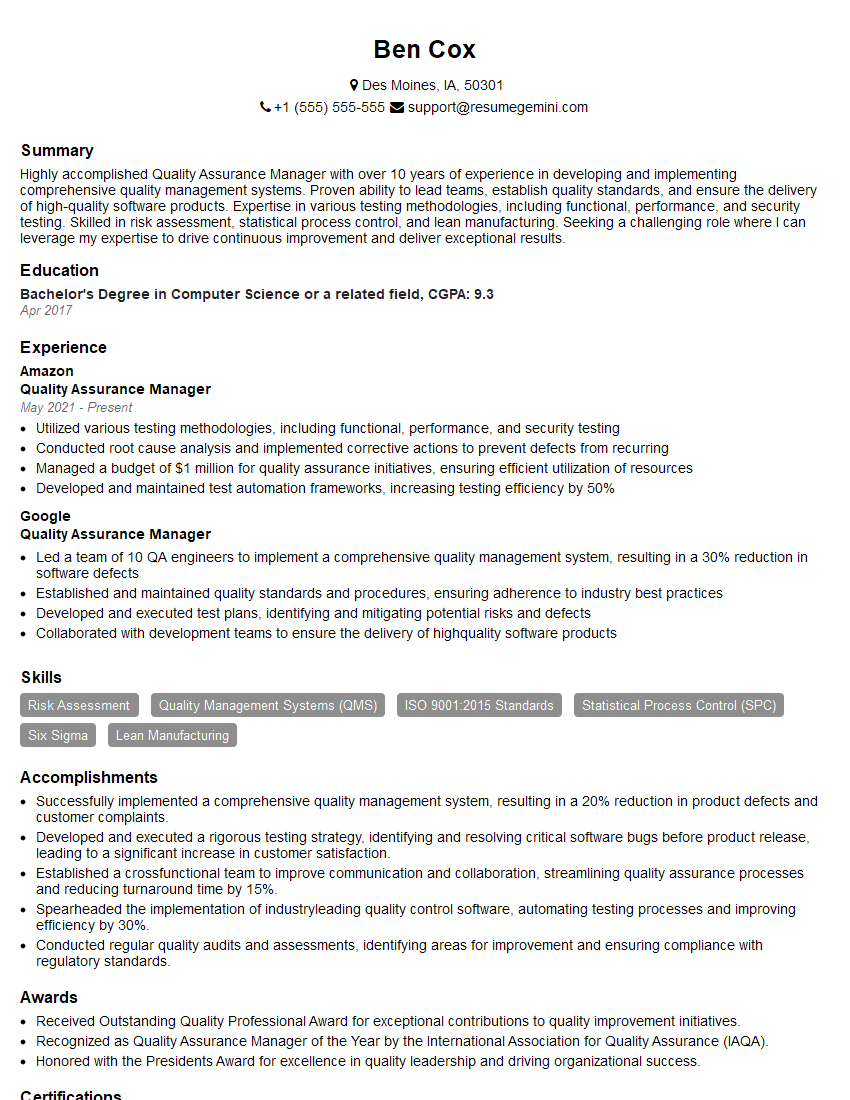
Quality Assurance Manager Resume Sample
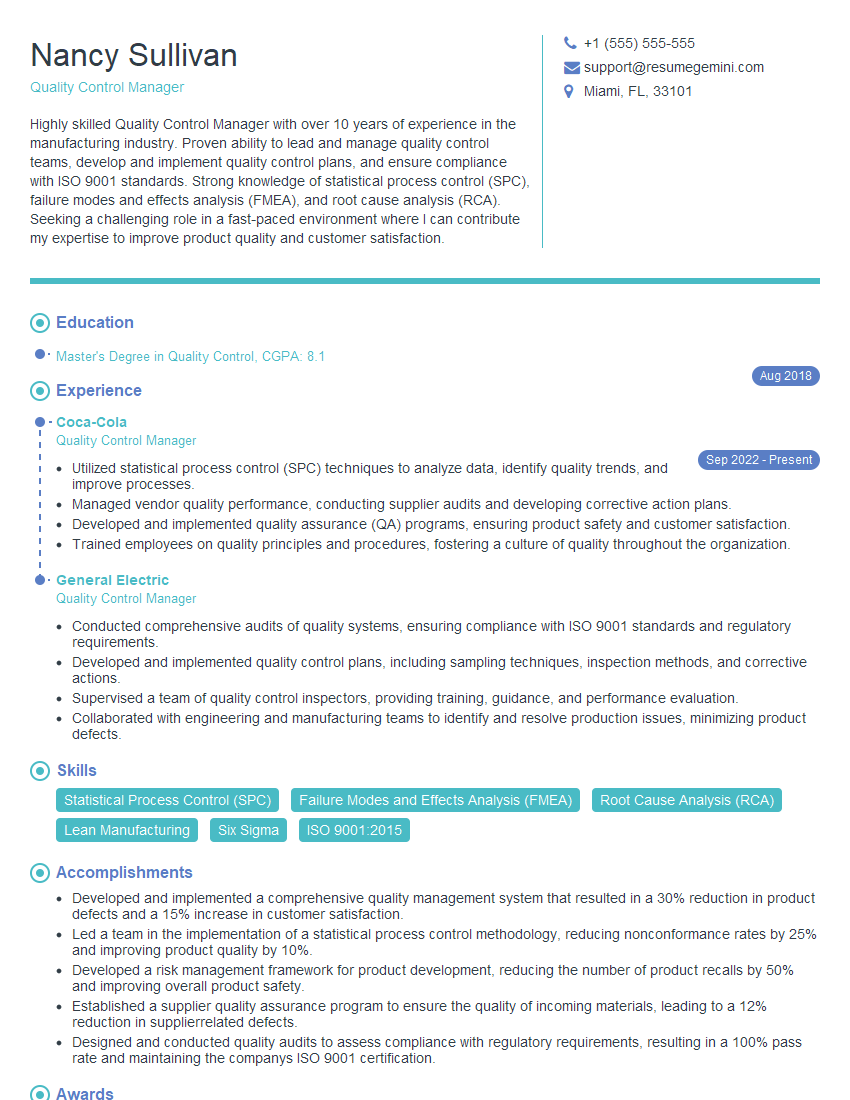
Quality Control Manager Resume Sample
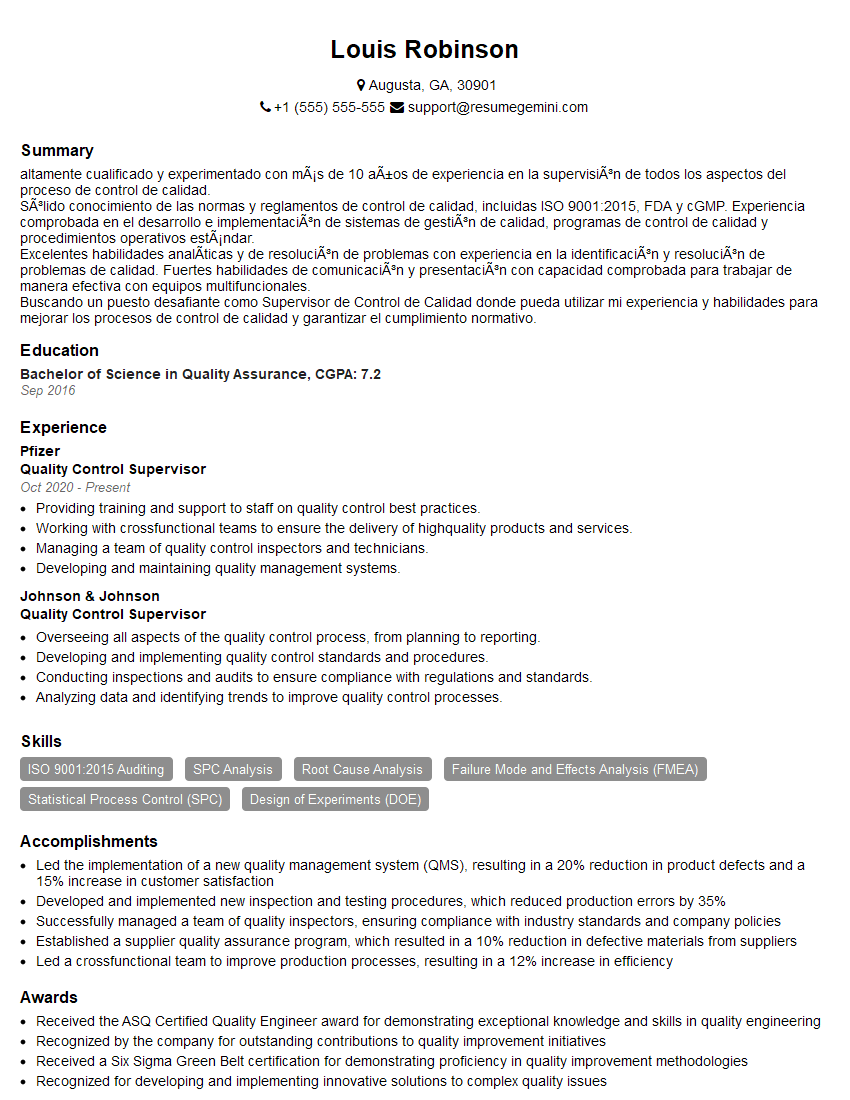
Quality Control Supervisor Resume Sample
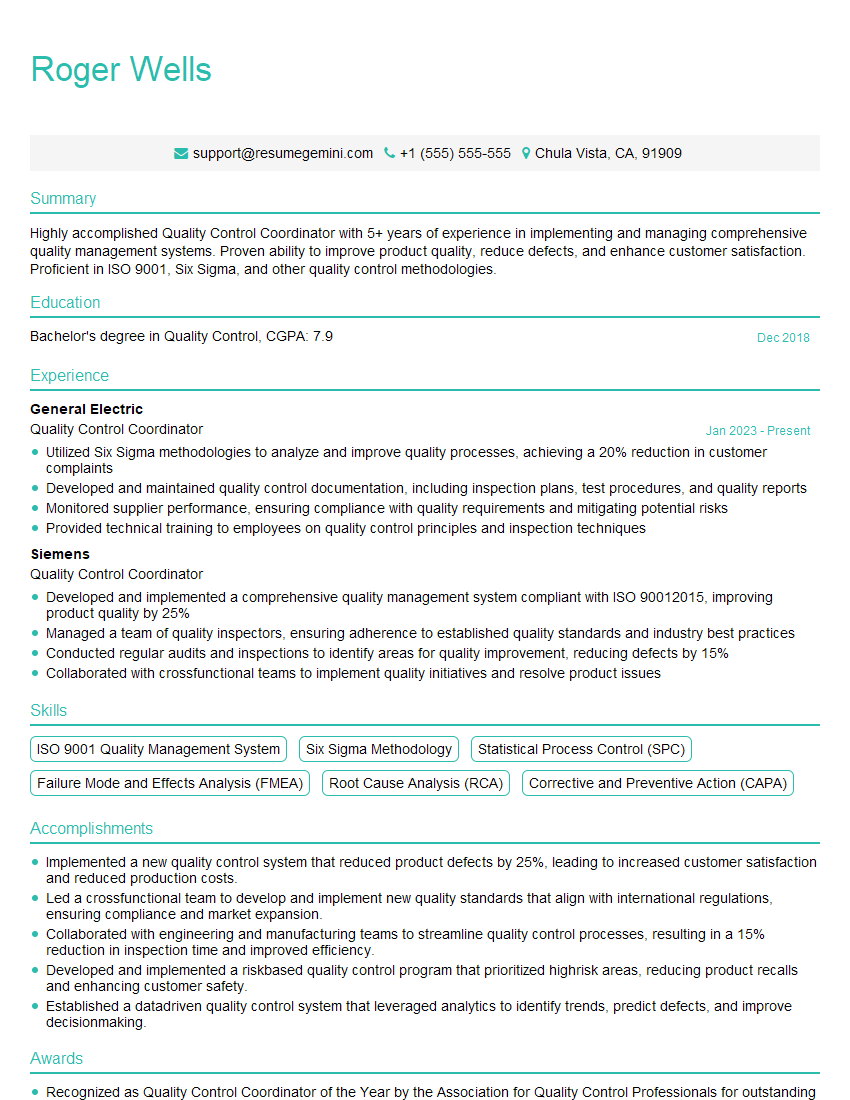
Quality Control Coordinator Resume Sample
Compliance Manager Resume Sample
Quality Assurance Specialist Resume Sample
Reliability Engineer Resume Sample
Quality Systems Manager Resume Sample
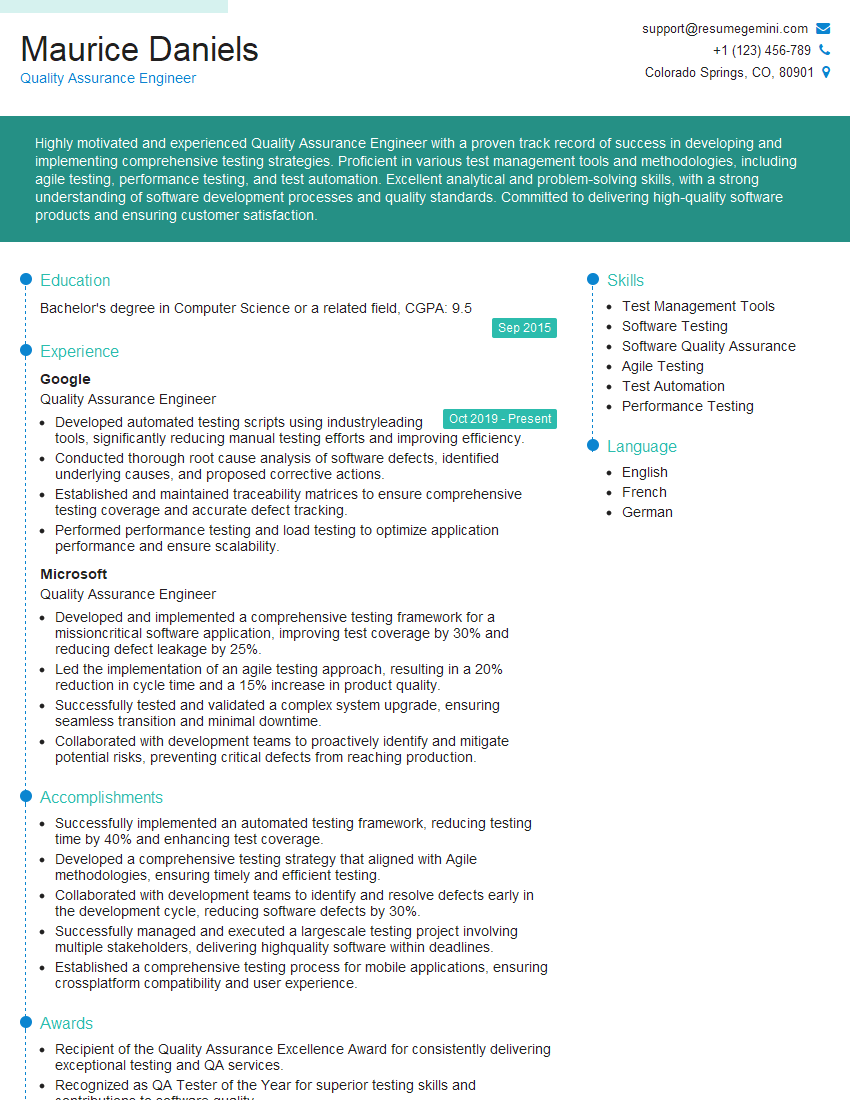
Quality Assurance Engineer Resume Sample
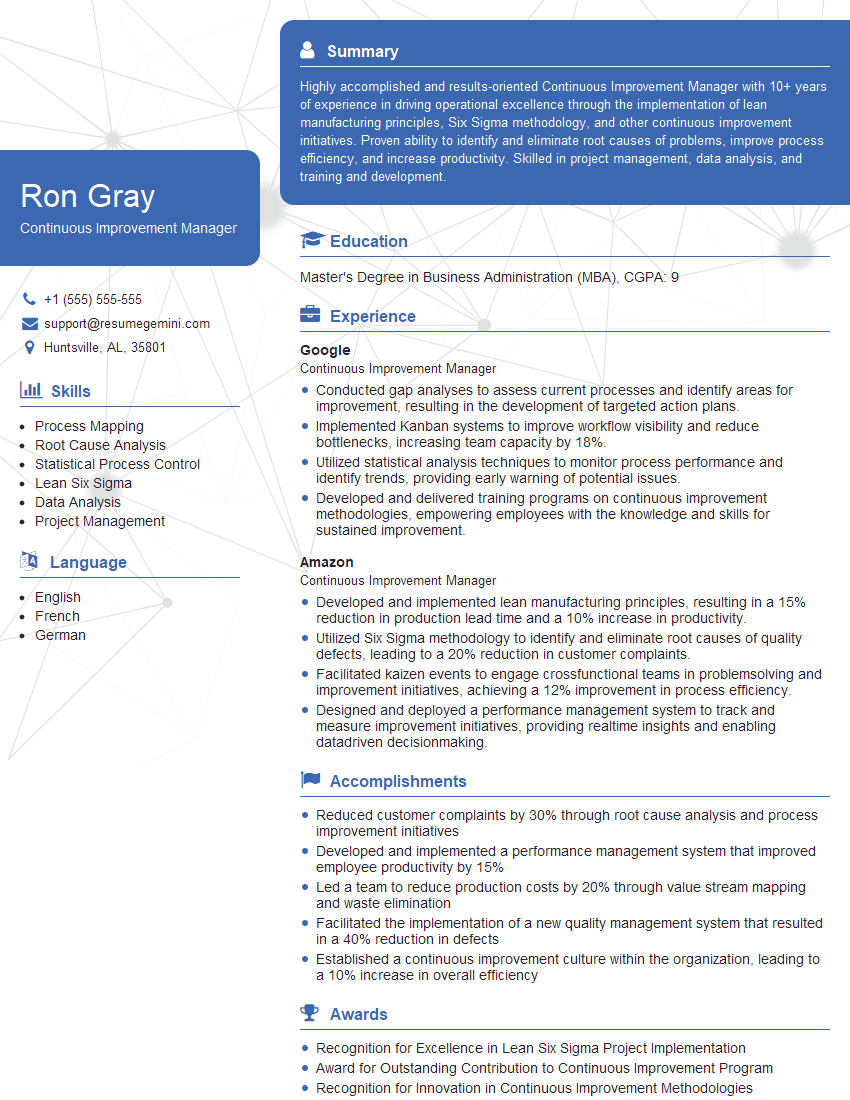
Continuous Improvement Manager Resume Sample
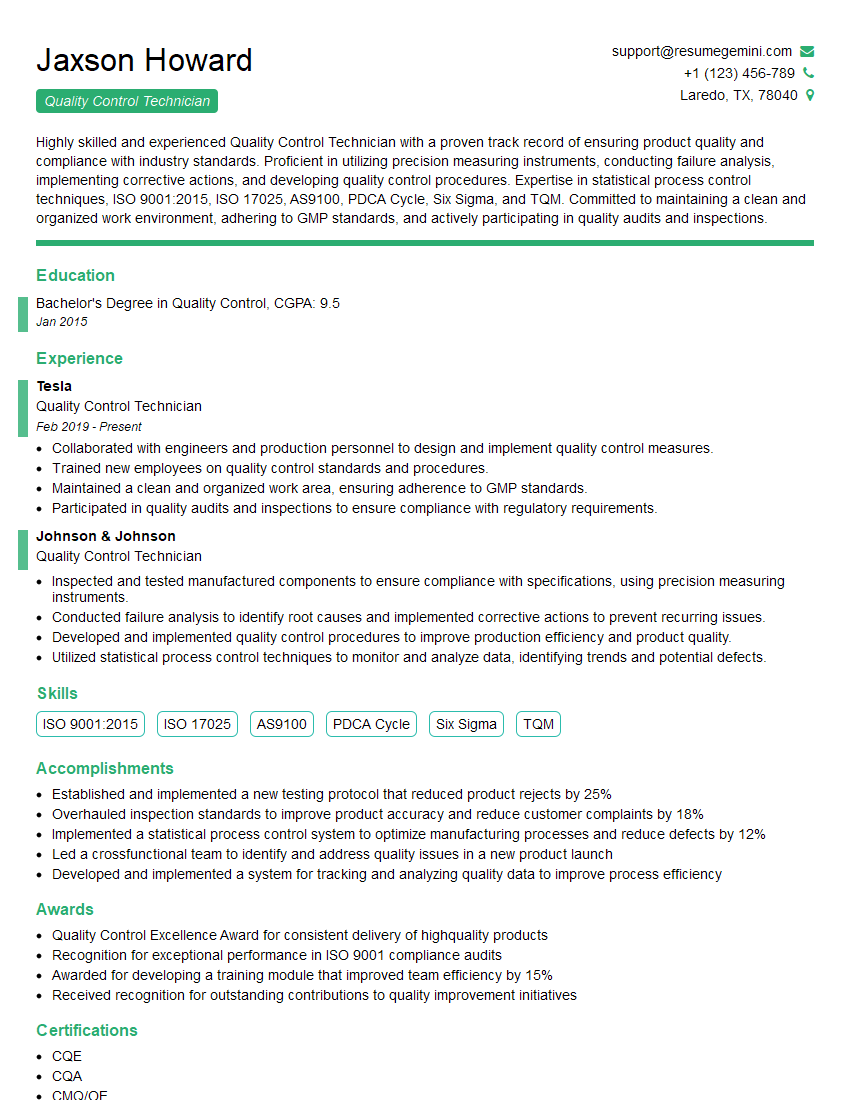
Quality Control Technician Resume Sample
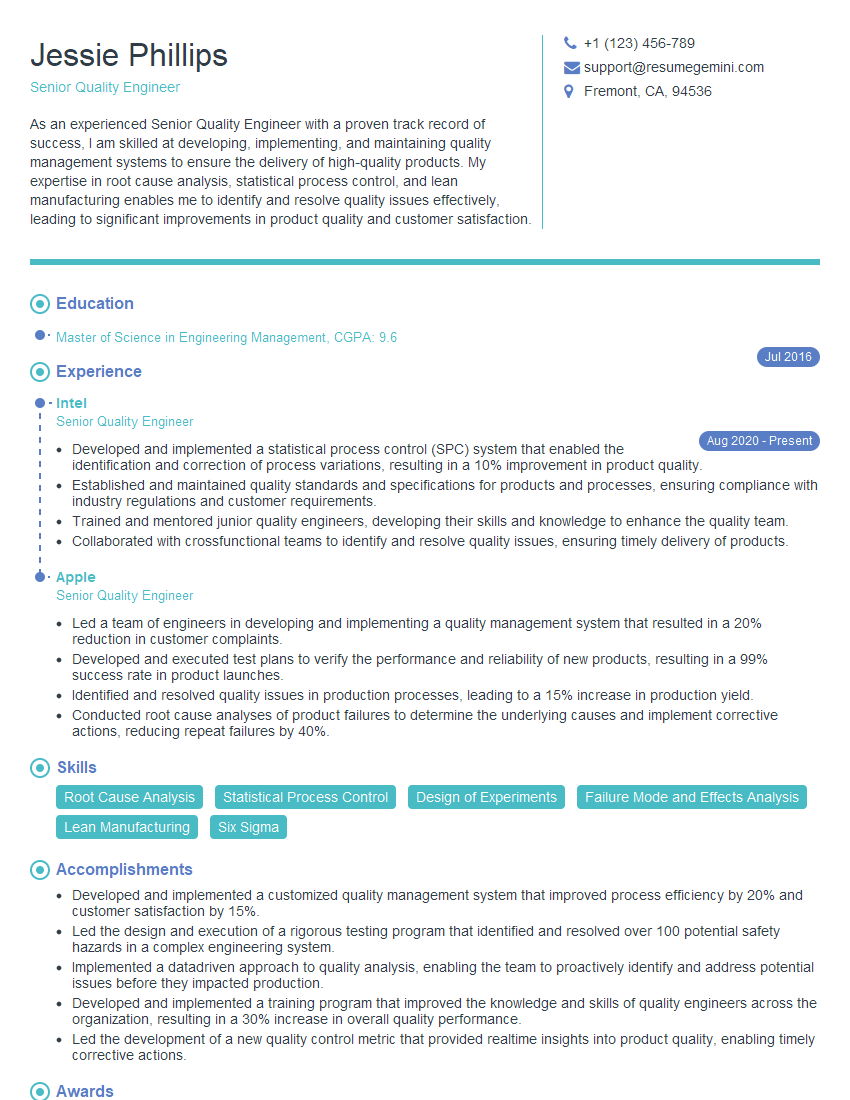
Senior Quality Engineer Resume Sample
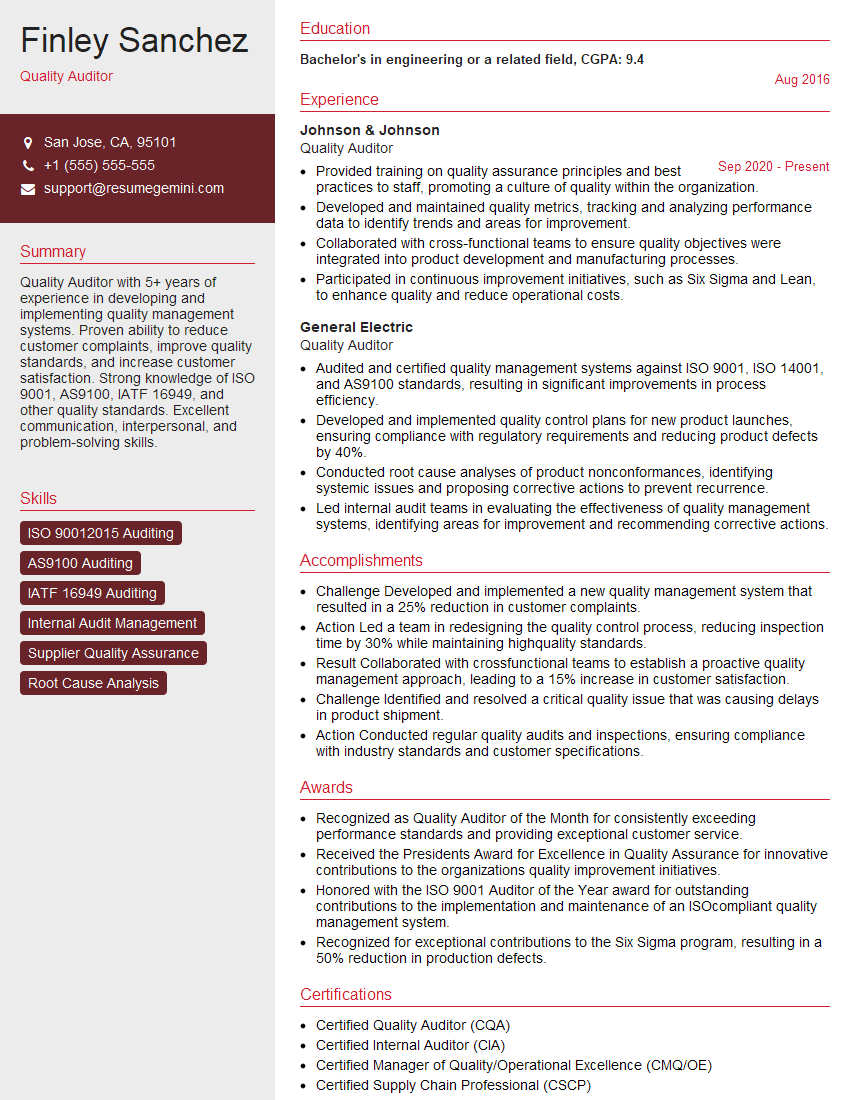
Quality Auditor Resume Sample
- Quality Assurance Manager
- Quality Control Manager
- Quality Control Supervisor
- Quality Control Coordinator
- Compliance Manager
- Quality Assurance Specialist
- Reliability Engineer
- Quality Systems Manager
- Quality Assurance Engineer
- Continuous Improvement Manager
- Quality Control Technician
- Senior Quality Engineer
- Quality Auditor
Explore more articles
Users Rating of Our Blogs
Share Your Experience
We value your feedback! Please rate our content and share your thoughts (optional).
What Readers Say About Our Blog
Attention music lovers!
Wow, All the best Sax Summer music !!!
Spotify: https://open.spotify.com/artist/6ShcdIT7rPVVaFEpgZQbUk
Apple Music: https://music.apple.com/fr/artist/jimmy-sax-black/1530501936
YouTube: https://music.youtube.com/browse/VLOLAK5uy_noClmC7abM6YpZsnySxRqt3LoalPf88No
Other Platforms and Free Downloads : https://fanlink.tv/jimmysaxblack
on google : https://www.google.com/search?q=22+AND+22+AND+22
on ChatGPT : https://chat.openai.com?q=who20jlJimmy20Black20Sax20Producer
Get back into the groove with Jimmy sax Black
Best regards,
Jimmy sax Black
www.jimmysaxblack.com
Hi I am a troller at The aquatic interview center and I suddenly went so fast in Roblox and it was gone when I reset.
Hi,
Business owners spend hours every week worrying about their website—or avoiding it because it feels overwhelming.
We’d like to take that off your plate:
$69/month. Everything handled.
Our team will:
Design a custom website—or completely overhaul your current one
Take care of hosting as an option
Handle edits and improvements—up to 60 minutes of work included every month
No setup fees, no annual commitments. Just a site that makes a strong first impression.
Find out if it’s right for you:
https://websolutionsgenius.com/awardwinningwebsites
Hello,
we currently offer a complimentary backlink and URL indexing test for search engine optimization professionals.
You can get complimentary indexing credits to test how link discovery works in practice.
No credit card is required and there is no recurring fee.
You can find details here:
https://wikipedia-backlinks.com/indexing/
Regards
NICE RESPONSE TO Q & A
hi
The aim of this message is regarding an unclaimed deposit of a deceased nationale that bears the same name as you. You are not relate to him as there are millions of people answering the names across around the world. But i will use my position to influence the release of the deposit to you for our mutual benefit.
Respond for full details and how to claim the deposit. This is 100% risk free. Send hello to my email id: lukachachibaialuka@gmail.com
Luka Chachibaialuka
Hey interviewgemini.com, just wanted to follow up on my last email.
We just launched Call the Monster, an parenting app that lets you summon friendly ‘monsters’ kids actually listen to.
We’re also running a giveaway for everyone who downloads the app. Since it’s brand new, there aren’t many users yet, which means you’ve got a much better chance of winning some great prizes.
You can check it out here: https://bit.ly/callamonsterapp
Or follow us on Instagram: https://www.instagram.com/callamonsterapp
Thanks,
Ryan
CEO – Call the Monster App
Hey interviewgemini.com, I saw your website and love your approach.
I just want this to look like spam email, but want to share something important to you. We just launched Call the Monster, a parenting app that lets you summon friendly ‘monsters’ kids actually listen to.
Parents are loving it for calming chaos before bedtime. Thought you might want to try it: https://bit.ly/callamonsterapp or just follow our fun monster lore on Instagram: https://www.instagram.com/callamonsterapp
Thanks,
Ryan
CEO – Call A Monster APP
To the interviewgemini.com Owner.
Dear interviewgemini.com Webmaster!
Hi interviewgemini.com Webmaster!
Dear interviewgemini.com Webmaster!
excellent
Hello,
We found issues with your domain’s email setup that may be sending your messages to spam or blocking them completely. InboxShield Mini shows you how to fix it in minutes — no tech skills required.
Scan your domain now for details: https://inboxshield-mini.com/
— Adam @ InboxShield Mini
support@inboxshield-mini.com
Reply STOP to unsubscribe
Hi, are you owner of interviewgemini.com? What if I told you I could help you find extra time in your schedule, reconnect with leads you didn’t even realize you missed, and bring in more “I want to work with you” conversations, without increasing your ad spend or hiring a full-time employee?
All with a flexible, budget-friendly service that could easily pay for itself. Sounds good?
Would it be nice to jump on a quick 10-minute call so I can show you exactly how we make this work?
Best,
Hapei
Marketing Director
Hey, I know you’re the owner of interviewgemini.com. I’ll be quick.
Fundraising for your business is tough and time-consuming. We make it easier by guaranteeing two private investor meetings each month, for six months. No demos, no pitch events – just direct introductions to active investors matched to your startup.
If youR17;re raising, this could help you build real momentum. Want me to send more info?
Hi, I represent an SEO company that specialises in getting you AI citations and higher rankings on Google. I’d like to offer you a 100% free SEO audit for your website. Would you be interested?
Hi, I represent an SEO company that specialises in getting you AI citations and higher rankings on Google. I’d like to offer you a 100% free SEO audit for your website. Would you be interested?