Feeling uncertain about what to expect in your upcoming interview? We’ve got you covered! This blog highlights the most important Radiological Emergency Preparedness interview questions and provides actionable advice to help you stand out as the ideal candidate. Let’s pave the way for your success.
Questions Asked in Radiological Emergency Preparedness Interview
Q 1. Describe the different levels of radiological emergencies.
Radiological emergencies are categorized into levels based on the severity and potential impact. These levels aren’t universally standardized across all jurisdictions, but generally, a tiered system is employed. A common approach involves three levels: Level 1 represents a minor incident with limited radiological consequences, primarily confined to a small area and easily managed with existing resources. Think of a small spill of a weakly radioactive material within a controlled laboratory setting. Level 2 indicates a more significant event, potentially involving a larger area and requiring resources beyond the immediate responders. This could be a larger spill, or a malfunction in a medical device leading to higher than normal radiation exposure to personnel. Level 3 signifies a major disaster with widespread consequences, necessitating a large-scale response involving multiple agencies and potentially evacuations. A catastrophic failure at a nuclear power plant or a significant radiological dispersal device detonation would fall under this category.
The specific criteria for each level are often defined within a jurisdiction’s emergency response plan and usually involve factors such as the amount of radioactive material released, the area affected, and the potential health consequences.
Q 2. Explain the role of the Incident Command System (ICS) in radiological emergencies.
The Incident Command System (ICS) is crucial for managing radiological emergencies because it provides a standardized, flexible, and adaptable organizational structure. It facilitates effective communication and coordination among various agencies and responders. In a radiological emergency, this system enables efficient resource allocation, clear lines of authority, and a unified command structure. Think of ICS as the orchestra conductor in a complex situation, ensuring all instruments (agencies) play harmoniously and in a coordinated manner. It’s particularly important in radiological emergencies due to the diverse expertise and resources required (e.g., medical personnel, radiation specialists, law enforcement, emergency management). ICS uses a modular approach, which means it can be scaled up or down depending on the needs of the incident. Key positions within ICS in a radiological emergency include the Incident Commander, Operations Section Chief (overseeing response actions), Planning Section Chief (managing information and planning), Logistics Section Chief (handling resources), and Finance/Administration Section Chief (managing costs and records).
Q 3. What are the key components of a radiological emergency response plan?
A comprehensive radiological emergency response plan should include several key components:
- Risk Assessment: Identifying potential sources of radiation and assessing the associated risks.
- Preparedness Measures: Developing and maintaining emergency equipment, training personnel, and establishing communication protocols.
- Emergency Response Procedures: Defining clear actions to be taken in different scenarios, including evacuation plans, protective measures, and decontamination procedures.
- Communication Plan: Establishing systems for disseminating information to the public, responders, and other relevant stakeholders.
- Resource Management: Identifying and securing necessary resources such as personnel, equipment, and supplies.
- Recovery and Remediation: Outlining procedures for restoring normalcy, decontaminating areas, and providing long-term support to affected individuals.
- Training and Exercises: Regularly training personnel and conducting exercises to ensure preparedness.
- Public Information Plan: A plan for educating the public about radiation safety and emergency procedures to mitigate public anxiety and misinformation.
Each component works in tandem to ensure a coordinated response that is timely and effective.
Q 4. Outline the procedures for managing contaminated individuals.
Managing contaminated individuals involves a series of steps, prioritizing safety for both the victim and the responders. First, the individual needs to be assessed for the type and level of contamination. This includes a visual inspection for visible radioactive material and radiation measurements using survey meters. Second, initial decontamination efforts should be taken to remove loose radioactive material. This often involves removing outer clothing, washing the skin with soap and water, and rinsing the hair. Third, individuals should be monitored for internal and external radiation exposure. This could involve whole-body counters, urine samples and other bio-assays. Finally, more extensive decontamination may be required depending on the level of contamination and the type of radioactive material. This could involve specialized techniques and equipment used at dedicated decontamination facilities. Throughout the process, personal protective equipment (PPE) for responders is paramount to ensure their safety. Documentation of the entire process is also crucial for medical treatment and epidemiological purposes.
Q 5. Detail the methods for detecting and measuring radiation levels.
Radiation levels are detected and measured using various instruments. Survey meters, such as Geiger-Müller counters and scintillation detectors, provide real-time readings of radiation levels, useful for assessing contaminated areas. Dosimeters, worn by personnel, measure the cumulative radiation dose received by an individual. These are usually passive detectors such as thermoluminescent dosimeters (TLDs) or optically stimulated luminescence (OSL) dosimeters. Air samplers collect airborne radioactive particles, allowing for the identification and quantification of radioactive materials. Wipe tests collect radioactive material from surfaces, providing a measure of surface contamination. The choice of instrument depends on the specific application. For instance, a Geiger counter might be suitable for rapid screening of a large area, while a high-purity germanium detector is needed for precise identification of specific radionuclides in a laboratory setting.
Q 6. Describe the various types of radiation and their effects on the human body.
Several types of radiation exist, each with different effects on the human body. Alpha particles are highly ionizing but have low penetrating power, meaning they are easily stopped by skin or paper. Internal exposure is more dangerous. Beta particles have greater penetrating power than alpha particles but less than gamma or X-rays. They can penetrate the skin and cause damage to underlying tissues. Gamma rays and X-rays are electromagnetic radiation with high penetrating power, able to travel through the body, causing damage to tissues and DNA. Neutron radiation is highly penetrating and very dangerous; it is released during nuclear fission, and causes severe damage to cells. The effects of radiation exposure depend on several factors: the type of radiation, the dose received, the duration of exposure, and the part of the body exposed. These effects can range from mild skin redness (erythema) to severe radiation sickness and long-term health problems such as cancer.
Q 7. Explain the principles of ALARA (As Low As Reasonably Achievable).
ALARA, which stands for As Low As Reasonably Achievable, is a fundamental principle in radiation protection. It emphasizes the importance of keeping radiation exposure as low as possible, while taking into account economic and social factors. This isn’t about eliminating all radiation exposure, as that is unrealistic in many settings (e.g., background radiation), rather it is about using the best practices to minimize exposure for both individuals and the environment. This principle guides the design of facilities, the development of procedures, and the selection of equipment to limit radiation exposure. This involves a balance. For example, while complete shielding might be technically possible, it could be prohibitively expensive and inconvenient. ALARA encourages the use of time, distance, and shielding to minimize exposure. Minimizing time spent near a source, maximizing distance from the source, and using appropriate shielding materials are all key components of ALARA.
Q 8. What are the different types of radiation detectors and their applications?
Radiation detectors are crucial for assessing the level and type of radiation present in a radiological emergency. Different detectors utilize various principles to measure different types of radiation.
- Geiger-Müller (GM) counters: These are widely used for detecting alpha, beta, and gamma radiation. They’re relatively inexpensive and easy to use, providing a quick indication of radiation levels. Think of them as a general-purpose radiation ‘smoke alarm’. A common application is rapid initial assessment of contamination levels in a suspected area.
- Sodium iodide (NaI) scintillation detectors: These detectors are highly sensitive to gamma radiation and can provide energy-specific measurements, helping to identify the radioactive source. Imagine them as a more sophisticated device that can tell you not only *if* there’s a fire, but also *what kind* of fire it is. They are commonly used in fixed monitoring systems and in field surveys for precise radiation measurements.
- Proportional counters: These offer a higher level of precision than GM counters and can distinguish between different types of radiation. They’re used where more detailed measurements are needed, for instance, in laboratory settings or specialized environmental monitoring.
- High-purity germanium (HPGe) detectors: These are the gold standard for gamma spectrometry, providing very high resolution for identifying and quantifying various radioactive isotopes. They are often used in nuclear laboratories for precise isotopic analysis of samples collected from a radiological event.
- Survey meters: These are portable devices combining multiple radiation detection technologies, offering a comprehensive radiation survey in the field. A first responder might use one to quickly assess several types of radiation at a scene, making informed decisions regarding safety and protective measures.
The choice of detector depends on the specific application. A quick initial survey might use a GM counter, while detailed analysis in a lab would require a HPGe detector. All these tools form an important part of the radiological emergency response toolkit.
Q 9. How do you assess the potential impact of a radiological event?
Assessing the potential impact of a radiological event requires a systematic approach, integrating various factors. This is often referred to as consequence management.
- Source term assessment: Identify the type and quantity of radioactive material released. This is crucial because different isotopes have different half-lives and modes of decay, influencing their impact.
- Meteorological conditions: Wind direction and speed, atmospheric stability, and precipitation significantly affect the dispersal of radioactive materials. This will determine how the plume of radioactive material travels.
- Population density and distribution: This helps determine the number of people potentially exposed and the potential severity of health effects. Areas with higher population density will naturally be at higher risk.
- Environmental factors: Terrain, soil type, and water bodies influence the transport and deposition of radioactive materials. For instance, a river system can spread radioactive contamination over a large area.
- Exposure pathways: This determines how people and the environment might be exposed (inhalation, ingestion, external exposure). Understanding these pathways helps guide protective measures.
By combining information from these areas, we can predict the potential scale of the emergency and focus resources where they are most needed. Specialized software and models are used to simulate radiation plume dispersion and predict potential health impacts, allowing for proactive emergency response strategies.
Q 10. Describe the process of decontamination of personnel and equipment.
Decontamination is a critical step in mitigating the health risks associated with radiological contamination. It’s a process of removing radioactive material from personnel and equipment. The approach differs depending on the type of contamination and the affected surface.
- Personnel decontamination: This typically involves removing contaminated clothing, showering with soap and water, and possibly using specialized chelating agents (chemicals that bind to radioactive material) to remove deeply embedded contaminants. Hair washing is especially important as radioactive materials can become lodged in the hair. The process always prioritizes speed and minimizing unnecessary exposure.
- Equipment decontamination: The method depends on the type of equipment and the level of contamination. Simple methods include washing with soap and water, while heavily contaminated equipment may require more intensive cleaning, such as using specialized detergents or even disposal in a safe and controlled manner. For example, a simple dosimeter might be wiped down, but a heavily contaminated vehicle would likely require extensive decontamination or disposal.
Decontamination processes must always be conducted while prioritizing the safety of personnel involved. This includes using appropriate personal protective equipment (PPE), such as respirators, protective suits, and gloves, to prevent further exposure. Proper monitoring is critical to ensure that decontamination has been effective.
Q 11. What are the key elements of post-emergency response and recovery?
Post-emergency response and recovery focus on long-term health management, environmental remediation, and community recovery. It’s a multi-faceted effort requiring sustained commitment.
- Medical surveillance: Monitoring the health of exposed individuals for delayed effects such as cancer and other radiation-related illnesses. This often involves regular medical checkups and ongoing data collection.
- Environmental remediation: This involves the cleanup of contaminated areas to reduce long-term risks to the environment and public health. This may involve removing contaminated soil, water treatment, or other specialized cleanup techniques.
- Psychosocial support: Providing psychological support to affected individuals and communities to help them cope with the trauma and long-term effects of the emergency. This is critical for community recovery.
- Economic recovery: Assisting individuals and businesses to recover financially from the event. This might include aid programs, loan assistance, or other economic support.
- Regulatory oversight: Ensuring that all remediation efforts comply with relevant regulations and standards. Long-term monitoring often continues for many years following the event.
Post-emergency recovery can extend for years, even decades, demanding robust planning and sustained resources.
Q 12. Explain the importance of communication and coordination during a radiological emergency.
Effective communication and coordination are absolutely vital during a radiological emergency. They are the backbone of a successful response.
- Information sharing: Timely and accurate information exchange between agencies, responders, and the public is paramount. This prevents misinformation and ensures coordinated action.
- Coordination of resources: Efficient allocation of resources – personnel, equipment, and expertise – is crucial for an effective response. This is only possible through effective communication and coordination.
- Public information: Clear and concise communication with the public helps reduce panic and promotes compliance with safety guidelines. It reduces fear-driven rumors.
- Interagency collaboration: Effective communication between various agencies (emergency services, health authorities, environmental protection agencies, etc.) is essential for a coordinated response. This is often facilitated through established communication protocols and emergency operation centers.
Imagine a scenario where different agencies are working in isolation – responding to the same emergency without knowing what the others are doing! This would lead to chaos and inefficiency. Clear communication channels and protocols ensure everyone is on the same page, acting as one unified team.
Q 13. What are the legal and regulatory requirements for radiological emergency preparedness?
Legal and regulatory requirements for radiological emergency preparedness vary depending on the jurisdiction but generally include:
- Emergency planning: Organizations handling radioactive materials must develop and maintain comprehensive emergency plans outlining procedures for various scenarios.
- Licensing and permits: Handling radioactive materials usually requires licenses and permits from regulatory bodies, ensuring adherence to safety standards.
- Training and exercises: Regular training and emergency drills are essential to ensure preparedness among personnel involved in radiological emergency response.
- Reporting requirements: Incidents involving radioactive material must be reported promptly to the relevant authorities. This enables a quick response and prevents escalation.
- Compliance with safety standards: Organizations must comply with national and international safety standards for handling and transporting radioactive materials.
These regulations are designed to minimize the risks associated with radioactive materials and protect public health and the environment. Non-compliance can result in significant penalties.
Q 14. How do you manage public information and communication during a crisis?
Managing public information during a radiological emergency is crucial for minimizing panic and ensuring public safety. It requires a multi-pronged approach.
- Establish a central communication point: Designate a single source for providing information to the public to avoid conflicting messages.
- Use multiple communication channels: Utilize various means like websites, social media, radio, television, and text alerts to reach a wide audience.
- Provide clear, concise, and accurate information: Avoid technical jargon, and use plain language that the public can understand. Be upfront and honest about the situation.
- Address public concerns and rumors: Actively address public concerns, provide answers to frequently asked questions, and counteract misinformation to prevent panic.
- Maintain consistent messaging: Ensure consistent messaging across all platforms to avoid confusion.
Imagine the public receiving conflicting information – one source says to evacuate immediately, while another says it’s safe to stay home. This would lead to chaos and could compromise public safety. Consistent and reliable information is vital for an effective response.
Q 15. Describe your experience with radiological emergency response exercises and drills.
My experience with radiological emergency response exercises and drills spans over 15 years, encompassing various roles from team member to exercise director. I’ve participated in numerous full-scale exercises simulating diverse scenarios, including nuclear power plant accidents, transportation incidents involving radioactive materials, and acts of terrorism involving radiological dispersal devices (RDDs). These exercises have involved realistic simulations of emergency response procedures, communication protocols, and decontamination strategies. For example, in one exercise simulating a reactor accident, I was part of the radiation monitoring team, responsible for mapping contamination levels and guiding evacuation efforts. In another, I played a key role in coordinating the response to a mock RDD incident, focusing on triage and victim decontamination. This hands-on experience has honed my skills in critical decision-making under pressure and refined my understanding of inter-agency collaboration crucial in a radiological emergency.
These exercises aren’t just about practicing procedures; they also highlight areas for improvement in our preparedness. Through post-exercise analysis, we identify shortcomings and develop better strategies and protocols for future incidents. This continuous improvement process is vital for maintaining a high level of readiness.
Career Expert Tips:
- Ace those interviews! Prepare effectively by reviewing the Top 50 Most Common Interview Questions on ResumeGemini.
- Navigate your job search with confidence! Explore a wide range of Career Tips on ResumeGemini. Learn about common challenges and recommendations to overcome them.
- Craft the perfect resume! Master the Art of Resume Writing with ResumeGemini’s guide. Showcase your unique qualifications and achievements effectively.
- Don’t miss out on holiday savings! Build your dream resume with ResumeGemini’s ATS optimized templates.
Q 16. Explain your understanding of radiation shielding and its importance.
Radiation shielding is the process of using materials to absorb or reduce the intensity of ionizing radiation. Its importance lies in protecting people and the environment from the harmful effects of radiation exposure. The effectiveness of shielding depends on the type and energy of the radiation, as well as the density and thickness of the shielding material. Think of it like this: a thick lead blanket provides far better protection against X-rays than a thin sheet of aluminum.
Different types of radiation require different shielding materials. For example, lead is highly effective against gamma rays and X-rays, while concrete and earth are excellent for shielding against beta particles and neutrons. The use of multiple shielding layers (e.g., lead followed by concrete) is often employed to provide optimal protection. Proper shielding design necessitates careful consideration of the radiation source’s strength, the distance from the source, and the desired level of protection. Failure to adequately shield radioactive materials can lead to serious health consequences, ranging from skin burns to long-term health issues like cancer.
Q 17. What are the different types of protective equipment used in radiological emergencies?
Protective equipment in radiological emergencies is crucial to minimizing exposure to ionizing radiation. This equipment varies depending on the nature of the emergency and the level of radiation. Key pieces of protective equipment include:
- Respirators: To prevent inhalation of radioactive particles.
- Protective suits: These offer a barrier against radioactive contamination. Materials like Tyvek or specialized lead-lined suits may be used, depending on the situation.
- Gloves: Several types of gloves provide varying levels of protection, including nitrile gloves for general protection and lead-lined gloves for higher radiation levels.
- Radiation dosimeters: These devices measure the amount of radiation exposure received by individuals, enabling monitoring and dose control.
- Protective eyewear: To shield the eyes from radiation, particularly beta particles.
- Radiation detection instruments: These instruments enable responders to assess radiation levels and plan accordingly.
The selection and use of protective equipment must adhere to strict protocols to ensure effectiveness and the safety of the response personnel. Proper training is mandatory before handling this equipment.
Q 18. How would you handle a situation where radiation levels exceed permissible limits?
If radiation levels exceed permissible limits, immediate and decisive action is required. The first step involves evacuating personnel from the immediate vicinity to a safe location, implementing the pre-established emergency action plan. This involves using protective measures such as shielding and distance to reduce radiation exposure for those still in the contaminated area. Once the immediate threat is mitigated, detailed radiation monitoring begins to assess the extent of contamination and guide further response and decontamination efforts.
Next, decontamination procedures are implemented, potentially utilizing methods such as gross decontamination (removal of loose contamination) or more intensive methods like chemical decontamination. We must ensure a safe and effective plan is in place to manage waste generated during decontamination. This incident will trigger a thorough investigation to identify the source and cause of the elevated radiation levels and prevent similar incidents from happening in the future. Reporting procedures to relevant regulatory agencies are essential to maintain transparency and facilitate a swift and efficient response to the incident.
Q 19. Describe your experience with radiation monitoring and dosimetry.
My experience with radiation monitoring and dosimetry is extensive. I’m proficient in using a variety of radiation detection instruments, including Geiger-Müller counters, scintillation detectors, and survey meters. I have a comprehensive understanding of radiation dosimetry principles and the interpretation of radiation measurement data. I’m familiar with various types of dosimeters, including thermoluminescent dosimeters (TLDs) and personal electronic dosimeters (PEDs). I can analyze dosimetry data to assess individual radiation exposure and ensure that it remains within regulatory limits.
Furthermore, I have experience in setting up and maintaining radiation monitoring networks for different scenarios, including industrial settings, environmental monitoring, and emergency response. Data analysis and reporting are crucial components of my responsibilities, often including the preparation of detailed reports detailing radiation levels and potential exposure scenarios.
Q 20. How do you identify and manage potential risks associated with radioactive materials?
Identifying and managing risks associated with radioactive materials involves a multi-faceted approach. Firstly, a thorough risk assessment is vital, identifying potential hazards and vulnerabilities. This includes evaluating the type and quantity of radioactive materials, the likelihood of accidents or incidents, and the potential consequences. Then, robust security measures are implemented to prevent unauthorized access or theft. This may involve physical barriers, surveillance systems, and strict access control protocols.
Furthermore, strict adherence to safety procedures during handling, storage, transportation, and use of radioactive materials is imperative. Regular inspections and maintenance of equipment and facilities are crucial. Effective emergency response planning and training are also essential to mitigate potential risks. Regular audits and reviews help to maintain compliance with regulations and identify areas for improvement in safety protocols.
Q 21. Explain your understanding of the different types of radioactive materials and their hazards.
Radioactive materials encompass a wide range of substances emitting ionizing radiation. These materials vary considerably in their radioactive properties, half-lives (the time it takes for half of the material to decay), and the types of radiation they emit (alpha, beta, gamma, and neutron).
Alpha particles are relatively heavy and have low penetration power, easily stopped by skin or paper. Beta particles are lighter and have greater penetrating power, requiring thicker shielding materials. Gamma rays are high-energy electromagnetic radiation that can penetrate deeply and require significant shielding (e.g., lead or concrete). Neutrons are also highly penetrating and necessitate special shielding materials, often requiring multiple layers of different materials. The hazards associated with radioactive materials depend on several factors including the type and quantity of radiation emitted, the duration of exposure, and the route of exposure (inhalation, ingestion, or external exposure). Each type presents unique risks, and understanding their properties is paramount to effectively managing the associated hazards.
Q 22. Describe the process of establishing and maintaining a radiation safety program.
Establishing and maintaining a robust radiation safety program is crucial for protecting workers and the public from ionizing radiation hazards. It’s a multifaceted process involving planning, implementation, monitoring, and continuous improvement.
- Radiation Safety Committee: First, a dedicated Radiation Safety Committee (RSC) needs to be formed, comprising individuals with expertise in radiation safety, medical physics, and relevant operational areas. This committee develops, reviews, and updates the program.
- Risk Assessment: A thorough risk assessment identifies all potential sources of radiation exposure within the facility, estimating the magnitude and likelihood of exposure. This helps prioritize control measures.
- Written Program: A comprehensive written radiation safety program outlines procedures for radiation protection, emergency response, and training. This document serves as the bedrock of the entire program and is regularly reviewed and updated.
- Training and Education: All personnel working with or near ionizing radiation must receive adequate training, tailored to their specific roles and responsibilities. This includes understanding radiation safety principles, emergency procedures, and the use of protective equipment.
- Monitoring and Evaluation: Ongoing monitoring is essential. This includes personal dosimetry (measuring individual radiation exposure), area monitoring (measuring radiation levels in the environment), and regular review of program effectiveness. This data informs program adjustments and improvements.
- Emergency Preparedness: A detailed emergency plan must be in place, addressing various scenarios such as spills, equipment malfunctions, or incidents involving radiological dispersal devices. Regular drills and exercises ensure preparedness.
- Record Keeping: Meticulous record-keeping is crucial for regulatory compliance and demonstrating program effectiveness. This includes training records, exposure monitoring data, and incident reports.
For example, a hospital with a nuclear medicine department must have a stringent program to manage radioactive materials, ensuring safe handling, storage, and disposal, with rigorous monitoring of personnel exposure.
Q 23. How would you respond to a suspected radiological dispersal device incident?
Responding to a suspected radiological dispersal device (RDD) incident requires a swift, coordinated, and methodical approach. The core principles involve minimizing exposure, identifying the source, and providing appropriate medical care.
- Initial Response: Immediate evacuation of the area, establishing a perimeter, and activating emergency response protocols are paramount. First responders should wear appropriate personal protective equipment (PPE), including respirators and protective clothing.
- Source Identification and Characterization: Specialized teams with radiation detection equipment will be deployed to identify the type and quantity of radioactive material, locate the source, and assess the extent of contamination.
- Contamination Control: Decontamination procedures for individuals and equipment will be implemented to remove radioactive material. This might involve washing, showering, or more specialized techniques depending on the contaminant.
- Medical Triage and Treatment: Victims will undergo medical triage to assess the severity of exposure and prioritize treatment. Treatment will depend on the type and level of radiation exposure. This could range from supportive care to more specialized interventions such as the use of potassium iodide (KI) for thyroid protection in specific cases.
- Environmental Monitoring and Remediation: After the incident, the area will be monitored to assess the extent of environmental contamination, and remediation efforts will be undertaken to decontaminate affected areas.
- Communication: Clear and consistent communication with the public, emergency responders, and health authorities is critical to provide accurate information and alleviate concerns.
A real-world example would be the response to the 2004 Madrid train bombings, where the coordination between emergency services, radiation experts, and medical professionals was vital in managing the aftermath effectively, even though no actual RDD was involved— the response framework still applies.
Q 24. What are the key differences between internal and external radiation exposure?
The key difference between internal and external radiation exposure lies in how the radiation interacts with the body.
- External Exposure: This occurs when a source of radiation is outside the body. The radiation passes through the body, interacting with tissues and potentially causing damage. The severity depends on the type and energy of the radiation, the duration of exposure, and the distance from the source. Shielding is effective in reducing external exposure. Think of a sunburn—similar damage, albeit to different levels.
- Internal Exposure: This happens when radioactive material enters the body through inhalation, ingestion, or absorption through the skin. The radioactive material emits radiation from within the body, resulting in prolonged and potentially more severe damage. The severity depends on the type and amount of radioactive material, the route of entry, and the radioactive material’s half-life. The body’s natural elimination processes are often used to help mitigate exposure.
Imagine a scenario with a sealed radioactive source (external) versus someone inadvertently ingesting a radioactive isotope (internal). In the first case, shielding or increased distance would reduce risk. In the second, the body’s natural processes would eventually remove the material, but until then, the body will be internally irradiated.
Q 25. How do you determine the appropriate level of medical intervention for radiation exposure?
Determining the appropriate level of medical intervention for radiation exposure relies on several factors and follows established guidelines. The most important is the absorbed dose, often measured in Gray (Gy) or Sieverts (Sv) (a measure that considers the type of radiation and the biological impact).
- Dose Assessment: Accurate assessment of the radiation dose received is critical. This might involve using personal dosimeters, bioassays (measuring radioactive material in the body), or estimations based on the radiation source and exposure circumstances.
- Clinical Symptoms: The presence and severity of clinical symptoms, such as nausea, vomiting, fatigue, or hematological changes, provide additional information about the potential impact of exposure.
- Guidance and Recommendations: Medical management relies on established guidelines and recommendations from organizations like the International Atomic Energy Agency (IAEA) and national radiation protection agencies. These guidelines outline treatment strategies based on different dose ranges.
- Supportive Care: For low to moderate exposures, supportive care might be sufficient. This involves managing symptoms, monitoring the patient, and providing reassurance.
- Specialized Treatment: High doses of radiation may require more intensive interventions, such as bone marrow transplantation or other specialized medical therapies.
For instance, a patient with a confirmed high dose of external radiation might require immediate supportive care for symptoms like nausea and require hospitalization for careful blood count monitoring. An internal exposure case might require chelation therapy to remove the radioactive substance from the body, if a suitable chelator is available.
Q 26. Explain your familiarity with different types of emergency response plans.
I am familiar with various emergency response plans, tailored to specific scenarios and locations. These include:
- Facility-Specific Emergency Plans: These plans are designed for specific facilities such as nuclear power plants, hospitals using radioactive materials, or research laboratories. They outline procedures for handling incidents within the facility.
- Community-Wide Emergency Plans: These plans address larger-scale incidents affecting a wider community, such as a radiological dispersal device incident. They involve coordination between various agencies, including emergency medical services, law enforcement, and public health officials.
- National-Level Emergency Plans: These plans address major radiological emergencies at the national level, coordinating resources and response efforts across the country. This might include large-scale nuclear accidents or incidents involving significant radioactive releases.
- International Emergency Plans: For cross-border incidents or situations requiring international cooperation, these plans are designed for effective collaboration among different countries.
Each plan shares common elements, including communication procedures, evacuation strategies, decontamination methods, and medical treatment guidelines. However, the specifics vary depending on the nature and scale of the incident.
Q 27. Describe your experience with working in a multi-disciplinary team during emergencies.
My experience working in multi-disciplinary teams during emergencies has been extensive. Effective collaboration is critical for successful emergency response. I’ve worked alongside medical professionals, radiation protection specialists, emergency responders, law enforcement, and public health officials.
In one instance, I participated in a large-scale exercise simulating a radiological incident at a major transportation hub. The exercise required seamless collaboration between emergency medical services who were providing immediate medical attention, law enforcement who were controlling the crowd and securing the perimeter, and radiation experts in identifying and mitigating the radiation hazard. This demonstrated the need for clear communication, shared situational awareness, and effective teamwork across various disciplines to achieve an efficient and coordinated response.
Successful collaboration relies on clearly defined roles and responsibilities, established communication protocols, and a shared understanding of the overall objectives. Regular training and drills, simulating diverse scenarios, significantly contribute to effective teamwork in high-pressure situations.
Q 28. How do you ensure compliance with regulatory requirements for radiation safety?
Ensuring compliance with regulatory requirements for radiation safety involves a multi-pronged approach emphasizing proactive measures and continuous monitoring.
- Regulatory Knowledge: Thorough knowledge of all applicable regulations is the first step. This includes federal, state, and local laws and guidelines related to radiation safety, depending on the country and location.
- Program Implementation: The radiation safety program must be designed to meet or exceed all relevant regulatory requirements. This encompasses all aspects, from training programs to emergency response protocols.
- Record Keeping and Documentation: Maintaining accurate and comprehensive records is crucial for demonstrating compliance. This includes training records, radiation monitoring data, incident reports, and maintenance logs of radiation-producing equipment.
- Regular Audits and Inspections: Regular internal audits and external inspections from regulatory agencies are vital. These help identify areas for improvement and confirm ongoing compliance.
- Continuous Improvement: Radiation safety is an evolving field. Staying abreast of changes in regulations, best practices, and new technologies is crucial for maintaining compliance and program effectiveness.
For instance, a facility operating a linear accelerator for radiotherapy must adhere to strict regulations regarding its operation, maintenance, and safety protocols, maintaining meticulous records of radiation levels and personnel exposures. Regular inspections by regulatory bodies verify compliance and ensure the protection of workers and patients. Non-compliance can result in significant penalties.
Key Topics to Learn for Radiological Emergency Preparedness Interview
- Radiation Detection and Measurement: Understanding different types of radiation detectors, their limitations, and proper calibration techniques. Practical application: Describing scenarios where specific detectors would be most effective.
- Radiological Hazard Assessment: Methods for assessing the extent and severity of radiological contamination, including dose calculations and risk estimations. Practical application: Explaining your approach to evaluating a potential contamination incident.
- Emergency Response Procedures: Familiarity with standard operating procedures (SOPs) for various radiological emergencies, including evacuation, sheltering, and decontamination. Practical application: Discussing your role and responsibilities within a response team.
- Protective Actions and Mitigation Strategies: Knowledge of protective measures like shielding, respiratory protection, and decontamination procedures to minimize exposure. Practical application: Evaluating the effectiveness of different mitigation strategies in specific scenarios.
- Communication and Coordination: Effective communication protocols during a radiological emergency, including information dissemination to the public and coordination with other emergency responders. Practical application: Describing how you would communicate critical information clearly and concisely under pressure.
- Regulatory Compliance and Reporting: Understanding relevant regulations and reporting requirements for radiological incidents. Practical application: Outlining the steps involved in reporting a radiological event to the appropriate authorities.
- Health Physics Principles: A strong grasp of fundamental health physics concepts, including dose limits, ALARA principles, and internal/external dosimetry. Practical application: Explaining the principles behind dose reduction techniques.
Next Steps
Mastering Radiological Emergency Preparedness opens doors to rewarding and impactful careers, offering the chance to make a real difference in protecting communities. To significantly enhance your job prospects, a well-crafted, ATS-friendly resume is crucial. ResumeGemini is a trusted resource that can help you build a professional and effective resume tailored to the specific requirements of this field. Examples of resumes tailored to Radiological Emergency Preparedness are available to help you create a compelling application that showcases your skills and experience. Take the next step towards your dream career – invest in your resume today!
Safety Manager Resume Sample
Emergency Management Specialist Resume Sample
Paramedic Resume Sample

Compliance Officer Resume Sample
Environmental Scientist Resume Sample
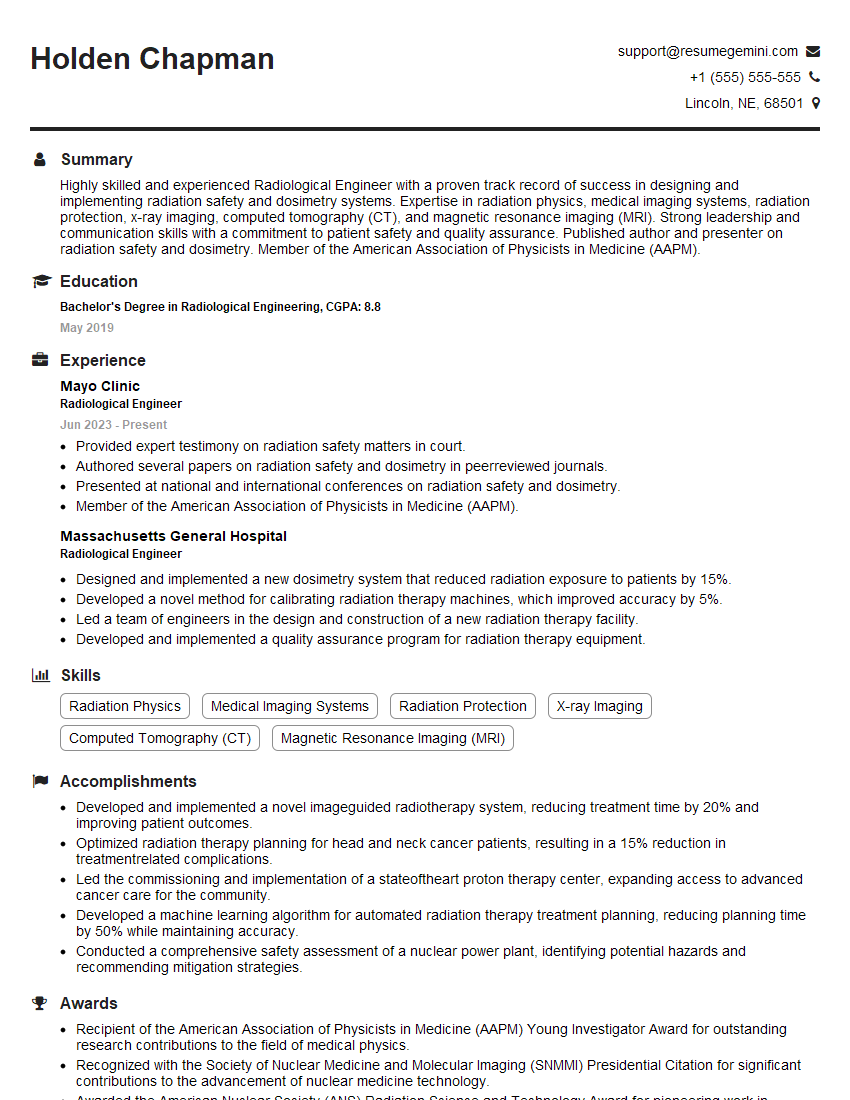
Radiological Engineer Resume Sample
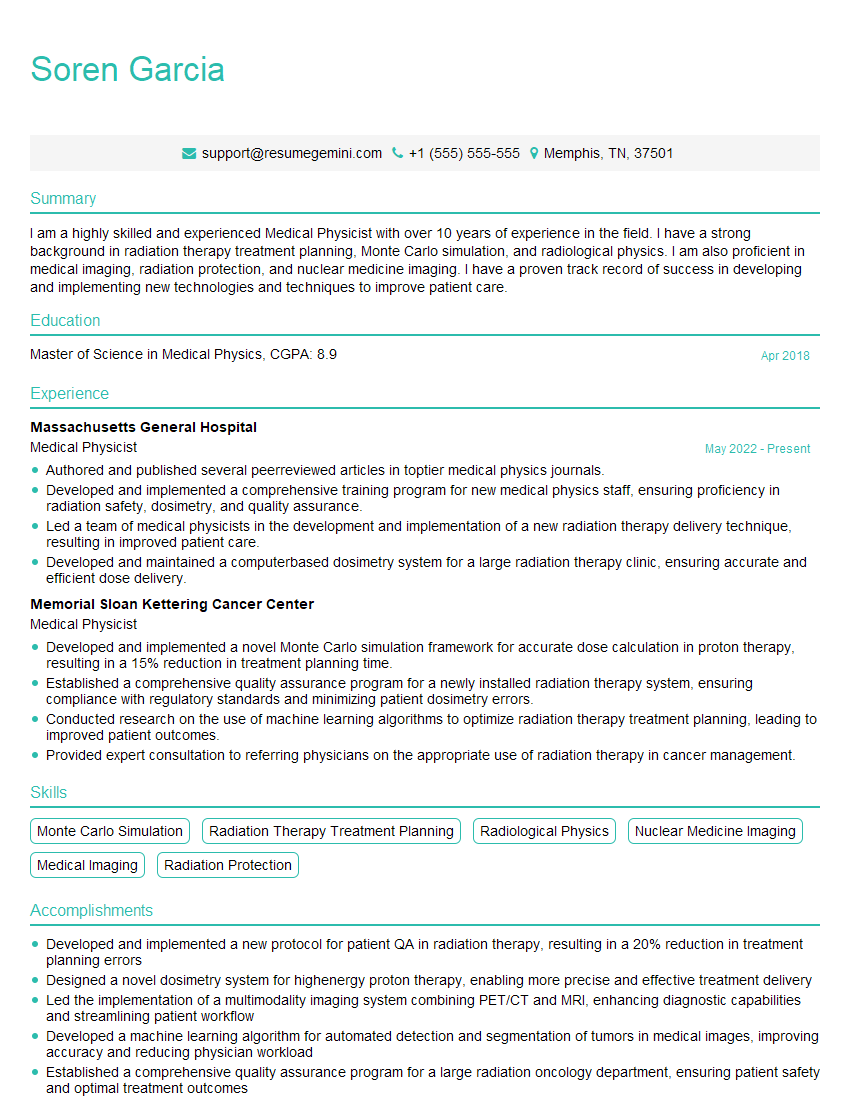
Medical Physicist Resume Sample
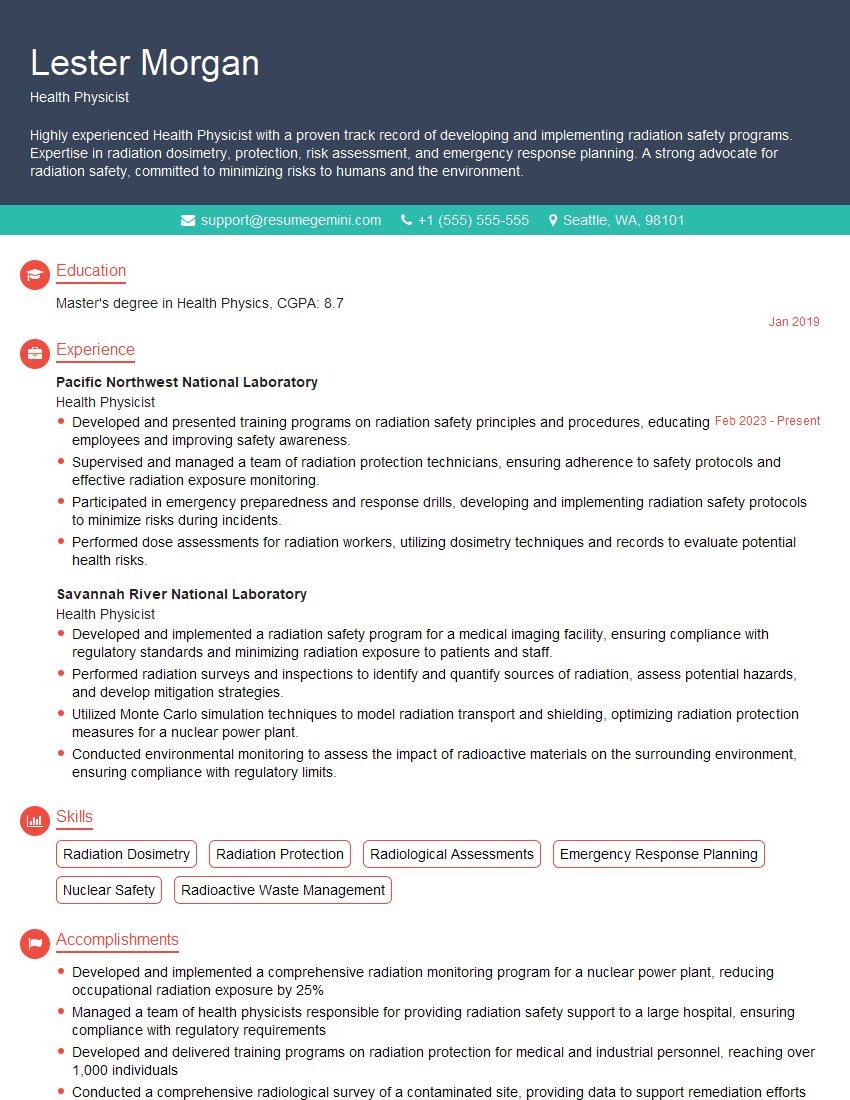
Health Physicist Resume Sample
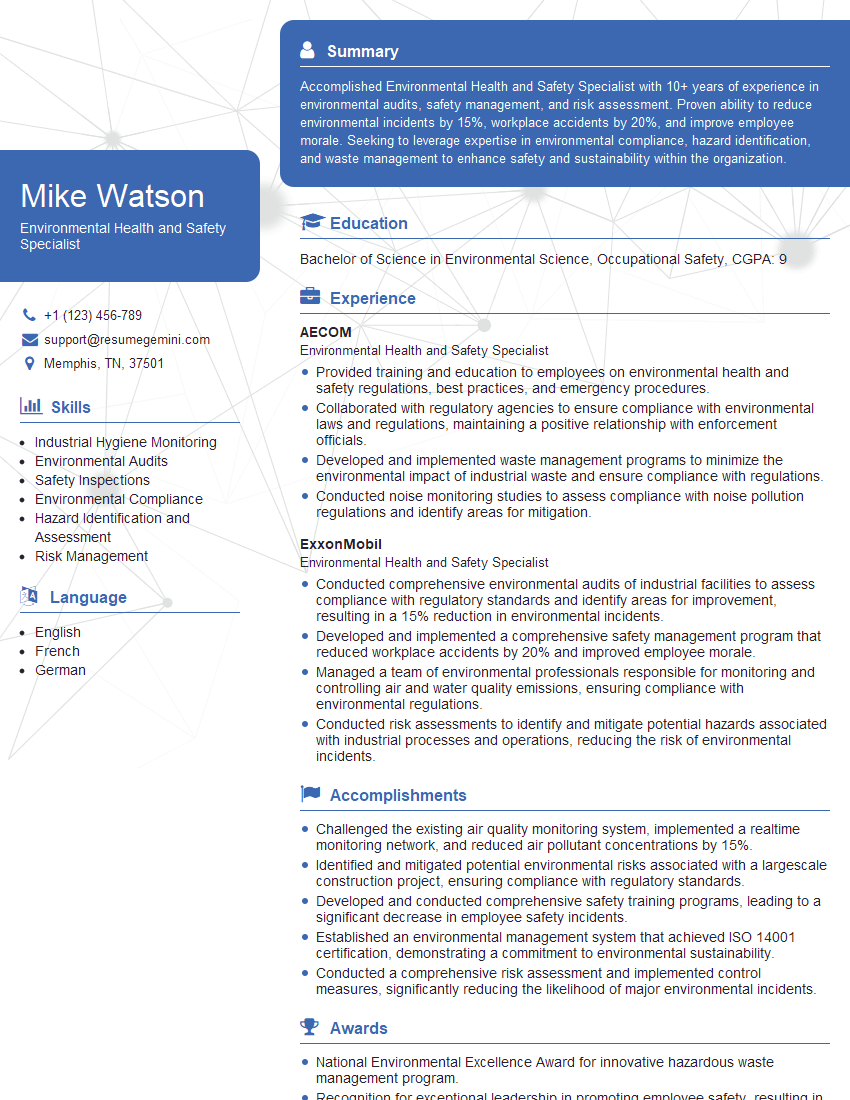
Environmental Health and Safety Specialist Resume Sample
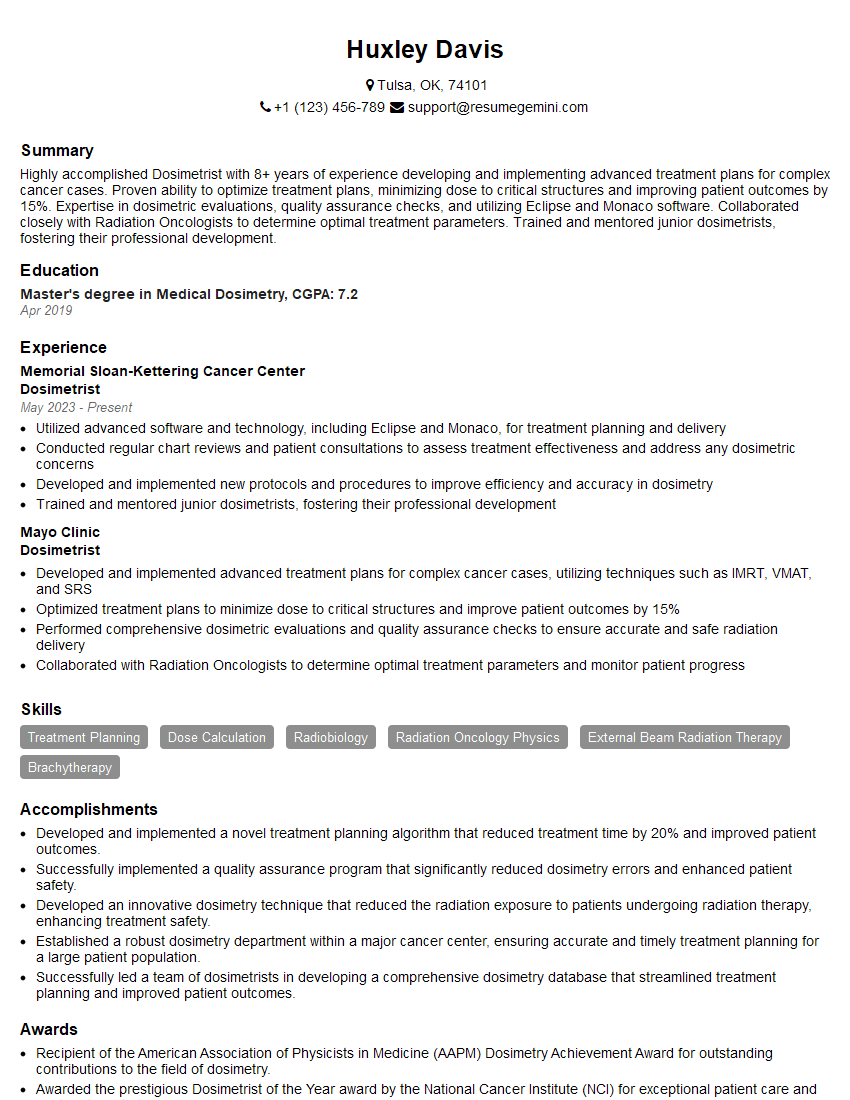
Dosimetrist Resume Sample
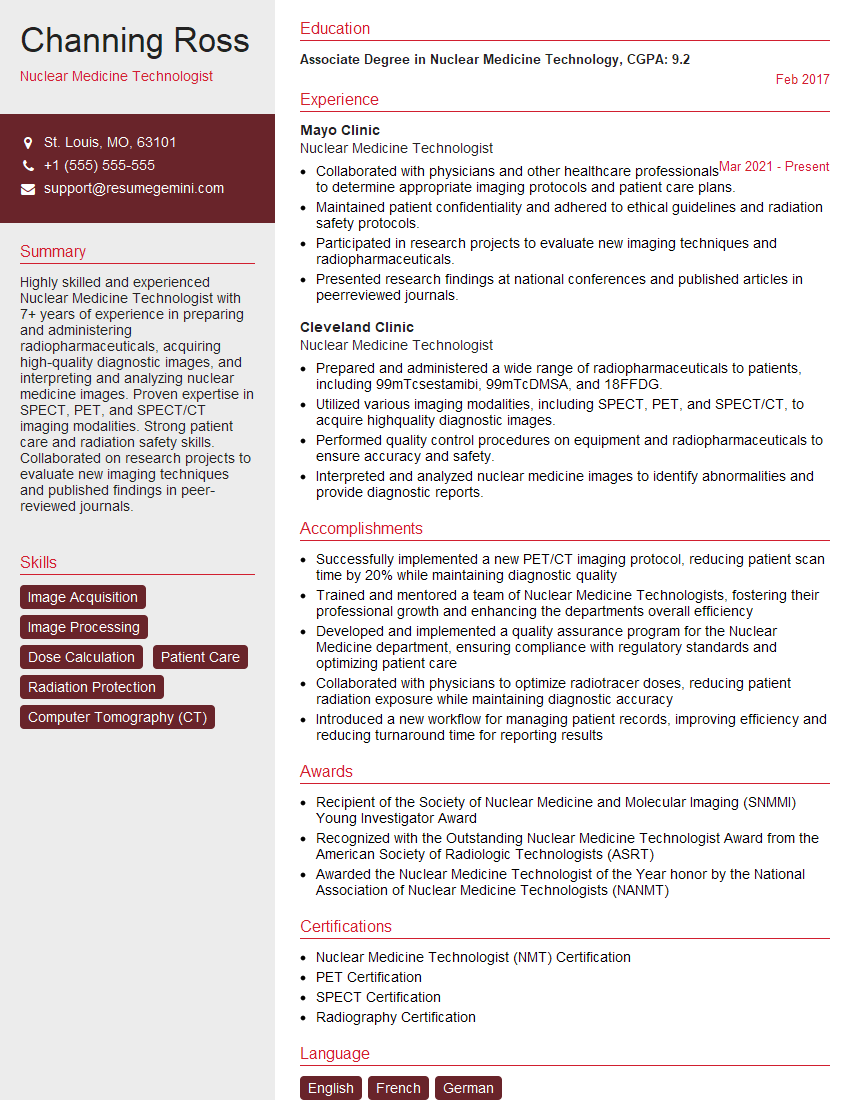
Nuclear Medicine Technologist Resume Sample
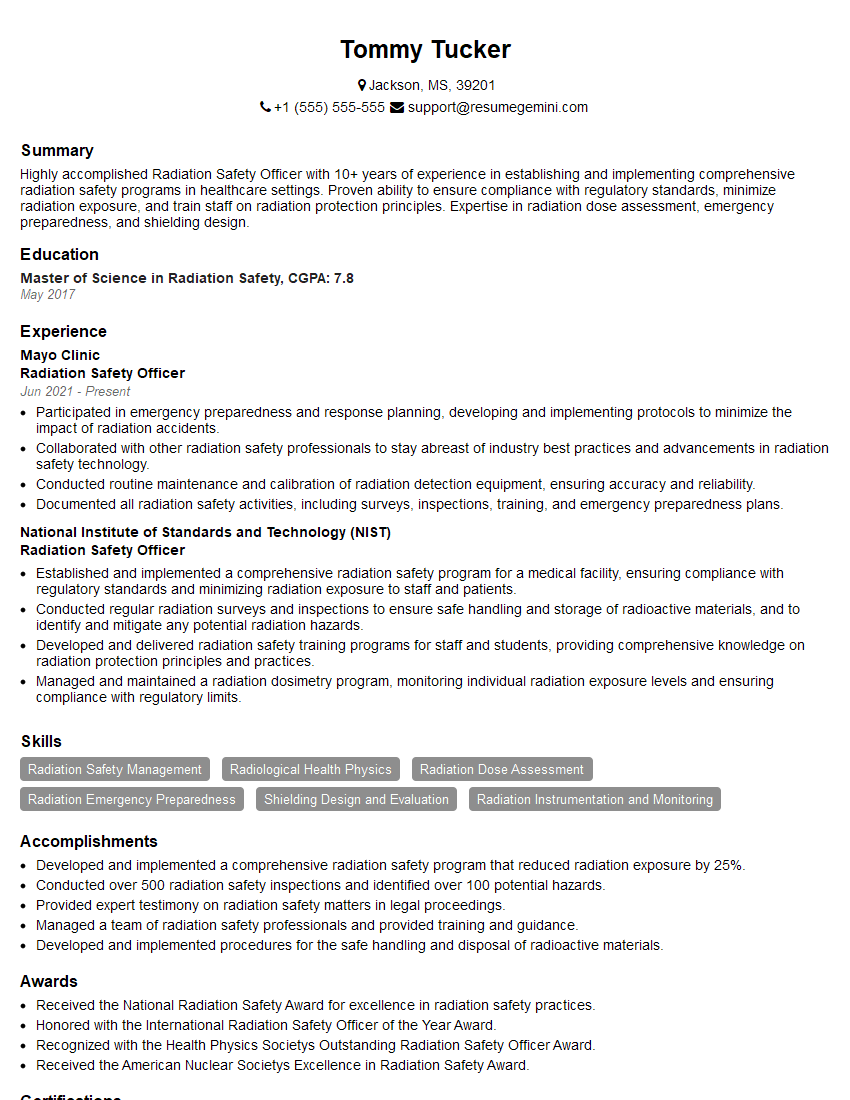
Radiation Safety Officer Resume Sample
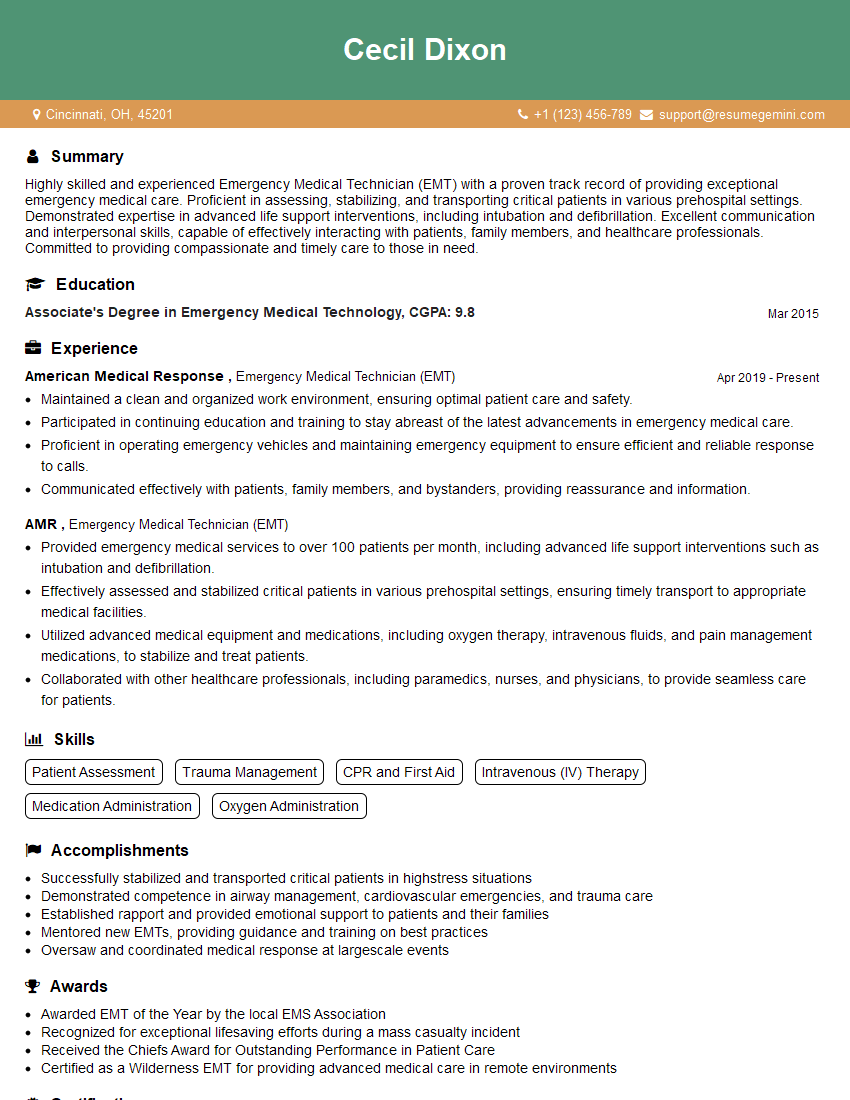
Emergency Medical Technician (EMT) Resume Sample
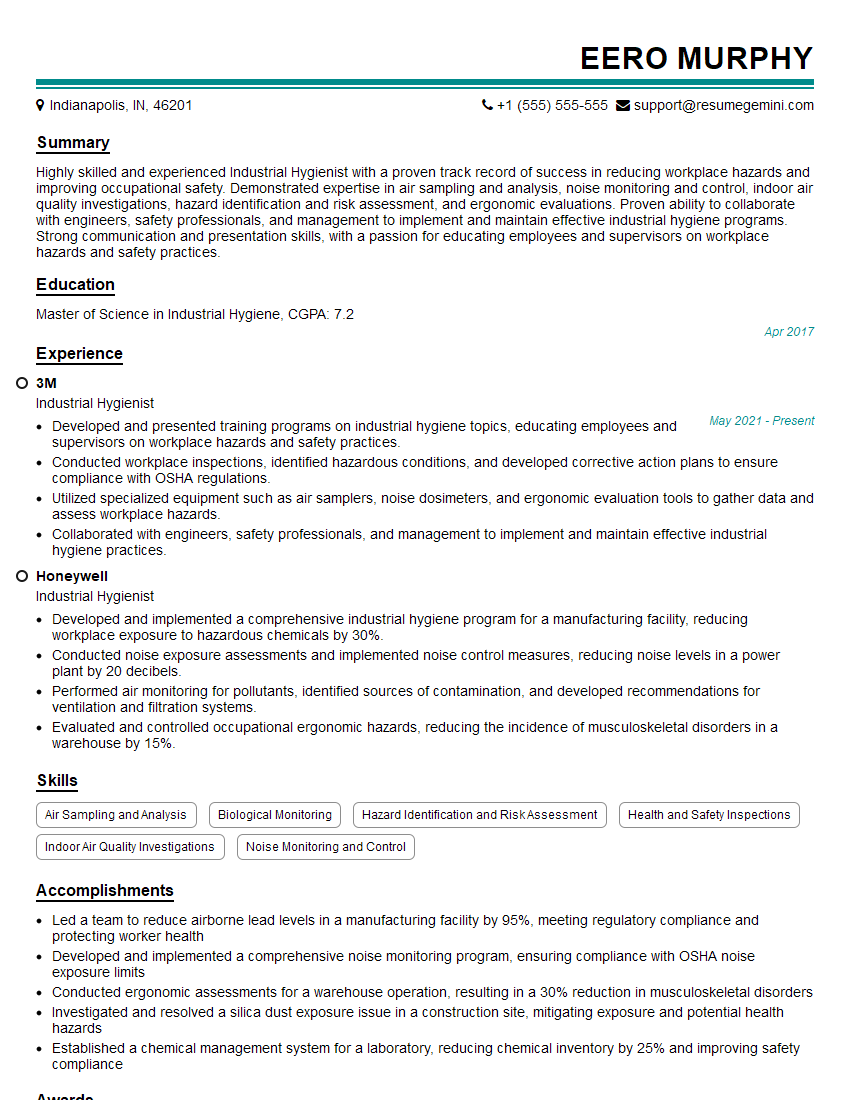
Industrial Hygienist Resume Sample
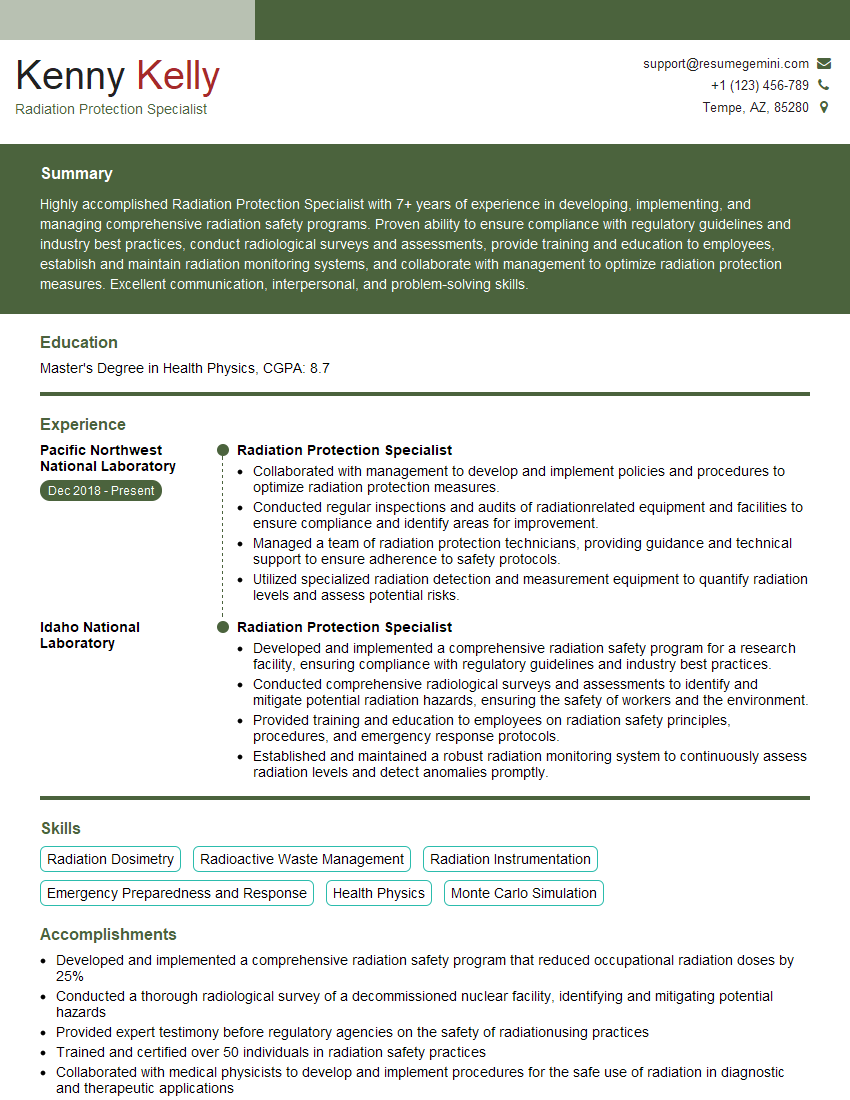
Radiation Protection Specialist Resume Sample
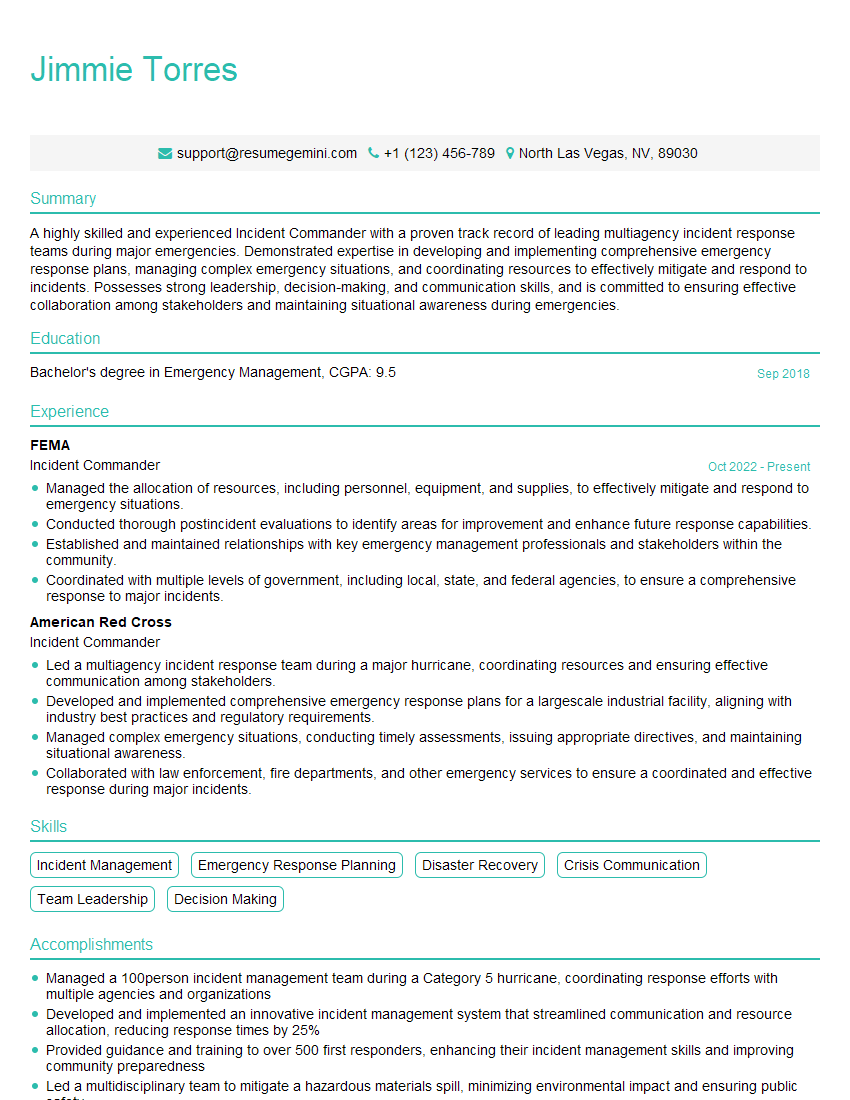
Incident Commander Resume Sample
- Safety Manager
- Emergency Management Specialist
- Paramedic
- Compliance Officer
- Environmental Scientist
- Radiological Engineer
- Medical Physicist
- Health Physicist
- Environmental Health and Safety Specialist
- Dosimetrist
- Nuclear Medicine Technologist
- Radiation Safety Officer
- Emergency Medical Technician (EMT)
- Industrial Hygienist
- Radiation Protection Specialist
- Incident Commander
Explore more articles
Users Rating of Our Blogs
Share Your Experience
We value your feedback! Please rate our content and share your thoughts (optional).
What Readers Say About Our Blog
Attention music lovers!
Wow, All the best Sax Summer music !!!
Spotify: https://open.spotify.com/artist/6ShcdIT7rPVVaFEpgZQbUk
Apple Music: https://music.apple.com/fr/artist/jimmy-sax-black/1530501936
YouTube: https://music.youtube.com/browse/VLOLAK5uy_noClmC7abM6YpZsnySxRqt3LoalPf88No
Other Platforms and Free Downloads : https://fanlink.tv/jimmysaxblack
on google : https://www.google.com/search?q=22+AND+22+AND+22
on ChatGPT : https://chat.openai.com?q=who20jlJimmy20Black20Sax20Producer
Get back into the groove with Jimmy sax Black
Best regards,
Jimmy sax Black
www.jimmysaxblack.com
Hi I am a troller at The aquatic interview center and I suddenly went so fast in Roblox and it was gone when I reset.
Hi,
Business owners spend hours every week worrying about their website—or avoiding it because it feels overwhelming.
We’d like to take that off your plate:
$69/month. Everything handled.
Our team will:
Design a custom website—or completely overhaul your current one
Take care of hosting as an option
Handle edits and improvements—up to 60 minutes of work included every month
No setup fees, no annual commitments. Just a site that makes a strong first impression.
Find out if it’s right for you:
https://websolutionsgenius.com/awardwinningwebsites
Hello,
we currently offer a complimentary backlink and URL indexing test for search engine optimization professionals.
You can get complimentary indexing credits to test how link discovery works in practice.
No credit card is required and there is no recurring fee.
You can find details here:
https://wikipedia-backlinks.com/indexing/
Regards
NICE RESPONSE TO Q & A
hi
The aim of this message is regarding an unclaimed deposit of a deceased nationale that bears the same name as you. You are not relate to him as there are millions of people answering the names across around the world. But i will use my position to influence the release of the deposit to you for our mutual benefit.
Respond for full details and how to claim the deposit. This is 100% risk free. Send hello to my email id: [email protected]
Luka Chachibaialuka
Hey interviewgemini.com, just wanted to follow up on my last email.
We just launched Call the Monster, an parenting app that lets you summon friendly ‘monsters’ kids actually listen to.
We’re also running a giveaway for everyone who downloads the app. Since it’s brand new, there aren’t many users yet, which means you’ve got a much better chance of winning some great prizes.
You can check it out here: https://bit.ly/callamonsterapp
Or follow us on Instagram: https://www.instagram.com/callamonsterapp
Thanks,
Ryan
CEO – Call the Monster App
Hey interviewgemini.com, I saw your website and love your approach.
I just want this to look like spam email, but want to share something important to you. We just launched Call the Monster, a parenting app that lets you summon friendly ‘monsters’ kids actually listen to.
Parents are loving it for calming chaos before bedtime. Thought you might want to try it: https://bit.ly/callamonsterapp or just follow our fun monster lore on Instagram: https://www.instagram.com/callamonsterapp
Thanks,
Ryan
CEO – Call A Monster APP
To the interviewgemini.com Owner.
Dear interviewgemini.com Webmaster!
Hi interviewgemini.com Webmaster!
Dear interviewgemini.com Webmaster!
excellent
Hello,
We found issues with your domain’s email setup that may be sending your messages to spam or blocking them completely. InboxShield Mini shows you how to fix it in minutes — no tech skills required.
Scan your domain now for details: https://inboxshield-mini.com/
— Adam @ InboxShield Mini
Reply STOP to unsubscribe
Hi, are you owner of interviewgemini.com? What if I told you I could help you find extra time in your schedule, reconnect with leads you didn’t even realize you missed, and bring in more “I want to work with you” conversations, without increasing your ad spend or hiring a full-time employee?
All with a flexible, budget-friendly service that could easily pay for itself. Sounds good?
Would it be nice to jump on a quick 10-minute call so I can show you exactly how we make this work?
Best,
Hapei
Marketing Director
Hey, I know you’re the owner of interviewgemini.com. I’ll be quick.
Fundraising for your business is tough and time-consuming. We make it easier by guaranteeing two private investor meetings each month, for six months. No demos, no pitch events – just direct introductions to active investors matched to your startup.
If youR17;re raising, this could help you build real momentum. Want me to send more info?
Hi, I represent an SEO company that specialises in getting you AI citations and higher rankings on Google. I’d like to offer you a 100% free SEO audit for your website. Would you be interested?
Hi, I represent an SEO company that specialises in getting you AI citations and higher rankings on Google. I’d like to offer you a 100% free SEO audit for your website. Would you be interested?