Interviews are opportunities to demonstrate your expertise, and this guide is here to help you shine. Explore the essential Refining Operations interview questions that employers frequently ask, paired with strategies for crafting responses that set you apart from the competition.
Questions Asked in Refining Operations Interview
Q 1. Describe the different types of crude oil and their impact on refining processes.
Crude oil is a complex mixture of hydrocarbons, varying significantly in composition depending on its source. These variations directly impact refinery processes. We categorize crude oils based on several factors, primarily API gravity (measuring density) and sulfur content.
- Light, Sweet Crude: High API gravity (above 31.1°), low sulfur content. These are easier to refine, yielding more high-value products like gasoline. Think of it like a high-quality, easily-processed ingredient.
- Medium Crude: Moderate API gravity and sulfur content. Refining requires more complex processes to optimize product yields.
- Heavy, Sour Crude: Low API gravity (below 22°), high sulfur content. Refining these crudes is challenging and often requires specialized units (like hydrocrackers) to reduce sulfur and improve product quality. It’s like working with a tougher ingredient that needs extra processing to be useful.
- Extra-Heavy Crude: Extremely viscous and requires significant pre-processing before entering the refinery, often involving processes like dilution with lighter hydrocarbons or thermal cracking.
The impact on refining is substantial: heavier, sour crudes necessitate more energy, specialized catalysts, and processing steps to meet product specifications and environmental regulations. This directly influences operating costs, refinery configuration, and the final product slate.
Q 2. Explain the process of fractional distillation in a refinery.
Fractional distillation is a fundamental process in refining, separating crude oil into various fractions based on their boiling points. Imagine it like separating a mixed bag of candies – each candy melts (boils) at a different temperature.
The process begins by preheating the crude oil to around 370°C (700°F) in a furnace. This heated crude then enters the bottom of a tall distillation column, known as a fractionating column. The column is equipped with numerous trays or packing, creating a large surface area for efficient vapor-liquid contact.
As the hot vapors rise, they cool progressively. Each fraction condenses at its specific boiling point, collected at different levels on the column. Lighter fractions like gasoline condense higher up, whereas heavier fractions like fuel oil condense lower down. The specific temperatures and pressures dictate the composition of each fraction.
These fractions then undergo further processing in other refinery units to meet market demands. For instance, the naphtha fraction is further processed in catalytic reforming to produce high-octane gasoline components.
Q 3. What are the key performance indicators (KPIs) used to monitor refinery operations?
Refinery operations are monitored closely using a range of KPIs, focusing on safety, efficiency, and profitability. Key metrics include:
- Yields: Percentage of desired products (gasoline, diesel, etc.) obtained from a given amount of crude oil. Higher yields indicate better efficiency.
- Operating Costs: Energy consumption, labor costs, maintenance expenses, and raw material costs are crucial for profitability.
- Process Uptime: Percentage of time a unit operates smoothly without shutdowns or disruptions. Maximizing uptime is vital for productivity.
- Safety Incidents: Number of accidents, near misses, and environmental releases. A strong safety record is paramount.
- Environmental Compliance: Adherence to emission standards for pollutants like sulfur oxides and nitrogen oxides. Strict regulatory compliance is non-negotiable.
- Throughput: The amount of crude oil processed per day. This indicates the refinery’s processing capacity and efficiency.
- Energy Efficiency: The ratio of energy consumed to product output. Minimizing energy consumption is both environmentally responsible and economically beneficial.
Regular monitoring and analysis of these KPIs provide crucial insights into operational performance and allow for prompt identification of areas for improvement.
Q 4. Describe your experience with refinery process safety management systems.
Throughout my career, I’ve been deeply involved in implementing and managing Process Safety Management (PSM) systems in refineries. This involved a multi-faceted approach, including:
- Hazard Identification and Risk Assessment: Conducting thorough hazard studies using techniques such as HAZOP (Hazard and Operability Study) and LOPA (Layer of Protection Analysis) to identify potential hazards and quantify associated risks.
- Safe Operating Procedures: Developing and implementing detailed safe operating procedures (SOPs) for every critical process, ensuring that personnel have clear guidance on safe working practices. This includes regular training and drills.
- Emergency Response Planning: Establishing comprehensive emergency response plans to mitigate the consequences of accidents, including the development of detailed emergency response procedures and the regular conduct of emergency response drills.
- Mechanical Integrity: Implementing rigorous inspection and maintenance programs for critical equipment to ensure that it operates within safe parameters and prevent failures. This also includes preventative maintenance schedules and thorough record-keeping.
- Management of Change (MOC): Implementing a robust MOC process to ensure that any changes to processes, equipment, or procedures are properly reviewed and assessed for potential safety impacts before implementation.
My experience encompasses working with various PSM standards (e.g., OSHA PSM, API RP 750) to ensure compliance and continuous improvement in process safety.
Q 5. How do you manage and mitigate risks associated with refinery operations?
Managing and mitigating risks in refinery operations requires a proactive, multi-layered approach. This involves:
- Hazard Identification and Risk Assessment: Employing techniques like HAZOP, PHA (Process Hazard Analysis), and What-If analysis to proactively identify potential hazards and their associated risks.
- Engineering Controls: Implementing safety systems such as interlocks, alarms, and emergency shutdown systems to prevent or mitigate hazards.
- Administrative Controls: Establishing robust operating procedures, training programs, and maintenance schedules to minimize human error and equipment failures. Regular safety meetings and audits are also crucial.
- Personal Protective Equipment (PPE): Ensuring that personnel have access to and use appropriate PPE to protect themselves from hazards. This goes hand-in-hand with safety training and compliance.
- Emergency Response Planning: Developing comprehensive emergency response plans, including procedures for handling various types of emergencies and conducting regular drills to ensure preparedness.
- Safety Culture: Fostering a strong safety culture through leadership commitment, employee involvement, and accountability. A culture of safety is crucial for proactive risk management.
The approach is iterative. We continuously monitor, evaluate, and refine our risk management strategies based on operational data, incident investigations, and industry best practices.
Q 6. Explain the principles of catalytic cracking and its importance in refining.
Catalytic cracking is a crucial refining process that breaks down large, heavier hydrocarbon molecules (like long-chain alkanes) into smaller, more valuable molecules, primarily gasoline and other lighter products. Think of it as breaking down a large, complex puzzle into smaller, more usable pieces.
The process involves passing the heavier hydrocarbon feedstock (e.g., gas oil) over a hot catalyst, typically a zeolite-containing material. The catalyst provides active sites that facilitate the breaking of carbon-carbon bonds, leading to the formation of smaller molecules.
There are two main types of catalytic cracking: fluid catalytic cracking (FCC) and hydrocracking. FCC is a continuous process where the catalyst is finely powdered and fluidized, allowing for excellent contact between the catalyst and the hydrocarbon feedstock. Hydrocracking involves using hydrogen in addition to a catalyst, leading to increased production of higher-quality products with reduced sulfur content.
The importance of catalytic cracking stems from its ability to convert low-value heavy oils into high-demand gasoline and other valuable products, maximizing refinery profitability and meeting market demands. It’s an essential process to meet global demand for gasoline and other transportation fuels.
Q 7. What are the environmental regulations impacting refinery operations?
Refineries face a stringent set of environmental regulations impacting various aspects of their operations. These regulations aim to minimize the environmental impact of refining activities and protect air and water quality.
- Air Emission Standards: Strict limits are imposed on emissions of pollutants like sulfur oxides (SOx), nitrogen oxides (NOx), particulate matter (PM), volatile organic compounds (VOCs), and greenhouse gases (GHGs). This necessitates sophisticated emission control technologies.
- Water Discharge Regulations: Refineries must comply with stringent limits on the discharge of wastewater, controlling parameters such as oil and grease content, pH, and various chemical constituents. Water treatment plants are often a necessary component.
- Waste Management Regulations: Regulations dictate the safe handling, treatment, and disposal of various refinery wastes, including spent catalysts, hazardous materials, and solid wastes. This involves specialized waste management systems and careful record-keeping.
- Spill Prevention, Control, and Countermeasures (SPCC): Regulations require refineries to implement SPCC plans to prevent and respond to oil spills. This includes measures like secondary containment, emergency response systems, and regular inspections.
Non-compliance can lead to severe penalties, including fines, operational shutdowns, and reputational damage. Thus, refineries must invest heavily in pollution control technologies and robust environmental management systems to ensure compliance.
Q 8. How do you troubleshoot process upsets in a refinery?
Troubleshooting process upsets in a refinery requires a systematic approach combining immediate action with root cause analysis. Think of it like diagnosing a complex medical issue – you need to identify the symptoms, isolate the problem, and then implement a cure.
- Immediate Actions: The first step is to prioritize safety. Secure the affected area, shut down non-essential equipment if necessary, and notify relevant personnel. Then, we analyze process parameters like temperature, pressure, flow rates, and compositions using control system data and field instruments to pinpoint the immediate problem. For instance, a sudden drop in pressure might indicate a leak or a blockage, while an unexpected temperature spike could signify a reaction runaway.
- Root Cause Analysis: Once the immediate issue is stabilized, a thorough investigation is conducted. Techniques such as fault tree analysis and fishbone diagrams help identify the underlying causes. Let’s say we find a leak. The root cause might be corrosion, equipment failure, or a faulty valve. We’d use historical data, maintenance records, and potentially advanced analytics to confirm this.
- Corrective Actions & Preventative Measures: Based on the root cause, appropriate corrective actions are taken – repairing the leak, replacing a faulty component, or adjusting operating parameters. Crucially, we also implement preventative measures to avoid future occurrences, such as improved inspection procedures, equipment upgrades, or operator training.
For example, in one instance, we experienced a process upset in the catalytic cracking unit due to a sudden surge in feedstock. Through systematic analysis, we discovered a faulty level transmitter causing incorrect feed control. Replacing the transmitter, recalibrating sensors, and implementing a more robust control strategy prevented this from recurring.
Q 9. Describe your experience with refinery maintenance planning and scheduling.
Refinery maintenance planning and scheduling is a complex undertaking involving multiple disciplines and resources. It’s about ensuring efficient and safe operation while minimizing downtime and costs. Think of it as a well-orchestrated symphony, with different sections (maintenance crews, operations, procurement) working in harmony.
- Planning: This involves developing a comprehensive maintenance plan based on equipment criticality, regulatory requirements, and historical data. We use various software tools to create detailed schedules, taking into account equipment downtime, resource availability, and potential constraints. For example, we might prioritize preventive maintenance on critical equipment, such as reactors, to prevent major breakdowns.
- Scheduling: This phase optimizes maintenance tasks considering factors like crew availability, spare parts inventory, and planned production shutdowns. We often utilize advanced scheduling techniques to minimize downtime and resource conflicts. For instance, we may schedule multiple maintenance tasks simultaneously to leverage crew efficiency during a planned shutdown.
- Execution & Monitoring: Once the schedule is finalized, we closely monitor progress against the plan, addressing any unexpected delays or issues promptly. Post-maintenance checks ensure everything is functioning correctly before returning to full operations.
In my previous role, I was instrumental in implementing a computerized maintenance management system (CMMS) that significantly improved our maintenance planning and scheduling efficiency. This resulted in a noticeable reduction in unplanned downtime and improved overall plant reliability.
Q 10. What is your understanding of refinery optimization techniques?
Refinery optimization techniques aim to maximize profitability and efficiency while minimizing environmental impact. It’s about squeezing the most value out of every barrel of crude oil. We use various techniques, combining advanced analytics and operational expertise.
- Linear Programming: This mathematical technique helps optimize the refinery’s processing units to produce the most profitable blend of products given the available feedstock and market demands. Think of it as finding the best recipe using available ingredients to maximize profit.
- Advanced Process Control (APC): APC utilizes real-time data and advanced algorithms to optimize process parameters, ensuring stable operations and improved product quality. For instance, APC can dynamically adjust process variables to maintain optimal operating conditions, improving yields and reducing energy consumption.
- Machine Learning (ML): ML algorithms can analyze large datasets to predict equipment failures, optimize maintenance schedules, and improve process efficiency. For example, ML models can predict the remaining useful life of critical equipment, allowing for proactive maintenance and avoiding unplanned shutdowns.
In a specific project, I used linear programming to optimize the production of gasoline and diesel, resulting in a 5% increase in overall refinery profitability. This involved adjusting the operating parameters of different processing units to meet the market demand while minimizing waste.
Q 11. Explain the importance of quality control in a refinery.
Quality control in a refinery is paramount, ensuring products meet strict specifications and regulatory requirements. It’s about safeguarding the reputation of the refinery and ensuring the safety of consumers. This involves rigorous testing and analysis throughout the refining process.
- In-process Quality Monitoring: Continuous monitoring of process parameters and frequent sampling provide immediate feedback on product quality. This allows operators to adjust process variables to maintain quality within acceptable limits.
- Laboratory Analysis: Sophisticated laboratory tests verify the final product quality before it’s dispatched. This includes tests for various physical and chemical properties, ensuring compliance with industry standards and customer specifications.
- Quality Control Systems: Formal quality control systems are in place to document procedures, manage quality data, and ensure traceability. These systems help to identify and address any quality issues effectively.
For example, we routinely check the octane rating of gasoline to ensure it meets regulatory standards and customer expectations. Any deviation triggers an investigation and corrective actions to maintain consistent quality.
Q 12. How do you ensure compliance with safety regulations in a refinery environment?
Ensuring compliance with safety regulations in a refinery is an absolute priority. It’s not just about meeting minimum standards but fostering a safety-conscious culture. We approach safety with a multi-layered strategy.
- Process Safety Management (PSM): We implement rigorous PSM programs, encompassing hazard identification, risk assessment, operating procedures, emergency response plans, and employee training. This ensures that all processes are designed and operated safely.
- Safety Training: Employees receive comprehensive training on safety procedures, hazard recognition, and emergency response. Regular safety drills and refresher courses are conducted to ensure preparedness.
- Compliance Audits: We conduct regular internal and external audits to assess compliance with all relevant safety regulations. This involves reviewing safety documentation, inspecting facilities, and verifying adherence to procedures.
- Incident Reporting & Investigation: A robust system is in place for reporting, investigating, and analyzing all safety incidents. This helps identify root causes and implement corrective actions to prevent future occurrences.
We treat every safety incident seriously. One instance involved a minor equipment malfunction. Though seemingly insignificant, a thorough investigation revealed a weakness in our maintenance procedures. This led to improved preventative maintenance schedules and further reduced the risk of similar incidents.
Q 13. Describe your experience with refinery automation and control systems.
Refinery automation and control systems are essential for efficient and safe operations. They provide real-time monitoring and control of complex processes, optimizing performance and ensuring consistent product quality. Think of it as the nervous system of the refinery.
- Distributed Control Systems (DCS): These systems monitor and control critical process parameters, providing a centralized platform for managing and optimizing the entire refinery. This involves thousands of sensors and actuators linked to sophisticated software.
- Supervisory Control and Data Acquisition (SCADA): SCADA systems provide high-level overview and monitoring of the refinery, including process status, equipment performance, and alarm management. It allows operators to oversee the entire operation efficiently.
- Safety Instrumented Systems (SIS): These systems provide crucial safety functions, automatically shutting down operations in case of emergencies or hazardous conditions. They are critical for preventing accidents.
My experience includes working with various DCS and SCADA systems, including Honeywell and Emerson platforms. I’ve participated in projects involving system upgrades, troubleshooting, and process optimization using advanced control strategies. For instance, I implemented an advanced control algorithm to improve the stability of a critical distillation column, reducing energy consumption and improving product quality.
Q 14. How do you handle emergency situations in a refinery?
Handling emergency situations in a refinery requires a well-defined emergency response plan and a team of well-trained personnel. It’s all about swift, decisive action to minimize risks and mitigate damage.
- Emergency Response Plan: A comprehensive emergency response plan is crucial, outlining procedures for various scenarios, such as fires, spills, equipment failures, and medical emergencies. Regular drills ensure the plan is effective.
- Emergency Response Team: A dedicated emergency response team is trained to handle specific emergencies. This team includes fire-fighting personnel, medical professionals, and process engineers.
- Communication & Coordination: Effective communication is vital during emergencies. Clear communication channels ensure all personnel are informed and coordinated during response activities.
- Post-Incident Analysis: After an emergency, a thorough investigation is conducted to identify the causes, evaluate the response, and implement improvements to prevent similar events in the future.
In a previous incident involving a small fire, our well-rehearsed emergency response plan was crucial. The team responded promptly, containing the fire swiftly and minimizing damage. A post-incident review led to improved fire prevention measures and enhanced training programs.
Q 15. Explain your understanding of the different refinery products and their specifications.
Refineries process crude oil into a variety of valuable products. The specifications for each product are rigorously defined and vary based on intended use. Let’s look at some key examples:
- Gasoline: Characterized by octane rating (representing resistance to knocking), vapor pressure (affecting volatility and starting in cold weather), and sulfur content (environmental regulations). Higher octane gasolines are used in high-performance engines. Different grades (like regular, mid-grade, and premium) reflect varying octane levels.
- Diesel Fuel: Defined by cetane number (similar to octane for gasoline, but for ignition quality), sulfur content (again, crucial for emissions), cloud point (temperature at which wax begins to crystallize), and viscosity (flow characteristics).
- Jet Fuel: Must meet stringent specifications regarding freezing point, energy density, and flash point (temperature at which it ignites). Safety is paramount here.
- Heating Oil: Primarily defined by its sulfur content and viscosity, reflecting its intended use and the efficiency of home heating systems.
- Liquefied Petroleum Gas (LPG): Primarily propane and butane, with specifications focusing on purity and vapor pressure.
- Petrochemicals: These are the building blocks for plastics, fertilizers, and other products. Specifications are highly varied and depend on the specific petrochemical (e.g., ethylene, propylene, benzene).
These specifications are critical not only for product quality but also for regulatory compliance. Failing to meet these standards can lead to significant penalties and reputational damage.
Career Expert Tips:
- Ace those interviews! Prepare effectively by reviewing the Top 50 Most Common Interview Questions on ResumeGemini.
- Navigate your job search with confidence! Explore a wide range of Career Tips on ResumeGemini. Learn about common challenges and recommendations to overcome them.
- Craft the perfect resume! Master the Art of Resume Writing with ResumeGemini’s guide. Showcase your unique qualifications and achievements effectively.
- Don’t miss out on holiday savings! Build your dream resume with ResumeGemini’s ATS optimized templates.
Q 16. What are the key challenges faced in modern refinery operations?
Modern refinery operations face a confluence of challenges. Some key ones include:
- Meeting increasingly stringent environmental regulations: Reducing sulfur content in fuels and minimizing greenhouse gas emissions are constant priorities, often necessitating significant capital investments in new technologies and process modifications.
- Processing heavier and more complex crudes: The availability of lighter, sweeter crudes is declining, forcing refiners to handle heavier, more sulfur-rich crudes, which present processing challenges and require more sophisticated refining techniques.
- Fluctuating crude oil prices and product demand: Profitability is highly sensitive to these market forces, requiring refiners to be agile and adaptable in their operations and production strategies. This often involves optimizing yields and utilizing flexible processing units.
- Maintaining operational safety and reliability: Refineries are complex and hazardous environments. Ensuring safety and preventing equipment failures is crucial, requiring rigorous maintenance programs and sophisticated safety management systems.
- Integrating renewable energy sources and biofuels: The shift towards a more sustainable energy future is forcing refiners to explore ways of integrating biofuels and other renewable sources into their operations. This involves adapting existing infrastructure and exploring new technologies.
Successfully navigating these challenges requires a combination of technical expertise, strategic planning, and robust risk management.
Q 17. Describe your experience with process simulation software used in refining.
I have extensive experience using process simulation software, primarily Aspen Plus and Hysys. These tools are invaluable for optimizing refinery operations. For example, I’ve used Aspen Plus to model the performance of a fluid catalytic cracking (FCC) unit, exploring different operating parameters to maximize gasoline yield and minimize coke formation. This involved inputting detailed thermodynamic data, reactor kinetics, and process flow diagrams. The simulations allowed us to identify optimal operating conditions, predict potential bottlenecks, and assess the impact of process modifications before implementation, minimizing risk and maximizing efficiency. Similarly, Hysys was used for detailed heat and mass balance calculations for entire refinery units and for evaluating the feasibility of new process integration strategies.
Beyond simulations, these platforms facilitate the design of new units, allowing for detailed evaluation of equipment sizing and performance before committing to costly capital investments. The ability to perform ‘what-if’ analysis is extremely valuable in decision-making and risk mitigation. Furthermore, these simulations aid in training and educating personnel on the intricacies of refinery processes.
Q 18. How do you manage and improve energy efficiency in a refinery?
Improving energy efficiency in a refinery is crucial for both economic and environmental reasons. Strategies include:
- Heat integration: Using waste heat from one process to preheat feedstock or generate steam for another. This significantly reduces the overall energy consumption. A prime example is utilizing heat exchangers to recover energy from hot process streams.
- Process optimization: Fine-tuning operating parameters to minimize energy consumption while maintaining product quality. Process simulation software plays a crucial role here.
- Improved insulation: Reducing heat loss from pipes and vessels minimizes energy requirements for heating and cooling. Regular inspection and maintenance are key for effectiveness.
- Efficient equipment selection: Choosing energy-efficient pumps, compressors, and other equipment during plant design or upgrades can dramatically improve long-term energy performance.
- Implementing advanced control systems: Advanced process control (APC) algorithms can dynamically adjust operating parameters to minimize energy usage while maximizing efficiency. This technology is becoming increasingly sophisticated.
- Waste heat recovery systems: Implementing systems to recover energy from waste streams (such as flue gases) to generate steam or electricity.
Regular energy audits, combined with data analysis, are essential for identifying opportunities for improvement and tracking progress.
Q 19. What are the different types of refinery reactors and their applications?
Refineries utilize various types of reactors, each suited for specific processes:
- Fluid Catalytic Cracking (FCC) Unit: A fluidized bed reactor that cracks large hydrocarbon molecules into smaller, more valuable ones like gasoline. This is a crucial unit for maximizing gasoline yield from heavier crude fractions.
- Distillation Columns (Fractionators): These separate crude oil into different fractions based on boiling points. While not strictly reactors in the chemical sense, they are vital processing units.
- Hydrocrackers: Use hydrogen to break down larger hydrocarbon molecules and remove sulfur. They produce cleaner fuels with higher yields of valuable products.
- Alkylation Units: Combine small olefins (like butylene) with isobutane to produce high-octane alkylates, which are critical components of gasoline.
- Isomerization Units: Rearrange the molecular structure of hydrocarbons to increase their octane rating, improving gasoline quality.
The choice of reactor depends on the specific process requirements and desired product specifications. The design and operation of each reactor must be optimized for efficiency and safety.
Q 20. Explain your understanding of the different types of refinery catalysts and their functions.
Catalysts are essential in many refinery processes, accelerating reaction rates and improving product selectivity. Types include:
- Fluid Catalytic Cracking (FCC) Catalysts: These are zeolite-based catalysts with varying compositions to optimize gasoline yield and minimize coke formation. Their performance degrades over time, necessitating regular regeneration.
- Hydrotreating Catalysts: These typically contain metals like nickel, molybdenum, and cobalt supported on alumina. They remove sulfur, nitrogen, and other impurities from various refinery streams, improving product quality and meeting environmental regulations.
- Isomerization Catalysts: These catalysts, often containing platinum or other noble metals, facilitate the rearrangement of hydrocarbon molecules to increase octane rating.
- Alkylation Catalysts: Solid acid catalysts, often based on hydrofluoric acid or sulfuric acid, are used in alkylation units to combine olefins and isobutane, producing high-octane gasoline components.
Catalyst selection is critical. The choice depends on the specific process, desired product quality, and operating conditions. Catalyst performance is carefully monitored and managed to optimize refinery operations.
Q 21. How do you handle unplanned downtime in a refinery?
Unplanned downtime in a refinery can be extremely costly, so a robust strategy is essential. My approach involves:
- Rapid Assessment and Root Cause Analysis: Immediately identify the problem and its root cause using available data and on-site investigation. This often involves engaging specialized maintenance teams and potentially external experts.
- Emergency Response Plan Execution: Activating pre-defined emergency response procedures to ensure safety and minimize further damage. This could involve shutting down affected units, deploying emergency equipment, and ensuring personnel safety.
- Damage Control and Repair Strategies: Implementing quick repairs to restore the unit to operational status as soon as possible. This often involves prioritizing critical repairs over less urgent ones.
- Production Optimization Around the Downtime: Adjusting the rest of the refinery’s operations to mitigate the impact of the downtime on overall production. This might involve optimizing yields from other units or temporarily altering product slate.
- Post-Incident Review and Preventative Measures: A thorough review of the incident to understand the causes and identify preventive measures to reduce the likelihood of similar future events. This often includes modifications to equipment, operator training, and procedural changes.
Effective communication and collaboration between operations, maintenance, and engineering teams are vital throughout this process.
Q 22. Describe your experience with refinery instrumentation and control systems.
My experience with refinery instrumentation and control systems spans over 15 years, encompassing various roles from process engineer to operations manager. I’m proficient in a wide range of technologies, including Distributed Control Systems (DCS) like Emerson DeltaV and Honeywell Experion, Programmable Logic Controllers (PLCs) such as Siemens S7 and Rockwell Automation PLCs, and advanced process control (APC) software. I’ve been involved in the design, commissioning, and troubleshooting of these systems in various refinery units, including crude distillation, fluid catalytic cracking (FCC), and hydroprocessing. For example, during the commissioning of a new FCC unit, I played a key role in integrating the DCS with the online analyzers, ensuring real-time data acquisition and closed-loop control of key process parameters. This involved configuring alarm thresholds, implementing safety interlocks, and verifying control loop performance. I’m also experienced in working with safety instrumented systems (SIS) ensuring plant safety is always paramount.
Further, I possess a strong understanding of field instrumentation, including flow meters, level transmitters, pressure gauges, and temperature sensors. I can troubleshoot issues related to instrument calibration, signal integrity, and data acquisition. I understand the importance of proper instrument selection and placement for optimal process control and data accuracy. My experience extends to using digital twins, allowing for simulation and optimization before implementation in the real plant, significantly reducing commissioning time and risks.
Q 23. What is your experience with process control strategies like PID control?
PID control is the cornerstone of many refinery process control loops. It’s a feedback control strategy that uses proportional, integral, and derivative terms to minimize the error between a setpoint (desired value) and a measured process variable. Think of it like a thermostat: the proportional term adjusts the heating/cooling based on the current temperature difference, the integral term addresses any persistent offset, and the derivative term anticipates future changes based on the rate of temperature change.
My experience includes tuning PID controllers for various refinery processes, optimizing controller parameters to achieve stability, minimal overshoot, and fast response times. I’ve used various tuning methods, including Ziegler-Nichols and advanced auto-tuning techniques. For instance, during my work on a crude distillation unit, I optimized the reflux control loop using a combination of manual tuning and advanced auto-tuning software. This resulted in a significant improvement in product quality and yield. Beyond basic PID, I have experience with more advanced control strategies like model predictive control (MPC) which are utilized for complex, multivariable processes found in modern refineries. This ensures we can manage several process variables simultaneously to optimize yield and minimize waste.
Q 24. How do you ensure the accurate measurement of process parameters in a refinery?
Accurate measurement of process parameters is critical for efficient and safe refinery operations. We achieve this through a multi-layered approach.
- Regular Calibration and Verification: All instruments are calibrated regularly using traceable standards to ensure accuracy. Calibration schedules are carefully planned and documented according to industry best practices and regulatory requirements.
- Redundancy and Cross-Checking: Critical parameters are often measured by multiple instruments to provide redundancy and allow cross-checking of data. Discrepancies trigger investigations to identify and resolve the root cause.
- Proper Instrument Selection: The selection of instruments is crucial. We choose instruments with appropriate accuracy, range, and resistance to process conditions (temperature, pressure, corrosiveness). For example, in high-temperature applications, we use specialized thermocouples.
- Data Validation and Reconciliation: Advanced data reconciliation techniques are employed to detect and correct inconsistencies in measured data, ensuring overall mass and energy balances are maintained.
- Preventive Maintenance: A robust preventive maintenance program is implemented to minimize instrument failures and ensure consistent accuracy. This includes regular cleaning, inspection, and replacement of components.
For example, in a recent project, we implemented a new online analyzer for sulfur content measurement. To ensure accuracy, we conducted extensive validation testing against laboratory methods and compared data from multiple analyzers. This significantly improved the accuracy of our sulfur content monitoring, leading to better product quality control.
Q 25. Explain your understanding of the different types of refinery storage tanks and their safety features.
Refineries utilize various storage tanks, each designed for specific products and safety considerations. Common types include:
- Atmospheric Storage Tanks: These are open-roof tanks used for storing relatively low-pressure, low-vapor-pressure products. Safety features include overfill prevention systems, flame arresters, and lightning protection.
- Pressure Storage Tanks: These tanks are designed to handle higher pressures and are used for storing volatile products like propane or butane. They have pressure relief valves, rupture disks, and pressure monitoring systems to prevent over-pressurization.
- Floating-Roof Tanks: These tanks are designed to minimize vapor emissions. A floating roof moves up and down with the liquid level, reducing the vapor space above the liquid. Safety features include seals, emergency vents, and level sensors.
Safety features are paramount. All tanks undergo regular inspections to identify and address potential issues such as corrosion, leaks, or structural damage. Emergency shutdown systems, fire protection systems, and secondary containment are essential safety measures to prevent spills and environmental damage. Furthermore, regular training for personnel on tank safety procedures and emergency response plans ensures that safety practices are always upheld.
Q 26. How do you manage waste disposal and environmental compliance in a refinery?
Managing waste disposal and environmental compliance in a refinery is crucial for both operational efficiency and environmental responsibility. Our approach is multifaceted:
- Waste Minimization: We strive to minimize waste generation through process optimization, improved efficiency, and recycling initiatives. This includes recovering valuable byproducts whenever possible.
- Waste Characterization and Treatment: All refinery waste is carefully characterized to determine its composition and hazards. Appropriate treatment methods, such as incineration, biological treatment, or chemical treatment, are employed to ensure safe and compliant disposal.
- Permitting and Compliance: We maintain all necessary environmental permits and comply with all applicable local, state, and federal regulations. Regular audits are conducted to ensure our operations remain compliant.
- Monitoring and Reporting: We continuously monitor air and water emissions, and soil conditions, and submit regular reports to regulatory agencies. This allows us to identify and address any potential environmental issues proactively.
- Emergency Response Plan: A detailed emergency response plan is in place to deal with any accidental spills or releases. This plan includes protocols for containment, cleanup, and notification of regulatory authorities.
For example, we recently implemented a new wastewater treatment system that significantly reduced our discharge of pollutants, enabling us to meet increasingly stringent environmental regulations and maintain sustainable operations.
Q 27. Describe your experience with root cause analysis techniques in refinery operations.
Root cause analysis (RCA) is a critical tool for identifying the underlying causes of incidents and preventing their recurrence. I’ve utilized several RCA methodologies, including:
- 5 Whys: A simple, yet effective technique to drill down to the root cause by repeatedly asking “why” until the fundamental issue is identified.
- Fishbone Diagram (Ishikawa Diagram): This visual tool helps to identify potential causes categorized by different factors (e.g., people, materials, methods, equipment).
- Fault Tree Analysis (FTA): A top-down approach that systematically analyzes potential failures to identify the root causes that could lead to an undesirable event.
In a recent incident involving a process upset, we used a combination of 5 Whys and a Fishbone diagram to identify the root cause as a faulty sensor leading to incorrect control actions. This analysis led to improved sensor maintenance procedures and replacement of older sensors with more reliable models, thereby preventing similar incidents.
Q 28. How do you use data analytics to improve refinery performance?
Data analytics is transforming refinery operations. We use it to:
- Improve Process Optimization: Analyzing historical process data helps to identify inefficiencies and optimize operating parameters to enhance yield, reduce energy consumption, and minimize waste. Machine learning algorithms can predict optimal operating conditions under varying circumstances.
- Predictive Maintenance: By analyzing sensor data and equipment performance history, we can predict potential equipment failures, allowing for proactive maintenance and preventing costly downtime.
- Enhanced Safety: Analyzing safety-related data, such as near misses and incidents, helps to identify safety trends and implement preventive measures. This reduces the likelihood of accidents and incidents.
- Improved Decision Making: Data analytics provides real-time insights into refinery performance, allowing for data-driven decision making across various aspects of operations, including production planning, inventory management, and maintenance scheduling.
For example, we used advanced analytics to model the relationship between operating parameters and product quality in our FCC unit. This model allowed for real-time adjustments of operating parameters, resulting in a consistent improvement in product quality and reduced off-spec production.
Key Topics to Learn for Refining Operations Interview
- Crude Oil Characterization: Understanding API gravity, sulfur content, and other key properties and their impact on refining processes.
- Unit Operations: Deep dive into distillation, cracking (fluid catalytic cracking, hydrocracking), alkylation, isomerization, and other key refining processes. Focus on understanding the chemical reactions, operating parameters, and potential bottlenecks.
- Process Control and Optimization: Explore techniques for maximizing yield, minimizing waste, and ensuring safe and efficient operation. Consider the role of instrumentation, automation, and data analysis.
- Safety and Environmental Regulations: Familiarize yourself with industry best practices, environmental regulations (e.g., emission control), and safety procedures relevant to refining operations. Be prepared to discuss incident prevention and response.
- Process Simulation and Modeling: Understanding the use of software tools for process optimization, troubleshooting, and design modifications. This shows your ability to approach problems analytically.
- Energy Efficiency and Sustainability: Demonstrate awareness of current trends in reducing environmental impact and optimizing energy consumption within refining processes.
- Troubleshooting and Problem-Solving: Be prepared to discuss approaches to diagnosing and resolving operational issues, emphasizing systematic troubleshooting methodologies.
- Economic Aspects of Refining: Understand the factors impacting profitability, such as crude oil prices, product demand, and operating costs.
Next Steps
Mastering Refining Operations opens doors to exciting career opportunities with significant growth potential in a vital industry. A strong understanding of these processes is crucial for securing a competitive edge in the job market. To maximize your chances, create an ATS-friendly resume that showcases your skills and experience effectively. ResumeGemini is a trusted resource that can help you build a professional and impactful resume. We provide examples of resumes tailored to Refining Operations to guide you in crafting your own compelling application. Take the next step towards your dream career today!
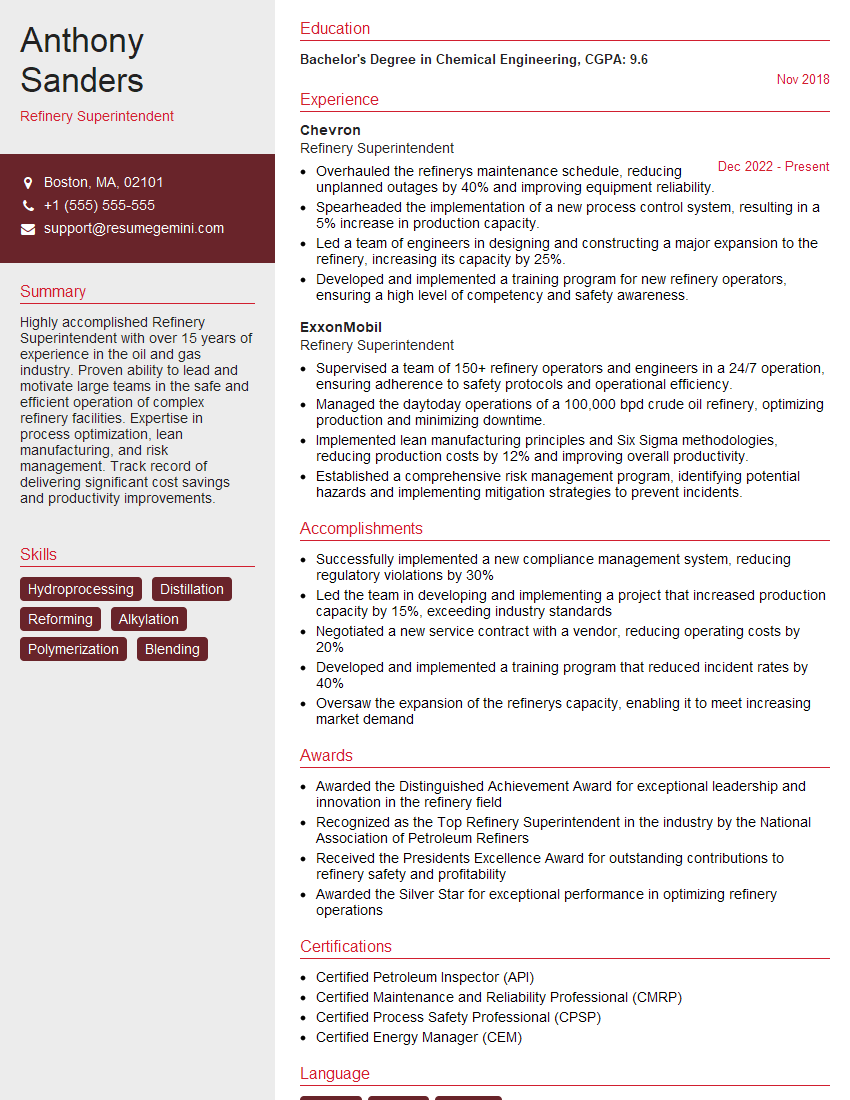
Refinery Superintendent Resume Sample
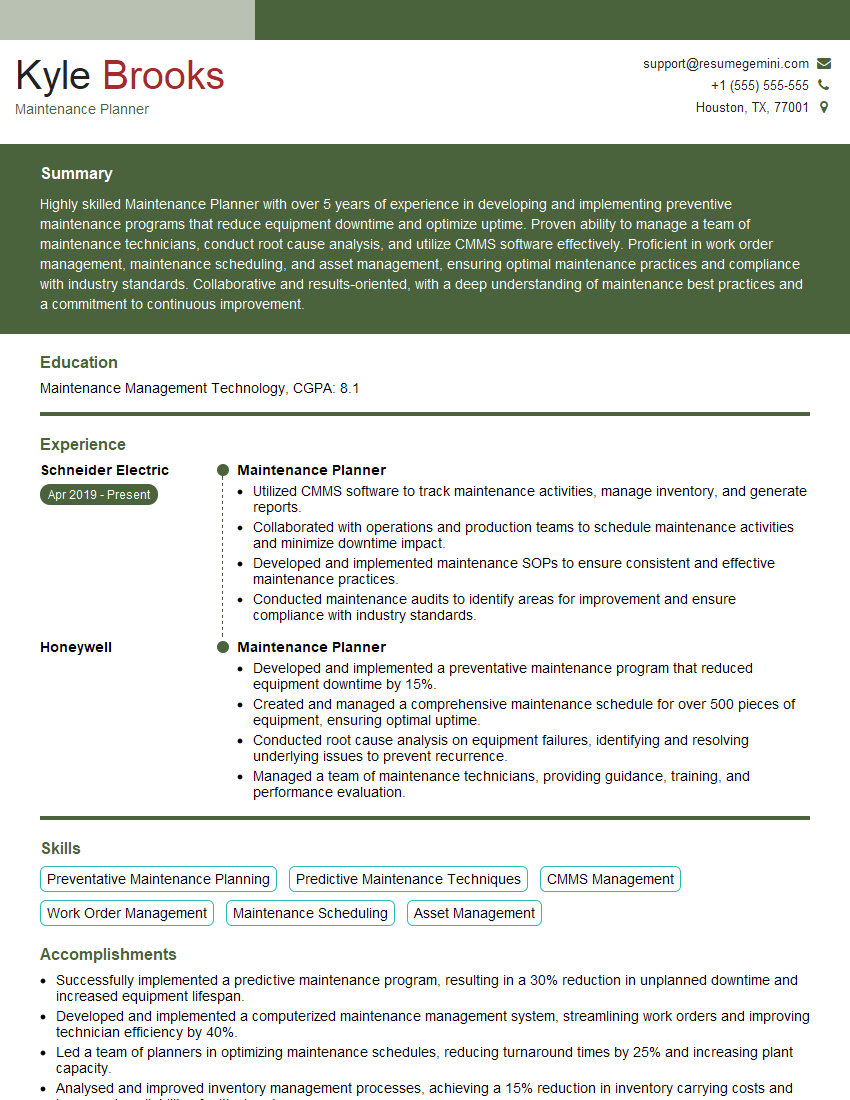
Maintenance Planner Resume Sample
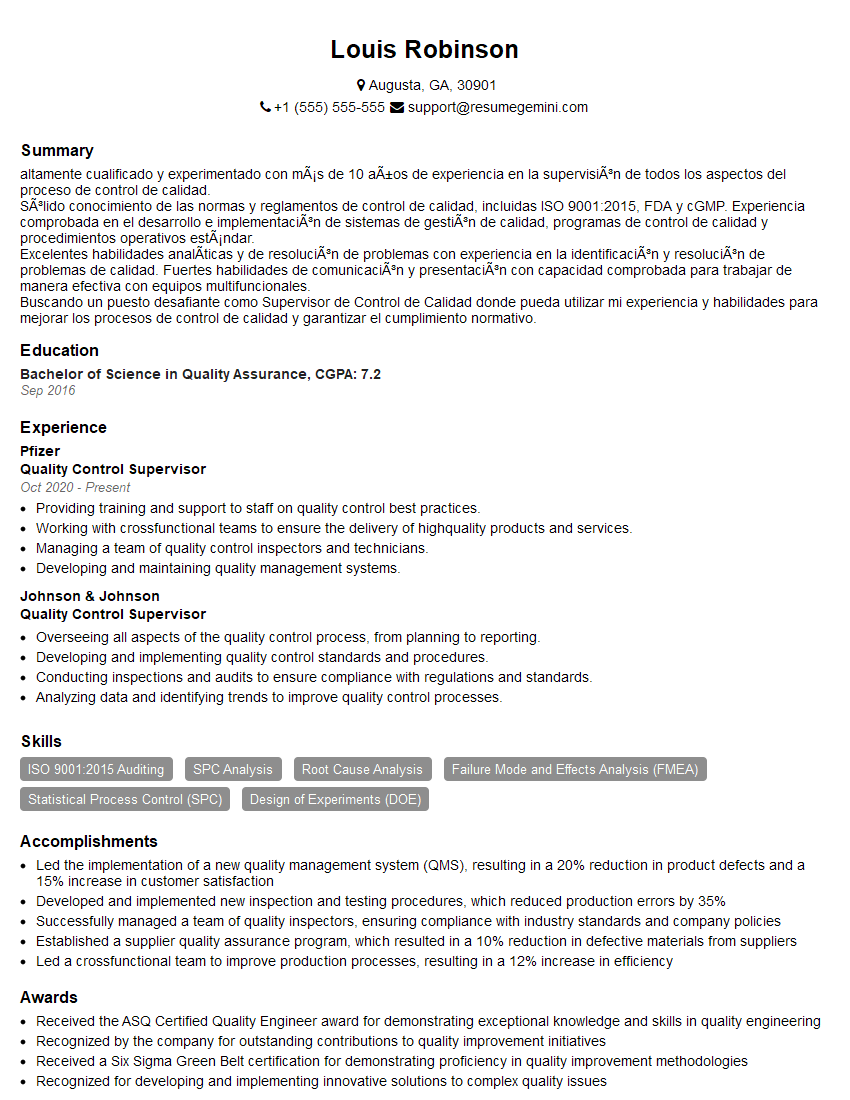
Quality Control Supervisor Resume Sample
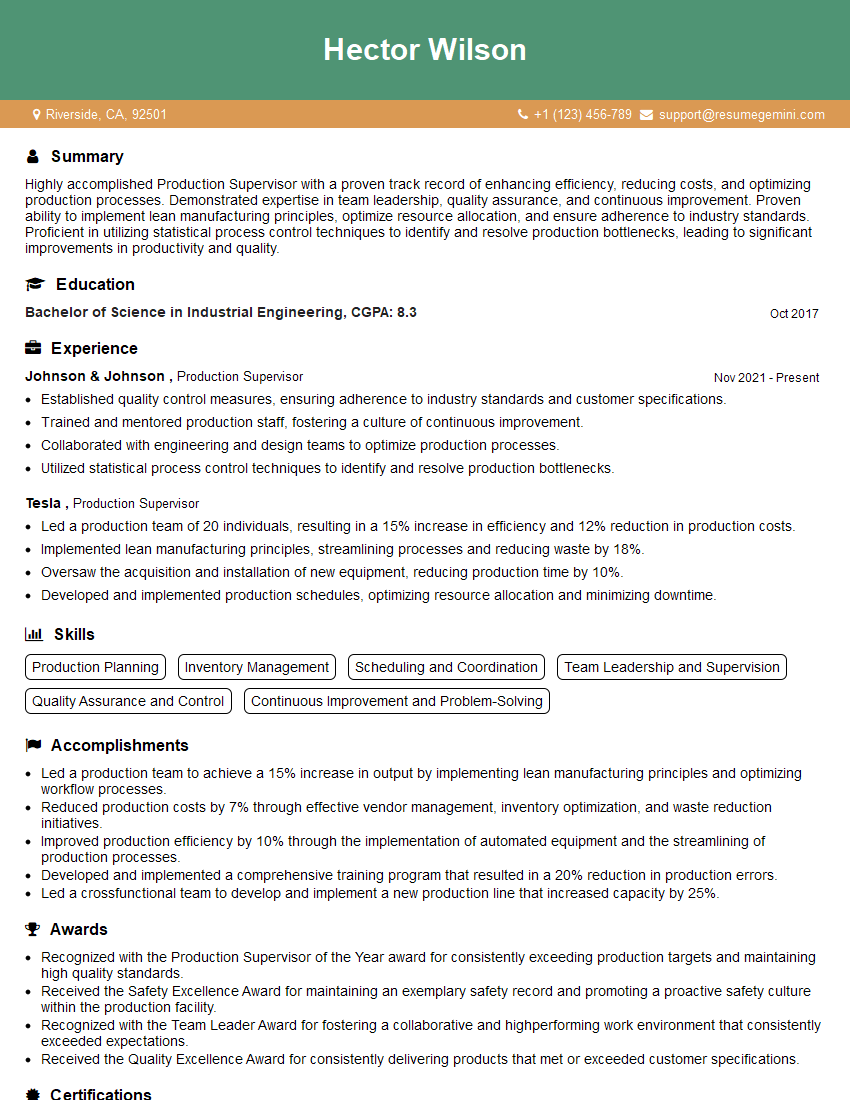
Production Supervisor Resume Sample
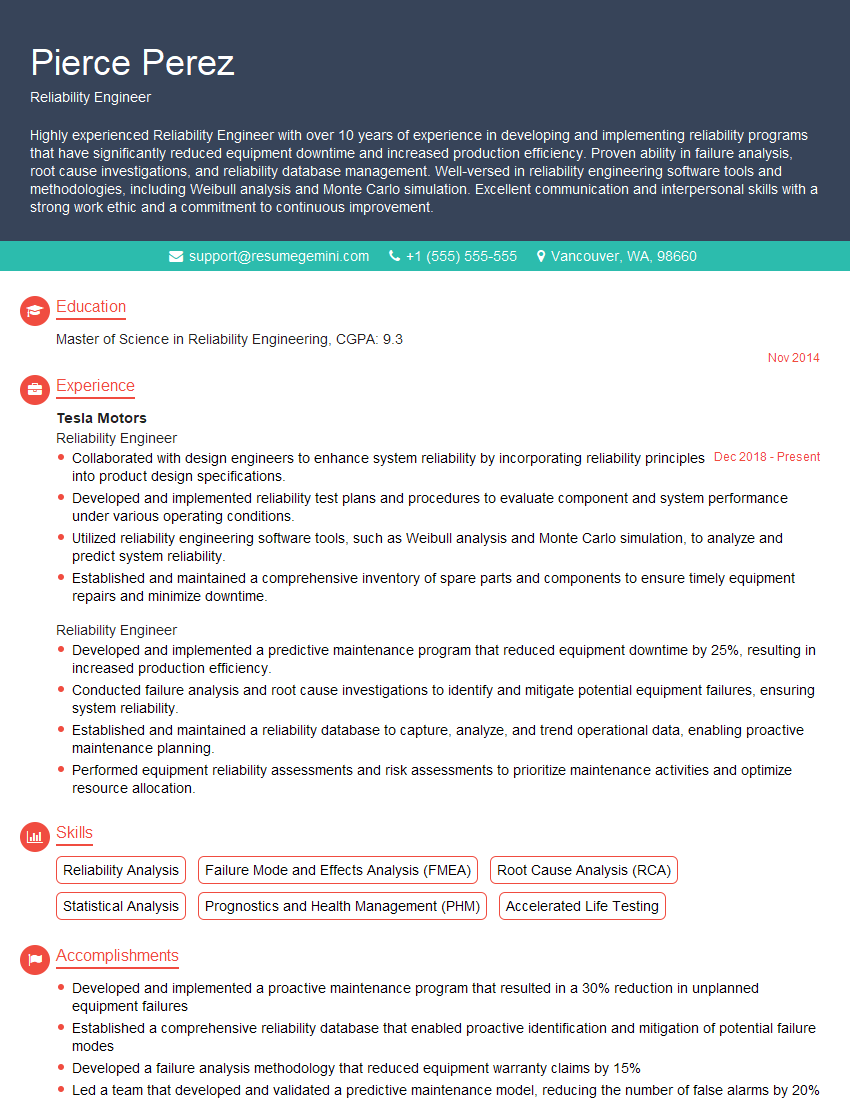
Reliability Engineer Resume Sample
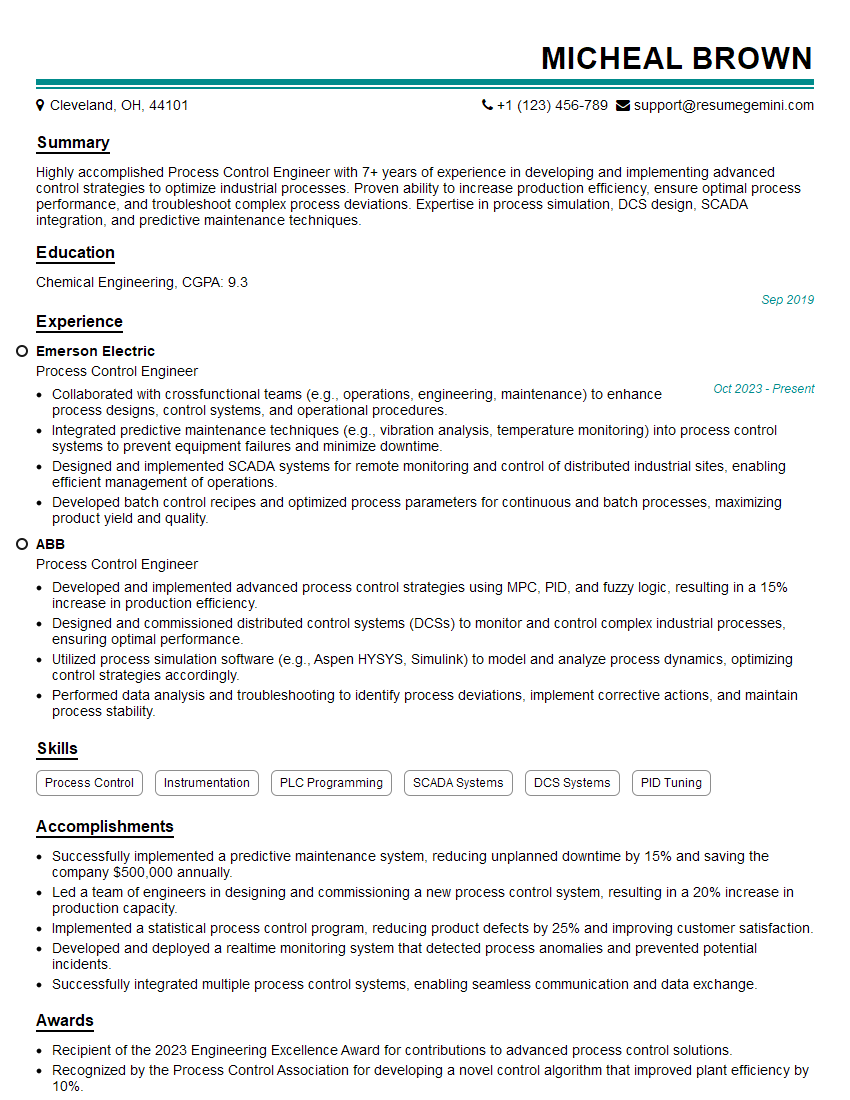
Process Control Engineer Resume Sample

Operations Technician Resume Sample
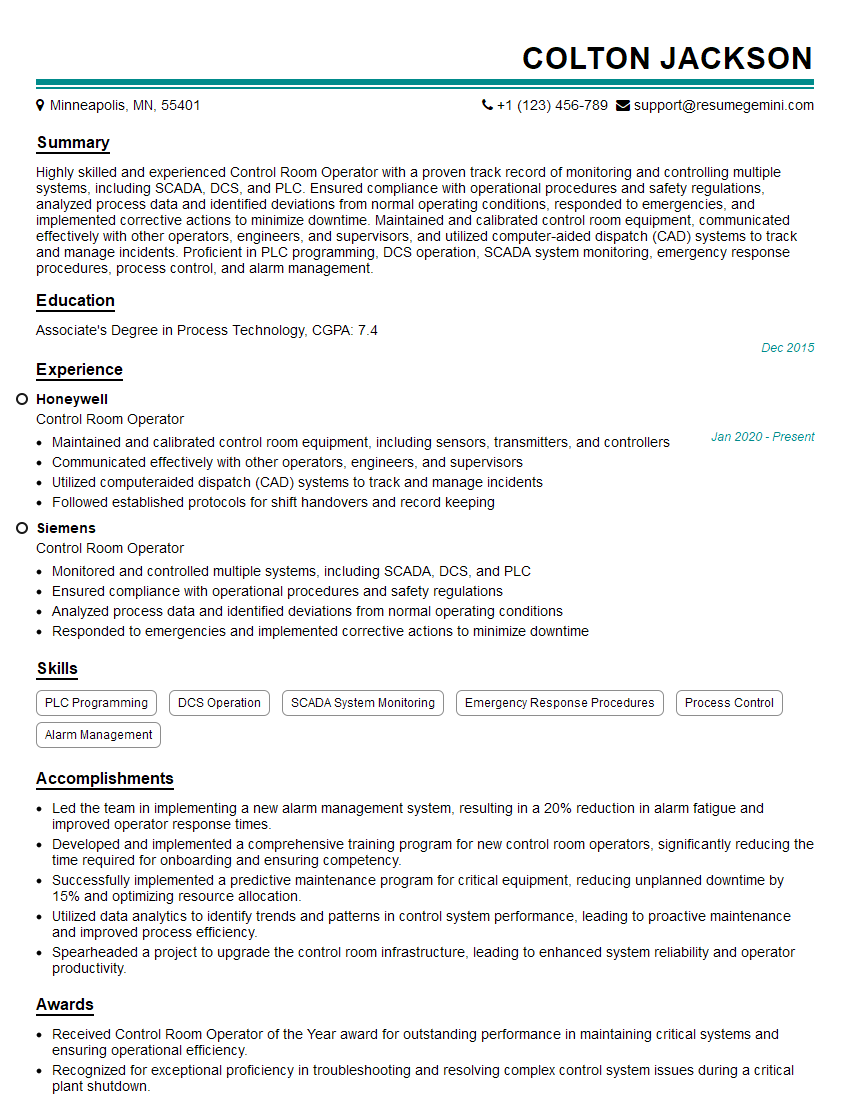
Control Room Operator Resume Sample
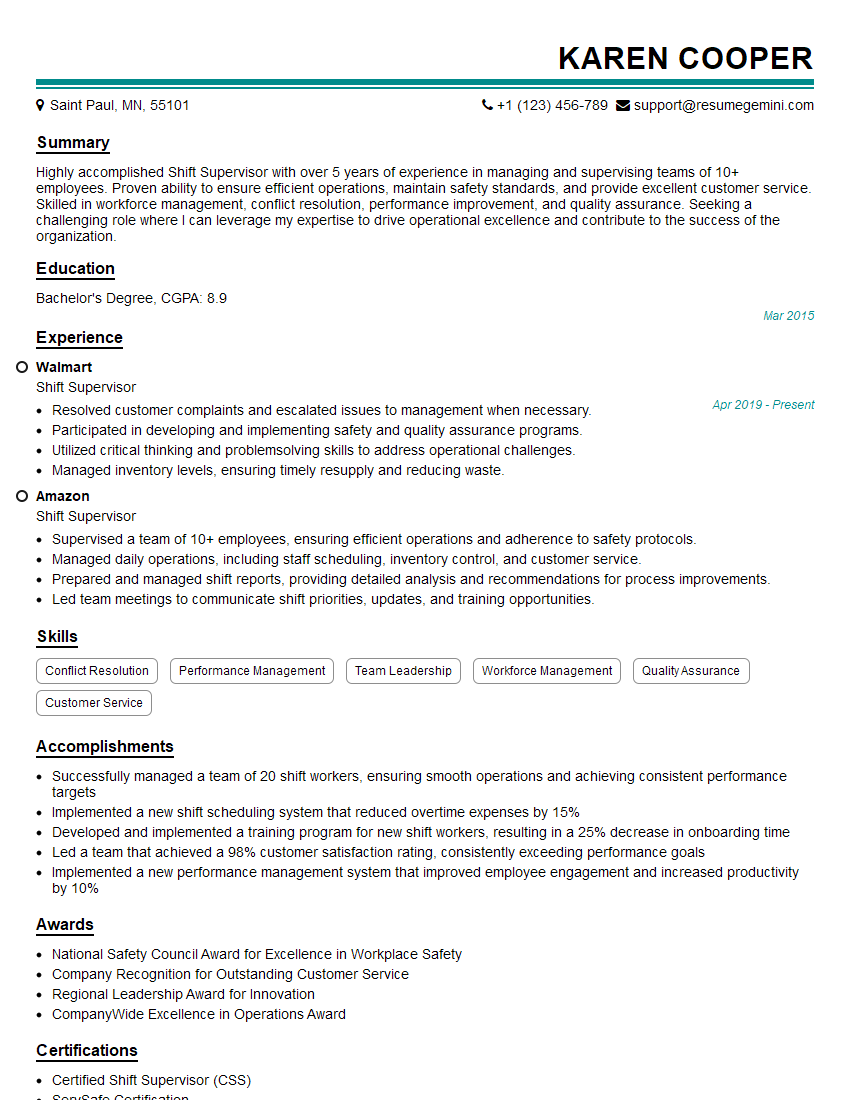
Shift Supervisor Resume Sample
Explore more articles
Users Rating of Our Blogs
Share Your Experience
We value your feedback! Please rate our content and share your thoughts (optional).
What Readers Say About Our Blog
Attention music lovers!
Wow, All the best Sax Summer music !!!
Spotify: https://open.spotify.com/artist/6ShcdIT7rPVVaFEpgZQbUk
Apple Music: https://music.apple.com/fr/artist/jimmy-sax-black/1530501936
YouTube: https://music.youtube.com/browse/VLOLAK5uy_noClmC7abM6YpZsnySxRqt3LoalPf88No
Other Platforms and Free Downloads : https://fanlink.tv/jimmysaxblack
on google : https://www.google.com/search?q=22+AND+22+AND+22
on ChatGPT : https://chat.openai.com?q=who20jlJimmy20Black20Sax20Producer
Get back into the groove with Jimmy sax Black
Best regards,
Jimmy sax Black
www.jimmysaxblack.com
Hi I am a troller at The aquatic interview center and I suddenly went so fast in Roblox and it was gone when I reset.
Hi,
Business owners spend hours every week worrying about their website—or avoiding it because it feels overwhelming.
We’d like to take that off your plate:
$69/month. Everything handled.
Our team will:
Design a custom website—or completely overhaul your current one
Take care of hosting as an option
Handle edits and improvements—up to 60 minutes of work included every month
No setup fees, no annual commitments. Just a site that makes a strong first impression.
Find out if it’s right for you:
https://websolutionsgenius.com/awardwinningwebsites
Hello,
we currently offer a complimentary backlink and URL indexing test for search engine optimization professionals.
You can get complimentary indexing credits to test how link discovery works in practice.
No credit card is required and there is no recurring fee.
You can find details here:
https://wikipedia-backlinks.com/indexing/
Regards
NICE RESPONSE TO Q & A
hi
The aim of this message is regarding an unclaimed deposit of a deceased nationale that bears the same name as you. You are not relate to him as there are millions of people answering the names across around the world. But i will use my position to influence the release of the deposit to you for our mutual benefit.
Respond for full details and how to claim the deposit. This is 100% risk free. Send hello to my email id: [email protected]
Luka Chachibaialuka
Hey interviewgemini.com, just wanted to follow up on my last email.
We just launched Call the Monster, an parenting app that lets you summon friendly ‘monsters’ kids actually listen to.
We’re also running a giveaway for everyone who downloads the app. Since it’s brand new, there aren’t many users yet, which means you’ve got a much better chance of winning some great prizes.
You can check it out here: https://bit.ly/callamonsterapp
Or follow us on Instagram: https://www.instagram.com/callamonsterapp
Thanks,
Ryan
CEO – Call the Monster App
Hey interviewgemini.com, I saw your website and love your approach.
I just want this to look like spam email, but want to share something important to you. We just launched Call the Monster, a parenting app that lets you summon friendly ‘monsters’ kids actually listen to.
Parents are loving it for calming chaos before bedtime. Thought you might want to try it: https://bit.ly/callamonsterapp or just follow our fun monster lore on Instagram: https://www.instagram.com/callamonsterapp
Thanks,
Ryan
CEO – Call A Monster APP
To the interviewgemini.com Owner.
Dear interviewgemini.com Webmaster!
Hi interviewgemini.com Webmaster!
Dear interviewgemini.com Webmaster!
excellent
Hello,
We found issues with your domain’s email setup that may be sending your messages to spam or blocking them completely. InboxShield Mini shows you how to fix it in minutes — no tech skills required.
Scan your domain now for details: https://inboxshield-mini.com/
— Adam @ InboxShield Mini
Reply STOP to unsubscribe
Hi, are you owner of interviewgemini.com? What if I told you I could help you find extra time in your schedule, reconnect with leads you didn’t even realize you missed, and bring in more “I want to work with you” conversations, without increasing your ad spend or hiring a full-time employee?
All with a flexible, budget-friendly service that could easily pay for itself. Sounds good?
Would it be nice to jump on a quick 10-minute call so I can show you exactly how we make this work?
Best,
Hapei
Marketing Director
Hey, I know you’re the owner of interviewgemini.com. I’ll be quick.
Fundraising for your business is tough and time-consuming. We make it easier by guaranteeing two private investor meetings each month, for six months. No demos, no pitch events – just direct introductions to active investors matched to your startup.
If youR17;re raising, this could help you build real momentum. Want me to send more info?
Hi, I represent an SEO company that specialises in getting you AI citations and higher rankings on Google. I’d like to offer you a 100% free SEO audit for your website. Would you be interested?
Hi, I represent an SEO company that specialises in getting you AI citations and higher rankings on Google. I’d like to offer you a 100% free SEO audit for your website. Would you be interested?