Interviews are opportunities to demonstrate your expertise, and this guide is here to help you shine. Explore the essential Registration and Labeling interview questions that employers frequently ask, paired with strategies for crafting responses that set you apart from the competition.
Questions Asked in Registration and Labeling Interview
Q 1. Explain the difference between a monograph and a product-specific label.
The key difference between a monograph and a product-specific label lies in their scope and application. A monograph is a document that provides general labeling requirements for a class of products or a specific active ingredient. Think of it as a template or guideline. It outlines the essential information that must appear on any product falling under its definition. For example, a monograph for ibuprofen might specify requirements for dosage information, warnings about interactions with other drugs, and storage instructions. It doesn’t contain specific details about a particular manufacturer’s product.
A product-specific label, on the other hand, is unique to a single product from a particular manufacturer. It builds upon the information provided in the monograph and adds details specific to that product, such as the brand name, manufacturer’s address, lot number, and expiration date. Imagine it as a customized version of the template. It contains all the mandatory information from the monograph, plus any other information required by regulation or the manufacturer.
In essence, the monograph sets the stage; the product-specific label brings the performance. The product label must always comply with the relevant monograph.
Q 2. Describe your experience with regulatory submissions to the FDA.
I have extensive experience submitting regulatory documentation to the FDA, encompassing both new drug applications (NDAs) and abbreviated new drug applications (ANDAs). This includes preparing and submitting all labeling components, ensuring complete alignment with the agency’s guidelines and regulations. I’ve successfully navigated the complexities of the electronic submission process via eCTD (electronic Common Technical Document), and have a strong understanding of FDA review cycles, common deficiencies, and strategies for responding to queries efficiently and effectively. For example, in one project, we successfully resolved a labeling discrepancy related to contraindications by providing comprehensive scientific justification and proposing a revised label that met both FDA requirements and maintained patient safety.
I also have firsthand experience in managing the post-approval changes (PACs) process, understanding the process of modifying labels post-market release based on new safety data or other regulatory developments. This includes writing and submitting the necessary amendments to ensure continued compliance.
Q 3. How familiar are you with the labeling requirements for pharmaceutical products?
My familiarity with pharmaceutical labeling requirements is comprehensive. I understand the intricate interplay between FDA regulations (21 CFR Part 201), ICH guidelines (especially ICH Q6A and Q6B), and other relevant international standards. This includes a deep understanding of the mandatory information required, such as active and inactive ingredients, indications and usage, warnings and precautions, adverse reactions, dosage and administration, and how to present this information clearly and concisely for various audiences.
I’m proficient in navigating the complexities of labeling for various dosage forms (tablets, capsules, injectables, etc.), and I’m aware of the specific challenges associated with labeling products for pediatric or geriatric populations. I’m also experienced in ensuring that the labeling complies with accessibility guidelines for patients with visual impairments.
Q 4. What is your experience with global registration strategies?
My experience with global registration strategies is substantial. I have been involved in the development and execution of registration strategies for multiple products across diverse geographical regions, including the US, Europe, Canada, Japan, and various countries in Latin America and Asia. This involves understanding the unique regulatory requirements of each region, adapting labeling content and formats accordingly, and managing the complex logistical challenges of simultaneous submissions.
For instance, I led the successful registration of a novel drug in five different countries, navigating the differing regulatory pathways, language translations, and local customs and laws related to labeling. This involved close collaboration with local regulatory affairs experts and translation agencies to guarantee accuracy and consistency across all versions.
I am also familiar with the different regulatory pathways such as centralized procedures (EMA) and decentralized procedures, as well as mutual recognition agreements. My experience enables me to optimize registration timelines and minimize costs by leveraging similarities and differences in regulatory expectations.
Q 5. Describe your process for ensuring label accuracy and compliance.
Ensuring label accuracy and compliance is a multi-step process that starts long before the product is even manufactured. It begins with a thorough review of all relevant regulations and guidelines, including monographs and product-specific standards. We use a standardized template to ensure consistency in all our labels. Then, the label content is drafted and reviewed by subject matter experts and legal professionals to ensure accuracy, clarity, and consistency with regulatory requirements.
We utilize a robust quality control process involving multiple checks and balances at various stages: initial draft review, expert review, legal review, and finally, a final review before submission or printing. Any discrepancies or inconsistencies are identified and corrected promptly. We maintain comprehensive documentation at each stage to demonstrate compliance and traceability.
We also incorporate version control measures, ensuring that the most current and accurate labeling is always used. Throughout the product lifecycle, we actively monitor for any potential regulatory changes or new scientific information that may require updates to the labeling.
Q 6. How do you handle conflicting regulatory requirements across different countries?
Handling conflicting regulatory requirements across different countries requires a strategic and methodical approach. The first step is identifying and documenting all applicable regulations for each target market. We then analyze the differences and similarities to determine the best approach for harmonization, without compromising compliance in any region. This often involves creating multiple label versions, each tailored to the specific regulations of its target market.
Sometimes, finding a perfect balance is impossible. In such cases, prioritizing patient safety and the most stringent requirements will be crucial. For instance, if one country requires a specific warning not present in another, we incorporate it in all labels, even if it’s not strictly mandated elsewhere. Transparent communication with regulatory agencies is key, and we work closely with local experts to gain clarity and navigate conflicting requirements effectively.
Q 7. Explain your understanding of the GMP (Good Manufacturing Practices) regulations related to labeling.
GMP regulations play a critical role in ensuring the quality and accuracy of labeling. Specifically, GMP guidelines address aspects such as label design, printing, and storage. The regulations emphasize the need for clear, accurate, and unambiguous labeling. This includes provisions for preventing errors during the labeling process, as well as ensuring that the labels are properly affixed to the product and remain legible throughout its shelf life.
GMP also mandates comprehensive documentation of the labeling process, including details about label design, printing specifications, and any deviations from established procedures. This documentation is essential for demonstrating compliance during audits. For example, GMP regulations might require specific controls for handling and storing printed labels to prevent mix-ups or damage, or they might outline procedures for verification and validation of label printing equipment.
Non-compliance can have significant consequences, including regulatory actions, product recalls, and reputational damage. Therefore, adherence to GMP principles related to labeling is paramount to maintaining patient safety and regulatory compliance.
Q 8. Describe a time you had to troubleshoot a labeling issue. What was the solution?
One time, we faced a significant labeling issue with a new dietary supplement. The initial label, designed by an external agency, inadvertently omitted a crucial allergen warning (for soy) which was present in one of the ingredients. This was discovered during our internal pre-launch quality control check, thankfully before the product hit the market.
The solution involved a multi-step process. First, we immediately halted all production and distribution. Then, we contacted the external agency and the ingredient supplier to confirm the presence of soy and validate the omission. Next, we worked with our legal and regulatory affairs teams to ensure the corrected label adhered to all relevant regulations, including FDA requirements for allergen labeling. We revised the label, adding the necessary allergen statement in clear and prominent font size and location, as per guidelines. Finally, we implemented a more rigorous internal review process for future label designs to prevent similar occurrences, including a dedicated allergen checklist incorporated into our design templates.
Q 9. How familiar are you with the ICH guidelines (International Council for Harmonisation)?
I’m very familiar with the ICH guidelines. My experience encompasses a deep understanding of the Q series (quality), particularly Q6A (specifications: test procedures and acceptance criteria for biotechnological/biological products) and Q6B (specifications: test procedures and acceptance criteria for biotechnological/biological products). I understand their importance in harmonizing technical requirements for registration, ensuring consistent quality standards across different regulatory jurisdictions. I’ve applied these principles numerous times in the development and validation of analytical methods used to support registration dossiers and labeling claims. For example, in ensuring the accuracy of potency assays for pharmaceuticals or the consistency of methods to verify the composition of herbal dietary supplements. The ICH guidelines inform my understanding of what constitutes acceptable evidence for product registration in both domestic and international markets.
Q 10. What is your experience with electronic submission of registration documents?
I have extensive experience with electronic submission of registration documents, primarily using eCTD (Electronic Common Technical Document) format. I’m proficient in navigating various regulatory portals, such as FDA’s electronic submission gateway and equivalent systems for other regions. My experience involves creating and validating eCTD submissions, managing the complex data structure and ensuring the integrity of the documents. This includes preparing the necessary documentation, including labeling, in the required format, conducting internal validation checks and troubleshooting issues with the submission process. I understand the importance of using validated systems and following specific guidelines for electronic submissions to ensure timely review and approval by regulatory agencies. I’ve managed multiple successful electronic submissions for a wide range of products, including pharmaceuticals, medical devices, and dietary supplements. This has involved close collaboration with IT departments to ensure successful and compliant submissions.
Q 11. Explain your understanding of post-market surveillance related to labeling.
Post-market surveillance regarding labeling involves ongoing monitoring of a product’s label for accuracy, effectiveness, and safety after it’s released into the market. It’s a crucial aspect of ensuring public health and safety. This involves analyzing adverse event reports, customer complaints, and field alerts to identify potential issues with the label, such as inaccurate or misleading information. For example, if there’s a rise in allergic reactions linked to a specific ingredient, a post-market surveillance review might lead to a label update to highlight the allergen or add a more prominent warning. Analyzing market trends and competitor labeling practices is also a critical part, ensuring the label remains competitive and compliant.
A proactive post-market surveillance program will include mechanisms for gathering information, such as social media monitoring and customer feedback systems, alongside standard reporting channels. This data is carefully analyzed to identify potential label-related problems or areas for improvement.
Q 12. Describe your experience with managing label change requests.
Managing label change requests requires a structured approach to ensure compliance and efficiency. I’ve managed numerous such requests, following a process that typically starts with a formal request outlining the proposed changes and the rationale behind them. This request usually goes through a review process involving different teams, including regulatory affairs, quality control, legal, marketing and potentially even manufacturing and supply chain. We assess the impact of the proposed changes on the product, the label itself, and compliance with all applicable regulations. This includes assessing any potential implications for existing inventory. For example, a change that requires new labels may mean reprinting and removing older versions. Depending on the nature and scope of the changes, an impact assessment may be required which may also include a risk assessment.
Once the review is complete and approvals are obtained, we implement the changes, which usually involves updating the master label, managing the transition to the new label, and disposing of existing labels appropriately. Thorough documentation of all changes and approvals is essential. The whole process emphasizes collaboration and clear communication to minimize delays and ensure smooth transitions.
Q 13. How do you stay updated on changes in regulations and guidelines?
Staying updated on changes in regulations and guidelines is crucial in this field. I employ a multi-faceted approach. This includes subscribing to relevant regulatory agency newsletters and publications (such as the FDA’s updates). I actively participate in industry conferences and webinars, networking with other professionals and attending sessions on current regulatory topics. I utilize professional memberships (like those in relevant pharmaceutical or medical device associations) which provide access to updated information and regulatory briefings. Regular review of scientific literature and industry publications is also vital, and I use several specialized databases to stay current on research and advancements affecting labeling standards. I also maintain contact with regulatory consultants specializing in labeling and registration to seek clarification on complex issues.
Q 14. How do you ensure the accuracy of ingredient listings on product labels?
Ensuring the accuracy of ingredient listings on product labels is paramount. It involves a rigorous process starting from ingredient sourcing. We use certificates of analysis (COAs) from suppliers to verify the identity and purity of each ingredient. This information is cross-referenced with our internal formulations and manufacturing records. Our labeling process incorporates a multi-step verification system, involving independent checks at each stage of development, ensuring consistency between the ingredient specification, the manufacturing process, and the final label. We employ specialist software for label management, including automated checks for consistency and compliance, which also helps to flag any discrepancies or potential errors. The final label undergoes rigorous review by multiple team members before approval and printing. Any changes to the formulation necessitate a comprehensive review and update of the label to maintain accuracy.
Q 15. Describe your experience with artwork approval processes for labeling.
Artwork approval for labeling is a crucial step ensuring regulatory compliance and brand consistency. My experience involves a multi-stage process, beginning with a thorough review of the artwork against regulatory requirements (e.g., FDA, EU regulations) and internal brand guidelines. This includes verifying the accuracy of all claims, checking for proper font sizes and placement of mandatory information like ingredients, warnings, and net weight. I’ve utilized various software like Adobe Illustrator and Acrobat Pro to check for resolution, color accuracy, and overall aesthetic appeal.
For example, in one project involving a food product, I noticed a discrepancy between the displayed nutritional facts and the actual values calculated from the ingredient list. Catching this early prevented a costly recall. My process then involves communicating feedback to the design team using detailed annotation tools within the design software, outlining specific areas needing revision. The iterative review process continues until all aspects meet standards and are approved by relevant stakeholders, including legal and marketing.
Career Expert Tips:
- Ace those interviews! Prepare effectively by reviewing the Top 50 Most Common Interview Questions on ResumeGemini.
- Navigate your job search with confidence! Explore a wide range of Career Tips on ResumeGemini. Learn about common challenges and recommendations to overcome them.
- Craft the perfect resume! Master the Art of Resume Writing with ResumeGemini’s guide. Showcase your unique qualifications and achievements effectively.
- Don’t miss out on holiday savings! Build your dream resume with ResumeGemini’s ATS optimized templates.
Q 16. Explain your experience with managing and tracking registration deadlines.
Managing and tracking registration deadlines is critical to avoid delays and penalties. I employ a combination of project management tools and meticulous record-keeping. I leverage software like Asana or Microsoft Project to create detailed timelines, assigning tasks and responsibilities to team members. Critical dates, such as submission deadlines and expected response times from regulatory bodies, are clearly highlighted. Each registration process is given a unique identifier for tracking purposes. This allows for effective monitoring of progress and proactive identification of potential delays.
For example, I recently used a Kanban board to manage multiple product registrations in different countries, visualizing the workflow and easily spotting any bottlenecks. I send out regular email updates to all stakeholders, keeping them informed of the status and any potential risks. This proactive communication promotes seamless collaboration and minimizes disruptions.
Q 17. What is your experience with different labeling formats (e.g., paper, electronic)?
My experience encompasses both traditional paper labels and various electronic formats. I’m proficient in generating and managing labels in PDF, AI, and EPS formats for print, as well as using digital labeling systems and databases for electronic labels, barcodes, and QR codes. Each format presents its own set of challenges and advantages. Paper labels, for example, require meticulous attention to print specifications to ensure quality and readability. Electronic labels, while offering flexibility and dynamic content updates, require a different set of validation procedures to guarantee data integrity and accessibility.
In one instance, we transitioned from paper to electronic labels for a pharmaceutical product, necessitating thorough validation of the electronic labeling system to ensure compliance with regulatory guidelines regarding data security and audit trails. This involved collaboration with IT, validation specialists, and regulatory affairs to implement a secure, validated electronic labeling process that met all regulatory requirements.
Q 18. How do you handle label translation requirements for international markets?
Handling label translation for international markets requires expertise in both translation and regulatory compliance. I collaborate closely with certified translation agencies that specialize in the relevant languages and understand the specific regulatory requirements of each target market. This includes not only accurate translation of text but also ensuring that the translated labels adhere to the layout, font size, and other requirements of the respective countries. Moreover, cultural nuances and local preferences must be considered to avoid misinterpretations and potential marketing issues.
For a recent project involving a skincare product, we ensured all translated labels were reviewed by native speakers in the target markets to guarantee accuracy and cultural appropriateness. We also used translation management software to track progress and maintain consistency across all translated materials.
Q 19. Describe your experience with auditing labeling processes for compliance.
Auditing labeling processes for compliance involves a systematic review of all aspects of label creation, approval, and application to ensure that they consistently meet regulatory standards. This includes verifying adherence to all relevant regulations, checking for accuracy of information, evaluating the effectiveness of quality control measures, and identifying any potential areas for improvement. Audits can be internal, conducted by the company itself, or external, performed by regulatory authorities.
I have experience conducting internal audits, using checklists and standard operating procedures to evaluate compliance. This includes examining documentation, reviewing label designs, and verifying that all labeling processes are properly documented and followed. I then prepare comprehensive audit reports highlighting any non-compliances and recommendations for corrective actions. This proactive approach allows us to mitigate risks and prevent regulatory issues.
Q 20. How do you ensure data integrity in registration documents?
Data integrity in registration documents is paramount. This is achieved through a combination of rigorous data entry practices, validation checks, version control, and secure document management systems. All data is double-checked for accuracy before submission, and version control systems track all changes and modifications. Secure document management systems help protect against unauthorized access and ensure the confidentiality of sensitive data. Data integrity is verified throughout the registration process using cross-checking and validation techniques.
For instance, we use a unique identifier system for each registration document, coupled with an electronic signature system, which helps maintain a verifiable audit trail and ensures data accuracy. We regularly implement and update SOPs for data handling to address potential risks. This commitment to data integrity helps guarantee the accuracy and reliability of registration information and reduces the risk of errors or inconsistencies.
Q 21. Describe your experience with working with cross-functional teams on labeling projects.
Effective collaboration with cross-functional teams is essential for successful labeling projects. I’ve worked extensively with teams including marketing, design, regulatory affairs, legal, manufacturing, and quality assurance. My approach focuses on clear communication, regular meetings, and the use of collaborative project management tools. I believe in fostering a collaborative environment where everyone feels empowered to contribute and share their expertise.
For example, in a recent product launch, I facilitated regular cross-functional meetings to ensure consistent communication and alignment on labeling requirements, ensuring that the marketing team’s creative vision was balanced with regulatory compliance and manufacturing capabilities. This collaborative approach helped prevent conflicts and streamline the entire labeling process, ultimately resulting in a successful product launch.
Q 22. What are some common labeling errors and how can they be avoided?
Common labeling errors often stem from a lack of attention to detail or insufficient understanding of regulations. These errors can range from simple typos to significant omissions of crucial safety information. For instance, inaccurate ingredient lists, missing allergen warnings, or incorrect dosage instructions are serious issues.
- Incorrect or Missing Information: Failing to include necessary details like manufacturing date, expiration date, or contact information is a prevalent error. Imagine a pharmaceutical product missing its expiry date; this poses a significant risk to public health.
- Misleading Claims: Exaggerated or unsubstantiated claims about a product’s efficacy can lead to consumer deception and regulatory action. A weight-loss supplement claiming miraculous results without scientific backing would fall under this category.
- Non-Compliance with Regulations: Each region has specific labeling requirements. Failure to adhere to these (e.g., font size, language, symbol usage) results in non-compliance and potential penalties. For example, neglecting to use the required pictograms for hazardous materials on a chemical product is a serious violation.
Avoiding these errors requires a multi-pronged approach:
- Robust SOPs (Standard Operating Procedures): Implementing clear, step-by-step instructions for label creation and review ensures consistency and accuracy.
- Cross-functional Collaboration: Involving teams from regulatory affairs, quality control, and marketing ensures all perspectives are considered.
- Label Review Processes: Establishing multiple levels of review, including proofreading by independent parties, minimizes the chances of errors slipping through.
- Regular Training: Keeping staff updated on the latest regulatory changes and best practices prevents errors due to outdated knowledge.
- Label Management Software: Utilizing software specifically designed for label management automates many tasks and ensures regulatory compliance.
Q 23. Explain the process of obtaining regulatory approvals for a new product.
Obtaining regulatory approvals for a new product is a complex, multi-stage process that varies depending on the product type (e.g., food, drug, cosmetic) and the target market. Generally, it involves these key steps:
- Pre-submission Activities: This includes thorough research, defining the product’s specifications, and conducting pre-clinical and clinical trials (for pharmaceuticals and medical devices). A comprehensive regulatory strategy is crucial at this stage.
- Submission of the Application: This involves compiling and submitting a detailed application to the relevant regulatory authority. This often requires extensive documentation, including product composition, manufacturing processes, and safety data. The application is usually submitted through a specific online portal and may involve considerable fees.
- Regulatory Review: The regulatory authority thoroughly assesses the application, potentially requesting additional information or clarification. This process can take many months or even years, depending on the product and the authority’s workload.
- Inspection and Audits: The regulatory authority may conduct inspections of the manufacturing facilities to ensure compliance with Good Manufacturing Practices (GMP). This is vital for maintaining product quality and safety.
- Approval or Rejection: After a thorough review, the authority either approves the product for sale or rejects the application, possibly with reasons for the rejection to help in resubmission.
- Post-Approval Monitoring: Even after approval, ongoing monitoring and reporting are required to ensure continued compliance and product safety. This may include periodic submissions of adverse event reports and updated safety data.
Each regulatory authority (e.g., FDA in the US, EMA in Europe) has its own specific requirements and procedures, necessitating thorough research and preparation before beginning the application process.
Q 24. Describe your experience with managing label recalls.
Managing label recalls is a critical aspect of product stewardship and involves a swift, organized, and transparent response. My experience includes leading several recalls, each demanding a different strategy. One recall involved a mislabeled dietary supplement with an incorrect ingredient list. Another involved a manufacturing defect that impacted the product’s stability, necessitating a recall to prevent spoilage and potential health risks.
My approach to managing recalls consistently follows these steps:
- Immediate Containment: The first priority is to immediately stop the distribution and sale of the affected product. This requires rapid communication with distributors and retailers.
- Root Cause Analysis: A thorough investigation is necessary to understand the cause of the labeling error or product defect. This usually involves reviewing manufacturing processes, quality control procedures, and labeling procedures.
- Recall Strategy Development: A detailed plan is created outlining the recall scope, communication strategy, and logistics for retrieving the product. This plan is tailored to the specific circumstances of the recall.
- Notification and Communication: Consumers, distributors, and regulatory agencies must be promptly notified of the recall. Clear and concise communication is crucial to minimizing disruption and ensuring consumer safety.
- Product Retrieval and Disposal: The recalled product is systematically collected and safely disposed of, in compliance with all relevant environmental regulations.
- Post-Recall Analysis: After the recall is completed, a thorough analysis is conducted to identify systemic weaknesses and implement corrective actions to prevent future occurrences.
Transparency and proactive communication are vital throughout the recall process. Building strong relationships with regulatory agencies beforehand can greatly facilitate the process during a crisis.
Q 25. How do you prioritize competing regulatory requirements?
Prioritizing competing regulatory requirements involves a structured approach that considers several factors. It’s not simply about choosing the ‘most important’ regulation but rather finding a compliant solution that addresses all requirements effectively.
My strategy involves:
- Risk Assessment: Identify potential risks associated with non-compliance with each requirement. This helps understand the potential consequences (e.g., fines, product seizure, reputational damage) for failing to meet each requirement.
- Legal and Regulatory Analysis: Review all applicable regulations to determine if any conflicts exist and identify potential solutions that comply with all regulations, even if it requires adjustments in other areas.
- Resource Allocation: Assess the resources (time, budget, personnel) needed to address each requirement. This helps prioritize requirements based on their importance and feasibility.
- Stakeholder Engagement: Discuss and collaborate with internal and external stakeholders (legal team, regulatory affairs, manufacturing, marketing) to reach a consensus on the prioritization approach and gain buy-in on the chosen solution.
- Documentation: Thoroughly document all decisions and justifications, supporting the prioritization framework with evidence-based reasoning.
For example, if a product needs to comply with both EU and US labeling regulations, which might have slightly different requirements for certain information, finding a solution that meets both sets of regulations would be prioritized, potentially by creating two versions of the label or by using a label design which successfully integrates all requirements.
Q 26. What software or tools are you familiar with for label management?
I am proficient in several software tools used for label management, including:
- Label Management Systems (LMS): These systems, such as [mention specific software names if known, e.g., Loftware, NiceLabel], provide centralized label design, printing, and management capabilities. They usually include features for version control, regulatory compliance checks, and data integration.
- Enterprise Resource Planning (ERP) Systems: Many ERP systems, such as SAP or Oracle, integrate with label management functionalities, linking label data with other business processes such as inventory management and order fulfillment.
- Graphics Software: Adobe Illustrator or similar programs are used for the actual design and layout of labels. However, these need to be integrated with a label management system for proper workflow and compliance checks.
- Regulatory Compliance Databases: Various databases and software tools provide access to up-to-date regulatory information, which aids in keeping labels compliant with relevant regulations.
My experience includes using these tools to streamline label creation, reducing errors and ensuring consistent compliance across different products and geographies.
Q 27. Explain your understanding of different regulatory pathways for product registration.
Regulatory pathways for product registration vary significantly based on the product category and the target market. Understanding these pathways is crucial for efficient and successful product launch. Generally, pathways can be categorized as:
- Traditional/Full Registration: This pathway requires comprehensive data submission, including pre-clinical and clinical trial results (for pharmaceuticals and medical devices), manufacturing details, and safety data. This is typically the most rigorous and time-consuming path.
- Abbreviated Registration (or 505(b)(2) pathway for drugs): This pathway is suitable for products with similarities to previously approved products. It may require less extensive data submission but still involves a robust regulatory review.
- Fast-Track Approval: Some regulatory agencies provide fast-track options for products addressing unmet medical needs or offering significant therapeutic advantages. These typically require the submission of a strong justification of the product’s value proposition.
- Generic Approval: For pharmaceutical drugs and other products, proving bioequivalence to an already approved product can often significantly shorten the regulatory pathway.
- Notification/Self-certification pathways: For some lower-risk products in specific categories (e.g., certain cosmetics, food supplements), the required data submission and regulatory approval process may be less rigorous.
Choosing the appropriate pathway requires careful consideration of product characteristics, available data, and the regulatory authority’s requirements. It is imperative to carefully select a pathway to maximize efficiency while ensuring complete regulatory compliance.
Q 28. How would you approach addressing a discrepancy between labeling and the product itself?
A discrepancy between labeling and the actual product is a serious issue that requires immediate attention. This situation can lead to consumer confusion, potential health risks, and regulatory penalties. My approach involves these steps:
- Immediate Investigation: The first step is to fully investigate the nature and extent of the discrepancy. This involves careful examination of the product, its packaging, and the accompanying label, and comparing this to the product specifications.
- Root Cause Analysis: Determining the root cause of the discrepancy is crucial to preventing future instances. This often involves evaluating processes in manufacturing, quality control, labeling creation, and distribution.
- Risk Assessment: A risk assessment is essential to evaluate the potential safety risks and consumer impacts associated with the discrepancy. The seriousness of the error greatly influences the urgency of the response.
- Corrective Actions: Depending on the nature and severity of the discrepancy, various corrective actions may be needed. This could range from issuing a correction notice, implementing a recall, to modifying manufacturing or labeling processes.
- Regulatory Notification: In many cases, regulatory agencies must be promptly notified of the discrepancy. This is especially true for pharmaceuticals and medical devices.
- Communication Plan: A clear and concise communication plan is crucial for informing consumers, distributors, retailers, and other stakeholders about the problem and the corrective actions being taken.
- Preventative Measures: Implementing appropriate preventative measures will prevent future occurrences and should be a key consideration in your response. This might include additional quality control checks, improved label verification procedures, and enhanced staff training.
Addressing these discrepancies promptly and transparently protects consumers, maintains the reputation of the company, and ensures continued compliance with all relevant regulations. My experience emphasizes the importance of proactive measures and rapid response to such situations.
Key Topics to Learn for Registration and Labeling Interview
- Regulatory Landscape: Understanding the intricacies of FDA regulations (or equivalent international regulations), including requirements for different product types and submission pathways. Practical application: Analyzing a product label to identify potential compliance gaps.
- Labeling Requirements: Mastering the creation of compliant labels, encompassing all necessary information (ingredients, warnings, usage instructions, etc.) while adhering to specific formatting and presentation standards. Practical application: Developing a label for a new product, considering various regulatory requirements and target audiences.
- Registration Processes: Familiarizing yourself with the complete registration lifecycle, from initial application to post-market surveillance. This includes understanding timelines, documentation needs, and potential challenges. Practical application: Developing a project plan for a new product registration.
- Data Management & Documentation: Understanding the importance of meticulous record-keeping and data management throughout the registration and labeling process. This includes familiarity with electronic submission systems and databases. Practical application: Designing a data management system to ensure regulatory compliance.
- International Regulations: Exploring the differences in registration and labeling requirements across various global markets. Practical application: Comparing the labeling requirements for a product in the US vs. the EU.
- Problem-Solving & Critical Thinking: Developing skills to identify and resolve labeling and registration issues proactively. Practical application: Troubleshooting a rejected label submission and identifying the root cause.
Next Steps
Mastering Registration and Labeling opens doors to exciting career opportunities in the regulated industries, offering diverse roles with excellent growth potential. A strong, ATS-friendly resume is crucial for maximizing your job prospects. To create a professional and impactful resume that showcases your skills and experience, we highly recommend using ResumeGemini. ResumeGemini provides a user-friendly platform and valuable tools to build a winning resume. Examples of resumes tailored to Registration and Labeling are available to help you get started.
Global Regulatory Affairs Manager Resume Sample
Compliance Specialist Resume Sample
Regulatory Compliance Officer Resume Sample
Regulatory Affairs Associate Resume Sample

Regulatory Affairs Consultant Resume Sample
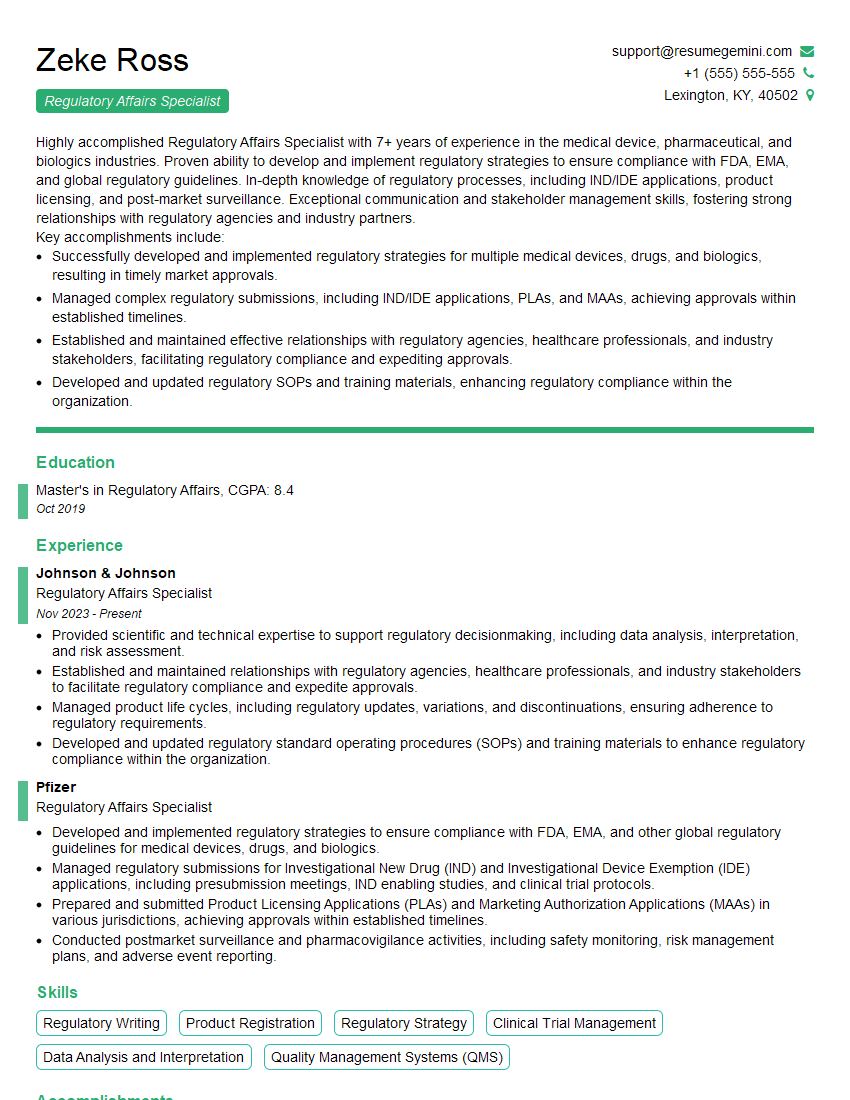
Regulatory Affairs Specialist Resume Sample
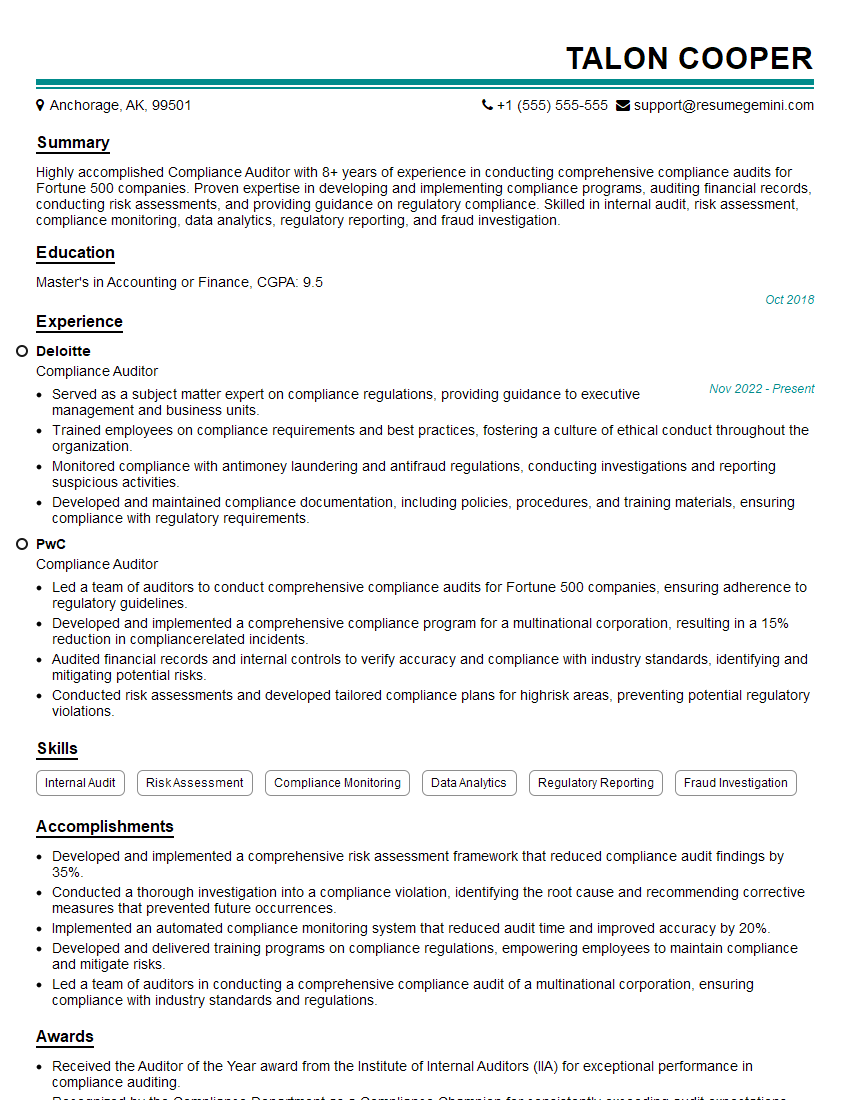
Compliance Auditor Resume Sample
Explore more articles
Users Rating of Our Blogs
Share Your Experience
We value your feedback! Please rate our content and share your thoughts (optional).
What Readers Say About Our Blog
Attention music lovers!
Wow, All the best Sax Summer music !!!
Spotify: https://open.spotify.com/artist/6ShcdIT7rPVVaFEpgZQbUk
Apple Music: https://music.apple.com/fr/artist/jimmy-sax-black/1530501936
YouTube: https://music.youtube.com/browse/VLOLAK5uy_noClmC7abM6YpZsnySxRqt3LoalPf88No
Other Platforms and Free Downloads : https://fanlink.tv/jimmysaxblack
on google : https://www.google.com/search?q=22+AND+22+AND+22
on ChatGPT : https://chat.openai.com?q=who20jlJimmy20Black20Sax20Producer
Get back into the groove with Jimmy sax Black
Best regards,
Jimmy sax Black
www.jimmysaxblack.com
Hi I am a troller at The aquatic interview center and I suddenly went so fast in Roblox and it was gone when I reset.
Hi,
Business owners spend hours every week worrying about their website—or avoiding it because it feels overwhelming.
We’d like to take that off your plate:
$69/month. Everything handled.
Our team will:
Design a custom website—or completely overhaul your current one
Take care of hosting as an option
Handle edits and improvements—up to 60 minutes of work included every month
No setup fees, no annual commitments. Just a site that makes a strong first impression.
Find out if it’s right for you:
https://websolutionsgenius.com/awardwinningwebsites
Hello,
we currently offer a complimentary backlink and URL indexing test for search engine optimization professionals.
You can get complimentary indexing credits to test how link discovery works in practice.
No credit card is required and there is no recurring fee.
You can find details here:
https://wikipedia-backlinks.com/indexing/
Regards
NICE RESPONSE TO Q & A
hi
The aim of this message is regarding an unclaimed deposit of a deceased nationale that bears the same name as you. You are not relate to him as there are millions of people answering the names across around the world. But i will use my position to influence the release of the deposit to you for our mutual benefit.
Respond for full details and how to claim the deposit. This is 100% risk free. Send hello to my email id: lukachachibaialuka@gmail.com
Luka Chachibaialuka
Hey interviewgemini.com, just wanted to follow up on my last email.
We just launched Call the Monster, an parenting app that lets you summon friendly ‘monsters’ kids actually listen to.
We’re also running a giveaway for everyone who downloads the app. Since it’s brand new, there aren’t many users yet, which means you’ve got a much better chance of winning some great prizes.
You can check it out here: https://bit.ly/callamonsterapp
Or follow us on Instagram: https://www.instagram.com/callamonsterapp
Thanks,
Ryan
CEO – Call the Monster App
Hey interviewgemini.com, I saw your website and love your approach.
I just want this to look like spam email, but want to share something important to you. We just launched Call the Monster, a parenting app that lets you summon friendly ‘monsters’ kids actually listen to.
Parents are loving it for calming chaos before bedtime. Thought you might want to try it: https://bit.ly/callamonsterapp or just follow our fun monster lore on Instagram: https://www.instagram.com/callamonsterapp
Thanks,
Ryan
CEO – Call A Monster APP
To the interviewgemini.com Owner.
Dear interviewgemini.com Webmaster!
Hi interviewgemini.com Webmaster!
Dear interviewgemini.com Webmaster!
excellent
Hello,
We found issues with your domain’s email setup that may be sending your messages to spam or blocking them completely. InboxShield Mini shows you how to fix it in minutes — no tech skills required.
Scan your domain now for details: https://inboxshield-mini.com/
— Adam @ InboxShield Mini
support@inboxshield-mini.com
Reply STOP to unsubscribe
Hi, are you owner of interviewgemini.com? What if I told you I could help you find extra time in your schedule, reconnect with leads you didn’t even realize you missed, and bring in more “I want to work with you” conversations, without increasing your ad spend or hiring a full-time employee?
All with a flexible, budget-friendly service that could easily pay for itself. Sounds good?
Would it be nice to jump on a quick 10-minute call so I can show you exactly how we make this work?
Best,
Hapei
Marketing Director
Hey, I know you’re the owner of interviewgemini.com. I’ll be quick.
Fundraising for your business is tough and time-consuming. We make it easier by guaranteeing two private investor meetings each month, for six months. No demos, no pitch events – just direct introductions to active investors matched to your startup.
If youR17;re raising, this could help you build real momentum. Want me to send more info?
Hi, I represent an SEO company that specialises in getting you AI citations and higher rankings on Google. I’d like to offer you a 100% free SEO audit for your website. Would you be interested?
Hi, I represent an SEO company that specialises in getting you AI citations and higher rankings on Google. I’d like to offer you a 100% free SEO audit for your website. Would you be interested?