Interviews are opportunities to demonstrate your expertise, and this guide is here to help you shine. Explore the essential Regulatory Compliance (FDA, ISO 13485, GMP) interview questions that employers frequently ask, paired with strategies for crafting responses that set you apart from the competition.
Questions Asked in Regulatory Compliance (FDA, ISO 13485, GMP) Interview
Q 1. Explain the difference between FDA 21 CFR Part 820 and ISO 13485.
Both FDA 21 CFR Part 820 and ISO 13485 are quality system regulations for medical devices, but they have different scopes and jurisdictions. 21 CFR Part 820, the Quality System Regulation (QSR), is a U.S. regulation enforced by the Food and Drug Administration (FDA) that applies to medical devices manufactured and distributed in the United States. ISO 13485 is an internationally recognized standard for quality management systems specific to medical devices. While both aim to ensure the safety and effectiveness of medical devices, key differences lie in their scope and application.
- Jurisdiction: 21 CFR Part 820 is specific to the U.S., while ISO 13485 is internationally applicable.
- Scope: 21 CFR Part 820 focuses on the quality system aspects directly impacting device safety and efficacy. ISO 13485 has a broader scope, encompassing aspects like risk management and continuous improvement, going beyond just the direct impact on the device.
- Enforcement: The FDA directly enforces 21 CFR Part 820 through inspections and potential enforcement actions. ISO 13485 is typically enforced through certification audits conducted by accredited bodies, but the regulatory authorities in various countries might refer to it for compliance purposes.
- Requirements: While there are overlaps in requirements, such as design controls, document control, and corrective and preventive actions (CAPA), the specifics and level of detail differ. For instance, ISO 13485 places greater emphasis on risk management.
Think of it this way: 21 CFR Part 820 is like a specific US driving license, allowing you to drive legally only within the US. ISO 13485 is like an international driving permit, allowing you to drive in many countries, but the specific rules of the road might vary based on your location.
Q 2. Describe your experience with CAPA (Corrective and Preventive Action) investigations.
My experience with CAPA investigations is extensive. I’ve led numerous investigations across various product lines, from minor nonconformances to major incidents affecting product quality or patient safety. My approach is systematic and follows a well-defined process, which typically includes:
- Investigation: Thoroughly investigating the root cause using various tools like 5 Whys, fault tree analysis, and fishbone diagrams. This involves collecting data, interviewing personnel, and reviewing documentation. For example, during an investigation into a faulty batch of implants, we meticulously tracked the process, identified the contamination source (a faulty cleaning step), and validated our findings.
- Corrective Actions: Implementing immediate corrective actions to address the immediate problem and prevent recurrence. This might include things like replacing faulty components, retraining personnel, or revising procedures. For the faulty implants, we immediately quarantined the affected batch and retrained the cleaning team on proper procedure.
- Preventive Actions: Implementing preventive actions to eliminate the root cause and prevent similar occurrences in the future. This often involves making procedural or systemic changes. In the implant example, we changed the cleaning procedure to include additional quality checks and incorporated more stringent cleaning validation protocols.
- Verification and Validation: Verifying the effectiveness of the corrective and preventive actions by monitoring key performance indicators and conducting follow-up investigations. We tracked implant failure rates post-corrective action to ensure the effectiveness of our changes.
- Documentation: Meticulously documenting each step of the CAPA process, from initial nonconformity to closure. This documentation is crucial for regulatory audits and compliance.
I’m proficient in using various software tools for CAPA management, ensuring effective tracking and timely resolution of issues.
Q 3. How do you ensure compliance with GMP guidelines during manufacturing processes?
Ensuring GMP compliance during manufacturing is paramount for delivering safe and effective medical devices. My approach involves a multi-faceted strategy centered around a robust quality system:
- Personnel Training: All personnel involved in manufacturing are thoroughly trained on GMP principles and specific procedures. This includes proper sanitation, aseptic techniques, handling of materials, equipment operation and documentation.
- Facility Control: Maintaining a clean and controlled manufacturing environment free from contamination. This involves environmental monitoring, regular cleaning and sanitization, pest control, and proper waste disposal. We use validated cleaning procedures and monitor environmental parameters such as particulate matter and microbial counts.
- Equipment Calibration and Maintenance: Regular calibration and maintenance of all equipment used in the manufacturing process are essential to ensure accuracy and reliability. We follow predefined schedules and document all calibration and maintenance activities. For example, we’d have a detailed maintenance log for our automated filling machine.
- Material Management: Proper identification, storage, and handling of all materials, including raw materials, components and packaging. Materials are sourced from qualified suppliers, and their quality is verified before use.
- Process Validation: Demonstrating that manufacturing processes consistently produce products that meet predetermined specifications. This involves designing, executing, and documenting comprehensive validation studies.
- Batch Record Review: Thorough review of batch records to confirm that all manufacturing steps were performed according to the established procedures and that the final product meets release criteria.
- Deviation and OOS Investigation: Prompt investigation of any deviations from standard operating procedures or out-of-specification results. The investigations should identify the root cause, implement corrective and preventative actions, and prevent future occurrences.
Ultimately, a culture of quality and compliance is crucial. Every employee plays a critical role in adhering to GMP principles.
Q 4. What are the key requirements of ISO 13485:2016?
ISO 13485:2016 focuses on establishing, implementing, maintaining, and continually improving a quality management system (QMS) for the design, development, production, installation, and servicing of medical devices. Key requirements include:
- Context of the Organization: Understanding the organization’s internal and external issues that could impact its ability to meet requirements.
- Leadership: Establishing leadership commitment to quality and customer focus.
- Planning: Defining objectives, planning how the QMS will meet requirements and organizational objectives, and addressing risks and opportunities.
- Support: Providing resources, such as infrastructure, personnel, work environment and monitoring and measuring, necessary for the effective operation of the QMS.
- Operation: Managing processes and related resources to meet requirements and improve effectiveness.
- Performance Evaluation: Monitoring, measuring, analyzing, and evaluating the performance of the QMS. This includes internal audits and management review.
- Improvement: Taking actions to address nonconformities, improve processes, and ensure continued improvement of the QMS.
ISO 13485:2016 also puts a significant emphasis on risk management throughout the product lifecycle. The standard includes specific requirements for managing risks related to the safety and performance of medical devices. A critical aspect is the integration of risk management principles into design and development processes.
Q 5. Explain your understanding of Design Control as per FDA regulations.
Design control, as per FDA regulations (21 CFR Part 820.30), is a critical process for ensuring that medical devices are safe and effective. It involves a systematic approach to designing, developing, and evaluating devices, ensuring that all design requirements are met. Key aspects include:
- Design Input: Defining the intended use, user needs, and performance requirements for the medical device. This might include clinical needs, user preferences, and regulatory requirements.
- Design Output: Defining the characteristics of the finished device based on the design input. This is often documented in design specifications and drawings.
- Design Review: Periodic reviews of the design process to ensure it is progressing as planned and meets all requirements. This may involve design failure mode and effects analysis (DFMEA).
- Design Verification: Demonstrating that the design meets the predefined specifications and requirements. This typically includes physical testing and simulations.
- Design Validation: Demonstrating that the finished device meets its intended use and performs as expected in its intended environment. This is frequently accomplished via clinical trials or other suitable evidence.
- Design Transfer: Transferring the finalized design to the manufacturing process, ensuring all aspects are documented and controlled.
Think of Design Control as a roadmap for creating a medical device. Each step ensures that the device will be safe, effective, and meet its intended purpose. Failure to adequately manage design control can lead to serious problems, including product recalls and regulatory enforcement actions.
Q 6. Describe a time you identified a compliance issue. How did you address it?
During a routine internal audit of our manufacturing process, I discovered a discrepancy in the calibration records for a critical piece of equipment used in assembling a new drug delivery system. Some calibration records were missing, suggesting potential deviations from our established calibration schedule. This was a serious compliance issue because inaccurate equipment could compromise product quality and patient safety.
My response involved the following steps:
- Immediate Action: I immediately halted production using the affected equipment and initiated an investigation to determine the extent of the problem.
- Root Cause Analysis: We conducted a thorough investigation to determine the root cause of the missing calibration records. We discovered a lack of clarity in the calibration procedure and a lack of oversight for ensuring timely completion of calibrations.
- Corrective Actions: We revised the calibration procedure to include clearer instructions and stricter deadlines, and implemented a system of checks and balances to ensure adherence to the revised procedure. We also retrained personnel on the revised procedure.
- Preventive Actions: We implemented a more robust system for tracking calibration records, using software to automate the process and generate alerts for upcoming calibrations. This helped in preventing similar incidents in the future.
- Documentation: We documented every aspect of the nonconformity, the investigation, and the corrective and preventive actions. This was critical for demonstrating our commitment to compliance during regulatory inspections.
Following the resolution, we conducted further internal audits to verify the effectiveness of our implemented changes and ensured the equipment was properly calibrated before resuming production.
Q 7. How familiar are you with FDA warning letters and their implications?
I am very familiar with FDA warning letters and their serious implications. An FDA warning letter signifies a significant regulatory deficiency. It’s essentially a formal notification to a company that the FDA has identified violations of the Federal Food, Drug, and Cosmetic Act and related regulations. These violations can range from minor documentation issues to major deficiencies that compromise product safety and effectiveness. The implications can be severe and may include:
- Reputational Damage: Public knowledge of an FDA warning letter can severely damage a company’s reputation and erode customer trust.
- Financial Penalties: FDA warning letters can lead to significant financial penalties, including fines and legal fees.
- Import/Export Restrictions: Warning letters can result in restrictions on the import or export of medical devices.
- Product Recalls: The FDA may demand product recalls if the violations pose a serious risk to public health.
- Consent Decrees: In severe cases, the FDA may impose consent decrees, requiring the company to implement specific corrective actions under the supervision of the agency.
- Criminal Prosecution: In extreme cases of willful or repeated violations, companies and individuals can face criminal prosecution.
The FDA warning letter process is usually preceded by observations from an FDA inspection. A well-structured and documented Quality Management System, proactively addressing potential risks and ensuring continuous compliance, is the best way to prevent receiving a warning letter. It’s crucial to take warning letters seriously and respond promptly and thoroughly to the FDA’s observations.
Q 8. What is a risk assessment and how is it used in regulatory compliance?
A risk assessment is a systematic process of identifying hazards and analyzing potential risks associated with those hazards. In regulatory compliance, it’s crucial for proactively mitigating potential issues that could lead to product defects, patient harm, or regulatory non-compliance. Think of it as a proactive ‘what-if’ analysis, anticipating potential problems before they arise.
For example, in the development of a new medical device (under FDA regulations and ISO 13485), a risk assessment would involve identifying potential hazards, such as material degradation, software malfunction, or improper sterilization. We’d then analyze the likelihood and severity of each hazard to determine the risk level. A high-risk hazard, like a potential software failure that could lead to incorrect dosage, would demand immediate attention and the implementation of mitigating controls (e.g., redundant systems, rigorous testing).
This risk assessment forms the basis of our design controls and quality system. The results directly inform decisions about design choices, testing procedures, and quality management systems. Regulatory bodies like the FDA and notified bodies auditing for ISO 13485 certifications expect thorough documentation of risk assessments and the implementation of appropriate risk mitigation strategies.
Q 9. Explain the concept of validation and its importance in GMP.
Validation in GMP (Good Manufacturing Practices) is the documented process of demonstrating that any equipment, process, or system consistently produces the expected results. It’s not just about testing; it’s about providing documented evidence that what you’re doing is consistently working as intended. Think of it like rigorously proving a recipe works every time you follow it.
For instance, validating a sterilization process (like an autoclave) requires demonstrating that the process reliably eliminates microorganisms at a specific level. This involves detailed procedures, data logging, and testing using biological indicators to ensure consistent sterilization. Without validation, we cannot be confident that our manufacturing process consistently produces safe and effective products, leading to potential patient harm and regulatory issues.
The importance of validation in GMP cannot be overstated. It’s a fundamental aspect of ensuring product quality and compliance. It allows manufacturers to demonstrate to regulators that their processes are consistently reliable and meet the required quality standards. Failure to validate critical processes can result in product recalls, regulatory warnings, and significant financial losses.
Q 10. Describe your experience with internal audits and their purpose.
Internal audits are a critical part of a robust quality management system. They are planned and systematic examinations conducted within an organization to determine whether its processes, procedures, and records conform to established quality standards, such as ISO 13485 or FDA regulations. Essentially, it’s a self-assessment to identify weaknesses before external audits do.
In my experience, I’ve led and participated in numerous internal audits across various departments, including manufacturing, quality control, and engineering. The purpose of these audits is multi-faceted: to identify gaps in compliance, assess the effectiveness of our quality management system, verify the accuracy of records, and improve overall processes. I typically use checklists, SOPs (Standard Operating Procedures), and other relevant documentation to conduct the audits, documenting any findings and recommending corrective actions.
For example, during an internal audit of the manufacturing process, we might find a deviation from the documented procedure. This would trigger an investigation, corrective action plan, and potentially a preventive action plan to prevent similar deviations in the future. Internal audits provide valuable insights into our strengths and weaknesses, allowing us to continuously improve our quality management system and maintain compliance.
Q 11. How do you stay updated with changes in FDA and ISO regulations?
Staying current with changes in FDA and ISO regulations requires a multi-pronged approach. I regularly subscribe to official newsletters and updates from the FDA and ISO. I actively participate in industry conferences, webinars, and training sessions, allowing me to network with other professionals and learn about the latest regulatory changes directly from regulatory experts. I also use reputable industry publications and online resources to monitor legislative and regulatory developments.
Furthermore, I maintain a network of colleagues and consultants specializing in regulatory affairs, fostering a community of shared knowledge and experience. This allows for quick information sharing and collective problem-solving regarding emerging regulatory requirements. Keeping abreast of regulatory updates ensures that our company’s practices remain compliant, minimizes risk, and protects patient safety.
Q 12. What are your experiences with documentation control systems?
My experience with documentation control systems spans several years and various regulatory frameworks. I’ve worked with both paper-based and electronic document management systems (EDMS). The core principle of any effective system is ensuring that all documents are readily accessible, up-to-date, and controlled to prevent the use of obsolete or unapproved versions. This is crucial for demonstrating traceability and compliance during audits.
In my previous role, we implemented a sophisticated EDMS, integrating document control into our overall quality management system. This included features like version control, approval workflows, and audit trails to track changes and access history. Properly implemented, an EDMS significantly streamlines document management, making it easier to retrieve documents, manage revisions, and ensure everyone is using the correct version. A well-functioning system minimizes risks associated with outdated or unauthorized documents, ultimately improving compliance and efficiency.
Q 13. What is your understanding of change control processes?
A change control process is a formal system for managing and approving any changes to products, processes, or systems. It ensures that any changes are evaluated for their impact on quality, safety, and compliance before they are implemented. This is essential to prevent unintended consequences and maintain consistency. It’s like a controlled update to a well-functioning machine – you wouldn’t just start changing parts randomly.
The process typically involves submitting a change request, assessing the potential impact of the change, obtaining approvals from relevant stakeholders, implementing the change, and verifying its effectiveness. For example, if we needed to change a critical component of a medical device, a formal change control process would be initiated. This process would entail a thorough risk assessment, impact analysis, design verification, validation testing, and documentation of all changes.
This structured approach is crucial for maintaining compliance with regulations. Without a well-defined change control process, organizations risk introducing defects, compromising product safety, and facing regulatory sanctions. The process enables traceability and allows us to demonstrate to auditors that all changes were adequately reviewed and approved before implementation.
Q 14. How do you handle deviations from established procedures?
Handling deviations from established procedures requires a prompt, thorough, and documented response. Deviations are instances where a process or procedure is not followed as written. These must be investigated to understand the root cause and prevent recurrence. Simply ignoring them is a recipe for disaster.
My approach involves immediately investigating the deviation, documenting all relevant information, and determining the impact on product quality and patient safety. This often involves interviews with personnel involved, review of records, and potentially testing of affected products. A corrective action plan (CAPA) is then developed and implemented to address the root cause and prevent future deviations. The CAPA will typically include immediate corrective actions to address the current situation and longer-term preventive actions to address the underlying issues.
For example, if a deviation occurs during a sterilization process, an investigation might reveal a malfunctioning piece of equipment. The immediate action would be to quarantine potentially affected products. The preventive action would be to repair or replace the equipment and implement improved preventive maintenance procedures. All deviations, investigations, and CAPAs are thoroughly documented and reviewed during audits to demonstrate our commitment to continuous improvement and regulatory compliance.
Q 15. Explain your understanding of the regulatory requirements for medical device labeling.
Medical device labeling is crucial for patient safety and regulatory compliance. It’s governed by regulations like FDA’s 21 CFR Part 801 and ISO 13485, ensuring that all necessary information is clearly and accurately presented on the device and its packaging. This information must allow for safe and effective use.
Key elements include:
- Device identification: Unique identification numbers, model numbers, and lot numbers are essential for traceability.
- Intended use: A precise and unambiguous statement of the device’s purpose and intended application is paramount to avoid misuse.
- Warnings and precautions: Clear and prominent warnings about potential hazards and contraindications must be included. For example, a label might state ‘For single use only’ or ‘Do not use if packaging is damaged’.
- Instructions for use (IFU): Detailed instructions on how to properly use and maintain the device are crucial. These are often included separately, but the label should direct users to the IFU.
- Manufacturer information: The name and address of the manufacturer are required for accountability and contact information.
- Expiration date (if applicable): Shelf-life information is critical for devices with limited usability or potential degradation.
For example, imagine a syringe: Its label must clearly state the volume, the material it’s made of (to identify potential allergies), any sterility claims, and warnings against reuse. Failure to adhere to these labeling requirements can lead to regulatory actions and, critically, patient harm.
Career Expert Tips:
- Ace those interviews! Prepare effectively by reviewing the Top 50 Most Common Interview Questions on ResumeGemini.
- Navigate your job search with confidence! Explore a wide range of Career Tips on ResumeGemini. Learn about common challenges and recommendations to overcome them.
- Craft the perfect resume! Master the Art of Resume Writing with ResumeGemini’s guide. Showcase your unique qualifications and achievements effectively.
- Don’t miss out on holiday savings! Build your dream resume with ResumeGemini’s ATS optimized templates.
Q 16. What are the key elements of a successful quality management system?
A successful Quality Management System (QMS) is the backbone of any medical device company. It’s a collection of processes, procedures, and documentation designed to ensure consistent product quality and compliance with regulations. Key elements include:
- Top management commitment: Leadership must champion the QMS, demonstrating visible commitment and allocating necessary resources.
- Risk management: A robust system for identifying, assessing, and mitigating risks throughout the product lifecycle, from design to post-market surveillance. This often involves using tools like Failure Mode and Effects Analysis (FMEA).
- Internal audits: Regular internal audits verify that the QMS is effective and operating as intended, identifying areas for improvement.
- Corrective and preventive actions (CAPA): A formal process for investigating and resolving non-conformances to prevent recurrence. This often involves root cause analysis.
- Management review: Regular management reviews assess the QMS’s effectiveness, performance, and suitability. They also review CAPA outcomes and business objectives.
- Document control: Procedures for creating, approving, distributing, and revising documents ensure that everyone works with the most up-to-date versions.
- Supplier management: Rigorous evaluation and management of suppliers to ensure they meet quality requirements (discussed further in the next question).
- Continuous improvement: A commitment to ongoing improvement of the QMS through data analysis, feedback, and implementation of corrective actions. This embodies the PDCA cycle (Plan-Do-Check-Act).
Imagine a QMS as a well-oiled machine. Each component, from risk management to internal audits, plays a vital role in ensuring the smooth, consistent production of high-quality medical devices.
Q 17. Describe your experience with supplier audits and management.
Supplier audits and management are critical for ensuring that materials and components used in medical devices meet quality and regulatory requirements. My experience encompasses all stages: planning, conducting, reporting, and following up on corrective actions.
Planning: This involves identifying critical suppliers, defining the scope of the audit, and creating a detailed audit plan. We typically prioritize suppliers of critical components or those with a high risk of impacting product quality or safety.
Conducting: On-site audits are conducted, including document reviews, interviews with supplier personnel, and observations of their processes. A checklist ensures consistency and covers aspects such as quality systems, manufacturing processes, and testing procedures.
Reporting: A comprehensive audit report is generated, detailing findings, both positive and negative. Non-conformances are identified and documented, along with potential impacts on product quality or regulatory compliance.
Corrective Actions: Suppliers must provide corrective actions to address any identified non-conformances. Follow-up audits may be required to verify the effectiveness of these actions.
For example, I once audited a supplier of silicone tubing used in a cardiac device. We identified a gap in their cleaning validation procedures, which could have led to particulate contamination. The supplier implemented corrective actions, which included revised cleaning procedures and updated documentation. A subsequent audit verified the effectiveness of the corrective actions.
Q 18. How do you manage and track regulatory submissions?
Managing and tracking regulatory submissions is crucial for ensuring timely approvals and maintaining compliance. This process involves using a combination of tools and techniques to organize documents, track deadlines, and ensure clear communication with regulatory authorities.
Dedicated submission management software: Software solutions are often used to track submissions, manage documents, and automate various tasks such as generating reports and tracking correspondence with regulatory bodies. This includes things like submission portals and document management systems.
Centralized document repository: A secure, centralized repository ensures easy access to all relevant documents, facilitating efficient review and retrieval. Version control is paramount to prevent confusion.
Detailed submission trackers: Spreadsheets or dedicated software can track submission status, deadlines, and required actions. This could include information like submission date, agency response dates, required follow-up actions, etc.
Communication logs: Maintaining a detailed log of all communication with regulatory agencies ensures transparency and accountability. This might include emails, meeting minutes, and letters.
Regular review and updates: The submission tracking system needs regular review and updates to ensure its accuracy and effectiveness. Deadlines need to be monitored constantly, and team members must be informed of any changes or delays.
For example, using a dedicated software platform, we track FDA 510(k) submissions, updating the status as the application moves through the review process. This ensures that we are aware of any required responses or follow-up actions and can promptly address any questions or concerns from the FDA.
Q 19. Explain your understanding of the differences between design verification and validation.
Design verification and validation are distinct but related processes crucial for ensuring the safety and effectiveness of medical devices. Both aim to demonstrate that the device meets its intended use, but they approach it differently.
Design Verification: This process confirms that the design meets the pre-defined specifications and requirements. It answers the question: ‘Did we build the product right?’ This is done through tests and evaluations against the pre-determined specifications. It is an objective process based on evidence.
Design Validation: This process demonstrates that the designed product actually meets the user needs and intended use. It answers the question: ‘Did we build the right product?’ This is often done through user testing and clinical trials. It is a subjective process often dependent on end-user experience.
Example: Let’s say we’re designing a new insulin pump. Design verification would involve testing the pump’s accuracy in dispensing insulin, its battery life, and its resistance to shock and vibration. Design validation would involve clinical trials to demonstrate that the pump effectively controls blood glucose levels in patients with diabetes and is safe and easy for them to use. Verification focuses on the design parameters, while validation focuses on the intended use and user experience.
Q 20. Describe your experience with root cause analysis techniques.
Root cause analysis (RCA) is a systematic approach to identifying the underlying causes of problems, rather than simply treating symptoms. This is critical for preventing recurrences and improving the overall quality system.
Several techniques are used, including:
- 5 Whys: This iterative questioning technique involves repeatedly asking ‘Why?’ to peel back layers of cause and effect until the root cause is uncovered.
- Fishbone diagram (Ishikawa diagram): This visual tool categorizes potential causes of a problem (e.g., people, methods, materials, machines, environment, measurements) to help identify the root cause(s).
- Fault tree analysis (FTA): This technique uses a diagram to visually represent the various events and their relationships that lead to a specific undesirable event. It’s particularly useful for complex systems.
Example: If a batch of medical devices fails a sterility test, a 5 Whys analysis might reveal that the root cause was a malfunctioning autoclave (the sterilization machine), which was due to inadequate maintenance (Why 1), insufficient training of maintenance staff (Why 2), lack of clear maintenance procedures (Why 3), absence of a formal training program (Why 4), and insufficient management attention to training (Why 5).
The choice of technique depends on the complexity of the problem. Regardless of the method, thorough documentation and clear communication are vital to ensure that the root cause is accurately identified and appropriate corrective and preventive actions are taken.
Q 21. How would you handle a situation where a regulatory requirement conflicts with a business need?
Conflicts between regulatory requirements and business needs are unfortunately common. The solution always prioritizes patient safety and regulatory compliance. A balanced approach requires careful consideration and communication.
Step-by-step approach:
- Clearly define the conflict: Document precisely what the regulatory requirement is and how it conflicts with the business need.
- Assess the risk: Evaluate the potential risks associated with each option: complying fully with the regulatory requirement versus deviating to meet the business need.
- Explore alternatives: Brainstorm innovative solutions that could satisfy both the regulatory requirement and the business need. This might involve redesigning the product, adjusting the manufacturing process, or seeking regulatory guidance.
- Document the decision: Thoroughly document the decision-making process, outlining the rationale and chosen course of action. This documentation is essential for audits and potential regulatory inquiries.
- Communicate the decision: Ensure that all relevant stakeholders are informed of the decision and its rationale. Transparency is crucial to maintain trust and collaboration.
- Implement and monitor: Implement the chosen solution and monitor its effectiveness. Continuous monitoring is essential to ensure ongoing compliance and address any unexpected issues.
For instance, if a business need requires a faster production process, but a regulatory requirement necessitates extra testing, the priority is compliance. We might explore alternatives like investing in automation to speed up testing or conducting a risk assessment to justify a modified testing regimen. Ultimately, maintaining compliance is not just a priority; it’s non-negotiable.
Q 22. Explain your understanding of post-market surveillance.
Post-market surveillance (PMS) is the ongoing process of monitoring and evaluating the safety and performance of a medical device after it has been released to the market. It’s crucial for identifying potential risks, adverse events, and areas for improvement, ensuring the device continues to meet its intended use and doesn’t pose harm to patients. Think of it as a continuous quality check after the product launch.
PMS involves a variety of activities, including collecting and analyzing data from various sources such as:
- Adverse event reports: Reports of unexpected or undesirable events associated with the device’s use.
- Field safety corrective actions (FSCA): Actions taken to address identified safety concerns.
- Post-market studies: Formal studies conducted to further assess the device’s long-term performance and safety.
- Periodic reporting to regulatory bodies: Regular updates provided to agencies like the FDA on device performance and safety.
- Complaint handling: Addressing complaints from healthcare professionals and patients.
Effective PMS is essential for maintaining patient safety and regulatory compliance. For example, in a case where a new heart valve shows unexpectedly high failure rates after market release, robust PMS would help identify the issue early, leading to corrective actions to prevent further harm and potential regulatory action. Failure to conduct adequate PMS could lead to serious consequences, including product recalls, legal liabilities, and damage to the company’s reputation.
Q 23. What experience do you have with implementing and maintaining a quality management system?
I have extensive experience implementing and maintaining quality management systems (QMS) compliant with ISO 13485 and FDA regulations, across multiple medical device companies. My experience spans the entire lifecycle, from initial QMS implementation and gap analysis to ongoing maintenance and continuous improvement.
In my previous role at [Company Name], I led the team responsible for developing and implementing a comprehensive QMS for our line of [Type of Medical Devices]. This involved:
- Conducting a thorough gap analysis against ISO 13485:2016 requirements.
- Developing and implementing documented procedures for all key quality processes, including design control, CAPA, risk management, and document control.
- Training employees on QMS requirements and procedures.
- Establishing and maintaining a robust internal audit program.
- Implementing and managing a corrective and preventive action (CAPA) system to address non-conformances and prevent recurrence.
- Leading management review meetings to assess QMS performance and identify areas for improvement.
I’ve also been actively involved in maintaining the QMS by ensuring its ongoing compliance with regulatory changes and company needs, updating documentation and procedures as necessary. For instance, I updated our internal documentation to align with the changes in ISO 13485:2016.
Q 24. How would you assess the effectiveness of a quality management system?
Assessing the effectiveness of a QMS is a multifaceted process. I use a combination of methods including:
- Internal Audits: Regular internal audits, conducted by trained auditors, assess the effectiveness of the QMS in meeting regulatory requirements and company objectives. These audits identify areas for improvement and ensure that procedures are being followed consistently.
- Management Review: A high-level review of the QMS’s performance, effectiveness, and suitability, using data from various sources including internal audits, CAPA reports, customer feedback, and regulatory inspections. This provides a holistic view of the QMS’s overall effectiveness.
- Key Performance Indicators (KPIs): Tracking relevant KPIs such as the number of non-conformances, effectiveness of CAPAs, customer complaint rates, and regulatory inspection outcomes. Trending these metrics over time provides insights into the QMS’s performance and areas needing attention.
- Customer Feedback: Gathering feedback from customers on product quality, service, and overall satisfaction. Customer satisfaction is a crucial indicator of the QMS’s overall effectiveness in delivering quality products.
- Regulatory Inspections: Successfully navigating regulatory inspections without major observations demonstrates a robust and effective QMS. Observations, while sometimes negative, offer opportunities for improvement.
For example, a high rate of customer complaints concerning a specific product would indicate a potential failure in the design control or manufacturing process, requiring an in-depth review and CAPA. By using a combination of these methods, a thorough assessment of the QMS’s strengths and weaknesses can be made, leading to continual improvement.
Q 25. Describe your experience with handling regulatory inspections.
I have extensive experience in handling regulatory inspections by agencies such as the FDA and notified bodies for ISO 13485 certification. My approach focuses on proactive preparation and transparent communication. This involves:
- Pre-inspection readiness: Thoroughly reviewing all relevant documentation, ensuring compliance with all applicable regulations. This includes conducting mock inspections to identify potential weaknesses.
- Document control: Maintaining a robust document control system to ensure all records are accurate, complete, and readily available.
- Traceability: Ensuring traceability of all materials, processes, and products throughout their lifecycle.
- Communication: Open and transparent communication with the inspection team, proactively addressing any questions or concerns they may have.
- Corrective actions: Developing and implementing timely and effective corrective actions to address any observations or non-conformances identified during the inspection.
In one instance, we successfully navigated an FDA inspection despite facing initial challenges. We had identified a minor documentation issue during our mock inspection and addressed it before the actual inspection, resulting in a positive outcome. This proactive approach minimized disruptions and demonstrated our commitment to compliance.
Q 26. Explain your understanding of the principles of Good Documentation Practices (GDP).
Good Documentation Practices (GDP) are essential for ensuring the accuracy, reliability, and integrity of data generated throughout the lifecycle of a medical device. They are crucial for demonstrating compliance with regulatory requirements and maintaining patient safety. Think of GDP as the foundation upon which all other quality management activities are built.
Key principles of GDP include:
- Completeness: All essential information should be recorded accurately and completely. No gaps or missing information.
- Accuracy: Data must be accurate and reflect the actual events or observations. Errors should be corrected properly, with the original entry visible.
- Legibility: Records should be easily legible and readily understandable. Poor handwriting or unlabeled data is unacceptable.
- Timeliness: Documentation should be completed in a timely manner, typically soon after the event occurs.
- Originality: Records should be original or properly verified copies. No alterations should obscure the original record.
- Attribution: Each record should clearly indicate the individual who made the entry and their authorization.
- Retention: Records should be retained for the specified time periods in accordance with regulatory guidelines and company procedures.
For example, a lab notebook entry documenting a test result should contain the date, time, test method used, the result obtained, and the signature of the lab technician. Failure to adhere to GDP can lead to serious repercussions, including regulatory action, legal liabilities, and compromised patient safety.
Q 27. What is your experience with implementing and maintaining a quality system for software as a medical device (SaMD)?
Implementing and maintaining a quality system for Software as a Medical Device (SaMD) requires a specialized approach that integrates software development best practices with the regulatory requirements for medical devices. The key here is recognizing that while it’s software, it’s software with potentially life-impacting consequences, needing the same rigor as hardware.
My experience includes:
- Risk Management: Implementing a robust risk management process to identify and mitigate potential hazards associated with the SaMD’s design, development, and use. This usually involves a thorough Hazard Analysis and Risk Control (HARC) process.
- Software Development Lifecycle (SDLC): Utilizing a well-defined SDLC, such as Agile or Waterfall, to manage the software development process, ensuring traceability and version control throughout the development process. This helps with audit trails and identifying issues.
- Validation and Verification: Conducting rigorous validation and verification activities to ensure that the SaMD meets its intended use and performs as expected. This requires detailed testing and documentation.
- Cybersecurity: Integrating cybersecurity considerations throughout the SDLC to protect the SaMD from unauthorized access, use, disclosure, disruption, modification, or destruction. This is paramount given the connected nature of much SaMD.
- Regulatory Compliance: Ensuring compliance with all applicable regulatory requirements, including FDA’s premarket submission requirements, such as a 510(k) or a Premarket Approval (PMA), depending on the risk classification of the device.
In a previous project, I worked on a team that successfully implemented a QMS for a SaMD used in remote patient monitoring. This required integrating secure data transmission protocols and robust validation procedures to ensure data integrity and patient safety. The project’s success was a testament to the importance of a comprehensive and well-documented quality system.
Key Topics to Learn for Regulatory Compliance (FDA, ISO 13485, GMP) Interview
- FDA Regulations: Understanding 21 CFR Part 820 (Quality System Regulation) including design controls, CAPA (Corrective and Preventive Actions), and record-keeping requirements. Practical application: Explain how a specific FDA regulation impacts product development or manufacturing processes.
- ISO 13485:2016: Mastering the key clauses and their practical implications for medical device companies. Practical application: Describe the implementation of a risk management plan compliant with ISO 13485.
- GMP (Good Manufacturing Practices): Familiarize yourself with the principles of GMP, including facility design, equipment qualification, and validation processes. Practical application: Explain how to investigate and resolve a deviation from GMP guidelines.
- Auditing and Inspections: Understand the process and procedures involved in internal and external audits, and how to prepare for regulatory inspections. Practical application: Describe your experience in conducting or participating in a regulatory audit.
- Documentation and Record Keeping: Master the importance of meticulous documentation, its traceability, and its role in demonstrating compliance. Practical application: Explain how to manage and maintain compliant documentation systems.
- Quality Management Systems (QMS): Understand the implementation, maintenance, and continuous improvement of a QMS, aligned with FDA, ISO 13485, and GMP requirements. Practical application: Discuss your experience in developing or improving a QMS.
- Regulatory Submissions: Gain a basic understanding of the submission process for regulatory filings (e.g., 510(k), PMA). Practical application: Describe your understanding of the necessary documentation for a successful regulatory submission.
Next Steps
Mastering Regulatory Compliance (FDA, ISO 13485, GMP) is crucial for career advancement in the medical device and pharmaceutical industries. These certifications are highly sought after, significantly increasing your earning potential and opening doors to leadership roles. To maximize your job prospects, focus on crafting an ATS-friendly resume that clearly showcases your expertise. ResumeGemini is a trusted resource that can help you build a professional and impactful resume. They provide examples of resumes tailored to Regulatory Compliance (FDA, ISO 13485, GMP) roles, giving you a head start in your job search. Take the next step towards your dream career – build a winning resume today!
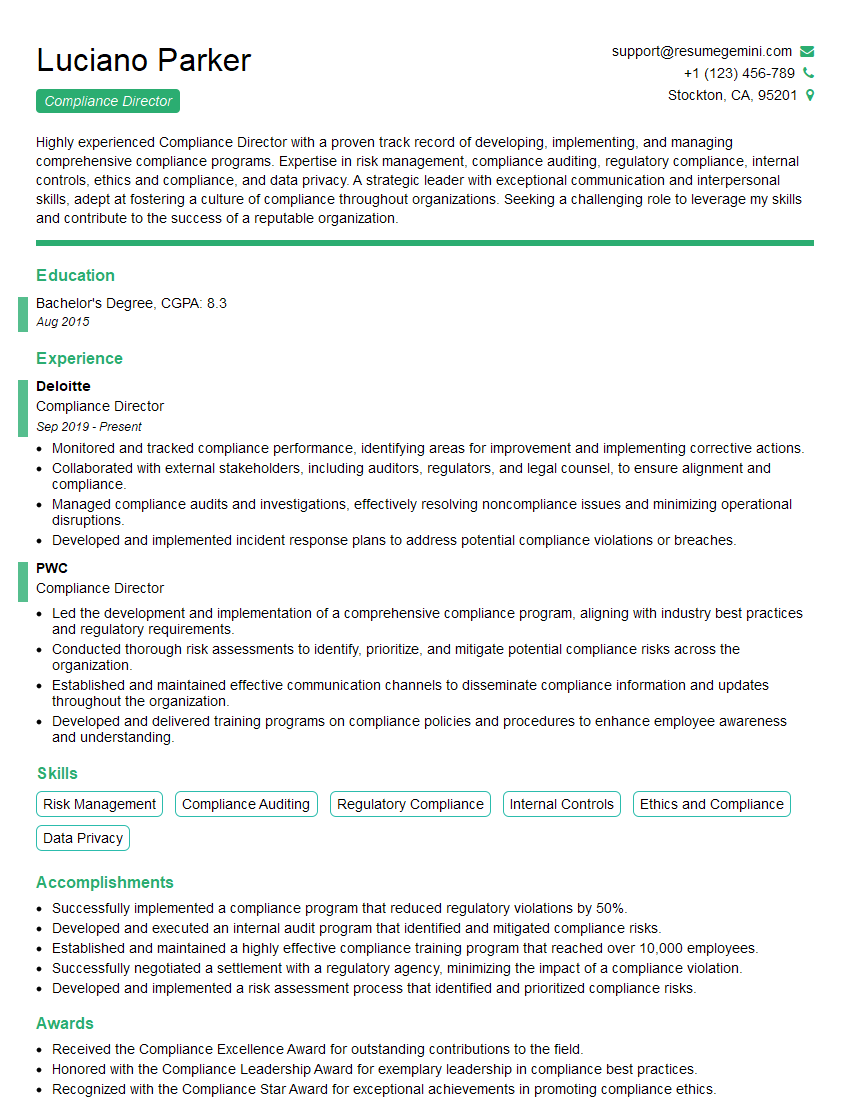
Compliance Director Resume Sample
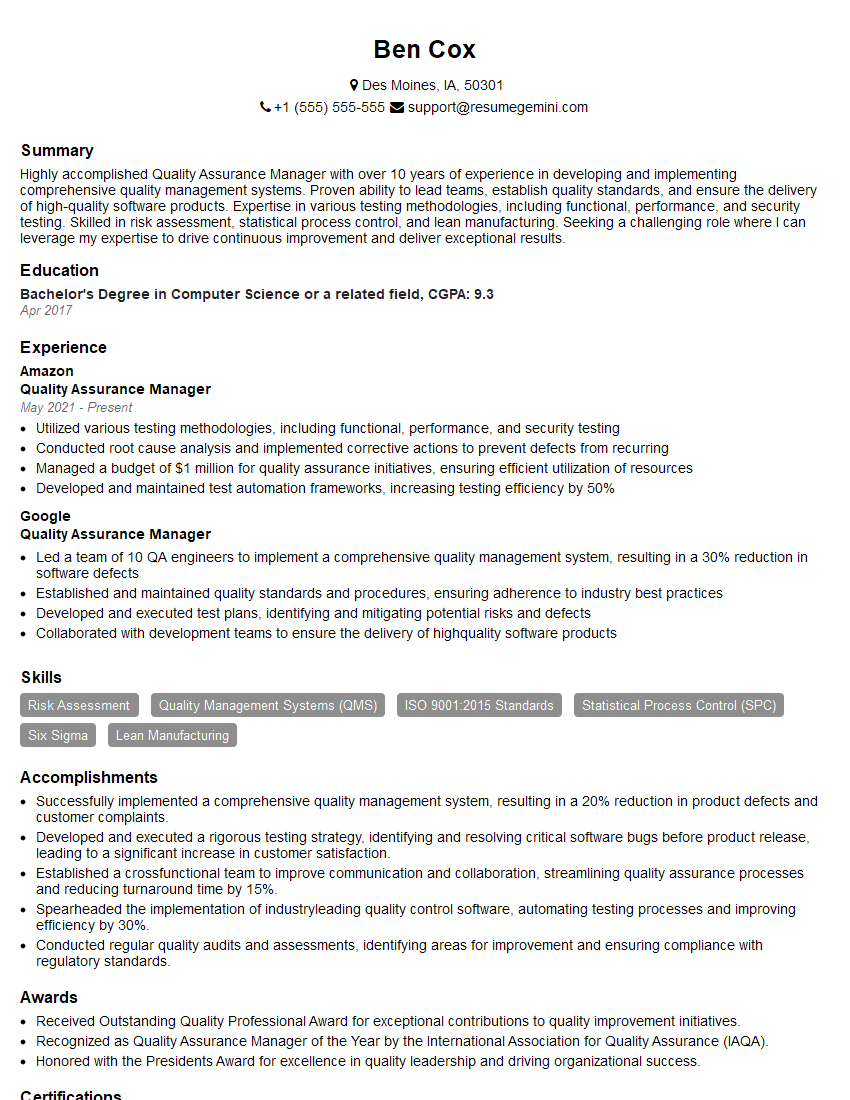
Quality Assurance Manager Resume Sample
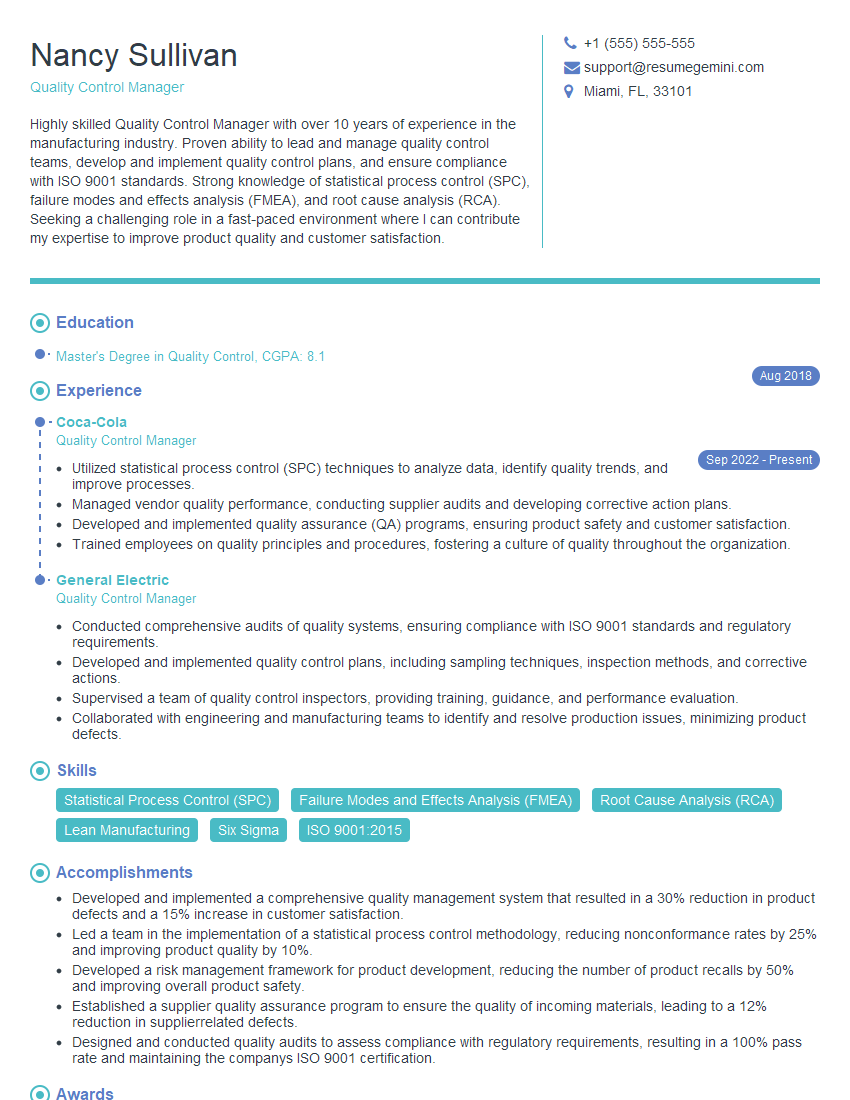
Quality Control Manager Resume Sample
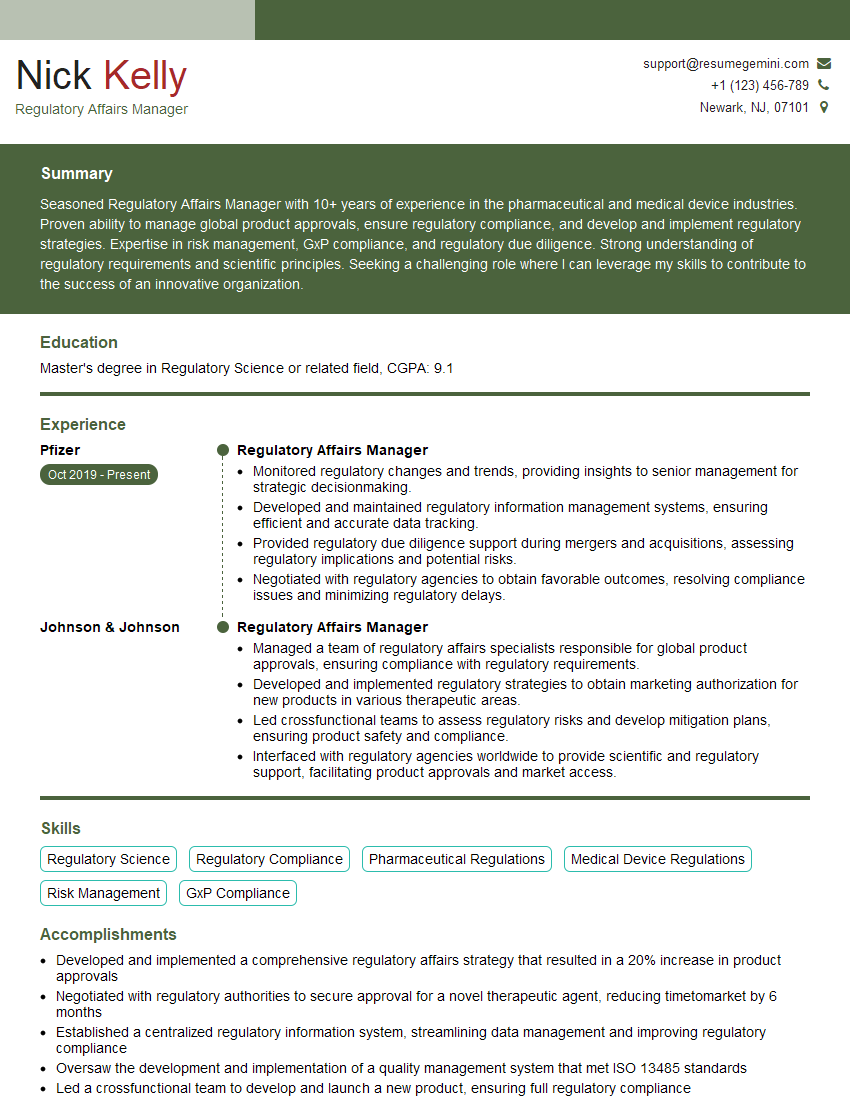
Regulatory Affairs Manager Resume Sample
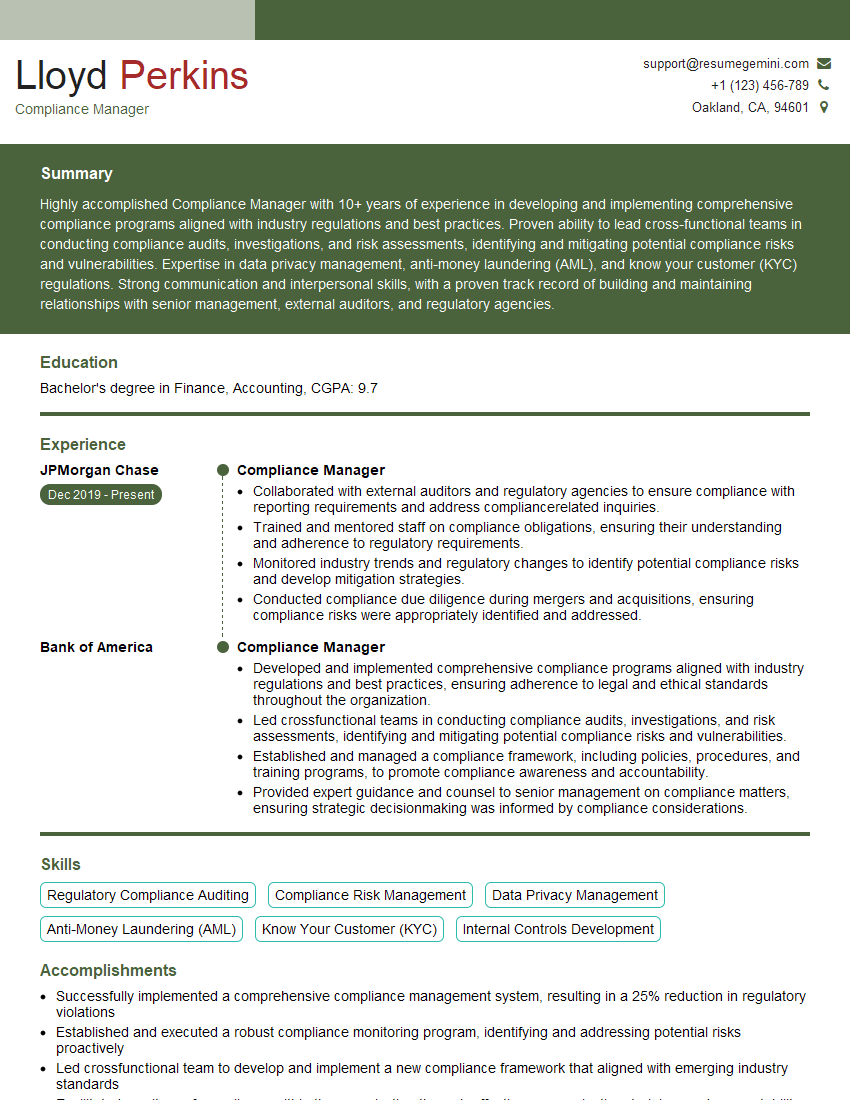
Compliance Manager Resume Sample
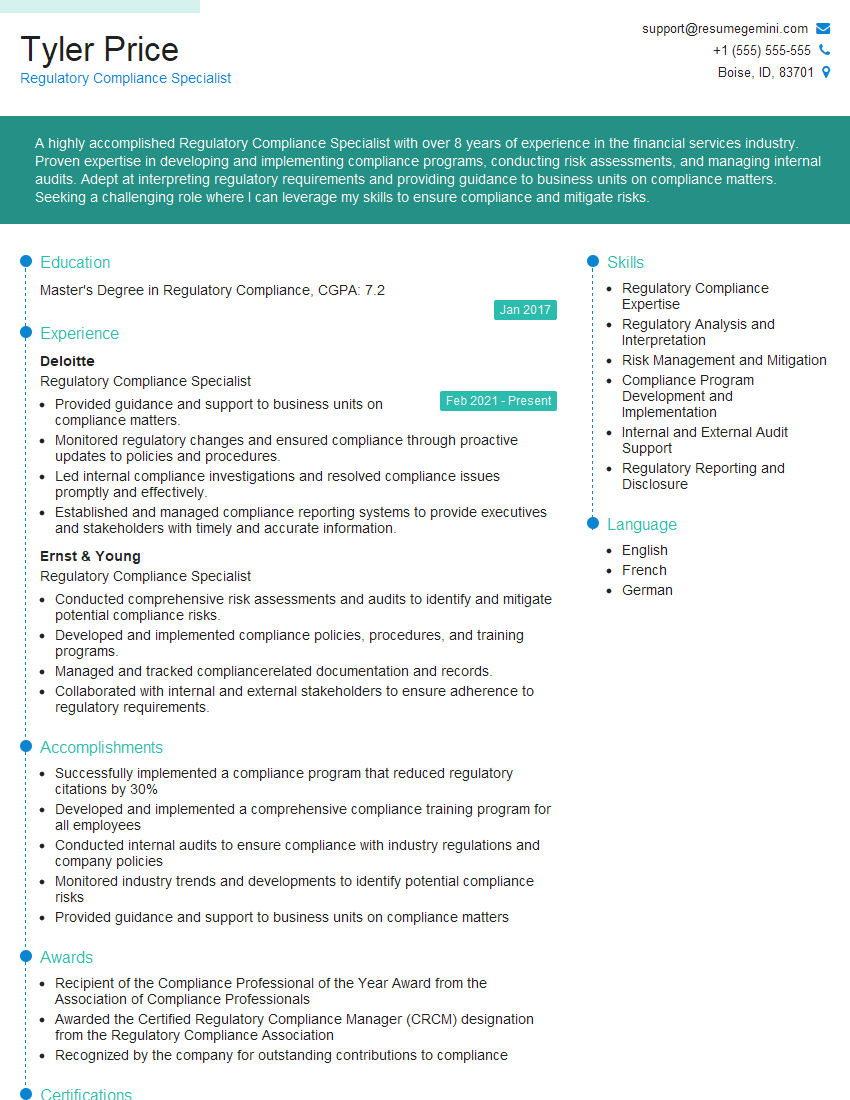
Regulatory Compliance Specialist Resume Sample
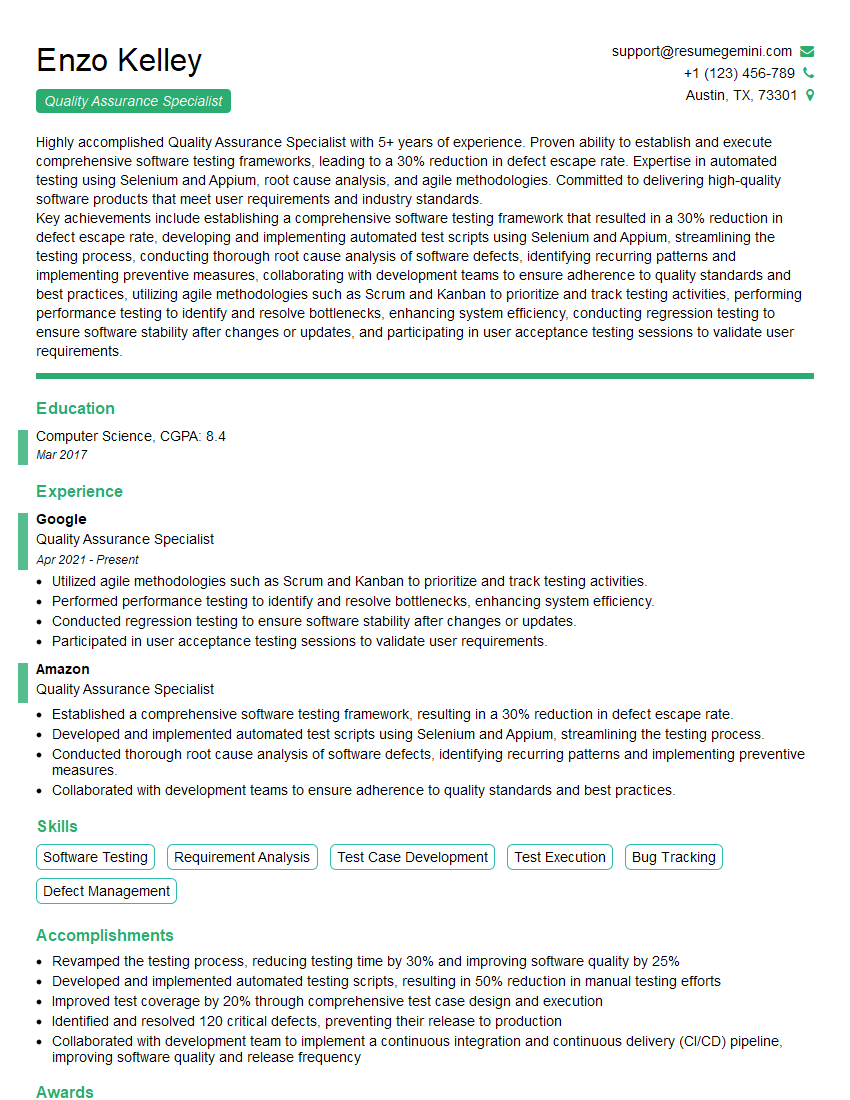
Quality Assurance Specialist Resume Sample

Regulatory Affairs Consultant Resume Sample
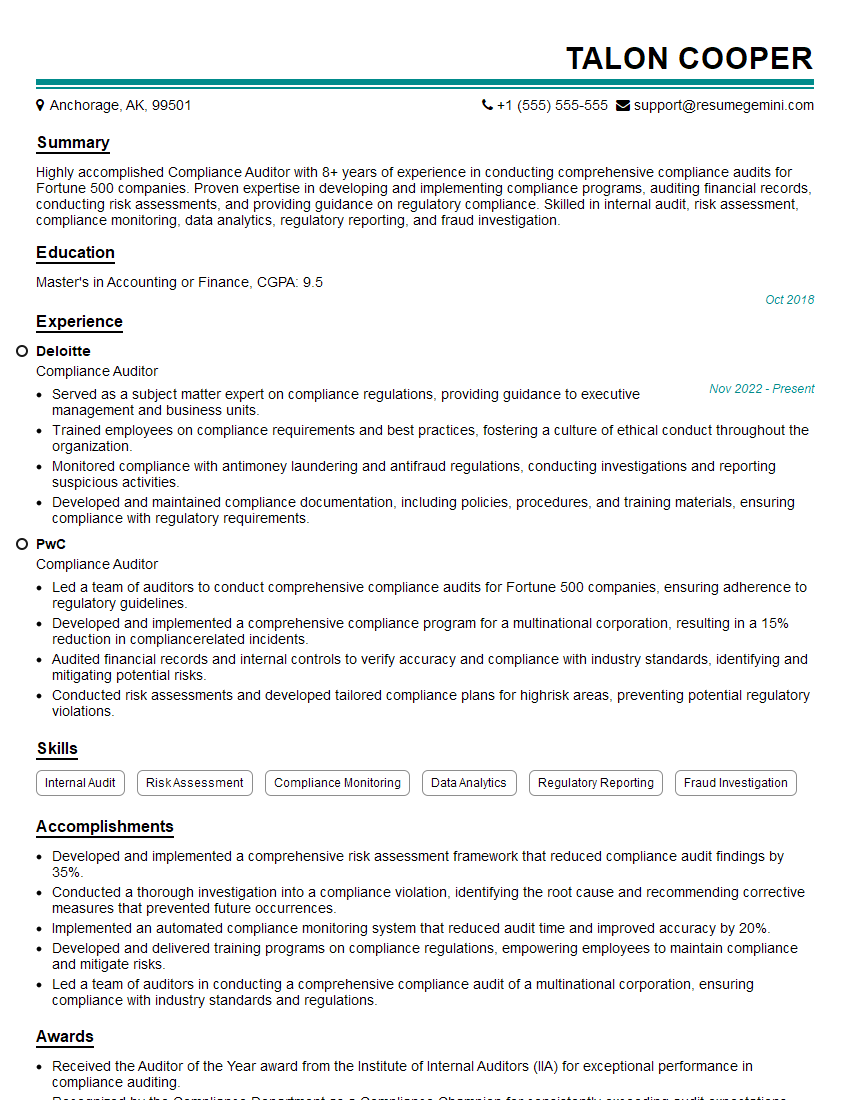
Compliance Auditor Resume Sample
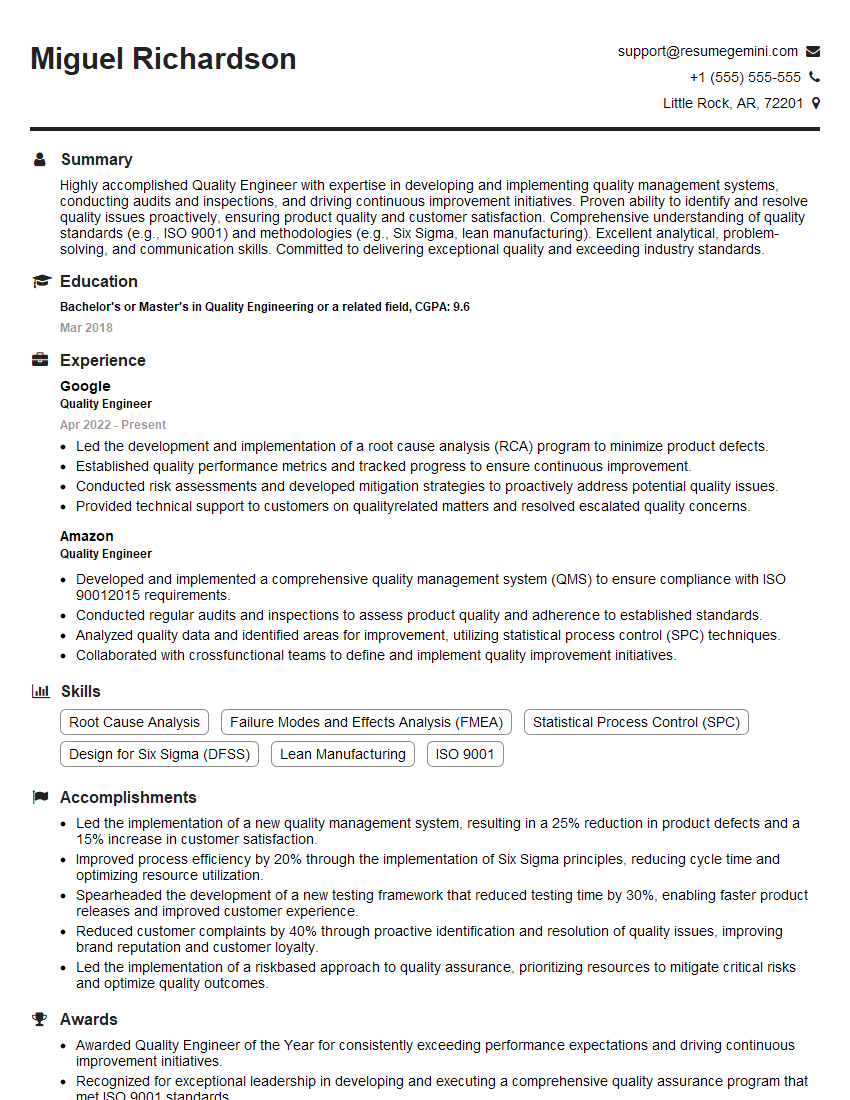
Quality Engineer Resume Sample
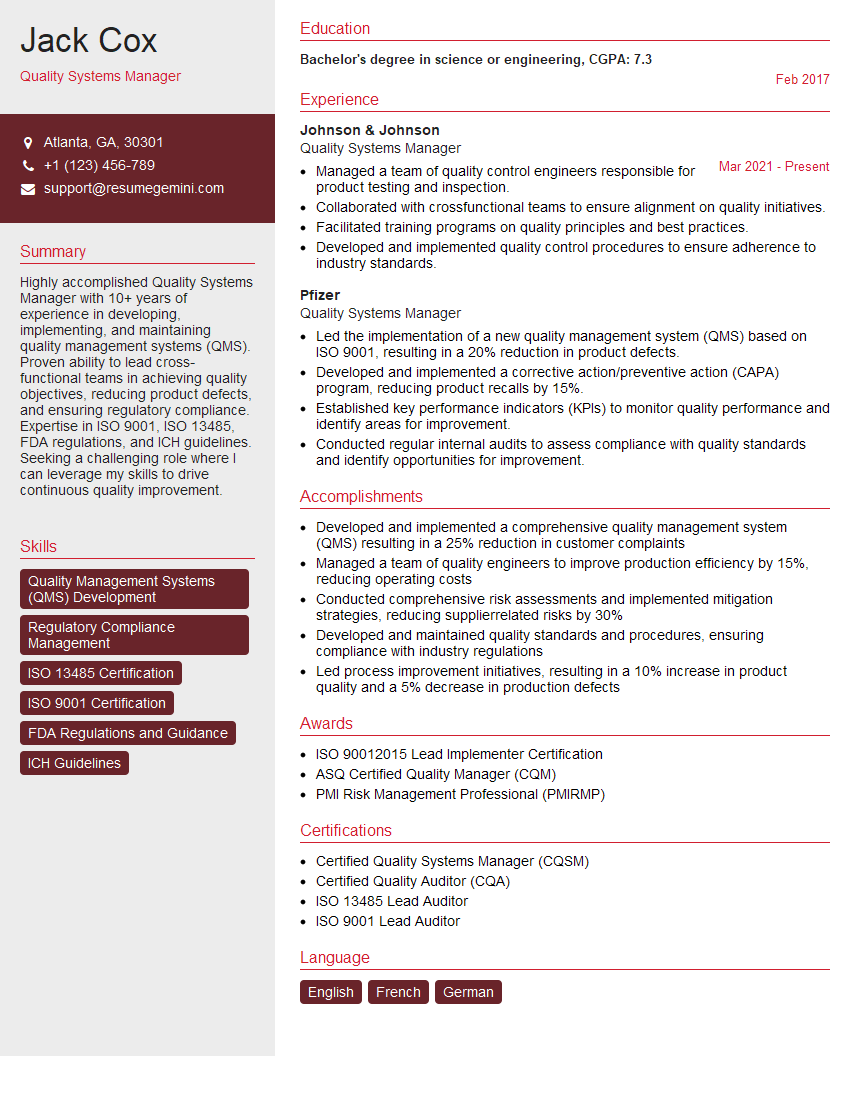
Quality Systems Manager Resume Sample
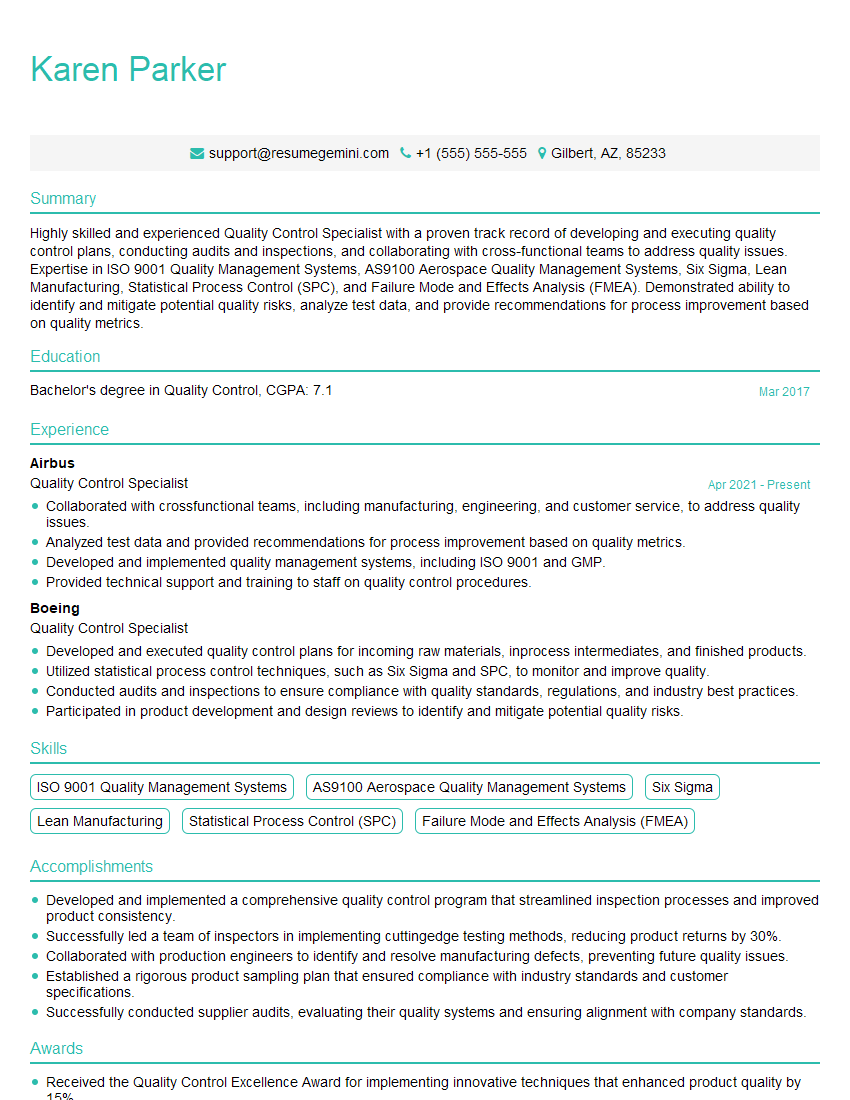
Quality Control Specialist Resume Sample
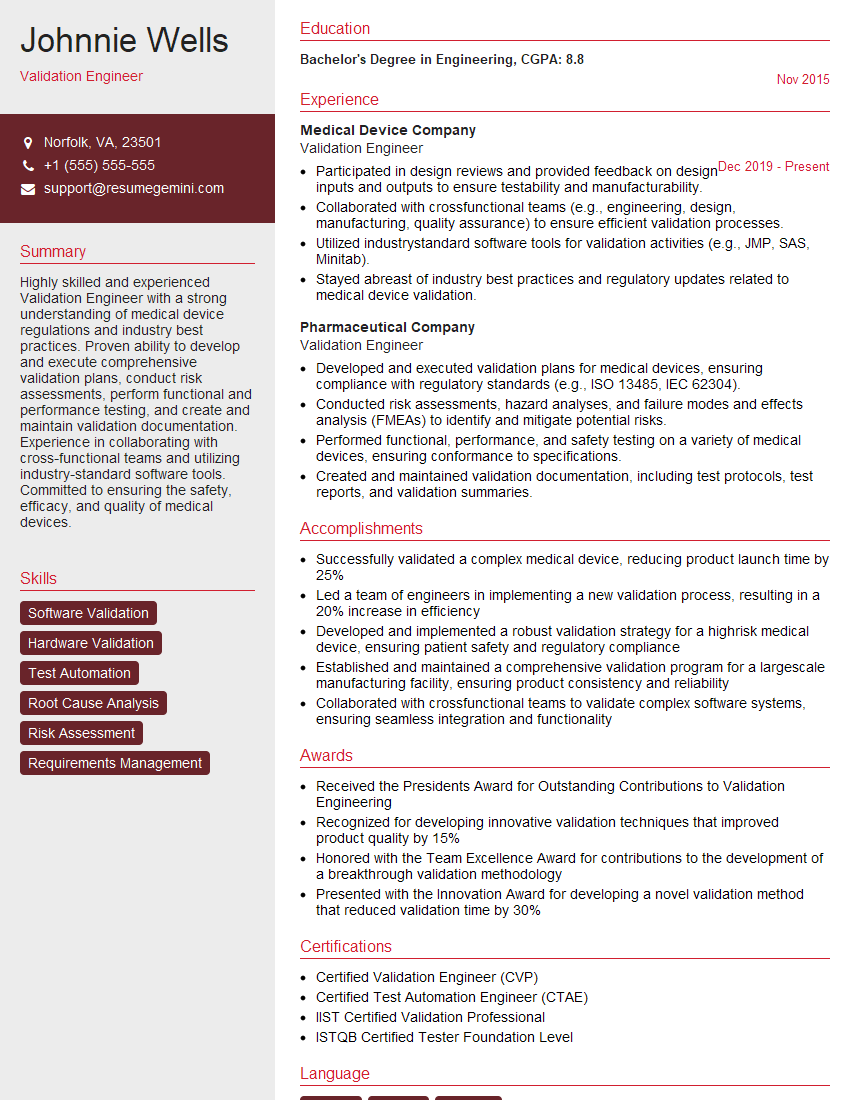
Validation Engineer Resume Sample
- Compliance Director
- Quality Assurance Manager
- Quality Control Manager
- Regulatory Affairs Manager
- Compliance Manager
- Regulatory Compliance Specialist
- Quality Assurance Specialist
- Regulatory Affairs Consultant
- Compliance Auditor
- Quality Engineer
- Quality Systems Manager
- Quality Control Specialist
- Validation Engineer
Explore more articles
Users Rating of Our Blogs
Share Your Experience
We value your feedback! Please rate our content and share your thoughts (optional).
What Readers Say About Our Blog
Very informative content, great job.
good