Feeling uncertain about what to expect in your upcoming interview? We’ve got you covered! This blog highlights the most important Resilience under Pressure interview questions and provides actionable advice to help you stand out as the ideal candidate. Let’s pave the way for your success.
Questions Asked in Resilience under Pressure Interview
Q 1. Describe a situation where you faced significant pressure. How did you manage your time effectively?
One particularly challenging situation involved leading a cross-functional team to launch a new product within an extremely tight deadline – just six months. This meant juggling multiple priorities, coordinating with various departments, and navigating unforeseen technical hurdles. To manage my time effectively, I employed a highly structured approach.
- Prioritization Matrix: I used an Eisenhower Matrix (urgent/important) to categorize tasks. This helped me focus on the most critical items first and delegate effectively.
- Detailed Project Timeline: We created a detailed Gantt chart breaking down the project into manageable milestones with assigned responsibilities and deadlines. This provided a clear visual roadmap and enabled proactive tracking of progress.
- Regular Team Meetings: Daily stand-up meetings kept everyone informed, identified roadblocks promptly, and ensured accountability.
- Time Blocking: I allocated specific blocks of time for focused work on critical tasks, minimizing distractions. This technique proved surprisingly effective in enhancing productivity.
By combining strategic planning with consistent monitoring and communication, we successfully launched the product on time, exceeding initial expectations.
Q 2. How do you prioritize tasks when faced with competing deadlines and unexpected challenges?
Prioritization under pressure is a crucial skill. When faced with competing deadlines and unexpected challenges, I follow a structured process:
- Impact Assessment: I evaluate each task based on its potential impact on the overall project goals. High-impact tasks always take precedence.
- Urgency Assessment: Considering deadlines and potential consequences of delays helps determine urgency. Urgent tasks demand immediate attention.
- Dependency Analysis: I identify tasks dependent on others and sequence them accordingly. This ensures a smooth workflow and avoids bottlenecks.
- Delegation: I effectively delegate tasks to team members based on their skills and availability. This lightens the workload and leverages team strengths.
- Flexibility: It’s crucial to maintain flexibility and adapt to changing priorities. Unexpected challenges necessitate re-evaluation and adjustment of the initial plan.
Think of it like a conductor leading an orchestra. Each musician (task) has a role, and the conductor (me) ensures harmonious execution, adjusting as needed to create the best overall performance.
Q 3. Describe a time you failed to meet a deadline. What was the cause, and what did you learn?
I once missed a critical deadline due to an unforeseen technical issue in a large-scale software implementation. The problem was not immediately identified, and troubleshooting consumed significantly more time than anticipated.
The cause was a combination of factors: insufficient risk assessment during the initial planning phase (we underestimated the complexity of integrating a third-party system), and a lack of contingency planning for unexpected technical glitches.
What I learned was invaluable:
- Proactive Risk Management: Thoroughly identifying and assessing potential risks early on is crucial. This includes having backup plans in place.
- Effective Communication: Open communication with stakeholders is paramount, especially when facing setbacks. Transparency builds trust and allows for collaborative problem-solving.
- Post-Mortem Analysis: Conducting a thorough post-mortem analysis helps identify root causes and prevent similar issues in the future. We learned the importance of rigorous testing and better communication protocols.
This experience was a powerful lesson in the importance of proactive planning, risk assessment, and transparent communication under pressure.
Q 4. How do you maintain your focus and composure when dealing with difficult or stressful situations?
Maintaining focus and composure in stressful situations requires a multi-faceted approach. It’s about developing both mental and physical resilience.
- Mindfulness and Deep Breathing: Practicing mindfulness and deep breathing techniques helps regulate my physiological response to stress, calming my nervous system.
- Positive Self-Talk: I use positive self-talk to counteract negative thoughts and maintain a confident mindset. Replacing self-criticism with encouragement is key.
- Strategic Breaks: Short breaks throughout the day allow me to step away from the pressure, recharge, and return with renewed focus. This can be a simple walk, a quick meditation, or even just a few minutes of stretching.
- Physical Health: Regular exercise, adequate sleep, and a healthy diet contribute significantly to my overall resilience and ability to cope with stress.
Think of it like a pressure cooker. While pressure is necessary for cooking (achieving goals), managing the pressure (stress) prevents it from exploding (burnout). My strategies act as pressure release valves.
Q 5. How do you handle criticism and feedback, especially during high-pressure moments?
Handling criticism and feedback, particularly under pressure, requires a mature and professional approach.
- Active Listening: I actively listen to understand the feedback without interrupting. This shows respect and demonstrates a willingness to learn.
- Seeking Clarification: If needed, I seek clarification to ensure I understand the criticism fully before responding.
Remember, constructive criticism is a gift. It provides valuable insights to enhance performance. The goal is to transform criticism into positive growth.
Q 6. Have you ever experienced burnout? How did you recognize it and what steps did you take to recover?
Yes, I’ve experienced burnout. The signs were subtle at first: increasing fatigue, irritability, cynicism, and a sense of detachment from my work. I recognized it when my enthusiasm dwindled, and even simple tasks felt overwhelming.
To recover, I took several crucial steps:
- Acknowledged the Problem: The first step was acknowledging I was experiencing burnout and not downplaying the symptoms.
- Reduced Workload: I consciously reduced my workload, delegating tasks where possible and prioritizing my wellbeing.
- Improved Work-Life Balance: I actively focused on improving my work-life balance, ensuring sufficient time for rest, relaxation, and activities I enjoy.
- Sought Support: I talked to trusted friends, family, and colleagues. This provided emotional support and perspective.
- Professional Help: I considered and sought professional help from a therapist or counselor. This helped to process the experience and develop healthier coping mechanisms.
Burnout is a serious issue, and seeking help is not a sign of weakness, but rather a sign of self-awareness and a commitment to long-term wellbeing.
Q 7. How do you build resilience in yourself and within your team?
Building resilience is an ongoing process, both individually and within a team.
Individual Resilience:
- Self-Care: Prioritizing physical and mental wellbeing through exercise, healthy eating, mindfulness, and sufficient rest is fundamental.
- Continuous Learning: Expanding skills and knowledge enhances confidence and adaptability in the face of challenges.
- Growth Mindset: Embracing challenges as learning opportunities fosters resilience and a positive attitude toward setbacks.
Team Resilience:
- Open Communication: Fostering a culture of open communication, where team members feel comfortable sharing concerns and seeking support, is essential.
- Shared Goals: Establishing clear, shared goals enhances team cohesion and provides a sense of purpose, even during difficult times.
- Mutual Support: Encouraging mutual support and collaboration among team members builds trust and strengthens the team’s ability to overcome obstacles.
- Debriefing Sessions: Regular debriefing sessions after challenging projects allow for reflection, learning, and improvement.
Resilience is not merely about surviving; it’s about thriving under pressure. By cultivating resilience in individuals and teams, we can create a robust and adaptable workforce capable of achieving extraordinary results.
Q 8. Describe a situation where you had to make a quick, critical decision under pressure. What was your process?
During a major system outage at my previous company, we had less than an hour to restore critical services impacting thousands of users. My role required a swift decision regarding which recovery path to prioritize. My process involved a rapid assessment of the situation, prioritizing data integrity and minimal service disruption. I quickly gathered my team, outlining the problem, potential solutions, and their associated risks. We used a decision matrix, weighing the speed of recovery against the potential for data loss. After a collaborative discussion, we chose the less risky option, though slower, ensuring data preservation. This decision, though made under immense pressure, resulted in minimal data loss and service restoration within 90 minutes, preventing significant financial and reputational damage. The success hinged on clear communication, collaborative decision-making, and a focused approach on risk mitigation.
Q 9. How do you manage stress outside of work?
Stress management outside of work is crucial for maintaining resilience. My strategies involve regular exercise – I find running particularly effective for clearing my head. I also prioritize mindfulness practices like meditation, which helps me manage anxiety and promote mental clarity. Spending quality time with loved ones, engaging in hobbies like gardening, and ensuring sufficient sleep are all vital components of my self-care routine. A balanced lifestyle is paramount, and I actively monitor and adjust my routine based on my stress levels. This proactive approach helps me return to work refreshed and ready to tackle challenges.
Q 10. What strategies do you use to stay positive and motivated during challenging times?
Maintaining positivity and motivation during challenging times requires a proactive mindset. I utilize several strategies: First, I focus on reframing challenges as opportunities for growth and learning. This shifts my perspective from negativity to a more constructive one. Secondly, I practice gratitude, regularly acknowledging both big and small things I’m thankful for. This fosters a more optimistic outlook. I also actively celebrate small wins and milestones, reinforcing positive momentum. Lastly, I seek support from my network – talking to colleagues, friends, or mentors allows me to process my emotions and gain fresh perspectives. This combination of self-reflection, positive reinforcement, and social support is crucial for sustaining motivation during difficult periods.
Q 11. How do you delegate tasks effectively to manage your workload under pressure?
Effective delegation under pressure relies on clear communication and trust. I begin by clearly defining the task, including the desired outcome, timeline, and key performance indicators. I assess each team member’s skills and experience to match tasks accordingly. Then I empower them by providing the necessary resources and autonomy, fostering ownership and accountability. Regular check-ins maintain transparency and address any roadblocks promptly. This distributed approach is not merely about dividing work, but rather about leveraging individual strengths to achieve the collective goal. A project management tool, like a Kanban board, can help visualize progress and manage dependencies.
Q 12. How do you identify and manage your personal stress triggers?
Identifying personal stress triggers requires self-awareness and reflection. I regularly track my mood and stress levels, noting events or situations that precede periods of stress. This might involve maintaining a journal or using a dedicated app. Common triggers for me include unrealistic deadlines, unclear expectations, and conflicts. Once identified, I develop coping mechanisms. This could involve time management techniques for deadlines, seeking clarification for unclear expectations, and practicing assertive communication to resolve conflicts. By understanding and addressing these triggers, I reduce my vulnerability to stress and improve my overall resilience.
Q 13. How do you adapt to unexpected changes or setbacks in your work?
Adapting to unexpected changes or setbacks involves a flexible approach and a problem-solving mindset. I view setbacks not as failures, but as opportunities to learn and improve. My strategy involves: 1. Assessing the situation objectively to understand the impact of the change. 2. Identifying potential solutions and evaluating their feasibility. 3. Prioritizing actions based on their impact and urgency. 4. Communicating the changes and plan of action to the relevant stakeholders. 5. Remaining adaptable and open to further adjustments as needed. This structured approach minimizes disruption and maximizes efficient responses to unexpected events.
Q 14. How do you utilize problem-solving techniques when under time constraints?
Effective problem-solving under time constraints requires a structured and efficient approach. I utilize a modified version of the Pareto Principle (80/20 rule) prioritizing the 20% of actions that yield 80% of the results. I focus on identifying the core problem, setting clear objectives, and breaking down complex issues into smaller, manageable tasks. Utilizing techniques like root cause analysis can help pinpoint the origin of the problem. Tools like mind-mapping can help visualize the problem and potential solutions. Timeboxing specific tasks prevents getting bogged down in less crucial details. By focusing on the most critical elements, I can make significant progress in limited time.
Q 15. Describe your approach to conflict resolution in a high-pressure environment.
My approach to conflict resolution in high-pressure situations prioritizes de-escalation and collaborative problem-solving. I believe that understanding the root cause of the conflict is crucial before attempting any resolution. This involves active listening to all parties involved, ensuring everyone feels heard and understood. I then focus on identifying common ground and shared goals, moving the discussion away from blame and towards finding mutually acceptable solutions. In high-pressure environments, maintaining a calm and respectful demeanor is essential; this helps to prevent the situation from escalating further. If the conflict involves significant disagreement, I might suggest a structured approach like a facilitated discussion or mediation to ensure a fair and productive outcome.
For example, during a project launch where two teams had conflicting priorities, I facilitated a meeting where each team outlined their concerns and objectives. By focusing on the overall project goals, we identified overlapping areas and created a revised plan that addressed both teams’ needs, ultimately preventing project delays and team conflict.
Career Expert Tips:
- Ace those interviews! Prepare effectively by reviewing the Top 50 Most Common Interview Questions on ResumeGemini.
- Navigate your job search with confidence! Explore a wide range of Career Tips on ResumeGemini. Learn about common challenges and recommendations to overcome them.
- Craft the perfect resume! Master the Art of Resume Writing with ResumeGemini’s guide. Showcase your unique qualifications and achievements effectively.
- Don’t miss out on holiday savings! Build your dream resume with ResumeGemini’s ATS optimized templates.
Q 16. How do you handle multiple priorities and competing demands simultaneously?
Managing multiple priorities under pressure requires a strategic approach. I utilize a combination of prioritization techniques, time management strategies, and effective delegation. I start by clearly defining all tasks and their relative importance using a prioritization matrix (e.g., Eisenhower Matrix – urgent/important). Then, I break down large tasks into smaller, manageable steps, making them less daunting. Time-blocking helps allocate dedicated time slots for specific tasks, minimizing context switching and maximizing focus. Effective delegation is also crucial; identifying tasks that can be successfully assigned to others frees up time to focus on high-priority items. Regular review and adjustment of the plan are essential, as priorities inevitably shift in dynamic environments.
For instance, during a crisis situation requiring immediate action while also managing ongoing projects, I prioritized crisis response tasks first using the Eisenhower Matrix. I delegated less urgent but important tasks to capable team members, ensuring timely completion without compromising the critical response efforts. This allowed me to effectively manage all demands while maintaining composure and focusing on what truly mattered.
Q 17. What are your strategies for preventing burnout and maintaining a healthy work-life balance?
Preventing burnout and maintaining a healthy work-life balance is paramount for sustained performance under pressure. My strategies involve conscious prioritization of self-care, establishing clear boundaries between work and personal life, and practicing stress-management techniques. This includes regular exercise, mindful breaks throughout the workday, sufficient sleep, and engaging in activities I enjoy outside of work. Setting realistic expectations and proactively managing workload are also crucial to prevent feeling overwhelmed. It’s important to recognize personal limitations and not hesitate to seek support from colleagues, mentors, or professionals when needed.
For instance, I consciously schedule regular exercise into my week, even if it’s just a short walk during lunch. I also make a point of disconnecting from work completely after a certain hour, avoiding emails or work-related tasks to dedicate time to my family and personal interests. This proactive approach helps me manage stress, maintain focus, and avoid burnout.
Q 18. How do you stay organized and manage your workload effectively under pressure?
Staying organized and managing workload effectively under pressure hinges on utilizing efficient tools and techniques. I leverage digital project management tools to track tasks, deadlines, and progress, providing a clear overview of my workload. Regularly reviewing and updating my task list allows for proactive adjustments based on evolving priorities. Batching similar tasks together minimizes context switching and improves efficiency. The Pomodoro Technique, where I work in focused bursts with short breaks in between, helps maintain concentration and prevent fatigue. Prioritization remains central; by focusing on high-impact tasks first, I maximize productivity even under tight deadlines.
Specifically, I use a project management software to track all my tasks, setting deadlines and assigning priorities. This visual representation allows me to easily identify potential bottlenecks and adjust my schedule proactively. Combining this with the Pomodoro Technique ensures focused work sessions interspersed with short breaks, boosting productivity and preventing mental exhaustion.
Q 19. How do you communicate effectively under pressure, both with individuals and teams?
Effective communication under pressure necessitates clear, concise, and empathetic messaging. I prioritize active listening to understand others’ perspectives, even during stressful situations. I ensure my communication is direct, avoiding jargon or ambiguity that might cause confusion. When addressing teams, I use inclusive language, encouraging participation and open dialogue. For critical updates or decisions, I utilize multiple communication channels to ensure information reaches everyone effectively. Nonverbal communication is also crucial; maintaining a calm and reassuring demeanor can help ease anxieties and promote collaboration. Regular check-ins and open feedback loops are essential to maintain transparency and address any concerns promptly.
During a critical system failure, I communicated updates to stakeholders using a combination of email, phone calls, and a live webcast. This ensured everyone received the same information simultaneously, minimizing misinformation and anxiety. The clear and concise updates fostered trust and improved collaboration during the resolution process.
Q 20. Give an example of a time you had to make a difficult decision that impacted others.
In a previous role, I had to make a difficult decision regarding resource allocation during a period of budget constraints. Two teams needed additional resources to meet their project deadlines, but only one could be accommodated. After careful evaluation of project timelines, criticality, and potential impact, I chose to allocate the resources to the team working on a project with greater strategic importance and a higher potential return on investment. While the other team was disappointed, I explained the rationale transparently and proactively worked with them to find alternative solutions, mitigating negative impact and maintaining morale.
This decision, while difficult, ultimately benefited the organization as a whole by prioritizing projects aligned with long-term goals. Open communication and proactive problem-solving helped manage expectations and maintain a positive team environment, demonstrating my commitment to transparency and fairness.
Q 21. How do you stay focused on your goals when faced with obstacles and setbacks?
Maintaining focus on goals amidst obstacles requires resilience and a proactive approach. I start by revisiting and reaffirming my goals, ensuring they remain clear and aligned with my overall objectives. I then break down large goals into smaller, achievable milestones, making progress more visible and motivating. When faced with setbacks, I engage in problem-solving, identifying the root cause of the obstacle and developing solutions. Positive self-talk and reframing challenges as opportunities for growth are crucial for maintaining motivation. Seeking support from mentors, colleagues, or external resources can provide valuable perspectives and solutions when needed. Regularly reviewing progress and adapting the plan as needed ensures that I remain focused on achieving my objectives, even amidst unforeseen difficulties.
For example, when a project encountered significant delays due to unforeseen technical challenges, I focused on the ultimate project goals. By breaking the remaining work into smaller, manageable tasks and implementing corrective measures, we were able to overcome the setbacks and ultimately deliver a successful outcome. Regular communication and transparent updates maintained team morale and fostered a sense of shared purpose during this challenging period.
Q 22. How do you handle conflicting priorities and competing demands from different stakeholders?
Handling conflicting priorities requires a structured approach. Think of it like air traffic control – you need a system to manage multiple incoming ‘flights’ (requests) efficiently and safely. My first step is prioritization. I use frameworks like Eisenhower Matrix (urgent/important) to categorize tasks. This helps me quickly identify which demands need immediate attention and which can be delegated or scheduled. Then, I proactively communicate with stakeholders, setting clear expectations and managing their understanding of timelines. Transparency is key; I explain the rationale behind my prioritization decisions, ensuring everyone is informed and involved where possible. Finally, I regularly review and adjust the plan as circumstances change, always looking for opportunities to optimize and minimize conflict.
For example, if I’m simultaneously managing a critical project deadline and unexpected technical issues, I’d first address the most critical element impacting the deadline, perhaps delegating some less urgent tasks to free up my time. Open communication with the team would be crucial here, keeping everyone updated and reinforcing collaboration.
Q 23. Describe a time when you had to work collaboratively under intense pressure. What was your role?
During a major product launch, our team faced a critical bug just hours before the go-live. My role was leading the technical troubleshooting team. The pressure was immense; a delayed launch meant significant financial and reputational damage. We adopted a highly collaborative approach, utilizing a real-time communication platform for immediate updates and problem-solving. I focused on fostering a calm and efficient environment, delegating tasks based on team members’ strengths, and providing clear, concise instructions. We broke down the problem into smaller, manageable components, assigning each to a specialist. We established a rigorous testing protocol to validate each fix before implementation, ensuring quality control amid the pressure. Through this focused collaborative effort, we successfully identified and resolved the bug within the timeframe, resulting in a successful launch.
Q 24. How do you adapt your communication style based on the pressure and context of the situation?
My communication style adapts dynamically based on pressure and context. Imagine it like adjusting the volume and tone of your voice depending on the environment. Under low pressure, I can be more detailed and conversational. However, under high pressure, clarity and conciseness become paramount. In crisis situations, I utilize direct, action-oriented communication, focusing on providing clear instructions and updates. I’m mindful of using appropriate channels: email for formal updates, instant messaging for quick queries, and face-to-face communication for complex discussions or those needing emotional intelligence. I also carefully choose my words to avoid ambiguity, ensuring everyone understands the urgency and the actions needed. Active listening is crucial to gauge understanding and adjust my communication accordingly.
Q 25. How do you learn from mistakes and setbacks to improve your resilience in future situations?
Mistakes are invaluable learning opportunities. I approach setbacks with a structured, analytical approach – a kind of post-mortem analysis. I first identify the root cause of the mistake, objectively evaluating the contributing factors without assigning blame. Then, I brainstorm potential solutions and preventive measures to avoid similar issues in the future. I document these learnings, creating a personal knowledge base that informs my future decision-making. I also seek feedback from colleagues and mentors to gain alternative perspectives and ensure a holistic understanding of the situation. This process helps me build resilience by transforming past failures into valuable experiences that strengthen my ability to handle similar situations more effectively.
Q 26. Describe a time you had to make a decision with incomplete information under pressure.
During a client negotiation, we faced a sudden market shift with limited data on its impact. We needed to finalize a contract within a tight deadline. The incomplete information forced me to rely on a combination of available data, industry insights, and gut feeling informed by years of experience. I outlined various scenarios based on the limited data and developed contingency plans for each. I prioritized clarity and transparency with the client, outlining the uncertainties and our approach to managing the risk. The decision, while informed by incomplete data, was ultimately successful, highlighting the importance of decisive action even amidst uncertainty.
Q 27. How do you utilize feedback and self-reflection to improve your performance under pressure?
Feedback and self-reflection are critical for improvement. I actively solicit feedback from colleagues, supervisors, and clients, looking for both constructive criticism and positive reinforcement. I then use this feedback, coupled with self-reflection on my performance, to identify areas for growth. This process involves reviewing past performances, identifying strengths and weaknesses, and establishing concrete goals for future improvements. Regular journaling and self-assessments help me track my progress and refine my approach to managing pressure. This ongoing process allows for continuous learning and refinement, strengthening my resilience over time.
Q 28. How do you maintain a positive attitude and morale in a high-stress work environment?
Maintaining a positive attitude under stress is crucial. It’s like having a mental ‘emergency kit’. My ‘kit’ includes several strategies: Prioritizing self-care (enough sleep, healthy diet, exercise); practicing mindfulness techniques to manage stress; building strong relationships with colleagues to create a supportive environment; celebrating small wins to maintain momentum; and focusing on the positive aspects of the job and the impact of my work. This holistic approach helps me build resilience against burnout and maintains a positive mindset even when facing challenging situations.
Key Topics to Learn for Resilience under Pressure Interview
- Understanding Stress Responses: Learn to identify your personal stress triggers and responses, both physical and emotional. This includes recognizing the physiological effects of stress and developing strategies to manage them.
- Cognitive Coping Mechanisms: Explore techniques like positive self-talk, reframing negative thoughts, and problem-solving approaches to navigate challenging situations effectively. Practice applying these in hypothetical scenarios.
- Emotional Regulation: Develop strategies for managing emotions like anxiety, frustration, and anger constructively. This includes mindfulness techniques, emotional intelligence exercises, and healthy coping mechanisms.
- Time Management and Prioritization: Master techniques to effectively manage workload, prioritize tasks, and delegate when necessary, minimizing stress caused by overwhelming situations.
- Adaptability and Flexibility: Demonstrate your capacity to adjust to changing circumstances, embrace new challenges, and learn from setbacks. Prepare examples showcasing your adaptability in past roles.
- Self-Care and Wellbeing: Discuss the importance of maintaining physical and mental wellbeing through healthy habits like exercise, sufficient sleep, and stress-reducing activities. Highlight your proactive approach to self-care.
- Teamwork and Collaboration: Show how you can effectively navigate stressful situations as part of a team, supporting colleagues and fostering a positive collaborative environment.
- Resilience in Failure: Articulate how you learn from mistakes, adapt your approach, and maintain motivation even after setbacks. Use the STAR method to structure your examples.
Next Steps
Mastering resilience under pressure is crucial for career advancement. It demonstrates a vital skillset employers highly value, enabling you to thrive in demanding roles and contribute effectively to team success. To significantly increase your chances of landing your dream job, focus on crafting an ATS-friendly resume that showcases your resilience. ResumeGemini is a trusted resource that can help you build a professional and impactful resume. We provide examples of resumes tailored to highlight resilience under pressure to help you craft the perfect application.
Chief Executive Officer (CEO) Resume Sample
Chief Financial Officer (CFO) Resume Sample
Chief Operating Officer (COO) Resume Sample
Program Manager Resume Sample
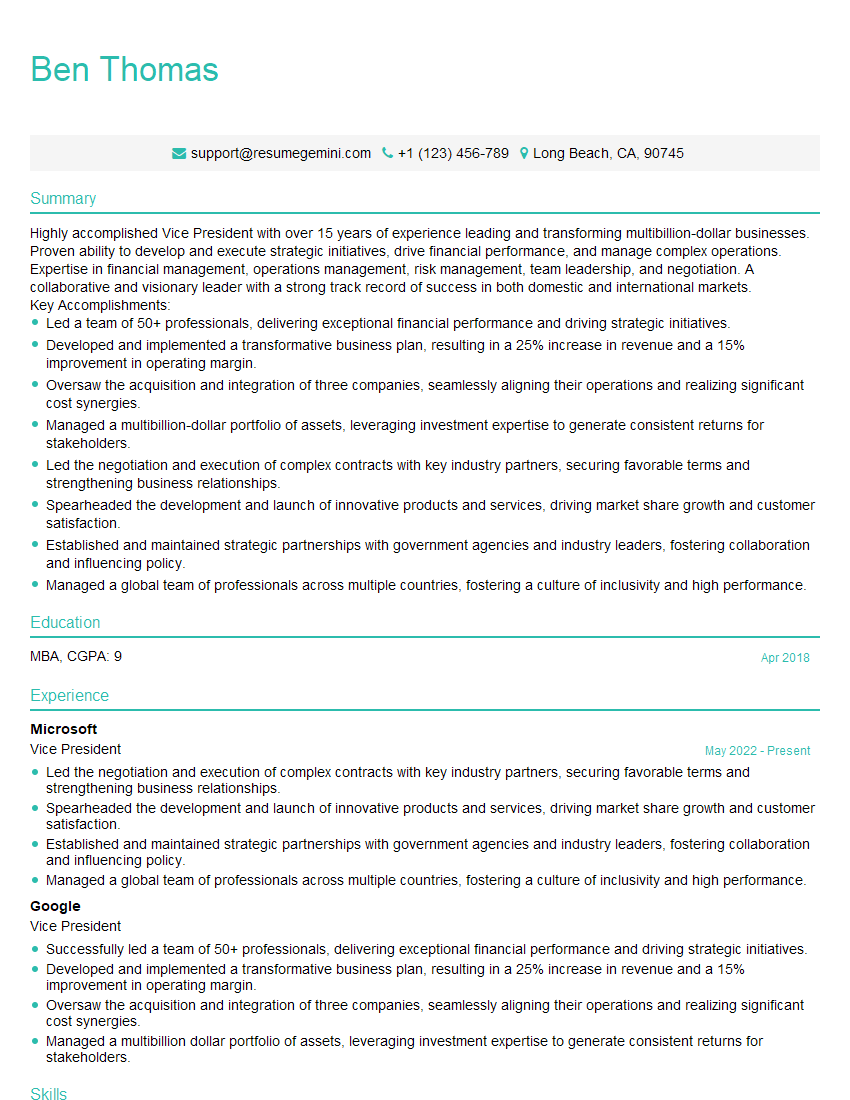
Vice President Resume Sample

Operations Manager Resume Sample
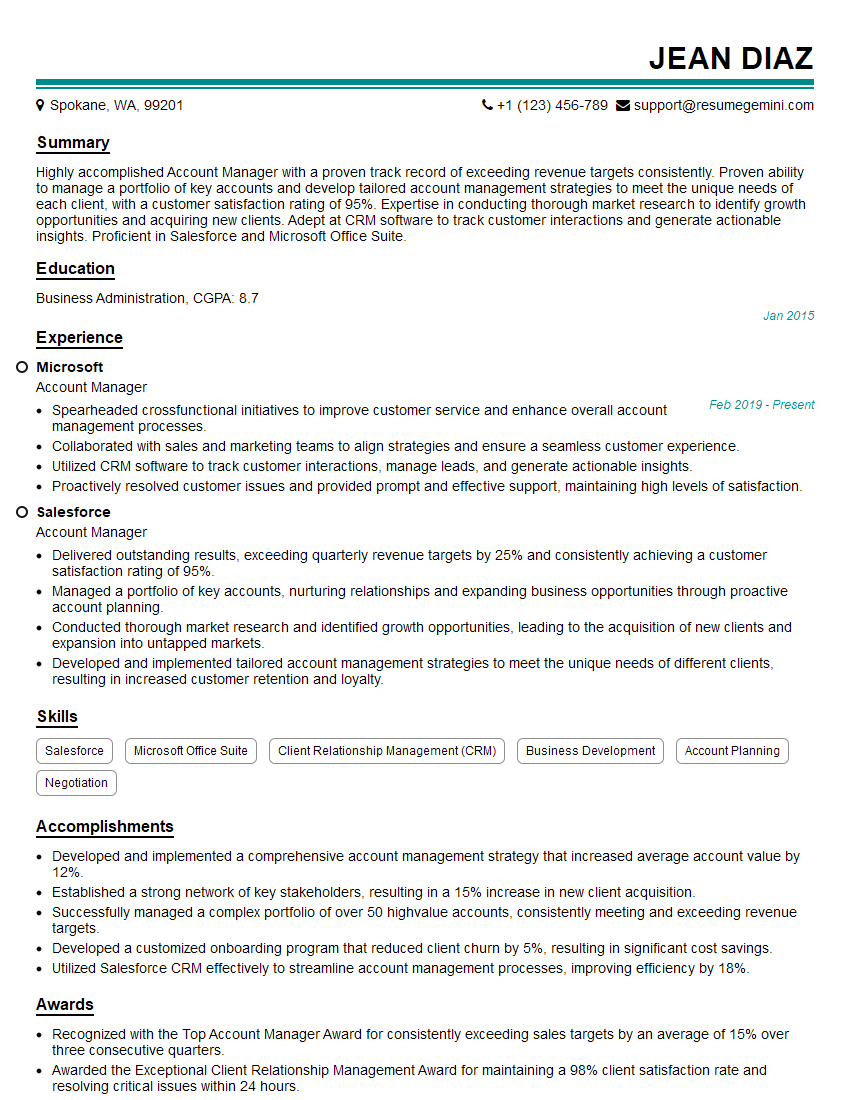
Account Manager Resume Sample
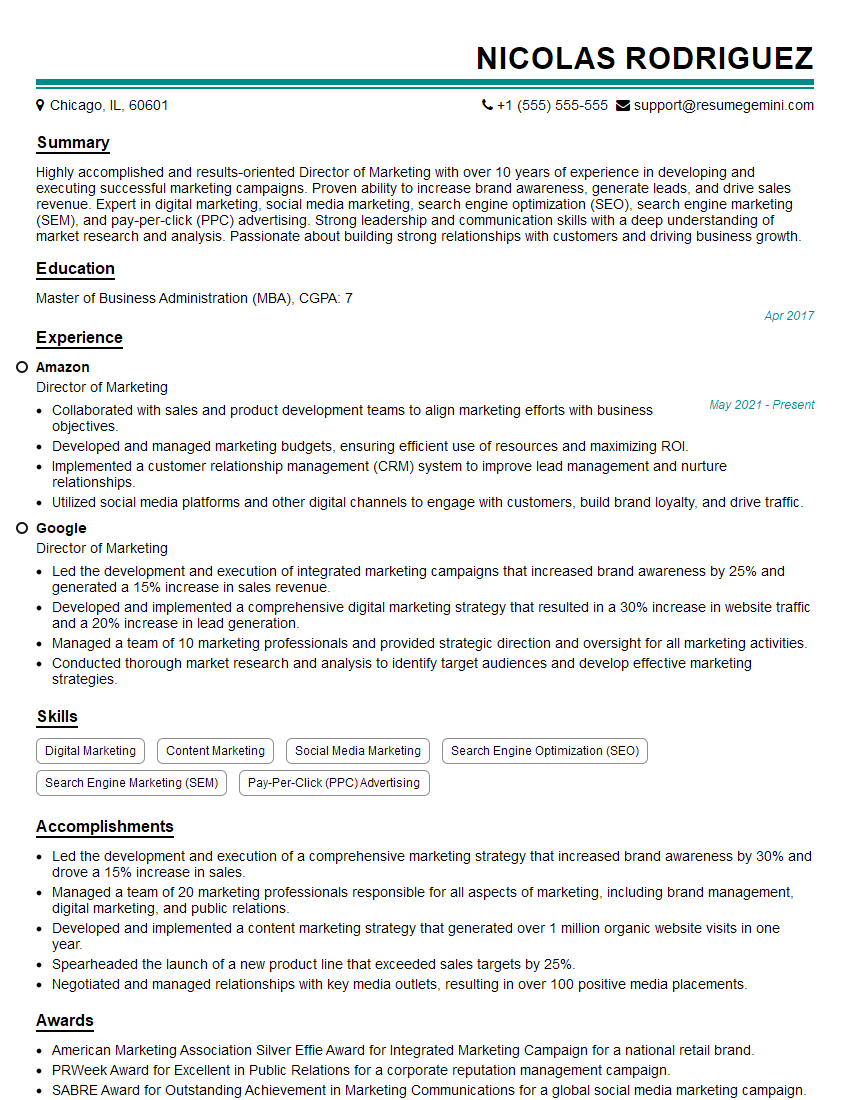
Director of Marketing Resume Sample
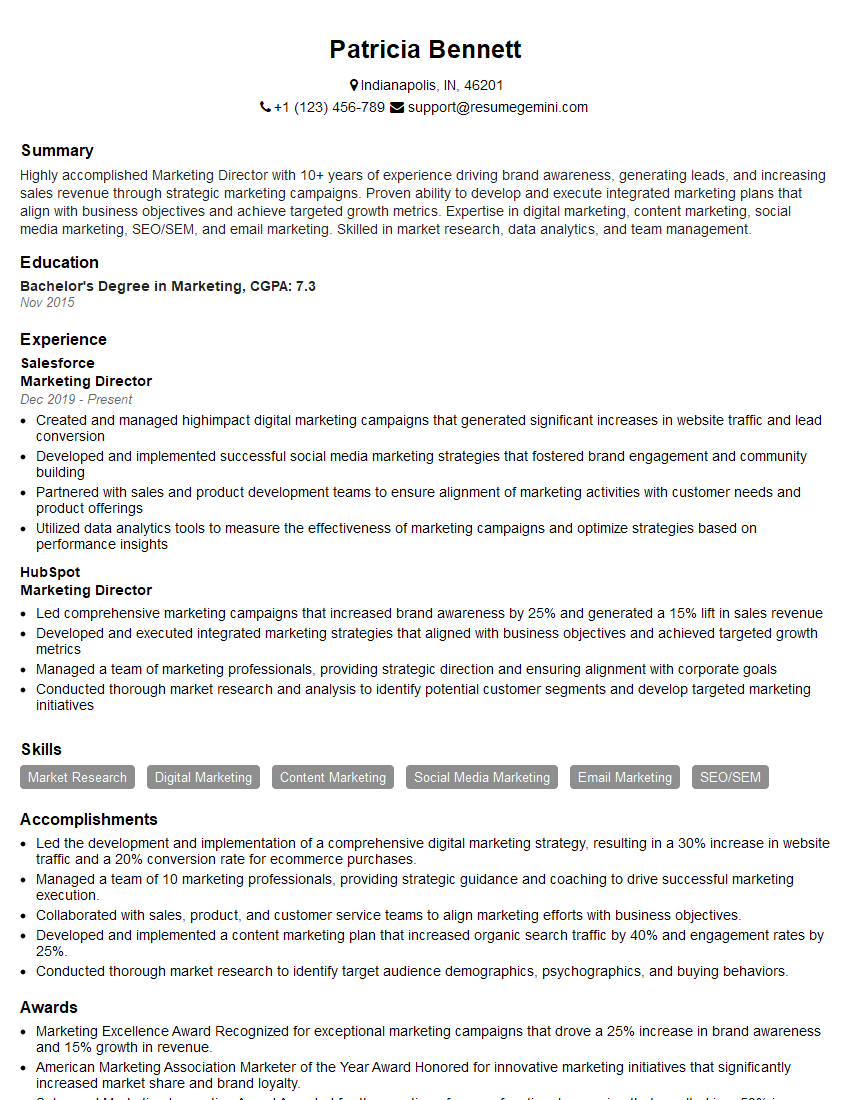
Marketing Director Resume Sample
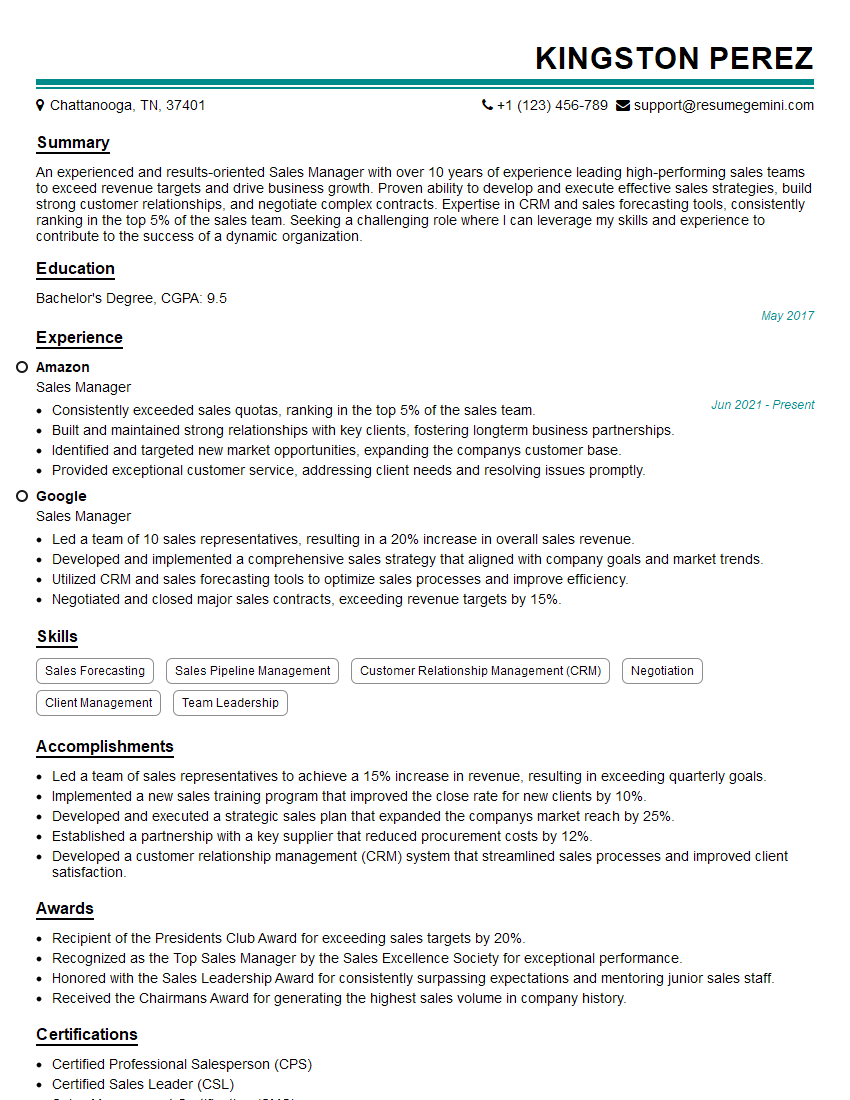
Sales Manager Resume Sample
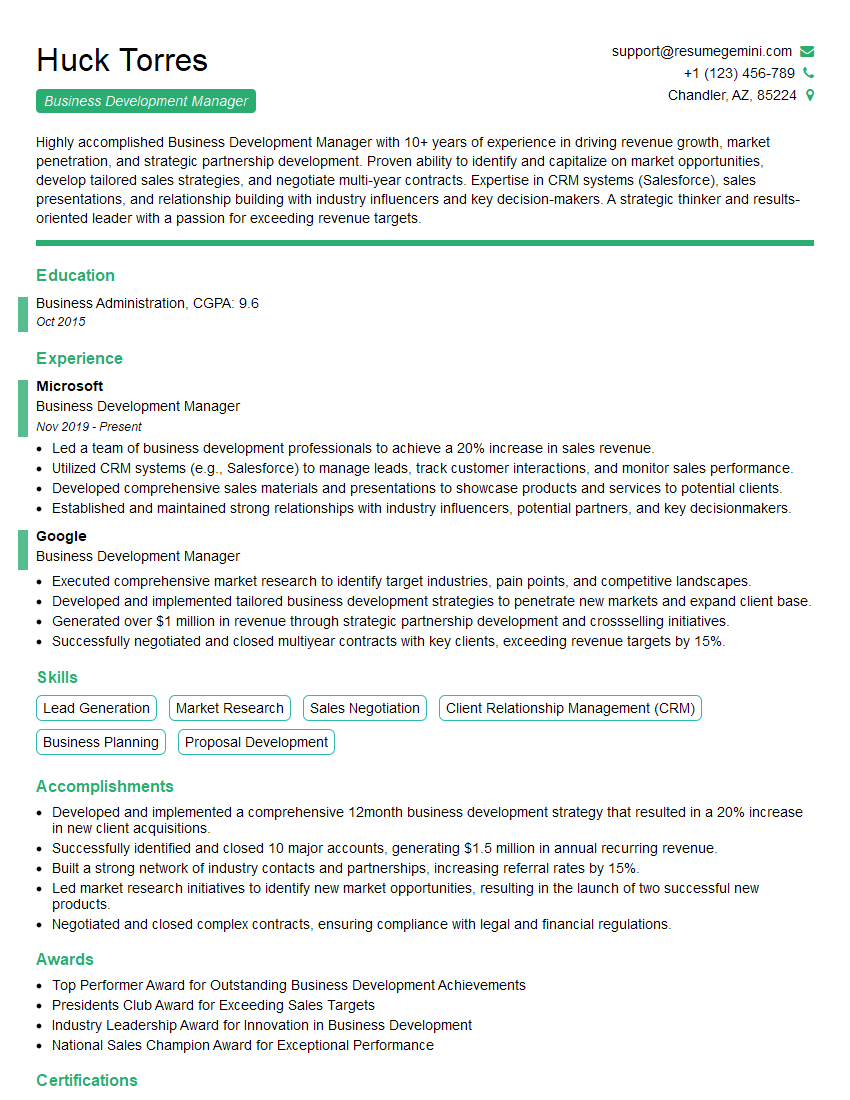
Business Development Manager Resume Sample
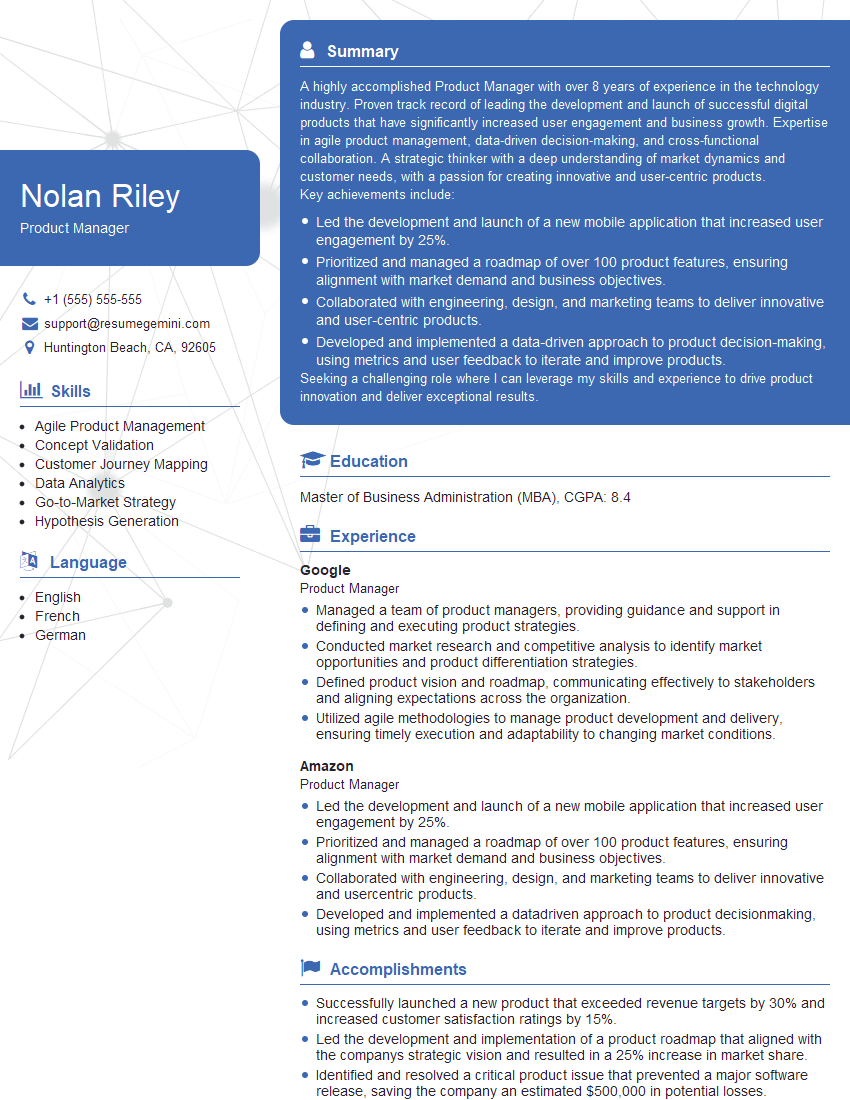
Product Manager Resume Sample

Customer Service Manager Resume Sample
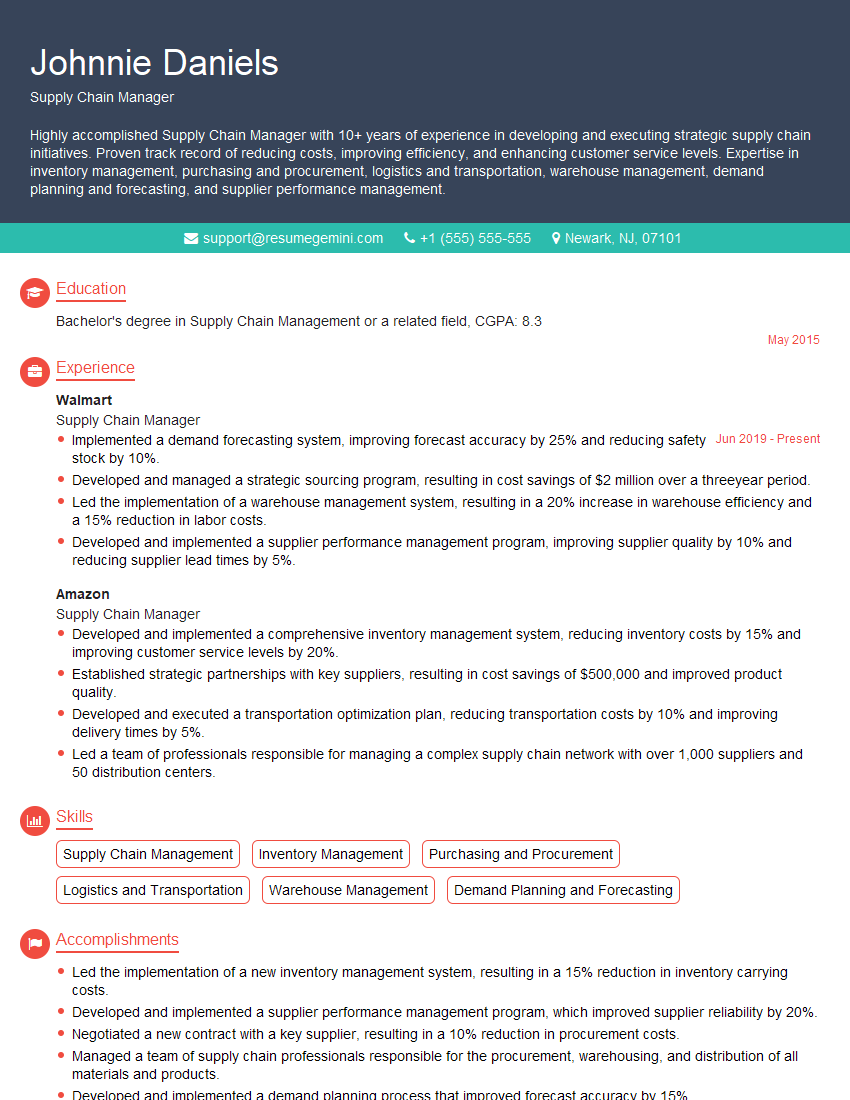
Supply Chain Manager Resume Sample
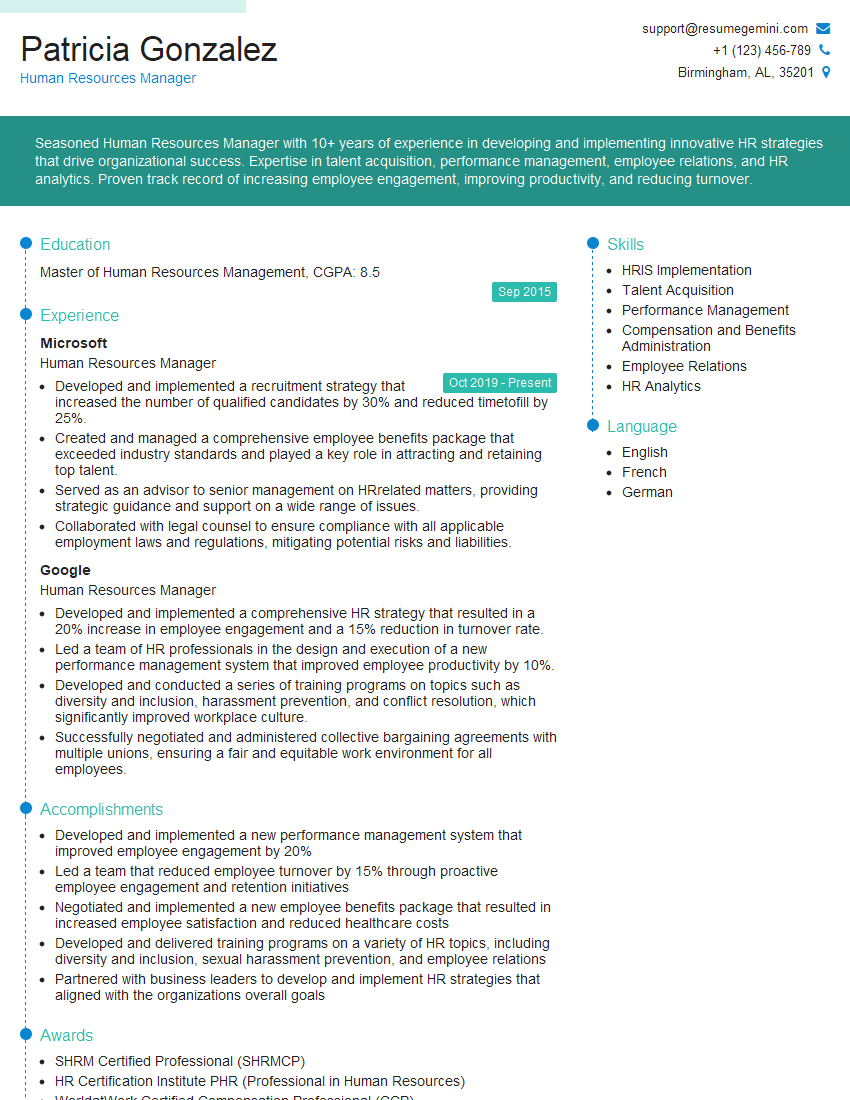
Human Resources Manager Resume Sample
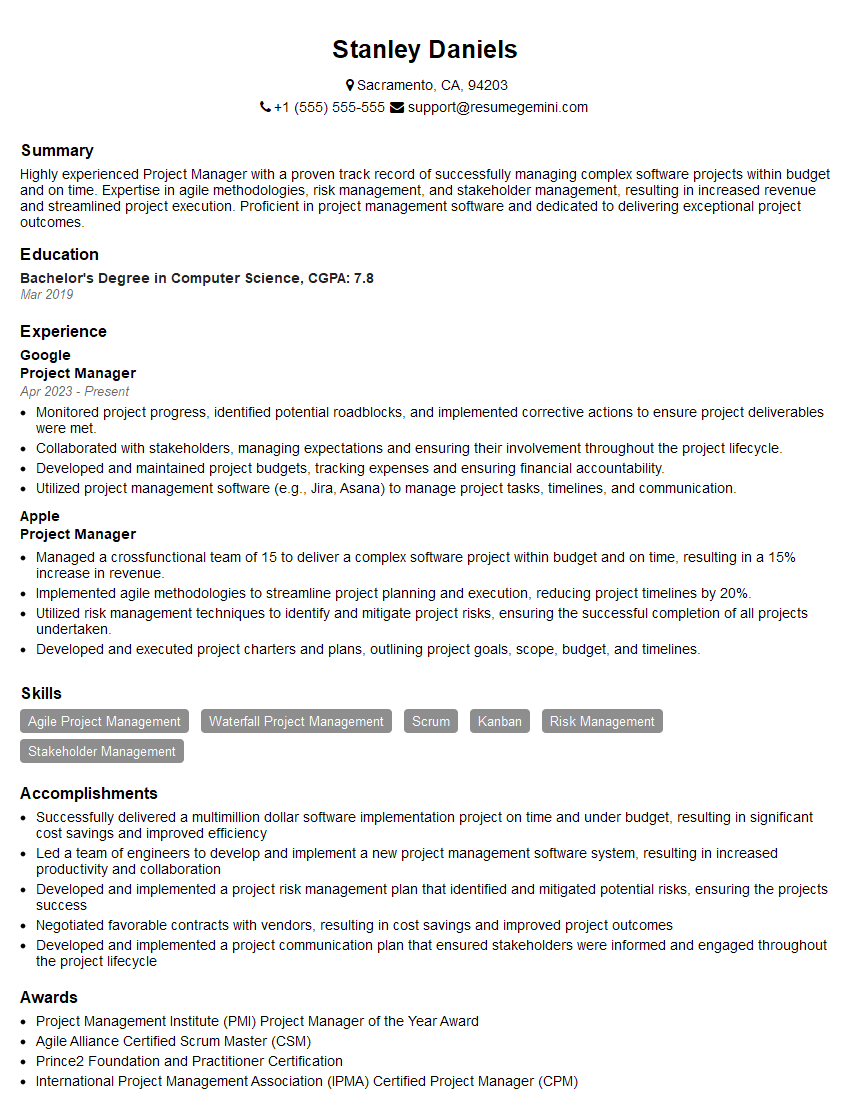
Project Manager Resume Sample
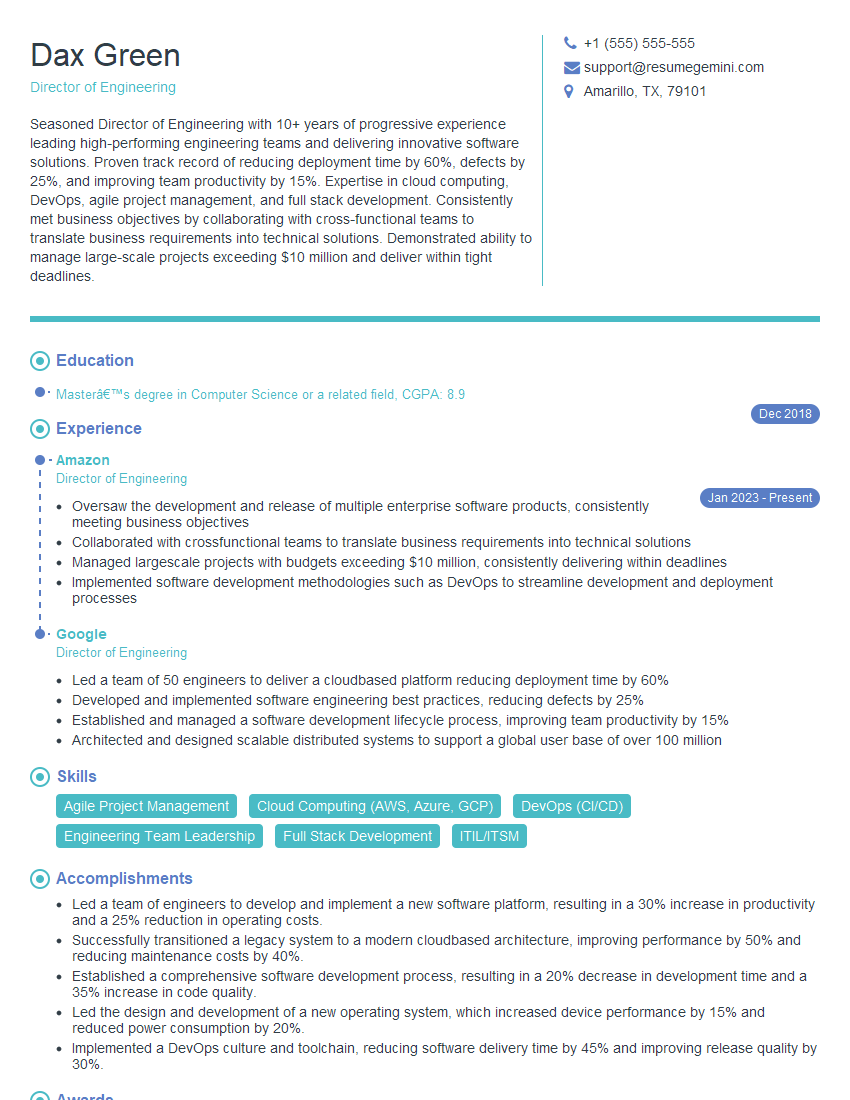
Director of Engineering Resume Sample
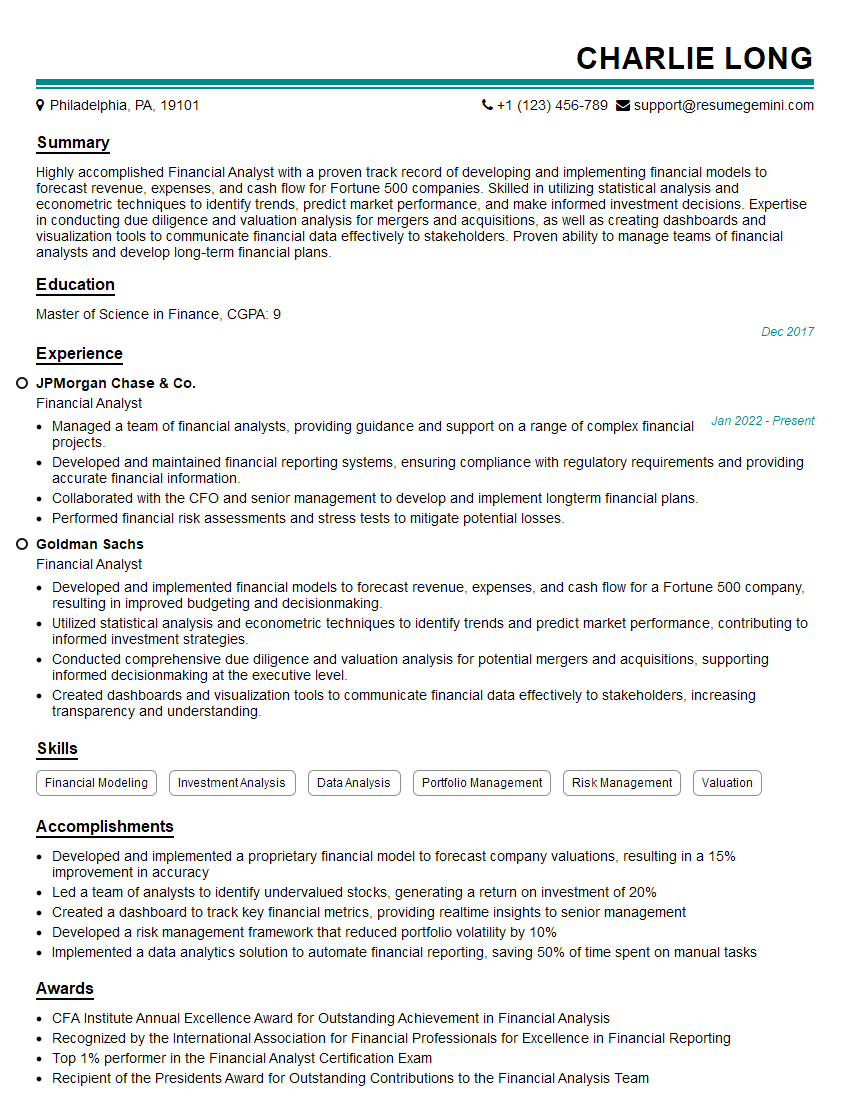
Financial Analyst Resume Sample
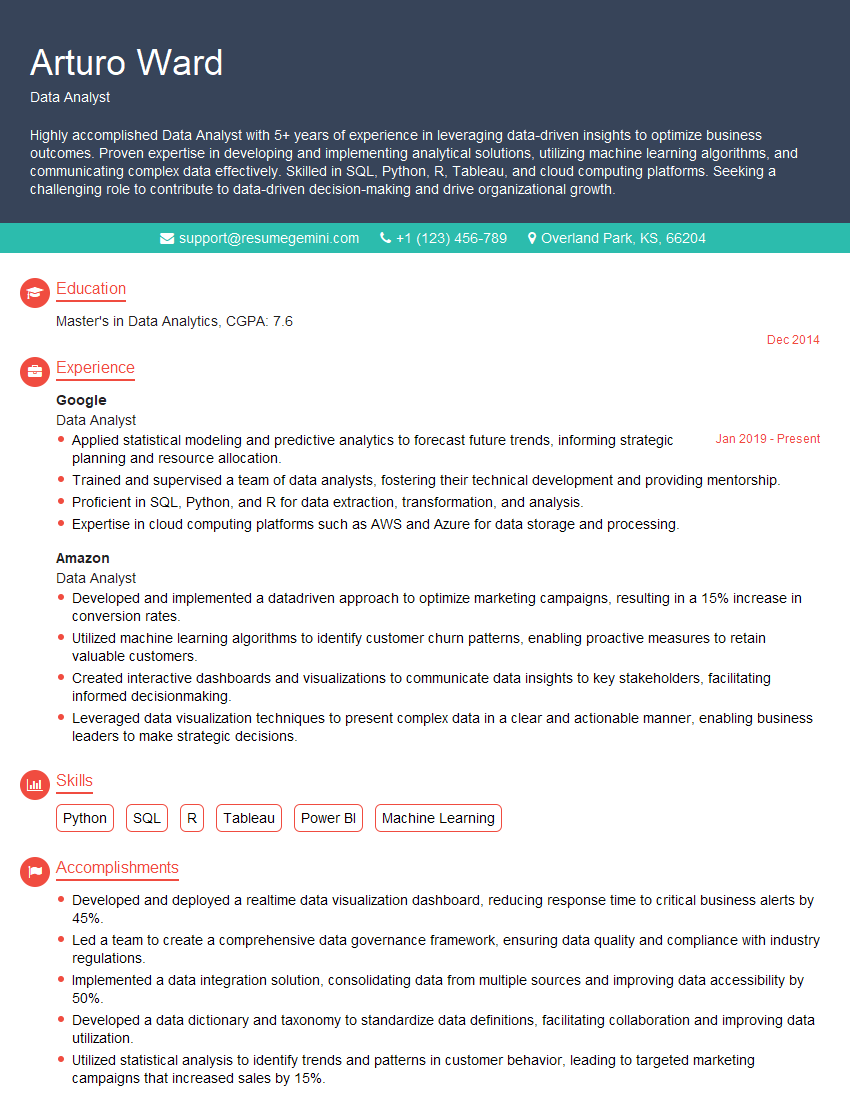
Data Analyst Resume Sample

Senior Software Engineer Resume Sample
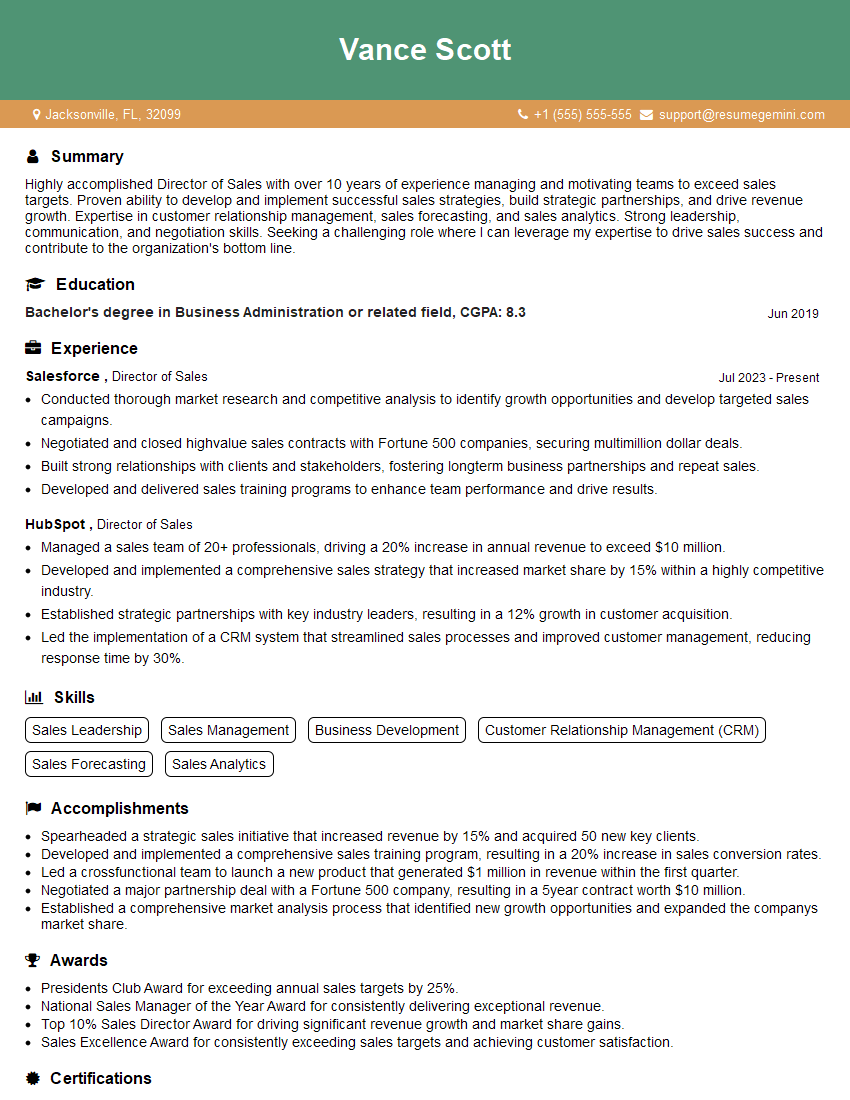
Director of Sales Resume Sample
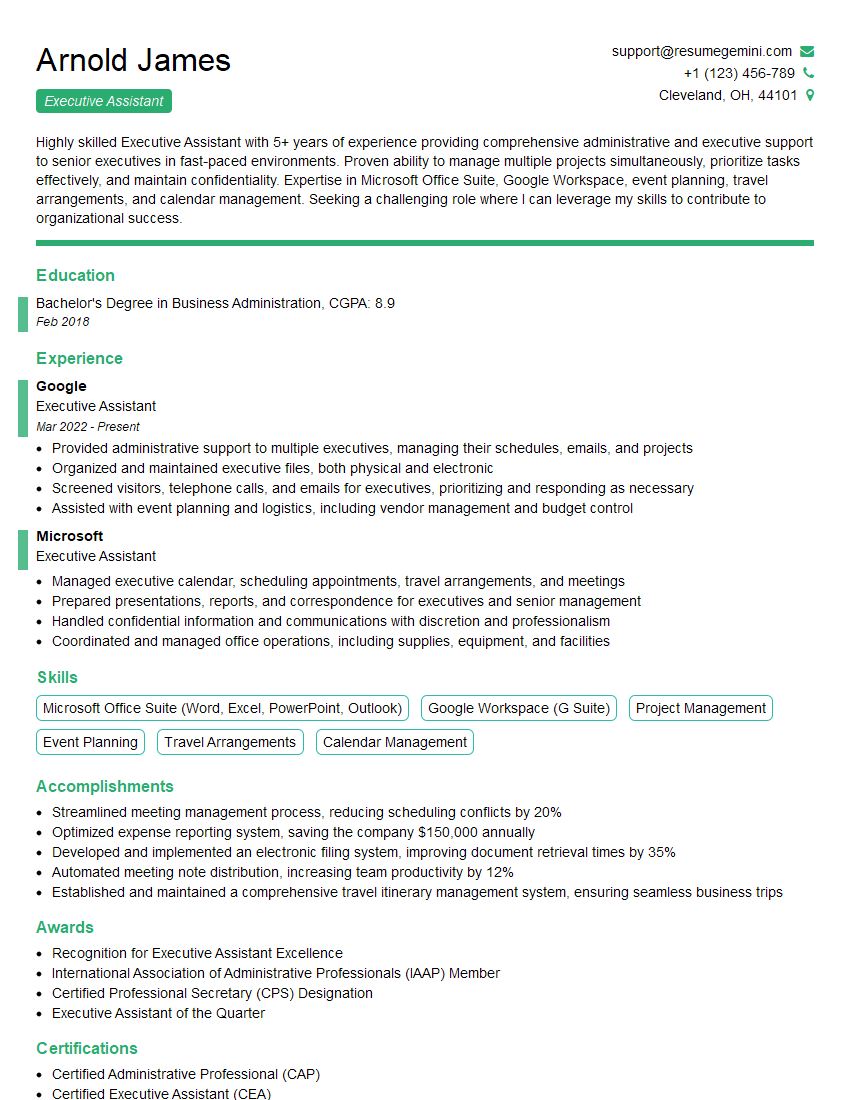
Executive Assistant Resume Sample
- Chief Executive Officer (CEO)
- Chief Financial Officer (CFO)
- Chief Operating Officer (COO)
- Program Manager
- Vice President
- Operations Manager
- Account Manager
- Director of Marketing
- Marketing Director
- Sales Manager
- Business Development Manager
- Product Manager
- Customer Service Manager
- Supply Chain Manager
- Human Resources Manager
- Project Manager
- Director of Engineering
- Financial Analyst
- Data Analyst
- Senior Software Engineer
- Director of Sales
- Executive Assistant
Explore more articles
Users Rating of Our Blogs
Share Your Experience
We value your feedback! Please rate our content and share your thoughts (optional).
What Readers Say About Our Blog
Attention music lovers!
Wow, All the best Sax Summer music !!!
Spotify: https://open.spotify.com/artist/6ShcdIT7rPVVaFEpgZQbUk
Apple Music: https://music.apple.com/fr/artist/jimmy-sax-black/1530501936
YouTube: https://music.youtube.com/browse/VLOLAK5uy_noClmC7abM6YpZsnySxRqt3LoalPf88No
Other Platforms and Free Downloads : https://fanlink.tv/jimmysaxblack
on google : https://www.google.com/search?q=22+AND+22+AND+22
on ChatGPT : https://chat.openai.com?q=who20jlJimmy20Black20Sax20Producer
Get back into the groove with Jimmy sax Black
Best regards,
Jimmy sax Black
www.jimmysaxblack.com
Hi I am a troller at The aquatic interview center and I suddenly went so fast in Roblox and it was gone when I reset.
Hi,
Business owners spend hours every week worrying about their website—or avoiding it because it feels overwhelming.
We’d like to take that off your plate:
$69/month. Everything handled.
Our team will:
Design a custom website—or completely overhaul your current one
Take care of hosting as an option
Handle edits and improvements—up to 60 minutes of work included every month
No setup fees, no annual commitments. Just a site that makes a strong first impression.
Find out if it’s right for you:
https://websolutionsgenius.com/awardwinningwebsites
Hello,
we currently offer a complimentary backlink and URL indexing test for search engine optimization professionals.
You can get complimentary indexing credits to test how link discovery works in practice.
No credit card is required and there is no recurring fee.
You can find details here:
https://wikipedia-backlinks.com/indexing/
Regards
NICE RESPONSE TO Q & A
hi
The aim of this message is regarding an unclaimed deposit of a deceased nationale that bears the same name as you. You are not relate to him as there are millions of people answering the names across around the world. But i will use my position to influence the release of the deposit to you for our mutual benefit.
Respond for full details and how to claim the deposit. This is 100% risk free. Send hello to my email id: lukachachibaialuka@gmail.com
Luka Chachibaialuka
Hey interviewgemini.com, just wanted to follow up on my last email.
We just launched Call the Monster, an parenting app that lets you summon friendly ‘monsters’ kids actually listen to.
We’re also running a giveaway for everyone who downloads the app. Since it’s brand new, there aren’t many users yet, which means you’ve got a much better chance of winning some great prizes.
You can check it out here: https://bit.ly/callamonsterapp
Or follow us on Instagram: https://www.instagram.com/callamonsterapp
Thanks,
Ryan
CEO – Call the Monster App
Hey interviewgemini.com, I saw your website and love your approach.
I just want this to look like spam email, but want to share something important to you. We just launched Call the Monster, a parenting app that lets you summon friendly ‘monsters’ kids actually listen to.
Parents are loving it for calming chaos before bedtime. Thought you might want to try it: https://bit.ly/callamonsterapp or just follow our fun monster lore on Instagram: https://www.instagram.com/callamonsterapp
Thanks,
Ryan
CEO – Call A Monster APP
To the interviewgemini.com Owner.
Dear interviewgemini.com Webmaster!
Hi interviewgemini.com Webmaster!
Dear interviewgemini.com Webmaster!
excellent
Hello,
We found issues with your domain’s email setup that may be sending your messages to spam or blocking them completely. InboxShield Mini shows you how to fix it in minutes — no tech skills required.
Scan your domain now for details: https://inboxshield-mini.com/
— Adam @ InboxShield Mini
support@inboxshield-mini.com
Reply STOP to unsubscribe
Hi, are you owner of interviewgemini.com? What if I told you I could help you find extra time in your schedule, reconnect with leads you didn’t even realize you missed, and bring in more “I want to work with you” conversations, without increasing your ad spend or hiring a full-time employee?
All with a flexible, budget-friendly service that could easily pay for itself. Sounds good?
Would it be nice to jump on a quick 10-minute call so I can show you exactly how we make this work?
Best,
Hapei
Marketing Director
Hey, I know you’re the owner of interviewgemini.com. I’ll be quick.
Fundraising for your business is tough and time-consuming. We make it easier by guaranteeing two private investor meetings each month, for six months. No demos, no pitch events – just direct introductions to active investors matched to your startup.
If youR17;re raising, this could help you build real momentum. Want me to send more info?
Hi, I represent an SEO company that specialises in getting you AI citations and higher rankings on Google. I’d like to offer you a 100% free SEO audit for your website. Would you be interested?
Hi, I represent an SEO company that specialises in getting you AI citations and higher rankings on Google. I’d like to offer you a 100% free SEO audit for your website. Would you be interested?