Are you ready to stand out in your next interview? Understanding and preparing for Rewards and Recognition interview questions is a game-changer. In this blog, we’ve compiled key questions and expert advice to help you showcase your skills with confidence and precision. Let’s get started on your journey to acing the interview.
Questions Asked in Rewards and Recognition Interview
Q 1. Explain the difference between intrinsic and extrinsic rewards.
Intrinsic and extrinsic rewards represent two fundamental approaches to motivating individuals. Intrinsic rewards stem from the inherent satisfaction derived from performing a task itself. The feeling of accomplishment, the joy of learning something new, or the sense of purpose are all examples of intrinsic motivation. Think of a software engineer who finds immense satisfaction in crafting elegant, efficient code – the reward is the process itself, not a bonus.
Extrinsic rewards, on the other hand, are external factors offered as an incentive to influence behavior. These can include monetary bonuses, promotions, public recognition, or extra vacation time. They are externally driven and aim to encourage specific actions or achievements. For instance, a sales team might receive a bonus for exceeding their quarterly sales target.
The key difference lies in the source of motivation. Intrinsic rewards are internally generated, while extrinsic rewards are externally provided. Ideally, a robust rewards and recognition system leverages both, creating a synergistic effect where intrinsic satisfaction is amplified by external validation.
Q 2. Describe your experience designing and implementing a recognition program.
In my previous role at a fintech company, I led the design and implementation of a new recognition program. We recognized that our existing system was outdated and lacked engagement. Our first step involved extensive employee surveys and focus groups to understand what forms of recognition were most valued. We discovered a significant preference for peer-to-peer recognition, alongside more formal manager-led recognition for exceptional performance.
Based on this feedback, we developed a multi-faceted program encompassing:
- A peer-to-peer recognition platform where employees could nominate and reward colleagues for specific achievements or acts of kindness.
- A quarterly ‘employee spotlight’ initiative highlighting outstanding contributions.
- A tiered system of formal awards linked to key performance indicators (KPIs) aligned with our company strategy.
The platform also integrated with our existing performance management system, simplifying the process of tracking and rewarding performance. Following implementation, we tracked key metrics such as participation rates, employee satisfaction, and overall performance to measure the program’s effectiveness (which I will detail in the next question). The program resulted in a significant boost in employee morale and a measurable improvement in team collaboration and performance.
Q 3. What are the key metrics you would use to measure the effectiveness of a rewards program?
Measuring the effectiveness of a rewards program requires a multi-pronged approach, utilizing both quantitative and qualitative data. Key metrics include:
- Participation Rate: How many employees are actively participating in the program? A low participation rate indicates potential issues with program design or communication.
- Employee Satisfaction: Surveys and feedback mechanisms provide insights into employee perception of fairness, relevance, and value of the rewards.
- Impact on Key Performance Indicators (KPIs): Does the program correlate with improved performance metrics such as sales, customer satisfaction, or project completion rates? This demonstrates a direct link between rewards and business outcomes.
- Return on Investment (ROI): While challenging to quantify precisely, evaluating the cost of the program against the resulting improvements in productivity, retention, and overall business performance can provide a valuable assessment.
- Employee Turnover Rate: A decrease in employee turnover can suggest that the rewards program is contributing positively to employee retention.
By tracking these metrics and analyzing the trends, we can identify areas for improvement and ensure that the rewards program remains effective and aligned with business goals.
Q 4. How do you ensure fairness and equity in a rewards and recognition system?
Ensuring fairness and equity is paramount for the success of any rewards and recognition system. Transparency and clearly defined criteria are crucial. This involves:
- Establishing clear, objective criteria: Rewards should be based on measurable achievements and predetermined performance standards, minimizing subjective judgment.
- Communicating criteria transparently: Employees should understand how rewards are awarded, including the criteria used for evaluation and decision-making. This fosters trust and reduces the perception of unfairness.
- Regular review and calibration: The rewards system should be regularly reviewed and adjusted to ensure that it remains fair and equitable over time. This may involve analyzing reward distribution across different demographics and making adjustments as necessary.
- Addressing potential biases: Implement processes to identify and mitigate potential biases in the evaluation and selection process. This could include blind reviews of performance evaluations, or the use of structured assessment tools.
- Providing opportunities for feedback: Create channels for employees to provide feedback on the fairness and equity of the rewards system. This ensures continuous improvement and addresses concerns proactively.
By adhering to these principles, organizations can create a rewards system that is perceived as fair and equitable by all employees, leading to increased engagement and motivation.
Q 5. What are some best practices for aligning rewards with company strategy?
Aligning rewards with company strategy is essential for driving desired behaviors and achieving organizational goals. This requires a strategic approach:
- Define key strategic objectives: Clearly identify the top priorities and key performance indicators (KPIs) that support the company’s overall strategy.
- Link rewards to strategic objectives: Design rewards programs that directly incentivize behaviours and achievements that contribute to the strategic objectives. For example, if the company’s strategy is focused on innovation, rewards could be tied to the number of patents filed or new product launches.
- Use a variety of rewards: Offer a diverse range of rewards that cater to different employee preferences and motivations. This could include monetary incentives, recognition programs, professional development opportunities, or flexible work arrangements.
- Communicate the connection clearly: Ensure that employees understand how their individual contributions and achievements contribute to the overall strategic goals of the company, and how rewards are linked to these contributions.
- Regularly review and adjust: Periodically review the effectiveness of the rewards program and make adjustments as needed to ensure continued alignment with the company’s evolving strategic objectives.
By aligning rewards with company strategy, organizations can foster a culture of performance and ensure that employees are motivated to work towards common goals.
Q 6. Explain your understanding of pay equity and how to address pay gaps.
Pay equity refers to the principle of equal pay for equal work, regardless of gender, race, ethnicity, or other demographic factors. Pay gaps, the difference in compensation between demographic groups, often stem from historical biases and systemic inequalities. Addressing these gaps requires a multi-faceted approach:
- Conduct a pay equity analysis: Perform a thorough analysis of current compensation practices to identify any existing pay gaps. This typically involves comparing pay across different demographic groups for similar roles and levels of experience.
- Develop transparent compensation structures: Implement clear and consistent pay bands and salary ranges for all jobs, based on objective factors such as skills, experience, and market rates.
- Implement pay adjustments: Based on the pay equity analysis, make necessary adjustments to address any identified pay gaps. This might involve salary increases for underpaid employees or adjustments to existing compensation structures.
- Promote pay transparency: Increase transparency around pay practices, empowering employees with information to understand how compensation is determined. This can help foster trust and address concerns regarding potential biases.
- Invest in diversity, equity, and inclusion initiatives: A holistic approach to pay equity requires a broader commitment to DEI, fostering a fair and equitable work environment. This includes measures to attract, retain, and promote diverse talent.
Addressing pay equity is not just about legal compliance; it’s about creating a fair and just workplace where all employees feel valued and respected.
Q 7. Describe your experience with different types of incentive programs (e.g., bonuses, stock options).
Throughout my career, I’ve had extensive experience designing and implementing various incentive programs, including:
- Bonuses: I’ve designed and managed both individual and team-based bonus programs, tied to specific performance metrics, such as sales targets, customer satisfaction scores, or project milestones. For example, I structured a bonus plan for a sales team where individual bonuses were tiered based on exceeding predefined sales quotas, while a team bonus was awarded for collective achievement of overall departmental targets.
- Stock Options: I’ve been involved in the administration and communication of stock option programs, ensuring that employees understand the benefits and risks associated with this type of incentive. A key aspect here was ensuring proper communication and education to help employees make informed decisions about their participation.
- Profit Sharing: I’ve implemented profit-sharing plans to encourage employee ownership and alignment with company performance. These plans were designed to reward employees based on the company’s overall profitability, promoting a shared sense of success.
- Employee Stock Ownership Plans (ESOPs): I assisted in the implementation and communication of ESOPs, which offer employees the opportunity to own company shares, fostering a stronger sense of ownership and long-term commitment.
The selection of the appropriate incentive program always depends on the specific organizational context, company culture, and strategic objectives. A successful incentive program is tailored to the specific needs and preferences of the workforce, ensuring it motivates employees and drives positive business outcomes.
Q 8. How do you handle employee complaints or concerns regarding the rewards system?
Handling employee complaints about a rewards system requires a structured, empathetic, and fair approach. First, I establish a clear, accessible communication channel – perhaps a dedicated email address or feedback form – to ensure employees feel comfortable voicing concerns. Each complaint is then treated seriously and investigated thoroughly. This involves understanding the employee’s perspective, reviewing the relevant policies and procedures, and examining the specific situation that led to the complaint.
If the complaint highlights a genuine issue, like an error in points allocation or perceived inequity, I work to resolve it promptly and transparently. This may involve adjusting points, clarifying the rewards program rules, or adjusting the program itself to address systemic issues. For example, if complaints consistently center around a lack of clarity in eligibility criteria, we could revise the program guidelines with simpler language and more illustrative examples.
For complaints that stem from misunderstandings, I utilize clear and effective communication to educate the employee and correct any misconceptions. However, if a complaint is unfounded or deliberately malicious, I would address it with a firm yet supportive approach, emphasizing the company’s commitment to fairness but also upholding the integrity of the rewards program.
Finally, I document every complaint and its resolution, using this data to identify trends and make improvements to the rewards system. This continuous feedback loop is crucial for maintaining employee trust and optimizing the program’s effectiveness.
Q 9. What are some common challenges in implementing a rewards and recognition program?
Implementing a rewards and recognition program presents several challenges. One common hurdle is budgetary constraints. Determining the appropriate budget allocation requires careful consideration of various reward types and their associated costs. Balancing employee expectations with financial realities is a key skill.
Another significant challenge is defining clear criteria for rewards. Ambiguous or subjective criteria can lead to feelings of unfairness and demotivation. It’s essential to create transparent and objective performance metrics so that employees understand how they can earn rewards.
Ensuring program engagement can also be difficult. A program might fail to resonate with employees if the rewards aren’t relevant or appealing. Understanding employee preferences through surveys and feedback sessions is critical. For example, offering a wider selection of rewards, from gift cards to experiences, caters to diverse preferences.
Finally, measuring the ROI of a rewards program can be challenging. While it’s often hard to directly quantify the impact on metrics like productivity or retention, using key performance indicators (KPIs) focused on employee engagement and satisfaction can provide a strong indication of success.
Q 10. How do you stay current on best practices in rewards and recognition?
Staying abreast of best practices in rewards and recognition involves a multi-pronged approach. I actively participate in relevant industry conferences and workshops, networking with peers and learning about innovative programs. This provides opportunities to hear about real-world success stories and challenges, enriching my understanding.
I also subscribe to industry publications and online resources dedicated to HR and rewards and recognition. These platforms often feature case studies, research articles, and expert opinions on the latest trends and strategies. Additionally, I follow thought leaders and influencers on social media platforms like LinkedIn, which provides up-to-date insights and discussions within the field.
Furthermore, I regularly review data and analytics from our own reward program to identify areas for improvement and to understand the effectiveness of different reward types and communication strategies. Internal benchmarking and the continuous analysis of our results are critical for maintaining relevance and effectiveness.
Q 11. Describe your experience with performance management systems and their integration with rewards.
Performance management systems and reward programs are intrinsically linked. A robust performance management system provides the foundation for a fair and effective rewards program. My experience has shown that strong alignment between these systems is vital for optimizing employee motivation and engagement.
In several past roles, I’ve integrated performance management systems and rewards by using performance reviews as a key input for reward allocation. Specific performance goals are linked to reward opportunities. For instance, employees who exceed expectations in a given quarter could receive a higher bonus or more reward points, directly rewarding high performance and aligning individual goals with company objectives. This creates a direct link between actions and outcomes, clarifying the value of high performance.
Furthermore, I’ve leveraged technology to streamline this integration. We used software that automatically calculates rewards based on pre-defined performance metrics from the performance management system, eliminating manual processes and reducing the risk of errors. This automation ensures efficiency and maintains transparency in the reward allocation process.
Q 12. What is your experience with different types of reward programs (points-based, cash, gift cards)?
My experience encompasses a wide range of reward program types. Points-based systems are particularly effective for driving participation and engagement, especially when the points are easily convertible into a variety of desired rewards. For example, a system where employees earn points for meeting targets and can then redeem them for gift cards, extra vacation time, or merchandise, incentivizes participation broadly.
Cash rewards are highly effective in providing immediate and tangible value, making them particularly suitable for significant achievements or milestones. However, they can sometimes lack the consistent engagement of points-based systems. For example, substantial bonuses for exceeding annual sales targets are very impactful.
Gift cards provide flexibility and convenience for employees, as they offer the freedom to choose the rewards that suit their individual needs and preferences. This makes them ideal for smaller, more frequent rewards. For example, a gift card to a popular retailer is a great way to quickly show appreciation for smaller achievements.
The optimal choice depends on the specific organizational culture, employee demographics, and the budget available. A blended approach, combining various reward types, is often the most effective way to cater to the diverse preferences of the workforce.
Q 13. How do you measure the ROI of a rewards and recognition program?
Measuring the ROI of a rewards and recognition program requires a multifaceted approach that goes beyond simple financial calculations. While a direct financial return might be difficult to quantify, we can assess indirect benefits that contribute to the overall success of the program.
Key Performance Indicators (KPIs) are crucial for evaluation. These can include: employee satisfaction scores (measured through surveys), employee retention rates, employee engagement levels (as measured by participation rates in company initiatives), productivity improvements (e.g., sales increases, project completion rates), and reduced employee turnover. Each KPI needs to be benchmarked against historical data or industry averages to determine the program’s impact.
For example, if the program leads to a measurable decrease in turnover, the cost savings from reduced recruitment and training expenses can be considered a part of the ROI. Similarly, increased employee productivity can translate into increased revenue and profitability.
Qualitative data, such as employee feedback and anecdotal evidence, also plays a critical role. This provides valuable insights into employee perceptions of the program’s fairness, effectiveness, and overall impact on morale and job satisfaction.
Q 14. How do you ensure the rewards program motivates and engages employees?
A truly motivating and engaging rewards program requires a deep understanding of the employee population and their values. It’s not just about the rewards themselves; it’s about how the program is designed and communicated.
Relevance is key. Rewards should be aligned with employee preferences and values. Regular employee surveys and feedback sessions are invaluable for gathering this information. A reward that holds high value for one person might be irrelevant to another. For example, offering a wide range of rewards, from cash bonuses to extra vacation days to professional development opportunities, caters to different preferences and life stages.
Transparency and fairness are crucial for building trust and ensuring perceived equity among employees. Clear and easily understandable criteria for earning rewards are essential to prevent feelings of resentment or unfairness. Communicating the program’s rules and processes clearly, including examples of award eligibility and calculations, ensures that all employees have the opportunity to fully participate and understand how to be recognized.
Recognition and celebration go hand-in-hand with rewards. Publicly acknowledging and celebrating employee achievements through company-wide announcements, newsletters, or team meetings significantly increases the motivational impact. This creates a culture of appreciation and reinforces positive behaviors.
Finally, regular review and iteration are essential. Collecting feedback, analyzing data, and making adjustments based on performance data ensures that the program remains relevant, effective, and motivating over time.
Q 15. How do you balance the cost of a rewards program with its effectiveness?
Balancing the cost of a rewards program with its effectiveness is a crucial aspect of its success. It’s not simply about offering the most expensive prizes; it’s about achieving maximum impact within a defined budget. This requires a strategic approach that combines careful planning, data analysis, and a deep understanding of employee motivation.
Step 1: Define Objectives and Target Metrics: Before allocating any budget, clearly define what you want to achieve with the rewards program. Are you aiming to improve employee engagement, increase productivity, reduce turnover, or boost innovation? Setting clear, measurable objectives (like a 10% increase in employee satisfaction or a 5% reduction in error rate) allows you to measure the ROI of your program.
Step 2: Conduct a Needs Assessment: Understand your employee base. What motivates them? What types of rewards resonate with them? Surveys, focus groups, and pulse checks can provide valuable insights. This information guides your reward selection, ensuring you’re investing in rewards that truly matter to your employees.
Step 3: Pilot Program and Iterate: Before a full-scale rollout, test your program on a smaller group. This allows you to refine your strategy, adjust budget allocations based on initial results, and identify areas for improvement. This iterative approach ensures you’re maximizing your return on investment.
Step 4: Analyze and Optimize: Continuously monitor the program’s effectiveness using key performance indicators (KPIs) tied to your objectives. Track participation rates, employee feedback, and the impact on performance metrics. This data provides insights into what’s working and what’s not, allowing for adjustments in budget allocation and reward offerings over time.
Example: Instead of offering a large, one-time bonus, a company might opt for a tiered reward system with smaller, more frequent rewards for consistent performance. This can be more cost-effective while maintaining high employee engagement.
Career Expert Tips:
- Ace those interviews! Prepare effectively by reviewing the Top 50 Most Common Interview Questions on ResumeGemini.
- Navigate your job search with confidence! Explore a wide range of Career Tips on ResumeGemini. Learn about common challenges and recommendations to overcome them.
- Craft the perfect resume! Master the Art of Resume Writing with ResumeGemini’s guide. Showcase your unique qualifications and achievements effectively.
- Don’t miss out on holiday savings! Build your dream resume with ResumeGemini’s ATS optimized templates.
Q 16. What are some innovative ways to recognize and reward employees?
Innovative rewards and recognition go beyond traditional bonuses and gift cards. They focus on personalization and experiences that create lasting impact. Here are some ideas:
- Peer-to-Peer Recognition Programs: Empower employees to recognize and reward each other for outstanding contributions. This fosters a positive work environment and increases employee engagement.
- Skill-Based Rewards: Offer opportunities for professional development, like attending conferences, taking online courses, or mentoring junior employees. This demonstrates investment in their growth and future.
- Experiential Rewards: Provide experiences, such as tickets to events, weekend getaways, or extra vacation days. These rewards create lasting memories and boost morale.
- Personalized Gifts: Offer gifts tailored to individual employee interests and preferences. This shows you value their unique contributions and understand their personalities.
- Public Acknowledgement: Recognize achievements in company-wide emails, newsletters, or team meetings. This boosts employee morale and inspires others.
- Flexible Rewards Programs: Offer a choice of rewards, allowing employees to select what best suits their needs and preferences. This increases satisfaction and engagement.
Example: A company might offer employees the choice between a bonus, extra vacation time, or professional development opportunities, catering to diverse preferences.
Q 17. Describe your experience with reward budget planning and allocation.
My experience with reward budget planning and allocation involves a strategic, data-driven approach. I start by aligning the budget with overall business goals and then break it down into smaller, manageable segments. This involves:
- Analyzing historical data: Examining past reward program spending and its impact on employee performance and engagement.
- Forecasting future needs: Projecting potential costs based on anticipated employee growth, performance targets, and desired reward levels.
- Developing a budget allocation model: Determining how much to allocate to different reward categories (e.g., bonuses, performance-based incentives, recognition awards).
- Setting clear parameters: Establishing criteria for awarding rewards, ensuring fair and consistent application across the organization.
- Tracking and adjusting the budget: Regularly monitoring expenditures and making adjustments as needed to optimize resource allocation.
Example: In a previous role, I developed a reward budget that allocated 50% to performance-based bonuses, 30% to spot awards, and 20% to employee recognition events. This was adjusted throughout the year based on actual performance and employee feedback.
Q 18. How would you handle a situation where employees feel the rewards system is unfair?
Addressing employee perceptions of unfairness in a rewards system is crucial for maintaining trust and morale. My approach involves a multi-step process:
- Gather Feedback: Conduct anonymous surveys, hold focus groups, or utilize employee feedback channels to understand the root cause of the perceived unfairness. Focus on specific examples and data to avoid general complaints.
- Analyze the System: Objectively review the reward program’s structure, criteria, and processes. Identify potential biases, inconsistencies, or areas for improvement. Are the criteria for awards clearly defined and consistently applied?
- Communicate Findings: Transparency is key. Communicate the results of the analysis to employees, explaining any issues found and the steps being taken to address them. Open communication builds trust and reduces feelings of resentment.
- Implement Changes: Based on the analysis and feedback, make necessary adjustments to the reward system. This may involve clarifying criteria, modifying allocation methods, or introducing new reward categories.
- Monitor and Evaluate: After implementing changes, continue to monitor employee perception and feedback to ensure the system is fair and effective. Regular check-ins and adjustments are vital for continuous improvement.
Example: If employees feel that promotions are not fairly distributed, a thorough review of the promotion criteria and process might reveal biases that need to be addressed.
Q 19. How do you adapt reward programs to different employee demographics and preferences?
Adapting reward programs to different employee demographics and preferences requires understanding the unique needs and motivations of each group. A one-size-fits-all approach rarely works effectively. This necessitates a segmented approach:
- Generational Differences: Different generations have different values and preferences. Younger employees may prefer experiences and flexible benefits, while older employees might value financial security and recognition.
- Cultural Considerations: Reward preferences can vary significantly across cultures. What motivates an employee in one culture might not resonate with another. Understanding these cultural nuances is critical.
- Individual Preferences: Utilize employee surveys and feedback to identify individual preferences. This information can personalize reward options, creating a more tailored and engaging experience.
- Diversity and Inclusion: Ensure your reward program is inclusive and equitable, avoiding any potential biases. This involves offering a range of options that cater to the diverse needs and preferences of all employees.
Example: A company might offer a choice of rewards, including monetary bonuses, additional vacation time, professional development opportunities, and charitable donations, to cater to diverse preferences and values.
Q 20. What is your experience with communicating the rewards program to employees?
Effective communication is the cornerstone of a successful rewards program. Without clear and consistent communication, even the best program can fail to engage employees. My approach involves a multi-channel strategy:
- Launch Event: A formal launch event can generate excitement and provide a platform to explain the program’s goals, benefits, and mechanics in detail.
- Intranet and Internal Communication: Utilize company intranets, newsletters, and email communications to keep employees informed about program updates, eligibility criteria, and success stories.
- Manager Training: Train managers to effectively communicate the program to their teams, answer questions, and provide ongoing support.
- Regular Updates and Feedback: Regularly solicit employee feedback, address concerns, and provide updates on the program’s performance. This maintains engagement and ensures the program remains relevant.
- Recognition Platforms: Implement a platform to facilitate peer-to-peer recognition, allowing employees to celebrate each other’s achievements publicly.
Example: In a previous role, we launched a new rewards program with a company-wide email, followed by a series of smaller departmental meetings to provide tailored information and answer questions.
Q 21. What software or tools are you familiar with for managing rewards programs?
I’m familiar with several software and tools for managing rewards programs, each offering unique functionalities. Some examples include:
- Workday: A comprehensive HCM (Human Capital Management) system that incorporates rewards and recognition modules, allowing for streamlined administration and reporting.
- BambooHR: A user-friendly HR platform with features for managing employee rewards and recognition programs.
- Bonusly: A platform specifically designed for peer-to-peer recognition, allowing employees to award points or badges to one another.
- Globoforce (now part of Blackhawk Network): A sophisticated platform for managing large-scale rewards and recognition programs, offering personalized experiences and analytics.
The choice of software depends on the size and complexity of the program, budget considerations, and desired features. I’m adept at selecting and implementing the most suitable technology to maximize the effectiveness of the rewards program.
Q 22. Describe a time you had to solve a problem within a rewards and recognition system.
In a previous role, our company implemented a new points-based rewards system. Initially, the system was cumbersome and lacked transparency, leading to low employee participation. The problem wasn’t the concept itself, but the execution. Employees struggled to understand how points were earned and redeemed, and the rewards catalog was limited and unappealing. My solution involved a three-pronged approach:
- Improved User Interface/UX: We redesigned the platform with a user-friendly interface, simplifying the point-earning process and making the rewards catalog more visually engaging. This included adding clear explanations and visual cues to guide users.
- Enhanced Communication: We launched a comprehensive internal communication campaign, including emails, intranet articles, and town hall meetings, explaining the revised system and its benefits. This boosted transparency and employee understanding.
- Expanded Rewards Catalog: We broadened the rewards catalog to include a wider variety of options catering to diverse interests, incorporating both tangible rewards (gift cards, electronics) and intangible rewards (extra vacation days, professional development opportunities).
The result was a significant increase in employee participation and engagement with the rewards system. Employee satisfaction surveys showed a marked improvement in their perception of the fairness and effectiveness of the program.
Q 23. How do you adapt the reward program to changing business needs?
Adapting a rewards program to changing business needs requires agility and a data-driven approach. It’s not a ‘set it and forget it’ process. I use a framework that involves:
- Regular Monitoring of Key Metrics: This includes tracking participation rates, redemption rates, employee feedback, and alignment with business goals. Are rewards driving the desired behaviors? Are employees engaging with the program?
- Business Needs Assessment: When business priorities shift (e.g., a new product launch, increased focus on customer service), the rewards program should reflect these changes. We may need to adjust the types of rewards offered, the criteria for earning rewards, or the overall communication strategy.
- Flexibility and Iteration: The rewards program shouldn’t be rigid. It should be adaptable. A/B testing different reward types or communication methods can help optimize the program over time. Regular reviews and adjustments based on performance data and employee feedback are essential.
- Communication is Key: Any changes to the program must be clearly communicated to employees. Transparency ensures they understand the rationale behind the changes and maintain trust in the system.
For example, if the company shifts its focus to innovation, we might introduce rewards specifically for employees who contribute creative ideas or develop new processes.
Q 24. How do you ensure that the rewards program supports organizational culture?
A successful rewards program needs to be deeply intertwined with the organization’s culture. It should reinforce the values, behaviors, and mission that the company champions. This requires understanding the cultural nuances of the organization and tailoring the program accordingly.
- Alignment with Values: The rewards should recognize behaviors and achievements that are consistent with the company’s core values. For example, if teamwork is a key value, rewards could be designed to incentivize collaboration and collective accomplishments.
- Recognition Methods: The way recognition is delivered should also align with the culture. A formal, structured approach may be suitable for a hierarchical organization, while a more informal, peer-to-peer recognition system might fit a more flat organizational structure.
- Reward Preferences: The type of rewards offered should reflect employee preferences, which in turn are influenced by culture. Understanding what truly motivates employees – whether it’s monetary rewards, public acknowledgement, or opportunities for growth – is crucial for success.
- Employee Feedback: Regular surveys and feedback sessions help understand what resonates with employees and refine the program to better align with the organization’s culture.
For instance, a company with a collaborative culture might prioritize team-based rewards, while a company that values individual achievement might focus on individual performance-based rewards.
Q 25. What is your understanding of legal compliance related to rewards and compensation?
Legal compliance in rewards and compensation is critical and varies by jurisdiction. Understanding and adhering to relevant laws and regulations is paramount to avoid legal issues and maintain employee trust. Key areas of focus include:
- Equal Pay and Non-Discrimination: Rewards programs must comply with equal pay laws, ensuring that rewards are distributed fairly across different genders, ethnicities, and other protected characteristics. Any disparities must be justifiable based on objective performance criteria.
- Tax Implications: Understanding the tax implications of various rewards is essential. Some rewards may be considered taxable income, while others may be exempt. Correct classification is crucial to avoid penalties.
- Wage and Hour Laws: Rewards programs must comply with minimum wage and overtime laws. If rewards are tied to hours worked, they must be factored into the calculation of wages and overtime pay.
- Transparency and Disclosure: Employees should be clearly informed about the criteria for earning rewards, the eligibility requirements, and the tax implications. Transparency builds trust and reduces the potential for legal challenges.
Regular consultation with legal counsel is advisable to ensure the rewards program remains compliant with all applicable laws and regulations.
Q 26. Explain the importance of regular review and evaluation of the rewards program.
Regular review and evaluation of a rewards program is not just good practice; it’s essential for its long-term success and effectiveness. Without periodic assessment, the program can become outdated, irrelevant, and even counterproductive.
- Measuring Program Effectiveness: Key performance indicators (KPIs) such as participation rates, employee satisfaction scores, and alignment with business objectives should be regularly monitored. Are the rewards motivating the desired behaviors? Is the program achieving its intended goals?
- Identifying Areas for Improvement: The review process helps identify weaknesses and areas needing improvement. Are employees finding the rewards appealing? Are the processes easy to understand and use? Are the rewards truly motivating and reflective of company values?
- Staying Current: Employee preferences, business strategies, and legal regulations change over time. Regular review ensures the program adapts to these changes and remains relevant and engaging.
- Return on Investment (ROI): Analyzing the ROI of the rewards program justifies its continued existence and helps secure funding for future improvements and expansion.
Imagine a program offering rewards that are no longer relevant to employee needs or are not effectively driving desired behaviors. A regular review would identify this and allow for necessary changes, maximizing its impact.
Q 27. How do you integrate employee feedback into the rewards and recognition strategy?
Integrating employee feedback is crucial for a successful rewards and recognition strategy. It ensures the program remains relevant, engaging, and aligned with employee needs and preferences.
- Surveys: Regularly conducting anonymous employee surveys can gather valuable data on employee satisfaction with the current program, including the types of rewards they find most motivating and areas for improvement.
- Focus Groups: Focus groups provide qualitative feedback, allowing for deeper insights into employee perspectives and preferences. This helps understand underlying needs and motivations.
- Feedback Forms: Simple feedback forms integrated into the rewards platform allow employees to provide instant feedback on their experiences, making it easier to identify issues and areas needing improvement.
- Regular Communication: Keeping open communication channels ensures employees feel heard and valued. This encourages ongoing feedback and fosters a sense of ownership in the program.
- Analyzing Feedback Data: Systematically analyzing feedback data helps identify recurring themes and concerns. This informs decisions regarding adjustments to the rewards program and enhances overall employee satisfaction.
For example, feedback might reveal that employees value opportunities for professional development over monetary rewards. This information would guide the design and implementation of future rewards initiatives.
Q 28. Describe your experience with building a business case for a new rewards initiative.
Building a business case for a new rewards initiative requires a compelling narrative that demonstrates its value and potential ROI. I use a structured approach that includes:
- Defining Objectives: Clearly articulate the goals of the new initiative. What behaviors are you trying to encourage? How will the program contribute to business objectives (e.g., increased productivity, improved retention)?
- Cost-Benefit Analysis: Quantify the costs associated with the new program (implementation, ongoing maintenance, rewards themselves) and project the potential benefits (improved employee morale, increased productivity, reduced turnover). Use data to support your projections.
- Metrics and Measurement: Identify key performance indicators (KPIs) that will measure the success of the initiative. These metrics should directly relate to the stated objectives. How will you track the impact of the program?
- Implementation Plan: Outline the steps required to implement the initiative, including timelines, resources, and responsibilities. Provide a realistic timeline and budget.
- Presentation and Communication: Present the business case in a clear, concise, and compelling manner to stakeholders. Use visuals and data to support your arguments and answer potential questions.
For instance, a business case for a new employee recognition program might demonstrate that increased employee engagement leads to higher retention rates, reducing costly recruitment and training expenses. Quantifying these savings provides a strong argument for investment.
Key Topics to Learn for Rewards and Recognition Interview
- Strategic Reward Design: Understanding the principles of designing reward programs aligned with business objectives. This includes considering factors like budget, employee demographics, and company culture.
- Types of Recognition Programs: Exploring various recognition methods such as monetary rewards (bonuses, profit sharing), non-monetary rewards (awards, public acknowledgment, extra time off), and peer-to-peer recognition. Consider the pros and cons of each approach and their effectiveness in different contexts.
- Reward Program Implementation and Measurement: Developing a plan for launching and managing a rewards program, including communication strategies, tracking mechanisms, and evaluating program effectiveness using key performance indicators (KPIs). Think about how you’d measure ROI and adjust the program based on data.
- Performance Management Integration: Understanding how rewards and recognition programs integrate with overall performance management systems to drive desired behaviors and outcomes. This includes linking rewards to specific performance goals and metrics.
- Legal and Ethical Considerations: Familiarity with relevant laws and regulations concerning compensation and benefits, ensuring fairness and equity in reward distribution, and addressing potential biases in program design.
- Technology and Reward Programs: Understanding how technology (e.g., HRIS systems, recognition platforms) can streamline and improve the efficiency of reward and recognition programs. Consider the advantages and limitations of different technologies.
- Employee Engagement and Motivation: Analyzing the impact of rewards and recognition programs on employee motivation, engagement, and overall job satisfaction. Consider how different reward strategies affect employee behavior.
Next Steps
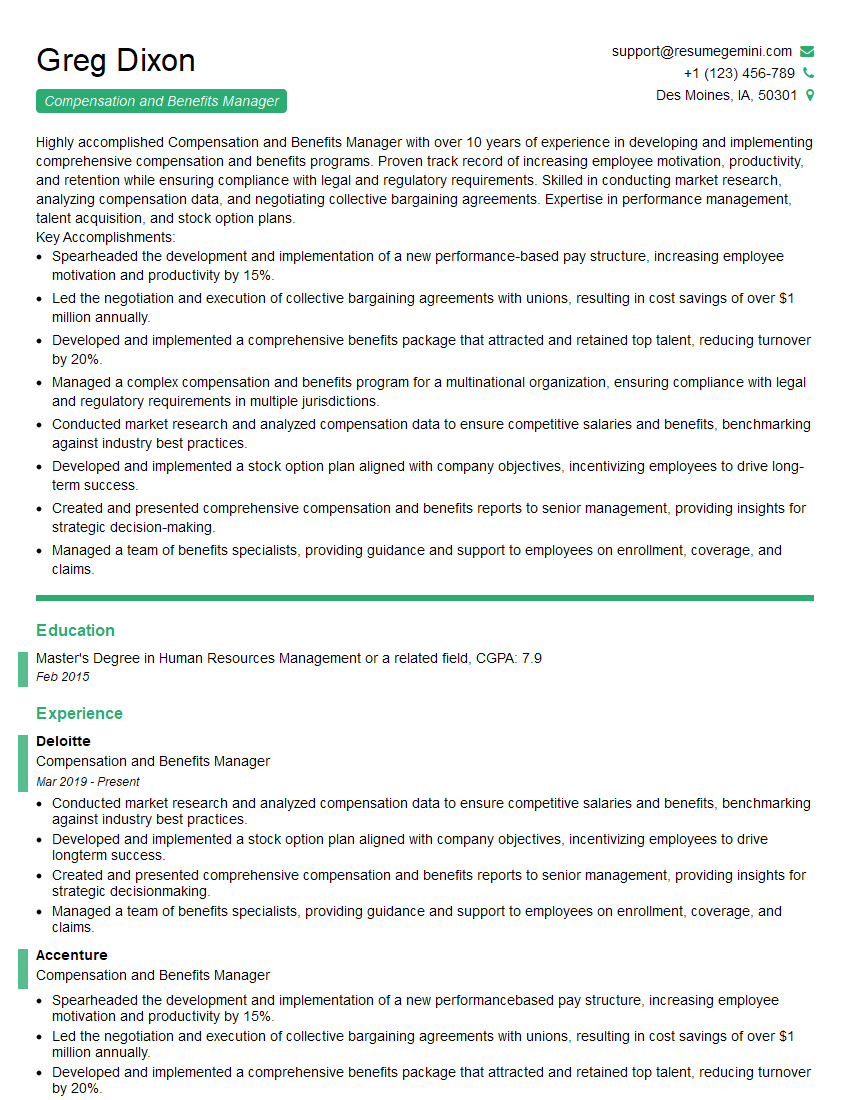
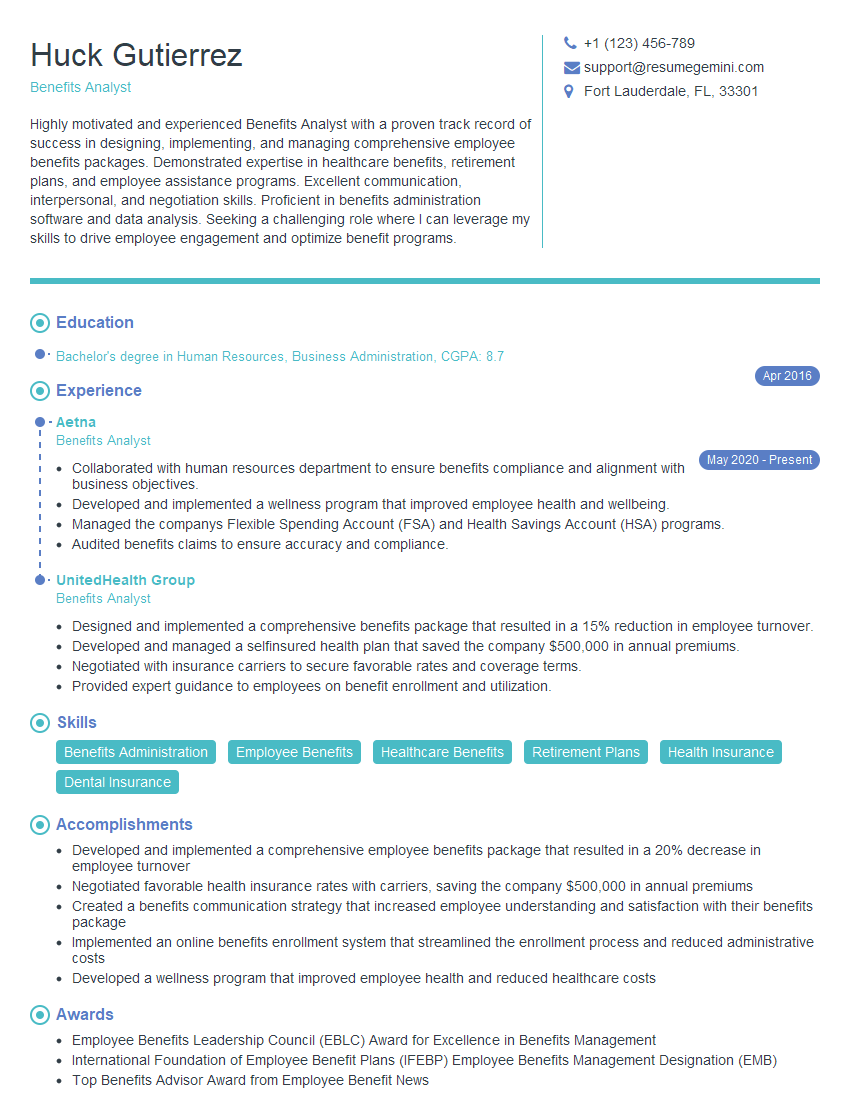
Mastering Rewards and Recognition principles significantly enhances your career prospects in HR and related fields. A strong understanding of these concepts demonstrates your strategic thinking, problem-solving skills, and ability to drive positive change within an organization. To maximize your chances of landing your dream role, focus on creating an ATS-friendly resume that highlights your relevant skills and experience. ResumeGemini is a trusted resource for building professional, impactful resumes. Leverage their tools and expertise to craft a compelling resume that showcases your capabilities in Rewards and Recognition. Examples of resumes tailored to this field are provided to guide you.
Explore more articles
Users Rating of Our Blogs
Share Your Experience
We value your feedback! Please rate our content and share your thoughts (optional).
What Readers Say About Our Blog
Attention music lovers!
Wow, All the best Sax Summer music !!!
Spotify: https://open.spotify.com/artist/6ShcdIT7rPVVaFEpgZQbUk
Apple Music: https://music.apple.com/fr/artist/jimmy-sax-black/1530501936
YouTube: https://music.youtube.com/browse/VLOLAK5uy_noClmC7abM6YpZsnySxRqt3LoalPf88No
Other Platforms and Free Downloads : https://fanlink.tv/jimmysaxblack
on google : https://www.google.com/search?q=22+AND+22+AND+22
on ChatGPT : https://chat.openai.com?q=who20jlJimmy20Black20Sax20Producer
Get back into the groove with Jimmy sax Black
Best regards,
Jimmy sax Black
www.jimmysaxblack.com
Hi I am a troller at The aquatic interview center and I suddenly went so fast in Roblox and it was gone when I reset.
Hi,
Business owners spend hours every week worrying about their website—or avoiding it because it feels overwhelming.
We’d like to take that off your plate:
$69/month. Everything handled.
Our team will:
Design a custom website—or completely overhaul your current one
Take care of hosting as an option
Handle edits and improvements—up to 60 minutes of work included every month
No setup fees, no annual commitments. Just a site that makes a strong first impression.
Find out if it’s right for you:
https://websolutionsgenius.com/awardwinningwebsites
Hello,
we currently offer a complimentary backlink and URL indexing test for search engine optimization professionals.
You can get complimentary indexing credits to test how link discovery works in practice.
No credit card is required and there is no recurring fee.
You can find details here:
https://wikipedia-backlinks.com/indexing/
Regards
NICE RESPONSE TO Q & A
hi
The aim of this message is regarding an unclaimed deposit of a deceased nationale that bears the same name as you. You are not relate to him as there are millions of people answering the names across around the world. But i will use my position to influence the release of the deposit to you for our mutual benefit.
Respond for full details and how to claim the deposit. This is 100% risk free. Send hello to my email id: lukachachibaialuka@gmail.com
Luka Chachibaialuka
Hey interviewgemini.com, just wanted to follow up on my last email.
We just launched Call the Monster, an parenting app that lets you summon friendly ‘monsters’ kids actually listen to.
We’re also running a giveaway for everyone who downloads the app. Since it’s brand new, there aren’t many users yet, which means you’ve got a much better chance of winning some great prizes.
You can check it out here: https://bit.ly/callamonsterapp
Or follow us on Instagram: https://www.instagram.com/callamonsterapp
Thanks,
Ryan
CEO – Call the Monster App
Hey interviewgemini.com, I saw your website and love your approach.
I just want this to look like spam email, but want to share something important to you. We just launched Call the Monster, a parenting app that lets you summon friendly ‘monsters’ kids actually listen to.
Parents are loving it for calming chaos before bedtime. Thought you might want to try it: https://bit.ly/callamonsterapp or just follow our fun monster lore on Instagram: https://www.instagram.com/callamonsterapp
Thanks,
Ryan
CEO – Call A Monster APP
To the interviewgemini.com Owner.
Dear interviewgemini.com Webmaster!
Hi interviewgemini.com Webmaster!
Dear interviewgemini.com Webmaster!
excellent
Hello,
We found issues with your domain’s email setup that may be sending your messages to spam or blocking them completely. InboxShield Mini shows you how to fix it in minutes — no tech skills required.
Scan your domain now for details: https://inboxshield-mini.com/
— Adam @ InboxShield Mini
support@inboxshield-mini.com
Reply STOP to unsubscribe
Hi, are you owner of interviewgemini.com? What if I told you I could help you find extra time in your schedule, reconnect with leads you didn’t even realize you missed, and bring in more “I want to work with you” conversations, without increasing your ad spend or hiring a full-time employee?
All with a flexible, budget-friendly service that could easily pay for itself. Sounds good?
Would it be nice to jump on a quick 10-minute call so I can show you exactly how we make this work?
Best,
Hapei
Marketing Director
Hey, I know you’re the owner of interviewgemini.com. I’ll be quick.
Fundraising for your business is tough and time-consuming. We make it easier by guaranteeing two private investor meetings each month, for six months. No demos, no pitch events – just direct introductions to active investors matched to your startup.
If youR17;re raising, this could help you build real momentum. Want me to send more info?
Hi, I represent an SEO company that specialises in getting you AI citations and higher rankings on Google. I’d like to offer you a 100% free SEO audit for your website. Would you be interested?
Hi, I represent an SEO company that specialises in getting you AI citations and higher rankings on Google. I’d like to offer you a 100% free SEO audit for your website. Would you be interested?