Cracking a skill-specific interview, like one for Roll Handling and Loading, requires understanding the nuances of the role. In this blog, we present the questions you’re most likely to encounter, along with insights into how to answer them effectively. Let’s ensure you’re ready to make a strong impression.
Questions Asked in Roll Handling and Loading Interview
Q 1. Describe your experience with different types of roll handling equipment.
My experience encompasses a wide range of roll handling equipment, from basic manual handling aids like roll carts and hand trucks to sophisticated automated systems. I’ve worked extensively with:
- Forklifts: Including counterbalance, reach trucks, and side-loaders, each suited for different roll sizes and warehouse layouts. I’m proficient in operating various forklift types and ensuring safe load handling according to their specifications.
- Roll clamps: These attachments for forklifts allow for secure gripping and lifting of rolls without damaging the product. I have experience with various clamp designs, adapting my technique to different roll diameters and weights.
- Conveyor systems: I’ve worked with roller conveyors, belt conveyors, and specialized systems designed for roll handling, including those with automated roll guiding and positioning. Understanding the operational characteristics and limitations of each system is crucial for efficient workflow.
- Crane systems: In situations dealing with extremely heavy or large rolls, overhead cranes are essential. I’m familiar with safe crane operation procedures, including load weight verification and proper slinging techniques to avoid accidents.
- Automated Guided Vehicles (AGVs): In modern warehouses, AGVs are becoming increasingly common for roll transportation. My experience includes programming and monitoring these systems to optimize roll movement and reduce manual handling.
Understanding the strengths and limitations of each piece of equipment allows me to optimize efficiency and safety in any roll handling operation.
Q 2. Explain the safe operating procedures for a forklift in a roll handling environment.
Safe forklift operation in a roll handling environment requires meticulous adherence to established procedures. This includes:
- Pre-operational checks: Thoroughly inspecting the forklift for any mechanical issues, checking fluid levels, and ensuring the load-handling attachment (like a roll clamp) is securely fixed.
- Load assessment: Accurately determining the weight and center of gravity of the roll to ensure it’s within the forklift’s capacity. Using a scale to weigh unusually sized rolls is crucial to avoid exceeding weight limits.
- Proper lifting technique: Approaching the roll slowly and strategically positioning the forks or clamp for balanced lifting. Ensuring the roll remains stable throughout the lift and transport process is paramount. Avoid sudden movements or jerky starts and stops.
- Safe travel paths: Planning a route that avoids obstacles, congested areas, and sharp turns. Maintaining a safe speed, especially when carrying heavy rolls, and using appropriate signaling devices is critical.
- Load securing: Using appropriate straps or other securing devices to prevent roll movement during transport. The straps should be correctly positioned and tightened to minimize shifting.
- Awareness of surroundings: Maintaining constant awareness of your surroundings – other equipment, personnel, and obstacles – to prevent collisions. This means paying attention to blind spots and utilizing backup cameras when necessary.
- Following company policies: Adhering to all company safety policies and regulations, including wearing appropriate Personal Protective Equipment (PPE) like high-visibility vests and safety shoes.
Think of it like this: treating each roll with the same respect and caution you would show a very large, fragile cake – precision and careful planning are key to ensuring successful delivery.
Q 3. How do you ensure the stability of rolls during transportation?
Ensuring roll stability during transportation involves a multi-faceted approach. The key is to prevent shifting or rolling during movement. This includes:
- Proper securing: Using appropriate straps, chains, or specialized roll securing devices to tightly bind the rolls to the transport vehicle or pallet. The method of securing varies greatly depending on the roll size, weight, and material.
- Weight distribution: Evenly distributing the weight of rolls across the transport vehicle to maintain balance. Heavier rolls should be placed lower and towards the center of gravity of the transport unit.
- Blocking and bracing: Using blocks or bracing material to prevent roll movement during transit. This is especially important for rolls that are of irregular shapes or that may shift under acceleration or braking.
- Vehicle selection: Choosing a transport vehicle with suitable load capacity and suspension. For long-distance transportation, a vehicle designed for heavy-duty loads and roll handling is crucial.
- Packaging: For particularly sensitive rolls, additional protective packaging, such as cardboard corner protectors or shrink wrap, can minimize the risk of damage.
Imagine transporting a stack of large, heavy cylinders. Without proper securing, they could easily shift and cause damage or injury. Careful planning and execution are vital to prevent accidents.
Q 4. What methods do you use to prevent roll damage during handling?
Preventing roll damage necessitates a combination of careful handling procedures and protective measures. These include:
- Using appropriate equipment: Employing equipment specifically designed for roll handling, such as roll clamps and specialized forklift attachments. Improper equipment can lead to crushing, scratching, or other forms of damage.
- Gentle handling: Avoiding sudden movements or impacts during lifting, transportation, and placement. Slow and controlled movements minimize the risk of damage to the roll’s surface or internal structure.
- Protective coverings: Using protective wraps or coverings such as plastic sheeting or protective paper to prevent scratches or abrasions. This is particularly important for delicate surfaces or rolls prone to damage.
- Proper storage: Storing rolls in a clean, dry environment to prevent moisture damage, mildew, or other environmental issues. Proper stacking techniques and adequate spacing between rolls further minimize damage.
- Regular inspection: Regularly inspecting rolls for damage and taking corrective actions immediately to prevent escalation of the issue.
Think of it like handling antique furniture – extreme care, precision, and the right tools prevent scratches and other damage that can dramatically affect the value of the goods.
Q 5. Describe your experience with inventory management related to rolls.
My experience with inventory management related to rolls includes implementing and managing systems to track roll quantities, locations, and characteristics. This often involves:
- Barcode or RFID tracking: Using barcode scanners or RFID technology to track individual rolls throughout the warehouse and supply chain.
- Inventory management software: Utilizing software systems, like ERP or WMS, to manage inventory levels, track roll movements, and predict future demand.
- Cycle counting: Conducting regular cycle counts to verify inventory accuracy and identify discrepancies between physical inventory and recorded data.
- First-In, First-Out (FIFO) management: Implementing FIFO methodologies to ensure that the oldest rolls are used first, minimizing the risk of spoilage or obsolescence.
- Reporting and analysis: Generating reports on inventory levels, turnover rates, and other key metrics to identify areas for improvement and inform purchasing decisions.
Efficient inventory management is essential for minimizing storage costs, optimizing space utilization, and preventing stockouts or overstocking situations.
Q 6. How do you prioritize tasks in a fast-paced roll handling environment?
Prioritizing tasks in a fast-paced roll handling environment requires a structured approach. I use a combination of methods:
- Urgency and Importance Matrix: Categorizing tasks based on their urgency and importance. Urgent and important tasks take priority, followed by important but not urgent tasks. Less urgent or less important tasks are scheduled accordingly.
- Order fulfillment deadlines: Prioritizing tasks based on order fulfillment deadlines to ensure timely delivery to customers. This means focusing on orders with the most imminent deadlines first.
- Roll type and fragility: Prioritizing handling of fragile or perishable rolls to prevent damage or spoilage. This requires careful planning and execution to ensure safe and efficient handling of these items.
- Communication and collaboration: Maintaining constant communication with team members and supervisors to ensure everyone is aware of priorities and potential bottlenecks.
- Real-time adjustments: Adapting to changing circumstances and priorities as needed. Unexpected issues, such as equipment malfunctions or urgent requests, require flexible re-prioritization.
It’s like conducting an orchestra – each instrument (task) plays its part, but the conductor (me) ensures everything is in harmony and the performance (workflow) is flawless.
Q 7. Explain your understanding of load capacity and weight distribution.
Understanding load capacity and weight distribution is fundamental to safe and efficient roll handling. Load capacity refers to the maximum weight a piece of equipment or transport vehicle can safely carry. Weight distribution relates to how that weight is distributed across the load-bearing surface.
- Equipment specifications: Always refer to the manufacturer’s specifications for load capacity and weight distribution guidelines. Exceeding these limits can lead to equipment failure or accidents.
- Center of gravity: Understanding the center of gravity of a roll is crucial. An improperly balanced load can cause instability and tipping. Rolls with uneven weight distribution require additional care and stabilization.
- Load securement: Proper load securement techniques are essential to prevent shifting during transport. Weight distribution influences the effectiveness of these techniques, requiring precise placement of straps or other securing devices.
- Calculating loads: In some cases, accurate calculations of load weight and distribution are necessary, particularly for non-uniform rolls or heavy loads. This might involve using scales or load-measuring devices.
- Safety margins: Always incorporate a safety margin into load calculations. This accounts for unexpected weight variations or uneven surfaces.
Imagine stacking bricks – you wouldn’t place a heavy weight on top of a loosely stacked, unstable base. Understanding load capacity and distribution is equally critical for safe and efficient roll handling.
Q 8. What safety measures do you implement to prevent roll-related accidents?
Roll-related accidents can be serious, so a robust safety program is crucial. My approach is multifaceted and begins with comprehensive employee training. This includes proper lifting techniques, using appropriate personal protective equipment (PPE) like gloves, safety shoes, and potentially even harnesses for high-stacking, and understanding the safe operating procedures for machinery like forklifts and roll handling equipment.
Secondly, I enforce strict adherence to workplace organization. Clear pathways, well-maintained equipment, and designated storage areas are paramount. This minimizes tripping hazards and ensures equipment is in good working order, reducing the risk of malfunctions. We also implement a system of regular inspections to identify and address potential hazards before they cause accidents. For instance, we’d check for damaged flooring, loose materials, and potential pinch points in machinery.
Finally, we use visual aids, like clear signage and color-coded zones, to reinforce safety procedures and keep everyone aware of potential risks. Regular safety meetings and drills further reinforce training and ensure everyone stays up-to-date on best practices. Think of it like building a strong defense – a layered approach minimizes vulnerabilities.
Q 9. How do you handle damaged or defective rolls?
Handling damaged or defective rolls requires a careful process to prevent further damage and ensure safety. The first step is identification: we visually inspect rolls for cracks, dents, or any signs of damage to the wrapping or the material itself. If damage is superficial, we might be able to salvage the roll with appropriate re-wrapping or repair. This often involves assessing the structural integrity to make sure it’s still safe to handle and transport.
Severely damaged rolls are handled differently. They are immediately marked as defective and segregated from undamaged rolls. This prevents accidental use or shipment. We follow specific procedures for disposal or return to the supplier, often documenting the damage and notifying relevant parties. This process ensures accountability and helps prevent similar issues in the future. Think of it like a triage system – quickly assess the damage, take appropriate action, and document everything.
Q 10. Describe your experience with different types of roll wrapping techniques.
My experience spans various roll wrapping techniques, each chosen based on the material, size, and storage conditions of the roll. For instance, I’ve extensively used machine stretch wrapping for high-volume operations. This automated process efficiently applies layers of stretch film, providing excellent protection and stability. The film’s elasticity conforms to the roll’s shape, minimizing shifting and damage during transit.
I’ve also worked with manual stretch wrapping for smaller or irregularly shaped rolls. This method requires skill and precision to ensure adequate coverage and prevent tears. For rolls requiring extra protection or specialized conditions, I’ve used techniques like corner boards for added support and corner protection, or even shrink wrap for waterproof and tamper-evident packaging. The choice of technique is always a balance between cost-effectiveness, protection, and efficiency. Selecting the incorrect method can lead to significant losses and damage.
Q 11. How do you ensure the proper labeling and identification of rolls?
Accurate labeling and identification are vital for efficient inventory management and smooth order fulfillment. We use a standardized labeling system that clearly indicates crucial information, including the roll’s material type, dimensions, weight, batch number, and date of manufacture. Barcodes or RFID tags are often integrated for quick and accurate scanning during inventory checks and order picking. This digital integration minimizes human error and speeds up the process significantly.
The labels are securely affixed to a visible area of the roll, often using durable materials that withstand the rigors of handling and storage. We also maintain a detailed database that cross-references the labels with our inventory system. This helps with tracing rolls through the entire process, from production to delivery, ensuring complete traceability and accuracy. A well-organized labeling system is the backbone of efficient roll management.
Q 12. Explain your understanding of warehouse layout and its impact on roll handling efficiency.
Warehouse layout significantly impacts roll handling efficiency. A poorly designed layout can lead to bottlenecks, increased travel times, and higher labor costs. My approach centers around optimizing workflow. This means strategically placing receiving docks, storage areas, and shipping docks to minimize movement and maximize flow. For example, we’d locate high-demand rolls in easily accessible areas to reduce retrieval time.
We also consider the use of racking systems, carefully selecting the type that best suits the rolls’ size and weight. Narrow aisle racking maximizes space utilization, while wider aisles are needed for larger equipment. The layout needs to accommodate the equipment used, be it forklifts, reach trucks, or other specialized roll handling equipment. A well-planned layout reduces congestion, improves safety, and greatly enhances the efficiency of the entire operation. It is crucial to consider the future scaling potential as well.
Q 13. How do you optimize the storage of rolls to maximize space utilization?
Optimizing roll storage for maximum space utilization requires a multi-pronged approach. The first step is careful assessment of the rolls’ dimensions and weight, and then selecting appropriate racking systems. This might involve using vertical storage to maximize vertical space, or implementing specialized racking designed for specific roll sizes and weights.
Another critical aspect is efficient stacking and arrangement. We avoid haphazard stacking, ensuring stability and preventing damage. Proper use of separators and dividers prevents rolls from shifting or crushing one another. Regular audits ensure that storage practices are followed correctly, minimizing wasted space and potential damage. Think of it like a well-organized library – each book (roll) has its designated space, and the system is easy to navigate and access.
Q 14. Describe your experience with using inventory management systems.
My experience with inventory management systems includes using both simple and sophisticated systems, from spreadsheets to advanced enterprise resource planning (ERP) software. I’m comfortable working with systems that track roll quantities, locations, and movement, and that integrate with other systems like order management and shipping. These systems are invaluable for maintaining accurate inventory levels, avoiding stockouts, and identifying slow-moving items.
Specifically, I’ve used systems that provide real-time visibility of inventory, helping to streamline operations and make better decisions around purchasing, storage, and fulfillment. These systems provide data-driven insights that guide inventory optimization, reducing storage costs and improving overall efficiency. The ability to generate reports on various metrics, such as inventory turnover and storage utilization, has been particularly useful in identifying areas for improvement and driving better outcomes.
Q 15. How do you resolve conflicts or discrepancies related to roll handling?
Resolving conflicts or discrepancies in roll handling requires a systematic approach. It starts with clear communication and a thorough understanding of the root cause. I typically begin by reviewing all relevant documentation, including delivery notes, quality control reports, and work orders. If a discrepancy exists between the expected and received roll specifications (size, weight, material type), I’d first verify the accuracy of the documentation itself. Are there any typos or misreadings? Was the correct roll identified throughout the process?
Next, I’d investigate the handling process itself. Were there any unusual events during transport or storage that could have caused damage or misidentification? This may involve checking warehouse logs, reviewing CCTV footage, or interviewing personnel involved in the handling process. Once the root cause is identified, corrective actions are implemented, which might include adjusting handling procedures, retraining staff, or implementing stricter quality control measures. For example, if inconsistent roll weights are detected, I would work with the supplier to improve their packaging and weighing procedures. Finally, proper documentation of the discrepancy, investigation, and corrective actions is crucial to prevent future occurrences.
Career Expert Tips:
- Ace those interviews! Prepare effectively by reviewing the Top 50 Most Common Interview Questions on ResumeGemini.
- Navigate your job search with confidence! Explore a wide range of Career Tips on ResumeGemini. Learn about common challenges and recommendations to overcome them.
- Craft the perfect resume! Master the Art of Resume Writing with ResumeGemini’s guide. Showcase your unique qualifications and achievements effectively.
- Don’t miss out on holiday savings! Build your dream resume with ResumeGemini’s ATS optimized templates.
Q 16. What is your experience with different types of roll materials?
My experience encompasses a wide range of roll materials, including paper (coated, uncoated, specialty papers), film (plastic, metallic, laminates), fabrics (textiles, nonwovens), and metals (aluminum foil, steel). Each material presents unique challenges. For instance, paper rolls are susceptible to damage from moisture and crushing, requiring careful stacking and storage. Film rolls are sensitive to static electricity and require specialized handling to prevent damage and tearing. Metal rolls, on the other hand, are incredibly heavy and necessitate the use of specialized lifting equipment and procedures to ensure worker safety. Understanding the specific properties of each material—its weight, fragility, susceptibility to damage, and ideal storage conditions—is fundamental to safe and efficient roll handling.
Q 17. How do you ensure the proper documentation of roll handling procedures?
Proper documentation of roll handling procedures is paramount for maintaining efficiency, traceability, and accountability. I utilize a combination of digital and physical documentation methods. This includes standardized checklists for each stage of the process, from receiving to storage and dispatch. These checklists are digitally stored and accessible to all relevant personnel, ensuring consistency and eliminating ambiguity. Digital tracking systems, potentially using barcode or RFID technology, allow for real-time monitoring of roll location and movement. Furthermore, detailed records are kept of any incidents, near misses, or quality control issues, along with the corrective actions taken. This data allows for continuous improvement of our processes and helps in identifying potential areas of risk. A clear and concise record-keeping system is vital for auditing and compliance purposes.
Q 18. Describe your experience with roll handling in different temperature environments.
Experience with roll handling in various temperature environments is crucial. Different materials react differently to temperature fluctuations. For example, paper rolls can become brittle in cold environments or expand and lose structural integrity in excessively warm conditions. Plastic films may become sticky or lose their elasticity at higher temperatures. In cold storage environments, we use specialized insulation techniques to protect rolls from moisture and damage. In hot environments, we implement additional ventilation and might need to modify handling procedures to prevent overheating. We use specialized equipment like climate-controlled storage areas and temperature-monitored transport vehicles to ensure the rolls maintain their quality throughout handling. Regular monitoring of temperature and humidity levels is critical to prevent material degradation.
Q 19. How do you maintain the cleanliness and organization of the roll handling area?
Maintaining a clean and organized roll handling area is vital for safety and efficiency. This involves establishing a clear layout that optimizes workflow and minimizes unnecessary movement. Designated storage areas are created for different roll types to prevent cross-contamination and potential damage. Regular cleaning schedules are maintained to remove dust, debris, and spills. We utilize appropriate cleaning agents tailored to the specific materials handled, ensuring they don’t damage the rolls. Proper waste disposal procedures are in place to prevent contamination and maintain a safe working environment. Clear signage is employed to guide personnel and ensure proper storage and handling practices are followed. Regular inspections are carried out to identify and address potential hazards proactively.
Q 20. How do you address roll handling challenges related to different roll sizes and weights?
Addressing roll handling challenges related to different sizes and weights requires a flexible approach. We utilize a variety of handling equipment, including forklifts, pallet jacks, and specialized roll handling attachments. The choice of equipment depends on the size, weight, and material of the rolls. For heavier rolls, we often employ overhead cranes or specialized lifting devices. Proper weight distribution is critical to prevent damage to the rolls and ensure worker safety. We use appropriate sized pallets and banding to secure the rolls during transport and storage. Efficient storage systems, such as racking systems designed for different roll sizes, are implemented to maximize space and prevent roll damage. Thorough risk assessments are conducted to identify potential hazards associated with handling large or heavy rolls, and appropriate safety measures are put in place.
Q 21. Describe your experience with preventive maintenance of roll handling equipment.
Preventive maintenance of roll handling equipment is essential for safety and operational efficiency. We adhere to a rigorous maintenance schedule that includes regular inspections, lubrication, and component replacement as needed. This includes checking for wear and tear on forklift tires, hydraulic systems, and lifting mechanisms. Regular safety checks are performed on all equipment before operation, to ensure they are in proper working order. We keep detailed maintenance logs to track repairs, maintenance schedules, and the lifespan of each piece of equipment. This helps us to proactively identify potential issues before they become major problems and helps in optimizing the lifespan of our equipment. Employee training on proper equipment operation and maintenance is also a key aspect of our preventive maintenance program.
Q 22. What are the key performance indicators (KPIs) you track in roll handling?
Key Performance Indicators (KPIs) in roll handling are crucial for measuring efficiency, safety, and overall productivity. We track several metrics, focusing on both quantitative and qualitative aspects. Quantitative KPIs include:
- Rolls handled per hour/day/week: This measures the throughput of the operation and identifies bottlenecks.
- Roll damage rate: The percentage of rolls damaged during handling, indicating the effectiveness of safety procedures and equipment.
- On-time delivery rate: Percentage of rolls delivered as scheduled, reflecting efficiency and planning.
- Equipment uptime: Percentage of time handling equipment is operational, highlighting maintenance needs and downtime.
Qualitative KPIs, equally important, include:
- Safety incident rate: Number of near misses or accidents related to roll handling.
- Employee satisfaction: Gauged through surveys or feedback sessions, crucial for identifying areas needing improvement in workplace ergonomics and safety.
- Waste reduction: Minimizing material waste during handling and storage.
By monitoring these KPIs, we can identify areas for improvement and implement corrective actions to optimize the roll handling process.
Q 23. How do you identify and report potential safety hazards related to roll handling?
Identifying and reporting potential safety hazards in roll handling is paramount. We use a multi-pronged approach, combining proactive hazard identification with reactive reporting mechanisms.
Proactive methods include regular safety inspections of equipment, the work environment (looking for obstructions, uneven surfaces, etc.), and employee training on safe handling procedures. We utilize checklists to ensure consistent evaluation and documentation of potential risks. We also perform regular risk assessments focusing on areas like potential pinch points, load instability, and ergonomic concerns.
Reactive methods involve immediate reporting of any incidents (near misses or actual accidents) through a clearly defined system. This typically includes incident reports detailing the event, root cause analysis, and corrective actions. These reports are reviewed regularly at safety meetings to identify trends and improve safety procedures. We use a system of color-coded tags to immediately flag potentially unsafe rolls or equipment.
All safety hazards are documented, analyzed, and addressed through a documented safety management system, ensuring continuous improvement.
Q 24. Describe your experience working with a team in a roll handling environment.
My experience working in a team roll handling environment has always emphasized collaboration and communication. In one particular project involving the implementation of a new automated roll handling system, effective teamwork was critical. The team consisted of engineers, technicians, operators, and safety personnel.
My role focused on coordinating the transition from manual to automated handling. This required close collaboration with engineers to ensure the new system met our needs. Open communication with operators was essential to address concerns and provide training. Meanwhile, safety personnel ensured compliance throughout the integration process.
Successful implementation needed constant feedback loops and a willingness to adjust our approach based on challenges and real-time input from the team. Open communication and mutual respect fostered a collaborative environment that resulted in a successful project completion, with a noticeable increase in efficiency and safety.
Q 25. How do you adapt to changing priorities or unexpected challenges in roll handling?
Adapting to changing priorities or unexpected challenges is inherent in roll handling. Flexibility and problem-solving skills are crucial. For example, during a period of unexpectedly high demand, we prioritized orders based on urgency and customer needs. This involved re-scheduling operations, coordinating with logistics, and communicating effectively with all stakeholders.
In cases of equipment malfunctions, our immediate response focuses on identifying the problem, implementing temporary solutions to minimize downtime, and initiating repairs quickly. We utilize a prioritized maintenance schedule to proactively address potential issues before they impact operations.
A key aspect of this adaptation is maintaining open communication – keeping all team members informed of changes and their implications, ensuring everyone is on board and contributing effectively.
Q 26. What are the common causes of roll damage and how can they be prevented?
Common causes of roll damage during handling include improper lifting techniques, inadequate securing during transportation, collisions, and environmental factors.
- Improper lifting: Using incorrect equipment or methods can lead to roll damage and injury. This is mitigated through proper training on lifting techniques and the use of appropriate equipment, such as forklifts or cranes.
- Inadequate securing: Loosely secured rolls can shift during transport, causing damage. Using appropriate straps, bands, and securement points is essential. Proper load calculations are critical to prevent over-stressing of materials.
- Collisions: Accidents involving rolls and other objects or equipment are another significant source of damage. Careful maneuvering, clearly marked pathways, and good visibility are crucial.
- Environmental factors: Extreme temperatures and humidity can affect the material and contribute to damage. Proper storage conditions are necessary to mitigate this.
Preventing roll damage requires a comprehensive approach, involving proper equipment, training, careful handling, and attention to environmental conditions. Regular inspections of rolls and equipment can also proactively identify potential issues.
Q 27. Explain your understanding of the relevant safety regulations and standards for roll handling.
My understanding of relevant safety regulations and standards for roll handling encompasses several key areas. This includes adhering to OSHA (Occupational Safety and Health Administration) guidelines, relevant industry-specific standards (e.g., ANSI standards for material handling), and company-specific safety policies.
These regulations cover aspects such as:
- Personal Protective Equipment (PPE): The mandatory use of safety glasses, gloves, steel-toed boots, and other appropriate equipment depending on the specific task and material.
- Safe lifting techniques: Proper procedures for lifting and moving rolls of varying sizes and weights to prevent injuries.
- Equipment maintenance and inspection: Regular checks and maintenance of forklifts, cranes, and other equipment to prevent malfunctions and accidents.
- Workplace safety: Maintaining a clean and organized work environment to minimize the risk of trips, slips, and falls.
- Emergency procedures: Establishing clear protocols for handling emergencies and accidents.
Staying updated with the latest regulations and best practices is an ongoing process. Regular training and audits ensure compliance and continuous improvement in workplace safety.
Q 28. How would you train a new employee on safe and efficient roll handling techniques?
Training a new employee on safe and efficient roll handling techniques involves a multi-stage approach, starting with classroom training and progressing to hands-on practical experience under supervision.
Classroom training covers theoretical aspects:
- Safety regulations and company policies
- Proper lifting techniques and the use of appropriate equipment
- Identifying potential hazards
- Emergency procedures
Hands-on training involves practical demonstrations and supervised practice:
- Using different types of equipment (forklifts, hand trucks, etc.)
- Securing rolls for transport
- Loading and unloading rolls onto trucks and other transportation methods
- Proper storage techniques
Throughout the training, emphasis is placed on safe practices and risk assessment. Regular quizzes and evaluations are used to assess comprehension and proficiency. The new employee is initially supervised and gradually given more independence as they demonstrate competence. Continuous feedback and mentorship are crucial for their successful integration into the team.
Key Topics to Learn for Roll Handling and Loading Interview
- Safety Procedures and Regulations: Understanding and applying relevant safety protocols for handling rolls of varying sizes and weights, including lockout/tagout procedures and personal protective equipment (PPE) usage.
- Equipment Operation and Maintenance: Familiarity with various roll handling equipment (forklifts, cranes, conveyors, etc.), including their safe operation, preventative maintenance, and troubleshooting common issues. Practical experience describing successful maintenance or repair is valuable.
- Roll Characteristics and Stability: Knowledge of different roll types (diameter, weight, material), their center of gravity, and techniques for maintaining stability during handling and transportation. Understanding potential risks associated with unstable rolls.
- Loading and Unloading Techniques: Mastering efficient and safe loading and unloading procedures onto trucks, trailers, and storage locations. This includes securing rolls to prevent damage or shifting during transit.
- Inventory Management and Organization: Understanding inventory control systems, efficient storage strategies for rolls, and techniques for optimizing warehouse space utilization.
- Problem-Solving and Troubleshooting: Demonstrating the ability to identify and resolve issues related to roll handling, such as jammed equipment, damaged rolls, or inefficient loading processes. Describe your approach to problem-solving using specific examples.
- Communication and Teamwork: Highlighting your ability to effectively communicate with colleagues, supervisors, and clients regarding roll handling procedures and any potential safety concerns.
Next Steps
Mastering Roll Handling and Loading is crucial for career advancement in logistics, manufacturing, and warehousing. Proficiency in these skills demonstrates reliability, safety consciousness, and efficiency – highly valued attributes in today’s competitive job market. To significantly boost your job prospects, creating a compelling and ATS-friendly resume is essential. We strongly recommend using ResumeGemini, a trusted resource for building professional resumes that highlight your skills and experience effectively. ResumeGemini provides examples of resumes tailored to the Roll Handling and Loading field, giving you a head start in crafting your application materials.

Operations Manager Resume Sample
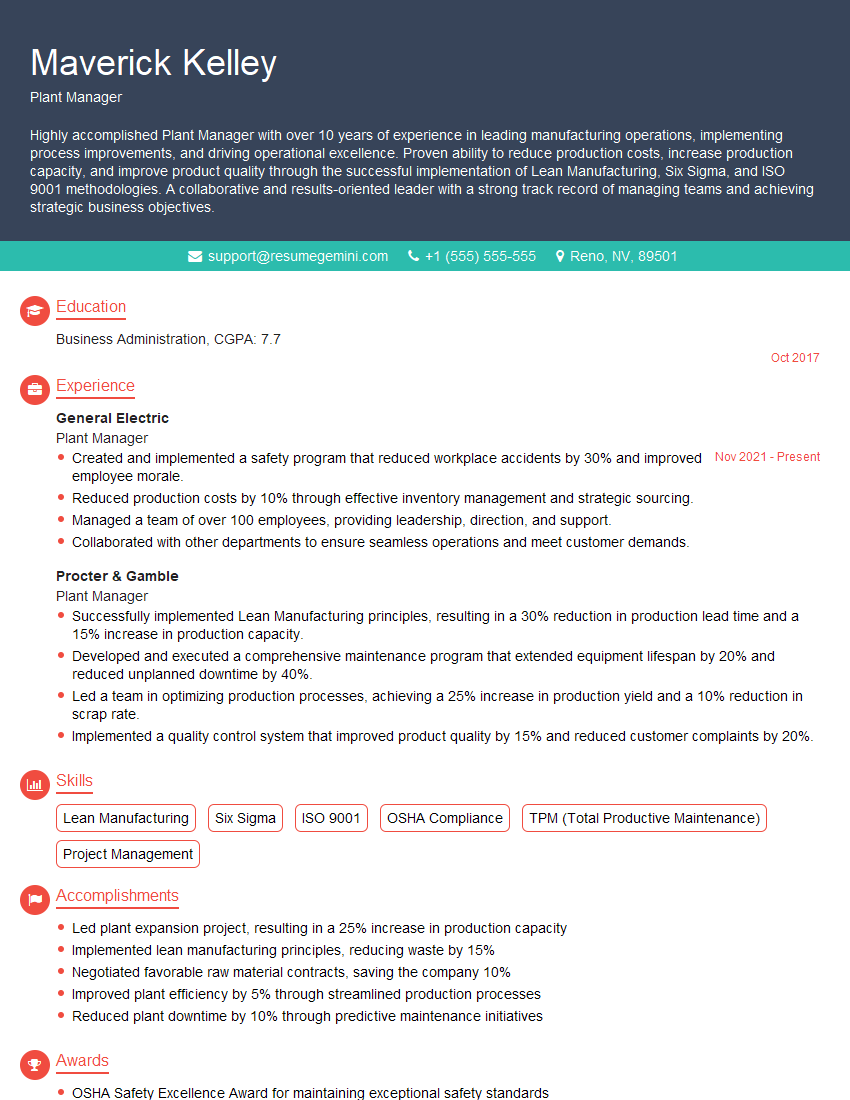
Plant Manager Resume Sample
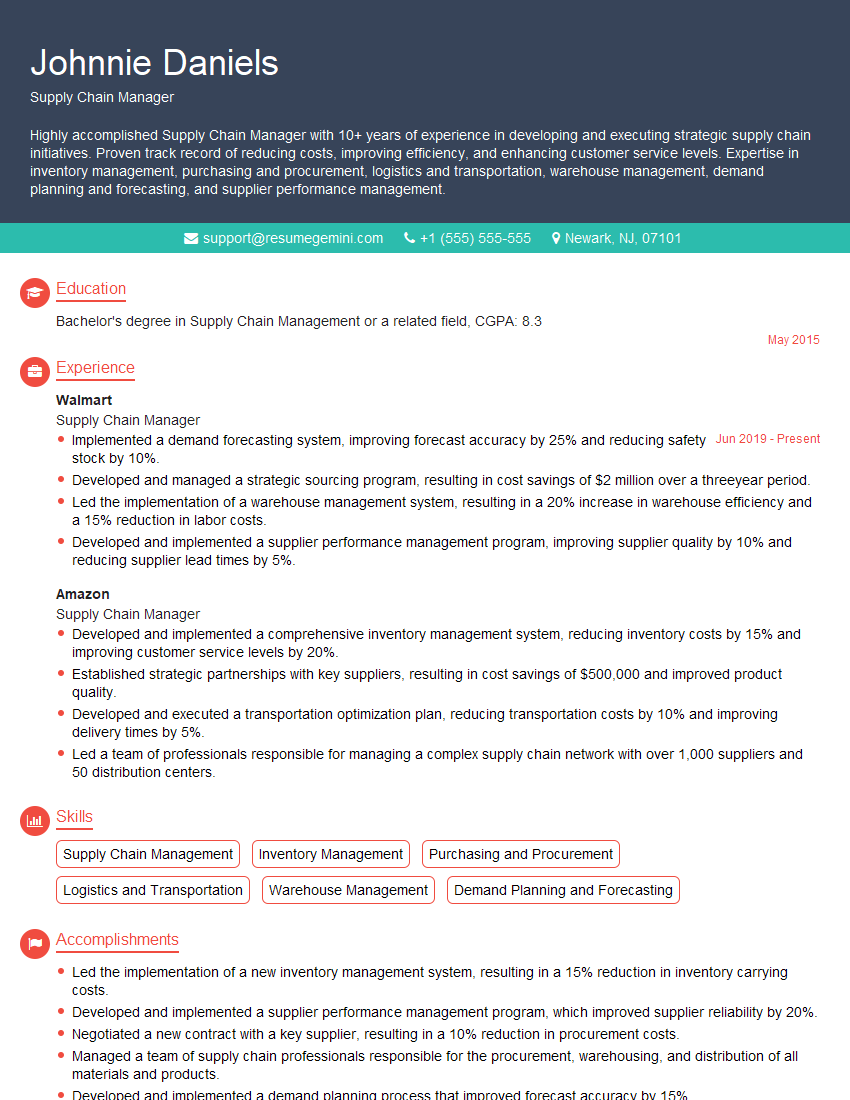
Supply Chain Manager Resume Sample
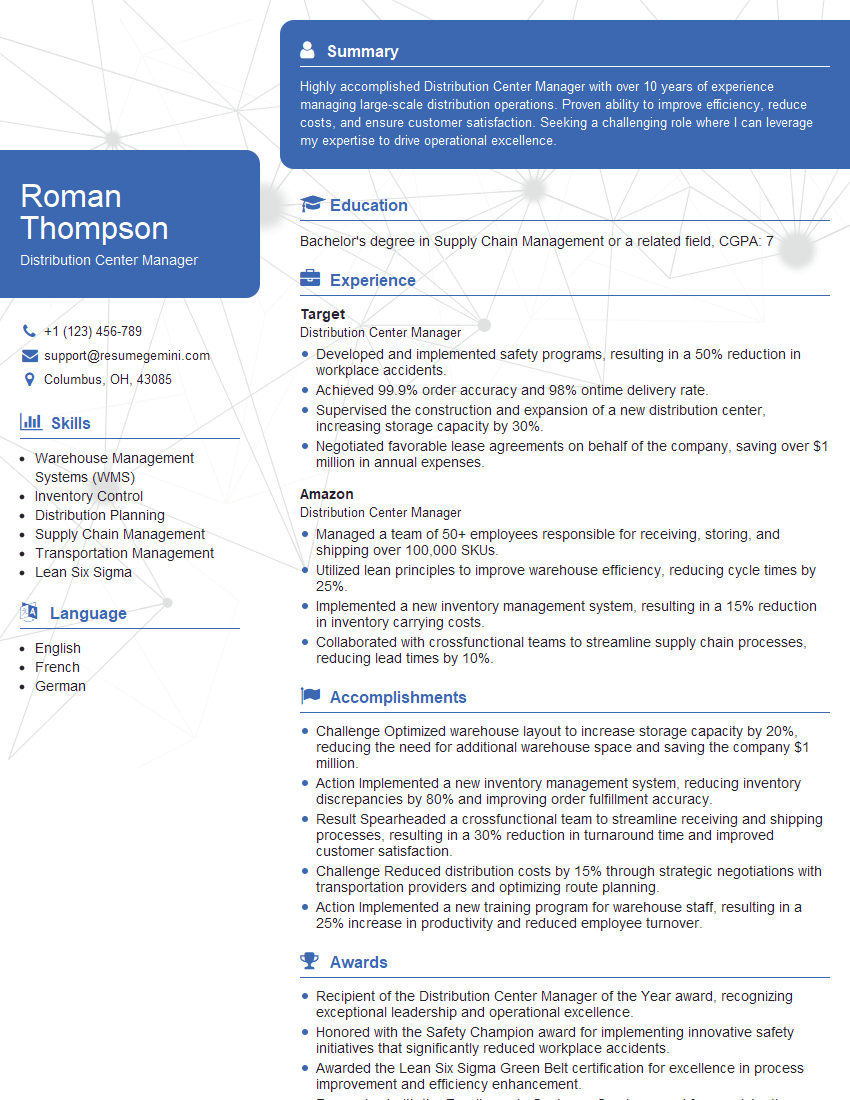
Distribution Center Manager Resume Sample
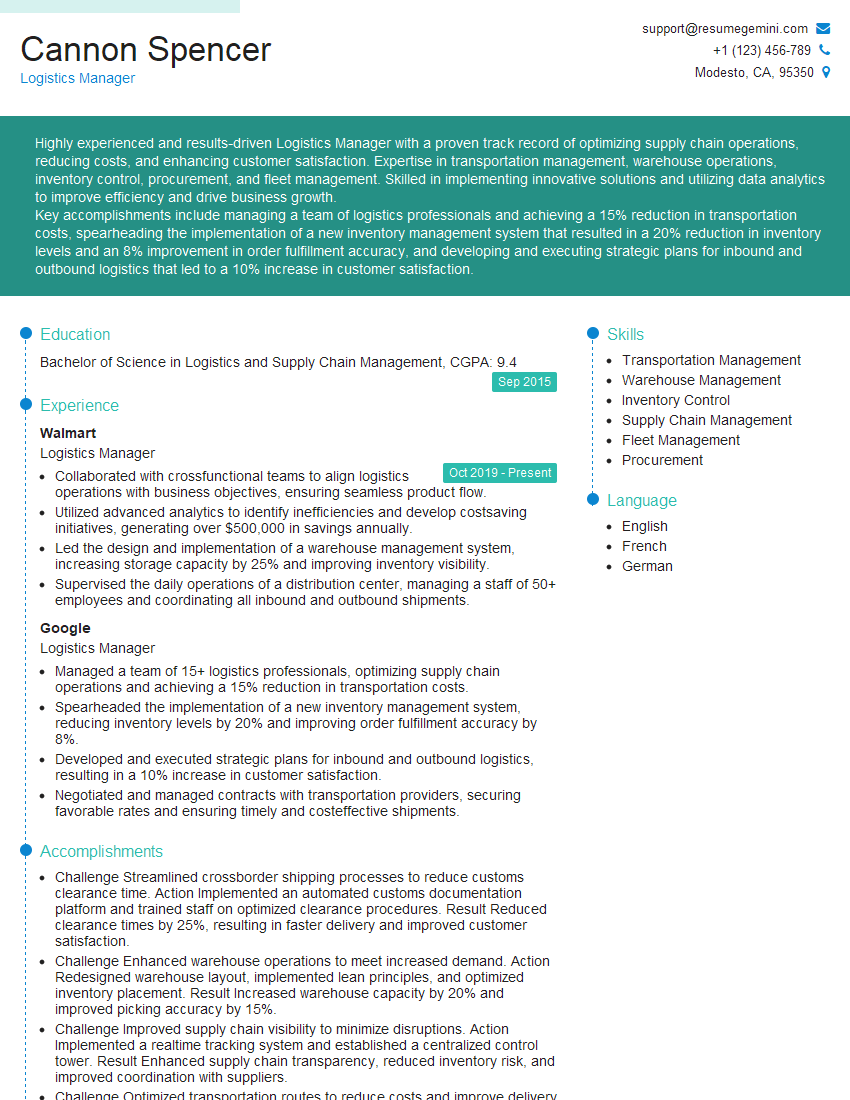
Logistics Manager Resume Sample
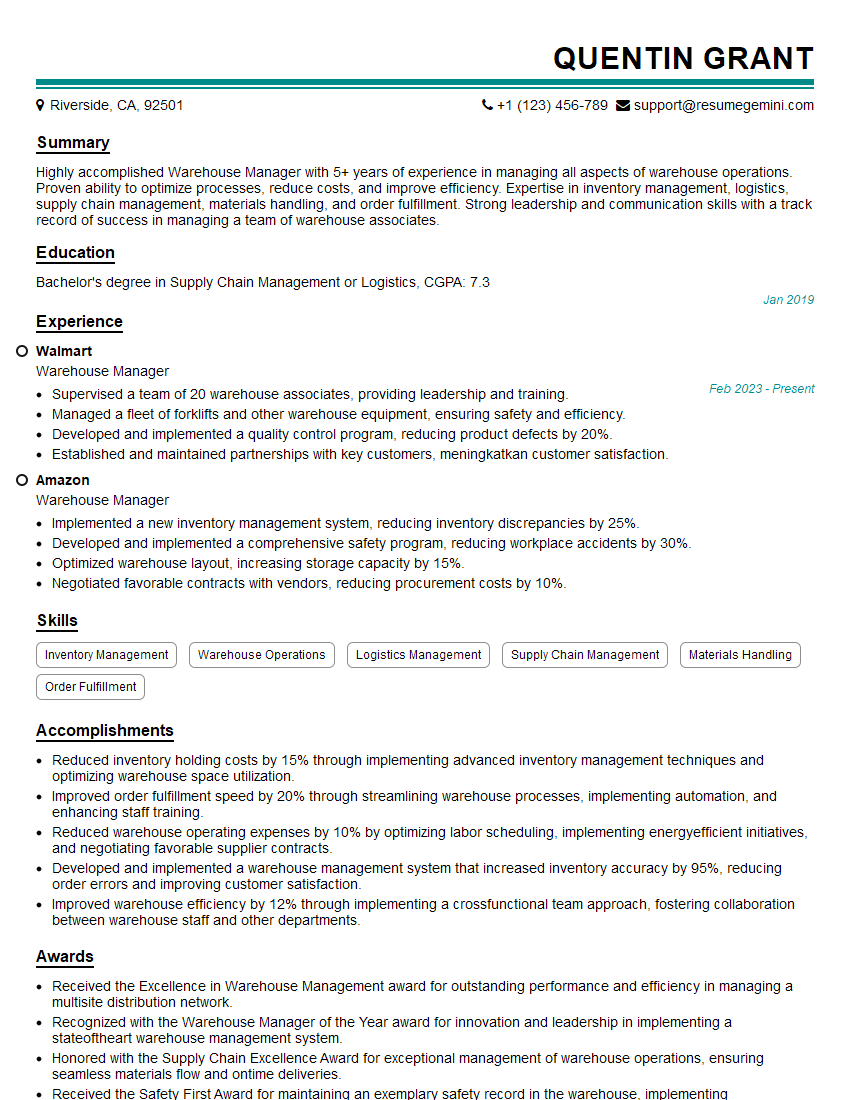
Warehouse Manager Resume Sample
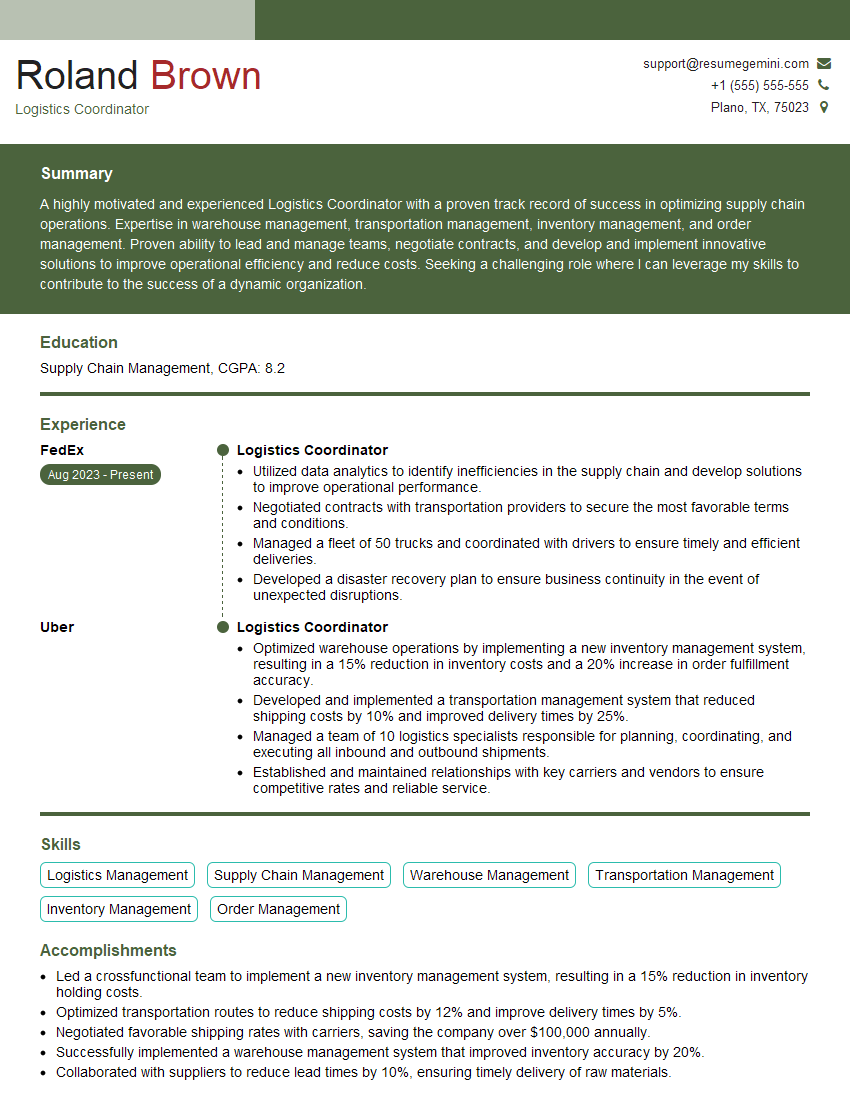
Logistics Coordinator Resume Sample
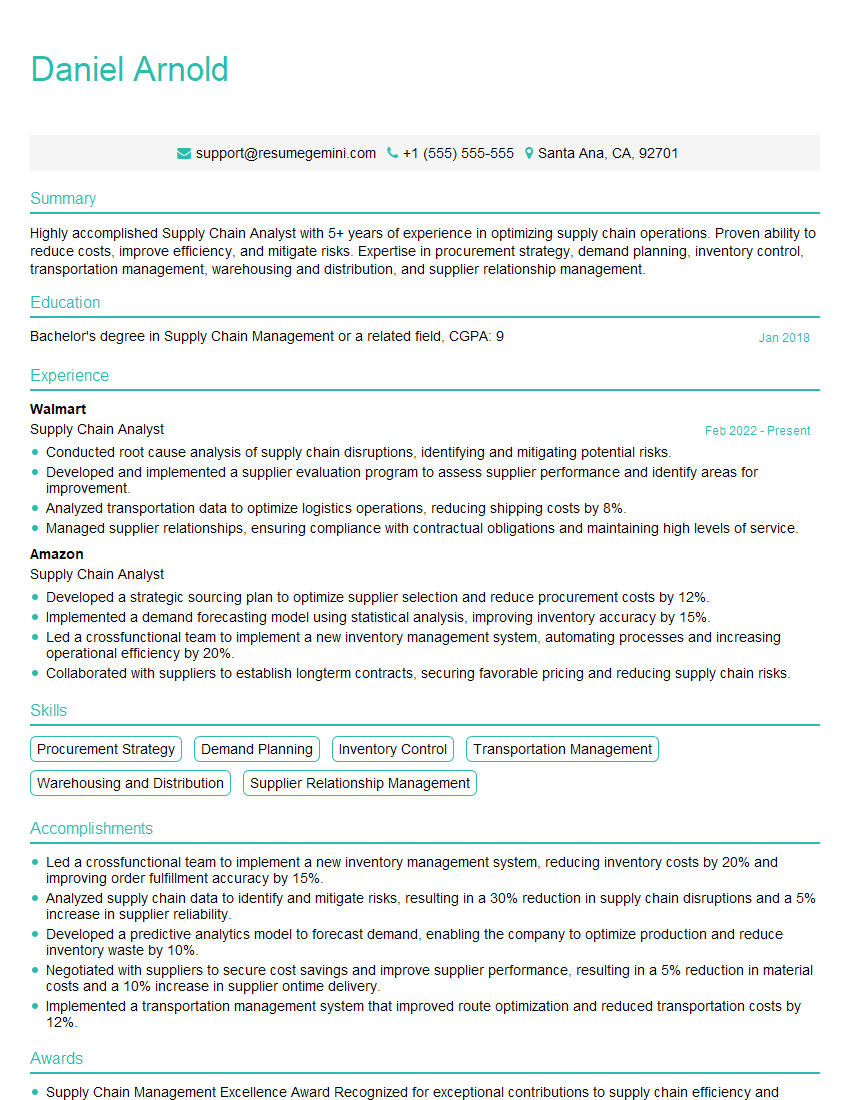
Supply Chain Analyst Resume Sample
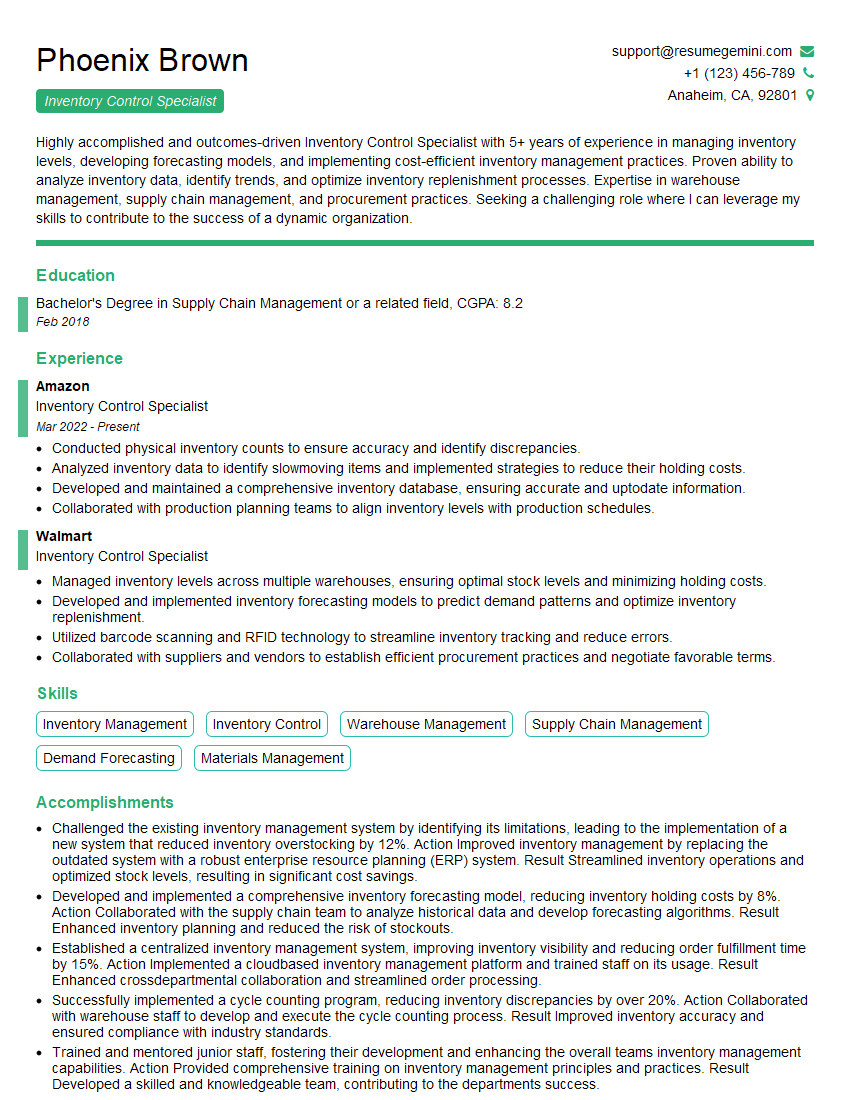
Inventory Control Specialist Resume Sample

Shipping and Receiving Clerk Resume Sample
Material Handler Resume Sample
Packaging Specialist Resume Sample
Explore more articles
Users Rating of Our Blogs
Share Your Experience
We value your feedback! Please rate our content and share your thoughts (optional).
What Readers Say About Our Blog
Hello,
we currently offer a complimentary backlink and URL indexing test for search engine optimization professionals.
You can get complimentary indexing credits to test how link discovery works in practice.
No credit card is required and there is no recurring fee.
You can find details here:
https://wikipedia-backlinks.com/indexing/
Regards
NICE RESPONSE TO Q & A
hi
The aim of this message is regarding an unclaimed deposit of a deceased nationale that bears the same name as you. You are not relate to him as there are millions of people answering the names across around the world. But i will use my position to influence the release of the deposit to you for our mutual benefit.
Respond for full details and how to claim the deposit. This is 100% risk free. Send hello to my email id: [email protected]
Luka Chachibaialuka
Hey interviewgemini.com, just wanted to follow up on my last email.
We just launched Call the Monster, an parenting app that lets you summon friendly ‘monsters’ kids actually listen to.
We’re also running a giveaway for everyone who downloads the app. Since it’s brand new, there aren’t many users yet, which means you’ve got a much better chance of winning some great prizes.
You can check it out here: https://bit.ly/callamonsterapp
Or follow us on Instagram: https://www.instagram.com/callamonsterapp
Thanks,
Ryan
CEO – Call the Monster App
Hey interviewgemini.com, I saw your website and love your approach.
I just want this to look like spam email, but want to share something important to you. We just launched Call the Monster, a parenting app that lets you summon friendly ‘monsters’ kids actually listen to.
Parents are loving it for calming chaos before bedtime. Thought you might want to try it: https://bit.ly/callamonsterapp or just follow our fun monster lore on Instagram: https://www.instagram.com/callamonsterapp
Thanks,
Ryan
CEO – Call A Monster APP
To the interviewgemini.com Owner.
Dear interviewgemini.com Webmaster!
Hi interviewgemini.com Webmaster!
Dear interviewgemini.com Webmaster!
excellent
Hello,
We found issues with your domain’s email setup that may be sending your messages to spam or blocking them completely. InboxShield Mini shows you how to fix it in minutes — no tech skills required.
Scan your domain now for details: https://inboxshield-mini.com/
— Adam @ InboxShield Mini
Reply STOP to unsubscribe
Hi, are you owner of interviewgemini.com? What if I told you I could help you find extra time in your schedule, reconnect with leads you didn’t even realize you missed, and bring in more “I want to work with you” conversations, without increasing your ad spend or hiring a full-time employee?
All with a flexible, budget-friendly service that could easily pay for itself. Sounds good?
Would it be nice to jump on a quick 10-minute call so I can show you exactly how we make this work?
Best,
Hapei
Marketing Director
Hey, I know you’re the owner of interviewgemini.com. I’ll be quick.
Fundraising for your business is tough and time-consuming. We make it easier by guaranteeing two private investor meetings each month, for six months. No demos, no pitch events – just direct introductions to active investors matched to your startup.
If youR17;re raising, this could help you build real momentum. Want me to send more info?
Hi, I represent an SEO company that specialises in getting you AI citations and higher rankings on Google. I’d like to offer you a 100% free SEO audit for your website. Would you be interested?
Hi, I represent an SEO company that specialises in getting you AI citations and higher rankings on Google. I’d like to offer you a 100% free SEO audit for your website. Would you be interested?
good