Preparation is the key to success in any interview. In this post, we’ll explore crucial Rule Interpretation and Application interview questions and equip you with strategies to craft impactful answers. Whether you’re a beginner or a pro, these tips will elevate your preparation.
Questions Asked in Rule Interpretation and Application Interview
Q 1. Explain the difference between rule interpretation and rule application.
Rule interpretation and rule application are distinct but interconnected phases in the process of using rules to make decisions. Rule interpretation involves understanding the meaning and scope of a rule. This includes analyzing the rule’s text, considering its context within a larger set of rules, and clarifying any ambiguities or uncertainties. Rule application, on the other hand, is the process of actually using the interpreted rule to evaluate a specific situation and determine the appropriate outcome. It involves assessing whether the conditions of the rule are met and applying the rule’s consequences.
Think of it like baking a cake: interpreting the recipe is understanding what each ingredient and instruction means, while application is the actual act of mixing and baking according to that understanding.
Q 2. Describe a situation where you had to interpret ambiguous rules. What was your approach?
In a previous role, I encountered ambiguous rules regarding the acceptable use of company resources for personal projects. The policy stated that personal use was ‘limited’ and ‘should not interfere with work responsibilities,’ leaving room for subjective interpretation. My approach involved a three-step process:
- Contextual Analysis: I reviewed related documents, consulted with colleagues in legal and HR, and examined past similar situations to understand the intent behind the rule.
- Stakeholder Consultation: I engaged with team leaders and employees to gather diverse perspectives on what constituted ‘limited’ use and potential conflicts.
- Clear Guideline Development: Based on my research and consultation, I developed clear, specific guidelines that defined acceptable uses and outlined consequences for violating those guidelines. This included examples to clarify the rule.
This systematic approach ensured a fair and consistent interpretation, addressing the ambiguity and promoting clarity for everyone.
Q 3. How do you handle conflicting rules or regulations?
Conflicting rules require a structured approach to resolution. My strategy prioritizes identifying the source and authority of each rule. Generally, I follow these steps:
- Hierarchy of Rules: Determine which rule holds higher authority. This might be based on recency of update, legal precedence, or organizational structure (e.g., a company policy overriding a departmental guideline).
- Rule Reconciliation: If possible, I attempt to reconcile the rules, finding a way to apply both without direct contradiction. Sometimes, a broader interpretation can resolve the conflict.
- Exception Management: If reconciliation is impossible, I might identify the conflict as a special exception and document it carefully, explaining the decision-making process. This might involve escalation to a higher authority for final decision.
- Rule Amendment: In many cases, identifying a conflict highlights a gap in the rule-set that needs addressing. I advocate for amending or clarifying conflicting rules to prevent future issues.
For example, a conflict between a company’s general data privacy policy and a more specific industry regulation would require prioritizing the industry regulation due to its legal binding nature.
Q 4. How do you ensure consistent application of rules across different situations?
Consistent rule application is crucial for fairness and predictability. My approach focuses on:
- Standardized Procedures: Developing clear, documented procedures for applying each rule ensures that everyone follows the same steps, minimizing variations in interpretation and application.
- Training and Communication: Regular training and clear communication are vital to ensure everyone understands the rules and procedures. This might include workshops, written documentation, and readily available FAQs.
- Monitoring and Auditing: Regular monitoring and auditing help identify inconsistencies and areas for improvement in rule application. This can involve reviewing case logs, conducting audits, and gathering feedback.
- Feedback Mechanisms: Establishing feedback mechanisms allows for identifying and addressing any discrepancies or difficulties in the application of the rules. This ensures continuous improvement and adaptation.
By employing these strategies, I aim to create a consistent and fair environment where everyone is subject to the same rules.
Q 5. Explain your process for identifying and resolving rule exceptions.
Handling exceptions requires careful consideration and documentation. My process involves:
- Identification: Exceptions are identified through monitoring, feedback, or exceptional circumstances. A clear definition of what constitutes an exception is essential.
- Documentation: Each exception needs thorough documentation. This includes details about the situation, the reason for the exception, the decision made, and the rationale behind the decision. This documentation provides an audit trail and helps in identifying patterns or trends.
- Approval Process: Exceptions often require approval from a higher authority to ensure accountability and consistency. This involves clearly defined approval chains and processes.
- Review and Amendment: Regular review of documented exceptions can identify systemic issues or weaknesses in the existing rules. This might lead to rule amendments to address frequently occurring exceptions.
For instance, an unusually complex case might be identified as an exception, requiring a waiver to a standard procedure, with the rationale being documented and approved by a senior manager.
Q 6. Describe your experience with using rule-based systems or software.
I have extensive experience using rule-based systems, primarily within a regulatory compliance context. I’ve worked with systems like Drools and CLIPS, leveraging their capabilities for automation and efficient rule management. I’ve been involved in the entire lifecycle, from designing and implementing the rule base to testing, deploying, and maintaining the system. This included:
- Rule Modeling: Translating complex business rules into a structured format suitable for the chosen rule engine.
- System Integration: Integrating the rule engine with other systems, such as databases and reporting tools.
- Testing and Validation: Rigorously testing the rule engine to ensure accuracy and completeness, using both unit tests and integration tests.
- Maintenance and Enhancement: Regularly updating and maintaining the rule base to reflect changes in regulations or business processes.
My experience highlights my ability to translate complex regulations into practical, automated solutions.
Q 7. How do you stay updated on changes in relevant rules and regulations?
Staying updated on changes in relevant rules and regulations is critical. My approach is multi-faceted:
- Subscription Services: I subscribe to relevant newsletters, journals, and legal updates from reputable sources.
- Professional Networks: Active participation in professional organizations and attending conferences allows for staying abreast of changes and engaging with industry experts.
- Government Websites: Regularly checking government websites and regulatory bodies’ announcements for changes in regulations.
- Alert Systems: Using alert systems and RSS feeds to receive notifications about significant updates.
- Internal Communication: Staying updated on internal policy changes through regular communication and training.
This proactive approach ensures that my knowledge base reflects current regulations and allows me to adapt my work accordingly.
Q 8. How do you prioritize rules when multiple rules apply to a single situation?
Prioritizing rules when multiple rules apply hinges on understanding the concept of rule precedence. This involves establishing a clear hierarchy, determining which rule takes priority in case of conflict. Several methods exist:
- Explicit Ordering: The rules themselves might specify their order of application. For instance, a rule might state, “This rule takes precedence over Rule X.”
- Specificity: A more specific rule usually overrides a more general one. Imagine rules regarding discounts: a rule offering a 20% discount on all electronics would be overridden by a rule offering a 30% discount on specific brands of laptops.
- Temporal Order: A newer rule often supersedes an older one, unless the newer rule explicitly states otherwise. This is crucial for managing evolving regulations.
- Contextual Factors: The specific context of the situation might dictate which rule applies. This often requires careful analysis and understanding of the underlying intent behind the rules.
For example, consider a banking system with rules for overdraft fees. A rule might charge a flat fee, while another charges a percentage of the overdraft amount. If both apply, the system might prioritize the percentage-based fee if the overdraft exceeds a certain threshold, demonstrating context-based precedence.
Q 9. Describe a time you identified a flaw in a rule or regulation. What did you do?
During a project involving the interpretation of tax regulations for a multinational corporation, I discovered a significant ambiguity in a rule regarding the deductibility of certain research and development expenses. The rule stated that expenses were deductible if “directly related to the development of a new product.” The lack of precise definition for “directly related” led to inconsistent application across different divisions.
To address this, I initiated a process involving:
- Documentation: I meticulously documented all instances where the ambiguity caused discrepancies in interpretation and application.
- Stakeholder Consultation: I consulted with tax lawyers, accountants, and representatives from various corporate departments to gain a comprehensive understanding of the various interpretations and their underlying rationales.
- Proposal Development: Based on the collected data and stakeholder feedback, I proposed a clearer, more precise definition of “directly related,” including specific examples and exclusion criteria. This involved suggesting amendments to our internal guidelines to align with the revised interpretation.
- Implementation and Monitoring: After the proposed changes were approved, I monitored their implementation to ensure consistency and address any unforeseen issues.
This experience highlighted the critical importance of rigorous rule analysis and the collaborative effort required to ensure effective and consistent rule application.
Q 10. How do you communicate complex rules and regulations to non-technical audiences?
Communicating complex rules effectively to non-technical audiences requires a multi-pronged approach that prioritizes clarity, simplicity, and engagement.
- Plain Language: Avoid jargon, technical terms, and overly complex sentence structures. Use simple, everyday language that everyone can understand.
- Visual Aids: Diagrams, flowcharts, infographics, and other visual aids can help simplify complex information and make it more accessible.
- Real-World Examples: Illustrate the rules with concrete examples that are relatable to the audience’s experience. This helps them connect the abstract concepts to their own lives.
- Interactive Tools: Consider using interactive tools, such as quizzes or simulations, to engage the audience and assess their understanding.
- Layered Communication: Provide summaries for quick understanding, with more detailed explanations available for those who need further clarification.
For example, when explaining complex data privacy regulations, I’d use a simple analogy like a lock and key system to explain the concept of data encryption, making the abstract concept relatable and easier to grasp.
Q 11. How do you handle situations where a rule is unclear or incomplete?
When encountering an unclear or incomplete rule, a systematic approach is crucial.
- Identify the Gap: First, precisely identify the ambiguous or missing elements within the rule. What information is needed to make it clear and applicable?
- Research and Interpretation: Research related documents, guidelines, or precedents to see if they provide any insights into the intended meaning of the rule. If possible, trace back the rule’s origin and purpose.
- Seek Clarification: Consult subject matter experts, legal counsel, or the governing body responsible for the rule to obtain clarification. Document all communications and clarifications received.
- Gap Filling (with Caution): If clarification cannot be obtained, carefully consider potential interpretations, but always acknowledge the uncertainty. Document any assumptions made when applying the rule.
- Propose Improvements: If the ambiguity repeatedly causes problems, propose changes or amendments to make the rule clearer and more complete.
Imagine a rule stating that “employees are entitled to a bonus if their performance is excellent.” The vagueness of “excellent” necessitates seeking clarification through performance reviews, past precedents, or discussions with management, highlighting the need for a multi-faceted approach.
Q 12. How do you document your rule interpretation and application process?
Documenting the rule interpretation and application process is vital for ensuring transparency, consistency, and accountability. My approach involves:
- Centralized Repository: Maintaining a centralized repository, perhaps a wiki or shared document, for storing all interpreted rules, their rationale, and any supporting documentation.
- Version Control: Employing version control to track changes in interpretation and ensure that everyone is working with the most up-to-date version.
- Decision Logs: Recording a detailed log of each decision made, including the specific rule applied, the facts of the situation, the rationale behind the decision, and the outcome. This provides an audit trail.
- Standard Operating Procedures (SOPs): Developing and implementing SOPs that describe the entire process from rule identification to decision-making and documentation.
- Regular Review and Updates: Regularly reviewing and updating the documented interpretations and processes to reflect any changes in the rules or best practices.
This comprehensive approach ensures that the interpretation process is well-documented, transparent, and readily auditable, reducing the risk of errors and inconsistencies.
Q 13. Describe your experience with different rule interpretation methodologies.
My experience encompasses several rule interpretation methodologies, each with its strengths and limitations:
- Literal Interpretation: This involves interpreting the rules strictly according to their literal meaning, without considering the context or intent. While simple, it can lead to unintended consequences if the wording is imprecise.
- Purposive Interpretation: This focuses on the underlying purpose or intent of the rule, considering the context and goals it aims to achieve. It’s more flexible but requires a thorough understanding of the rule’s background and objectives.
- Harmonious Interpretation: This seeks to interpret multiple rules in a way that avoids conflicts and promotes consistency. It’s particularly useful when dealing with overlapping or potentially conflicting regulations.
- Historical Interpretation: This considers the history and evolution of the rule, looking at past interpretations and applications to guide current understanding. This helps maintain consistency over time.
The best approach often involves a combination of these methodologies, selecting the most appropriate one based on the specific context and nature of the rule.
Q 14. How do you ensure fairness and equity in the application of rules?
Ensuring fairness and equity in rule application requires a conscious effort to mitigate bias and ensure equal treatment for all individuals.
- Clear and Unambiguous Rules: Develop rules that are clear, unambiguous, and free from bias. Avoid subjective language that can be interpreted differently by different people.
- Consistent Application: Apply rules consistently across all situations and individuals, avoiding any preferential treatment or discrimination.
- Transparency and Accountability: Maintain transparency in the application of rules, ensuring that all decisions are documented and readily auditable. This makes it easier to identify and correct any instances of unfairness.
- Regular Review and Adjustment: Regularly review and adjust rules based on data analysis and feedback to ensure they remain fair and equitable over time.
- Bias Awareness Training: Implement training programs to raise awareness among rule interpreters about unconscious biases and strategies for mitigating them.
For example, in a hiring process, using standardized evaluation criteria and blind resume screening can help reduce bias and promote equity in the selection process.
Q 15. How do you balance the application of rules with business needs?
Balancing rule application with business needs is a crucial aspect of effective governance. It’s not simply about blindly following rules; it’s about understanding their intent and adapting their application to achieve organizational objectives without compromising integrity or fairness.
This involves a multi-step process:
- Understanding the Business Context: Thoroughly understanding the business goals, strategic priorities, and the specific situation at hand is paramount. What problem is the rule trying to solve? How does applying it strictly impact the business?
- Rule Interpretation and Flexibility: While adhering to the spirit of the rule is essential, some flexibility may be required. This needs to be done judiciously and documented thoroughly, ensuring it aligns with the overall objectives and doesn’t create unfair precedents. For example, a rule might specify a strict deadline for submitting reports, but unforeseen circumstances (like a natural disaster) might necessitate a reasonable extension.
- Stakeholder Consultation: Involving relevant stakeholders (management, legal, compliance) in the decision-making process helps ensure that decisions are well-informed and aligned with the interests of the organization. This collaborative approach helps prevent misunderstandings and potential conflicts.
- Documentation and Transparency: All decisions regarding rule application and any deviations from strict interpretation must be meticulously documented. This provides a clear audit trail and maintains transparency, essential for accountability and preventing future inconsistencies.
For instance, consider a rule limiting the amount of credit offered to a customer. While strictly applying the rule might prevent a potentially risky loan, it could also lose a valuable, low-risk client. A thorough assessment of the customer’s financial health could justify an exception to the rule, balancing risk mitigation with business growth.
Career Expert Tips:
- Ace those interviews! Prepare effectively by reviewing the Top 50 Most Common Interview Questions on ResumeGemini.
- Navigate your job search with confidence! Explore a wide range of Career Tips on ResumeGemini. Learn about common challenges and recommendations to overcome them.
- Craft the perfect resume! Master the Art of Resume Writing with ResumeGemini’s guide. Showcase your unique qualifications and achievements effectively.
- Don’t miss out on holiday savings! Build your dream resume with ResumeGemini’s ATS optimized templates.
Q 16. How do you measure the effectiveness of rule interpretation and application?
Measuring the effectiveness of rule interpretation and application involves a multifaceted approach that goes beyond simply tracking the number of rules applied. It requires a combination of quantitative and qualitative measures.
- Compliance Rate: This measures the percentage of instances where the rules were correctly applied. A high compliance rate indicates effective rule implementation.
- Error Rate: This tracks the instances where rules were misapplied or misinterpreted, leading to errors. A low error rate demonstrates the accuracy of the interpretation and application process.
- Efficiency Metrics: Measuring the time taken to apply rules and the resources consumed helps assess the overall efficiency of the process. Improvements in efficiency demonstrate effective processes.
- Business Impact: Assessing the impact of rule application on key business outcomes (e.g., reduced risk, improved customer satisfaction, increased revenue) provides a holistic measure of effectiveness. This can be achieved through surveys, feedback mechanisms, or performance indicators.
- Audit Results: Regular audits by internal or external auditors provide an independent assessment of compliance and effectiveness. Identifying areas for improvement and highlighting successes helps strengthen the rule interpretation and application process.
For example, a bank might track the number of fraudulent transactions prevented due to the effective application of anti-money laundering rules. This demonstrates the positive business impact of accurate rule interpretation and application.
Q 17. How do you handle pressure when faced with time constraints in applying rules?
Time constraints are a common challenge in rule application. Handling pressure in such situations requires a structured approach that prioritizes accuracy and efficiency.
- Prioritization: Focus on the most critical rules and applications first. This might involve using a risk-based approach, prioritizing rules that pose the highest risk if not applied correctly.
- Process Optimization: Streamlining the rule application process through automation or better tools can save time and improve efficiency. Using rule engines or decision support systems can greatly improve the speed and consistency of rule application.
- Seeking Assistance: Don’t hesitate to seek assistance from colleagues or supervisors if you encounter complex or time-sensitive situations. A second pair of eyes can help identify potential errors and ensure accuracy.
- Escalation: If the time constraints compromise accuracy or compliance, escalate the issue to your supervisor. It’s better to delay a decision than make an incorrect one under pressure.
- Communication: Keep stakeholders informed about any delays or potential compromises due to time constraints. Transparent communication is key to managing expectations.
Think of it like a firefighter responding to an emergency – they prioritize the most critical threats first and coordinate with their team to manage the situation effectively.
Q 18. Describe a time you had to justify your interpretation of a rule to a superior.
In a previous role, a dispute arose regarding the interpretation of a data privacy rule concerning the retention of customer data. My interpretation, based on the specific wording of the rule and supporting legal guidance, was to retain data for a shorter period than my superior initially suggested. This was a critical decision as over-retention had significant legal and reputational risks.
To justify my interpretation, I prepared a comprehensive document outlining:
- The specific wording of the rule: I highlighted the key phrases and clauses that supported my interpretation.
- Relevant legal precedents and regulatory guidance: I referenced supporting legal documents and interpretations to strengthen my argument.
- Risk assessment: I presented a clear risk assessment showing the potential legal and financial consequences of retaining data beyond the stipulated timeframe.
- Alternative solutions: I proposed alternative ways to satisfy the business need without violating the rule, such as implementing data anonymization or creating a more robust data deletion process.
The detailed presentation and logical reasoning convinced my superior to accept my interpretation. The process reinforced the importance of meticulous documentation and well-supported arguments when dealing with rule interpretation discrepancies.
Q 19. How do you identify potential risks associated with rule interpretation and application?
Identifying potential risks associated with rule interpretation and application requires a proactive and systematic approach. This involves analyzing the rules themselves, the application process, and the potential consequences of errors.
- Ambiguity in Rules: Rules with vague or unclear language increase the risk of misinterpretation, leading to inconsistencies in application.
- Complexity of Rules: Complex rules with many conditions and exceptions can be difficult to understand and apply correctly. This can lead to human error and increased chances of misinterpretation.
- Lack of Training and Resources: Inadequate training for those applying the rules can lead to errors and non-compliance. Lack of access to necessary resources, such as updated rulebooks or decision support systems, can also increase the risk.
- Systemic Issues: Problems with the systems used to apply rules (e.g., software bugs, outdated technology) can lead to errors and inconsistencies.
- Lack of Oversight and Monitoring: Insufficient oversight and monitoring increase the risk of errors going undetected and leading to significant consequences.
For instance, an ambiguous rule on acceptable advertising practices could lead to inconsistent enforcement and possible legal challenges.
Q 20. How do you mitigate those risks?
Mitigating risks related to rule interpretation and application involves a combination of preventative and reactive measures.
- Rule Clarity and Simplicity: Rules should be written in clear, concise, and unambiguous language to minimize misinterpretations. Avoid jargon and technical language whenever possible.
- Comprehensive Training: Providing thorough training to those responsible for applying the rules is crucial. Regular refresher training should be conducted to ensure that knowledge remains current.
- Robust Systems and Technology: Implementing advanced systems and technologies, such as rule engines or decision support systems, can automate rule application, reducing the risk of human error.
- Regular Audits and Monitoring: Implementing a robust audit and monitoring program helps identify and address inconsistencies or errors in rule application. Regular reviews of the rules themselves are also vital.
- Documentation and Knowledge Management: Maintaining clear and accessible documentation of rule interpretations and application procedures provides a single source of truth and ensures consistency. A centralized knowledge base, easily accessible to all relevant personnel, helps reduce ambiguity.
- Escalation Procedures: Establishing clear escalation procedures for complex or controversial cases ensures that experienced personnel can review and resolve any disputes.
For example, a bank implementing a new fraud detection system needs robust training and ongoing monitoring to ensure accurate application and minimize false positives.
Q 21. How would you approach interpreting a rule with multiple possible interpretations?
Interpreting a rule with multiple possible interpretations requires a methodical approach to arrive at the most appropriate and legally sound conclusion.
- Review the Rule’s Intent: The first step is to carefully review the rule to understand its overall purpose and intent. What problem is it trying to solve? This context helps narrow down the potential interpretations.
- Consult Supporting Documentation: Examine any accompanying documents, guidelines, or explanations that provide additional context or clarification. This may include legal opinions, internal memoranda, or past interpretations.
- Seek Expert Opinion: If uncertainty persists, consulting with legal counsel or other relevant experts can provide valuable insight and help to resolve ambiguities.
- Consider Precedents: Review how similar situations have been handled in the past. Consistent application of the rule across similar cases helps establish a precedent.
- Apply Principles of Legal Interpretation: Utilize established principles of statutory interpretation, such as considering the literal meaning, legislative history, and purpose of the rule. This ensures a consistent and legally defensible interpretation.
- Document the Rationale: Meticulously document the chosen interpretation, including the rationale for selecting that specific interpretation over others. This transparency is crucial for accountability and consistency.
Imagine a rule about ‘acceptable use’ of company resources. This can have various interpretations. By looking at the intent (to prevent misuse and maintain productivity), supporting documents (like a company IT policy), and past cases, a balanced and consistent approach to interpretation can be reached.
Q 22. What is the role of precedent in rule interpretation?
Precedent plays a crucial role in rule interpretation, especially in legal and regulatory contexts. It refers to previous rulings or decisions that serve as guides for interpreting similar situations in the future. Think of it like a legal recipe book; if a judge has previously interpreted a specific clause in a particular way, that interpretation becomes a precedent that future judges are likely to follow, ensuring consistency and predictability in the application of rules.
There are different types of precedent. Stare decisis, a cornerstone of common law systems, emphasizes the importance of adhering to previous decisions. However, precedents aren’t absolute; courts can overturn previous decisions if they’re deemed outdated, wrongly decided, or inconsistent with evolving societal values. This ensures that the legal system can adapt to changing circumstances. For instance, a precedent allowing racial segregation would be overturned in the light of subsequent legal and societal shifts.
The weight given to precedent varies. Decisions from higher courts carry more weight than those from lower courts. Similarly, more recent precedents often hold more sway than older ones, reflecting current understanding and societal shifts.
Q 23. How do you incorporate feedback to improve your rule interpretation and application?
Incorporating feedback is vital for continuous improvement in rule interpretation and application. I actively solicit feedback from various sources, including stakeholders affected by the rules, colleagues, and supervisors. This feedback can highlight areas where my interpretation might be unclear, inconsistent, or impractical.
I use a structured approach to review feedback. I categorize the feedback (e.g., clarity issues, inconsistencies, suggestions for improvement), analyze the frequency and severity of concerns, and then prioritize areas for improvement. If multiple people flag the same ambiguity, this signals a need for immediate clarification of the rule or a modification to my interpretation. I document the feedback received and the actions taken to address it, maintaining a record of improvements made and their impact. This iterative process of feedback, analysis, and adjustment ensures that my rule interpretation and application remain accurate, effective, and fair.
Q 24. Describe your experience with different types of rules (e.g., procedural, substantive).
My experience encompasses a wide range of rule types. I’ve worked extensively with both procedural and substantive rules. Procedural rules dictate how things are done – the process or steps involved. For example, rules governing how a complaint is filed or a hearing is conducted are procedural. They define the ‘how’ of a process. Substantive rules, conversely, define what is allowed or prohibited. They determine the ‘what’ – the rights, obligations, and consequences. For example, a rule defining the elements of a specific crime or the eligibility criteria for a benefit is substantive.
I’ve also encountered many other rule types, including operational rules (governing internal processes within an organization), compliance rules (ensuring adherence to external regulations), and ethical guidelines. Understanding the differences between these types is crucial for effective interpretation and application. Misinterpreting a procedural rule might delay a process, but misinterpreting a substantive rule can have far more serious implications, potentially leading to legal issues or unfair outcomes.
Q 25. How do you approach interpreting rules written in complex or legalistic language?
Interpreting complex or legalistic language requires a systematic approach. I begin by carefully reading the text multiple times, paying close attention to each word and phrase. I break down complex sentences into smaller, more manageable parts. I utilize legal dictionaries and other reference materials to clarify obscure terms or technical jargon. I also look for definitions within the rule itself, as rules often contain their own glossaries or explanatory sections.
I then analyze the context of the rule – its purpose, the intended audience, and the overall regulatory framework it belongs to. Understanding the ‘why’ behind the rule helps to interpret ambiguous sections. If ambiguity remains, I consult relevant precedents or seek guidance from legal experts to obtain a clear and accurate interpretation. I avoid making assumptions and focus on objective evidence and established interpretation methodologies. Finally, I document my interpretation, including the rationale behind my conclusions, ensuring transparency and reproducibility of my work.
Q 26. How do you deal with resistance to rule application?
Resistance to rule application is a common challenge. My approach prioritizes understanding the root cause of the resistance before addressing it. Sometimes, resistance stems from a lack of clarity or understanding of the rule itself. In such cases, I clearly explain the rule, its purpose, and its implications, using plain language and examples. Other times, resistance arises from concerns about fairness or practicality. I actively listen to these concerns and seek ways to accommodate them while ensuring compliance with the rule. This might involve seeking exceptions or modifications to the rule, if justified, or proposing alternative solutions that address the concerns.
In cases of continued resistance, I involve other stakeholders, such as supervisors or mediators, to facilitate dialogue and find mutually agreeable solutions. However, I maintain a firm but respectful approach, ensuring compliance with the rules while striving to achieve a fair and reasonable outcome. Proper documentation of the resistance and the steps taken to address it is crucial in these situations.
Q 27. Describe a time when you had to adapt your rule interpretation to a changing situation.
During a project involving data privacy regulations, the initial interpretation of a specific clause restricted the sharing of anonymized data for research purposes. However, a subsequent change in the regulatory landscape clarified that anonymized data could be shared under certain conditions. This necessitated a rapid adaptation of my initial interpretation. I reviewed the amended regulations thoroughly, documented the changes, and updated my internal guidelines to reflect the new interpretation. I also communicated these changes to all relevant stakeholders, ensuring that everyone understood and complied with the updated rules. This proactive adaptation prevented potential compliance issues and ensured the continued effectiveness of our data sharing processes.
Q 28. How familiar are you with different legal frameworks governing rule interpretation?
I am familiar with several legal frameworks governing rule interpretation, including common law principles (such as stare decisis and rules of statutory construction), civil law systems, and administrative law frameworks. My understanding of these frameworks enables me to adapt my approach based on the specific legal context. For example, in a common law jurisdiction, understanding precedent is critical. In a civil law system, the focus might be more on the codified text and its systematic interpretation. In an administrative law context, I would be aware of the administrative procedures act and relevant agency guidelines governing rulemaking and enforcement.
I also stay updated on legal developments and case law through professional journals and legal databases, ensuring my interpretations remain current and legally sound. This constant learning and adaptation is vital for accurate and effective rule interpretation and application in diverse legal and regulatory landscapes.
Key Topics to Learn for Rule Interpretation and Application Interview
- Understanding Legal/Regulatory Frameworks: Grasping the structure and hierarchy of rules, regulations, and statutes. This includes understanding how different levels of law interact.
- Interpreting Ambiguous Language: Developing skills in analyzing potentially vague or unclear language within rules and applying principles of statutory interpretation to resolve ambiguities. Practical application: Analyzing case law to understand how courts have interpreted similar rules.
- Identifying and Applying Relevant Rules: Mastering the ability to quickly and efficiently identify the rules pertinent to a specific scenario, and applying them accurately.
- Analyzing Fact Patterns: Developing strong analytical skills to identify the key facts of a situation and determine their relevance to the application of specific rules. Practical application: Working through hypothetical scenarios and applying rules to different fact patterns.
- Recognizing Exceptions and Limitations: Understanding the scope and limitations of rules, including any exceptions or specific conditions that might affect their application.
- Logical Reasoning and Deductive Skills: Applying logical reasoning to draw conclusions and make decisions based on the available rules and facts. Practical application: Solving complex rule-based puzzles or hypothetical scenarios.
- Prioritization and Decision-Making: Practicing prioritizing competing rules or conflicting interpretations, and making sound, well-justified decisions.
- Documentation and Justification: Clearly and concisely documenting the rationale behind the interpretation and application of rules. This demonstrates a thorough understanding and avoids potential errors.
Next Steps
Mastering Rule Interpretation and Application is crucial for career advancement in numerous fields, opening doors to roles requiring strong analytical and problem-solving abilities. An ATS-friendly resume is essential for maximizing your job prospects. To create a resume that highlights your skills and experience effectively, we recommend using ResumeGemini. ResumeGemini offers a streamlined process for building professional resumes, and we provide examples of resumes tailored specifically to Rule Interpretation and Application to help you get started. Take the next step towards your dream career by crafting a compelling resume that showcases your expertise.
Regulatory Analyst Resume Sample
Contract Manager Resume Sample
Compliance Manager Resume Sample

Compliance Officer Resume Sample
Risk Manager Resume Sample
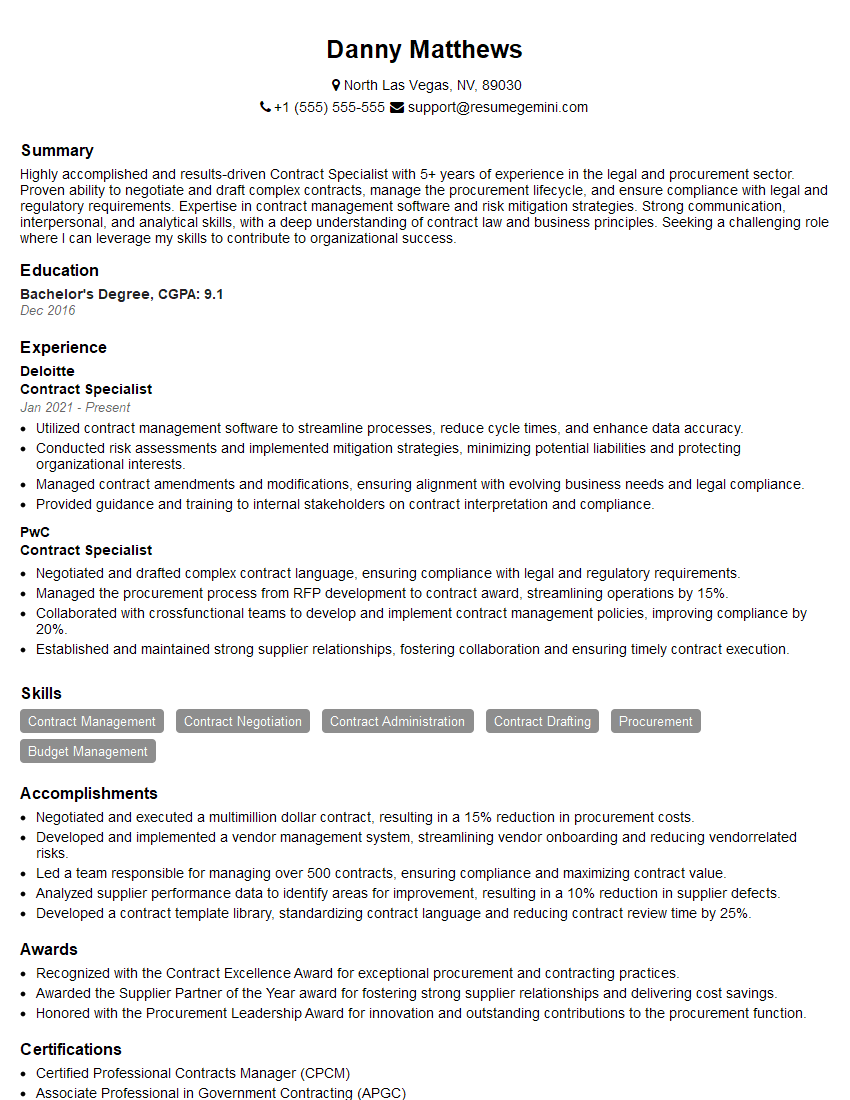
Contract Specialist Resume Sample
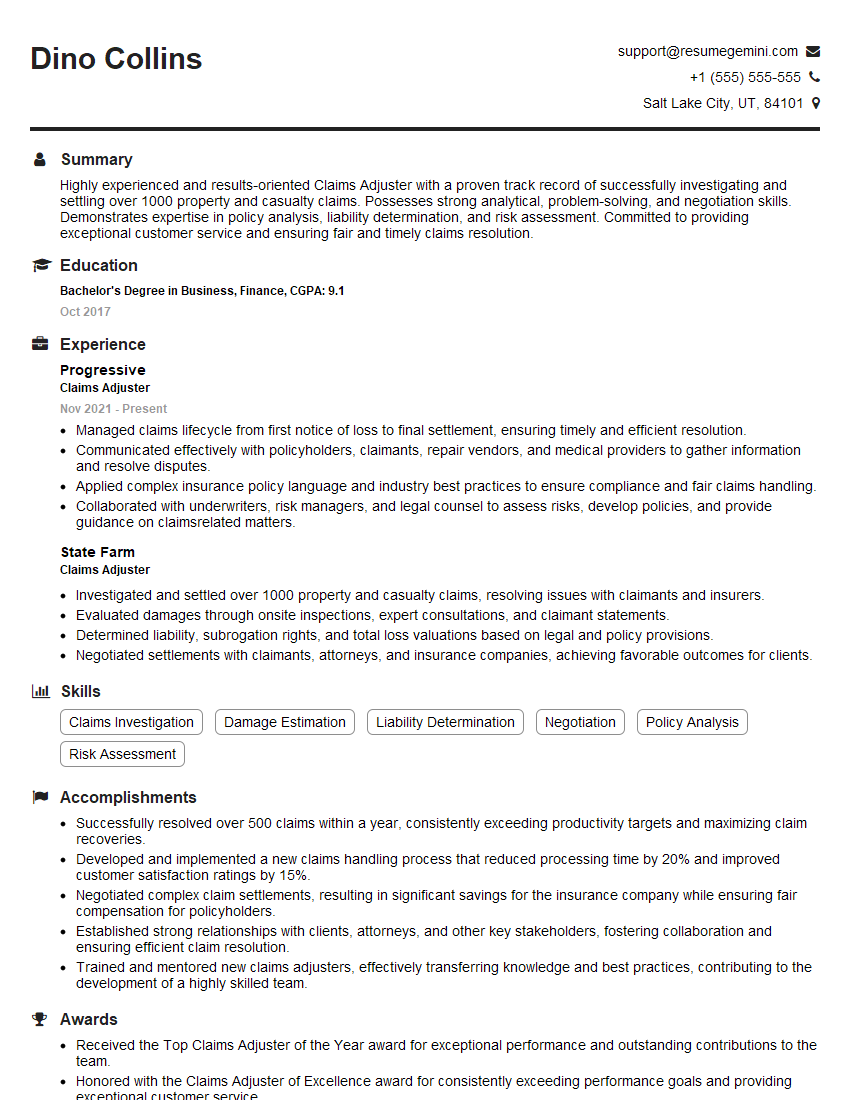
Claims Adjuster Resume Sample
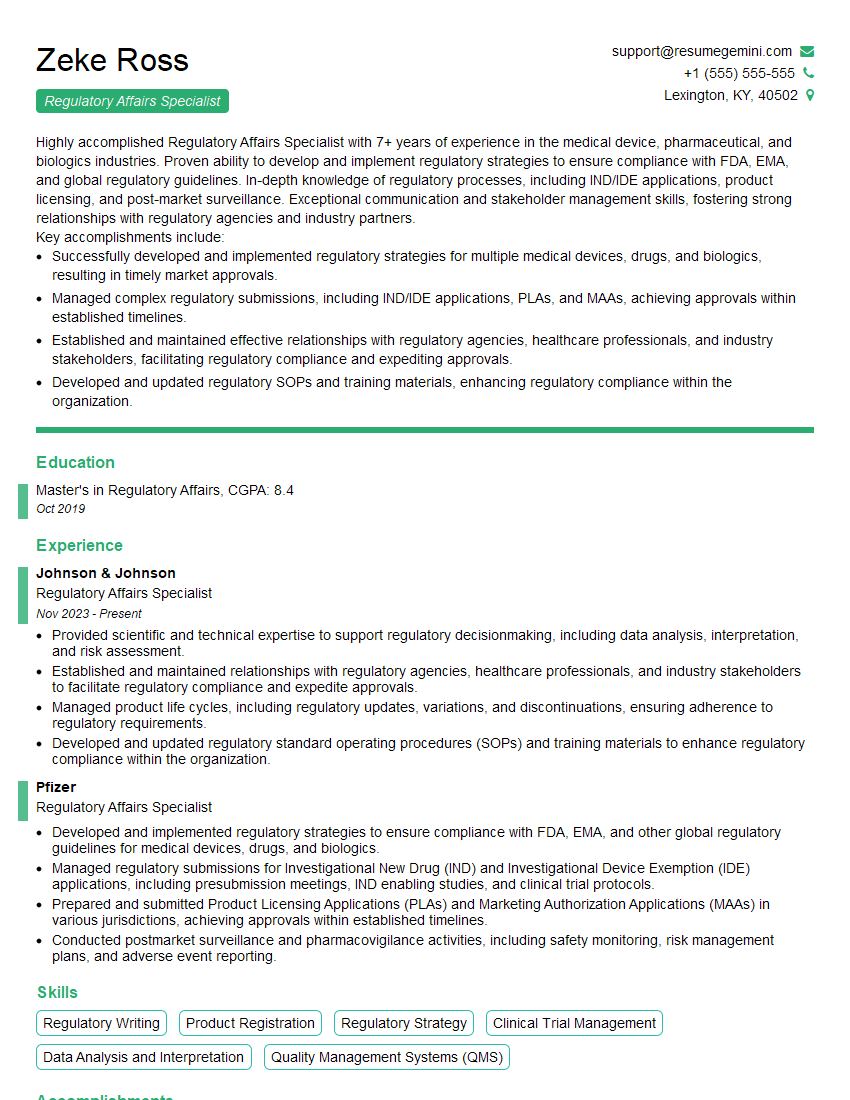
Regulatory Affairs Specialist Resume Sample
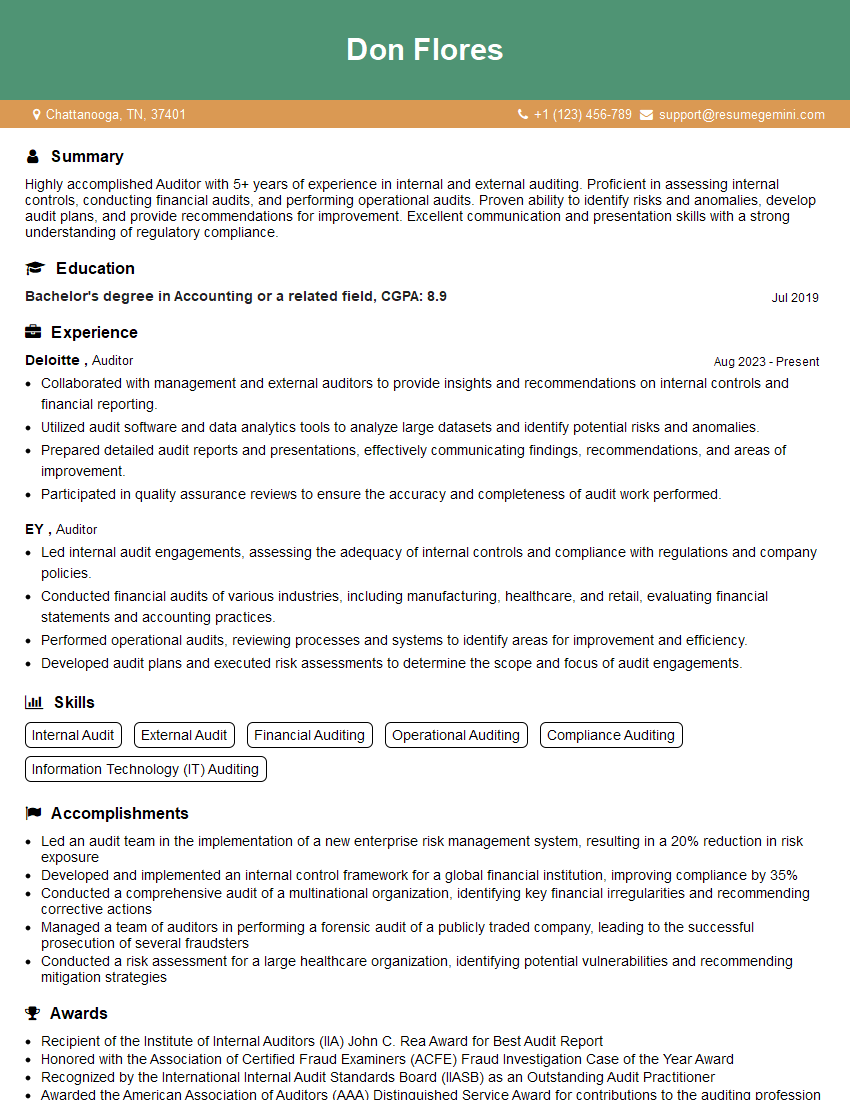
Auditor Resume Sample
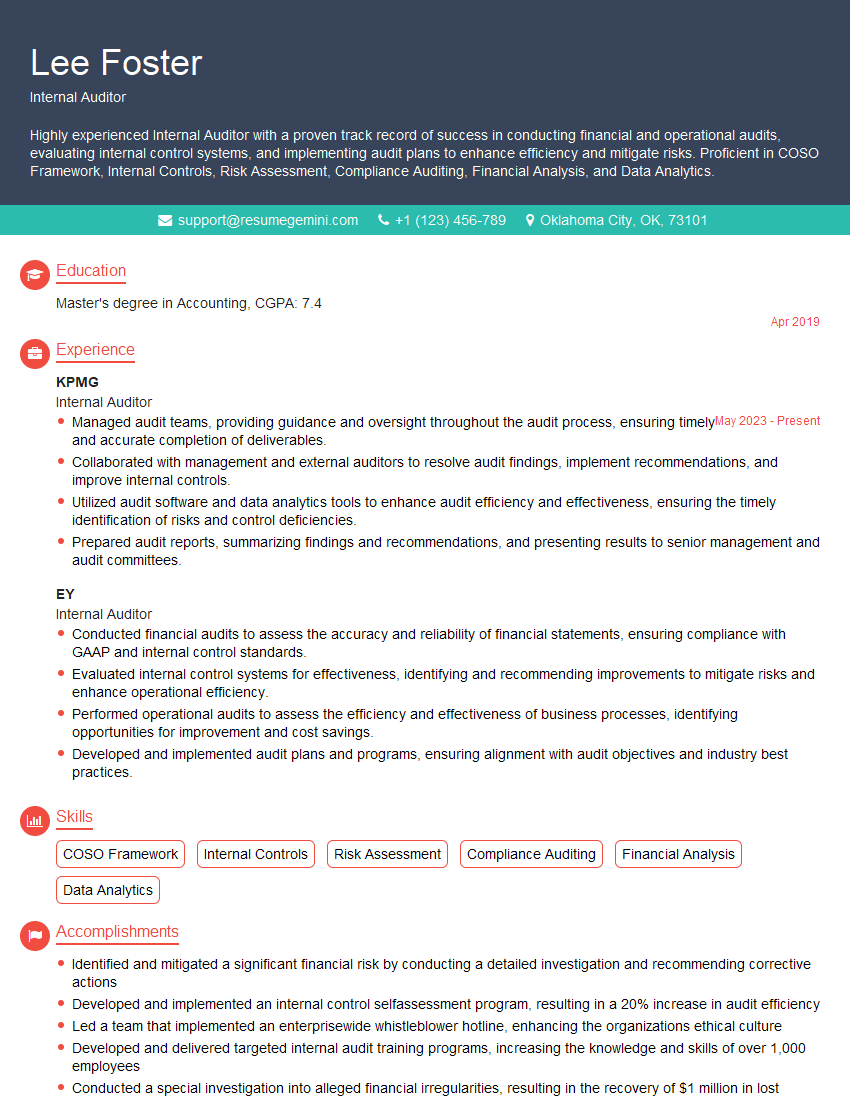
Internal Auditor Resume Sample
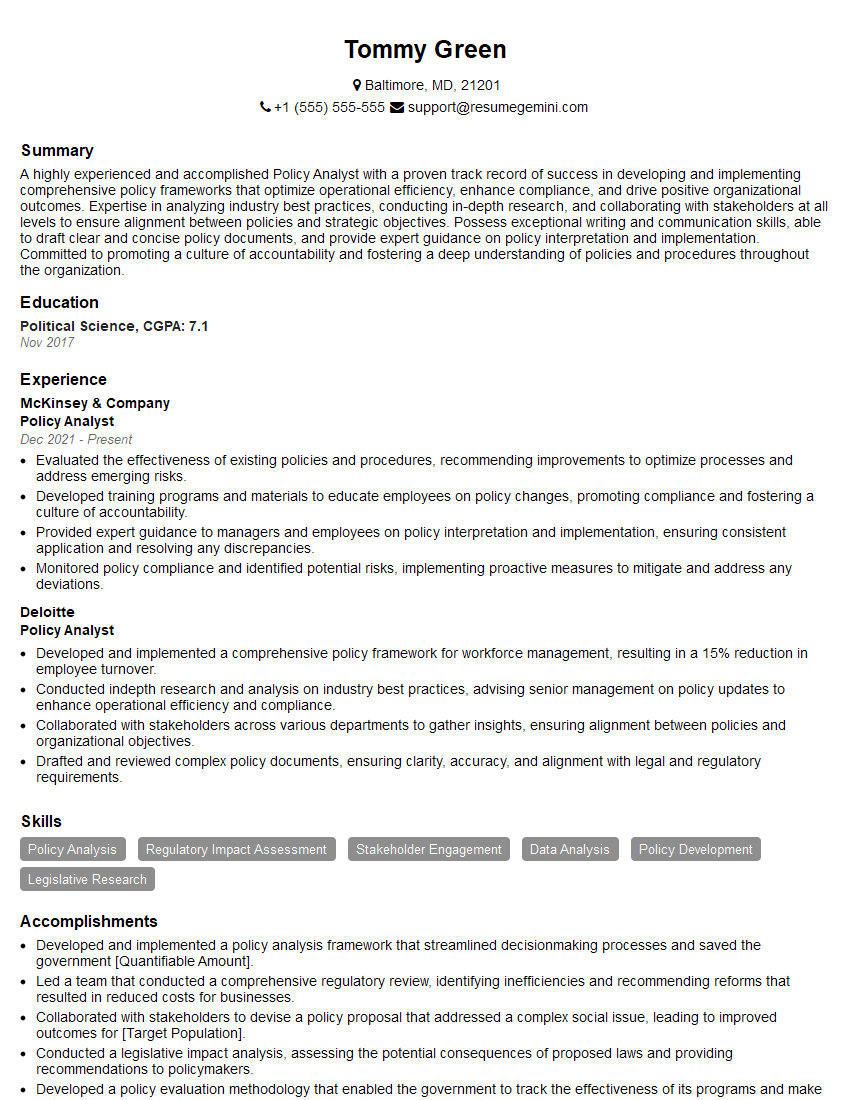
Policy Analyst Resume Sample
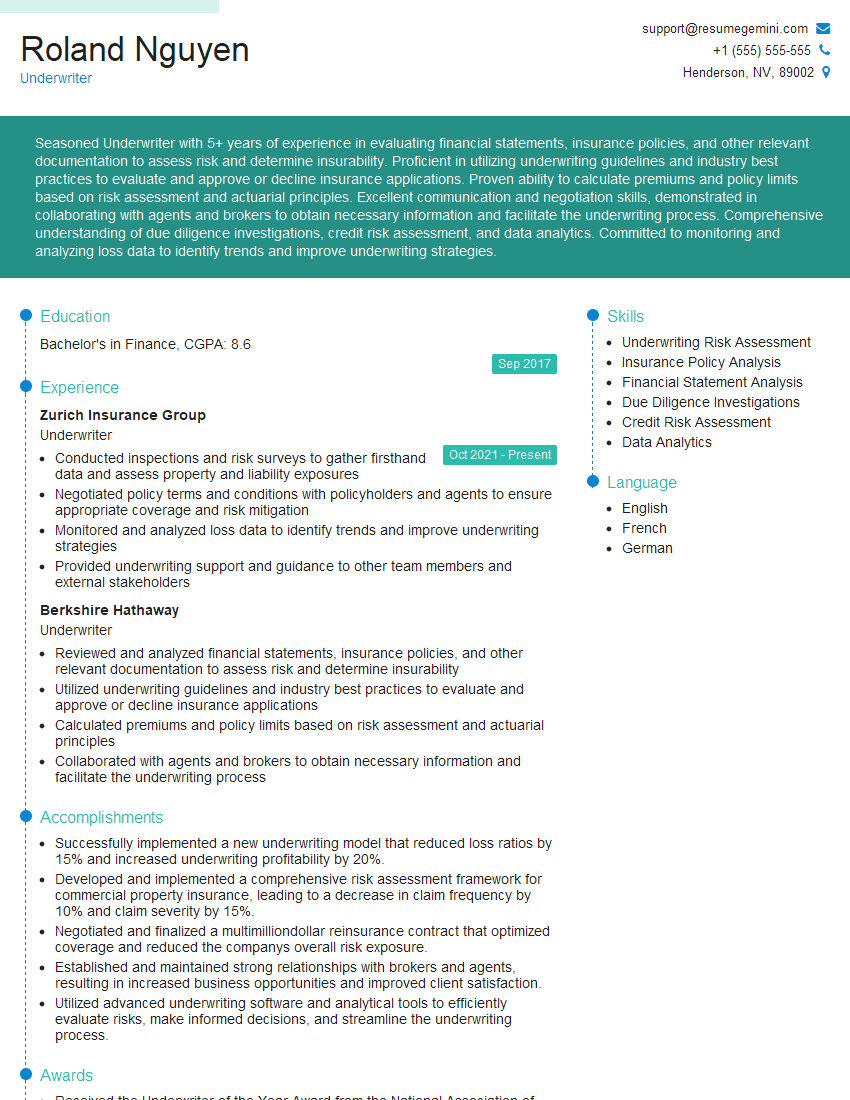
Underwriter Resume Sample
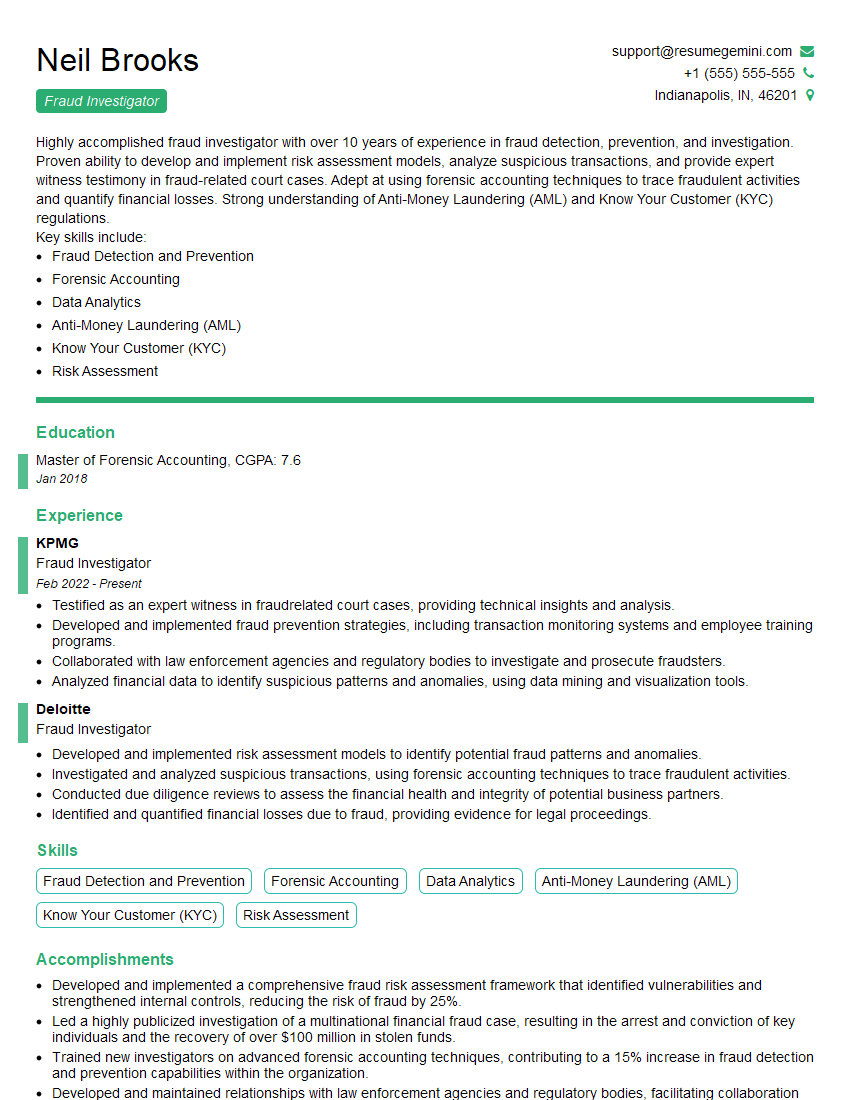
Fraud Investigator Resume Sample
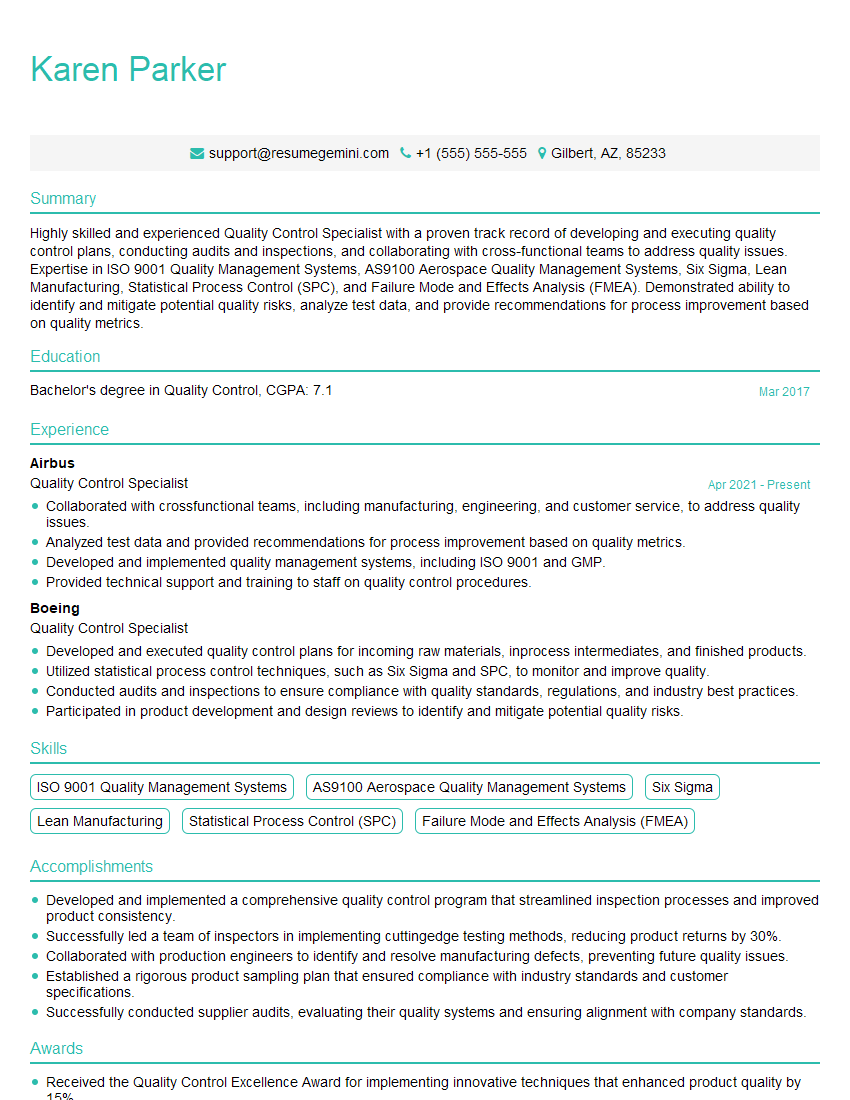
Quality Control Specialist Resume Sample
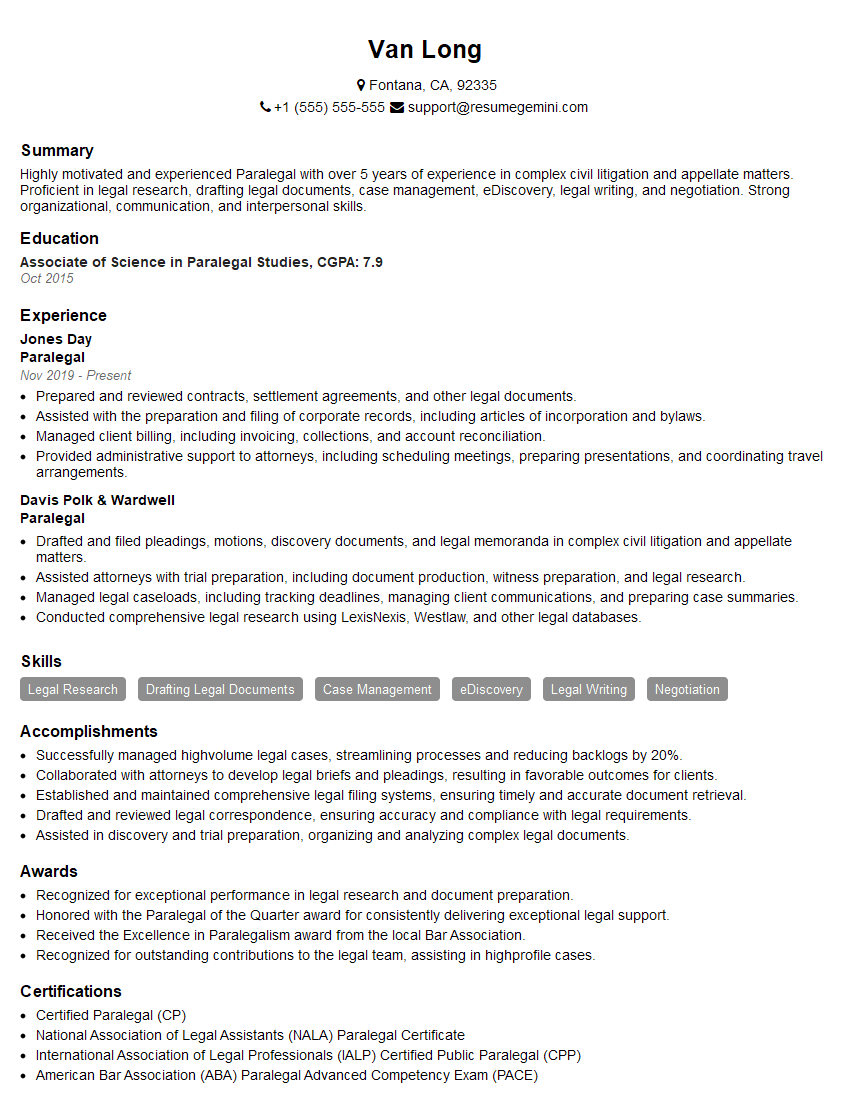
Paralegal Resume Sample
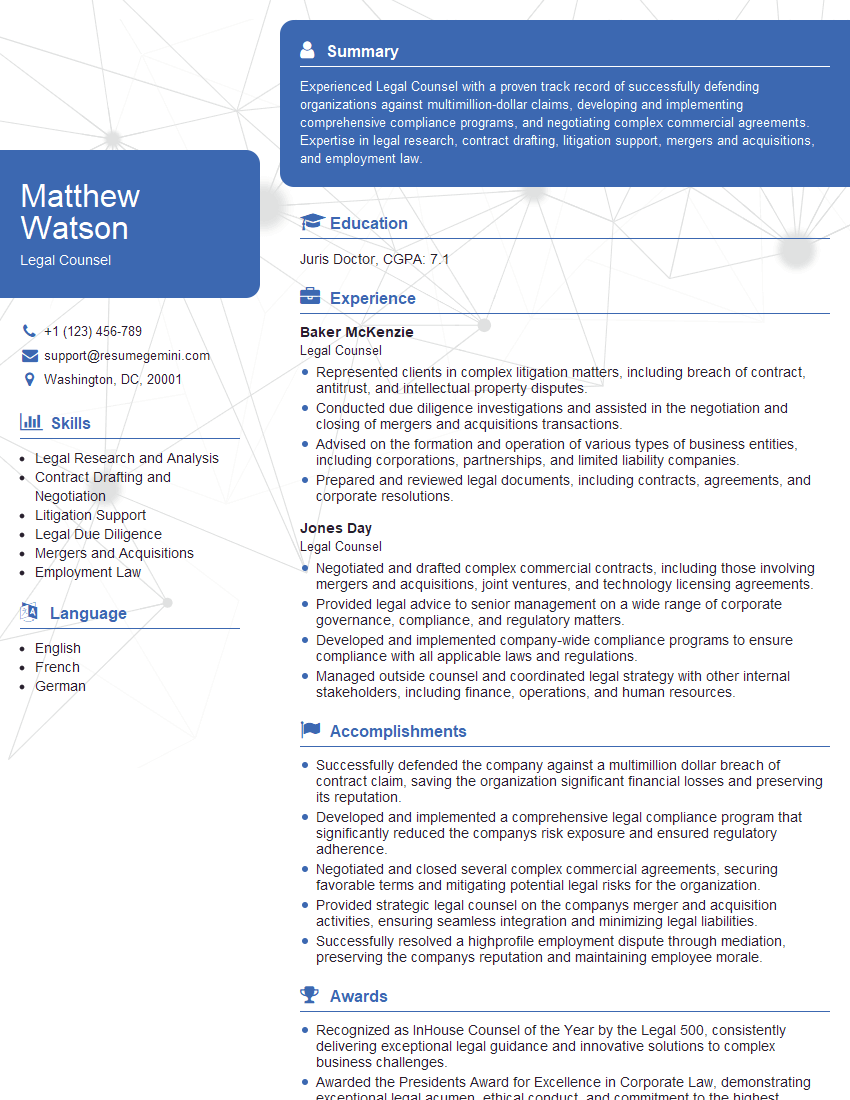
Legal Counsel Resume Sample
Explore more articles
Users Rating of Our Blogs
Share Your Experience
We value your feedback! Please rate our content and share your thoughts (optional).
What Readers Say About Our Blog
Hello,
we currently offer a complimentary backlink and URL indexing test for search engine optimization professionals.
You can get complimentary indexing credits to test how link discovery works in practice.
No credit card is required and there is no recurring fee.
You can find details here:
https://wikipedia-backlinks.com/indexing/
Regards
NICE RESPONSE TO Q & A
hi
The aim of this message is regarding an unclaimed deposit of a deceased nationale that bears the same name as you. You are not relate to him as there are millions of people answering the names across around the world. But i will use my position to influence the release of the deposit to you for our mutual benefit.
Respond for full details and how to claim the deposit. This is 100% risk free. Send hello to my email id: [email protected]
Luka Chachibaialuka
Hey interviewgemini.com, just wanted to follow up on my last email.
We just launched Call the Monster, an parenting app that lets you summon friendly ‘monsters’ kids actually listen to.
We’re also running a giveaway for everyone who downloads the app. Since it’s brand new, there aren’t many users yet, which means you’ve got a much better chance of winning some great prizes.
You can check it out here: https://bit.ly/callamonsterapp
Or follow us on Instagram: https://www.instagram.com/callamonsterapp
Thanks,
Ryan
CEO – Call the Monster App
Hey interviewgemini.com, I saw your website and love your approach.
I just want this to look like spam email, but want to share something important to you. We just launched Call the Monster, a parenting app that lets you summon friendly ‘monsters’ kids actually listen to.
Parents are loving it for calming chaos before bedtime. Thought you might want to try it: https://bit.ly/callamonsterapp or just follow our fun monster lore on Instagram: https://www.instagram.com/callamonsterapp
Thanks,
Ryan
CEO – Call A Monster APP
To the interviewgemini.com Owner.
Dear interviewgemini.com Webmaster!
Hi interviewgemini.com Webmaster!
Dear interviewgemini.com Webmaster!
excellent
Hello,
We found issues with your domain’s email setup that may be sending your messages to spam or blocking them completely. InboxShield Mini shows you how to fix it in minutes — no tech skills required.
Scan your domain now for details: https://inboxshield-mini.com/
— Adam @ InboxShield Mini
Reply STOP to unsubscribe
Hi, are you owner of interviewgemini.com? What if I told you I could help you find extra time in your schedule, reconnect with leads you didn’t even realize you missed, and bring in more “I want to work with you” conversations, without increasing your ad spend or hiring a full-time employee?
All with a flexible, budget-friendly service that could easily pay for itself. Sounds good?
Would it be nice to jump on a quick 10-minute call so I can show you exactly how we make this work?
Best,
Hapei
Marketing Director
Hey, I know you’re the owner of interviewgemini.com. I’ll be quick.
Fundraising for your business is tough and time-consuming. We make it easier by guaranteeing two private investor meetings each month, for six months. No demos, no pitch events – just direct introductions to active investors matched to your startup.
If youR17;re raising, this could help you build real momentum. Want me to send more info?
Hi, I represent an SEO company that specialises in getting you AI citations and higher rankings on Google. I’d like to offer you a 100% free SEO audit for your website. Would you be interested?
Hi, I represent an SEO company that specialises in getting you AI citations and higher rankings on Google. I’d like to offer you a 100% free SEO audit for your website. Would you be interested?
good