Are you ready to stand out in your next interview? Understanding and preparing for Safe Handling of Medical Waste interview questions is a game-changer. In this blog, we’ve compiled key questions and expert advice to help you showcase your skills with confidence and precision. Let’s get started on your journey to acing the interview.
Questions Asked in Safe Handling of Medical Waste Interview
Q 1. What are the different categories of medical waste?
Medical waste is categorized to ensure proper handling and disposal, minimizing risks to public health and the environment. The categories aren’t universally standardized, varying slightly by region and regulatory body. However, common categories include:
- Infectious waste: This includes items contaminated with blood, body fluids, or pathogens, such as cultures and stocks of infectious agents. Think of used bandages from a wound, or lab cultures of bacteria.
- Sharps waste: This comprises needles, scalpels, broken glass, and other items capable of causing punctures or cuts. Improper handling is a major source of injuries among healthcare workers.
- Pathological waste: This category contains human tissues, organs, and body parts removed during surgery or autopsy. It requires particularly careful handling due to the potential for infection.
- Pharmaceutical waste: Expired or unwanted medications, including chemotherapy drugs, pose both environmental and public health hazards.
- Chemical waste: This category includes disinfectants, cleaning solutions, and other chemicals used in healthcare settings. Improper disposal can lead to water and soil contamination.
- Radioactive waste: This waste, from medical imaging and radiotherapy, must be handled and disposed of according to strict regulations to prevent radiation exposure.
- General waste: This is non-hazardous waste that is similar to household garbage. It includes items like paper, plastic containers that have not been in contact with infectious materials.
Understanding these categories is fundamental for effective segregation and safe disposal.
Q 2. Explain the process of segregating medical waste.
Segregating medical waste is the crucial first step in safe management. It involves the systematic separation of different waste streams at their point of origin – essentially, where the waste is generated. This typically involves:
- Designated containers: Color-coded containers are often used, with each color representing a specific waste category (discussed later). Containers should be clearly labeled, readily accessible, and appropriately sized for the volume of waste generated.
- On-site segregation: Waste is segregated at the source; for example, used syringes are immediately placed in a sharps container, while soiled bandages go into a designated infectious waste bin.
- Regular emptying and closure: Containers should be emptied frequently to prevent overflow and risk of spills. Once full, they must be properly sealed to prevent leakage and accidental exposure.
- Staff training: Healthcare staff must receive thorough training on proper waste segregation procedures, including the identification of different waste types and correct disposal methods.
- Documentation: Accurate records are kept to monitor waste generation, disposal methods, and the amount of waste produced.
Think of it like sorting your recycling – you separate paper, glass, and plastics. With medical waste, the stakes are much higher, so precision is paramount.
Q 3. Describe the proper handling and disposal of sharps.
Sharps pose a significant risk of injury and infection, requiring stringent handling and disposal protocols. Never recap needles.
- Use puncture-resistant containers: Sharps should be disposed of immediately in rigid, puncture-resistant, leak-proof containers specifically designed for sharps. These are often bright red or orange.
- Avoid overfilling: Containers should be replaced when they are about three-quarters full to prevent accidental punctures during handling.
- Proper labeling: Containers must be clearly labeled as ‘sharps’ and should not be overloaded.
- Dedicated disposal: These containers are usually picked up by specialized waste disposal companies trained in handling this type of hazardous waste.
- Never bend or break needles: Doing so increases the risk of accidental needle sticks.
Imagine the potential consequences of a simple needle stick injury – infection, disease transmission, and long-term health implications. Proper sharps handling prevents these risks.
Q 4. What are the regulations governing medical waste disposal in your area?
Regulations governing medical waste disposal vary by location but generally adhere to federal and state (or provincial/regional) guidelines. These regulations typically address:
- Waste categorization: Defining the different types of medical waste and their specific handling requirements.
- Treatment and disposal methods: Specifying acceptable methods such as incineration, autoclaving, or chemical disinfection. Landfilling of hazardous medical waste is usually prohibited.
- Transportation: Regulations governing the transport of medical waste, requiring secure containers and properly licensed haulers.
- Record-keeping: Mandating detailed records of waste generation, treatment, and disposal.
- Employee training and safety: Requiring proper training for healthcare workers on safe handling and disposal procedures.
- Emergency response protocols: Establishing procedures to address accidental spills or releases.
It is crucial to familiarize yourself with the exact regulations applicable to your specific region. Check your local health authority website for details. Non-compliance can result in significant fines and legal penalties.
Q 5. How do you ensure compliance with OSHA regulations regarding medical waste?
OSHA (Occupational Safety and Health Administration) regulations aim to protect healthcare workers from workplace hazards, including those related to medical waste. Compliance is ensured through:
- Comprehensive training programs: Providing all staff with thorough training on safe handling, disposal, and emergency procedures related to medical waste.
- Implementation of standard operating procedures (SOPs): Developing and following detailed SOPs for all aspects of medical waste management.
- Proper PPE provision and use: Ensuring staff have access to and correctly use appropriate personal protective equipment (PPE) like gloves, gowns, masks, and eye protection when handling any medical waste.
- Regular inspections and audits: Conducting internal and external audits to monitor compliance with OSHA guidelines and identify areas for improvement.
- Incident reporting and investigation: Establishing procedures for reporting and thoroughly investigating any accidents or injuries related to medical waste handling.
- Maintaining accurate records: Keeping detailed records of training, inspections, and any incidents.
OSHA compliance is not merely a regulatory requirement; it is a fundamental aspect of creating a safe and healthy work environment.
Q 6. What are the safety precautions for handling infectious medical waste?
Handling infectious medical waste demands strict adherence to safety protocols to prevent exposure to pathogens. Key precautions include:
- Universal precautions: Treating all medical waste as potentially infectious is a cornerstone of safe handling. This involves treating all body fluids as if they were infectious.
- Use of PPE: Always wear appropriate PPE, including gloves, gowns, masks, and eye protection, when handling infectious waste. This creates a barrier between you and the waste.
- Proper disinfection: Before disposal, disinfect contaminated surfaces and equipment with an appropriate disinfectant solution. Follow the instructions on the disinfectant product carefully.
- Engineering controls: Utilize safety features like sharps containers and leak-proof bags to reduce the risk of exposure.
- Safe handling techniques: Avoid splashing or aerosolization when handling potentially infectious materials. Dispose of waste immediately after use.
- Waste segregation: Strict segregation according to the waste category helps to prevent cross-contamination and facilitates efficient disposal.
Remember, a small lapse in safety protocols when dealing with infectious waste can have serious consequences.
Q 7. What is the role of color-coded containers in medical waste management?
Color-coded containers are a visual aid in medical waste management, simplifying the segregation process and reducing the risk of errors. The color coding system isn’t universally standardized but usually follows a consistent logic within a facility or region. Common examples include:
- Red: Often used for infectious waste.
- Yellow/Orange: Typically used for sharps waste.
- Black: May be used for general waste.
- White: Could represent pharmaceutical waste or other specialized categories.
The specific color assignments should be clearly communicated to all staff, typically through training and signage displayed near the containers. Consistent color coding facilitates quick and accurate waste sorting, minimizing cross-contamination and ensuring effective management.
Q 8. Describe the process for labeling and packaging medical waste.
Labeling and packaging medical waste is crucial for preventing exposure and ensuring safe handling throughout the disposal process. Think of it like sending a package – you need clear instructions on the contents and handling requirements to prevent accidents. Each container must be clearly labeled with the type of waste (e.g., sharps, infectious waste, pathological waste) and date of generation. The labels should be durable and resistant to tearing or smudging. Different waste categories necessitate specific packaging; for example, sharps go into puncture-resistant containers, while infectious waste should be sealed in leak-proof bags. The packaging itself needs to be sturdy enough to withstand transportation and handling, preventing leaks or punctures.
- Example: A container of used needles would be labeled “Sharps – Infectious Waste – Date: October 26, 2024” and placed within a puncture-resistant container.
- Example: Pathological waste, such as tissues from a surgery, would be packaged in a leak-proof, biohazard bag, clearly labeled as such.
Color-coded bags are often used to visually identify different waste streams, further improving safety and efficiency.
Q 9. Explain the importance of proper record-keeping in medical waste management.
Proper record-keeping is paramount for maintaining regulatory compliance and ensuring accountability in medical waste management. Imagine trying to track a missing package without a shipping label; similarly, without detailed records, tracking the movement of medical waste becomes a major challenge. These records serve as a complete audit trail, demonstrating responsible waste handling. This includes detailed records of waste generation, segregation, treatment (if any), transportation, and final disposal. This helps identify potential areas for improvement, assesses the effectiveness of existing protocols, and allows for quick responses in the case of an incident. The information assists in fulfilling regulatory requirements, helps in environmental impact assessments, and provides evidence for potential legal inquiries.
- Example: Records should document the quantity of each waste type generated daily, the name of the disposal company, the date of pickup, and the disposal method used.
- Example: In the event of a waste disposal incident, thorough records would greatly facilitate investigations and aid in mitigation efforts.
Q 10. How do you handle a medical waste spill?
Handling a medical waste spill requires a swift and coordinated response to minimize risks. Think of it as a controlled emergency situation. The first step is to immediately isolate the area and restrict access to prevent further contamination. Next, don appropriate personal protective equipment (PPE), including gloves, gowns, masks, and eye protection, before initiating cleanup. Use absorbent materials like spill pads to soak up the spilled waste, then carefully place the absorbent material into appropriately labeled containers. All contaminated materials, including the PPE, should be treated as medical waste and disposed of accordingly. The area must be thoroughly disinfected and cleaned according to established protocols. Incident reports must be completed, documenting details of the spill, cleanup procedures, and personnel involved.
- Example: A vial of blood spilled in a laboratory would require immediate isolation of the area, cleanup using absorbent pads, and disinfection of the surrounding area with a hospital-grade disinfectant.
Reporting procedures vary based on the nature and quantity of the spill, but immediate reporting to the relevant authorities is critical.
Q 11. What are the different methods for medical waste disposal?
Medical waste disposal methods vary depending on waste type and local regulations. Common methods include incineration (high-temperature burning), autoclaving (high-pressure steam sterilization), chemical disinfection, and landfilling (for non-hazardous waste after proper treatment). Incineration is a reliable method for destroying infectious agents but raises environmental concerns about air emissions. Autoclaving renders waste less hazardous before disposal but may not eliminate all pathogens. Chemical disinfection uses chemical agents to neutralize pathogens; however, the chemicals themselves may present environmental hazards. Landfilling is often the final step but only after waste has been treated and rendered safe. The choice of method depends on cost-effectiveness, environmental impact, and regulatory guidelines.
- Example: Sharps are typically disposed of through incineration or autoclaving prior to final disposal.
- Example: Non-hazardous waste, such as paper towels, may be disposed of in a landfill after proper segregation.
Q 12. What are the environmental concerns related to improper medical waste disposal?
Improper medical waste disposal poses significant environmental risks. Imagine untreated medical waste leaching into the soil and groundwater, contaminating drinking water sources and harming ecosystems. Improper disposal can lead to soil and water contamination by pathogens, heavy metals, and other hazardous substances. This can result in the spread of infectious diseases, harm wildlife, and compromise the health of local communities. Incineration, if not properly managed, can release harmful air pollutants, contributing to air pollution and potentially impacting respiratory health. Improper handling can also lead to the accumulation of waste in landfills, which contributes to land degradation and the depletion of natural resources.
- Example: Leaking needles in a landfill can contaminate soil and groundwater with blood-borne pathogens.
- Example: Incineration without proper emission controls can release dioxins and furans into the atmosphere.
Q 13. What are the risks associated with improper handling of medical waste?
Improper handling of medical waste poses significant risks to healthcare workers, patients, and the general public. Exposure to infectious agents, such as viruses, bacteria, and fungi, can lead to various infections and illnesses. Sharps injuries can cause infections, nerve damage, and other serious complications. Contact with hazardous chemicals can result in burns, poisoning, and long-term health problems. Improperly disposed waste can also lead to environmental contamination, as previously discussed, with long-term consequences for ecosystems and human health. The risks extend beyond immediate health consequences, encompassing legal and financial repercussions for non-compliance with regulations.
- Example: A needlestick injury from a poorly disposed needle can lead to Hepatitis B, Hepatitis C, or HIV infection.
- Example: Exposure to cytotoxic drugs can cause severe health problems for healthcare workers.
Q 14. Describe your experience with medical waste autoclaves.
Medical waste autoclaves are high-pressure steam sterilizers crucial for decontaminating medical waste before disposal. My experience encompasses operating, maintaining, and troubleshooting these devices. I am familiar with various autoclave models and their operational parameters, including temperature, pressure, and cycle times. I understand the importance of regular maintenance to ensure optimal performance and safety, including checking safety mechanisms, cleaning internal components, and conducting regular calibration checks. Proper documentation of each sterilization cycle, including parameters and results, is essential for maintaining regulatory compliance. Troubleshooting malfunctions, such as pressure leaks or faulty sensors, requires technical expertise to ensure the integrity of the sterilization process. I have also been involved in training staff on the safe and efficient use of autoclaves, emphasizing the importance of proper loading techniques, safety precautions, and waste handling procedures.
- Example: I have experience with various autoclave brands, including Tuttnauer and Steris, and am proficient in their operation and maintenance procedures.
- Example: I have successfully addressed operational issues such as steam leaks and sensor malfunctions, ensuring the integrity of the sterilization cycle.
Q 15. How do you ensure the safe transportation of medical waste?
Safe transportation of medical waste is paramount to prevent environmental contamination and protect public health. It involves stringent adherence to regulations and the use of specialized containers and vehicles.
- Proper Packaging: Waste must be packaged in leak-proof, puncture-resistant containers clearly labeled with the type of waste (e.g., ‘infectious’, ‘sharps’). Double-bagging is often employed for added safety.
- Designated Vehicles: Transportation must be carried out by vehicles specifically designed for medical waste, often with features like sealed compartments and GPS tracking for monitoring.
- Route Planning and Documentation: Routes are planned to minimize the risk of spills or accidents. Comprehensive documentation, including manifests detailing the type and quantity of waste, are essential for tracking and regulatory compliance.
- Emergency Response Plans: Transportation companies should have protocols in place to handle potential spills or accidents during transit, including containment procedures and notification to appropriate authorities.
For example, imagine a hospital transporting pathology specimens. These must be placed in leak-proof containers, within sturdy boxes, secured within a designated vehicle with a spill kit readily accessible. The driver must possess the correct permits and manifest, and any incident must be reported immediately.
Career Expert Tips:
- Ace those interviews! Prepare effectively by reviewing the Top 50 Most Common Interview Questions on ResumeGemini.
- Navigate your job search with confidence! Explore a wide range of Career Tips on ResumeGemini. Learn about common challenges and recommendations to overcome them.
- Craft the perfect resume! Master the Art of Resume Writing with ResumeGemini’s guide. Showcase your unique qualifications and achievements effectively.
- Don’t miss out on holiday savings! Build your dream resume with ResumeGemini’s ATS optimized templates.
Q 16. What are the different types of personal protective equipment (PPE) used in medical waste handling?
Personal Protective Equipment (PPE) is crucial for protecting healthcare workers from exposure to infectious agents present in medical waste. The choice of PPE depends on the type of waste being handled.
- Gloves: Nitrile or latex gloves are standard for most tasks, while heavier-duty gloves might be necessary when handling sharps.
- Gowns: Disposable gowns provide protection for the body from splashes or spills.
- Masks: Surgical masks or respirators offer respiratory protection, especially when dealing with potentially aerosolized contaminants.
- Eye Protection: Safety glasses or face shields protect the eyes from splashes.
- Sharps Containers: These are not PPE, but are essential for safe handling of needles, syringes, and other sharps, preventing accidental punctures.
Think of it like this: a nurse handling a used needle would wear gloves, a gown, and eye protection to prevent exposure. The needle goes immediately into a puncture-resistant sharps container. This layered approach minimizes risk substantially.
Q 17. How do you train staff on proper medical waste handling procedures?
Comprehensive training is critical for ensuring safe and compliant medical waste handling. Training should be tailored to the roles and responsibilities of the staff.
- Initial Training: New employees receive thorough instruction covering all aspects of medical waste management, including waste segregation, PPE usage, handling procedures, and emergency protocols.
- Regular Refresher Training: Periodic refresher courses ensure continued competency and address any updates to regulations or best practices.
- Hands-on Training: Practical training sessions simulate real-world scenarios, allowing staff to practice proper techniques in a safe environment.
- Documentation: Training records should be meticulously maintained to demonstrate compliance.
- Testing and Evaluation: Post-training assessments ensure comprehension of the materials and proper skill acquisition.
We use a combination of online modules, classroom sessions, and practical demonstrations. For instance, a hands-on session might involve properly handling a simulated ‘spill’ of infectious waste, which reinforces the importance of emergency response protocols.
Q 18. What is your experience with medical waste incinerators?
Medical waste incinerators are crucial for the safe and effective treatment of certain types of medical waste. My experience encompasses both the operation and regulatory compliance aspects.
- Operation: I understand the technical aspects of incinerator operation, including temperature control, emissions monitoring, and ash management. Proper operation is critical for ensuring complete waste destruction and compliance with environmental regulations.
- Maintenance: Regular maintenance and inspection of the incinerator are essential to prevent malfunctions and ensure optimal performance. This includes preventative maintenance and troubleshooting any issues that arise.
- Regulatory Compliance: Incinerator operation must strictly adhere to environmental regulations regarding air emissions and ash disposal. Compliance requires thorough record-keeping and periodic audits.
- Safety: Safe operation of incinerators necessitates rigorous safety protocols to protect workers and the environment from potential hazards.
For example, I’ve been involved in several projects overseeing the installation and commissioning of new incinerators, ensuring they meet all relevant standards before going operational. This involves working closely with engineers, regulatory bodies, and contractors.
Q 19. How do you manage medical waste generated from different healthcare settings?
Managing medical waste effectively requires adapting strategies to the unique characteristics of different healthcare settings. Each setting produces different volumes and types of waste.
- Hospitals: Hospitals generate the highest volume and widest variety of waste, necessitating robust segregation, storage, and treatment protocols.
- Clinics: Clinics generally produce less waste, but proper management is still critical. Often, waste is collected by a centralized service.
- Dental Practices: Dental practices generate sharps waste and amalgam waste which require specialized handling and disposal.
- Veterinary Clinics: Veterinary clinics require similar protocols to human healthcare settings, adapting procedures for the animal-specific waste they generate.
The key is a tailored approach. A small clinic might use a simple color-coded system and contract with a waste disposal service, while a large hospital would have an on-site waste treatment facility and a dedicated waste management team. The regulatory requirements, however, remain the same across all settings.
Q 20. Explain the concept of waste minimization in medical waste management.
Waste minimization is a crucial aspect of sustainable medical waste management. It focuses on reducing the amount of waste generated at its source, thereby minimizing environmental impact and cost.
- Source Reduction: This involves using less wasteful materials, such as reusable instruments and environmentally friendly packaging.
- Recycling: Recycling recyclable materials, such as plastics and paper, reduces landfill burden.
- Reuse: Repurposing items whenever possible minimizes waste generation.
- Improved Practices: Implementing techniques that lead to less waste generation, such as more efficient sterilization procedures.
A simple example is switching to reusable surgical instruments instead of single-use disposables. While there is an upfront cost, it drastically reduces long-term waste and associated disposal costs. This ‘upstream’ approach is far more impactful than simply improving waste processing.
Q 21. What is your understanding of the hierarchy of waste management?
The hierarchy of waste management prioritizes environmentally sound waste management strategies, placing emphasis on prevention and reduction before disposal.
- Prevention: The most preferred approach; designing processes to reduce waste generation at the source.
- Reduction: Minimizing waste generation through efficient processes and material selection.
- Reuse: Reusing items whenever possible to extend their lifespan.
- Recycling: Processing materials to create new products.
- Recovery: Recovering energy or other valuable resources from waste.
- Disposal: The least desirable option, involving safe and environmentally sound disposal methods like incineration or landfill.
Imagine a hospital considering sharps disposal. The hierarchy guides decision-making: First, they evaluate if a less-sharp alternative can be used. If not, they focus on proper disposal into a sharps container, and then the safe disposal or recycling of that container. Landfill is the absolute last resort.
Q 22. How do you monitor the effectiveness of your medical waste management program?
Monitoring the effectiveness of a medical waste management program is crucial for ensuring compliance and protecting public health. It’s not a one-time task, but an ongoing process involving several key elements.
- Regular Audits and Inspections: We conduct internal audits at least annually, checking compliance with all protocols, including proper segregation, packaging, labeling, and storage of waste. We also invite external audits periodically for an independent assessment. This ensures objectivity and identifies areas for improvement.
- Data Analysis: We track key performance indicators (KPIs) – discussed in more detail in a later response – to monitor trends. For example, consistently high rates of sharps injuries might signal a deficiency in training or equipment. A spike in contaminated waste could indicate a problem in waste segregation processes at the point of generation.
- Employee Feedback and Training Records: Regular feedback sessions and review of employee training records ensure ongoing competence and proactive identification of any knowledge gaps or concerns. This includes documentation showing their understanding of the program and their active participation in safety drills.
- Incident Reporting and Investigation: A robust system for reporting and investigating incidents, near misses, and spills is vital. Each event is thoroughly analyzed to identify root causes and implement corrective actions, preventing recurrence.
- Waste Tracking System Review: We regularly review the data generated by our waste tracking system (discussed later). This allows us to identify any anomalies, unexpected surges in waste volume, or potential breaches in security.
By combining these methods, we build a comprehensive picture of our program’s performance and identify areas needing improvement, consistently refining our processes for optimal effectiveness.
Q 23. Describe a time you had to troubleshoot a problem related to medical waste handling.
In one instance, we experienced an unexpected surge in the volume of regulated medical waste. This initially caused concerns about exceeding our contracted disposal capacity and potential compliance issues. Our investigation involved several steps:
- Data Analysis: We reviewed waste generation data from different departments, looking for patterns or outliers. We discovered the surge was primarily from the surgical unit.
- On-Site Investigation: We visited the surgical unit to observe waste generation practices and interview staff. This revealed that a new surgical procedure had been implemented that generated significantly more regulated waste than initially anticipated.
- Corrective Actions: We worked with the surgical unit to optimize waste segregation techniques and introduce more efficient waste reduction strategies, such as improved instrument sterilization methods and changes in procedural techniques.
- Training and Communication: We provided additional training to the surgical staff on proper waste segregation and handling procedures, emphasizing the importance of minimizing waste generation.
- Contract Review: We reviewed our waste disposal contract to ensure it adequately accommodated the increased volume. If necessary, we would negotiate for an increase in our allocated capacity.
This multi-pronged approach resolved the issue, demonstrating the importance of proactive monitoring, thorough investigation, and collaborative problem-solving in medical waste management.
Q 24. What is your experience with medical waste tracking systems?
My experience with medical waste tracking systems is extensive. I’ve worked with both manual and automated systems, and appreciate the advantages of each. Manual systems, while potentially less expensive to implement, are inherently prone to human error and lack the data analysis capabilities of automated systems.
Automated systems, typically software-based, provide real-time tracking of waste generation, movement, and disposal. They often integrate barcoding or RFID technology, ensuring accurate data capture and minimizing errors. These systems also generate comprehensive reports, which are vital for regulatory compliance and identifying trends. The data from these systems is also valuable for cost analysis, optimizing waste reduction strategies and improving overall program efficiency. For example, some systems allow for real-time monitoring of container fill levels, facilitating timely pick-ups and preventing overflows.
My preference is for well-integrated automated systems that provide a holistic view of the entire waste management process. They offer not only regulatory compliance benefits but also opportunities for continuous process improvement and cost optimization.
Q 25. How do you address employee concerns or non-compliance related to medical waste handling?
Addressing employee concerns or non-compliance is critical for maintaining a safe and effective medical waste management program. It requires a proactive and multi-faceted approach.
- Open Communication: Creating a culture of open communication where employees feel comfortable raising concerns without fear of reprisal is essential. This includes regular feedback sessions and opportunities for anonymous reporting.
- Training and Education: Comprehensive and ongoing training programs are key to ensuring that employees understand the risks associated with improper medical waste handling and the procedures they must follow. Regular refresher courses and competency assessments are vital.
- Clear Policies and Procedures: Clearly defined policies and procedures, easily accessible to all staff, are fundamental. These documents should be straightforward, comprehensive, and regularly updated to reflect changes in regulations or best practices.
- Disciplinary Action (if necessary): While education is prioritized, serious violations of safety protocols might require disciplinary action, as per the organization’s policies, to ensure compliance and maintain standards.
- Incentivizing Compliance: Recognizing and rewarding employees for safe waste handling practices can incentivize good behavior and improve overall program effectiveness.
The goal is not merely to enforce compliance but to foster a safety-conscious culture where employees actively participate in maintaining a safe and effective waste management system.
Q 26. What are the key performance indicators (KPIs) you use to measure the success of a medical waste program?
Key Performance Indicators (KPIs) are vital for measuring the success of a medical waste program. These metrics provide objective data to track program effectiveness and identify areas for improvement. Some key KPIs include:
- Number of incidents/near misses: A low number indicates effective training and adherence to protocols.
- Compliance rate: This measures the percentage of waste handled according to established procedures.
- Waste generation rate per procedure/patient: This helps identify areas for waste reduction strategies.
- Treatment and disposal costs: Tracking costs allows for budget control and identifies potential cost savings.
- Timeliness of waste disposal: Ensures prompt removal of waste, minimizing risk.
- Employee satisfaction/training scores: High scores indicate effective training and employee engagement.
- Regulatory compliance rate: Measures adherence to all applicable regulations and standards.
Regularly reviewing these KPIs, in conjunction with other monitoring methods, allows for data-driven decision-making and ensures the program’s continued success.
Q 27. Describe your understanding of the differences between regulated and non-regulated medical waste.
Understanding the differences between regulated and non-regulated medical waste is paramount for safe and compliant handling. Regulated waste poses a significant risk to human health and the environment due to its infectious, pathological, or potentially hazardous nature. Non-regulated waste, on the other hand, doesn’t present the same degree of risk.
Regulated Medical Waste includes items like:
- Pathological waste: Human tissues, organs, and body parts.
- Infectious waste: Items contaminated with blood or other potentially infectious materials.
- Sharps: Needles, syringes, scalpels, and other sharp instruments.
- Chemotherapy waste: Drugs and materials used in cancer treatment.
- Pharmaceutical waste: Certain medications posing an environmental risk.
Non-regulated Medical Waste typically includes items that don’t pose a significant risk, such as:
- Paper towels and tissues not visibly contaminated with blood or other potentially infectious materials.
- Food waste (if not contaminated).
- Non-contaminated clothing
- Gloves that are not visibly contaminated
Accurate segregation is essential, as improper handling of regulated waste can lead to serious health consequences and environmental damage. Strict adherence to regulations and disposal guidelines is crucial for both regulated and non-regulated waste, even though the handling and disposal processes differ significantly.
Key Topics to Learn for Safe Handling of Medical Waste Interview
- Regulatory Compliance: Understanding OSHA, EPA, and state-specific regulations regarding medical waste handling and disposal. This includes knowing the different classifications of medical waste (e.g., infectious, sharps, pathological).
- Waste Segregation and Containment: Practical application of proper segregation techniques for different waste types. This involves understanding the use of appropriate containers, color-coding, and labeling procedures to prevent cross-contamination and ensure safe handling.
- Personal Protective Equipment (PPE): Knowing the types of PPE required for handling various medical waste streams (e.g., gloves, gowns, eye protection) and understanding the proper donning and doffing procedures to minimize risk of exposure.
- Transportation and Disposal: Understanding the regulations and procedures involved in transporting medical waste to licensed treatment and disposal facilities. This includes proper packaging, labeling, and documentation requirements.
- Emergency Procedures: Knowing the protocols to follow in case of spills, injuries, or other emergencies related to medical waste handling. This includes understanding emergency contact procedures and appropriate first aid responses.
- Infection Control: Understanding the principles of infection control and how they apply to medical waste handling. This includes knowledge of sterilization methods and the importance of preventing the spread of infectious diseases.
- Waste Minimization Strategies: Exploring techniques and technologies aimed at reducing the volume of medical waste generated, thereby improving efficiency and reducing environmental impact.
- Record Keeping and Documentation: Understanding the importance of meticulous record-keeping related to medical waste generation, handling, transportation, and disposal. This often involves completing manifests and other required documentation.
Next Steps
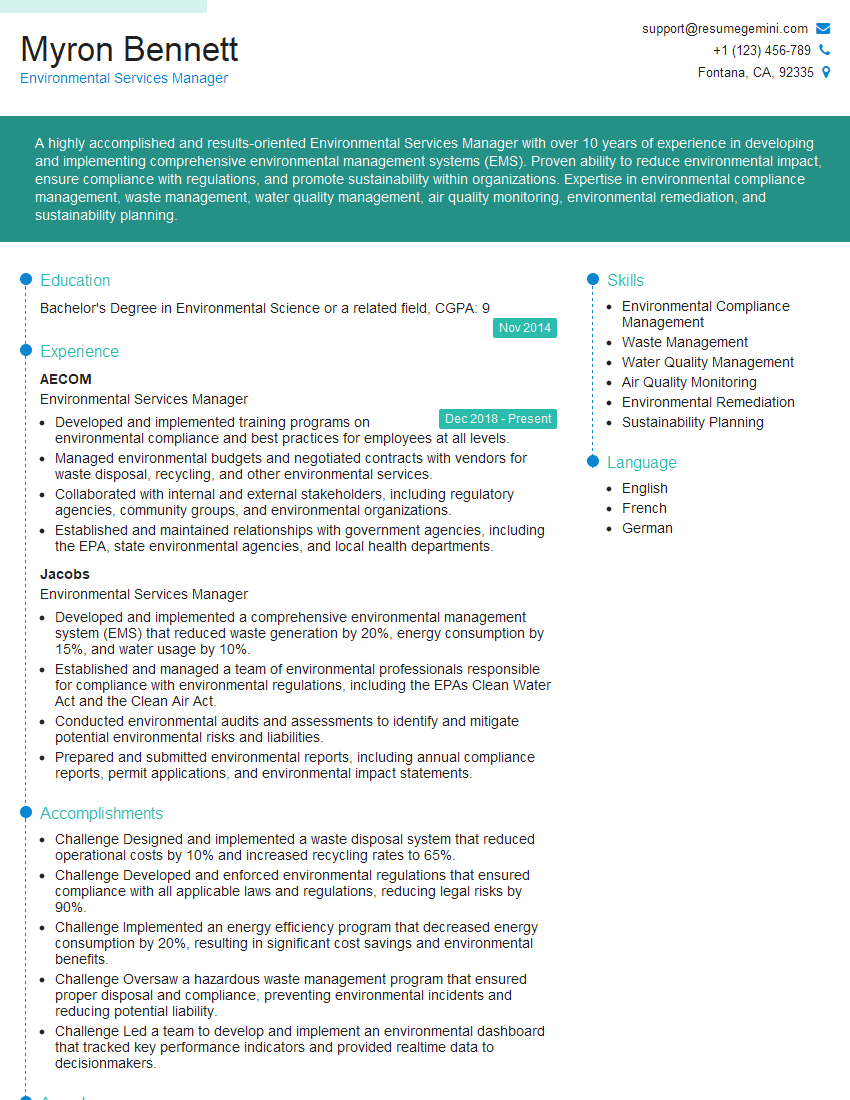
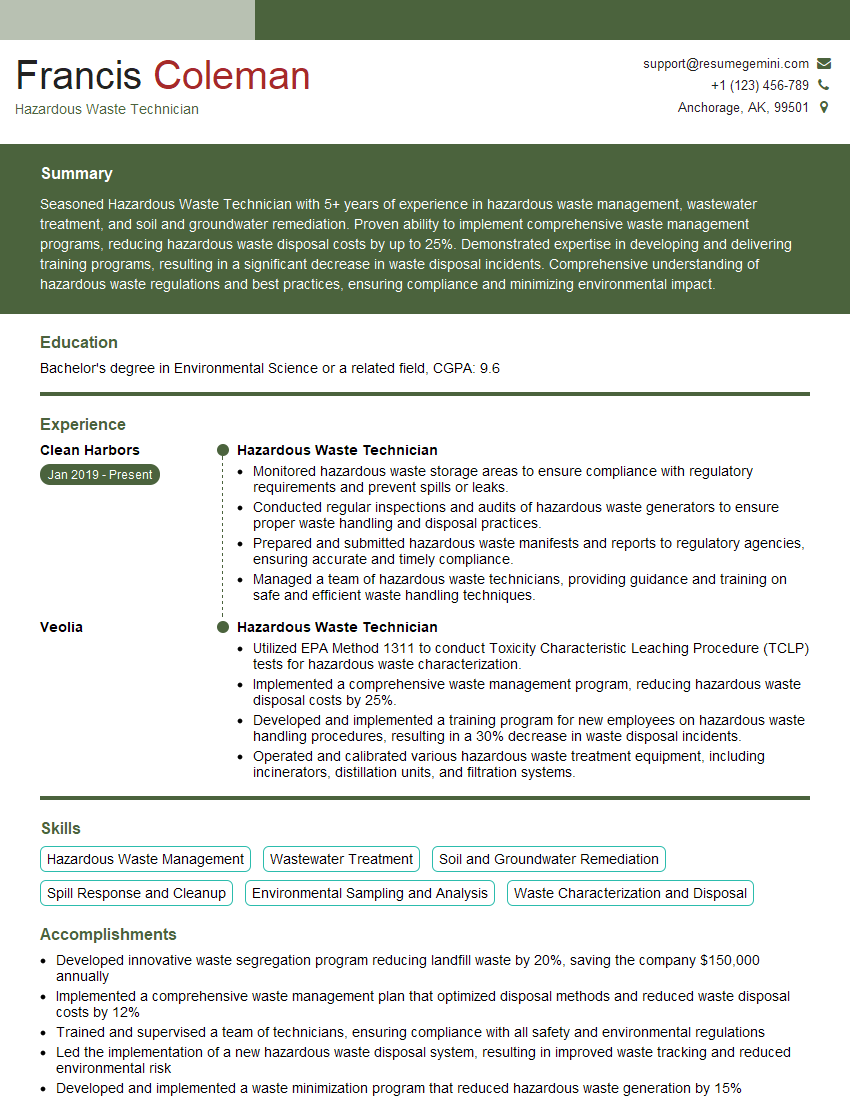
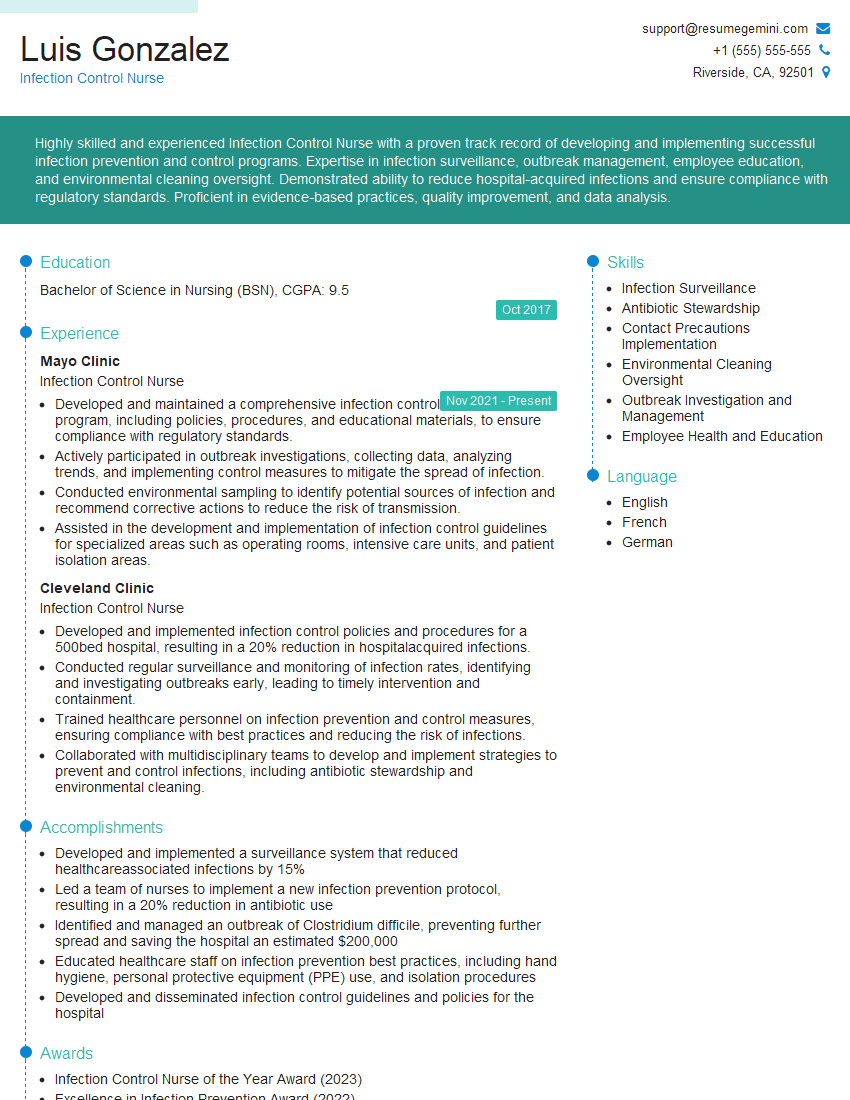
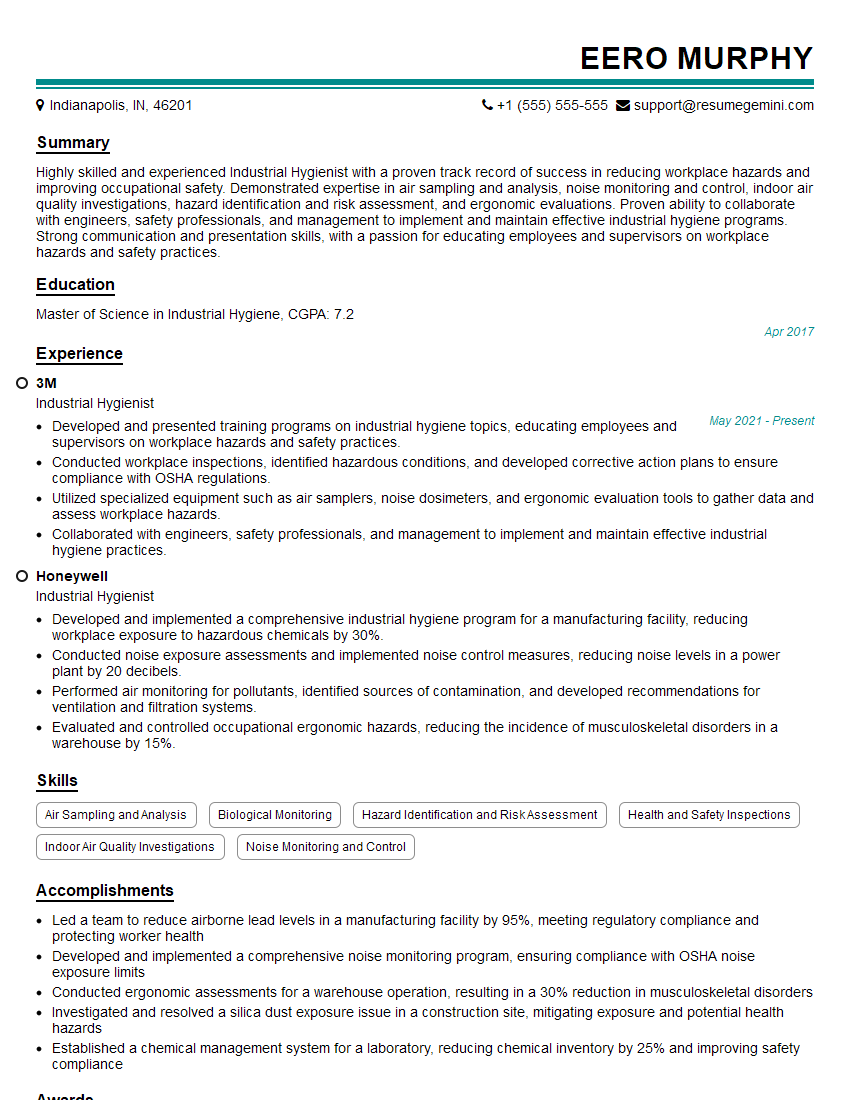
Mastering safe handling of medical waste demonstrates a commitment to patient safety and environmental responsibility – highly valued skills that significantly boost your career prospects in healthcare and related fields. To maximize your chances of landing your dream job, creating a strong, ATS-friendly resume is crucial. ResumeGemini is a trusted resource that can help you craft a professional and effective resume tailored to highlight your expertise in this critical area. Examples of resumes tailored to Safe Handling of Medical Waste are available to guide you through the process.
Explore more articles
Users Rating of Our Blogs
Share Your Experience
We value your feedback! Please rate our content and share your thoughts (optional).
What Readers Say About Our Blog
Hello,
we currently offer a complimentary backlink and URL indexing test for search engine optimization professionals.
You can get complimentary indexing credits to test how link discovery works in practice.
No credit card is required and there is no recurring fee.
You can find details here:
https://wikipedia-backlinks.com/indexing/
Regards
NICE RESPONSE TO Q & A
hi
The aim of this message is regarding an unclaimed deposit of a deceased nationale that bears the same name as you. You are not relate to him as there are millions of people answering the names across around the world. But i will use my position to influence the release of the deposit to you for our mutual benefit.
Respond for full details and how to claim the deposit. This is 100% risk free. Send hello to my email id: [email protected]
Luka Chachibaialuka
Hey interviewgemini.com, just wanted to follow up on my last email.
We just launched Call the Monster, an parenting app that lets you summon friendly ‘monsters’ kids actually listen to.
We’re also running a giveaway for everyone who downloads the app. Since it’s brand new, there aren’t many users yet, which means you’ve got a much better chance of winning some great prizes.
You can check it out here: https://bit.ly/callamonsterapp
Or follow us on Instagram: https://www.instagram.com/callamonsterapp
Thanks,
Ryan
CEO – Call the Monster App
Hey interviewgemini.com, I saw your website and love your approach.
I just want this to look like spam email, but want to share something important to you. We just launched Call the Monster, a parenting app that lets you summon friendly ‘monsters’ kids actually listen to.
Parents are loving it for calming chaos before bedtime. Thought you might want to try it: https://bit.ly/callamonsterapp or just follow our fun monster lore on Instagram: https://www.instagram.com/callamonsterapp
Thanks,
Ryan
CEO – Call A Monster APP
To the interviewgemini.com Owner.
Dear interviewgemini.com Webmaster!
Hi interviewgemini.com Webmaster!
Dear interviewgemini.com Webmaster!
excellent
Hello,
We found issues with your domain’s email setup that may be sending your messages to spam or blocking them completely. InboxShield Mini shows you how to fix it in minutes — no tech skills required.
Scan your domain now for details: https://inboxshield-mini.com/
— Adam @ InboxShield Mini
Reply STOP to unsubscribe
Hi, are you owner of interviewgemini.com? What if I told you I could help you find extra time in your schedule, reconnect with leads you didn’t even realize you missed, and bring in more “I want to work with you” conversations, without increasing your ad spend or hiring a full-time employee?
All with a flexible, budget-friendly service that could easily pay for itself. Sounds good?
Would it be nice to jump on a quick 10-minute call so I can show you exactly how we make this work?
Best,
Hapei
Marketing Director
Hey, I know you’re the owner of interviewgemini.com. I’ll be quick.
Fundraising for your business is tough and time-consuming. We make it easier by guaranteeing two private investor meetings each month, for six months. No demos, no pitch events – just direct introductions to active investors matched to your startup.
If youR17;re raising, this could help you build real momentum. Want me to send more info?
Hi, I represent an SEO company that specialises in getting you AI citations and higher rankings on Google. I’d like to offer you a 100% free SEO audit for your website. Would you be interested?
Hi, I represent an SEO company that specialises in getting you AI citations and higher rankings on Google. I’d like to offer you a 100% free SEO audit for your website. Would you be interested?
good