The thought of an interview can be nerve-wracking, but the right preparation can make all the difference. Explore this comprehensive guide to safety compliance certification interview questions and gain the confidence you need to showcase your abilities and secure the role.
Questions Asked in safety compliance certification Interview
Q 1. Explain your understanding of OSHA regulations.
OSHA (Occupational Safety and Health Administration) regulations are a comprehensive set of rules designed to protect workers from workplace hazards. My understanding encompasses a wide range of standards, including general industry, construction, maritime, and agriculture. These standards cover everything from fall protection and hazard communication to lockout/tagout procedures and machine guarding. I’m particularly familiar with OSHA’s General Duty Clause, which holds employers responsible for providing a workplace free from recognized hazards, even if there isn’t a specific standard addressing that hazard. This requires proactive hazard identification and risk assessment. For example, I know that OSHA’s Hazard Communication Standard (HCS) mandates the use of Safety Data Sheets (SDS) and proper labeling of hazardous chemicals, requiring employers to train their employees on how to handle these chemicals safely. This is crucial in preventing chemical spills and other accidents. I stay current with OSHA updates and interpretations, ensuring my knowledge base remains relevant and legally sound.
Q 2. Describe your experience conducting safety audits.
I have extensive experience conducting safety audits across diverse industries. My approach is always methodical, starting with a thorough review of the company’s safety policies and procedures, followed by a detailed on-site inspection. This includes visually inspecting equipment, workspaces, and employee practices. I use checklists tailored to specific OSHA standards and industry best practices to ensure comprehensive coverage. For instance, during an audit at a manufacturing facility, I discovered that employees weren’t using the provided lock-out/tag-out devices correctly when servicing machinery, posing a significant risk of serious injury. I documented this finding, providing specific recommendations for corrective actions, including additional training and a review of the company’s lockout/tagout program. My reports always include observations, identified hazards, non-compliance issues, and detailed recommendations for improvement, prioritizing critical hazards first. This structured approach ensures that audits are effective in identifying areas needing improvement and preventing future incidents.
Q 3. How do you identify and assess workplace hazards?
Identifying and assessing workplace hazards is a crucial element of my work. I utilize a multi-faceted approach. This begins with conducting thorough walk-through inspections of the worksite, observing work processes, and interviewing employees to understand their daily tasks and potential exposures to hazards. I use various tools, such as Job Safety Analyses (JSAs), which systematically break down each task to identify potential hazards and control measures. I also use check lists and safety data sheets to ensure comprehensive coverage. For instance, while auditing a construction site, I noticed workers weren’t wearing proper fall protection while working at heights which posed a severe threat. I identified this hazard and assessed the risk level, noting the potential severity of an injury and the likelihood of a fall occurring. This assessment informed my recommendations for implementing stricter fall protection measures and providing relevant training.
Q 4. What methods do you use to develop and implement safety programs?
Developing and implementing safety programs requires a collaborative approach and a strong understanding of the organization’s culture and operations. I start by conducting a thorough hazard assessment, identifying existing and potential hazards. Then, I develop a comprehensive safety program tailored to the specific needs of the organization. This typically involves creating detailed safety policies, procedures, and training programs. For example, in a hospital setting, I implemented a comprehensive needle-stick injury prevention program. This involved training staff on safe injection techniques, providing appropriate personal protective equipment, and implementing a robust reporting and tracking system. Effective implementation requires management commitment, employee participation, and ongoing monitoring and evaluation. Regular safety meetings, employee feedback, and performance reviews all play a crucial role in sustaining a strong safety program. The program is constantly reviewed and improved based on data analysis of near misses and incident reports.
Q 5. Explain your experience with incident investigation and reporting.
I have significant experience in incident investigation and reporting. My approach follows a systematic process, starting with securing the scene, if necessary, and gathering factual information. This includes interviewing witnesses, reviewing documentation (e.g., maintenance logs, training records), and examining physical evidence. I use root cause analysis techniques, such as the “5 Whys” method, to identify the underlying causes of the incident, going beyond simply identifying what happened to understand why it happened. For instance, investigating a forklift accident revealed that the forklift was poorly maintained, the operator lacked adequate training, and there were insufficient safety barriers in the area. The report detailed the contributing factors and recommended corrective actions to prevent future incidents, including improved maintenance protocols, enhanced operator training, and the implementation of physical barriers. The final report documents the findings, root causes, and recommended corrective actions and is always thoroughly documented, complying with relevant regulatory requirements.
Q 6. How do you ensure compliance with environmental regulations?
Ensuring compliance with environmental regulations involves understanding and adhering to relevant federal, state, and local laws. This might include managing hazardous waste, complying with air and water quality standards, and preventing pollution. My approach involves regularly reviewing environmental regulations, performing environmental audits, and implementing appropriate environmental management systems (EMS), such as ISO 14001. This includes conducting regular waste audits to ensure proper waste segregation, storage, and disposal. I also work to educate employees about their responsibilities and empower them to identify and report environmental violations. For example, in a manufacturing facility, I helped develop a system for tracking and managing hazardous waste, ensuring proper documentation and compliance with all relevant EPA regulations. This prevented potential environmental violations and protected the health and safety of both employees and the community.
Q 7. Describe your experience with safety training and education.
Safety training and education are critical to building a strong safety culture. My experience encompasses designing, developing, and delivering various training programs tailored to specific roles, hazards, and regulatory requirements. I use diverse training methods, including classroom instruction, hands-on demonstrations, interactive simulations, and online modules. I believe that effective training goes beyond simply conveying information; it engages participants and encourages active participation. For example, when I developed training for lockout/tagout procedures, I used interactive exercises and role-playing scenarios to reinforce safe work practices. I assess the effectiveness of training through post-training evaluations, observation of work practices, and feedback from employees. This iterative process ensures continuous improvement and keeps the training relevant and effective. Regular refresher courses and updates to training materials keep employees up-to-date on evolving regulations and best practices.
Q 8. How do you manage safety risks and mitigate potential hazards?
Managing safety risks involves a proactive approach that combines hazard identification, risk assessment, and control measures. Think of it like building a house – you wouldn’t start construction without blueprints and a plan to address potential issues like structural weaknesses or fire hazards.
Firstly, we identify potential hazards through various methods such as workplace inspections, job hazard analyses (JHA), and near-miss reporting. For example, in a construction site, a hazard could be uncovered electrical wiring. Next, we assess the risks associated with each hazard, considering the likelihood and severity of potential harm. A simple risk matrix helps visually represent this. A high likelihood and high severity risk (like the exposed wiring) demands immediate action.
Mitigation involves implementing control measures to eliminate or reduce risks. This could be anything from providing personal protective equipment (PPE) like insulated gloves to the workers, to completely rerouting the wiring or implementing a lockout/tagout procedure to prevent accidental energization. We then monitor the effectiveness of these controls and make adjustments as needed. Regular audits and inspections are key to ensuring our mitigation strategies remain effective. It’s an ongoing cycle of identification, assessment, control, and monitoring.
Q 9. What is your experience with safety management systems (SMS)?
I have extensive experience implementing and auditing Safety Management Systems (SMS). My experience spans various industries, including manufacturing, construction, and transportation. I’m familiar with both developing SMS from scratch and integrating existing processes to comply with best practices and regulations. A successful SMS isn’t just a collection of policies; it’s a living, breathing system that proactively identifies and mitigates risks.
In my previous role, I led the implementation of a new SMS for a large manufacturing plant. This involved conducting a thorough risk assessment, developing comprehensive safety procedures, and providing training to all employees. We utilized a combination of documented procedures, regular safety meetings, and near-miss reporting to keep the SMS dynamic and effective. We also integrated the SMS with our existing quality management system, creating a synergistic approach to overall operational excellence. The result was a significant reduction in workplace incidents and a positive shift in safety culture.
Q 10. How familiar are you with ISO 45001?
I am very familiar with ISO 45001, the international standard for occupational health and safety management systems. It provides a framework for organizations to proactively manage workplace risks and improve their safety performance. I understand the requirements for establishing, implementing, maintaining, and continually improving an OHSMS (Occupational Health and Safety Management System) compliant with this standard.
My understanding extends beyond the theoretical – I’ve conducted numerous ISO 45001 internal audits, gap analyses, and assisted organizations in achieving certification. I’m well-versed in the requirements for risk assessment, hazard identification, emergency preparedness, and internal communication, as well as the critical elements of continual improvement. A key aspect is understanding that ISO 45001 is not just a checklist; it’s a journey toward a safer and more productive workplace, achieved through continuous improvement.
Q 11. Describe your experience with regulatory inspections and enforcement actions.
I have significant experience navigating regulatory inspections and enforcement actions. This includes preparing for inspections, addressing findings, and collaborating with regulatory bodies to resolve any non-compliance issues. I understand the importance of meticulous record-keeping and maintaining a culture of compliance.
For example, I once assisted a company facing a potential OSHA (Occupational Safety and Health Administration) violation. By thoroughly documenting our corrective actions, including retraining employees and implementing new safety protocols, we were able to demonstrate a commitment to improvement and avoid penalties. The key is to be proactive, transparent, and collaborative with regulators. We aim for a relationship where regulatory agencies see us as partners in workplace safety, rather than adversaries. Preparing for inspections involves regular internal audits, ensuring all documentation is up-to-date and accessible, and proactively addressing any identified deficiencies.
Q 12. How do you communicate safety information to employees?
Effective communication is paramount in safety. I employ a multi-faceted approach, ensuring information reaches every employee effectively, regardless of their role or language. Simply posting a notice isn’t enough; we need to engage employees.
My strategies include toolbox talks (short, focused safety discussions at the start of work shifts), safety training programs tailored to specific job roles, regular safety newsletters, interactive online modules, and even gamified safety training to increase engagement. I also utilize visual aids, such as posters and videos, to reinforce key safety messages. Regular feedback mechanisms, such as suggestion boxes and anonymous reporting systems, are essential to encourage employee participation and identify areas for improvement. We utilize various language translations for diverse workforces, and aim to make safety information accessible to all.
Q 13. Explain your approach to developing safety policies and procedures.
Developing robust safety policies and procedures is a systematic process. It begins with a thorough understanding of the relevant legislation, industry best practices, and the specific hazards present in the workplace.
My approach involves forming a multi-disciplinary team, including representatives from various departments, to ensure diverse perspectives are considered. We use a structured methodology, starting with high-level policies that set the overall safety objectives and then developing detailed procedures outlining specific steps for various tasks. The key is clarity and ease of understanding. Procedures must be practical, achievable and written in a way employees can easily follow. Finally, we ensure the policies and procedures are reviewed and updated regularly to reflect changes in legislation, technology, and the workplace itself. Regular audits and training ensure consistent application and continuous improvement.
Q 14. How do you measure the effectiveness of your safety programs?
Measuring the effectiveness of safety programs is crucial to demonstrate ROI and identify areas for improvement. We use a combination of leading and lagging indicators.
Lagging indicators, such as the number of accidents or incidents, tell us about past performance, while leading indicators, such as the number of safety training hours completed or the frequency of safety inspections, predict future performance. We track key metrics like incident rates (frequency and severity), near-miss reports, and employee satisfaction with safety programs through surveys. We also analyze data to identify trends and root causes of incidents, allowing us to proactively address potential problems. Data-driven insights allow for continuous improvement and demonstrate the effectiveness of our investment in safety.
Q 15. Describe a time you had to deal with a safety violation.
During my time at Acme Manufacturing, I discovered a violation of our lockout/tagout (LOTO) procedure. A technician was working on a machine without properly de-energizing it and applying the necessary lockout devices. This is a serious violation that could have easily resulted in a severe electrical shock or injury.
My immediate response was to safely stop the work, ensuring the technician’s safety. I then documented the incident thoroughly, including photographs and witness statements. Following established protocol, I reported the violation to my supervisor and the safety committee. We implemented immediate corrective actions, including retraining the technician on proper LOTO procedures and reinforcing the importance of safety regulations with all employees. A follow-up audit was conducted to verify the effectiveness of the corrective actions and prevent future occurrences. This incident highlighted the critical role of proactive observation and immediate intervention in preventing accidents.
Career Expert Tips:
- Ace those interviews! Prepare effectively by reviewing the Top 50 Most Common Interview Questions on ResumeGemini.
- Navigate your job search with confidence! Explore a wide range of Career Tips on ResumeGemini. Learn about common challenges and recommendations to overcome them.
- Craft the perfect resume! Master the Art of Resume Writing with ResumeGemini’s guide. Showcase your unique qualifications and achievements effectively.
- Don’t miss out on holiday savings! Build your dream resume with ResumeGemini’s ATS optimized templates.
Q 16. How do you handle conflict resolution in safety matters?
Conflict resolution in safety matters requires a collaborative and respectful approach. My strategy involves active listening, clear communication, and a focus on finding solutions that prioritize safety. I first seek to understand each party’s perspective and concerns. Then, I facilitate a discussion to identify common ground and potential solutions. I might utilize a structured approach such as a root cause analysis to pinpoint the source of the conflict, which often helps address the core issue rather than focusing on surface-level disagreements. For instance, if two teams disagree on the best PPE for a particular task, I would lead a discussion outlining the risks involved, reviewing the performance characteristics of different PPE options, and collaboratively selecting the most appropriate and safest solution, ensuring everyone feels heard and understands the rationale. Documentation of the process, resolution, and any agreed-upon corrective actions is crucial.
Q 17. How do you stay current on changes in safety regulations?
Staying current with safety regulations requires a multi-pronged approach. I regularly subscribe to industry publications and newsletters, such as those from OSHA (Occupational Safety and Health Administration) and relevant professional organizations. I actively participate in safety training courses and workshops to keep my knowledge up-to-date on new regulations, best practices, and emerging hazards. I also maintain a network of colleagues and professionals in the field, exchanging information and insights. Online resources, government websites, and professional associations are invaluable tools for staying informed about changes in safety standards and updates to compliance requirements. Finally, I proactively review and update our company’s safety manuals and procedures to ensure they reflect current regulations.
Q 18. Describe your experience with safety data sheet (SDS) management.
My experience with SDS management involves maintaining a comprehensive and readily accessible SDS library, both physical and digital. We use a specialized software system to manage our SDS collection, enabling easy searching, retrieval, and updates. The software ensures that all SDS are current and readily available to employees who need them. I am responsible for ensuring that all new chemicals are properly registered, and their corresponding SDS are added to the database. Regular audits are conducted to verify accuracy and completeness. Training employees on proper SDS access and interpretation is critical; we provide regular training sessions and readily available resources to support employee understanding. This ensures compliance with regulations and helps employees understand the hazards associated with the chemicals they handle.
Q 19. What is your experience with personal protective equipment (PPE)?
My experience with PPE extends from selection and procurement to training and enforcement. I’m proficient in selecting appropriate PPE based on hazard assessments, ensuring it meets relevant standards and provides adequate protection for the specific task. This involves understanding different PPE types (e.g., respirators, eye protection, gloves, hearing protection) and their limitations. I’m responsible for ensuring proper fitting and training on correct use and maintenance of PPE. Regular inspections are carried out to verify the condition of PPE and ensure its proper usage. I’ve managed PPE inventory and procurement, ensuring adequate stock levels to meet organizational needs. In addition to providing PPE, I emphasis the importance of proper PPE usage through regular training and reinforcement, emphasizing the critical role it plays in preventing injuries.
Q 20. How do you perform a risk assessment?
A risk assessment is a systematic process to identify hazards, analyze their potential risks, and implement appropriate control measures. My approach utilizes a structured methodology, often involving a team approach to gain diverse perspectives. The process generally involves these steps:
- Hazard Identification: Identifying potential hazards in the workplace, through workplace inspections, job hazard analyses, and near-miss reports.
- Risk Analysis: Evaluating the likelihood and severity of each identified hazard. This often uses a risk matrix to categorize risks based on their probability and consequences.
- Risk Evaluation: Determining the overall level of risk associated with each hazard, prioritizing those that pose the greatest threat.
- Risk Control: Implementing appropriate control measures to eliminate or mitigate the identified risks. These controls can be hierarchical (elimination, substitution, engineering controls, administrative controls, PPE).
- Monitoring and Review: Regularly monitoring the effectiveness of the implemented control measures and reviewing the risk assessment periodically to account for changes in the work environment or processes.
For example, in assessing the risk of slips and falls, we would identify wet floors as a hazard, analyze the likelihood of someone slipping and the severity of a potential fall, implement controls like improved drainage and warning signs, and then monitor the effectiveness of these controls.
Q 21. What is your experience with emergency response planning?
My emergency response planning experience involves developing, implementing, and regularly reviewing emergency response plans for various scenarios. This includes creating detailed procedures for handling incidents such as fires, chemical spills, medical emergencies, and evacuations. The plans outline roles and responsibilities for personnel, communication protocols, emergency contact information, and evacuation routes. I’ve facilitated training exercises and drills to ensure employees are familiar with the emergency procedures and to identify areas for improvement in the plans. Regular review and updates to the plans are essential to ensure their effectiveness and adaptability to changing conditions. The plans incorporate relevant safety regulations and industry best practices. I believe effective communication and teamwork are vital in emergency response, hence, the plans prioritize clear communication channels and established response teams to ensure a coordinated and efficient response to any incident.
Q 22. How do you manage safety documentation and records?
Effective safety documentation management is the cornerstone of any robust safety compliance program. It’s not just about storing papers; it’s about creating a system that ensures easy access, version control, and auditability. I employ a multi-faceted approach.
Centralized Database: I utilize a secure, centralized database (often a dedicated safety management system software) to store all safety-related documentation, including permits, training records, incident reports, inspection checklists, and standard operating procedures (SOPs). This ensures easy retrieval and reduces redundancy.
Version Control: Each document has a unique version number, preventing confusion and ensuring everyone is working with the most up-to-date information. Changes are logged and auditable.
Access Control: Access is restricted based on roles and responsibilities. For instance, only safety managers might have full editing access, while employees have read-only access to relevant documents.
Regular Audits: I conduct regular audits to ensure the system is functioning correctly, documents are properly filed, and the information is accurate and complete. This includes checks for outdated or obsolete documents.
Secure Storage: Both physical and digital documents are securely stored, adhering to all relevant data privacy regulations.
For example, in my previous role, we transitioned from a paper-based system to a cloud-based safety management system. This improved efficiency, reduced paperwork, and enhanced our ability to quickly access critical information during audits.
Q 23. How would you implement a new safety initiative?
Implementing a new safety initiative requires a structured and phased approach to ensure its success. It’s not enough to just announce a new rule; you need buy-in and engagement from all levels.
Needs Assessment: Begin with a thorough risk assessment to identify the specific hazards the initiative aims to address. This involves analyzing historical data, conducting site inspections, and consulting with employees.
Goal Setting: Define clear, measurable, achievable, relevant, and time-bound (SMART) goals for the initiative. This provides a benchmark for success.
Communication & Training: Communicate the rationale and benefits of the new initiative to all stakeholders. Comprehensive training programs, tailored to different roles and responsibilities, are essential for effective implementation.
Implementation Plan: Develop a detailed implementation plan outlining timelines, responsibilities, resource allocation, and communication strategies. This ensures a coordinated rollout.
Monitoring & Evaluation: Implement a robust monitoring system to track progress, identify challenges, and measure effectiveness. Regular reviews and adjustments may be necessary to optimize the initiative.
Feedback Mechanism: Establish a feedback mechanism to gather input from employees on the initiative’s effectiveness and identify areas for improvement.
For instance, when implementing a new lockout/tagout procedure, we started with training sessions demonstrating the process, followed by practical exercises. We then monitored compliance through regular audits and addressed any gaps through additional training or process refinement.
Q 24. Describe your experience with safety performance indicators (KPIs).
Safety Performance Indicators (KPIs) are vital for tracking progress and identifying areas needing attention. They provide objective measurements of safety performance. I’ve extensively used various KPIs, including:
Incident Rates: (e.g., Total Recordable Incident Rate (TRIR), Lost Time Incident Rate (LTIR)). These quantify the number of incidents per a certain number of hours worked.
Near Miss Reporting: Tracking near misses allows us to identify potential hazards before they lead to accidents. The increase or decrease in reported near misses is a significant KPI.
Compliance Rates: Measuring adherence to safety regulations and procedures, such as the use of personal protective equipment (PPE).
Training Completion Rates: This demonstrates the effectiveness of safety training programs.
Safety Observation Scores: This reflects the frequency and severity of unsafe acts observed during safety inspections.
I use data visualization tools (dashboards) to present these KPIs effectively, making it easy to spot trends and identify areas for improvement. For example, a sudden spike in near misses might indicate a need for additional training or a process re-evaluation.
Q 25. How do you prioritize safety initiatives based on risk?
Prioritizing safety initiatives based on risk is crucial for efficient resource allocation. I use a risk matrix, often combined with a cost-benefit analysis.
Risk Assessment: Conduct a thorough risk assessment for each potential safety initiative, considering the likelihood and severity of potential hazards. This usually involves using qualitative or quantitative methods to establish a risk score for each hazard.
Risk Matrix: Plot each hazard on a risk matrix, with likelihood on one axis and severity on the other. This visual representation clearly identifies high-risk areas that require immediate attention.
Cost-Benefit Analysis: Evaluate the cost of implementing each initiative against the potential benefits (reduction in incidents, improved productivity, reduced legal liabilities). This helps justify resource allocation decisions.
Prioritization: Prioritize initiatives based on their risk score and cost-benefit analysis. High-risk, high-impact initiatives with a favorable cost-benefit ratio should be prioritized.
For example, if we identify a high likelihood of a serious accident due to a specific machine, we might prioritize implementing a safety guard over a lower-risk initiative, even if the latter is less costly.
Q 26. What is your understanding of root cause analysis?
Root cause analysis (RCA) is a systematic approach to identifying the underlying causes of incidents or near misses, going beyond the immediate symptoms to address the root problem. This prevents recurrence.
I commonly utilize techniques such as:
5 Whys: A simple yet effective method that involves repeatedly asking ‘why’ to drill down to the root cause. It’s iterative; you keep asking “why” until you find the fundamental reason behind the event.
Fishbone Diagram (Ishikawa Diagram): A visual tool that helps to identify potential causes categorized into different categories (e.g., people, methods, materials, machines, environment).
Fault Tree Analysis (FTA): A deductive, top-down approach used to graphically represent the various events and their causal relationships that could lead to a specific undesirable event.
After identifying the root cause, corrective actions are developed and implemented to prevent similar incidents. Following an incident, a thorough RCA will provide a clear path for improvement, making sure similar incidents don’t occur.
Q 27. How do you promote a safety culture within an organization?
Promoting a strong safety culture requires a holistic approach that goes beyond simply following rules. It’s about creating a shared mindset where safety is everyone’s responsibility.
Leadership Commitment: Visible and active leadership commitment is essential. Safety must be a top priority communicated consistently by leaders at all levels.
Employee Empowerment: Encourage employees to identify and report hazards without fear of retribution. Provide them with the tools and training to participate actively in safety improvements.
Open Communication: Foster open communication about safety issues. Regular safety meetings, toolbox talks, and feedback mechanisms are crucial.
Recognition & Rewards: Recognize and reward employees who demonstrate exemplary safety behaviors. This reinforces positive actions and motivates others.
Continuous Improvement: Regularly review safety procedures and practices, and incorporate lessons learned from incidents and near misses. Safety is an ongoing journey of improvement, not a destination.
In previous roles, we successfully fostered a safety culture by implementing a peer-to-peer safety observation program, rewarding safe behavior, and holding regular safety meetings where employees actively participated and shared ideas.
Q 28. Describe your experience with safety-related software or databases.
My experience includes working with various safety-related software and databases. I am proficient in using safety management systems (SMS) such as [mention specific software if comfortable, e.g., ‘EHS software’ or ‘a customized database solution’]. These systems typically incorporate features for:
Incident Reporting & Investigation: Streamlining the process of reporting, investigating, and analyzing incidents.
Document Management: Centralized storage and version control of safety-related documents.
Training Management: Tracking employee training records and ensuring compliance with training requirements.
Permitting Systems: Managing work permits and ensuring proper authorization for high-risk tasks.
Inspection Management: Scheduling, conducting, and documenting safety inspections.
KPI Tracking & Reporting: Generating reports on key safety performance indicators.
I’m comfortable with both cloud-based and on-premise solutions and am adept at configuring and customizing these systems to meet specific organizational needs. My experience allows me to extract valuable insights from the data generated by these systems to identify trends and areas for improvement.
Key Topics to Learn for Your Safety Compliance Certification Interview
Acing your safety compliance certification interview requires a solid understanding of both the theoretical framework and practical applications. This isn’t just about memorizing facts; it’s about demonstrating your ability to apply your knowledge to real-world scenarios.
- Regulatory Compliance: Understand the key regulations and standards relevant to your area of expertise (OSHA, ISO, etc.). Focus on the “why” behind these regulations – what risks are they mitigating?
- Hazard Identification and Risk Assessment: Practice identifying potential hazards in various work environments and applying appropriate risk assessment methodologies (e.g., HAZOP, FMEA). Be prepared to discuss mitigation strategies.
- Incident Investigation and Reporting: Master the process of conducting thorough incident investigations, identifying root causes, and implementing corrective actions to prevent recurrence. Understand relevant reporting procedures.
- Emergency Response Planning and Procedures: Be familiar with developing and implementing emergency response plans, including evacuation procedures, first aid protocols, and communication strategies.
- Safety Training and Communication: Discuss effective methods for delivering safety training to various audiences and ensuring clear communication of safety procedures and expectations.
- Safety Auditing and Inspections: Understand how to conduct safety audits and inspections, identify non-compliances, and recommend corrective actions. Be ready to discuss different auditing methodologies.
- Safety Management Systems (SMS): Familiarize yourself with the principles of SMS and how they contribute to a proactive safety culture. Be prepared to discuss the elements of an effective SMS.
Next Steps: Unlock Your Career Potential
Mastering safety compliance certification opens doors to exciting career opportunities and significant professional growth. It demonstrates your commitment to safety and your ability to contribute to a safer and more productive work environment. To maximize your chances of landing your dream role, a strong resume is essential. An ATS-friendly resume, optimized for Applicant Tracking Systems, will ensure your qualifications are seen by hiring managers.
We strongly recommend using ResumeGemini to craft a compelling and effective resume tailored to the specific requirements of safety compliance certification roles. ResumeGemini provides valuable tools and resources to help you build a professional resume that showcases your skills and experience in the best possible light. Examples of resumes tailored to safety compliance certification are available for your review within the ResumeGemini platform.
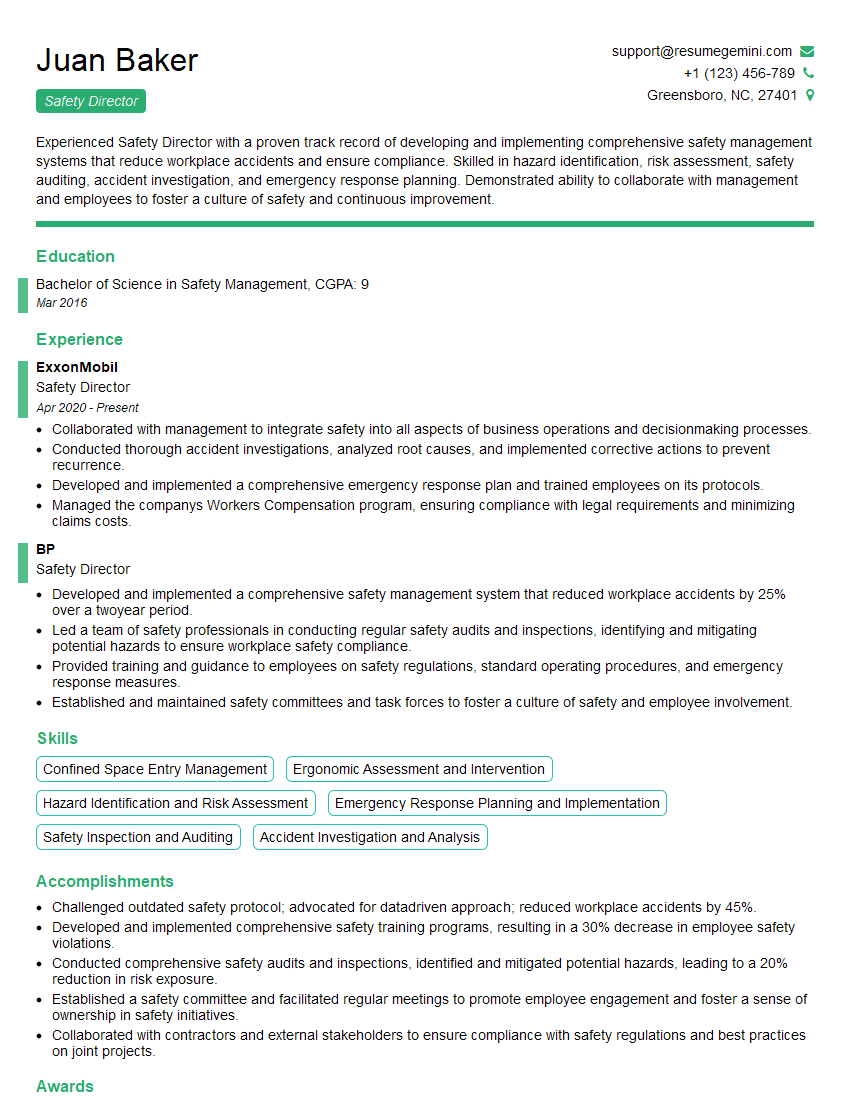
Safety Director Resume Sample
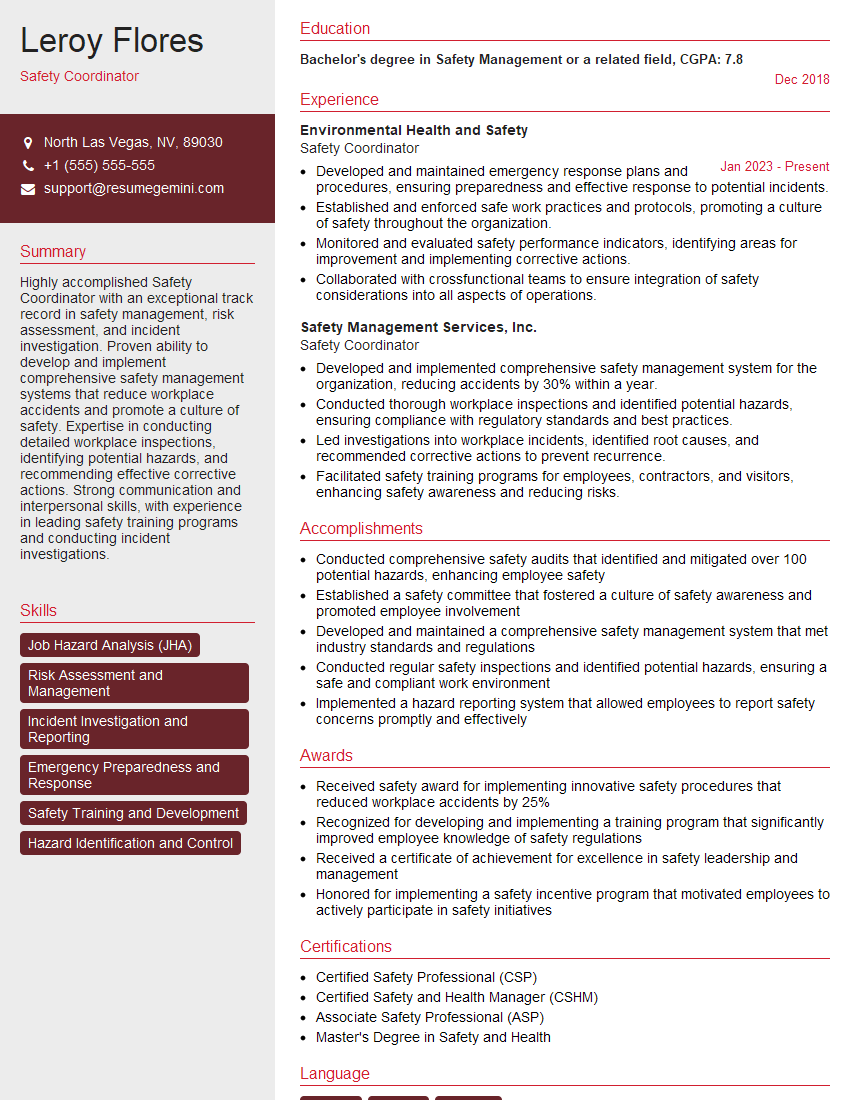
Safety Coordinator Resume Sample
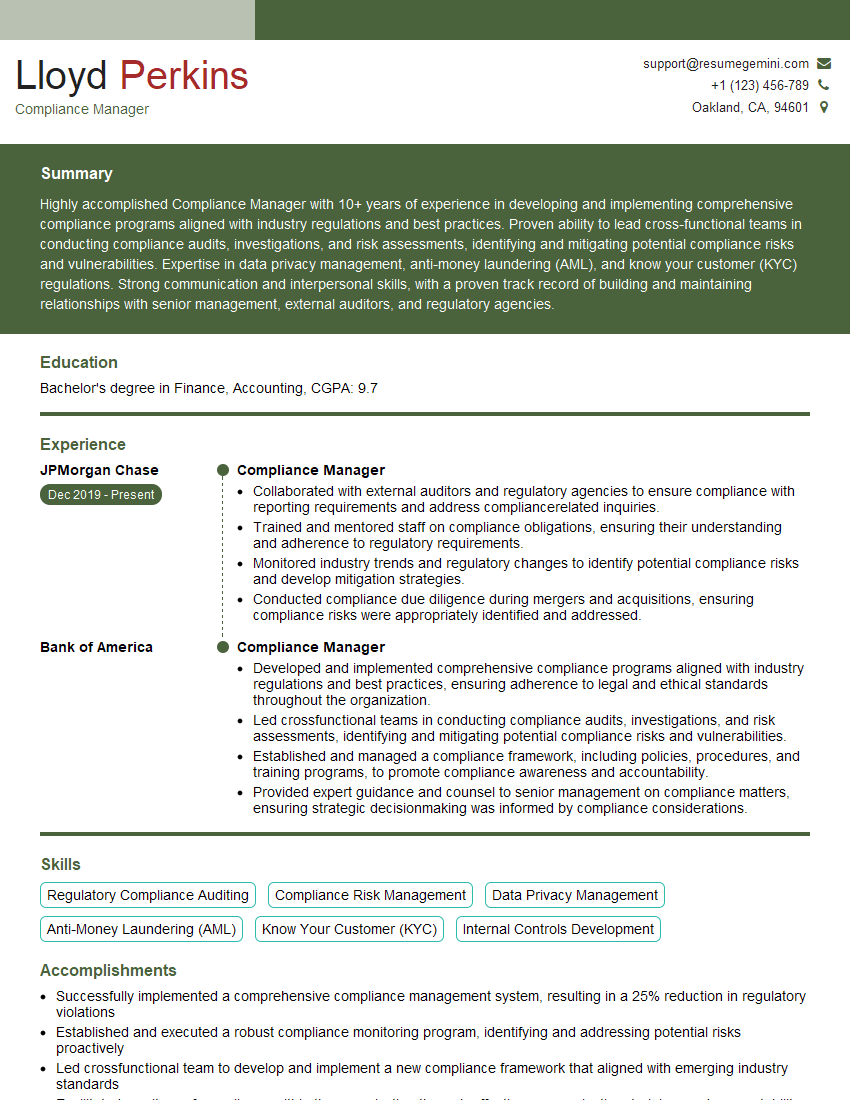
Compliance Manager Resume Sample
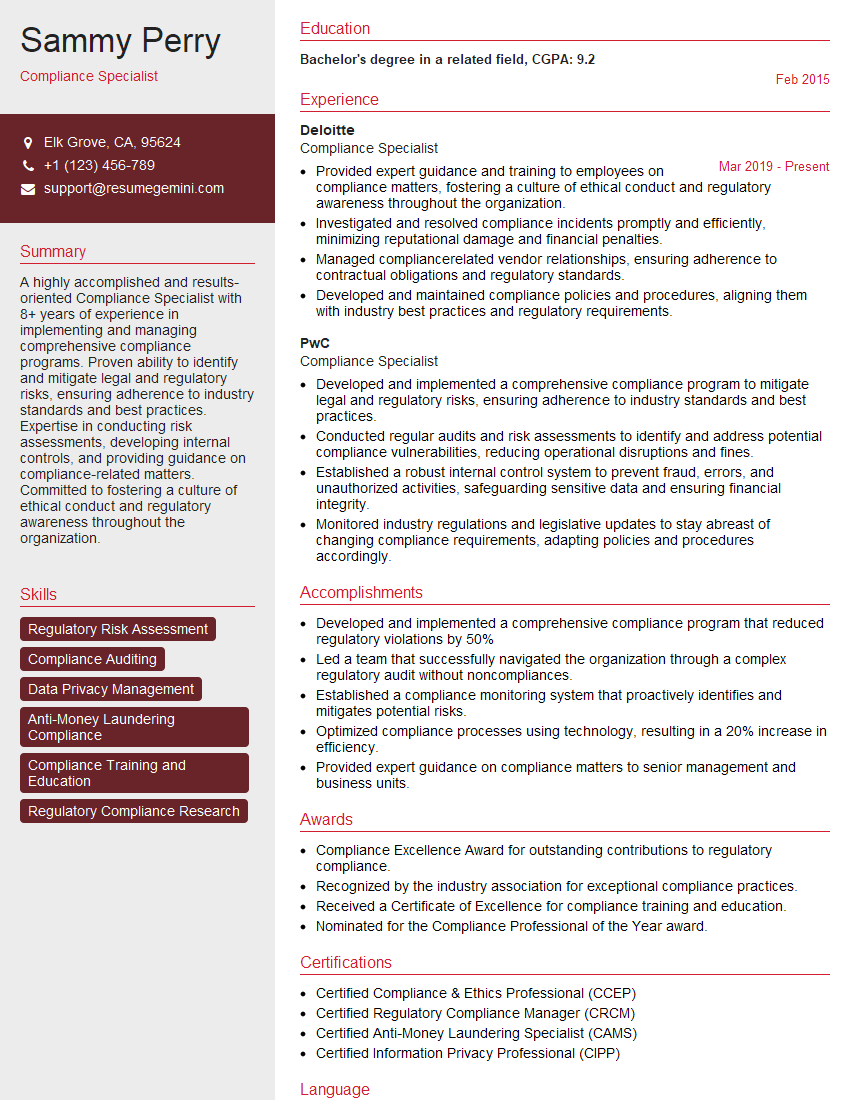
Compliance Specialist Resume Sample
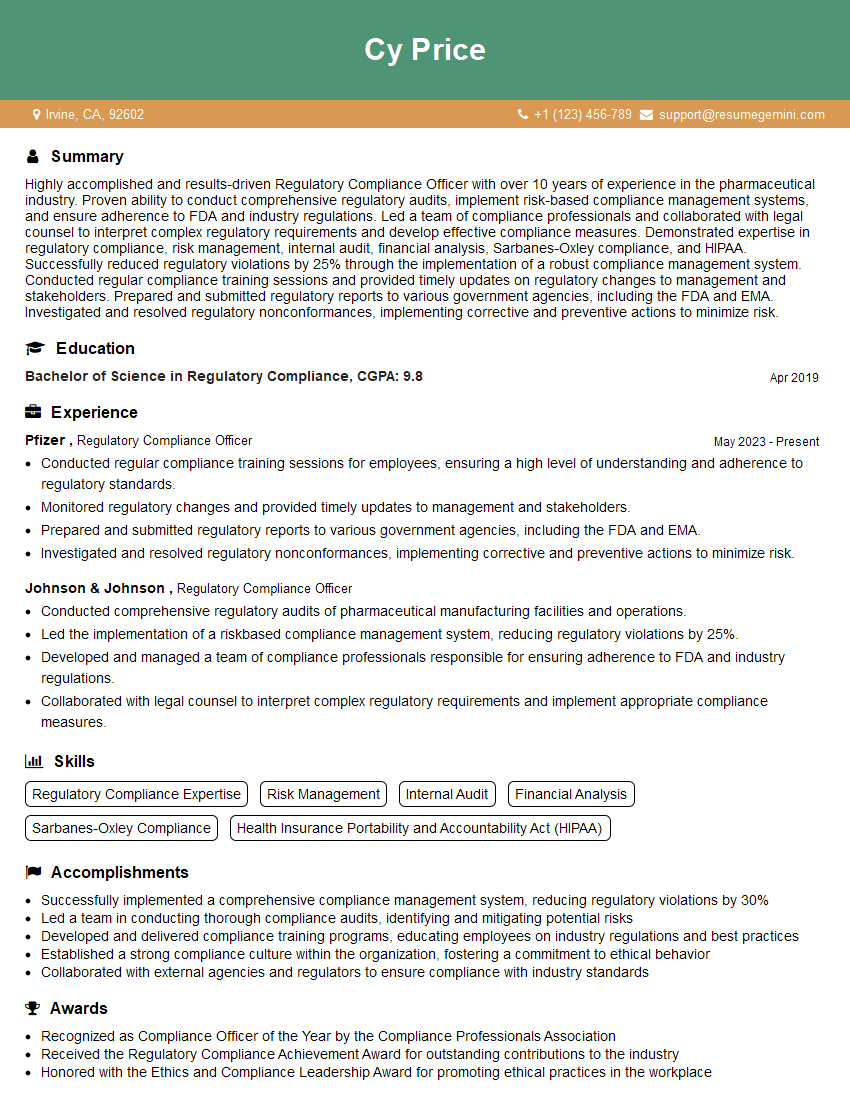
Regulatory Compliance Officer Resume Sample
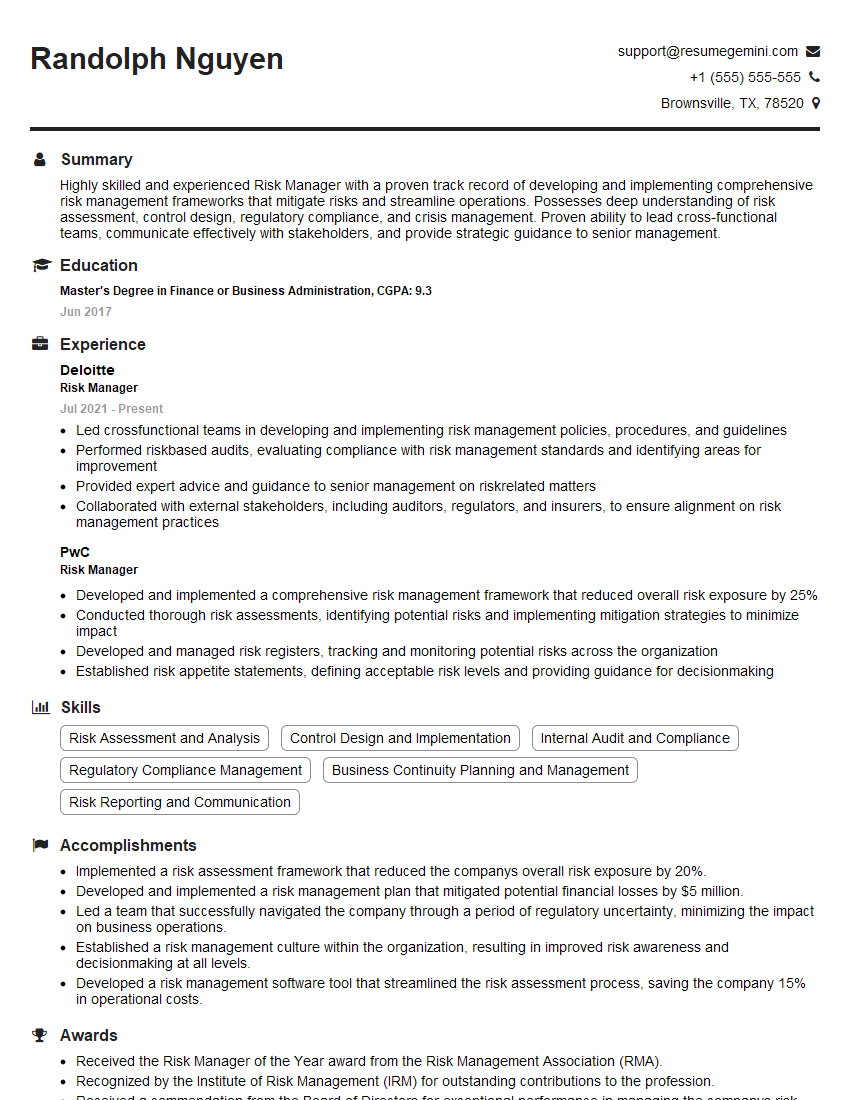
Risk Manager Resume Sample
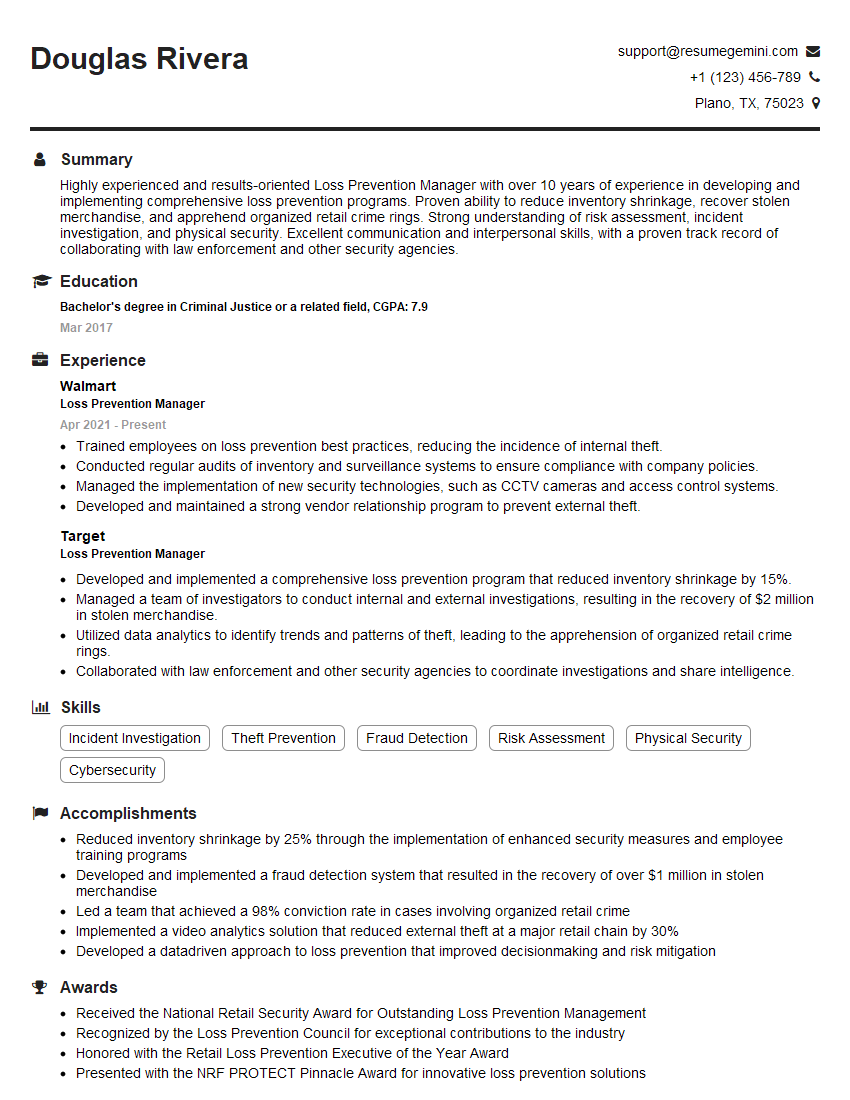
Loss Prevention Manager Resume Sample
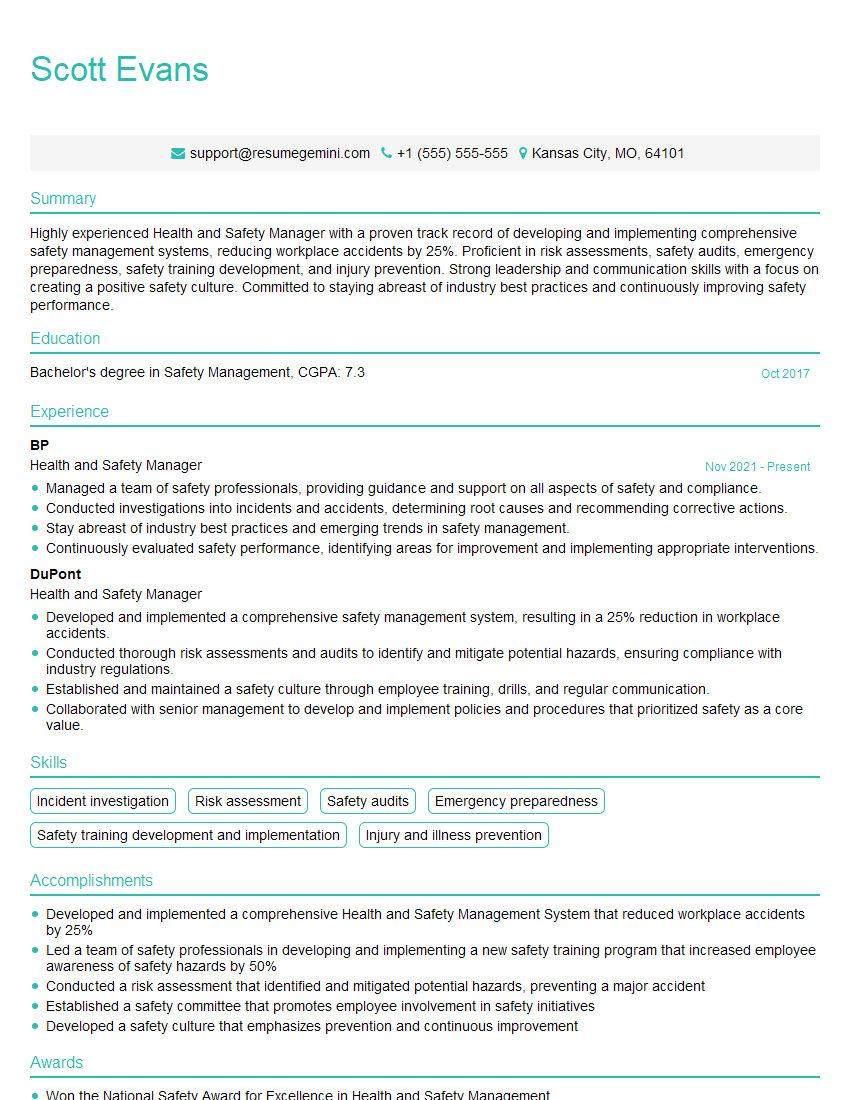
Health and Safety Manager Resume Sample
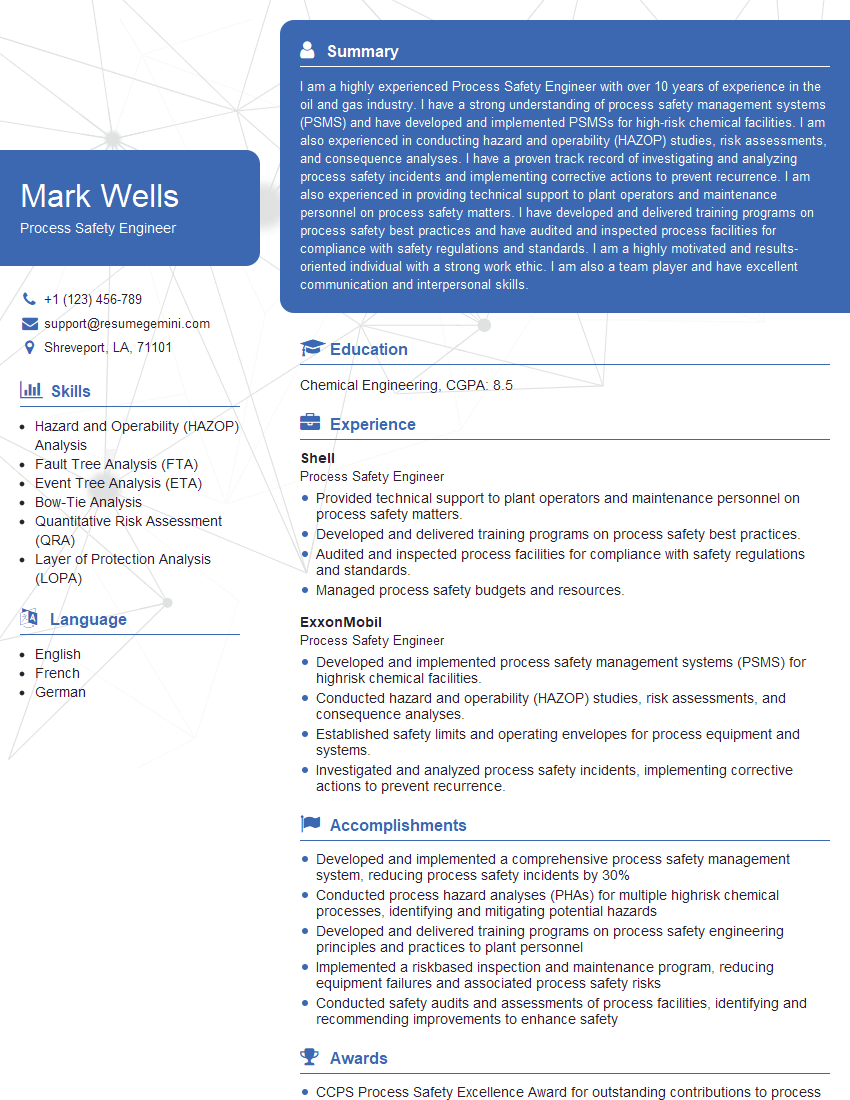
Process Safety Engineer Resume Sample
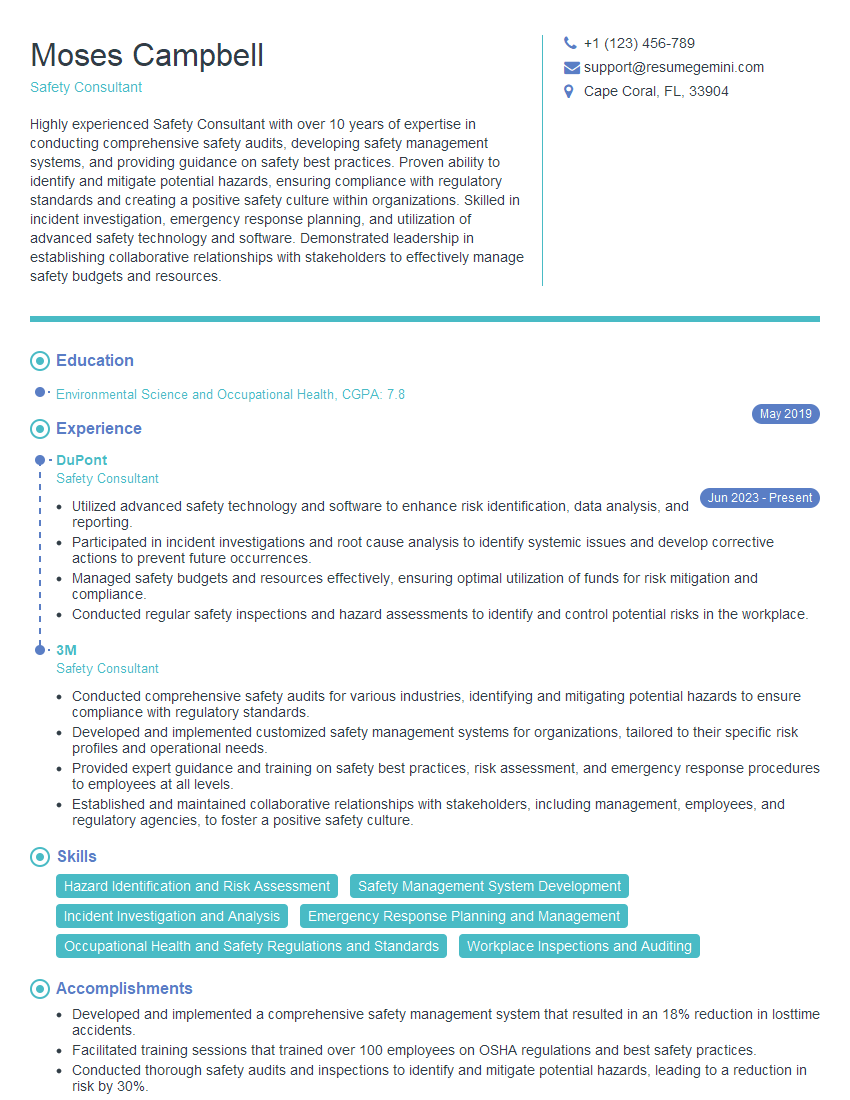
Safety Consultant Resume Sample
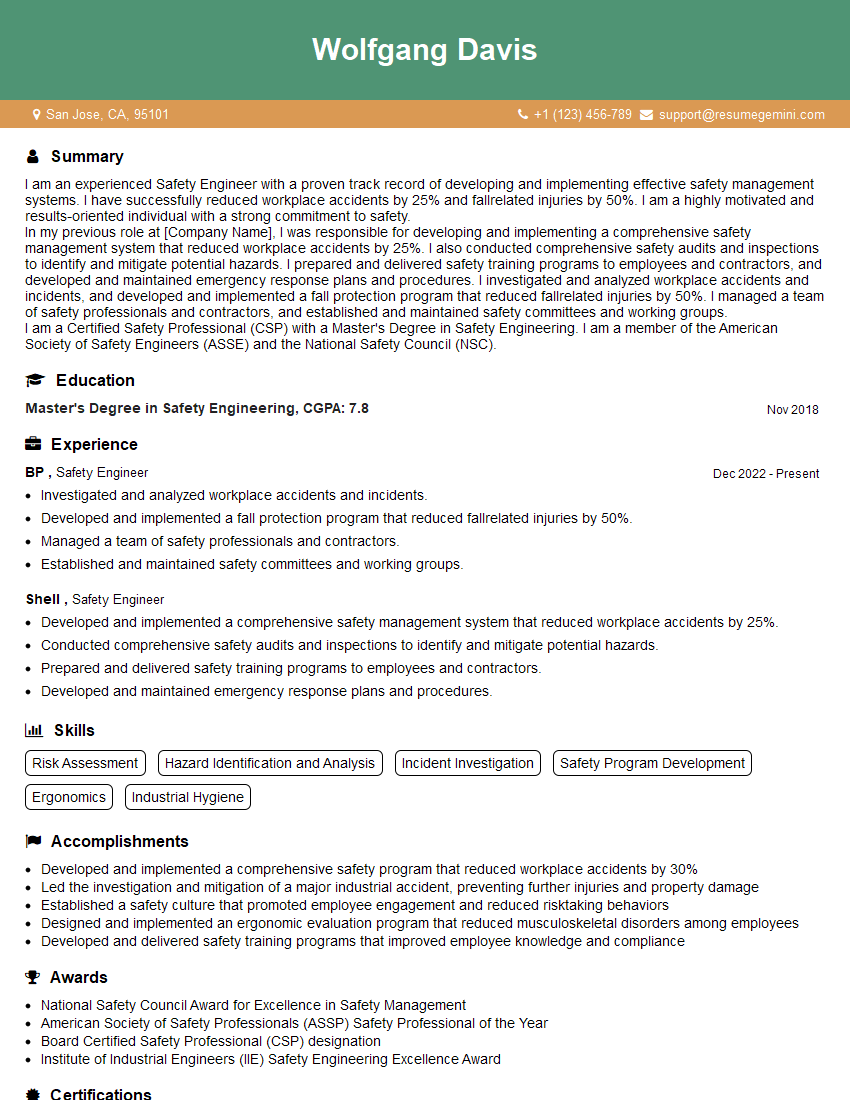
Safety Engineer Resume Sample
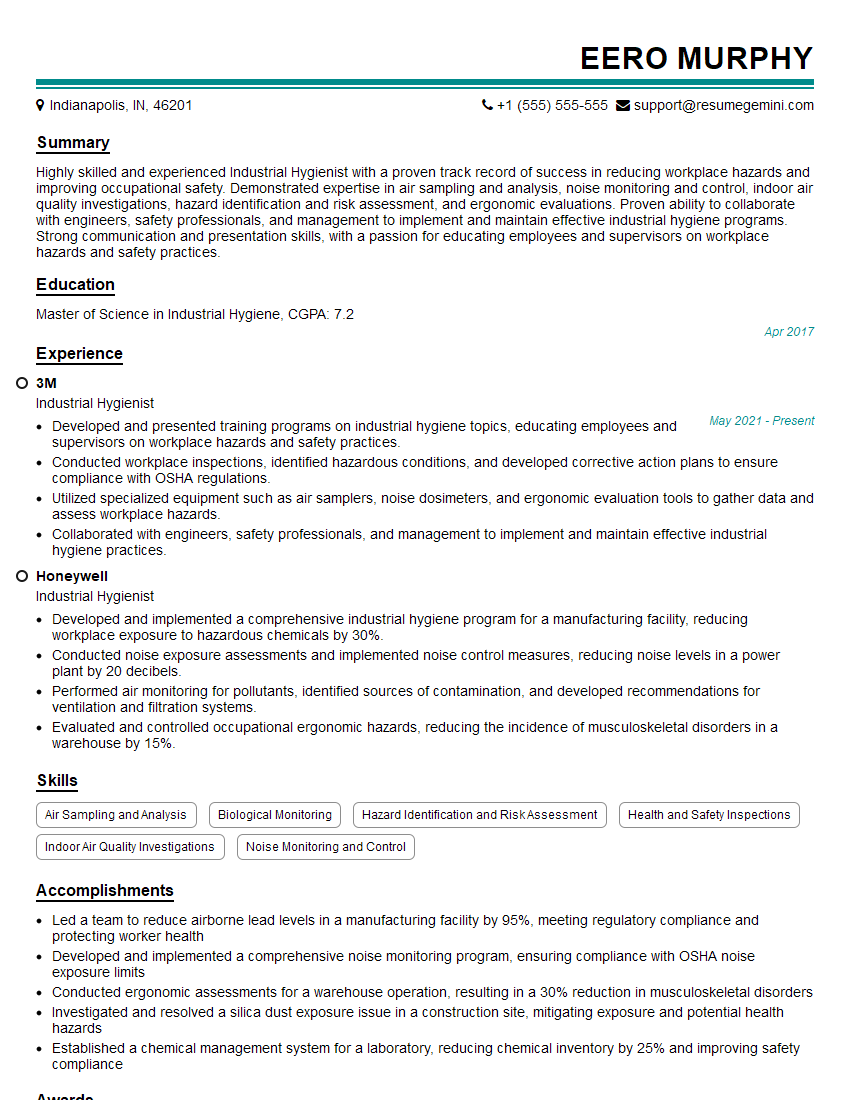
Industrial Hygienist Resume Sample
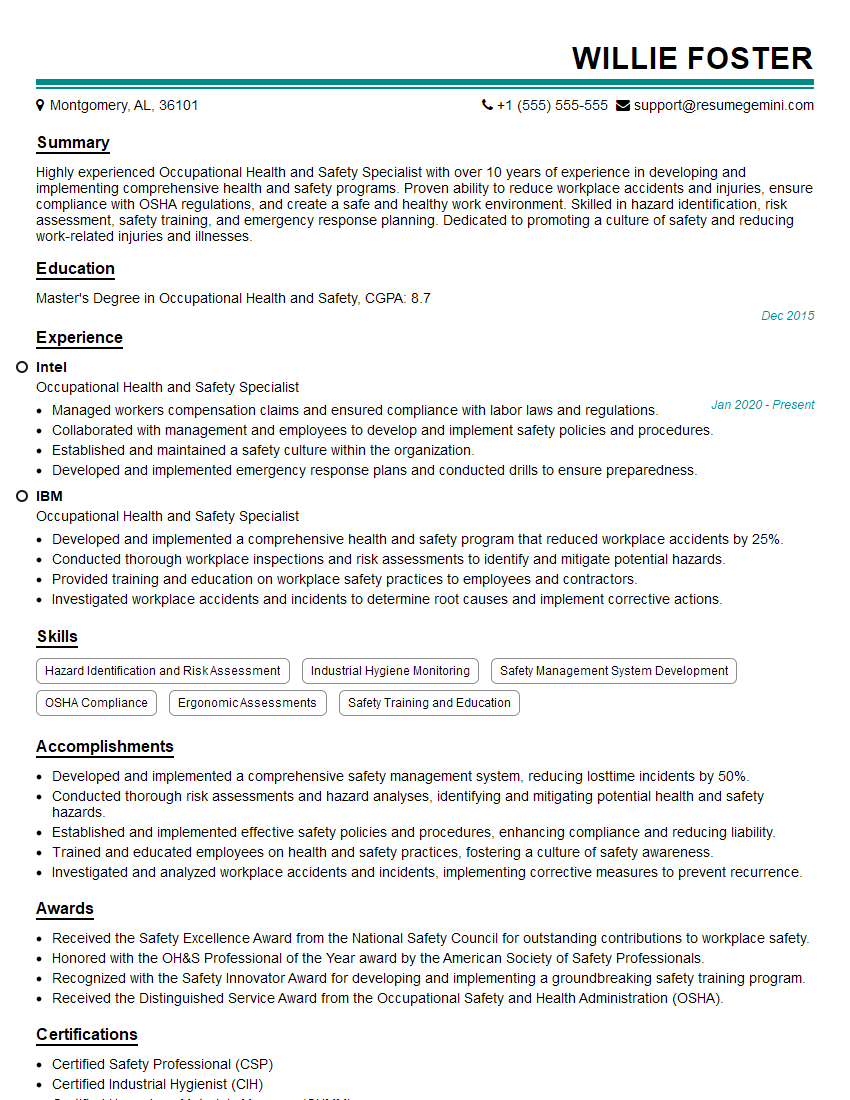
Occupational Health and Safety Specialist Resume Sample
Explore more articles
Users Rating of Our Blogs
Share Your Experience
We value your feedback! Please rate our content and share your thoughts (optional).
What Readers Say About Our Blog
Attention music lovers!
Wow, All the best Sax Summer music !!!
Spotify: https://open.spotify.com/artist/6ShcdIT7rPVVaFEpgZQbUk
Apple Music: https://music.apple.com/fr/artist/jimmy-sax-black/1530501936
YouTube: https://music.youtube.com/browse/VLOLAK5uy_noClmC7abM6YpZsnySxRqt3LoalPf88No
Other Platforms and Free Downloads : https://fanlink.tv/jimmysaxblack
on google : https://www.google.com/search?q=22+AND+22+AND+22
on ChatGPT : https://chat.openai.com?q=who20jlJimmy20Black20Sax20Producer
Get back into the groove with Jimmy sax Black
Best regards,
Jimmy sax Black
www.jimmysaxblack.com
Hi I am a troller at The aquatic interview center and I suddenly went so fast in Roblox and it was gone when I reset.
Hi,
Business owners spend hours every week worrying about their website—or avoiding it because it feels overwhelming.
We’d like to take that off your plate:
$69/month. Everything handled.
Our team will:
Design a custom website—or completely overhaul your current one
Take care of hosting as an option
Handle edits and improvements—up to 60 minutes of work included every month
No setup fees, no annual commitments. Just a site that makes a strong first impression.
Find out if it’s right for you:
https://websolutionsgenius.com/awardwinningwebsites
Hello,
we currently offer a complimentary backlink and URL indexing test for search engine optimization professionals.
You can get complimentary indexing credits to test how link discovery works in practice.
No credit card is required and there is no recurring fee.
You can find details here:
https://wikipedia-backlinks.com/indexing/
Regards
NICE RESPONSE TO Q & A
hi
The aim of this message is regarding an unclaimed deposit of a deceased nationale that bears the same name as you. You are not relate to him as there are millions of people answering the names across around the world. But i will use my position to influence the release of the deposit to you for our mutual benefit.
Respond for full details and how to claim the deposit. This is 100% risk free. Send hello to my email id: lukachachibaialuka@gmail.com
Luka Chachibaialuka
Hey interviewgemini.com, just wanted to follow up on my last email.
We just launched Call the Monster, an parenting app that lets you summon friendly ‘monsters’ kids actually listen to.
We’re also running a giveaway for everyone who downloads the app. Since it’s brand new, there aren’t many users yet, which means you’ve got a much better chance of winning some great prizes.
You can check it out here: https://bit.ly/callamonsterapp
Or follow us on Instagram: https://www.instagram.com/callamonsterapp
Thanks,
Ryan
CEO – Call the Monster App
Hey interviewgemini.com, I saw your website and love your approach.
I just want this to look like spam email, but want to share something important to you. We just launched Call the Monster, a parenting app that lets you summon friendly ‘monsters’ kids actually listen to.
Parents are loving it for calming chaos before bedtime. Thought you might want to try it: https://bit.ly/callamonsterapp or just follow our fun monster lore on Instagram: https://www.instagram.com/callamonsterapp
Thanks,
Ryan
CEO – Call A Monster APP
To the interviewgemini.com Owner.
Dear interviewgemini.com Webmaster!
Hi interviewgemini.com Webmaster!
Dear interviewgemini.com Webmaster!
excellent
Hello,
We found issues with your domain’s email setup that may be sending your messages to spam or blocking them completely. InboxShield Mini shows you how to fix it in minutes — no tech skills required.
Scan your domain now for details: https://inboxshield-mini.com/
— Adam @ InboxShield Mini
support@inboxshield-mini.com
Reply STOP to unsubscribe
Hi, are you owner of interviewgemini.com? What if I told you I could help you find extra time in your schedule, reconnect with leads you didn’t even realize you missed, and bring in more “I want to work with you” conversations, without increasing your ad spend or hiring a full-time employee?
All with a flexible, budget-friendly service that could easily pay for itself. Sounds good?
Would it be nice to jump on a quick 10-minute call so I can show you exactly how we make this work?
Best,
Hapei
Marketing Director
Hey, I know you’re the owner of interviewgemini.com. I’ll be quick.
Fundraising for your business is tough and time-consuming. We make it easier by guaranteeing two private investor meetings each month, for six months. No demos, no pitch events – just direct introductions to active investors matched to your startup.
If youR17;re raising, this could help you build real momentum. Want me to send more info?
Hi, I represent an SEO company that specialises in getting you AI citations and higher rankings on Google. I’d like to offer you a 100% free SEO audit for your website. Would you be interested?
Hi, I represent an SEO company that specialises in getting you AI citations and higher rankings on Google. I’d like to offer you a 100% free SEO audit for your website. Would you be interested?