The right preparation can turn an interview into an opportunity to showcase your expertise. This guide to Safety Protocols and Regulatory Compliance interview questions is your ultimate resource, providing key insights and tips to help you ace your responses and stand out as a top candidate.
Questions Asked in Safety Protocols and Regulatory Compliance Interview
Q 1. Describe your experience with OSHA regulations.
My experience with OSHA regulations is extensive, encompassing over 10 years of practical application in various industrial settings. I’m deeply familiar with OSHA’s General Duty Clause, which mandates employers to provide a workplace free from recognized hazards. I have hands-on experience with specific OSHA standards, including those related to hazard communication (HazCom), lockout/tagout (LOTO), personal protective equipment (PPE), fall protection, and confined space entry. I’ve been directly involved in developing and implementing OSHA-compliant safety programs, conducting regular inspections, and training employees on these regulations. For example, in a previous role, I spearheaded the implementation of a new LOTO program, resulting in a significant reduction in near-miss incidents involving machinery. This involved not only updating our procedures but also providing comprehensive training to all staff to ensure complete understanding and compliance.
Beyond direct application, I stay current with OSHA updates and revisions through continuous professional development. I understand the importance of record-keeping, incident reporting, and the potential ramifications of non-compliance, including fines and legal action. I’m adept at interpreting and applying OSHA regulations to diverse workplace situations, always prioritizing employee safety and legal adherence.
Q 2. Explain your understanding of risk assessment methodologies.
Risk assessment methodologies are crucial for proactively identifying and mitigating workplace hazards. My understanding encompasses various approaches, including qualitative and quantitative methods. Qualitative methods, like a simple hazard identification checklist, rely on expert judgment and experience to categorize risks based on likelihood and severity. Quantitative methods, such as Fault Tree Analysis (FTA) and Failure Mode and Effects Analysis (FMEA), employ statistical data and modeling to provide a numerical assessment of risks. I’m proficient in using both.
For instance, in a previous project involving chemical handling, we used a combination of qualitative (hazard checklists, interviews with workers) and quantitative (data on past incidents, chemical safety data sheets) methods to assess the risks. This comprehensive approach allowed us to prioritize risk mitigation efforts, focusing on the most critical hazards. The process usually involves these steps:
- Identifying hazards
- Analyzing risks (likelihood and severity)
- Evaluating existing controls
- Implementing control measures
- Monitoring and reviewing the effectiveness of controls
The choice of methodology depends on the specific situation, the available resources, and the complexity of the hazards involved. But the ultimate goal is always the same: to create a safer working environment by reducing the likelihood and severity of potential incidents.
Q 3. How do you develop and implement safety training programs?
Developing and implementing effective safety training programs requires a multi-faceted approach. It starts with a thorough needs assessment to identify the specific knowledge and skills gaps within the workforce. This assessment should be tailored to the unique hazards present in the specific workplace. The training program itself should be engaging, accessible, and utilize various learning methods – classroom instruction, hands-on demonstrations, simulations, and online modules. I believe in incorporating real-world examples and case studies to make the training more relatable and impactful.
For example, when developing training on LOTO procedures, I’ve used interactive simulations to allow trainees to practice the procedure in a safe environment before working with actual machinery. Following the training, ongoing assessment is crucial. This could involve written tests, practical demonstrations, or observation of employees in their work environment. Regular refresher training is also essential to ensure continued competency and to address any changes in procedures or regulations. Documentation of training records is also vital for regulatory compliance and demonstrating due diligence.
Q 4. What is your experience with incident investigation and reporting?
My experience in incident investigation and reporting is extensive, and I follow a structured approach to ensure thoroughness and objectivity. I use a root cause analysis methodology to go beyond identifying the immediate cause of an incident and delve into the underlying factors that contributed to it. This often involves gathering evidence (witness statements, physical evidence, documentation), interviewing individuals involved, and reconstructing the sequence of events. The goal isn’t simply to assign blame, but to identify systematic weaknesses and implement corrective actions to prevent recurrence.
For example, in investigating a near-miss incident involving a forklift, I went beyond the immediate cause (operator error) to uncover underlying issues like inadequate training, poorly maintained equipment, and insufficient traffic management controls. The resulting report included recommendations for improved training, equipment maintenance schedules, and traffic management policies. Accurate and timely reporting is equally important, adhering to company policies and regulatory requirements. This may involve internal reporting systems and, if necessary, reporting to relevant regulatory agencies like OSHA.
Q 5. How do you ensure compliance with environmental regulations?
Ensuring compliance with environmental regulations requires a thorough understanding of applicable laws and regulations, such as those from the EPA (Environmental Protection Agency). This involves familiarity with permit requirements, waste management protocols, and reporting procedures. My experience includes implementing and maintaining environmental management systems (EMS), often based on ISO 14001 standards. This involves conducting regular environmental audits, monitoring environmental performance indicators, and developing and implementing corrective actions to address any non-compliance issues.
For example, in a previous role, we implemented a comprehensive waste management program that included proper segregation, handling, and disposal of hazardous waste. This involved working with waste contractors, maintaining detailed records, and regularly auditing our procedures to ensure compliance with local, state, and federal environmental regulations. Proactive monitoring and a commitment to continuous improvement are crucial to ensuring ongoing environmental compliance. This includes staying up-to-date on changes in environmental regulations and incorporating best practices into operational processes.
Q 6. Describe your experience with safety audits and inspections.
Safety audits and inspections are critical for identifying potential hazards and ensuring compliance with safety regulations. My experience encompasses both internal audits (conducted by company personnel) and external audits (conducted by third-party organizations). I utilize a systematic approach, typically following a pre-defined checklist that covers various aspects of the workplace, including equipment, processes, and employee practices. The findings are documented, and corrective actions are developed and implemented to address any identified deficiencies.
For instance, in conducting a safety audit of a construction site, I would review things such as fall protection systems, scaffolding integrity, personal protective equipment usage, and emergency response plans. Following the audit, a report is issued summarizing the findings and recommending corrective actions. This information is vital for prioritizing improvements and ensuring a safe working environment. Regular audits, whether internal or external, demonstrate a commitment to safety and provide objective insights into the effectiveness of safety programs.
Q 7. How do you handle safety violations or non-compliance issues?
Handling safety violations or non-compliance issues requires a structured and proactive approach. The first step is to thoroughly investigate the violation, identifying the root cause and any contributing factors. Depending on the severity of the violation, corrective actions may range from immediate cessation of the unsafe activity to retraining employees, modifying procedures, or implementing engineering controls. Thorough documentation of the violation, investigation, and corrective actions is essential for accountability and regulatory compliance.
It’s crucial to communicate clearly with employees involved, explaining the nature of the violation and the steps being taken to correct it. This process emphasizes prevention over punishment, focusing on improving safety performance and preventing future incidents. In some cases, disciplinary action might be necessary, but it should be consistent and fair, following established company policies. Regular monitoring and follow-up are necessary to ensure the effectiveness of the corrective actions and to prevent similar violations from recurring.
Q 8. Explain your knowledge of hazard communication standards.
Hazard communication standards are crucial for workplace safety. They ensure that employees are informed about the potential hazards associated with the chemicals and materials they handle. The cornerstone of these standards is the provision of clear, concise, and readily accessible information. This usually takes the form of labels on containers and Safety Data Sheets (SDS).
My understanding encompasses OSHA’s Hazard Communication Standard (HCS) in the US, which aligns with the Globally Harmonized System of Classification and Labelling of Chemicals (GHS). This system uses standardized pictograms, signal words (danger or warning), hazard statements, and precautionary statements to communicate chemical hazards effectively. For example, a flammable liquid will have a flame pictogram, the signal word ‘danger’, and hazard statements like ‘Flammable liquid and vapor’ and ‘May cause fire or explosion’. This consistent approach prevents confusion and promotes uniform understanding across different industries and locations.
Beyond the labeling and SDS, effective hazard communication also involves employee training. This training must cover how to identify hazards, understand the information provided on labels and SDSs, and employ appropriate control measures, such as personal protective equipment (PPE). Regular refresher training and updates to keep abreast of changes in regulations and new chemicals are vital.
Q 9. How do you manage safety data sheets (SDS)?
Managing Safety Data Sheets (SDS) is paramount for ensuring worker safety and regulatory compliance. SDSs are comprehensive documents that provide detailed information on the hazards of a chemical and how to work with it safely. Effective SDS management requires a robust system encompassing several key areas.
- Centralized Database: I utilize a centralized digital database to store SDSs. This allows for easy access and ensures that all versions are up-to-date, eliminating the risk of using outdated or incorrect information. The database should ideally have search functionality (by chemical name, CAS number, etc.) for quick retrieval.
- Regular Updates: Manufacturers regularly update SDSs. My process includes a system for regularly checking for and downloading updated SDSs, ensuring that we always have the most current information. This may involve using automated alerts or subscription services from manufacturers.
- Accessibility: SDSs need to be readily available to all employees who handle the chemicals. I ensure this through clearly defined access protocols, perhaps through a company intranet or a dedicated safety portal. Physical copies in strategic locations might be needed for areas with limited digital access.
- Translation and Language Support: In multilingual workplaces, I guarantee the availability of SDSs in the languages spoken by employees.
- Version Control: Careful version control is crucial to prevent the use of outdated documents. We implement a system that clearly identifies the revision number of each SDS, ensuring everyone uses the latest version.
Poor SDS management can lead to accidents and non-compliance, so implementing a detailed and consistent process is crucial. Think of it like keeping a well-organized library for chemical safety information – easy to find, always updated, and accessible to everyone who needs it.
Q 10. Describe your experience with personal protective equipment (PPE).
Personal Protective Equipment (PPE) is the last line of defense against workplace hazards. My experience covers selecting, using, maintaining, and training employees on various types of PPE, always prioritizing a hierarchy of controls (elimination, substitution, engineering controls, administrative controls, and finally PPE).
Selecting the right PPE requires a thorough risk assessment. For example, if employees are working with corrosive chemicals, appropriate gloves, eye protection, and protective clothing must be selected based on the specific chemical’s properties. Similarly, working at heights mandates the use of harnesses, lanyards, and other fall protection equipment. The chosen PPE must meet relevant industry standards and regulations.
Beyond selection, my experience includes training employees on the proper use and limitations of PPE. This training is crucial; a poorly fitted or incorrectly used respirator is far worse than no respirator. I also emphasize the importance of regular inspection and maintenance of PPE. Damaged equipment needs to be immediately replaced to ensure its effectiveness.
In my previous role, we had an incident where an employee suffered minor burns because of improperly fitted gloves. This highlighted the need for thorough training and proper PPE selection. The incident led us to implement a more robust PPE fitting process and refresher training programs, significantly reducing the risk of similar incidents.
Q 11. How do you conduct a job safety analysis (JSA)?
A Job Safety Analysis (JSA) is a systematic process used to identify hazards and control measures for specific tasks. It’s a proactive approach to prevent workplace accidents.
My approach to conducting a JSA involves the following steps:
- Select the Job: Identify the specific job or task to be analyzed.
- Break Down the Job: Divide the job into individual steps or elements.
- Identify Potential Hazards: For each step, identify potential hazards (physical, chemical, biological, ergonomic, etc.).
- Identify Existing Controls: Determine what controls are already in place to mitigate these hazards.
- Identify Additional Controls: Determine what additional controls are needed (e.g., engineering controls, administrative controls, PPE).
- Document the JSA: Record all identified hazards, existing controls, and recommended additional controls in a standardized JSA form.
- Implement and Review: Implement the recommended controls and regularly review the JSA to ensure its effectiveness and update it as needed. Changes in procedures or materials may require a JSA update.
For example, in analyzing a ‘forklift operation’ JSA, we might identify hazards like collisions with pedestrians, tipping, and dropped loads. Existing controls might include speed limits, designated walkways, and pre-shift vehicle inspections. Additional controls could include implementing a traffic management system and providing more rigorous training on safe operating procedures.
Q 12. What is your experience with emergency response planning?
Emergency response planning is vital for minimizing the impact of workplace incidents. It involves developing a comprehensive plan that outlines procedures to follow in the event of an emergency.
My experience includes developing and implementing emergency response plans that address various scenarios, including:
- Fire Emergencies: Evacuation procedures, fire suppression strategies, and roles and responsibilities.
- Chemical Spills: Containment, cleanup procedures, and notification protocols.
- Medical Emergencies: First aid response, emergency medical services (EMS) coordination, and employee medical records.
- Natural Disasters: Procedures for handling earthquakes, floods, or severe weather events.
The plan must be well-documented, regularly practiced through drills and exercises, and readily accessible to all employees. Regular reviews and updates are crucial to address changing conditions and to incorporate lessons learned from previous incidents or exercises. For instance, a recent table-top exercise involving a hypothetical chemical spill revealed a gap in our communication procedures. This prompted revisions to ensure prompt and effective communication with emergency responders and employees.
Q 13. How do you measure the effectiveness of safety programs?
Measuring the effectiveness of safety programs requires a multi-faceted approach that goes beyond simply counting accidents. A comprehensive system includes both leading and lagging indicators.
Lagging Indicators: These are indicators that measure the results of a safety program after an incident has occurred. Examples include:
- Accident Frequency Rate (AFR): The number of accidents per 100 full-time employees per year.
- Lost Time Injury Frequency Rate (LTIFR): The number of lost-time injuries per 100 full-time employees per year.
- Days Away, Restricted, or Transferred (DART) Rate: The number of days employees are away from work due to injuries.
Leading Indicators: These indicators predict future performance and identify areas for improvement *before* incidents occur. Examples include:
- Near Miss Reporting Rate: The number of near-miss incidents reported.
- Safety Training Completion Rate: Percentage of employees who have completed required safety training.
- JSA Completion Rate: Percentage of jobs with completed JSAs.
- PPE Usage Rate: Percentage of employees correctly using PPE.
- Safety Observation Scores: Scores from regular safety audits and observations.
By monitoring both lagging and leading indicators, we gain a comprehensive understanding of the effectiveness of our safety programs. A high near-miss reporting rate, for example, may indicate a strong safety culture, but a high AFR shows areas needing immediate attention.
Q 14. Describe your experience with safety management systems (SMS).
Safety Management Systems (SMS) are holistic approaches to managing safety risks. They provide a structured framework for identifying, assessing, and controlling hazards. My experience encompasses implementing and managing SMSs aligned with industry best practices, such as those developed by the International Civil Aviation Organization (ICAO) or similar frameworks for other sectors.
Key elements of an effective SMS include:
- Safety Policy: A formal statement of commitment to safety.
- Risk Management Process: A systematic process for identifying, assessing, and controlling risks.
- Safety Reporting System: A confidential system for employees to report hazards and incidents.
- Safety Training and Education: Providing employees with the knowledge and skills to work safely.
- Safety Audits and Inspections: Regularly evaluating the effectiveness of safety controls.
- Continuous Improvement Process: Using data to identify areas for improvement and implement corrective actions.
Implementing an SMS is an iterative process. It requires strong leadership support, employee engagement, and a culture of safety. Successful SMS implementation fosters a proactive safety culture, reduces incidents, and improves overall safety performance. It’s not just about complying with regulations; it’s about creating a workplace where safety is a shared responsibility and everyone goes home safe every day.
Q 15. Explain your understanding of lockout/tagout procedures.
Lockout/Tagout (LOTO) procedures are a critical safety measure designed to prevent the unexpected energization or startup of machinery and equipment during maintenance or servicing. Think of it as a ‘before you touch’ checklist to protect workers from serious injury or death. The process ensures that energy sources (electrical, mechanical, hydraulic, pneumatic, etc.) are isolated and rendered harmless before anyone works on the equipment.
The procedure typically involves these steps:
- Preparation: Identify all energy sources connected to the equipment. This might involve checking electrical panels, pneumatic lines, and hydraulic systems.
- Lockout: Physically disconnect the energy source using lockout devices (locks, blocks, etc.) to prevent re-energization. Each person working on the equipment should have their own lock.
- Tagout: Attach a tag to the lockout device clearly indicating who performed the lockout and the reason for the lockout. This provides visual confirmation that the equipment is out of service.
- Verification: Before work begins, the team verifies that the equipment is completely de-energized and safe to work on, typically by testing the energy source.
- Work Performed: The maintenance or service is carried out safely.
- Tagout Removal & Equipment Restart: Once the work is complete, the tag is removed only by the person who originally applied the lockout. The energy source is carefully restored, and the equipment is thoroughly inspected before being put back into operation.
For example, imagine servicing a conveyor belt. Before anyone touches it, the power supply is switched off, a lock is placed on the breaker, and a tag is attached. Only after verification and the completion of the task, the original person who applied the lock removes it and restores power.
Career Expert Tips:
- Ace those interviews! Prepare effectively by reviewing the Top 50 Most Common Interview Questions on ResumeGemini.
- Navigate your job search with confidence! Explore a wide range of Career Tips on ResumeGemini. Learn about common challenges and recommendations to overcome them.
- Craft the perfect resume! Master the Art of Resume Writing with ResumeGemini’s guide. Showcase your unique qualifications and achievements effectively.
- Don’t miss out on holiday savings! Build your dream resume with ResumeGemini’s ATS optimized templates.
Q 16. How do you ensure compliance with ISO standards (e.g., ISO 14001, ISO 45001)?
Ensuring compliance with ISO standards like ISO 14001 (Environmental Management) and ISO 45001 (Occupational Health and Safety) requires a robust and integrated management system. It’s not just about ticking boxes; it’s about embedding safety and environmental responsibility into the company’s culture.
My approach involves:
- Gap Analysis: Conducting a thorough assessment to identify the differences between current practices and the requirements of the chosen ISO standard.
- Policy Development & Implementation: Creating clear, concise policies and procedures that align with the ISO standard’s requirements. This involves documenting processes, assigning responsibilities, and establishing communication channels.
- Training & Awareness: Ensuring all employees receive adequate training on the relevant ISO standards, their implications, and their roles in maintaining compliance. Regular refresher training is essential.
- Internal Audits: Conducting regular internal audits to assess compliance, identify areas for improvement, and verify the effectiveness of the management system. This often involves using checklists and documented procedures.
- Corrective Actions: Implementing corrective and preventive actions to address any non-conformances identified during audits. This is a crucial step to continuous improvement.
- Management Review: Regular meetings at management level to review the performance of the management system, identify improvement areas, and address any significant issues.
- Record Keeping: Maintaining accurate and comprehensive records to demonstrate compliance with the ISO standards.
For example, in implementing ISO 45001, we might develop a comprehensive risk assessment process, focusing on identifying hazards, assessing risks, and implementing control measures. These risk assessments, along with their associated control measures, are then documented and regularly reviewed.
Q 17. Describe your experience with root cause analysis techniques.
Root cause analysis (RCA) is a systematic approach to identifying the underlying causes of incidents or problems, going beyond simply addressing the symptoms. Instead of just fixing the broken part of a machine, we uncover why it broke in the first place to prevent future failures.
I’m proficient in several RCA techniques, including:
- 5 Whys: A simple, iterative questioning technique that repeatedly asks ‘Why?’ to peel back layers of cause and effect.
- Fishbone Diagram (Ishikawa Diagram): A visual tool that categorizes potential causes of a problem (e.g., manpower, materials, machinery, methods, measurements, environment).
- Fault Tree Analysis (FTA): A deductive technique that works backward from an undesirable event to identify the root causes.
In a recent incident involving a near-miss, we used the 5 Whys technique. A worker almost fell from a ladder. The first ‘why’ was ‘the ladder was unstable’. The second ‘why’ was ‘the ground was uneven’. The third ‘why’ was ‘there was no level surface available’. The fourth ‘why’ was ‘the job site wasn’t properly prepared’. The fifth ‘why’ was ‘the pre-job safety briefing was inadequate’. This revealed the true root cause and led to improved pre-job site planning and training.
Q 18. How do you communicate safety information effectively to employees?
Effective communication of safety information is paramount. It’s not just about posting signs; it’s about tailoring messages to the audience and utilizing various channels for maximum impact.
My approach encompasses:
- Tailored Messaging: Using clear, concise language appropriate to the audience’s literacy level and cultural background. Avoid jargon whenever possible.
- Multiple Communication Channels: Employing a combination of methods such as toolbox talks, safety posters, email updates, training sessions, and videos to reach employees across different learning styles.
- Interactive Methods: Engaging employees through interactive activities like quizzes, games, and simulations to reinforce learning and encourage participation.
- Feedback Mechanisms: Establishing open communication channels to encourage employees to report safety concerns and provide feedback without fear of retribution.
- Regular Updates: Keeping employees informed about safety updates, changes in procedures, and relevant incidents.
For instance, instead of just a general safety poster, I’d create short, engaging videos demonstrating proper procedures for using equipment or handling hazardous materials. For new hires, we conduct interactive sessions, followed by on-the-job training and mentorship to embed safety practices.
Q 19. Explain your understanding of the hierarchy of controls.
The hierarchy of controls is a prioritized framework for eliminating or minimizing workplace hazards. It prioritizes methods that eliminate hazards entirely over those that merely reduce risk. Think of it as a pyramid, with the most effective controls at the top.
The hierarchy typically consists of:
- Elimination: Removing the hazard altogether. This is the most effective control. For example, replacing a dangerous machine with a safer one.
- Substitution: Replacing the hazard with a less hazardous alternative. For example, using a water-based cleaning solution instead of a solvent.
- Engineering Controls: Implementing physical changes to the work environment to minimize exposure to the hazard. Examples include installing guards on machinery, improving ventilation, and providing personal protective equipment (PPE).
- Administrative Controls: Implementing procedures, policies, and training to reduce the risk of exposure. For example, establishing work permits, implementing safety procedures, and providing safety training.
- Personal Protective Equipment (PPE): Providing workers with equipment to protect them from hazards. This is the last line of defense and should only be used after other controls have been implemented. Examples include safety glasses, hard hats, and gloves.
For example, if a machine poses a risk of amputation, the first step would be to try to eliminate the hazard entirely (e.g., automate the process). If that’s not possible, substituting the machine with a safer one would be prioritized before adding safeguards (engineering control).
Q 20. How do you manage safety-related contractor activities?
Managing safety-related contractor activities requires a proactive and comprehensive approach. It’s crucial to ensure that contractors adhere to the same safety standards as your own employees.
My approach involves:
- Pre-qualification: Screening contractors based on their safety records, insurance coverage, and relevant certifications.
- Clear Contracts: Establishing clear contracts that outline safety responsibilities, expectations, and consequences of non-compliance.
- Site-Specific Safety Plans: Developing site-specific safety plans that address the unique hazards associated with the contractor’s work.
- Orientation and Training: Providing contractors with orientation on site-specific safety rules, procedures, and emergency response plans.
- On-site Supervision and Monitoring: Regularly monitoring the contractor’s work to ensure compliance with safety protocols. This might involve daily safety inspections.
- Incident Reporting and Investigation: Implementing a system for reporting and investigating any incidents or near misses involving contractors.
For example, before allowing a contractor to work on electrical systems, we require proof of their electrical safety certification and ensure they undergo a site-specific safety briefing. We also conduct regular inspections of their work to ensure they’re using appropriate PPE and following established safety procedures.
Q 21. What is your experience with safety performance indicators (KPIs)?
Safety performance indicators (KPIs) are crucial for measuring the effectiveness of safety programs and identifying areas for improvement. They provide quantifiable data that allows for objective evaluation and informed decision-making.
My experience includes using a variety of KPIs, including:
- Incident Rates (TRIR, LTIR): Measuring the number of injuries or illnesses per a certain number of hours worked, offering a gauge of overall safety performance.
- Near Miss Reporting Rates: Tracking the number of near-miss incidents reported, which is a proactive measure indicating potential safety issues.
- Training Completion Rates: Measuring the percentage of employees who have completed required safety training. This helps track the effectiveness of training programs.
- Compliance Rates: Monitoring adherence to safety procedures and regulations, measured through audits or inspections.
- Safety Observation Scores: Assessing the overall safety behavior and practices observed in the workplace during routine safety inspections.
I use data analysis techniques to interpret these KPIs, identify trends, and determine the effectiveness of our safety interventions. For example, a sudden increase in near-miss reports might signal a need for additional training or a review of safety procedures in a particular area.
Q 22. Describe your experience with ergonomic assessments.
Ergonomic assessments are crucial for identifying and mitigating workplace hazards that can lead to musculoskeletal disorders (MSDs). My experience involves conducting thorough evaluations of workstations, tools, and work processes to ensure they are designed to minimize physical strain and promote employee well-being. This includes observing employees performing their tasks, measuring workstation dimensions, and analyzing movement patterns.
- Example 1: In a recent assessment of a packaging facility, I identified a repetitive lifting task that posed a high risk of back injuries. I recommended implementing a conveyor system to reduce the need for manual lifting and suggested adjustable height workstations to accommodate different worker heights.
- Example 2: For an office environment, I analyzed keyboard and mouse placement, chair ergonomics, and monitor positioning to minimize strain on the neck, wrists, and back. This included recommending specific chair adjustments, monitor arm adjustments, and footrests to support proper posture.
My assessments go beyond simple observation; I use validated tools and methodologies to quantify risk and provide data-driven recommendations for improvement. I also collaborate with employees to understand their individual needs and concerns, ensuring the solutions are both effective and practical.
Q 23. How do you stay current with changes in safety regulations and best practices?
Staying current in the ever-evolving field of safety regulations and best practices requires a multi-pronged approach. I actively participate in professional organizations such as the American Society of Safety Professionals (ASSP) and attend relevant conferences and webinars. I also subscribe to reputable safety publications and newsletters, staying informed about emerging trends and regulatory updates.
Furthermore, I regularly review and update our company’s safety manuals and procedures, ensuring they align with the latest standards. I utilize online resources provided by OSHA and other regulatory bodies to access updated guidelines and interpretations of safety regulations. Regular audits and internal training programs further reinforce this knowledge and allow for the dissemination of best practices throughout the organization. Continuous learning is crucial; I see it as an ongoing investment in the safety and well-being of our workforce.
Q 24. Explain your experience with conducting safety meetings.
Conducting effective safety meetings requires more than just reading off a list of rules. I focus on creating an interactive and engaging environment where employees feel comfortable contributing and asking questions. My approach involves interactive discussions, real-life case studies, and practical demonstrations to illustrate key safety concepts.
- Preparation: I carefully plan the agenda, tailoring the content to the specific needs and concerns of the audience. This may involve pre-meeting surveys or informal discussions to gauge their understanding and identify areas needing more attention.
- Engagement: I employ a variety of techniques to maintain employee engagement, including interactive quizzes, group discussions, and visual aids. I encourage questions and feedback throughout the meeting.
- Follow-up: After each meeting, I distribute concise summaries of key points and actionable items, ensuring everyone has clear takeaways and responsibilities. I also track feedback and incorporate it into future meetings.
For example, during a recent safety meeting for our warehouse team, I used a virtual reality simulation to demonstrate the consequences of improper forklift operation. The interactive experience significantly increased employee engagement and improved their understanding of the risks.
Q 25. Describe your experience with the development and implementation of safety policies and procedures.
Developing and implementing effective safety policies and procedures is a systematic process that starts with a thorough risk assessment. My experience encompasses all stages of this process, from initial needs analysis to ongoing evaluation and improvement.
- Risk Assessment: I conduct comprehensive risk assessments, identifying potential hazards and evaluating their severity and likelihood. This involves using various methodologies, including job hazard analyses (JHAs) and failure mode and effects analysis (FMEA).
- Policy Development: Based on the risk assessment, I develop clear, concise, and easily understandable safety policies and procedures that align with applicable regulations and industry best practices. These policies are then reviewed and approved by relevant stakeholders.
- Implementation and Training: I oversee the implementation of these policies and procedures, providing comprehensive training to employees on their application. Training involves various methods, including classroom instruction, hands-on demonstrations, and online modules.
- Monitoring and Evaluation: Finally, I establish a system for monitoring compliance and evaluating the effectiveness of the policies and procedures. Regular audits, incident investigations, and employee feedback are crucial components of this process.
For example, I led the development of a new lockout/tagout (LOTO) procedure for our machinery maintenance team. This involved detailed risk assessments, development of step-by-step procedures, and comprehensive training on the proper use of LOTO devices. The implementation of this procedure significantly reduced the risk of accidents during maintenance activities.
Q 26. How do you prioritize safety risks and allocate resources accordingly?
Prioritizing safety risks and allocating resources effectively requires a structured approach. I utilize a risk matrix that considers both the likelihood and severity of each potential hazard. Hazards are ranked based on this matrix, with high-priority risks receiving immediate attention and resources.
This process often involves a combination of qualitative and quantitative methods. For example, I may use historical incident data to determine the likelihood of certain events, while expert judgment may be used to assess the severity of potential consequences. The allocation of resources then follows directly from this prioritization; high-priority risks receive more funding, personnel, and time.
For instance, if a risk assessment reveals a high likelihood of a chemical spill with severe environmental and health consequences, resources would be allocated to implement improved storage procedures, purchase protective equipment, and train personnel on emergency response protocols. Less critical hazards might receive attention through less costly measures like improved signage or updated training materials.
Q 27. How do you handle conflicts between production goals and safety requirements?
Conflicts between production goals and safety requirements are often inevitable, but they should never be compromises. My approach focuses on finding solutions that balance both productivity and safety, viewing safety as a critical component, not an impediment, to achieving production goals.
I advocate for open communication and collaboration between production teams and safety personnel. This involves actively engaging in discussions to identify potential conflicts and collaboratively develop solutions that meet both objectives. This often involves exploring innovative solutions, such as redesigning processes to enhance efficiency while minimizing risks, or investing in new technologies that improve safety and productivity.
For instance, in a manufacturing facility, if increased production output leads to more repetitive tasks, increasing the risk of MSDs, we wouldn’t simply push employees harder. Instead, we’d explore options like automation, ergonomic improvements to workstations, or adjustments to work schedules to reduce strain and maintain safety standards. Safety is never negotiable.
Q 28. Explain your experience with regulatory agency interactions.
Interacting with regulatory agencies requires meticulous record-keeping and a thorough understanding of relevant regulations. My experience includes preparing and submitting reports, responding to inspections, and collaborating with agency representatives to ensure compliance. I am familiar with the procedures and documentation required for various regulatory agencies, including OSHA, EPA, and others.
For example, during a recent OSHA inspection, I readily provided all required documentation, including safety manuals, training records, and incident reports. I proactively addressed any concerns raised by the inspector, demonstrating a commitment to open communication and cooperation. A strong relationship with regulatory agencies is crucial for effective compliance and proactive risk management.
This involves not just reactive responses but also proactive engagement. This may include attending industry meetings, participating in agency advisory committees, and keeping abreast of regulatory updates to ensure our practices remain compliant. Proactive engagement fosters a collaborative relationship that supports both regulatory compliance and continuous improvement in safety practices.
Key Topics to Learn for Safety Protocols and Regulatory Compliance Interview
- Hazard Identification and Risk Assessment: Understanding methodologies like HAZOP, What-If analysis, and FMEA. Practical application: Describing your experience in conducting risk assessments and implementing control measures.
- Regulatory Compliance Frameworks: OSHA, ISO 45001, and industry-specific regulations. Practical application: Explaining how you’ve ensured compliance with relevant regulations in past roles.
- Incident Investigation and Reporting: Root cause analysis techniques and reporting procedures. Practical application: Detailing your experience investigating safety incidents and implementing corrective actions.
- Emergency Response Planning and Procedures: Developing and implementing emergency response plans, including evacuation procedures and emergency communication strategies. Practical application: Discussing your role in developing or executing emergency response plans.
- Personal Protective Equipment (PPE): Selection, use, and maintenance of appropriate PPE. Practical application: Explaining how you’ve ensured the correct PPE is used and maintained in a workplace setting.
- Safety Training and Communication: Developing and delivering safety training programs to employees. Practical application: Describing your experience in training employees on safety protocols and procedures.
- Safety Audits and Inspections: Conducting regular safety audits and inspections to identify potential hazards. Practical application: Explaining your approach to conducting safety audits and the actions taken based on findings.
- Safety Culture and Leadership: Fostering a strong safety culture within a team or organization. Practical application: Describing how you’ve promoted safety awareness and encouraged safe work practices.
Next Steps
Mastering Safety Protocols and Regulatory Compliance is crucial for career advancement in numerous industries. A strong understanding of these areas demonstrates your commitment to safety and your ability to mitigate risk, making you a highly valuable asset to any organization. To significantly boost your job prospects, create an ATS-friendly resume that highlights your skills and experience effectively. ResumeGemini is a trusted resource to help you build a professional and impactful resume. They offer examples of resumes tailored to Safety Protocols and Regulatory Compliance that you can use as inspiration and guidance. Take the next step towards your dream career – build a winning resume with ResumeGemini.
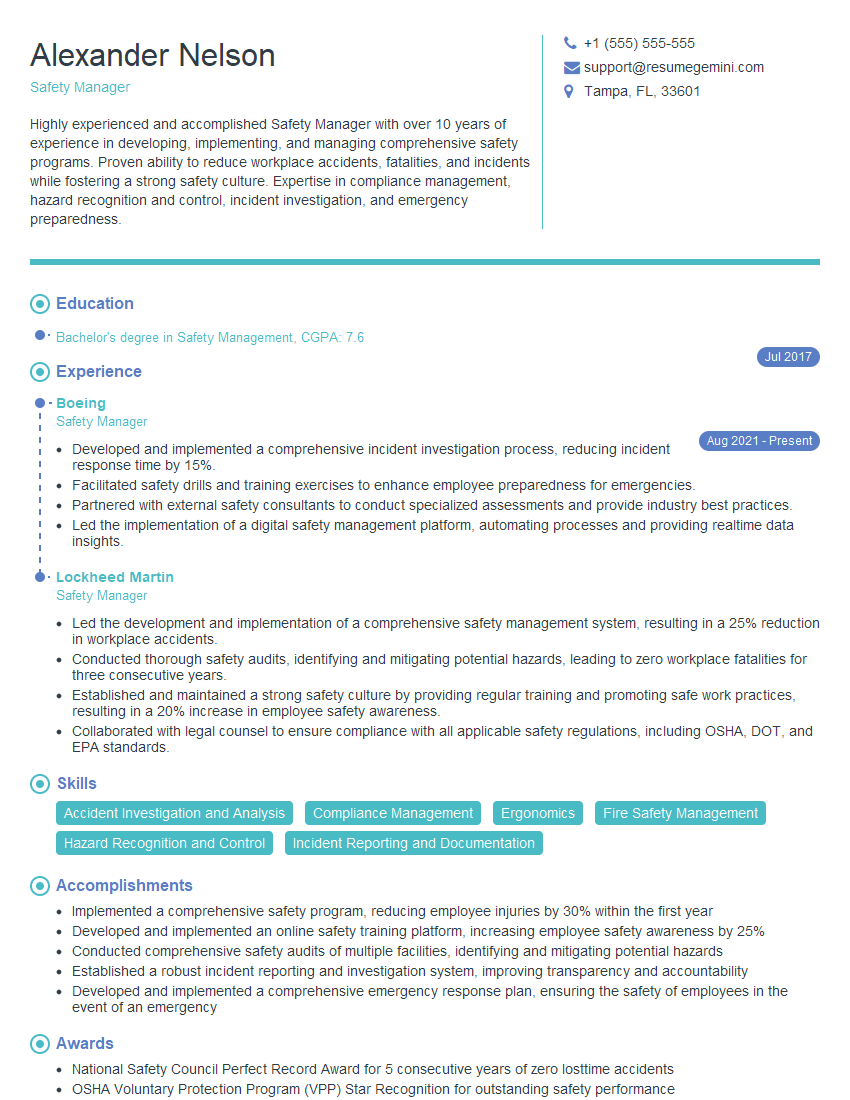
Safety Manager Resume Sample
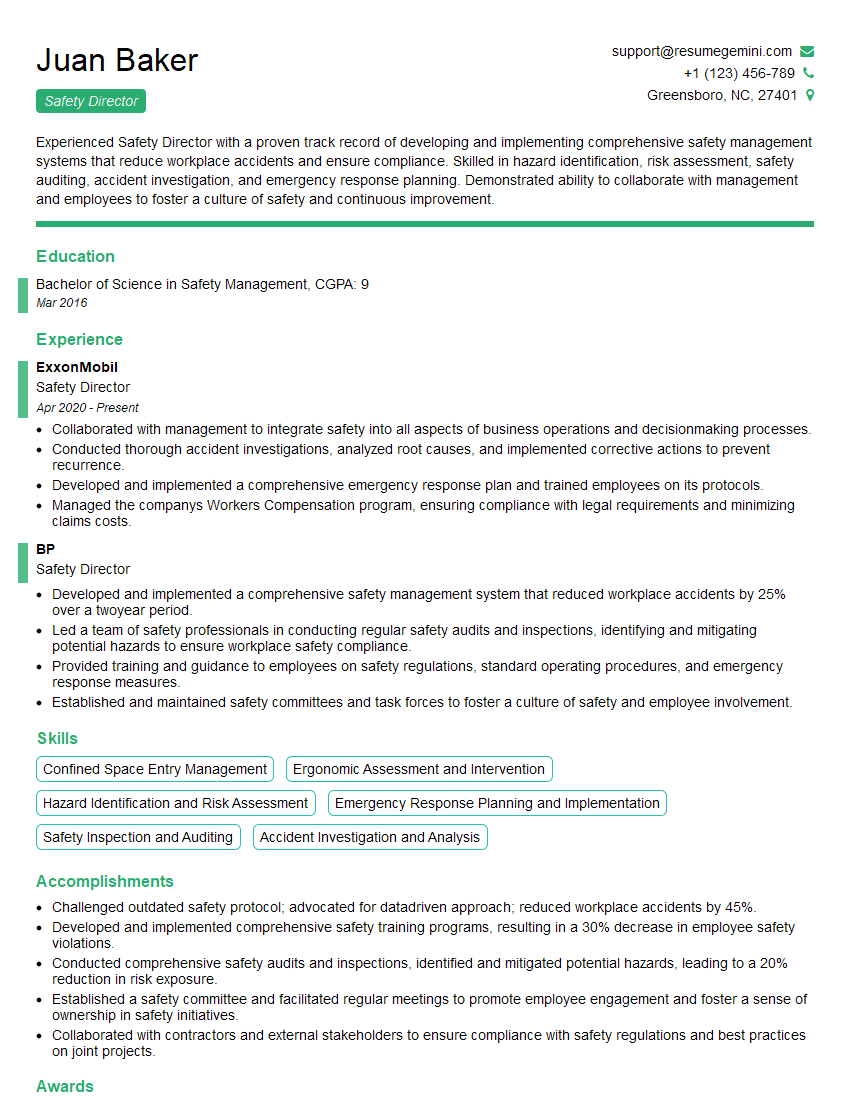
Safety Director Resume Sample
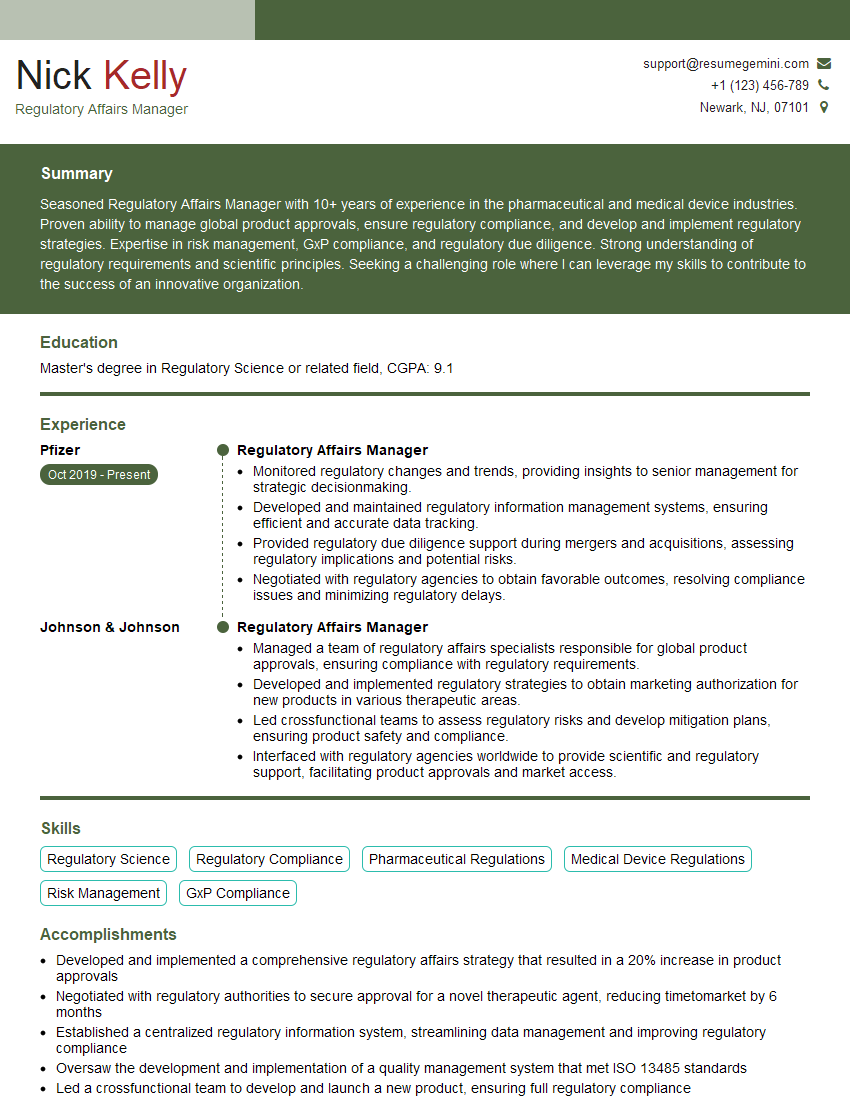
Regulatory Affairs Manager Resume Sample
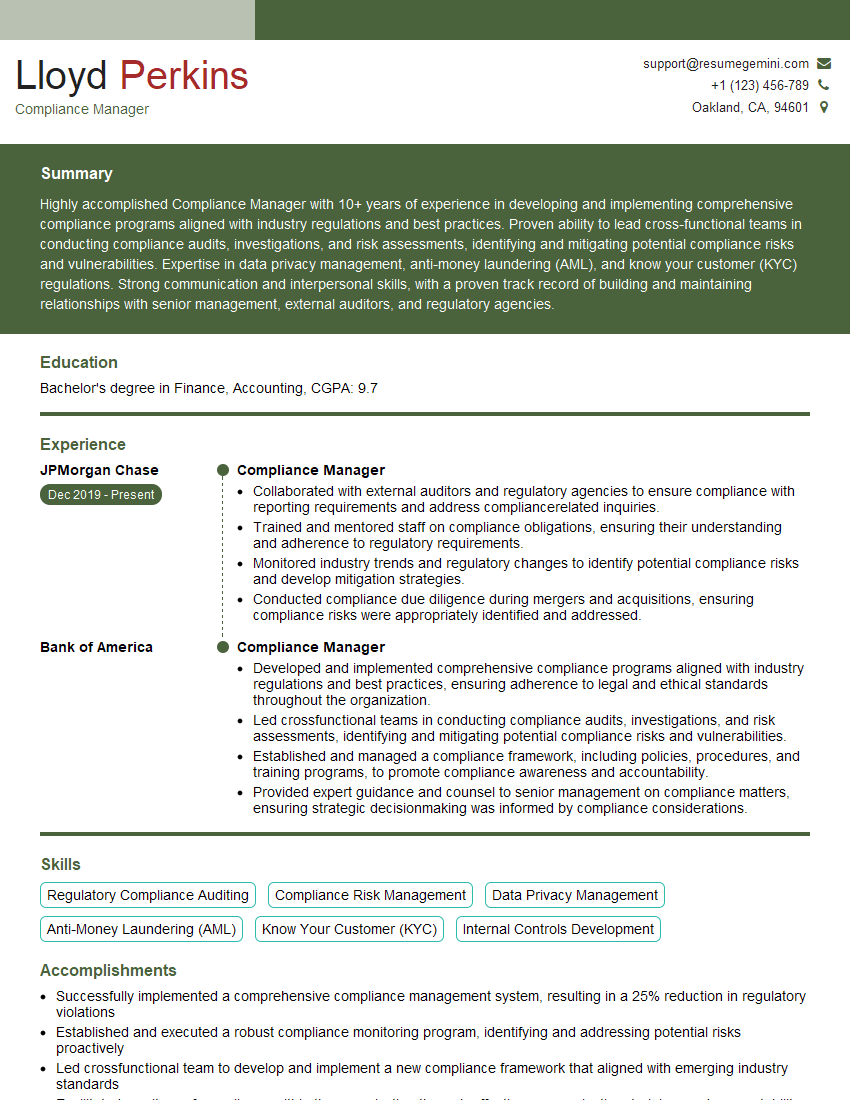
Compliance Manager Resume Sample
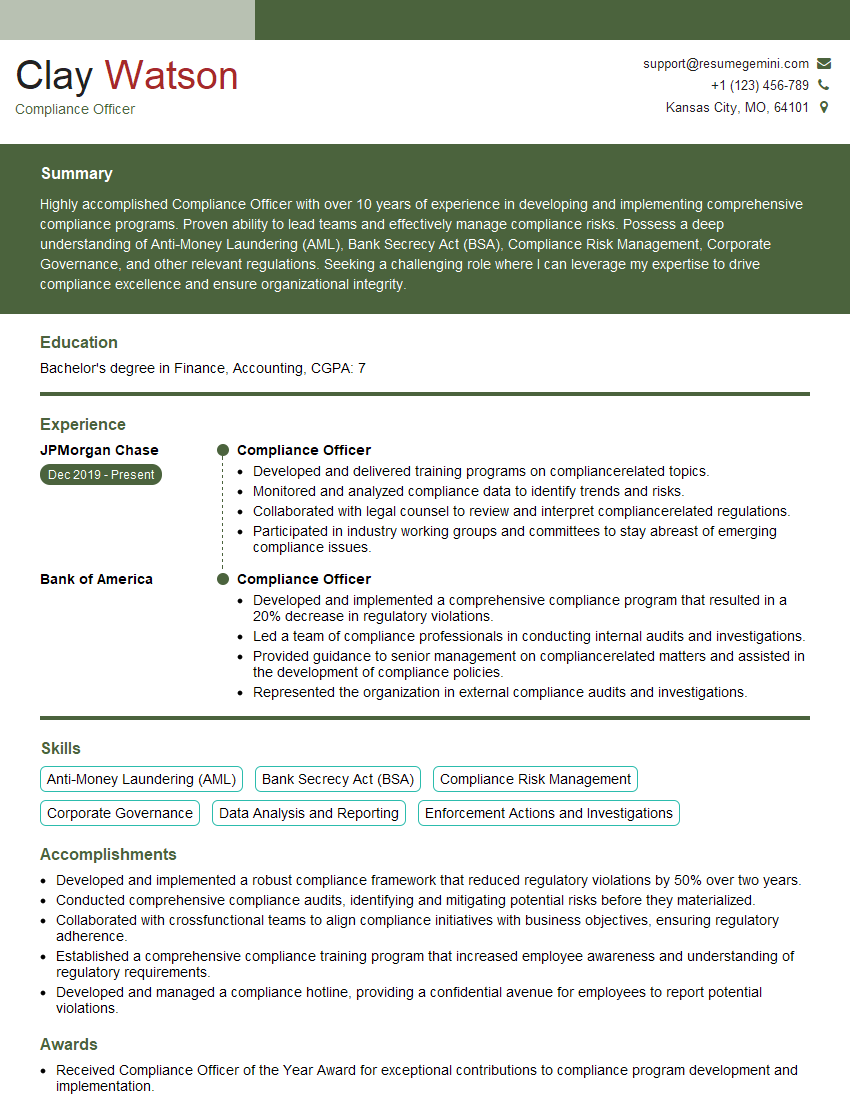
Compliance Officer Resume Sample
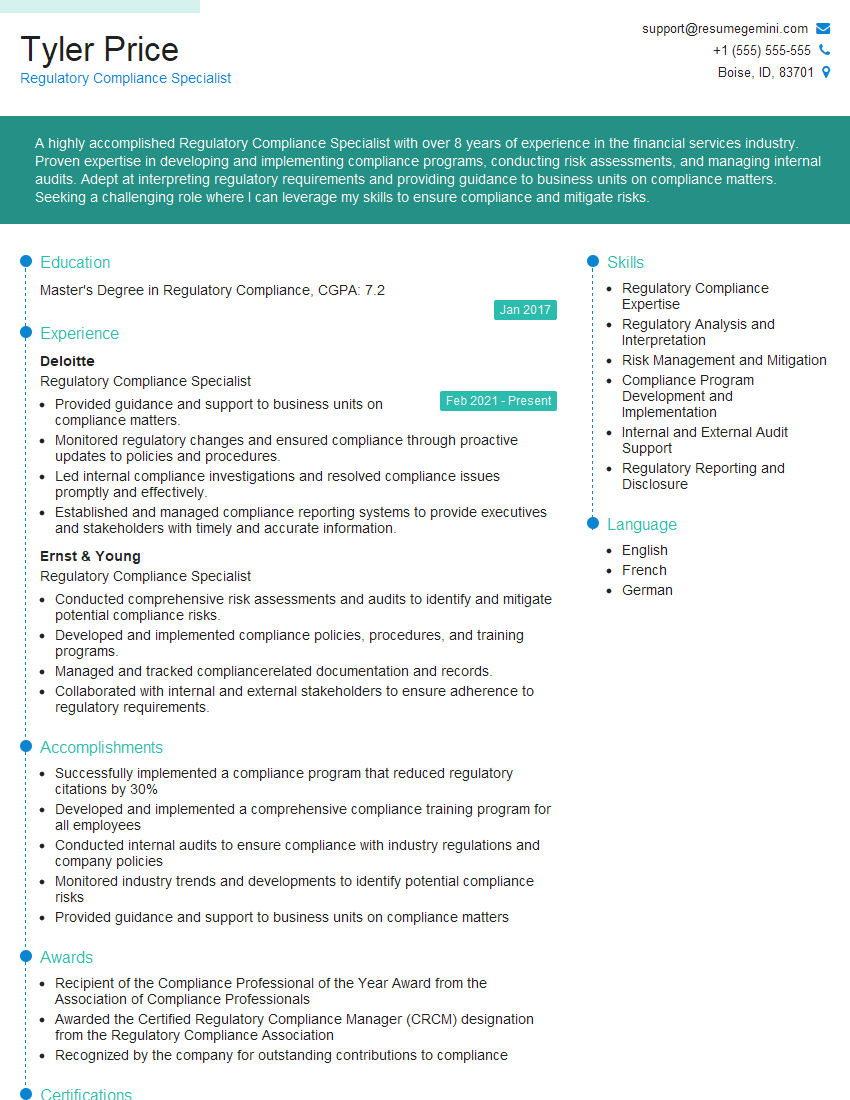
Regulatory Compliance Specialist Resume Sample
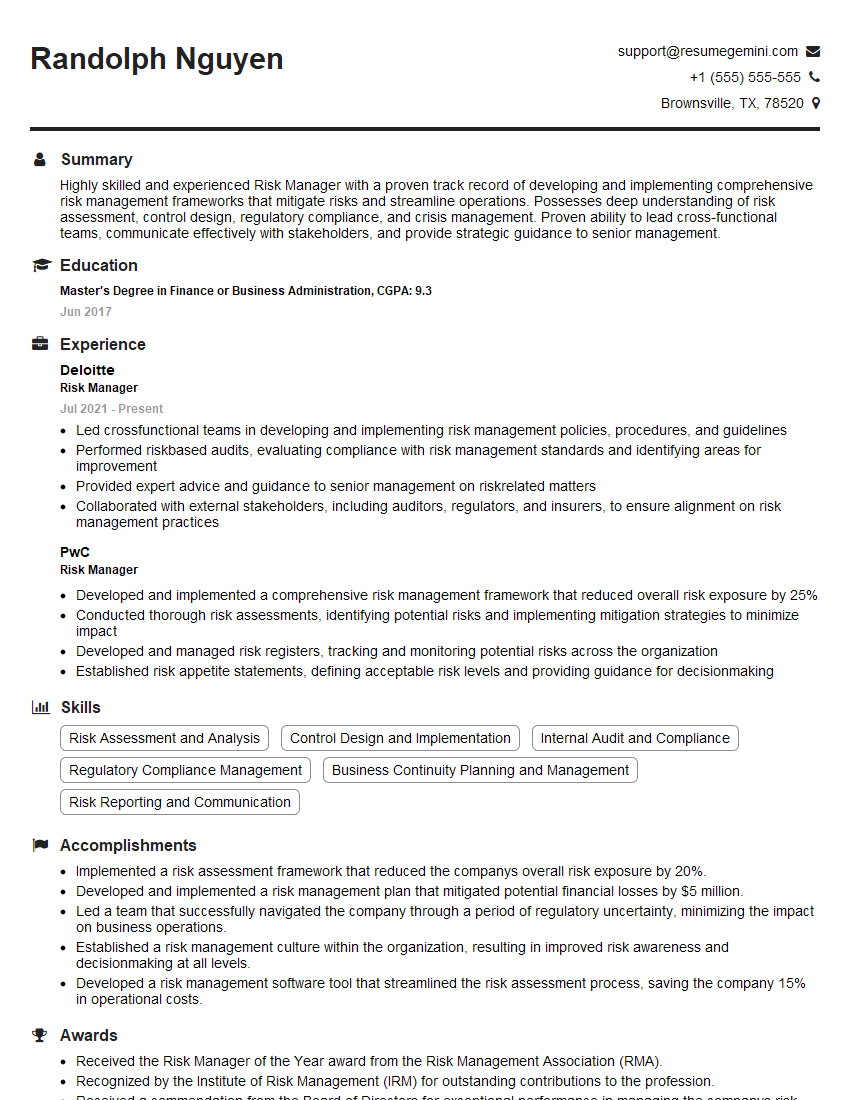
Risk Manager Resume Sample
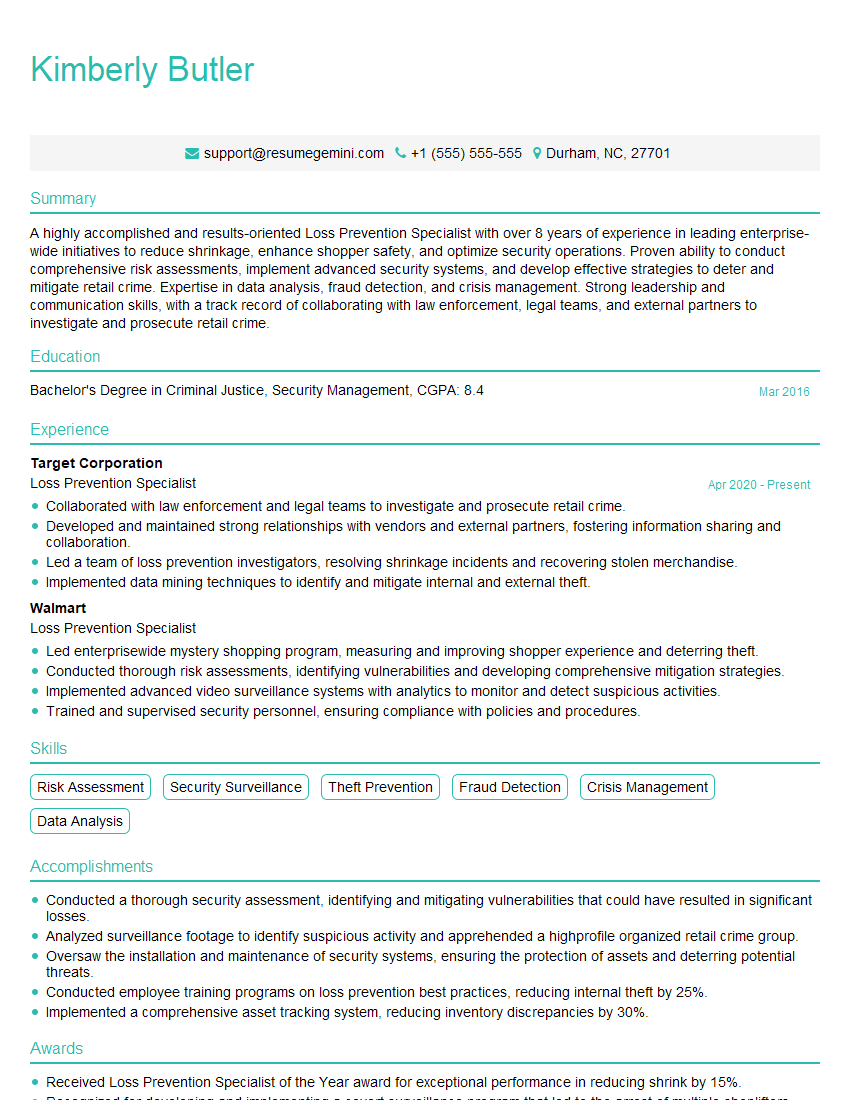
Loss Prevention Specialist Resume Sample
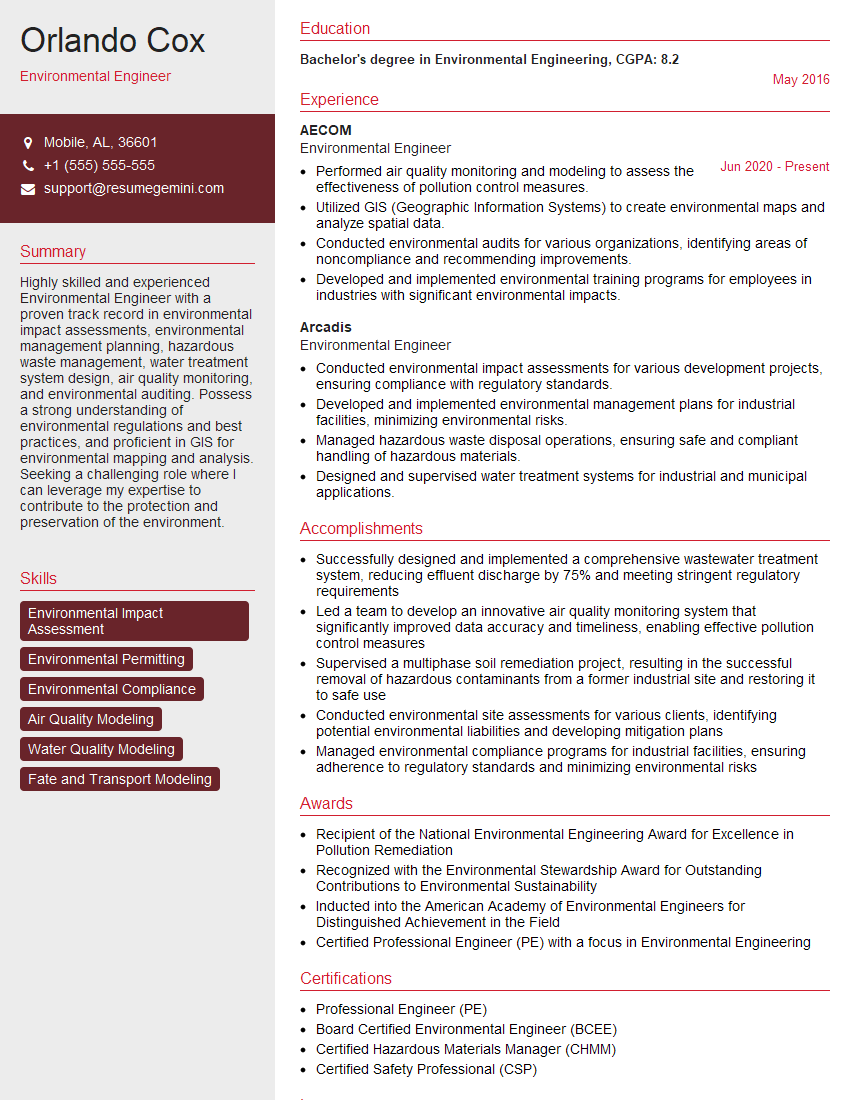
Environmental Engineer Resume Sample
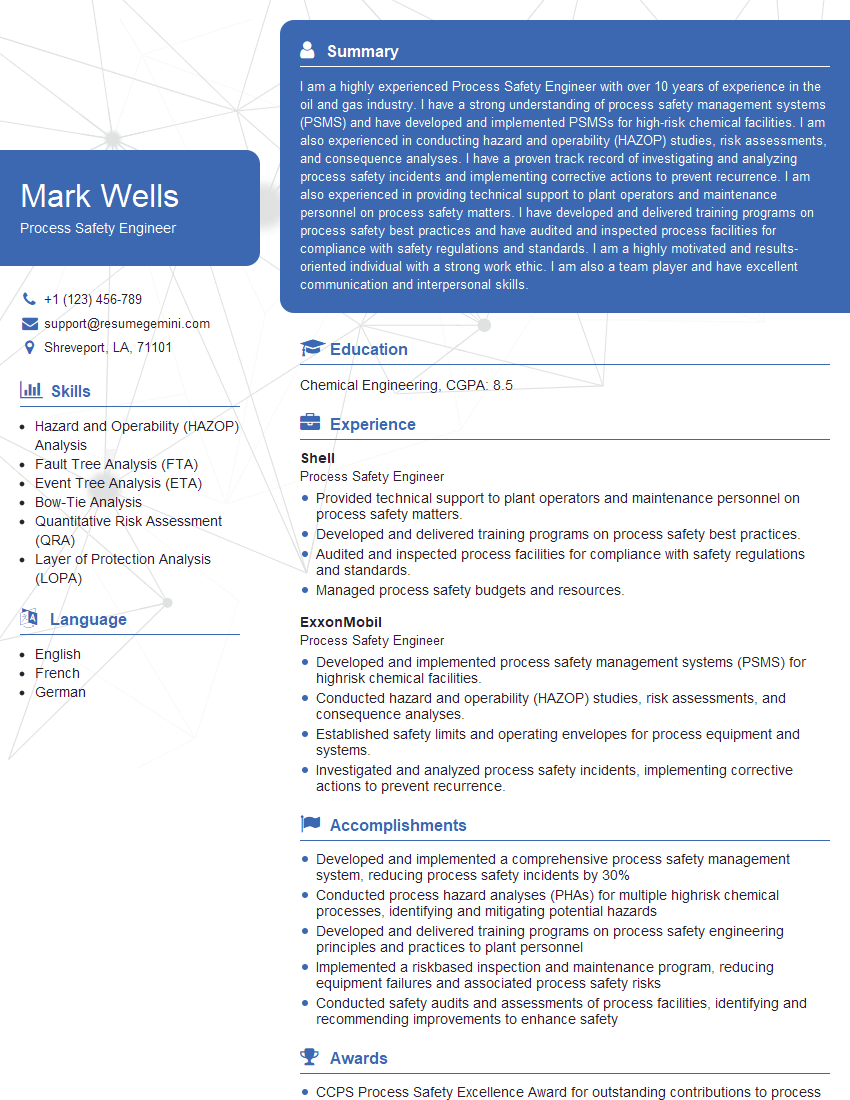
Process Safety Engineer Resume Sample
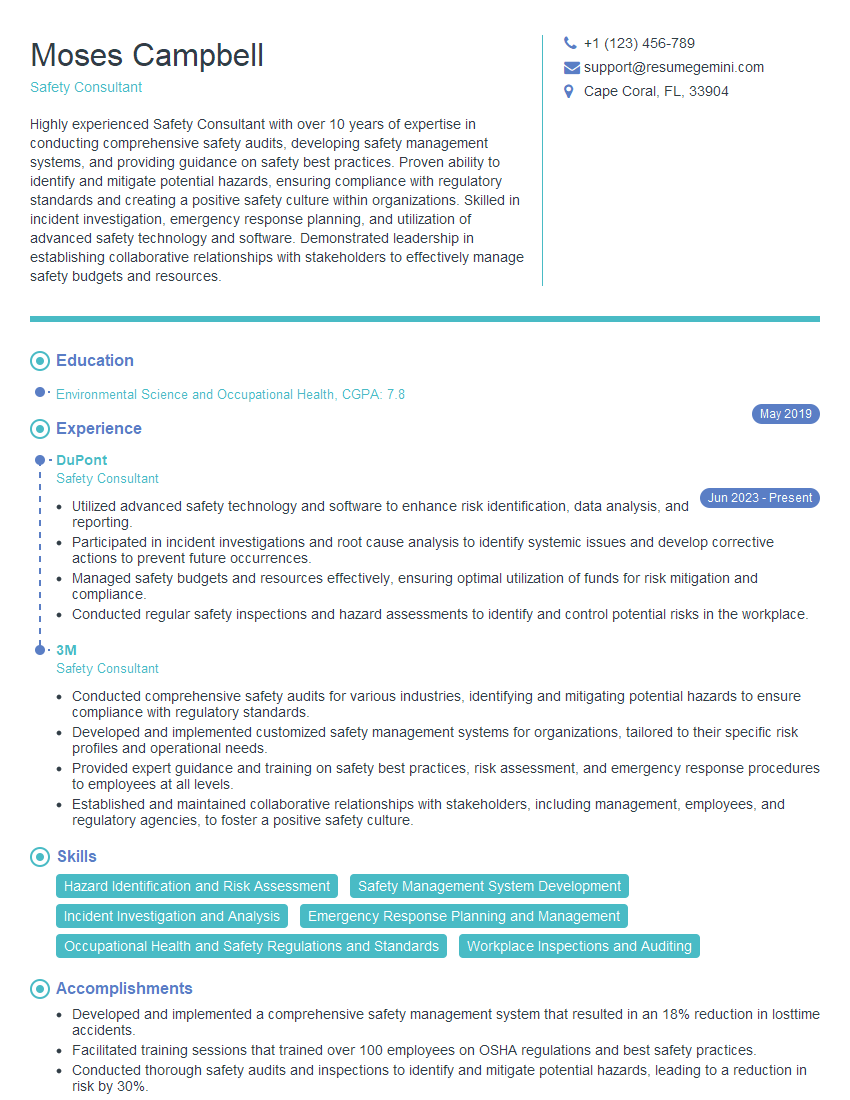
Safety Consultant Resume Sample
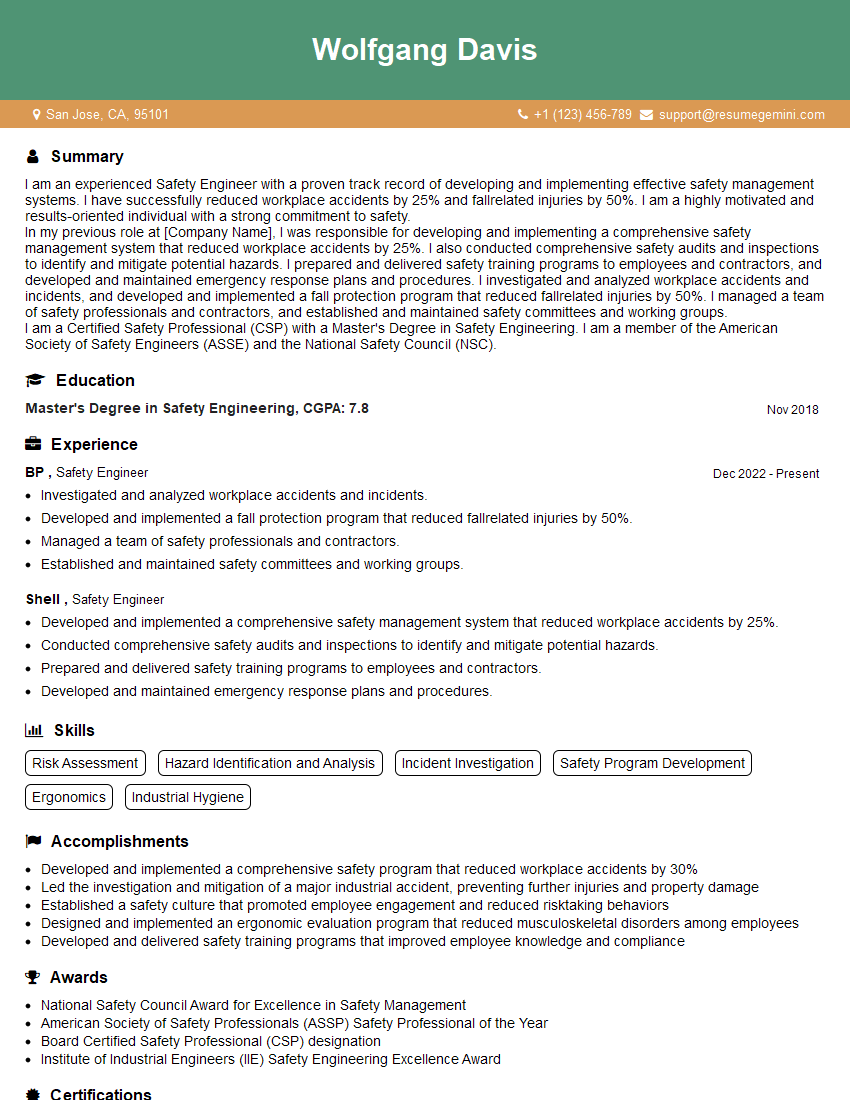
Safety Engineer Resume Sample
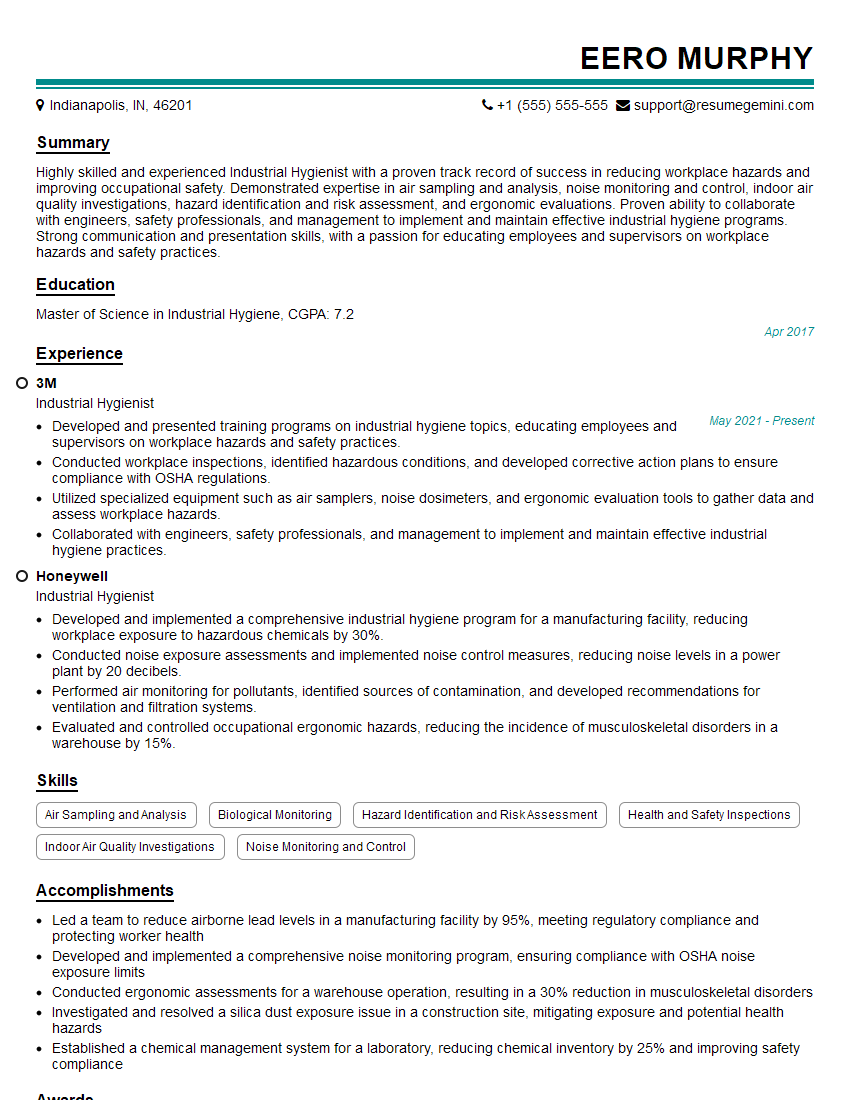
Industrial Hygienist Resume Sample
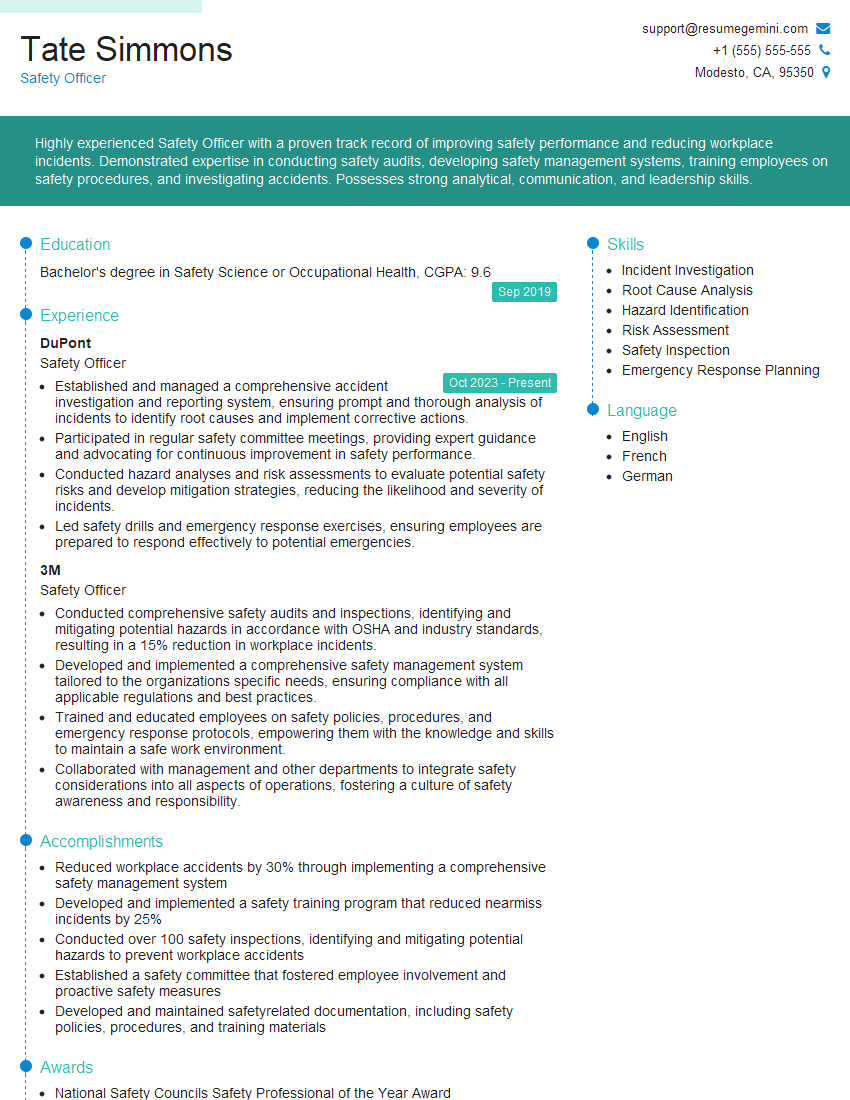
Safety Officer Resume Sample
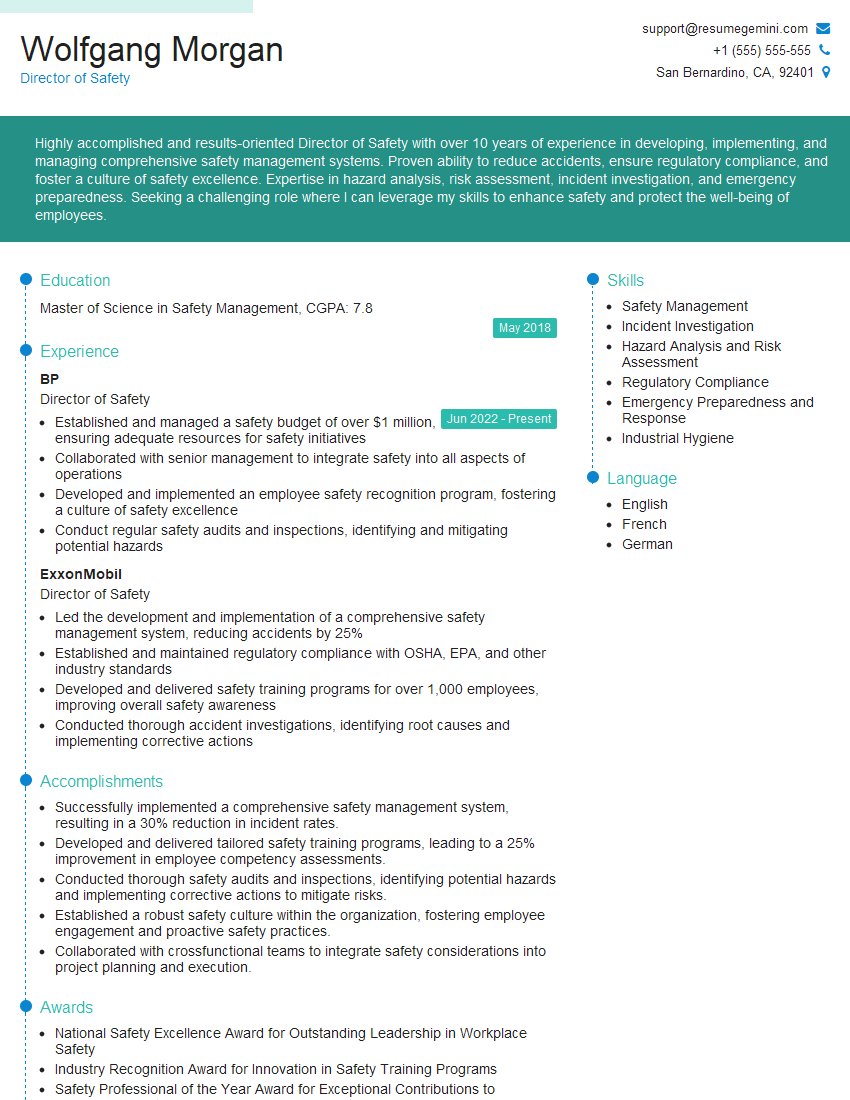
Director of Safety Resume Sample
- Safety Manager
- Safety Director
- Regulatory Affairs Manager
- Compliance Manager
- Compliance Officer
- Regulatory Compliance Specialist
- Risk Manager
- Loss Prevention Specialist
- Environmental Engineer
- Process Safety Engineer
- Safety Consultant
- Safety Engineer
- Industrial Hygienist
- Safety Officer
- Director of Safety
Explore more articles
Users Rating of Our Blogs
Share Your Experience
We value your feedback! Please rate our content and share your thoughts (optional).
What Readers Say About Our Blog
Attention music lovers!
Wow, All the best Sax Summer music !!!
Spotify: https://open.spotify.com/artist/6ShcdIT7rPVVaFEpgZQbUk
Apple Music: https://music.apple.com/fr/artist/jimmy-sax-black/1530501936
YouTube: https://music.youtube.com/browse/VLOLAK5uy_noClmC7abM6YpZsnySxRqt3LoalPf88No
Other Platforms and Free Downloads : https://fanlink.tv/jimmysaxblack
on google : https://www.google.com/search?q=22+AND+22+AND+22
on ChatGPT : https://chat.openai.com?q=who20jlJimmy20Black20Sax20Producer
Get back into the groove with Jimmy sax Black
Best regards,
Jimmy sax Black
www.jimmysaxblack.com
Hi I am a troller at The aquatic interview center and I suddenly went so fast in Roblox and it was gone when I reset.
Hi,
Business owners spend hours every week worrying about their website—or avoiding it because it feels overwhelming.
We’d like to take that off your plate:
$69/month. Everything handled.
Our team will:
Design a custom website—or completely overhaul your current one
Take care of hosting as an option
Handle edits and improvements—up to 60 minutes of work included every month
No setup fees, no annual commitments. Just a site that makes a strong first impression.
Find out if it’s right for you:
https://websolutionsgenius.com/awardwinningwebsites
Hello,
we currently offer a complimentary backlink and URL indexing test for search engine optimization professionals.
You can get complimentary indexing credits to test how link discovery works in practice.
No credit card is required and there is no recurring fee.
You can find details here:
https://wikipedia-backlinks.com/indexing/
Regards
NICE RESPONSE TO Q & A
hi
The aim of this message is regarding an unclaimed deposit of a deceased nationale that bears the same name as you. You are not relate to him as there are millions of people answering the names across around the world. But i will use my position to influence the release of the deposit to you for our mutual benefit.
Respond for full details and how to claim the deposit. This is 100% risk free. Send hello to my email id: lukachachibaialuka@gmail.com
Luka Chachibaialuka
Hey interviewgemini.com, just wanted to follow up on my last email.
We just launched Call the Monster, an parenting app that lets you summon friendly ‘monsters’ kids actually listen to.
We’re also running a giveaway for everyone who downloads the app. Since it’s brand new, there aren’t many users yet, which means you’ve got a much better chance of winning some great prizes.
You can check it out here: https://bit.ly/callamonsterapp
Or follow us on Instagram: https://www.instagram.com/callamonsterapp
Thanks,
Ryan
CEO – Call the Monster App
Hey interviewgemini.com, I saw your website and love your approach.
I just want this to look like spam email, but want to share something important to you. We just launched Call the Monster, a parenting app that lets you summon friendly ‘monsters’ kids actually listen to.
Parents are loving it for calming chaos before bedtime. Thought you might want to try it: https://bit.ly/callamonsterapp or just follow our fun monster lore on Instagram: https://www.instagram.com/callamonsterapp
Thanks,
Ryan
CEO – Call A Monster APP
To the interviewgemini.com Owner.
Dear interviewgemini.com Webmaster!
Hi interviewgemini.com Webmaster!
Dear interviewgemini.com Webmaster!
excellent
Hello,
We found issues with your domain’s email setup that may be sending your messages to spam or blocking them completely. InboxShield Mini shows you how to fix it in minutes — no tech skills required.
Scan your domain now for details: https://inboxshield-mini.com/
— Adam @ InboxShield Mini
support@inboxshield-mini.com
Reply STOP to unsubscribe
Hi, are you owner of interviewgemini.com? What if I told you I could help you find extra time in your schedule, reconnect with leads you didn’t even realize you missed, and bring in more “I want to work with you” conversations, without increasing your ad spend or hiring a full-time employee?
All with a flexible, budget-friendly service that could easily pay for itself. Sounds good?
Would it be nice to jump on a quick 10-minute call so I can show you exactly how we make this work?
Best,
Hapei
Marketing Director
Hey, I know you’re the owner of interviewgemini.com. I’ll be quick.
Fundraising for your business is tough and time-consuming. We make it easier by guaranteeing two private investor meetings each month, for six months. No demos, no pitch events – just direct introductions to active investors matched to your startup.
If youR17;re raising, this could help you build real momentum. Want me to send more info?
Hi, I represent an SEO company that specialises in getting you AI citations and higher rankings on Google. I’d like to offer you a 100% free SEO audit for your website. Would you be interested?
Hi, I represent an SEO company that specialises in getting you AI citations and higher rankings on Google. I’d like to offer you a 100% free SEO audit for your website. Would you be interested?