Preparation is the key to success in any interview. In this post, we’ll explore crucial SCM Software interview questions and equip you with strategies to craft impactful answers. Whether you’re a beginner or a pro, these tips will elevate your preparation.
Questions Asked in SCM Software Interview
Q 1. Explain the difference between MRP and DRP.
MRP, or Material Requirements Planning, and DRP, or Distribution Requirements Planning, are both inventory management techniques used within Supply Chain Management (SCM), but they focus on different aspects of the supply chain.
MRP focuses on the internal supply chain, primarily on manufacturing. It takes a bill of materials (BOM) – a list of raw materials and components needed to manufacture a product – and a master production schedule (MPS) – a plan for how many finished goods to produce and when – to calculate the exact quantity and timing of raw materials, components, and sub-assemblies needed for production. Think of it as ensuring you have all the ingredients to bake a cake before you start.
DRP, on the other hand, focuses on the external supply chain and the distribution of finished goods to various warehouses, distribution centers, and ultimately, customers. It uses forecasts of customer demand at each distribution point to determine the optimal inventory levels at each location. This ensures that products are available where and when customers need them. It’s like making sure each bakery location has enough cakes to meet local customer demands.
In short: MRP manages the flow of materials into the manufacturing process; DRP manages the flow of finished goods out of the manufacturing process and to the customer.
Q 2. Describe your experience with different SCM software platforms (e.g., SAP SCM, Oracle SCM Cloud, Blue Yonder).
Throughout my career, I’ve worked extensively with several leading SCM software platforms. My experience includes:
- SAP SCM: I’ve used SAP SCM to implement advanced planning and optimization (APO) modules, focusing on demand planning, production planning, and supply network design. In one project, we leveraged SAP APO’s simulation capabilities to optimize our client’s production schedule, reducing lead times by 15% and inventory holding costs by 10%.
- Oracle SCM Cloud: I’ve utilized Oracle SCM Cloud for implementing integrated business planning (IBP) solutions. A key project involved integrating their demand sensing capabilities with our client’s e-commerce platform to improve forecast accuracy and reduce stockouts. The result was a significant improvement in customer satisfaction and order fulfillment rates.
- Blue Yonder: My experience with Blue Yonder includes using their Luminate platform for warehouse management and transportation management. I helped a client implement Blue Yonder’s warehouse optimization module, resulting in a 20% increase in warehouse efficiency and a decrease in order picking time.
Across these platforms, I’ve gained proficiency in configuring, customizing, and implementing various SCM functionalities, including demand forecasting, inventory optimization, supply chain planning, and execution.
Q 3. How do you handle discrepancies between forecast and actual demand?
Discrepancies between forecast and actual demand are inevitable. To handle these, I employ a multi-pronged approach:
- Root Cause Analysis: I start by investigating the reasons behind the discrepancy. Was it due to unforeseen market events (e.g., economic downturn, competitor actions), inaccurate forecasting methods, or seasonal fluctuations? This helps identify systemic issues and improve future forecasts.
- Demand Sensing and Adjustment: Leveraging real-time data from various sources (POS data, sales orders, market intelligence) allows for quicker adjustments to the forecast. This might involve implementing demand sensing algorithms to automatically adjust the forecast based on recent trends.
- Inventory Management Strategies: Depending on the nature of the discrepancy, different inventory management strategies are implemented. If demand exceeds forecast, we might expedite shipments, increase production, or explore alternative sourcing options. If demand is lower than forecast, we might implement discounts, promotions, or adjust production schedules to reduce inventory.
- Collaborative Planning: Open communication with suppliers and customers is crucial. Sharing insights about demand fluctuations helps create a more agile and responsive supply chain. This might involve collaborative forecasting processes or joint business planning sessions.
Ultimately, the goal is to minimize the impact of discrepancies on customer service levels and profitability. Continuously refining forecasting techniques and processes is crucial for long-term success.
Q 4. What are the key performance indicators (KPIs) you track in SCM?
The specific KPIs I track depend on the business context and objectives. However, some key SCM KPIs I consistently monitor include:
- Inventory Turnover Rate: Measures how efficiently inventory is managed.
- On-Time Delivery Rate: Indicates the percentage of orders delivered on time.
- Customer Order Cycle Time: Measures the time from order placement to delivery.
- Fill Rate: Represents the percentage of customer demand fulfilled from available stock.
- Inventory Holding Costs: Tracks the costs associated with storing inventory.
- Supply Chain Cost per Unit: The total cost of delivering a product to the customer.
- Perfect Order Rate: A measure of overall supply chain efficiency, encompassing on-time delivery, complete orders, accurate invoices, and no damage.
Regularly tracking and analyzing these KPIs provides valuable insights into the overall health and performance of the supply chain, guiding improvements and resource allocation decisions.
Q 5. Explain your experience with inventory optimization techniques.
My experience with inventory optimization techniques involves applying various methodologies to minimize inventory holding costs while maintaining adequate service levels. These techniques include:
- ABC Analysis: Classifying inventory items into categories (A, B, C) based on their value and consumption patterns, allowing for focused attention on high-value items.
- Economic Order Quantity (EOQ): Determining the optimal order quantity to minimize total inventory costs (ordering and holding costs).
- Safety Stock Optimization: Calculating the appropriate safety stock levels to buffer against demand uncertainty and lead time variability.
- Just-in-Time (JIT) Inventory Management: Minimizing inventory by receiving materials only when needed for production, reducing storage costs and minimizing waste.
- Vendor-Managed Inventory (VMI): Allowing key suppliers to manage inventory levels at our facilities, leveraging their expertise and reducing our administrative burden.
I’ve successfully implemented these techniques in various projects, leading to significant reductions in inventory holding costs and improvements in customer service levels. For instance, implementing ABC analysis and EOQ in one project led to a 12% reduction in inventory carrying costs while maintaining a consistent fill rate.
Q 6. How do you manage supply chain risks?
Managing supply chain risks is crucial for maintaining business continuity and profitability. My approach involves:
- Risk Identification and Assessment: Proactively identifying potential risks, such as supplier disruptions, natural disasters, geopolitical instability, and demand volatility. This involves conducting thorough risk assessments, considering both the likelihood and impact of each risk.
- Risk Mitigation Strategies: Developing and implementing strategies to mitigate identified risks. This might include diversifying suppliers, building safety stock, implementing robust contingency plans, investing in supply chain visibility tools, and securing insurance coverage.
- Supply Chain Resilience: Designing a supply chain that is flexible and adaptable to unforeseen circumstances. This involves building redundancy into the supply chain, developing strong supplier relationships, and fostering collaboration throughout the network.
- Continuous Monitoring and Improvement: Regularly monitoring the supply chain for emerging risks and adapting strategies as needed. This requires implementing robust monitoring systems, leveraging data analytics, and continuously improving risk management processes.
For example, during a recent project, we identified the risk of supplier disruption due to a potential labor strike. We mitigated this risk by diversifying our sourcing to include multiple suppliers and building a buffer stock of critical components.
Q 7. Describe your experience with implementing or improving SCM processes.
I have extensive experience in implementing and improving SCM processes across various industries. My approach is typically iterative and data-driven, involving:
- Process Mapping and Analysis: Understanding existing SCM processes through process mapping, identifying bottlenecks, inefficiencies, and areas for improvement.
- Data Analysis and Benchmarking: Analyzing relevant data to identify performance gaps and benchmark against industry best practices.
- Process Redesign and Optimization: Developing and implementing improved processes based on data analysis and best practices. This might involve streamlining workflows, automating tasks, and implementing new technologies.
- Change Management: Successfully implementing changes requires effective communication and training to ensure buy-in from all stakeholders.
- Continuous Monitoring and Improvement: Tracking KPIs and continuously monitoring performance to identify areas for further improvement and optimization.
In one project, we implemented a new warehouse management system (WMS) which improved order fulfillment speed by 30% and reduced warehouse operational costs by 15%. This involved a systematic approach to process mapping, change management, and user training to ensure a smooth transition.
Q 8. Explain the concept of bullwhip effect and how to mitigate it.
The bullwhip effect is a phenomenon in supply chain management where demand variability increases as you move upstream in the supply chain. Imagine a whip; a small flick at the end (consumer demand) creates a much larger swing at the handle (supplier demand). This leads to inefficiencies like excess inventory, lost sales, and increased costs.
Mitigation Strategies:
- Improved Information Sharing: Implementing systems that provide real-time visibility across the entire supply chain, from consumer demand to raw material sourcing. This allows all parties to react to changes more effectively. For example, using point-of-sale (POS) data to inform production and inventory decisions.
- Collaborative Forecasting: Instead of each link in the chain creating its own forecast, collaborate to create a single, shared forecast. This reduces the amplification of demand variability. This might involve regular meetings with key suppliers and distributors to align on sales projections.
- Demand Stabilization Techniques: Offer price discounts or promotions to level out demand fluctuations. Early bird discounts or loyalty programs can smooth demand peaks.
- Inventory Optimization: Use techniques like safety stock optimization and just-in-time inventory management to reduce the amount of excess inventory held at each stage of the supply chain. This minimizes waste and the impact of demand spikes.
- Vendor Managed Inventory (VMI): Allowing key suppliers to manage inventory levels at your warehouse based on their understanding of your demand and their capabilities. This allows them to proactively manage inventory levels and reduce the risk of stockouts or overstocking.
Example: A small increase in consumer demand for a particular product can lead to a retailer ordering significantly more from the distributor, who in turn orders much more from the manufacturer, resulting in a massive oversupply of the product.
Q 9. How do you utilize data analytics in SCM decision-making?
Data analytics plays a crucial role in evidence-based SCM decision-making. We use data to gain insights into various aspects of the supply chain and optimize performance. This involves several key applications:
- Demand Forecasting: Analyzing historical sales data, seasonality, and external factors (economic trends, competitor actions) to predict future demand with greater accuracy. This informs production planning and inventory management.
- Inventory Optimization: Identifying optimal inventory levels to minimize holding costs while preventing stockouts. This could involve analyzing turnover rates, lead times, and demand variability.
- Supply Chain Risk Management: Identifying potential disruptions (e.g., supplier failures, natural disasters) by analyzing data on supplier performance, geopolitical factors, and weather patterns.
- Transportation Optimization: Using data on transportation costs, delivery times, and route options to optimize logistics and reduce expenses. For example, employing route optimization algorithms.
- Performance Monitoring and Improvement: Tracking key performance indicators (KPIs) such as on-time delivery, inventory turnover, and customer satisfaction to identify areas for improvement and measure the impact of implemented changes.
Example: By analyzing historical sales data and correlating it with external economic indicators, we can build a predictive model to forecast demand for the next quarter, enabling proactive adjustments to production schedules and inventory levels.
Q 10. What are your experiences with different forecasting methods?
I have extensive experience with various forecasting methods, each with its strengths and weaknesses. The best choice depends on data availability, forecast horizon, and desired accuracy.
- Moving Average: Simple to implement and understand, suitable for stable demand with minimal seasonality. However, it’s slow to respond to changes.
- Exponential Smoothing: Assigns more weight to recent data, making it more responsive to changes than simple moving average. Different variations exist (e.g., Holt-Winters for seasonality).
- ARIMA (Autoregressive Integrated Moving Average): A powerful statistical method for time series data, capable of handling complex patterns and seasonality. Requires more data and statistical expertise.
- Machine Learning (ML) methods: Techniques like regression, neural networks, and random forests can be used for sophisticated forecasting, especially when dealing with large datasets and complex relationships. These methods often require significant computational resources and expertise.
Example: For a product with consistent demand, a simple moving average might suffice. However, for a product with strong seasonality, like swimwear, the Holt-Winters exponential smoothing method would be more appropriate.
Q 11. Describe your experience with warehouse management systems (WMS).
My experience with Warehouse Management Systems (WMS) includes implementation, configuration, and optimization. I’ve worked with various WMS platforms, both cloud-based and on-premise. Key aspects of my experience include:
- Inventory Management: Implementing and managing accurate inventory tracking, cycle counting, and stock rotation procedures to minimize waste and improve efficiency.
- Order Fulfillment: Optimizing the picking, packing, and shipping processes to reduce fulfillment times and improve order accuracy. This often involves integrating the WMS with other systems, like the Transportation Management System (TMS).
- Warehouse Layout Optimization: Analyzing warehouse layout and processes to improve material flow and reduce travel times. This might involve using simulation software or implementing slotting optimization strategies.
- Labor Management: Using the WMS to track labor productivity, assign tasks, and optimize workforce scheduling.
- Integration with other systems: Integrating the WMS with ERP (Enterprise Resource Planning), TMS, and other systems to ensure seamless data flow and process automation.
Example: In a previous role, I implemented a new WMS that reduced order fulfillment time by 20% and improved inventory accuracy by 15%, resulting in significant cost savings.
Q 12. How do you ensure data accuracy in SCM systems?
Ensuring data accuracy in SCM systems is paramount. It requires a multi-faceted approach:
- Data Validation and Cleansing: Implementing data validation rules at the point of entry to prevent incorrect data from being entered into the system. This might involve automated checks and validation routines.
- Data Reconciliation: Regularly comparing data from different sources to identify and resolve discrepancies. This could be done through periodic reconciliation reports and automated matching processes.
- Data Governance Policies: Establishing clear guidelines for data management, including data entry procedures, access control, and data quality standards.
- Master Data Management: Implementing a master data management system to ensure a single source of truth for critical data such as product information, customer data, and supplier information.
- Regular Audits: Conducting regular audits of data accuracy to identify areas for improvement and ensure compliance with data quality standards.
- Technology Solutions: Employing barcode scanning, RFID, and other technologies to improve data capture accuracy and minimize manual data entry.
Example: Regular cycle counting processes, combined with barcode scanning during receiving and shipping, ensure accurate inventory tracking and minimize discrepancies.
Q 13. What are your experiences with transportation management systems (TMS)?
My experience with Transportation Management Systems (TMS) includes optimizing transportation planning, routing, and execution. I have worked with various TMS platforms, focusing on:
- Route Optimization: Using algorithms and mapping tools to determine the most efficient routes for shipments, minimizing transportation costs and delivery times. This often involves considering factors like traffic patterns, delivery windows, and driver availability.
- Carrier Selection and Management: Negotiating rates with carriers, selecting the most suitable carriers for different shipments, and tracking carrier performance to ensure timely and cost-effective delivery.
- Load Planning and Consolidation: Optimizing the loading of shipments onto vehicles to maximize space utilization and reduce the number of vehicles required.
- Shipment Tracking and Visibility: Utilizing GPS tracking and other technologies to monitor shipments in real-time and provide customers with accurate delivery updates.
- Documentation and Compliance: Managing shipping documentation, ensuring compliance with regulations, and tracking proof of delivery.
Example: I implemented a TMS that reduced transportation costs by 12% by optimizing routes and consolidating shipments. The system also improved on-time delivery performance by 8%.
Q 14. Explain your experience with demand planning and forecasting.
Demand planning and forecasting are critical for effective SCM. My experience encompasses all stages, from data collection to forecast deployment:
- Data Collection and Analysis: Gathering historical sales data, market research, economic indicators, and other relevant data to inform the forecasting process. This involves cleaning, transforming, and validating the data to ensure its reliability.
- Forecasting Methodology Selection: Choosing appropriate forecasting techniques based on the characteristics of the data and the forecast horizon (e.g., using time series analysis, regression models, or machine learning techniques).
- Model Building and Validation: Developing and validating forecasting models to ensure accuracy and reliability. This involves using statistical measures like Mean Absolute Deviation (MAD) and Mean Squared Error (MSE) to evaluate model performance.
- Forecast Review and Adjustment: Regularly reviewing and adjusting forecasts based on new data and insights. This is an iterative process to refine the forecasting model and ensure its continued accuracy.
- Communication and Collaboration: Communicating forecasts to relevant stakeholders (e.g., production, sales, purchasing) and collaborating with them to incorporate their insights and adjust plans as needed.
Example: I developed a demand planning model that combined historical sales data with external economic indicators to improve the accuracy of sales forecasts by 15%, enabling more effective inventory management and production planning.
Q 15. How do you prioritize conflicting demands within a supply chain?
Prioritizing conflicting demands in a supply chain requires a structured approach. Think of it like air traffic control – many planes (demands) need to land safely (meet deadlines and satisfy customer needs) without colliding. We use a multi-step process. First, we identify all competing demands, quantifying their impact (e.g., financial loss from missed deadlines, customer dissatisfaction scores). Then, we apply a prioritization matrix, often using a weighted scoring system based on urgency, importance, and potential impact. For example, a critical component shortage for a flagship product would naturally outrank a minor delay in a low-demand item. Finally, we communicate the prioritized plan transparently to all stakeholders, explaining the rationale behind the decisions. This ensures buy-in and facilitates effective collaboration to manage expectations.
For example, if faced with a port strike delaying raw materials and a sudden surge in demand for a popular product, we might prioritize securing alternative shipping routes for the critical raw materials first, even if it increases costs, because this prevents a complete production halt. Simultaneously, we might explore options to manage customer expectations on the surge in demand, perhaps offering backorders or prioritizing orders based on customer loyalty.
Career Expert Tips:
- Ace those interviews! Prepare effectively by reviewing the Top 50 Most Common Interview Questions on ResumeGemini.
- Navigate your job search with confidence! Explore a wide range of Career Tips on ResumeGemini. Learn about common challenges and recommendations to overcome them.
- Craft the perfect resume! Master the Art of Resume Writing with ResumeGemini’s guide. Showcase your unique qualifications and achievements effectively.
- Don’t miss out on holiday savings! Build your dream resume with ResumeGemini’s ATS optimized templates.
Q 16. Describe your experience working with cross-functional teams.
My experience working with cross-functional teams has been extensive. In previous roles, I’ve collaborated with procurement, manufacturing, logistics, sales, and marketing teams. Effective cross-functional collaboration is crucial in SCM because supply chain success relies on seamless information flow and alignment across departments. I’ve facilitated numerous collaborative projects using agile methodologies, focusing on clear communication, shared goals, and regular progress updates. For instance, in one project, we implemented a new inventory management system. My role was to bridge the gap between the IT team implementing the system, the warehouse team using the system, and the sales team relying on its data. We held regular meetings, used collaborative tools like shared spreadsheets and project management software, and established clear communication protocols to ensure a successful launch and smooth transition.
Q 17. What’s your understanding of supply chain digitization?
Supply chain digitization is the process of integrating digital technologies throughout the entire supply chain, from procurement to delivery. This involves using data analytics, automation, IoT sensors, and AI to improve visibility, efficiency, and responsiveness. It’s like upgrading from a paper-based map to a GPS-guided navigation system for your supply chain. This modernization enhances real-time tracking of goods, predictive analytics for forecasting demand and identifying potential disruptions, and automated processes to streamline operations. Benefits include reduced costs, improved efficiency, enhanced transparency, and increased resilience to disruptions. I’ve personally been involved in projects leveraging ERP systems and data analytics platforms to optimize inventory management, predict demand fluctuations, and improve supply chain visibility.
Q 18. Explain the role of blockchain in supply chain management.
Blockchain technology offers significant potential for enhancing supply chain transparency and security. Imagine a tamper-proof, shared ledger recording every step of a product’s journey, from origin to consumer. This enhanced transparency allows for greater traceability, preventing counterfeiting and improving accountability. For example, in the food industry, blockchain can track a product’s origin, processing methods, and handling, ensuring food safety and allowing consumers to verify authenticity. Similarly, in pharmaceutical supply chains, blockchain can track drug movements, helping to combat the illicit trade of counterfeit medicines. However, challenges remain, including scalability, standardization, and integration with existing systems.
Q 19. How do you handle supply chain disruptions?
Handling supply chain disruptions requires a proactive and reactive approach. A proactive approach focuses on risk assessment and mitigation. We regularly identify potential disruptions—like natural disasters, geopolitical instability, or supplier failures—and develop contingency plans. This might include diversifying sourcing, establishing backup suppliers, or building safety stock. Reactively, when a disruption occurs, we need to act quickly and decisively. Our response typically follows a structured process: 1. Assess the impact of the disruption; 2. Activate the contingency plan; 3. Communicate clearly with stakeholders; 4. Monitor the situation and adjust the plan as needed. For instance, during the recent global chip shortage, we proactively secured long-term contracts with alternative suppliers and developed strategies to manage customer expectations regarding potential delays.
Q 20. What is your experience with Vendor Managed Inventory (VMI)?
Vendor Managed Inventory (VMI) is a collaborative approach where the supplier manages the inventory levels of its products at the customer’s location. This shifts responsibility for inventory management from the buyer to the supplier. In my experience, VMI has proven beneficial when implemented correctly. It improves inventory efficiency, reduces stockouts, and frees up internal resources. However, it requires a high level of trust and collaboration between the buyer and the supplier. Effective VMI relies on shared data, clear communication, and well-defined performance metrics. We used VMI successfully with one of our key suppliers. They were responsible for forecasting demand, replenishing stock, and ensuring optimal inventory levels at our distribution centers. This resulted in a significant reduction in our inventory holding costs and improved service levels.
Q 21. How familiar are you with different inventory costing methods?
I’m familiar with several inventory costing methods, including:
- First-In, First-Out (FIFO): Assumes the oldest inventory is sold first. This is often suitable for perishable goods.
- Last-In, First-Out (LIFO): Assumes the newest inventory is sold first. This method can be advantageous during periods of inflation.
- Weighted-Average Cost: Calculates the average cost of all inventory items over a given period. This method is simpler than FIFO and LIFO.
- Specific Identification: Tracks the cost of each individual item. This is practical for high-value or unique items.
The choice of method depends on the nature of the inventory, accounting regulations, and the desired financial reporting outcomes. Each method can affect the reported cost of goods sold and inventory value on the balance sheet. Understanding these differences is vital for accurate financial reporting and effective inventory management. For example, during periods of high inflation, using LIFO might lead to a higher cost of goods sold and lower taxable income.
Q 22. How do you measure the efficiency of your SCM processes?
Measuring the efficiency of SCM processes requires a multifaceted approach, focusing on key performance indicators (KPIs) across various stages. We can’t just look at one metric; it’s about the holistic picture.
On-Time Delivery Rate: This measures the percentage of orders delivered on or before the promised delivery date. A high rate signifies efficient order fulfillment and reliable logistics. For example, a target of 98% on-time delivery indicates a well-oiled machine. Anything significantly lower would warrant investigation into bottlenecks.
Inventory Turnover Rate: This shows how efficiently inventory is managed. A higher turnover rate generally implies better inventory control and reduced holding costs. Imagine a retail store – high turnover means they’re selling quickly and not tying up capital in unsold goods. We’d analyze this metric in conjunction with sales data and demand forecasting.
Order Fulfillment Cycle Time: This tracks the time from order placement to delivery. A shorter cycle time indicates a streamlined process and improved customer satisfaction. Think about online shopping; faster delivery times are a key differentiator. This requires efficient order processing, picking, packing, and shipping.
Perfect Order Rate: This measures the percentage of orders delivered on time, complete, and error-free. This is a crucial holistic indicator that encompasses all aspects of the order fulfillment process. A high perfect order rate shows mastery across the board.
Cost per Order: This metric reveals the total cost associated with fulfilling each order. Lower costs indicate greater efficiency in resource allocation. This metric helps pinpoint areas for cost optimization, from material procurement to shipping.
By regularly monitoring and analyzing these KPIs, we can identify areas for improvement and optimize the SCM processes for enhanced efficiency and profitability.
Q 23. Explain your approach to continuous improvement in SCM.
Continuous improvement in SCM is an ongoing journey, not a destination. My approach is rooted in the Plan-Do-Check-Act (PDCA) cycle, augmented by data-driven decision-making and collaborative teamwork.
Plan: Identify areas needing improvement using the KPIs discussed earlier. This involves analyzing data, identifying bottlenecks, and setting measurable goals.
Do: Implement changes based on the plan. This could involve process re-engineering, technology upgrades, or staff training. For example, if inventory turnover is low, we might implement a just-in-time inventory system or refine demand forecasting.
Check: Monitor the implemented changes and measure their impact using KPIs. Regular review meetings are essential to track progress and identify any unintended consequences. Data visualization tools are indispensable in this phase.
Act: Based on the results, either standardize the successful changes or revise the plan and repeat the cycle. This continuous feedback loop is crucial for refining processes and achieving long-term improvements. We often use A/B testing to compare the effectiveness of different improvement strategies.
Beyond PDCA, embracing lean principles like eliminating waste and empowering employees to suggest improvements is key. Regular team meetings, brainstorming sessions, and open communication ensure that everyone is invested in the process and can contribute valuable insights.
Q 24. Describe your experience with capacity planning in supply chain.
Capacity planning in the supply chain is critical for ensuring that we have the resources – people, equipment, facilities – to meet anticipated demand. My experience involves a holistic approach, encompassing both short-term and long-term planning.
Demand Forecasting: Accurate demand forecasting is foundational. I use a variety of techniques, including statistical modeling, trend analysis, and market research, to predict future demand. This informed forecast guides all capacity planning decisions.
Resource Assessment: This involves evaluating the current capacity of our resources. This includes analyzing warehouse space, production equipment, transportation capabilities, and workforce availability. We might utilize software to model different scenarios and optimize resource allocation.
Capacity Gap Analysis: By comparing the forecasted demand with the available capacity, we identify any gaps. This helps determine whether we need to increase capacity, optimize existing resources, or adjust our demand strategy.
Capacity Optimization: Based on the gap analysis, we develop strategies to address capacity limitations. This might involve investing in new equipment, expanding warehouse space, improving process efficiency, or outsourcing certain activities. We weigh the costs and benefits of each option before making a decision.
Contingency Planning: We also build contingency plans to account for unexpected events, such as natural disasters or supply chain disruptions. This might involve securing backup suppliers or establishing alternative distribution channels.
For example, in a previous role, we anticipated a significant surge in demand during the holiday season. Through careful capacity planning, we proactively expanded our warehouse capacity and hired temporary staff, ensuring we could meet the increased demand without compromising service levels.
Q 25. What is your experience with different types of warehousing strategies?
My experience encompasses various warehousing strategies, each with its strengths and weaknesses, depending on the specific needs of the business.
Dedicated Warehousing: This involves using a single warehouse for all inventory. It’s simple to manage but can be less efficient if the inventory is diverse or geographically dispersed. This works well for businesses with a smaller, homogenous inventory.
Public Warehousing: Using third-party warehouse providers offers flexibility and scalability. It’s ideal for businesses with fluctuating demand or limited capital investment. However, it can be more expensive and less control over operations.
Cross-Docking: Goods are unloaded from incoming vehicles and immediately loaded onto outgoing vehicles without being stored. This minimizes storage time and costs but requires precise coordination and efficient transportation. This is particularly effective for fast-moving goods.
Value-Added Warehousing: This involves performing value-added services, such as product labeling, kitting, or light assembly, within the warehouse. This increases product value and customer service levels, but requires specialized equipment and skilled labor.
Multi-Client Warehousing: Sharing warehouse space with other companies can be cost-effective, but requires careful management to avoid conflicts and maintain security.
The choice of strategy depends on factors like inventory volume, product type, demand variability, geographic location, and budget. We often employ a hybrid approach, combining different strategies to optimize efficiency and cost-effectiveness.
Q 26. How do you maintain data integrity within an SCM system?
Maintaining data integrity within an SCM system is paramount for accurate decision-making and efficient operations. It’s a continuous effort, not a one-time fix.
Data Validation Rules: Implementing data validation rules during data entry ensures that only accurate and consistent data is entered into the system. For example, we might use drop-down menus to select product codes instead of free-text entry to prevent typos.
Data Cleansing Processes: Regularly cleansing the database removes duplicate records, corrects errors, and standardizes data formats. This ensures data consistency and accuracy across all systems.
Access Control and Security: Restricting access to the SCM system based on user roles and responsibilities minimizes the risk of unauthorized data changes or deletions. Role-based access control (RBAC) is crucial here.
Data Backup and Recovery: Implementing robust backup and recovery procedures ensures that data is protected against loss or corruption. Regular backups, preferably to a geographically separate location, are essential.
Data Reconciliation: Regularly reconciling data between different systems helps identify and resolve discrepancies. This might involve comparing inventory counts across different locations or verifying order information with customer records.
Data Governance Policies: Establishing clear data governance policies and procedures ensures that data is managed consistently and accurately throughout the organization. This includes defining data ownership, quality standards, and access controls.
Moreover, choosing a robust SCM system with built-in data validation and security features is vital. Regular system audits and employee training are equally important to ensure ongoing data integrity.
Q 27. What is your understanding of the importance of traceability in supply chains?
Traceability in supply chains is crucial for several reasons, ranging from ensuring product quality and safety to meeting regulatory requirements and building consumer trust.
Product Recall Management: In case of a product defect or contamination, traceability allows for swift and efficient identification and recall of affected products. This minimizes damage to brand reputation and safeguards public health.
Supply Chain Transparency: Traceability provides a clear view of the entire supply chain, from raw material sourcing to finished product delivery. This improves transparency and accountability, enabling businesses to identify and address risks throughout the chain.
Compliance and Regulation: Many industries are subject to strict regulatory requirements regarding product traceability, such as food safety regulations or pharmaceutical regulations. Traceability ensures compliance with these requirements, avoiding penalties and reputational damage.
Counterfeit Prevention: Traceability helps in identifying and preventing counterfeit products from entering the supply chain. This protects brand integrity and prevents consumers from purchasing substandard or unsafe products.
Risk Management: By tracking the movement of goods and materials throughout the supply chain, businesses can identify and mitigate potential risks, such as supplier disruptions or quality issues.
Implementing traceability often involves using technologies like RFID tags, barcodes, and blockchain. The level of traceability needed varies depending on industry regulations and business needs. A robust traceability system is not merely compliant, it’s a competitive advantage, especially in sectors prioritizing transparency and consumer confidence.
Q 28. Explain your experience with collaborative planning, forecasting, and replenishment (CPFR).
Collaborative Planning, Forecasting, and Replenishment (CPFR) is a business practice focused on improving forecasting accuracy and supply chain efficiency through close collaboration between trading partners. My experience shows that successful CPFR implementation significantly reduces inventory holding costs, improves customer service, and strengthens relationships between trading partners.
Strategy and Planning: The initial phase involves establishing clear goals, defining roles and responsibilities, and agreeing on a shared forecasting methodology. We would typically set up a joint planning team with representatives from all participating companies.
Demand and Supply Management: This phase entails sharing demand forecasts, production plans, and inventory levels between trading partners. Regular data exchange is key, often facilitated by shared software platforms.
Execution: This is where the collaborative replenishment plan is put into action. Real-time information sharing ensures that orders are placed and fulfilled efficiently, and that inventory levels are adjusted dynamically according to actual demand.
Performance Measurement: Continuous monitoring of key metrics, such as forecast accuracy, inventory turnover, and on-time delivery, is vital for identifying areas for improvement and refining the CPFR process. Regular performance review meetings are essential.
In my experience, successful CPFR implementation requires strong communication, trust, and a commitment to sharing information openly. It’s about building a collaborative relationship based on mutual benefit and shared goals. While initial setup can require investment in technology and process changes, the long-term benefits are substantial, leading to a more agile, responsive, and profitable supply chain.
Key Topics to Learn for SCM Software Interview
- Version Control Systems (VCS): Understanding the fundamentals of Git, including branching, merging, conflict resolution, and best practices for collaborative development.
- SCM Software Platforms: Familiarize yourself with popular platforms like GitLab, GitHub, and Bitbucket; compare and contrast their features and functionalities.
- Branching Strategies: Master different branching models (e.g., Gitflow, GitHub Flow) and understand when to apply each strategy for optimal workflow.
- Code Review and Collaboration: Learn the importance of effective code reviews, providing and receiving constructive feedback, and utilizing tools for collaborative development.
- Workflow and Process Optimization: Explore how SCM software enhances software development lifecycle, improving team efficiency and product quality.
- Security and Access Control: Understand the importance of security best practices within SCM, including access controls, permissions, and code vulnerability management.
- Integration with other tools: Explore how SCM software integrates with CI/CD pipelines, issue trackers, and other development tools.
- Practical Application: Practice using a chosen SCM platform to manage a sample project, focusing on common tasks like commits, pushes, pulls, and resolving merge conflicts.
- Problem-Solving: Prepare for scenario-based questions about handling common SCM issues, such as resolving merge conflicts, debugging integration problems, and managing large codebases efficiently.
Next Steps
Mastering SCM Software is crucial for career advancement in software development, demonstrating your ability to collaborate effectively and manage complex projects. A strong understanding of these tools is highly sought after by employers. To significantly boost your job prospects, create an ATS-friendly resume that highlights your skills and experience. We strongly encourage you to leverage ResumeGemini to craft a professional and impactful resume that showcases your expertise in SCM Software. ResumeGemini offers examples of resumes tailored to SCM Software roles, providing you with valuable templates and guidance for creating a winning application.
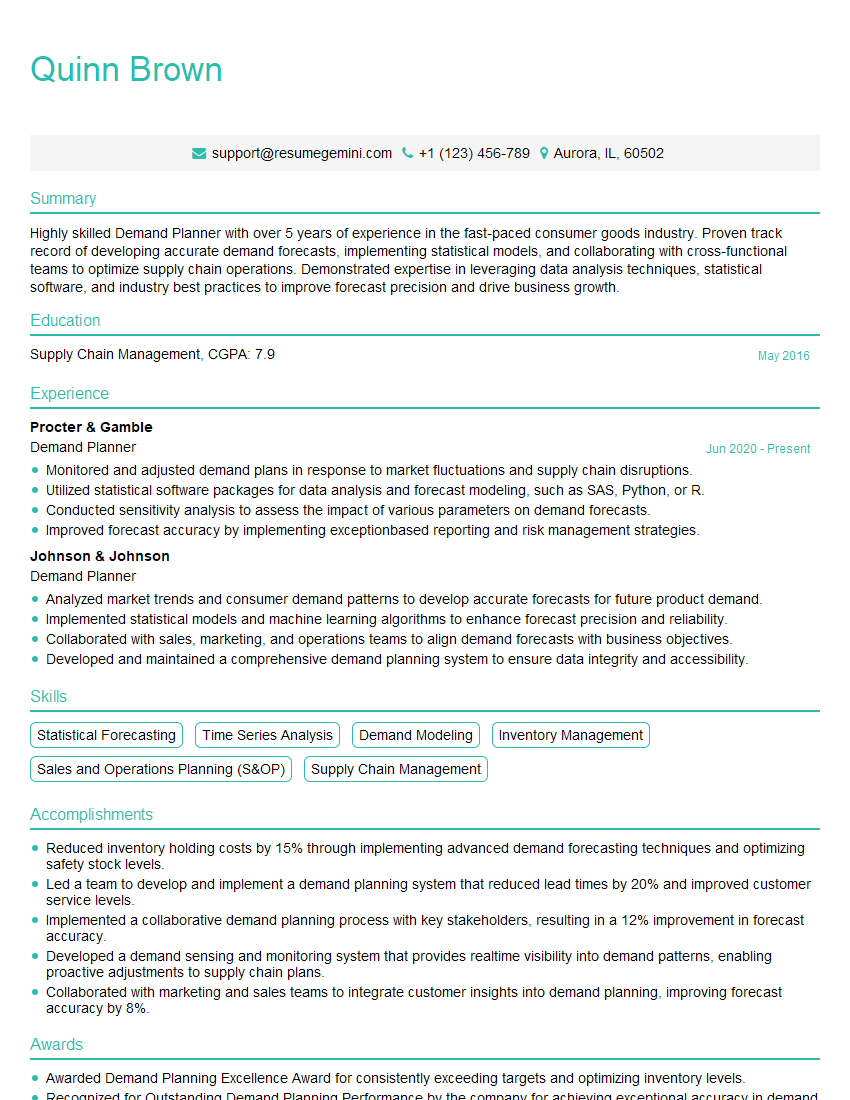
Demand Planner Resume Sample

Procurement Manager Resume Sample
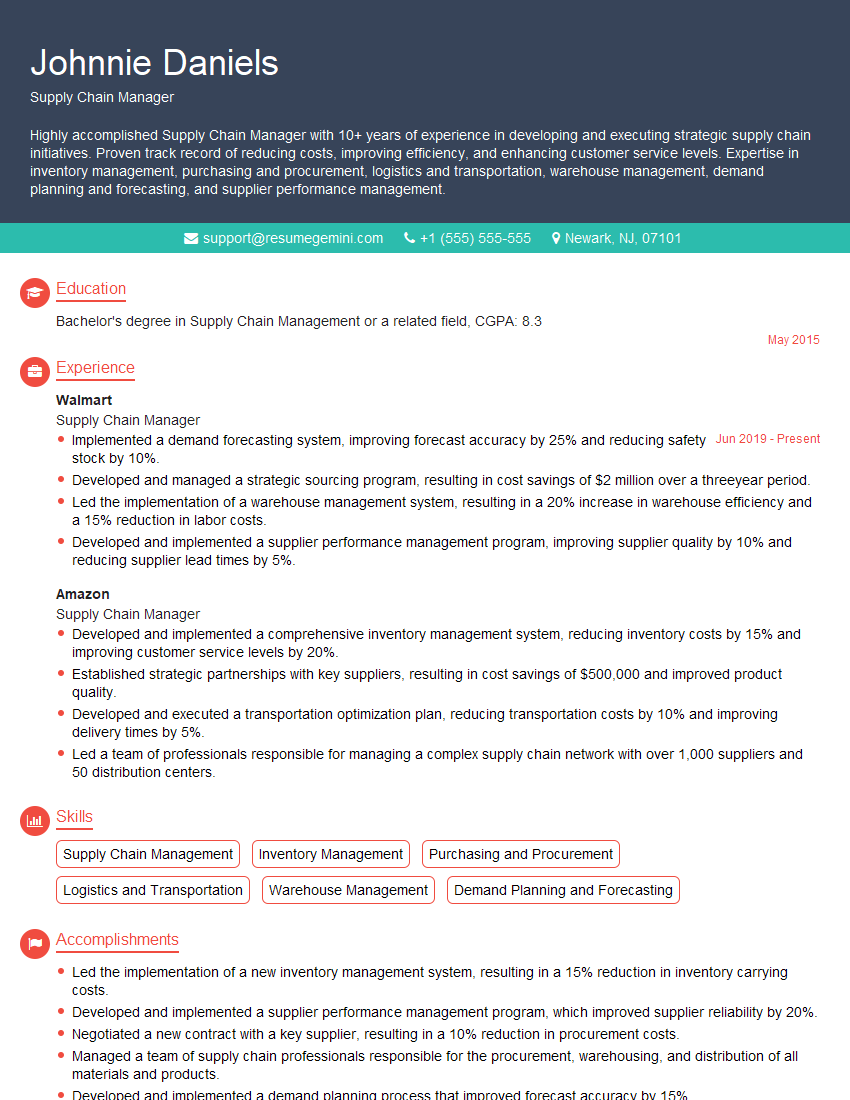
Supply Chain Manager Resume Sample
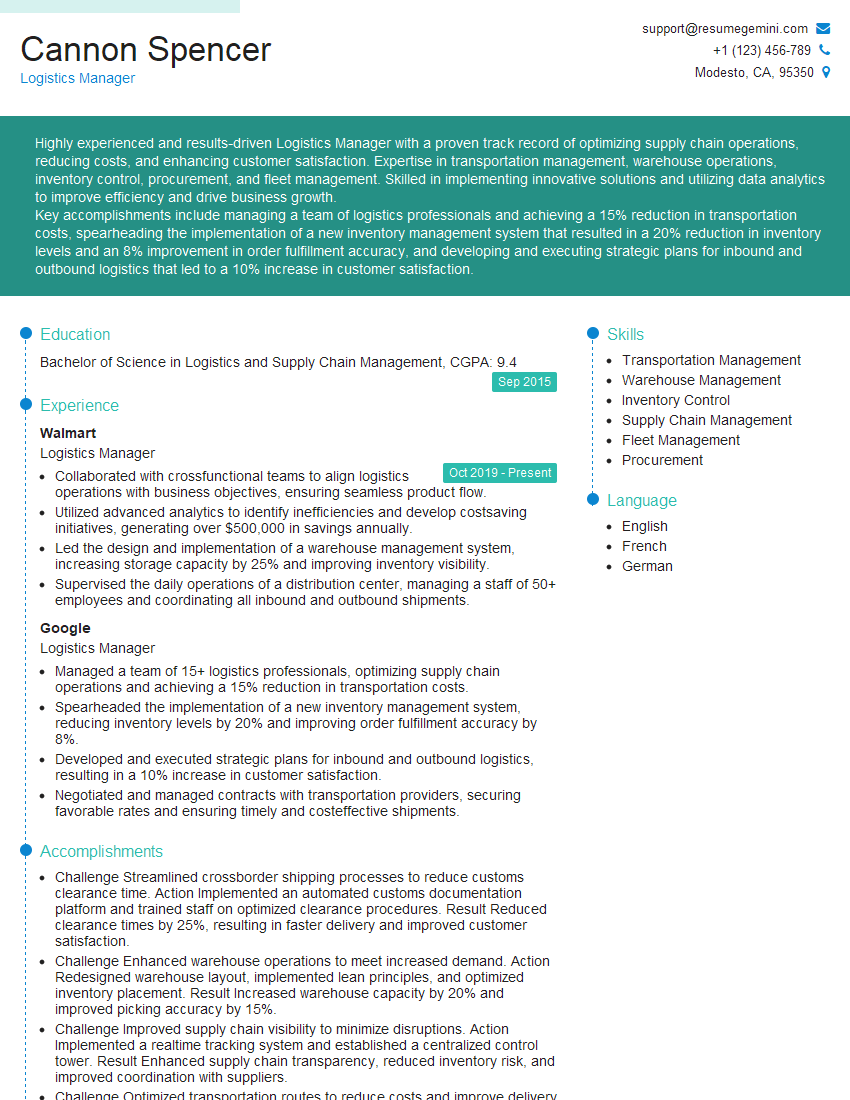
Logistics Manager Resume Sample
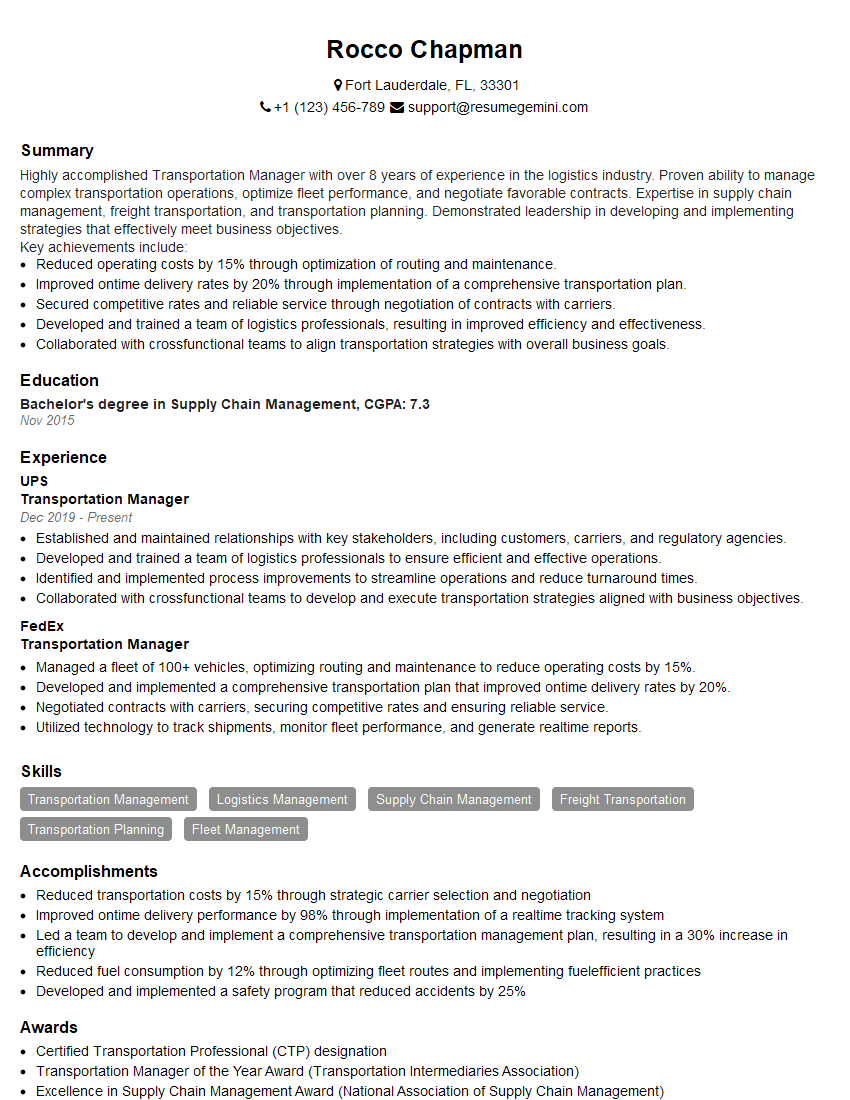
Transportation Manager Resume Sample
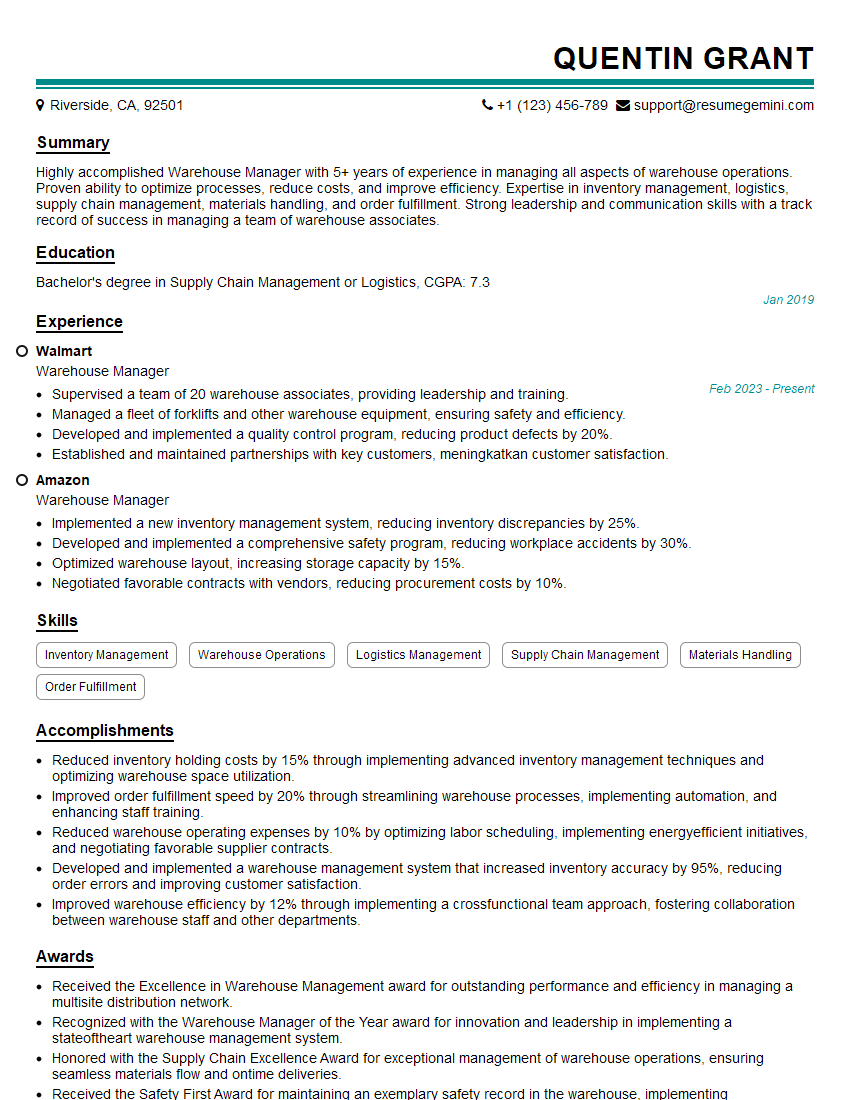
Warehouse Manager Resume Sample
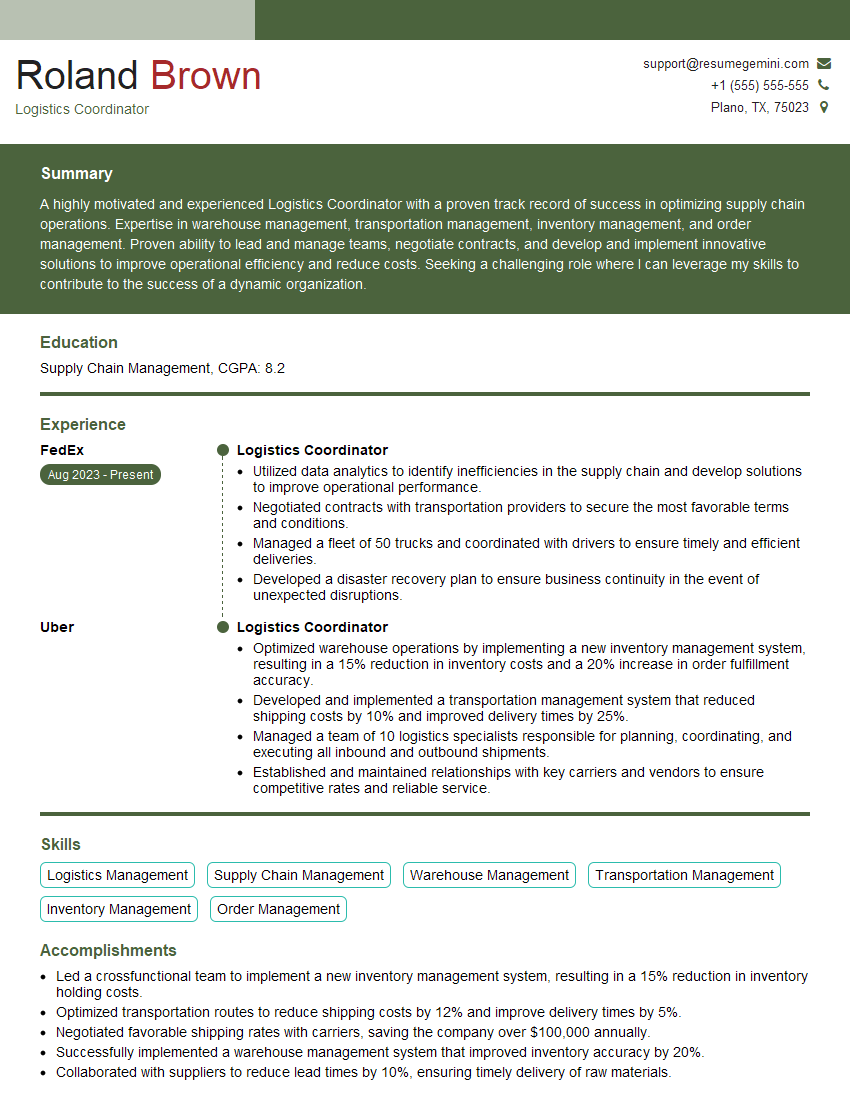
Logistics Coordinator Resume Sample
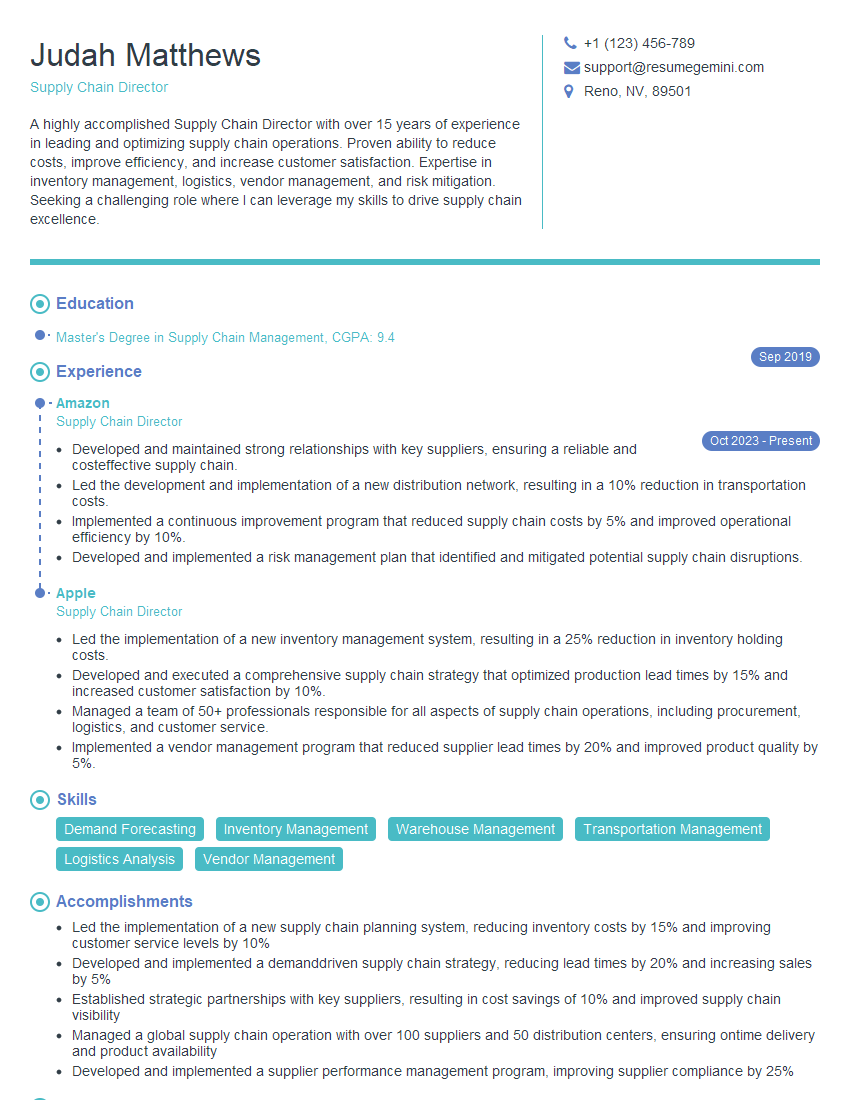
Supply Chain Director Resume Sample
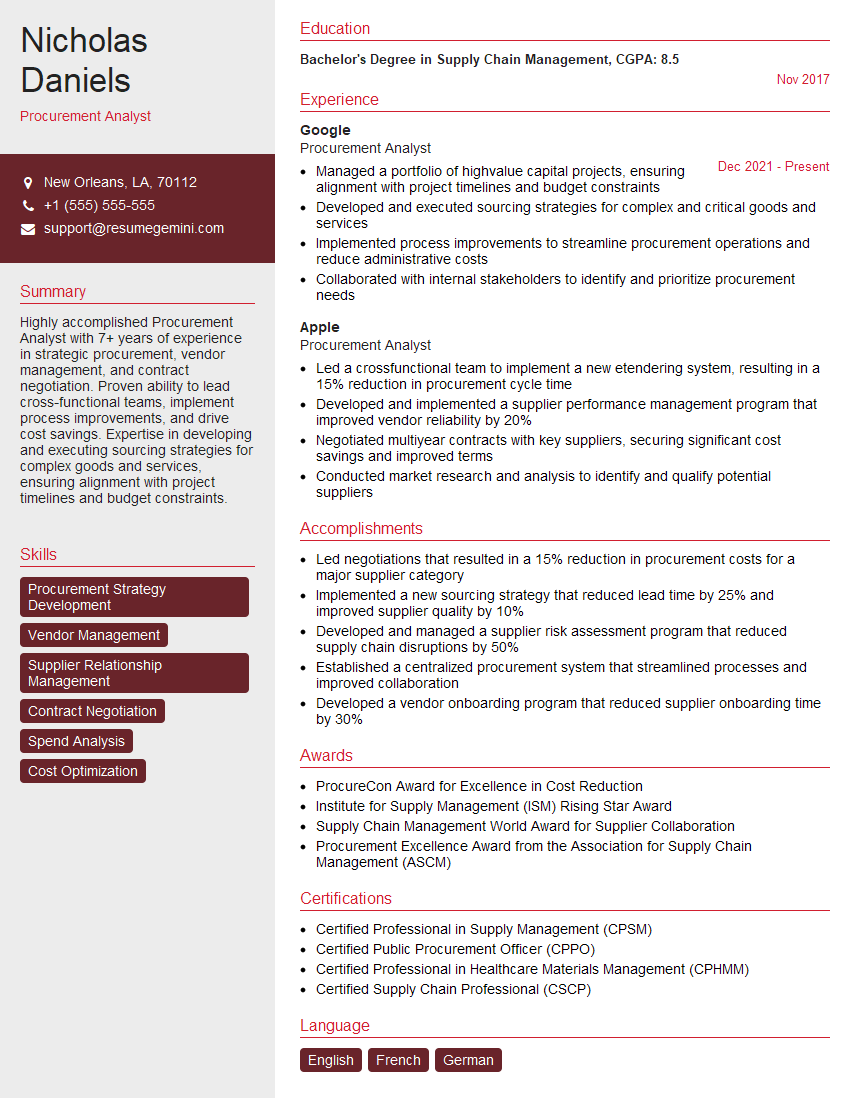
Procurement Analyst Resume Sample
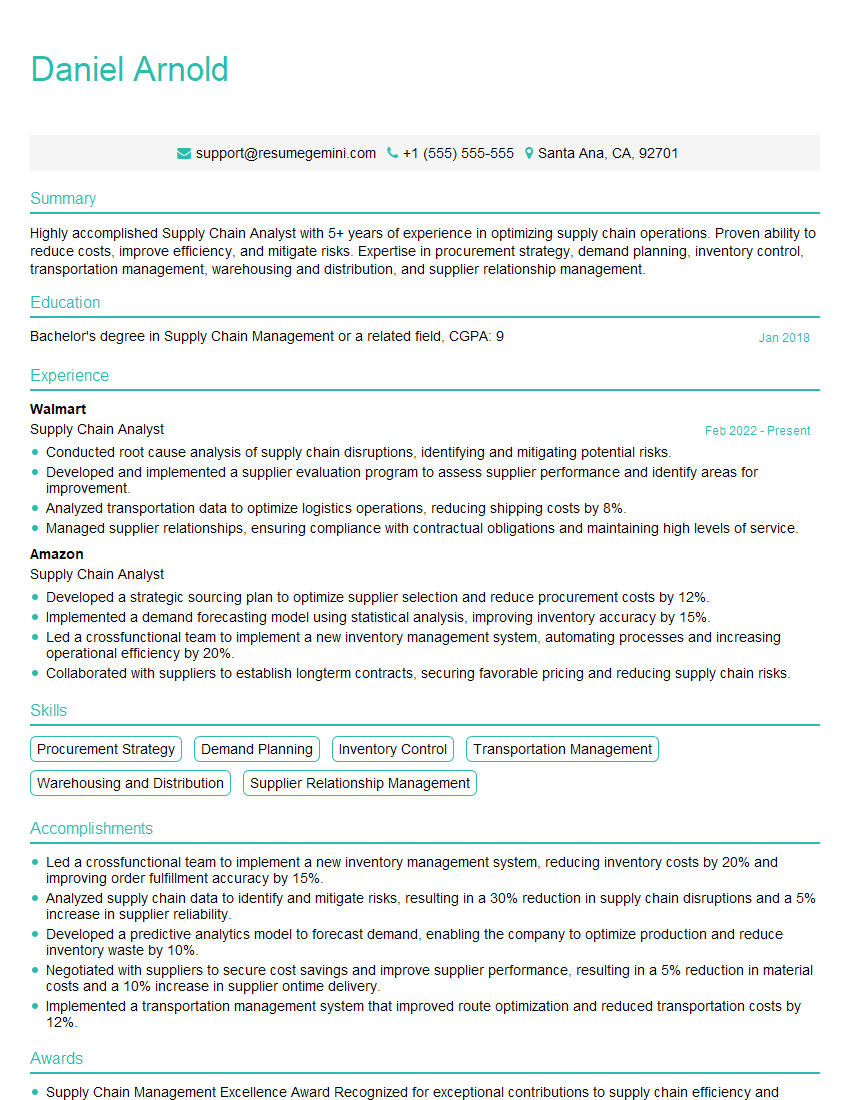
Supply Chain Analyst Resume Sample
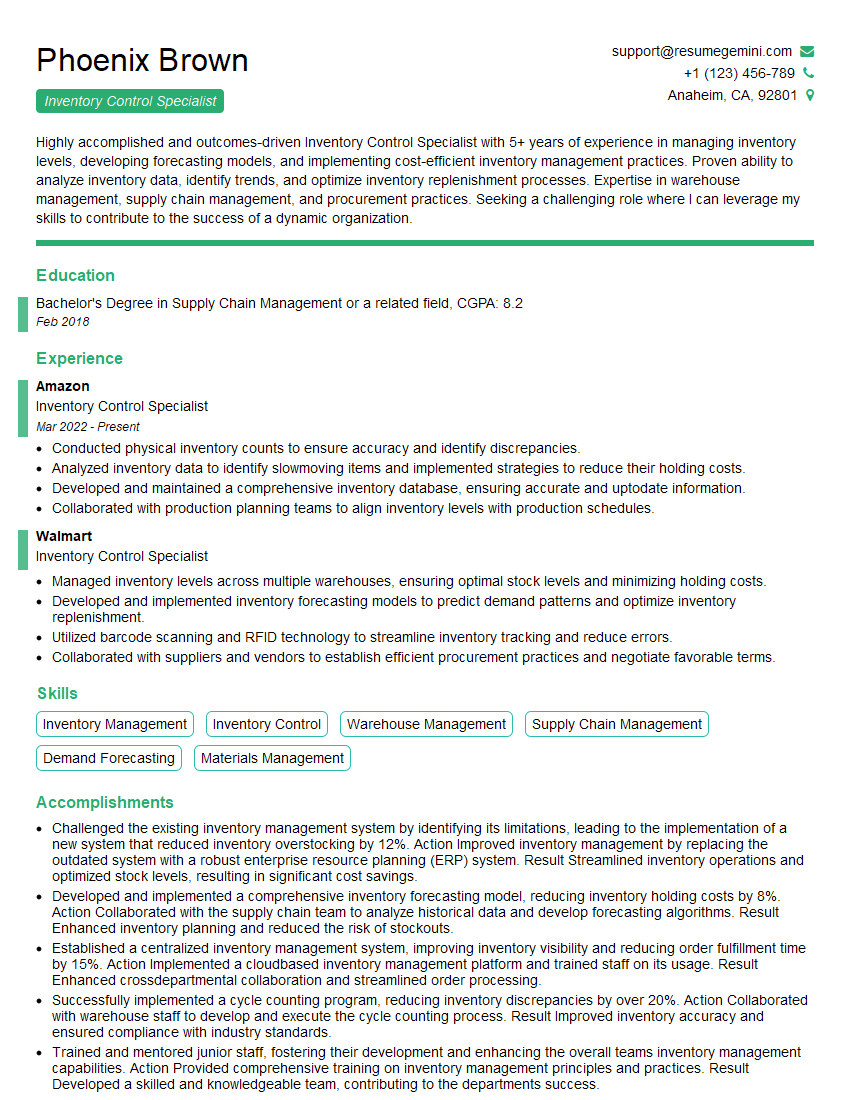
Inventory Control Specialist Resume Sample
Explore more articles
Users Rating of Our Blogs
Share Your Experience
We value your feedback! Please rate our content and share your thoughts (optional).
What Readers Say About Our Blog
Attention music lovers!
Wow, All the best Sax Summer music !!!
Spotify: https://open.spotify.com/artist/6ShcdIT7rPVVaFEpgZQbUk
Apple Music: https://music.apple.com/fr/artist/jimmy-sax-black/1530501936
YouTube: https://music.youtube.com/browse/VLOLAK5uy_noClmC7abM6YpZsnySxRqt3LoalPf88No
Other Platforms and Free Downloads : https://fanlink.tv/jimmysaxblack
on google : https://www.google.com/search?q=22+AND+22+AND+22
on ChatGPT : https://chat.openai.com?q=who20jlJimmy20Black20Sax20Producer
Get back into the groove with Jimmy sax Black
Best regards,
Jimmy sax Black
www.jimmysaxblack.com
Hi I am a troller at The aquatic interview center and I suddenly went so fast in Roblox and it was gone when I reset.
Hi,
Business owners spend hours every week worrying about their website—or avoiding it because it feels overwhelming.
We’d like to take that off your plate:
$69/month. Everything handled.
Our team will:
Design a custom website—or completely overhaul your current one
Take care of hosting as an option
Handle edits and improvements—up to 60 minutes of work included every month
No setup fees, no annual commitments. Just a site that makes a strong first impression.
Find out if it’s right for you:
https://websolutionsgenius.com/awardwinningwebsites
Hello,
we currently offer a complimentary backlink and URL indexing test for search engine optimization professionals.
You can get complimentary indexing credits to test how link discovery works in practice.
No credit card is required and there is no recurring fee.
You can find details here:
https://wikipedia-backlinks.com/indexing/
Regards
NICE RESPONSE TO Q & A
hi
The aim of this message is regarding an unclaimed deposit of a deceased nationale that bears the same name as you. You are not relate to him as there are millions of people answering the names across around the world. But i will use my position to influence the release of the deposit to you for our mutual benefit.
Respond for full details and how to claim the deposit. This is 100% risk free. Send hello to my email id: [email protected]
Luka Chachibaialuka
Hey interviewgemini.com, just wanted to follow up on my last email.
We just launched Call the Monster, an parenting app that lets you summon friendly ‘monsters’ kids actually listen to.
We’re also running a giveaway for everyone who downloads the app. Since it’s brand new, there aren’t many users yet, which means you’ve got a much better chance of winning some great prizes.
You can check it out here: https://bit.ly/callamonsterapp
Or follow us on Instagram: https://www.instagram.com/callamonsterapp
Thanks,
Ryan
CEO – Call the Monster App
Hey interviewgemini.com, I saw your website and love your approach.
I just want this to look like spam email, but want to share something important to you. We just launched Call the Monster, a parenting app that lets you summon friendly ‘monsters’ kids actually listen to.
Parents are loving it for calming chaos before bedtime. Thought you might want to try it: https://bit.ly/callamonsterapp or just follow our fun monster lore on Instagram: https://www.instagram.com/callamonsterapp
Thanks,
Ryan
CEO – Call A Monster APP
To the interviewgemini.com Owner.
Dear interviewgemini.com Webmaster!
Hi interviewgemini.com Webmaster!
Dear interviewgemini.com Webmaster!
excellent
Hello,
We found issues with your domain’s email setup that may be sending your messages to spam or blocking them completely. InboxShield Mini shows you how to fix it in minutes — no tech skills required.
Scan your domain now for details: https://inboxshield-mini.com/
— Adam @ InboxShield Mini
Reply STOP to unsubscribe
Hi, are you owner of interviewgemini.com? What if I told you I could help you find extra time in your schedule, reconnect with leads you didn’t even realize you missed, and bring in more “I want to work with you” conversations, without increasing your ad spend or hiring a full-time employee?
All with a flexible, budget-friendly service that could easily pay for itself. Sounds good?
Would it be nice to jump on a quick 10-minute call so I can show you exactly how we make this work?
Best,
Hapei
Marketing Director
Hey, I know you’re the owner of interviewgemini.com. I’ll be quick.
Fundraising for your business is tough and time-consuming. We make it easier by guaranteeing two private investor meetings each month, for six months. No demos, no pitch events – just direct introductions to active investors matched to your startup.
If youR17;re raising, this could help you build real momentum. Want me to send more info?
Hi, I represent an SEO company that specialises in getting you AI citations and higher rankings on Google. I’d like to offer you a 100% free SEO audit for your website. Would you be interested?
Hi, I represent an SEO company that specialises in getting you AI citations and higher rankings on Google. I’d like to offer you a 100% free SEO audit for your website. Would you be interested?