Preparation is the key to success in any interview. In this post, we’ll explore crucial Seasonal Display Implementation interview questions and equip you with strategies to craft impactful answers. Whether you’re a beginner or a pro, these tips will elevate your preparation.
Questions Asked in Seasonal Display Implementation Interview
Q 1. Describe your experience with different types of seasonal display materials.
My experience encompasses a wide range of seasonal display materials, from traditional to cutting-edge. I’ve worked extensively with printed materials like banners, posters, and shelf talkers, optimizing their design for maximum impact based on the season and target audience. I’m also highly proficient with three-dimensional displays, including custom-built structures, inflatable decorations, and modular systems that allow for flexibility and reusability. Beyond physical materials, I have experience integrating digital elements such as interactive screens, QR codes linking to online promotions, and augmented reality experiences to enhance engagement and provide a more immersive shopping experience.
For example, during a recent Halloween campaign, we used a combination of spooky-themed cutouts, LED-lit pumpkins, and a large interactive screen displaying a creepy animated loop. This multi-sensory approach significantly boosted customer engagement compared to previous years’ solely print-based displays. Another example involved using sustainable and recyclable materials for an Earth Day campaign, aligning with the brand’s commitment to environmental responsibility and appealing to an eco-conscious consumer base.
Q 2. Explain your process for planning and implementing a seasonal display.
My process for planning and implementing a seasonal display is methodical and focuses on achieving maximum impact. It begins with a thorough understanding of the campaign objectives, the target audience, and the brand’s overall messaging. I then conduct thorough market research to identify current trends and competitor strategies.
- Concept Development: Brainstorming sessions, mood boards, and initial sketches are crucial in laying the foundation for the display’s visual theme and message.
- Design & Production: This phase involves creating detailed design layouts, selecting materials, sourcing vendors, and overseeing the production process. Careful consideration is given to the display’s placement, size, and visibility within the retail environment.
- Implementation & Installation: This involves coordinating with the retail space’s staff to ensure smooth installation and adherence to safety regulations. This often includes logistical planning, scheduling of installation crews, and managing potential conflicts with existing fixtures.
- Monitoring & Evaluation: Post-installation, I monitor the display’s performance through metrics such as sales data, customer feedback, and visual observations. This allows for adjustments and improvements in future campaigns.
For instance, during a Christmas display project, we carefully mapped out the placement of each element, ensuring clear sightlines to key promotional items. We also incorporated interactive elements like a photo booth to boost social media engagement.
Q 3. How do you ensure brand consistency across multiple seasonal displays?
Maintaining brand consistency across multiple seasonal displays is achieved through meticulous planning and the creation of a comprehensive brand style guide. This document dictates specific elements like color palettes, typography, logo usage, imagery styles, and even the overall tone of the messaging. It serves as the cornerstone for all design decisions across all displays, regardless of the specific season or location. This approach ensures a cohesive brand identity and customer experience.
For example, a leading coffee company might maintain its signature green color throughout all its holiday displays while integrating seasonal elements like snowmen or Christmas trees. This reinforces brand recognition while still capturing the spirit of the holiday season.
Q 4. What software or tools are you proficient in for designing and managing displays?
I’m proficient in a range of software and tools essential for designing and managing seasonal displays. My expertise includes Adobe Creative Suite (Photoshop, Illustrator, InDesign), which I use for creating design layouts, mockups, and marketing materials. I’m also experienced with SketchUp for 3D modeling and visualization, allowing me to design and plan complex displays effectively. Project management software like Asana or Monday.com helps me track tasks, manage timelines, and collaborate with team members. Additionally, I’m familiar with various CAD software packages for creating technical drawings for custom fixtures.
Q 5. Describe a time you had to overcome a challenge during a seasonal display implementation.
During a back-to-school campaign, a significant shipment of display materials was delayed due to unforeseen circumstances with the supplier. This threatened to derail the entire launch schedule, as the displays were critical to the campaign’s success. To overcome this, I immediately contacted alternative suppliers, exploring emergency options for similar materials. Simultaneously, I worked closely with the retail locations to re-prioritize their installation schedules and even implemented a temporary “placeholder” display to maintain visual appeal until the main materials arrived.
By proactively exploring alternative solutions and effectively communicating with all stakeholders, we successfully mitigated the impact of the delay and minimized disruptions to the campaign. We eventually received the shipment and were able to complete the installations according to the revised schedule, resulting in only minimal delays to the overall campaign launch.
Q 6. How do you prioritize tasks when managing multiple seasonal display projects?
When managing multiple seasonal display projects, effective prioritization is critical. I employ a system that combines project timelines, resource availability, and the potential impact of each project on overall sales goals. I use a combination of project management tools and a personal prioritization matrix to rank projects based on urgency and importance, assigning resources accordingly. Projects with the most significant impact on revenue or brand awareness receive higher priority.
For instance, if I have projects for Christmas, Thanksgiving, and Black Friday, I’d prioritize the Black Friday project due to its short timeline and direct impact on immediate sales. The Christmas project, though longer-term, may have an even bigger impact on overall revenue, making it a high priority after Black Friday. By leveraging a matrix approach, I can dynamically allocate resources to balance the various deadlines and their overall impact.
Q 7. How familiar are you with different retail display fixture types?
My familiarity with retail display fixture types is comprehensive. I understand the nuances of various fixture types, their capabilities, and their suitability for different product categories and retail environments. This includes everything from gondolas and wall shelves to freestanding displays, kiosks, and even custom-designed fixtures.
I understand the differences between open and closed displays, considering the impact of visibility, accessibility, and security. I’m also experienced with various materials used in fixture construction, such as wood, metal, acrylic, and cardboard, and I understand the considerations for material selection with regards to durability, cost, and aesthetics. Choosing the right fixtures is crucial for maximizing product visibility and driving sales.
Q 8. How do you measure the success of a seasonal display?
Measuring the success of a seasonal display isn’t solely about aesthetics; it’s about quantifiable results. We use a multi-faceted approach, combining qualitative and quantitative data.
Sales Data: This is the most crucial metric. We track sales figures for products featured in the display, comparing them to previous seasons or similar periods without the display. A significant increase indicates a successful display. For example, if a Halloween display boosted sales of related products by 25% compared to the previous year, it’s a clear success.
Customer Feedback: We gather customer feedback through surveys, online reviews, and in-store interactions. This provides valuable qualitative insights into customer perception of the display’s effectiveness and attractiveness. Positive comments about visual appeal or ease of product discovery are strong indicators of success.
Traffic Analysis: We monitor foot traffic in the areas surrounding the display using various methods, including video analytics or manual counts. An increase in dwell time near the display demonstrates its ability to attract and engage customers.
Inventory Management: Tracking how quickly products featured in the display sell out gives another layer of analysis. Rapid depletion indicates high demand and a successful strategy.
By combining these data points, we gain a comprehensive understanding of the display’s overall impact and identify areas for improvement in future seasons.
Q 9. Describe your experience with budgeting and cost management for seasonal displays.
Budgeting and cost management for seasonal displays require meticulous planning. My approach begins with a clear understanding of the overall marketing budget allocated to seasonal promotions. Then, I break down the costs into manageable categories:
Design and Production: This includes the cost of materials like props, signage, and lighting, as well as any design fees or outsourced production costs. For instance, custom-made Halloween props might be more expensive than using readily available decorations, but they could yield a stronger visual impact.
Installation and Maintenance: Labor costs for assembling and maintaining the display must be factored in, considering factors like staff time, potential overtime, and any necessary repairs.
Marketing and Promotion: This includes costs associated with promoting the display itself, like in-store signage, online advertisements, or social media campaigns.
Inventory: Budgeting for the seasonal merchandise displayed is crucial. We carefully forecast sales to avoid overstocking and potential losses.
Throughout the process, I use project management software to track expenses against the budget, ensuring we stay on track. I also actively seek cost-effective solutions without compromising the quality or impact of the display. This might involve sourcing materials from multiple vendors, negotiating better pricing, or utilizing existing resources creatively.
Q 10. Explain your understanding of visual merchandising principles.
Visual merchandising principles are the foundation of effective seasonal displays. They aim to create an engaging and profitable shopping experience by thoughtfully presenting products. Key principles I integrate include:
Color Psychology: Using color strategically to evoke specific emotions and moods. For example, warm colors like oranges and reds are often used for autumn displays to create a feeling of warmth and coziness.
Space Planning: Optimizing the display’s layout to maximize product visibility and customer flow. This involves strategic placement of key items and creating clear pathways for shoppers.
Lighting: Using lighting to highlight key products, create ambiance, and guide customer attention. Proper lighting can dramatically enhance the visual appeal and impact of the display.
Storytelling: Creating a cohesive narrative or theme within the display to engage customers emotionally. A well-told story through visual elements can increase customer interest and time spent browsing.
Branding Consistency: Maintaining brand identity and ensuring the display aligns with the overall brand aesthetic. This ensures a cohesive and recognizable experience for customers.
By applying these principles, we create displays that not only look great but also effectively drive sales and enhance the customer experience.
Q 11. How do you incorporate current design trends into your seasonal displays?
Staying current with design trends is vital for creating engaging seasonal displays. I actively monitor various sources, including:
Industry Publications: Trade magazines and websites focused on retail design and visual merchandising provide insights into the latest trends and best practices.
Social Media: Platforms like Instagram, Pinterest, and TikTok are excellent resources for visual inspiration and identifying emerging trends. I follow relevant hashtags and accounts related to retail design, visual merchandising, and seasonal displays.
Competitor Analysis: Studying the displays of competitors helps identify successful approaches and potential areas for innovation. It’s important to analyze their successes but also identify opportunities to differentiate.
Trend Forecasting Reports: Many agencies publish trend reports that predict upcoming styles and themes in design and retail. These reports provide a forward-looking perspective.
Once I’ve identified relevant trends, I adapt them to our specific brand and the season’s theme, ensuring the display remains unique and impactful while resonating with current aesthetics.
Q 12. How do you manage deadlines and stay within project timelines?
Managing deadlines and staying within project timelines for seasonal displays requires a structured approach. I utilize project management methodologies like Agile or Kanban, breaking down the project into smaller, manageable tasks with clearly defined timelines and deliverables.
Detailed Project Plan: I create a comprehensive project plan outlining all tasks, responsible parties, deadlines, and resource allocation. This plan serves as our roadmap.
Regular Check-ins: I schedule regular meetings with the team to monitor progress, address potential challenges, and make necessary adjustments to the schedule. This proactive approach prevents delays.
Contingency Planning: I anticipate potential delays and build in buffer time for unforeseen circumstances. This helps mitigate the impact of unexpected issues.
Communication: Open and transparent communication is key. I keep all stakeholders informed of progress and any potential roadblocks.
By proactively managing the project and utilizing these strategies, we consistently deliver seasonal displays on time and within budget. For example, I’ve successfully launched several holiday displays during extremely busy periods by careful planning and effective team collaboration.
Q 13. Describe your experience working with cross-functional teams.
Collaborating with cross-functional teams is crucial for successful seasonal display implementation. My experience working with teams across marketing, merchandising, operations, and visual design has taught me the importance of clear communication, shared goals, and mutual respect.
Defined Roles and Responsibilities: I ensure each team member understands their role and responsibilities, minimizing confusion and overlap.
Regular Communication: I facilitate regular communication through meetings, email updates, and project management software to keep everyone informed and aligned.
Shared Goals: I emphasize the shared goal of creating a successful display, fostering a sense of teamwork and collaboration.
Conflict Resolution: I address conflicts proactively, mediating between team members to find mutually acceptable solutions.
For example, during the launch of a summer promotional display, I worked closely with the marketing team to coordinate in-store promotions and online advertising, ensuring a cohesive and impactful campaign. The result was an increase in sales and customer engagement.
Q 14. What is your approach to problem-solving in a high-pressure retail environment?
Problem-solving in a high-pressure retail environment requires a calm, structured approach. My strategy involves:
Identify the Problem: Clearly define the problem and gather all relevant information before attempting a solution. This ensures that we are addressing the root cause, not just the symptoms.
Brainstorm Solutions: Collaborate with the team to brainstorm potential solutions, considering various perspectives and approaches.
Evaluate Options: Assess the potential benefits and risks of each solution, considering factors such as time, cost, and impact.
Implement and Monitor: Implement the chosen solution, closely monitoring its effectiveness and making adjustments as needed. Flexibility is key in a dynamic environment.
For instance, if a critical element of a display was damaged just before the launch date, I would quickly assess the situation, explore alternative solutions such as temporary replacements or adjustments to the display design, and communicate the plan promptly to the team to minimize disruption. The focus would be on maintaining a positive customer experience while finding a workable solution.
Q 15. How do you adapt your display strategies for different target audiences?
Adapting display strategies for different target audiences is crucial for maximizing impact. I begin by thoroughly understanding the demographics, psychographics, and purchasing behaviors of each audience segment. For example, a youthful, trendy audience might respond best to vibrant colors, bold graphics, and interactive elements, while a more mature, sophisticated audience might appreciate a more elegant and understated design.
- Example: For a back-to-school display targeting teenagers, I’d incorporate bright colors, popular music, and maybe even social media integration to encourage engagement. For a holiday display targeting families, the focus would shift to heartwarming imagery, family-oriented themes, and perhaps interactive elements like photo opportunities.
- Example: A luxury brand’s seasonal display would need to reflect sophistication through high-quality materials, minimalist design, and subtle color palettes, whereas a budget-friendly retailer might use brighter colors, more playful designs, and readily apparent price points.
This targeted approach ensures the display resonates with each audience, driving engagement and sales.
Career Expert Tips:
- Ace those interviews! Prepare effectively by reviewing the Top 50 Most Common Interview Questions on ResumeGemini.
- Navigate your job search with confidence! Explore a wide range of Career Tips on ResumeGemini. Learn about common challenges and recommendations to overcome them.
- Craft the perfect resume! Master the Art of Resume Writing with ResumeGemini’s guide. Showcase your unique qualifications and achievements effectively.
- Don’t miss out on holiday savings! Build your dream resume with ResumeGemini’s ATS optimized templates.
Q 16. How do you maintain the visual appeal of seasonal displays throughout their lifecycle?
Maintaining visual appeal throughout a display’s lifecycle requires a proactive and multi-faceted approach. It’s not enough to simply install and forget. Regular maintenance is key.
- Regular Cleaning: Dust, smudges, and minor damage accumulate quickly. Daily or weekly cleaning, depending on the environment, ensures the display remains pristine.
- Prompt Repair: Addressing minor damage (e.g., loose decorations, damaged lighting) immediately prevents it from escalating into a bigger problem. I always have a small repair kit on hand.
- Strategic Re-stocking: As items sell or become damaged, replenishing stock and replacing items keeps the display looking full and attractive. This should be a scheduled task, not an afterthought.
- Light Management: Over time, lights can dim or burn out. Regular checks and replacements are crucial, especially for displays featuring fragile items or those relying on mood lighting.
- Seasonal Adjustments: As the season progresses, subtle adjustments to the display (e.g., rotating items, shifting arrangements) can maintain freshness and prevent visual fatigue.
Think of it like tending a garden; regular care ensures it remains vibrant and beautiful.
Q 17. Describe your experience with display maintenance and upkeep.
My experience with display maintenance and upkeep is extensive. I’ve managed everything from small, boutique displays to large-scale installations in shopping malls and department stores.
For example, during a recent holiday display installation at a large retail store, we encountered several challenges, including unexpectedly high foot traffic that led to wear and tear on some decorations. My team and I implemented a daily inspection and repair schedule, addressing minor damage (like replacing broken ornaments or repositioning fallen items) immediately. This prevented the issues from becoming significant and ensured the display maintained its visual appeal throughout the holiday season.
I’m adept at troubleshooting various problems, from fixing faulty lighting to replacing damaged props. I also train my team in proper maintenance procedures, ensuring the displays remain in top condition.
Q 18. What strategies do you employ to ensure the safety of display installations?
Safety is paramount in display installations. My strategies focus on proactive risk mitigation and adherence to best practices.
- Proper Installation Techniques: Using appropriate anchoring methods, sturdy materials, and safe lifting techniques minimizes the risk of falls or collapses. I always adhere to manufacturer’s guidelines and relevant building codes.
- Risk Assessments: Before each installation, I conduct thorough risk assessments to identify potential hazards, such as electrical risks, trip hazards, and potential for items to fall. This allows us to implement preventative measures.
- Emergency Procedures: Clear emergency procedures, including contact information for emergency services and evacuation plans, are communicated to all team members.
- Regular Inspections: Ongoing inspections during and after installation identify potential issues early, before they escalate into safety concerns.
- Employee Training: All team members receive thorough training in safe work practices, including proper lifting techniques, use of safety equipment, and emergency procedures.
Safety isn’t just a guideline; it’s a core value that guides every decision.
Q 19. How familiar are you with relevant health and safety regulations for display implementation?
I am extremely familiar with relevant health and safety regulations for display implementation. This includes OSHA guidelines (in the US), local building codes, and fire safety regulations. I understand the importance of following regulations related to electrical safety, weight limits, fire prevention, and accessibility.
For instance, I ensure all electrical installations are compliant with relevant codes, using certified electricians where needed, and all displays meet accessibility standards, ensuring ease of access for people with disabilities. I also maintain meticulous documentation of all safety measures taken during the display planning and implementation process.
Q 20. Explain your approach to communicating display plans to stakeholders.
Communicating display plans effectively to stakeholders requires a clear, concise, and visual approach. I use a multi-pronged strategy:
- Detailed Proposals: My proposals include visual mockups, detailed cost breakdowns, timelines, and risk assessments. This provides stakeholders with a comprehensive overview of the project.
- Regular Meetings: Throughout the process, regular meetings keep stakeholders informed and allow for feedback. I ensure these meetings are well-structured and include opportunities for Q&A.
- Visual Presentations: I utilize presentations and visual aids to clearly communicate design concepts, materials, and overall aesthetic. This visual approach makes the plans easily digestible.
- Open Communication: I foster open communication channels, allowing stakeholders to easily raise concerns or ask questions. I promptly address any concerns and provide updates as needed.
Ultimately, successful communication ensures alignment and avoids costly misunderstandings.
Q 21. How do you handle unexpected problems or delays during a display installation?
Unexpected problems and delays are inevitable in any project. My approach focuses on proactive problem-solving and effective communication.
- Contingency Planning: My plans incorporate contingency plans to address potential challenges, such as material shortages or unforeseen technical difficulties. This allows for swift adaptation to changing circumstances.
- Problem Identification and Analysis: When a problem arises, I systematically identify the root cause, assess its impact, and develop solutions.
- Resource Management: I leverage available resources—including my team, suppliers, and relevant stakeholders—to find the most efficient solution.
- Transparent Communication: I maintain transparent communication with stakeholders throughout the process, keeping them informed of any delays or changes to the plan.
- Risk Re-evaluation: Following the resolution of an unexpected issue, a reassessment of potential future risks is carried out, ensuring better preparedness in future projects.
My goal is to minimize disruption and ensure the project is completed successfully, even in the face of unexpected setbacks.
Q 22. Describe a time you had to adjust a display plan due to unforeseen circumstances.
One time, we were preparing a major fall display centered around a harvest theme. We’d secured a large shipment of pumpkins for a centerpiece, but a sudden, unexpected early frost destroyed a significant portion of the crop just days before the launch date. This was a major setback, as the pumpkins were integral to the display’s visual appeal and messaging.
To adapt, we immediately initiated a contingency plan. This involved:
- Alternative Sourcing: We contacted several local farms and nurseries, securing a smaller, but sufficient, supply of higher-quality pumpkins at a premium cost.
- Design Adjustment: We subtly modified the design to feature the smaller pumpkin supply more prominently, emphasizing their quality and uniqueness. We also incorporated additional fall foliage and other elements to compensate for the reduced number of pumpkins.
- Communication: We internally adjusted timelines, ensuring our team understood the changes and worked collaboratively to meet the deadline. We also proactively prepared a brief explanation to share with customers who might notice the altered display, highlighting the exceptional quality of the remaining pumpkins.
Despite the initial challenge, the revised display was well-received, proving that flexibility and quick thinking are vital in managing unforeseen circumstances. We learned a valuable lesson about the importance of having backup plans and adaptable design principles.
Q 23. What are your preferred methods for gathering feedback on seasonal displays?
Gathering feedback is crucial for refining seasonal display strategies. My preferred methods incorporate a mix of quantitative and qualitative data points. I utilize:
- Customer Surveys: Short, targeted surveys placed near the display or online, focusing on specific aspects like visual appeal, product placement, and overall experience. These provide quantifiable data on customer preferences. For example, a question like “On a scale of 1-5, how appealing did you find the seasonal display?” can offer a numerical score.
- In-Store Observations: Direct observation of customer interactions with the displays provides valuable insights into their behavior. Do customers linger near certain products? Do they touch or interact with the display elements? These observations are invaluable in understanding how effective the display’s layout is.
- Focus Groups: Smaller, moderated discussions with a selected group of customers to gather more detailed opinions and suggestions. This allows for a deeper understanding of their perceptions and preferences.
- Social Media Monitoring: Analyzing comments and reviews on social media platforms regarding the displays helps gauge public sentiment and identify potential issues or areas for improvement. Hashtags related to the store and the season can help organize this feedback.
By combining these methods, I obtain a comprehensive view of customer perceptions, allowing for well-informed adjustments and improvements to future displays.
Q 24. How do you incorporate customer insights into your seasonal display designs?
Customer insights are the backbone of successful seasonal display design. I incorporate this feedback in several key ways:
- Product Placement: Data from surveys and observations can inform the placement of products within the display. For instance, if a survey shows that customers are most interested in a specific item, it gets prime placement.
- Color Palette and Theme: Analyzing customer feedback on previous displays helps refine color schemes and thematic choices. If a particular color scheme was very popular, it might be incorporated in future designs.
- Display Design Elements: Customer preferences regarding display elements (e.g., lighting, props, signage) directly influence future designs. If a certain prop was particularly engaging, it might be utilized or adapted for future seasons.
- Messaging and Storytelling: Customer feedback can refine the storytelling aspect of a display. Understanding what resonates with customers helps tailor the display’s narrative and messaging to maximize impact.
For example, if customer surveys show a preference for natural and sustainable materials in holiday displays, the next iteration of holiday displays would incorporate more eco-friendly materials, such as recycled cardboard or sustainably sourced wood.
Q 25. What metrics do you use to track the effectiveness of seasonal displays?
Tracking the effectiveness of seasonal displays requires a multi-faceted approach using key metrics. I typically monitor:
- Sales Data: This is the most direct indicator of success. Tracking sales of specific products featured in the display helps determine its effectiveness in driving purchases.
- Foot Traffic: Analyzing foot traffic in the areas surrounding the display reveals its ability to draw customers. This data can come from store cameras or sensors placed strategically.
- Conversion Rates: Measuring the percentage of customers who view the display and then make a purchase provides insight into its persuasive power.
- Customer Engagement Metrics: This includes metrics like time spent near the display, social media engagement (likes, shares, comments) related to the display, and the number of survey responses received.
By analyzing these metrics together, I gain a holistic understanding of the display’s performance, enabling data-driven improvements for future seasons.
Q 26. How would you approach creating a seasonal display with a limited budget?
Creating a visually appealing and effective seasonal display with a limited budget requires creativity and resourcefulness. Here’s my approach:
- Repurposing Existing Materials: Using existing store props, furniture, or packaging materials in creative ways can significantly reduce costs. For instance, repurposed wooden crates can serve as display platforms.
- DIY Elements: Creating some display components in-house, such as signage or simple props, using readily available materials can minimize expenses. Handmade decorations made with affordable craft supplies can add unique character.
- Strategic Partnerships: Collaborating with local artists or community groups might yield opportunities for cost-effective or even donated display elements. This adds a local and unique touch to the display.
- Focus on a Simple, Impactful Design: Concentrate on a streamlined design with a few impactful elements rather than a large, complex display. Simplicity can be more effective and less expensive.
- Strategic Lighting: Effective lighting can enhance a display’s impact without breaking the bank. Clever use of existing lights or inexpensive LED strips can create a significant visual difference.
By focusing on creative solutions and leveraging existing resources, it’s entirely possible to create a compelling seasonal display without exceeding the budget.
Q 27. Describe your experience with sustainable and eco-friendly display materials.
Sustainability is increasingly crucial in display design. I have significant experience incorporating eco-friendly materials and practices. This includes:
- Recycled Materials: Utilizing recycled cardboard, wood, or plastic for display construction is a priority. This reduces waste and environmental impact.
- Biodegradable and Compostable Materials: Employing materials like bamboo, sustainably harvested wood, or compostable fabrics reduces reliance on non-renewable resources.
- Sustainable Sourcing: Prioritizing suppliers who adhere to sustainable forestry practices and responsible manufacturing ensures that the display’s environmental footprint is minimized. Look for certifications like FSC (Forest Stewardship Council).
- Reusable Displays: Designing displays with modular components that can be reused across multiple seasons reduces material waste and production costs.
- Energy-Efficient Lighting: Using LED lighting reduces energy consumption significantly, minimizing the display’s carbon footprint.
Moreover, I actively promote the responsible disposal or recycling of display materials at the end of their lifespan, ensuring that their environmental impact is minimized. We work to create displays that showcase products while aligning with a commitment to environmental stewardship.
Q 28. How do you ensure the displays are accessible to customers with disabilities?
Accessibility is paramount. Ensuring displays are inclusive for all customers, including those with disabilities, is non-negotiable. My approach incorporates:
- Clear Signage: Using large, clear fonts and high contrast colors on signage makes information easily readable for people with visual impairments.
- Accessible Pathways: Maintaining ample space and clear pathways around displays ensures easy navigation for people using wheelchairs or other mobility aids.
- Tactile Elements: Incorporating tactile elements like textured materials or braille labels can enhance the experience for visually impaired customers.
- Audio Descriptions: For certain displays, audio descriptions could be provided for visually impaired customers. This is less common but worth considering for complex or highly visual presentations.
- Compliance with ADA Standards: Ensuring the display complies with the Americans with Disabilities Act (ADA) guidelines is critical. This ensures the display is accessible to a wider range of customers. This includes the correct height and placement of information.
By implementing these guidelines, we ensure that every customer has an equally engaging and enjoyable experience when interacting with our seasonal displays.
Key Topics to Learn for Seasonal Display Implementation Interview
- Visual Merchandising Principles: Understanding the theory behind effective visual displays, including color theory, space planning, and creating compelling visual narratives.
- Product Knowledge & Presentation: Demonstrating a deep understanding of the products being displayed and how to showcase their key features and benefits through effective placement and presentation techniques. This includes practical experience with various display types (e.g., shelving, mannequins, window displays).
- Planning & Execution: Detailing your experience with the planning stages of display implementation, from initial concept to final installation. This includes understanding project timelines, budgets, and resource allocation.
- Teamwork & Collaboration: Highlighting your ability to work effectively with a team, including visual merchandisers, store staff, and potentially external vendors, to achieve a cohesive and impactful display.
- Problem-Solving & Adaptability: Describing your approach to resolving unexpected challenges during implementation, such as product shortages, logistical issues, or last-minute changes in display plans. Showcase your flexibility and resourcefulness.
- Safety & Compliance: Demonstrating knowledge of safety regulations and procedures related to display installation and maintenance, including proper handling of materials and equipment.
- Measurement & Analysis: Explaining how you would track the success of a seasonal display, such as sales data analysis and customer feedback collection. This showcases your understanding of ROI and continuous improvement.
Next Steps
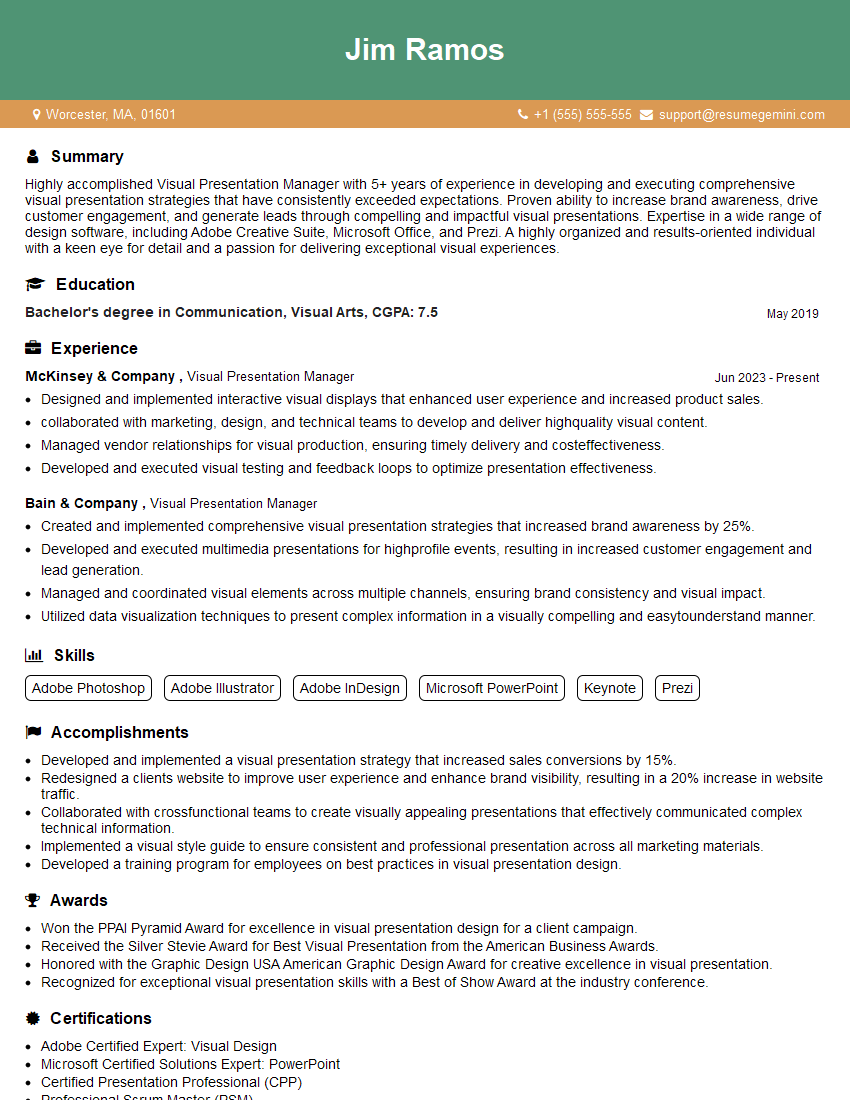
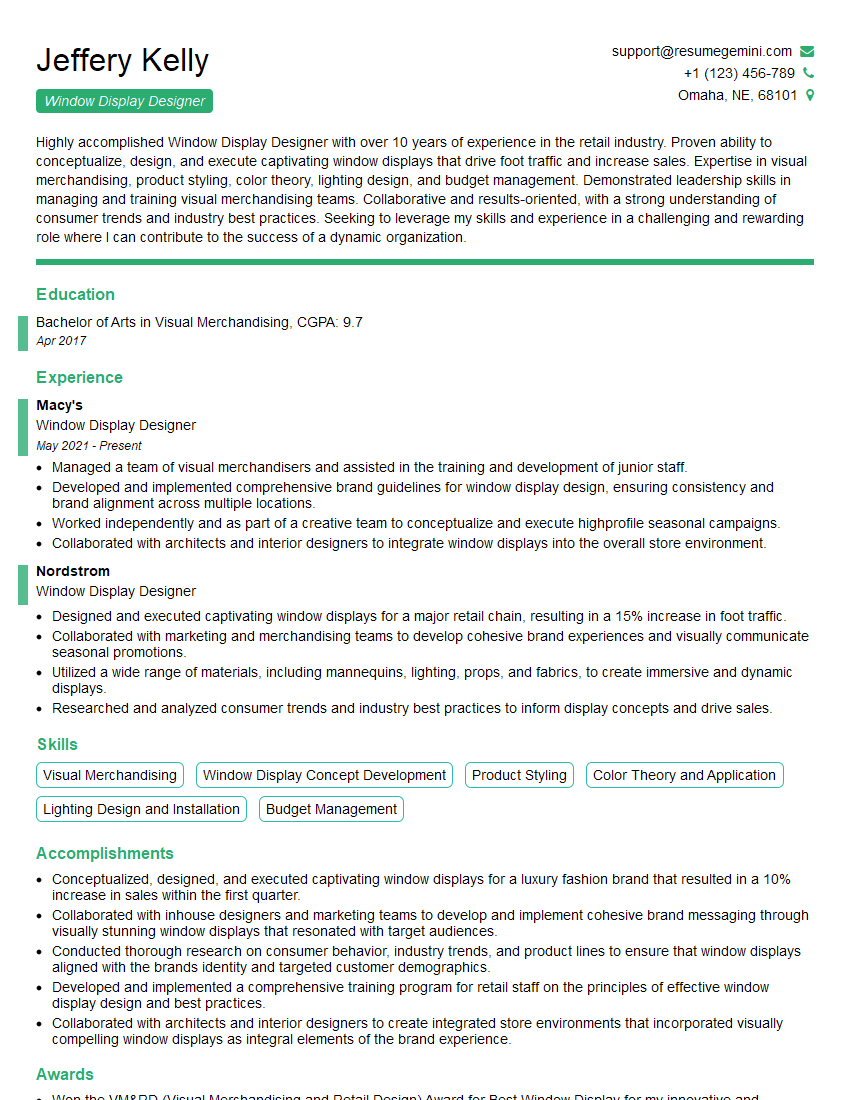
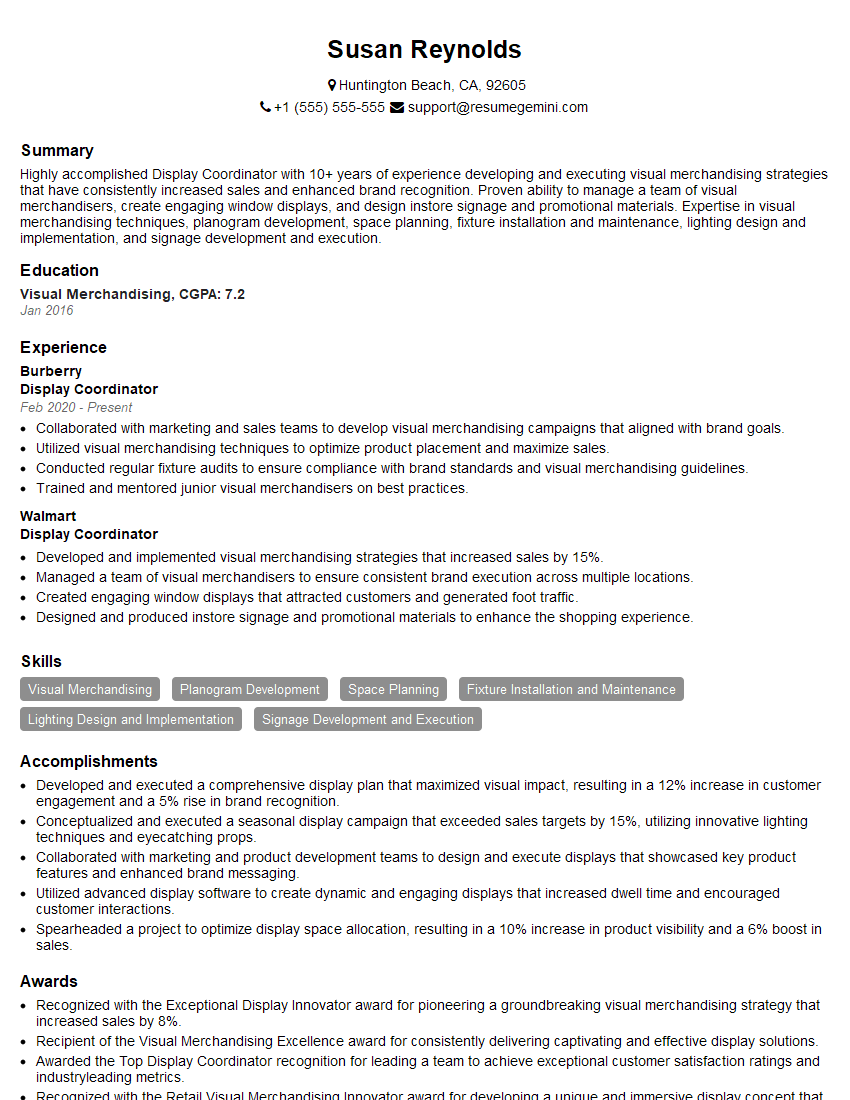
Mastering Seasonal Display Implementation opens doors to exciting career opportunities in visual merchandising, retail management, and event planning. A strong understanding of these principles is highly valued by employers. To significantly boost your job prospects, create an ATS-friendly resume that effectively showcases your skills and experience. ResumeGemini is a trusted resource to help you build a professional and impactful resume. We offer examples of resumes tailored specifically to Seasonal Display Implementation to guide you. Invest time in crafting a compelling resume – it’s your first impression!
Explore more articles
Users Rating of Our Blogs
Share Your Experience
We value your feedback! Please rate our content and share your thoughts (optional).
What Readers Say About Our Blog
Attention music lovers!
Wow, All the best Sax Summer music !!!
Spotify: https://open.spotify.com/artist/6ShcdIT7rPVVaFEpgZQbUk
Apple Music: https://music.apple.com/fr/artist/jimmy-sax-black/1530501936
YouTube: https://music.youtube.com/browse/VLOLAK5uy_noClmC7abM6YpZsnySxRqt3LoalPf88No
Other Platforms and Free Downloads : https://fanlink.tv/jimmysaxblack
on google : https://www.google.com/search?q=22+AND+22+AND+22
on ChatGPT : https://chat.openai.com?q=who20jlJimmy20Black20Sax20Producer
Get back into the groove with Jimmy sax Black
Best regards,
Jimmy sax Black
www.jimmysaxblack.com
Hi I am a troller at The aquatic interview center and I suddenly went so fast in Roblox and it was gone when I reset.
Hi,
Business owners spend hours every week worrying about their website—or avoiding it because it feels overwhelming.
We’d like to take that off your plate:
$69/month. Everything handled.
Our team will:
Design a custom website—or completely overhaul your current one
Take care of hosting as an option
Handle edits and improvements—up to 60 minutes of work included every month
No setup fees, no annual commitments. Just a site that makes a strong first impression.
Find out if it’s right for you:
https://websolutionsgenius.com/awardwinningwebsites
Hello,
we currently offer a complimentary backlink and URL indexing test for search engine optimization professionals.
You can get complimentary indexing credits to test how link discovery works in practice.
No credit card is required and there is no recurring fee.
You can find details here:
https://wikipedia-backlinks.com/indexing/
Regards
NICE RESPONSE TO Q & A
hi
The aim of this message is regarding an unclaimed deposit of a deceased nationale that bears the same name as you. You are not relate to him as there are millions of people answering the names across around the world. But i will use my position to influence the release of the deposit to you for our mutual benefit.
Respond for full details and how to claim the deposit. This is 100% risk free. Send hello to my email id: lukachachibaialuka@gmail.com
Luka Chachibaialuka
Hey interviewgemini.com, just wanted to follow up on my last email.
We just launched Call the Monster, an parenting app that lets you summon friendly ‘monsters’ kids actually listen to.
We’re also running a giveaway for everyone who downloads the app. Since it’s brand new, there aren’t many users yet, which means you’ve got a much better chance of winning some great prizes.
You can check it out here: https://bit.ly/callamonsterapp
Or follow us on Instagram: https://www.instagram.com/callamonsterapp
Thanks,
Ryan
CEO – Call the Monster App
Hey interviewgemini.com, I saw your website and love your approach.
I just want this to look like spam email, but want to share something important to you. We just launched Call the Monster, a parenting app that lets you summon friendly ‘monsters’ kids actually listen to.
Parents are loving it for calming chaos before bedtime. Thought you might want to try it: https://bit.ly/callamonsterapp or just follow our fun monster lore on Instagram: https://www.instagram.com/callamonsterapp
Thanks,
Ryan
CEO – Call A Monster APP
To the interviewgemini.com Owner.
Dear interviewgemini.com Webmaster!
Hi interviewgemini.com Webmaster!
Dear interviewgemini.com Webmaster!
excellent
Hello,
We found issues with your domain’s email setup that may be sending your messages to spam or blocking them completely. InboxShield Mini shows you how to fix it in minutes — no tech skills required.
Scan your domain now for details: https://inboxshield-mini.com/
— Adam @ InboxShield Mini
support@inboxshield-mini.com
Reply STOP to unsubscribe
Hi, are you owner of interviewgemini.com? What if I told you I could help you find extra time in your schedule, reconnect with leads you didn’t even realize you missed, and bring in more “I want to work with you” conversations, without increasing your ad spend or hiring a full-time employee?
All with a flexible, budget-friendly service that could easily pay for itself. Sounds good?
Would it be nice to jump on a quick 10-minute call so I can show you exactly how we make this work?
Best,
Hapei
Marketing Director
Hey, I know you’re the owner of interviewgemini.com. I’ll be quick.
Fundraising for your business is tough and time-consuming. We make it easier by guaranteeing two private investor meetings each month, for six months. No demos, no pitch events – just direct introductions to active investors matched to your startup.
If youR17;re raising, this could help you build real momentum. Want me to send more info?
Hi, I represent an SEO company that specialises in getting you AI citations and higher rankings on Google. I’d like to offer you a 100% free SEO audit for your website. Would you be interested?
Hi, I represent an SEO company that specialises in getting you AI citations and higher rankings on Google. I’d like to offer you a 100% free SEO audit for your website. Would you be interested?