Interviews are more than just a Q&A session—they’re a chance to prove your worth. This blog dives into essential Ship Inspection and Survey interview questions and expert tips to help you align your answers with what hiring managers are looking for. Start preparing to shine!
Questions Asked in Ship Inspection and Survey Interview
Q 1. Explain the different types of ship surveys.
Ship surveys are crucial for ensuring the seaworthiness and safety of vessels. They are categorized based on their purpose and scope. Common types include:
- Condition Surveys: These assess the overall condition of a ship, covering hull, machinery, equipment, and systems. They’re often conducted before purchase, sale, or major repairs. Think of it like a thorough health check for a ship.
- Docking Surveys: Performed before a vessel enters dry dock, these surveys identify necessary repairs and maintenance to be carried out during the docking period. This is like planning a car’s service appointment before taking it to the garage.
- Insurance Surveys: These evaluate the ship’s condition for insurance purposes, determining its value and risk profile. Similar to how your car is assessed by an insurance company.
- Annual Surveys: Required by classification societies and flag states, these are annual inspections to verify ongoing compliance with regulations and standards. This is like an annual MOT for your car, ensuring continued roadworthiness.
- Damage Surveys: Conducted after an incident like a collision or grounding, these investigate the extent of damage and determine the cause and liability. This is akin to a car accident investigation.
- Special Surveys: These more intensive surveys occur at intervals determined by the ship’s age and type, often focusing on key structural components. This can be compared to a more thorough, less frequent service.
The specific type of survey and its scope will depend on the vessel’s age, type, trading history, and the reason for the survey.
Q 2. Describe the process of conducting a hull inspection.
A hull inspection is a systematic examination of a ship’s underwater and above-water hull structure. It involves a detailed visual assessment, supplemented by non-destructive testing (NDT) where necessary. The process typically includes:
- Preparation: Gathering relevant documentation, such as drawings, previous survey reports, and maintenance records.
- External Examination: Inspecting the hull’s exterior for signs of corrosion, pitting, dents, scratches, fouling, and any other damage. This involves careful observation of the underwater hull during dry-docking or using underwater inspection equipment such as remotely operated vehicles (ROVs).
- Internal Examination: Accessing tanks, void spaces, and double bottoms to check for corrosion, structural weakness, and water ingress. This might involve entering confined spaces, necessitating safety precautions and proper PPE.
- Non-Destructive Testing (NDT): Employing techniques like ultrasonic testing (UT), magnetic particle inspection (MPI), or radiographic testing (RT) to detect internal flaws not visible during visual inspection. This step helps to identify hidden issues that could compromise structural integrity.
- Documentation and Reporting: Recording all findings, including photos and sketches, in a detailed report. The report will highlight any deficiencies, recommend necessary repairs, and may include an assessment of remaining structural life.
Experienced surveyors use their knowledge of shipbuilding and material science to interpret the findings and make informed judgments about the hull’s condition. I’ve personally encountered a situation where an initial visual inspection showed minor surface corrosion, but ultrasonic testing revealed significant internal pitting, highlighting the importance of NDT techniques.
Q 3. What are the key components of a pre-purchase survey?
A pre-purchase survey is a crucial step before buying a ship. Its aim is to provide a comprehensive assessment of the vessel’s condition and value, helping the buyer make an informed decision. Key components include:
- Hull and Structural Examination: A thorough inspection of the hull, decks, and superstructure, focusing on corrosion, structural damage, and overall condition, similar to the hull inspection described above.
- Machinery and Equipment Assessment: Checking the condition of the main and auxiliary engines, generators, pumps, and other vital equipment. This also includes assessing the maintenance history and performing functional tests.
- Systems Review: Examining the condition and functionality of various systems, including electrical, plumbing, fire-fighting, and navigation systems. This helps assess operational readiness.
- Cargo Handling Gear Inspection: Checking cranes, derricks, winches, and other cargo-handling equipment for wear and tear, damage, and proper functionality. Safety is paramount here.
- Documentation Review: Analyzing relevant documents, including the vessel’s classification certificates, maintenance logs, and repair history. This provides a historical perspective.
- Sea Trial: (Optional, but highly recommended) Assessing the vessel’s performance at sea, including speed, maneuverability, and engine efficiency. This helps verify the operational capabilities.
The pre-purchase survey report provides a comprehensive overview, highlighting any significant issues and offering an opinion on the vessel’s overall condition and fair market value. This report acts as a critical tool in negotiations and ensures informed decision-making by the buyer.
Q 4. How do you identify and assess structural damage on a vessel?
Identifying and assessing structural damage requires a combination of visual inspection and non-destructive testing (NDT). The process begins with a thorough visual survey to identify visible damage such as:
- Dents and Scratches: These can indicate impacts or collisions and may hide underlying damage.
- Corrosion: Pitting, rusting, and general corrosion reduce the structural strength of the metal. Different types of corrosion (e.g., pitting, crevice corrosion) need to be identified for correct assessment and repair strategy.
- Cracks: These can be fatigue cracks, stress cracks, or weld defects, and are indicators of serious structural weakening. Their length, depth, and orientation need careful consideration.
- Buckling or Deformation: Indicates excessive load or impact.
Following visual inspection, NDT is used to assess the extent of damage that might be hidden. Methods like ultrasonic testing (UT) can measure the thickness of the hull plating and detect internal flaws. Magnetic particle inspection (MPI) can reveal surface and near-surface cracks in ferromagnetic materials. Radiographic testing (RT) uses X-rays or gamma rays to detect internal defects. The results from NDT are crucial in determining the extent of repairs or potential structural weaknesses. A skilled surveyor can interpret the findings and make recommendations for repairs or replacements.
Q 5. What are the common causes of corrosion on ships and how can they be prevented?
Corrosion is a major concern for ships, leading to structural weakening and potential failure. Common causes include:
- Electrochemical Corrosion: This is the most common type, occurring due to the interaction of different metals in the presence of an electrolyte (seawater). Different metals have different electrochemical potentials, and a potential difference will drive the corrosion process.
- Oxygen Concentration Cells: Areas with limited oxygen access (e.g., under deposits or in crevices) corrode faster than oxygen-rich areas, creating concentration cells.
- Stray Current Corrosion: Electric currents from sources such as cathodic protection systems can cause corrosion if they stray onto a structure.
- Erosion Corrosion: The combined effect of corrosion and erosion from water flow.
- Cavitation: Formation and collapse of vapor bubbles near propellers or pumps can cause damage to the metal surface leading to pitting.
Prevention strategies involve:
- Protective Coatings: Applying high-quality paints and coatings to prevent contact with seawater.
- Cathodic Protection: Using sacrificial anodes or impressed current systems to protect the hull from corrosion.
- Regular Cleaning and Maintenance: Removing marine growth and deposits to prevent concentration cells.
- Material Selection: Choosing corrosion-resistant materials for critical components.
- Proper Design and Construction: Avoiding crevices and areas prone to water stagnation.
Implementing a comprehensive corrosion prevention program is vital for ensuring the longevity and safety of a vessel. I’ve seen firsthand the devastating effects of unchecked corrosion, resulting in costly repairs and even total loss of the ship.
Q 6. Explain your experience with damage surveys and report writing.
I have extensive experience in damage surveys and report writing, having conducted numerous surveys following collisions, groundings, fires, and other incidents. My process typically involves:
- On-Site Investigation: Thoroughly inspecting the damage to the vessel, collecting evidence, and interviewing crew members and other relevant personnel.
- Photography and Documentation: Recording all findings with detailed photographs, sketches, and measurements.
- Data Analysis: Analyzing collected data to determine the extent of damage, the cause of the incident, and potential contributing factors.
- Report Writing: Preparing a comprehensive report that details the findings, including damage assessment, cause of incident, cost estimates for repairs, and liability determination.
My reports are detailed, objective, and clearly written, ensuring they are easily understood by all stakeholders, including insurance companies, legal teams, and ship owners. I always strive to provide a clear and unbiased assessment of the situation. For instance, I was once involved in a damage survey where initial reports blamed the accident entirely on one party. My investigation, however, revealed contributing factors from both parties, leading to a more equitable settlement.
Q 7. How do you determine the remaining life of a ship’s major components?
Determining the remaining life of major ship components requires a multi-faceted approach combining visual inspection, non-destructive testing (NDT), and a thorough review of maintenance records. Factors considered include:
- Material Properties: The type of steel used, its original specifications, and its susceptibility to corrosion.
- Operating Conditions: The vessel’s trading history, environmental exposure (e.g., seawater salinity and temperature), and the level of stress experienced by the components.
- Maintenance History: Records of repairs, inspections, and any previous damage or corrosion.
- Visual Inspection: Assessing the presence of corrosion, cracking, pitting, and other forms of deterioration.
- NDT Results: Using techniques like ultrasonic testing to determine the remaining thickness of critical components and the presence of internal flaws.
- Residual Strength Calculations: Using engineering principles and software to model the strength of the components and predict their remaining useful life.
The assessment is often expressed as a percentage of the original design life or as a predicted lifespan remaining. This process is complex and requires the expertise of experienced marine engineers and surveyors. For example, when evaluating the remaining life of a ship’s hull, we may use finite element analysis (FEA) to model structural stresses and predict failure points, leading to more informed recommendations for maintenance or repairs.
Q 8. What are the requirements of the International Maritime Organization (IMO) conventions relevant to your role?
My role as a Ship Inspector and Surveyor requires a thorough understanding of several key International Maritime Organization (IMO) conventions. These conventions establish international standards for the safety, security, and environmental protection of ships and their operations. Key conventions include:
- SOLAS (Safety of Life at Sea): This convention sets minimum safety standards for construction, equipment, and operation of ships. I regularly assess compliance with SOLAS chapters related to stability, fire protection, life-saving appliances, and radio communications.
- MARPOL (International Convention for the Prevention of Pollution from Ships): This convention aims to minimize pollution from ships. My work includes verifying compliance with regulations concerning oil, sewage, garbage, and air emissions. I’m familiar with MARPOL Annexes I-VI and their implications for vessel operation and maintenance.
- ISM (International Safety Management): This code mandates a safety management system for companies operating ships. During inspections, I review the company’s SMS documentation and verify its implementation onboard. This includes evaluating the effectiveness of safety procedures and crew training.
- STCW (Standards of Training, Certification and Watchkeeping for Seafarers): This convention sets standards for the training and certification of seafarers. While I don’t directly assess individual crew credentials, I review the ship’s documentation to ensure compliance with STCW requirements and crew competence.
Understanding these conventions is fundamental to conducting thorough and effective ship inspections, ensuring seafarers’ safety and environmental protection.
Q 9. Describe your experience with SOLAS and MARPOL compliance inspections.
I have extensive experience in conducting SOLAS and MARPOL compliance inspections. For SOLAS, my inspections cover various aspects, including:
- Life-saving appliances: I inspect lifeboats, life rafts, life jackets, and other equipment to ensure they are in good working order and meet SOLAS requirements. I’ve had instances where I discovered expired lifeboat drills or faulty launching mechanisms, leading to corrective actions.
- Fire safety systems: I examine fire detection and suppression systems, including sprinklers, fire extinguishers, and fire-fighting equipment. I once found a vessel with improperly maintained fire doors, necessitating immediate repairs and crew retraining.
- Stability: I review the ship’s stability booklet and verify its compliance with relevant regulations. This includes assessing load distribution and ensuring the vessel is stable under various operating conditions.
For MARPOL, my inspections focus on:
- Oil record book: I verify the accuracy of the oil record book, ensuring proper recording of oil transfers and waste disposal. Inconsistencies can lead to serious non-compliances.
- Sewage treatment plant: I inspect the sewage treatment plant for proper operation and maintenance. I’ve encountered situations where malfunctioning systems required immediate repairs to prevent pollution.
- Garbage management plan: I review the garbage management plan and ensure the crew is adequately trained on proper waste disposal procedures.
Through meticulous inspection and documentation, I identify any non-compliances, and I work with the ship’s crew and management to address them, ensuring the vessel operates safely and environmentally responsibly. It’s crucial to consider both the regulatory aspects and the practical implications of any findings.
Q 10. What is your experience with ballast water management system inspections?
My experience with ballast water management system (BWMS) inspections involves verifying compliance with the IMO Ballast Water Management Convention. This requires understanding the various types of BWMS technologies and their operational requirements. I inspect the BWMS for:
- Proper installation and functionality: I verify the system’s proper installation and assess its performance through testing and reviewing operational logs. I’ve encountered cases where improper installation hampered system effectiveness.
- Maintenance records: I check the maintenance records to ensure the system is properly maintained according to the manufacturer’s instructions. Regular maintenance is crucial for optimal performance and compliance.
- Compliance with the D-2 standard: I verify that the BWMS meets the performance standards outlined in the D-2 standard, which specifies the acceptable level of discharged ballast water organisms.
BWMS inspections often involve using specialized equipment to analyze ballast water samples and confirm compliance. It’s crucial to be well versed in the operational aspects of BWMS technologies and the regulatory requirements for their implementation and maintenance. A thorough understanding of the different types of BWMS, such as UV-based systems, electrochlorination systems, and filtration systems, is essential.
Q 11. How do you interpret classification society notations?
Classification society notations are alphanumeric codes assigned by classification societies (e.g., DNV, ABS, Lloyd’s Register) to indicate a ship’s compliance with various standards and regulations. They represent a vessel’s structural integrity, machinery, and equipment. These notations are crucial for determining a ship’s seaworthiness and insurance eligibility.
I interpret these notations by understanding the specific meaning of each symbol and its associated class rules. For example, notations related to hull strength, machinery, and specific equipment compliance are carefully examined. A notation like +1A1 might indicate compliance with certain standards for hull construction, while CCS would signify the classification society involved (China Classification Society). An absence of a notation or presence of a notation with a restriction would immediately raise concerns. My experience involves cross-referencing the notations with the vessel’s plans, certificates, and survey reports to ensure complete consistency and validate the vessel’s compliance status. This process is often crucial when assessing risk and recommending any necessary actions.
Q 12. What is your experience in using non-destructive testing methods in ship inspection?
Non-destructive testing (NDT) methods play a vital role in ship inspections, allowing me to assess the structural integrity of components without causing damage. My experience encompasses various techniques, including:
- Ultrasonic testing (UT): Used to detect internal flaws in materials like welds or plates. I use UT to evaluate the thickness of plates, identify cracks, and assess the overall integrity of critical structural components. This is often crucial for identifying corrosion or fatigue damage.
- Magnetic particle testing (MT): Used to detect surface and near-surface cracks in ferromagnetic materials. MT is frequently employed to inspect welds and other critical components for surface flaws.
- Radiographic testing (RT): Uses X-rays or gamma rays to detect internal flaws. RT is particularly useful for identifying flaws in welds and castings that are not readily visible by other methods.
- Visual inspection (VI): While seemingly simple, a thorough visual inspection is fundamental. VI combined with other NDT methods provides a comprehensive overview.
Interpreting NDT results requires specialized knowledge and training. I work closely with certified NDT technicians to ensure accurate assessment. This ensures that I can make well-informed decisions based on a complete understanding of the vessel’s structural condition.
Q 13. Describe your experience with cargo surveys and documentation.
My experience in cargo surveys and documentation involves overseeing the loading and discharging of cargo, ensuring its quantity and quality meet the specifications stated in the relevant shipping documents. This includes:
- Pre-shipment inspections: Inspecting cargo before loading to verify its condition and quantity against the contract specifications. I have conducted inspections for bulk cargo like grain and ore, and also for packaged goods, checking for damage or discrepancies.
- During-loading/discharge inspections: Monitoring the loading and discharging operations to ensure that cargo is handled safely and efficiently, verifying quantities and checking for any damage or loss. I’ve worked on various types of vessels and cargo handling techniques, and have observed and mitigated cargo shifting and damage during transit.
- Post-shipment inspections: Inspecting cargo after discharge to verify its condition and quantity. Occasionally, I encounter discrepancies between the declared quantity and the actual quantity received, requiring careful investigation and documentation.
- Documentation: Completing detailed survey reports and other relevant documentation, including certificates of quantity and quality. Accurate record-keeping is crucial for addressing any disputes or claims.
Cargo surveys require attention to detail, a keen understanding of different cargo types, and the ability to handle potential conflicts fairly and objectively. My experience enables me to effectively manage these complex tasks and ensure accurate representation of the cargo’s condition and quantity throughout the shipping process.
Q 14. How familiar are you with different types of cargo and their hazards?
Familiarity with different cargo types and their associated hazards is critical to my role. I understand the properties of various cargoes, including their potential risks and the specific handling precautions required. Examples include:
- Dangerous goods: I’m knowledgeable about the International Maritime Dangerous Goods (IMDG) Code and the procedures for handling hazardous materials. This includes understanding the classification, labeling, and stowage requirements for dangerous goods, ensuring safety precautions are followed during handling.
- Bulk cargoes: I’m experienced in surveying various bulk cargoes like grains, ores, and coal, understanding their properties (flowability, moisture content, etc.) and handling requirements. I’ve dealt with situations where improper stowage of bulk cargo led to stability issues.
- Liquid cargoes: My understanding includes handling and safety aspects associated with liquid cargoes, such as oil, chemicals, and gases, taking into account their potential hazards. I’ve handled situations involving leakage and contamination.
- General cargoes: I’m also familiar with general cargoes, including packaged goods, and I understand the potential risks associated with their handling and storage. I have experience in identifying and mitigating damage and loss during transport.
This knowledge helps me to identify potential risks during inspections, ensure safe handling, and prevent accidents. Regular updates and training on new regulations and cargo types are fundamental to maintaining my expertise.
Q 15. Explain your experience in conducting onboard audits and inspections.
My experience in conducting onboard audits and inspections spans over 10 years, encompassing a wide range of vessel types, from container ships and tankers to bulk carriers and cruise liners. I’ve performed both planned inspections, following established checklists and regulations like the International Maritime Organisation (IMO) codes, and unplanned inspections triggered by incidents or reported issues. A typical inspection involves a thorough visual examination of the vessel’s structure, machinery, equipment, and safety systems. This includes verifying compliance with relevant safety regulations, checking for signs of wear and tear, and assessing the overall condition of the ship. For example, in one instance I identified a critical crack in a bulk carrier’s hull plating during a routine inspection, preventing a potential catastrophic failure. My inspections also involve reviewing operational procedures, crew training records and maintenance logs to ensure they are up to date and compliant.
I meticulously document every finding with photographs and detailed descriptions, ensuring objective and comprehensive assessment. I utilize a systematic approach, starting with the general overview and progressing to specific areas of concern. This approach ensures thoroughness and facilitates the identification of potential hazards or non-compliances before they escalate into major issues.
Career Expert Tips:
- Ace those interviews! Prepare effectively by reviewing the Top 50 Most Common Interview Questions on ResumeGemini.
- Navigate your job search with confidence! Explore a wide range of Career Tips on ResumeGemini. Learn about common challenges and recommendations to overcome them.
- Craft the perfect resume! Master the Art of Resume Writing with ResumeGemini’s guide. Showcase your unique qualifications and achievements effectively.
- Don’t miss out on holiday savings! Build your dream resume with ResumeGemini’s ATS optimized templates.
Q 16. Describe your experience with preparing inspection reports and findings.
Preparing inspection reports requires a high degree of accuracy and clarity. My reports follow a standardized format, providing a clear and concise summary of the inspection findings. I begin with an executive summary outlining the key observations and recommendations. This is followed by detailed sections addressing specific areas of the inspection, including descriptions of identified deficiencies, their severity, and associated recommendations for corrective action. Each finding is supported by photographic evidence, measurements, and references to relevant regulations or standards. For instance, if a fire extinguisher was found to be past its service date, the report would include a photograph of the extinguisher, the expiry date, and a reference to the relevant safety regulation. The report concludes with a summary of overall compliance and recommendations for improvement.
I strive to make my reports user-friendly and easily understandable for a diverse audience, including ship owners, operators, and regulatory bodies. Using clear language and avoiding technical jargon where possible are key to ensuring effectiveness. I believe a well-structured and clearly written report is critical for facilitating timely and appropriate corrective actions, enhancing safety, and preventing future incidents.
Q 17. How do you handle disagreements with ship’s crew or management during inspections?
Disagreements during inspections are sometimes unavoidable. My approach prioritizes professional dialogue and collaboration. I begin by clearly explaining the identified non-compliance or concern, providing evidence such as photographs or test results. I carefully listen to the ship’s crew or management’s perspective, seeking to understand their viewpoint and considering any mitigating circumstances. The goal is not to find fault, but to identify and resolve issues effectively, ultimately ensuring the safety and operational efficiency of the vessel.
If a disagreement persists, I document the discrepancy in my report, detailing both my findings and the ship’s crew or management’s counterarguments. I then escalate the issue to the appropriate level of management or regulatory authority as needed, ensuring a transparent and impartial process. For example, if a disagreement arose over the condition of a lifeboat, I would document the crew’s maintenance records and my own observations, alongside photographs, and escalate to the flag state authority if necessary.
Q 18. What are the safety precautions you take during ship inspections?
Safety is paramount during ship inspections. Before boarding any vessel, I ensure I have the necessary Personal Protective Equipment (PPE), including safety helmets, high-visibility clothing, safety footwear, and safety harnesses. I familiarize myself with the ship’s safety procedures and emergency plans. I always follow the ship’s designated safety procedures and guidelines, and I ensure that I am aware of the vessel’s specific hazards, such as hazardous materials or confined spaces. I also work closely with the ship’s crew, ensuring they are aware of my presence and movements, and coordinating activities to avoid any potential hazards.
Communication is critical, using pre-arranged signals or communication devices if working in noisy environments or confined spaces. When working at heights, I utilize appropriate fall protection systems. Before entering confined spaces, I follow strict entry procedures, including atmospheric testing and ensuring adequate ventilation. I always adhere to the principle of ‘if in doubt, don’t go in’ and will not proceed if safety is compromised.
Q 19. Describe your experience working in confined spaces during ship inspections.
My experience in confined spaces includes inspections of tanks, void spaces, and engine rooms. I am fully trained and certified in confined space entry procedures, including atmospheric monitoring, ventilation, and rescue procedures. Before entering a confined space, I always ensure proper atmospheric testing for oxygen levels, flammable gases, and toxic fumes is carried out. I never enter a confined space alone; I always have a standby person outside monitoring my condition and ready to assist in an emergency. I utilize appropriate breathing apparatus and safety harnesses with lifelines.
Proper ventilation is crucial within confined spaces; I ensure sufficient ventilation before and during entry. I use communication devices to maintain constant contact with my standby person. I am familiar with the various types of confined space hazards and take appropriate measures to mitigate those risks. This includes knowing how to recognize the signs of oxygen deficiency, hydrogen sulfide poisoning, and other hazardous conditions. Safety is never compromised, and procedures are strictly adhered to.
Q 20. How do you maintain accurate records and documentation during your inspections?
Maintaining accurate records and documentation is critical during inspections. I utilize a combination of digital and physical methods to ensure accuracy. I use digital cameras and recording devices to capture photographic and video evidence of findings. This evidence is then systematically organized and linked to specific findings within my inspection report. I also use digital checklists and forms which can be completed on tablets, ensuring all data is accurately captured and easily accessible. I maintain a detailed logbook of my activities, detailing each inspection, the findings, and any actions taken. This provides a complete audit trail.
I always maintain physical copies of critical documents like inspection checklists, maintenance logs, and certificates. Physical records provide a backup in case of digital failures. My record-keeping process is designed to be transparent, auditable, and readily accessible to stakeholders. I ensure all documentation is clearly labeled, dated, and signed appropriately to guarantee authenticity and traceability.
Q 21. What software and tools are you familiar with for ship inspection and reporting?
I am proficient in using several software and tools for ship inspection and reporting. I’m familiar with various maritime-specific software packages for generating inspection reports, managing findings, and tracking corrective actions. These packages typically include features for creating detailed reports with images, generating customized forms and checklists, and managing data electronically. I also frequently use specialized software for analyzing data from various shipboard sensors and equipment. Additionally, I utilize standard office software like Microsoft Word, Excel, and PowerPoint to create and manage reports, spreadsheets, and presentations.
In terms of hardware, I use high-resolution digital cameras, video recorders, and thermal imaging devices to capture comprehensive evidence of inspection findings. I regularly utilize tablets for completing checklists, creating notes, and taking photographs in the field. My technology skills allow me to efficiently manage and analyze data, creating accurate and thorough reports that facilitate prompt and effective corrective actions.
Q 22. What is your understanding of risk assessment in ship inspections?
Risk assessment in ship inspections is a systematic process of identifying potential hazards, analyzing their likelihood and severity, and implementing control measures to mitigate risks. It’s not just about finding problems; it’s about prioritizing them based on their potential impact on safety, the environment, and the vessel’s operational efficiency. Think of it like a doctor’s check-up – we’re looking for potential problems before they become major health issues for the ship.
The process typically involves:
- Hazard Identification: This involves a thorough inspection of the vessel, reviewing maintenance records, and interviewing crew members to pinpoint potential dangers. Examples include structural weaknesses, faulty equipment, inadequate safety procedures, or poor cargo handling practices.
- Risk Analysis: Once hazards are identified, we assess their likelihood of occurrence and the severity of their potential consequences. This often involves using a risk matrix, which assigns numerical scores to likelihood and severity, allowing for prioritization.
- Risk Control: This stage focuses on implementing measures to reduce or eliminate identified risks. These could range from simple repairs and maintenance to more complex solutions like implementing new safety protocols or modifying operational procedures.
Effective risk assessment relies on experience, knowledge of relevant regulations (like SOLAS and MARPOL), and a proactive approach to safety. It’s a continuous process, not a one-time event, and should be updated regularly as conditions change.
Q 23. How would you deal with a situation where a serious safety hazard is discovered?
Discovering a serious safety hazard during an inspection demands immediate and decisive action. My approach would involve the following steps:
- Immediate Action: If the hazard poses an immediate threat, I would instruct the vessel’s master to take immediate corrective action to mitigate the risk. This might involve securing an area, isolating equipment, or evacuating personnel.
- Documentation: I would thoroughly document the hazard, including photographs, detailed descriptions, and any relevant measurements. This documentation is crucial for reporting purposes and potential investigations.
- Notification: Depending on the severity and nature of the hazard, I would notify relevant authorities, such as the flag state administration, port state control, and the vessel’s owner or operator. This notification is critical for ensuring compliance and preventing further incidents.
- Follow-up: I would follow up to ensure that corrective actions have been implemented effectively and that the hazard has been eliminated. This may involve a return inspection to verify the completion of repairs or implementation of new safety measures.
For example, discovering a major crack in a critical structural component would necessitate immediate grounding of the vessel, notifying the flag state, and initiating a detailed investigation to determine the cause and extent of the damage. Safety always comes first.
Q 24. What is your experience with different types of marine insurance claims?
My experience encompasses a wide range of marine insurance claims, including:
- Hull and Machinery (H&M): These claims cover damage to the vessel itself, its machinery, and its equipment. I’ve been involved in claims related to collisions, groundings, fire damage, and machinery breakdowns.
- Protection and Indemnity (P&I): These claims cover third-party liability, including injury to crew or passengers, damage to other vessels, pollution, and cargo loss. I’ve assisted in investigating incidents leading to these claims, providing expert opinions on the cause and liability.
- Cargo Claims: While not directly involved in the survey, my understanding extends to cargo damage or loss due to factors like improper handling, seaworthiness issues, or acts of nature. My expertise is used in determining whether the vessel’s condition contributed to the damage.
- Liability Claims: I have assisted in analyzing incidents leading to claims arising from alleged negligence or breach of contract. My role often involves providing evidence to support or refute allegations.
In each case, a thorough investigation and detailed documentation are paramount in determining the cause of the loss and establishing the extent of liability. My experience allows me to interpret technical data, assess damage, and provide expert opinions that support the insurance claims process.
Q 25. How do you determine the cause of a marine incident?
Determining the cause of a marine incident is a complex process requiring a systematic and thorough investigation. My approach involves:
- Gathering Evidence: This includes reviewing vessel logs, interviewing crew members and witnesses, examining damage to the vessel and cargo, and analyzing meteorological data. The goal is to gather as much objective evidence as possible.
- Analyzing Data: This involves systematically evaluating the collected evidence to identify patterns, inconsistencies, and potential contributing factors. This might include studying GPS tracks, reviewing maintenance records, and employing specialized software to analyze structural failures.
- Applying Expertise: My understanding of naval architecture, marine engineering, and relevant regulations allows me to interpret data and identify potential causes, such as human error, equipment failure, or environmental factors.
- Formulating Conclusions: Based on the evidence and analysis, I formulate conclusions regarding the probable cause of the incident. It’s important to understand that often, marine incidents have multiple contributing factors rather than a single root cause.
For instance, investigating a collision might involve analyzing radar data, navigational charts, witness testimonies, and damage patterns on both vessels to determine who was at fault and what contributing factors played a role.
Q 26. Explain your understanding of marine regulations and compliance.
Understanding and ensuring compliance with marine regulations is fundamental to safe and efficient shipping. I am familiar with a range of international and national regulations, including:
- SOLAS (Safety of Life at Sea): This convention sets minimum safety standards for ships, covering areas such as hull integrity, fire safety, life-saving appliances, and radio communications.
- MARPOL (International Convention for the Prevention of Pollution from Ships): This convention aims to prevent pollution from ships, addressing oil spills, sewage disposal, garbage management, and air emissions.
- ISM Code (International Safety Management Code): This code establishes a framework for a company’s safety and environmental management systems.
- Flag State Regulations: Each country has its own regulations governing ships registered under its flag. I’m familiar with the regulations of major flag states like Panama, Liberia, and Malta.
- Port State Control: I am aware of the powers and responsibilities of Port State Control officers in inspecting vessels and ensuring compliance with international standards.
Compliance is not just about avoiding penalties; it’s about ensuring safety and preventing environmental damage. I incorporate my understanding of these regulations throughout every stage of my inspection work to ensure vessels meet the required standards.
Q 27. What is your experience with using different types of measurement equipment?
My experience involves using a wide array of measurement equipment, including:
- Thickness Gauges (Ultrasonic and Magnetic): Used to measure the thickness of plates and pipes, crucial for assessing structural integrity and corrosion.
- Non-Destructive Testing (NDT) Equipment: This includes dye penetrant testing, magnetic particle inspection, and radiographic testing, used to detect surface and subsurface defects in materials.
- Surveyors’ Measuring Tapes and Levels: Basic but essential for precise measurements of dimensions, levels, and alignments.
- Electronic Theodolite: Used for precise angular measurements, crucial for structural surveys and alignments.
- Moisture Meters: Used to check for moisture content in structural elements which can indicate problems.
- Digital Cameras and Video Equipment: For documenting inspection findings with clear and accurate visual records.
Proficiency in using these tools accurately and effectively is crucial for providing reliable and objective assessment of vessel condition. My understanding of the limitations of each tool is vital to ensuring accurate measurements and reliable conclusions.
Q 28. Describe a time you had to deal with a challenging inspection situation
During a dry-docking inspection of an older tanker, I encountered significant challenges due to limited access and the vessel’s poor condition. The tank interiors were heavily corroded, making safe access hazardous. Additionally, previous repairs were poorly documented, making it difficult to assess the structural integrity of the vessel.
To overcome these challenges, I employed the following strategies:
- Enhanced Safety Measures: Implemented strict safety protocols, including the use of confined-space entry permits, gas monitoring equipment, and fall protection measures.
- Advanced NDT Techniques: Utilized advanced non-destructive testing techniques, such as ultrasonic testing through coatings, to assess corrosion levels without needing extensive access into all the tanks.
- Thorough Documentation: Created detailed documentation, including photographs, videos, and sketches, to clearly illustrate the extent of the damage and the challenges faced during the inspection.
- Collaboration: Collaborated closely with the vessel’s crew, the shipyard personnel, and the owner’s representatives to ensure a safe and efficient inspection process.
Despite the difficulties, through careful planning, precise methodology, and effective communication, the inspection was completed successfully, providing essential data for the owner to make informed decisions regarding repair and future operation of the vessel. This experience reinforced the importance of adaptability, problem-solving skills, and teamwork in complex inspection scenarios.
Key Topics to Learn for Ship Inspection and Survey Interview
- Hull and Structure: Understanding structural integrity, corrosion detection, and damage assessment; practical application includes interpreting survey reports and identifying potential risks.
- Machinery and Equipment: Knowledge of main engine operation, auxiliary systems, and safety devices; practical application involves troubleshooting malfunctions and ensuring compliance with regulations.
- Cargo Handling and Stowage: Safe and efficient cargo handling procedures, securing methods, and related regulations; practical application includes inspecting cargo holds and ensuring stability.
- Electrical Systems: Familiarization with shipboard electrical systems, including power generation, distribution, and safety measures; practical application involves inspecting wiring, switchboards, and safety equipment.
- Safety and Environmental Regulations: In-depth understanding of SOLAS, MARPOL, and other relevant international conventions; practical application includes identifying non-compliances and recommending corrective actions.
- Documentation and Reporting: Proficiency in preparing detailed inspection reports, documenting findings, and communicating effectively with clients; practical application includes using industry-standard reporting software and templates.
- Risk Assessment and Management: Identifying potential hazards, assessing risks, and developing mitigation strategies; practical application involves conducting risk assessments on board vessels and recommending preventative measures.
- Non-Destructive Testing (NDT) Techniques: Familiarity with various NDT methods used in ship inspections, such as ultrasonic testing and visual inspection; practical application involves interpreting NDT results and identifying defects.
Next Steps
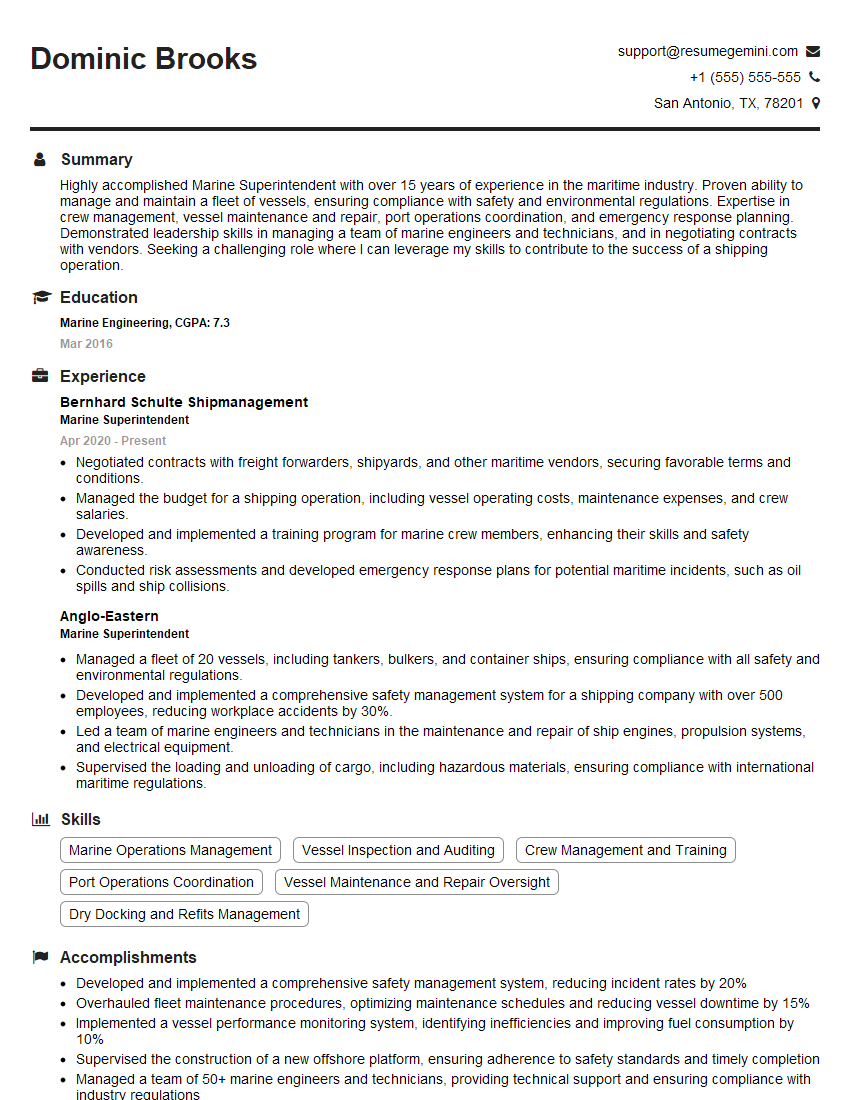
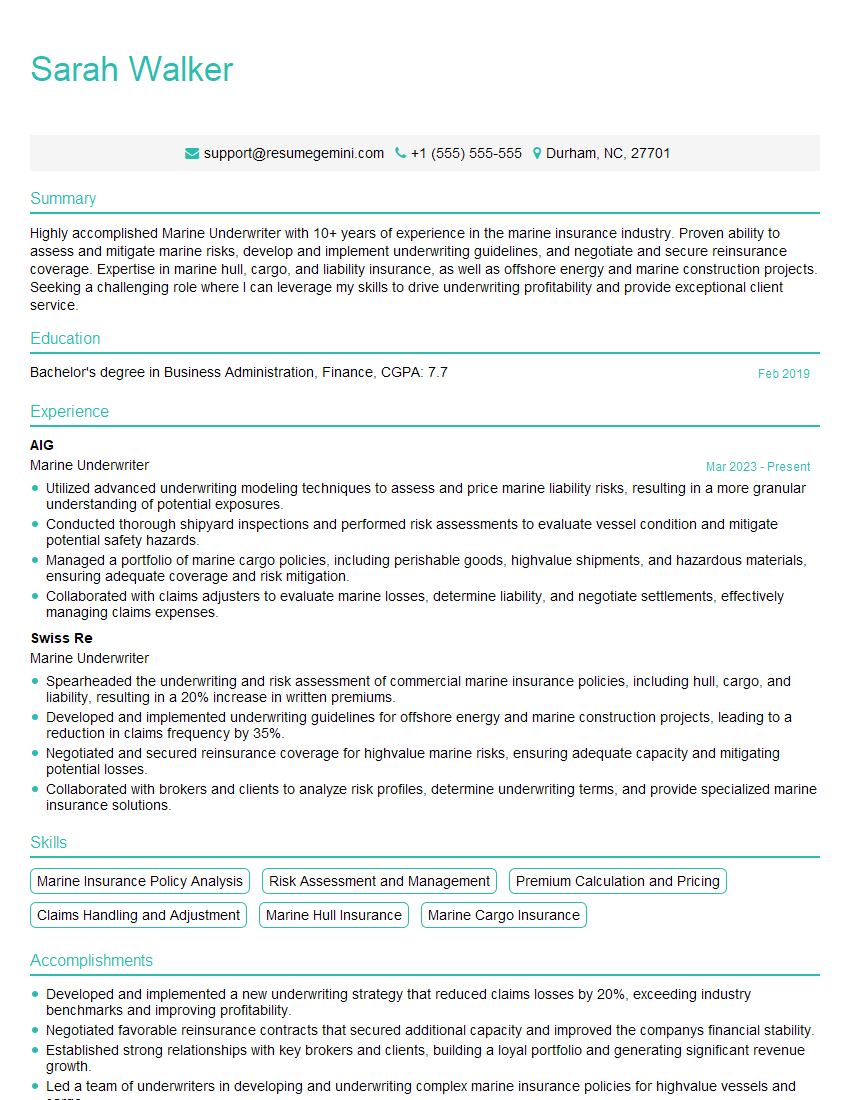
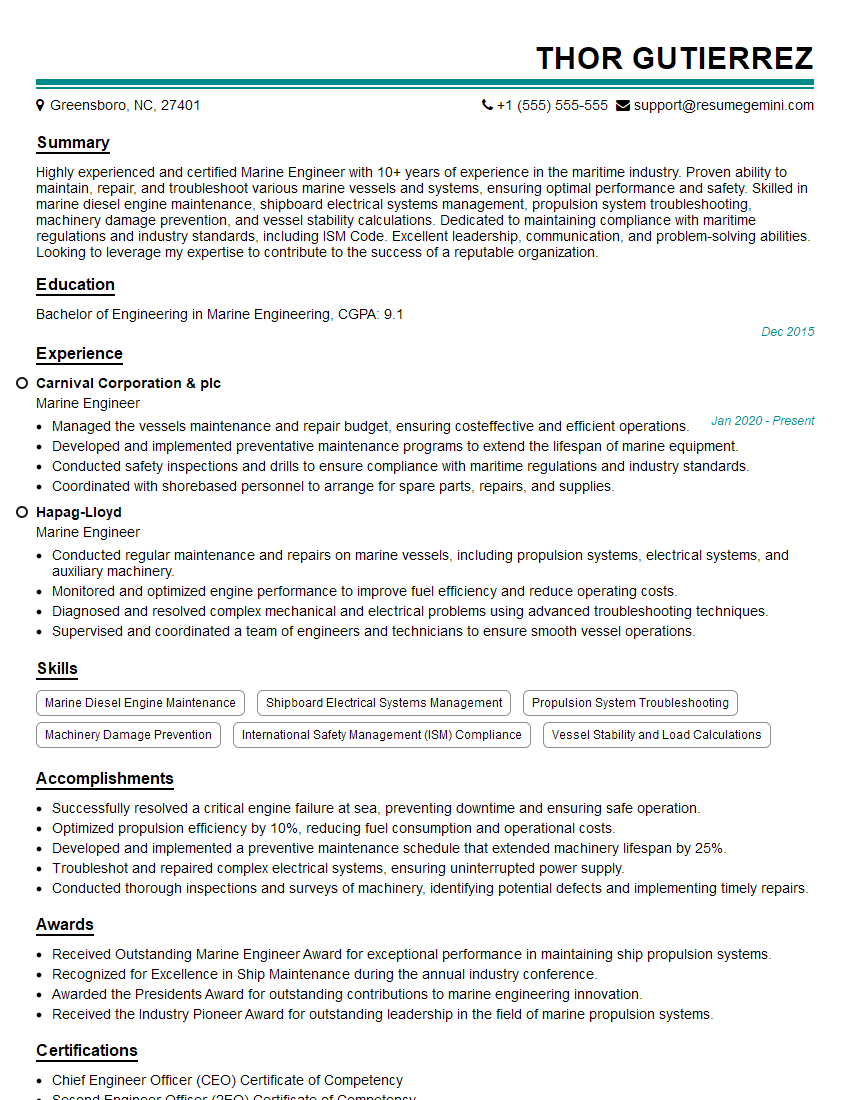
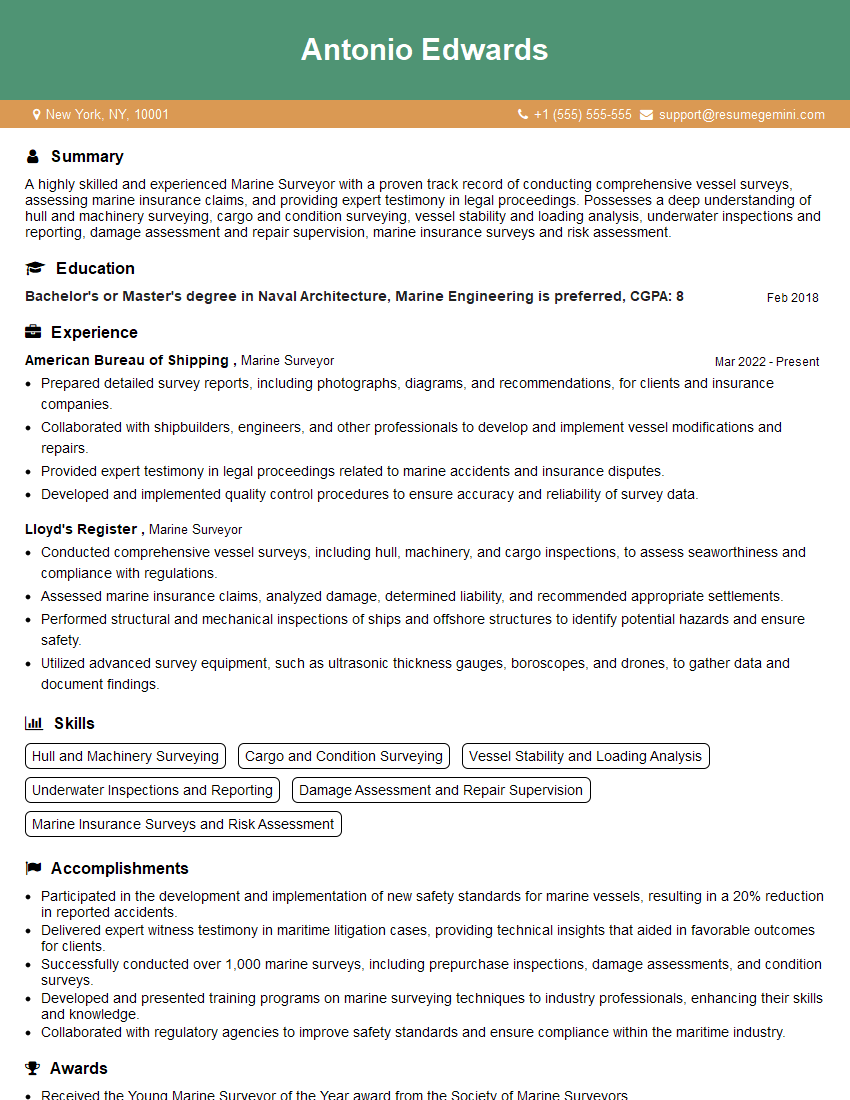
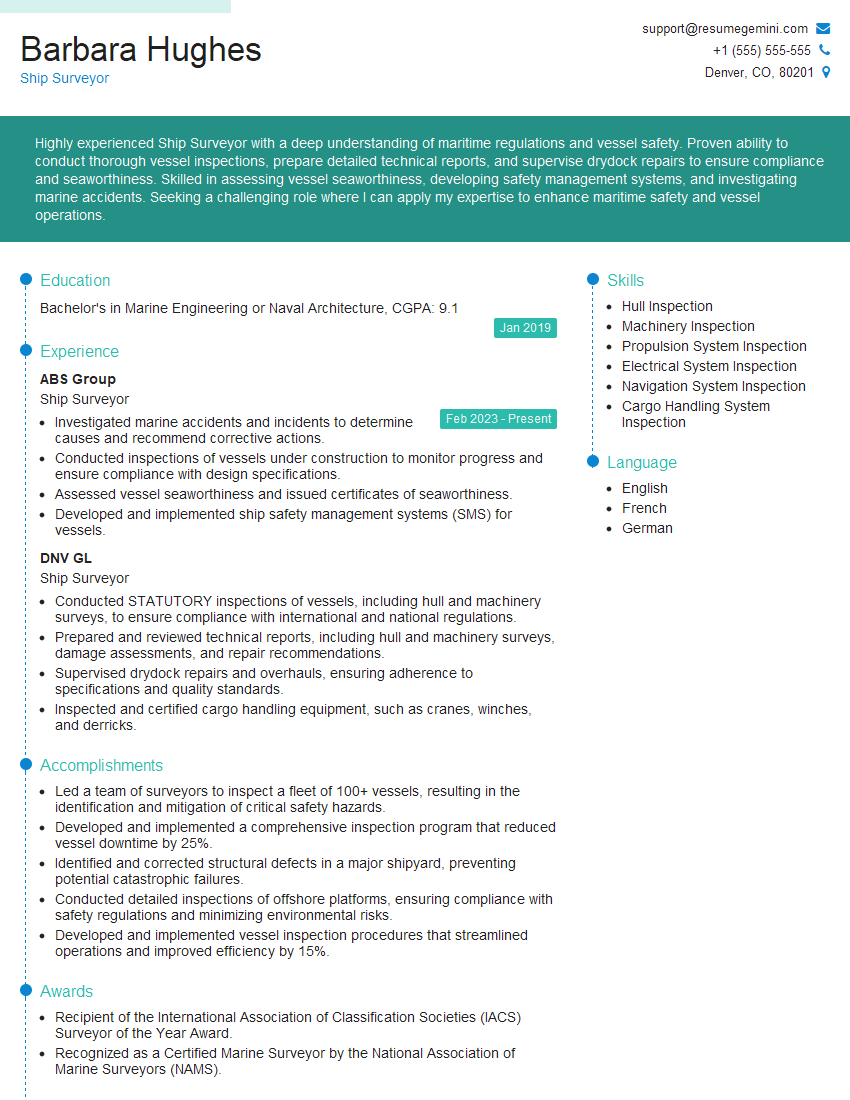
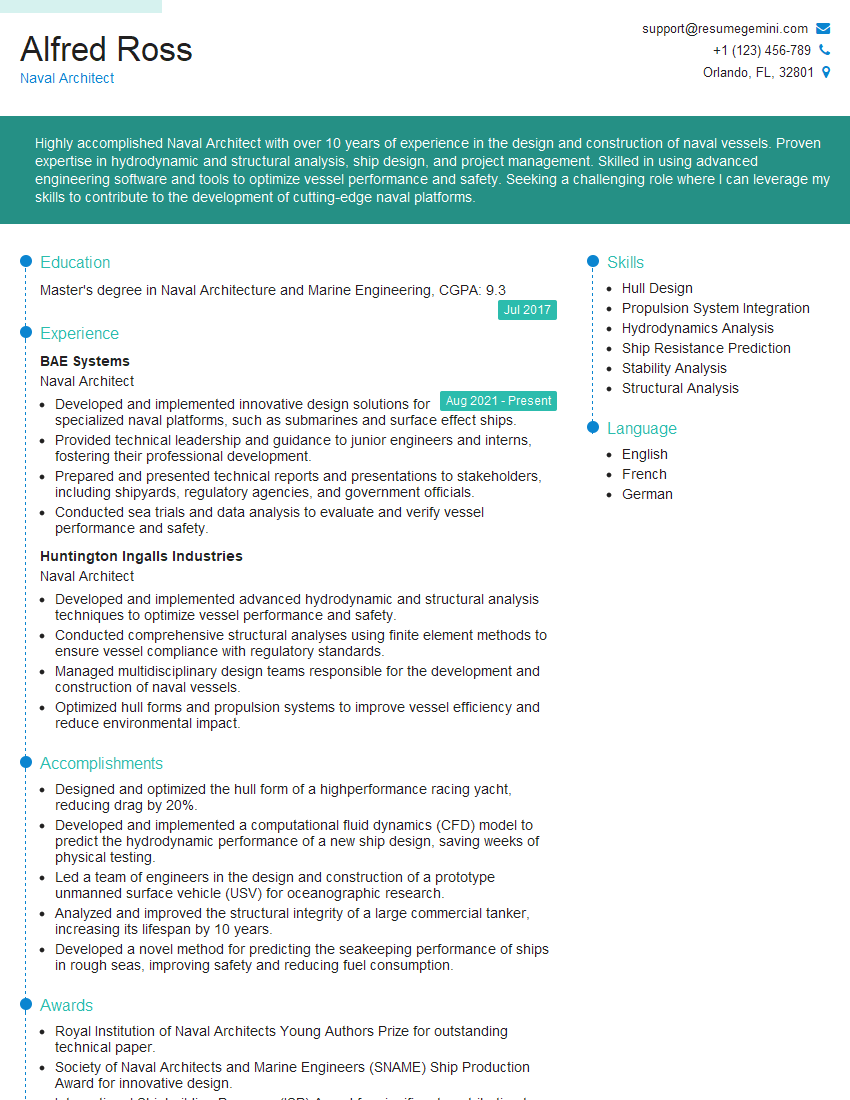
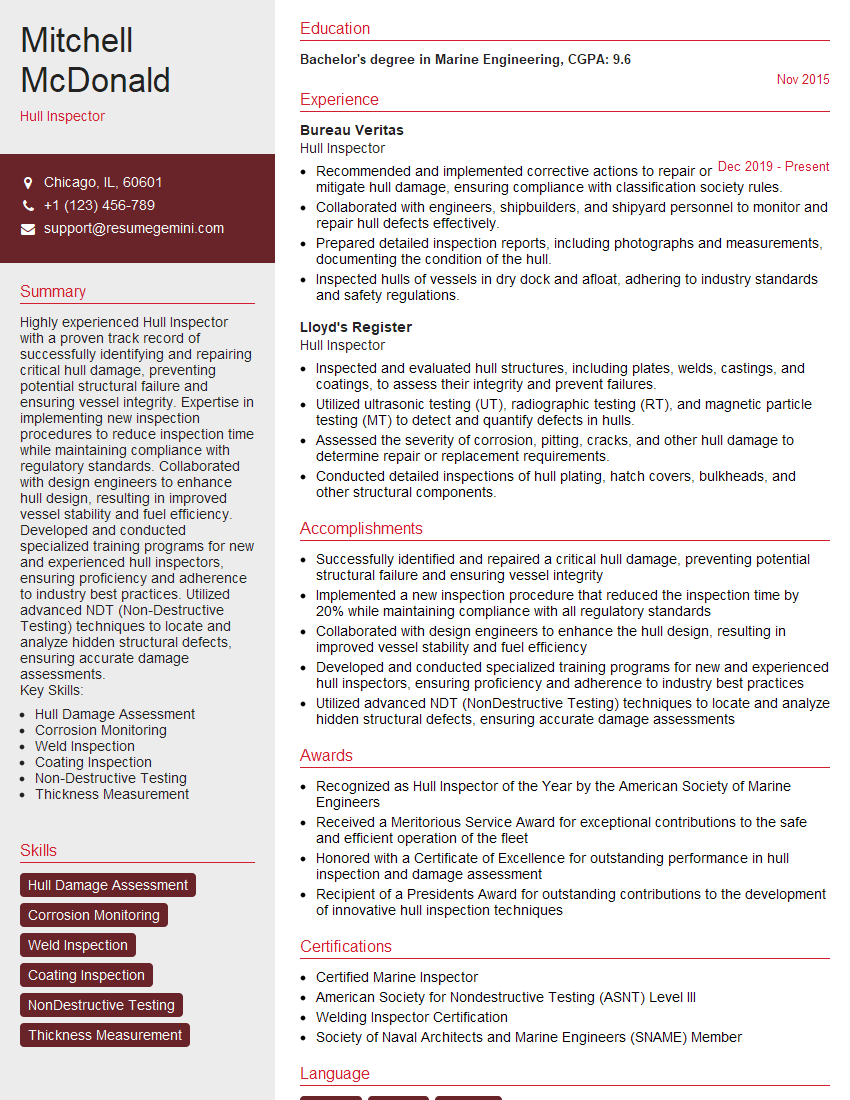
Mastering Ship Inspection and Survey opens doors to a rewarding career with excellent growth potential, offering opportunities for specialization and international travel. A strong resume is crucial for showcasing your skills and experience to potential employers. Creating an ATS-friendly resume is vital to ensuring your application gets noticed. We highly recommend leveraging ResumeGemini to build a professional and impactful resume. ResumeGemini provides resources and examples of resumes tailored specifically to the Ship Inspection and Survey field, helping you present your qualifications effectively and stand out from the competition.

Explore more articles
Users Rating of Our Blogs
Share Your Experience
We value your feedback! Please rate our content and share your thoughts (optional).
What Readers Say About Our Blog
Attention music lovers!
Wow, All the best Sax Summer music !!!
Spotify: https://open.spotify.com/artist/6ShcdIT7rPVVaFEpgZQbUk
Apple Music: https://music.apple.com/fr/artist/jimmy-sax-black/1530501936
YouTube: https://music.youtube.com/browse/VLOLAK5uy_noClmC7abM6YpZsnySxRqt3LoalPf88No
Other Platforms and Free Downloads : https://fanlink.tv/jimmysaxblack
on google : https://www.google.com/search?q=22+AND+22+AND+22
on ChatGPT : https://chat.openai.com?q=who20jlJimmy20Black20Sax20Producer
Get back into the groove with Jimmy sax Black
Best regards,
Jimmy sax Black
www.jimmysaxblack.com
Hi I am a troller at The aquatic interview center and I suddenly went so fast in Roblox and it was gone when I reset.
Hi,
Business owners spend hours every week worrying about their website—or avoiding it because it feels overwhelming.
We’d like to take that off your plate:
$69/month. Everything handled.
Our team will:
Design a custom website—or completely overhaul your current one
Take care of hosting as an option
Handle edits and improvements—up to 60 minutes of work included every month
No setup fees, no annual commitments. Just a site that makes a strong first impression.
Find out if it’s right for you:
https://websolutionsgenius.com/awardwinningwebsites
Hello,
we currently offer a complimentary backlink and URL indexing test for search engine optimization professionals.
You can get complimentary indexing credits to test how link discovery works in practice.
No credit card is required and there is no recurring fee.
You can find details here:
https://wikipedia-backlinks.com/indexing/
Regards
NICE RESPONSE TO Q & A
hi
The aim of this message is regarding an unclaimed deposit of a deceased nationale that bears the same name as you. You are not relate to him as there are millions of people answering the names across around the world. But i will use my position to influence the release of the deposit to you for our mutual benefit.
Respond for full details and how to claim the deposit. This is 100% risk free. Send hello to my email id: lukachachibaialuka@gmail.com
Luka Chachibaialuka
Hey interviewgemini.com, just wanted to follow up on my last email.
We just launched Call the Monster, an parenting app that lets you summon friendly ‘monsters’ kids actually listen to.
We’re also running a giveaway for everyone who downloads the app. Since it’s brand new, there aren’t many users yet, which means you’ve got a much better chance of winning some great prizes.
You can check it out here: https://bit.ly/callamonsterapp
Or follow us on Instagram: https://www.instagram.com/callamonsterapp
Thanks,
Ryan
CEO – Call the Monster App
Hey interviewgemini.com, I saw your website and love your approach.
I just want this to look like spam email, but want to share something important to you. We just launched Call the Monster, a parenting app that lets you summon friendly ‘monsters’ kids actually listen to.
Parents are loving it for calming chaos before bedtime. Thought you might want to try it: https://bit.ly/callamonsterapp or just follow our fun monster lore on Instagram: https://www.instagram.com/callamonsterapp
Thanks,
Ryan
CEO – Call A Monster APP
To the interviewgemini.com Owner.
Dear interviewgemini.com Webmaster!
Hi interviewgemini.com Webmaster!
Dear interviewgemini.com Webmaster!
excellent
Hello,
We found issues with your domain’s email setup that may be sending your messages to spam or blocking them completely. InboxShield Mini shows you how to fix it in minutes — no tech skills required.
Scan your domain now for details: https://inboxshield-mini.com/
— Adam @ InboxShield Mini
support@inboxshield-mini.com
Reply STOP to unsubscribe
Hi, are you owner of interviewgemini.com? What if I told you I could help you find extra time in your schedule, reconnect with leads you didn’t even realize you missed, and bring in more “I want to work with you” conversations, without increasing your ad spend or hiring a full-time employee?
All with a flexible, budget-friendly service that could easily pay for itself. Sounds good?
Would it be nice to jump on a quick 10-minute call so I can show you exactly how we make this work?
Best,
Hapei
Marketing Director
Hey, I know you’re the owner of interviewgemini.com. I’ll be quick.
Fundraising for your business is tough and time-consuming. We make it easier by guaranteeing two private investor meetings each month, for six months. No demos, no pitch events – just direct introductions to active investors matched to your startup.
If youR17;re raising, this could help you build real momentum. Want me to send more info?
Hi, I represent an SEO company that specialises in getting you AI citations and higher rankings on Google. I’d like to offer you a 100% free SEO audit for your website. Would you be interested?
Hi, I represent an SEO company that specialises in getting you AI citations and higher rankings on Google. I’d like to offer you a 100% free SEO audit for your website. Would you be interested?