Preparation is the key to success in any interview. In this post, we’ll explore crucial Shipping Knowledge interview questions and equip you with strategies to craft impactful answers. Whether you’re a beginner or a pro, these tips will elevate your preparation.
Questions Asked in Shipping Knowledge Interview
Q 1. Explain the difference between Incoterms® 2020 and Incoterms® 2010.
Incoterms® rules are standardized trade terms published by the International Chamber of Commerce (ICC). They define the responsibilities of buyers and sellers in international trade transactions, specifying who is responsible for costs and risks associated with the transportation of goods. While both Incoterms® 2010 and Incoterms® 2020 serve this purpose, some key differences exist.
‘C’ terms (carriage paid to): Incoterms® 2020 clarified the responsibilities under ‘C’ terms (like CPT and CIF) regarding the seller’s obligation to procure insurance. Previously, ambiguities existed, leading to disputes. The 2020 version provides clearer guidelines.
DAT (Delivered at Terminal) replaced DDU (Delivered at Terminal): DDU was prone to misinterpretations regarding unloading responsibilities. DAT explicitly clarifies that the seller is responsible for delivery to the named terminal, but the buyer is responsible for unloading.
FCA (Free Carrier): While largely similar in both versions, Incoterms® 2020 provides more precise definitions regarding the point of delivery under FCA, minimizing potential ambiguities.
Introduction of DPU (Delivered at Place Unloaded): This new term simplifies delivery responsibilities, especially concerning unloading.
In essence, Incoterms® 2020 aims to reduce ambiguity and improve clarity, thereby facilitating smoother international trade and minimizing disputes. It’s crucial to use the correct Incoterms® version, as specified in the contract, to avoid misunderstandings and potential financial implications.
Q 2. Describe your experience with different shipping modes (sea, air, land).
My experience spans all major shipping modes: sea, air, and land. I’ve managed shipments ranging from small parcels to large, heavy machinery using various methods.
Sea Freight: Extensive experience in managing Full Container Load (FCL) and Less than Container Load (LCL) shipments, including booking vessels, negotiating freight rates, tracking cargo, and handling documentation like Bills of Lading. I’ve dealt with various vessel types and shipping lines, optimizing routes based on factors like cost, transit time, and cargo type. For example, I successfully navigated a complex project involving the shipment of delicate equipment from China to the US, meticulously selecting the right vessel and ensuring proper stowage and securing measures to prevent damage.
Air Freight: Proficient in handling time-sensitive shipments requiring expedited delivery. This includes utilizing various air carriers, selecting suitable aircraft based on cargo dimensions and weight, and ensuring compliance with dangerous goods regulations. A recent example involves the swift delivery of medical supplies during a pandemic, where careful coordination with customs and air freight forwarders was crucial.
Land Freight: Experience encompasses trucking, rail, and intermodal transport. I’ve optimized land routes to minimize transit time and cost, managing contracts with carriers, and tracking shipments using GPS tracking systems. I once optimized a land-based transport for oversized cargo by coordinating multi-modal transport, reducing costs and delivery time significantly.
My experience extends beyond simply choosing the mode; it includes risk assessment and mitigation, contingency planning, and efficient communication with all stakeholders involved throughout the supply chain.
Q 3. How do you handle shipping documentation and compliance issues?
Shipping documentation and compliance are critical aspects of international shipping. My approach involves meticulous organization and proactive compliance with all relevant regulations.
Documentation Management: I use a comprehensive digital system to manage all documents, ensuring easy accessibility and version control. This includes Bills of Lading, commercial invoices, packing lists, certificates of origin, and other relevant documentation. Properly organizing and tracking these documents is vital for efficient customs clearance and avoiding delays.
Compliance Procedures: I stay updated on international trade regulations, including customs regulations, import/export restrictions, and sanctions. I ensure all shipments comply with these regulations, avoiding potential penalties or delays. For example, I’m familiar with the Harmonized System (HS) codes and their application in various countries. I always ensure proper classification and documentation to minimize risks associated with customs inspections.
Risk Mitigation: I conduct thorough due diligence on all shipments to identify and mitigate potential risks. This includes validating the shipper’s and consignee’s information, assessing the nature of the goods, and adhering to all applicable safety and security standards.
Proactive compliance significantly reduces the risk of delays and costly penalties, ensuring a smooth and efficient shipping process.
Q 4. What are the key challenges in international shipping?
International shipping presents several key challenges:
Geopolitical Instability: Political unrest, trade wars, and sanctions can significantly impact shipping routes, costs, and timelines. Recent events have highlighted the importance of having robust contingency plans in place.
Customs and Regulatory Compliance: Navigating the complexities of different countries’ customs regulations and import/export requirements is a major hurdle. Variations in paperwork, processes, and requirements can lead to significant delays and costs.
Supply Chain Disruptions: Events such as port congestion, natural disasters, pandemics, or labor strikes can disrupt supply chains, leading to shipping delays and increased costs.
Security Concerns: Ensuring the security of goods throughout the shipping process is paramount. This involves implementing measures to prevent theft, damage, and loss, as well as complying with stringent security regulations.
Cost Volatility: Fluctuations in fuel prices, currency exchange rates, and freight rates can significantly impact shipping costs, making it challenging to accurately predict and manage budgets.
Effective risk management, proactive communication, and robust contingency planning are essential to mitigate these challenges and ensure the smooth flow of goods.
Q 5. Explain your understanding of Bill of Lading (B/L).
A Bill of Lading (B/L) is a crucial document in international shipping. It serves as a contract of carriage between the shipper and the carrier, acknowledging receipt of the goods and outlining the terms of their transportation.
Receipt of Goods: The B/L acts as proof that the carrier has received the goods for shipment, specifying the quantity and condition of the cargo.
Contract of Carriage: It details the terms of the contract, including the shipment’s origin and destination, the agreed-upon freight rate, and the responsibilities of both parties.
Document of Title: The B/L can serve as a document of title, meaning that possession of the original B/L gives the holder ownership rights to the goods. This aspect is critical in financing international trade.
Types of B/L: Several types of B/Ls exist, including ‘straight B/Ls’ (non-negotiable) and ‘order B/Ls’ (negotiable).
Understanding the different types of B/Ls and their implications is essential for managing risk and ensuring smooth transactions. A correctly executed B/L is crucial for customs clearance and receiving payment for goods.
Q 6. How do you manage shipping delays and disruptions?
Managing shipping delays and disruptions requires a proactive and multi-faceted approach.
Proactive Monitoring: I utilize real-time tracking systems to monitor the location and status of shipments, identifying potential delays early on.
Communication: Open and transparent communication with all stakeholders—shippers, consignees, carriers, and customs authorities—is crucial. Keeping everyone informed of any delays and their potential impact helps manage expectations and facilitates problem-solving.
Contingency Planning: Developing robust contingency plans for various scenarios is essential. This might include alternative shipping routes, carriers, or transportation modes to mitigate the impact of disruptions.
Problem-Solving: When delays occur, I investigate the root cause, identifying bottlenecks and coordinating efforts to resolve the issue. This may involve negotiating with carriers, liaising with customs authorities, or exploring alternative solutions.
Documentation: Meticulous documentation of all communication, actions taken, and any associated costs is essential for potential claims and dispute resolution.
A proactive, organized, and communicative approach is key to minimizing the impact of shipping delays and disruptions.
Q 7. What is your experience with customs clearance procedures?
My experience with customs clearance procedures is extensive, encompassing various countries and regulatory environments. I possess a thorough understanding of import and export regulations, including documentation requirements, tariff classifications, and customs duties.
Documentation Preparation: I prepare and submit all necessary documentation accurately and efficiently, ensuring compliance with the specific requirements of each country’s customs authorities. This includes commercial invoices, packing lists, certificates of origin, and any other required permits or licenses.
Tariff Classification: I’m adept at correctly classifying goods according to the Harmonized System (HS) codes, ensuring accurate calculation of duties and taxes.
Customs Brokerage: I frequently work with licensed customs brokers to facilitate seamless customs clearance, leveraging their expertise in navigating complex regulations and procedures.
Risk Management: I understand the potential risks associated with customs inspections and take proactive steps to mitigate those risks. This involves accurately representing the goods, ensuring compliance with all regulations, and addressing any potential issues promptly and efficiently.
Efficient customs clearance is critical for timely delivery and minimizing costs. My experience ensures smooth processes, reducing delays and potential penalties.
Q 8. How do you track shipments and ensure timely delivery?
Shipment tracking and ensuring timely delivery are paramount in logistics. It involves a multi-step process leveraging technology and strong carrier relationships. Firstly, we use tracking numbers provided by carriers (like FedEx, UPS, or ocean liners) to monitor the shipment’s location and status in real-time. These numbers are often accessible through online portals or APIs integrated into our Transportation Management System (TMS).
Secondly, proactive communication is key. We regularly check for delays, potential disruptions (like weather events or port congestion), and proactively alert clients of any foreseen issues. We also build in buffer time into our delivery schedules to account for unforeseen circumstances. Thirdly, we use sophisticated route optimization software to choose the most efficient routes and carriers, minimizing transit times. Finally, we maintain a robust system of alerts and notifications, ensuring clients receive immediate updates on any changes to their shipment status. This might involve email, SMS notifications, or integration with their own internal systems.
For example, during peak season, we might see increased transit times. Our system flags these automatically, and our team immediately contacts the carrier to understand the cause and explore options for expediting the delivery or finding alternative routes. We then communicate these updates transparently to our clients, keeping them informed every step of the way.
Q 9. Describe your experience with different types of containers.
My experience encompasses a wide range of container types, crucial for efficient cargo handling. I’m familiar with standard 20-foot and 40-foot dry containers, the workhorses of the shipping industry, perfect for general cargo. I also have extensive experience with refrigerated containers (reefers), vital for temperature-sensitive goods like pharmaceuticals and produce. These require careful temperature monitoring and maintenance. Furthermore, I’ve worked with specialized containers such as open-top containers for oversized or heavy cargo, flat-rack containers for unusually shaped items, and tank containers for liquid goods. Understanding the specific needs and limitations of each container type is essential for selecting the appropriate one and ensuring safe and efficient transport.
For instance, I once had to ship a large piece of machinery that wouldn’t fit in a standard container. We opted for a flat-rack container, which allowed us to secure the machinery safely and avoid damage during transit. In another instance, we used a reefer container to ship a perishable cargo across continents, maintaining optimal temperature throughout the journey using real-time monitoring and control. Each type has its place and selecting the correct type is vital for successful shipment.
Q 10. How familiar are you with different freight payment terms?
Freight payment terms are a critical aspect of shipping, impacting cash flow and risk management. I’m very familiar with various terms, including:
- Prepaid: The shipper pays the freight charges upfront.
- Collect: The consignee (receiver) pays the freight charges upon delivery.
- Freight Collect/Prepaid: A combination where some charges are paid by the shipper and others by the receiver.
- Open Account: Payment is made based on an established agreement between shipper and consignee, often with credit terms.
- Bill to Third Party (3PL): The freight charges are billed to a third-party logistics provider.
Understanding these terms is crucial for negotiating favorable payment conditions and managing financial risks. For example, choosing ‘prepaid’ can offer better control over costs, while ‘collect’ might be preferable when dealing with established clients with good credit. Careful selection of payment terms is crucial for smooth logistics and strong relationships with suppliers and customers.
Q 11. What is your experience with cargo insurance?
Cargo insurance is essential to mitigate financial risks associated with damage, loss, or delay of goods during transit. My experience includes working with various types of cargo insurance policies, such as:
- Institute Cargo Clauses (ICC): These are standardized clauses used internationally, offering different levels of coverage (ICC A, ICC B, and ICC C).
- All Risks Coverage: Provides the broadest protection, covering virtually all risks except those specifically excluded.
- Named Perils Coverage: Covers only specifically listed risks, such as fire, theft, or stranding.
I understand the importance of selecting the appropriate coverage level based on the value of the goods, the mode of transport, and the inherent risks involved. For high-value shipments, an ‘All Risks’ policy might be advisable. For less valuable goods, a more cost-effective ‘Named Perils’ policy might suffice. I also ensure accurate valuation of the goods for proper insurance coverage.
For example, we once insured a high-value electronics shipment with ‘All Risks’ coverage to account for potential damage or theft during transit. This minimized financial losses for our client in case of any unfortunate incident.
Q 12. How do you prioritize shipments in a high-volume environment?
Prioritizing shipments in a high-volume environment requires a systematic approach. We typically use a combination of factors to establish priority, including:
- Delivery deadlines: Shipments with tighter deadlines are given higher priority.
- Cargo value: High-value shipments receive preferential treatment.
- Client priority: Key clients may have their shipments prioritized.
- Service level agreements (SLAs): SLAs dictate specific priorities for certain clients or types of goods.
- Perishable goods: Temperature-sensitive or perishable items are given top priority to prevent spoilage.
Our TMS software incorporates these prioritization rules, automatically assigning resources to shipments based on their urgency and importance. We use real-time tracking to monitor progress and proactively adjust priorities as needed. For example, if a weather-related delay impacts several shipments, our system will re-prioritize based on the severity of potential impact.
Q 13. Explain your experience with using TMS (Transportation Management System) software.
I have extensive experience using TMS software, significantly enhancing operational efficiency. I’m proficient in several systems, including [mention specific TMS systems if comfortable]. These systems allow us to:
- Manage orders and shipments: Create, track, and manage shipments from origin to destination.
- Optimize routes and carrier selection: Choose the most efficient routes and carriers based on cost and time.
- Monitor shipment status: Track shipments in real-time and receive alerts for delays or exceptions.
- Manage inventory: Track inventory levels and optimize warehouse operations.
- Generate reports and analytics: Analyze shipment data to identify areas for improvement and cost optimization.
For example, our TMS helped us identify a recurring delay at a specific port. By analyzing the data, we were able to negotiate a better handling agreement with the port authority, improving transit times and reducing costs.
Q 14. How do you negotiate freight rates with carriers?
Negotiating freight rates requires a strategic approach and a thorough understanding of market conditions. I begin by researching market rates, using industry resources and comparisons with past rates. I also analyze the volume of shipments, the type of goods, and the distance to determine a reasonable baseline. Then I engage in discussions with carriers, highlighting factors that could influence rates, such as the volume of our business, the consistency of shipments, and our willingness to commit to long-term contracts. I present a clear and well-supported case for a desired rate, using data and market analysis to support our position. Furthermore, I explore alternative carriers and modes of transport to ensure a competitive rate.
For instance, when negotiating with a carrier for a new contract, we demonstrated the large volume of shipments we could provide and offered a guaranteed volume commitment for a lower-than-market rate. The carrier agreed to a discounted rate due to the long-term security we offered. Successful negotiation isn’t just about getting the lowest rate; it is about building long-term, mutually beneficial relationships with carriers.
Q 15. What is your understanding of hazardous materials shipping regulations?
Hazardous materials shipping regulations are a complex web of rules and guidelines designed to ensure the safe transportation of dangerous goods. These regulations vary by country and are primarily concerned with preventing accidents and protecting people and the environment. They cover everything from proper packaging and labeling to transportation mode restrictions and emergency response procedures.
My understanding encompasses the key international regulations like the International Maritime Dangerous Goods (IMDG) Code for sea transport, the International Air Transport Association (IATA) Dangerous Goods Regulations for air transport, and the US Department of Transportation (DOT) regulations for domestic land transport. Each code dictates specific requirements based on the hazard class of the material (explosives, flammable liquids, toxic substances, etc.). For example, a shipment of flammable liquids would require specific packaging that meets UN standards, proper labeling indicating the hazard class and UN number, and a shipping document containing all the necessary information for carriers and authorities.
I’m proficient in identifying hazardous materials, selecting appropriate packaging, preparing compliant shipping documentation, and understanding the specific handling requirements for different modes of transport. Ignoring these regulations can lead to serious penalties, including fines, delays, and even legal repercussions.
Career Expert Tips:
- Ace those interviews! Prepare effectively by reviewing the Top 50 Most Common Interview Questions on ResumeGemini.
- Navigate your job search with confidence! Explore a wide range of Career Tips on ResumeGemini. Learn about common challenges and recommendations to overcome them.
- Craft the perfect resume! Master the Art of Resume Writing with ResumeGemini’s guide. Showcase your unique qualifications and achievements effectively.
- Don’t miss out on holiday savings! Build your dream resume with ResumeGemini’s ATS optimized templates.
Q 16. How do you handle customer complaints related to shipping issues?
Handling customer complaints regarding shipping issues involves a systematic approach focused on understanding the problem, empathizing with the customer, and finding a resolution quickly and efficiently. I begin by actively listening to the customer’s concerns, acknowledging their frustration, and gathering all relevant information—tracking numbers, order details, delivery dates, and the nature of the issue (damaged goods, late delivery, loss, etc.).
Next, I investigate the issue thoroughly. This might involve reviewing shipping records, contacting carriers, or checking warehouse inventory. Once the root cause is identified, I present a solution. This could involve issuing a refund, reshipping the order, offering compensation, or explaining the situation clearly and setting realistic expectations.
Throughout the process, I maintain open and transparent communication with the customer, providing updates regularly. I prioritize building trust and resolving the complaint to the customer’s satisfaction. Even if the issue isn’t directly my fault (e.g., a carrier delay), I still act as the customer’s advocate and help them navigate the situation. A satisfied customer is a returning customer, and effective complaint resolution contributes significantly to customer retention.
Q 17. Explain your experience with warehouse management and inventory control.
My experience in warehouse management and inventory control encompasses all aspects of efficient warehouse operations, from receiving and storing goods to order fulfillment and inventory tracking. I’m proficient in utilizing Warehouse Management Systems (WMS) to optimize space utilization, streamline workflows, and ensure accurate inventory data. This includes implementing and managing inventory control methods like FIFO (First-In, First-Out) or LIFO (Last-In, First-Out) depending on product characteristics and expiration dates.
I’ve implemented and managed cycle counting procedures to maintain accurate inventory levels, reducing discrepancies between physical inventory and system records. I’m also experienced in optimizing picking and packing processes to minimize handling time and prevent damage to goods. Moreover, I have experience in managing warehouse staff, assigning tasks, and ensuring adherence to safety regulations. In one previous role, I successfully implemented a new WMS, resulting in a 15% reduction in order fulfillment time and a 10% decrease in inventory discrepancies.
Efficient warehouse management is crucial for smooth shipping operations. Accurate inventory data prevents stockouts, minimizes shipping delays, and ensures customer satisfaction. A well-organized warehouse contributes significantly to overall cost efficiency and business success.
Q 18. How do you ensure the security and safety of shipments?
Ensuring the security and safety of shipments is paramount. My approach involves implementing a multi-layered security strategy encompassing physical security measures, technological safeguards, and robust processes. This starts with secure warehousing practices: access control, CCTV surveillance, and regular security audits. For shipments themselves, I utilize secure packaging, including tamper-evident seals and appropriate cushioning to protect goods from damage during transit.
Technology plays a vital role. GPS tracking devices provide real-time visibility into shipment location, allowing for proactive intervention in case of potential theft or delays. Data encryption and secure communication channels protect sensitive shipment information from unauthorized access. Collaboration with reputable carriers who adhere to strict security protocols is also crucial.
Regular training for staff on security procedures and awareness of potential threats is essential. Furthermore, I implement and monitor key performance indicators (KPIs) related to security incidents, ensuring we can identify and address any vulnerabilities proactively. A comprehensive security approach minimizes losses, builds customer trust, and safeguards brand reputation.
Q 19. What metrics do you use to measure shipping performance?
Measuring shipping performance requires a balanced approach using a range of key performance indicators (KPIs). Some of the most important metrics I use include:
- On-time delivery rate: The percentage of shipments delivered within the promised timeframe. This reflects efficiency and reliability.
- Order fulfillment cycle time: The time elapsed between order placement and shipment delivery. A shorter cycle time indicates efficiency.
- Shipping costs per unit: Tracks the cost-effectiveness of shipping operations. Identifying areas for cost reduction is a key priority.
- Damage rate: The percentage of shipments arriving damaged. A low damage rate reflects effective packaging and handling.
- Customer satisfaction rating: Feedback from customers regarding their shipping experience. This provides valuable insights into areas for improvement.
- Inventory turnover rate: Measures how efficiently inventory is used and sold. A higher rate suggests good inventory management and avoids stockpiling.
By regularly monitoring these KPIs, I can identify areas for improvement and implement changes to optimize shipping performance. These metrics provide objective data to support decision-making and track progress towards achieving shipping goals.
Q 20. Describe your experience with different types of packaging for different goods.
Packaging selection is crucial for ensuring the safe and efficient transportation of goods. My experience encompasses a wide range of packaging types, tailored to the specific characteristics of the product and the mode of transport. For fragile items like electronics, I’d utilize custom-fit foam inserts and sturdy corrugated boxes, potentially incorporating additional protection layers like air pillows or bubble wrap. For liquids, I’d use leak-proof containers with proper sealing and absorbent materials to contain spills.
For heavier items, I’d choose strong pallets and utilize appropriate stretch wrap for stability and protection against damage. Temperature-sensitive products require insulated packaging and potentially refrigeration during transport. Bulk shipments may utilize specialized containers or bulk bags based on the nature of the goods and transport mode. I always prioritize environmentally friendly packaging options where possible, selecting recyclable or biodegradable materials whenever appropriate.
The choice of packaging also considers the destination and handling conditions. For international shipments, compliance with international standards and regulations is a top priority. Selection is a balance between product protection, cost-effectiveness, and environmental responsibility.
Q 21. How do you handle discrepancies between shipping documents and actual cargo?
Discrepancies between shipping documents and actual cargo are a serious issue requiring immediate attention. My approach involves a thorough investigation to identify the root cause and implement corrective measures. The first step is to verify the accuracy of the shipping documents—bills of lading, packing lists, commercial invoices—against the physical inventory. This may involve a detailed physical count and inspection of the cargo.
Once the discrepancy is confirmed, I investigate the possible causes. This could include errors in packing, loading, or documentation at the warehouse or during transit. I’d contact the relevant parties—warehouse staff, carriers, and potentially the customer—to gather information. Depending on the nature of the discrepancy, I might need to adjust shipping documents, initiate a claim with the carrier (in case of loss or damage), or issue a credit or replacement to the customer.
Implementing robust quality control procedures at every stage of the shipping process is crucial in minimizing such discrepancies. This includes regular audits, staff training, and the use of barcode scanning and other technologies to track goods and ensure accuracy. Preventing these discrepancies is more efficient than dealing with them after they occur.
Q 22. What are your strategies for cost optimization in shipping?
Cost optimization in shipping is a multifaceted strategy aimed at minimizing expenses without compromising service quality or reliability. It’s like running a household budget – you need to be smart about where you spend your money.
- Negotiating Rates with Carriers: Building strong relationships with carriers allows for better rates. This often involves negotiating volume discounts or securing contracts with favorable terms. For example, consistently shipping high volumes with a single carrier can lead to significant cost savings compared to using multiple carriers sporadically.
- Optimizing Route Planning: Efficient route planning involves considering factors like transit times, fuel costs, and potential delays. Utilizing route optimization software can help identify the most cost-effective path, eliminating unnecessary mileage and reducing fuel consumption. Think of it like using a GPS for the most efficient driving route, but on a global scale.
- Consolidating Shipments: Combining smaller shipments into larger, consolidated loads reduces the per-unit cost of shipping. This is particularly effective for LCL (Less than Container Load) shipments, where multiple shippers share a single container. It’s similar to carpooling – sharing the cost makes it cheaper for everyone involved.
- Improving Packaging Efficiency: Using lightweight, yet durable, packaging materials reduces overall shipping weight, leading to lower freight charges. Efficient packing also minimizes damage, reducing replacement or repair costs. Properly packaged goods are less prone to damage which saves money in the long run.
- Inventory Management: Effective inventory management reduces warehousing costs and minimizes stockouts, preventing costly rush shipments. Just-in-time inventory techniques can significantly reduce storage and handling expenses.
Q 23. How familiar are you with various shipping regulations (e.g., IMO, IMDG)?
I’m very familiar with various shipping regulations, including the International Maritime Organization (IMO) and the International Maritime Dangerous Goods (IMDG) Code. These are crucial for safe and legal international shipping. Think of them as the ‘rules of the road’ for global maritime transport.
The IMO sets international standards for the safety, security, and environmental protection of shipping. This covers everything from ship design and construction to crew training and pollution prevention. Understanding IMO regulations ensures compliance and avoids hefty fines or operational shutdowns.
The IMDG Code specifically addresses the safe transportation of dangerous goods by sea. This involves proper classification, packaging, labeling, and documentation of hazardous materials. Incorrect handling can have severe consequences, including explosions, fires, and environmental damage. My experience includes meticulous adherence to these regulations, always ensuring proper documentation and training for personnel involved in handling dangerous goods.
Furthermore, I’m also knowledgeable about other relevant regulations such as those pertaining to customs, import/export procedures, and specific country-level requirements.
Q 24. Explain your experience with using different shipping portals and platforms.
My experience with shipping portals and platforms is extensive. I’ve worked with a range of systems, from large-scale enterprise resource planning (ERP) systems integrated with shipping modules to smaller, specialized platforms. This familiarity allows me to leverage the strengths of each system for optimal efficiency.
For example, I’ve used [Name of ERP System] for managing orders, tracking shipments, and generating shipping documents, while employing [Name of Freight Forwarding Platform] for securing competitive rates from various carriers and managing customs documentation. I’m also proficient in using smaller, niche platforms tailored for specific modes of transportation, such as air freight or less-than-container load (LCL) ocean freight.
My approach focuses on understanding the unique capabilities of each platform and tailoring its use to the specific shipping requirements of the project. This ensures that I can select the most efficient and cost-effective tools for the job at hand.
Q 25. What is your understanding of carrier selection criteria?
Carrier selection is a critical decision impacting cost, speed, and reliability. It’s not simply about choosing the cheapest option; it’s about finding the best fit for the specific needs of each shipment.
- Transit Time: How quickly does the carrier need to deliver the goods? Some carriers prioritize speed, while others focus on cost-effectiveness. A faster option is usually more expensive but necessary for time-sensitive shipments.
- Reliability: What’s the carrier’s on-time performance? Reliable carriers minimize delays and disruptions to the supply chain. Checking carrier ratings and reviews is crucial in this regard.
- Cost: While cost is important, it should be balanced against transit time and reliability. The cheapest option isn’t always the best if it leads to significant delays or damage.
- Capacity and Coverage: Does the carrier have the capacity to handle the volume of shipments? Do they service the required origin and destination points? This is particularly crucial for large shipments or deliveries to remote locations.
- Insurance and Liability: What level of insurance and liability coverage does the carrier offer? This protects against potential loss or damage during transit. This mitigates financial risks in case of unforeseen events.
Q 26. How do you manage risks associated with international trade?
Managing risks in international trade requires a proactive and multi-layered approach. It’s like building a sturdy house – you need a strong foundation and multiple safeguards to withstand various challenges.
- Insurance: Comprehensive cargo insurance protects against loss or damage during transit. It covers various risks, including theft, fire, and natural disasters. Think of it as your safety net in case of any mishap.
- Proper Documentation: Accurate and complete documentation is vital for customs clearance and avoiding delays. Any missing or incorrect documents can lead to significant delays and penalties. Meticulous attention to detail is key here.
- Due Diligence on Partners: Thoroughly vetting international partners is crucial to minimize the risk of fraud or non-payment. Background checks and reference verification can help identify potential issues before they arise.
- Political and Economic Risk Assessment: Understanding political stability and economic conditions in the destination country is essential for mitigating potential risks. This includes monitoring for trade wars, sanctions, or other disruptions.
- Supply Chain Diversification: Relying on a single supplier or route increases vulnerability. Diversifying the supply chain reduces reliance on any single point of failure.
Q 27. Describe your experience with supply chain optimization and process improvement.
My experience with supply chain optimization and process improvement involves a data-driven, iterative approach, focusing on efficiency and cost reduction. It’s a continuous improvement cycle aiming to find bottlenecks and streamline the workflow.
I have successfully implemented lean manufacturing principles in shipping operations, leading to a significant reduction in lead times and inventory holding costs. For example, through process mapping and analysis, we identified bottlenecks in the order fulfillment process, allowing us to optimize warehouse layout and improve material handling, saving significant time and resources.
I’m also skilled in utilizing various software tools to track key performance indicators (KPIs) and analyze data to identify areas for improvement. This data-driven approach helps to make informed decisions and track the effectiveness of implemented changes. For example, we used a Transportation Management System (TMS) to track on-time delivery rates and identify potential areas for carrier optimization or route adjustment.
Q 28. How do you stay updated on changes in shipping regulations and industry best practices?
Staying updated in the dynamic shipping industry is crucial. I utilize a multi-pronged approach to ensure I remain informed about regulatory changes and best practices.
- Industry Publications and Journals: Regularly reading industry publications like [Name of Shipping Journal] and [Name of another Shipping Journal] keeps me abreast of the latest trends, regulations, and technologies.
- Professional Organizations: Membership in professional organizations like [Name of Shipping Association] provides access to industry news, events, and networking opportunities. Participating in conferences and webinars helps me learn from peers and experts.
- Government Websites: Monitoring the websites of relevant government agencies, such as the IMO and national maritime authorities, ensures I stay informed on regulatory updates and compliance requirements.
- Online Resources and Databases: Utilizing online resources and databases provides quick access to information on various shipping regulations, trade agreements, and market conditions.
- Industry Conferences and Webinars: Attending conferences and webinars provides opportunities to network with peers and learn from experts.
Key Topics to Learn for Your Shipping Knowledge Interview
Ace your interview by mastering these core areas of shipping knowledge. We’ve broken down the key concepts to help you focus your preparation.
- Incoterms: Understand the implications of different Incoterms (e.g., FOB, CIF, DDP) on responsibilities, costs, and risk transfer throughout the shipping process. Consider practical scenarios where choosing the right Incoterm is crucial.
- Shipping Documentation: Familiarize yourself with essential shipping documents such as Bills of Lading, packing lists, commercial invoices, and certificates of origin. Practice interpreting and identifying discrepancies within these documents.
- Freight Forwarding & Logistics: Grasp the role of freight forwarders and their involvement in coordinating various aspects of shipping, including customs clearance, cargo insurance, and carrier selection. Explore different modes of transport (sea, air, land) and their respective advantages and disadvantages.
- Cargo Handling & Security: Learn about safe cargo handling practices, including securing and stowing goods, as well as measures to prevent theft and damage. Understand international security regulations and their impact on shipping operations.
- Supply Chain Management: Explore the broader context of shipping within a global supply chain. Understand concepts like inventory management, supply chain optimization, and risk mitigation strategies.
- Customs & Regulations: Gain a working knowledge of import and export regulations, including tariffs, duties, and customs procedures. Understand how these regulations vary between countries and their impact on shipping costs and timelines.
- Shipping Technology & Software: Familiarize yourself with common shipping software and technologies used for tracking, managing, and optimizing shipping operations. Understanding the basics of these systems demonstrates your adaptability to industry best practices.
Next Steps: Unlock Your Shipping Career
Mastering shipping knowledge is key to advancing your career in this dynamic industry. A strong understanding of these concepts will significantly improve your interview performance and open doors to exciting opportunities. To maximize your job prospects, invest time in creating a professional, ATS-friendly resume that highlights your skills and experience effectively.
ResumeGemini is a trusted resource to help you build a compelling resume that stands out from the competition. We offer examples of resumes tailored to Shipping Knowledge to guide you through the process, helping you present yourself in the best possible light to potential employers. Take the next step towards your dream shipping career today!
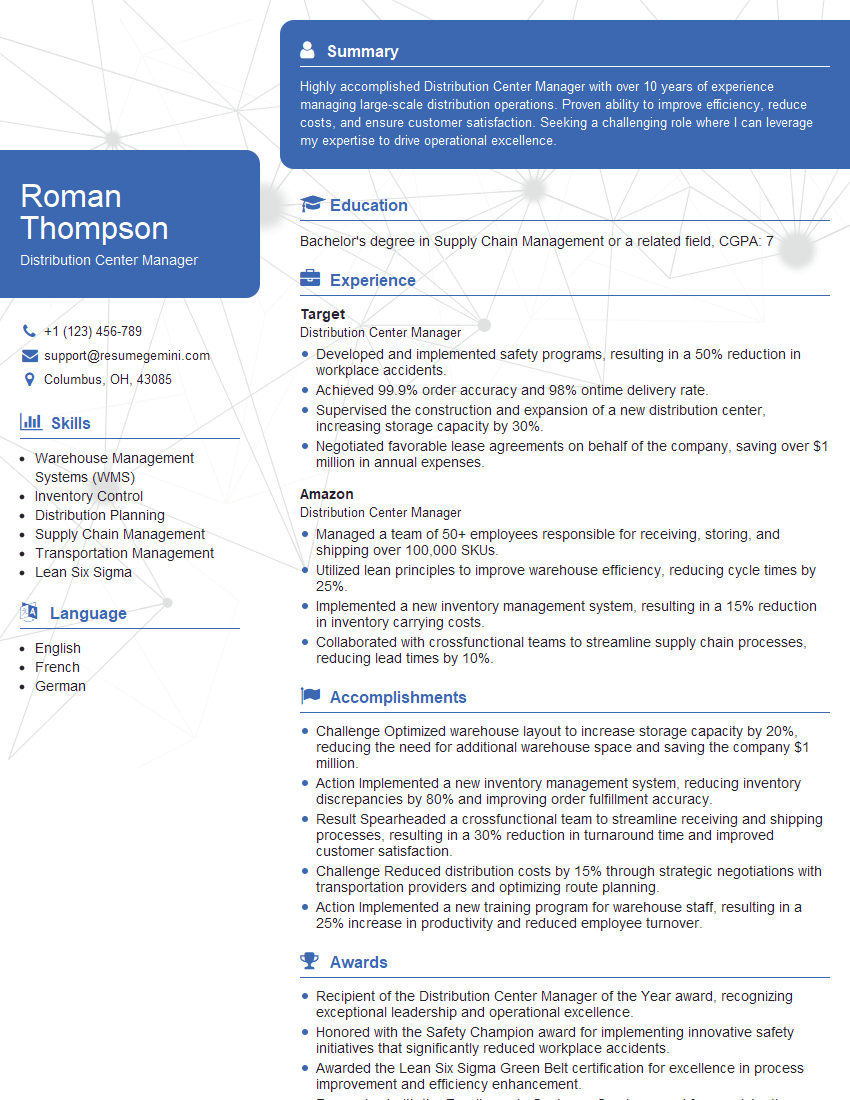
Distribution Center Manager Resume Sample
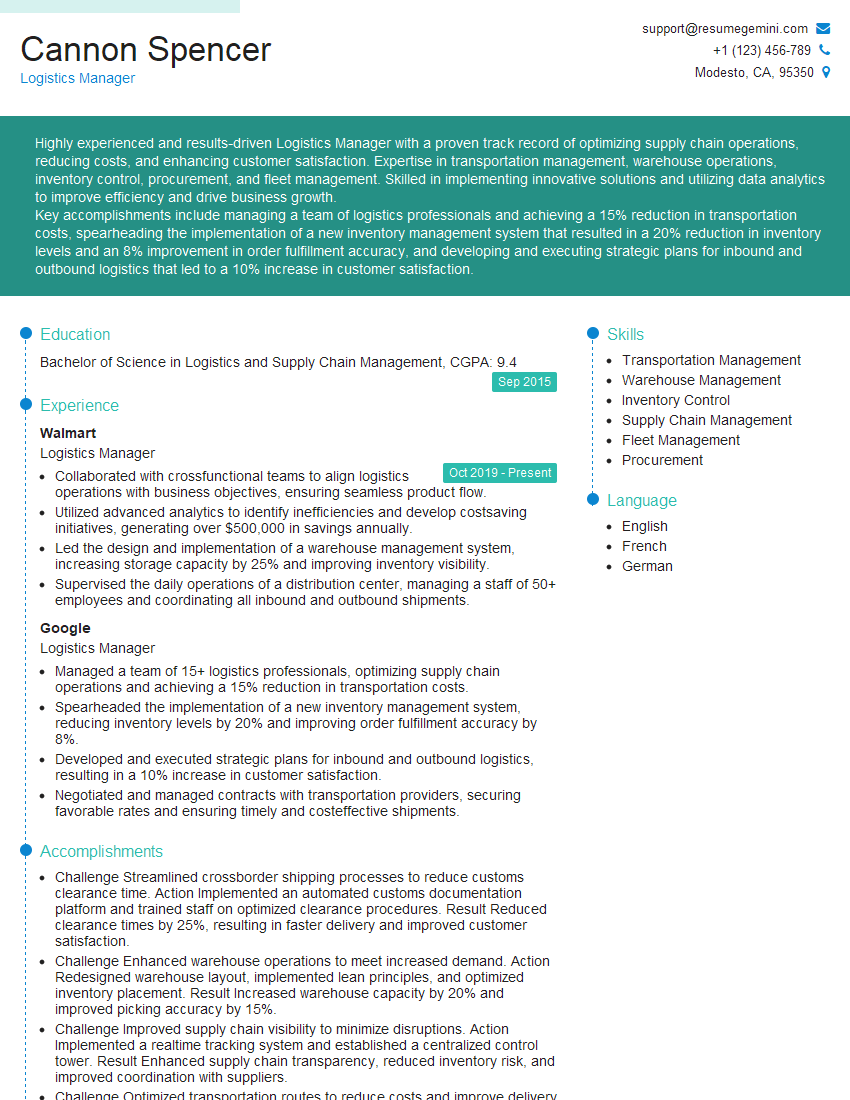
Logistics Manager Resume Sample
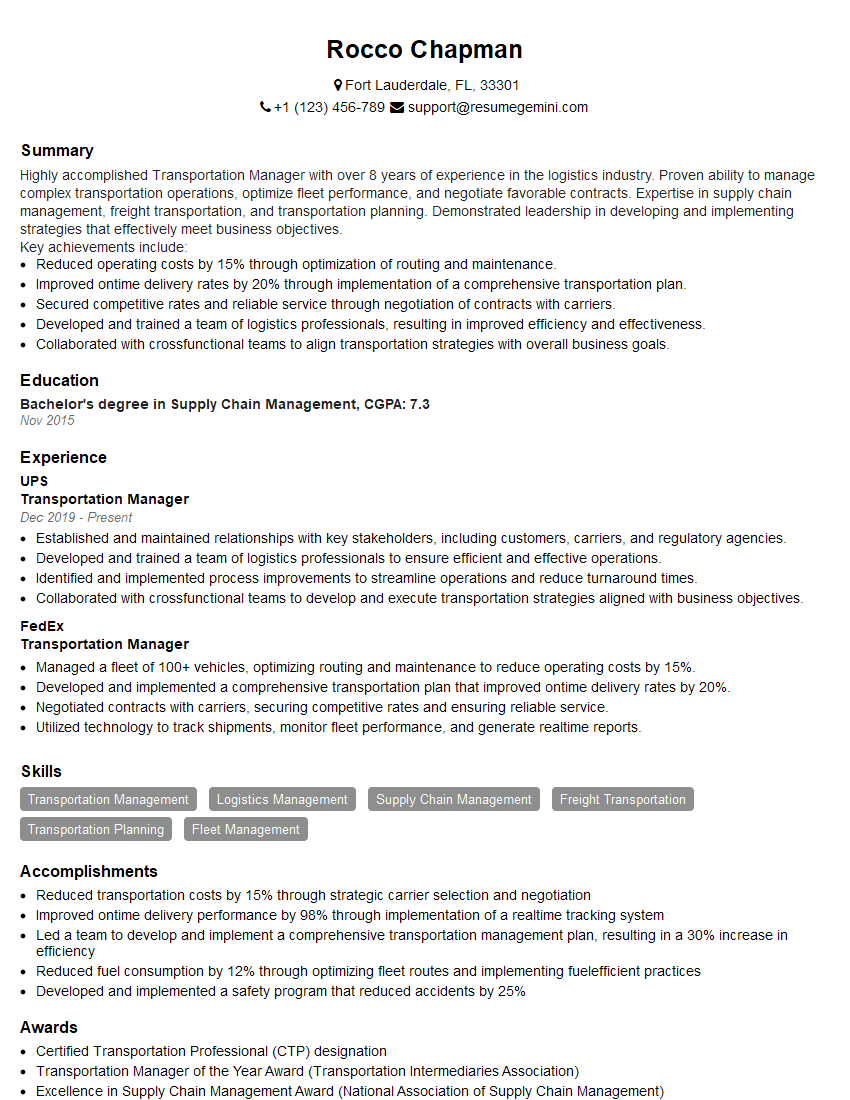
Transportation Manager Resume Sample
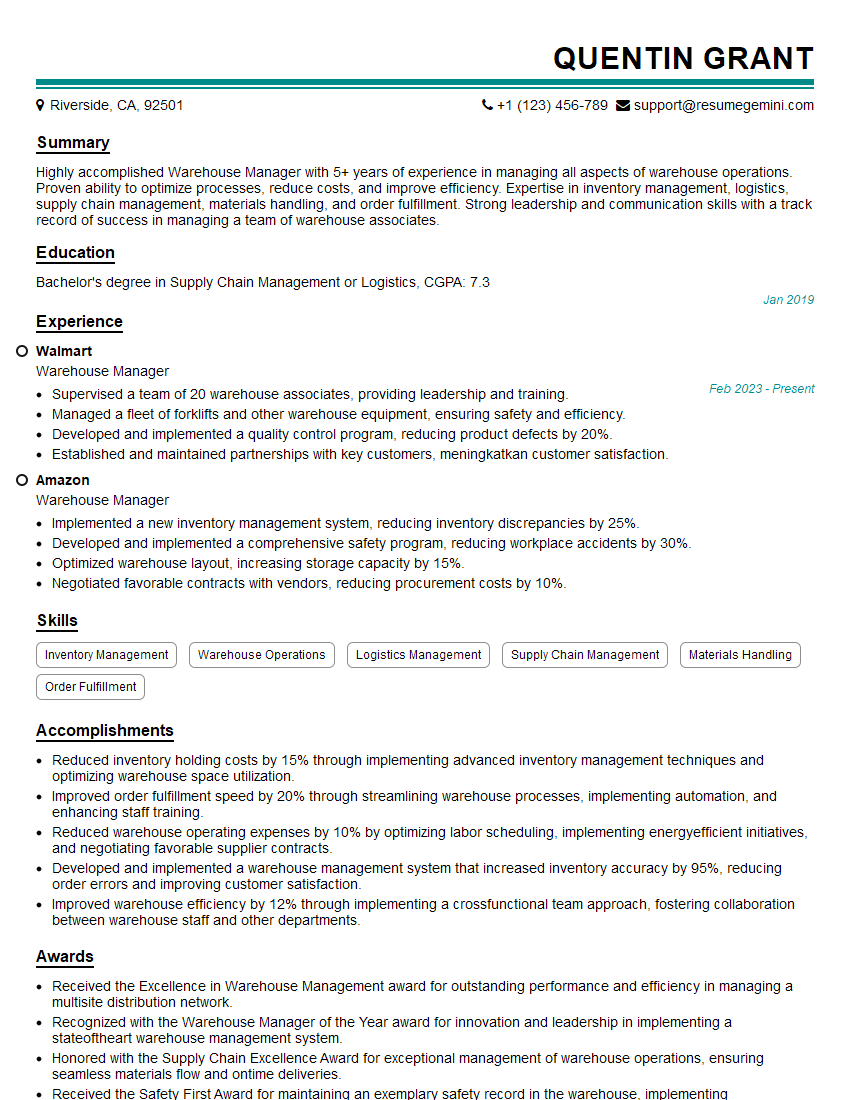
Warehouse Manager Resume Sample
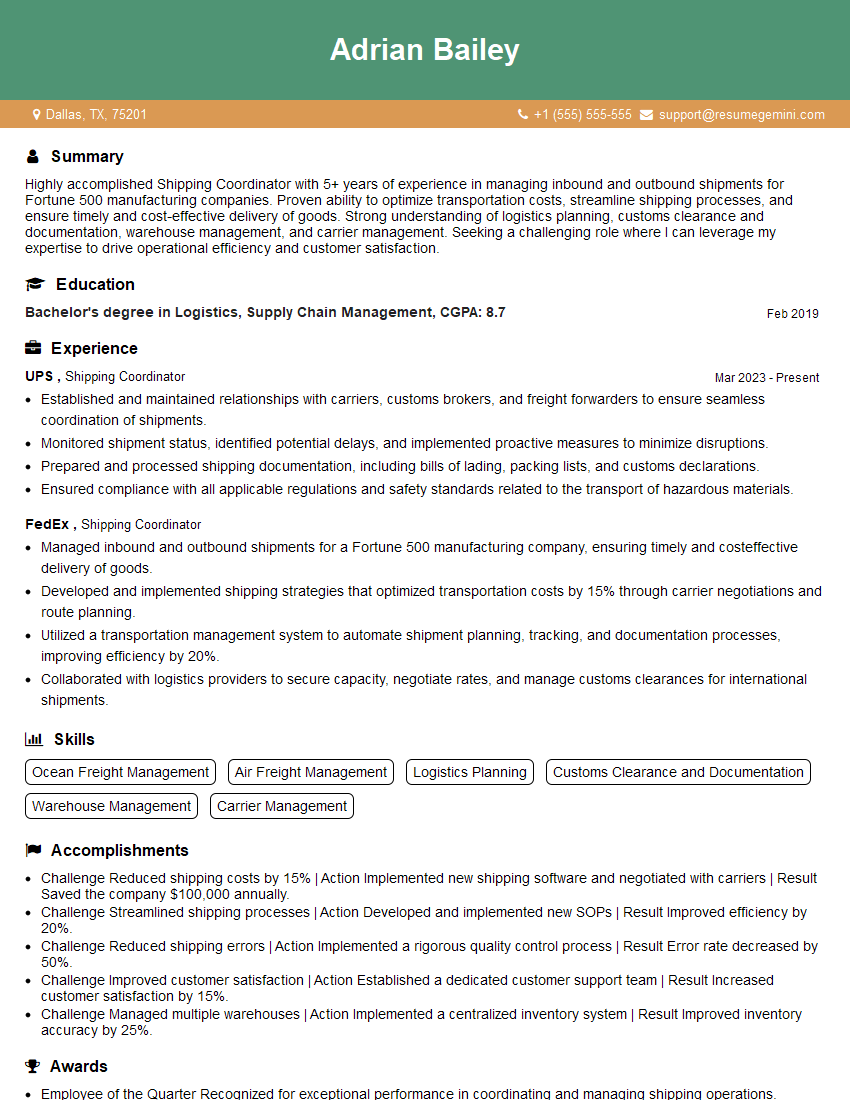
Shipping Coordinator Resume Sample
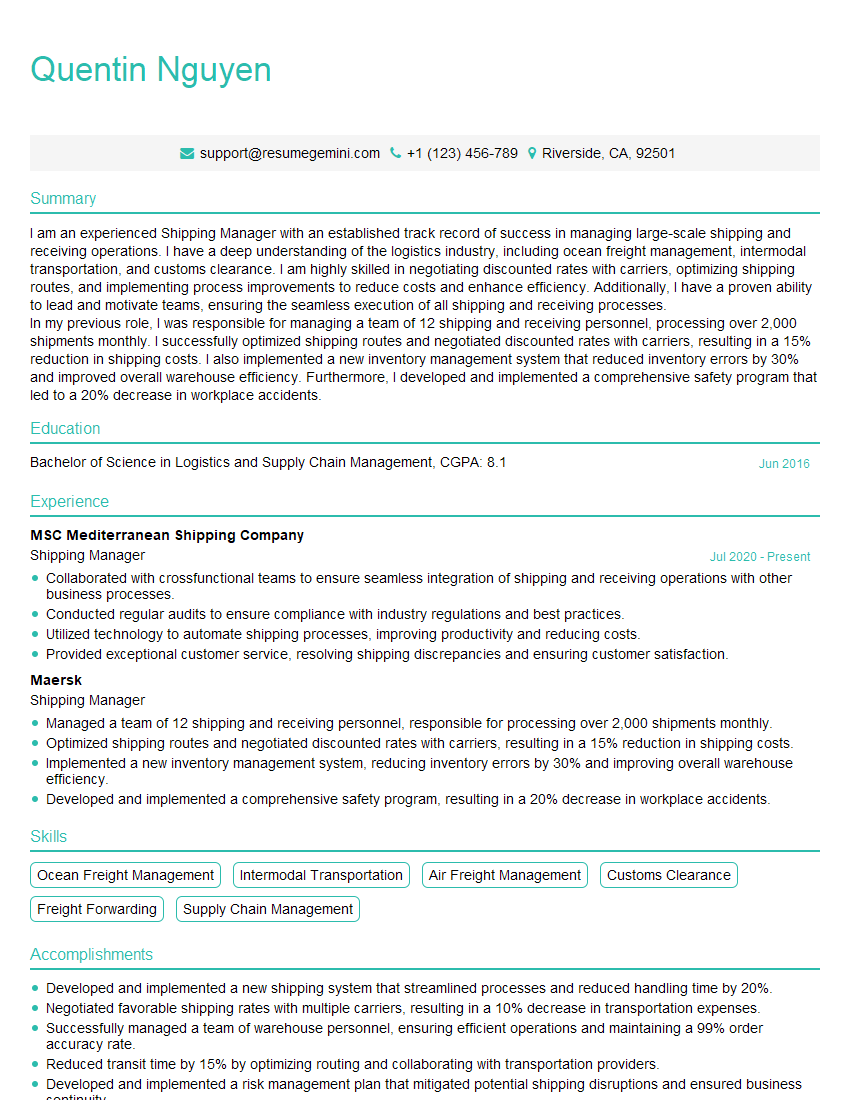
Shipping Manager Resume Sample
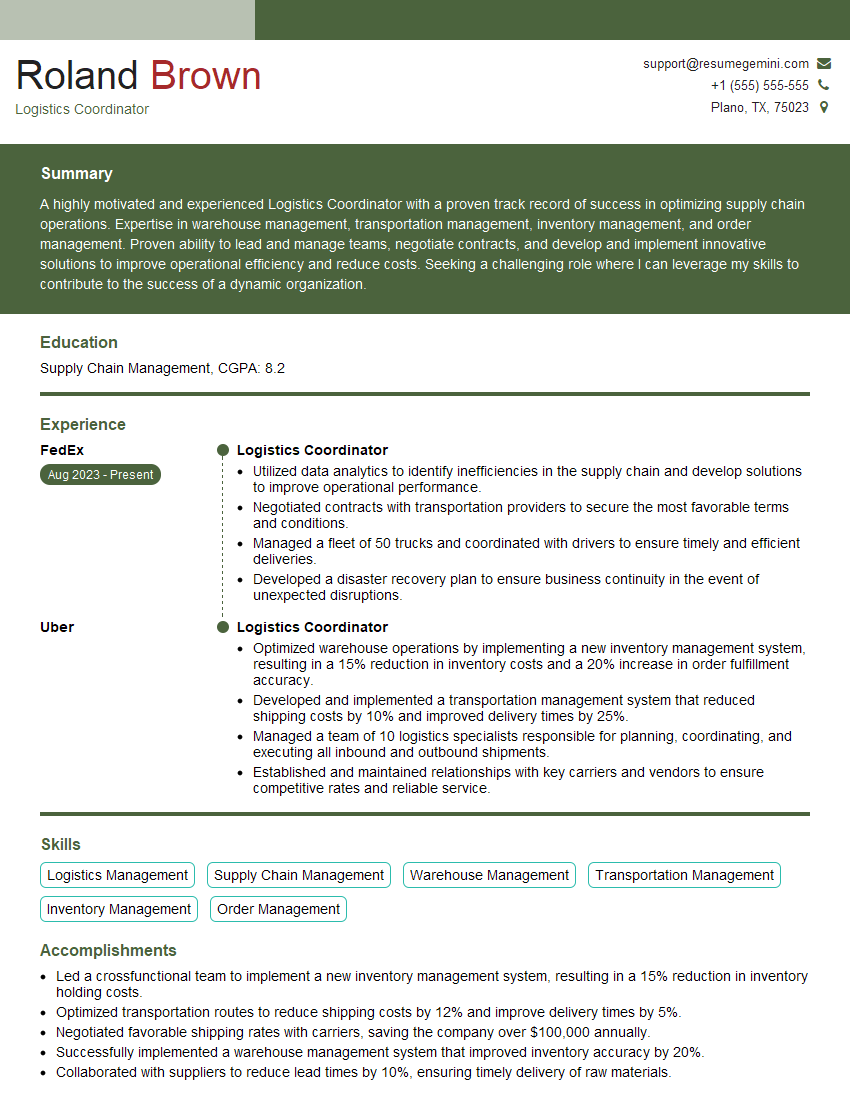
Logistics Coordinator Resume Sample
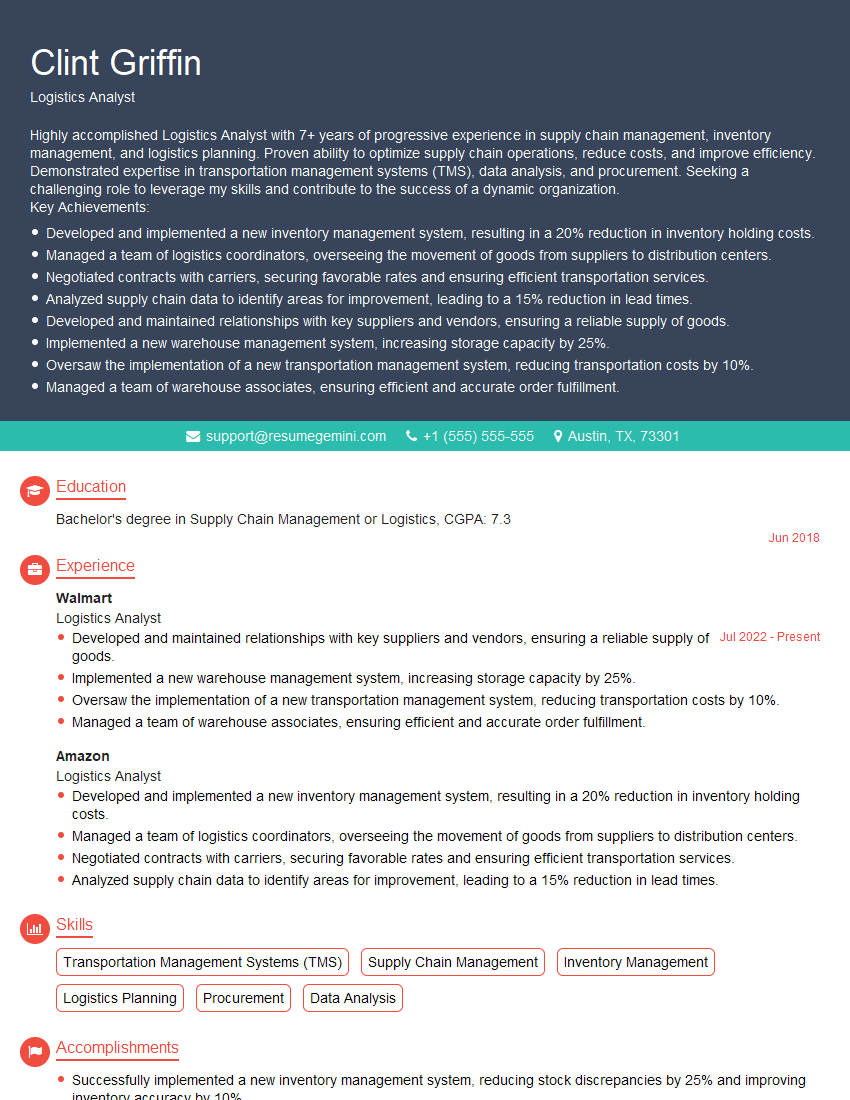
Logistics Analyst Resume Sample
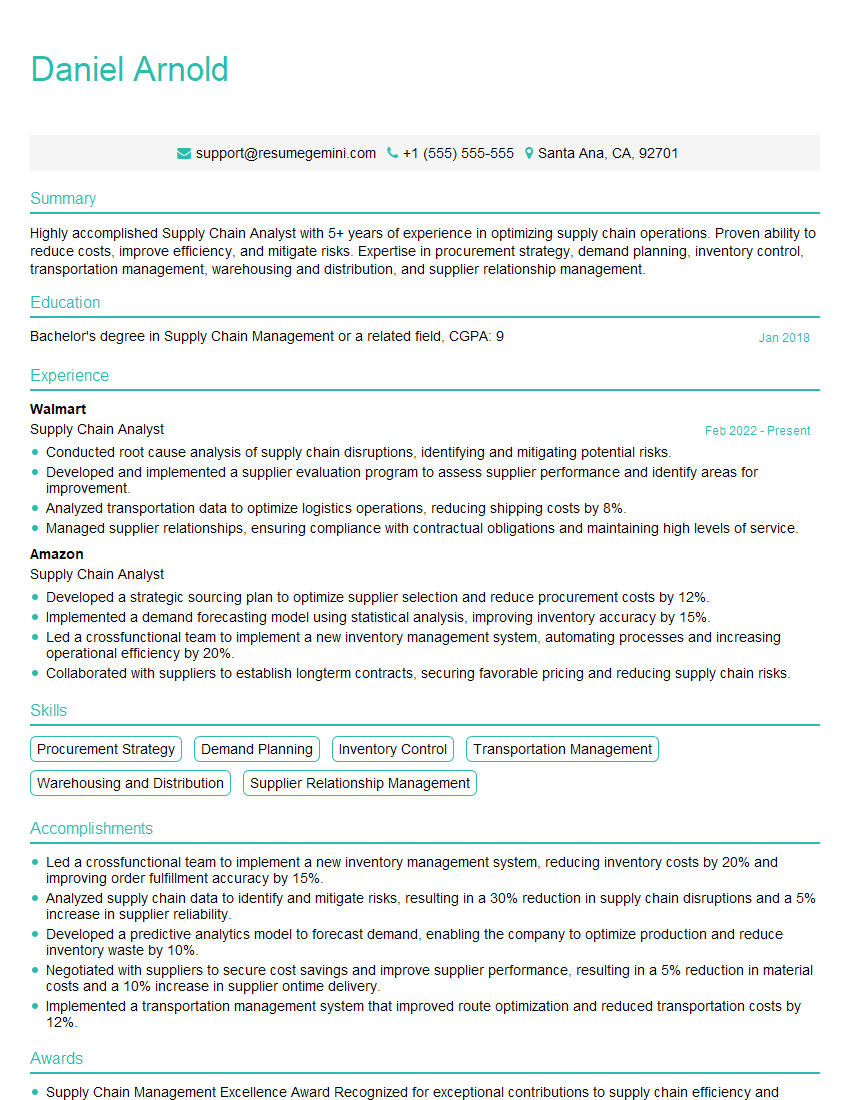
Supply Chain Analyst Resume Sample
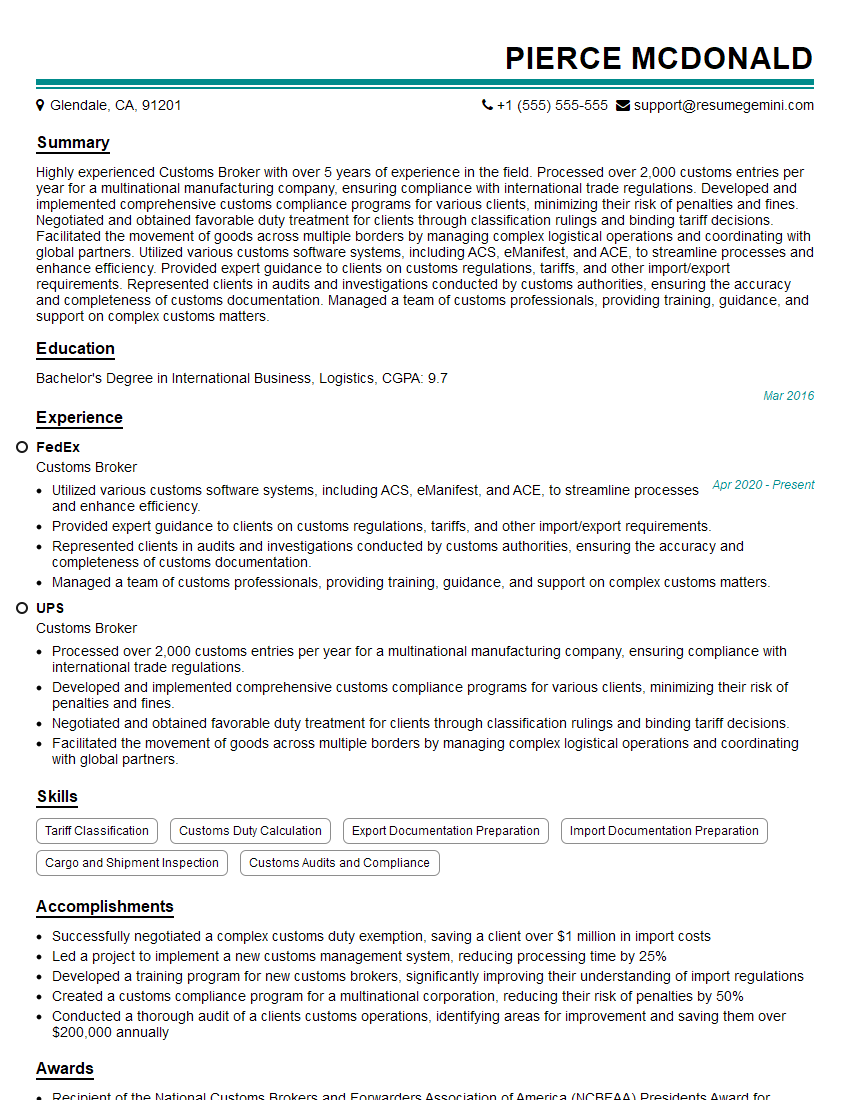
Customs Broker Resume Sample
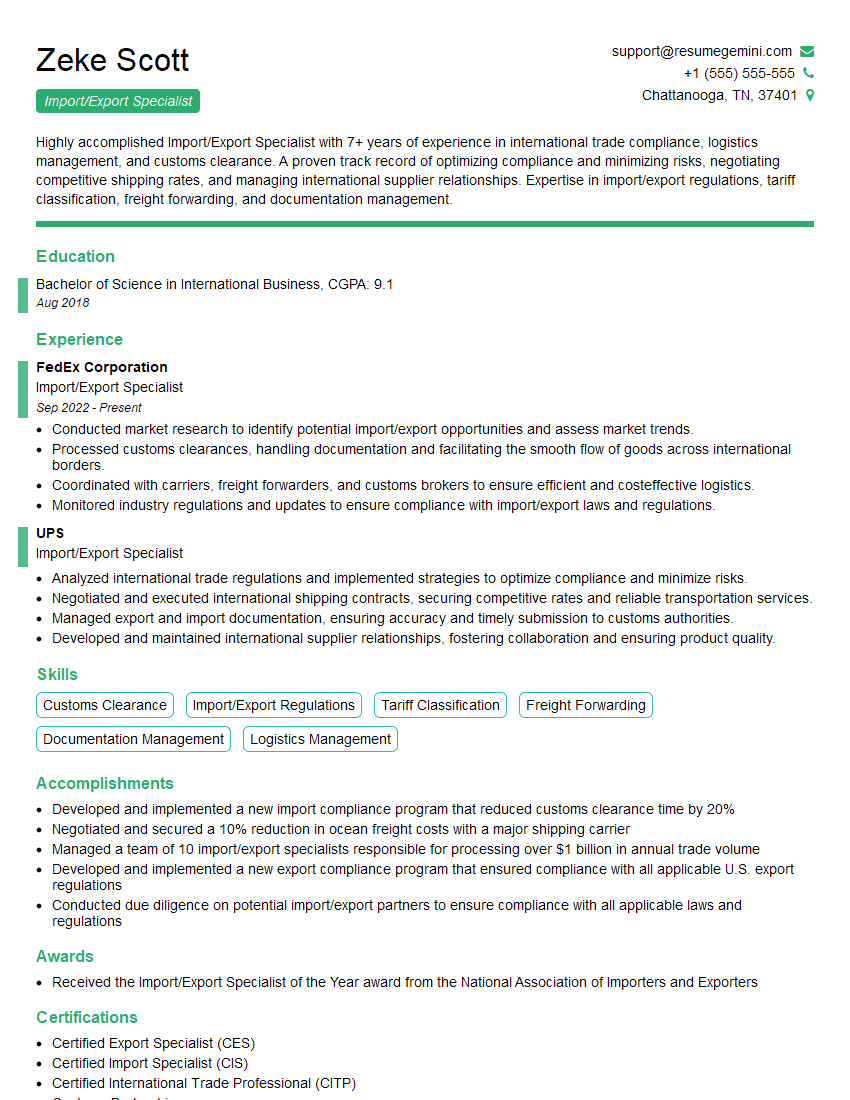
Import/Export Specialist Resume Sample
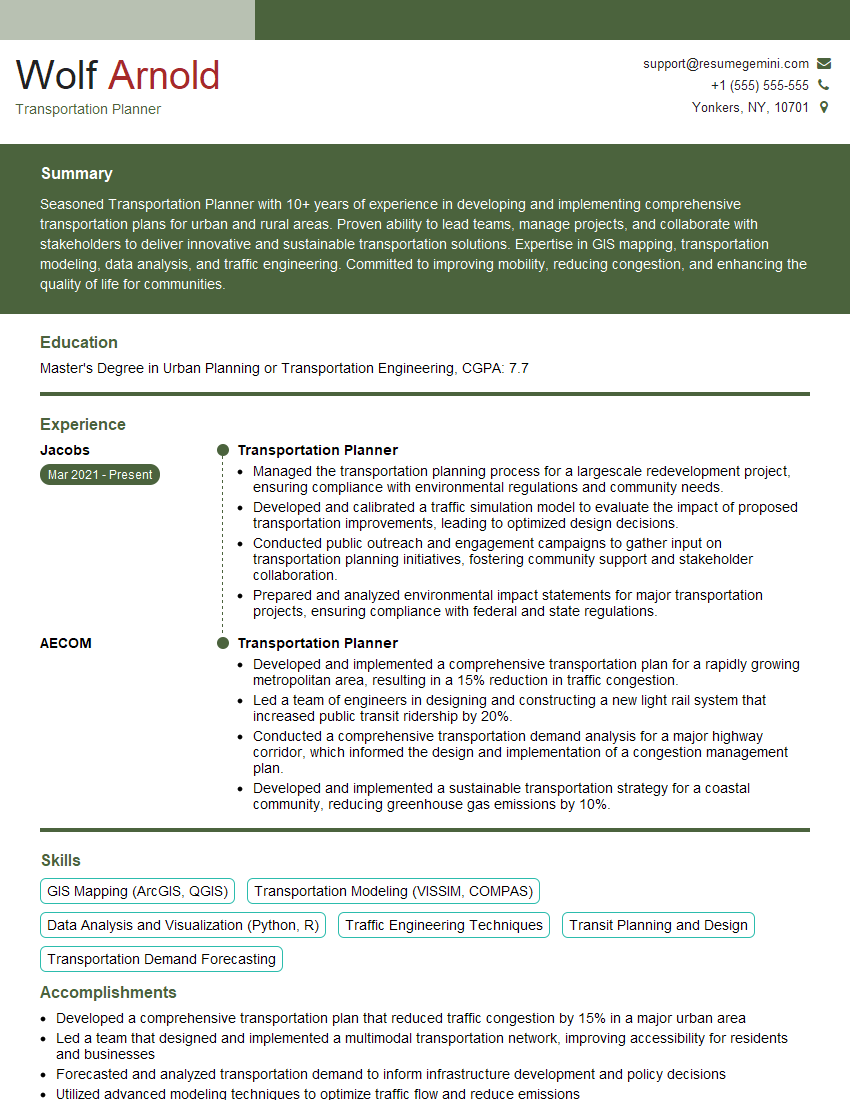
Transportation Planner Resume Sample
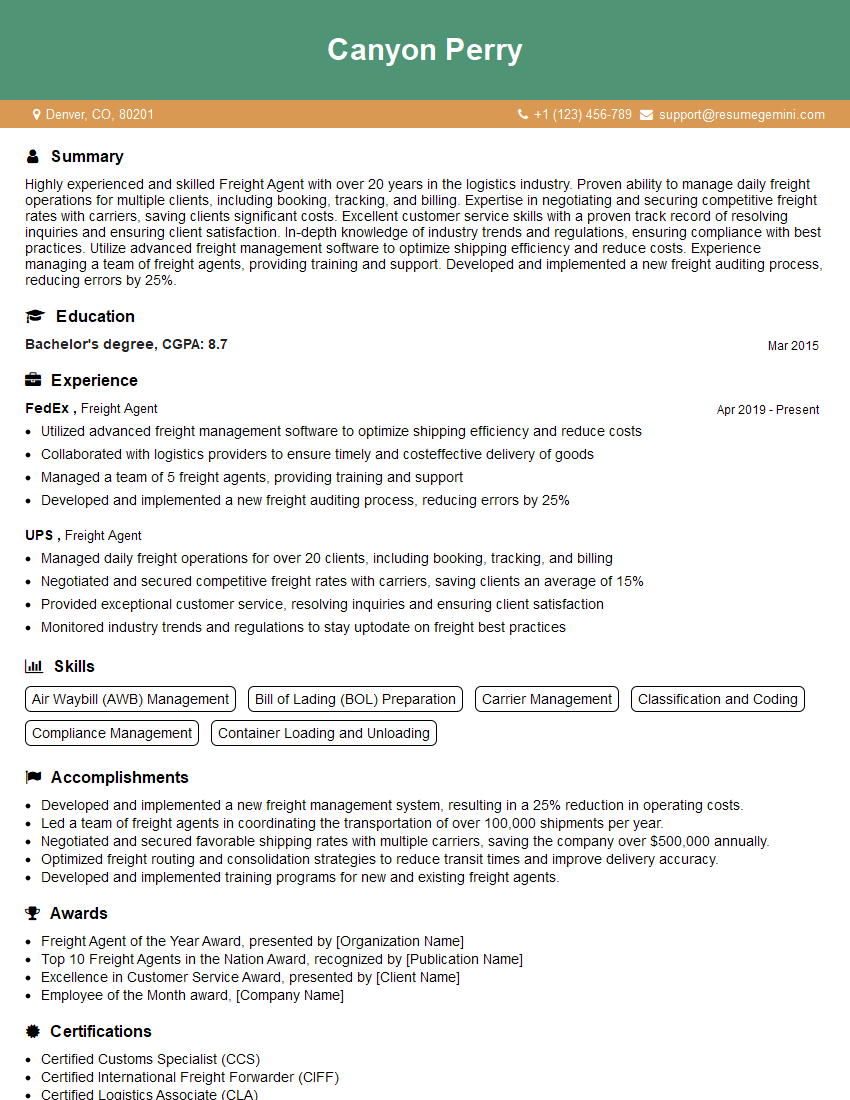
Freight Agent Resume Sample
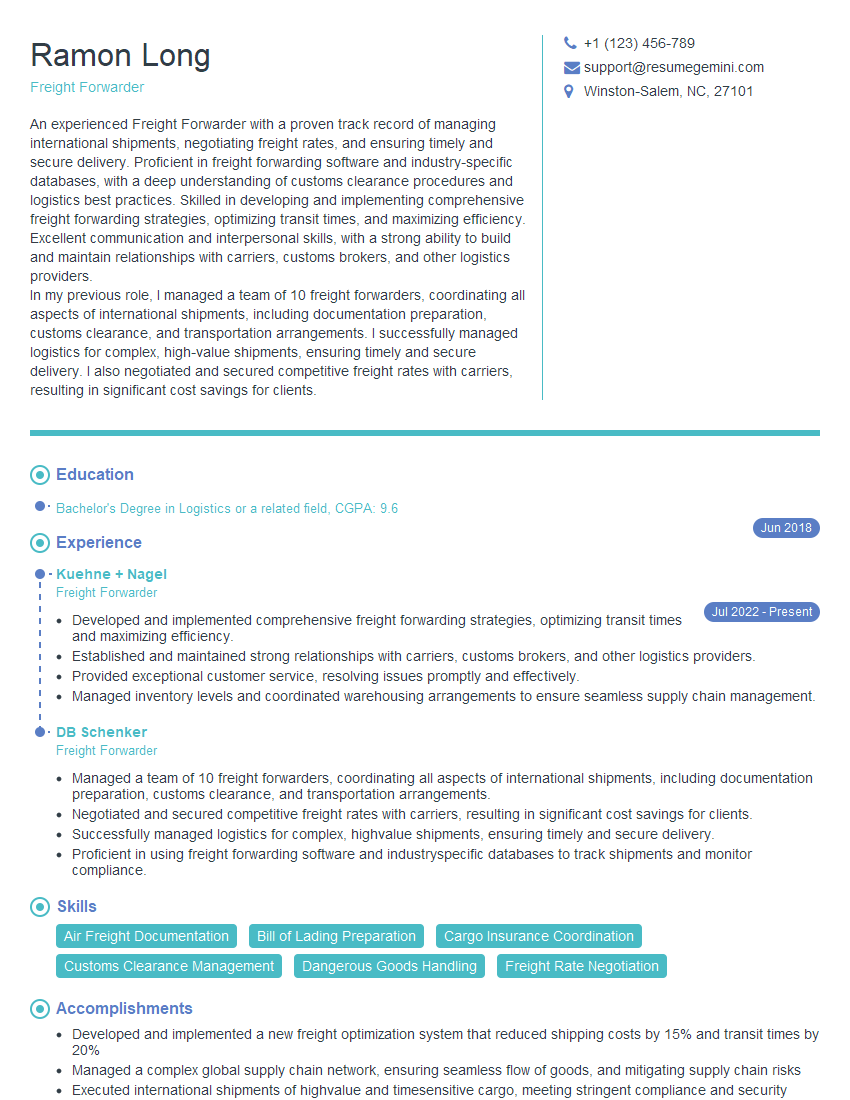
Freight Forwarder Resume Sample
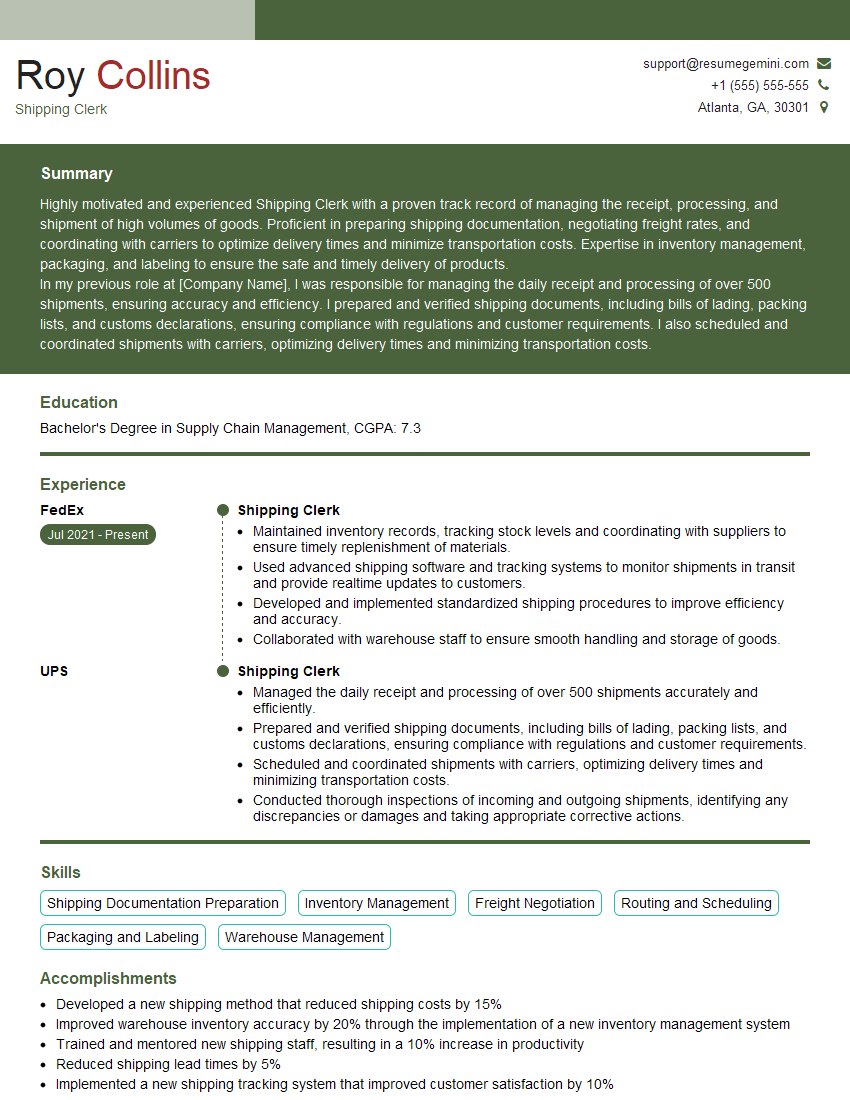
Shipping Clerk Resume Sample
Explore more articles
Users Rating of Our Blogs
Share Your Experience
We value your feedback! Please rate our content and share your thoughts (optional).
What Readers Say About Our Blog
Attention music lovers!
Wow, All the best Sax Summer music !!!
Spotify: https://open.spotify.com/artist/6ShcdIT7rPVVaFEpgZQbUk
Apple Music: https://music.apple.com/fr/artist/jimmy-sax-black/1530501936
YouTube: https://music.youtube.com/browse/VLOLAK5uy_noClmC7abM6YpZsnySxRqt3LoalPf88No
Other Platforms and Free Downloads : https://fanlink.tv/jimmysaxblack
on google : https://www.google.com/search?q=22+AND+22+AND+22
on ChatGPT : https://chat.openai.com?q=who20jlJimmy20Black20Sax20Producer
Get back into the groove with Jimmy sax Black
Best regards,
Jimmy sax Black
www.jimmysaxblack.com
Hi I am a troller at The aquatic interview center and I suddenly went so fast in Roblox and it was gone when I reset.
Hi,
Business owners spend hours every week worrying about their website—or avoiding it because it feels overwhelming.
We’d like to take that off your plate:
$69/month. Everything handled.
Our team will:
Design a custom website—or completely overhaul your current one
Take care of hosting as an option
Handle edits and improvements—up to 60 minutes of work included every month
No setup fees, no annual commitments. Just a site that makes a strong first impression.
Find out if it’s right for you:
https://websolutionsgenius.com/awardwinningwebsites
Hello,
we currently offer a complimentary backlink and URL indexing test for search engine optimization professionals.
You can get complimentary indexing credits to test how link discovery works in practice.
No credit card is required and there is no recurring fee.
You can find details here:
https://wikipedia-backlinks.com/indexing/
Regards
NICE RESPONSE TO Q & A
hi
The aim of this message is regarding an unclaimed deposit of a deceased nationale that bears the same name as you. You are not relate to him as there are millions of people answering the names across around the world. But i will use my position to influence the release of the deposit to you for our mutual benefit.
Respond for full details and how to claim the deposit. This is 100% risk free. Send hello to my email id: lukachachibaialuka@gmail.com
Luka Chachibaialuka
Hey interviewgemini.com, just wanted to follow up on my last email.
We just launched Call the Monster, an parenting app that lets you summon friendly ‘monsters’ kids actually listen to.
We’re also running a giveaway for everyone who downloads the app. Since it’s brand new, there aren’t many users yet, which means you’ve got a much better chance of winning some great prizes.
You can check it out here: https://bit.ly/callamonsterapp
Or follow us on Instagram: https://www.instagram.com/callamonsterapp
Thanks,
Ryan
CEO – Call the Monster App
Hey interviewgemini.com, I saw your website and love your approach.
I just want this to look like spam email, but want to share something important to you. We just launched Call the Monster, a parenting app that lets you summon friendly ‘monsters’ kids actually listen to.
Parents are loving it for calming chaos before bedtime. Thought you might want to try it: https://bit.ly/callamonsterapp or just follow our fun monster lore on Instagram: https://www.instagram.com/callamonsterapp
Thanks,
Ryan
CEO – Call A Monster APP
To the interviewgemini.com Owner.
Dear interviewgemini.com Webmaster!
Hi interviewgemini.com Webmaster!
Dear interviewgemini.com Webmaster!
excellent
Hello,
We found issues with your domain’s email setup that may be sending your messages to spam or blocking them completely. InboxShield Mini shows you how to fix it in minutes — no tech skills required.
Scan your domain now for details: https://inboxshield-mini.com/
— Adam @ InboxShield Mini
support@inboxshield-mini.com
Reply STOP to unsubscribe
Hi, are you owner of interviewgemini.com? What if I told you I could help you find extra time in your schedule, reconnect with leads you didn’t even realize you missed, and bring in more “I want to work with you” conversations, without increasing your ad spend or hiring a full-time employee?
All with a flexible, budget-friendly service that could easily pay for itself. Sounds good?
Would it be nice to jump on a quick 10-minute call so I can show you exactly how we make this work?
Best,
Hapei
Marketing Director
Hey, I know you’re the owner of interviewgemini.com. I’ll be quick.
Fundraising for your business is tough and time-consuming. We make it easier by guaranteeing two private investor meetings each month, for six months. No demos, no pitch events – just direct introductions to active investors matched to your startup.
If youR17;re raising, this could help you build real momentum. Want me to send more info?
Hi, I represent an SEO company that specialises in getting you AI citations and higher rankings on Google. I’d like to offer you a 100% free SEO audit for your website. Would you be interested?
Hi, I represent an SEO company that specialises in getting you AI citations and higher rankings on Google. I’d like to offer you a 100% free SEO audit for your website. Would you be interested?