Preparation is the key to success in any interview. In this post, we’ll explore crucial Skill: Conflict Resolution and Management interview questions and equip you with strategies to craft impactful answers. Whether you’re a beginner or a pro, these tips will elevate your preparation.
Questions Asked in Skill: Conflict Resolution and Management Interview
Q 1. Describe your approach to identifying the root cause of a conflict.
Identifying the root cause of a conflict is crucial for effective resolution. My approach is systematic and involves several key steps. First, I engage in active listening to understand each party’s perspective, ensuring I hear their emotions and concerns without interruption. This initial phase is critical to building trust and rapport. Then, I use open-ended questions to delve deeper, going beyond surface-level complaints to uncover underlying needs, values, and unmet expectations. For example, instead of asking ‘Why are you upset?’, I might ask ‘Can you describe what’s been challenging for you in this situation?’ I also look for patterns and recurring themes in their accounts. Finally, I construct a timeline of events to pinpoint the moment the conflict escalated, identifying triggers and contributing factors. Visual aids like flowcharts can be incredibly helpful in this process. This methodical approach helps avoid prematurely assigning blame and instead focuses on the underlying causes of the disagreement.
Q 2. Explain a time you successfully mediated a conflict between two individuals.
In a previous role, I mediated a conflict between two team members, Sarah and John, who were constantly clashing over project responsibilities. Sarah felt John wasn’t carrying his weight, while John felt Sarah was micromanaging him. My first step was to create a safe and neutral space for them to express their feelings without interruption. I then employed active listening, paraphrasing their statements to ensure understanding and showing empathy. I discovered that Sarah’s concern stemmed from past experiences with unreliable team members, leading her to be overly cautious. John, on the other hand, felt stifled by her close supervision and craved more autonomy. Instead of focusing on blame, we identified their underlying needs: Sarah needed reassurance and clear accountability, while John needed more trust and independence. We collaboratively developed a revised workflow with clearly defined roles and responsibilities, including regular check-ins to ensure progress and address any concerns promptly. This solution addressed both parties’ needs, leading to improved teamwork and project completion.
Q 3. How do you handle a conflict involving multiple stakeholders with conflicting interests?
Handling conflicts involving multiple stakeholders with conflicting interests requires a more structured approach. I typically start by identifying all relevant stakeholders and their respective interests. This often involves using stakeholder mapping techniques to visualize the relationships and power dynamics between individuals or groups. Then, I facilitate a series of meetings using techniques like facilitated workshops or brainstorming sessions. The goal is to create a shared understanding of the problem and explore potential solutions collaboratively. I use tools like Nominal Group Technique (NGT) to ensure everyone’s voice is heard and to prioritize solutions based on consensus. Compromise and negotiation are essential, and I often employ techniques like interest-based bargaining, focusing on finding mutually beneficial outcomes rather than positional bargaining, which often leads to stalemates. Finally, clear and concise documentation of the agreement reached, outlining responsibilities and timelines, is critical to avoid future misunderstandings.
Q 4. What strategies do you employ to de-escalate a tense situation?
De-escalating tense situations involves creating a calm and controlled environment. My strategies include maintaining a calm and neutral demeanor, even when faced with aggressive behavior. I use active listening to validate the other person’s feelings and show empathy. This often diffuses anger. I use reflective statements like ‘It sounds like you’re feeling frustrated’ to acknowledge their emotions. I also employ techniques like reframing, rephrasing statements to focus on common goals rather than emphasizing differences. Physical de-escalation techniques, such as creating physical distance or suggesting a break if needed, are also part of my toolkit. It’s important to never engage in aggressive or confrontational behavior, and to actively create space for emotions to subside before continuing the conversation.
Q 5. Describe your experience using different conflict resolution styles (e.g., collaborating, compromising, accommodating).
My experience spans various conflict resolution styles. Collaborating, finding a solution that satisfies everyone’s needs, is my preferred approach when possible. For instance, in resolving a budget dispute between two departments, we collaboratively identified areas for synergy and cost savings, creating a mutually beneficial outcome. Compromising, finding a middle ground acceptable to all parties, is used when a collaborative solution is not feasible. In a scheduling conflict, compromising on meeting times ensured everyone’s availability. Accommodating, prioritizing the other party’s needs, is used strategically when the issue is less important to me than the relationship. In one instance, accommodating a colleague’s request on a minor project priority maintained positive working relations. Selecting the appropriate style depends on the context, the relationship, and the stakes involved.
Q 6. How do you determine the appropriate conflict resolution technique for a given situation?
Choosing the right conflict resolution technique requires careful consideration of several factors. The severity of the conflict, the relationship between the parties, the time constraints, and the power dynamics involved all play a role. For minor disagreements, a simple compromising approach might suffice. However, for more complex conflicts involving significant power imbalances, a more structured approach such as mediation or arbitration might be necessary. I assess the situation by asking: What’s the urgency? What’s at stake? What’s the relationship like between the parties? What are their preferred communication styles? Understanding these factors guides me towards selecting the most effective and appropriate technique, ensuring a fair and efficient resolution.
Q 7. Explain your understanding of win-win solutions and how you achieve them.
Win-win solutions are outcomes where all parties involved feel they’ve achieved a positive outcome, leaving no one feeling defeated. Achieving these solutions requires a focus on collaboration and understanding each party’s underlying interests. This often involves moving beyond positions (stated demands) and exploring the needs and values that drive those positions. Creative problem-solving, brainstorming, and reframing the conflict as a shared challenge are essential. For example, in a team conflict over limited resources, instead of focusing on assigning blame for resource allocation, we reframed it as a challenge to optimize resource utilization, and collaboratively developed a new system where everyone felt their needs were adequately met. This approach fostered cooperation and created a sense of shared ownership in the solution.
Q 8. How do you manage conflicts involving power imbalances?
Managing conflicts involving power imbalances requires a delicate approach. The key is to level the playing field, ensuring all parties feel heard and respected, regardless of their hierarchical position. This isn’t about eliminating power dynamics, but about mitigating their negative impact on the conflict resolution process.
- Empower the less powerful party: Actively encourage the less powerful individual to express their concerns openly and honestly. Create a safe space for them to voice their opinions without fear of retribution. Techniques like active listening and empathetic responses are crucial here. For example, if a junior employee is in conflict with a senior manager, I’d ensure the junior employee feels comfortable voicing concerns without fear of professional consequences.
- Focus on shared interests: Shifting the focus from individual power struggles to common goals can help bridge the gap. Ask questions like, “What outcome would benefit both of you?” Finding common ground allows parties to collaborate rather than compete.
- Neutral facilitation: As a neutral third party, I can help mediate the conversation and ensure the less powerful voice is heard and considered. This includes ensuring fair speaking time and preventing interruptions or intimidation tactics.
- Documentation and process: Having a clear process documented and understood by everyone involved can provide a level of comfort and fairness. This includes transparent guidelines for conflict resolution and clear expectations of behavior.
For instance, in a workplace scenario between a supervisor and an employee, I might facilitate a meeting where the employee’s concerns are documented and the supervisor is asked to respond constructively, with specific action plans addressed to concerns. The focus would remain on finding solutions that benefit the team overall, rather than simply accepting the supervisor’s viewpoint due to their authority.
Q 9. How do you handle situations where parties are unwilling to compromise?
When parties are unwilling to compromise, the situation requires a more strategic approach. It’s important to understand the underlying reasons for their intransigence. Often, it’s not about the issue itself but underlying needs or fears.
- Identify underlying needs: Instead of focusing on positions, explore the underlying interests or needs driving each party’s stance. Ask open-ended questions to understand their perspectives. For example, “What are your key concerns in this situation?” or “What would a successful resolution look like for you?”
- Explore alternative solutions: If compromise is impossible, brainstorm alternative solutions that address each party’s needs. This might involve finding creative solutions outside the initial parameters of the conflict.
- Separate the people from the problem: Often, emotions become intertwined with the issue. Helping individuals separate their feelings from the problem at hand can allow for a more objective discussion. Techniques like reframing the situation and focusing on collaborative problem-solving can be helpful.
- Mediation and facilitation: In these situations, my role as a mediator becomes even more critical. I help guide the discussion, ensuring respect and encouraging each party to listen actively and consider different viewpoints. This often involves employing techniques like reflective listening and summarizing to ensure understanding.
- Acceptance of impasse: In some cases, despite best efforts, an agreement cannot be reached. It’s important to acknowledge this and determine next steps. This might involve involving higher management or agreeing to a temporary solution while working toward a more comprehensive resolution later.
For example, in a negotiation between two departments with conflicting resource needs, I might help them explore alternative resource allocation strategies, potentially involving other departments or finding external solutions rather than forcing a compromise that leaves both dissatisfied.
Q 10. What steps do you take to ensure a conflict resolution agreement is implemented effectively?
Ensuring effective implementation of a conflict resolution agreement requires careful planning and follow-up. A well-defined agreement is only as good as its execution.
- Clear and specific agreement: The agreement needs to be clear, concise, and specific, leaving no room for misinterpretation. Key actions, responsibilities, and deadlines must be explicitly stated. The agreement should be jointly created and mutually agreed upon to promote ownership.
- Regular check-ins: Schedule regular follow-up meetings to monitor progress and address any emerging issues. These check-ins allow for proactive problem-solving and prevent minor issues from escalating.
- Establish accountability: Clearly define the roles and responsibilities of each party in the implementation process, making them accountable for their commitments. This might involve assigning specific tasks and deadlines.
- Communication channels: Establish clear communication channels for reporting progress, addressing concerns, and raising any challenges during the implementation phase. Regular updates ensure transparency and promote shared understanding.
- Consequence management: In case of non-compliance, a pre-defined consequence management process should be established. This isn’t meant to be punitive but to ensure the agreement is taken seriously and that everyone remains committed to the resolution.
For example, after a workplace conflict is resolved with a written agreement outlining changes in communication protocols and workflow, regular check-in meetings will assess progress and address any unexpected challenges. Failure to adhere to the agreement might lead to further mediation or disciplinary actions depending on company policy.
Q 11. Describe a situation where a conflict resolution attempt failed. What did you learn?
In one instance, I attempted to mediate a conflict between two team members with deeply entrenched personal issues that extended far beyond the immediate workplace dispute. Despite employing various conflict resolution techniques, including active listening, reframing, and exploring underlying interests, the parties remained unwilling to move beyond their emotional responses.
The attempt ultimately failed because the underlying issues were far too complex and deeply rooted to be resolved within the confines of a work-related conflict resolution setting. I learned that recognizing limitations is crucial. Sometimes, professional intervention beyond conflict resolution is needed; in this case, I recommended external counseling for both individuals.
The valuable lesson was to accurately assess the complexity and nature of the conflict before committing to a resolution. Identifying the need for external help prevented unnecessary time wasted on unsustainable mediation efforts, and instead steered both parties toward appropriate professional support.
Q 12. How do you handle personal biases during conflict resolution?
Handling personal biases during conflict resolution is critical for fairness and impartiality. It’s essential to be aware of your own biases and proactively mitigate their influence on the process.
- Self-reflection: Regularly reflect on your own values, beliefs, and experiences to identify potential biases. This awareness is the first step towards managing them.
- Active listening: Pay close attention to what each party is saying, without judgment or interruption. Try to understand their perspective, even if you don’t agree with it.
- Seek feedback: Ask for feedback from colleagues or supervisors on your approach to conflict resolution. Objective feedback helps identify blind spots and areas for improvement.
- Focus on facts: Concentrate on the objective facts of the situation rather than emotional interpretations or personal opinions. Base decisions on evidence and observable data.
- Consult others: In cases where you are unsure about your ability to remain impartial, don’t hesitate to seek guidance from a more experienced mediator or supervisor.
For example, if I find myself more sympathetic towards one party due to shared background or experience, I’ll consciously make an effort to actively listen more closely to the other party’s perspective and to ensure they have equal opportunity to be heard. I’d also try to use more neutral language and avoid making assumptions or judgments.
Q 13. How do you maintain objectivity when dealing with emotionally charged situations?
Maintaining objectivity in emotionally charged situations demands a high level of self-awareness and emotional regulation.
- Emotional detachment: While empathy is important, strive for emotional detachment; don’t let your own feelings cloud your judgment. This doesn’t mean being uncaring, but rather maintaining a professional distance to facilitate objective analysis.
- Active listening with empathy: Listen actively to understand the emotional experience of each party, but resist getting drawn into their emotional state. Acknowledge their feelings without necessarily agreeing with them.
- Focus on facts and behaviors: Shift the focus from opinions and feelings to observable facts and behaviors. Describe the situation objectively, avoiding charged language or personal opinions.
- li>Time management: In highly emotional situations, taking breaks can help regulate emotions and prevent impulsive decisions. A pause allows for calm reflection and reasoned responses.
- Professional boundaries: Remember your role is to facilitate a resolution, not to become personally involved in the conflict. Maintaining professional boundaries ensures impartiality and effectiveness.
For example, if two individuals are engaged in a heated argument, I would calmly separate the parties if needed, help them to calm down, and then refocus the conversation on observable facts and behaviors related to the conflict. I might say something like, “I understand both of you feel strongly about this, but let’s focus on what happened and how we can move forward.”
Q 14. How do you document the conflict resolution process?
Documentation of the conflict resolution process is crucial for several reasons, including accountability, transparency, and legal protection.
- Initial report: A concise summary of the conflict, including the parties involved, the nature of the dispute, and the date of the initial report.
- Meeting minutes: Detailed notes taken during all meetings, including key discussion points, agreements reached, and action items assigned to each party.
- Correspondence: All relevant emails, letters, or other communications related to the conflict should be archived and organized.
- Agreement documents: A written copy of the final agreement, including all terms and conditions, signed by all parties involved. This serves as a legally binding contract.
- Follow-up reports: Regular reports documenting progress made towards implementing the agreement, addressing any challenges encountered, and providing updates on the status of the resolution.
The documentation should be objective, factual, and free of subjective opinions or biases. It’s essential to maintain confidentiality and comply with data protection regulations. In some organizations, specific templates or reporting systems are used to ensure consistency and compliance.
Q 15. How do you ensure confidentiality when resolving conflicts?
Confidentiality is paramount in conflict resolution. It builds trust, encourages open communication, and protects individuals involved. I ensure confidentiality by:
- Clearly stating confidentiality at the outset: I explicitly explain that all information shared will be treated with strict confidentiality, unless legally obligated to disclose it (e.g., threats of violence).
- Creating a safe space: The setting for conflict resolution should be private and free from distractions or interruptions. This might be a closed-door meeting room or a secure virtual meeting space.
- Avoiding gossip or casual discussions: I never discuss the details of a conflict with others not directly involved. I only share information on a need-to-know basis with relevant stakeholders, always anonymizing where possible.
- Documenting carefully: When documenting the process, I use pseudonyms or avoid identifying information whenever possible. I maintain secure storage for all records.
- Seeking guidance when necessary: If I encounter complex ethical dilemmas regarding confidentiality, I consult with legal counsel or a senior manager to ensure I adhere to all relevant policies and laws.
For example, in a conflict between two team members over project responsibilities, I wouldn’t share details about their individual performance or personality traits with others beyond those directly involved in resolving the issue.
Career Expert Tips:
- Ace those interviews! Prepare effectively by reviewing the Top 50 Most Common Interview Questions on ResumeGemini.
- Navigate your job search with confidence! Explore a wide range of Career Tips on ResumeGemini. Learn about common challenges and recommendations to overcome them.
- Craft the perfect resume! Master the Art of Resume Writing with ResumeGemini’s guide. Showcase your unique qualifications and achievements effectively.
- Don’t miss out on holiday savings! Build your dream resume with ResumeGemini’s ATS optimized templates.
Q 16. How do you assess the effectiveness of your conflict resolution efforts?
Assessing the effectiveness of conflict resolution involves measuring both the immediate and long-term impact. I use a multi-faceted approach:
- Immediate feedback: Following a resolution, I gather feedback from all parties involved. This involves asking open-ended questions about their satisfaction with the process and the outcome. I gauge if they feel heard, understood, and if their concerns were addressed.
- Follow-up meetings: I schedule follow-up meetings (often a week or month later) to check if the agreed-upon solutions are working. This allows me to identify and address any recurring issues or unforeseen challenges.
- Behavioral observation: I observe the interactions of the individuals involved to see if their behavior has improved and if the conflict has been truly resolved. A reduction in tension, improved collaboration, and increased communication are positive signs.
- Quantitative measures: Depending on the context, I might use quantitative measures such as employee satisfaction surveys, productivity metrics, or customer feedback to assess the indirect impact of the conflict resolution.
- Self-reflection: I critically evaluate my own performance in managing the conflict. Were my techniques effective? Could I have approached the situation differently? This continuous self-improvement is crucial.
For instance, if a conflict between sales and marketing teams affected project deadlines, I would monitor those deadlines after resolution and assess if they are being met. If not, I would revisit the resolution strategy.
Q 17. How do you manage conflicts in virtual or remote teams?
Managing conflicts in virtual or remote teams requires extra care and proactive strategies. Clear communication and accessible tools are key. I utilize:
- Asynchronous communication: For complex issues, I leverage email, project management tools (like Asana or Trello), or collaborative documents to allow parties time to reflect and formulate responses before direct engagement.
- Regular check-ins: Frequent virtual meetings (e.g., short weekly check-ins) maintain connection and help prevent smaller issues from escalating.
- Video conferencing: Where possible, I use video conferencing to facilitate better understanding of non-verbal cues and build rapport, especially when dealing with emotionally charged situations.
- Defined communication protocols: I establish clear communication channels and expectations to avoid misunderstandings. For example, specifying when email, instant messaging, or phone calls are most appropriate.
- Conflict resolution tools: Many online platforms offer tools specifically designed for conflict resolution, allowing for structured discussions and progress tracking.
If a remote team member feels unheard, I would proactively schedule a one-on-one video call to address their concerns directly and make them feel included in the process.
Q 18. How do you handle situations involving aggressive or hostile individuals?
Handling aggressive or hostile individuals requires a calm, firm, and assertive approach. Safety is the top priority. My approach involves:
- Prioritizing safety: If I feel threatened, I will immediately involve security or HR. I would not continue the conflict resolution process if safety is compromised.
- Remaining calm and neutral: My own behavior sets the tone. I avoid mirroring aggression, speaking calmly and evenly, even if the other person is shouting or being verbally abusive.
- Active listening: While maintaining boundaries, I try to understand their perspective and validate their feelings. This doesn’t mean agreeing, but rather acknowledging their emotional state.
- Setting clear boundaries: I clearly state what behaviors are unacceptable and what the consequences will be if they persist. This is crucial for de-escalation.
- Seeking mediation or professional help: For particularly challenging situations, involving a neutral third party (mediator or HR professional) can be beneficial.
Example: If someone becomes verbally abusive during a meeting, I might say, ‘I understand you’re upset, but personal attacks are unacceptable. Let’s refocus on the issue at hand.’ Then I would set a clear expectation that this behavior won’t be tolerated and may have consequences.
Q 19. How do you balance the needs of individual parties with the needs of the organization?
Balancing individual needs with organizational needs is a critical aspect of effective conflict resolution. It requires fairness, empathy, and strategic thinking. My approach is to:
- Understand individual perspectives: I carefully listen to each party, seeking to understand their concerns, interests, and needs.
- Identify common ground: I actively look for shared goals and areas of agreement to build a foundation for collaboration.
- Explore mutually beneficial solutions: I facilitate discussions to identify solutions that address both individual and organizational needs. This often involves creative compromise and problem-solving.
- Apply relevant policies and procedures: I ensure the resolution aligns with company policies and ethical guidelines.
- Document the process and outcome: This creates transparency and accountability, safeguarding both individual and organizational interests.
For example, if two employees are in conflict about a project deadline, I would help them find a solution that meets the project requirements (organizational need) while also considering their workload and individual constraints (individual needs). This might involve re-allocating tasks, adjusting deadlines slightly, or providing additional support.
Q 20. What are the ethical considerations in conflict resolution?
Ethical considerations in conflict resolution are paramount. My approach always prioritizes:
- Impartiality: I strive to remain neutral and avoid taking sides. My role is to facilitate a fair process, not to judge or favor any particular party.
- Transparency: The process should be open and transparent, with all parties aware of the steps involved and the criteria used to make decisions.
- Respect for autonomy: Individuals should be empowered to make their own decisions, even if those decisions aren’t what I would have chosen. I guide and facilitate, not dictate.
- Confidentiality: As previously discussed, maintaining confidentiality is vital in protecting individuals and preserving trust.
- Fairness and equity: The resolution should be fair and equitable to all parties involved, considering their individual circumstances and needs.
- Compliance with laws and regulations: All actions must comply with applicable laws and company policies.
For instance, if a conflict involves potential legal implications, such as harassment or discrimination, I would immediately involve the relevant authorities and ensure the process aligns with legal and ethical requirements.
Q 21. How do you prioritize competing deadlines and conflict resolution tasks?
Prioritizing competing deadlines and conflict resolution tasks requires careful planning and effective time management. My approach involves:
- Assessing urgency and impact: I evaluate the urgency of both the deadlines and the conflict, considering their potential impact on the organization and individuals involved. Conflicts that threaten safety or significantly impact productivity usually take precedence.
- Time blocking and scheduling: I dedicate specific time slots for conflict resolution, ensuring sufficient time to address the issue effectively.
- Delegation (where appropriate): If possible, I delegate less urgent tasks or seek assistance from colleagues to free up time for critical issues.
- Communication and negotiation: I communicate proactively with all stakeholders to manage expectations and coordinate efforts.
- Seeking support: If facing multiple competing priorities, I seek guidance from supervisors or mentors to establish the optimal course of action.
For instance, if a significant conflict arises that threatens a major project deadline, I would prioritize resolving the conflict, even if it means postponing less urgent tasks. Effective communication with the project team would be vital to manage expectations and ensure successful project completion.
Q 22. What is your approach to resolving conflicts within a culturally diverse environment?
Resolving conflicts in diverse environments requires a nuanced approach that acknowledges and respects cultural differences. My strategy involves:
- Cultural Sensitivity Training: I ensure I have a foundational understanding of the different cultures involved. This includes awareness of communication styles, nonverbal cues, and potential sensitivities.
- Active Listening and Empathy: I prioritize listening to understand each individual’s perspective within their cultural context, avoiding making assumptions or imposing my own worldview.
- Neutral Ground and Mediation: I strive to find a neutral setting and act as a mediator, facilitating communication and helping each party articulate their concerns without judgment.
- Interpreters/Translators: If necessary, I utilize qualified interpreters to ensure clear and accurate communication, minimizing misunderstandings.
- Tailored Solutions: I understand that a ‘one-size-fits-all’ approach won’t work. Solutions must be adapted to the specific cultural contexts of the individuals involved.
For example, in a conflict between a direct communication style and an indirect one, I would encourage the direct communicator to be more considerate and the indirect communicator to be more explicit, ensuring both feel heard and understood.
Q 23. How do you facilitate communication during conflict resolution?
Facilitating communication during conflict resolution is paramount. I utilize several techniques:
- Active Listening: Paying close attention to verbal and nonverbal cues, reflecting back what I hear to ensure understanding, and asking clarifying questions.
- Open-Ended Questions: Instead of leading questions, I use open-ended questions that encourage individuals to express their thoughts and feelings fully, such as ‘Can you tell me more about that?’ or ‘How did that make you feel?’
- Setting Ground Rules: Establishing a respectful and safe space for communication, including rules about interrupting, personal attacks, and maintaining confidentiality.
- Reframing: Helping individuals reframe their perspectives and understand the other party’s point of view. This involves identifying common goals and highlighting areas of agreement.
- Summarizing and Paraphrasing: Regularly summarizing and paraphrasing what each party has said to ensure mutual understanding and avoid misinterpretations.
For instance, if one party accuses another of intentionally sabotaging their project, I might reframe the situation by asking, ‘So, it sounds like you’re feeling frustrated because the project is behind schedule, and you believe this person’s actions contributed to that. Can you tell me specifically what actions you are referring to?’
Q 24. How do you anticipate and prevent potential conflicts?
Conflict prevention is proactive and focuses on building strong relationships and clear communication. My approach involves:
- Regular Communication: Establishing open and frequent communication channels to address concerns before they escalate into major conflicts.
- Clear Expectations and Roles: Defining roles, responsibilities, and expectations clearly from the outset, reducing ambiguity and misunderstandings.
- Team Building Activities: Engaging teams in activities that foster trust, cooperation, and mutual understanding.
- Conflict Resolution Training: Providing training to team members on conflict resolution skills and strategies.
- Early Intervention: Addressing minor disagreements or tensions promptly before they escalate into larger conflicts.
For example, I might schedule regular team meetings to discuss progress, challenges, and concerns, creating an environment where team members feel comfortable raising issues before they become significant problems.
Q 25. How do you build trust and rapport with conflicting parties?
Building trust and rapport is crucial for successful conflict resolution. I achieve this by:
- Empathy and Understanding: Demonstrating genuine care and concern for the feelings and perspectives of each individual involved.
- Active Listening: Carefully listening to each party, validating their feelings, and showing that their concerns are being taken seriously.
- Respectful Communication: Communicating with respect, avoiding judgmental language or personal attacks.
- Fairness and Impartiality: Demonstrating fairness and impartiality in my approach, ensuring that each party feels heard and respected.
- Consistency and Reliability: Being consistent and reliable in my actions and communication, building credibility and trust.
I might start by saying something like, ‘I understand that you’re feeling frustrated, and I want to make sure we address this situation fairly and respectfully.’ This shows empathy and sets a positive tone.
Q 26. Describe a time you had to make a difficult decision regarding conflict resolution.
In a previous role, I faced a difficult decision involving a conflict between two high-performing team members with clashing work styles. One was highly organized and detail-oriented, while the other was more creative and spontaneous. Their disagreements were impacting team productivity and morale.
I initially attempted mediation, encouraging them to find common ground. However, their differences were fundamental and deeply rooted. After careful consideration, weighing the team’s overall performance against individual preferences, I had to make the difficult decision to reassign responsibilities, separating their direct collaboration. This wasn’t ideal, but it was the best option to ensure the team’s project deadlines were met and to avoid further escalation. Following the reassignment, I ensured both individuals received individual coaching to help them improve their communication and collaboration skills. While initially there was some resentment, the overall impact on team productivity was positive, and the long-term relationship between the individuals improved.
Q 27. How do you utilize active listening to resolve conflict?
Active listening is the cornerstone of my conflict resolution approach. It’s not just hearing words; it’s understanding the emotions and perspectives behind them. I use several active listening techniques:
- Paying Attention: Giving my undivided attention, making eye contact, and minimizing distractions.
- Withholding Judgment: Avoiding interrupting or forming opinions before fully understanding each party’s perspective.
- Reflecting and Paraphrasing: Summarizing what I’ve heard to ensure accuracy and demonstrate understanding, like ‘So, if I understand correctly, you’re feeling frustrated because…’
- Asking Clarifying Questions: Using open-ended questions to delve deeper into the issues and gather more information, avoiding leading questions.
- Empathetic Responses: Responding with empathy, acknowledging and validating the emotions expressed.
For example, if someone is expressing anger, instead of dismissing it, I would say something like, ‘It sounds like you’re feeling really angry right now. Can you tell me more about what’s causing that anger?’
Q 28. How do you deal with repeated conflict between the same individuals?
Repeated conflicts between the same individuals often indicate an underlying systemic issue. Addressing it requires a more in-depth approach than simply mediating the immediate conflict. I would:
- Identify Root Causes: I’d delve deeper to uncover the root cause of the repeated conflicts. This might involve individual interviews, observations, and analysis of past conflict resolution attempts.
- Address Systemic Issues: Are there unclear roles, inadequate resources, or communication breakdowns contributing to the conflict? Addressing these underlying issues is key.
- Develop a Formal Agreement: In cases of chronic conflict, creating a formal agreement outlining expectations, communication protocols, and conflict resolution processes could be helpful.
- Individual Coaching: Providing individual coaching to the individuals involved to improve their communication, conflict management, and interpersonal skills.
- Mediation and Facilitation: Structured mediation sessions to help the parties communicate effectively and find mutually acceptable solutions. This may need to be more formal and involve documentation of agreements.
If, for instance, two individuals constantly clash over project priorities, it might indicate a lack of clear project guidelines. I’d then work to create clearer guidelines and ensure they are understood and agreed upon by everyone.
Key Topics to Learn for Skill: Conflict Resolution and Management Interview
- Understanding Conflict Styles: Learn to identify different conflict styles (e.g., avoiding, accommodating, competing, compromising, collaborating) and their implications. Consider how your own style impacts conflict resolution.
- Active Listening and Empathetic Communication: Practice techniques for active listening, including paraphrasing and reflecting feelings. Understand the importance of empathy in de-escalating conflict and finding common ground.
- Conflict Diagnosis and Root Cause Analysis: Develop skills to identify the underlying causes of conflict, going beyond surface-level issues to address the root problem. This involves asking clarifying questions and seeking diverse perspectives.
- Negotiation and Mediation Strategies: Explore various negotiation tactics (e.g., integrative bargaining, distributive bargaining) and learn how to facilitate constructive dialogue between conflicting parties. Practice mediation techniques to help find mutually acceptable solutions.
- Communication and De-escalation Techniques: Master effective communication techniques to calmly and assertively address conflict. Learn strategies for de-escalating tense situations and preventing conflicts from escalating.
- Documentation and Follow-up: Understand the importance of documenting conflict resolution processes and following up to ensure agreements are met and prevent future conflicts.
- Ethical Considerations: Explore the ethical implications of conflict resolution and the importance of fairness and impartiality in resolving disputes.
Next Steps
Mastering conflict resolution and management is crucial for career advancement. Employers highly value individuals who can navigate disagreements effectively, fostering positive team dynamics and productive work environments. To significantly improve your job prospects, creating an ATS-friendly resume is essential. ResumeGemini is a trusted resource that can help you build a compelling and effective resume, showcasing your conflict resolution skills. Examples of resumes tailored to highlight your proficiency in conflict resolution and management are available through ResumeGemini, allowing you to present your skills in the most impactful way.

Customer Service Manager Resume Sample
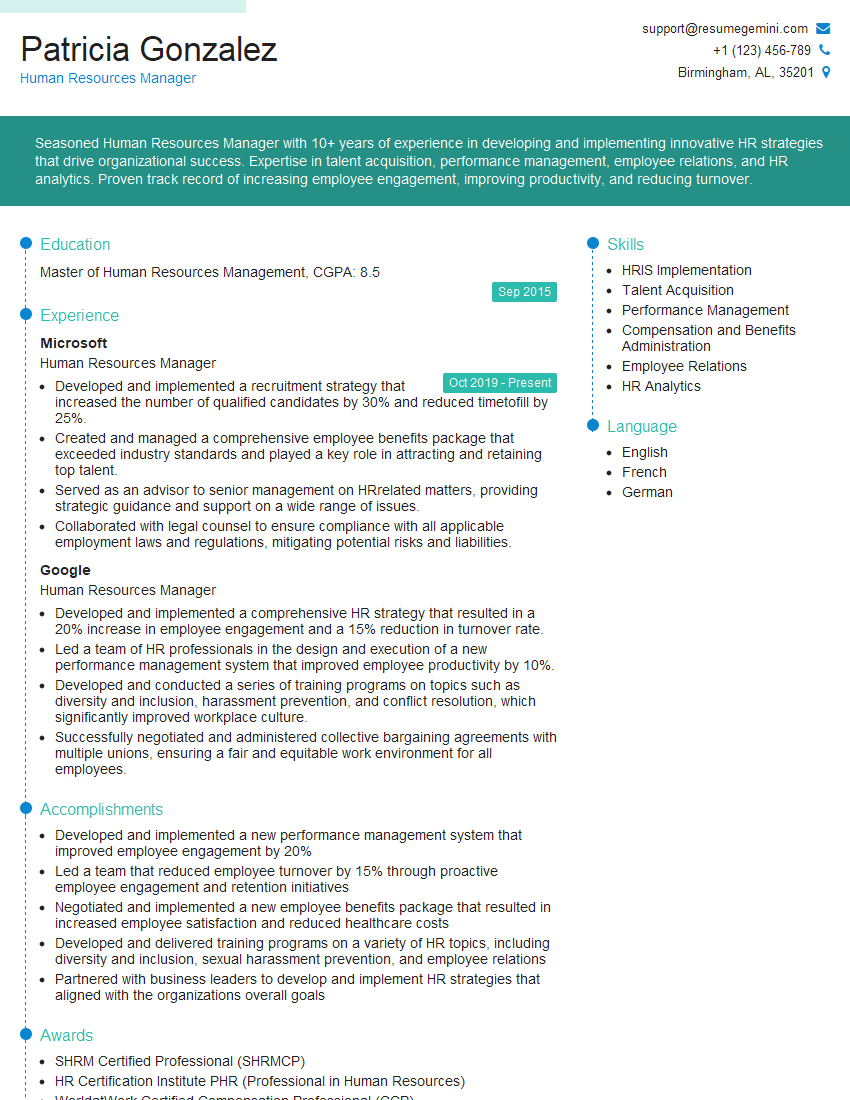
Human Resources Manager Resume Sample
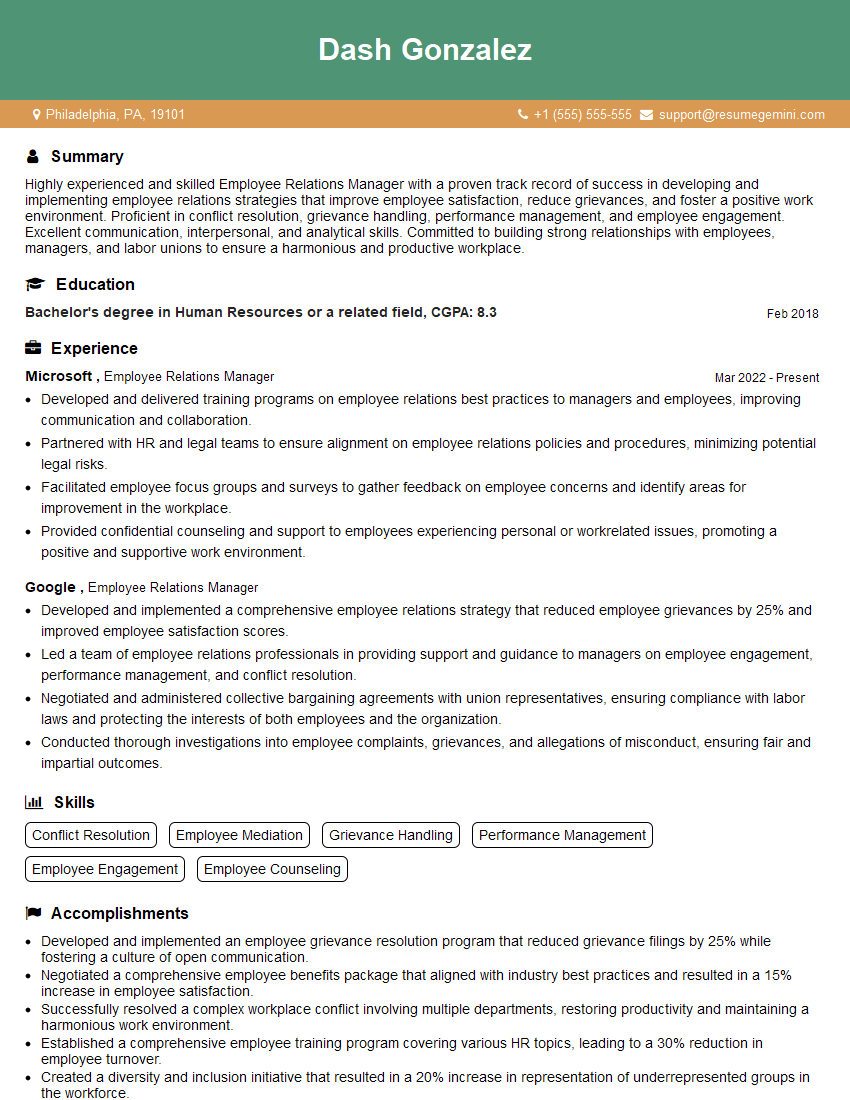
Employee Relations Manager Resume Sample
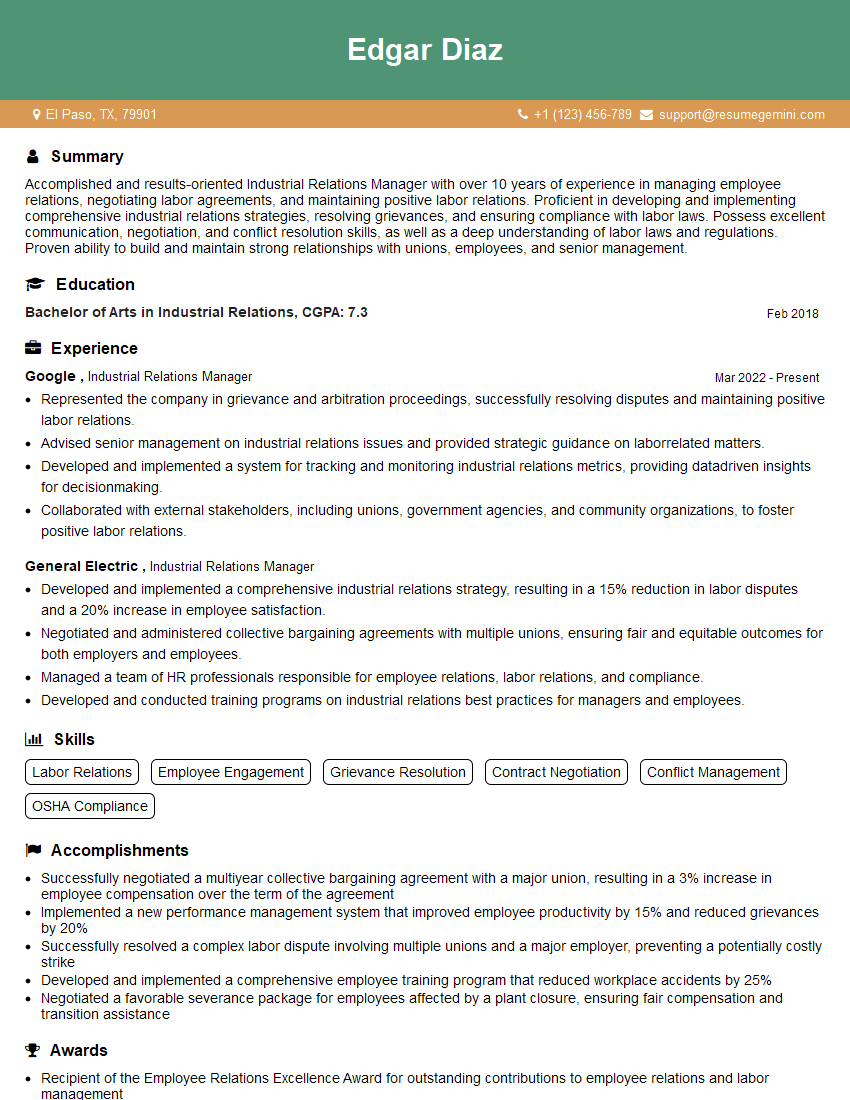
Industrial Relations Manager Resume Sample
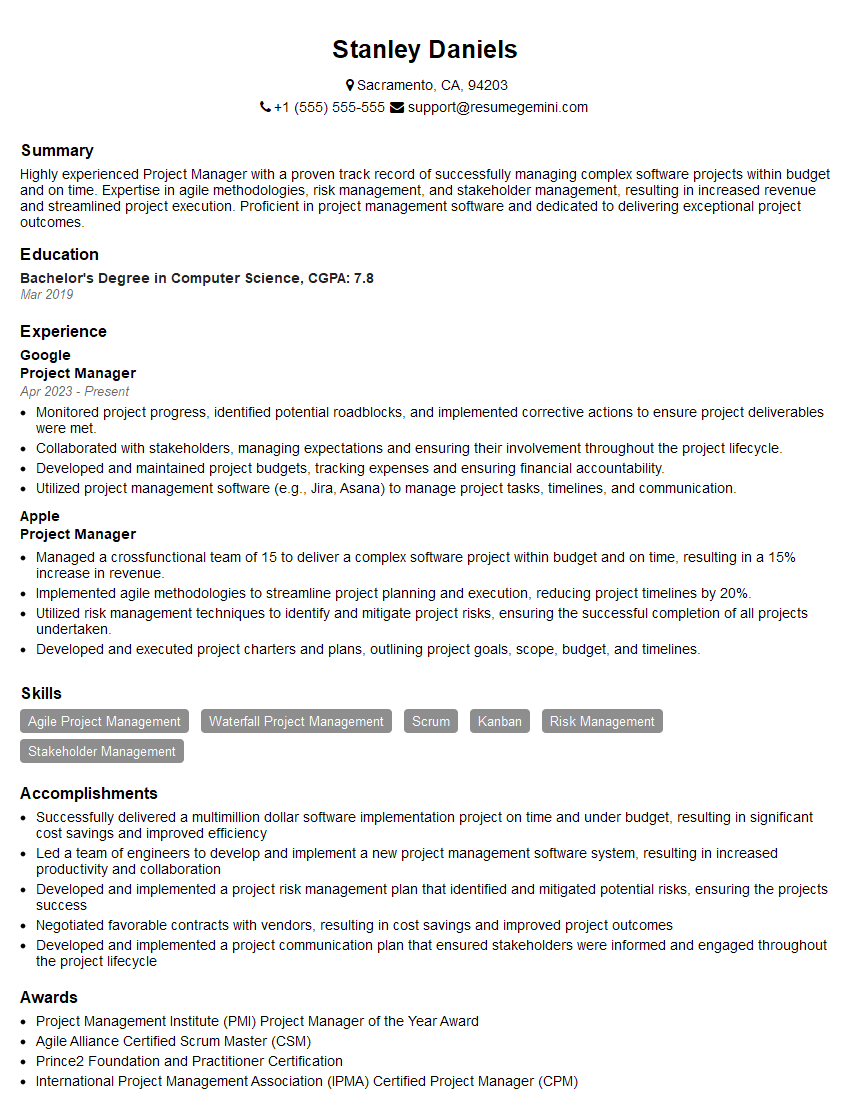
Project Manager Resume Sample
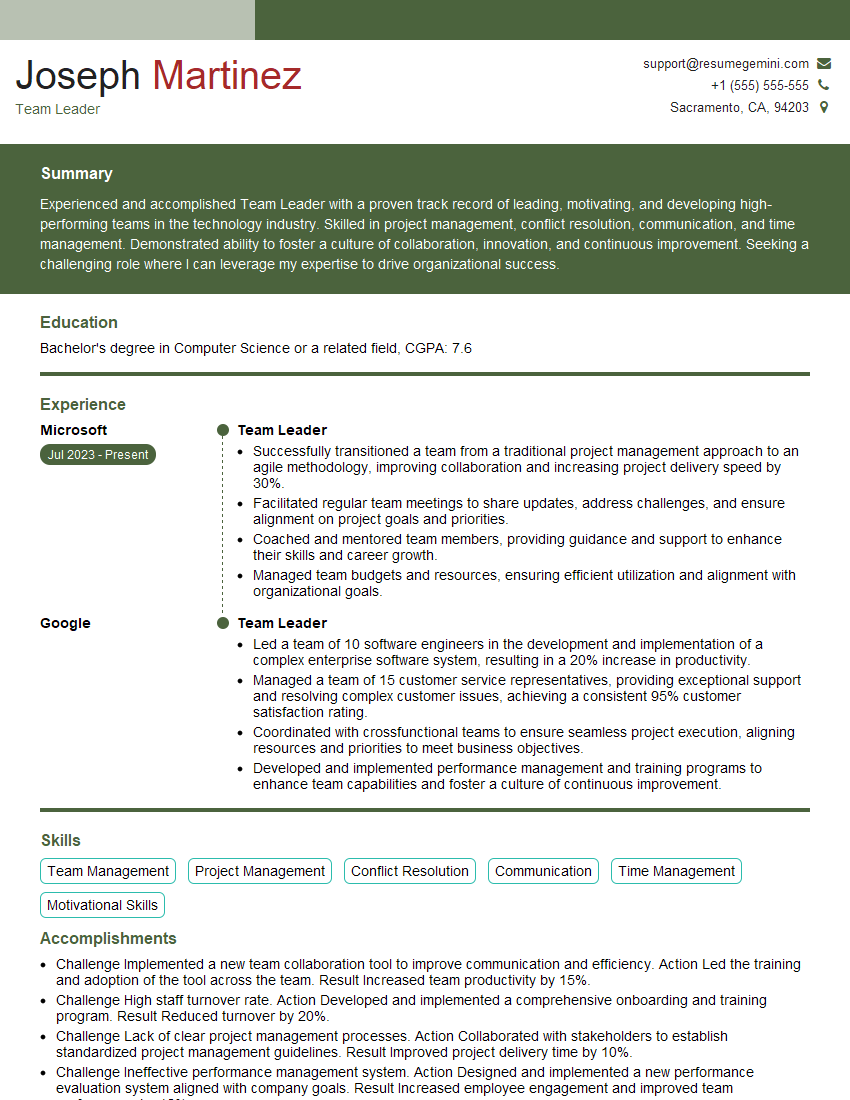
Team Leader Resume Sample

Compliance Officer Resume Sample
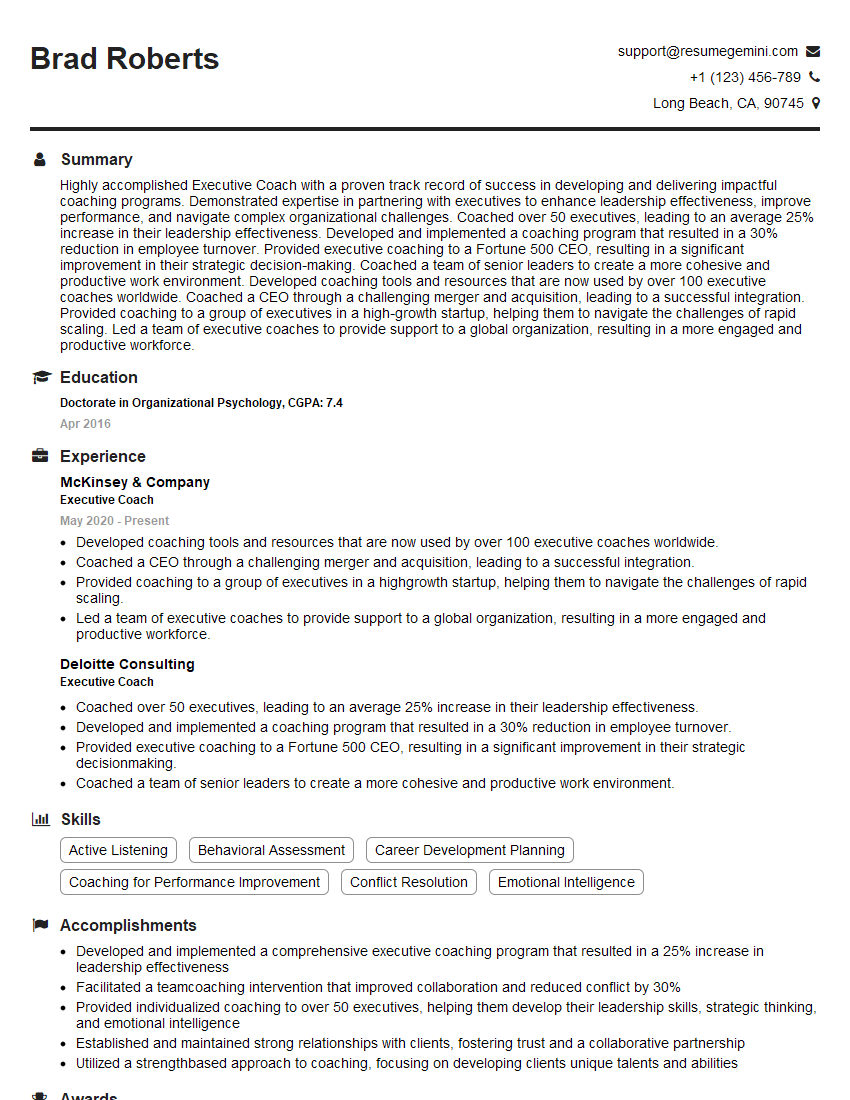
Executive Coach Resume Sample
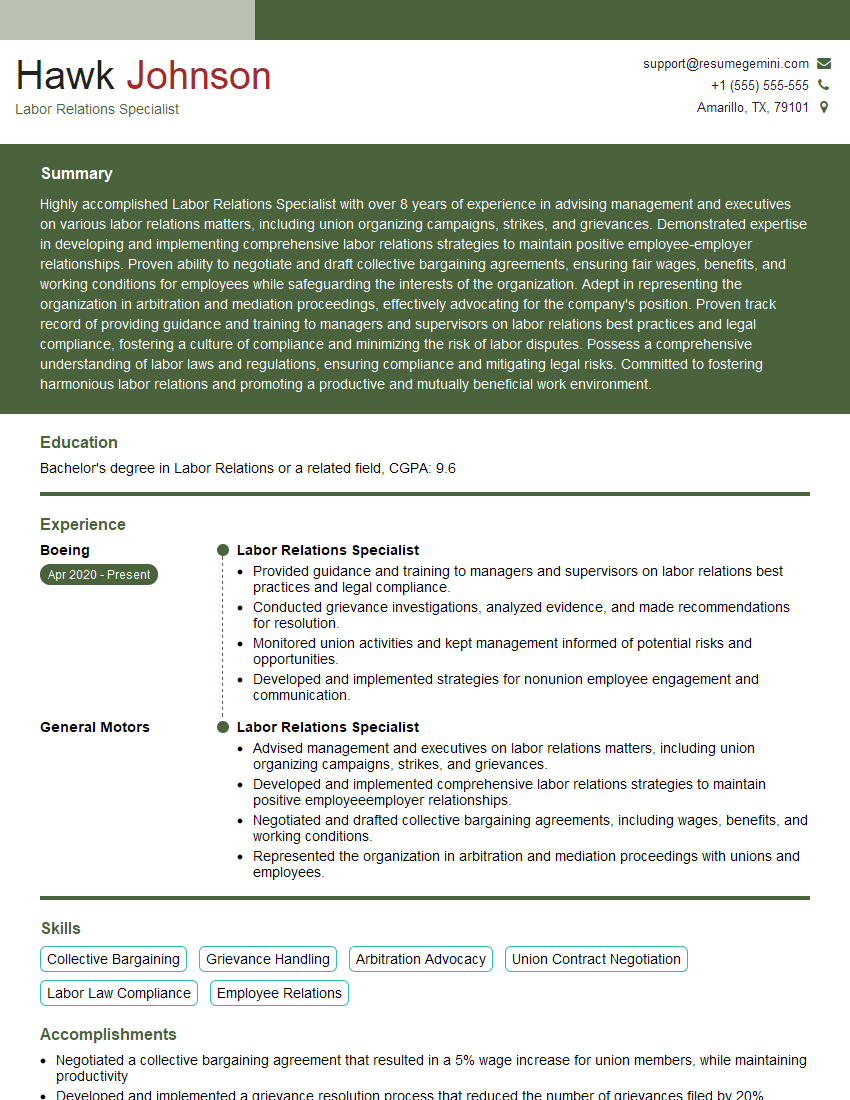
Labor Relations Specialist Resume Sample
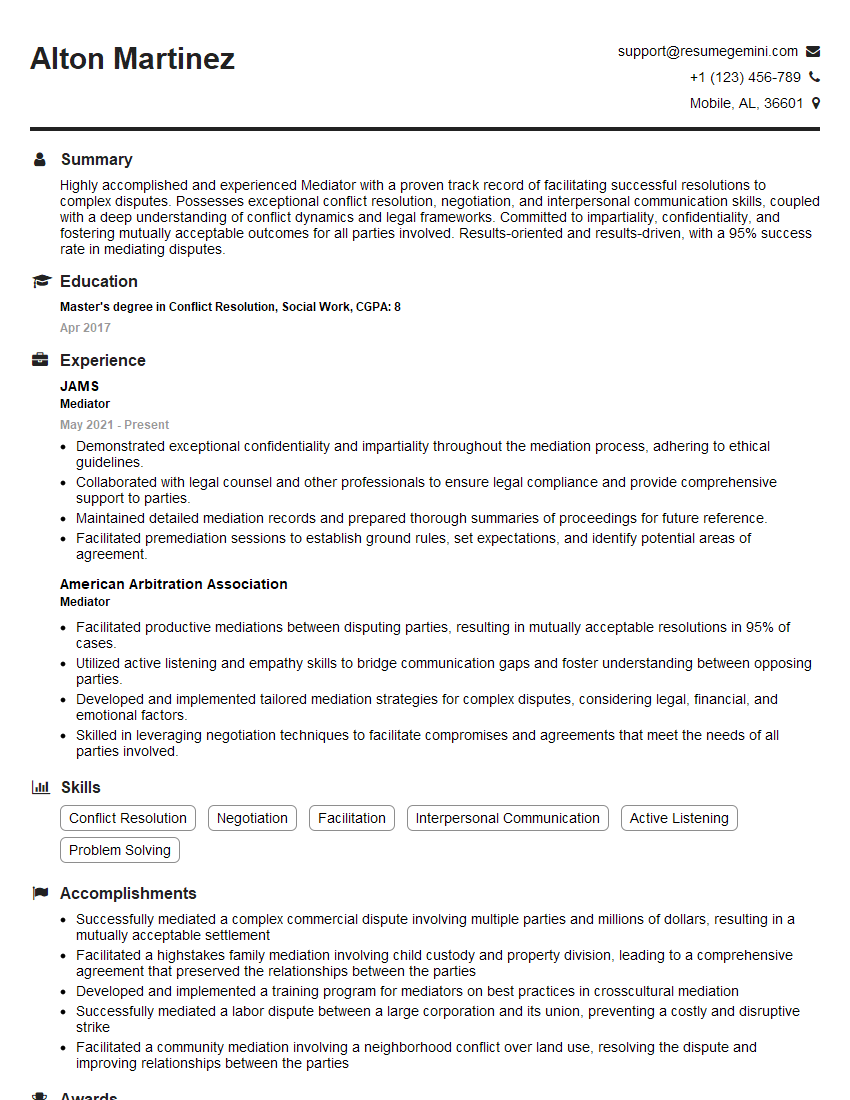
Mediator Resume Sample
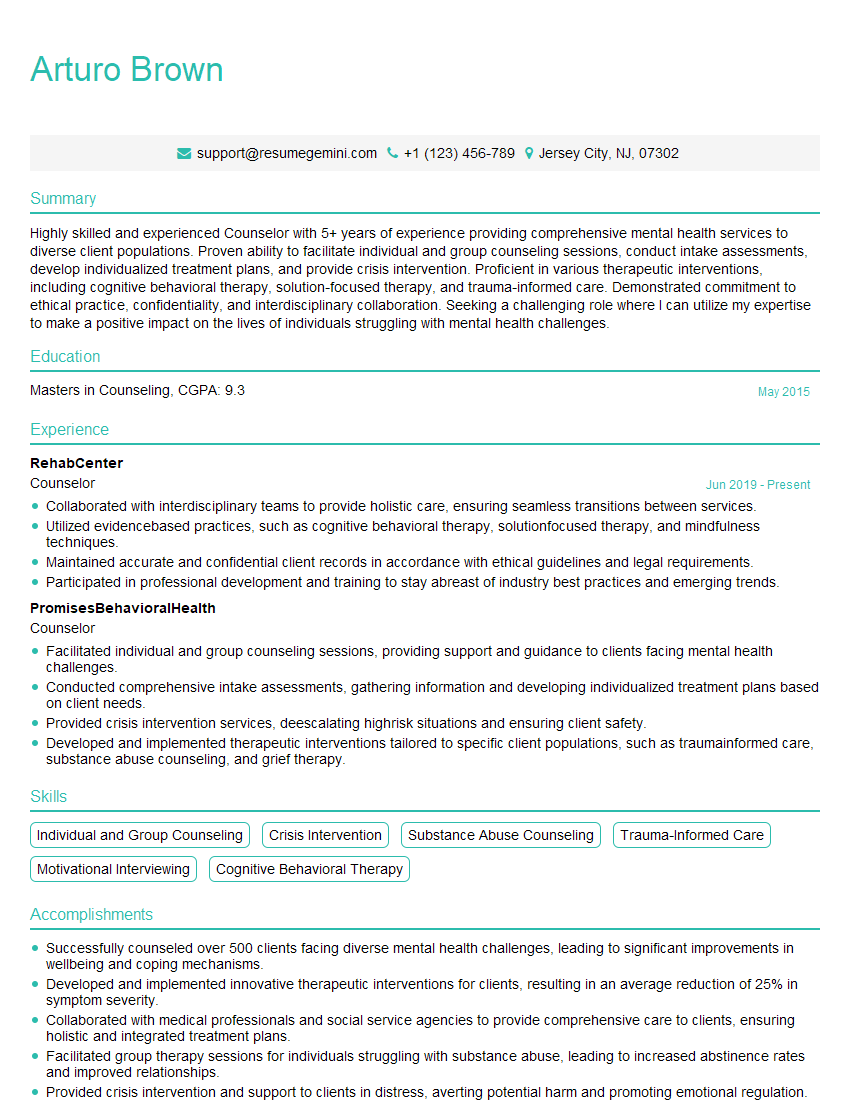
Counselor Resume Sample
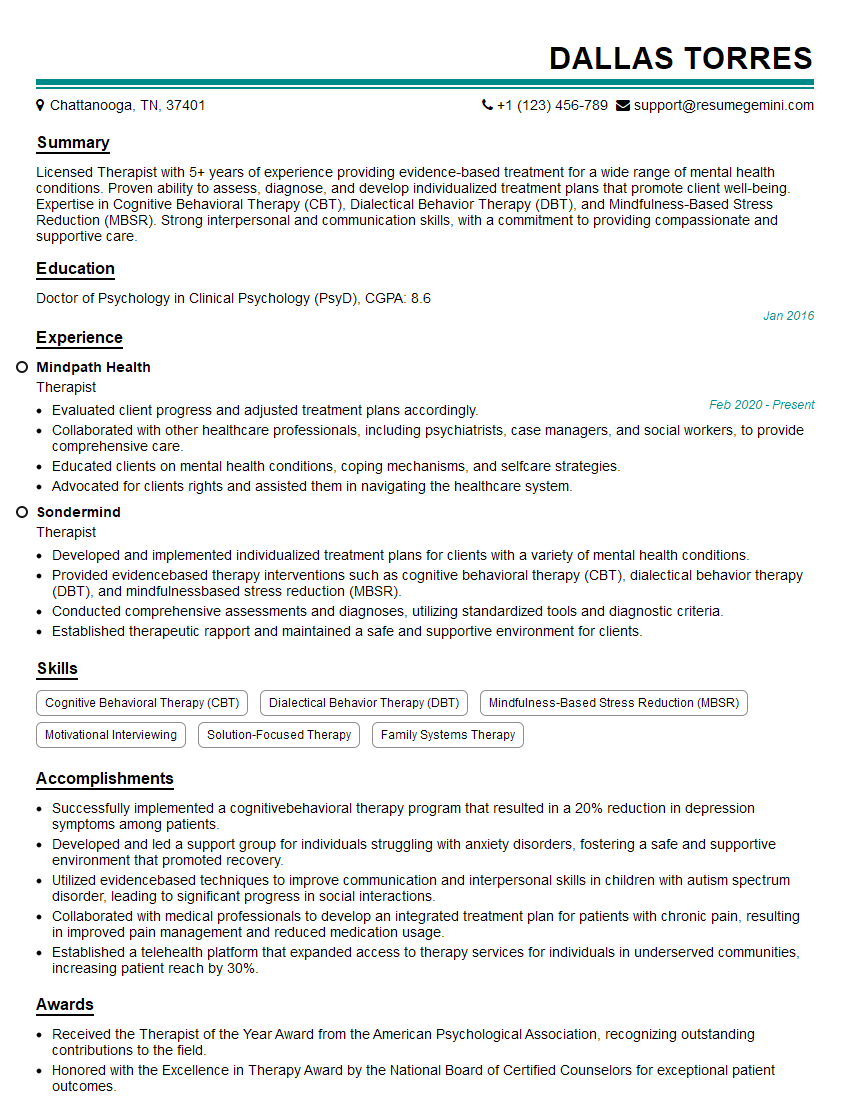
Therapist Resume Sample
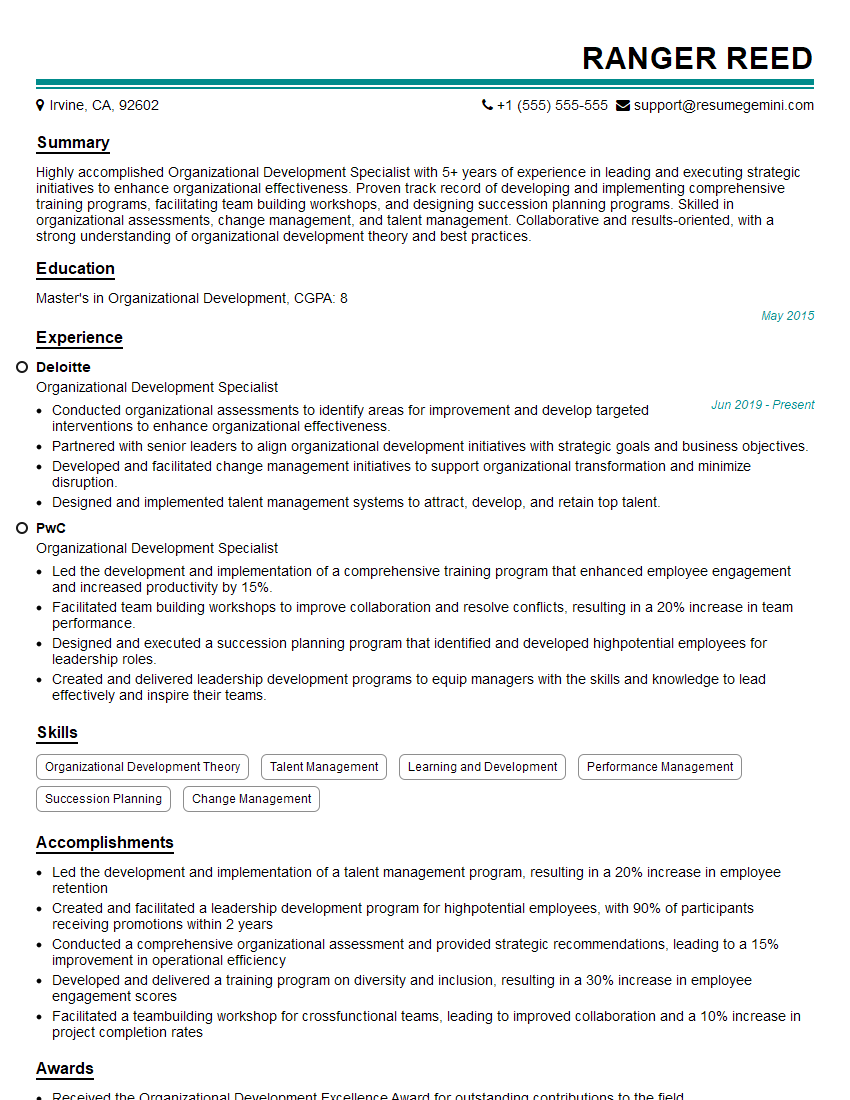
Organizational Development Specialist Resume Sample
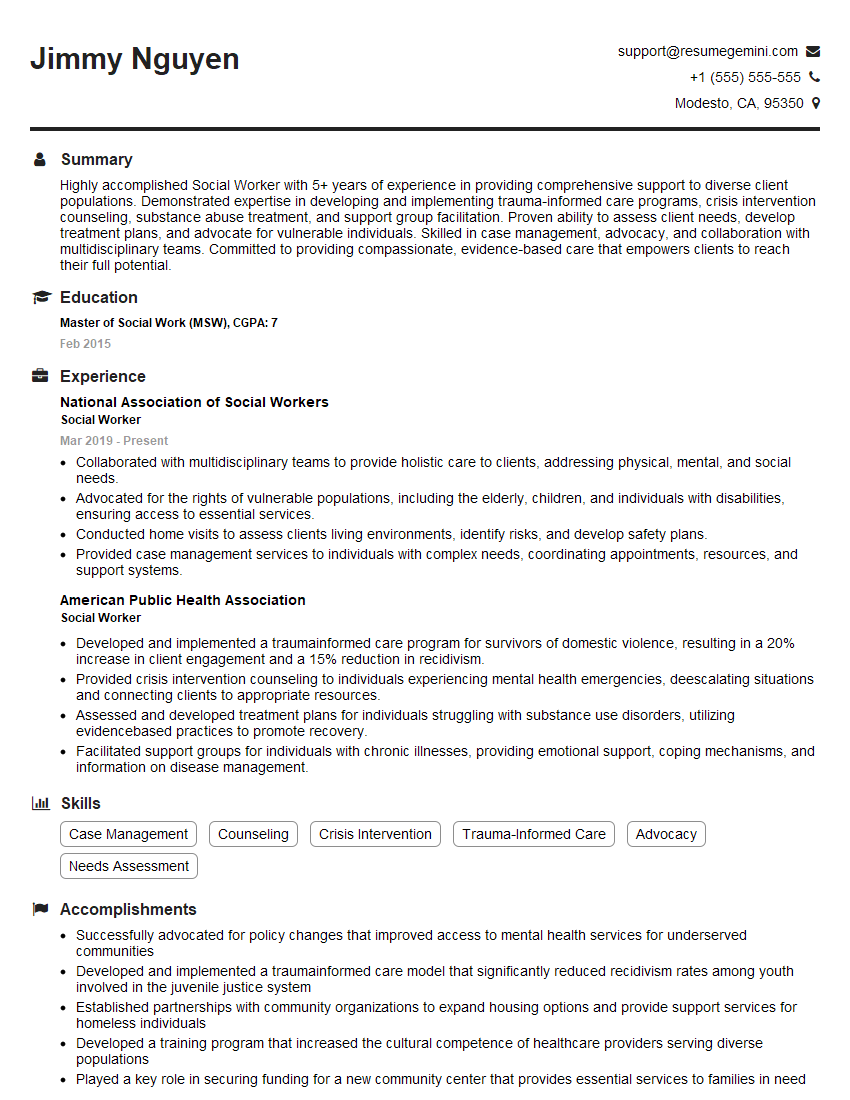
Social Worker Resume Sample
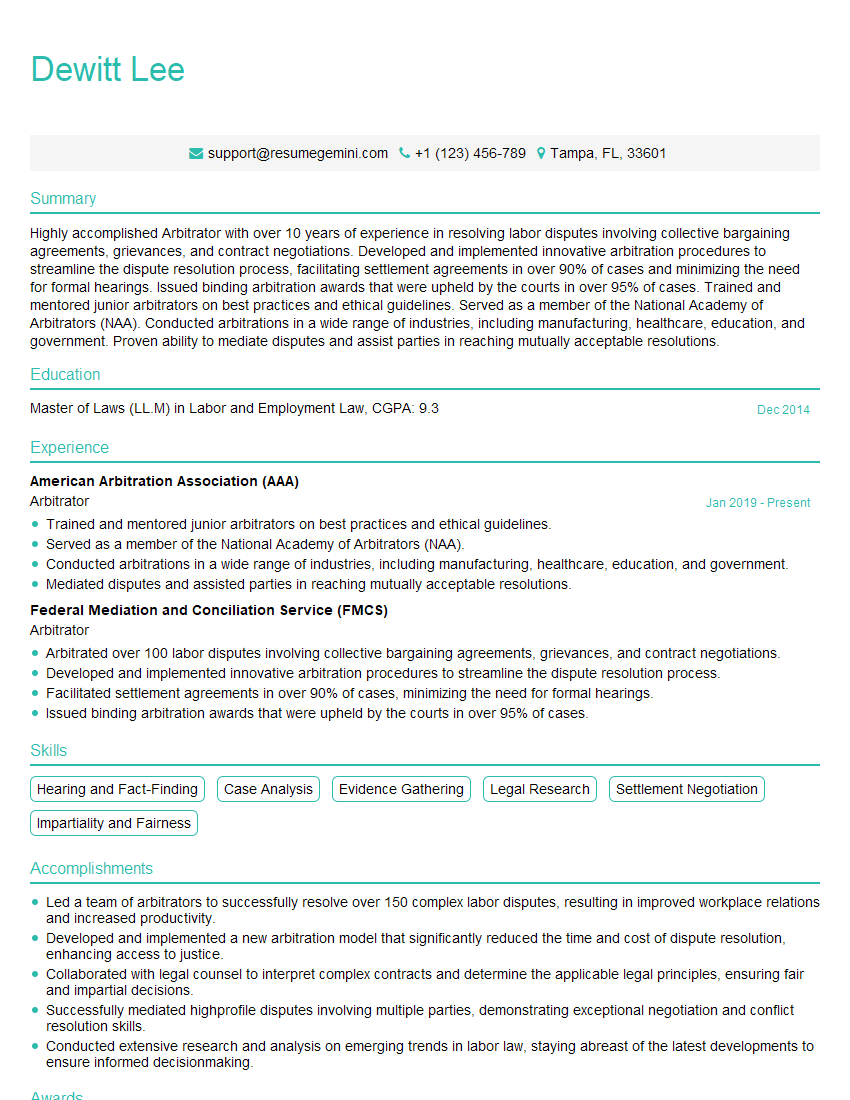
Arbitrator Resume Sample
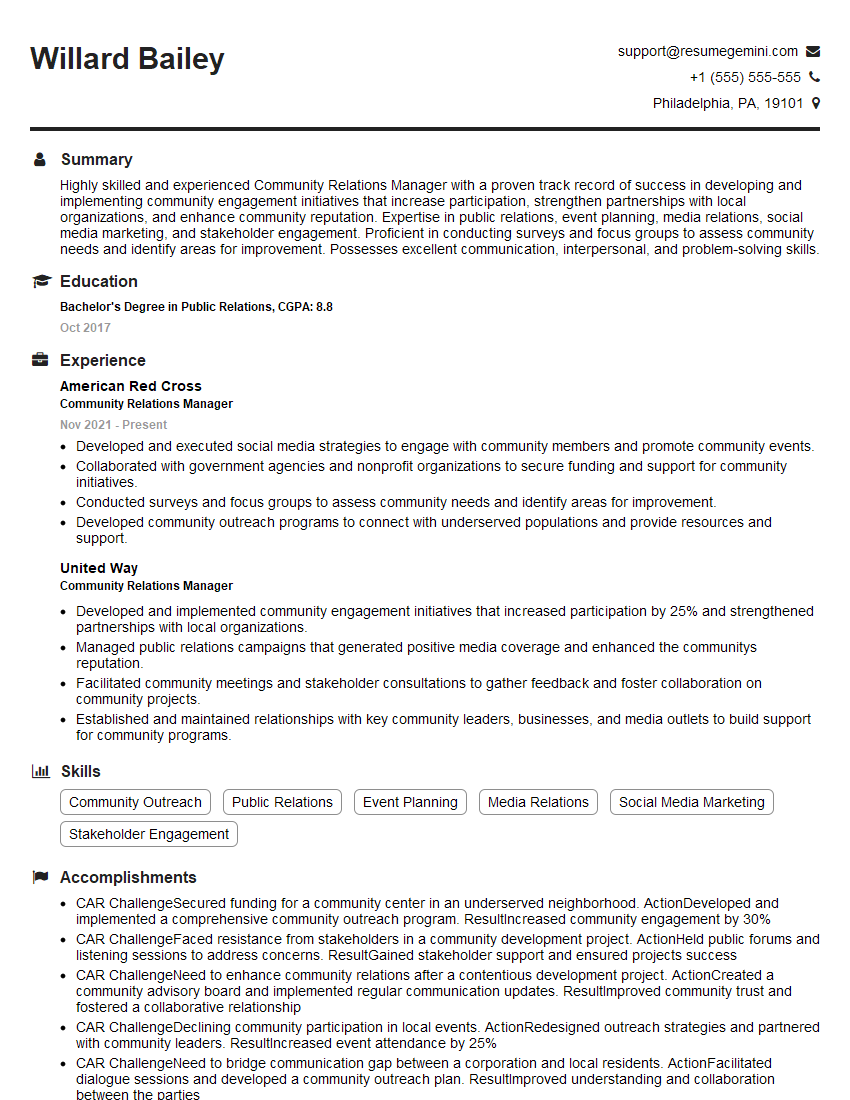
Community Relations Manager Resume Sample
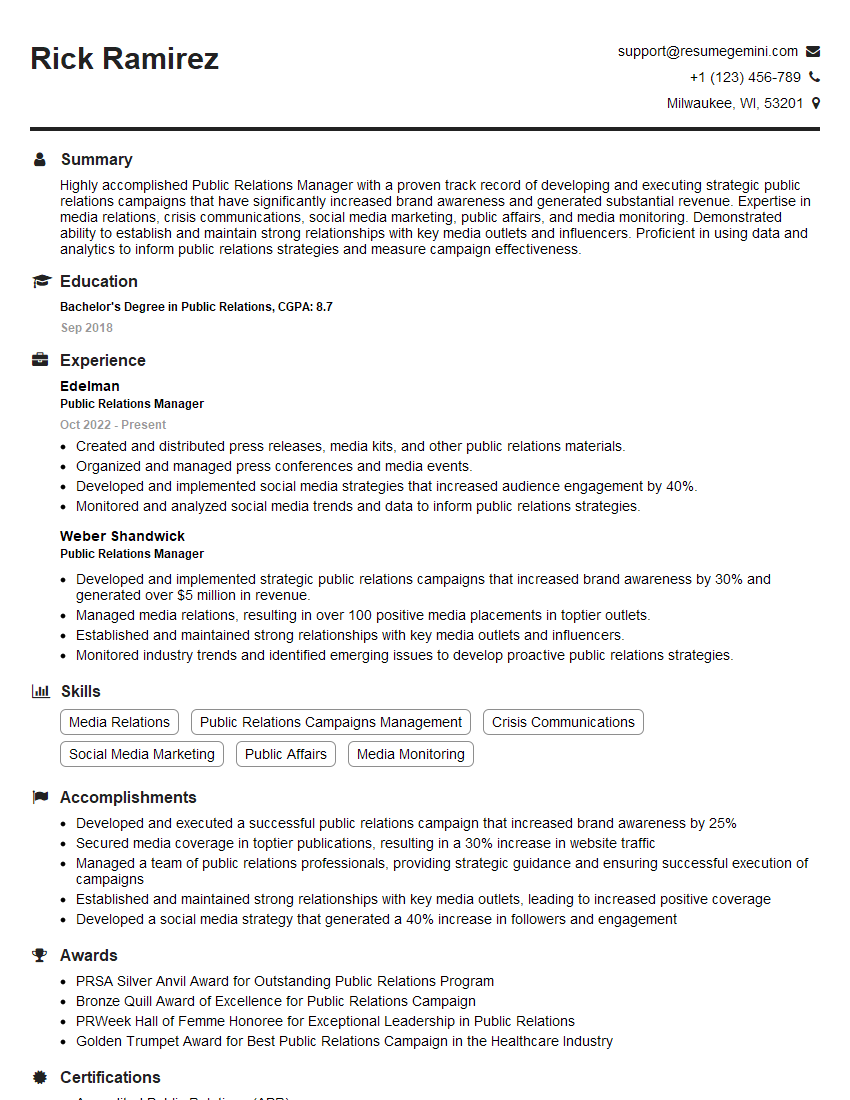
Public Relations Manager Resume Sample
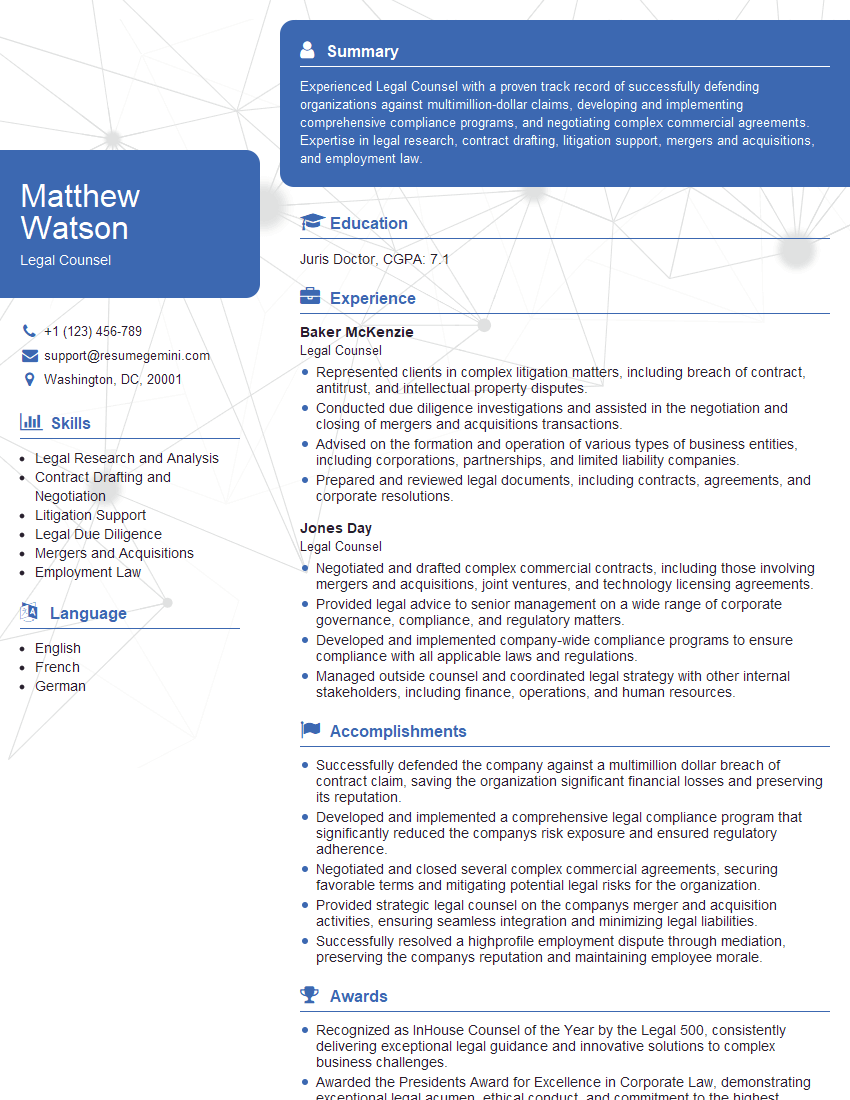
Legal Counsel Resume Sample
- Customer Service Manager
- Human Resources Manager
- Employee Relations Manager
- Industrial Relations Manager
- Project Manager
- Team Leader
- Compliance Officer
- Executive Coach
- Labor Relations Specialist
- Mediator
- Counselor
- Therapist
- Organizational Development Specialist
- Social Worker
- Arbitrator
- Community Relations Manager
- Public Relations Manager
- Legal Counsel
Explore more articles
Users Rating of Our Blogs
Share Your Experience
We value your feedback! Please rate our content and share your thoughts (optional).
What Readers Say About Our Blog
Hi I am a troller at The aquatic interview center and I suddenly went so fast in Roblox and it was gone when I reset.
Hi,
Business owners spend hours every week worrying about their website—or avoiding it because it feels overwhelming.
We’d like to take that off your plate:
$69/month. Everything handled.
Our team will:
Design a custom website—or completely overhaul your current one
Take care of hosting as an option
Handle edits and improvements—up to 60 minutes of work included every month
No setup fees, no annual commitments. Just a site that makes a strong first impression.
Find out if it’s right for you:
https://websolutionsgenius.com/awardwinningwebsites
Hello,
we currently offer a complimentary backlink and URL indexing test for search engine optimization professionals.
You can get complimentary indexing credits to test how link discovery works in practice.
No credit card is required and there is no recurring fee.
You can find details here:
https://wikipedia-backlinks.com/indexing/
Regards
NICE RESPONSE TO Q & A
hi
The aim of this message is regarding an unclaimed deposit of a deceased nationale that bears the same name as you. You are not relate to him as there are millions of people answering the names across around the world. But i will use my position to influence the release of the deposit to you for our mutual benefit.
Respond for full details and how to claim the deposit. This is 100% risk free. Send hello to my email id: [email protected]
Luka Chachibaialuka
Hey interviewgemini.com, just wanted to follow up on my last email.
We just launched Call the Monster, an parenting app that lets you summon friendly ‘monsters’ kids actually listen to.
We’re also running a giveaway for everyone who downloads the app. Since it’s brand new, there aren’t many users yet, which means you’ve got a much better chance of winning some great prizes.
You can check it out here: https://bit.ly/callamonsterapp
Or follow us on Instagram: https://www.instagram.com/callamonsterapp
Thanks,
Ryan
CEO – Call the Monster App
Hey interviewgemini.com, I saw your website and love your approach.
I just want this to look like spam email, but want to share something important to you. We just launched Call the Monster, a parenting app that lets you summon friendly ‘monsters’ kids actually listen to.
Parents are loving it for calming chaos before bedtime. Thought you might want to try it: https://bit.ly/callamonsterapp or just follow our fun monster lore on Instagram: https://www.instagram.com/callamonsterapp
Thanks,
Ryan
CEO – Call A Monster APP
To the interviewgemini.com Owner.
Dear interviewgemini.com Webmaster!
Hi interviewgemini.com Webmaster!
Dear interviewgemini.com Webmaster!
excellent
Hello,
We found issues with your domain’s email setup that may be sending your messages to spam or blocking them completely. InboxShield Mini shows you how to fix it in minutes — no tech skills required.
Scan your domain now for details: https://inboxshield-mini.com/
— Adam @ InboxShield Mini
Reply STOP to unsubscribe
Hi, are you owner of interviewgemini.com? What if I told you I could help you find extra time in your schedule, reconnect with leads you didn’t even realize you missed, and bring in more “I want to work with you” conversations, without increasing your ad spend or hiring a full-time employee?
All with a flexible, budget-friendly service that could easily pay for itself. Sounds good?
Would it be nice to jump on a quick 10-minute call so I can show you exactly how we make this work?
Best,
Hapei
Marketing Director
Hey, I know you’re the owner of interviewgemini.com. I’ll be quick.
Fundraising for your business is tough and time-consuming. We make it easier by guaranteeing two private investor meetings each month, for six months. No demos, no pitch events – just direct introductions to active investors matched to your startup.
If youR17;re raising, this could help you build real momentum. Want me to send more info?
Hi, I represent an SEO company that specialises in getting you AI citations and higher rankings on Google. I’d like to offer you a 100% free SEO audit for your website. Would you be interested?
Hi, I represent an SEO company that specialises in getting you AI citations and higher rankings on Google. I’d like to offer you a 100% free SEO audit for your website. Would you be interested?
good