Cracking a skill-specific interview, like one for Soil Analysis and Preparation, requires understanding the nuances of the role. In this blog, we present the questions you’re most likely to encounter, along with insights into how to answer them effectively. Let’s ensure you’re ready to make a strong impression.
Questions Asked in Soil Analysis and Preparation Interview
Q 1. Explain the process of soil sampling for different types of analyses.
Soil sampling is crucial for accurate soil analysis. The method depends heavily on the type of analysis needed and the scale of the project. For instance, a small garden might require a composite sample, while a large agricultural field demands a grid sampling approach.
- Composite Sampling: This involves collecting multiple small samples from different locations within the area of interest and mixing them thoroughly to create a representative composite sample. This is suitable for general fertility assessments or when variability is low. Imagine you’re baking a cake – you don’t just taste one tiny corner, you mix a bit from everywhere to get the overall flavor.
- Grid Sampling: This method uses a predetermined grid pattern to collect samples at specific intervals across the field. This is useful when there’s significant variation in the soil properties across the field, allowing the identification of zones with differing nutrient levels or other characteristics. Think of it like creating a detailed map of your field’s soil health.
- Targeted Sampling: This involves collecting samples from specific locations based on observable variations in the field, like areas with different vegetation or drainage patterns. This is helpful when addressing particular issues, such as identifying areas of nutrient deficiency or salinity.
- Depth Sampling: Samples are collected at different depths (e.g., 0-15 cm, 15-30 cm) to assess soil profile variations. Understanding the vertical distribution of nutrients and other properties is essential for effective soil management.
Regardless of the method, proper techniques are paramount. This includes avoiding contamination from tools or other sources, using clean containers, and recording precise location data for each sample.
Q 2. Describe various methods used for soil texture analysis.
Soil texture, the proportion of sand, silt, and clay particles, significantly influences soil properties like water holding capacity and drainage. Several methods are used for its determination.
- Hydrometer Method: This is a laboratory method based on the principle of sedimentation. Soil particles settle at different rates based on their size, allowing the determination of the proportions of sand, silt, and clay using a hydrometer. This requires specialized equipment and a trained technician.
- Sedimentation Pipette Method: Similar to the hydrometer method, this involves taking multiple samples at different time intervals as the soil particles settle in a liquid suspension. This provides more data points for a more accurate analysis.
- The Ribbon Method (field method): This quick, simple field method involves moistening a soil sample and rolling it into a ribbon between fingers. The length and cohesiveness of the ribbon indicate the clay content. A longer, more cohesive ribbon suggests a higher clay content.
- Textural Triangle: Once the percentage of sand, silt, and clay is determined (by any of the methods above), this diagram is used to classify the soil texture (e.g., sandy loam, silty clay). The triangle provides a visual representation of all possible soil texture classes.
The choice of method depends on the resources available and the desired accuracy. The ribbon method is ideal for a quick field assessment, while the hydrometer or pipette methods provide more precise laboratory results.
Q 3. How do you determine soil pH and its significance?
Soil pH measures the acidity or alkalinity of the soil, expressed on a scale of 0-14, with 7 being neutral. A pH below 7 is acidic, while a pH above 7 is alkaline. Determining soil pH is essential because it directly influences nutrient availability and microbial activity.
Soil pH is typically determined using a soil pH meter or a chemical test kit. A soil sample is mixed with distilled water (or a buffer solution for greater accuracy) and the pH is measured using a calibrated pH meter or a colorimetric indicator from a test kit. Colorimetric methods compare the color change of a solution against a chart to estimate the pH.
The significance of soil pH lies in its impact on nutrient availability. For example, phosphorus becomes less available to plants in highly acidic soils (pH <5.5), while micronutrients like iron and manganese become more soluble and potentially toxic at very low pH. Understanding the pH is crucial for making appropriate fertilizer recommendations and correcting soil acidity or alkalinity.
Q 4. Explain the importance of soil organic matter and how it’s measured.
Soil organic matter (SOM) comprises the decomposed and partially decomposed remains of plants, animals, and microorganisms. It’s a critical component of healthy soil, influencing many soil properties.
SOM improves soil structure, increasing water retention and aeration. It enhances nutrient availability by acting as a reservoir of essential nutrients. It also stimulates beneficial microbial activity and improves soil resilience to erosion and compaction. Think of it as the lifeblood of your soil.
SOM is measured using several methods, with the most common being:
- Loss on Ignition (LOI): This method involves heating a soil sample at high temperature to burn off organic matter. The weight loss represents the organic matter content. It’s a relatively simple method but might not accurately represent all forms of organic matter.
- Walkley-Black Method: This wet oxidation method uses potassium dichromate to oxidize the organic matter. The amount of dichromate consumed is related to the amount of organic matter present. This method is more precise than LOI but still has limitations in fully capturing all organic matter forms.
- Spectroscopic methods (e.g., near-infrared spectroscopy): These rapid, non-destructive methods use light absorption patterns to estimate SOM content. This is becoming increasingly popular for high-throughput analysis.
Choosing the appropriate method depends on factors such as accuracy requirements, available resources, and the type of information needed.
Q 5. What are the different types of soil erosion and how can they be mitigated?
Soil erosion is the detachment and movement of soil particles by natural forces like water and wind or through human activities. Several types of erosion exist:
- Sheet Erosion: A uniform removal of soil from the land surface, like a sheet of paper being peeled away. This is often gradual but can lead to significant long-term loss of topsoil.
- Rill Erosion: The formation of small, shallow channels (rills) by flowing water. These rills can be easily repaired.
- Gully Erosion: The formation of deep channels or gullies by concentrated water flow. This is much more severe than rill erosion and is difficult to restore.
- Wind Erosion: The removal of soil particles by wind, particularly in arid and semi-arid regions. This is often aggravated by drought conditions and improper land management.
Mitigation strategies focus on preventing soil detachment and movement. These include:
- Conservation Tillage: Minimizing soil disturbance through reduced or no-till farming practices. This helps maintain soil structure and cover, reducing erosion.
- Contour Farming: Planting crops along the contours of the slope to slow water runoff and reduce erosion.
- Terracing: Creating level platforms on slopes to reduce the slope length and water velocity.
- Cover Cropping: Planting crops specifically to protect the soil from erosion, especially during fallow periods.
- Windbreaks: Planting rows of trees or shrubs to reduce wind speed and protect soil from wind erosion.
Proper land management practices are crucial in mitigating soil erosion and preserving soil fertility and productivity.
Q 6. Describe the methods for determining soil nutrient levels (N, P, K).
Determining soil nutrient levels (N, P, K – nitrogen, phosphorus, and potassium) is essential for making informed fertilizer recommendations. Several methods are used:
- Colorimetric Methods: These methods rely on color changes in a solution when specific nutrients react with chemical reagents. The intensity of the color is measured using a spectrophotometer and related to nutrient concentration. These are common for routine laboratory analysis.
- Inductively Coupled Plasma Optical Emission Spectrometry (ICP-OES): This advanced technique uses plasma to atomize the sample, exciting atoms that emit light at specific wavelengths. The intensity of the light is directly proportional to the concentration of the element. It provides high accuracy and can simultaneously determine multiple nutrients and other elements.
- Ion Chromatography (IC): This separates and quantifies ions in a sample based on their charge and affinity for a stationary phase. It’s particularly useful for analyzing anions like nitrate and phosphate.
- Soil Test Kits: These are quick field tests providing a rough estimate of nutrient levels. While less accurate than laboratory methods, they are suitable for rapid screening or educational purposes.
The choice of method depends on the level of accuracy required, the resources available, and the number of samples to be analyzed. Laboratory methods generally offer better precision and accuracy compared to field test kits.
Q 7. How do you interpret soil test results and provide recommendations?
Interpreting soil test results involves comparing the measured nutrient levels (e.g., N, P, K, pH) to critical levels or ranges for optimal plant growth. This necessitates understanding the crop requirements, soil properties, and environmental factors. For example, a soil test might reveal low phosphorus levels. Interpreting this would involve considering the crop’s phosphorus needs, the soil’s phosphorus-holding capacity, and other influencing factors before determining the appropriate fertilizer recommendation.
Here’s a step-by-step approach:
- Compare to Critical Levels: The first step is to compare the measured nutrient levels to established critical levels or ranges specific to the crop and soil type. These are often available from agricultural extension services or research publications. For example, a phosphorus level below 15 ppm might be considered low for corn production in a certain soil type.
- Consider Soil Properties: Soil texture, pH, and organic matter content significantly influence nutrient availability. Adjust interpretations considering these properties. A low pH might reduce phosphorus availability, even if the total phosphorus is within the optimal range.
- Account for Environmental Factors: Climate, rainfall, and temperature also affect nutrient availability. High rainfall might leach out nutrients, requiring higher fertilizer application.
- Develop Recommendations: Based on the interpretation, develop specific fertilizer recommendations. This might include the type, amount, and timing of fertilizer application. For example, if phosphorus is low, you might recommend applying a phosphorus-rich fertilizer before planting.
- Economic Considerations: Evaluate the cost-benefit of fertilizer application. The economic viability of correcting nutrient deficiencies should be considered, balancing yield increase with fertilizer costs.
Soil test interpretations are not merely about numbers; they’re about making informed decisions to optimize crop production while minimizing environmental impact and maximizing economic return. It is beneficial to consult with an agricultural extension specialist for advice on personalized recommendations.
Q 8. Explain the process of soil preparation for construction projects.
Soil preparation for construction is crucial for ensuring a stable and safe foundation. It’s a multi-step process that begins with a thorough site investigation to understand the soil’s properties. This involves things like soil classification tests (determining grain size distribution, plasticity, and liquid limit), and potentially geotechnical investigations. The process then typically involves:
Clearing and Grubbing: Removing vegetation, debris, and topsoil to expose the underlying soil.
Excavation: Digging to the required depth for the foundation. The type of excavation depends on the soil type and project requirements – it might involve trenching, mass excavation, or blasting.
Grading: Shaping the land to the desired slopes and elevations for proper drainage and stability. This is often done using heavy machinery like bulldozers and graders.
Compaction: Using rollers, tampers, or other compaction equipment to increase the soil’s density and reduce settlement. The level of compaction is critical and is specified based on soil type and engineering requirements.
Soil Improvement (if necessary): This may include adding stabilizing agents, like lime or cement, to enhance the soil’s strength or drainage capabilities. Other methods include using geosynthetics (like geotextiles) to separate soil layers or improve drainage.
Backfilling: Filling excavated areas with suitable material after construction is complete. This often requires careful compaction to prevent future settlement.
For example, building a high-rise building in clay soil requires more extensive soil preparation, including potentially deep excavation and soil improvement techniques, than building a small residential structure in well-drained sandy soil.
Q 9. What are the common soil contaminants and their remediation techniques?
Soil contamination is a significant issue affecting construction and land development. Common contaminants include:
Heavy Metals: Lead, arsenic, mercury, cadmium, and chromium are toxic and persist in the environment. Sources include industrial waste, mining activities, and leaded paint.
Petroleum Hydrocarbons (PHCs): These come from fuel leaks, spills, and improper waste disposal. They contaminate soil and groundwater, posing risks to human health and the environment.
Pesticides and Herbicides: Agricultural runoff and improper disposal can leave residues in the soil, affecting plant life and potentially groundwater quality.
Volatile Organic Compounds (VOCs): These are chemicals that readily evaporate, often from industrial solvents, dry cleaning fluids, and fuel. They can contaminate soil and air.
Remediation techniques vary depending on the contaminant and its concentration. Common methods include:
Excavation and Removal: Digging out contaminated soil and disposing of it in a hazardous waste facility.
Bioremediation: Using microorganisms to break down contaminants into less harmful substances. This is a cost-effective and environmentally friendly approach for some contaminants.
Phytoremediation: Using plants to absorb and remove contaminants from the soil. This is a sustainable, low-impact solution.
Soil Washing: Flushing the soil with water or a chemical solution to remove contaminants. This is effective for removing certain heavy metals.
Thermal Desorption: Heating the contaminated soil to vaporize contaminants, which are then collected and treated.
The choice of remediation method depends on factors like the type and concentration of contaminant, site conditions, regulatory requirements, and cost considerations.
Q 10. How do you assess soil suitability for different land uses?
Assessing soil suitability involves analyzing several key properties to determine its appropriateness for a given land use. This often includes:
Engineering Properties: Strength, compressibility, bearing capacity, and shear strength are crucial for construction projects. These are often determined through laboratory testing.
Physical Properties: Texture, structure, particle size distribution, density, porosity, and moisture content affect drainage, aeration, and root penetration – essential for agriculture and landscaping.
Chemical Properties: pH, nutrient content (nitrogen, phosphorus, potassium), organic matter, salinity, and the presence of potentially toxic elements influence plant growth and overall soil health.
Hydraulic Properties: Permeability, infiltration rate, and water holding capacity determine drainage and irrigation requirements.
For example, residential construction requires soil with sufficient bearing capacity to support the building’s foundation. Agricultural land needs fertile soil with appropriate nutrient levels and good drainage. A landfill needs soil that is impermeable to prevent leachate contamination of groundwater. Each use requires a tailored assessment to ensure the soil’s characteristics are fit for purpose.
Q 11. Describe different methods for improving soil drainage.
Improving soil drainage is essential for various applications, including agriculture, landscaping, and construction. Methods include:
Subsurface Drainage: Installing perforated pipes or drains beneath the soil surface to collect and remove excess water. This is particularly useful for heavy clay soils.
Surface Drainage: Creating ditches, swales, or channels to divert surface runoff away from problem areas. This is effective for managing surface water accumulation.
Soil Amendment: Adding organic matter, such as compost or manure, to improve soil structure and increase porosity. This enhances water infiltration and drainage.
Aerification: Perforating the soil with holes to improve aeration and drainage, especially beneficial for compacted soils. This can be done mechanically with aerators or by hand for smaller areas.
Grading and Land Shaping: Carefully grading the land to create appropriate slopes for water to drain naturally. This is a crucial aspect of site preparation.
The best approach often involves a combination of these methods, tailored to the specific soil conditions and site characteristics. For instance, a poorly drained agricultural field might benefit from subsurface drainage and soil amendment, while a waterlogged residential area might require surface drainage and grading.
Q 12. Explain the principles of soil compaction and its effects on plant growth.
Soil compaction is the process of reducing the volume of soil by applying pressure, thereby increasing its density. While compaction is often necessary for construction (e.g., to create stable foundations), excessive compaction has detrimental effects on plant growth.
Principles of Compaction: Compaction is achieved by reducing the pore space within the soil. The degree of compaction depends on several factors, including soil type, moisture content, and the amount of compaction effort applied.
Effects on Plant Growth: Excessive compaction reduces:
Aeration: Limited air space restricts oxygen availability to roots, hindering respiration and growth.
Water Infiltration: Compacted soil resists water penetration, leading to waterlogging and reduced water availability to plants.
Root Penetration: Dense, compacted soil makes it difficult for roots to grow and explore the soil profile for nutrients and water.
Nutrient Availability: Reduced aeration and water infiltration can impair nutrient uptake by plant roots.
Think of it like trying to grow a plant in a densely packed container – the roots have limited space and access to air and water. This is analogous to what happens in excessively compacted soil.
Q 13. What are the various methods for soil stabilization?
Soil stabilization aims to improve the engineering properties of soil, making it more suitable for various applications, especially in construction. Methods include:
Mechanical Stabilization: Compaction is a primary method, but other techniques like preloading (applying a temporary load to cause settlement before construction) are also used.
Chemical Stabilization: This involves adding binding agents to improve strength and reduce permeability. Common additives include:
Cement: Improves strength and durability, particularly in clay soils.
Lime: Increases strength and reduces plasticity in clay soils.
Fly ash: A byproduct of coal combustion, can enhance strength and reduce permeability.
Thermal Stabilization: Heating the soil can alter its properties, making it more stable. This is less common due to the energy requirements.
Biostabilization: Using microorganisms to bind soil particles together. This is an environmentally friendly approach that’s gaining popularity.
Geosynthetics: Using synthetic materials like geotextiles, geogrids, and geomembranes to reinforce or improve the properties of soil. These materials can improve drainage, separation, filtration, or reinforcement of weak soil layers.
The selection of stabilization method depends on soil type, project requirements, environmental concerns, and cost-effectiveness. For instance, a weak, expansive clay soil might benefit from lime stabilization to increase its strength and reduce its susceptibility to volume changes, while a sandy soil might require geosynthetics to increase its strength for a road sub-base.
Q 14. How do you manage salinity in soil?
Salinity in soil, characterized by high salt concentrations, is a major constraint for plant growth. Managing salinity involves a multi-pronged approach:
Improved Drainage: Effective drainage removes excess salts from the soil profile. This often involves installing drainage systems or improving surface drainage.
Irrigation Management: Using efficient irrigation techniques (drip irrigation) minimizes the application of water and reduces salt accumulation. Leaching, where excess water flushes out salts, can also be employed but requires careful management to prevent waterlogging.
Soil Amendment: Adding organic matter improves soil structure, enhances water infiltration, and can help bind and reduce salt mobility.
Salt-Tolerant Crops: Planting crops that can withstand higher salinity levels reduces the impact of soil salinity on agricultural production. This is a crucial long-term strategy.
Crop Rotation: Alternating salt-tolerant and salt-sensitive crops can help to manage soil salinity over time.
Biological Methods: Certain microorganisms can enhance salt tolerance in plants or help break down salts in the soil. This is an emerging area of research.
For example, in arid and semi-arid regions, where salinity is a significant problem, a combination of improved drainage, efficient irrigation, and salt-tolerant crops is often the most effective strategy. The specific approach will depend on the level of salinity, the type of soil, and the intended land use.
Q 15. Describe the role of soil in the water cycle.
Soil plays a crucial role in the water cycle, acting as a vital intermediary between precipitation and groundwater. Think of soil as a giant sponge.
- Infiltration: When rain falls, soil absorbs a significant portion of the water. The rate of infiltration depends on soil texture, structure, and organic matter content. Sandy soils, for example, allow water to infiltrate quickly, while clay soils can be more resistant. This infiltration replenishes groundwater supplies and sustains ecosystems.
- Storage: Soil acts as a reservoir, storing water for plant uptake and reducing surface runoff. This storage capacity is crucial during dry periods, preventing drought conditions and supporting agriculture.
- Percolation: Water moves downwards through the soil profile, a process called percolation. This process contributes to groundwater recharge, which is vital for maintaining aquifers.
- Evapotranspiration: Water stored in the soil is released back into the atmosphere through evaporation (from the soil surface) and transpiration (from plants). This process completes the cycle.
Understanding soil’s role in the water cycle is essential for managing water resources effectively. For example, sustainable agricultural practices aim to improve soil infiltration to reduce runoff and erosion, thus maximizing water availability for plants and minimizing water pollution.
Career Expert Tips:
- Ace those interviews! Prepare effectively by reviewing the Top 50 Most Common Interview Questions on ResumeGemini.
- Navigate your job search with confidence! Explore a wide range of Career Tips on ResumeGemini. Learn about common challenges and recommendations to overcome them.
- Craft the perfect resume! Master the Art of Resume Writing with ResumeGemini’s guide. Showcase your unique qualifications and achievements effectively.
- Don’t miss out on holiday savings! Build your dream resume with ResumeGemini’s ATS optimized templates.
Q 16. Explain the importance of soil microbiology in soil health.
Soil microbiology is absolutely vital for soil health; it’s the engine driving many crucial processes. A healthy soil teeming with microbial life is a productive and resilient soil.
- Nutrient Cycling: Microorganisms like bacteria and fungi decompose organic matter, releasing essential nutrients (nitrogen, phosphorus, potassium) back into the soil, making them available for plant uptake. Without them, plants would struggle to grow.
- Organic Matter Decomposition: These microorganisms break down organic matter, improving soil structure, water retention, and aeration. Imagine composting – that’s microorganisms at work!
- Disease Suppression: Beneficial microbes can compete with plant pathogens, reducing the incidence of diseases. This is a natural form of biological pest control.
- Soil Aggregation: Microbes produce substances that bind soil particles together, forming aggregates which improve soil structure and drainage.
A real-world example is the use of cover crops in agriculture. These crops, grown specifically to improve soil health, support a diverse and thriving soil microbiome, leading to better yields and reduced need for chemical fertilizers.
Q 17. What are the different soil orders and their characteristics?
Soil orders are broad classifications of soils based on their properties and formation processes. The 12 soil orders in the USDA soil taxonomy system represent a huge range of soil characteristics and environments.
- Alfisols: Moderately weathered soils, fertile and found in humid and subhumid regions. Often support forests.
- Andisols: Young, volcanic soils rich in organic matter, found in cool, humid climates.
- Aridisols: Soils of arid and semi-arid regions, characterized by low organic matter and high salt content.
- Entisols: Young soils with little profile development, found in various environments.
- Gelisols: Soils with permafrost, found in high-latitude and high-altitude regions.
- Histosols: Organic soils, primarily composed of peat, found in wetlands.
- Inceptisols: Soils with weakly developed profiles, intermediate in development between Entisols and other orders.
- Mollisols: Dark, fertile soils rich in organic matter, found in temperate grasslands.
- Oxisols: Highly weathered soils with low fertility, found in tropical and subtropical regions.
- Spodosols: Soils with an accumulation of organic matter and iron and aluminum oxides, found in cool, humid climates under coniferous forests.
- Ultisols: Highly weathered soils with high acidity and low fertility, found in humid, warm regions.
- Vertisols: Clayey soils that shrink and swell significantly with changes in moisture content, found in semi-arid and subtropical regions.
Knowing the soil order is crucial for determining appropriate management practices. For instance, Aridisols require different irrigation strategies than Mollisols.
Q 18. How do you identify different types of soil horizons?
Soil horizons are distinct layers within a soil profile, each with unique characteristics reflecting the soil formation processes. Identifying them involves careful observation and sometimes laboratory analysis.
- O Horizon: The uppermost layer, consisting primarily of organic matter like leaf litter and partially decomposed plant material. It’s usually dark in color.
- A Horizon: The topsoil, rich in organic matter and minerals. It’s typically dark brown or black and is where most biological activity occurs.
- E Horizon: An eluviation horizon, where minerals and organic matter have been leached out. It’s often light-colored.
- B Horizon: The subsoil, where materials leached from the A and E horizons accumulate. It can be enriched in clay, iron, or other materials.
- C Horizon: The parent material, relatively unaltered rock or sediment from which the soil is derived.
- R Horizon: The bedrock, a solid, consolidated rock layer.
In the field, you identify horizons by observing color, texture, structure, and the presence of roots or other features. A soil auger or pit is often used to examine the profile. Laboratory analysis can further characterize the horizons by determining things like pH, organic matter content, and nutrient levels.
Q 19. Describe the impact of climate change on soil health.
Climate change poses significant threats to soil health, impacting various aspects of soil functionality and sustainability.
- Increased Erosion: More intense rainfall events lead to increased soil erosion, loss of topsoil, and reduced soil fertility. This is particularly problematic in areas with already degraded soils.
- Changes in Soil Moisture: Altered precipitation patterns, including prolonged droughts and intense rainfall, affect soil moisture content and availability for plant growth. This can lead to desertification in some areas and waterlogging in others.
- Shifting Temperature Regimes: Increased temperatures affect the rate of soil organic matter decomposition, potentially leading to a loss of soil carbon and reduced soil fertility. Warmer temperatures can also alter microbial communities within the soil.
- Increased Pest and Disease Incidence: Changes in temperature and moisture can favor the proliferation of soilborne pests and diseases, impacting crop yields and forest health.
- Ocean Acidification Effects (Coastal Soils): Increased ocean acidity can impact coastal soils and marine ecosystems by altering the chemistry of the soil and water.
Addressing these challenges requires adaptive strategies, such as improved soil management practices that enhance carbon sequestration, reduce erosion, and improve water management. Climate-smart agriculture practices are key in mitigating the negative effects of climate change on soil health.
Q 20. How do you use GIS technology in soil analysis and management?
Geographic Information Systems (GIS) technology is a powerful tool for soil analysis and management, offering visualization, spatial analysis, and data integration capabilities.
- Soil Mapping: GIS is used to create and manage soil maps, visualizing spatial patterns of soil properties like texture, pH, and organic matter content. This allows for targeted soil management strategies based on location-specific conditions.
- Precision Agriculture: GIS helps optimize fertilizer and irrigation applications through variable-rate technology. By integrating soil data with yield maps, farmers can apply inputs precisely where they are needed, improving efficiency and reducing environmental impact.
- Erosion Modeling: GIS can be used to model soil erosion risk, identify vulnerable areas, and develop erosion control strategies. This is crucial for sustainable land management.
- Monitoring Soil Health: GIS can integrate various data sources, such as remote sensing imagery and field measurements, to monitor changes in soil health over time and assess the effectiveness of conservation practices.
- Data Integration and Analysis: GIS provides a platform to integrate soil data with other environmental data, such as topography, climate, and land use, enabling a holistic understanding of the soil system.
For example, a farmer could use GIS to overlay a soil map with a yield map to identify areas where low soil fertility is limiting crop production, enabling targeted fertilization strategies.
Q 21. Explain the principles of sustainable soil management.
Sustainable soil management is about maintaining and enhancing soil health for present and future generations. It involves a holistic approach that considers the ecological, economic, and social dimensions of soil use.
- No-Till Farming: Reduces soil disturbance, protecting soil structure and promoting biodiversity.
- Cover Cropping: Improves soil structure, fertility, and water retention.
- Crop Rotation: Diversifies plant species, minimizing pest and disease pressure and improving nutrient cycling.
- Integrated Pest Management (IPM): Minimizes the use of synthetic pesticides, protecting beneficial soil organisms.
- Agroforestry: Combines trees and crops, enhancing biodiversity and improving soil conditions.
- Reduced Tillage: Minimizes soil disturbance, reducing erosion and improving soil structure.
- Organic Farming: Promotes soil health through practices that avoid synthetic fertilizers and pesticides.
- Proper Irrigation and Drainage: Prevents waterlogging and erosion.
Sustainable soil management is crucial for food security, environmental protection, and economic sustainability. It represents a shift from extractive to regenerative approaches to soil use, focusing on long-term soil health and resilience.
Q 22. What are the limitations of different soil testing methods?
Different soil testing methods have inherent limitations. Accuracy depends on factors like sample representativeness, equipment calibration, and the specific test’s sensitivity. For example, a simple pH meter provides a quick assessment but may not capture the complete picture of soil acidity, ignoring the effects of buffering capacity. Similarly, particle size analysis using sieving may not accurately represent the clay fraction, which can be highly influential in soil behavior.
- pH Measurement: While quick and easy, pH meters can be affected by electrode drift and temperature variations. The method measures only the soil solution, which might not reflect the overall soil acidity. Accurate results require careful calibration and temperature compensation.
- Particle Size Analysis: Methods like hydrometer analysis or sieving are effective for larger particles but struggle to precisely determine the fine clay fraction. Dispersion of soil aggregates before analysis is crucial to obtain reliable results, and the chosen method impacts accuracy.
- Nutrient Analysis: Tests for nutrients like nitrogen, phosphorus, and potassium are sensitive to sample handling and laboratory procedures. Variations in extraction methods and calibration standards can lead to differences in results.
It’s essential to understand these limitations and choose the most appropriate method for the specific soil investigation considering its limitations and expected use.
Q 23. How do you ensure the quality control and accuracy of soil analysis results?
Quality control and accuracy in soil analysis are paramount. We employ rigorous protocols, starting with representative sampling. This involves taking multiple samples across the site, ensuring they accurately represent the heterogeneity of the soil.
In the lab, we use certified reference materials (CRMs) to calibrate equipment and validate test methods. These CRMs have known compositions, allowing us to check our results against established values. Regular equipment maintenance and calibration are crucial, including regular checks of pH meter electrodes and particle size analyzer components.
Blind duplicates and replicate analyses are performed. These help to identify potential errors in the analytical process. We meticulously document all steps of the analysis, recording data and making any potential sources of error visible. Finally, stringent quality assurance procedures, which are regularly reviewed and updated, guide our operations ensuring compliance with relevant standards.
Q 24. Describe your experience with specific soil analysis equipment (e.g., pH meter, particle size analyzer).
I have extensive experience with various soil analysis equipment. I’ve utilized a wide array of pH meters, from simple benchtop models to advanced automated systems capable of high-throughput analysis. My experience includes calibrating and maintaining these instruments, ensuring the accuracy of pH measurements across various soil types and conditions. For instance, I’ve often encountered challenges with the electrode fouling in high clay content soils, which necessitates careful cleaning and maintenance to ensure accurate results. I have used particle size analyzers like laser diffraction systems, employing them in numerous projects for detailed characterization of particle distribution within soil samples. These more advanced techniques require a deep understanding of the underlying principles and data interpretation. I’ve also worked extensively with more traditional methods like sieving and hydrometer analysis, where practical experience in techniques is critical for accurate results.
Q 25. Explain how soil properties affect the design and construction of foundations.
Soil properties significantly influence foundation design and construction. Understanding the soil’s bearing capacity (its ability to support loads), shear strength (resistance to deformation), and compressibility (tendency to settle under load) is crucial. For instance, loose sandy soils with low bearing capacity necessitate wider, shallower foundations or the use of pile foundations to transfer loads to deeper, stronger strata.
Clay soils, on the other hand, present a different set of challenges. Their high compressibility can cause significant settlement over time, demanding careful foundation design to minimize differential settlements, especially for large structures. The expansive nature of some clays creates significant challenges for shallow foundations, often requiring specialized techniques like deep foundations or the use of expansive soil stabilizing agents.
Soil’s permeability affects the drainage patterns around foundations. High permeability leads to quicker drainage, reducing hydrostatic pressure, while low permeability can cause excessive hydrostatic pressure which is addressed through measures like adequate drainage systems. Furthermore, the presence of aggressive soils (such as those with high sulfate content) poses corrosion risks to foundations, requiring the use of corrosion-resistant materials.
Q 26. How do you interpret soil maps and related data?
Interpreting soil maps and data involves understanding the symbols, classifications, and scales used. Soil maps provide a spatial representation of soil types across an area, and often include information on parent material, drainage, texture, and other relevant parameters. The data might be derived from field surveys, aerial photography, remote sensing, and laboratory analyses.
I begin by understanding the map’s legend and identifying the soil series and their properties. For instance, a given symbol might indicate a clay loam soil with moderate drainage and moderate fertility. I then consider the scale to understand the level of detail provided. Finally, combining soil map information with other data such as topographic maps and geological information allows for a more comprehensive understanding of the area’s geotechnical conditions. This process is critical in site selection, foundation design, and environmental planning.
Q 27. Describe your experience with soil remediation projects.
I have extensive experience in soil remediation projects. These have ranged from small-scale residential projects involving the removal of contaminated topsoil to large-scale industrial cleanups addressing issues like heavy metal contamination or hydrocarbon spills.
My involvement has encompassed various aspects, from initial site assessments and soil sampling to designing and overseeing remediation strategies. For example, I was involved in a project where the soil had high levels of lead contamination. Our strategy involved excavating the contaminated soil, disposing of it in a licensed hazardous waste facility, and replacing it with clean fill. Another project involved the use of bioremediation techniques to break down organic contaminants, reducing soil pollution sustainably.
Every remediation project requires a site-specific approach. Factors such as contaminant type, concentration, and the extent of contamination dictate the chosen strategy, which is always carefully planned and executed while adhering to all relevant environmental regulations.
Q 28. How would you handle a situation where soil test results are inconsistent?
Inconsistent soil test results necessitate a thorough investigation to determine the source of discrepancy. This typically begins by reviewing the sampling methodology to ensure proper techniques were followed.
Factors such as inadequate mixing of the sample, heterogeneity of the soil itself, or errors in sample handling can lead to inconsistencies. Laboratory procedures are critically examined. This involves checking calibration records of the equipment and ensuring that standard operating procedures were followed correctly. If discrepancies still remain, we often repeat the testing using independent laboratories and different testing methods as a means of verification. We then carefully examine the data and identify potential sources of error before reaching a definitive conclusion and making appropriate recommendations. It’s crucial to adopt a methodical approach that will result in a valid interpretation of the soil conditions.
Key Topics to Learn for Soil Analysis and Preparation Interview
- Soil Classification and Texture: Understanding different soil types (sand, silt, clay), their properties, and implications for plant growth and construction.
- Soil Sampling Techniques: Mastering various sampling methods (e.g., auger, core, composite) and ensuring representative samples for accurate analysis.
- Physical and Chemical Soil Properties: Analyzing parameters like pH, organic matter content, nutrient levels (N, P, K), cation exchange capacity, and their influence on soil fertility and environmental impact.
- Soil Testing Methods: Familiarizing yourself with laboratory techniques used for soil analysis, including both traditional and advanced methods.
- Interpreting Soil Test Results: Translating laboratory data into actionable insights for soil improvement, fertilization recommendations, and environmental remediation.
- Soil Remediation and Management: Understanding techniques for improving soil health, addressing soil contamination, and implementing sustainable soil management practices.
- Soil Preparation for Construction: Knowledge of soil compaction, stabilization techniques, and site preparation for various construction projects.
- Problem-Solving in Soil Analysis: Developing the ability to troubleshoot issues encountered during sampling, testing, and interpretation of results.
- Health and Safety Regulations: Understanding and adhering to relevant safety protocols and regulations associated with soil handling and analysis.
- Data Analysis and Reporting: Effectively presenting and communicating findings from soil analysis using clear and concise reports.
Next Steps
Mastering Soil Analysis and Preparation is crucial for career advancement in fields like agriculture, environmental science, and construction. A strong understanding of these concepts significantly enhances your job prospects and allows you to contribute effectively to projects requiring detailed soil knowledge. To increase your chances of landing your dream role, create an ATS-friendly resume that highlights your skills and experience. ResumeGemini is a trusted resource that can help you build a professional and impactful resume tailored to the specific requirements of Soil Analysis and Preparation roles. Examples of resumes optimized for this field are available through ResumeGemini to guide you in building your own.
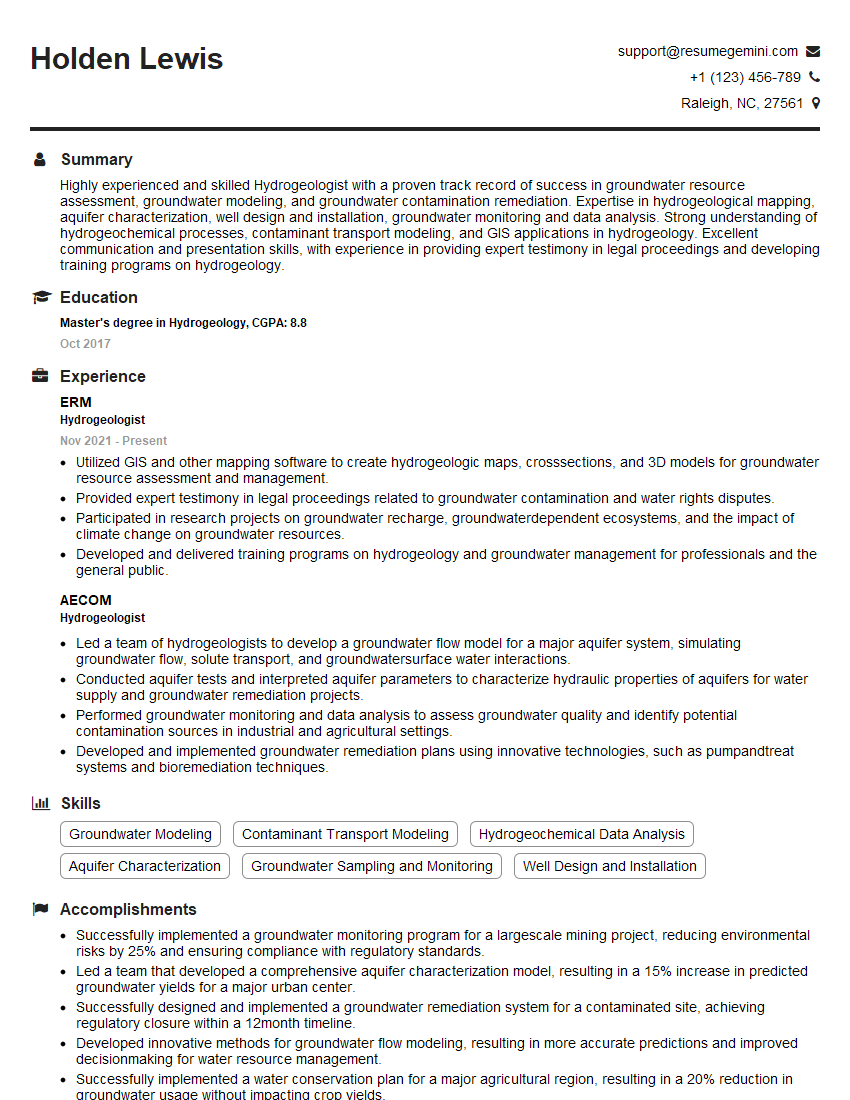
Hydrogeologist Resume Sample
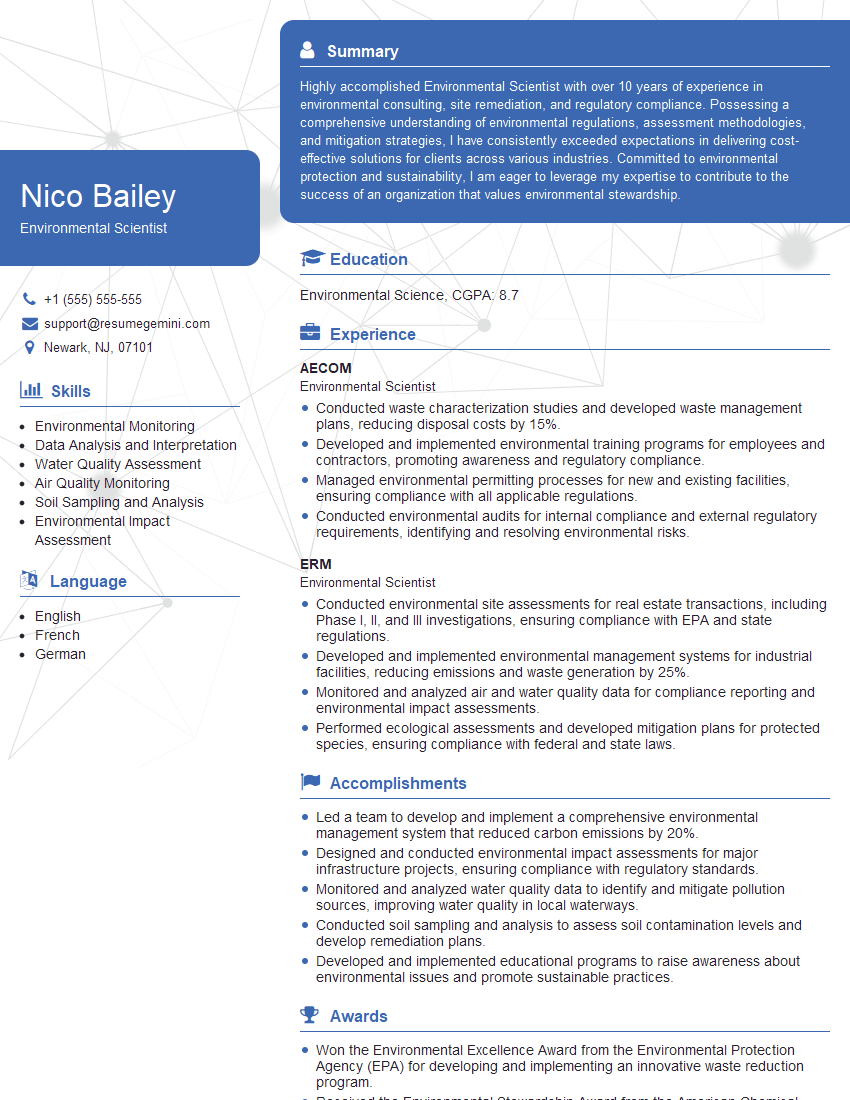
Environmental Scientist Resume Sample

Land Surveyor Resume Sample

Geotechnical Engineer Resume Sample

Environmental Consultant Resume Sample

Environmental Project Manager Resume Sample

Construction Inspector Resume Sample
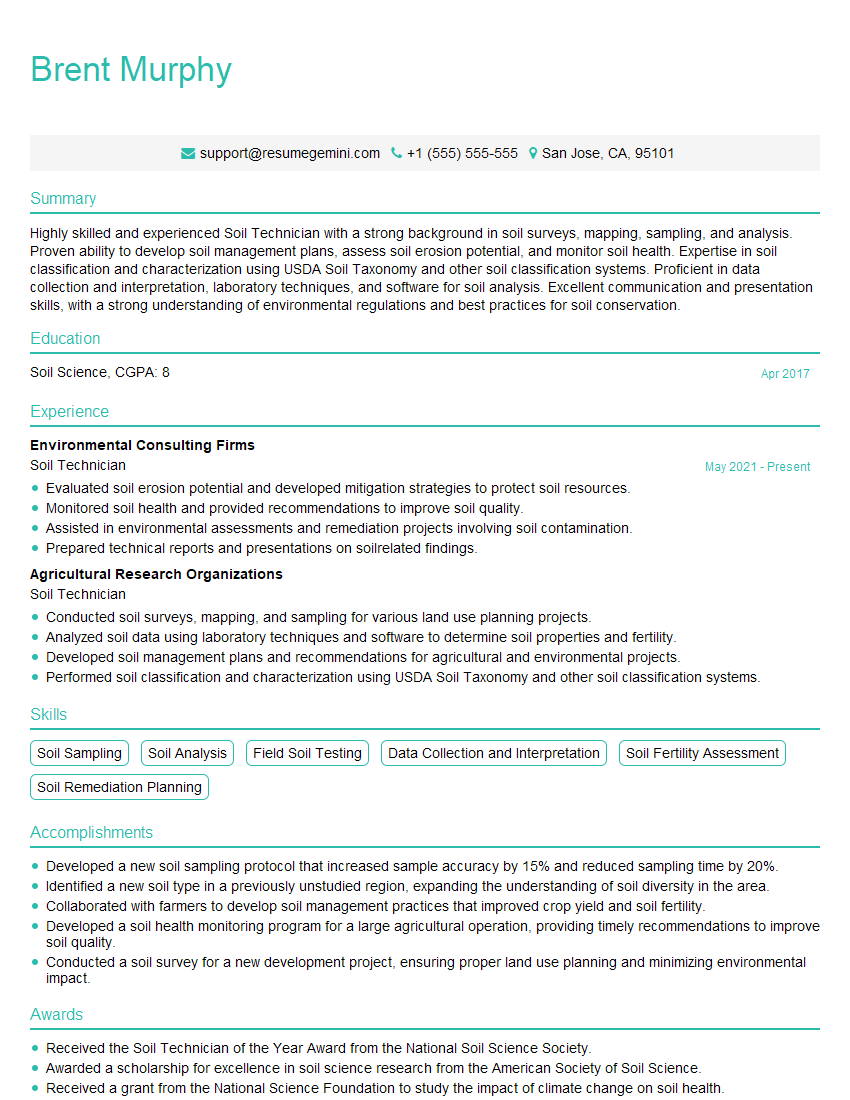
Soil Technician Resume Sample

Agronomist Resume Sample

Soil Scientist Resume Sample

Soil Conservationist Resume Sample

Soil Chemist Resume Sample

Materials Scientist Resume Sample

Geological Technician Resume Sample
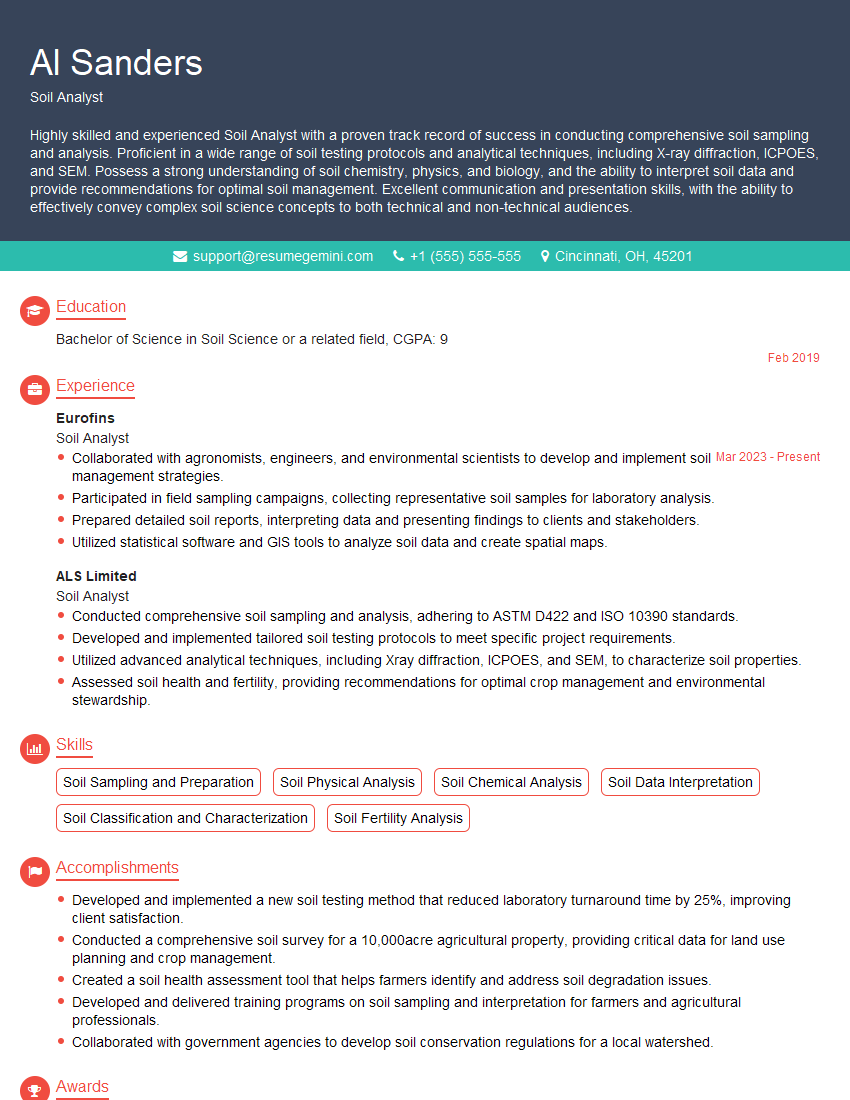
Soil Analyst Resume Sample

Soil Fertility Specialist Resume Sample
- Hydrogeologist
- Environmental Scientist
- Land Surveyor
- Geotechnical Engineer
- Environmental Consultant
- Environmental Project Manager
- Construction Inspector
- Soil Technician
- Agronomist
- Soil Scientist
- Soil Conservationist
- Soil Chemist
- Materials Scientist
- Geological Technician
- Soil Analyst
- Soil Fertility Specialist
Explore more articles
Users Rating of Our Blogs
Share Your Experience
We value your feedback! Please rate our content and share your thoughts (optional).
What Readers Say About Our Blog
Attention music lovers!
Wow, All the best Sax Summer music !!!
Spotify: https://open.spotify.com/artist/6ShcdIT7rPVVaFEpgZQbUk
Apple Music: https://music.apple.com/fr/artist/jimmy-sax-black/1530501936
YouTube: https://music.youtube.com/browse/VLOLAK5uy_noClmC7abM6YpZsnySxRqt3LoalPf88No
Other Platforms and Free Downloads : https://fanlink.tv/jimmysaxblack
on google : https://www.google.com/search?q=22+AND+22+AND+22
on ChatGPT : https://chat.openai.com?q=who20jlJimmy20Black20Sax20Producer
Get back into the groove with Jimmy sax Black
Best regards,
Jimmy sax Black
www.jimmysaxblack.com
Hi I am a troller at The aquatic interview center and I suddenly went so fast in Roblox and it was gone when I reset.
Hi,
Business owners spend hours every week worrying about their website—or avoiding it because it feels overwhelming.
We’d like to take that off your plate:
$69/month. Everything handled.
Our team will:
Design a custom website—or completely overhaul your current one
Take care of hosting as an option
Handle edits and improvements—up to 60 minutes of work included every month
No setup fees, no annual commitments. Just a site that makes a strong first impression.
Find out if it’s right for you:
https://websolutionsgenius.com/awardwinningwebsites
Hello,
we currently offer a complimentary backlink and URL indexing test for search engine optimization professionals.
You can get complimentary indexing credits to test how link discovery works in practice.
No credit card is required and there is no recurring fee.
You can find details here:
https://wikipedia-backlinks.com/indexing/
Regards
NICE RESPONSE TO Q & A
hi
The aim of this message is regarding an unclaimed deposit of a deceased nationale that bears the same name as you. You are not relate to him as there are millions of people answering the names across around the world. But i will use my position to influence the release of the deposit to you for our mutual benefit.
Respond for full details and how to claim the deposit. This is 100% risk free. Send hello to my email id: lukachachibaialuka@gmail.com
Luka Chachibaialuka
Hey interviewgemini.com, just wanted to follow up on my last email.
We just launched Call the Monster, an parenting app that lets you summon friendly ‘monsters’ kids actually listen to.
We’re also running a giveaway for everyone who downloads the app. Since it’s brand new, there aren’t many users yet, which means you’ve got a much better chance of winning some great prizes.
You can check it out here: https://bit.ly/callamonsterapp
Or follow us on Instagram: https://www.instagram.com/callamonsterapp
Thanks,
Ryan
CEO – Call the Monster App
Hey interviewgemini.com, I saw your website and love your approach.
I just want this to look like spam email, but want to share something important to you. We just launched Call the Monster, a parenting app that lets you summon friendly ‘monsters’ kids actually listen to.
Parents are loving it for calming chaos before bedtime. Thought you might want to try it: https://bit.ly/callamonsterapp or just follow our fun monster lore on Instagram: https://www.instagram.com/callamonsterapp
Thanks,
Ryan
CEO – Call A Monster APP
To the interviewgemini.com Owner.
Dear interviewgemini.com Webmaster!
Hi interviewgemini.com Webmaster!
Dear interviewgemini.com Webmaster!
excellent
Hello,
We found issues with your domain’s email setup that may be sending your messages to spam or blocking them completely. InboxShield Mini shows you how to fix it in minutes — no tech skills required.
Scan your domain now for details: https://inboxshield-mini.com/
— Adam @ InboxShield Mini
support@inboxshield-mini.com
Reply STOP to unsubscribe
Hi, are you owner of interviewgemini.com? What if I told you I could help you find extra time in your schedule, reconnect with leads you didn’t even realize you missed, and bring in more “I want to work with you” conversations, without increasing your ad spend or hiring a full-time employee?
All with a flexible, budget-friendly service that could easily pay for itself. Sounds good?
Would it be nice to jump on a quick 10-minute call so I can show you exactly how we make this work?
Best,
Hapei
Marketing Director
Hey, I know you’re the owner of interviewgemini.com. I’ll be quick.
Fundraising for your business is tough and time-consuming. We make it easier by guaranteeing two private investor meetings each month, for six months. No demos, no pitch events – just direct introductions to active investors matched to your startup.
If youR17;re raising, this could help you build real momentum. Want me to send more info?
Hi, I represent an SEO company that specialises in getting you AI citations and higher rankings on Google. I’d like to offer you a 100% free SEO audit for your website. Would you be interested?
Hi, I represent an SEO company that specialises in getting you AI citations and higher rankings on Google. I’d like to offer you a 100% free SEO audit for your website. Would you be interested?