Cracking a skill-specific interview, like one for Soil and Media Preparation, requires understanding the nuances of the role. In this blog, we present the questions you’re most likely to encounter, along with insights into how to answer them effectively. Let’s ensure you’re ready to make a strong impression.
Questions Asked in Soil and Media Preparation Interview
Q 1. Explain the importance of soil pH in plant growth.
Soil pH, a measure of soil acidity or alkalinity, is paramount for plant growth because it directly influences nutrient availability. Think of it like this: nutrients are like ingredients in a recipe, and pH is the chef’s technique. If the pH is off, even if all the ‘ingredients’ (nutrients) are present, the plant can’t properly ‘cook’ them (absorb them).
Most plants thrive within a specific pH range, typically between 6.0 and 7.0, which is slightly acidic to neutral. Outside this range, the solubility of essential nutrients like iron, phosphorus, and manganese changes. For instance, at very low pH (highly acidic), aluminum becomes toxic, while at high pH (alkaline), iron and manganese become less available. Consequently, plants might experience nutrient deficiencies, even if the soil is rich in these elements. A soil test is crucial for determining the pH and then amending it accordingly with materials like lime (to raise pH) or elemental sulfur (to lower pH).
Q 2. Describe different types of growing media and their suitability for various plants.
Growing media encompass a variety of materials used for plant cultivation, offering different properties depending on the plant’s needs. Common types include:
- Potting mix: A blend of peat moss, perlite, vermiculite, and sometimes compost. It’s well-draining and provides good aeration, ideal for container plants requiring frequent watering and good air circulation. For example, African violets are often grown in a specialized, well-draining potting mix to prevent root rot.
- Coco coir: A sustainable alternative to peat moss, derived from coconut husks. It retains moisture well but requires good drainage amendments. It’s excellent for hydroponics and container gardening.
- Rockwool: An inert, man-made growing medium comprised of rock fibers. It provides excellent aeration and water retention but requires nutrient solutions as it lacks organic matter. Commonly used in hydroponic setups and plant propagation.
- Perlite and Vermiculite: Inert minerals, these act primarily as soil amendments, improving drainage and aeration. Seldom used alone as they lack nutrients and water holding capacity.
- Soil-less mixes: These blends often utilize a combination of peat, perlite, vermiculite, and other materials to create a well-draining and aerated substrate. They are free from soilborne diseases and pests.
The choice depends on the plant’s preference for moisture and aeration. For instance, succulents prefer well-draining media to prevent root rot, while moisture-loving plants like ferns might do better in a medium retaining more water.
Q 3. How do you determine the appropriate nutrient content for a specific growing medium?
Determining the appropriate nutrient content involves understanding the plant’s specific requirements and the nutrient profile of the existing medium. Soil testing, both for pH and nutrient levels, is critical.
Professional labs conduct comprehensive analyses, providing precise information on macronutrients (nitrogen, phosphorus, potassium) and micronutrients (iron, manganese, zinc, etc.). Alternatively, at-home test kits offer a quicker, less detailed assessment. Once you have the results, you can amend the medium using fertilizers, either organic or synthetic, to meet the plants’ needs. For example, if the test reveals a phosphorus deficiency, a phosphorus-rich fertilizer can be incorporated. It’s important to follow the fertilizer instructions carefully to avoid over-fertilization, which can damage the plant.
Furthermore, consideration needs to be given to the plant’s growth stage. Seedlings have different nutrient needs compared to mature plants. This requires adjusting fertilizer application throughout a plant’s life cycle.
Q 4. What are the key components of a high-quality potting mix?
A high-quality potting mix balances several key components to create an optimal environment for root growth and plant health. These components include:
- Organic matter: Provides essential nutrients, improves water retention, and enhances soil structure. Peat moss, compost, and composted bark are common sources.
- Inorganic components: These ensure good drainage and aeration. Perlite and vermiculite are frequently used. Perlite adds porosity, improving drainage, while vermiculite improves water retention and helps to maintain soil moisture levels.
- Moisture-retentive agents: Help to maintain adequate soil moisture. Peat moss and coir retain water well, whereas perlite is less water-retentive.
- Balanced pH: Close to neutral (6.0-7.0) for optimal nutrient availability. This can often be achieved through the selection of pre-mixed components.
- Absence of disease and pests: Sterilization is often necessary to prevent pathogens and pests from harming the plants.
The best mixes are those carefully balanced to avoid extremes in water retention or drainage. For example, a mix too high in peat moss might be prone to waterlogging, whereas one too rich in perlite could dry out too quickly.
Q 5. Explain the process of soil sterilization and its benefits.
Soil sterilization is the process of eliminating harmful organisms—bacteria, fungi, nematodes, weed seeds—from the soil or growing medium. This is particularly important in situations where soilborne diseases or pests are a concern.
The most common methods include:
- Heat sterilization: Baking the soil in an oven at 180°F (82°C) for at least 30 minutes or using a steam sterilizer for a similar time and temperature. This is an effective method but requires caution to prevent scorching.
- Chemical sterilization: Using chemical agents like methyl bromide (now largely restricted) or other soil fumigants. This method is very effective but requires strict adherence to safety regulations due to the toxicity of the chemicals used.
- Solarization: Covering the soil with clear plastic during the hottest months. The heat generated under the plastic kills many soilborne pathogens.
Benefits include preventing diseases, reducing weed pressure, and creating a healthier root environment. However, soil sterilization can also eliminate beneficial microorganisms, potentially reducing soil fertility in the long term. Therefore, it’s advisable to reintroduce beneficial microbes after sterilization, such as through composting, or the use of compost tea.
Q 6. How do you assess soil drainage and what are the solutions for poor drainage?
Assessing soil drainage involves observing how quickly water percolates through the soil. A simple test is to dig a hole and fill it with water. If the water drains away quickly (within a few minutes), the drainage is good. If it remains for a long time, drainage is poor.
Poor drainage can lead to root rot and other plant diseases. Solutions include:
- Amending the soil: Adding organic matter (compost, peat moss) improves soil structure and water infiltration. Incorporating materials like perlite or vermiculite enhances drainage.
- Improving soil aeration: Using a garden fork or aerator to loosen compacted soil allows for better water penetration.
- Raised beds: Creating raised beds improves drainage, especially in clay soils. They are an excellent method to enhance water movement in areas with naturally poor drainage.
- Installing drainage systems: For severe drainage problems, installing drainage pipes or creating a gravel layer beneath the soil can be necessary.
The best solution depends on the severity of the drainage problem and the site conditions. For example, a simple amendment might suffice for slightly compacted soil, while a more extensive system may be required for heavy clay soils.
Q 7. Describe different methods for soil aeration and their effectiveness.
Soil aeration is the process of improving air circulation within the soil. This is crucial because roots need oxygen to respire and thrive.
Methods include:
- Tilling or forking: This mechanical method loosens compacted soil, improving air spaces and water infiltration. However, over-tilling can damage soil structure.
- Cover cropping: Planting cover crops like legumes can improve soil structure and aeration over time. Their roots penetrate the soil, creating channels for air and water.
- No-till farming: Minimizing soil disturbance preserves soil structure and improves aeration in the long run.
- Adding organic matter: Compost and other organic materials improve soil structure and aeration by creating spaces between soil particles.
- Aerating tools: Specialized aerating tools can punch holes into the soil, promoting better airflow and water drainage.
The effectiveness of each method depends on the soil type and the level of compaction. For example, no-till farming is effective on a large scale, while aerating tools are more practical for small gardens or container plants.
Q 8. What are the common soilborne diseases and how can they be managed?
Soilborne diseases are plant diseases caused by pathogens—bacteria, fungi, nematodes, or viruses—that persist in the soil. These pathogens can infect plants through their roots or other plant parts in contact with the soil. Common examples include root rot (caused by various fungi like Phytophthora and Pythium), damping-off (a seedling disease often caused by Rhizoctonia or Pythium), Fusarium wilt (caused by Fusarium fungi), and Verticillium wilt (caused by Verticillium fungi). Nematodes, microscopic worms, also cause significant damage to plant roots.
Managing soilborne diseases requires an integrated approach. Prevention is key. This includes using disease-free planting material, crop rotation to break disease cycles (planting non-host plants in the affected area), and selecting disease-resistant cultivars. Soil solarization, where clear plastic is placed over soil to heat it up and kill pathogens, is effective in some cases. Biological control involves introducing beneficial microorganisms that compete with or suppress pathogens. For example, certain bacteria or fungi can act as biocontrol agents. Chemical control, using soil fumigants or fungicides, is a last resort and should be used cautiously due to environmental concerns. Careful consideration of soil pH and drainage is also crucial, as many pathogens thrive in poorly drained, acidic soils.
For example, a gardener experiencing severe damping-off in their seedlings might implement a combination of strategies: using sterilized potting mix, practicing crop rotation, and ensuring proper ventilation to prevent overly moist conditions, and incorporating beneficial soil microbes through compost.
Q 9. Explain the role of soil organic matter in plant health.
Soil organic matter (SOM) is the organic component of soil, comprising decomposed and partially decomposed plant and animal matter. It plays a vital role in plant health in several ways. First, it improves soil structure by binding soil particles together, creating aggregates that enhance aeration and water infiltration. This reduces compaction and improves root penetration. Think of it as the soil’s ‘glue,’ holding everything together for better plant growth.
Second, SOM acts as a reservoir for nutrients. As it decomposes, essential nutrients like nitrogen, phosphorus, and potassium are released slowly, providing a steady supply to plants. This slow release minimizes nutrient leaching and reduces the need for frequent fertilization. It’s like a slow-release fertilizer built into the soil itself.
Third, SOM enhances water retention capacity. Organic matter acts like a sponge, holding water and making it available to plants, especially during dry periods. This is incredibly important for drought tolerance.
Finally, SOM supports a thriving soil ecosystem. It provides food and habitat for beneficial soil organisms like earthworms, bacteria, and fungi, which contribute to nutrient cycling and disease suppression. These organisms help to create a healthy, balanced environment.
In a practical setting, higher SOM content translates to healthier, more resilient plants with improved yields and better drought tolerance. Adding compost, cover crops, and mulching are effective ways to increase SOM in the soil.
Q 10. How do you interpret a soil test report?
Interpreting a soil test report requires understanding the different parameters tested and their implications for plant growth. Typically, a soil test provides information on:
- pH: Measures soil acidity or alkalinity. The ideal pH range varies depending on the plant species. Most plants prefer a slightly acidic to neutral range (6.0-7.0).
- Nutrient levels (e.g., N, P, K, Ca, Mg): Indicates the amounts of essential macronutrients present. Low levels may indicate the need for fertilization. High levels can be detrimental to plant health or indicate an imbalance.
- Organic matter content: An indicator of soil health and fertility.
- Texture: Indicates the proportions of sand, silt, and clay, influencing water holding capacity and drainage.
- Electrical conductivity (EC): Measures the salt content in the soil, crucial for assessing salinity.
Let’s say a soil test shows a low pH (5.0), low phosphorus, and high salinity. This indicates acidic soil lacking phosphorus and suffering from salinity issues. The remediation strategy would involve raising the pH (possibly with lime), applying phosphorus fertilizer, and addressing the salinity issue through techniques such as leaching (applying abundant water to flush out salts).
It’s crucial to compare the soil test results with the optimal nutrient requirements of the intended plants to formulate an appropriate management plan. Always consult with a soil expert or agricultural specialist for personalized recommendations.
Q 11. What are the benefits and drawbacks of using peat moss in growing media?
Peat moss, a partially decayed plant material from bogs, is a common component in growing media. It offers several benefits:
- Excellent water retention: Peat moss holds a significant amount of water, making it ideal for containers and drier climates.
- Good aeration: Provides good air spaces in the growing medium, promoting healthy root development.
- Low nutrient content: Allows for precise nutrient control through fertilization.
- Light and easy to handle: Relatively easy to mix and use in potting mixes.
However, peat moss also has drawbacks:
- Environmental concerns: Harvesting peat moss contributes to habitat destruction and carbon emissions. Sustainable alternatives are becoming increasingly important.
- Acidic nature: Can lower soil pH, potentially requiring pH adjustment.
- Hydrophobic nature when dry: Can become difficult to rewet once dried out.
- Expensive: Compared to other components, peat moss can be more costly.
Sustainable alternatives include coconut coir, composted bark, and composted wood fiber. The choice of growing medium should consider both the plant’s needs and environmental responsibility.
Q 12. Discuss the impact of different soil textures on plant growth.
Soil texture, determined by the proportions of sand, silt, and clay, significantly influences plant growth. Each particle size affects water retention, drainage, aeration, and nutrient availability.
- Sandy soils: Have large particles, resulting in excellent drainage and aeration but poor water retention. Plants in sandy soil require frequent watering but may lack essential nutrients.
- Silty soils: Have intermediate-sized particles, providing a balance between water retention, drainage, and aeration. These soils are often fertile and suitable for many plants.
- Clay soils: Have very small particles, resulting in high water retention but poor drainage and aeration. Roots may struggle to penetrate, and plants can suffer from oxygen deficiency. Clay soils can be fertile but may require amendments to improve drainage.
For instance, a plant requiring well-drained soil (like tomatoes) wouldn’t thrive in heavy clay, while a plant preferring moist conditions (like rice) would not do well in sandy soil. Understanding soil texture is essential for selecting appropriate planting sites and managing soil conditions.
Q 13. How do you amend heavy clay soil for improved drainage and aeration?
Heavy clay soil, characterized by poor drainage and aeration, can be improved by adding amendments that increase porosity. The goal is to create a better soil structure that allows for easier water infiltration and better root penetration.
Several amendments are effective:
- Organic matter: Adding compost, well-rotted manure, or leaf mold improves soil structure by creating air pockets and improving water infiltration. Think of it as adding ‘sponge-like’ material to the clay.
- Sand: While it improves drainage, adding too much sand can result in a sandy clay with poor water retention. It’s best used in moderation.
- Perlite or vermiculite: These inorganic materials are lightweight and improve aeration and drainage without altering the soil’s pH significantly.
The process typically involves:
- Testing the soil: A soil test will determine the current pH and nutrient levels, guiding the selection of amendments.
- Adding amendments: Incorporate the chosen amendments thoroughly into the clay soil, ideally several months before planting to allow for proper decomposition of organic matter.
- Till the soil: Tilling helps distribute the amendments evenly. Avoid excessive tilling, which can cause soil compaction.
- Monitor the soil: Regularly monitor soil moisture and drainage. Adjust watering accordingly.
For example, a gardener with a heavy clay garden might amend it with a mixture of compost and perlite, working it in deeply before planting, to enhance drainage and aeration.
Q 14. What are the considerations for selecting growing media for hydroponic systems?
Selecting growing media for hydroponic systems requires careful consideration of several factors. Unlike soil-based systems, hydroponics relies entirely on the growing medium to provide support and aid in nutrient uptake. The ideal media should be:
- Inert: It should not significantly impact the nutrient solution’s pH or nutrient availability.
- Well-draining: Allows for proper aeration of roots.
- Sterile: Prevents the introduction of pathogens and pests.
- Appropriate water holding capacity: Should retain enough moisture but avoid waterlogging.
- Suitable for the plant type: Different plants have varying needs for support and water retention.
Common hydroponic growing media include:
- Rockwool: A sterile, inert material made from volcanic rock that provides excellent aeration and water retention.
- Coco coir: A sustainable alternative derived from coconut husks, offering good water retention and aeration.
- Perlite and vermiculite: Inorganic materials providing excellent aeration, suitable for certain hydroponic techniques.
- Clay pebbles (hydroton): Inert, well-draining, and reusable.
Choosing the right growing medium depends on the specific hydroponic technique used (deep water culture, nutrient film technique, etc.) and the plants being grown. For example, deep water culture might use net pots with clay pebbles for support, while a nutrient film technique system might utilize a mat of coco coir to hold the roots.
Q 15. Describe different methods of soil sampling and their purpose.
Soil sampling is crucial for understanding soil properties and guiding management decisions. Different methods are employed depending on the scale and purpose of the investigation.
- Grid sampling: A systematic approach where samples are taken at regular intervals across a field. This provides a representative overview of soil variability and is useful for large-scale assessments like fertilizer recommendations or assessing soil health across a farm.
- Composite sampling: Multiple samples are collected from a defined area and combined to create a single composite sample. This method is cost-effective for large areas but may mask localized variations. It’s often used for routine soil testing.
- Targeted sampling: Samples are collected from specific areas of interest, such as areas with suspected problems (e.g., erosion, compaction). This method is useful for diagnosing localized issues. For instance, you might take targeted samples around a wilting plant to investigate possible root problems.
- Auger sampling: A hand-held auger is used to extract soil cores from various depths. Useful for determining soil layering and profile characteristics.
- Probe sampling: A soil probe is pushed into the ground to collect a small sample. Quick and easy, but only provides surface information.
The purpose of soil sampling varies but generally involves assessing soil properties like texture, pH, nutrient levels, organic matter content, and salinity. This information is vital for optimizing crop yields, environmental management, and land reclamation projects.
Career Expert Tips:
- Ace those interviews! Prepare effectively by reviewing the Top 50 Most Common Interview Questions on ResumeGemini.
- Navigate your job search with confidence! Explore a wide range of Career Tips on ResumeGemini. Learn about common challenges and recommendations to overcome them.
- Craft the perfect resume! Master the Art of Resume Writing with ResumeGemini’s guide. Showcase your unique qualifications and achievements effectively.
- Don’t miss out on holiday savings! Build your dream resume with ResumeGemini’s ATS optimized templates.
Q 16. How do you manage soil salinity?
Managing soil salinity involves reducing the concentration of soluble salts in the soil. High salinity can severely impair plant growth by reducing water availability and nutrient uptake. Strategies include:
- Improved drainage: Installing drainage systems to leach excess salts from the soil profile. This is especially important in poorly drained areas. Think of it like unclogging a drain – you need to let the excess water and salts escape.
- Flush with low salinity water: Applying large amounts of low-salinity water to leach salts deeper into the soil profile. This is effective but requires significant water resources and careful management to avoid further waterlogging issues.
- Use of salt-tolerant crops: Choosing plant species adapted to saline conditions. Some plants have evolved mechanisms to tolerate high salt concentrations in their environment.
- Amendment with organic matter: Incorporating organic matter like compost improves soil structure, increases water infiltration, and enhances salt binding capacity. Think of organic matter as a sponge that can help hold onto and retain some of the salt.
- Use of gypsum: Gypsum (calcium sulfate) can help displace sodium ions from the soil exchange complex, making the soil less saline. This is a chemical approach that requires understanding of soil chemistry.
Successful salinity management requires a holistic approach considering local conditions, water availability, and crop requirements. Regular monitoring of soil salinity is essential for assessing the effectiveness of employed strategies.
Q 17. Explain the role of mycorrhizae in plant nutrition.
Mycorrhizae are symbiotic fungi that form associations with plant roots. These beneficial fungi play a crucial role in plant nutrition by extending the plant’s root system and improving nutrient uptake.
Imagine the mycorrhizal fungi as an extension of the plant’s root system, significantly increasing the surface area available to absorb nutrients and water. This is particularly beneficial in nutrient-poor soils.
- Enhanced nutrient uptake: Mycorrhizae significantly increase the uptake of phosphorus, zinc, copper, and other essential nutrients. The fungal hyphae (thread-like structures) explore the soil much more extensively than roots alone, making it easier to access nutrients.
- Improved water absorption: Mycorrhizae also enhance the plant’s ability to absorb water from the soil, leading to improved drought tolerance.
- Protection against pathogens: Some mycorrhizal fungi produce antibiotics or act as physical barriers, protecting plant roots from soilborne diseases. This strengthens the plant’s defense system.
The benefits of mycorrhizae are significant, promoting plant health and growth, especially in sustainable agriculture and restoration ecology.
Q 18. What are the environmental impacts of using different growing media?
The environmental impacts of growing media vary widely depending on their composition and sourcing.
- Peat-based media: Peat extraction contributes to habitat destruction and carbon emissions. Peat bogs are important carbon sinks, and their degradation releases significant greenhouse gases.
- Coco coir: A sustainable alternative to peat, coco coir is a byproduct of coconut processing. While generally more environmentally friendly, transportation and processing still have an environmental footprint.
- Rockwool: Made from volcanic rock, rockwool is reusable and inert, but its manufacturing process requires energy. Disposal can be a concern if not managed properly.
- Compost-based media: Using composted organic materials reduces reliance on virgin resources and provides a nutrient-rich growing medium. However, proper composting methods are essential to avoid the spread of pathogens.
Choosing environmentally responsible growing media involves considering the entire life cycle – from sourcing raw materials to disposal or reuse. Focusing on locally sourced, renewable, and recyclable materials minimizes environmental impacts.
Q 19. How do you determine the appropriate water retention capacity of a growing medium?
Determining the appropriate water retention capacity (WRC) of a growing medium is crucial for optimal plant growth. A medium with poor WRC can lead to frequent watering, increasing labor and water consumption, while excessive WRC can lead to root rot and other issues.
Several methods can be used to assess WRC:
- Water retention measurement: A known weight of dry media is saturated with water, then the weight is recorded. The difference represents the amount of water held. Dividing this by the dry weight gives the WRC.
- Pressure plate apparatus: A more precise laboratory method that measures the amount of water held by the medium at various matric potentials, providing a detailed picture of its water-holding characteristics.
- Empirical methods: Relying on the experience and knowledge of the grower to adjust the medium composition based on factors like plant type and environmental conditions. This approach is useful when laboratory equipment isn’t readily available.
The ideal WRC varies depending on the plant species and its growth stage. For instance, seedlings usually require a more evenly moist medium compared to established plants, which may tolerate slight fluctuations.
Q 20. Describe the process of composting and its use in soil amendment.
Composting is a natural process that decomposes organic matter into a nutrient-rich humus-like material. This process involves controlled aerobic decomposition, where microorganisms break down organic materials in the presence of oxygen. Composting is a crucial step in soil amendment, improving its structure, fertility, and water-holding capacity.
The composting process typically involves:
- Gathering organic materials: This includes kitchen scraps, yard waste, agricultural residues, and other biodegradable materials. Maintaining a balance of carbon-rich (brown) and nitrogen-rich (green) materials is key for efficient decomposition.
- Creating a compost pile: Materials are arranged in layers and regularly turned to ensure adequate aeration.
- Monitoring moisture and temperature: The pile should be kept moist but not waterlogged. The temperature within the pile will rise as decomposition occurs, reaching temperatures high enough to kill many pathogens.
- Maturation: Once the decomposition process is complete, the compost is allowed to mature and further stabilize. This results in a darker, more stable material that is ready to be used as a soil amendment.
Compost amendment improves soil structure by increasing its porosity, which enhances water infiltration and root penetration. It also provides essential nutrients to plants and stimulates beneficial microbial activity in the soil.
Q 21. What are the signs of nutrient deficiencies in plants and how can they be addressed?
Nutrient deficiencies in plants manifest in various ways, often showing characteristic visual symptoms. Identifying these symptoms is crucial for diagnosing and addressing the problem.
- Nitrogen (N): Stunted growth, pale green or yellow leaves (chlorosis), especially older leaves first. Addressing this requires applying nitrogen fertilizers, such as urea or ammonium nitrate.
- Phosphorus (P): Dark green or bluish-green leaves, stunted growth, delayed maturity. Phosphorus deficiency is often addressed by adding phosphate fertilizers.
- Potassium (K): Marginal leaf burn (necrosis), leaf curling, reduced plant vigor. Potassium deficiency can be addressed through the application of potash fertilizers.
- Other micronutrients: Deficiencies in micronutrients like iron, zinc, manganese, etc., often cause chlorosis (yellowing) in specific parts of the plant. These are generally addressed through foliar sprays or soil application of chelated micronutrients.
Addressing nutrient deficiencies requires a systematic approach: 1) Visual observation of symptoms; 2) Soil testing to confirm nutrient levels; 3) Applying appropriate fertilizers or amendments based on the diagnosis. Proper soil testing is critical to avoid unnecessary fertilization which can have environmental consequences.
Q 22. How do you calculate the required amount of fertilizer for a given area?
Calculating fertilizer needs involves understanding the soil’s nutrient deficiencies and the plant’s requirements. It’s not a one-size-fits-all calculation; it depends on factors like soil test results, the type of plant, the desired yield, and the fertilizer’s nutrient content. A soil test is crucial – it reveals the existing levels of nitrogen (N), phosphorus (P), and potassium (K), the primary macronutrients.
Let’s say your soil test indicates a need for 50 lbs of nitrogen per acre. You’re using a fertilizer that’s 10-10-10 (meaning 10% N, 10% P, 10% K). To get 50 lbs of N, you’d need to calculate: (50 lbs N) / (0.10 N) = 500 lbs of fertilizer per acre. This calculation only considers nitrogen; you’ll repeat for phosphorus and potassium based on the soil test recommendations and fertilizer analysis. Remember to always follow the fertilizer label instructions for application rates. Improper application can damage plants and pollute the environment.
For smaller areas (like a home garden), you can use a similar calculation but adjust the units (e.g., pounds per square foot). Many online calculators are available to simplify this process, provided you input accurate data from your soil test and know the fertilizer’s NPK ratio.
Q 23. What are the best practices for maintaining soil health?
Maintaining soil health is paramount for sustainable agriculture and gardening. It’s about keeping the soil alive and functioning optimally. Think of soil as a living ecosystem, teeming with microorganisms vital for nutrient cycling and plant growth.
- Diverse Crop Rotation: Rotating crops prevents the depletion of specific nutrients and reduces pest and disease build-up. Imagine rotating tomatoes (heavy feeders) with legumes (nitrogen fixers).
- Cover Cropping: Planting cover crops (like clover or rye) during fallow periods improves soil structure, prevents erosion, and adds organic matter. They’re like a soil spa treatment!
- Composting and Mulching: Adding compost and mulch enhances soil fertility, improves water retention, and suppresses weeds. Think of compost as a superfood for your soil.
- No-Till Farming: Minimizing soil disturbance protects soil structure, preserves beneficial microorganisms, and reduces erosion.
- Reduced Chemical Inputs: Over-reliance on synthetic fertilizers and pesticides can harm soil biodiversity and long-term fertility. Focus on building soil health naturally.
- Regular Soil Testing: Monitoring soil nutrient levels allows for targeted fertilizer applications, avoiding over-fertilization and preventing nutrient imbalances.
Q 24. Explain the differences between organic and inorganic fertilizers.
Organic and inorganic fertilizers differ significantly in their source, composition, and effects on the soil.
- Inorganic Fertilizers (Synthetic): These are manufactured from mined minerals or industrial processes. They provide readily available nutrients, often in a highly concentrated form (e.g., urea, ammonium nitrate). Their immediate effect is noticeable, but they may lack the beneficial microorganisms and soil-enhancing properties of organic fertilizers. They can also contribute to soil acidification and environmental pollution if not applied carefully.
- Organic Fertilizers: These are derived from natural sources like animal manure, compost, or plant matter. They gradually release nutrients, improving soil structure and biodiversity. They tend to be less concentrated than inorganic fertilizers, often requiring larger applications. They also contribute to improved water retention and better overall soil health. Examples include composted manure, bone meal, and blood meal.
The choice between organic and inorganic fertilizers depends on specific needs and priorities. Often, a balanced approach, integrating both types, is beneficial for optimizing both short-term and long-term soil health.
Q 25. Describe your experience with using different soil testing kits.
I have experience with a variety of soil testing kits, ranging from simple home-testing kits to professional laboratory analyses. Home kits are useful for a quick assessment of pH and macronutrients (N, P, K). They provide a basic understanding of soil health and can be a great starting point for a gardener. However, their accuracy is often limited compared to professional lab tests.
Laboratory tests offer a much more comprehensive analysis, revealing a wider range of nutrients, micronutrients, and potential toxic substances. They also provide more accurate quantification of nutrient levels. For instance, I’ve used kits from various suppliers, each with its own strengths and weaknesses. Some excel at pH measurement, others at determining specific micronutrients. I always carefully compare the results obtained using different methods and evaluate them based on the specific needs and expected plant growth characteristics.
Choosing the right kit is determined by the required level of detail, budget, and ease of use. While lab tests are more costly and time-consuming, they are essential for detailed analysis and when high accuracy is critical, like in large-scale agriculture or for specialized horticulture.
Q 26. How do you handle pest and disease problems in soil?
Handling pest and disease problems in soil requires a multifaceted approach, prioritizing preventative measures. A healthy soil is less susceptible to problems.
- Crop Rotation: Breaks pest and disease cycles.
- Biological Control: Introducing beneficial nematodes or other beneficial organisms can naturally control pest populations.
- Resistant Varieties: Selecting plant varieties resistant to common diseases reduces the need for chemical intervention.
- Sanitation: Removing infected plant material prevents the spread of diseases.
- Soil Solarization: Covering soil with clear plastic during hot weather can kill many soilborne pathogens.
- Chemical Control (Used judiciously): In severe cases, targeted application of appropriate pesticides might be necessary. It’s crucial to follow label instructions meticulously and minimize environmental impact.
Integrated Pest Management (IPM) is the best strategy. This involves combining different control methods to create a sustainable approach that minimizes reliance on harmful chemicals. I’ve personally had success with implementing biological control measures in my greenhouse projects. It’s amazing to see the effectiveness of natural predators.
Q 27. What safety precautions do you take when handling soil and fertilizers?
Safety is paramount when handling soil and fertilizers.
- Personal Protective Equipment (PPE): Always wear gloves, eye protection, and a dust mask when handling soil, especially if it contains potentially harmful substances. Long sleeves and pants provide additional protection.
- Proper Storage: Fertilizers should be stored in their original containers, in a cool, dry, and well-ventilated area, away from children and pets. Label them clearly and follow all storage instructions.
- Safe Handling: Avoid inhaling fertilizer dust, and wash hands thoroughly after handling soil or fertilizers. Never mix fertilizers unless specifically instructed to do so.
- Spill Management: Have a plan in place to handle accidental spills. Absorbent materials can help contain spills and prevent contamination.
- Disposal: Dispose of empty fertilizer containers and other waste materials according to local regulations to avoid environmental pollution.
I always emphasize safe handling practices during training and on projects. A small mistake can have serious consequences, so vigilance is vital.
Q 28. Explain your experience with different types of irrigation systems and their suitability for various growing media.
My experience encompasses various irrigation systems, each with its own advantages and disadvantages for different growing media.
- Drip Irrigation: Highly efficient for delivering water directly to the plant roots, minimizing water waste. Excellent for containers and raised beds with various growing media (soil, coco coir, rockwool). It’s particularly effective in arid climates where water conservation is a concern.
- Overhead Sprinklers: More cost-effective for larger areas but less efficient in terms of water usage, especially with windy conditions. Suitable for well-drained soils but can lead to leaf diseases if not used carefully. Not ideal for certain growing media like rockwool, which can be damaged by excessive wetting.
- Subsurface Irrigation: Water is delivered below the surface, minimizing evaporation and weed growth. It’s effective for established plants in well-drained soils but may not be suitable for all growing media or plant types.
- Soaker Hoses: A low-cost option that provides even moisture to the soil surface, particularly useful in smaller gardens and raised beds. However, they can be less efficient compared to drip irrigation.
Choosing the right system depends on factors like the size of the area, the type of growing media, water availability, budget, and the specific needs of the plants. For instance, drip irrigation is preferred for high-value crops due to its efficiency and ability to deliver precise amounts of water and nutrients, whereas overhead sprinklers may be adequate for less sensitive crops and larger areas.
Key Topics to Learn for Soil and Media Preparation Interview
- Soil Composition and Properties: Understanding soil texture, structure, pH, organic matter content, and their influence on plant growth. Consider practical applications like choosing appropriate soil amendments.
- Media Preparation Techniques: Mastering techniques for preparing various growing media, including potting mixes, hydroponic solutions, and tissue culture media. Explore the practical implications of sterilization and nutrient balance.
- Nutrient Management: Understanding macronutrients and micronutrients, their roles in plant development, and methods for supplying them effectively. Practical application includes diagnosing nutrient deficiencies and formulating appropriate fertilization strategies.
- Sterilization and Sanitation: Methods for sterilizing soil and media to prevent disease and contamination. Practical aspects include choosing appropriate sterilization techniques based on the type of media and potential pathogens.
- Environmental Considerations: The impact of environmental factors like temperature, humidity, and light on media properties and plant growth. Practical application includes designing growing environments that optimize plant health.
- Quality Control and Testing: Methods for evaluating the quality of prepared media, including physical and chemical analyses. Practical application involves troubleshooting issues related to media quality and its impact on plant growth.
- Advanced Techniques: Explore specialized techniques such as soilless culture, aeroponics, and other advanced media preparation methods relevant to your field of interest.
Next Steps
Mastering Soil and Media Preparation is crucial for success in many agricultural, horticultural, and environmental science roles. A strong understanding of these principles demonstrates practical skills and attention to detail, highly valued by employers. To significantly improve your job prospects, create a compelling and ATS-friendly resume that highlights your skills and experience. ResumeGemini is a trusted resource to help you build a professional resume that showcases your qualifications effectively. Examples of resumes tailored to Soil and Media Preparation are available to guide you through the process. Invest time in crafting a strong resume – it’s your first impression on potential employers.

Farm Manager Resume Sample
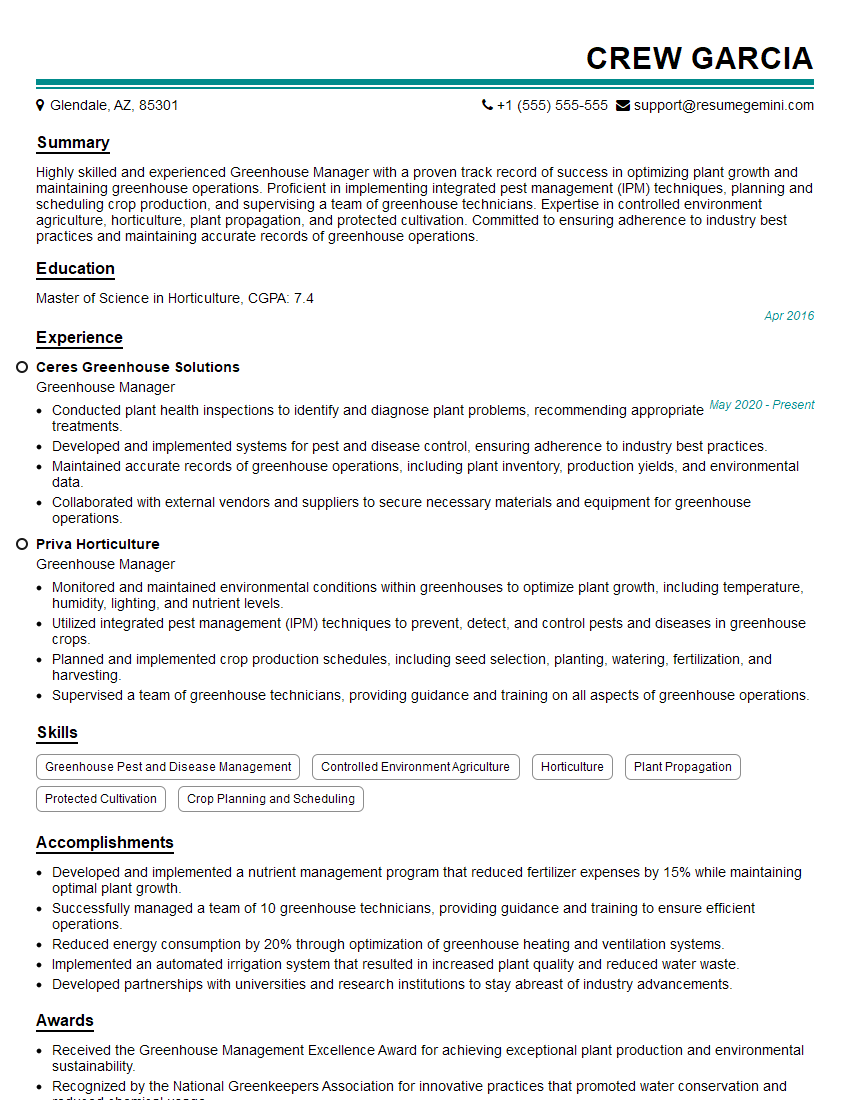
Greenhouse Manager Resume Sample

Nursery Manager Resume Sample
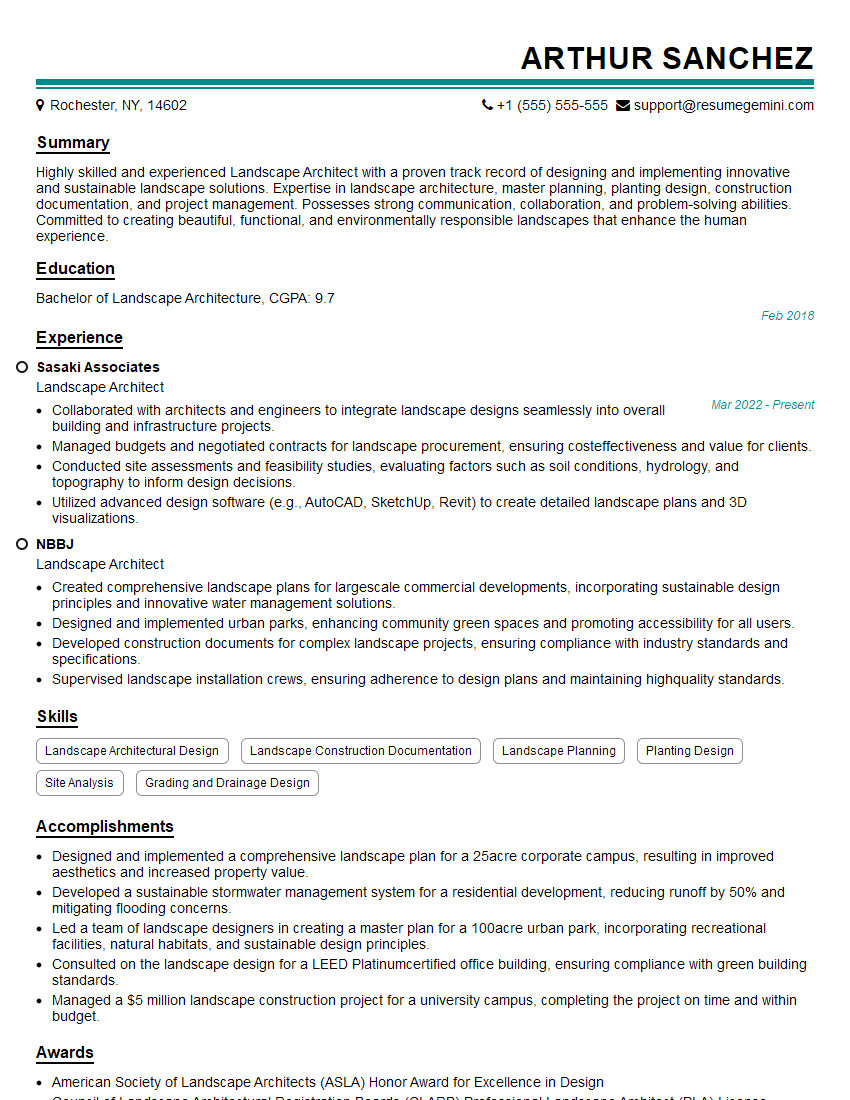
Landscape Architect Resume Sample
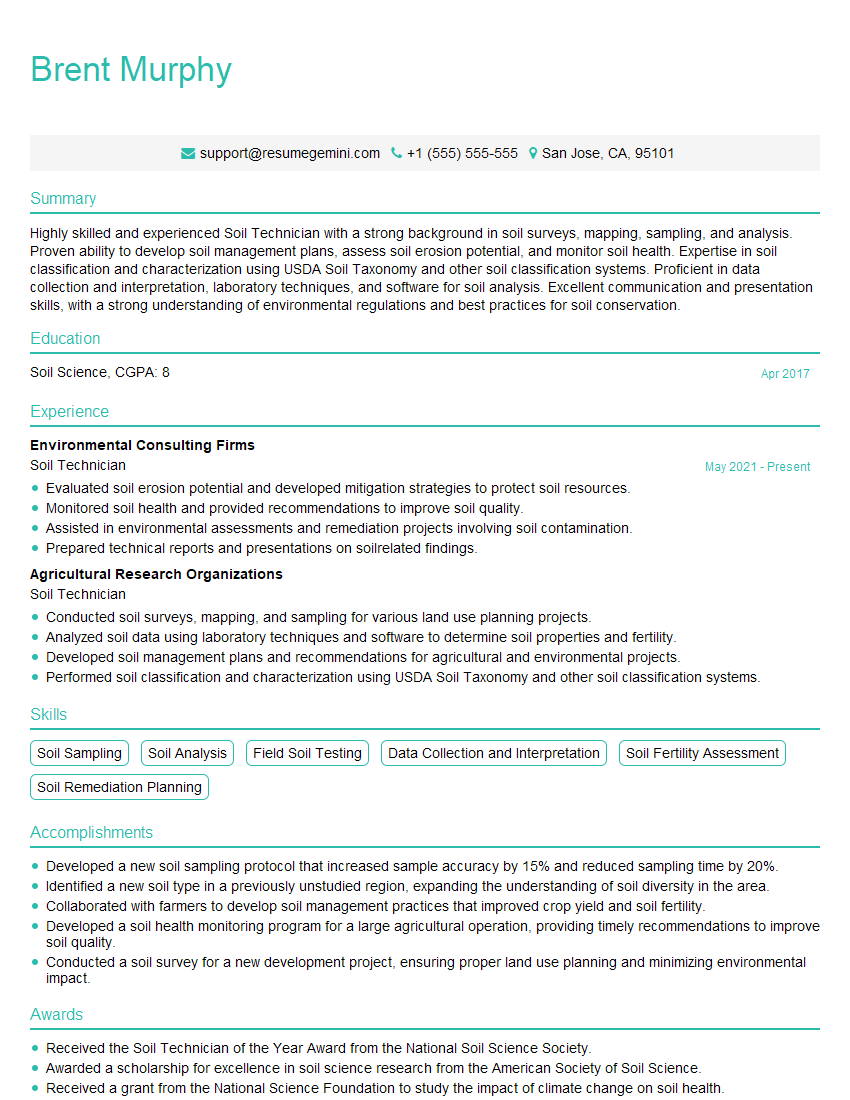
Soil Technician Resume Sample
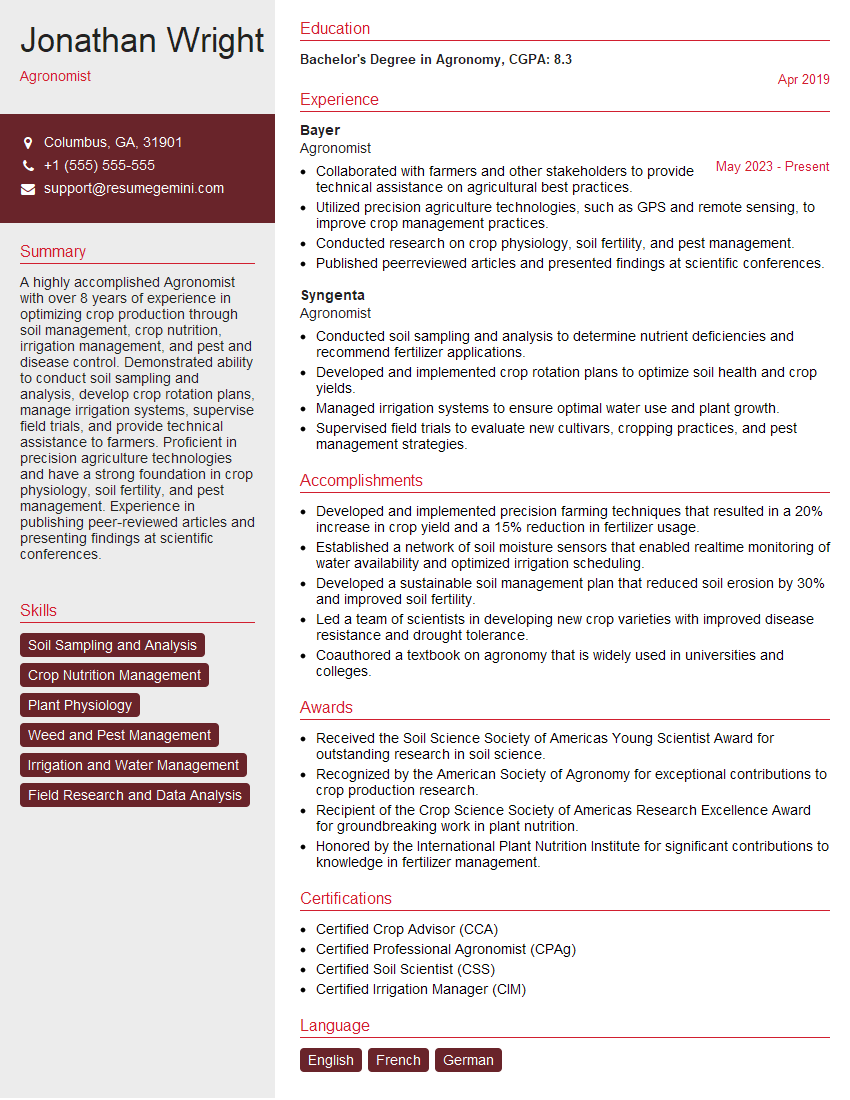
Agronomist Resume Sample

Arborist Resume Sample

Plant Pathologist Resume Sample

Soil Scientist Resume Sample

Soil Conservationist Resume Sample
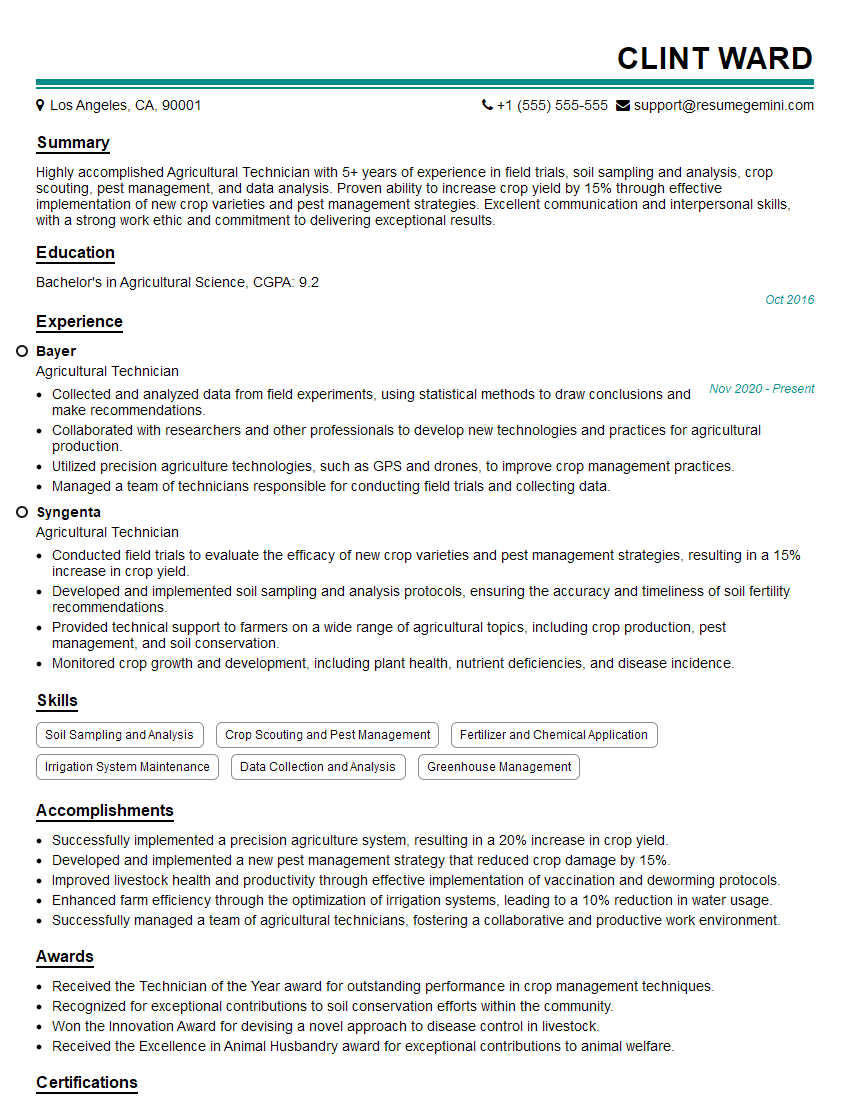
Agricultural Technician Resume Sample
Explore more articles
Users Rating of Our Blogs
Share Your Experience
We value your feedback! Please rate our content and share your thoughts (optional).
What Readers Say About Our Blog
Attention music lovers!
Wow, All the best Sax Summer music !!!
Spotify: https://open.spotify.com/artist/6ShcdIT7rPVVaFEpgZQbUk
Apple Music: https://music.apple.com/fr/artist/jimmy-sax-black/1530501936
YouTube: https://music.youtube.com/browse/VLOLAK5uy_noClmC7abM6YpZsnySxRqt3LoalPf88No
Other Platforms and Free Downloads : https://fanlink.tv/jimmysaxblack
on google : https://www.google.com/search?q=22+AND+22+AND+22
on ChatGPT : https://chat.openai.com?q=who20jlJimmy20Black20Sax20Producer
Get back into the groove with Jimmy sax Black
Best regards,
Jimmy sax Black
www.jimmysaxblack.com
Hi I am a troller at The aquatic interview center and I suddenly went so fast in Roblox and it was gone when I reset.
Hi,
Business owners spend hours every week worrying about their website—or avoiding it because it feels overwhelming.
We’d like to take that off your plate:
$69/month. Everything handled.
Our team will:
Design a custom website—or completely overhaul your current one
Take care of hosting as an option
Handle edits and improvements—up to 60 minutes of work included every month
No setup fees, no annual commitments. Just a site that makes a strong first impression.
Find out if it’s right for you:
https://websolutionsgenius.com/awardwinningwebsites
Hello,
we currently offer a complimentary backlink and URL indexing test for search engine optimization professionals.
You can get complimentary indexing credits to test how link discovery works in practice.
No credit card is required and there is no recurring fee.
You can find details here:
https://wikipedia-backlinks.com/indexing/
Regards
NICE RESPONSE TO Q & A
hi
The aim of this message is regarding an unclaimed deposit of a deceased nationale that bears the same name as you. You are not relate to him as there are millions of people answering the names across around the world. But i will use my position to influence the release of the deposit to you for our mutual benefit.
Respond for full details and how to claim the deposit. This is 100% risk free. Send hello to my email id: lukachachibaialuka@gmail.com
Luka Chachibaialuka
Hey interviewgemini.com, just wanted to follow up on my last email.
We just launched Call the Monster, an parenting app that lets you summon friendly ‘monsters’ kids actually listen to.
We’re also running a giveaway for everyone who downloads the app. Since it’s brand new, there aren’t many users yet, which means you’ve got a much better chance of winning some great prizes.
You can check it out here: https://bit.ly/callamonsterapp
Or follow us on Instagram: https://www.instagram.com/callamonsterapp
Thanks,
Ryan
CEO – Call the Monster App
Hey interviewgemini.com, I saw your website and love your approach.
I just want this to look like spam email, but want to share something important to you. We just launched Call the Monster, a parenting app that lets you summon friendly ‘monsters’ kids actually listen to.
Parents are loving it for calming chaos before bedtime. Thought you might want to try it: https://bit.ly/callamonsterapp or just follow our fun monster lore on Instagram: https://www.instagram.com/callamonsterapp
Thanks,
Ryan
CEO – Call A Monster APP
To the interviewgemini.com Owner.
Dear interviewgemini.com Webmaster!
Hi interviewgemini.com Webmaster!
Dear interviewgemini.com Webmaster!
excellent
Hello,
We found issues with your domain’s email setup that may be sending your messages to spam or blocking them completely. InboxShield Mini shows you how to fix it in minutes — no tech skills required.
Scan your domain now for details: https://inboxshield-mini.com/
— Adam @ InboxShield Mini
support@inboxshield-mini.com
Reply STOP to unsubscribe
Hi, are you owner of interviewgemini.com? What if I told you I could help you find extra time in your schedule, reconnect with leads you didn’t even realize you missed, and bring in more “I want to work with you” conversations, without increasing your ad spend or hiring a full-time employee?
All with a flexible, budget-friendly service that could easily pay for itself. Sounds good?
Would it be nice to jump on a quick 10-minute call so I can show you exactly how we make this work?
Best,
Hapei
Marketing Director
Hey, I know you’re the owner of interviewgemini.com. I’ll be quick.
Fundraising for your business is tough and time-consuming. We make it easier by guaranteeing two private investor meetings each month, for six months. No demos, no pitch events – just direct introductions to active investors matched to your startup.
If youR17;re raising, this could help you build real momentum. Want me to send more info?
Hi, I represent an SEO company that specialises in getting you AI citations and higher rankings on Google. I’d like to offer you a 100% free SEO audit for your website. Would you be interested?
Hi, I represent an SEO company that specialises in getting you AI citations and higher rankings on Google. I’d like to offer you a 100% free SEO audit for your website. Would you be interested?