Feeling uncertain about what to expect in your upcoming interview? We’ve got you covered! This blog highlights the most important Solving problems interview questions and provides actionable advice to help you stand out as the ideal candidate. Let’s pave the way for your success.
Questions Asked in Solving problems Interview
Q 1. Describe your approach to diagnosing a complex technical issue.
Diagnosing a complex technical issue requires a systematic approach. I begin by gathering information: What are the symptoms? When did they start? What actions preceded the issue? I then break down the problem into smaller, manageable components. This often involves creating a flowchart or diagram to visualize the system’s interactions and identify potential points of failure. I use a combination of deductive reasoning (starting with a hypothesis and testing it) and inductive reasoning (gathering data and forming a hypothesis). Crucially, I leverage available tools and resources, including documentation, logs, and monitoring systems. Throughout the process, I meticulously document my findings and actions to maintain transparency and facilitate collaboration if needed. Think of it like a detective investigating a crime scene—carefully gathering clues and piecing them together to understand the root cause.
For example, if a web application is experiencing slow response times, I might initially check server resource utilization (CPU, memory, disk I/O), network connectivity, and database performance. If the problem persists, I’d delve deeper, examining application logs for error messages and tracing requests to pinpoint bottlenecks. This iterative process of investigation and testing continues until the root cause is identified and resolved.
Q 2. How do you prioritize competing demands when solving a problem?
Prioritizing competing demands involves a structured approach. I utilize a prioritization matrix, often using a framework like MoSCoW (Must have, Should have, Could have, Won’t have). This allows me to categorize tasks based on their urgency and importance. Factors like business impact, deadlines, and potential risks guide my decisions. I also consider dependencies between tasks – resolving a high-priority issue might unlock progress on other seemingly lower-priority ones. Open communication with stakeholders is crucial here to ensure alignment and manage expectations. Sometimes, it’s necessary to politely push back on less critical requests to focus resources on the most impactful problems.
Imagine you’re a project manager with multiple deliverables looming. Using MoSCoW, you’d identify the ‘Must have’ features absolutely essential for launch, prioritize ‘Should have’ features based on user feedback and business value, and defer ‘Could have’ and ‘Won’t have’ features to later sprints or releases.
Q 3. Explain a time you used data analysis to solve a problem.
In a previous role, our customer support team noticed a significant increase in calls related to a specific feature of our software. Instead of reacting to each call individually, I used data analysis to understand the underlying issue. I accessed call logs, analyzed the reported problems, and correlated them with user demographics and software versions. This revealed a clear pattern: users on older versions of the software were experiencing significantly higher error rates related to this particular feature. This insight led to a targeted communication campaign urging those users to upgrade to the latest version. The campaign resulted in a dramatic reduction in support calls and improved overall customer satisfaction. The data showed the problem, and it helped guide our solution.
Q 4. How do you handle disagreements on the best approach to problem-solving?
Disagreements are inevitable in problem-solving. My approach is to foster open and respectful communication. I encourage all stakeholders to clearly articulate their perspectives and rationale. I actively listen to understand the different viewpoints, searching for common ground and areas of agreement. I facilitate a collaborative discussion, encouraging a brainstorming session to explore alternative solutions. If a consensus cannot be immediately reached, I propose a structured approach like A/B testing or a pilot program to objectively compare different approaches. The goal is not to ‘win’ the argument, but to find the best solution for the problem at hand.
For example, if team members disagree on the best architecture for a new system, I’d facilitate a discussion where everyone presents their arguments, weighs the pros and cons of each approach, and potentially proposes a hybrid solution that incorporates elements from multiple perspectives.
Q 5. Describe your experience using a structured problem-solving methodology (e.g., DMAIC, PDCA).
I have extensive experience using the DMAIC (Define, Measure, Analyze, Improve, Control) methodology. In a previous project, we used DMAIC to reduce defects in a manufacturing process. The ‘Define’ phase involved clearly stating the problem (high defect rate), setting goals (reduce defects by 50%), and identifying key metrics. The ‘Measure’ phase involved collecting data on defect types and their frequencies. ‘Analyze’ involved identifying the root causes of defects using statistical tools like Pareto charts and fishbone diagrams. The ‘Improve’ phase involved implementing corrective actions like process adjustments and operator training. Finally, ‘Control’ involved establishing monitoring procedures to ensure the improvements were sustained. DMAIC provided a structured framework to systematically approach the problem, leading to significant improvements in product quality and efficiency.
Q 6. How do you identify the root cause of a problem, rather than just treating the symptoms?
Identifying the root cause requires going beyond surface-level symptoms. I use techniques like the ‘5 Whys’ to drill down to the underlying issue. This involves repeatedly asking ‘why’ to progressively uncover the root cause. I also use fault tree analysis, a top-down approach that maps out potential causes and their contributing factors. Analyzing system logs, monitoring data, and conducting interviews with stakeholders are also crucial for uncovering the root cause. Treating symptoms only provides temporary relief; addressing the root cause is essential for preventing future occurrences.
For example, if a computer is repeatedly crashing, simply restarting it treats the symptom. Asking ‘why’ repeatedly might reveal the root cause is failing hardware (e.g., a failing hard drive), requiring a more permanent solution than just restarting.
Q 7. Give an example of a time you had to solve a problem with limited resources.
During a critical system outage, we had only limited access to our usual resources (servers and tools were partially offline). I quickly assembled a smaller team focused on the most critical tasks, leveraging available monitoring data and limited remote access tools. We established clear communication channels and prioritized fixing the most impactful issue first. We used a simplified troubleshooting approach, focusing on the known symptoms and eliminating potential causes one by one, based on our knowledge and experience. Though we were limited by resources, our efficient collaboration and focused problem-solving allowed us to restore critical system functionality much faster than anticipated, demonstrating resilience and quick adaptation to constrained circumstances.
Q 8. Describe a situation where you had to adapt your problem-solving strategy mid-process.
Adapting a problem-solving strategy mid-process is crucial for effective problem-solving. It acknowledges that initial assumptions or approaches might be flawed or inefficient. A rigid adherence to the original plan can lead to wasted time and resources.
For example, during a project involving the development of a new software feature, my team initially focused on a complex, object-oriented approach. After several weeks, we realised that our chosen architecture was overly intricate and didn’t scale well. We then adapted our strategy, opting for a simpler, microservices-based architecture. This pivot required a shift in our coding practices and a re-evaluation of our project timeline, but it ultimately led to a more robust, maintainable, and ultimately more successful product.
This experience highlighted the importance of continuous monitoring and evaluation. Regular check-ins, testing, and feedback are vital to identify when a course correction is necessary. Adaptability isn’t just about changing plans; it’s about having the flexibility and foresight to recognise when change is needed and the courage to execute it.
Q 9. How do you ensure that the solution you implement is sustainable in the long term?
Sustainability in problem-solving goes beyond finding a quick fix; it’s about creating solutions that are resilient, scalable, and adaptable to future changes. This requires careful consideration of various factors.
- Scalability: The solution should be able to handle increased demand or data volume without significant performance degradation. For instance, using a cloud-based database instead of a local one ensures scalability as your data grows.
- Maintainability: The solution should be easy to understand, update, and maintain over time. Well-documented code, modular design, and the use of standard practices contribute to maintainability.
- Resource Efficiency: The solution should be mindful of resource consumption (energy, computing power, etc.). This can involve optimizing code for performance, using energy-efficient hardware, or implementing efficient algorithms.
- Adaptability: The solution should be able to accommodate changes in requirements, technologies, or business needs. This requires a flexible design that can be easily modified or extended.
For example, when designing a new workflow for a manufacturing process, we prioritized automation to reduce manual errors and improve efficiency. However, we also designed the system to be modular, so future changes or additions can be easily integrated without requiring a complete overhaul.
Q 10. How do you measure the effectiveness of your problem-solving efforts?
Measuring the effectiveness of problem-solving requires a multi-faceted approach, aligning with the specific goals and context of the problem. Simply fixing the immediate issue isn’t enough; we must assess the broader impact and sustainability.
- Key Performance Indicators (KPIs): Define specific, measurable, achievable, relevant, and time-bound (SMART) KPIs related to the problem’s impact. For example, if the problem was slow website loading times, a KPI could be a reduction in page load time by 50% within one month.
- Qualitative Feedback: Gather feedback from users, stakeholders, or colleagues to assess the solution’s impact and user satisfaction. This could involve surveys, interviews, or usability testing.
- Data Analysis: Track relevant data points before and after implementing the solution to quantify its effects. For instance, monitor website traffic, error rates, customer support tickets, or sales figures.
- Root Cause Analysis: Ensure that the problem’s root cause has been addressed. If the solution only treats the symptoms without addressing the underlying issues, the problem may recur.
Using a combination of these methods provides a comprehensive evaluation of the effectiveness of the problem-solving efforts, allowing for continuous improvement and learning.
Q 11. Explain a time you failed to solve a problem. What did you learn?
One instance where I struggled to solve a problem involved a critical system failure in a production environment. We had implemented a new feature, and shortly after deployment, the system became completely unresponsive. We spent hours troubleshooting, checking logs, and testing various hypotheses, but couldn’t pinpoint the root cause. The initial approaches we took, based on our initial assumptions, proved ineffective.
Our failure stemmed from several factors: insufficient testing in a production-like environment, incomplete understanding of system dependencies, and insufficient collaboration within the team. The pressure of a critical system failure clouded our judgment. We learned the value of robust testing procedures, thorough documentation, and effective communication under pressure. We also realised the importance of bringing in external expertise when necessary.
Ultimately, we brought in a senior engineer who, through a systematic approach and by focusing on logs we had previously dismissed, identified the problem – a subtle incompatibility between the new feature and an underlying library. We learned that even with extensive knowledge and experience, sometimes seeking external perspective is essential.
Q 12. How do you balance speed and accuracy when solving problems?
Balancing speed and accuracy is a critical aspect of effective problem-solving. It’s about finding the optimal balance between rapid response and thorough analysis. A rush to judgment can lead to inaccurate solutions, while excessive deliberation can cause delays and missed opportunities.
A helpful approach involves a structured process:
- Quick Assessment: First, perform a rapid assessment of the problem, identifying the key facts and constraints. This allows for prioritizing immediate actions.
- Prioritization: Identify the most critical aspects of the problem to address immediately. Focus on the most impactful solutions first.
- Iterative Approach: Adopt an iterative approach – Implement a solution quickly and then test its effectiveness. Make adjustments as necessary based on feedback and further analysis. This allows for refinement and course correction while avoiding unnecessary delays.
- Testing & Validation: Rigorous testing and validation are crucial at each stage to ensure accuracy and prevent errors. This can involve unit testing, integration testing, and user acceptance testing.
Think of it like building a house – you need a quick plan to get started (speed), but you also need detailed blueprints and rigorous quality checks to ensure the structure is sound (accuracy). A balance of both makes for a strong and stable structure.
Q 13. How do you effectively communicate complex technical problems to non-technical audiences?
Communicating complex technical issues to non-technical audiences requires translating technical jargon into clear, concise, and relatable language. The key is to focus on the impact and consequences of the problem, not the technical details.
I typically use these approaches:
- Analogies and Metaphors: Use everyday analogies to explain complex concepts. For example, explaining network latency as traffic jams on a highway.
- Visual Aids: Utilize diagrams, charts, or presentations to illustrate the problem visually. A picture is truly worth a thousand words.
- Storytelling: Frame the technical problem within a narrative, highlighting the problem’s context and consequences in a compelling way.
- Focus on the Impact: Emphasize the business impact of the problem. Instead of detailing intricate technical solutions, highlight how the problem affects the business goals and priorities.
- Avoid Jargon: Replace technical terms with plain language equivalents. If technical terms are unavoidable, provide clear and concise definitions.
For instance, when explaining a database failure to a group of executives, I wouldn’t dive into SQL queries or server configurations. I would instead focus on the impact – loss of customer data, disruption to business operations, and potential financial losses. I would use a simple visual aid to show the relationship between the system failure and its business consequences.
Q 14. Describe a situation where you had to innovate to solve a problem.
Innovation in problem-solving involves thinking outside the box and developing creative solutions to challenges. It requires a blend of creativity, critical thinking, and a willingness to experiment.
During a project involving optimizing a supply chain, we faced significant delays due to inefficient communication and coordination among different teams. Existing communication tools were proving ineffective. Our team’s innovative solution was to develop a custom internal application that integrated various communication channels, task management tools, and real-time data tracking. It consolidated all relevant information into a single platform, dramatically improving team communication and coordination.
This involved developing new algorithms for real-time data processing, designing user-friendly interfaces, and integrating third-party APIs. The resulting application drastically reduced delays, improved collaboration, and led to significant cost savings. The success of this innovation came from combining our technical expertise with a deep understanding of the business needs and a willingness to explore non-traditional approaches.
Q 15. How do you stay up-to-date with new problem-solving techniques and technologies?
Staying current in the ever-evolving landscape of problem-solving requires a multi-pronged approach. I actively engage in continuous learning through several key strategies.
Following industry publications and blogs: I subscribe to leading journals and online resources focused on problem-solving methodologies, software development best practices (relevant to my field), and emerging technologies. This allows me to absorb new trends and techniques as they emerge.
Participating in online courses and workshops: Platforms like Coursera, edX, and Udacity offer excellent resources for skill enhancement. I regularly audit relevant courses to deepen my expertise and explore new approaches.
Attending conferences and webinars: Industry conferences and webinars provide invaluable opportunities to network with experts, learn about cutting-edge research, and witness practical applications of problem-solving techniques firsthand.
Engaging with professional communities: I actively participate in online forums and communities dedicated to problem-solving, software development, or relevant fields. This allows for collaborative learning, sharing of experiences, and staying abreast of the latest developments.
Essentially, it’s a commitment to lifelong learning, ensuring my skillset remains relevant and effective.
Career Expert Tips:
- Ace those interviews! Prepare effectively by reviewing the Top 50 Most Common Interview Questions on ResumeGemini.
- Navigate your job search with confidence! Explore a wide range of Career Tips on ResumeGemini. Learn about common challenges and recommendations to overcome them.
- Craft the perfect resume! Master the Art of Resume Writing with ResumeGemini’s guide. Showcase your unique qualifications and achievements effectively.
- Don’t miss out on holiday savings! Build your dream resume with ResumeGemini’s ATS optimized templates.
Q 16. How do you collaborate effectively with others to solve complex problems?
Effective collaboration is paramount when tackling complex problems. My approach centers on clear communication, mutual respect, and a shared understanding of goals. I believe in:
Establishing clear communication channels: From the outset, I ensure everyone is on the same page regarding project goals, timelines, and individual responsibilities. Regular check-ins and transparent communication prevent misunderstandings and ensure everyone is informed.
Leveraging collaborative tools: Tools like project management software (e.g., Jira, Asana), shared document platforms (e.g., Google Docs), and video conferencing facilitate seamless teamwork and knowledge sharing.
Fostering a culture of mutual respect and open dialogue: I encourage active listening, constructive feedback, and the valuing of diverse perspectives. A safe space for sharing ideas, even unconventional ones, is crucial for innovative problem-solving.
Defining roles and responsibilities clearly: This avoids duplication of effort and ensures accountability. I assign tasks based on individual strengths and expertise, creating a synergy within the team.
Regular progress reviews: Tracking progress regularly, identifying bottlenecks, and adjusting the strategy as needed keeps the project on track and allows for timely course correction.
For example, in a recent project involving a complex software integration, we used a kanban board to visualize tasks, a shared document for progress updates, and daily stand-up meetings to ensure smooth collaboration and timely problem resolution.
Q 17. Describe your process for breaking down large, complex problems into smaller, manageable tasks.
Breaking down complex problems is a critical skill. I employ a structured approach often using a combination of techniques, depending on the problem’s nature.
Work Breakdown Structure (WBS): This hierarchical decomposition method breaks down the problem into smaller, manageable tasks. It’s visual and easy to understand, ensuring everyone involved is clear about the scope of work.
Mind Mapping: I use mind maps to brainstorm and visually represent the problem’s various aspects. This helps identify interconnected issues and potential solutions in a more creative and intuitive way.
Prioritization techniques: Once tasks are identified, I prioritize them based on urgency, dependencies, and impact using methods such as MoSCoW (Must have, Should have, Could have, Won’t have) analysis.
SMART goals: Each task is defined using SMART criteria (Specific, Measurable, Achievable, Relevant, Time-bound). This ensures clarity and accountability.
Imagine designing a new software feature. A WBS might break it down into: UI design, backend development, database integration, testing, and deployment. Each of these would then be further broken down into smaller tasks until they become manageable units of work.
Q 18. How do you handle unexpected roadblocks when solving a problem?
Roadblocks are inevitable in problem-solving. My response is systematic and focuses on proactive mitigation and reactive adaptation.
Identify and analyze the roadblock: The first step is to clearly define the nature and scope of the roadblock. This might involve gathering information, consulting experts, or analyzing data.
Explore potential solutions: Brainstorming sessions, research, and consultations with colleagues can generate multiple solutions. I evaluate each option’s feasibility, cost, and potential impact.
Implement the chosen solution: Once a solution is selected, it is implemented, often with a pilot or test phase to validate its effectiveness.
Document lessons learned: The experience is documented, including the roadblock, the chosen solution, and its effectiveness. This knowledge base helps prevent similar issues in the future.
Risk mitigation planning: Proactive risk assessment and mitigation strategies should be developed before encountering roadblocks whenever possible.
For instance, if a critical dependency fails, we might explore alternative solutions, such as using a different API or temporarily reducing functionality. This is coupled with robust documentation so the team learns from the incident.
Q 19. Give an example of a time you used critical thinking skills to solve a problem.
During a previous project involving an inefficient data processing pipeline, I used critical thinking to optimize performance significantly. The pipeline was slow, leading to delays in report generation.
Problem identification: Initially, the problem was attributed to insufficient server resources. However, critical analysis revealed that the bottleneck was not the server but inefficient data handling within the pipeline.
Data analysis: I meticulously analyzed the data flow, identifying redundant operations and inefficient algorithms. This involved examining logs, profiling code, and understanding data volume and processing patterns.
Solution development: Based on the analysis, I proposed several solutions: optimizing the algorithms, parallelizing tasks, and implementing caching mechanisms. A cost-benefit analysis was undertaken to select the most effective approach.
Implementation and testing: The chosen solution was implemented and rigorously tested to validate its effectiveness. The results were dramatic—a 70% reduction in processing time.
This case demonstrates the power of critical thinking to move beyond superficial explanations and delve into the root cause of a problem, leading to efficient and impactful solutions.
Q 20. Explain your approach to risk assessment when choosing a solution.
Risk assessment is integral to choosing solutions. My approach involves a systematic evaluation of potential downsides and mitigation strategies.
Identify potential risks: This involves brainstorming potential negative consequences of each proposed solution, considering factors like technical feasibility, financial implications, time constraints, and potential impact on other systems.
Analyze risk probability and impact: For each risk, I assess the likelihood of it occurring and the severity of its impact if it does. This helps prioritize risks based on their potential harm.
Develop mitigation strategies: For each significant risk, I develop specific strategies to reduce its probability or impact. This might involve contingency planning, redundancy, or additional testing.
Document and monitor risks: A risk register is maintained to track identified risks, mitigation strategies, and their effectiveness. This provides a clear overview of the risk landscape and facilitates proactive management.
For example, when choosing between two software platforms, one might be more expensive but offer greater scalability. A thorough risk assessment would weigh the higher initial cost against the risk of future limitations with the cheaper option, incorporating mitigation strategies like staged rollout and capacity planning.
Q 21. How do you delegate tasks effectively when solving complex problems?
Effective delegation is crucial for managing complex problem-solving efforts. My strategy focuses on clarity, trust, and support.
Choose the right person: I delegate tasks based on individual skills, experience, and capacity. Matching the task to the person’s strengths ensures higher quality work and greater efficiency.
Provide clear instructions and expectations: This includes defining the task’s scope, desired outcomes, timelines, and acceptable quality standards. Any ambiguity or uncertainty should be addressed proactively.
Empower and support the individual: I provide the necessary resources and guidance, allowing them autonomy to complete the task while offering support and mentorship as needed.
Establish communication channels: Regular check-ins, progress reports, and open communication channels are essential to ensure transparency and address any emerging issues.
Recognize and appreciate contributions: Acknowledging and celebrating accomplishments fosters motivation and a positive work environment.
For instance, when managing a large software project, I might delegate specific modules to different team members, ensuring they have the necessary documentation, tools, and support to succeed. Regular meetings keep everyone informed and allow for quick resolution of any roadblocks.
Q 22. Describe a time you used creative problem-solving to overcome a challenge.
Creative problem-solving often involves thinking outside the box to find innovative solutions. In a previous role, our team faced a significant challenge: a critical software module was consistently crashing, impacting our client’s ability to process large datasets. The initial troubleshooting efforts, which followed standard debugging protocols, proved fruitless. Instead of continuing down that path, I proposed a different approach. I hypothesized that the issue stemmed from an unexpected interaction between the module and a recently updated third-party library. To test this, I developed a series of simulations, mimicking various dataset sizes and library interaction scenarios. This allowed us to pinpoint the precise interaction causing the crash without disrupting the live system. The solution involved a minor code adjustment in the module, effectively resolving the crashes and preventing future occurrences. This creative approach, combining simulations and hypothesis testing, bypassed the limitations of standard debugging and saved considerable time and resources.
Q 23. How do you use feedback to improve your problem-solving skills?
Feedback is crucial for refining problem-solving skills. I actively solicit feedback from colleagues and clients throughout the problem-solving process, not just at the end. I view feedback as an opportunity for growth, focusing on understanding the reasoning behind the comments rather than taking them personally. For instance, if feedback indicates my solution lacks clarity, I’ll work on improving my communication by breaking down complex information into smaller, more manageable components or using visual aids. Similarly, if feedback highlights an overlooked aspect of the problem, I use it to refine my initial assumptions and adapt my approach. Constructive criticism helps me identify blind spots and refine my methods, fostering continuous improvement.
Q 24. Describe a time you had to make a quick decision under pressure to solve a problem.
Quick decision-making under pressure is an integral part of problem-solving. During a major system outage, we had only a few hours to restore service before facing significant financial losses and reputational damage. Initial diagnostics pointed to a network connectivity issue, but the root cause remained elusive. Instead of meticulously tracing every connection, I made the calculated decision to temporarily switch to a redundant network infrastructure. This was a risky move, as it could have potentially caused further complications, but the potential benefit outweighed the risk. Thankfully, this quick decision resolved the outage; while the underlying issue needed subsequent investigation, it prevented a catastrophic failure. This experience underscores the importance of understanding the trade-offs involved in quick decisions and the need for effective risk assessment.
Q 25. How do you handle conflicting priorities when problem solving?
Conflicting priorities are a common challenge in problem-solving. My approach prioritizes tasks based on urgency and impact. I use a prioritization matrix, evaluating each task based on its urgency and its potential impact on the overall project. This helps me visually identify the most critical tasks, which get addressed first. For less urgent but still important tasks, I explore solutions that allow parallel execution or delegation to other team members. Open communication is also key: I ensure that stakeholders understand the prioritization rationale, mitigating potential misunderstandings and conflicts.
Q 26. How do you identify and mitigate potential risks associated with your solution?
Identifying and mitigating risks is a critical component of effective problem-solving. I employ a structured approach, starting by identifying potential risks during the initial problem definition phase. This includes brainstorming various scenarios that could hinder the solution’s implementation or effectiveness. I then assess the likelihood and impact of each risk, prioritizing those with high likelihood and high impact. For each high-priority risk, I develop mitigation strategies. This could range from developing contingency plans to implementing thorough testing protocols. The mitigation strategies are documented and reviewed regularly, ensuring that the solution remains resilient and adaptable to changing circumstances.
Q 27. Explain your experience using different problem-solving frameworks (e.g., Six Sigma, Lean).
I have experience using various problem-solving frameworks, notably Six Sigma and Lean methodologies. Six Sigma’s DMAIC (Define, Measure, Analyze, Improve, Control) cycle has been invaluable for tackling complex, process-related problems. In one project, we used DMAIC to reduce manufacturing defects. We defined the problem (high defect rate), measured the current defect rate, analyzed the root causes through statistical methods, implemented improvements such as process adjustments and staff training, and finally established control measures to maintain the improved defect rate. Lean principles, emphasizing waste reduction and process optimization, have helped streamline workflows and improve efficiency. For example, we used value stream mapping to identify bottlenecks in a software development process. By eliminating unnecessary steps and improving handoffs, we significantly shortened the development cycle time.
Key Topics to Learn for Problem-Solving Interviews
- Understanding the Problem: Clearly defining the problem, identifying constraints, and gathering necessary information. This includes active listening and clarifying ambiguous aspects.
- Problem Decomposition: Breaking down complex problems into smaller, more manageable sub-problems. This allows for a more structured and efficient approach.
- Algorithmic Thinking: Developing a systematic approach to solving problems, including designing efficient algorithms and considering time and space complexity.
- Data Structures and Algorithms: Applying relevant data structures (e.g., arrays, linked lists, trees) and algorithms (e.g., sorting, searching) to optimize problem solutions.
- Testing and Validation: Developing test cases to verify the correctness of your solution and identifying potential edge cases or failures.
- Communication and Collaboration: Clearly articulating your thought process, explaining your approach, and effectively communicating your solution to others. This is crucial in a team environment.
- Heuristics and Problem-Solving Strategies: Exploring different problem-solving techniques like working backward, brainstorming, and using analogies to find innovative solutions.
- Optimization Techniques: Identifying areas for improvement in your solution and applying optimization strategies to enhance efficiency and performance.
Next Steps
Mastering problem-solving skills is paramount for career advancement in any technical field. It demonstrates critical thinking, adaptability, and the ability to tackle challenges effectively. To maximize your job prospects, creating a strong, ATS-friendly resume is essential. ResumeGemini can help you build a professional and impactful resume that highlights your problem-solving abilities. Examples of resumes tailored to showcase problem-solving skills are available to guide you. Take the next step towards your dream career by crafting a resume that truly reflects your capabilities.
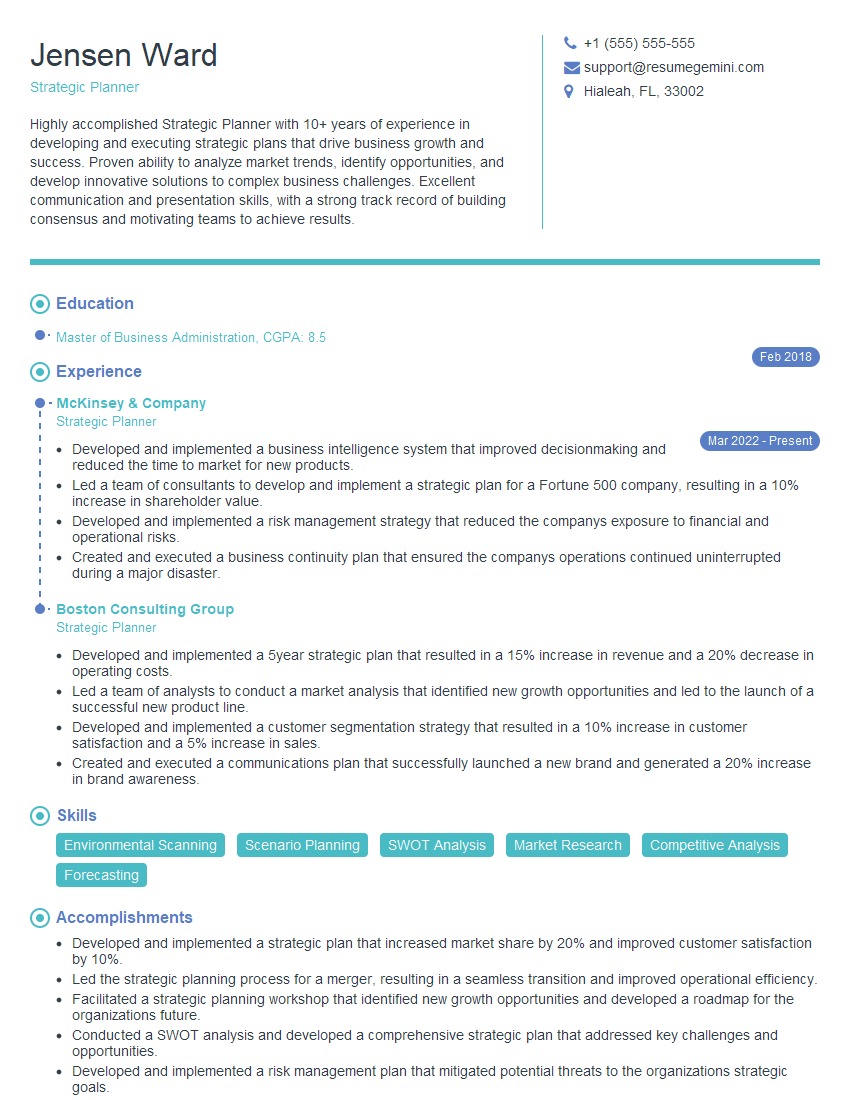
Strategic Planner Resume Sample

Operations Manager Resume Sample
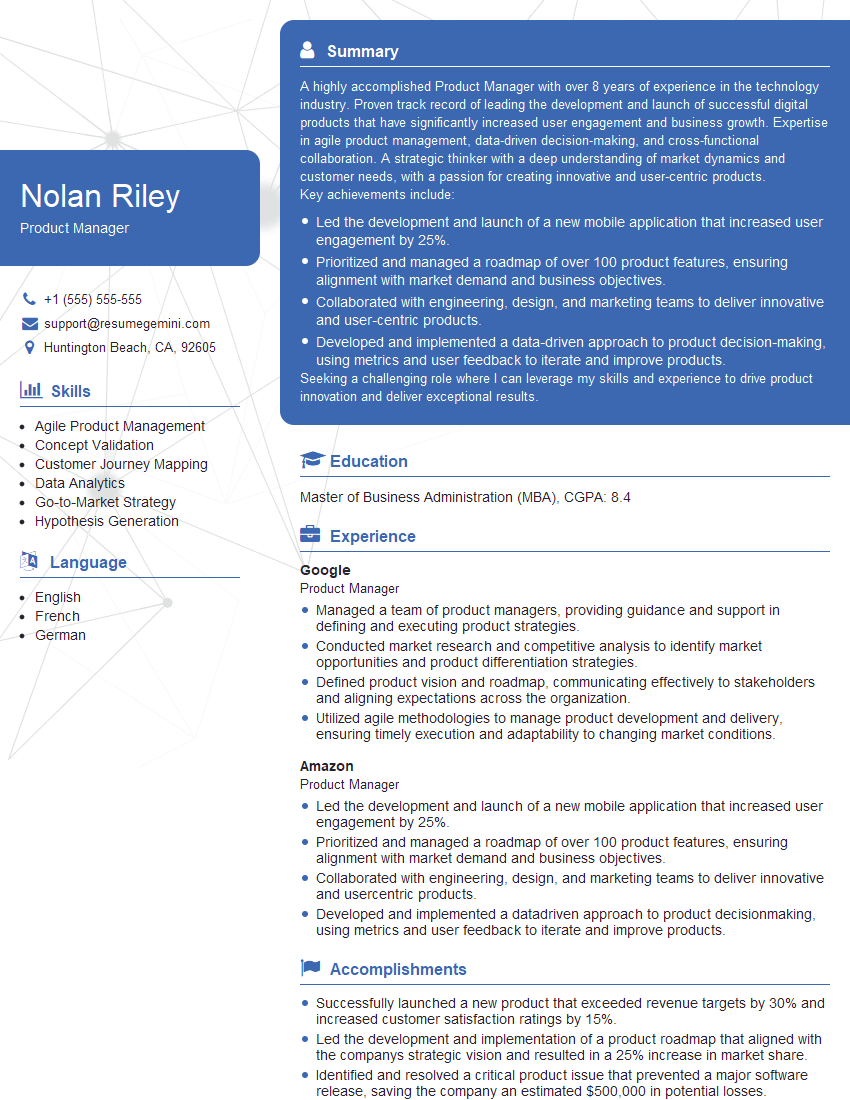
Product Manager Resume Sample
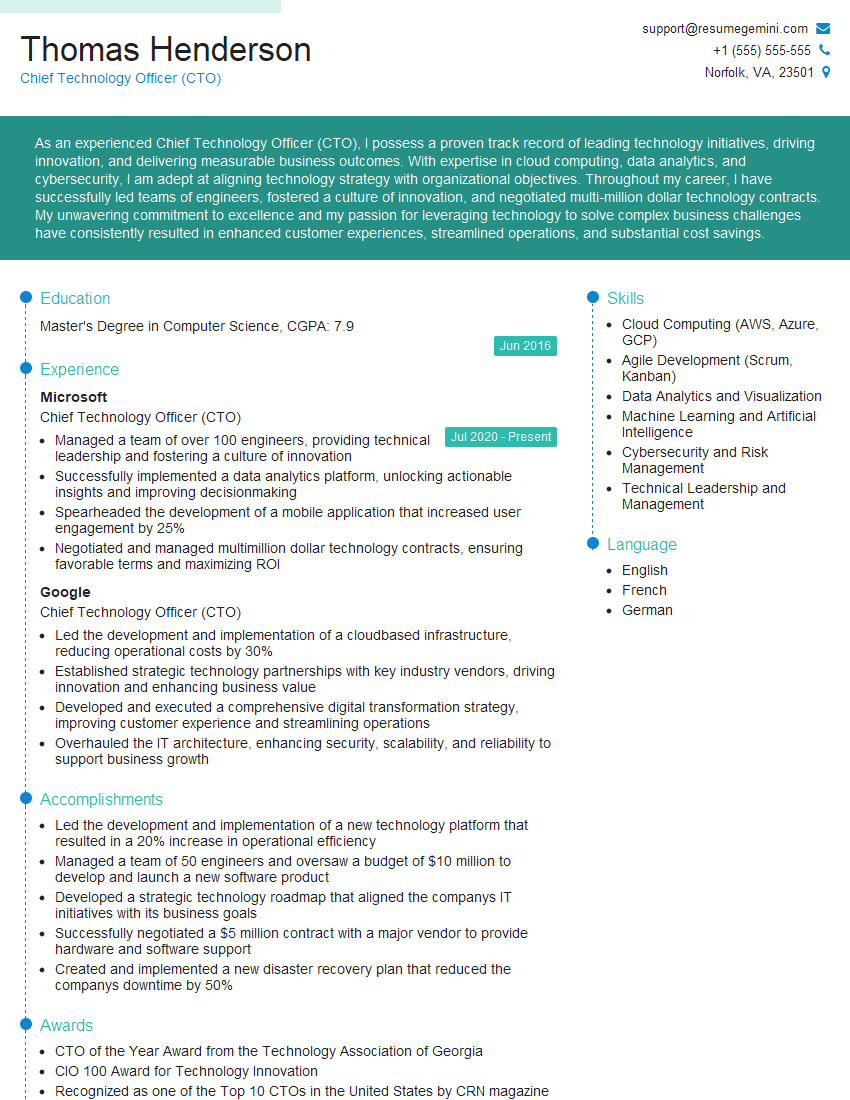
Chief Technology Officer (CTO) Resume Sample
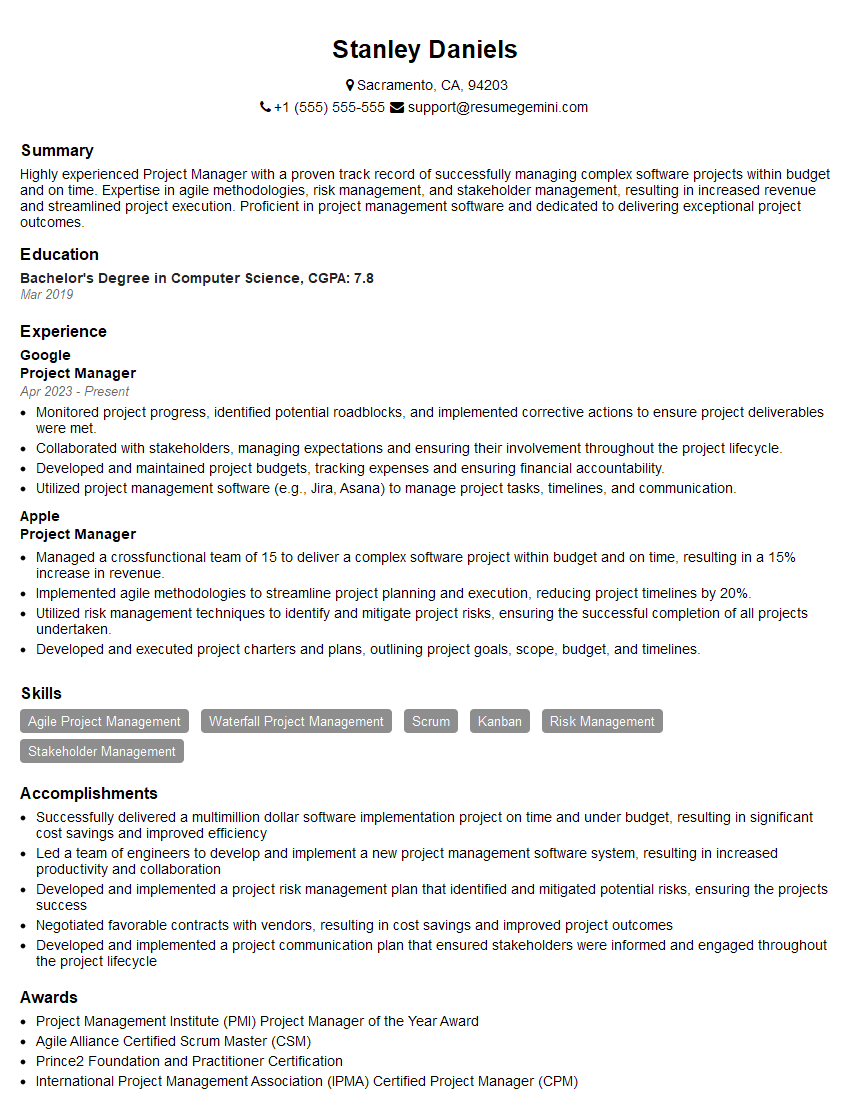
Project Manager Resume Sample
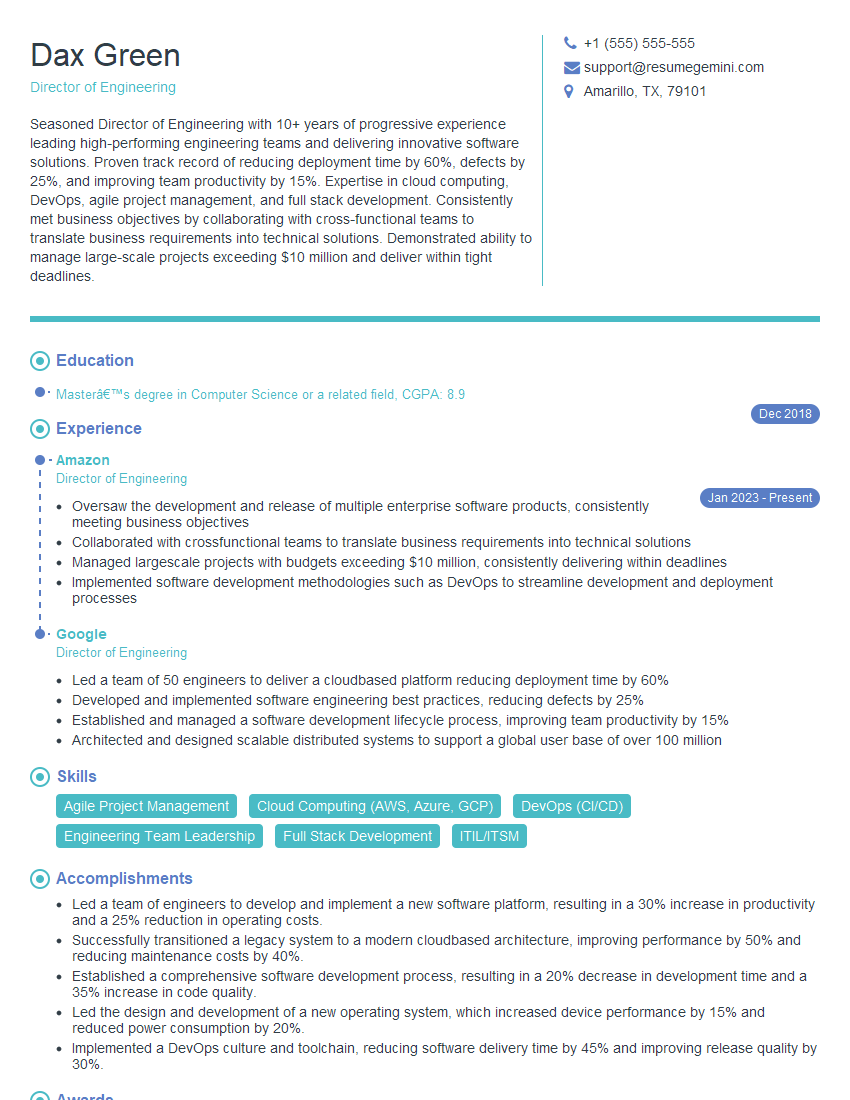
Director of Engineering Resume Sample
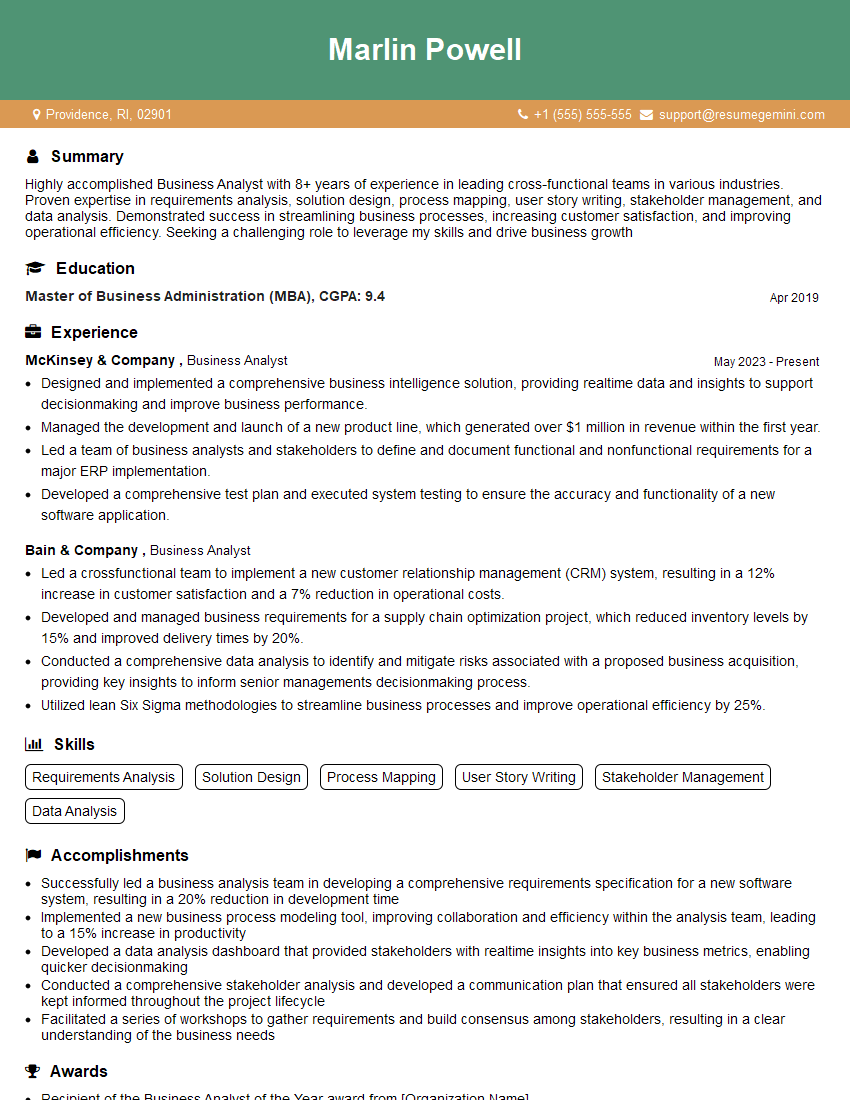
Business Analyst Resume Sample
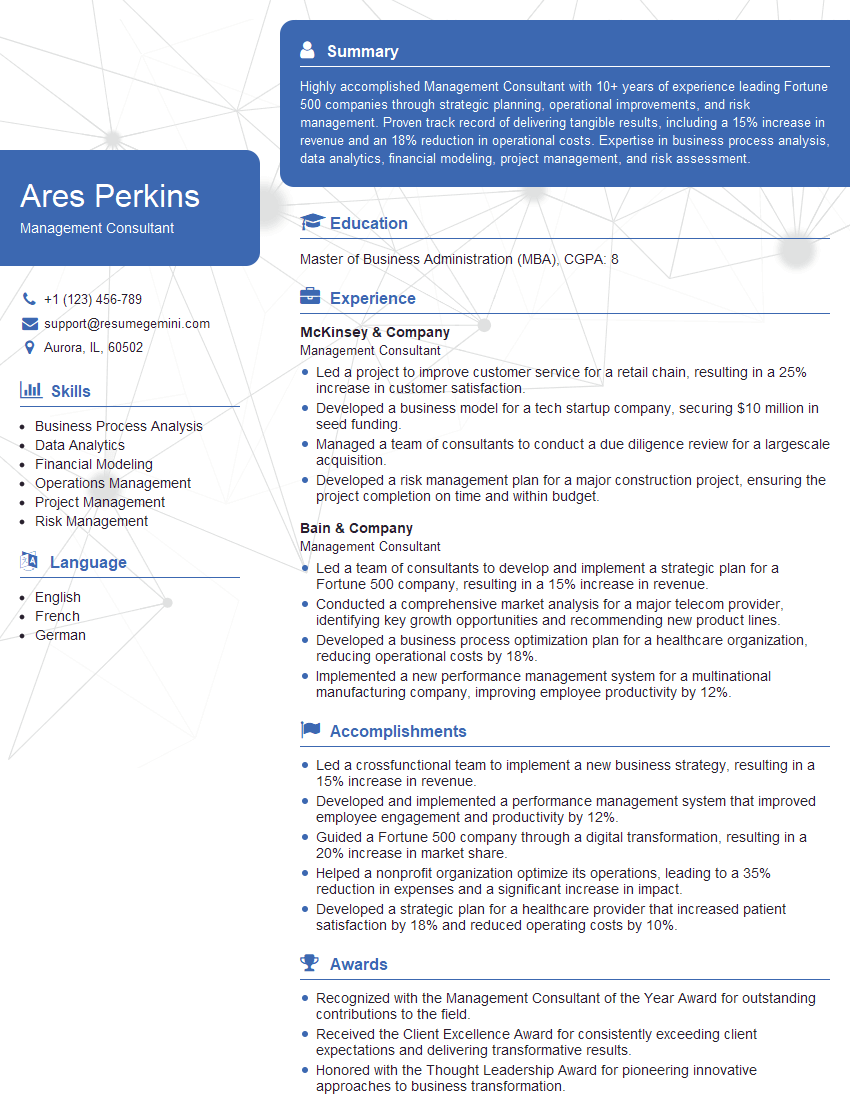
Management Consultant Resume Sample
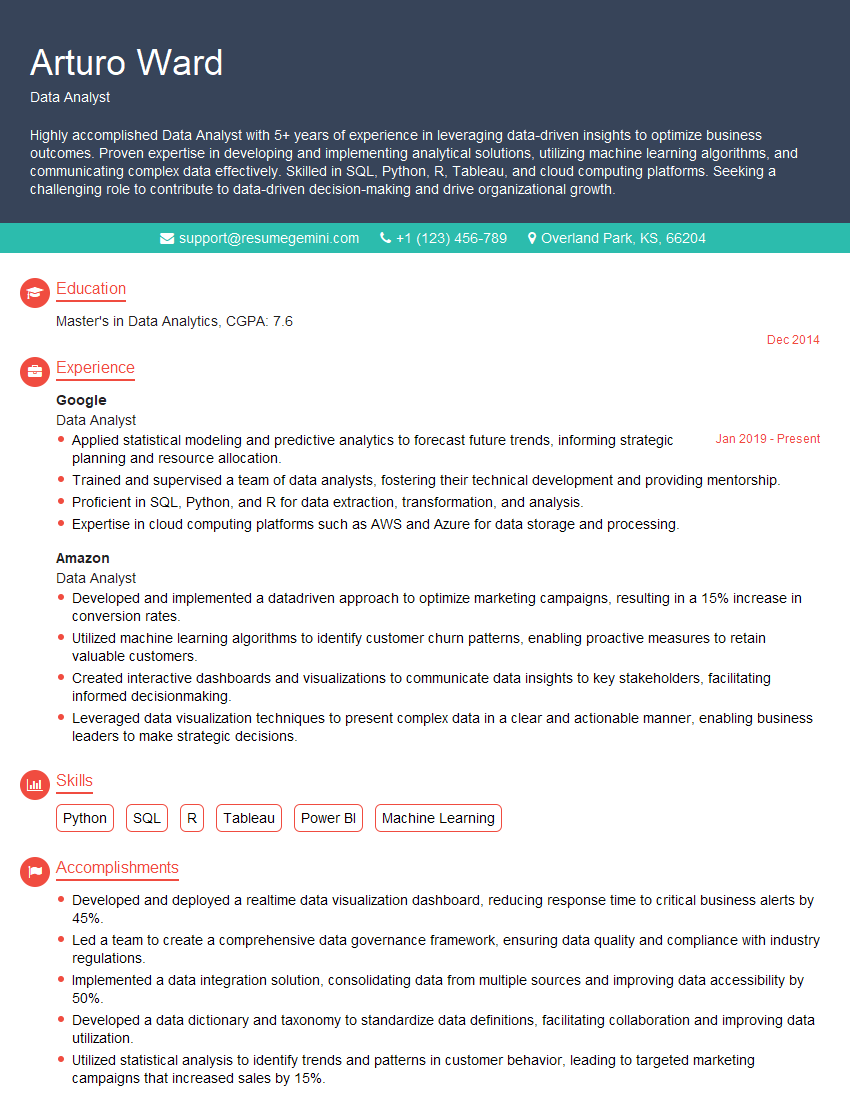
Data Analyst Resume Sample
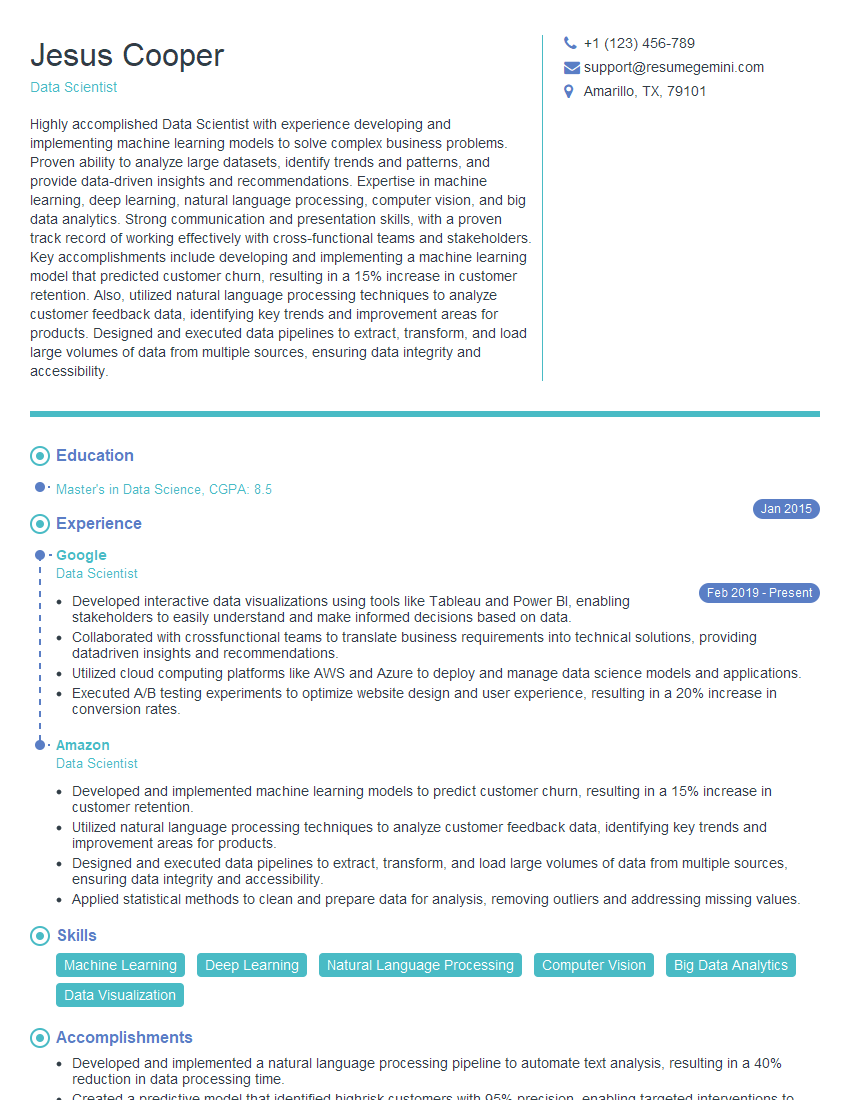
Data Scientist Resume Sample
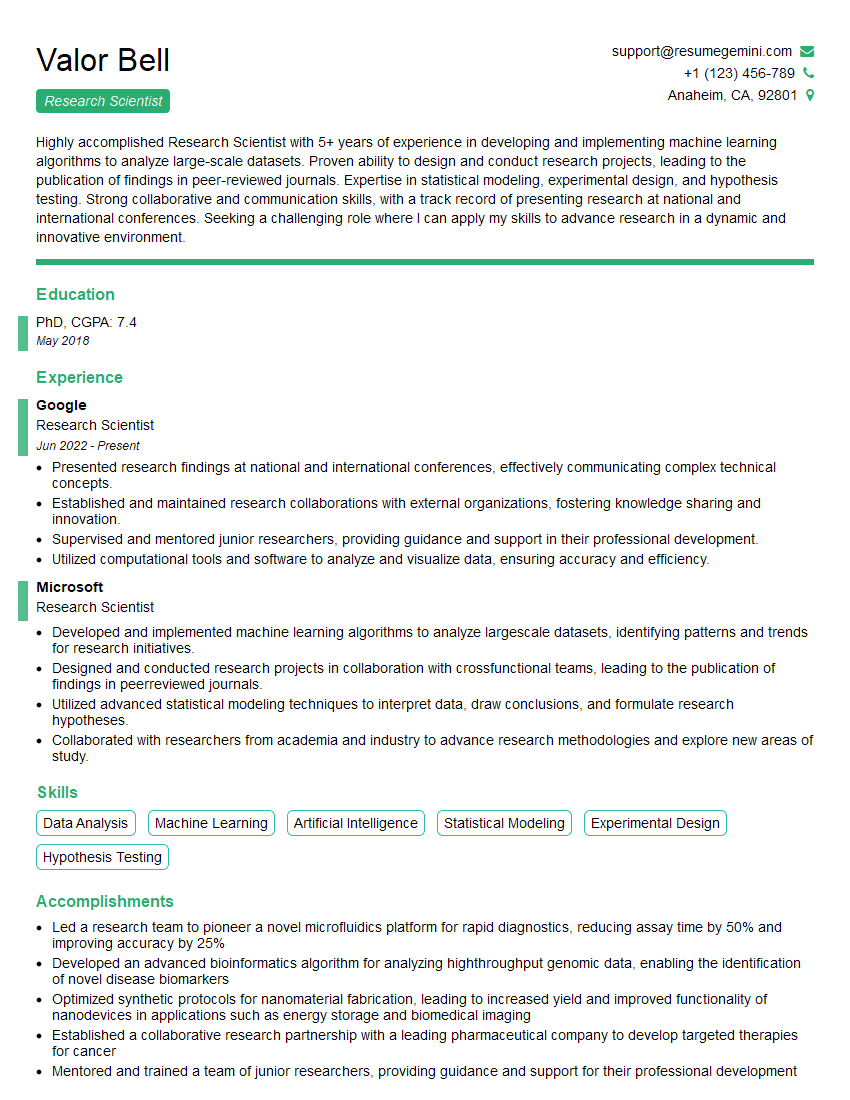
Research Scientist Resume Sample
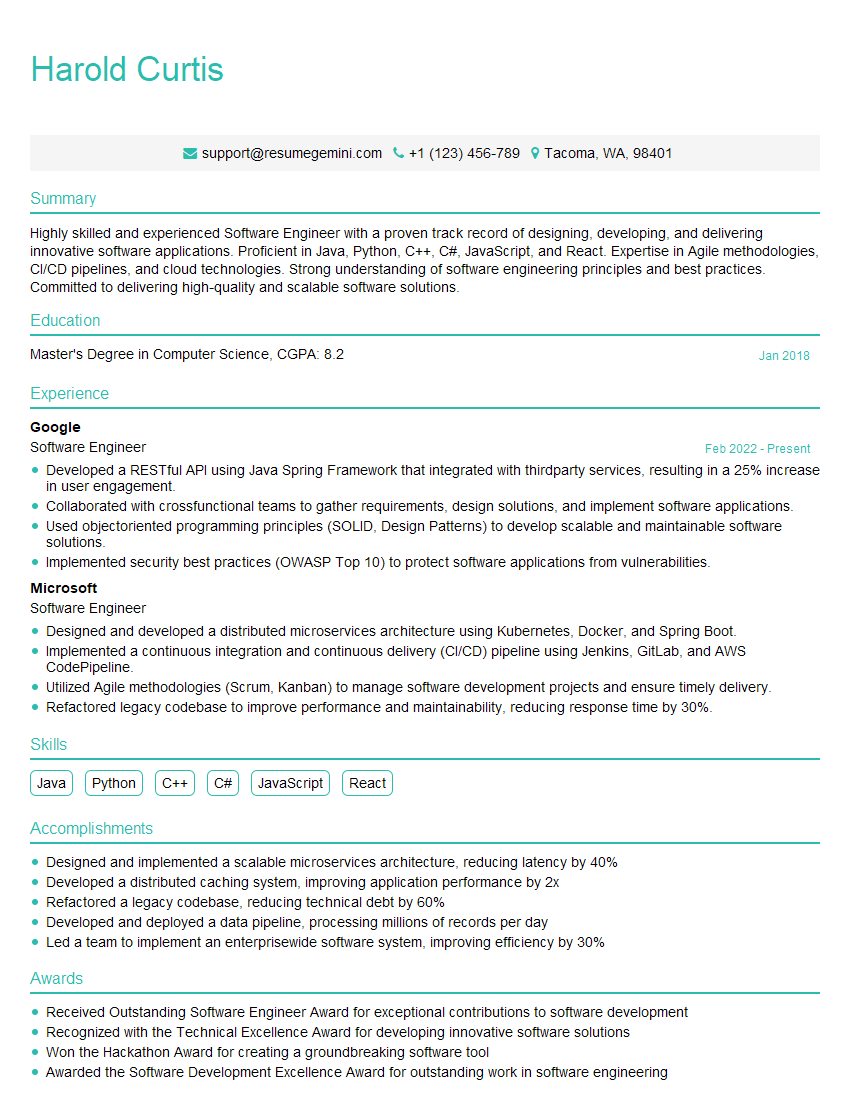
Software Engineer Resume Sample
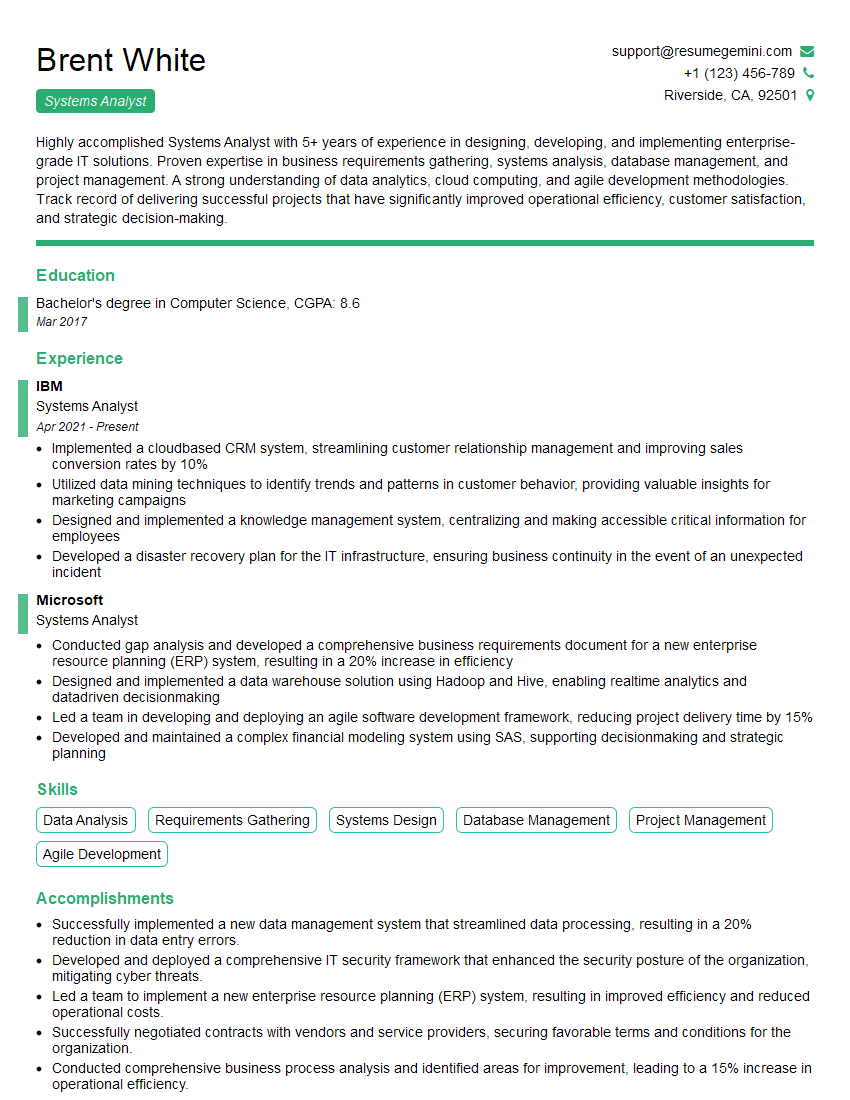
Systems Analyst Resume Sample
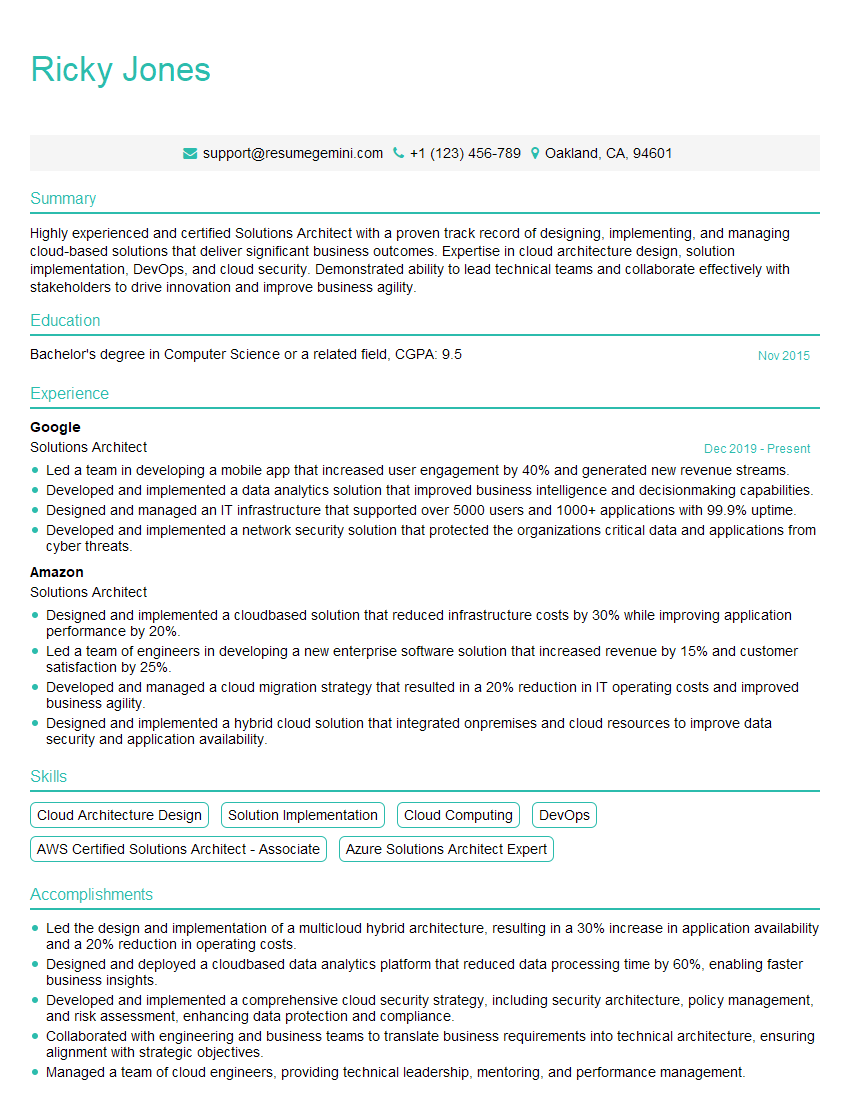
Solutions Architect Resume Sample
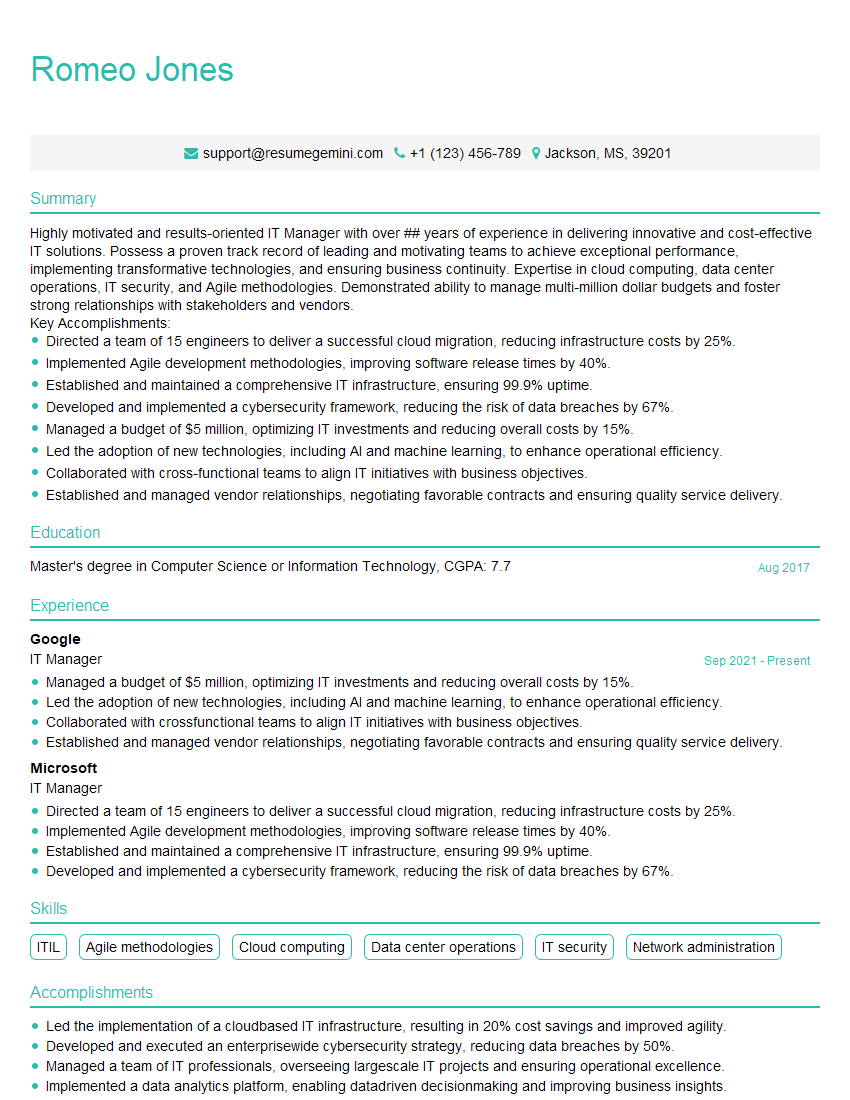
IT Manager Resume Sample
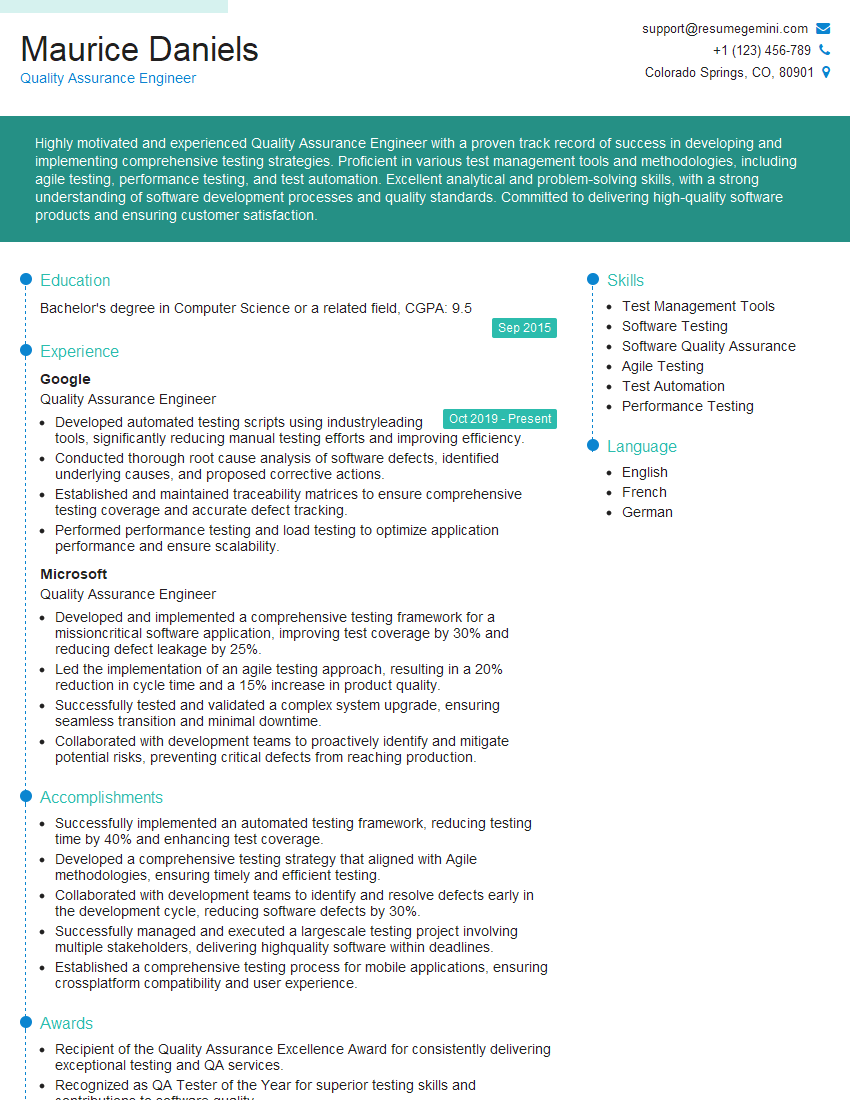
Quality Assurance Engineer Resume Sample
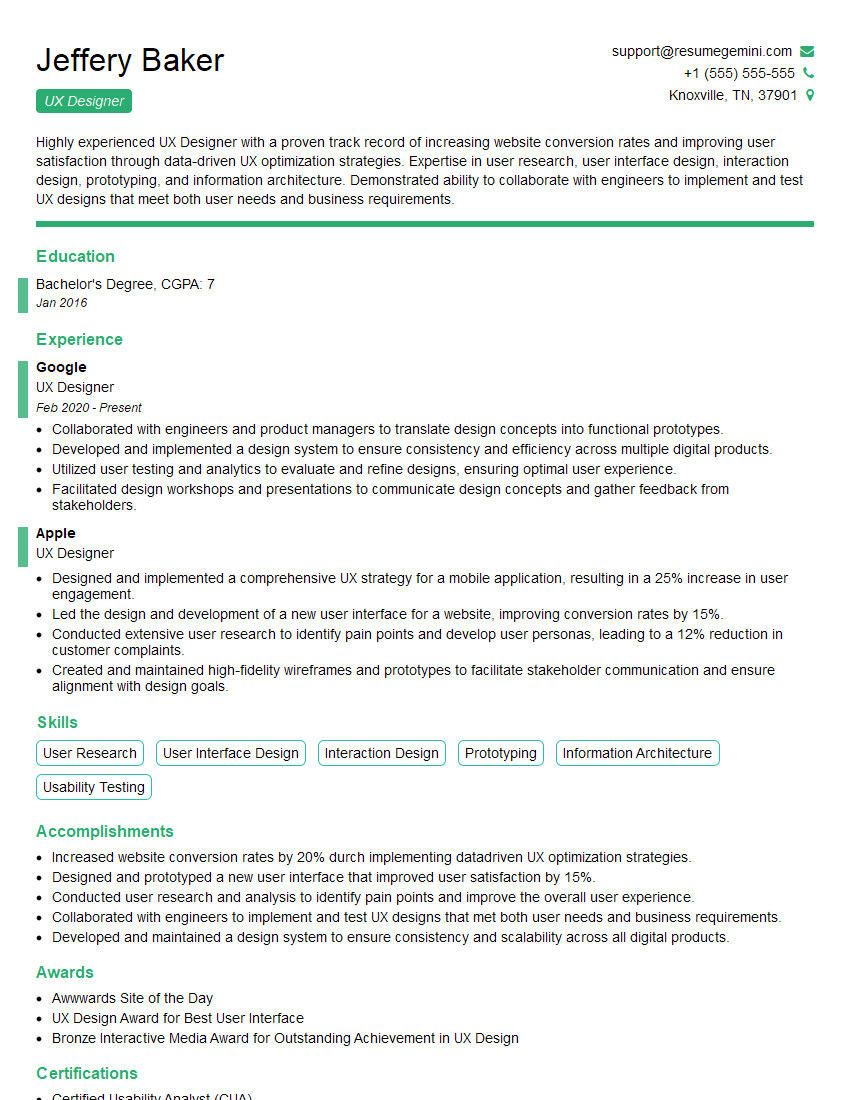
UX Designer Resume Sample
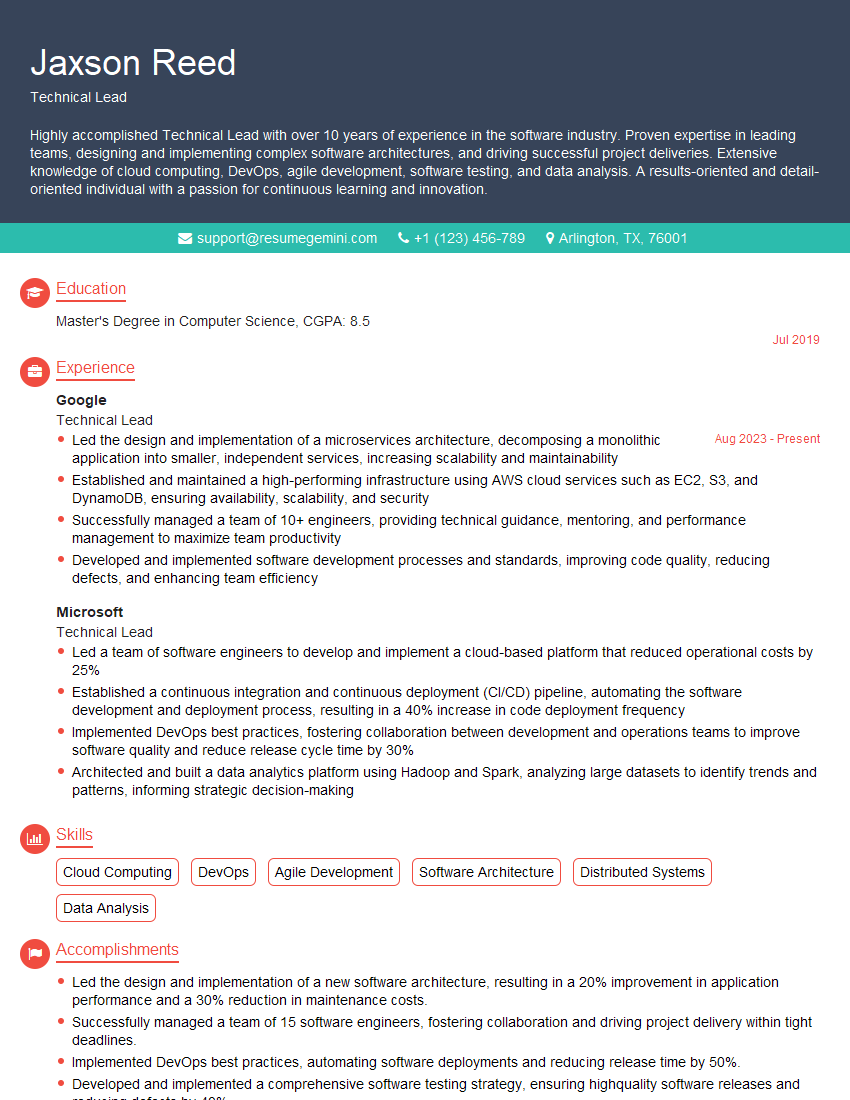
Technical Lead Resume Sample
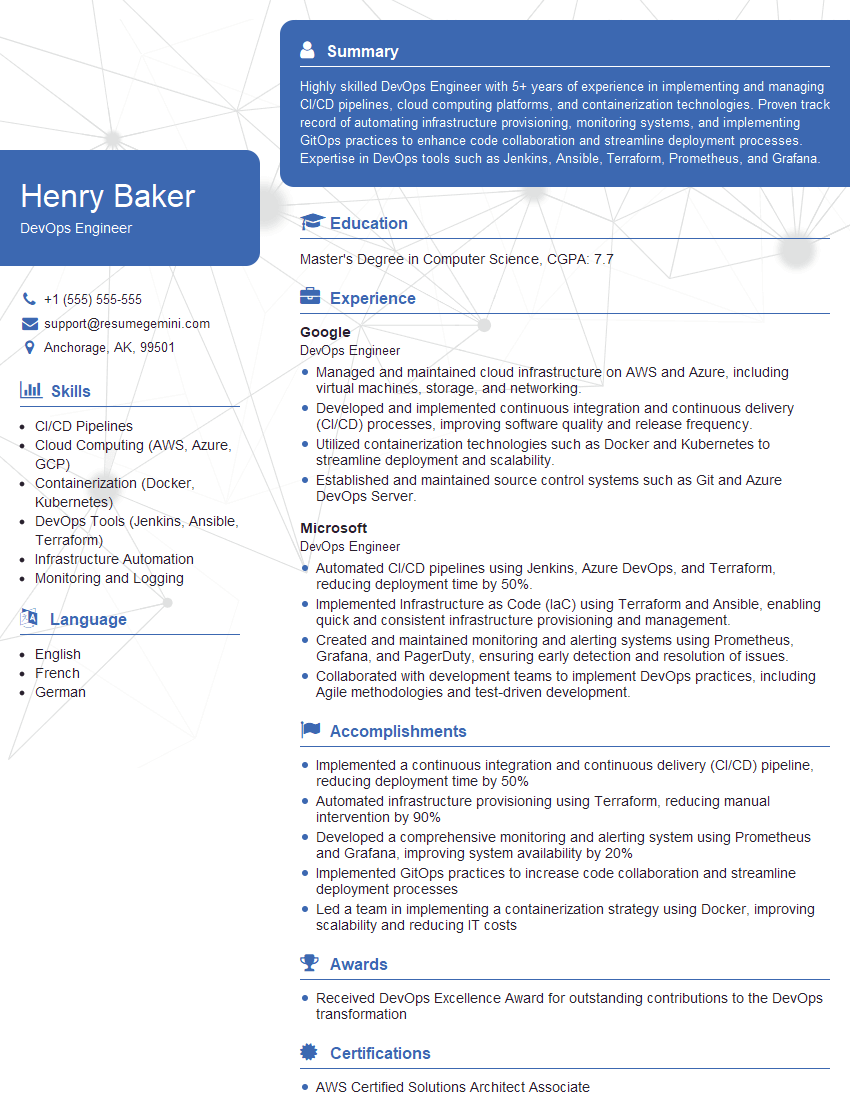
DevOps Engineer Resume Sample
- Strategic Planner
- Operations Manager
- Product Manager
- Chief Technology Officer (CTO)
- Project Manager
- Director of Engineering
- Business Analyst
- Management Consultant
- Data Analyst
- Data Scientist
- Research Scientist
- Software Engineer
- Systems Analyst
- Solutions Architect
- IT Manager
- Quality Assurance Engineer
- UX Designer
- Technical Lead
- DevOps Engineer
Explore more articles
Users Rating of Our Blogs
Share Your Experience
We value your feedback! Please rate our content and share your thoughts (optional).
What Readers Say About Our Blog
Hello,
we currently offer a complimentary backlink and URL indexing test for search engine optimization professionals.
You can get complimentary indexing credits to test how link discovery works in practice.
No credit card is required and there is no recurring fee.
You can find details here:
https://wikipedia-backlinks.com/indexing/
Regards
NICE RESPONSE TO Q & A
hi
The aim of this message is regarding an unclaimed deposit of a deceased nationale that bears the same name as you. You are not relate to him as there are millions of people answering the names across around the world. But i will use my position to influence the release of the deposit to you for our mutual benefit.
Respond for full details and how to claim the deposit. This is 100% risk free. Send hello to my email id: [email protected]
Luka Chachibaialuka
Hey interviewgemini.com, just wanted to follow up on my last email.
We just launched Call the Monster, an parenting app that lets you summon friendly ‘monsters’ kids actually listen to.
We’re also running a giveaway for everyone who downloads the app. Since it’s brand new, there aren’t many users yet, which means you’ve got a much better chance of winning some great prizes.
You can check it out here: https://bit.ly/callamonsterapp
Or follow us on Instagram: https://www.instagram.com/callamonsterapp
Thanks,
Ryan
CEO – Call the Monster App
Hey interviewgemini.com, I saw your website and love your approach.
I just want this to look like spam email, but want to share something important to you. We just launched Call the Monster, a parenting app that lets you summon friendly ‘monsters’ kids actually listen to.
Parents are loving it for calming chaos before bedtime. Thought you might want to try it: https://bit.ly/callamonsterapp or just follow our fun monster lore on Instagram: https://www.instagram.com/callamonsterapp
Thanks,
Ryan
CEO – Call A Monster APP
To the interviewgemini.com Owner.
Dear interviewgemini.com Webmaster!
Hi interviewgemini.com Webmaster!
Dear interviewgemini.com Webmaster!
excellent
Hello,
We found issues with your domain’s email setup that may be sending your messages to spam or blocking them completely. InboxShield Mini shows you how to fix it in minutes — no tech skills required.
Scan your domain now for details: https://inboxshield-mini.com/
— Adam @ InboxShield Mini
Reply STOP to unsubscribe
Hi, are you owner of interviewgemini.com? What if I told you I could help you find extra time in your schedule, reconnect with leads you didn’t even realize you missed, and bring in more “I want to work with you” conversations, without increasing your ad spend or hiring a full-time employee?
All with a flexible, budget-friendly service that could easily pay for itself. Sounds good?
Would it be nice to jump on a quick 10-minute call so I can show you exactly how we make this work?
Best,
Hapei
Marketing Director
Hey, I know you’re the owner of interviewgemini.com. I’ll be quick.
Fundraising for your business is tough and time-consuming. We make it easier by guaranteeing two private investor meetings each month, for six months. No demos, no pitch events – just direct introductions to active investors matched to your startup.
If youR17;re raising, this could help you build real momentum. Want me to send more info?
Hi, I represent an SEO company that specialises in getting you AI citations and higher rankings on Google. I’d like to offer you a 100% free SEO audit for your website. Would you be interested?
Hi, I represent an SEO company that specialises in getting you AI citations and higher rankings on Google. I’d like to offer you a 100% free SEO audit for your website. Would you be interested?
good