Unlock your full potential by mastering the most common SOPs and GMP Regulations interview questions. This blog offers a deep dive into the critical topics, ensuring you’re not only prepared to answer but to excel. With these insights, you’ll approach your interview with clarity and confidence.
Questions Asked in SOPs and GMP Regulations Interview
Q 1. Define GMP and its importance in the pharmaceutical industry.
Good Manufacturing Practices (GMP) is a set of guidelines that ensure the consistent production of high-quality products that meet quality standards and are safe for their intended use. In the pharmaceutical industry, GMP is paramount because it directly impacts patient safety. Failure to adhere to GMP can result in contaminated products, inaccurate dosages, or products that simply don’t work as intended, leading to serious health consequences or even death.
Think of it like baking a cake: GMP are the precise instructions ensuring you use the right ingredients, in the right amounts, in the right way, and in a clean environment. If you skip steps or use dirty utensils, your cake might be inedible. Similarly, pharmaceutical GMPs ensure that every batch of medication is consistent, safe, and effective.
GMP covers various aspects, including: facility design and maintenance, equipment qualification and calibration, personnel training, raw material quality control, manufacturing processes, packaging and labeling, and quality control testing. Regulatory bodies worldwide enforce GMP to safeguard public health. Companies that don’t meet GMP standards face significant penalties, including product recalls, fines, and even license revocation.
Q 2. Explain the difference between GMP and SOP.
While both GMP and SOPs are crucial for pharmaceutical manufacturing, they serve different purposes. GMPs are the overarching regulations and guidelines set by regulatory authorities like the FDA (in the US) or EMA (in Europe). They provide a framework for ensuring product quality and safety. Think of GMP as the ‘big picture’ – the overall rules of the game.
Standard Operating Procedures (SOPs), on the other hand, are detailed, step-by-step instructions for specific tasks within the manufacturing process. They’re company-specific documents that dictate how to perform a particular job consistently and correctly. SOPs are designed to ensure GMP compliance at the operational level. They are the ‘playbook’ – the detailed instructions on how to play the game according to the rules (GMPs).
For example, GMP might mandate that all equipment be properly calibrated. An SOP would then specify the exact procedure for calibrating a specific piece of equipment, including the tools to use, the steps to follow, and the acceptance criteria.
Q 3. Describe the process for developing and approving an SOP.
Developing and approving an SOP involves a structured process to ensure accuracy, clarity, and consistency. It typically begins with identifying a need for a new SOP or updating an existing one. This might be prompted by a change in equipment, process, or regulation.
- Drafting: A subject matter expert drafts the SOP, detailing each step clearly and concisely, using visuals where necessary. This often involves iterative review and refinement.
- Review: The draft is reviewed by relevant personnel, including quality control, production, and potentially legal, to ensure accuracy, clarity, and completeness and compliance with GMP guidelines.
- Approval: Once all comments are addressed, the SOP is approved by designated personnel, often at the management level. The approval process usually involves a formal signature or electronic approval system.
- Distribution: The approved SOP is distributed to all relevant personnel and made accessible via a document management system.
- Training: Personnel are trained on the SOP and their responsibilities regarding its adherence.
- Revision Control: A system for tracking revisions and updates is essential. Each revision should be clearly documented and appropriately approved.
Imagine creating a recipe: the drafting stage is like writing the initial recipe, review is getting feedback from friends, approval is getting it finalized, distribution is sharing the recipe, and training is teaching someone else how to use it. The revision control is ensuring that if you change something you track and share those changes.
Q 4. How do you ensure compliance with GMP regulations?
Ensuring GMP compliance is an ongoing process requiring a multi-faceted approach. It’s not a one-time event but a continuous commitment to quality and safety. Key strategies include:
- Regular Training: All personnel must receive adequate training on GMP principles and relevant SOPs. Training should be documented and refreshed periodically.
- Audits and Inspections: Internal audits and external inspections by regulatory bodies are essential for identifying areas of non-compliance. These audits provide opportunities for improvement and demonstration of compliance.
- Deviation Management: A robust system for investigating and documenting deviations from SOPs and GMP guidelines is crucial. Deviations should be thoroughly investigated to determine the root cause and prevent recurrence.
- Corrective and Preventive Actions (CAPA): A well-defined CAPA system addresses deficiencies identified during audits or through deviations. This system aims to prevent future occurrences of similar issues.
- Documentation: Meticulous record-keeping is essential for tracing all aspects of the manufacturing process. This includes batch records, equipment logs, and personnel training records. A robust quality system is key.
- Continuous Improvement: A culture of continuous improvement should be fostered, with regular reviews of processes and procedures to identify opportunities for enhancement. This involves using data to drive improvements.
Think of it as maintaining a well-kept house: regular cleaning (audits), repairs (CAPA), and preventative maintenance (training) are all essential to keep it in good condition. Without these ongoing efforts, the house (your GMP compliance) will deteriorate.
Q 5. What are the key elements of a good SOP?
A good SOP should be:
- Clear and Concise: The language used should be unambiguous and easy to understand by all personnel involved.
- Specific and Detailed: It should provide step-by-step instructions that leave no room for interpretation.
- Complete and Accurate: All necessary information and instructions should be included. The information should be factually correct and up-to-date.
- Easy to Follow: The format should be user-friendly, with clear headings, subheadings, and visual aids if needed (e.g., flowcharts, diagrams).
- Reviewed and Approved: The SOP should be reviewed and approved by appropriate personnel to ensure its accuracy and compliance with GMP.
- Version Controlled: A system should be in place to track revisions and ensure that everyone is working with the most current version.
Imagine a well-written cooking recipe. A good SOP is similar – it has all the ingredients (steps), the quantities (details), the equipment (tools), and the method (procedure) to make the dish (product) successfully. Ambiguity leads to mistakes – just like a poorly written recipe.
Q 6. How do you handle deviations from an SOP?
Deviations from an SOP require immediate attention and a thorough investigation. The process typically involves:
- Immediate Action: Any deviation should be immediately reported and documented. The affected batch or product needs to be isolated.
- Investigation: A thorough investigation should be conducted to determine the root cause of the deviation. This often involves interviewing personnel and reviewing relevant records.
- Corrective Action: Steps should be taken to correct the deviation and prevent its recurrence. This might include retraining personnel, adjusting equipment, or modifying the SOP itself.
- Preventive Action: Actions should be implemented to prevent similar deviations from happening in the future. This could involve implementing new controls or improving existing ones.
- Documentation: The entire process, including the deviation, investigation, corrective action, and preventive action, should be meticulously documented.
Consider a car breaking down: You need to stop (immediate action), figure out what’s wrong (investigation), fix it (corrective action), and potentially address the underlying issue to prevent it from happening again (preventive action). Failing to document any step is as bad as not fixing the problem in the first place.
Q 7. Describe your experience with GMP audits.
Throughout my career, I’ve been involved in numerous GMP audits, both internal and external. I have experience in supporting our facilities during FDA and other regulatory agency inspections. My role typically includes preparing documentation, assisting with the audit process, responding to audit findings, and participating in the development and implementation of corrective actions. I’m adept at identifying potential vulnerabilities and ensuring that our systems and processes remain compliant.
One particular audit involved a critical observation related to equipment calibration. Through a thorough investigation, we discovered a gap in our SOP, leading to inconsistencies in calibration procedures. By working collaboratively with the quality team, we revised the SOP, implemented additional training, and developed a more robust calibration program. The subsequent audit showed significant improvement and demonstrated our commitment to continuous improvement.
My experience has not only equipped me with the ability to navigate the complexities of GMP audits but has also strengthened my problem-solving skills and reinforced my commitment to quality and patient safety. The focus is always on continuous improvement and proactive measures to prevent future non-conformances.
Q 8. What is your experience with CAPA (Corrective and Preventive Action)?
CAPA, or Corrective and Preventive Action, is a systematic process for identifying, investigating, and resolving quality issues to prevent recurrence. Think of it as a continuous improvement loop. It’s crucial for maintaining GMP compliance. My experience encompasses the entire CAPA lifecycle, from initial defect identification and investigation through root cause analysis, implementation of corrective actions, verification of effectiveness, and ultimately, preventative measures to avoid similar issues in the future.
For example, in a previous role, we had an OOS (Out of Specification) result for a particular batch of product. Our CAPA process involved a thorough investigation, including reviewing manufacturing records, conducting equipment calibrations, interviewing personnel, and analyzing raw materials. We identified a faulty sensor as the root cause. The corrective action involved replacing the sensor and recalibrating the equipment. Preventive actions included implementing a more robust sensor calibration schedule and adding additional checks during the manufacturing process. We then documented the entire process, including evidence of effectiveness, in our CAPA system.
Q 9. How do you ensure SOPs are kept up-to-date and relevant?
Maintaining up-to-date SOPs (Standard Operating Procedures) is paramount for GMP compliance. It’s not a one-time task; it requires a proactive approach. We use a system of regular review and revision. This involves assigning responsibility for specific SOPs to subject matter experts who review their assigned documents annually, or more frequently if necessary (for example, following significant changes in technology or regulation).
Changes are tracked via a change control system, ensuring all revisions are approved and documented. We also leverage training programs to ensure all personnel are working with the most current versions. We frequently utilize a version control system, ensuring traceability and preventing confusion. Finally, we conduct internal audits to assess the effectiveness of our SOPs and identify areas for improvement.
- Annual Reviews: SOPs are reviewed annually by the responsible owner and updated as necessary.
- Triggered Revisions: Revisions are triggered by events such as OOS results, deviations, audits, changes in regulatory requirements, and technological improvements.
- Change Control System: Formal change control procedures ensure all revisions are properly documented and approved before implementation.
- Training: Regular training ensures all personnel are aware of and comply with the latest SOP versions.
Q 10. Explain your understanding of validation in a GMP environment.
Validation in a GMP environment is the process of demonstrating that any equipment, process, system, or facility consistently performs as intended. Think of it as providing documented proof that your processes reliably deliver quality products. It’s a critical element of GMP compliance, ensuring product quality and safety. Validation can be prospective (performed before routine use), concurrent (performed during routine use), or retrospective (performed after routine use).
For example, validating an autoclave involves demonstrating that it consistently achieves the required sterilization parameters (temperature and time) across its operational range. This involves running multiple cycles, documenting results, and performing statistical analysis to prove the equipment consistently meets the required specifications. Similarly, process validation for a pharmaceutical manufacturing process would confirm that the process consistently produces a high-quality product with consistent parameters (e.g., purity, potency, appearance).
Q 11. How do you investigate and resolve OOS (Out of Specification) results?
Investigating OOS results requires a rigorous and systematic approach. It’s not simply about dismissing the data, but rather using it as a tool to identify problems in the process. The investigation typically follows a structured process, beginning with a thorough review of all documentation associated with the batch. This often includes the batch record review, raw material certificates of analysis, equipment calibration records and relevant SOPs.
Next, we would typically interview personnel involved in the process, checking for deviations from established procedures. A thorough investigation may also involve retesting the sample, analyzing samples from different stages of the process and evaluating the equipment used in the process. Root cause analysis would determine the underlying reason for the OOS result. This could reveal issues such as equipment malfunction, inadequate training, improper handling of materials, or flaws in the manufacturing process itself. Corrective actions would then be implemented to address these root causes. The entire process and its findings are meticulously documented, forming part of the CAPA process.
Q 12. Describe your experience with data integrity in a GMP environment.
Data integrity in a GMP environment refers to the completeness, consistency, accuracy, trustworthiness, and reliability of data. Maintaining data integrity is critical for ensuring product quality and patient safety. It’s about ensuring that the data collected accurately reflects the reality of what happened during a process. My experience includes implementing and maintaining systems to ensure ALCOA+ principles (Attributable, Legible, Contemporaneous, Original, Accurate + complete, consistent, enduring, available) are adhered to.
This involved implementing electronic data capture systems with appropriate audit trails, establishing robust data backup and recovery procedures, and implementing data review processes to detect and correct errors. We implemented systems with electronic signatures to ensure data origin and prevent unauthorized changes. In addition, we implemented regular audits to assess the integrity of our data systems. A strong data governance framework is key to maintaining data integrity and promoting trust in the integrity of your data.
Q 13. What is your understanding of change control within a GMP system?
Change control within a GMP system is a formal process for managing any alteration to processes, equipment, facilities, or systems. This ensures that changes are implemented in a controlled manner, without compromising product quality or safety. The process typically involves a formal request, review, approval, implementation, and verification steps. Think of it as a gatekeeping system to prevent unintended consequences.
A change request might be initiated to improve efficiency, address a quality issue, or upgrade equipment. The request is reviewed by relevant subject matter experts, risk assessments are conducted to identify any potential impacts, and an approval process is followed. The change is then implemented, with verification steps ensuring the change met its intended goals and did not create new problems. Comprehensive documentation throughout the entire process is crucial for traceability and regulatory compliance.
Q 14. How do you handle non-conformances related to SOPs?
Handling non-conformances related to SOPs requires a similar structured approach to that of OOS investigations. First, the non-conformance must be identified and documented. This typically involves a thorough investigation to determine the root cause of the non-compliance and impact to product quality and/or patient safety.
The investigation will often determine who was involved, when the non-conformance happened, and the extent of the non-conformance. Once the root cause is identified, corrective actions are implemented to rectify the situation and prevent recurrence. This could involve retraining staff, revising the SOP, updating equipment, or implementing additional controls. A formal investigation report documenting the entire process including root cause analysis, corrective actions and preventative actions are documented and archived. This information is often used for continuous improvement of SOPs and company processes.
Q 15. Describe your experience with documentation in a GMP environment.
My experience with documentation in a GMP environment is extensive, encompassing all aspects from initial authoring to version control and archiving. I’ve worked with various documentation systems, including electronic document management systems (EDMS) and paper-based systems, always ensuring compliance with ALCOA+ principles (Attributable, Legible, Contemporaneous, Original, Accurate, and Complete). In my previous role at [Previous Company Name], I was responsible for maintaining SOPs for manufacturing, testing, and quality control, ensuring they were up-to-date, accurate, and readily accessible. This included regular reviews, revisions based on CAPAs (Corrective and Preventive Actions), and training personnel on proper documentation practices. I’m proficient in using electronic signatures and audit trails to ensure the integrity and traceability of all documentation.
For example, I spearheaded the transition from a primarily paper-based system to a fully electronic EDMS. This involved comprehensive training for staff, data migration, and rigorous validation to ensure data integrity. The result was improved efficiency, reduced errors, and easier access to crucial documents, enhancing our overall compliance posture.
Career Expert Tips:
- Ace those interviews! Prepare effectively by reviewing the Top 50 Most Common Interview Questions on ResumeGemini.
- Navigate your job search with confidence! Explore a wide range of Career Tips on ResumeGemini. Learn about common challenges and recommendations to overcome them.
- Craft the perfect resume! Master the Art of Resume Writing with ResumeGemini’s guide. Showcase your unique qualifications and achievements effectively.
- Don’t miss out on holiday savings! Build your dream resume with ResumeGemini’s ATS optimized templates.
Q 16. What are the key regulatory requirements related to GMP?
Key regulatory requirements related to GMP (Good Manufacturing Practices) vary by region and industry, but generally revolve around ensuring the consistent production of high-quality products that meet predefined standards of safety and efficacy. These regulations are designed to minimize risks to patient health and product quality. Some key aspects include:
- Quality Management Systems (QMS): Establishing and maintaining a robust QMS is paramount. This includes defining responsibilities, procedures, and processes to ensure consistent quality throughout the product lifecycle.
- Documentation and Records Management: Meticulous record-keeping is essential, including batch records, deviations, investigations, and change control documentation. Everything must be accurate, complete, and readily retrievable.
- Personnel Training and Qualification: GMP requires that personnel are adequately trained and qualified to perform their assigned tasks. Training records must be maintained.
- Facilities and Equipment: Manufacturing facilities and equipment must be appropriately designed, maintained, and calibrated to prevent contamination and ensure consistent product quality.
- Materials Management: The control and traceability of raw materials are critical to prevent the use of substandard materials. This includes proper identification, storage, and handling procedures.
- Product Quality Control: Rigorous quality control testing is necessary to verify that the finished product meets the required specifications.
- Deviation Management and CAPA: A system for managing deviations, conducting thorough investigations, and implementing corrective and preventive actions is essential for continuous improvement and preventing recurrence.
Compliance with these requirements is not just a regulatory mandate but also a commitment to producing safe and effective products. Non-compliance can lead to significant penalties, product recalls, and damage to reputation.
Q 17. Explain your understanding of 21 CFR Part 11.
21 CFR Part 11 is a section of the US Code of Federal Regulations that establishes electronic records and electronic signatures requirements for pharmaceutical and other regulated industries. It aims to ensure the integrity, authenticity, and reliability of electronic records and signatures used in GMP compliant systems. Key elements of 21 CFR Part 11 include:
- Validation: Systems used for electronic records must be validated to ensure they perform as intended, maintaining data integrity and accuracy.
- Authentication: Users must be uniquely identifiable and their actions must be traceable.
- Electronic Signatures: Electronic signatures must provide the same legal standing as handwritten signatures. This usually involves multi-factor authentication to confirm user identity.
- Data Integrity: Measures must be in place to prevent unauthorized access, modification, or deletion of electronic records.
- Audit Trails: Comprehensive audit trails are required to track all system access, data changes, and other relevant activities.
In essence, 21 CFR Part 11 mandates the implementation of controls to ensure that electronic records and signatures are trustworthy and reliable, just as their paper-based counterparts would be. Failure to comply can lead to significant regulatory consequences.
For instance, I’ve been involved in the validation of an EDMS to ensure it met 21 CFR Part 11 requirements. This involved detailed documentation of validation procedures, including testing, risk assessments, and user acceptance testing.
Q 18. How do you ensure proper training on SOPs for personnel?
Ensuring proper training on SOPs is crucial for maintaining GMP compliance. My approach involves a multi-faceted strategy that combines initial training, refresher courses, and ongoing competency assessments. Initially, I ensure all personnel receive comprehensive training on relevant SOPs before commencing any work. This training combines classroom instruction with hands-on practical demonstrations to consolidate learning. We use a variety of methods, including presentations, interactive workshops, and simulated scenarios.
Refresher training is conducted periodically to ensure continued competency and to update personnel on any revisions to SOPs. This can be done through short quizzes, online modules, or focused workshops.
Competency is assessed regularly through observation, written tests, and practical demonstrations to ensure that personnel are consistently applying the procedures correctly. Detailed training records are kept for each individual, including attendance, test results, and assessments, to demonstrate compliance to regulatory bodies.
For example, in my prior role we implemented an online learning management system (LMS) which allowed us to track employee training progress, deliver interactive modules, and generate reports on training completion rates. This greatly streamlined the training process and improved its efficiency.
Q 19. What are the key quality metrics you monitor in your role?
The key quality metrics I monitor vary depending on the specific role and the nature of the product, but some common examples include:
- Number of deviations and CAPAs: This provides insights into the effectiveness of the QMS and helps identify areas for improvement.
- Product quality metrics (e.g., % within specifications, number of rejects): This directly reflects the quality of the final product and the effectiveness of manufacturing processes.
- Compliance rates for SOPs and regulatory requirements: This measures the extent to which established procedures are being followed.
- Training completion rates and competency scores: This highlights the effectiveness of the employee training program.
- Audit observation rates: Tracking the frequency and severity of audit observations helps in identifying systemic issues.
- Customer complaints: Monitoring customer feedback assists in the identification of product-related issues and areas needing improvement.
By regularly monitoring these metrics, trends can be identified, allowing for proactive interventions to maintain high quality and compliance.
Q 20. Describe your experience with risk assessment in a GMP setting.
Risk assessment is a fundamental component of a robust GMP system. It involves identifying potential hazards that could affect product quality and safety, evaluating the likelihood and severity of those hazards, and implementing controls to mitigate the risks. My experience in risk assessment includes using various methodologies such as Failure Mode and Effects Analysis (FMEA) and Hazard Analysis and Critical Control Points (HACCP).
In a GMP setting, risk assessments are conducted for various aspects, including:
- Manufacturing processes: Identifying potential failures in equipment, processes, or materials and implementing controls to prevent deviations or contamination.
- Equipment qualification and validation: Ensuring that equipment is correctly installed, qualified, and validated for its intended use.
- Supplier management: Assessing the risks associated with sourcing materials from external suppliers.
- Personnel training: Identifying potential risks due to inadequate training and implementing appropriate training programs.
- Data integrity: Evaluating the risks of data breaches, manipulation, or loss in electronic systems.
The results of risk assessments are documented and used to develop and implement control measures. These controls are regularly reviewed and updated based on changing circumstances and lessons learned.
For example, I led a risk assessment for a new manufacturing process which identified a potential risk of cross-contamination. The outcome led to the implementation of stricter cleaning validation procedures, improved segregation of materials, and updated SOPs to mitigate the risk.
Q 21. How do you handle discrepancies between SOPs and actual practice?
Discrepancies between SOPs and actual practice are a serious concern in a GMP environment as they can compromise product quality and compliance. When such discrepancies are identified, immediate action is required. My approach involves a systematic investigation using the following steps:
- Identify and document the discrepancy: Accurately record the deviation between the SOP and the actual practice, including dates, times, and personnel involved.
- Investigate the root cause: Conduct a thorough investigation to determine the underlying reasons for the discrepancy. This may involve interviews with personnel, reviewing batch records, and analyzing data.
- Implement corrective actions: Take immediate corrective actions to address the immediate issue and prevent recurrence. This might include retraining personnel, modifying equipment, or updating the SOP.
- Implement preventive actions: Develop and implement preventive actions to eliminate the root cause of the discrepancy and prevent future occurrences. This might include revising SOPs, implementing new controls, or improving training programs.
- Document the entire process: Meticulously document all aspects of the investigation, corrective actions, and preventive actions taken. This documentation should be reviewed and approved by appropriate personnel.
- Update the SOP (if necessary): If the investigation reveals that the SOP is inadequate or inaccurate, it needs to be revised to reflect the actual best practice and to avoid future discrepancies.
This systematic approach ensures that discrepancies are addressed promptly and effectively, preventing recurrence and maintaining GMP compliance. I always prioritize continuous improvement and learning from deviations to enhance the overall quality system.
Q 22. What is your experience with root cause analysis in GMP investigations?
Root cause analysis (RCA) in GMP investigations is crucial for identifying the underlying reasons behind deviations or failures, preventing recurrence, and ensuring continuous improvement. It’s not just about fixing the immediate problem; it’s about understanding why it happened. I’ve extensively used various RCA methodologies, including the 5 Whys, Fishbone diagrams (Ishikawa diagrams), and Fault Tree Analysis (FTA).
For instance, in a recent investigation involving contamination of a batch of sterile product, we initially identified the contaminated batch. The 5 Whys method helped us drill down:
- Why was the batch contaminated? Because of microbial growth.
- Why was there microbial growth? Due to inadequate sterilization.
- Why was sterilization inadequate? Because the autoclave cycle wasn’t properly validated.
- Why was the autoclave cycle not validated? Due to a lack of documented procedures and regular performance qualifications.
- Why were procedures and qualifications lacking? Due to insufficient training and oversight.
This revealed the root cause wasn’t simply a faulty autoclave cycle but a systemic failure in training, validation, and documentation. This led to revised SOPs, enhanced training programs, and a comprehensive autoclave validation program.
Q 23. Describe your experience with quality system audits.
My experience in quality system audits encompasses both internal and external audits across various pharmaceutical settings, including manufacturing, research and development, and quality control. I’m proficient in conducting audits against GMP regulations, ISO standards (e.g., ISO 9001, ISO 14001), and specific client requirements. I am familiar with auditing systems such as document control, change control, deviation management, CAPA, and training programs.
A key aspect of my audit approach is a balanced combination of compliance checks and a focus on the effectiveness of the quality system. I don’t just look for deviations, but analyze the underlying systems and processes to understand why they might be vulnerable. I use a risk-based approach, prioritizing areas with the highest potential impact on product quality and patient safety. For example, I recently audited a supplier’s quality system, identifying a gap in their change control process that could potentially impact the quality of raw materials. This was reported with specific recommendations, ultimately preventing potential problems downstream.
Q 24. How do you prioritize tasks in a fast-paced GMP environment?
Prioritizing tasks in a fast-paced GMP environment requires a structured approach that balances urgency and importance. I utilize several strategies:
- Risk Assessment: I prioritize tasks based on their potential impact on patient safety and product quality. High-risk tasks, such as deviation investigations or urgent CAPAs, always take precedence.
- Urgency/Importance Matrix: This matrix helps categorize tasks based on their urgency and importance, allowing for a clear understanding of what needs immediate attention versus what can be scheduled.
- Time Management Techniques: I use techniques like time blocking and the Pomodoro Technique to allocate specific time slots for critical tasks, ensuring focused work and avoiding distractions.
- Collaboration and Delegation: Effective communication and delegation are crucial. I collaborate with team members to identify tasks that can be delegated effectively without compromising quality.
Imagine a scenario where a deviation occurs and a batch needs to be released. While other tasks might be urgent, the investigation and resolution of the deviation become the top priority due to its direct impact on patient safety. The matrix would clearly show this.
Q 25. Explain your understanding of quality by design (QbD).
Quality by Design (QbD) is a systematic approach to pharmaceutical development that aims to build quality into the product from the beginning, rather than relying solely on end-product testing. It involves understanding the critical quality attributes (CQAs) of the drug product and identifying the critical process parameters (CPPs) that influence these CQAs. This understanding is then used to design and control the manufacturing process to ensure consistent product quality.
QbD utilizes design of experiments (DoE) to investigate the relationship between CPPs and CQAs, enabling the creation of a robust and reliable manufacturing process. It relies heavily on scientific understanding and risk assessment. Instead of relying on historical data or trial and error, QbD provides a proactive and scientific approach, minimizing the risks of variations in product quality.
For example, in developing a new tablet formulation, a QbD approach would involve identifying CQAs such as tablet hardness, dissolution rate, and content uniformity. Then, experiments would be conducted to determine how factors like compression force, granulation time, and binder concentration impact these CQAs. The results would inform the development of a robust process that consistently delivers tablets within the specified quality standards.
Q 26. How do you ensure effective communication regarding GMP compliance?
Effective communication regarding GMP compliance is paramount. I utilize a multi-faceted approach:
- Clear and Concise Documentation: All communications, whether related to deviations, CAPAs, or training, are meticulously documented. I use standard templates to ensure consistency and clarity. This includes emails, meeting minutes, and reports.
- Regular Meetings and Updates: Regular meetings with relevant stakeholders ensure everyone is informed about GMP-related issues and progress on corrective actions. This keeps everyone on the same page.
- Training Programs: Comprehensive training programs reinforce GMP compliance expectations and provide employees with the knowledge and skills to uphold these standards. Regular refresher training ensures that knowledge is kept current.
- Open Communication Channels: I foster an open and transparent environment where employees feel comfortable raising concerns without fear of reprisal. This is crucial for proactive identification and resolution of potential compliance issues.
For example, when a deviation occurs, I immediately communicate this to the relevant team members and management. The investigation findings are documented and communicated thoroughly, ensuring transparency and facilitating effective corrective actions.
Q 27. What is your experience with implementing new SOPs or updating existing ones?
Implementing new SOPs or updating existing ones is a structured process requiring careful planning and execution to ensure seamless integration into the quality system. My approach includes:
- Needs Assessment: Clearly define the reason for the new or updated SOP, identifying any gaps or inefficiencies in existing procedures.
- Drafting and Review: The SOP is drafted using clear, concise language, avoiding ambiguity. It is then rigorously reviewed by subject matter experts and other stakeholders.
- Validation (where applicable): For critical procedures, validation is essential to demonstrate that the SOP delivers consistent results.
- Training: Comprehensive training is provided to ensure that all personnel understand and can correctly follow the new or updated SOP.
- Implementation and Monitoring: The new or updated SOP is implemented, and its effectiveness is closely monitored through auditing and performance indicators. Corrections are made as needed.
For example, recently, we updated our cleaning validation SOP to incorporate new technologies and regulatory guidelines. We followed this process, ensuring all personnel received the necessary training before implementation. Regular audits confirmed the SOP’s effectiveness.
Q 28. Describe a time you identified a GMP non-compliance and how you addressed it.
During a routine inspection of our equipment, I discovered that the calibration records for a crucial piece of analytical equipment were incomplete and outdated. This represented a significant GMP non-compliance as accurate and validated equipment is essential for reliable testing and release of products.
My immediate actions included:
- Securing the Equipment: The equipment was immediately taken out of service to prevent further testing with potentially unreliable results.
- Deviation Report: A formal deviation report was filed documenting the non-compliance, the potential impact, and immediate corrective actions.
- Root Cause Analysis: A root cause analysis was initiated to identify the reasons for the incomplete and outdated calibration records. This involved interviews with personnel responsible for equipment maintenance and calibration.
- Corrective Actions: Corrective actions included retraining personnel on calibration procedures, implementing a new calibration tracking system, and establishing a schedule for regular equipment audits. The affected batches were reviewed.
- CAPA Plan: A comprehensive CAPA plan was developed and implemented to prevent similar incidents from occurring. The CAPA plan included new SOPs and regular audits.
The situation was resolved effectively by implementing robust corrective and preventive actions. The experience reinforced the importance of rigorous equipment maintenance and compliance monitoring.
Key Topics to Learn for SOPs and GMP Regulations Interview
- Understanding SOPs: Defining Standard Operating Procedures, their purpose, and the importance of adherence. Learn how to effectively write, review, and implement SOPs within a regulated environment.
- GMP Principles: Exploring the core principles of Good Manufacturing Practices, including quality management systems, documentation control, and deviation management. Understand the rationale behind these regulations and their impact on product quality and safety.
- Documentation & Record Keeping: Mastering the intricacies of accurate and complete documentation as per GMP guidelines. This includes understanding data integrity principles and the implications of errors or omissions.
- Deviation Handling & CAPA: Learn the processes involved in handling deviations from SOPs and GMPs, including conducting thorough investigations and implementing Corrective and Preventive Actions (CAPA).
- Audits and Inspections: Preparing for and participating in internal and external audits. Understand common audit findings and how to address them effectively.
- Practical Application: Consider real-world scenarios involving SOPs and GMPs. How would you handle a situation where a deviation occurs? How would you ensure compliance in a challenging situation? Develop problem-solving skills applicable to these scenarios.
- Regulatory Knowledge: Familiarize yourself with relevant regulatory agencies (e.g., FDA, EMA) and their guidelines. Understand the specific requirements of the industry you are applying to.
Next Steps
Mastering SOPs and GMP Regulations is crucial for career advancement in regulated industries. A strong understanding of these principles demonstrates your commitment to quality and compliance, opening doors to more senior roles and higher earning potential. To significantly improve your job prospects, create an ATS-friendly resume that highlights your relevant skills and experience. ResumeGemini is a trusted resource that can help you build a professional and impactful resume, ensuring your application stands out. Examples of resumes tailored to SOPs and GMP Regulations are available, providing you with a strong template to build upon.
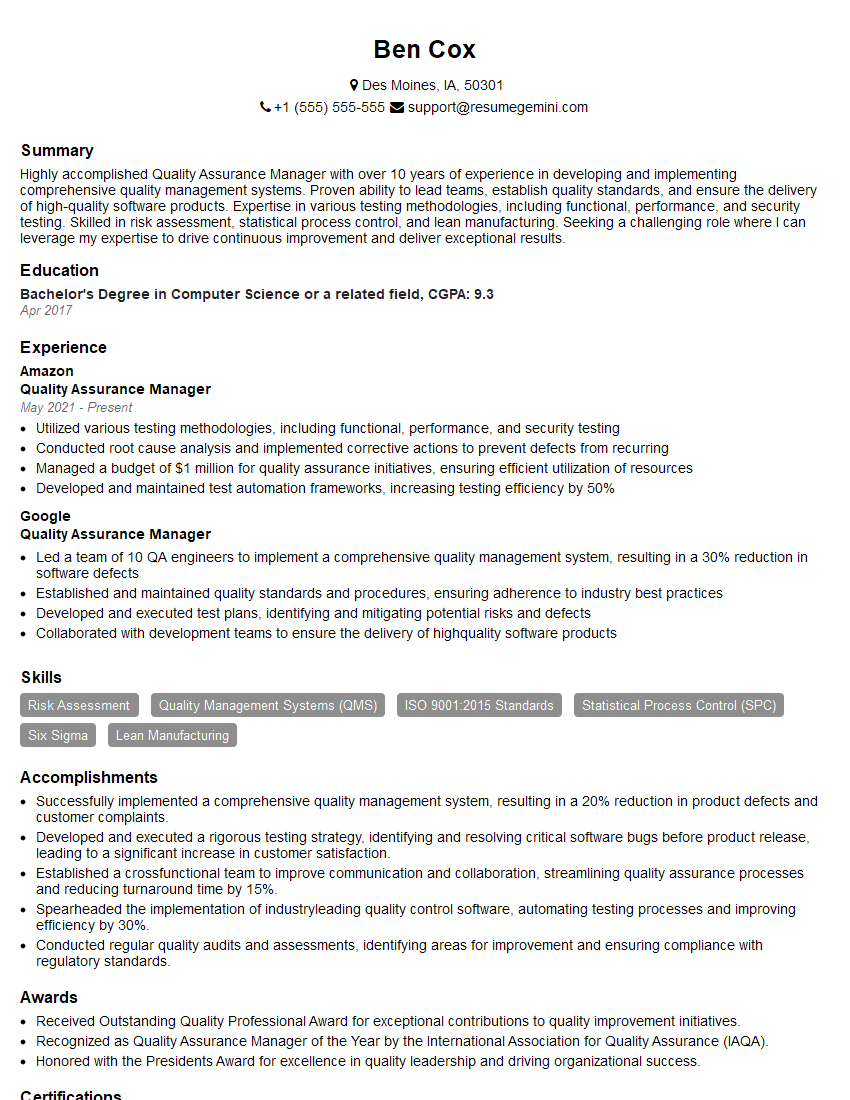
Quality Assurance Manager Resume Sample
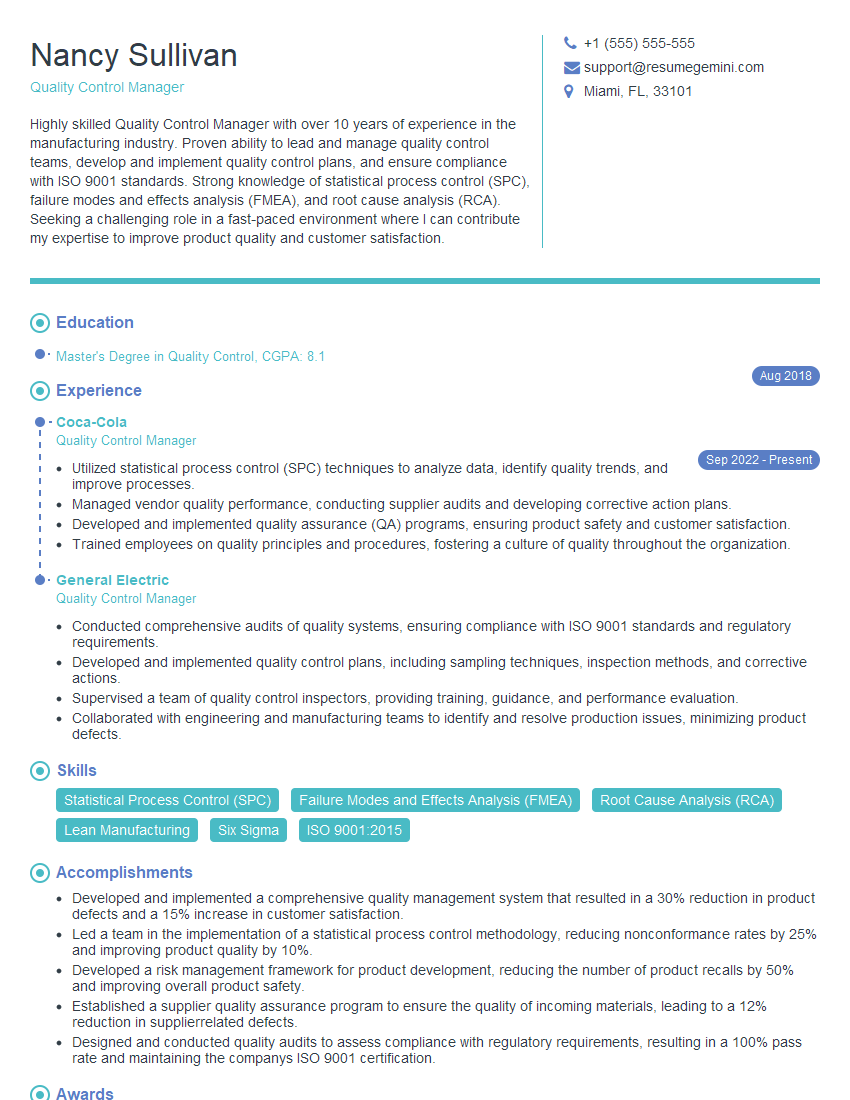
Quality Control Manager Resume Sample

Compliance Officer Resume Sample
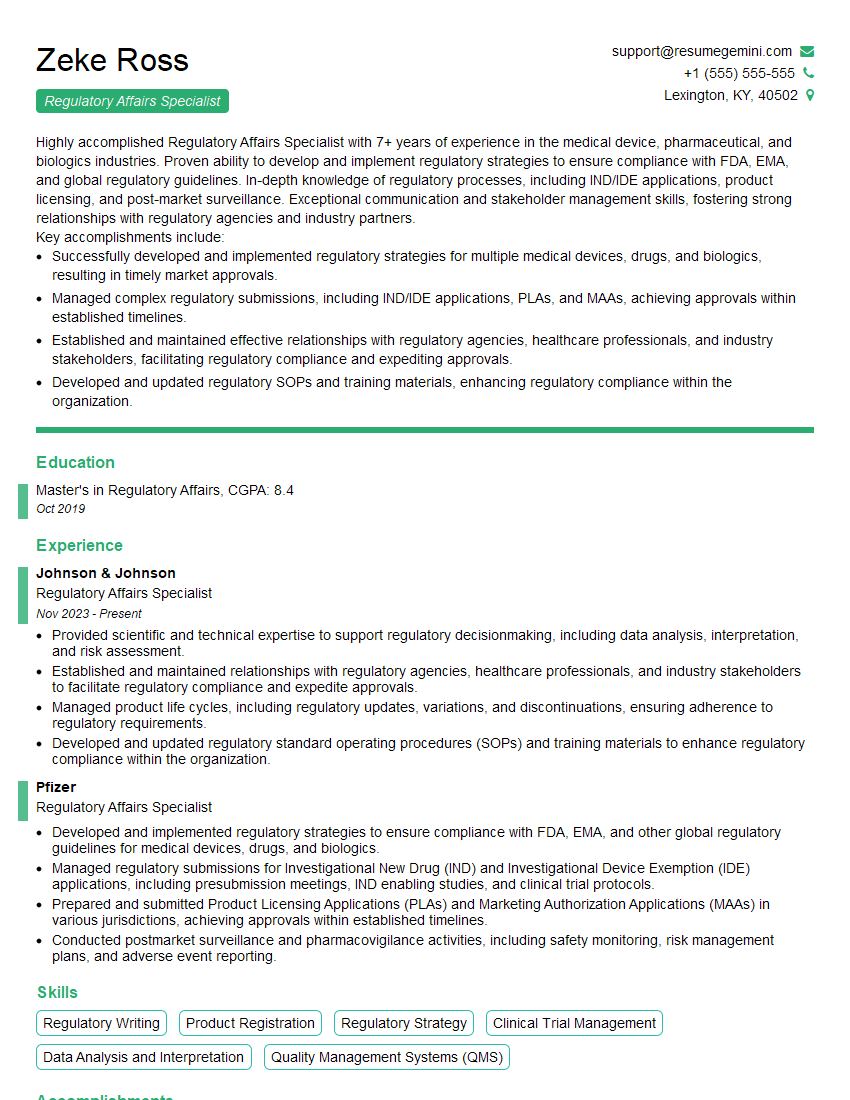
Regulatory Affairs Specialist Resume Sample
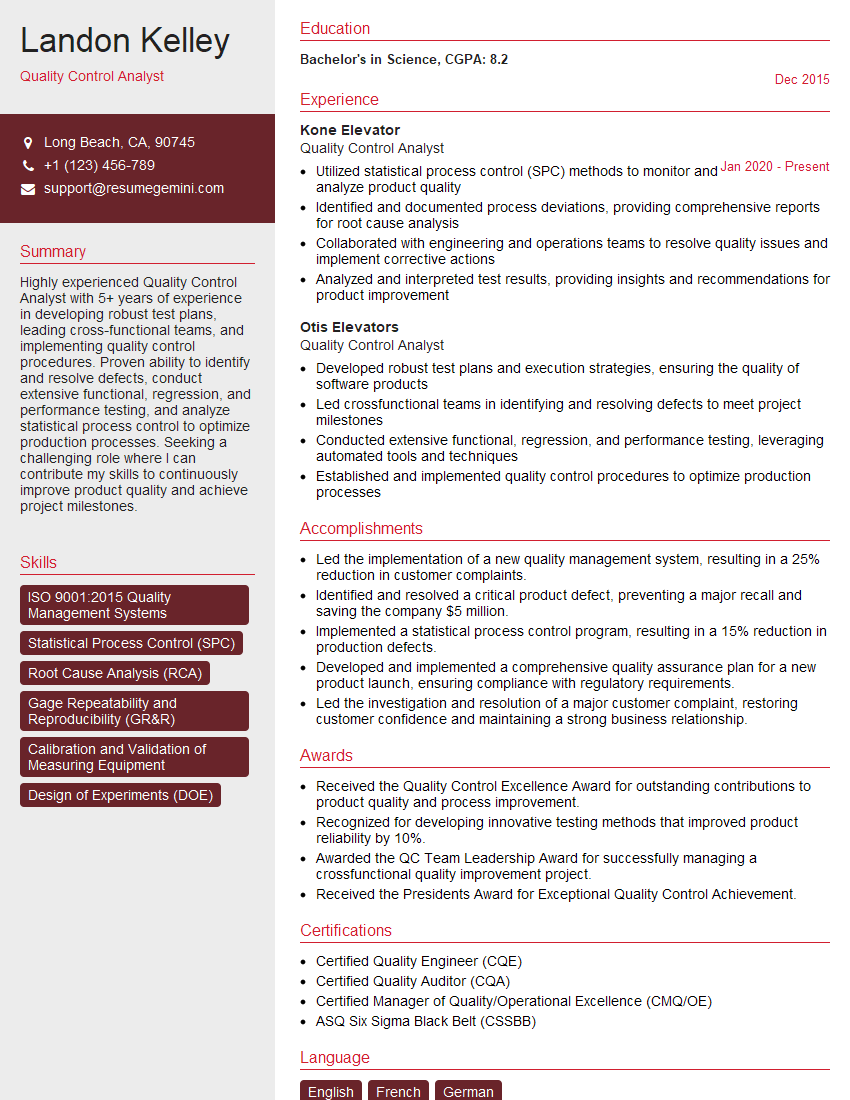
Quality Control Analyst Resume Sample
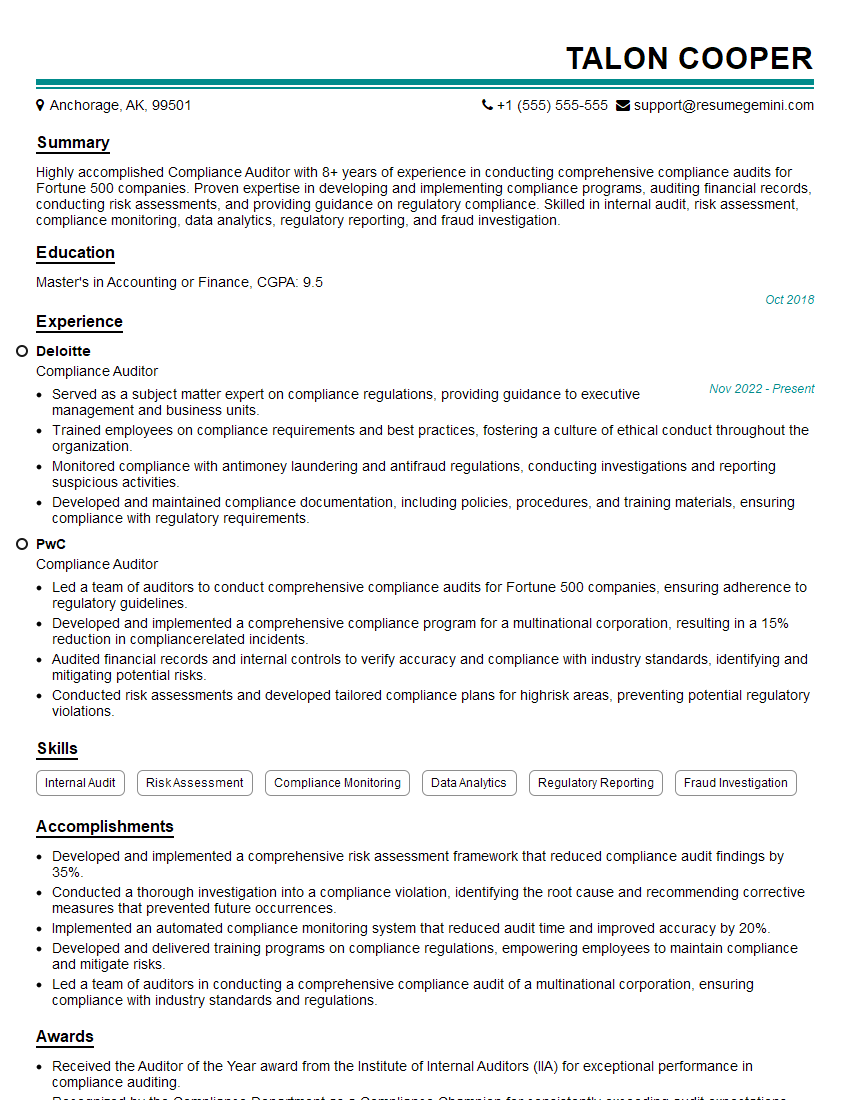
Compliance Auditor Resume Sample
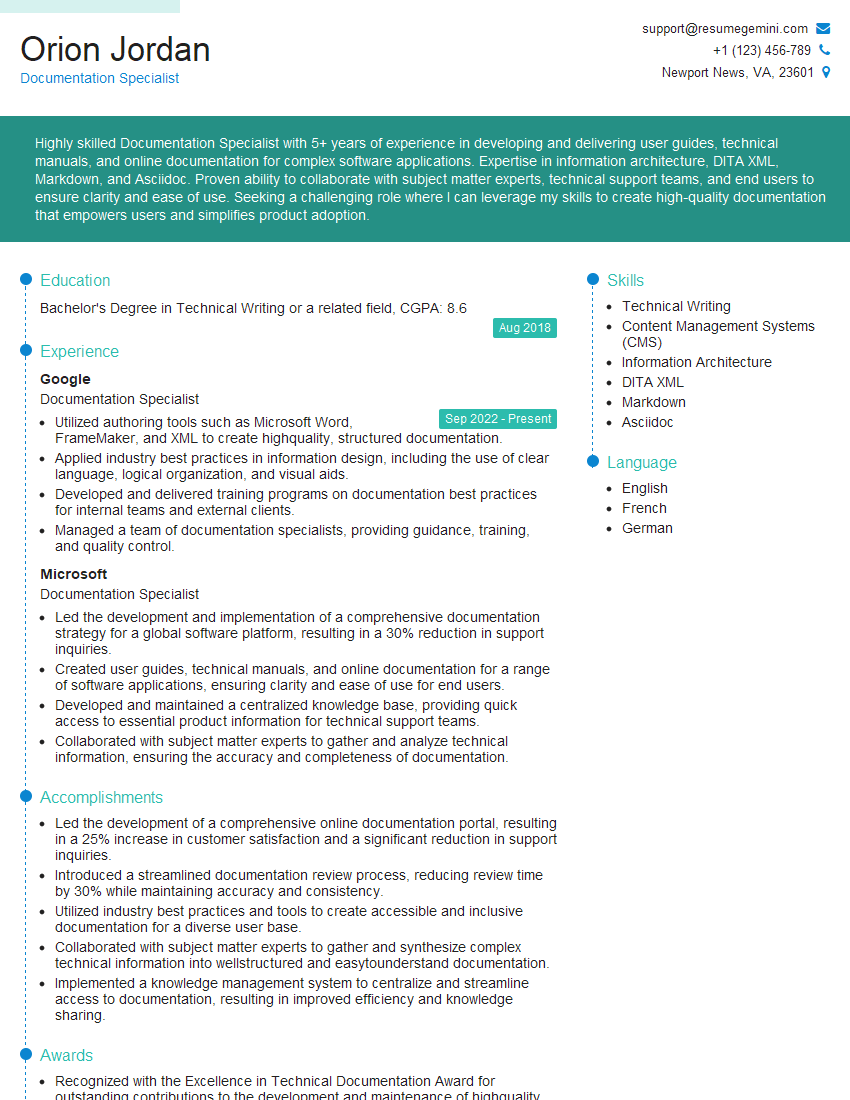
Documentation Specialist Resume Sample
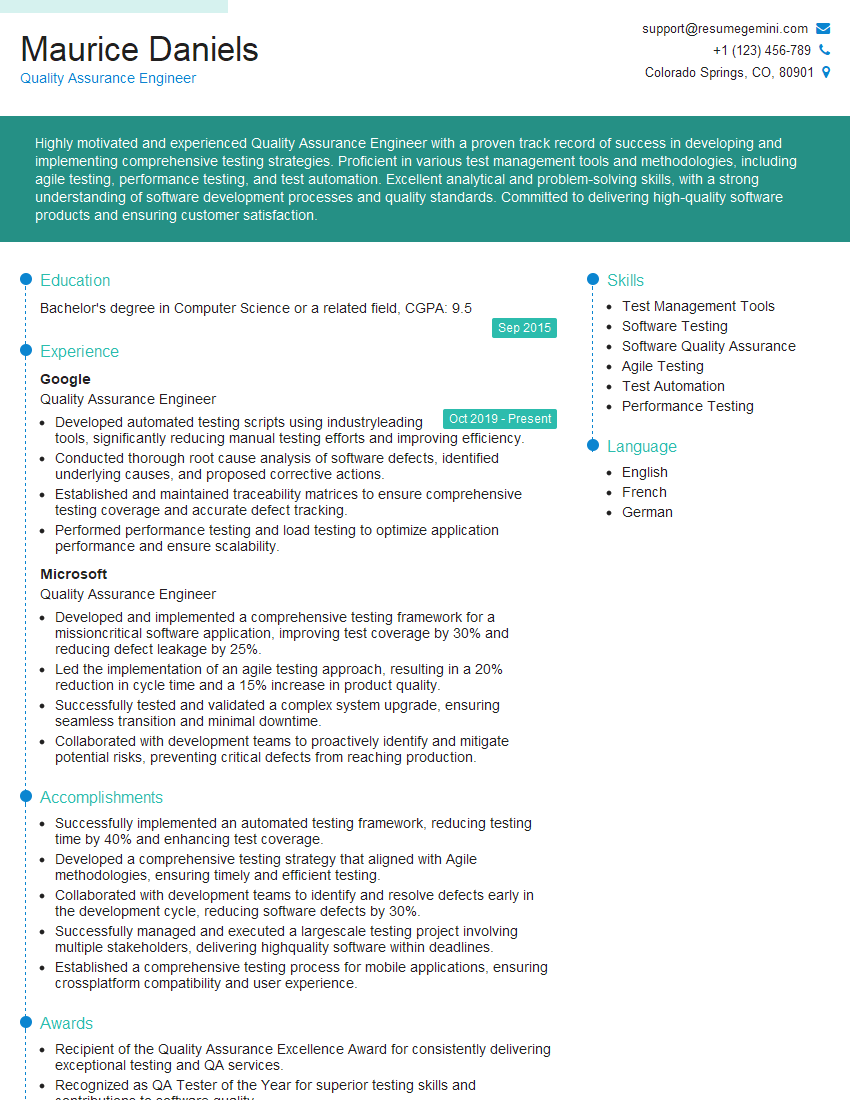
Quality Assurance Engineer Resume Sample
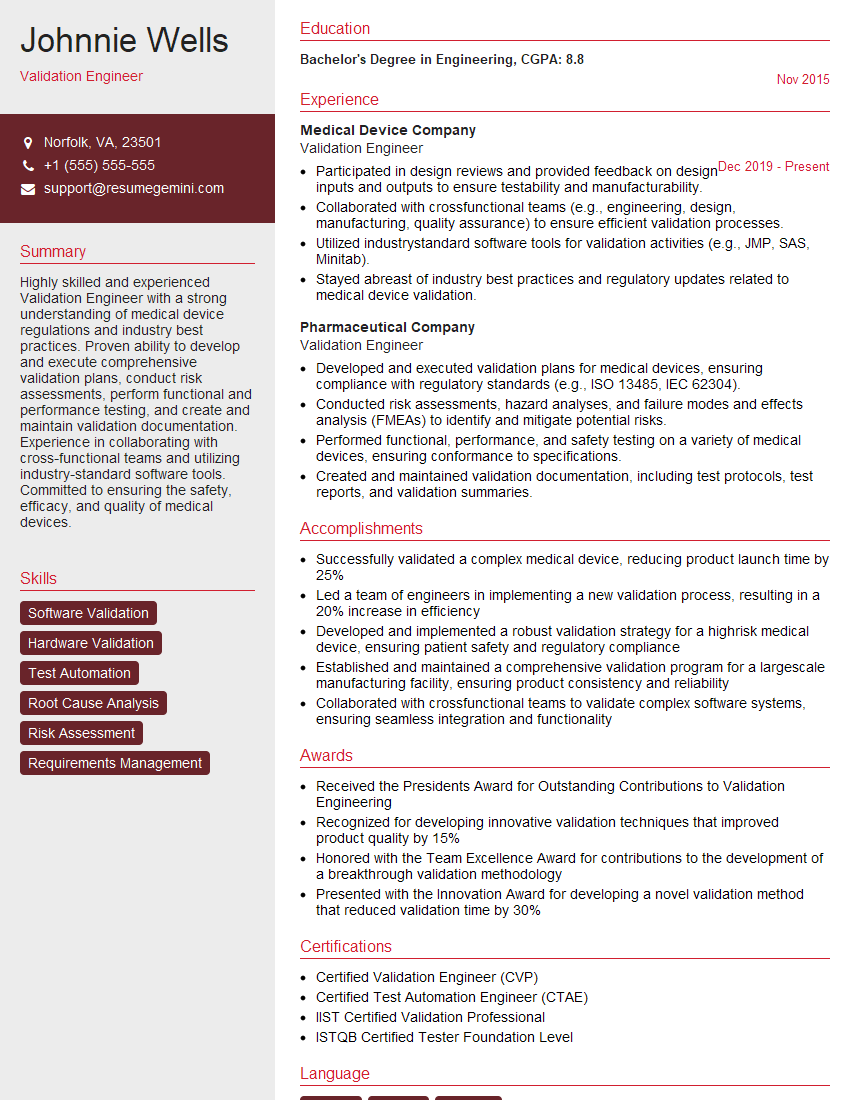
Validation Engineer Resume Sample
Validation Specialist Resume Sample
Quality Control Technician Resume Sample
Explore more articles
Users Rating of Our Blogs
Share Your Experience
We value your feedback! Please rate our content and share your thoughts (optional).
What Readers Say About Our Blog
Attention music lovers!
Wow, All the best Sax Summer music !!!
Spotify: https://open.spotify.com/artist/6ShcdIT7rPVVaFEpgZQbUk
Apple Music: https://music.apple.com/fr/artist/jimmy-sax-black/1530501936
YouTube: https://music.youtube.com/browse/VLOLAK5uy_noClmC7abM6YpZsnySxRqt3LoalPf88No
Other Platforms and Free Downloads : https://fanlink.tv/jimmysaxblack
on google : https://www.google.com/search?q=22+AND+22+AND+22
on ChatGPT : https://chat.openai.com?q=who20jlJimmy20Black20Sax20Producer
Get back into the groove with Jimmy sax Black
Best regards,
Jimmy sax Black
www.jimmysaxblack.com
Hi I am a troller at The aquatic interview center and I suddenly went so fast in Roblox and it was gone when I reset.
Hi,
Business owners spend hours every week worrying about their website—or avoiding it because it feels overwhelming.
We’d like to take that off your plate:
$69/month. Everything handled.
Our team will:
Design a custom website—or completely overhaul your current one
Take care of hosting as an option
Handle edits and improvements—up to 60 minutes of work included every month
No setup fees, no annual commitments. Just a site that makes a strong first impression.
Find out if it’s right for you:
https://websolutionsgenius.com/awardwinningwebsites
Hello,
we currently offer a complimentary backlink and URL indexing test for search engine optimization professionals.
You can get complimentary indexing credits to test how link discovery works in practice.
No credit card is required and there is no recurring fee.
You can find details here:
https://wikipedia-backlinks.com/indexing/
Regards
NICE RESPONSE TO Q & A
hi
The aim of this message is regarding an unclaimed deposit of a deceased nationale that bears the same name as you. You are not relate to him as there are millions of people answering the names across around the world. But i will use my position to influence the release of the deposit to you for our mutual benefit.
Respond for full details and how to claim the deposit. This is 100% risk free. Send hello to my email id: lukachachibaialuka@gmail.com
Luka Chachibaialuka
Hey interviewgemini.com, just wanted to follow up on my last email.
We just launched Call the Monster, an parenting app that lets you summon friendly ‘monsters’ kids actually listen to.
We’re also running a giveaway for everyone who downloads the app. Since it’s brand new, there aren’t many users yet, which means you’ve got a much better chance of winning some great prizes.
You can check it out here: https://bit.ly/callamonsterapp
Or follow us on Instagram: https://www.instagram.com/callamonsterapp
Thanks,
Ryan
CEO – Call the Monster App
Hey interviewgemini.com, I saw your website and love your approach.
I just want this to look like spam email, but want to share something important to you. We just launched Call the Monster, a parenting app that lets you summon friendly ‘monsters’ kids actually listen to.
Parents are loving it for calming chaos before bedtime. Thought you might want to try it: https://bit.ly/callamonsterapp or just follow our fun monster lore on Instagram: https://www.instagram.com/callamonsterapp
Thanks,
Ryan
CEO – Call A Monster APP
To the interviewgemini.com Owner.
Dear interviewgemini.com Webmaster!
Hi interviewgemini.com Webmaster!
Dear interviewgemini.com Webmaster!
excellent
Hello,
We found issues with your domain’s email setup that may be sending your messages to spam or blocking them completely. InboxShield Mini shows you how to fix it in minutes — no tech skills required.
Scan your domain now for details: https://inboxshield-mini.com/
— Adam @ InboxShield Mini
support@inboxshield-mini.com
Reply STOP to unsubscribe
Hi, are you owner of interviewgemini.com? What if I told you I could help you find extra time in your schedule, reconnect with leads you didn’t even realize you missed, and bring in more “I want to work with you” conversations, without increasing your ad spend or hiring a full-time employee?
All with a flexible, budget-friendly service that could easily pay for itself. Sounds good?
Would it be nice to jump on a quick 10-minute call so I can show you exactly how we make this work?
Best,
Hapei
Marketing Director
Hey, I know you’re the owner of interviewgemini.com. I’ll be quick.
Fundraising for your business is tough and time-consuming. We make it easier by guaranteeing two private investor meetings each month, for six months. No demos, no pitch events – just direct introductions to active investors matched to your startup.
If youR17;re raising, this could help you build real momentum. Want me to send more info?
Hi, I represent an SEO company that specialises in getting you AI citations and higher rankings on Google. I’d like to offer you a 100% free SEO audit for your website. Would you be interested?
Hi, I represent an SEO company that specialises in getting you AI citations and higher rankings on Google. I’d like to offer you a 100% free SEO audit for your website. Would you be interested?