Every successful interview starts with knowing what to expect. In this blog, we’ll take you through the top Sorting and Classifying Books interview questions, breaking them down with expert tips to help you deliver impactful answers. Step into your next interview fully prepared and ready to succeed.
Questions Asked in Sorting and Classifying Books Interview
Q 1. Explain the Dewey Decimal System.
The Dewey Decimal System (DDC) is a widely used library classification system that organizes books and other library materials by subject. It uses a hierarchical system of numbers, with ten main classes representing broad subject areas. Each main class is further subdivided into ten subclasses, and those are divided again, creating a detailed classification scheme. Think of it like a nested filing system for knowledge.
For example, 000 represents Computer science, information, and general works. 500 represents Pure Science. Within 500, 500-599 represents Pure Science, with 500 being General Science and 599 being Zoology. Each number adds specificity. A book on mammalogy might be classified as 599.3, for instance. The system uses decimal points to allow for even finer distinctions within subjects.
The beauty of the DDC is its simplicity and intuitive nature, making it relatively easy to learn and use, particularly for smaller libraries or personal collections. It’s also regularly updated to reflect advancements in knowledge.
Q 2. Describe the Library of Congress Classification system.
The Library of Congress Classification (LCC) system is another widely used library classification system, but unlike the DDC, it’s more complex and uses a combination of letters and numbers. It’s designed for larger libraries with extensive collections and offers a more granular and nuanced classification scheme. The LCC system starts with a letter representing the main subject class, followed by further subdivisions using letters and numbers. It’s not as intuitive as the DDC, requiring more experience and training to master.
For example, ‘A’ represents General Works, ‘B’ represents Philosophy, Psychology, Religion, ‘C’ represents History, Auxiliary Sciences, etc. Within each class, further subdivisions are made using letters and numbers. For example, the classification for a book on American History might be E170, with further numbers or letters specifying the period or aspect of history. The complexity allows for greater differentiation and accommodates large and diverse collections.
The LCC’s intricate system requires specialized training for effective application. It’s the system of choice for many large research institutions and national libraries.
Q 3. What are the differences between the Dewey Decimal and Library of Congress systems?
The main differences between the Dewey Decimal and Library of Congress systems lie in their complexity, scope, and structure. The DDC is simpler and more intuitive, ideal for smaller libraries and personal collections, using a purely numerical system with a hierarchical structure based on decimals. It’s easier to learn and use, requiring less training. In contrast, the LCC is significantly more complex, using a mixed alphanumeric system. It’s suitable for larger collections requiring finer subject distinctions and allows for more detailed organization. The LCC is often favored by research libraries and universities due to its capacity to manage extensive and specialized collections. It requires substantial training to master and accurately implement.
Think of it like this: DDC is a well-organized filing cabinet, while LCC is a highly specialized archival system within a vast historical archive. The best system depends on the scale and complexity of the library’s collection and the expertise of its staff.
Q 4. How would you handle a book with multiple subject classifications?
Handling a book with multiple subject classifications requires careful consideration of the primary and secondary subjects. The most prominent subject typically dictates the main classification, while secondary subjects can be indicated through added entries or subject headings in the library catalog. This allows the book to be found under multiple relevant search terms. For example, a book on ‘The History of Italian Cuisine’ could be classified primarily under history, with secondary classifications in food and Italian studies. This involves careful judgment and adherence to established cataloging rules. Ideally, the library catalog system will support multiple subject entries to ensure efficient retrieval.
In practice, this might involve assigning the primary classification based on the book’s main focus and then creating additional catalog entries with subject headings for each relevant secondary classification. This ensures the book appears in multiple relevant search results in the online library catalog.
Q 5. How do you prioritize sorting books with conflicting classification schemes?
Prioritizing sorting books with conflicting classification schemes is crucial for maintaining consistent organization. In such situations, a clear set of rules is necessary, usually based on the library’s established classification policy. Typically, the system primarily adopted by the library will take precedence. If the library mainly uses DDC, any conflicting LCC classification would be overridden, and vice-versa. In cases where the library uses both systems, a predetermined hierarchy or a decision-making process (e.g., based on the book’s primary content or the judgment of an experienced librarian) is needed to resolve the conflict consistently and efficiently.
Examples of such situations could include older books that predate the adoption of a library’s primary classification scheme or acquisitions obtained from other libraries using a different scheme. A well-defined conflict resolution procedure is essential to maintaining organization and preventing confusion.
Q 6. Explain your experience with alphabetic and numeric sorting.
My experience with alphabetic and numeric sorting spans many years, encompassing both manual and computerized methods. I’m proficient in applying various sorting algorithms, understanding their strengths and weaknesses. I’ve sorted vast quantities of materials alphabetically by author, title, and subject, utilizing established library rules regarding capitalization, punctuation, and diacritics. For example, in a manual sorting process, understanding the rules for sorting compound names and titles is vital. Numeric sorting involves proficiency in handling various numbering systems, including decimals and Roman numerals, something essential when working with book classification systems.
My experience includes working with large datasets using software tools and spreadsheets to manage and sort library materials efficiently. This experience extends to understanding and applying the rules of collation (the ordering of characters and words) used in different languages and alphabets. This ensures consistent sorting across diverse collections.
Q 7. Describe your proficiency with library management systems (e.g., Koha, Evergreen).
I have extensive experience with various library management systems (LMS), including Koha and Evergreen. My proficiency includes data entry, cataloging, circulation management, and reporting. In Koha, I’m familiar with its MARC record editing capabilities, its searching and retrieval functions, and its extensive reporting tools. This includes the ability to manage multiple collections, users, and staff members effectively within the system. In Evergreen, I have experience with its user-friendly interface, its robust circulation management tools, and its versatile reporting features. I can efficiently utilize both systems to add new materials, update catalog records, manage user accounts, and generate relevant statistical reports. My proficiency in these systems allows me to effectively manage large volumes of data, process acquisitions, and streamline daily operations within a library environment.
Beyond technical proficiency, I understand the importance of data accuracy and integrity within LMS. I’m confident in my ability to troubleshoot and resolve issues within these systems ensuring efficient library operations.
Q 8. How do you ensure accuracy when entering bibliographic data?
Accuracy in bibliographic data entry is paramount for effective library management and retrieval. It’s like building a house – a shaky foundation (inaccurate data) leads to a crumbling structure (inefficient library).
My approach involves a multi-step process: First, I meticulously check the source material for any discrepancies. This includes comparing different editions, verifying publication details (publisher, date, edition), and carefully transcribing author names, titles, and ISBNs. Then, I cross-reference this information with established databases like WorldCat or Library of Congress Online Catalogs. Finally, I implement a double-checking system where a colleague reviews a sample of my entries to catch any missed errors. For example, I once caught a typo in a book’s ISBN only during this final review, preventing a potential search failure. This layered approach minimizes human error and maximizes data integrity.
Q 9. How would you handle damaged or missing books during sorting?
Handling damaged or missing books requires a systematic approach combining preservation efforts and accurate record-keeping. Think of it as triage in a hospital – prioritize the urgency and act accordingly.
For damaged books, I would assess the extent of the damage. Minor damage, like a small tear, can be repaired; I would document the damage using photography and notes and then send it for professional repair if necessary. Significant damage, however, might require discarding the book, documenting this with reason and disposal method.
Missing books require an investigation, starting with checking the shelf location. Then I would check the library database to see if the book has been checked out. If not, a ‘missing’ status would be assigned in the catalog and an investigation for possible theft or misplacement would be initiated. Accurate documentation and reporting of these missing items are crucial for library inventory management.
Q 10. What methods do you use to identify and resolve classification errors?
Identifying and resolving classification errors is like being a detective for books. It requires attention to detail and a strong understanding of classification systems (like Dewey Decimal or Library of Congress).
My approach begins with regular audits of shelves against the catalog. Discrepancies are noted and investigated. For instance, a book might be shelved incorrectly due to a typo in the call number. I carefully verify the call number against the catalog record and then relocate the book to its correct location. A more challenging case might involve a book whose subject matter does not clearly fit its assigned classification. In such cases, I consult the classification scheme’s guidelines and potentially cross-reference similar books to determine the most suitable classification.
Documentation of corrections is essential for maintaining the integrity of the library’s collection and preventing future errors. We usually keep a log of corrections made.
Q 11. Describe your experience with metadata tagging and its importance in sorting.
Metadata tagging is the backbone of efficient sorting and retrieval, akin to indexing a vast encyclopedia. Each tag acts as a key to unlocking specific information about a book.
My experience includes using various metadata schemas, including Dublin Core and MARC. I am proficient in adding metadata tags such as author, title, subject, ISBN, publication date, language, and genre. These tags not only assist in sorting but also enable sophisticated searches and filtering, making information retrieval significantly faster. For example, applying subject tags allows users to easily find all books about a specific topic. I have also worked with controlled vocabularies like Library of Congress Subject Headings to ensure consistency and accurate retrieval.
Q 12. Explain your experience working with different book formats (hardcover, paperback, etc.).
Experience with diverse book formats is crucial for efficient handling. It’s like understanding the different tools in a toolbox – each serves a unique purpose.
I’ve worked extensively with hardcover, paperback, mass-market paperback, large-print, and even specialized formats like oversized books or books requiring special handling due to binding or material. My approach adapts to the specific format. For example, heavier hardcover books might need additional care during shelving to avoid damage to the spines. Mass-market paperbacks require a more gentle handling to prevent bending or creasing. Maintaining an awareness of these format-specific needs ensures the long-term preservation of the books. The storage itself must also adapt to these different sizes and weights.
Q 13. How do you maintain order and efficiency while working under pressure?
Maintaining order and efficiency under pressure is about prioritizing tasks and employing effective time management techniques; it’s like conducting an orchestra – each section needs to play in harmony.
My strategy involves breaking down large tasks into smaller, manageable steps. I prioritize urgent tasks, using techniques like time blocking and task prioritization matrices (Eisenhower Matrix) to allocate time efficiently. I also leverage technology to improve my workflow – for example, using barcode scanners to quickly register books and check their locations. Finally, I stay organized, keeping my workspace tidy to avoid distractions and speed up the workflow. When faced with unexpected issues, I adapt my plan accordingly, calmly assessing the situation and re-prioritizing tasks as needed.
Q 14. How do you handle a large volume of books needing sorting and classification?
Handling a large volume of books requires a well-structured, team-based approach. It’s like coordinating a large-scale construction project – you need a plan, resources, and teamwork.
My approach starts with a clear inventory of the books. Then, I create a workflow that includes: Assigning tasks to team members based on their strengths and skills. Utilizing technology such as scanners and inventory management software; Establishing clear procedures for sorting, classifying and labeling the books; Setting realistic deadlines with built-in buffer time for unexpected issues. Regular progress checks and team meetings help to maintain efficiency and address any problems promptly. Finally, I ensure proper storage and security to protect the books until they are ready for their designated location.
Q 15. Describe your experience with inventory management.
Inventory management for books involves much more than just counting; it’s about maintaining accurate records of every book’s location, condition, and availability. My experience spans several years, working with both small independent bookstores and large university libraries. I’ve used various systems, from simple spreadsheets to sophisticated library management systems (LMS) like Koha and Evergreen. These systems allow for real-time tracking of books, preventing losses and streamlining the borrowing and returning process.
For example, in my previous role at the University Library, I was responsible for managing the inventory of over 100,000 books. We utilized a barcode system (detailed in a later response) integrated with the LMS. This allowed us to track acquisitions, withdrawals, and the location of every book within the library. Regular inventory checks, using both manual and automated methods, helped identify discrepancies and ensure accuracy.
Beyond the technical aspect, inventory management also includes tasks such as assessing the condition of books, organizing regular weeding (removing outdated or damaged books), and managing donations or acquisitions. It’s a continuous process focused on optimizing the use of space and resources while maintaining an accurate and readily accessible collection.
Career Expert Tips:
- Ace those interviews! Prepare effectively by reviewing the Top 50 Most Common Interview Questions on ResumeGemini.
- Navigate your job search with confidence! Explore a wide range of Career Tips on ResumeGemini. Learn about common challenges and recommendations to overcome them.
- Craft the perfect resume! Master the Art of Resume Writing with ResumeGemini’s guide. Showcase your unique qualifications and achievements effectively.
- Don’t miss out on holiday savings! Build your dream resume with ResumeGemini’s ATS optimized templates.
Q 16. What strategies do you use to optimize the workflow of sorting and classifying books?
Optimizing the workflow of sorting and classifying books involves strategic planning and the implementation of efficient techniques. The key is to establish a clear and consistent system that minimizes handling time and maximizes accuracy.
- Pre-sorting: Before detailed classification, I pre-sort books by broad categories (fiction, non-fiction, subject area) to make the later process more manageable. This is like pre-sorting laundry by color before washing.
- Teamwork: When feasible, teamwork dramatically improves speed and accuracy. Each team member could be assigned a specific area of expertise or a specific classification system aspect.
- Designated Workspaces: Setting up clearly defined workspaces with adequate storage for sorted and unsorted books ensures a smooth workflow, reducing confusion and wasted movements.
- Technology Integration: Using barcodes or RFID tags, as well as library management systems, speeds up the process of tracking, cataloging, and shelving.
- Regular Review and Refinement: Continuously evaluating and adjusting the workflow based on experience identifies areas for improvement and prevents bottlenecks.
For example, in one project, I implemented a system of color-coded bins for pre-sorting, which reduced sorting time by 20%. Regularly reviewing and tweaking this system allowed for further efficiency improvements over time.
Q 17. How do you adapt to changes in classification systems or organizational policies?
Adapting to changes in classification systems or organizational policies is crucial in this field. My approach focuses on proactive learning and flexible problem-solving.
- Training and Professional Development: I actively participate in training sessions and workshops to stay updated on changes in classification systems, such as the Dewey Decimal Classification (DDC) or the Library of Congress Classification (LCC).
- Thorough Documentation Review: When a new system or policy is implemented, I thoroughly review all documentation and guidelines to fully understand the changes.
- Cross-referencing: During the transition period, I use cross-referencing techniques to map the old system to the new one, ensuring accurate relocation of books.
- Seeking Clarification: If I encounter any ambiguity or difficulties, I don’t hesitate to seek clarification from the relevant authorities or colleagues.
- Testing and Iteration: Before full implementation, I test the new system on a smaller scale to identify and resolve any potential issues.
For instance, when our library transitioned from DDC to LCC, I attended workshops, carefully studied the new classification scheme, and created a cross-reference table to guide the relocation of books. This proactive approach ensured a smooth transition with minimal disruption to library services.
Q 18. Describe your experience with using barcodes or RFID tags for book tracking.
Barcodes and RFID tags are invaluable tools for efficient book tracking. Barcodes provide a simple and cost-effective method for identifying individual books. RFID tags offer greater functionality, allowing for tracking multiple books simultaneously and providing information about their location with greater accuracy.
My experience includes extensive use of barcodes. We integrated our barcode system with the library management system, allowing for automated check-in and check-out processes, as well as precise inventory management. RFID technology, though more expensive, offers advantages in large collections where manual inventory checks are time-consuming and prone to error. RFID systems can automatically identify and track the location of books, speeding up processes like shelf reading (checking for misplaced books) significantly.
In practice, we used barcode scanners to quickly input data into the system, reducing the manual entry of data and the risk of human error. This resulted in a more accurate and up-to-date database.
Q 19. How do you manage discrepancies between the physical location and catalog record of a book?
Discrepancies between the physical location and catalog record of a book are a common challenge in libraries. Effective management requires a multi-pronged approach.
- Regular Shelf Reading: This involves systematically checking the location of books against the catalog record to identify misplaced items. It’s similar to a store taking inventory.
- Automated Inventory Checks: Using RFID technology allows for efficient identification of missing or misplaced books with minimal manual intervention.
- Investigation and Reconciliation: When discrepancies are found, they require careful investigation to determine the cause – whether it’s a data entry error, a misplaced book, or a lost book.
- Data Correction: Once the cause is determined, the catalog record is updated to reflect the actual location of the book or to note it as missing.
- Improved Processes: Analyzing the causes of discrepancies allows for identifying and addressing weaknesses in the workflow or data entry procedures.
For example, we implemented a monthly shelf-reading schedule for different sections of the library and used the data gathered to identify areas where misplaced books were consistently found. This helped us refine shelving practices and reduce future discrepancies.
Q 20. Explain your familiarity with different subject headings and controlled vocabularies.
Subject headings and controlled vocabularies are fundamental to effective library cataloging and information retrieval. They ensure consistency and accuracy in classifying books according to their subject matter. My familiarity includes extensive experience with Library of Congress Subject Headings (LCSH) and Dewey Decimal Classification (DDC) systems.
LCSH provides a hierarchical structure of subject headings allowing for precise classification and retrieval. DDC offers a numerical classification scheme that organizes books according to a defined structure, improving browsing and searching. Understanding the nuances of these systems is crucial for accurate classification and allows users to find books related to specific topics effectively.
I understand the importance of using authorized terms and avoiding synonyms to ensure consistency across the catalog. This allows users to easily find relevant materials, regardless of the specific wording used in their search. For example, understanding the relationship between broader and narrower terms in LCSH allows for creating more precise and effective subject searches.
Q 21. How do you prioritize tasks when sorting books with varying degrees of urgency?
Prioritizing tasks when sorting books with varying degrees of urgency involves a systematic approach to ensure efficient use of time and resources.
- Urgency Assessment: The first step is to assess the urgency of each task. This might involve considering deadlines, the importance of the books (e.g., high-demand books versus less popular ones), and the potential consequences of delays.
- Prioritization Matrix: Using a prioritization matrix (like Eisenhower Matrix – Urgent/Important) can visually represent the urgency and importance of each task, assisting with effective prioritization.
- Time Allocation: Once tasks are prioritized, allocate appropriate time for each based on its complexity and urgency.
- Flexibility: Be prepared to adapt your schedule based on unforeseen circumstances or changes in priorities.
- Regular Review: Regularly review your progress to ensure you stay on track and adjust your plan as needed.
For example, if a specific book is urgently needed for a research project, that task will take precedence over less urgent tasks, like organizing a section with low demand books. This involves a balance between urgent needs and maintaining overall organization.
Q 22. How would you handle a situation where a book’s classification is unclear?
When a book’s classification is unclear, I employ a systematic approach. First, I carefully examine the book’s content, including the title, subtitle, introduction, table of contents, and index. This helps pinpoint the subject matter and intended audience. Then, I consult standard classification systems like the Dewey Decimal Classification (DDC) or the Library of Congress Classification (LCC). These systems provide detailed schedules and guidelines to aid in assigning the most appropriate classification number. If uncertainty remains, I might cross-reference with similar books already catalogued, or I consult online resources such as the Library of Congress’ online classification outlines or subject headings. If all else fails, I consult with a senior librarian or cataloging expert for clarification before assigning a final classification.
For example, a book on the history of artificial intelligence might seem to fall under both computer science and history. I would carefully consider the book’s focus. Is it primarily a technical overview of AI development, or a historical narrative of its societal impact? The answer will guide the classification, perhaps to 006.3 (Computer Science – Artificial Intelligence) or 303.483 (Social Sciences – Social Aspects of Technology – Artificial Intelligence), respectively.
Q 23. What are some common challenges in sorting and classifying books, and how have you addressed them?
Sorting and classifying books presents several challenges. One common issue is inconsistent or incomplete bibliographic information. A book might lack a clear subject heading or have ambiguous metadata, making accurate classification difficult. I address this by using a combination of methods: careful examination of the book’s content as mentioned previously, searching online databases for similar publications to find consistent classification, and consulting subject heading lists to identify the most relevant terms. Another challenge is handling multiple editions or variations of the same book, requiring careful differentiation in the cataloging process. This often involves noting edition details or unique identifiers. Finally, dealing with damaged or incomplete books requires extra care and often necessitates creating alternate records or annotations. I tackle this by using protective measures during handling and documenting any damage clearly in the catalog record.
Q 24. Describe your experience with preserving fragile or rare books during sorting and handling.
Working with fragile or rare books requires meticulous care. I always wear clean cotton gloves to avoid transferring oils or dirt to the materials. I utilize specialized book supports and cradles to prevent bending or damage during handling. I also ensure the workspace is clean and well-lit, minimizing the risk of accidents. When moving these books, I use acid-free archival boxes and book carts designed for delicate materials. Furthermore, I maintain detailed records of any handling, noting any existing damage or repairs needed. For instance, if a book shows signs of brittle pages, I might use archival mending techniques or recommend professional conservation services. The priority is always to preserve the integrity of these valuable items for future generations.
Q 25. How do you ensure the confidentiality and security of library materials during processing?
Confidentiality and security are paramount when handling library materials. Access to sensitive or restricted collections is strictly controlled, with designated personnel and appropriate authentication protocols in place. Materials are always stored in secure locations, with robust security measures like alarm systems and regular inventories to prevent theft or loss. During processing, I handle materials with care, avoiding any unauthorized disclosure of information. Any sensitive information encountered during processing, such as personally identifying information (PII) within a book’s contents, is handled according to established privacy policies and regulations. Furthermore, digital records are protected with strong passwords, encryption, and regular backups to prevent data breaches.
Q 26. Explain your understanding of copyright and its relevance to book handling and classification.
Copyright is crucial in book handling and classification. It protects the intellectual property rights of authors and publishers. During processing, we must respect copyright laws. This includes making sure any photocopying or digital scanning of copyrighted materials complies with fair use guidelines or has explicit permission from the copyright holder. Incorrectly attributing authorship or using copyrighted material without permission can lead to legal issues. Accurate classification helps ensure proper attribution, as it organizes works based on content and authorship. A clear understanding of copyright ensures ethical and legal adherence during every stage of handling and classification.
Q 27. How do you maintain a clean and organized workspace while sorting and classifying books?
Maintaining a clean and organized workspace is vital for efficient and safe book handling. I start by decluttering the area regularly, removing unnecessary items and maintaining a designated space for each task. I use acid-free mats or covers to protect work surfaces from damage or staining. Books are placed in organized stacks, categorized by classification or other relevant factors, to facilitate efficient processing. I also ensure proper ventilation and lighting to prevent dust accumulation and eye strain. Finally, a regular cleaning schedule, including dusting and vacuuming, helps maintain a hygienic and efficient workspace.
Q 28. Describe your experience with using specialized library equipment (e.g., book trucks, scanners).
I have extensive experience with various library equipment. Book trucks are essential for moving large quantities of books safely and efficiently, minimizing strain and preventing damage. I’m proficient in operating different types of book trucks, including those designed for heavy loads or fragile items. Barcode scanners are essential for inventory management and streamlining the cataloging process, providing accurate and quick data entry. I’m skilled in using scanners to capture accurate barcode information, improving efficiency and reducing errors. Furthermore, I’m familiar with other equipment, such as automated sorting systems (if available in the facility), helping to expedite the sorting and classification process significantly. My experience with this equipment contributes to a smooth and efficient workflow.
Key Topics to Learn for Sorting and Classifying Books Interview
- Library Classification Systems: Understanding Dewey Decimal, Library of Congress, and other systems; their strengths and weaknesses, and how to apply them effectively.
- Cataloging and Metadata: Knowledge of bibliographic data elements (author, title, ISBN, etc.), subject headings, and their role in accurate book organization and retrieval.
- Alphabetical and Numerical Ordering: Mastering consistent and efficient alphabetization techniques, including handling special characters and variations in names and titles; applying numerical sorting for accession numbers or other identifiers.
- Physical Handling and Preservation: Safe and proper handling of books to prevent damage; understanding basic book repair and maintenance techniques; recognizing signs of deterioration.
- Inventory Management: Techniques for tracking books, managing stock levels, identifying missing or misplaced items, and conducting regular audits.
- Workflow and Efficiency: Optimizing processes for sorting and classifying large volumes of books; strategies for collaboration and teamwork in a library or archival setting.
- Technological Tools: Familiarity with library management systems (LMS) and other software used for cataloging, inventory, and circulation; understanding the role of technology in modern book organization.
- Problem-solving and Decision-making: Strategies for handling inconsistencies in cataloging data, resolving discrepancies in classification, and making informed decisions about organization based on best practices.
Next Steps
Mastering the skills of sorting and classifying books opens doors to rewarding careers in libraries, archives, museums, and other knowledge-based organizations. A strong understanding of these concepts demonstrates your attention to detail, organizational skills, and ability to work efficiently and accurately – all highly valued attributes in the workplace. To maximize your job prospects, create an ATS-friendly resume that highlights your relevant skills and experience. We recommend using ResumeGemini, a trusted resource for building professional resumes. Examples of resumes tailored to Sorting and Classifying Books are available to help you showcase your qualifications effectively.
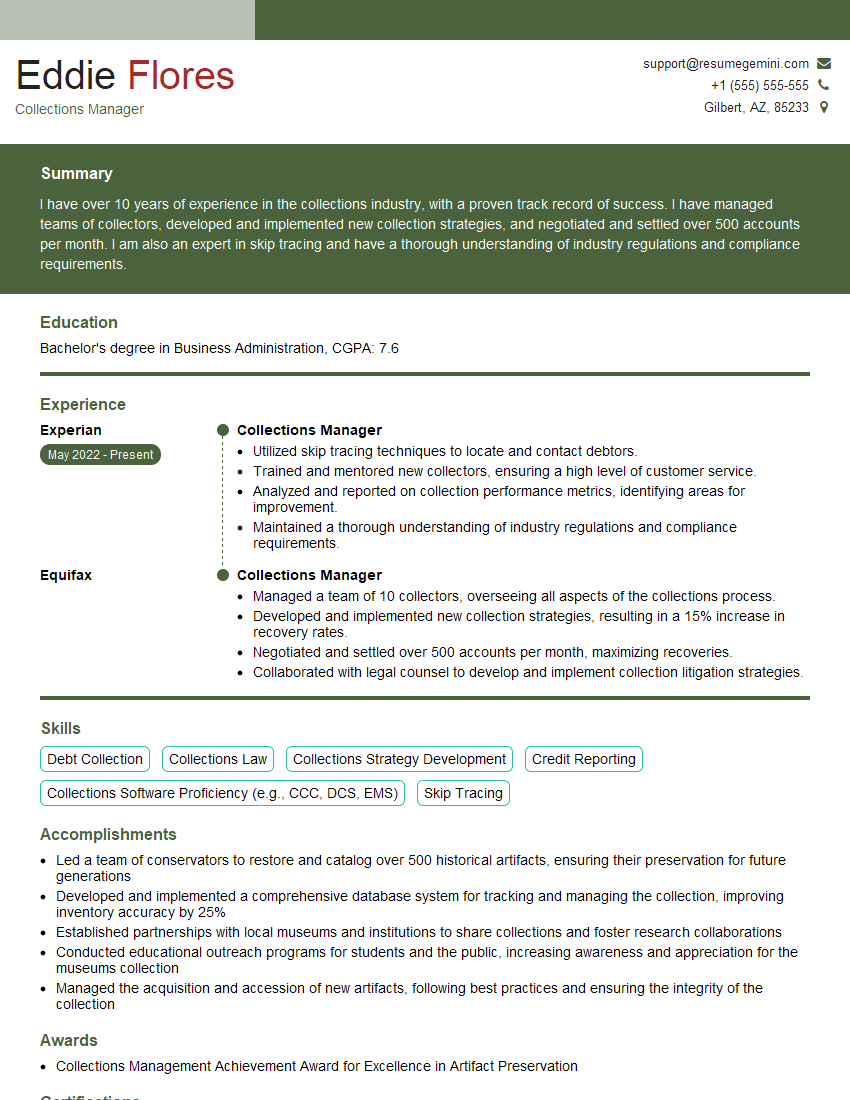
Collections Manager Resume Sample

Information Architect Resume Sample
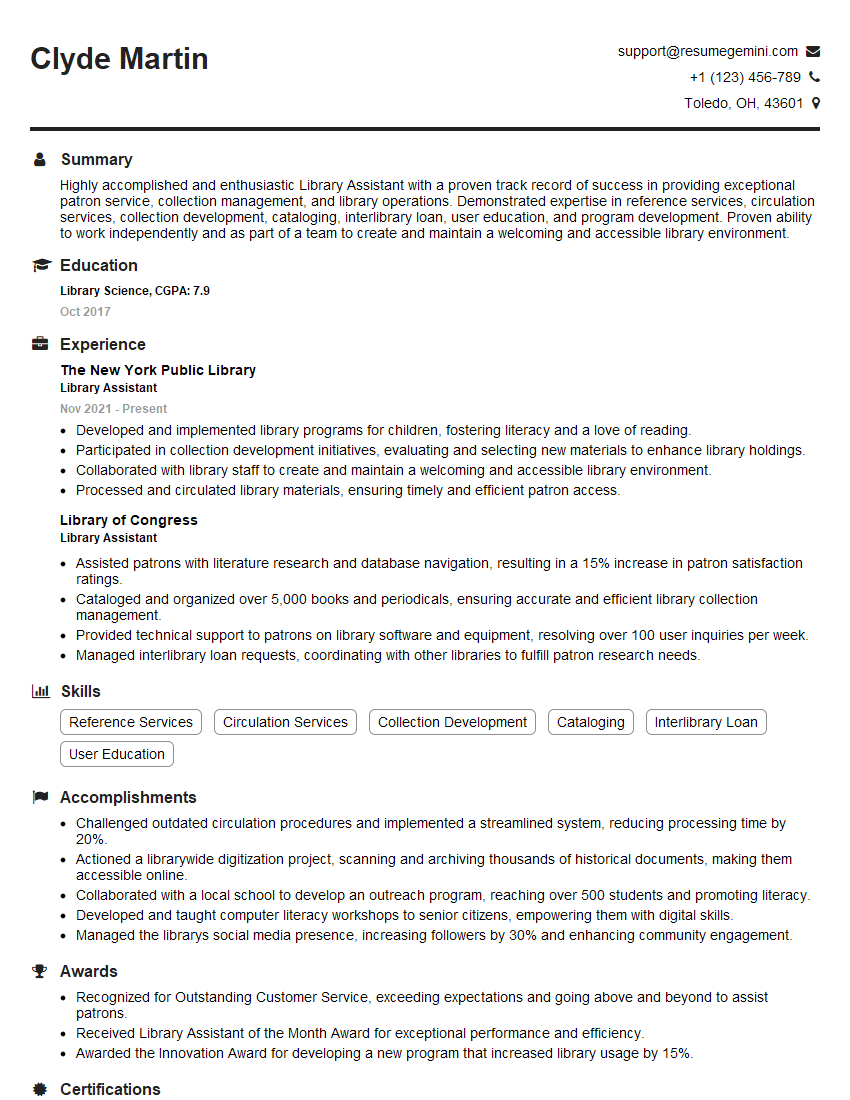
Library Assistant Resume Sample
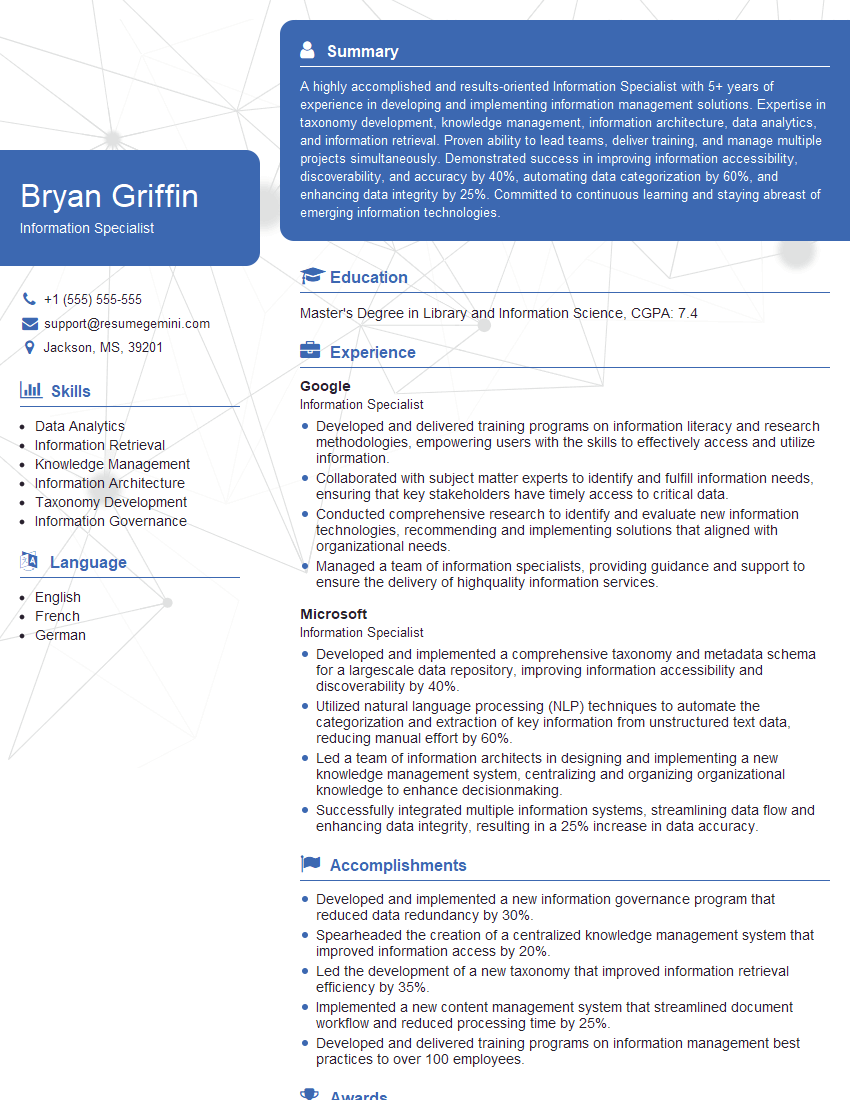
Information Specialist Resume Sample
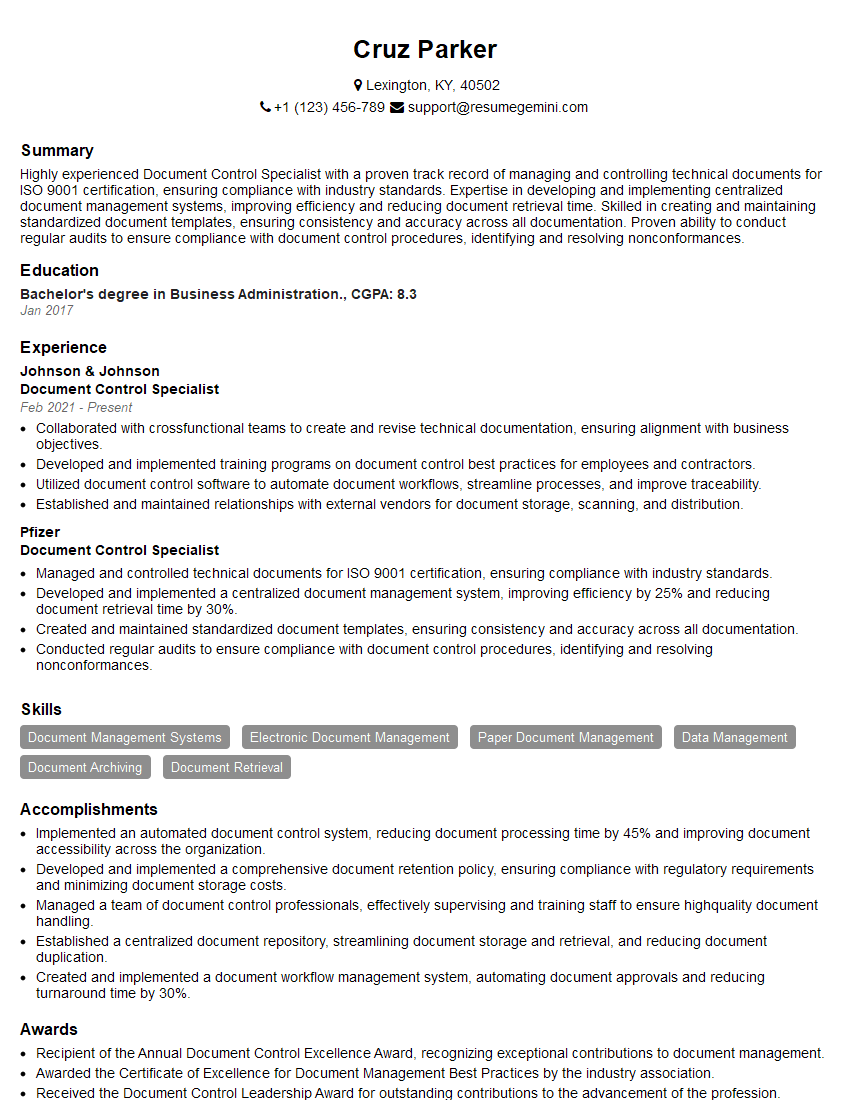
Document Control Specialist Resume Sample
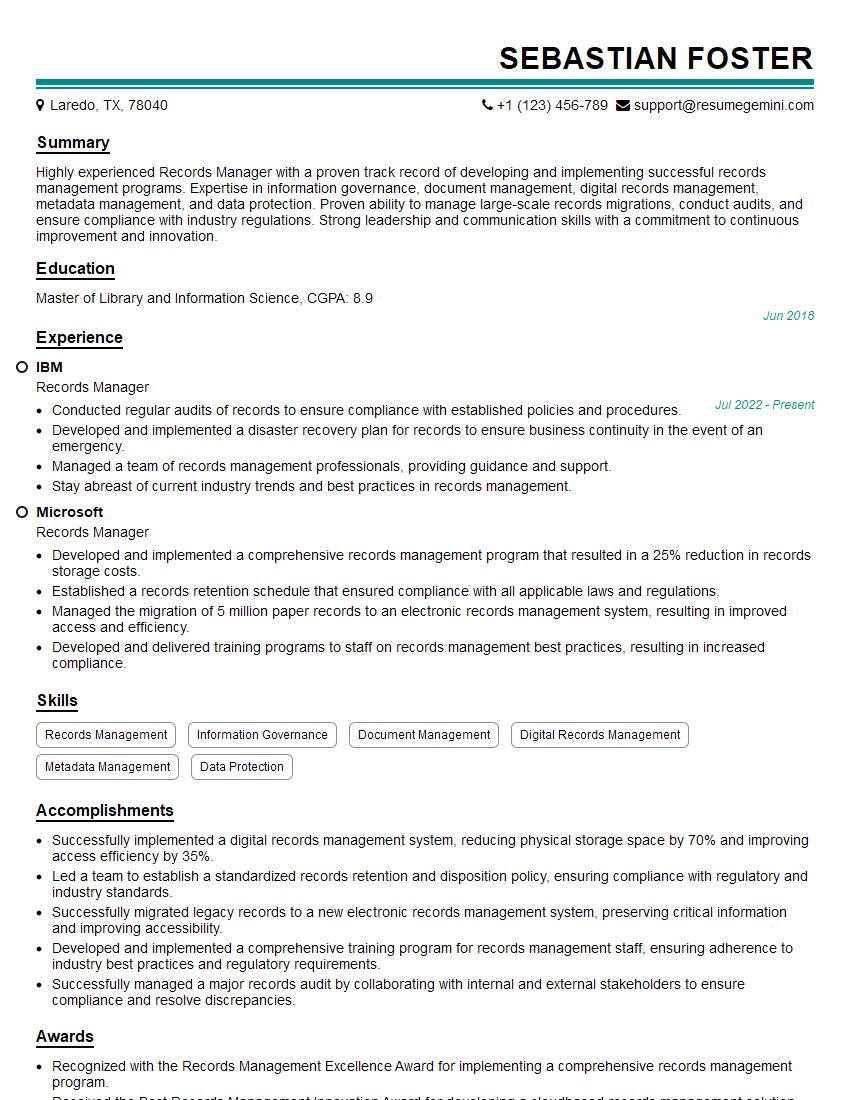
Records Manager Resume Sample
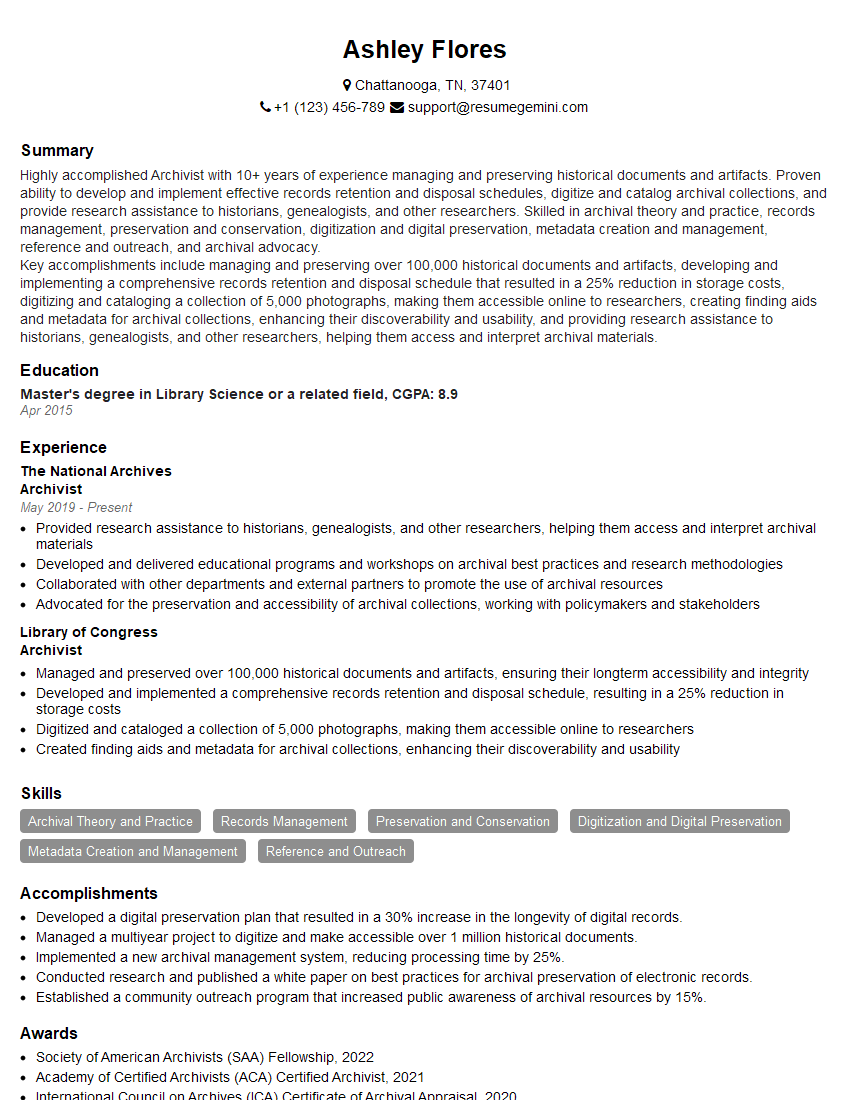
Archivist Resume Sample
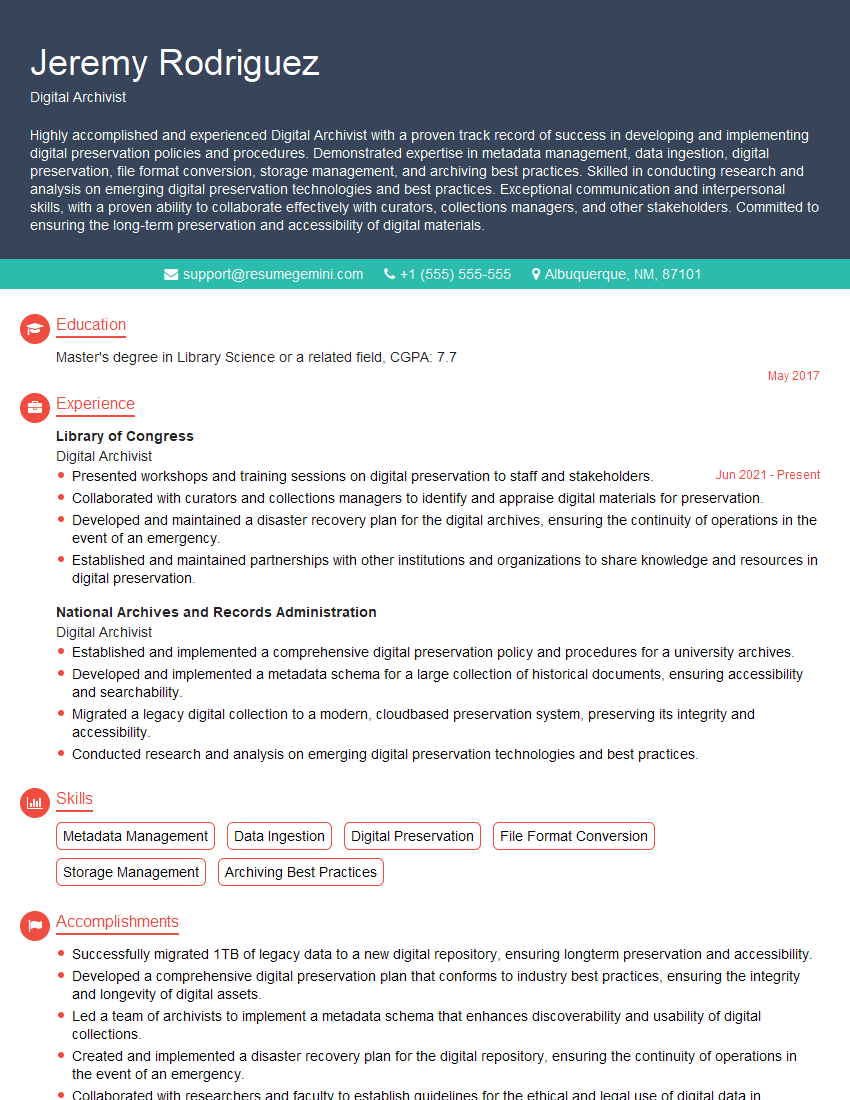
Digital Archivist Resume Sample
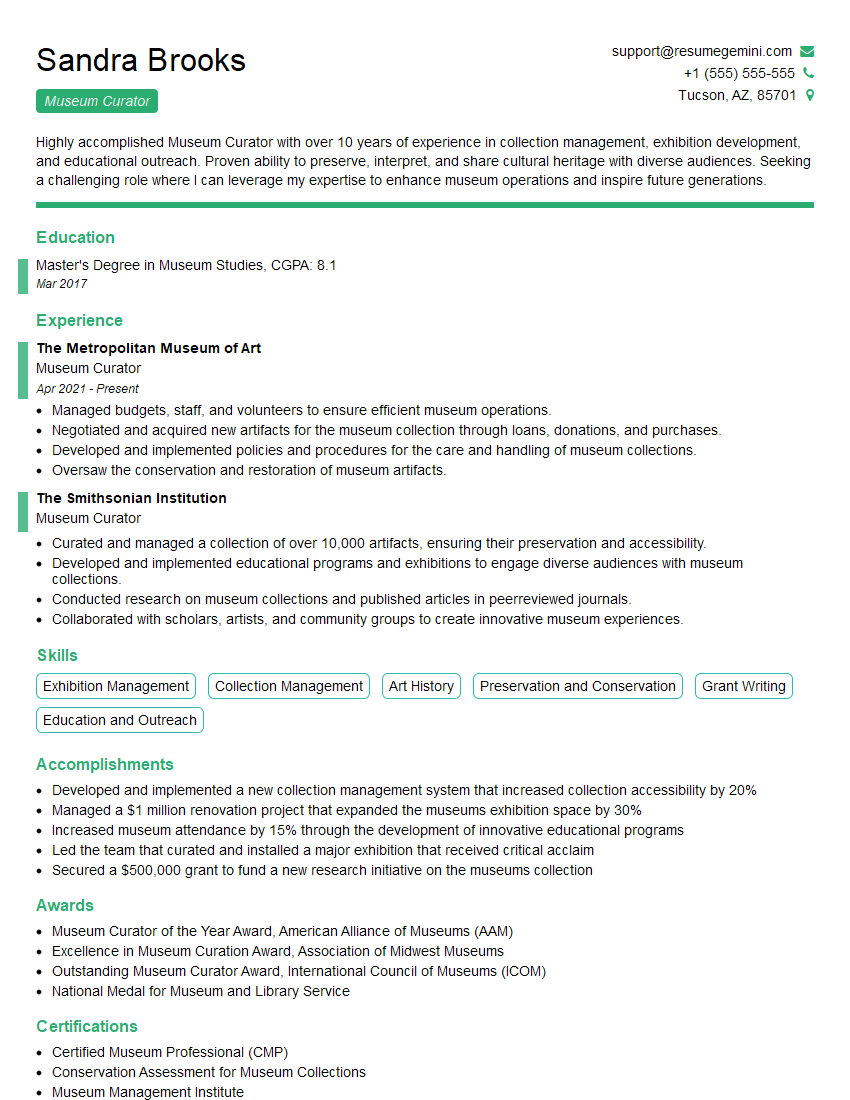
Museum Curator Resume Sample
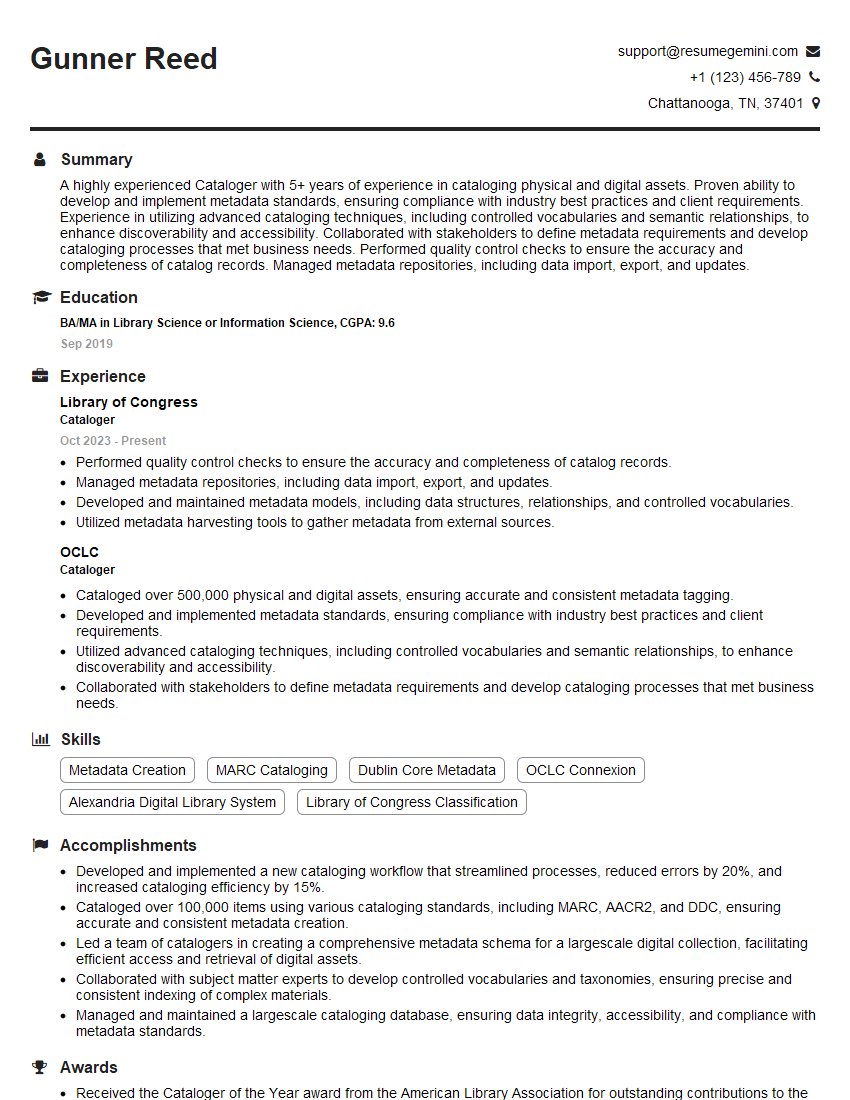
Cataloger Resume Sample
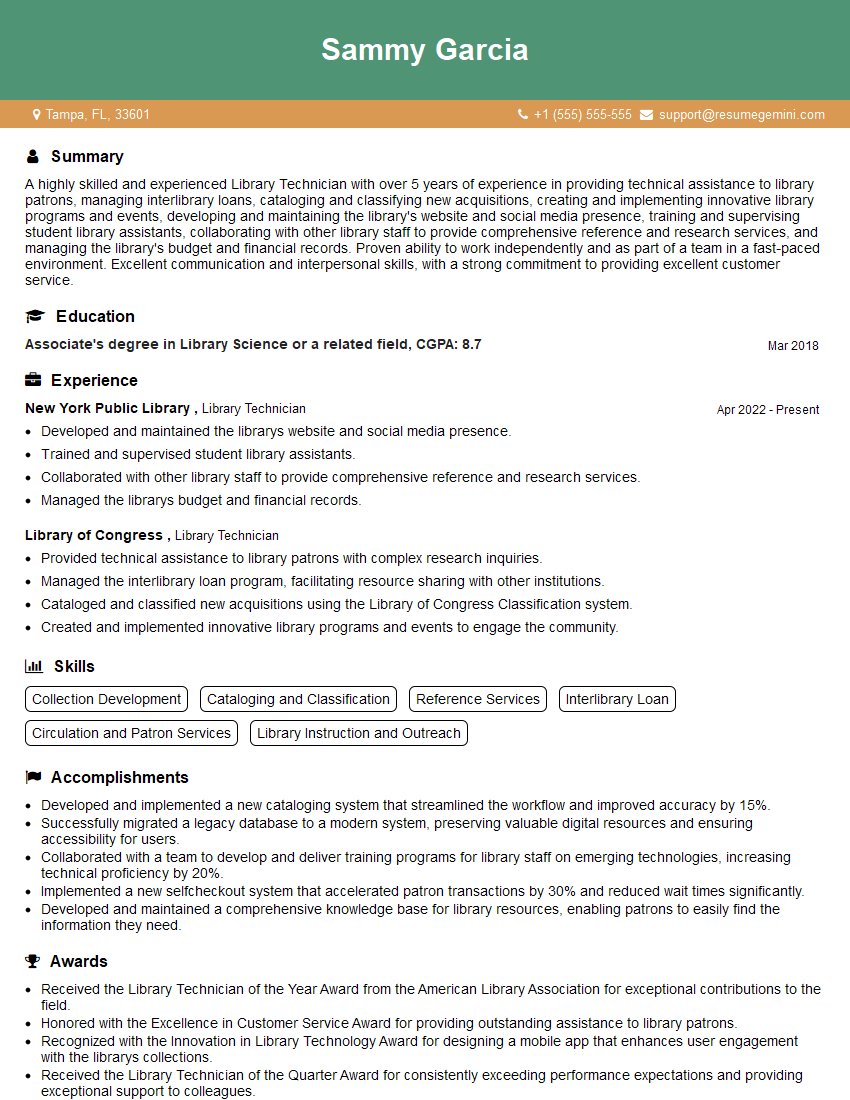
Library Technician Resume Sample
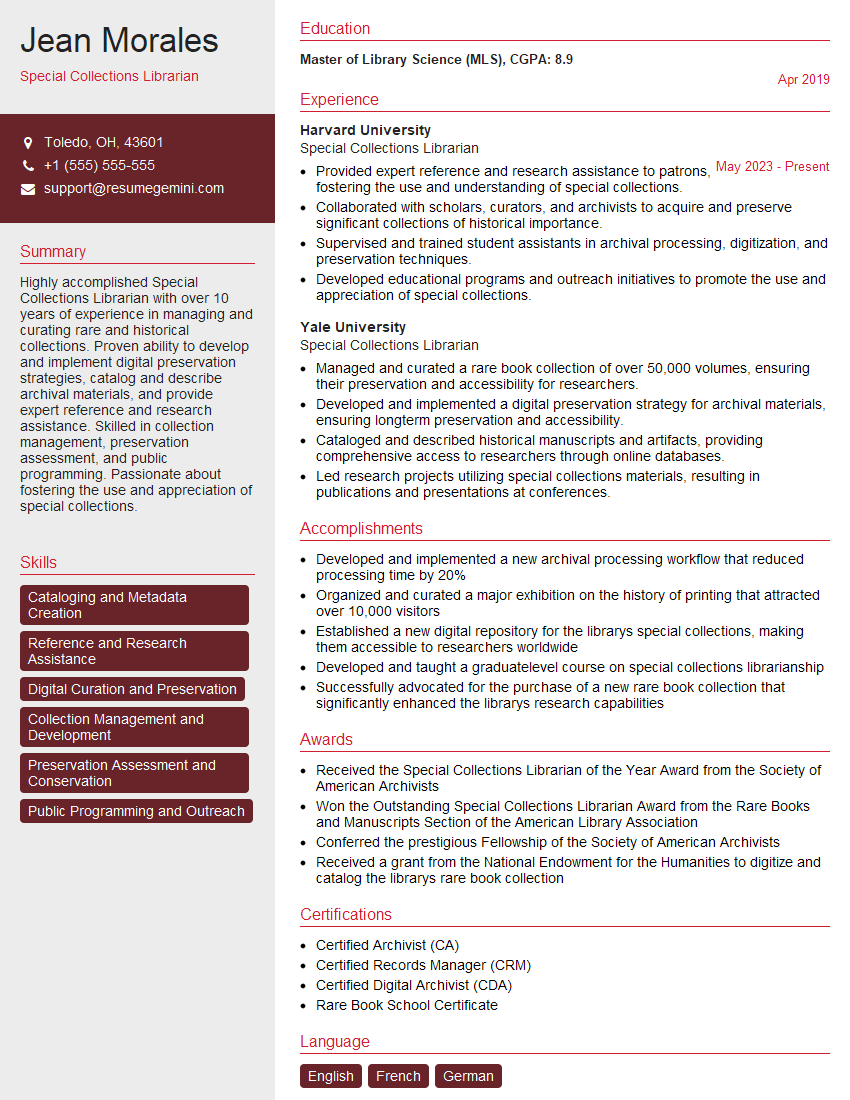
Special Collections Librarian Resume Sample
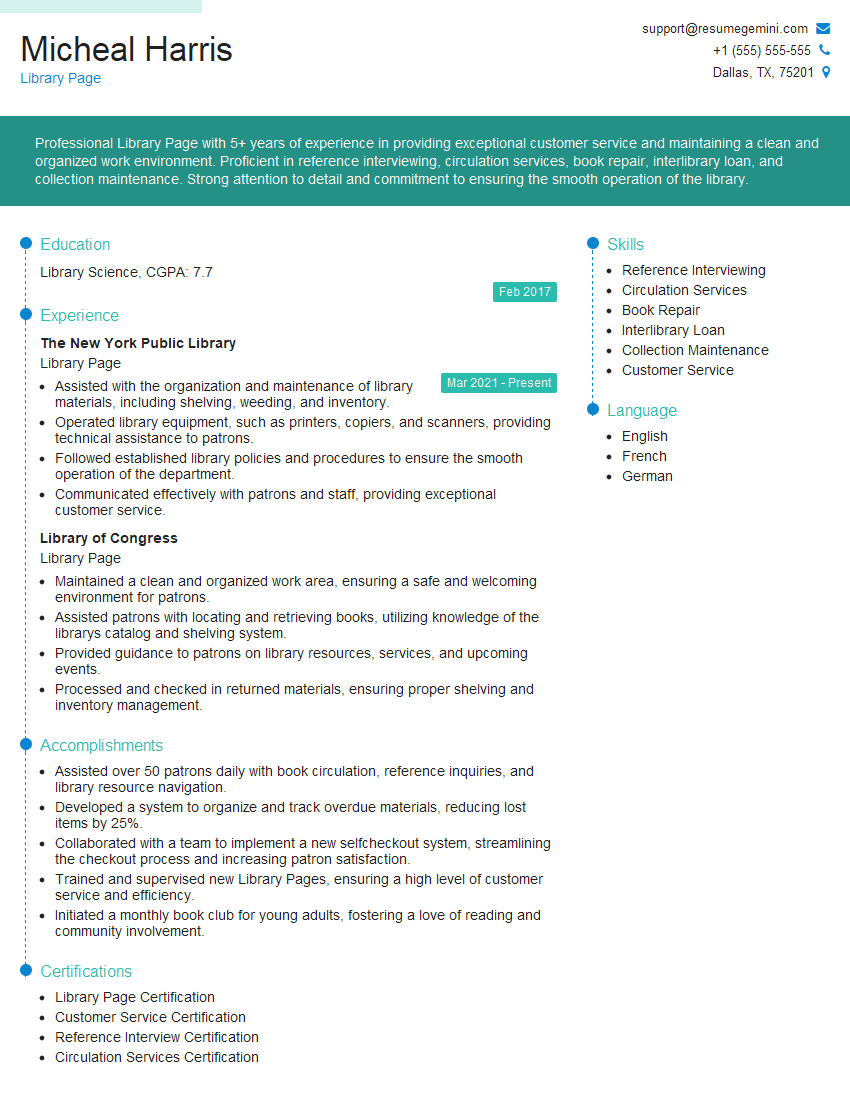
Library Page Resume Sample
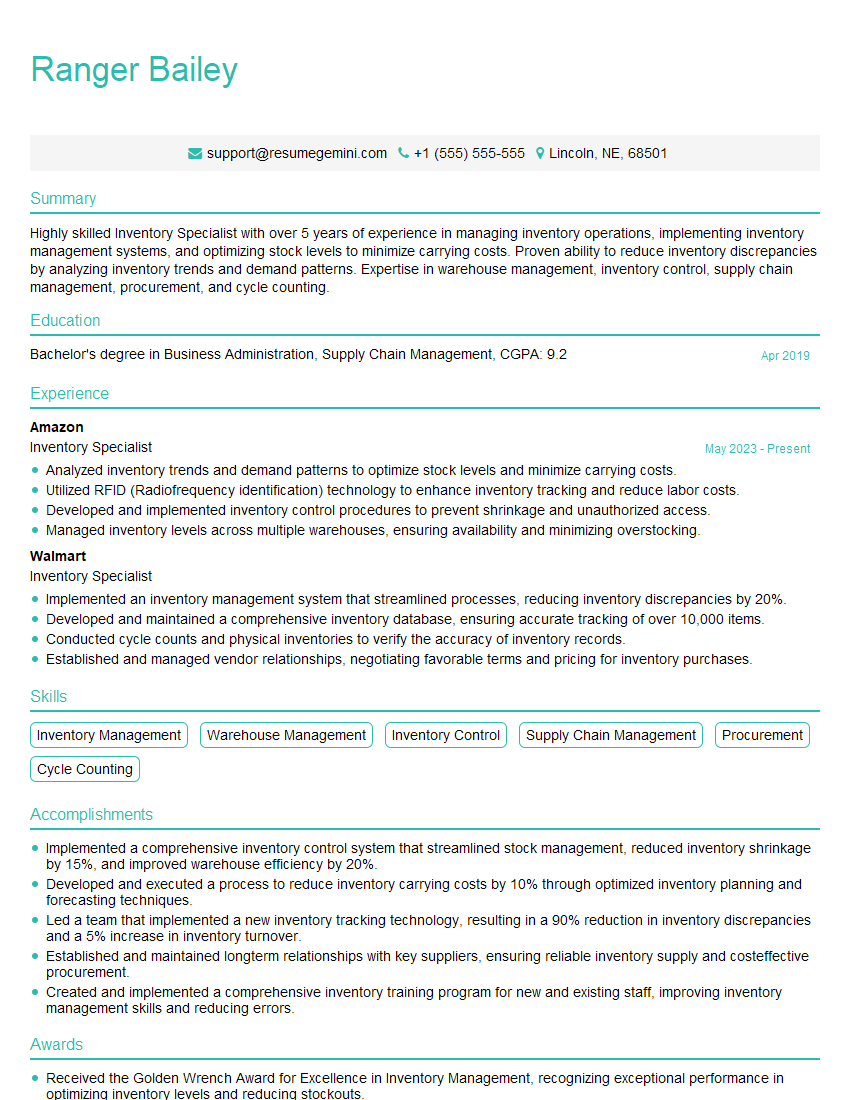
Inventory Specialist Resume Sample
Explore more articles
Users Rating of Our Blogs
Share Your Experience
We value your feedback! Please rate our content and share your thoughts (optional).
What Readers Say About Our Blog
Hello,
we currently offer a complimentary backlink and URL indexing test for search engine optimization professionals.
You can get complimentary indexing credits to test how link discovery works in practice.
No credit card is required and there is no recurring fee.
You can find details here:
https://wikipedia-backlinks.com/indexing/
Regards
NICE RESPONSE TO Q & A
hi
The aim of this message is regarding an unclaimed deposit of a deceased nationale that bears the same name as you. You are not relate to him as there are millions of people answering the names across around the world. But i will use my position to influence the release of the deposit to you for our mutual benefit.
Respond for full details and how to claim the deposit. This is 100% risk free. Send hello to my email id: [email protected]
Luka Chachibaialuka
Hey interviewgemini.com, just wanted to follow up on my last email.
We just launched Call the Monster, an parenting app that lets you summon friendly ‘monsters’ kids actually listen to.
We’re also running a giveaway for everyone who downloads the app. Since it’s brand new, there aren’t many users yet, which means you’ve got a much better chance of winning some great prizes.
You can check it out here: https://bit.ly/callamonsterapp
Or follow us on Instagram: https://www.instagram.com/callamonsterapp
Thanks,
Ryan
CEO – Call the Monster App
Hey interviewgemini.com, I saw your website and love your approach.
I just want this to look like spam email, but want to share something important to you. We just launched Call the Monster, a parenting app that lets you summon friendly ‘monsters’ kids actually listen to.
Parents are loving it for calming chaos before bedtime. Thought you might want to try it: https://bit.ly/callamonsterapp or just follow our fun monster lore on Instagram: https://www.instagram.com/callamonsterapp
Thanks,
Ryan
CEO – Call A Monster APP
To the interviewgemini.com Owner.
Dear interviewgemini.com Webmaster!
Hi interviewgemini.com Webmaster!
Dear interviewgemini.com Webmaster!
excellent
Hello,
We found issues with your domain’s email setup that may be sending your messages to spam or blocking them completely. InboxShield Mini shows you how to fix it in minutes — no tech skills required.
Scan your domain now for details: https://inboxshield-mini.com/
— Adam @ InboxShield Mini
Reply STOP to unsubscribe
Hi, are you owner of interviewgemini.com? What if I told you I could help you find extra time in your schedule, reconnect with leads you didn’t even realize you missed, and bring in more “I want to work with you” conversations, without increasing your ad spend or hiring a full-time employee?
All with a flexible, budget-friendly service that could easily pay for itself. Sounds good?
Would it be nice to jump on a quick 10-minute call so I can show you exactly how we make this work?
Best,
Hapei
Marketing Director
Hey, I know you’re the owner of interviewgemini.com. I’ll be quick.
Fundraising for your business is tough and time-consuming. We make it easier by guaranteeing two private investor meetings each month, for six months. No demos, no pitch events – just direct introductions to active investors matched to your startup.
If youR17;re raising, this could help you build real momentum. Want me to send more info?
Hi, I represent an SEO company that specialises in getting you AI citations and higher rankings on Google. I’d like to offer you a 100% free SEO audit for your website. Would you be interested?
Hi, I represent an SEO company that specialises in getting you AI citations and higher rankings on Google. I’d like to offer you a 100% free SEO audit for your website. Would you be interested?
good