Feeling uncertain about what to expect in your upcoming interview? We’ve got you covered! This blog highlights the most important Stable Management and Facility Design interview questions and provides actionable advice to help you stand out as the ideal candidate. Let’s pave the way for your success.
Questions Asked in Stable Management and Facility Design Interview
Q 1. Describe your experience managing a stable’s daily operations.
Managing a stable’s daily operations requires meticulous organization and a deep understanding of equine needs. It’s like running a small business, but with very special clients! My experience encompasses overseeing all aspects, from scheduling feedings and mucking stalls to coordinating farrier and veterinary appointments. This includes:
- Feeding and Watering: Ensuring horses receive appropriate rations, tailored to individual needs (age, breed, workload). This involves careful monitoring of feed quality and water availability.
- Stall Management: Daily cleaning and bedding to maintain hygiene and prevent disease. This also involves regular inspection for any signs of injury or illness.
- Turnout and Exercise: Scheduling appropriate turnout times and exercise regimes depending on the horse’s fitness level and training plan. This often involves coordinating with riders and trainers.
- Record Keeping: Maintaining detailed records of each horse’s health, feeding, farrier, and veterinary visits. This is crucial for tracking progress and identifying potential problems early on.
- Staff Supervision: Overseeing the work of stable hands, ensuring they follow established protocols and maintain high standards of care. This requires effective communication and delegation.
For example, in my previous role at Whispering Pines Stables, I implemented a new feeding schedule based on individual metabolic needs, resulting in a 15% reduction in veterinary costs associated with digestive issues.
Q 2. Explain your understanding of equine health and safety protocols.
Equine health and safety protocols are paramount. My understanding spans preventative care, recognizing early signs of illness, and implementing appropriate emergency procedures. It’s crucial to remember that horses are prey animals and can hide illness until it’s severe, so proactive observation is key.
- Preventative Care: This includes regular deworming, vaccinations, dental check-ups, hoof care, and parasite control. Maintaining clean and well-ventilated stalls is also crucial.
- Recognizing Illness and Injury: I am trained to recognize subtle signs of illness (e.g., changes in appetite, behavior, respiration, or fecal consistency) and injury (e.g., lameness, wounds). Immediate action is vital.
- Emergency Procedures: I’m proficient in handling emergencies, such as colic, wounds, and fractures, including knowing when and how to contact veterinary services. This involves having well-rehearsed protocols and emergency contact numbers readily available.
- Biosecurity: Implementing strict biosecurity measures to prevent the introduction and spread of infectious diseases is also critical, including quarantine protocols for new arrivals and proper sanitation procedures.
Imagine discovering a horse with a sudden, severe limp. Knowing how to assess the severity, apply first aid if necessary, contact the vet promptly, and keep the horse calm and comfortable while awaiting treatment is critical. This experience is essential in preventing further complications.
Q 3. How do you manage staff and delegate tasks effectively in a stable environment?
Effective staff management is the backbone of a smoothly run stable. I utilize a collaborative approach emphasizing clear communication and delegation of tasks based on individual strengths and experience. This is similar to a well-oiled machine where each part plays its crucial role.
- Clear Communication: Regular team meetings, clear task assignments, and open communication channels are crucial to ensure everyone understands their roles and responsibilities.
- Delegation: Assigning tasks based on staff skills and experience, providing appropriate training, and monitoring performance ensures efficiency and accountability.
- Motivation and Support: Creating a positive and supportive work environment, recognizing achievements, and providing opportunities for professional development fosters a motivated and dedicated team.
- Conflict Resolution: Addressing conflicts promptly and fairly, promoting teamwork, and fostering a respectful working environment is key to maintain a productive atmosphere.
For instance, at my previous stable, I implemented a mentorship program where senior staff trained newer employees, leading to improved efficiency and reduced staff turnover.
Q 4. Outline your experience with budgeting and financial management for a stable.
Budgeting and financial management for a stable involve careful planning and tracking of income and expenses to ensure profitability and sustainability. It’s akin to managing a household budget, but on a larger scale.
- Budget Creation: Developing a detailed budget that includes all anticipated income (boarding fees, lessons, sales) and expenses (feed, hay, bedding, vet bills, salaries, utilities).
- Expense Tracking: Monitoring and controlling expenses, identifying areas for potential savings, and negotiating favorable contracts with suppliers.
- Income Generation: Exploring various avenues for revenue generation, such as offering riding lessons, boarding services, training programs, or even hosting events.
- Financial Reporting: Regularly reviewing financial statements to monitor progress against the budget, identify variances, and make necessary adjustments.
For example, at Oakhaven Stables, I successfully negotiated lower feed costs by switching suppliers and implemented a more efficient inventory management system, resulting in significant savings.
Q 5. Describe your experience with preventative maintenance of stable facilities.
Preventative maintenance is critical to ensuring the longevity and safety of stable facilities. Neglecting maintenance can lead to costly repairs and even pose safety risks for both horses and humans. Think of it as regular car maintenance – small, consistent actions prevent larger problems.
- Building Inspections: Regular inspections to identify and address any structural issues, such as roof leaks, damaged fencing, or decaying wood.
- Equipment Maintenance: Regular servicing and maintenance of all equipment, such as tractors, muck buckets, and riding arena surfaces.
- Electrical Systems: Regular checks of electrical wiring and safety devices to prevent fires or electrical shocks.
- Plumbing Systems: Regular maintenance of plumbing systems to prevent leaks and ensure water quality.
- Pest Control: Implementing a preventative pest control program to avoid infestation.
At one stable, I implemented a preventative maintenance schedule using a spreadsheet to track all tasks and their completion dates, resulting in a significant decrease in emergency repairs.
Q 6. How would you handle a sudden illness or injury to a horse in your care?
Handling a sudden illness or injury requires quick thinking and decisive action. My approach is based on a calm, efficient assessment of the situation followed by prompt and appropriate action.
- Assess the Situation: Quickly assess the severity of the situation, noting the horse’s symptoms and signs of distress.
- Contact Veterinary Services: Immediately contact the veterinarian, providing clear and concise information about the situation.
- Provide First Aid: If necessary, administer appropriate first aid while awaiting veterinary arrival. This might include wound cleaning, applying pressure to a bleeding wound, or keeping the horse quiet and warm.
- Maintain Calm and Safety: Maintain a calm demeanor to prevent further stress on the horse and ensure the safety of everyone involved.
- Follow Veterinary Instructions: Carefully follow the instructions provided by the veterinarian during and after treatment.
- Documentation: Thoroughly document the event, including the time of occurrence, symptoms, treatment provided, and veterinary recommendations.
For example, I once dealt with a horse experiencing a severe colic attack. I followed my established emergency protocol, contacted the vet immediately, monitored the horse’s vitals and managed his discomfort until the vet arrived. Thanks to our rapid response, the horse made a full recovery.
Q 7. What are your strategies for managing horse behavior and ensuring their well-being?
Managing horse behavior and ensuring their well-being involves creating a safe and predictable environment, understanding equine body language, and implementing appropriate handling techniques. Horses are highly sensitive creatures with individual personalities, so building trust is essential.
- Understanding Equine Body Language: Being able to read and interpret subtle cues in horse’s behavior to understand their emotional state and identify any potential problems.
- Safe Handling Techniques: Using safe and humane handling techniques to minimize stress and risk of injury, both to the horse and handler.
- Creating a Predictable Environment: Establishing a consistent routine for feeding, grooming, and exercise to help horses feel safe and secure.
- Individualized Approach: Recognizing that each horse has its own unique personality and needs, adjusting management strategies accordingly.
- Positive Reinforcement: Utilizing positive reinforcement training methods to build trust and encourage desired behaviors.
For instance, I worked with a particularly anxious horse by implementing a desensitization program. Gradually introducing him to new stimuli and rewarding calm behavior, I built his confidence and reduced his anxiety significantly.
Q 8. Explain your understanding of different stable designs and their pros and cons.
Stable design varies greatly depending on factors like climate, budget, and the number and type of horses housed. Common designs include individual stalls, box stalls (larger than individual stalls, often with a run-out), tie stalls (horses tied to a wall or rail), and open barns with individual or group paddocks.
- Individual Stalls: Offer maximum individual attention but require more space and building materials. Pros: Reduced horse-to-horse interaction, easier health monitoring. Cons: Can be costly, less suitable for herd-oriented horses.
- Box Stalls with Run-outs: Combine the security of a stall with access to outdoor exercise. Pros: Allows for both rest and movement. Cons: Requires more land and more complex design.
- Tie Stalls: Space-efficient but can restrict movement and create stress. Pros: Cost-effective for high-density situations. Cons: Can be problematic for anxious or aggressive horses; increased risk of injury.
- Open Barns with Paddocks: Emphasize natural behavior and social interaction. Pros: Cost-effective, better for herd dynamics. Cons: Requires careful paddock management to prevent overgrazing and parasite buildup; less protection from harsh weather.
The best design balances the needs of the horses with practicality and budget constraints. For example, a breeding farm might prioritize individual foaling stalls, while a riding school might choose tie stalls for convenience.
Q 9. How do you ensure the biosecurity of your stable?
Biosecurity in a stable is crucial to prevent the spread of disease. My approach involves a multi-layered strategy:
- Strict hygiene protocols: Regular disinfection of stalls, tack rooms, and all equipment. Staff are required to change clothing and footwear when entering the stable area. Handwashing stations are strategically placed.
- Quarantine procedures: All new horses undergo a strict quarantine period before introduction to the main herd. This involves veterinary checks and observation for any signs of illness. Quarantine stalls are isolated from the main stable.
- Vector control: Regular pest control measures to minimize rodents and insects that can transmit diseases. This might include fly control systems and careful manure management.
- Vaccination and deworming programs: A comprehensive vaccination and deworming schedule tailored to the local disease prevalence and the needs of the horses. Regular veterinary checkups are essential.
- Visitor control: Limiting access to the stable to authorized personnel only, and encouraging visitors to wear appropriate protective clothing.
- Traffic control: Establishing one-way traffic flow within the stable to minimize the risk of cross-contamination.
Maintaining thorough records of all health interventions and movements of horses is also critical for effective biosecurity.
Q 10. How do you manage manure and waste disposal in a sustainable manner?
Sustainable manure and waste management is vital for environmental responsibility. My approach integrates several strategies:
- Composting: Manure can be composted, producing a valuable soil amendment. Proper composting techniques are crucial to ensure efficient decomposition and reduce odor.
- Anaerobic digestion: This process breaks down manure using microorganisms in the absence of oxygen, producing biogas which can be used for energy generation. This is ideal for larger stables.
- Manure separation: Utilizing specialized equipment to separate solids and liquids, allowing for more efficient handling and composting of solids while the liquid can be treated and utilized for irrigation (after appropriate treatment to minimize pathogens).
- Recycling bedding materials: Selecting bedding materials that can be composted or reused minimizes landfill waste, like wood shavings. Avoid synthetic materials.
- Solid waste management: Proper disposal of other solid waste, such as plastic packaging, according to local regulations. Recycling programs should be implemented where possible.
The specific approach to manure and waste management is tailored to the scale of the stable and available resources. For instance, a small private stable may focus on simple composting, while a large commercial operation may invest in more sophisticated systems like anaerobic digestion.
Q 11. What software or systems have you used for managing stable records?
I’ve utilized several software systems for managing stable records, depending on the needs of the operation. For smaller stables, simple spreadsheet programs like Microsoft Excel or Google Sheets can be sufficient for tracking basic information such as horse health records, feeding schedules, and farrier appointments.
However, for larger stables, dedicated equine management software offers more comprehensive functionality. Examples include programs that allow for detailed health record keeping, inventory management of feed and medications, financial tracking, and scheduling capabilities. These systems often feature integrated reporting tools, allowing for easier analysis of data and effective management decision-making. The choice of software depends on the scale and specific requirements of the operation.
Q 12. Explain your experience in designing or improving equine facilities.
My experience in equine facility design and improvement encompasses several projects, from renovating existing stables to designing new facilities. One notable project involved the redesign of a dilapidated stable, focusing on improving airflow, enhancing natural lighting, and creating safer, more ergonomic working spaces for both horses and staff. This involved careful planning of stall dimensions, aisle widths, and the positioning of water troughs and feed bins to minimize potential hazards.
Another project focused on incorporating sustainable design elements into a new stable complex. This included utilizing recycled materials, implementing rainwater harvesting systems for irrigation, and designing efficient manure management solutions. In each project, the design process was iterative, involving close collaboration with equine professionals to ensure that the final design met the specific needs of the horses and the operational requirements of the facility.
Q 13. Describe your knowledge of building codes and regulations relevant to stables.
My understanding of building codes and regulations relevant to stables is comprehensive and covers several key areas, including:
- Structural integrity: Ensuring the stable buildings are structurally sound to withstand various weather conditions and to prevent collapse.
- Fire safety: Adhering to regulations regarding fire exits, fire detection systems, and the use of fire-resistant materials.
- Accessibility: Meeting accessibility requirements for personnel and equipment, considering aisle widths, stall access, and loading areas.
- Sanitation and hygiene: Compliance with regulations regarding waste disposal, drainage, and the provision of adequate cleaning facilities.
- Animal welfare: Adhering to regulations pertaining to stall dimensions, ventilation, and overall horse welfare standards.
- Environmental regulations: Compliance with regulations related to water usage, waste disposal, and environmental protection.
These regulations vary by location, and it’s critical to be well-versed in the specific requirements of the jurisdiction where the stable is located. Failure to comply with these regulations can result in significant penalties and operational disruptions. I regularly consult with relevant authorities and structural engineers to ensure compliance.
Q 14. How would you address a conflict between stable staff members?
Addressing conflicts between stable staff requires a proactive and fair approach. My strategy involves:
- Prompt intervention: Addressing conflicts as soon as they arise to prevent escalation.
- Private meeting: Meeting with the involved staff members individually to understand their perspectives.
- Neutral facilitation: Creating a safe and neutral environment for discussion, encouraging open communication.
- Active listening: Listening carefully to both sides without judgment, identifying the root causes of the conflict.
- Collaborative solution: Working together to identify mutually acceptable solutions that address the concerns of all parties involved.
- Follow-up: Following up with the staff members to ensure the agreed-upon solutions are implemented and the conflict is resolved.
- Documentation: Keeping detailed records of the conflict, the steps taken to address it, and the outcome. This is crucial for future reference.
In some cases, mediation by a neutral third party might be necessary. Ultimately, the goal is to resolve the conflict fairly, promote teamwork, and maintain a positive and productive work environment.
Q 15. What is your approach to managing client relationships in a stable setting?
Managing client relationships in a stable setting requires a blend of professionalism, empathy, and strong communication. It’s about building trust and understanding each client’s unique needs and goals for their horse(s). I begin by conducting thorough intake interviews, discussing their horse’s history, training level, and specific care requirements. This initial conversation sets the foundation for a personalized management plan.
Regular communication is key. I provide updates on the horse’s progress, health, and any noteworthy events. This could involve weekly reports, photos, or even short video updates depending on the client’s preference. I am proactive in addressing any concerns, big or small, and ensure clients feel valued and heard. For example, I might send a quick text message if a horse is showing slight lameness, explaining the situation and the steps being taken. Building rapport is paramount, and I always strive to maintain open and honest communication to foster a strong, collaborative partnership.
Career Expert Tips:
- Ace those interviews! Prepare effectively by reviewing the Top 50 Most Common Interview Questions on ResumeGemini.
- Navigate your job search with confidence! Explore a wide range of Career Tips on ResumeGemini. Learn about common challenges and recommendations to overcome them.
- Craft the perfect resume! Master the Art of Resume Writing with ResumeGemini’s guide. Showcase your unique qualifications and achievements effectively.
- Don’t miss out on holiday savings! Build your dream resume with ResumeGemini’s ATS optimized templates.
Q 16. How do you handle difficult clients or situations?
Handling difficult clients or situations requires patience, diplomacy, and a problem-solving approach. First, I actively listen to their concerns without interruption, aiming to understand their perspective. Then, I calmly and clearly explain the facts of the situation, using professional language and avoiding defensiveness. For example, if a client is unhappy with their horse’s performance, I might explain the training process, highlighting the horse’s progress and any factors affecting its performance. If misunderstandings are at the root of the issue, I clarify the situation and work towards a mutual understanding. Documentation is critical; maintaining detailed records of communications and actions helps resolve disagreements objectively.
Sometimes, mediation may be necessary. If I can’t resolve the issue independently, I might suggest involving a third party, such as a veterinarian or equine specialist, to provide an impartial opinion. My goal is always to find a solution that respects both the client and the well-being of the horse, ultimately preserving the professional relationship wherever possible.
Q 17. Explain your understanding of equine nutrition and feeding practices.
Equine nutrition is a complex science crucial for maintaining a horse’s health, performance, and overall well-being. It involves understanding the horse’s specific needs based on factors like age, breed, workload, and health status. A balanced diet typically includes high-quality forage (hay or pasture), a suitable grain supplement, and potentially additional supplements depending on individual requirements. The quality and quantity of forage are paramount; good-quality hay should form the cornerstone of the diet, providing essential fiber for digestive health.
Feeding practices must be carefully managed. Horses should be fed small, frequent meals throughout the day to prevent digestive upset. It’s also crucial to monitor water intake, ensuring access to fresh, clean water at all times. I regularly review feeding plans, adjusting them as necessary based on the horse’s condition, weight, and performance. For example, an athlete in heavy training will require a higher-energy diet than a retired horse. I always consult with a veterinarian or equine nutritionist for complex cases or specialized dietary needs.
Q 18. Describe your experience with pasture management and rotational grazing.
Pasture management and rotational grazing are vital for maintaining healthy pastures and maximizing their use. Rotational grazing involves dividing the pasture into smaller paddocks and rotating the horses through them, allowing each section to rest and recover before re-grazing. This promotes sustainable grazing practices, preventing overgrazing and soil erosion. It also helps control weeds and parasites, improving overall pasture health and quality.
Effective pasture management includes regular monitoring of grass height, weed control, and soil testing to ensure adequate nutrient levels. We use appropriate fertilization strategies and, where necessary, soil amendments to maintain optimal pasture conditions. I also implement strategies to minimize damage caused by overgrazing, such as strategic use of supplemental feed, and identify and address areas of erosion. Careful planning and monitoring are essential to ensure the sustainability and productivity of the pasture for the long term. A well-managed rotational grazing system can reduce the need for supplemental hay, reducing costs and promoting equine well-being.
Q 19. How would you design a stable to minimize environmental impact?
Designing a stable to minimize environmental impact requires a holistic approach, considering energy efficiency, water conservation, waste management, and material selection. Key design elements include incorporating passive solar heating and natural ventilation to reduce energy consumption. Rainwater harvesting systems can provide a sustainable source of water for cleaning and watering horses. Using locally sourced, sustainably harvested building materials reduces carbon footprint and promotes environmental responsibility.
Waste management is another crucial aspect. Manure can be composted and used as fertilizer, reducing waste and promoting sustainable agriculture. Proper drainage systems prevent runoff and potential water pollution. The design should also aim to minimize light pollution and noise pollution to reduce the impact on surrounding wildlife. For example, using energy-efficient lighting and soundproofing materials can significantly minimize environmental impact. Implementing green building practices is both environmentally and economically responsible in the long run.
Q 20. Explain your experience with different types of stable flooring and their suitability.
Stable flooring plays a crucial role in maintaining the health and comfort of horses. Different types of flooring offer various benefits and drawbacks. Concrete is a durable and cost-effective option, but it can be hard on horses’ joints, particularly if not properly textured or cushioned. Rubber mats provide excellent cushioning and shock absorption, reducing the risk of injury and lameness. However, they can be expensive and may require regular cleaning and maintenance. Other options include compacted earth, which is naturally draining but requires careful management to prevent mud and unevenness, and specialized interlocking paving systems offering a combination of durability and comfort.
The choice of flooring depends on factors such as budget, climate, and the horses’ age and activity levels. For example, a stable housing older horses or those prone to joint issues would benefit from rubber mats, whereas a younger, more active horse might be fine on a well-maintained compacted earth surface. Careful consideration of the pros and cons of each option is essential to ensure the horses’ well-being and the long-term functionality of the stable.
Q 21. How would you plan and execute a stable expansion or renovation project?
Planning and executing a stable expansion or renovation project requires meticulous attention to detail and careful project management. I begin with a thorough needs assessment, defining the scope of the project and outlining specific objectives. This involves determining the required additional space, assessing existing infrastructure, and considering future needs. The next step is to develop a detailed design plan, including architectural drawings, specifications for materials, and a timeline for the project.
Obtaining necessary permits and approvals is crucial. This often requires consultation with local authorities and adherence to building codes and regulations. Effective communication with all stakeholders, including clients, contractors, and relevant professionals, is essential to ensure the project stays on track and within budget. Regular monitoring of progress, quality control, and risk management are implemented throughout the process. By managing expectations effectively and addressing any potential issues promptly, we can ensure a smooth and successful project completion, resulting in a functional and safe stable for horses and their handlers.
Q 22. Describe your knowledge of different ventilation systems for stables.
Effective stable ventilation is crucial for maintaining a healthy environment for horses. Poor ventilation can lead to respiratory problems, high humidity, and the build-up of ammonia, which is harmful to both horses and humans. There are several ventilation systems to consider, each with its pros and cons:
- Natural Ventilation: This relies on strategically placed openings like windows, vents, and ridge vents to create airflow. It’s cost-effective but less controllable, relying heavily on wind and temperature differences. Effective natural ventilation requires careful design to prevent drafts.
- Mechanical Ventilation: This uses fans to actively move air. It offers better control over airflow, temperature, and humidity. Types include exhaust fans (removing stale air), supply fans (introducing fresh air), and a combination of both. This system is more expensive to install and maintain, but offers superior environmental control. For example, a sophisticated system might incorporate sensors to monitor air quality and adjust fan speeds accordingly.
- Hybrid Systems: Many stables use a combination of natural and mechanical ventilation. Natural ventilation handles milder conditions, while mechanical ventilation kicks in during extreme temperatures or when air quality deteriorates.
Choosing the right system depends on factors like budget, climate, stable size, and horse numbers. A thorough assessment is crucial before deciding which approach will provide the optimal balance of cost-effectiveness and environmental control.
Q 23. How would you ensure the safety of both horses and humans within the stable environment?
Ensuring the safety of both horses and humans in a stable requires a multi-faceted approach encompassing proactive measures and careful planning. Safety begins with design:
- Stable Design: Stalls should be appropriately sized to prevent injury, with smooth, rounded corners and solid, non-slip flooring. Adequate lighting is critical to prevent accidents, both during the day and at night. Emergency exits should be clearly marked and easily accessible.
- Equipment Safety: Regular inspections of all equipment, including hay feeders, water troughs, and grooming tools, are crucial to identify and fix potential hazards. Tools should be stored safely and securely, out of reach of horses and children.
- Electrical Safety: All electrical wiring and appliances must adhere to stringent safety standards to prevent electric shocks and fires. Water and electricity should never mix.
- Chemical Storage: Any chemicals (cleaning products, medications) must be stored securely, away from horses’ reach and labeled clearly. Storage should be well-ventilated to prevent the build-up of harmful fumes.
- Emergency Procedures: Clear emergency procedures must be in place, practiced regularly, and readily accessible to all staff. This includes procedures for fire, medical emergencies (for both humans and horses), and severe weather.
Ongoing vigilance and a commitment to safety protocols are essential to maintain a risk-free environment.
Q 24. What are your strategies for managing pest control in a stable?
Effective pest control in a stable requires a combination of preventative measures and targeted interventions. It’s important to use methods that are safe for horses and humans.
- Preventative Measures: Maintaining a clean and organized stable is paramount. Regular mucking out, proper storage of feed and hay, and sealing cracks and gaps in the structure help prevent pest infestations. This includes regular cleaning of water troughs to limit mosquito breeding grounds.
- Integrated Pest Management (IPM): This approach prioritizes non-chemical methods first. For example, traps can be used for rodents, and fly control might involve installing fly traps or using biological control methods like parasitic wasps. Chemical control should be a last resort and, when used, should be done selectively and following instructions carefully. Choosing environmentally friendly products with low toxicity to horses is crucial.
- Professional Assistance: Engaging a qualified pest control professional is often necessary, especially for significant infestations. They can identify the pest, assess the extent of the infestation, and recommend safe and effective treatment strategies.
Regular monitoring and prompt action are key to preventing pest problems from escalating. Early detection and intervention are far more effective than dealing with a widespread infestation.
Q 25. How do you monitor and evaluate the performance of your stable?
Monitoring and evaluating stable performance requires a systematic approach that focuses on multiple key areas. This involves collecting data and analyzing it to identify areas for improvement.
- Health Records: Meticulously maintained health records for each horse are crucial. This includes vaccination records, deworming schedules, and any medical treatments. This data helps identify trends and potential health risks.
- Performance Data: If the horses are involved in competition or work, tracking performance metrics (e.g., race times, jumping scores, work output) provides valuable insights into the effectiveness of training and management practices.
- Environmental Monitoring: Regularly monitoring factors like temperature, humidity, and ammonia levels helps to assess the effectiveness of the ventilation system and overall stable environment.
- Financial Records: Tracking income and expenses allows for assessing the economic viability of the stable operation.
- Staff Performance: Evaluating the performance of staff members through regular reviews and feedback ensures that all tasks are performed to the highest standard.
Regular review of this collected data allows for identification of issues and implementation of improvements. For example, a spike in respiratory illnesses might prompt a review of ventilation, while consistently poor performance from a horse could point to underlying health issues or training deficiencies.
Q 26. Explain your understanding of emergency preparedness and response in a stable.
Emergency preparedness and response are crucial for stable safety. A comprehensive plan should address various scenarios.
- Emergency Contact List: This should include contact details for veterinarians, farriers, emergency services, and trusted personnel. This list should be readily accessible and updated regularly.
- Emergency Supplies: A well-stocked emergency kit containing essential supplies like first-aid materials for both humans and horses (including medications and bandages), fire extinguishers, and any other relevant equipment is necessary. Regular checks to ensure the kit is complete and items are not expired are essential.
- Evacuation Plan: A clearly defined evacuation plan for horses and personnel in case of fire or other emergencies should be developed and practiced regularly. Escape routes should be clearly marked and unobstructed.
- Fire Safety: Fire safety protocols should include regular fire drills and the use of fire-resistant materials in the stable construction.
- Security Measures: Measures to deter theft and vandalism, such as security lighting and alarm systems, should be in place.
Regular training and practice of emergency procedures are key to effective response in a real-world scenario. This ensures personnel are familiar with their roles and responsibilities during an emergency.
Q 27. Describe your experience with working with veterinarians and other equine professionals.
Effective stable management relies heavily on collaboration with veterinarians and other equine professionals. I have extensive experience working with a range of specialists.
- Veterinarians: I regularly collaborate with veterinarians to maintain the health and well-being of the horses. This involves scheduling routine checkups, managing illnesses and injuries, and ensuring prompt attention to any health concerns.
- Farriers: Regular collaboration with farriers is crucial for maintaining healthy hooves. This involves scheduling shoeings, addressing foot problems, and ensuring appropriate hoof care.
- Equine Dentists: Equine dental care is essential for proper chewing and overall health. Working with an equine dentist ensures timely dental examinations and treatments.
- Physiotherapists and other specialists: Depending on the horses’ needs, we might also engage specialists like physiotherapists for injury rehabilitation, nutritionists for dietary advice, and reproductive specialists for breeding programs.
Open communication and a strong working relationship with these professionals are key to providing the best possible care for the horses. It is also important to create a collaborative environment where information is shared freely to improve the overall health and performance of the horses under my care.
Q 28. How do you stay updated on best practices in stable management and facility design?
Staying updated on best practices in stable management and facility design is crucial for providing the highest quality of care. I employ several methods to maintain my expertise:
- Professional Organizations: Active participation in professional organizations such as the American Association of Equine Practitioners (AAEP) or similar organizations provides access to conferences, publications, and networking opportunities with leading experts in the field.
- Industry Publications and Journals: I regularly read trade journals and publications focused on equine health, stable management, and facility design to stay abreast of the latest research and developments.
- Continuing Education Courses: Regular participation in workshops, seminars, and online courses allows me to update my knowledge and skills on a variety of topics relevant to stable management.
- Networking: Networking with other professionals at conferences and through online forums facilitates the exchange of ideas and best practices.
- Site Visits: Visiting other stables and facilities provides a valuable opportunity to observe different management styles, facility designs, and approaches to equine care.
Staying informed ensures that the stable operations are always employing the most up-to-date and effective methods, maximizing the health and welfare of the horses in my care.
Key Topics to Learn for Stable Management and Facility Design Interview
- Stable Design & Layout: Understanding optimal stable layouts for various horse breeds and disciplines, considering factors like ventilation, natural light, and ease of access for both horses and humans. Practical application: Designing a new stable complex that maximizes space efficiency and minimizes stress on the horses.
- Equine Health & Welfare: Knowledge of preventative healthcare, biosecurity protocols, and recognizing signs of illness or injury in horses. Practical application: Developing and implementing a comprehensive health management plan for a stable.
- Facility Maintenance & Management: Understanding routine maintenance schedules for stable infrastructure (fencing, lighting, water systems), waste management, and budget planning. Practical application: Creating a preventative maintenance schedule to minimize costly repairs and ensure optimal facility function.
- Safety & Risk Management: Identifying and mitigating potential hazards within the stable environment for both horses and humans (e.g., fire safety, electrical safety, handling procedures). Practical application: Implementing a safety protocol to minimize accidents and injuries.
- Pasture & Grazing Management: Understanding pasture rotation, soil health, and weed control to ensure optimal grazing for horses. Practical application: Developing a sustainable grazing plan that promotes horse health and environmental stewardship.
- Budgeting & Financial Management: Understanding the financial aspects of stable operations, including feed costs, labor, veterinary care, and facility maintenance. Practical application: Creating a detailed budget for a stable operation and managing financial resources effectively.
- Legal & Regulatory Compliance: Familiarity with relevant regulations and legal requirements related to animal welfare, safety, and environmental protection. Practical application: Ensuring the stable operates in full compliance with all applicable laws and regulations.
Next Steps
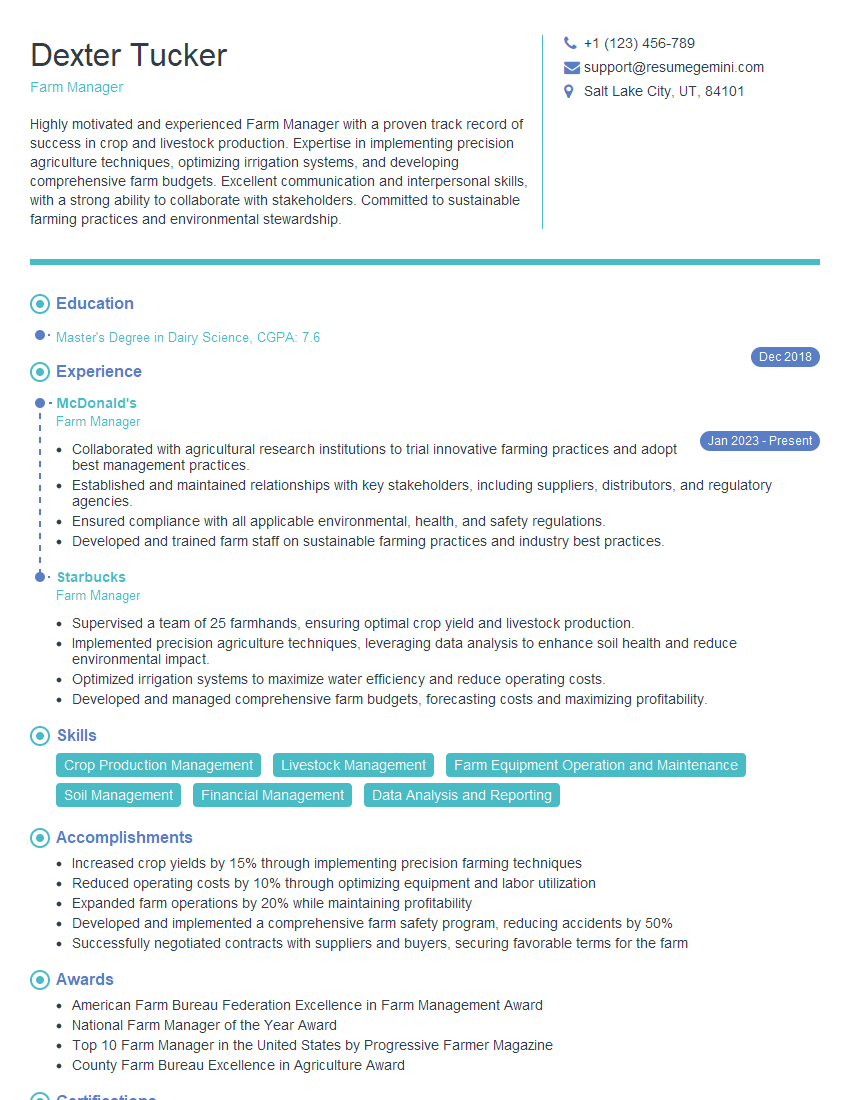
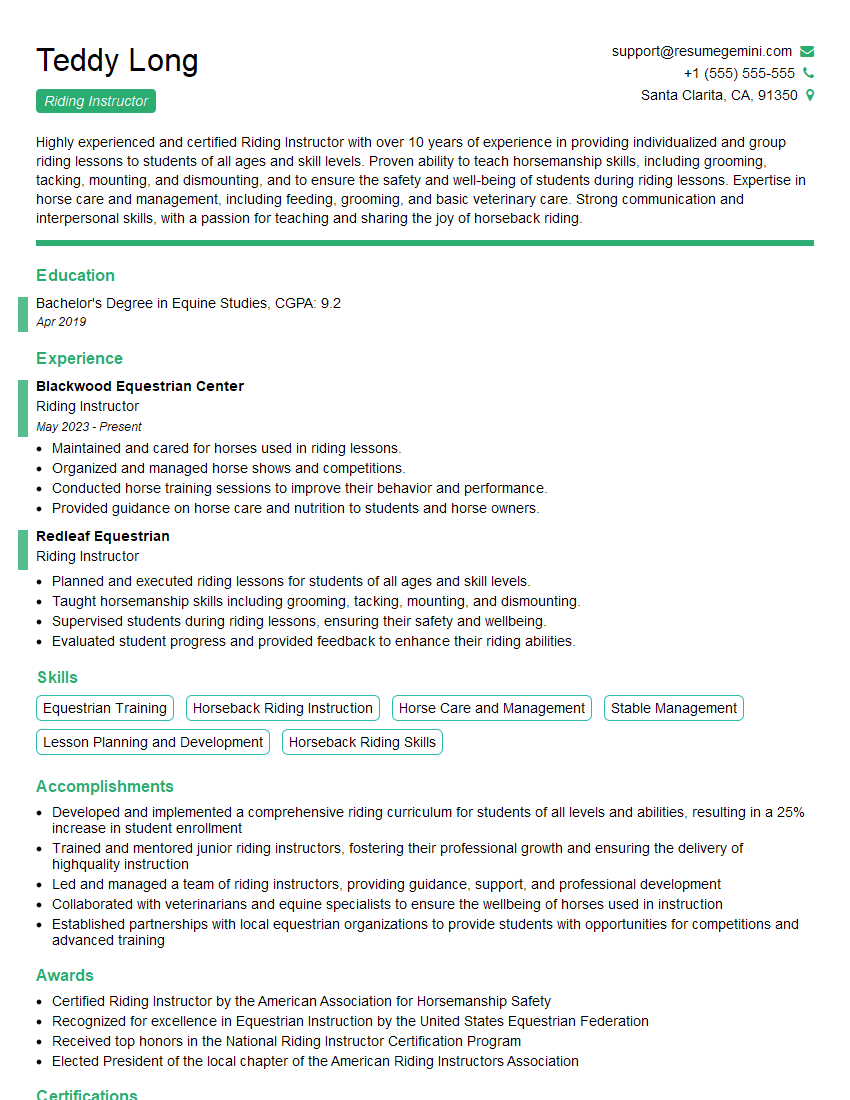
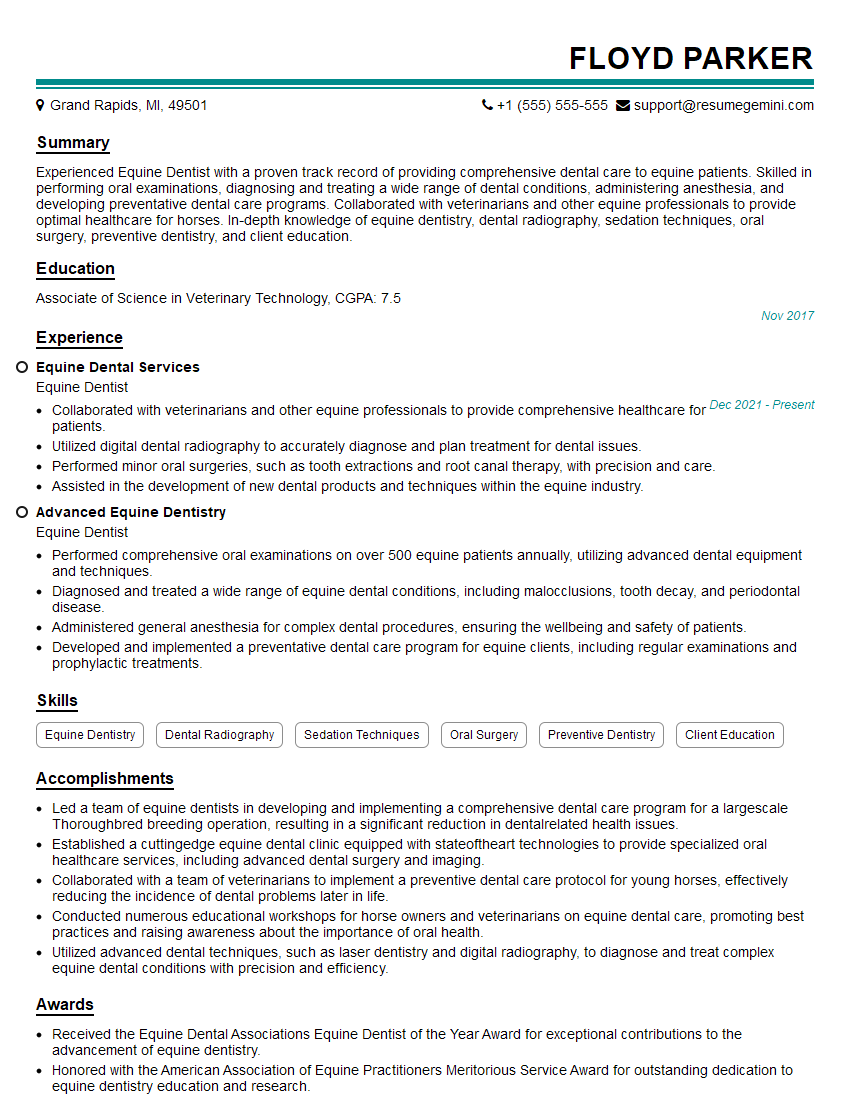
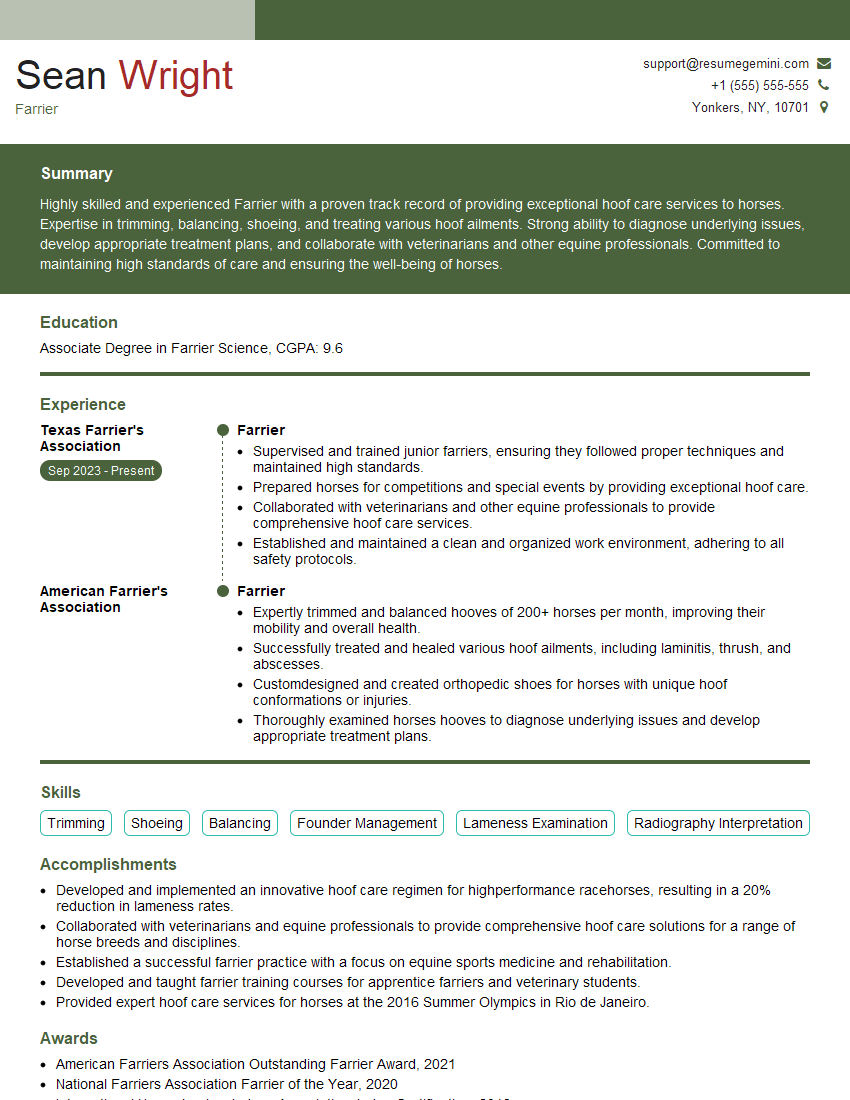
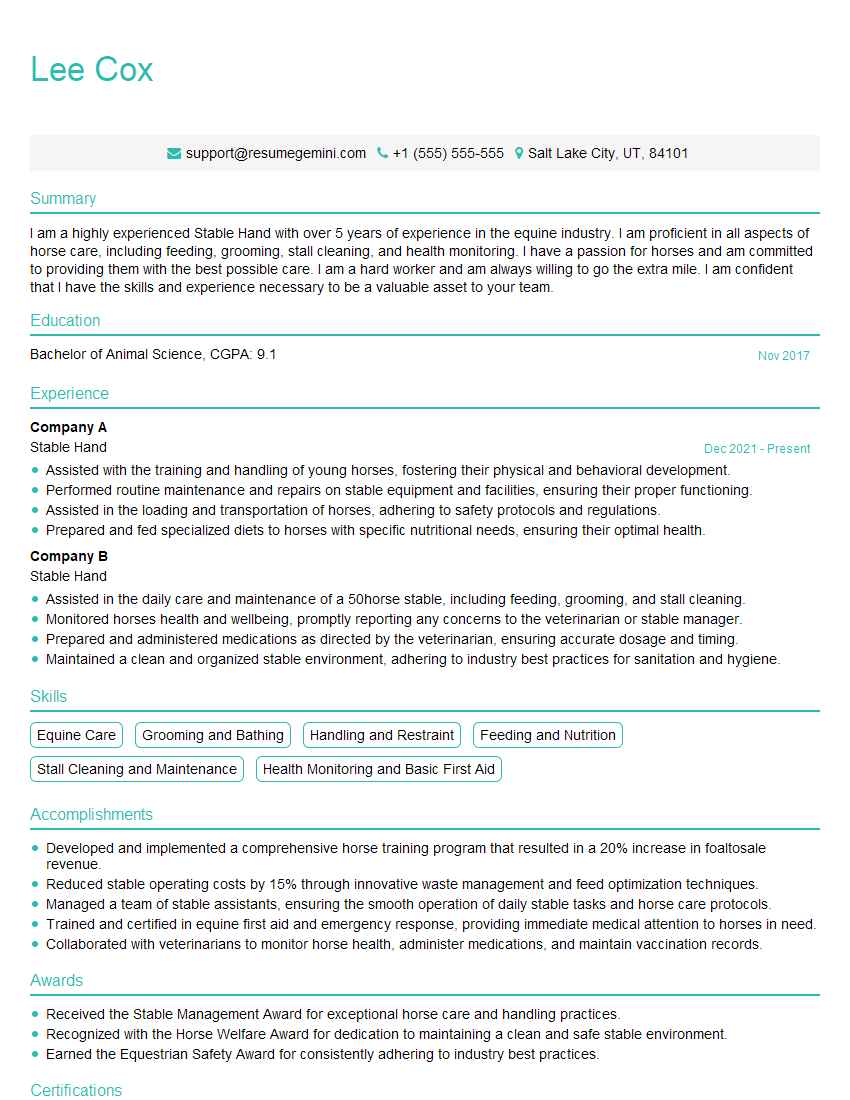
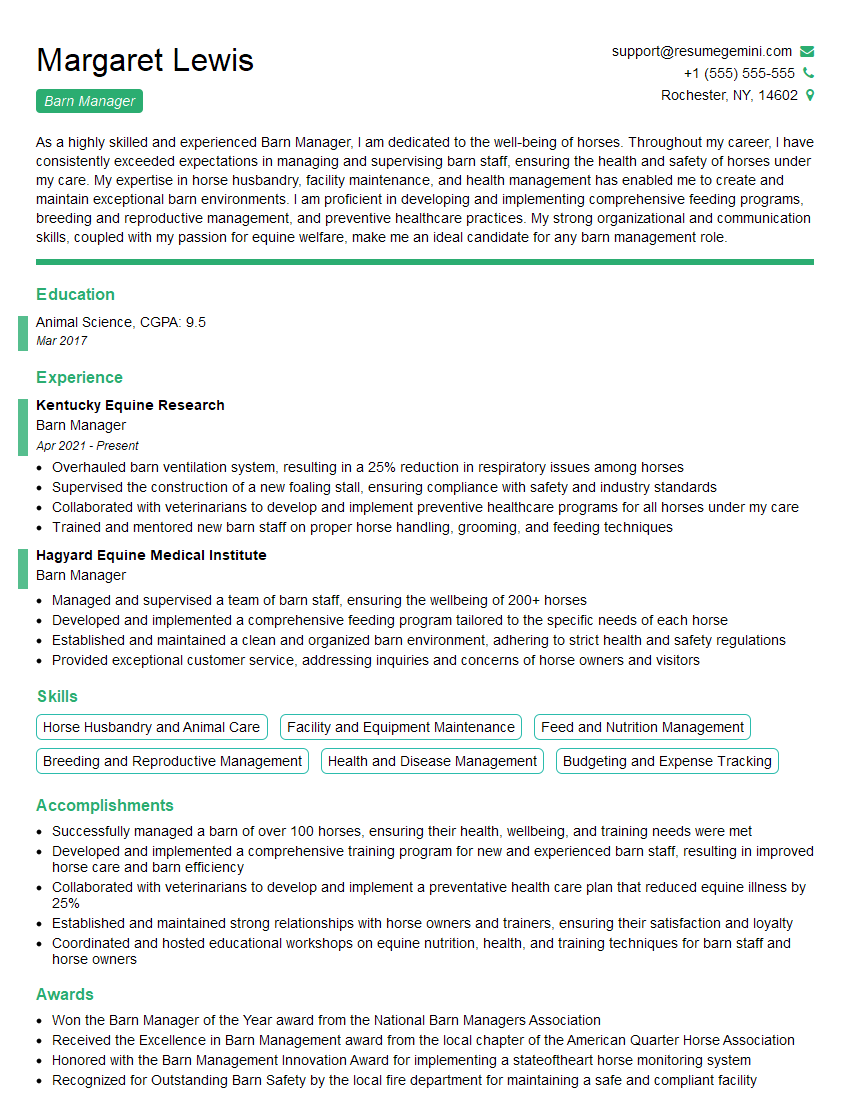
Mastering Stable Management and Facility Design is crucial for a rewarding and successful career in the equine industry. It demonstrates a commitment to animal welfare, operational efficiency, and responsible land management. To maximize your job prospects, it’s essential to create an ATS-friendly resume that highlights your skills and experience effectively. ResumeGemini is a trusted resource that can help you build a professional and impactful resume. Take advantage of their tools and resources, and review the examples of resumes tailored to Stable Management and Facility Design for inspiration and guidance. A well-crafted resume is your first step towards landing your dream job.
Explore more articles
Users Rating of Our Blogs
Share Your Experience
We value your feedback! Please rate our content and share your thoughts (optional).
What Readers Say About Our Blog
Attention music lovers!
Wow, All the best Sax Summer music !!!
Spotify: https://open.spotify.com/artist/6ShcdIT7rPVVaFEpgZQbUk
Apple Music: https://music.apple.com/fr/artist/jimmy-sax-black/1530501936
YouTube: https://music.youtube.com/browse/VLOLAK5uy_noClmC7abM6YpZsnySxRqt3LoalPf88No
Other Platforms and Free Downloads : https://fanlink.tv/jimmysaxblack
on google : https://www.google.com/search?q=22+AND+22+AND+22
on ChatGPT : https://chat.openai.com?q=who20jlJimmy20Black20Sax20Producer
Get back into the groove with Jimmy sax Black
Best regards,
Jimmy sax Black
www.jimmysaxblack.com
Hi I am a troller at The aquatic interview center and I suddenly went so fast in Roblox and it was gone when I reset.
Hi,
Business owners spend hours every week worrying about their website—or avoiding it because it feels overwhelming.
We’d like to take that off your plate:
$69/month. Everything handled.
Our team will:
Design a custom website—or completely overhaul your current one
Take care of hosting as an option
Handle edits and improvements—up to 60 minutes of work included every month
No setup fees, no annual commitments. Just a site that makes a strong first impression.
Find out if it’s right for you:
https://websolutionsgenius.com/awardwinningwebsites
Hello,
we currently offer a complimentary backlink and URL indexing test for search engine optimization professionals.
You can get complimentary indexing credits to test how link discovery works in practice.
No credit card is required and there is no recurring fee.
You can find details here:
https://wikipedia-backlinks.com/indexing/
Regards
NICE RESPONSE TO Q & A
hi
The aim of this message is regarding an unclaimed deposit of a deceased nationale that bears the same name as you. You are not relate to him as there are millions of people answering the names across around the world. But i will use my position to influence the release of the deposit to you for our mutual benefit.
Respond for full details and how to claim the deposit. This is 100% risk free. Send hello to my email id: lukachachibaialuka@gmail.com
Luka Chachibaialuka
Hey interviewgemini.com, just wanted to follow up on my last email.
We just launched Call the Monster, an parenting app that lets you summon friendly ‘monsters’ kids actually listen to.
We’re also running a giveaway for everyone who downloads the app. Since it’s brand new, there aren’t many users yet, which means you’ve got a much better chance of winning some great prizes.
You can check it out here: https://bit.ly/callamonsterapp
Or follow us on Instagram: https://www.instagram.com/callamonsterapp
Thanks,
Ryan
CEO – Call the Monster App
Hey interviewgemini.com, I saw your website and love your approach.
I just want this to look like spam email, but want to share something important to you. We just launched Call the Monster, a parenting app that lets you summon friendly ‘monsters’ kids actually listen to.
Parents are loving it for calming chaos before bedtime. Thought you might want to try it: https://bit.ly/callamonsterapp or just follow our fun monster lore on Instagram: https://www.instagram.com/callamonsterapp
Thanks,
Ryan
CEO – Call A Monster APP
To the interviewgemini.com Owner.
Dear interviewgemini.com Webmaster!
Hi interviewgemini.com Webmaster!
Dear interviewgemini.com Webmaster!
excellent
Hello,
We found issues with your domain’s email setup that may be sending your messages to spam or blocking them completely. InboxShield Mini shows you how to fix it in minutes — no tech skills required.
Scan your domain now for details: https://inboxshield-mini.com/
— Adam @ InboxShield Mini
support@inboxshield-mini.com
Reply STOP to unsubscribe
Hi, are you owner of interviewgemini.com? What if I told you I could help you find extra time in your schedule, reconnect with leads you didn’t even realize you missed, and bring in more “I want to work with you” conversations, without increasing your ad spend or hiring a full-time employee?
All with a flexible, budget-friendly service that could easily pay for itself. Sounds good?
Would it be nice to jump on a quick 10-minute call so I can show you exactly how we make this work?
Best,
Hapei
Marketing Director
Hey, I know you’re the owner of interviewgemini.com. I’ll be quick.
Fundraising for your business is tough and time-consuming. We make it easier by guaranteeing two private investor meetings each month, for six months. No demos, no pitch events – just direct introductions to active investors matched to your startup.
If youR17;re raising, this could help you build real momentum. Want me to send more info?
Hi, I represent an SEO company that specialises in getting you AI citations and higher rankings on Google. I’d like to offer you a 100% free SEO audit for your website. Would you be interested?
Hi, I represent an SEO company that specialises in getting you AI citations and higher rankings on Google. I’d like to offer you a 100% free SEO audit for your website. Would you be interested?