Every successful interview starts with knowing what to expect. In this blog, we’ll take you through the top Stage and Set Setup interview questions, breaking them down with expert tips to help you deliver impactful answers. Step into your next interview fully prepared and ready to succeed.
Questions Asked in Stage and Set Setup Interview
Q 1. Describe your experience with different types of stage rigging systems.
My experience encompasses a wide range of stage rigging systems, from basic counterweight systems to more complex motorized and automated options. I’m proficient in working with both traditional hemp lines and modern electric chain hoists. Understanding the load capacity, safety mechanisms, and proper operation of each system is crucial. For instance, I’ve extensively used counterweight systems in traditional theaters, meticulously balancing sets and ensuring smooth operation. In more modern venues, I’ve worked with computerized rigging systems that allow for precise positioning and movement of lighting and scenic elements, enhancing the efficiency and safety of operations. I’m also familiar with various types of tensioned wire systems used for flying scenery and lighting, which require careful planning and execution to ensure stability and prevent accidents. Safety is always paramount, and I adhere strictly to all relevant regulations and best practices.
- Counterweight Systems: Classic system using weights to balance scenery; requires precise calculations and careful operation.
- Electric Chain Hoists: Modern, motorized systems offering greater control and precision but needing regular maintenance.
- Automated Rigging Systems: Computer-controlled systems for complex movements and precision, needing specialized training and programming.
Q 2. Explain the process of building a basic set from a design.
Building a set from a design is a multi-step process that begins with careful review of the design plans. This includes understanding scale, materials, and construction details. Next, I’d create a detailed construction schedule and acquire the necessary materials—wood, metal, paint, fabrics, etc. The actual construction process involves cutting, assembling, and finishing the set pieces according to the design. This often requires precise measurements and teamwork. Once the pieces are built, they are then assembled on stage, ensuring accuracy and alignment. Finally, any finishing touches like painting and detailing are completed. For example, building a simple wall might involve cutting lumber to size, assembling the frame, adding sheathing, and then applying a finish like paint or wallpaper. Throughout this entire process, communication and collaboration with the design team are key to ensure the final product aligns perfectly with the vision.
Q 3. How do you ensure the safety of crew and performers during set construction and operation?
Safety is my top priority. During set construction, this involves enforcing strict adherence to safety regulations, providing appropriate personal protective equipment (PPE) like hard hats, safety glasses, and work gloves, and ensuring proper tool use and storage. We regularly conduct safety briefings and implement risk assessments to identify and mitigate potential hazards. For example, we’d use fall protection systems when working at heights and implement safe lifting procedures for heavy materials. During operation, regular inspections of the set and rigging systems are crucial to prevent accidents. Properly securing all set pieces, checking weight limits, and having clear communication protocols among the crew are vital. I always ensure that performers are aware of any potential hazards on stage, especially those related to set design and movement.
Q 4. What are your preferred methods for measuring and marking stage dimensions?
Accurate measurement is fundamental. I primarily use a combination of measuring tapes, laser measures, and chalk lines. Laser measures offer speed and precision, especially for long distances and diagonal measurements. Measuring tapes are invaluable for detailed measurements and verification. Chalk lines are useful for marking straight lines and establishing grid systems on the stage floor. For instance, when laying out a complex set, I’d begin by establishing a grid system using chalk lines to ensure precise positioning of set pieces. Then, I’d use laser measures to determine the exact distances between key points. Finally, measuring tapes would be used for finer details and double-checking the measurements.
Q 5. How familiar are you with various types of stage flooring and their applications?
My familiarity with stage flooring extends to various types, each with specific applications. For instance, sprung flooring is ideal for dance performances due to its shock absorption properties. Marley flooring, a type of vinyl, offers a durable and versatile surface suitable for various productions. Composite flooring provides a solid and level base for heavy sets. Choosing the right flooring depends on the specific demands of the production, considering factors like performance type, weight capacity, and aesthetic requirements. I have experience installing, maintaining, and troubleshooting issues with various types of stage flooring, ensuring a safe and functional performance space.
Q 6. Describe your experience with automated curtain systems.
I have extensive experience with automated curtain systems, including motorized tracks and control systems. I understand the importance of proper installation, maintenance, and safe operation. This includes knowledge of different types of curtain motors, control systems, and safety features. Troubleshooting malfunctions, ensuring smooth operation, and understanding the safety mechanisms are all crucial aspects of working with these systems. For example, I’ve worked with systems using both manual and computerized control systems, including those integrated with lighting and sound cues for a seamless transition between scenes. Safety features, like emergency stops and limit switches, are always carefully inspected and tested before each show.
Q 7. What are some common challenges you face when working with complex set designs?
Complex set designs present unique challenges, often involving tight timelines, intricate mechanisms, and significant weight considerations. One common challenge is coordinating the various elements of the set to ensure they function smoothly together. Another challenge is managing the logistics of building and installing complex pieces, especially when working within the constraints of a particular venue. Finding creative solutions to solve spatial and structural problems while staying within budget is also crucial. For instance, in one production, we had to design a set with multiple moving platforms. Careful planning, precise engineering, and rigorous testing were needed to ensure the safety and reliability of the system. Effective communication and problem-solving skills are vital in navigating these challenges and delivering a successful production.
Q 8. How do you manage time effectively during a fast-paced production schedule?
Effective time management in a fast-paced production is crucial. It’s like orchestrating a symphony – every instrument (crew member, task) needs to be in the right place at the right time. My approach involves a multi-pronged strategy. First, I meticulously review the production schedule, identifying critical path items and potential bottlenecks. This allows for proactive planning and resource allocation. I then utilize project management software to track progress, assign tasks, and set realistic deadlines. Regular check-ins with the team ensure everyone is on track and any roadblocks are addressed swiftly. For example, during a recent musical production with a tight turnaround, I used a Kanban board to visualize tasks and workflow, enabling us to identify and immediately address a delay in prop delivery, preventing it from impacting the lighting setup.
Secondly, I prioritize tasks based on their urgency and dependency. Essential tasks are tackled first, minimizing potential delays. Finally, I encourage open communication and collaboration within the team. This proactive approach, coupled with detailed planning and flexible adaptation to unexpected changes, ensures that even the most demanding schedules are met efficiently and effectively.
Q 9. Explain your experience with different types of lighting equipment and their uses.
My experience encompasses a broad range of lighting equipment. I’m proficient with everything from basic incandescent and fluorescent fixtures to sophisticated LED and moving-head lights. Incandescent lights, while gradually phasing out, still offer a warm, traditional feel, ideal for creating specific moods in certain theatrical settings. Fluorescent lights are energy-efficient and useful for general illumination. LED lights are versatile, energy-efficient, and offer a wide range of color temperatures and dimming capabilities, making them extremely popular for both stage and studio work. They are also ideal for creating special effects like washes or gobos. Moving-head lights, with their pan and tilt capabilities, provide dynamic and visually stunning effects that can transform the stage in an instant. For instance, in a recent production of ‘Hamlet’, we used a combination of LED washes to set the mood for various scenes and moving heads for dramatic highlights during key moments like the ghost’s appearance.
Q 10. How do you troubleshoot technical issues during a performance?
Troubleshooting during a performance requires quick thinking and a systematic approach. My first step is to identify the nature of the problem – is it lighting, sound, set pieces, or something else? Once identified, I try to isolate the source of the malfunction. This may involve checking connections, fuses, power supplies, or consulting with other technicians. I keep a detailed inventory of equipment, noting any known issues or quirks. This helps me quickly pinpoint potential trouble spots. For example, if a lighting fixture fails, I’ll quickly check its circuit breaker and then swap it with a backup unit if necessary, minimizing downtime. It’s crucial to communicate clearly and calmly with the stage manager and other crew members to coordinate solutions and avoid panic.
If the issue is complex and requires more time to solve, I’ll work with the director to implement a workaround, perhaps modifying a scene or using alternate lighting cues to keep the show running smoothly. Post-show, I’ll conduct a thorough investigation to determine the root cause of the problem and implement preventative measures to avoid similar occurrences in the future. This could involve replacing faulty equipment, refining safety protocols, or providing additional training to crew members.
Q 11. Describe your experience with sound system setup and operation.
My experience with sound system setup and operation is extensive, covering everything from small-scale events to large-scale productions. I’m comfortable working with various audio consoles, microphones (dynamic, condenser, lavalier), speakers (point-source, line array), and audio processing equipment (equalizers, compressors, limiters). Proper microphone placement and gain staging are crucial for achieving clear and balanced sound. I always conduct sound checks before each performance to ensure everything is working correctly and to optimize the audio mix for the specific venue. In one recent show, we had to adjust the sound system significantly because the venue’s acoustics differed from those in our rehearsal space. By employing equalization techniques and strategic speaker placement, I was able to create a clean and consistent soundscape across the entire audience.
Equally important is understanding the technical requirements of the production, including sound reinforcement for actors, musicians, and any pre-recorded audio. The aim is always to achieve optimal clarity, volume, and balance, while ensuring the sound is both impactful and immersive for the audience.
Q 12. How do you ensure all set pieces are structurally sound and safe?
Ensuring structural soundness and safety of set pieces is paramount. Before constructing or utilizing any set pieces, I conduct thorough inspections for potential hazards. This includes assessing the materials used, the construction methods, and the overall stability of the structures. All connections must be secure and any potential for movement or collapse mitigated. I often use plans and blueprints to ensure that the build is stable and to code. Where needed, structural engineers are consulted. For instance, during the construction of a large, multi-level set, we used engineered wood and steel supports to ensure the stability and safety of the structure, conducting regular inspections throughout the build process.
Weight distribution is critical, particularly for large or complex pieces. I always ensure adequate support systems are in place to prevent overloading or instability. Regular maintenance checks are also crucial, focusing on loose screws, damaged parts, and any signs of wear and tear. This proactive approach helps prevent accidents and ensures a safe environment for all crew members and performers.
Q 13. What safety procedures do you follow when working at heights?
Safety when working at heights is non-negotiable. My adherence to safety protocols is unwavering and begins with comprehensive risk assessments before commencing any work at height. This includes determining the necessary safety equipment and training requirements. We always employ appropriate fall protection measures, such as harnesses, safety lines, and properly anchored anchor points. I only work at heights with the required certification and always follow the instructions. For example, if I’m working on lighting rigs, I would use a full-body harness secured to a safety rail or designated anchor point and would have a spotter present. Regular inspections of all safety equipment are carried out to ensure its functionality and integrity.
Prior to commencing work, each crew member receives a comprehensive briefing on the safety procedures and emergency protocols. This includes demonstrating proper equipment use and emergency response plans. Safety is not just a checklist – it’s a culture, fostered through rigorous training, consistent adherence to regulations, and an atmosphere of mutual respect and accountability.
Q 14. Describe your experience with different types of stage lighting instruments.
My experience encompasses a wide array of stage lighting instruments. These include Fresnels, Ellipsoidals, PAR cans, and LED fixtures. Fresnel lenses provide a soft-edged, diffused light, ideal for washes and backlighting. Ellipsoidals, with their sharp beams and gobo capabilities, are perfect for creating precise patterns and highlighting specific areas on stage. PAR cans offer a more intense, focused beam and are frequently used for special effects. LED fixtures, as mentioned earlier, are incredibly versatile, offering a wide range of color temperatures, dimming capabilities, and special effects like strobes and chases. In a recent show featuring elaborate dance sequences, we effectively used Fresnels to wash the background with color, Ellipsoidals to spotlight the dancers, and PAR cans for creating dynamic lighting effects during certain choreographic moments.
Understanding the unique characteristics of each instrument is crucial for creating the desired mood and visual effects for a production. This knowledge, combined with effective lighting design, allows for the creation of a visually stunning and engaging theatrical experience.
Q 15. How do you prioritize tasks during a busy set change?
Prioritizing tasks during a quick set change is crucial for efficiency and safety. I utilize a system combining urgency, dependency, and crew capabilities. First, I identify time-critical tasks – those absolutely essential for the next scene’s start. These are usually marked by their impact on the show’s flow. For example, placing a crucial prop, or setting a specific lighting cue. Next, I determine task dependencies. Some actions must be completed before others can begin – think of building a complex set piece before the actors can interact with it. Finally, I assign tasks based on crew member skills; the person best suited for a particular job gets the job. Imagine a complex lighting change – assigning this to the crew’s most experienced lighting technician. All this prioritization, usually done with the stage manager, is documented on a set change schedule that’s clearly visible to the whole crew. This structured approach prevents chaos during high-pressure moments.
Career Expert Tips:
- Ace those interviews! Prepare effectively by reviewing the Top 50 Most Common Interview Questions on ResumeGemini.
- Navigate your job search with confidence! Explore a wide range of Career Tips on ResumeGemini. Learn about common challenges and recommendations to overcome them.
- Craft the perfect resume! Master the Art of Resume Writing with ResumeGemini’s guide. Showcase your unique qualifications and achievements effectively.
- Don’t miss out on holiday savings! Build your dream resume with ResumeGemini’s ATS optimized templates.
Q 16. How familiar are you with CAD software for set design?
I’m highly proficient in CAD software, specifically Vectorworks and AutoCAD. My experience encompasses everything from initial concept sketches and detailed 2D plans to creating precise 3D models, which are essential for visualizing the set and for accurate measurements. I’ve used CAD to create detailed drawings for construction, ensuring accurate dimensions for all components. For example, I once created a 3D model of a complex multi-level set, enabling the construction team to identify potential structural issues and cost-saving solutions long before construction began. The detail in these models even includes texture mapping to visualize the final painted surfaces. This digital approach saves time and money, greatly minimizing errors and facilitating better communication within the production team.
Q 17. Describe your experience with different types of theatrical paint and their application.
My experience with theatrical paints is extensive. I’m familiar with various types including acrylics, casein, and water-based paints. Acrylics are versatile, quick-drying and offer vibrant colors, ideal for quick scenic painting. Casein paints provide a matte finish and excellent adhesion, perfect for detailed work and durability. Water-based paints are environmentally friendly but require more coats. Application techniques vary based on the paint and desired effect. For example, when applying a rough texture to a wall, I might use a sponge or stippling brush with acrylic paints. For smooth finishes, multiple thin coats with careful blending are essential. I also understand the importance of proper priming and sealing, crucial for longevity and color vibrancy. Each project requires a careful selection of paints and techniques to achieve the desired aesthetic.
Q 18. How do you manage and track inventory of set pieces and props?
Managing set piece and prop inventory requires a meticulous system. I typically use a combination of digital and physical tracking methods. A detailed spreadsheet is crucial, listing each item with a unique ID, description, location, condition, and assigned crew member (if applicable). This spreadsheet is often linked to a visual inventory system, where I take photographs of each item. This visual record acts as a quick reference. For physical tracking, we label each item with its unique ID, helping us locate items quickly. Regular inventory checks are also key, allowing us to identify missing or damaged items promptly. This proactive approach minimizes the stress of finding something at the last minute and aids in preventing loss. A similar system is used for props.
Q 19. What are some strategies for effective communication within a stage crew?
Effective communication is the bedrock of a successful stage crew. We use a multi-pronged approach. Clear and concise verbal communication is essential, especially during quick set changes. We use standardized terminology to avoid confusion. For complex tasks, detailed written instructions, including diagrams or sketches, are invaluable. Pre-show meetings ensure everyone understands their roles and responsibilities. Regular check-ins throughout the performance run, even during pauses, ensure everyone’s up-to-date on any changes or potential challenges. Also, using a communication system where people can alert each other, such as walkie-talkies or a designated communication app greatly speeds up responses to unexpected issues.
Q 20. How do you handle conflicts or disagreements among crew members?
Conflicts within the crew are inevitable but should be addressed constructively. I believe in fostering a respectful environment where everyone feels comfortable expressing concerns. I approach conflict resolution by first actively listening to all sides, ensuring everyone feels heard. Then, I help identify the root cause of the disagreement. If it’s a misunderstanding, clarification is often sufficient. If it’s a matter of differing opinions, I facilitate a collaborative discussion to find a mutually agreeable solution, focusing on the project’s overall goals. In more serious cases, I may involve the stage manager or production manager to mediate, ensuring a fair and professional resolution. The ultimate goal is to maintain a positive and productive work environment.
Q 21. Explain your experience with using hand and power tools.
My experience with both hand and power tools is extensive and encompasses a wide range of applications in stagecraft. I’m proficient with hand tools, such as saws, hammers, screwdrivers, chisels, and various measuring instruments, for precise work and intricate details. For larger tasks, power tools such as drills, circular saws, sanders, and nail guns are vital for efficiency. Safety is paramount; I always ensure I’m using the correct safety equipment, such as safety glasses, ear protection, and gloves. Furthermore, I’m familiar with the maintenance and upkeep of these tools, keeping them in top working condition. This prevents setbacks and ensures quality craftsmanship. For instance, I once utilized a combination of hand and power tools to fabricate a unique stage prop from scratch, resulting in a visually stunning piece. My skills are not limited to using the tools but encompass their proper maintenance and use in a safe and efficient manner.
Q 22. Describe your experience working with different types of materials used in set construction.
My experience encompasses a wide range of materials used in set construction, from traditional methods to modern techniques. I’m proficient in working with wood, including various types like plywood, lumber, and MDF (Medium-Density Fiberboard), each chosen based on its strength, cost-effectiveness, and suitability for the specific design. I’m also skilled in metalworking, using steel, aluminum, and other metals for structural elements or decorative accents.
Furthermore, I have extensive experience with various plastics, including PVC pipes and sheets for creating lightweight structures or unique shapes. I’m adept at using fabrics like muslin, canvas, and other textiles for draperies, backdrops, and props. Finally, I’m well-versed in the use of paints, stains, and finishes to create the desired aesthetic and protective layer for the set pieces.
For example, in a recent production of Hamlet, we used reclaimed wood for the main stage structure to achieve a rustic, aged look, while aluminum was used for creating intricate support structures for lighting and sound equipment. For a more modern play, I incorporated acrylic panels for translucent walls and PVC for creating a sleek, futuristic aesthetic.
Q 23. How do you ensure compliance with all relevant safety regulations?
Safety is my top priority. I ensure compliance with all relevant safety regulations by strictly adhering to OSHA (Occupational Safety and Health Administration) guidelines and any specific regulations set by the production company or venue. This includes conducting thorough risk assessments before starting any project, identifying potential hazards, and implementing appropriate control measures.
This involves providing and enforcing the use of appropriate Personal Protective Equipment (PPE), such as safety glasses, hard hats, gloves, and hearing protection. I meticulously inspect all tools and equipment before use to prevent malfunctions and ensure they are properly maintained. I also conduct regular safety briefings with the crew to discuss hazards, safe work practices, and emergency procedures. Proper lifting techniques are always stressed, and we use lifting equipment such as scaffolding and forklifts correctly and safely. My goal is a zero-accident environment.
Q 24. What are your methods for maintaining a clean and organized work environment?
Maintaining a clean and organized work environment is crucial for efficiency and safety. I implement a system of 5S methodology – Sort, Set in Order, Shine, Standardize, Sustain. This ensures a smooth and productive workflow.
We begin by sorting through materials, discarding unnecessary items and clearly labeling and storing the rest. Then, we establish a designated place for every tool and material, making it easy to locate them. Regular cleaning is performed to remove debris and maintain a hazard-free area. Standardization involves creating checklists and procedures to ensure consistency in our processes. Finally, we maintain the established standards through regular monitoring and team communication.
For example, before starting a project, we create a clear layout plan for the workshop, designating areas for different materials, tools, and constructed set pieces. This prevents congestion and accidents. Regular tool maintenance and cleaning after each use ensure their longevity and prevent damage.
Q 25. Describe a time you had to solve a complex problem related to set construction.
During a production of ‘A Midsummer Night’s Dream’, we faced a significant challenge: the original design called for a large, intricate tree structure that proved structurally unsound during initial load testing. The deadline was rapidly approaching.
My solution involved a collaborative, multi-step approach. First, we carefully assessed the structural weakness, identifying the specific points of failure. Then, using engineering principles and CAD software, we redesigned the tree’s support structure, incorporating additional bracing and reinforcing elements. We opted for a lighter material to decrease weight and stress while maintaining the visual appeal. The team worked around the clock to implement these changes, rigorously testing each stage of the reconstruction. Through effective communication and problem-solving, we successfully completed the revised tree structure on time without compromising safety or the artistic vision.
Q 26. What software are you proficient in for design and drafting?
I’m proficient in several design and drafting software packages, including AutoCAD, SketchUp, and Vectorworks. AutoCAD is essential for precise 2D drafting and detailed technical drawings. SketchUp allows for quick 3D modeling and visualization, crucial for presenting design concepts to directors and clients. Vectorworks is also useful for complex 3D modeling, rendering, and documentation.
My experience also extends to using other relevant software such as Adobe Photoshop for creating textures and visual concepts, and Microsoft Project for managing the construction schedule.
Q 27. How do you adapt to changes in a production schedule?
Adaptability is critical in this field. When production schedules change, I prioritize clear communication and efficient replanning. I work closely with the production manager and director to understand the nature of the changes and assess their impact on the set construction timeline.
My approach involves breaking down the project into smaller, manageable tasks, re-prioritizing them based on the revised schedule, and making adjustments to the resource allocation accordingly. I also communicate these adjustments transparently to the team, ensuring everyone is aware of their responsibilities and the updated timeline. This helps prevent conflicts and maintain momentum.
For instance, if a scene is cut, I immediately adjust the construction plan, focusing resources on the remaining scenes, while also salvaging usable materials for future projects.
Q 28. How do you ensure that the set design meets the director’s vision?
Ensuring the set design aligns with the director’s vision requires constant communication and collaboration. I start by carefully studying the script and director’s notes to fully understand their artistic intent. During pre-production, I engage in multiple discussions with the director, presenting sketches, models, and technical drawings to ensure our shared understanding.
I use visual aids like mood boards and 3D models to visually communicate the proposed designs, allowing for immediate feedback and iterative refinement. Throughout the construction process, I regularly seek feedback from the director to ensure the set is progressing according to the vision. Any necessary adjustments are made promptly and efficiently. The goal is not simply to build a set, but to build the director’s vision.
Key Topics to Learn for Stage and Set Setup Interview
- Reading and Interpreting Technical Drawings: Understanding blueprints, scale models, and technical specifications to accurately visualize and execute the set design.
- Safe Handling of Tools and Equipment: Demonstrating proficiency and adherence to safety regulations when using power tools, rigging equipment, and other relevant tools.
- Construction and Assembly Techniques: Practical knowledge of building and assembling various set pieces, including platforms, walls, and props, using different materials (wood, metal, etc.).
- Stage Mechanics and Rigging: Understanding basic stage mechanics, including counterweight systems, flying techniques, and safety protocols for hanging lights and scenery.
- Problem-Solving and Troubleshooting: Ability to identify and resolve on-site challenges, such as unexpected structural issues, equipment malfunctions, or timing constraints.
- Collaboration and Teamwork: Highlighting experience working effectively within a team, communicating clearly with designers, technicians, and other crew members.
- Time Management and Organization: Demonstrating the ability to prioritize tasks, meet deadlines, and manage resources efficiently in a fast-paced environment.
- Understanding of Different Theatre Styles and Set Designs: Knowledge of various theatrical styles and their corresponding set design requirements (e.g., realism, abstract, minimalist).
- Budgeting and Material Management: Experience in managing materials, tracking costs, and working within budgetary constraints.
- Maintaining a Clean and Organized Workspace: Demonstrating commitment to maintaining a safe and efficient workspace through proper organization and cleanup.
Next Steps
Mastering Stage and Set Setup is crucial for career advancement in the theatre and entertainment industries. It showcases your technical skills, problem-solving abilities, and collaborative spirit – all highly valued attributes. To significantly improve your job prospects, invest time in creating an ATS-friendly resume that effectively highlights your expertise. ResumeGemini is a trusted resource to help you build a professional and impactful resume that catches the eye of recruiters. Examples of resumes tailored to Stage and Set Setup are available, showcasing how to best present your skills and experience.
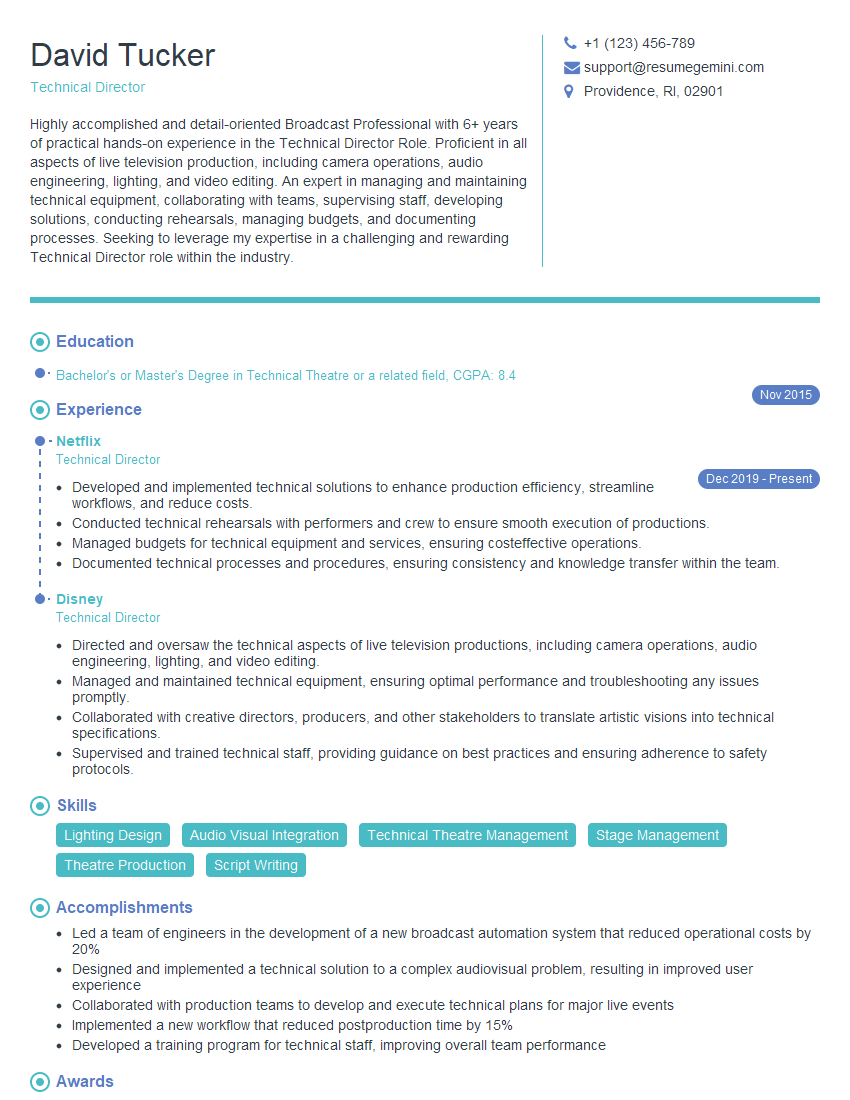
Technical Director Resume Sample

Production Coordinator Resume Sample
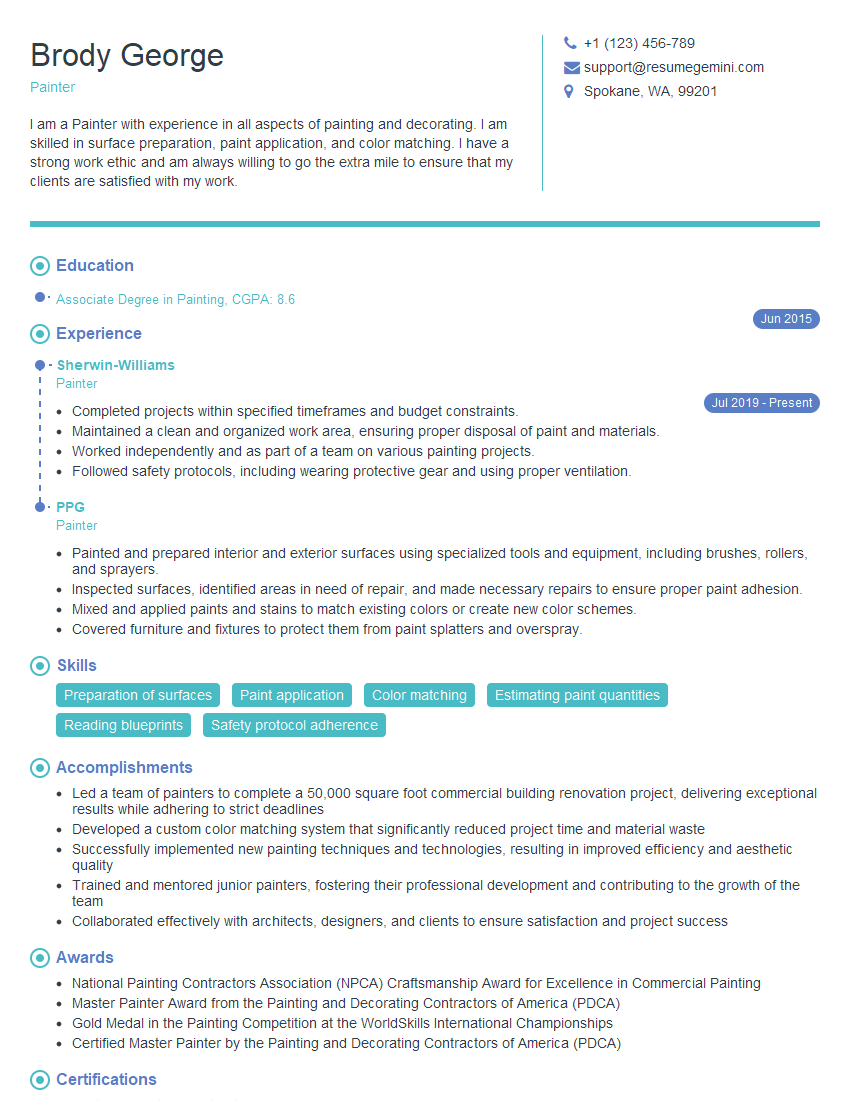
Painter Resume Sample
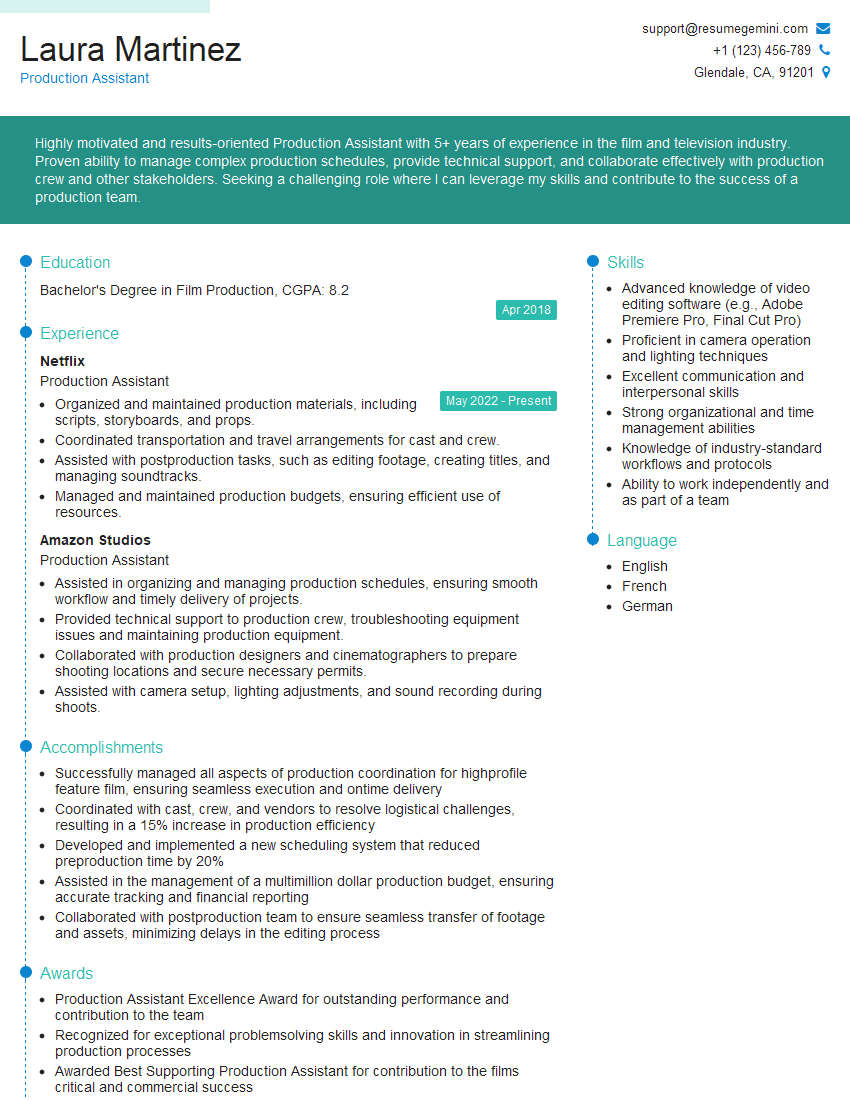
Production Assistant Resume Sample
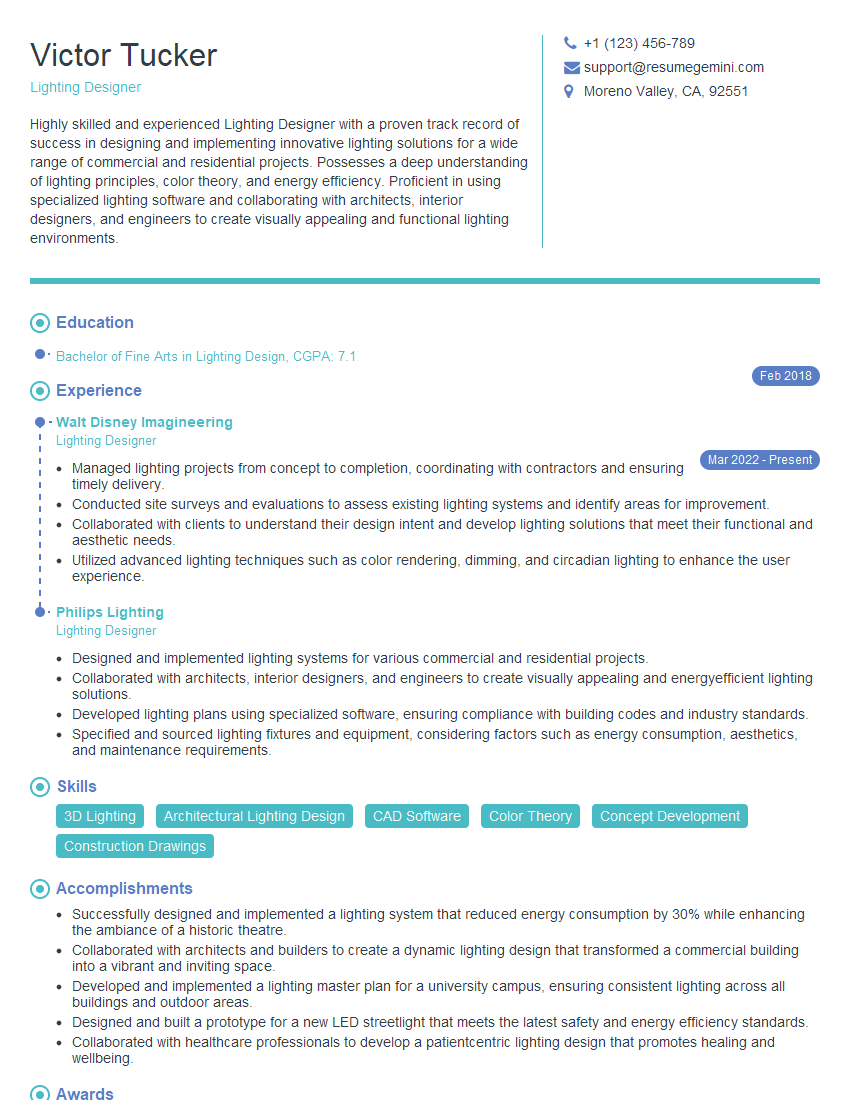
Lighting Designer Resume Sample
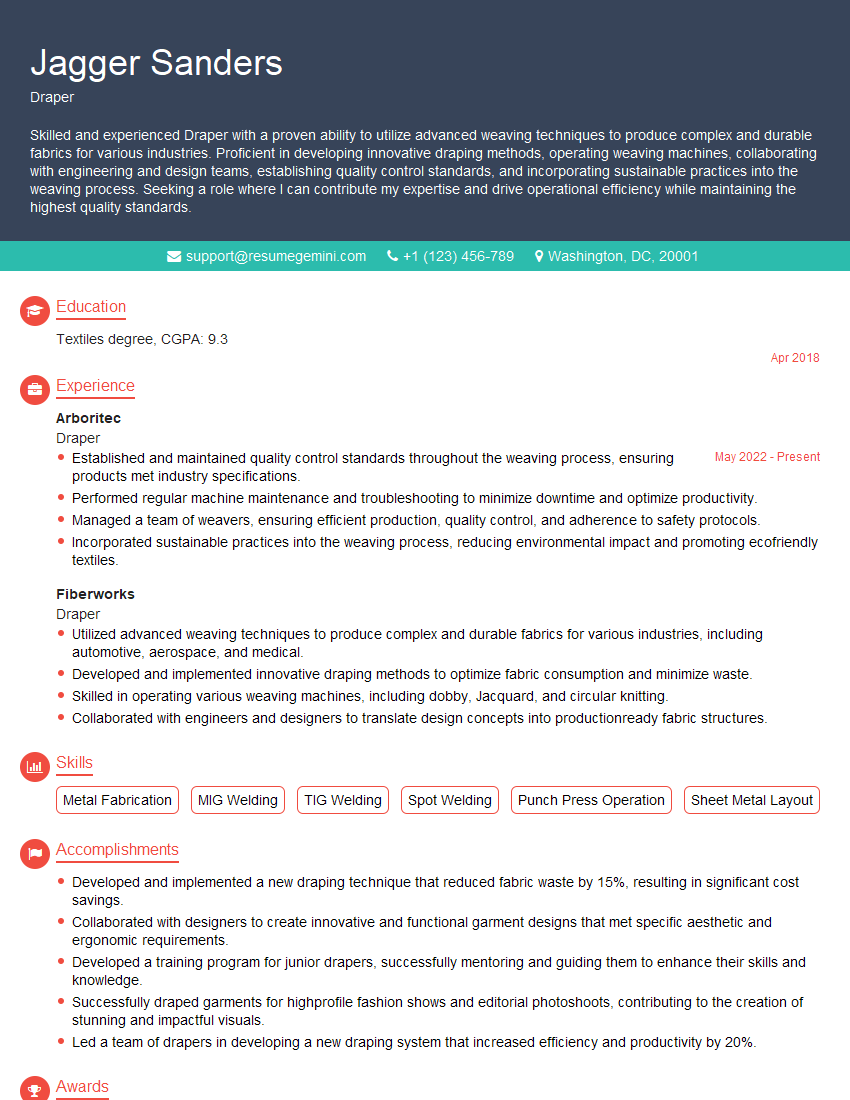
Draper Resume Sample
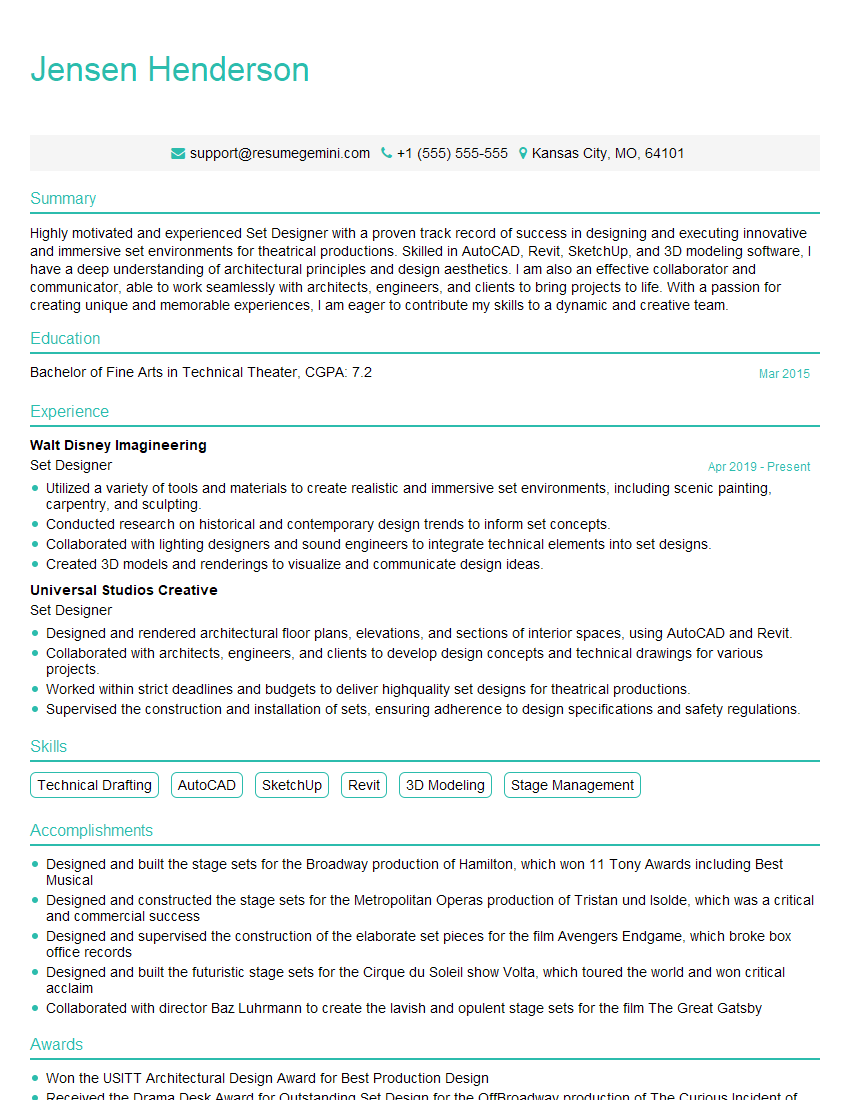
Set Designer Resume Sample
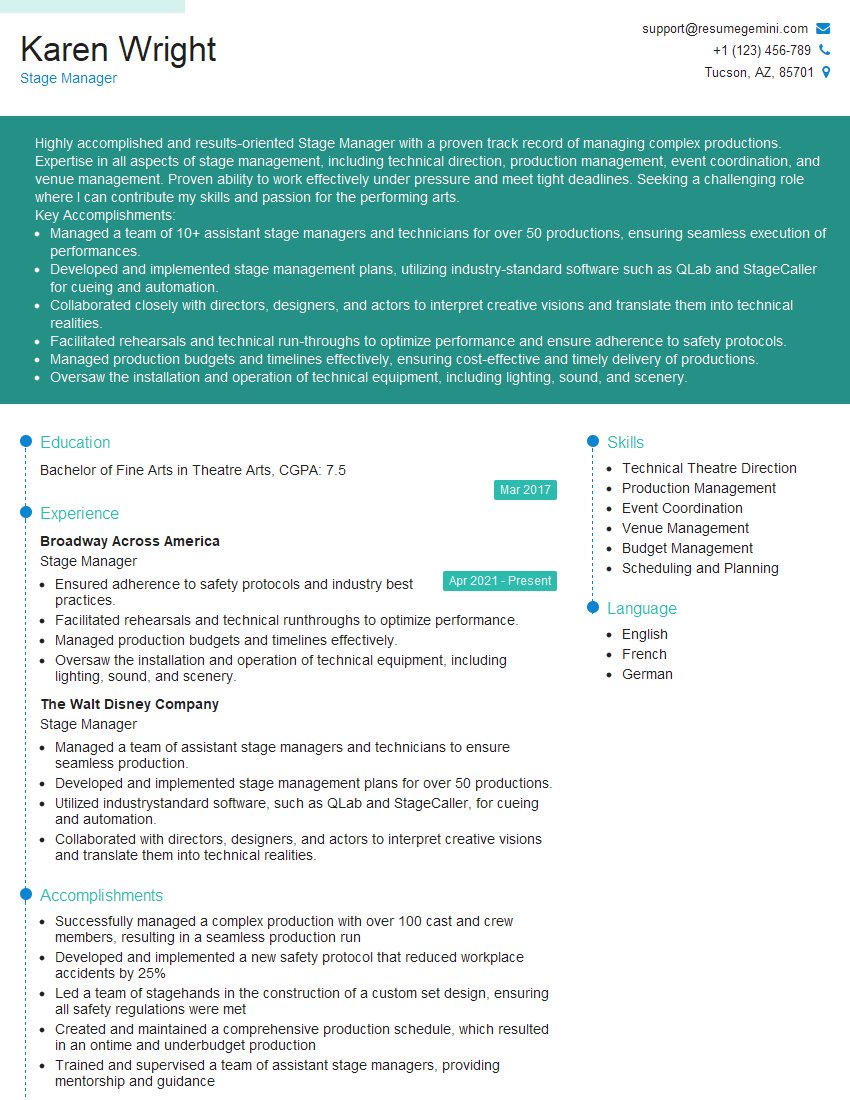
Stage Manager Resume Sample
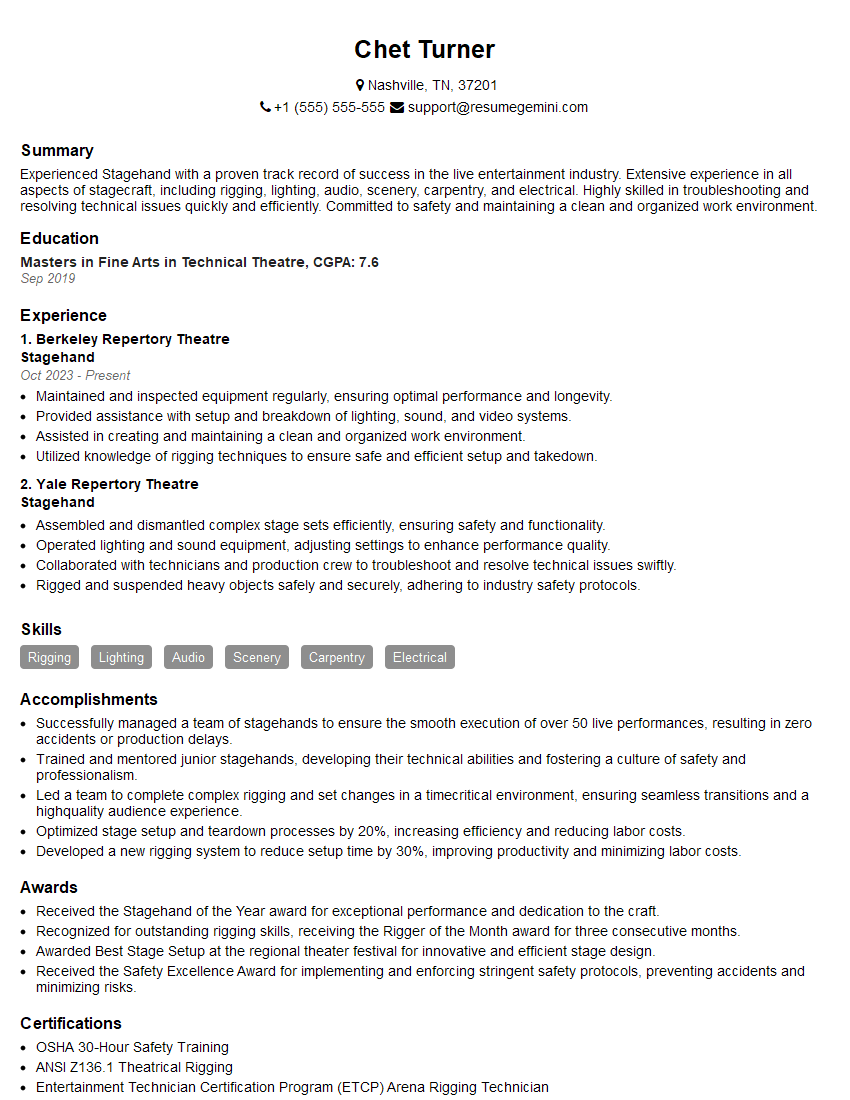
Stagehand Resume Sample
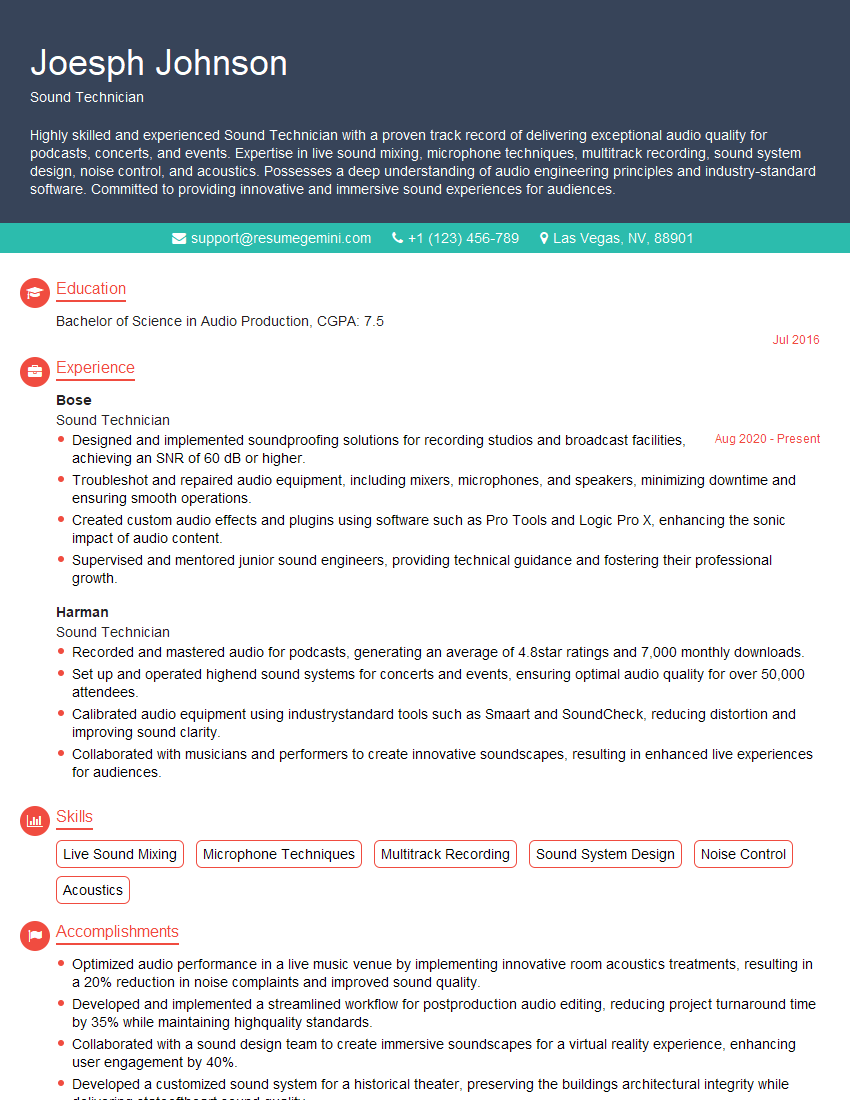
Sound Technician Resume Sample
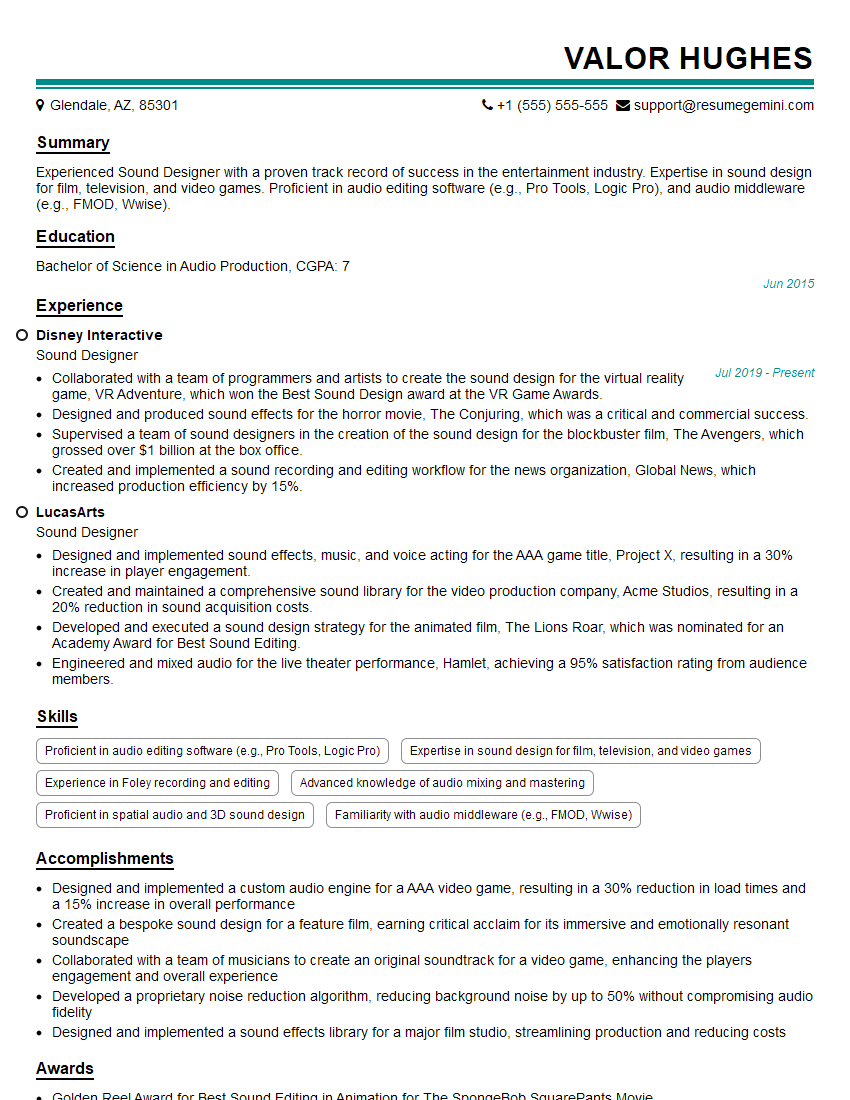
Sound Designer Resume Sample
Deckhand Resume Sample
Head Rigger Resume Sample
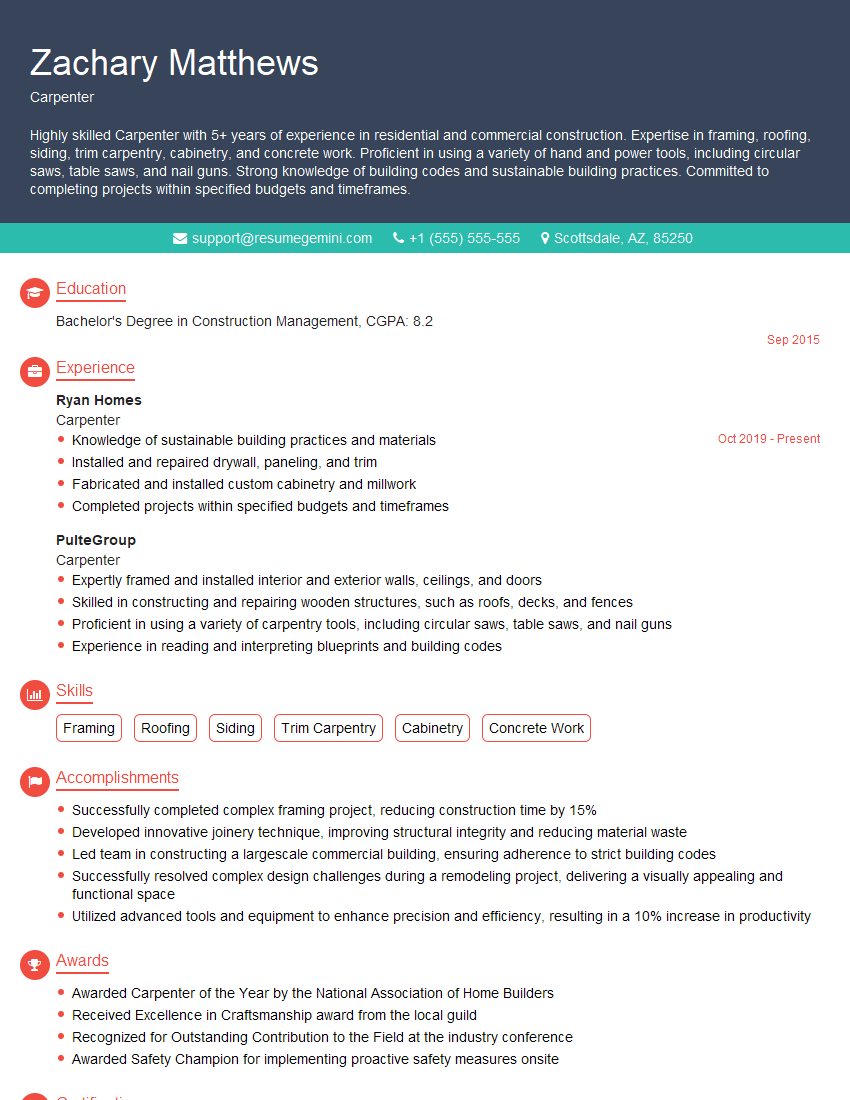
Carpenter Resume Sample
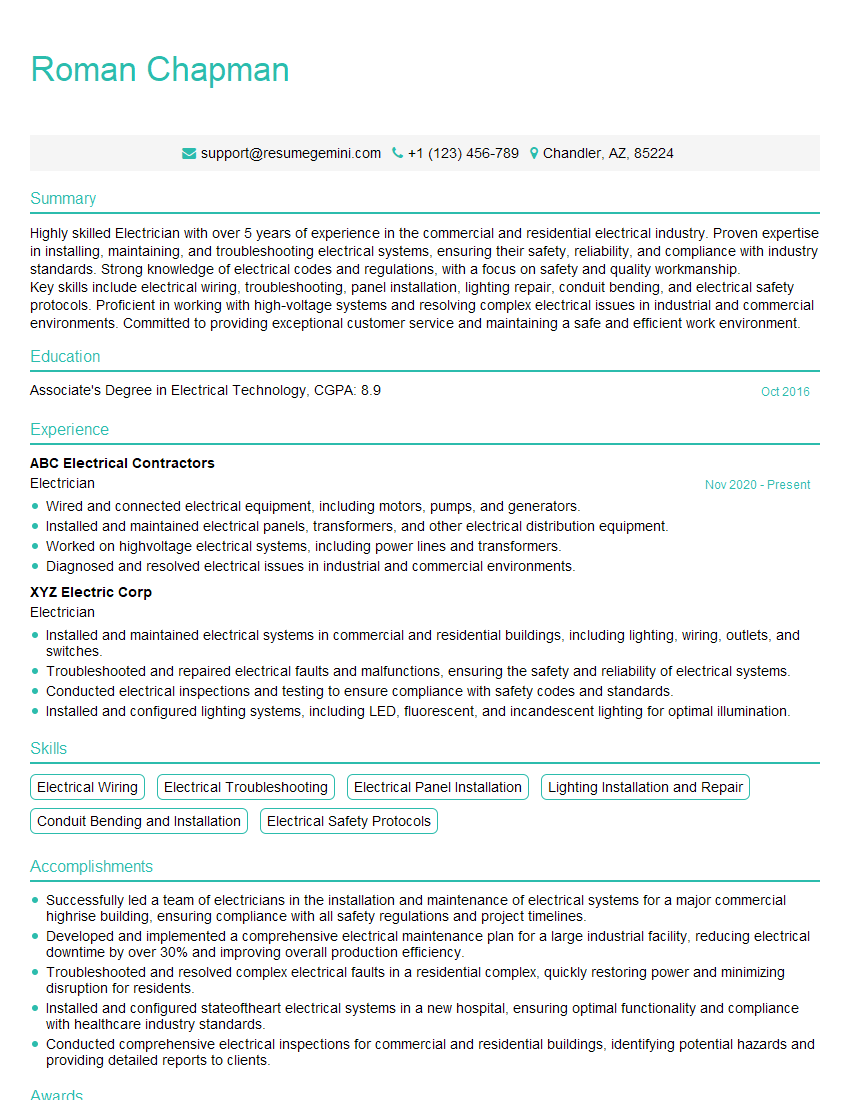
Electrician Resume Sample
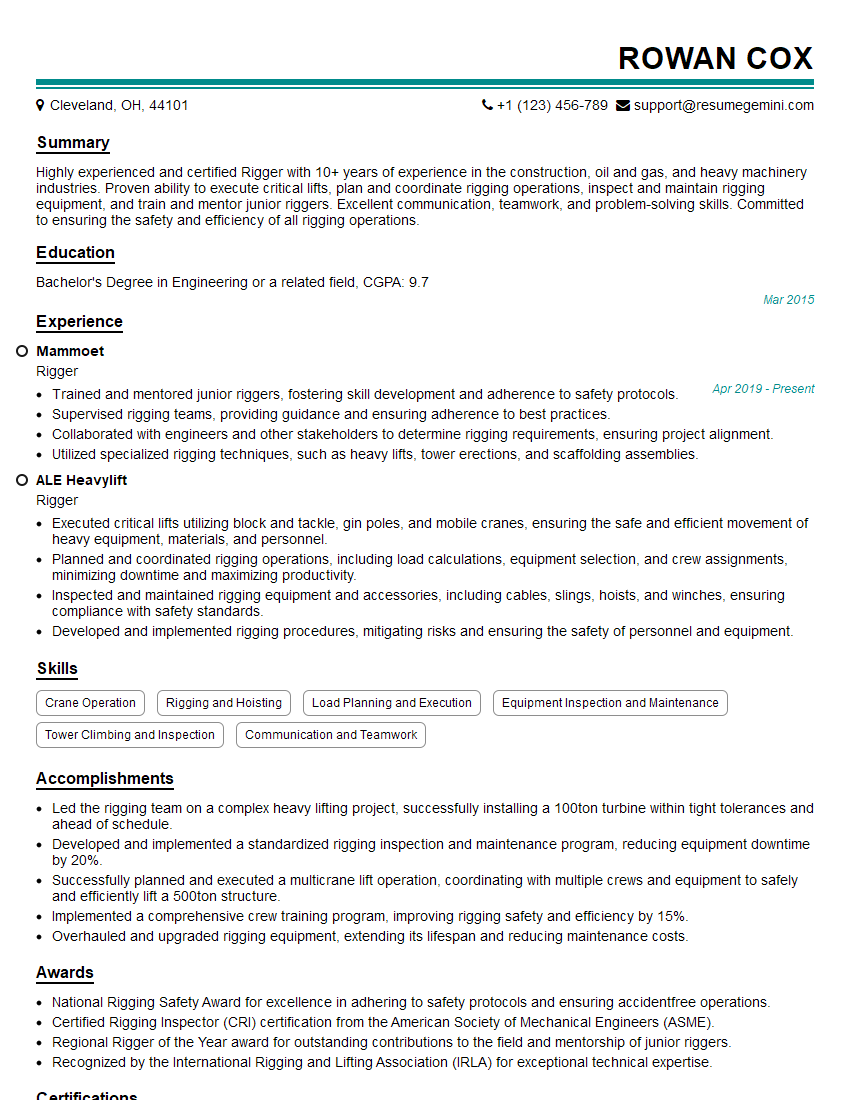
Rigger Resume Sample
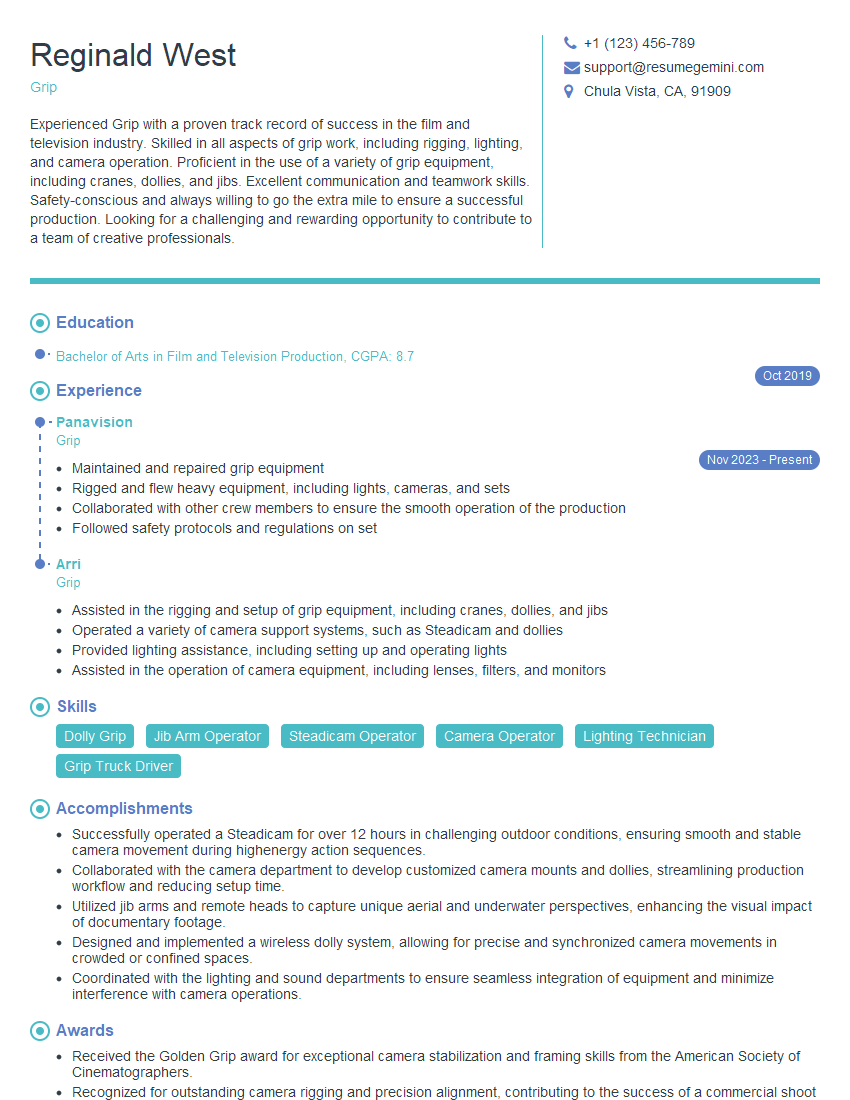
Grip Resume Sample
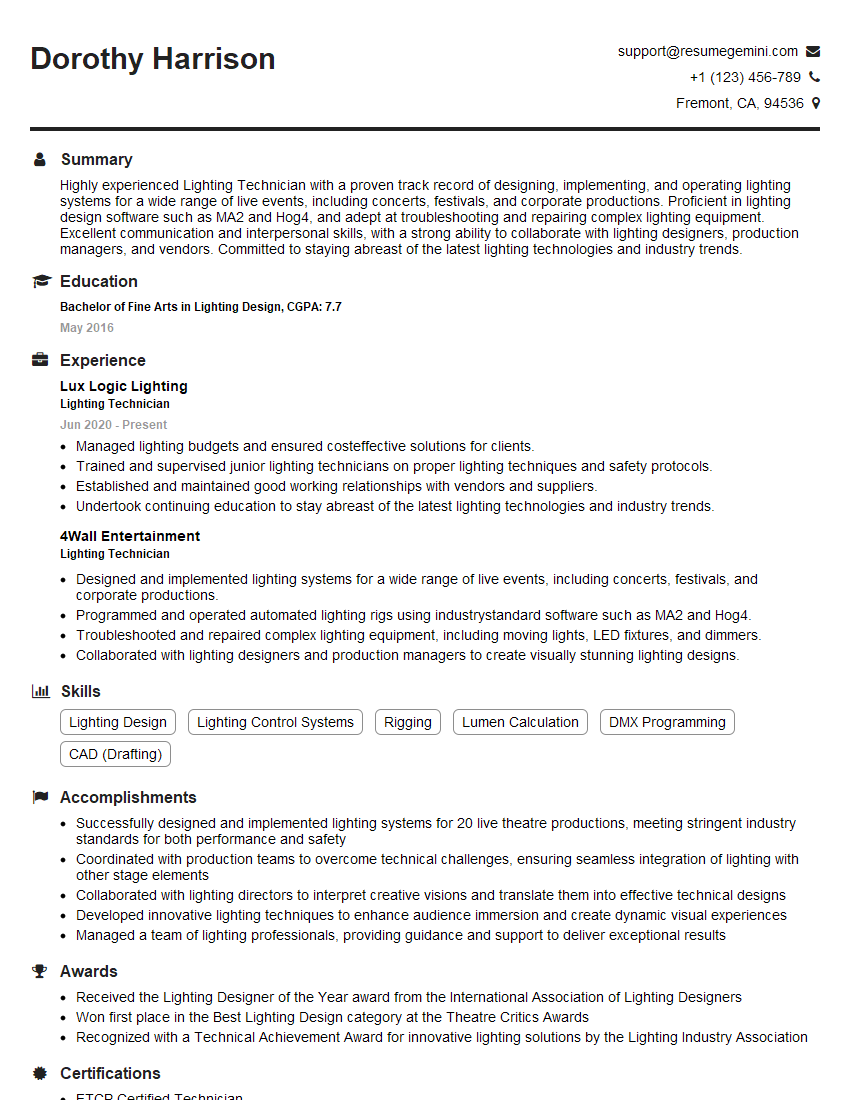
Lighting Technician Resume Sample
Explore more articles
Users Rating of Our Blogs
Share Your Experience
We value your feedback! Please rate our content and share your thoughts (optional).
What Readers Say About Our Blog
Attention music lovers!
Wow, All the best Sax Summer music !!!
Spotify: https://open.spotify.com/artist/6ShcdIT7rPVVaFEpgZQbUk
Apple Music: https://music.apple.com/fr/artist/jimmy-sax-black/1530501936
YouTube: https://music.youtube.com/browse/VLOLAK5uy_noClmC7abM6YpZsnySxRqt3LoalPf88No
Other Platforms and Free Downloads : https://fanlink.tv/jimmysaxblack
on google : https://www.google.com/search?q=22+AND+22+AND+22
on ChatGPT : https://chat.openai.com?q=who20jlJimmy20Black20Sax20Producer
Get back into the groove with Jimmy sax Black
Best regards,
Jimmy sax Black
www.jimmysaxblack.com
Hi I am a troller at The aquatic interview center and I suddenly went so fast in Roblox and it was gone when I reset.
Hi,
Business owners spend hours every week worrying about their website—or avoiding it because it feels overwhelming.
We’d like to take that off your plate:
$69/month. Everything handled.
Our team will:
Design a custom website—or completely overhaul your current one
Take care of hosting as an option
Handle edits and improvements—up to 60 minutes of work included every month
No setup fees, no annual commitments. Just a site that makes a strong first impression.
Find out if it’s right for you:
https://websolutionsgenius.com/awardwinningwebsites
Hello,
we currently offer a complimentary backlink and URL indexing test for search engine optimization professionals.
You can get complimentary indexing credits to test how link discovery works in practice.
No credit card is required and there is no recurring fee.
You can find details here:
https://wikipedia-backlinks.com/indexing/
Regards
NICE RESPONSE TO Q & A
hi
The aim of this message is regarding an unclaimed deposit of a deceased nationale that bears the same name as you. You are not relate to him as there are millions of people answering the names across around the world. But i will use my position to influence the release of the deposit to you for our mutual benefit.
Respond for full details and how to claim the deposit. This is 100% risk free. Send hello to my email id: lukachachibaialuka@gmail.com
Luka Chachibaialuka
Hey interviewgemini.com, just wanted to follow up on my last email.
We just launched Call the Monster, an parenting app that lets you summon friendly ‘monsters’ kids actually listen to.
We’re also running a giveaway for everyone who downloads the app. Since it’s brand new, there aren’t many users yet, which means you’ve got a much better chance of winning some great prizes.
You can check it out here: https://bit.ly/callamonsterapp
Or follow us on Instagram: https://www.instagram.com/callamonsterapp
Thanks,
Ryan
CEO – Call the Monster App
Hey interviewgemini.com, I saw your website and love your approach.
I just want this to look like spam email, but want to share something important to you. We just launched Call the Monster, a parenting app that lets you summon friendly ‘monsters’ kids actually listen to.
Parents are loving it for calming chaos before bedtime. Thought you might want to try it: https://bit.ly/callamonsterapp or just follow our fun monster lore on Instagram: https://www.instagram.com/callamonsterapp
Thanks,
Ryan
CEO – Call A Monster APP
To the interviewgemini.com Owner.
Dear interviewgemini.com Webmaster!
Hi interviewgemini.com Webmaster!
Dear interviewgemini.com Webmaster!
excellent
Hello,
We found issues with your domain’s email setup that may be sending your messages to spam or blocking them completely. InboxShield Mini shows you how to fix it in minutes — no tech skills required.
Scan your domain now for details: https://inboxshield-mini.com/
— Adam @ InboxShield Mini
support@inboxshield-mini.com
Reply STOP to unsubscribe
Hi, are you owner of interviewgemini.com? What if I told you I could help you find extra time in your schedule, reconnect with leads you didn’t even realize you missed, and bring in more “I want to work with you” conversations, without increasing your ad spend or hiring a full-time employee?
All with a flexible, budget-friendly service that could easily pay for itself. Sounds good?
Would it be nice to jump on a quick 10-minute call so I can show you exactly how we make this work?
Best,
Hapei
Marketing Director
Hey, I know you’re the owner of interviewgemini.com. I’ll be quick.
Fundraising for your business is tough and time-consuming. We make it easier by guaranteeing two private investor meetings each month, for six months. No demos, no pitch events – just direct introductions to active investors matched to your startup.
If youR17;re raising, this could help you build real momentum. Want me to send more info?
Hi, I represent an SEO company that specialises in getting you AI citations and higher rankings on Google. I’d like to offer you a 100% free SEO audit for your website. Would you be interested?
Hi, I represent an SEO company that specialises in getting you AI citations and higher rankings on Google. I’d like to offer you a 100% free SEO audit for your website. Would you be interested?