Cracking a skill-specific interview, like one for Stitching and Stapling Techniques, requires understanding the nuances of the role. In this blog, we present the questions you’re most likely to encounter, along with insights into how to answer them effectively. Let’s ensure you’re ready to make a strong impression.
Questions Asked in Stitching and Stapling Techniques Interview
Q 1. What types of stitching techniques are you proficient in?
My stitching proficiency encompasses a wide range of techniques, from basic running stitches and backstitches to more complex methods like blind hemming, French seams, and decorative stitches. I’m also skilled in various embroidery stitches, including satin stitch, cross-stitch, and chain stitch. My experience extends to both hand stitching and machine stitching, allowing me to adapt my approach to different materials and project needs.
- Running Stitch: A basic stitch ideal for basting or quick repairs.
- Backstitch: A strong, durable stitch used for seams that need to withstand stress.
- Blind Hem Stitch: Almost invisible, perfect for finishing hems on garments.
- French Seam: A high-quality seam that encloses all raw edges, commonly used in fine garments.
- Satin Stitch: Used in embroidery to create smooth, filled areas.
For example, when constructing a tailored jacket, I would use French seams for durability and a clean finish, while blind hemming would be ideal for the inconspicuous finish of the sleeves.
Q 2. Describe your experience with different types of sewing machines.
My experience with sewing machines spans various types, from basic domestic machines to industrial models. I’m comfortable operating both mechanical and computerized machines, understanding their unique capabilities and limitations. I’ve worked extensively with straight-stitch machines for production work, as well as machines with a wide array of decorative stitch options for more creative projects. I am familiar with sergers/overlock machines for finishing seams and preventing fraying. My familiarity extends to understanding the mechanics of the machines, allowing me to perform minor maintenance and troubleshooting as needed.
- Domestic Sewing Machines: Excellent for home projects and smaller tasks.
- Industrial Sewing Machines: Designed for high-volume production and durability.
- Sergers/Overlock Machines: Specialized for finishing seams quickly and professionally.
- Computerized Sewing Machines: Offer programmable stitches and advanced features.
For instance, when working on a large-scale project with repetitive stitching, the speed and efficiency of an industrial machine are invaluable. However, for intricate embroidery, a computerized machine with precise stitch control is preferable.
Q 3. What are the common problems encountered in stitching and how do you troubleshoot them?
Common stitching problems often stem from incorrect thread tension, needle selection, or fabric type. For example, skipped stitches often indicate a dull needle, incorrect tension, or a mismatch between the needle and thread. Broken needles are usually caused by using the wrong needle for the fabric or hitting a hard object. Uneven stitch length might be due to improper machine settings or inconsistent feeding of the fabric.
My troubleshooting approach is systematic:
- Inspect the needle: Check for damage, dullness, or incorrect type for the fabric.
- Adjust thread tension: Check and adjust the tension dial on the sewing machine.
- Examine the bobbin: Ensure proper winding and placement of the bobbin.
- Check the feed dogs: Make sure they are clean and functioning properly.
- Assess fabric type: Select appropriate needle and stitch type for the fabric.
If problems persist, I’d consult the machine’s manual and, if necessary, seek expert assistance.
Q 4. Explain the importance of maintaining consistent stitch length and tension.
Maintaining consistent stitch length and tension is crucial for producing high-quality, durable stitches. Inconsistent stitch length can lead to weak seams that easily break under stress, while inconsistent tension causes puckering or loose stitches. This is particularly crucial in garment construction, where the integrity of the seams impacts both the appearance and durability of the final product.
Consistent stitch length ensures even distribution of stress across the seam, minimizing the likelihood of tearing. Consistent tension guarantees that the fabric is held firmly together, preventing puckering or gaping. It ensures a neat and professional finish, important for both functionality and aesthetics.
Imagine trying to build a sturdy wall with uneven bricks – the structure would be weak and prone to collapse. Similarly, inconsistent stitching weakens the garment and compromises its overall quality.
Q 5. How do you select the appropriate needle and thread for different fabrics?
Selecting the correct needle and thread is paramount for successful stitching. Different fabrics require different needle sizes and types to prevent damage to the fabric or the needle itself. The thread should also be appropriate for the fabric’s weight and texture.
For instance, delicate fabrics like silk or chiffon require fine needles (size 60/8 or smaller) and fine threads to prevent snags or holes. Heavier fabrics such as denim or canvas demand heavier needles (size 90/14 or larger) and stronger threads for durability. Using the wrong needle can result in broken needles, skipped stitches, or damage to the fabric.
Here’s a general guideline:
- Fine fabrics (silk, chiffon): Fine needles (60/8 or smaller) and fine threads.
- Medium fabrics (cotton, linen): Medium needles (70/10 to 80/12) and medium threads.
- Heavy fabrics (denim, canvas): Heavy needles (90/14 or larger) and heavy-duty threads.
Q 6. What safety precautions do you follow when operating stitching machinery?
Safety is my top priority when operating stitching machinery. I always follow these precautions:
- Proper machine maintenance: Regularly cleaning and oiling the machine prevents malfunctions and potential hazards.
- Safe operation: Never reaching into the moving parts of the machine while it’s in operation.
- Appropriate attire: Wearing appropriate clothing to avoid entanglement; long hair should be tied back.
- Sharp object handling: Using caution when handling needles and pins.
- Using guards and shields: Utilizing all safety guards and shields provided with the machine.
- Proper disposal of waste: Disposing of needles and thread scraps carefully and safely.
I regularly check for any signs of damage or wear and tear on the equipment before use to prevent any accidents or injuries.
Q 7. Describe your experience with various stapling machines (e.g., manual, electric, heavy-duty).
My experience with stapling machines ranges from basic manual hand-held staplers to heavy-duty electric models. I am proficient in using different types of staplers depending on the specific application.
- Manual Staplers: Suitable for light-duty tasks and small volumes of stapling. I’m experienced in selecting the appropriate staple size for the material being stapled.
- Electric Staplers: Ideal for high-volume tasks and heavier materials. I understand the power settings and adjusting them for different materials.
- Heavy-Duty Staplers: Used for very thick materials or demanding applications; I’m familiar with their safety mechanisms and capabilities.
In a professional context, I’d select an electric stapler for large-scale tasks like binding documents, but a manual stapler would suffice for smaller jobs needing a precise placement of staples.
Q 8. What are the different types of staples and when would you use each?
Staples come in various types, each suited for different applications. The choice depends on the material thickness, desired holding strength, and aesthetic considerations.
- Crown Staples: These are the most common type, featuring a wide crown that distributes pressure across a larger area. They’re ideal for general-purpose stapling of paper, light cardboard, and fabrics.
- Fine Wire Staples: Thinner than crown staples, these are best for delicate materials where a smaller staple footprint is preferred, minimizing damage. Think fine fabrics or delicate papers.
- Heavy-Duty Staples: Larger and thicker than crown staples, these offer superior holding power for thicker materials such as heavy cardboard, wood, or multiple sheets of paper. They are often used in construction or heavy-duty applications.
- Offset Staples: These have a slight offset in their legs, providing better grip and reduced tendency to tear materials. Useful for materials that might be prone to ripping.
- Saddle Staples: These are designed to fasten materials together from the outside, creating a neat and secure closure. Commonly used in bookbinding or saddle stitching.
For example, I would use crown staples for everyday office tasks, fine wire staples for delicate invitations, and heavy-duty staples for securing thick insulation.
Q 9. How do you ensure proper staple placement and penetration?
Proper staple placement and penetration are crucial for a strong, reliable fastening. It’s a matter of both technique and the right equipment. For optimal results:
- Assess Material Thickness: Select the correct staple size and type based on the material’s thickness. Too small, and the staple might not penetrate sufficiently; too large, and it might tear the material.
- Align the Stapler: Ensure the stapler is correctly aligned with the materials to be fastened to prevent misaligned staples. A misaligned staple is weak and aesthetically displeasing.
- Apply Even Pressure: Firm, even pressure on the stapler is key. Avoid jerking or uneven pressure, which can lead to bent or misdriven staples.
- Test on Scraps First: Before working with the final piece, always test the staple placement and penetration on scrap material of the same type. This will prevent mistakes on your actual project.
I always visually inspect the completed staple after driving it to ensure the legs have fully penetrated and are not bent or damaged. In leather work, a slight pre-punching of the hole can even improve penetration and prevent tearing.
Q 10. How do you handle jams or malfunctions in stapling equipment?
Staple jams and malfunctions are frustrating but manageable. My approach is systematic and prioritized towards safety:
- Safety First: Always unplug the stapler from the power source before attempting any repair or cleaning. Never reach into a running stapler.
- Identify the Jam: Carefully examine the stapler to identify where the jam is occurring. Is it a simple misaligned staple, a blockage of staples, or something more serious?
- Clear the Jam: Use tweezers or a similar tool to carefully remove any jammed staples. Avoid forcing anything, as this might cause further damage.
- Check for Obstructions: Remove any debris or obstructions that might be interfering with the stapler’s mechanism.
- Inspect the Staples: Ensure you’re using the correct type and size of staples for the stapler.
- Consult the Manual: If the jam persists, refer to the stapler’s manual for troubleshooting guidance. Sometimes, a simple adjustment will be the solution.
If the problem persists after these steps, it’s best to consult a qualified technician or replace the stapler.
Q 11. What are the limitations of stapling in different materials?
Stapling limitations vary greatly depending on the material being fastened. Some materials are more suitable for stapling than others.
- Paper & Cardboard: Generally very suitable for stapling, provided the correct staple type and size are used.
- Fabric: Stapling can work, but the risk of tearing increases depending on the fabric’s weight and weave. Thinner fabrics are easier to staple than thicker, denser ones.
- Leather & Vinyl: More challenging due to their thickness and potential for tearing. Pre-punching holes can greatly reduce this risk.
- Wood & Plastics: Requires heavier-duty staples and often results in a less aesthetically pleasing finish.
- Metal: Usually unsuitable due to the material’s hardness and resistance to penetration. Other fastening methods should be considered.
It’s crucial to understand these limitations and choose alternative methods if stapling isn’t the appropriate solution. For example, while I can staple thin cotton, I’d use a more robust stitch for thick leather.
Q 12. What is your experience with quality control for stitched and stapled products?
Quality control is paramount in my work. For stitched and stapled products, my approach focuses on several key areas:
- Material Inspection: Prior to stitching or stapling, I always inspect the materials for flaws such as tears, inconsistencies, or defects. This preventative measure saves time and prevents defective finished goods.
- Process Monitoring: Throughout the stitching and stapling process, I monitor each step for quality, ensuring proper staple placement and stitch consistency. I use check lists to aid this.
- Visual Inspection: After completion, a thorough visual inspection is conducted to check for any obvious defects, such as misaligned staples, skipped stitches, or uneven fastening.
- Strength Testing: In some cases, strength testing is performed to verify the fastening’s durability. This is especially important for critical applications.
- Documentation: I maintain detailed records of the materials used, the processes followed, and the quality control checks conducted. This provides traceability and facilitates problem-solving.
A recent project involving bookbinding required meticulous quality control. We tested the strength of each bind and ensured consistent spacing between stitches to maintain the book’s integrity.
Q 13. How do you identify and correct stitching or stapling defects?
Identifying and correcting stitching or stapling defects requires careful observation and attention to detail.
- Misaligned Staples: These are usually visible and can be corrected by removing the misaligned staple and replacing it with a correctly positioned one. This may require some additional material preparation.
- Skipped Stitches: Can be identified visually and often require re-stitching the affected area. The method for correction depends on the fabric and the machine used.
- Loose Staples: Often indicated by visible movement of the joined materials. These need to be re-stapled.
- Bent Staples: These are aesthetically displeasing and weaken the joint. Replacing the bent staples is necessary.
- Uneven Stitching: An inconsistent stitch length can impact both the aesthetic appeal and the strength of the join. If possible, the problematic section needs to be unpicked and re-stitched.
I use a combination of visual inspection and occasionally tactile examination to identify defects. Correction methods are chosen depending on the nature and severity of the defect and the material involved.
Q 14. Describe your experience working with different types of fabrics (e.g., leather, canvas, cotton).
My experience spans a range of fabrics, each requiring specific techniques and considerations.
- Leather: Requires specialized needles and often pre-punching holes to prevent tearing. Stitching is commonly done with strong thread for durability. Stapling is less common due to the risk of damage.
- Canvas: Durable and relatively easy to stitch and staple. Heavier canvas may require heavier-duty staples or stitches.
- Cotton: Can be easily stitched and stapled, though thicker cotton fabrics will necessitate thicker staples or stitches.
For example, in a recent upholstery project using heavy-duty canvas, I used a heavy-duty stapler to attach the fabric to the wooden frame. For a delicate cotton garment, hand stitching would be a more appropriate approach to avoid damaging the fabric.
Q 15. What is your experience with pattern reading and interpretation?
Pattern reading and interpretation are fundamental to my work. It’s like reading a map before embarking on a journey. I meticulously examine each line, notation, and marking on a pattern, understanding its measurements, seam allowances, and grainlines. My experience involves working with a wide range of patterns, from simple garment designs to complex technical drawings for upholstery or industrial applications. I can identify potential issues or ambiguities in a pattern before cutting the fabric, saving time and material waste. For instance, I once encountered a pattern with inconsistent sizing, which I corrected by referring to industry standards and adjusting the measurements to maintain the garment’s intended fit. My ability to interpret patterns extends to understanding construction details, such as dart placement, pleat formation, and pocket construction. This ensures the final product conforms precisely to the design’s specifications.
Career Expert Tips:
- Ace those interviews! Prepare effectively by reviewing the Top 50 Most Common Interview Questions on ResumeGemini.
- Navigate your job search with confidence! Explore a wide range of Career Tips on ResumeGemini. Learn about common challenges and recommendations to overcome them.
- Craft the perfect resume! Master the Art of Resume Writing with ResumeGemini’s guide. Showcase your unique qualifications and achievements effectively.
- Don’t miss out on holiday savings! Build your dream resume with ResumeGemini’s ATS optimized templates.
Q 16. Explain your process for preparing materials before stitching.
Preparing materials is a crucial step. Think of it as preparing the canvas before painting a masterpiece. It impacts the quality and efficiency of the stitching process. My process begins with a thorough inspection of the fabric to check for defects like holes or inconsistencies in the weave. Then I pre-wash the fabric to prevent shrinkage later, unless the pattern specifically states otherwise. Next, I accurately cut the fabric according to the pattern markings, taking care to maintain consistent seam allowances. For delicate materials, I might use a rotary cutter for precision. I carefully press all fabric pieces to remove wrinkles and ensure smooth stitching. For complex projects, I organize all the materials — threads, interfacing, zippers, buttons — in a logical manner to maintain workflow and prevent errors. Any pre-treatment, such as applying interfacing, is done before cutting. This meticulous preparation helps me achieve a high-quality finished product.
Q 17. How do you ensure the durability of your stitching?
Durability in stitching hinges on several factors. Choosing the right needle and thread for the fabric is paramount. A heavier needle for thicker materials, for example. The stitch length also plays a significant role. Shorter stitches create stronger seams, especially in high-stress areas. Reinforcing seams with double stitching or bar tacking at stress points (e.g., corners, pockets) significantly enhances durability. I always use quality thread appropriate for the fabric and the anticipated stress on the finished product. Furthermore, my technique is refined – I ensure consistent tension and avoid skipped stitches. Finally, proper finishing techniques, such as serging or overlocking raw edges, prevent fraying and extend the life of the garment or product. In one project involving heavy-duty canvas bags, I utilized reinforced stitching and bar tacking in high-stress areas like the handles and base, resulting in extremely durable and long-lasting bags.
Q 18. Describe your experience with industrial stitching equipment.
My experience encompasses a wide range of industrial stitching equipment, from single-needle machines to multi-needle lockstitch and chainstitch machines. I’m proficient in operating various industrial sewing machines, understanding their functionalities, maintenance, and safety protocols. I’m familiar with adjusting stitch length, tension, and feed dogs to optimize the stitching process depending on the fabric and design. I have experience troubleshooting common machine problems like skipped stitches, broken needles, and tension issues. For example, I once had to repair a malfunctioning lockstitch machine by replacing a worn-out needle and adjusting the timing mechanism. My skills extend to operating specialized machines such as button-attaching machines and blind-hem machines. Understanding the capabilities of these machines and applying them effectively is essential for efficient and high-quality production.
Q 19. What are the different types of stitch patterns and their applications?
Numerous stitch patterns exist, each serving a specific purpose. Straight stitch is the most basic, ideal for seams needing strength and simplicity. Zigzag stitch is used for decorative purposes or to prevent fraying. Overlock stitch (serging) finishes raw edges, preventing fraying and adding durability. Blind stitch creates invisible seams, often used in hems. Chainstitch is frequently used for decorative stitching or embroidery. Then there’s the Satin stitch, which fills areas with dense stitching, creating a smooth, glossy surface, often used for appliqué. The selection depends entirely on the project. For a tailored suit, I might use a straight stitch for seams and a blind stitch for hems, while a denim jacket might benefit from a combination of straight stitch and overlock stitching for durability and neatness.
Q 20. What is your understanding of stitch density and its impact on the finished product?
Stitch density refers to the number of stitches per inch (SPI) or centimeter (SPC). Think of it as the compactness of the stitching. Higher stitch density usually translates to greater durability and strength, especially in areas subject to stress. However, excessively high density can lead to puckering and stiffness. Conversely, low density might result in weak seams and increased susceptibility to damage. The optimal density depends on factors like fabric weight, material type, and intended use. For instance, a lightweight garment might require a lower stitch density than a heavy-duty canvas bag. Understanding this balance allows me to create a finished product that is both durable and aesthetically pleasing. I carefully select the appropriate stitch density based on the project specifications, ensuring the right balance between strength and flexibility.
Q 21. Explain your experience with blind stitching and its applications.
Blind stitching is a technique that produces almost invisible seams, typically used for hems and similar applications where the stitching shouldn’t be visible from the right side of the fabric. It’s a precise technique requiring specialized needles and stitch settings. I have extensive experience with blind stitching on various materials, adapting my approach depending on the fabric weight and type. For example, I might use a slightly different needle and thread tension for a lightweight silk hem compared to a heavier denim hem. The process involves carefully positioning the stitches to catch only a few threads on the front of the fabric while creating a secure seam on the back. The most challenging aspect is maintaining consistent stitch length and tension to avoid visible stitches on the front. I’ve used blind stitching extensively in tailoring projects, creating clean and professional-looking hems on garments that are visually seamless.
Q 22. How do you ensure accuracy and consistency in your stitching and stapling?
Accuracy and consistency in stitching and stapling are paramount for producing high-quality work. It’s a combination of meticulous technique and the right tools. Think of it like baking a cake – you need precise measurements and careful execution to get a perfect result.
Consistent Tension: Maintaining even tension on the stitching thread or stapling force is crucial. Too loose, and the stitches/staples will be weak and prone to failure; too tight, and it can damage the material or cause the stitches/staples to pop out. I use tools with adjustable tension settings and regularly check the calibration.
Precise Placement: Accurate placement is achieved through careful planning and using guides or templates whenever possible. This ensures that stitches or staples are evenly spaced and in the correct location, leading to a professional finish. For example, when upholstering a chair, I always use a pattern to mark stitch locations beforehand.
Proper Material Selection: Choosing the appropriate thread, staples, and tools for the specific material is key. A heavy-duty staple gun is needed for dense materials while lighter-duty ones suffice for thinner fabrics. This prevents damage and ensures secure fastening.
Regular Equipment Checks: Regularly inspecting and maintaining my equipment, including checking for blunt needles or worn-out staple cartridges, helps prevent inconsistencies and errors. A well-maintained tool is a key to consistent output.
Q 23. Describe a time you had to solve a problem related to stitching or stapling.
During a large-scale event requiring hundreds of banners to be stitched together, we faced a challenge with inconsistent stitching tension leading to several banners ripping. This was due to a batch of faulty thread. We immediately identified the problem by inspecting the ripped banners and comparing them to ones that held up well.
We resolved this by: 1) Isolating and removing the faulty thread; 2) Switching to a trusted thread supplier, confirming its quality before use; and 3) Implementing a more rigorous quality-control check on each batch of stitching. We also retrained the team to immediately report any variations in stitching tension.
This incident underscored the importance of proactive quality control measures. It’s a prime example of how swiftly addressing a problem with clear steps and thorough investigation can prevent widespread defects.
Q 24. How do you maintain and clean your stitching and stapling equipment?
Maintaining and cleaning stitching and stapling equipment is vital for their longevity and optimal performance. Think of it like regularly servicing your car – it keeps it running smoothly and prevents costly repairs. My cleaning routine involves:
Daily Cleaning: Removing dust, lint, and material scraps from the equipment immediately after use with a brush and compressed air for tools like staple guns and sewing machines.
Regular Lubrication: Applying appropriate lubricants to moving parts as recommended by the manufacturer keeps them running smoothly and extends their lifespan. This is especially important for sewing machines.
Needle/Staple Cartridge Inspection: Checking for blunt needles or bent staples and replacing them as needed is crucial for consistent work and safety.
Periodic Deep Cleaning: Periodically disassembling components for a thorough cleaning, removing any built-up debris, and using appropriate cleaning solutions (depending on the material of the tool).
Following these steps ensures equipment lasts longer and delivers consistent performance, preventing frustrating downtime.
Q 25. What are the potential hazards associated with stitching and stapling, and how do you mitigate them?
Stitching and stapling, while seemingly simple tasks, have several potential hazards. Understanding and mitigating these risks is essential for safety.
Needle/Staple Injuries: Accidental pricks or punctures from needles or staples are common risks. Mitigation involves wearing appropriate safety gloves, using needle guards, and ensuring staples are fired in a controlled manner.
Eye Injuries: Flying staples or fragments of material can cause eye injuries. Eye protection, such as safety glasses, should always be worn.
Repetitive Strain Injuries (RSIs): Repetitive motions can lead to RSIs like carpal tunnel syndrome. Mitigation involves taking regular breaks, maintaining proper posture, and using ergonomic tools and equipment.
Electric Shock (for electric staplers): Using faulty or damaged electric equipment can lead to electric shock. Regularly inspecting electrical cords and ensuring the equipment is properly grounded are critical.
Following these safety precautions creates a safer working environment and minimizes risks significantly.
Q 26. What is your understanding of ergonomic principles related to stitching and stapling?
Ergonomic principles are fundamental to safe and efficient stitching and stapling. It’s about designing the work environment and tasks to minimize physical strain and discomfort. This results in increased productivity and reduced risk of injury.
Proper Posture: Maintaining a neutral posture, avoiding prolonged awkward positions and ensuring proper chair height and support is crucial.
Tool Selection: Choosing ergonomic tools that fit comfortably in the hand and reduce repetitive strain. For example, using lightweight, well-balanced tools helps reduce fatigue.
Work Surface Height: Adjusting the work surface to the correct height prevents reaching, stretching, and twisting, all of which contribute to fatigue and injury.
Regular Breaks: Taking regular micro-breaks throughout the day to stretch and change position reduces the risk of RSIs.
By applying ergonomic principles, we can create a more efficient and healthier workplace, minimizing the risk of injury while maximizing productivity.
Q 27. How do you adapt your techniques for different projects or materials?
Adapting techniques for different projects and materials requires versatility and knowledge of material properties. For instance, stitching leather requires different techniques and tools compared to sewing fabrics.
Material Thickness: Heavier materials need stronger threads and possibly larger needles. Staples for thicker materials will need a higher penetration force.
Material Type: Delicate materials require finer needles and stitches to avoid damage. Some materials require specialized stitches to prevent fraying or tearing.
Stitch Type: Different stitch types are used for various purposes. A running stitch is simple, while a backstitch is stronger and more durable. Saddle stitch is ideal for leatherwork.
Staple Type: Different staple types are designed for different materials and applications. Crown staples are best for general use, whereas heavy-duty staples are for thicker materials.
Understanding the characteristics of various materials and applying the appropriate stitching/stapling techniques is critical for producing high-quality and durable results. Experience allows me to intuitively adjust my approach as needed.
Q 28. Describe your experience working in a fast-paced production environment.
I thrive in fast-paced production environments. My experience in a high-volume upholstery shop provided ample opportunity to develop efficient workflows and techniques. We had daily quotas and tight deadlines, demanding speed and precision.
My approach was based on:
Efficient Work Organization: I developed a system to organize my materials, tools, and workspace to minimize wasted time and movement.
Process Optimization: I constantly looked for ways to streamline the stitching and stapling processes, identifying bottlenecks and implementing improvements. This involved close collaboration with other team members.
Quality Control: Even under pressure, maintaining quality was paramount. I implemented quick, efficient checks at each stage to ensure the work met the required standards.
Teamwork and Communication: Effective communication and collaboration with team members were crucial for ensuring smooth workflow and coordinating tasks.
This experience honed my ability to work effectively under pressure while maintaining a high level of accuracy and quality. I excel in environments that require both speed and precision.
Key Topics to Learn for Your Stitching and Stapling Techniques Interview
- Types of Stitches and Staples: Understanding the various stitch types (e.g., saddle stitch, machine stitch, hand stitch) and staple configurations for different materials and applications. This includes knowing the strengths and weaknesses of each.
- Material Selection and Preparation: Knowing how to choose the appropriate materials for stitching and stapling based on project requirements (thickness, texture, durability). This includes pre-preparation techniques like edge finishing and hole punching.
- Equipment Operation and Maintenance: Familiarity with different stitching and stapling machines, including their operation, safety procedures, and basic maintenance. This also encompasses troubleshooting common equipment malfunctions.
- Quality Control and Inspection: Understanding quality standards and how to inspect finished products for defects like inconsistent stitching, staple misalignment, or material damage. This includes identifying and correcting errors.
- Safety Procedures and Regulations: Knowledge of relevant safety protocols for handling machinery and materials to prevent workplace accidents. Familiarity with industry-specific safety regulations is crucial.
- Advanced Techniques and Applications: Exploring specialized stitching and stapling techniques, such as blind stitching, wire stitching, or the use of specialized staples for unique materials or projects. This demonstrates a deeper understanding of the field.
- Problem-Solving and Troubleshooting: Being able to identify and resolve common issues encountered during the stitching and stapling process, such as jammed machines, broken needles, or material inconsistencies.
Next Steps
Mastering stitching and stapling techniques is key to advancing your career in many fields, from bookbinding and garment production to packaging and manufacturing. A strong understanding of these skills showcases your precision, attention to detail, and practical abilities. To maximize your job prospects, create a compelling and ATS-friendly resume that highlights your expertise. ResumeGemini is a trusted resource that can help you build a professional resume that showcases your skills effectively. They provide examples of resumes tailored to the Stitching and Stapling Techniques field, allowing you to craft a document that stands out from the competition.
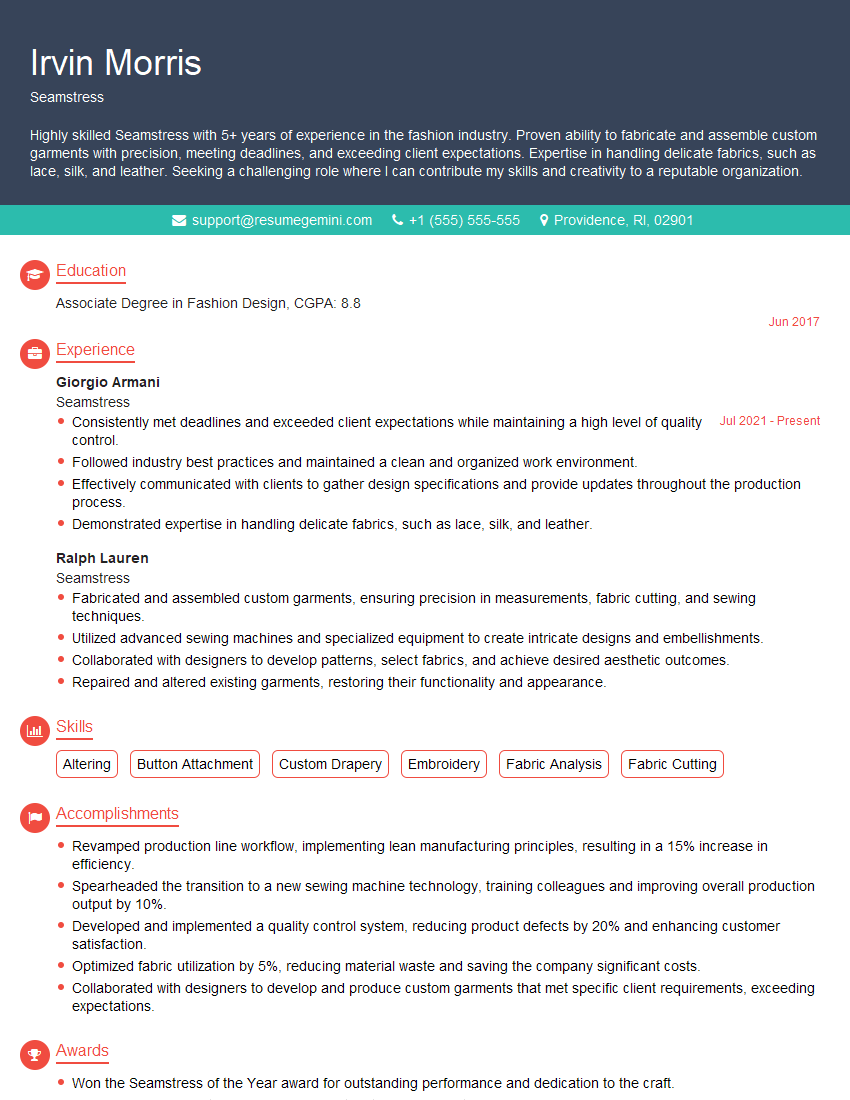
Seamstress Resume Sample
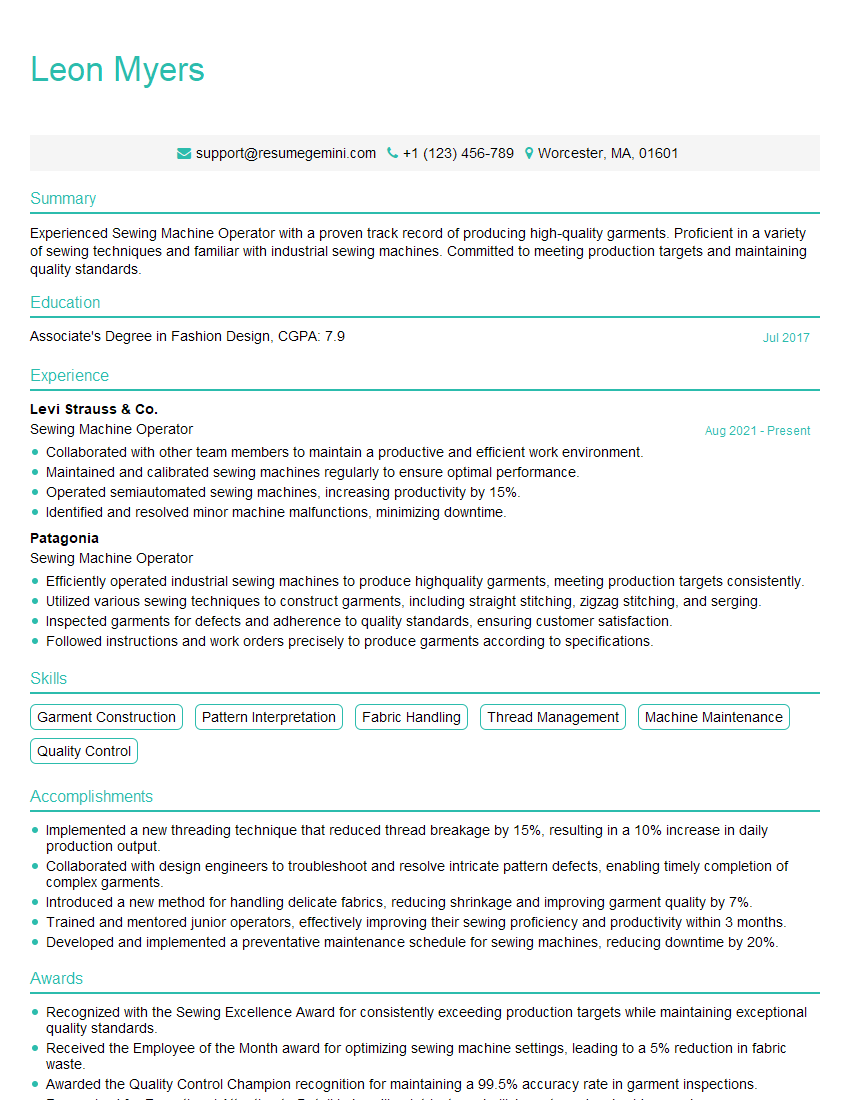
Sewing Machine Operator Resume Sample
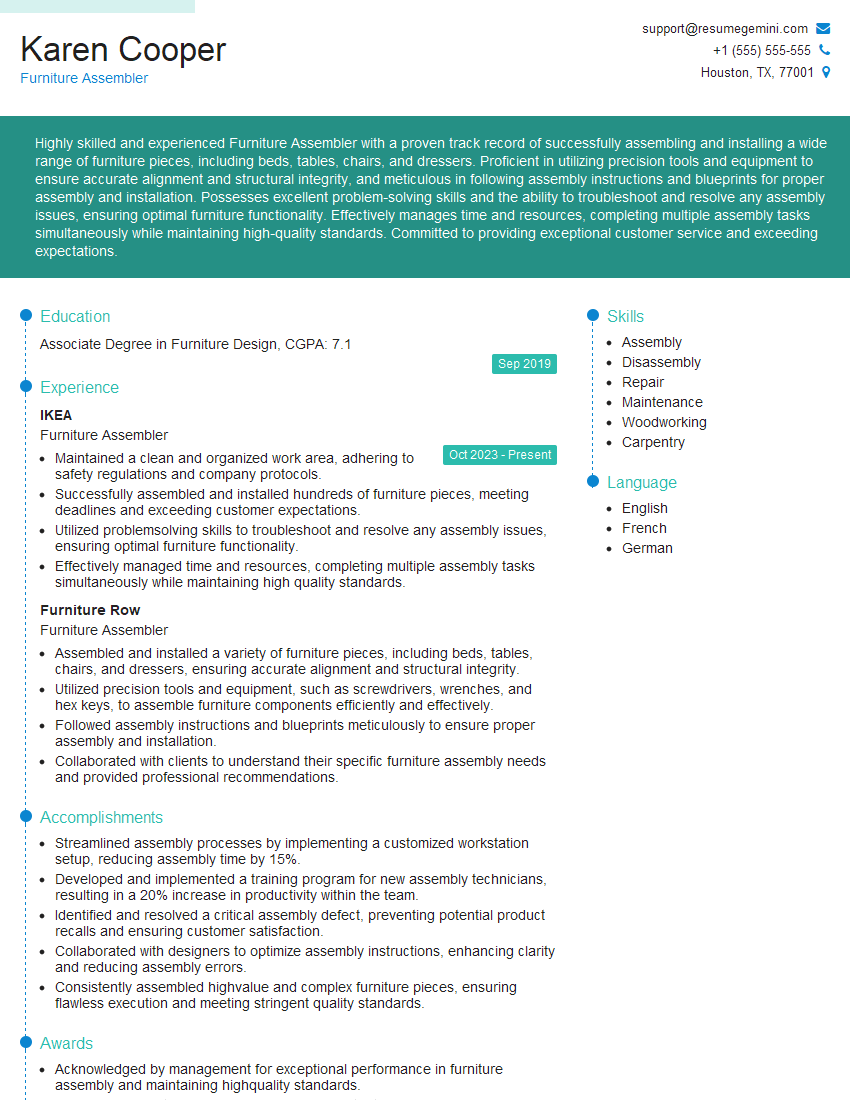
Furniture Assembler Resume Sample

Sign Maker Resume Sample
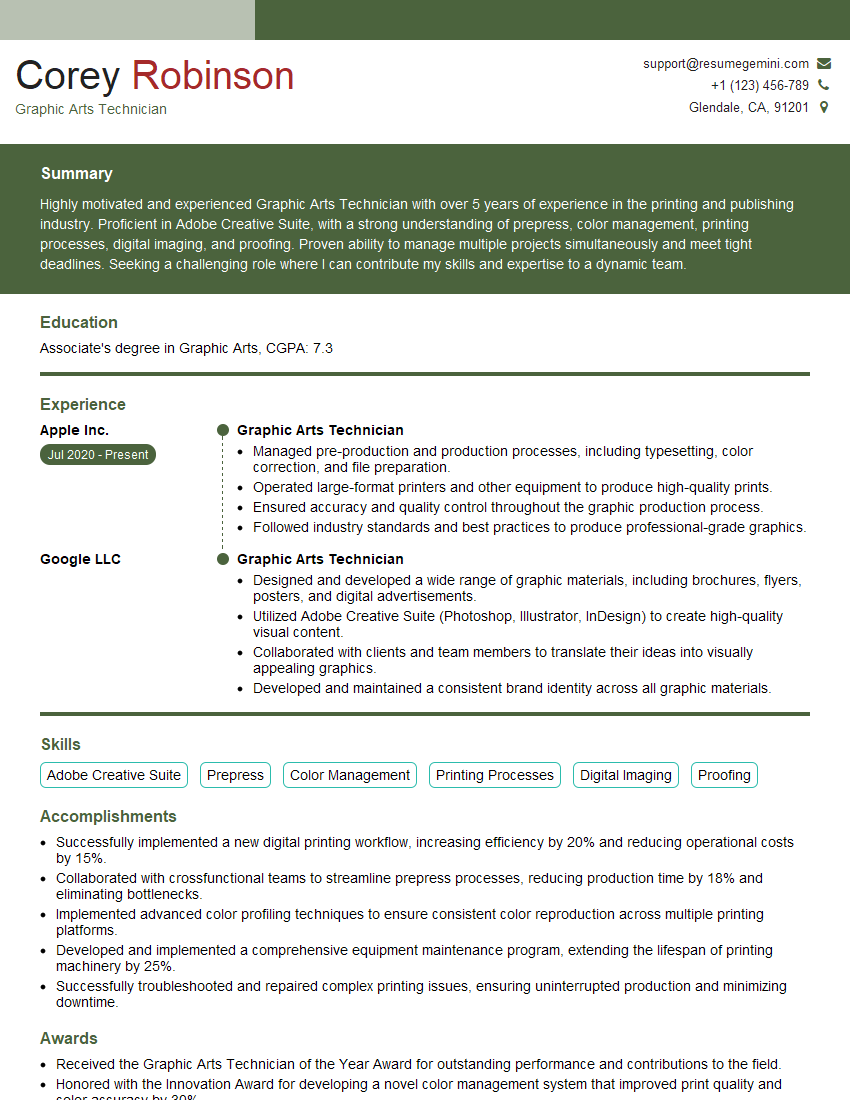
Graphic Arts Technician Resume Sample
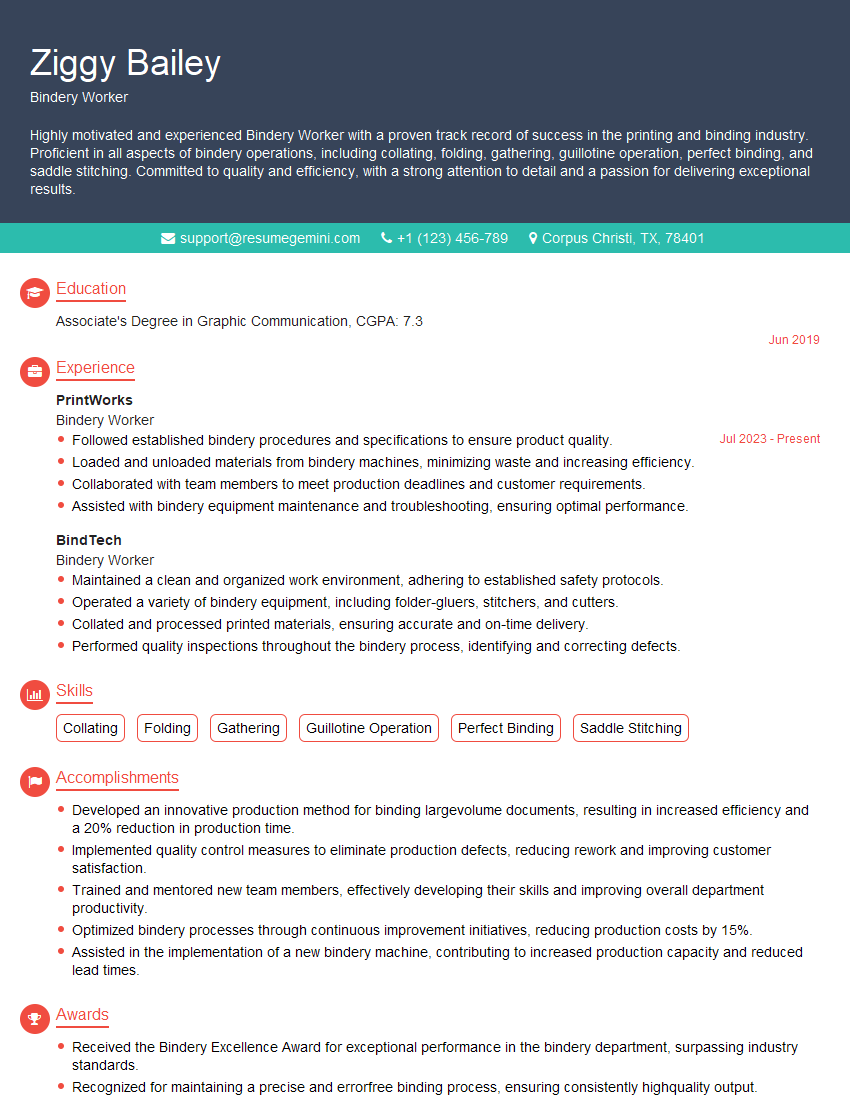
Bindery Worker Resume Sample
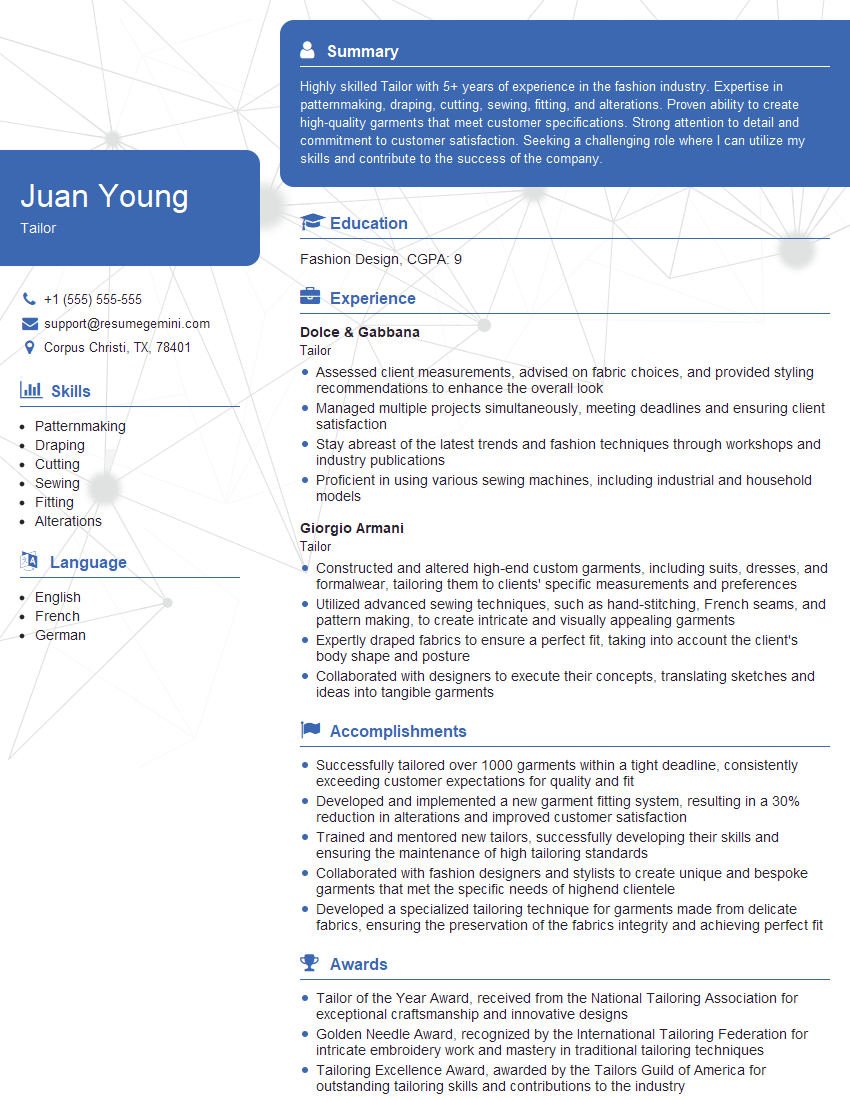
Tailor Resume Sample

Shoemaker Resume Sample

Upholstery Technician Resume Sample

Medical Device Assembler Resume Sample

Bookbinder Resume Sample
Explore more articles
Users Rating of Our Blogs
Share Your Experience
We value your feedback! Please rate our content and share your thoughts (optional).
What Readers Say About Our Blog
Attention music lovers!
Wow, All the best Sax Summer music !!!
Spotify: https://open.spotify.com/artist/6ShcdIT7rPVVaFEpgZQbUk
Apple Music: https://music.apple.com/fr/artist/jimmy-sax-black/1530501936
YouTube: https://music.youtube.com/browse/VLOLAK5uy_noClmC7abM6YpZsnySxRqt3LoalPf88No
Other Platforms and Free Downloads : https://fanlink.tv/jimmysaxblack
on google : https://www.google.com/search?q=22+AND+22+AND+22
on ChatGPT : https://chat.openai.com?q=who20jlJimmy20Black20Sax20Producer
Get back into the groove with Jimmy sax Black
Best regards,
Jimmy sax Black
www.jimmysaxblack.com
Hi I am a troller at The aquatic interview center and I suddenly went so fast in Roblox and it was gone when I reset.
Hi,
Business owners spend hours every week worrying about their website—or avoiding it because it feels overwhelming.
We’d like to take that off your plate:
$69/month. Everything handled.
Our team will:
Design a custom website—or completely overhaul your current one
Take care of hosting as an option
Handle edits and improvements—up to 60 minutes of work included every month
No setup fees, no annual commitments. Just a site that makes a strong first impression.
Find out if it’s right for you:
https://websolutionsgenius.com/awardwinningwebsites
Hello,
we currently offer a complimentary backlink and URL indexing test for search engine optimization professionals.
You can get complimentary indexing credits to test how link discovery works in practice.
No credit card is required and there is no recurring fee.
You can find details here:
https://wikipedia-backlinks.com/indexing/
Regards
NICE RESPONSE TO Q & A
hi
The aim of this message is regarding an unclaimed deposit of a deceased nationale that bears the same name as you. You are not relate to him as there are millions of people answering the names across around the world. But i will use my position to influence the release of the deposit to you for our mutual benefit.
Respond for full details and how to claim the deposit. This is 100% risk free. Send hello to my email id: lukachachibaialuka@gmail.com
Luka Chachibaialuka
Hey interviewgemini.com, just wanted to follow up on my last email.
We just launched Call the Monster, an parenting app that lets you summon friendly ‘monsters’ kids actually listen to.
We’re also running a giveaway for everyone who downloads the app. Since it’s brand new, there aren’t many users yet, which means you’ve got a much better chance of winning some great prizes.
You can check it out here: https://bit.ly/callamonsterapp
Or follow us on Instagram: https://www.instagram.com/callamonsterapp
Thanks,
Ryan
CEO – Call the Monster App
Hey interviewgemini.com, I saw your website and love your approach.
I just want this to look like spam email, but want to share something important to you. We just launched Call the Monster, a parenting app that lets you summon friendly ‘monsters’ kids actually listen to.
Parents are loving it for calming chaos before bedtime. Thought you might want to try it: https://bit.ly/callamonsterapp or just follow our fun monster lore on Instagram: https://www.instagram.com/callamonsterapp
Thanks,
Ryan
CEO – Call A Monster APP
To the interviewgemini.com Owner.
Dear interviewgemini.com Webmaster!
Hi interviewgemini.com Webmaster!
Dear interviewgemini.com Webmaster!
excellent
Hello,
We found issues with your domain’s email setup that may be sending your messages to spam or blocking them completely. InboxShield Mini shows you how to fix it in minutes — no tech skills required.
Scan your domain now for details: https://inboxshield-mini.com/
— Adam @ InboxShield Mini
support@inboxshield-mini.com
Reply STOP to unsubscribe
Hi, are you owner of interviewgemini.com? What if I told you I could help you find extra time in your schedule, reconnect with leads you didn’t even realize you missed, and bring in more “I want to work with you” conversations, without increasing your ad spend or hiring a full-time employee?
All with a flexible, budget-friendly service that could easily pay for itself. Sounds good?
Would it be nice to jump on a quick 10-minute call so I can show you exactly how we make this work?
Best,
Hapei
Marketing Director
Hey, I know you’re the owner of interviewgemini.com. I’ll be quick.
Fundraising for your business is tough and time-consuming. We make it easier by guaranteeing two private investor meetings each month, for six months. No demos, no pitch events – just direct introductions to active investors matched to your startup.
If youR17;re raising, this could help you build real momentum. Want me to send more info?
Hi, I represent an SEO company that specialises in getting you AI citations and higher rankings on Google. I’d like to offer you a 100% free SEO audit for your website. Would you be interested?
Hi, I represent an SEO company that specialises in getting you AI citations and higher rankings on Google. I’d like to offer you a 100% free SEO audit for your website. Would you be interested?