Are you ready to stand out in your next interview? Understanding and preparing for Store Design interview questions is a game-changer. In this blog, we’ve compiled key questions and expert advice to help you showcase your skills with confidence and precision. Let’s get started on your journey to acing the interview.
Questions Asked in Store Design Interview
Q 1. Describe your experience in creating store layouts that maximize customer flow and sales.
Optimizing customer flow and sales in store design is about creating a journey that naturally guides shoppers through the space, encouraging them to explore and purchase. This involves a deep understanding of shopper psychology and leveraging space efficiently.
- Decompression Zone: The first area customers enter needs space to adjust. Avoid placing high-value items here; instead, use it to set the brand tone and draw customers further in.
- Power Walls: High-impact product placement near entrances and at the ends of aisles can capture attention and drive sales. Think of it like the prime real estate in a store.
- Impulse Buys: Position impulse items like candy or magazines near checkout counters to capitalize on last-minute purchases. They’re strategically placed for maximum impact.
- Strategic Aisles: Design aisles to encourage exploration. Varying widths and using fixtures to create natural pathways can guide customers and increase dwell time. A wider aisle can highlight a feature product, while a narrower one can create a sense of intimacy.
- Data Analysis: Heatmaps and sales data provide insights into customer behavior, helping refine layout and placement for better results. Analyzing this data is crucial for iterative improvement.
For example, in designing a bookstore, I once used a curving main aisle to draw customers past various genres, strategically placing bestseller displays along the way, resulting in a 15% increase in average purchase value.
Q 2. How do you incorporate brand identity into store design?
Incorporating brand identity into store design is crucial for creating a cohesive and memorable customer experience. It’s about translating the brand’s personality, values, and story into the physical space.
- Color Palette: Use colors that reflect the brand’s image. For a high-end brand, sophisticated neutrals might be chosen; for a playful brand, bright and vibrant colors would be more appropriate.
- Materials & Textures: Select materials that align with the brand’s aesthetic. Raw wood might work for a rustic brand, while polished steel might suit a modern brand.
- Typography & Signage: Consistent typography and signage maintain brand recognition and readability. The font should mirror the brand’s personality; a clean sans-serif font for a modern brand versus a script font for a vintage brand.
- Lighting & Ambiance: Lighting significantly impacts the mood. Warm lighting creates a cozy atmosphere, while bright lighting can highlight products. The lighting chosen depends on the brand’s overall message.
- Storytelling: Use visual merchandising to communicate the brand’s narrative. This could involve displaying historical artifacts or creating themed displays to engage customers and build brand loyalty.
For instance, when designing a store for an eco-conscious clothing brand, we used reclaimed wood, sustainable materials, and natural lighting to reflect their commitment to environmental responsibility.
Q 3. Explain your process for selecting appropriate materials and fixtures for a retail space.
Selecting appropriate materials and fixtures is a critical step that influences both the aesthetics and functionality of a retail space. The choice depends heavily on the brand, budget, and the store’s purpose.
- Durability: Choose materials that can withstand daily wear and tear, especially in high-traffic areas. Consider the materials’ resistance to scratches, stains, and damage.
- Maintenance: Select low-maintenance materials to minimize cleaning and upkeep costs. Easy-to-clean surfaces are a must for any retail store.
- Brand Consistency: The materials should align with the brand’s aesthetic and overall message.
- Cost-Effectiveness: Balance aesthetics with budget constraints. There are many cost-effective options that still maintain a high-quality look and feel.
- Safety: Ensure all materials and fixtures meet safety standards and regulations, especially regarding fire safety and accessibility.
For example, in a high-end jewelry store, we opted for polished granite countertops and brushed steel fixtures to create a luxurious and secure environment, contrasting with a sports store where we chose robust, easily cleaned materials like laminate and metal.
Q 4. How do you balance aesthetics with functionality in store design?
Balancing aesthetics and functionality is fundamental to successful store design. It’s about creating a space that is both visually appealing and practical for both customers and staff.
- Layout Optimization: A well-planned layout improves customer flow and staff efficiency without compromising the aesthetic appeal.
- Visual Merchandising: Showcase products in an attractive way without overcrowding the space. Clever use of displays enhances both aesthetics and sales.
- Material Selection: Choose materials that are both visually appealing and durable, maintaining a balance between form and function.
- Lighting Design: Use lighting strategically to highlight products and create a pleasant atmosphere without harsh or inadequate lighting.
- Technology Integration: Incorporate technology seamlessly, without sacrificing aesthetics. Digital signage, for instance, can be aesthetically pleasing while providing important information.
Imagine a café: a beautiful, rustic design wouldn’t work if the layout hindered customer service or made it difficult for staff to move around. A balance is key—a visually stunning space where function doesn’t suffer.
Q 5. Describe your experience with CAD software used for store design.
I’m proficient in various CAD software, including Revit, SketchUp, and AutoCAD. These tools are essential for creating detailed and accurate store designs.
- Revit: Ideal for complex projects, offering features for building information modeling (BIM), enabling efficient collaboration and detailed documentation.
- SketchUp: Excellent for quick visualization and prototyping, particularly helpful in the early design stages, allowing for rapid iterations and client presentations.
- AutoCAD: A versatile tool for 2D and 3D drafting, useful for precise drawings and detailed plans. It’s a robust program for detailed construction documents.
My expertise allows me to leverage the strengths of each software to best suit the project’s needs. For example, I use SketchUp for initial concept designs, then transition to Revit for detailed construction documents and BIM coordination.
Q 6. How do you manage budgets and timelines for store design projects?
Managing budgets and timelines requires meticulous planning and proactive monitoring. I use a phased approach to ensure projects stay on track.
- Detailed Budgeting: Create a comprehensive budget that includes all aspects of the project, from materials and labor to permits and unforeseen costs.
- Phased Approach: Break down the project into manageable phases with specific milestones and deadlines. This allows for better tracking and adjustment.
- Regular Monitoring: Track progress against the budget and timeline regularly, making adjustments as needed. This requires constant vigilance.
- Risk Management: Identify potential risks and develop contingency plans to address them. This reduces delays and cost overruns.
- Client Communication: Maintain open and transparent communication with the client to keep them informed of progress and any potential issues.
For instance, I once used a detailed spreadsheet with individual line items for each phase, regularly updating it based on actual costs. This allowed for early detection of potential budget overruns and timely corrective action.
Q 7. What are some key considerations for designing accessible retail spaces?
Designing accessible retail spaces is crucial for inclusivity and ensuring a positive shopping experience for everyone. It’s about adhering to ADA (Americans with Disabilities Act) guidelines and best practices.
- Accessible Entrances: Ensure ramps or level entrances with appropriate clearances for wheelchairs and other mobility devices.
- Wide Aisles: Provide wider aisles than standard to accommodate wheelchairs and other mobility aids.
- Accessible Fixtures: Install fixtures at appropriate heights and with enough space for maneuvering.
- Clear Signage: Use clear and easy-to-read signage with tactile elements for visually impaired customers.
- Accessible Restrooms: Ensure accessible restrooms are available and compliant with ADA standards.
- Sensory Considerations: Minimize excessive noise and disruptive lighting; consider customers with sensory sensitivities.
In a recent project, we ensured wide aisles, ramped entrances, lowered counters, and braille signage, focusing on creating a welcoming and comfortable environment for all customers regardless of ability.
Q 8. How do you incorporate sustainability into your store design?
Sustainability is paramount in modern store design, extending beyond a simple trend to encompass ethical and economic responsibility. I integrate sustainable practices throughout the entire design process, from material selection to construction and ongoing operation.
- Material Selection: I prioritize using recycled and reclaimed materials whenever possible. For example, I recently used reclaimed wood for shelving in a boutique, reducing the environmental impact of new lumber production. I also specify materials with low embodied carbon and those sourced from responsibly managed forests.
- Energy Efficiency: Designing for energy efficiency is critical. This involves incorporating features like energy-efficient lighting (LEDs), smart thermostats, and natural ventilation to minimize energy consumption. In one project, we achieved a 30% reduction in energy use through strategic building orientation and optimized HVAC systems.
- Waste Reduction: Minimizing construction waste is a key focus. This involves careful planning, precise material ordering, and working with contractors committed to recycling and waste diversion programs. We often employ modular design elements to facilitate easy disassembly and reuse in future projects.
- Water Conservation: I incorporate low-flow fixtures and water-efficient landscaping elements where appropriate to reduce water consumption. In a recent project for a supermarket, we integrated rainwater harvesting for irrigation.
- Durability and Longevity: Choosing durable and long-lasting materials reduces the need for frequent replacements, minimizing the overall environmental footprint of the store over its lifetime.
Ultimately, sustainable store design is about creating a space that is both beautiful and environmentally responsible, a balance that benefits both the business and the planet.
Q 9. Explain your understanding of visual merchandising principles.
Visual merchandising is the art and science of presenting products in a way that entices customers to buy. It’s about creating a compelling narrative that draws the eye, stimulates desire, and ultimately drives sales. My understanding encompasses several key principles:
- Color Psychology: Using color strategically to evoke specific emotions and moods. Warm colors like reds and oranges can stimulate excitement and urgency, while cooler colors like blues and greens promote calmness and relaxation. This is tailored to the brand and target audience.
- Space Planning and Flow: Designing the store layout to guide customer traffic and maximize product visibility. This involves strategically placing high-demand items and creating clear pathways that encourage exploration.
- Product Presentation: Displaying products attractively and effectively, highlighting key features and benefits. This might involve using mannequins, displays, props, or other visual elements to create engaging displays.
- Signage and Graphics: Using signage and graphics to communicate brand messaging, highlight promotions, and guide customers through the store. This needs to be consistent with the overall store design and brand identity.
- Lighting: Employing effective lighting to highlight products and create the desired ambiance. Different lighting styles can create vastly different moods and shopping experiences.
- Storytelling: Creating a cohesive narrative that reflects the brand’s personality and values. This can involve thematic displays, window displays, or other visual elements that tell a story and engage customers.
Visual merchandising isn’t just about aesthetics; it’s a powerful tool for enhancing the shopping experience and boosting sales. I always work closely with the marketing team to ensure that the visual merchandising strategy aligns with the overall brand strategy.
Q 10. Describe your experience with 3D modeling and rendering for store design.
I have extensive experience using 3D modeling and rendering software, primarily SketchUp, Revit, and V-Ray, to create detailed and realistic visualizations of store designs. This allows clients to experience the design before construction begins.
My workflow typically involves:
- Conceptualization: Starting with initial sketches and client briefings to develop a clear understanding of the project requirements.
- 3D Modeling: Building a detailed 3D model of the store space, including all fixtures, furniture, and product displays. This involves using precise measurements and paying close attention to detail.
- Material Application: Applying realistic materials and textures to the model to create a lifelike representation of the finished design.
- Lighting and Rendering: Using rendering software to create high-quality images and animations that accurately depict the store’s lighting, ambiance, and overall appearance. This allows clients to view different lighting schemes and product placement options.
- Presentation: Presenting the renderings to clients, along with floor plans and other documentation, to ensure they are satisfied with the design.
3D modeling and rendering are invaluable tools for communication and collaboration, enabling clients to visualize the design and make informed decisions throughout the design process. For instance, in a recent project, 3D rendering allowed the client to see how changes in ceiling height affected the overall feel of the space before any construction began.
Q 11. How do you handle changes and unexpected challenges during a store design project?
Change is inevitable in any design project, and I embrace a flexible and adaptable approach to handle unforeseen challenges. My strategy involves:
- Open Communication: Maintaining clear and consistent communication with all stakeholders, keeping them informed of any changes or potential issues.
- Contingency Planning: Developing contingency plans to address potential problems, such as material shortages or unexpected delays. This involves having backup options and solutions ready.
- Problem-Solving: Utilizing creative problem-solving skills to find solutions to unexpected challenges, while ensuring the overall design integrity and project goals are maintained.
- Flexibility and Adaptability: Adapting the design as needed to accommodate changes in requirements or unforeseen circumstances, always prioritizing the client’s satisfaction and project success.
- Version Control: Maintaining detailed documentation and version control of the design to track changes and revisions. This ensures traceability and allows for easy rollback if needed.
For example, during a recent renovation project, a critical structural issue was discovered unexpectedly. I worked closely with the construction team and engineers to develop a revised design that addressed the issue without compromising the overall aesthetic vision. Open communication and proactive problem-solving were key to successfully navigating this challenge.
Q 12. How do you collaborate with other stakeholders (e.g., marketing, construction) in a store design project?
Collaboration is essential for successful store design projects. I foster strong relationships with all stakeholders, including marketing, construction, and the client, ensuring clear communication and a shared vision.
- Regular Meetings: Conducting regular meetings with all stakeholders to review progress, address issues, and ensure everyone is on the same page. This involves using collaborative tools to track progress.
- Shared Design Platform: Utilizing cloud-based design platforms to facilitate seamless collaboration and real-time access to project documents and updates.
- Open Communication Channels: Establishing clear communication channels to facilitate quick and efficient communication between all parties.
- Feedback Integration: Actively soliciting and integrating feedback from all stakeholders throughout the design process to ensure the design meets everyone’s expectations.
- Constructive Dialogue: Fostering a collaborative environment where open dialogue and constructive feedback are encouraged. This ensures that diverse perspectives are considered.
For example, in a recent project, I worked closely with the marketing team to ensure the store design reflected the brand’s identity and messaging. By actively integrating their input, we created a store that was both visually appealing and effectively communicated the brand’s unique value proposition.
Q 13. Describe your experience working with different retail formats (e.g., flagship store, pop-up shop).
I have experience designing for a variety of retail formats, each presenting unique challenges and opportunities. My approach adapts to the specific requirements of each format:
- Flagship Stores: These demand a high level of design sophistication, reflecting the brand’s identity and market position. The focus is on creating a unique and memorable experience that showcases the brand’s premium image. I utilize high-end materials, innovative design features, and unique spatial arrangements to achieve this. A recent flagship store design incorporated a multi-story atrium with interactive displays.
- Pop-up Shops: These require a rapid design and build process, often with limited budgets and temporary locations. The design should be flexible and easily adaptable, focusing on a strong visual impact and brand recognition. I leverage modular design elements and readily available materials to meet these requirements. For a recent pop-up shop, we utilized shipping containers for a unique, easily transportable design.
- Smaller Retail Spaces: Optimizing space is critical in smaller retail formats to ensure maximum product visibility and efficient customer flow. This might involve using vertical displays, clever storage solutions, and efficient space planning techniques. A recent small-format retail project used mirrored walls to create an illusion of larger space.
My experience across different formats allows me to tailor my design approach to optimize the space and achieve the specific goals for each project, irrespective of scale or time constraints.
Q 14. How do you measure the success of a store design project?
Measuring the success of a store design project goes beyond aesthetics; it’s about evaluating its impact on business outcomes. My approach to measuring success involves a multi-faceted evaluation:
- Sales Data: Analyzing sales data before and after the redesign to determine the impact on sales revenue and conversion rates. A significant increase in sales indicates a successful design.
- Customer Feedback: Gathering customer feedback through surveys, interviews, or online reviews to assess their satisfaction with the store’s design and shopping experience. Positive feedback is a strong indicator of success.
- Foot Traffic: Monitoring foot traffic data to track changes in customer visitation. Increased foot traffic suggests the store’s design is attracting more customers.
- Operational Efficiency: Evaluating the efficiency of store operations, considering factors such as inventory management, staff productivity, and customer service efficiency. A streamlined design positively impacts efficiency.
- Brand Image: Assessing the impact of the store design on the brand’s image and perception. A strong brand image enhances customer loyalty.
These metrics provide a holistic view of the project’s success, allowing me to identify areas of strength and areas for improvement in future projects. By incorporating data-driven analysis, we can refine our design strategies and ensure that future store designs meet or exceed expectations.
Q 15. How do you stay up-to-date on the latest trends in store design?
Staying current in the dynamic field of store design requires a multi-pronged approach. It’s not enough to simply rely on one source; a blend of strategies is key.
- Industry Publications and Websites: I regularly read publications like Retail Design Institute (RDI) Magazine and Visual Merchandising & Store Design, and I follow influential blogs and websites dedicated to retail trends and design. This keeps me abreast of innovative concepts and emerging technologies.
- Trade Shows and Conferences: Attending events like EuroShop and Shop! are invaluable. They offer a firsthand look at the latest materials, technologies, and design philosophies. Networking with fellow designers and industry leaders also provides valuable insights.
- Competitive Analysis: I actively visit stores – both successful and struggling ones – to observe their layouts, displays, and customer flow. This allows for critical evaluation and the identification of best practices and areas for improvement. I analyze both online and brick-and-mortar spaces.
- Social Media and Online Communities: Platforms like Pinterest, Instagram, and LinkedIn provide a wealth of visual inspiration and discussions about emerging trends. Following key influencers and participating in relevant groups expands my knowledge base significantly.
Essentially, staying up-to-date is an ongoing process requiring dedication and a proactive approach to learning and observation.
Career Expert Tips:
- Ace those interviews! Prepare effectively by reviewing the Top 50 Most Common Interview Questions on ResumeGemini.
- Navigate your job search with confidence! Explore a wide range of Career Tips on ResumeGemini. Learn about common challenges and recommendations to overcome them.
- Craft the perfect resume! Master the Art of Resume Writing with ResumeGemini’s guide. Showcase your unique qualifications and achievements effectively.
- Don’t miss out on holiday savings! Build your dream resume with ResumeGemini’s ATS optimized templates.
Q 16. Describe your experience with different retail design styles (e.g., minimalist, modern, traditional).
My experience encompasses a broad range of retail design styles, each with its own unique characteristics and challenges. I’ve worked on projects ranging from sleek, minimalist boutiques to warm, traditional department stores and modern, tech-forward showrooms.
- Minimalist: This style prioritizes clean lines, open spaces, and a limited color palette. The focus is on highlighting individual products and creating a sense of calm and sophistication. A recent project involved designing a minimalist clothing boutique, where we used neutral colors, natural light, and strategically placed spotlights to showcase the merchandise.
- Modern: Modern design incorporates contemporary materials, bold geometric shapes, and often features a blend of textures and colors. We can think of Apple stores as a prime example. The aim is often to create a dynamic and engaging environment. For a recent project, we incorporated sustainable materials like reclaimed wood and recycled metal into a modern furniture showroom.
- Traditional: This style emphasizes classic elements, such as rich wood finishes, ornate details, and warm lighting. The goal is often to create a sense of history and elegance. I worked on a project redesigning a historic bookstore, where we preserved original architectural features while incorporating modern lighting and display techniques.
Understanding the nuances of each style is crucial, as it allows for tailoring the design to the specific brand identity and target audience.
Q 17. How do you incorporate technology into your store design (e.g., interactive displays, digital signage)?
Technology is no longer a luxury; it’s a necessity in modern store design. Integrating technology enhances customer experience, improves operational efficiency, and provides valuable data for informed business decisions.
- Interactive Displays: These allow customers to explore products in detail, customize options, and even place orders directly. For example, a furniture store might use augmented reality (AR) displays that let customers visualize how a piece of furniture would look in their homes.
- Digital Signage: Digital screens provide dynamic content, such as product promotions, directional information, and engaging visuals. These can be highly customizable and easily updated to reflect current sales or events.
- Mobile Point of Sale (POS) Systems: Mobile POS systems allow staff to process transactions anywhere in the store, reducing wait times and improving customer flow. This is particularly beneficial in larger stores or those with busy periods.
- Smart Lighting: Smart lighting systems allow for dynamic adjustments in lighting levels and color temperature to create different moods and highlight specific products. This can be controlled remotely and optimized based on data collected about customer movement and behavior.
The key is to integrate technology seamlessly into the store design, ensuring that it complements the overall aesthetic and enhances the shopping experience, rather than detracting from it.
Q 18. Explain your understanding of ergonomics and its relevance to store design.
Ergonomics, the science of designing workspaces and tools to fit the human body, is crucial in store design. A well-designed store considers the physical comfort and well-being of both staff and customers, leading to improved efficiency, increased sales, and enhanced satisfaction.
- Staff Workspaces: Checkout counters should be designed to minimize strain on staff, with proper height adjustments, comfortable seating, and well-placed equipment. Storage areas must be easily accessible and organized to avoid unnecessary reaching and lifting.
- Customer Flow and Navigation: Aisle widths should be adequate to allow for comfortable movement, particularly for shoppers with mobility aids. Signage and wayfinding should be clear and intuitive. The placement of high-demand items should be easily accessible.
- Product Placement and Displays: Shelving and display units should be at comfortable heights for browsing and reaching. Heavy items should be placed at lower levels to minimize the risk of injury. Consider providing seating areas for customers who might need a rest.
By applying ergonomic principles, we can create a more functional and enjoyable retail environment for everyone.
Q 19. How do you design for different customer demographics?
Designing for diverse demographics requires a deep understanding of the needs and preferences of different customer segments. This goes beyond simply offering a variety of products; it’s about creating an inclusive and welcoming environment tailored to specific age groups, cultural backgrounds, and abilities.
- Age Groups: For example, a store targeting a younger demographic might prioritize interactive displays and a trendy aesthetic, while a store targeting older customers might favor comfortable seating areas and easy-to-read signage.
- Cultural Considerations: Understanding cultural nuances in design is crucial. Color choices, symbols, and even the layout of the store can have different meanings across cultures. Research and sensitivity are key.
- Accessibility: Designing for accessibility means incorporating features that cater to individuals with disabilities. This includes providing ramps, wider aisles, appropriate signage, and assistive technologies.
Thorough market research, customer feedback, and inclusive design principles are essential to creating a welcoming space for all customers.
Q 20. Describe your experience with store lighting design and its impact on customer experience.
Store lighting design is not just about illumination; it’s a powerful tool that significantly impacts customer experience and purchasing behavior. Effective lighting can create a specific mood, highlight products, and enhance the overall aesthetic of the space.
- Ambient Lighting: This provides overall illumination and sets the tone of the store. Warm, inviting lighting is generally preferred for retail spaces.
- Accent Lighting: This focuses attention on specific products or displays, enhancing their visual appeal and drawing customers’ eyes. Track lighting and spotlights are frequently used.
- Task Lighting: This ensures adequate illumination for specific tasks, such as reading product descriptions or inspecting merchandise. This is often integrated into display cases or shelving.
- Natural Light: Maximizing natural light is beneficial, both aesthetically and economically. It creates a brighter, more welcoming atmosphere and reduces energy consumption.
The interplay between different lighting types creates a layered effect that enhances the overall design and customer experience. For example, a jewelry store might use soft ambient lighting combined with focused accent lighting to showcase the sparkle and detail of its merchandise.
Q 21. How do you ensure brand consistency across multiple store locations?
Maintaining brand consistency across multiple store locations is essential for building a strong brand identity and ensuring a cohesive customer experience. This requires careful planning and execution at every stage of the design process.
- Brand Guidelines: Comprehensive brand guidelines should be developed that outline specific requirements for elements such as color palettes, fonts, materials, and signage. These guidelines serve as a bible for all design decisions across locations.
- Centralized Design Team: A centralized design team can ensure consistency in design choices and prevent deviations from the brand guidelines. This team should oversee all aspects of design, from initial concepts to final execution.
- Modular Design: Utilizing modular design elements allows for flexibility while maintaining brand consistency. Standard fixtures, displays, and signage can be replicated across locations, minimizing variations and ensuring a consistent look and feel.
- Regular Audits and Inspections: Regular audits and inspections help maintain brand consistency over time. These can identify any deviations from standards and ensure that all locations adhere to the established guidelines.
This structured approach guarantees a unified brand presence, regardless of the location, ultimately strengthening customer recognition and loyalty.
Q 22. Explain your experience with space planning software.
My experience with space planning software is extensive, encompassing a range of tools from industry-standard programs like AutoCAD and Revit to specialized retail design software such as V-Ray and Enscape. I’m proficient in using these tools to create detailed 2D and 3D models, generate accurate space plans, and visualize the final store layout. For instance, in a recent project for a high-end boutique, I utilized Revit to model the entire store, including precise placement of fixtures, lighting, and displays. This allowed for accurate cost estimations and efficient communication with the construction team. Beyond modeling, I’m also adept at using software for rendering photorealistic images and virtual tours, which are invaluable for client presentations and stakeholder approval.
I understand the importance of choosing the right software for each project, considering factors like project scale, budget, and client requirements. My skillset allows me to leverage the strengths of different platforms to achieve optimal results. For example, while Revit excels in complex 3D modeling, I might use a simpler program for initial concept sketching and client collaboration to allow for more agile iteration.
Q 23. How do you create a compelling customer journey through store design?
Creating a compelling customer journey is paramount to successful store design. It’s about guiding the shopper through a series of carefully orchestrated experiences that lead to a purchase and brand loyalty. I approach this by considering the entire customer lifecycle within the store environment.
- Entrance & First Impressions: The entrance should be welcoming and clearly visible, setting the right tone and brand identity. Wayfinding should be intuitive and clear.
- Product Discovery: Products should be strategically displayed to encourage browsing and discovery. This often involves employing storytelling through visual merchandising techniques. Think curated displays, thematic arrangements, and compelling narratives.
- Engagement & Interaction: Interactive elements like digital displays or product demonstrations can increase engagement. The design should consider providing comfortable spaces for customers to explore and try products.
- Purchase & Checkout: The checkout process needs to be seamless and efficient. Minimizing wait times and providing a positive final impression are crucial.
- Post-Purchase Experience: Even after the purchase, the store’s design can reinforce brand loyalty. Consider post-purchase services, loyalty program promotions and thoughtfully designed exit points.
For example, I designed a bookstore where a central atrium with comfortable seating encouraged browsing and lingering, creating a relaxed and inviting atmosphere that fostered a love of reading.
Q 24. What are your preferred methods for conducting user research for store design projects?
User research is fundamental to successful store design. My preferred methods incorporate a mix of qualitative and quantitative techniques to gain a holistic understanding of customer needs and behaviors.
- Customer Interviews: Conducting in-depth interviews with target customers provides invaluable insights into their preferences, shopping habits, and pain points. I focus on open-ended questions to encourage detailed responses.
- Surveys: Online or in-store surveys can collect quantitative data on a larger scale, allowing for analysis of trends and preferences.
- Observation Studies: Observing shoppers in similar stores, or even using video analytics in existing stores, helps identify patterns in traffic flow, product interactions and areas that need improvement.
- Focus Groups: Moderated discussions with small groups of representative customers enable direct feedback and group dynamics analysis, giving rich qualitative data.
- A/B Testing (in existing stores): If possible, testing different layouts or merchandising strategies in a controlled environment within an existing store, allows for direct comparison and data-driven decision making.
For instance, in a recent project for a grocery store chain, we conducted observation studies to identify bottlenecks in the checkout area and used that data to optimize the store layout and reduce wait times.
Q 25. How do you handle client feedback during the store design process?
Handling client feedback is a crucial aspect of the design process. I approach it collaboratively and iteratively. I establish clear communication channels from the outset – regular meetings, progress reports, and design reviews are essential. I encourage open dialogue, actively listen to feedback, and ensure that all concerns are addressed professionally.
I view client feedback as an opportunity for improvement. When disagreements arise, I present alternative solutions, backed by research and data, to justify design decisions. It’s important to find a balance between maintaining design integrity and meeting the client’s needs. Sometimes, compromises are necessary, but I strive to ensure that the final design aligns with both aesthetic vision and practical considerations.
For example, in one project, a client initially insisted on a design element that clashed with the overall aesthetic. Through a series of presentations, I showed how that element would negatively affect the customer journey and offered alternative solutions that addressed the client’s concerns in a more harmonious way.
Q 26. Describe your experience with project management methodologies in store design.
My experience with project management methodologies in store design is rooted in Agile and Lean principles. I prefer an iterative approach that allows for flexibility and adaptability, particularly given the dynamic nature of client needs and unforeseen challenges.
- Agile Sprints: Breaking down large projects into smaller, manageable sprints allows for regular progress checks, feedback incorporation, and quicker response to changing requirements.
- Kanban Boards: Visual task management tools like Kanban boards help to track progress, identify bottlenecks, and ensure team coordination.
- Regular Meetings & Communication: Maintaining consistent communication with clients, contractors, and internal teams is crucial. This ensures everyone is on the same page and potential issues are identified early.
- Risk Management: Identifying and mitigating potential risks proactively, such as supply chain issues or regulatory compliance, is essential for successful project delivery.
This iterative approach allows me to seamlessly incorporate client feedback throughout the project lifecycle, ultimately delivering a design that meets their expectations and stays on schedule and within budget.
Q 27. How would you approach designing a store for a new and unknown brand?
Designing for a new, unknown brand requires a deep understanding of their brand identity, target market, and business objectives. Since there isn’t a pre-existing store aesthetic to reference, it’s crucial to conduct thorough market research and brand discovery. This involves:
- Brand Identity Development: Collaborating with the brand team to define the brand’s personality, values, and target customer. This will influence the store’s overall atmosphere and design language.
- Competitive Analysis: Studying competitor stores, both online and physical, helps to identify opportunities for differentiation and best practices within the retail landscape.
- Target Audience Research: Deep dive research into the target customer demographics, purchasing behavior, and preferences.
- Concept Development: Based on the research, multiple design concepts will be developed and presented to the client, allowing for exploration and refinement.
- Prototyping & Testing: Creating physical or digital prototypes allows for testing and validation of design elements, ensuring that the store design resonates with the target audience before committing to full-scale implementation.
The goal is to create a store that not only reflects the brand’s identity but also creates a memorable and engaging shopping experience for customers, effectively establishing the brand presence within the market.
Q 28. Describe a challenging store design project and how you overcame the challenges.
One challenging project involved designing a flagship store for a sustainable fashion brand in a historic building with numerous structural limitations. The building had uneven floors, low ceilings in certain areas, and limited access for construction equipment.
To overcome these challenges, I employed a multi-pronged approach:
- 3D Modeling & Simulation: Using advanced 3D modeling software allowed us to accurately assess the spatial constraints and test various design solutions virtually. This avoided costly mistakes during the construction phase.
- Creative Problem-Solving: We reimagined the space, using the building’s existing features to our advantage. For example, exposed brickwork was incorporated as a design element, highlighting the building’s history. Low ceilings in one area were transformed into intimate fitting rooms.
- Collaborative Problem-Solving: Close collaboration with structural engineers and contractors was crucial to determine which design solutions were feasible given the building’s limitations.
- Modular Design: Opting for modular fixtures and displays allowed for easy installation and flexibility in case unforeseen issues arose during construction.
The result was a unique and beautiful store that celebrated the building’s character while seamlessly integrating the brand’s sustainable ethos. This project reinforced the importance of adaptability and creative problem-solving when facing complex constraints.
Key Topics to Learn for Store Design Interview
- Space Planning & Layout: Understanding principles of flow, zoning, and customer journey mapping. Practical application: Designing a layout that maximizes sales conversion and minimizes congestion.
- Visual Merchandising: Mastering techniques to create impactful displays, showcasing products effectively, and enhancing brand identity. Practical application: Developing a VM plan that aligns with seasonal promotions and target demographics.
- Fixture Selection & Placement: Knowing the strengths and limitations of various fixture types and how to optimize their placement for visual appeal and product accessibility. Practical application: Justifying the selection of specific fixtures based on budget, store size, and product categories.
- Branding & Identity: Integrating brand guidelines into store design to create a cohesive and memorable customer experience. Practical application: Developing design concepts that accurately reflect the brand’s personality and values.
- Lighting & Ambiance: Understanding the impact of lighting on mood, product presentation, and overall store atmosphere. Practical application: Specifying lighting solutions to highlight key areas and create a welcoming environment.
- Accessibility & ADA Compliance: Designing inclusive spaces that meet accessibility standards and cater to diverse customer needs. Practical application: Integrating universal design principles throughout the store layout and fixture selection.
- Sustainability & Green Design: Incorporating environmentally conscious practices and materials into store design. Practical application: Proposing sustainable design solutions that minimize environmental impact and enhance the brand’s image.
- Budgeting & Cost Management: Understanding the financial aspects of store design and developing cost-effective solutions. Practical application: Presenting a detailed budget breakdown and justifying design choices based on cost-benefit analysis.
- Technology Integration: Incorporating technology like digital signage, interactive displays, and mobile checkout solutions into the store design. Practical application: Proposing a technological solution to enhance the customer experience and streamline operations.
- Project Management & Collaboration: Understanding the process of managing a store design project, coordinating with contractors, and working effectively within a team. Practical application: Describing your experience managing a design project from concept to completion.
Next Steps
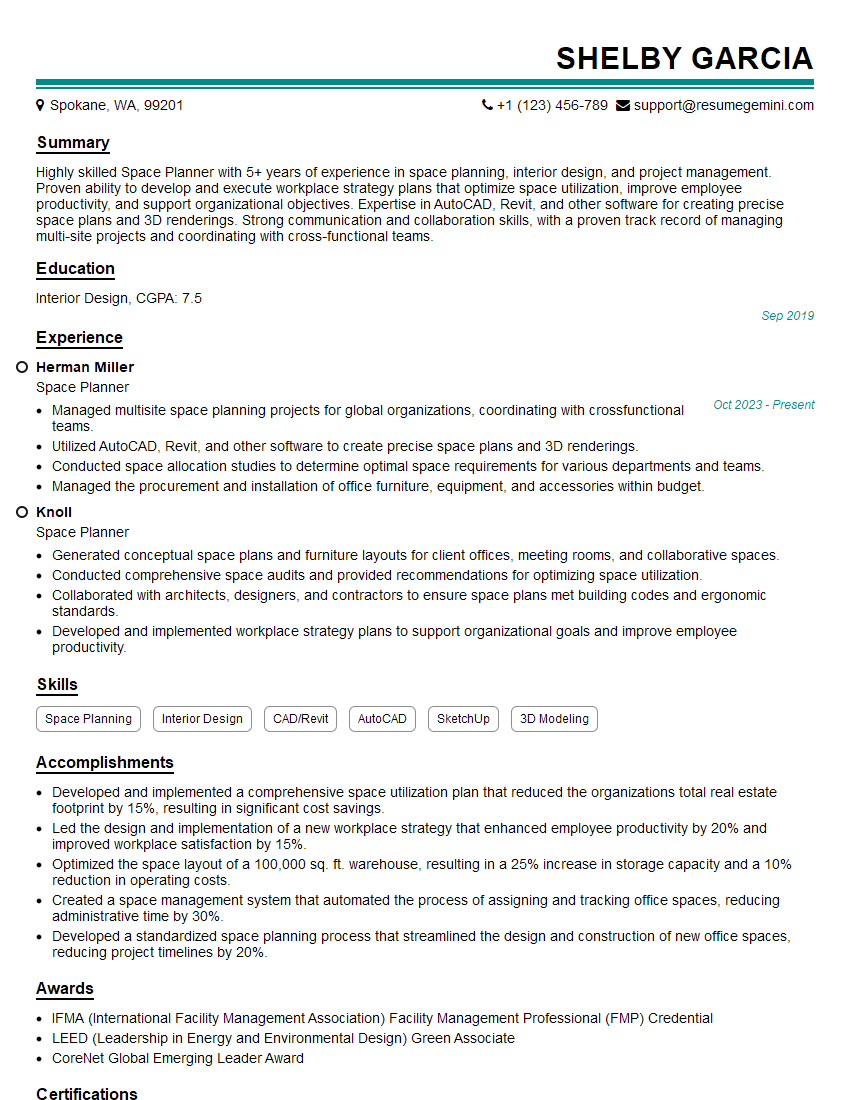
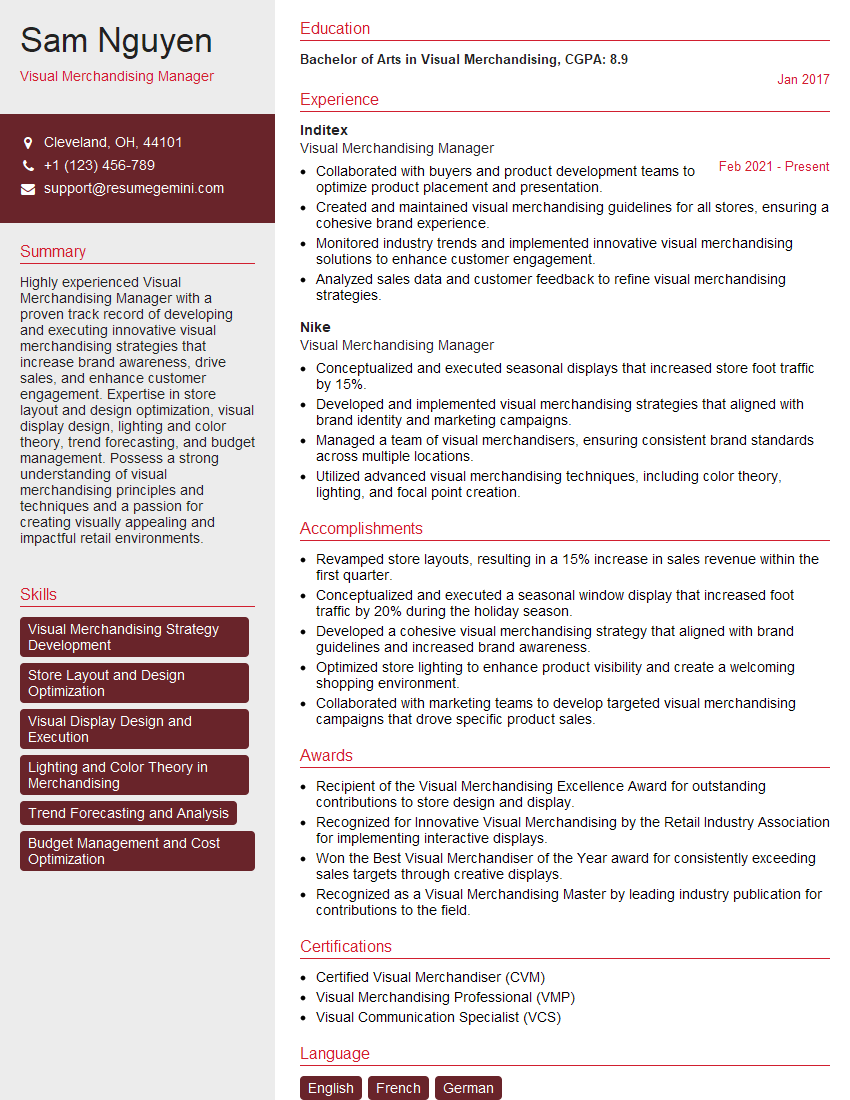
Mastering Store Design principles significantly enhances your career prospects, opening doors to exciting roles and opportunities for advancement within the retail industry. To maximize your job search success, focus on crafting an ATS-friendly resume that highlights your skills and experience effectively. ResumeGemini is a trusted resource to help you build a professional and impactful resume. Examples of resumes tailored to Store Design are available to guide you. Take the next step towards your dream career today!
Explore more articles
Users Rating of Our Blogs
Share Your Experience
We value your feedback! Please rate our content and share your thoughts (optional).
What Readers Say About Our Blog
Attention music lovers!
Wow, All the best Sax Summer music !!!
Spotify: https://open.spotify.com/artist/6ShcdIT7rPVVaFEpgZQbUk
Apple Music: https://music.apple.com/fr/artist/jimmy-sax-black/1530501936
YouTube: https://music.youtube.com/browse/VLOLAK5uy_noClmC7abM6YpZsnySxRqt3LoalPf88No
Other Platforms and Free Downloads : https://fanlink.tv/jimmysaxblack
on google : https://www.google.com/search?q=22+AND+22+AND+22
on ChatGPT : https://chat.openai.com?q=who20jlJimmy20Black20Sax20Producer
Get back into the groove with Jimmy sax Black
Best regards,
Jimmy sax Black
www.jimmysaxblack.com
Hi I am a troller at The aquatic interview center and I suddenly went so fast in Roblox and it was gone when I reset.
Hi,
Business owners spend hours every week worrying about their website—or avoiding it because it feels overwhelming.
We’d like to take that off your plate:
$69/month. Everything handled.
Our team will:
Design a custom website—or completely overhaul your current one
Take care of hosting as an option
Handle edits and improvements—up to 60 minutes of work included every month
No setup fees, no annual commitments. Just a site that makes a strong first impression.
Find out if it’s right for you:
https://websolutionsgenius.com/awardwinningwebsites
Hello,
we currently offer a complimentary backlink and URL indexing test for search engine optimization professionals.
You can get complimentary indexing credits to test how link discovery works in practice.
No credit card is required and there is no recurring fee.
You can find details here:
https://wikipedia-backlinks.com/indexing/
Regards
NICE RESPONSE TO Q & A
hi
The aim of this message is regarding an unclaimed deposit of a deceased nationale that bears the same name as you. You are not relate to him as there are millions of people answering the names across around the world. But i will use my position to influence the release of the deposit to you for our mutual benefit.
Respond for full details and how to claim the deposit. This is 100% risk free. Send hello to my email id: lukachachibaialuka@gmail.com
Luka Chachibaialuka
Hey interviewgemini.com, just wanted to follow up on my last email.
We just launched Call the Monster, an parenting app that lets you summon friendly ‘monsters’ kids actually listen to.
We’re also running a giveaway for everyone who downloads the app. Since it’s brand new, there aren’t many users yet, which means you’ve got a much better chance of winning some great prizes.
You can check it out here: https://bit.ly/callamonsterapp
Or follow us on Instagram: https://www.instagram.com/callamonsterapp
Thanks,
Ryan
CEO – Call the Monster App
Hey interviewgemini.com, I saw your website and love your approach.
I just want this to look like spam email, but want to share something important to you. We just launched Call the Monster, a parenting app that lets you summon friendly ‘monsters’ kids actually listen to.
Parents are loving it for calming chaos before bedtime. Thought you might want to try it: https://bit.ly/callamonsterapp or just follow our fun monster lore on Instagram: https://www.instagram.com/callamonsterapp
Thanks,
Ryan
CEO – Call A Monster APP
To the interviewgemini.com Owner.
Dear interviewgemini.com Webmaster!
Hi interviewgemini.com Webmaster!
Dear interviewgemini.com Webmaster!
excellent
Hello,
We found issues with your domain’s email setup that may be sending your messages to spam or blocking them completely. InboxShield Mini shows you how to fix it in minutes — no tech skills required.
Scan your domain now for details: https://inboxshield-mini.com/
— Adam @ InboxShield Mini
support@inboxshield-mini.com
Reply STOP to unsubscribe
Hi, are you owner of interviewgemini.com? What if I told you I could help you find extra time in your schedule, reconnect with leads you didn’t even realize you missed, and bring in more “I want to work with you” conversations, without increasing your ad spend or hiring a full-time employee?
All with a flexible, budget-friendly service that could easily pay for itself. Sounds good?
Would it be nice to jump on a quick 10-minute call so I can show you exactly how we make this work?
Best,
Hapei
Marketing Director
Hey, I know you’re the owner of interviewgemini.com. I’ll be quick.
Fundraising for your business is tough and time-consuming. We make it easier by guaranteeing two private investor meetings each month, for six months. No demos, no pitch events – just direct introductions to active investors matched to your startup.
If youR17;re raising, this could help you build real momentum. Want me to send more info?
Hi, I represent an SEO company that specialises in getting you AI citations and higher rankings on Google. I’d like to offer you a 100% free SEO audit for your website. Would you be interested?
Hi, I represent an SEO company that specialises in getting you AI citations and higher rankings on Google. I’d like to offer you a 100% free SEO audit for your website. Would you be interested?