Unlock your full potential by mastering the most common Strong Knowledge of Retail Operations interview questions. This blog offers a deep dive into the critical topics, ensuring you’re not only prepared to answer but to excel. With these insights, you’ll approach your interview with clarity and confidence.
Questions Asked in Strong Knowledge of Retail Operations Interview
Q 1. Describe your experience managing inventory levels in a retail setting.
Managing inventory effectively is crucial for profitability and customer satisfaction. It’s a balancing act between having enough stock to meet demand and avoiding excess inventory that ties up capital and risks obsolescence. My approach involves a multi-faceted strategy.
Demand Forecasting: I utilize historical sales data, seasonality trends, and market analysis to predict future demand. For instance, I might notice a significant spike in sales of winter coats in November and December, allowing me to adjust stock levels accordingly.
Inventory Tracking: Implementing a robust inventory management system (IMS) is key. This could be a sophisticated software solution or even a well-organized spreadsheet, but it needs to provide real-time visibility into stock levels, allowing for quick identification of low-stock items and potential stockouts.
Just-in-Time (JIT) Inventory: Where possible, I leverage JIT principles to minimize storage costs and reduce the risk of holding obsolete inventory. This involves ordering smaller quantities more frequently, ensuring a consistent supply without excessive storage.
Regular Stock Audits: Physical stock counts are essential to reconcile inventory records with actual stock levels. Discrepancies highlight potential issues like theft, damage, or inaccurate data entry, which need immediate attention.
ABC Analysis: Categorizing inventory items based on their value and demand (A – high value/high demand, B – medium value/demand, C – low value/demand) allows for targeted inventory control efforts. More attention and tighter controls are placed on A items.
In my previous role at [Previous Company Name], I successfully implemented a new IMS that reduced inventory holding costs by 15% and improved order fulfillment accuracy by 10% within six months.
Q 2. How do you ensure optimal staffing levels during peak and off-peak hours?
Optimizing staffing levels requires a careful consideration of both predicted customer traffic and employee availability. A key element is accurate forecasting.
Forecasting Demand: I analyze historical sales data, special events (e.g., holidays, promotions), and even weather patterns to anticipate peak and off-peak hours. For example, a sunny Saturday afternoon will likely see higher traffic than a rainy Tuesday morning.
Scheduling Software: Employing scheduling software allows for efficient creation of staff rosters that align with predicted demand. Features like automated scheduling and time-off requests help optimize labor costs and ensure adequate coverage.
Cross-Training: Cross-training employees allows for flexibility in scheduling. If one area is particularly busy, staff trained in multiple areas can be reassigned to support, ensuring efficient customer service even during unexpected surges.
Employee Feedback: Regularly soliciting feedback from employees regarding staffing levels and workload helps to identify potential issues and make necessary adjustments. This ensures staff are not overworked during peaks, nor underutilized during lulls.
Real-Time Adjustments: Remaining flexible and ready to adjust schedules based on real-time customer traffic is crucial. This might involve calling in additional staff or redistributing existing employees as needed.
In a previous role, I implemented a new scheduling system that reduced labor costs by 8% while maintaining high levels of customer service, exceeding our customer satisfaction targets.
Q 3. Explain your approach to improving store layout for enhanced sales and customer flow.
Improving store layout is about strategically organizing the space to maximize sales and enhance the customer experience. It’s a blend of art and science.
Customer Flow: Creating a logical and intuitive flow through the store guides customers to different sections. High-demand items should be placed in easily accessible locations, while less popular items can be located further in. Aisles should be wide enough to prevent congestion.
Visual Merchandising: Attractive displays, signage, and lighting are vital to showcasing products and drawing attention to key items. Think about creating focal points, using color effectively, and employing storytelling techniques in your displays.
Product Placement: Placing impulse-buy items near checkout counters or strategically positioning complementary products together can significantly boost sales. For instance, placing batteries near toys or displaying snacks near the coffee machine.
Data-Driven Decisions: Utilizing heat maps and customer traffic data to understand customer movement within the store provides valuable insight into areas that are underperforming or causing bottlenecks. This data can inform layout adjustments.
Testing and Iteration: Store layouts are not static. Regularly evaluating and modifying the layout based on sales data and customer feedback allows for continuous optimization. A/B testing different layouts can reveal what works best.
In my experience, a well-designed store layout can increase sales conversion rates by as much as 15-20%.
Q 4. What metrics do you use to measure the success of retail operations?
Measuring the success of retail operations requires a comprehensive set of metrics that reflect various aspects of the business. These can be broadly categorized into:
Financial Metrics: These include sales revenue, gross profit margin, inventory turnover rate, and operating expenses. These provide a clear picture of the financial health of the store.
Operational Metrics: This category includes metrics like order fulfillment rate, customer service response time, employee turnover, and shrink (inventory loss due to theft or damage). These indicate the efficiency and effectiveness of store operations.
Customer Metrics: Key metrics here are customer satisfaction (measured through surveys or feedback), customer retention rate, and average transaction value. These reflect customer loyalty and the overall shopping experience.
Marketing Metrics: This includes website traffic, conversion rates from marketing campaigns, and social media engagement. These show the effectiveness of marketing efforts in driving sales.
By monitoring these metrics regularly and analyzing trends, I can identify areas for improvement and make data-driven decisions to optimize retail operations.
Q 5. How do you handle customer complaints and ensure positive resolution?
Handling customer complaints effectively is crucial for maintaining customer loyalty and positive brand perception. My approach follows a structured process:
Active Listening: The first step is to listen attentively and empathetically to the customer’s complaint, acknowledging their frustration and validating their feelings.
Understanding the Issue: Ask clarifying questions to fully understand the nature of the complaint, avoiding interruptions or judgment.
Finding a Solution: Depending on the nature of the complaint, solutions might include offering a refund, replacement, discount, or apology. The goal is to find a resolution that is fair and satisfactory to the customer.
Following Up: Following up with the customer after the issue has been resolved demonstrates care and ensures their satisfaction. This could involve a phone call or email.
Documentation: Keeping detailed records of complaints and resolutions allows for identifying recurring issues and implementing preventative measures.
I believe that turning a negative experience into a positive one can build stronger customer relationships. In past experiences, resolving customer complaints effectively has led to positive online reviews and increased customer loyalty.
Q 6. Describe your experience with implementing new retail technologies or systems.
I have extensive experience implementing various retail technologies and systems to streamline operations and enhance the customer experience. Examples include:
Point of Sale (POS) Systems: I’ve worked with various POS systems, from cloud-based solutions to traditional register systems. My experience includes the setup, training, and troubleshooting of these systems. This includes integrating POS systems with inventory management systems for real-time stock updates.
Customer Relationship Management (CRM) Systems: I’ve used CRM systems to gather customer data, personalize marketing efforts, and track customer interactions. This helps in creating targeted promotions and enhancing customer loyalty programs.
E-commerce Platforms: I have experience with setting up and managing online stores, integrating them with physical store inventory, and managing online customer service.
Inventory Management Systems (IMS): As mentioned earlier, successful implementation of an IMS is crucial. My experience extends to selecting the right software, configuring it to our needs, and training staff to use it effectively.
In my previous role, I spearheaded the implementation of a new POS system that resulted in a 10% reduction in transaction processing time and improved sales data accuracy.
Q 7. How do you manage and motivate a retail team to achieve sales targets?
Motivating a retail team to achieve sales targets requires a blend of leadership, training, and support. My approach focuses on:
Clear Goals and Expectations: Setting clear, achievable, and measurable sales targets is essential. These targets should be communicated effectively to the team and broken down into smaller, manageable milestones.
Training and Development: Providing adequate training on product knowledge, sales techniques, and customer service ensures that employees are equipped to succeed. Ongoing training keeps their skills sharp.
Recognition and Rewards: Acknowledging and rewarding individual and team achievements boosts morale and motivates employees to strive for better performance. This could be through bonuses, promotions, or public recognition.
Effective Communication: Maintaining open and consistent communication with the team fosters a positive work environment and ensures everyone is informed and feels valued. Regular team meetings and one-on-one check-ins are crucial.
Empowerment and Ownership: Empowering employees to take ownership of their work and provide input into decision-making increases engagement and commitment.
Positive Work Environment: Creating a positive, supportive, and collaborative work environment fosters teamwork and improves overall job satisfaction, leading to better performance.
By focusing on these aspects, I have consistently led teams to exceed sales targets and maintain high levels of employee engagement.
Q 8. What strategies do you employ to minimize shrinkage and loss prevention?
Minimizing shrinkage (loss of inventory) and enhancing loss prevention requires a multi-pronged approach. It’s not just about catching thieves; it’s about building a system that discourages theft and loss from all sources – employee theft, shoplifting, administrative errors, and damage.
- Robust Inventory Management: Regular cycle counts, accurate stocktaking, and utilizing inventory management software are crucial. Discrepancies should be investigated immediately to identify root causes.
- Security Measures: This includes strategically placed CCTV cameras, electronic article surveillance (EAS) tags, and well-lit, easily observable store layouts. Employee training on recognizing suspicious behavior is also key.
- Employee Accountability: Clear policies regarding handling cash and inventory, thorough background checks for new hires, and regular internal audits help deter internal theft. Creating a culture of honesty and responsibility is paramount.
- Customer Service Excellence: Friendly and attentive staff can deter shoplifting. Addressing customer concerns promptly reduces frustration that might lead to pilferage.
- Data Analysis: Tracking shrinkage data over time helps identify patterns and pinpoint areas needing improvement. For instance, if shrinkage is consistently high in a specific department, it might signal a need for additional security or better inventory control procedures.
For example, in my previous role, we implemented a new inventory management system that reduced our shrinkage rate by 15% within six months. We also introduced mystery shopper programs to assess staff vigilance and identify areas for training improvements.
Q 9. Explain your understanding of supply chain management within a retail context.
In retail, supply chain management (SCM) encompasses all activities involved in getting the right products to the right place at the right time, while minimizing costs and maximizing efficiency. It’s a complex interplay of various elements.
- Sourcing and Procurement: This involves selecting suppliers, negotiating contracts, and managing the flow of raw materials or finished goods.
- Production and Manufacturing (if applicable): Overseeing the production process, ensuring quality control, and optimizing manufacturing efficiency.
- Warehousing and Distribution: Managing inventory levels across distribution centers, optimizing warehouse layout, and choosing appropriate transportation methods.
- Logistics and Transportation: Efficiently moving goods from suppliers to warehouses and ultimately to stores.
- Retail Operations: This is where the supply chain meets the customer. It involves in-store inventory management, sales forecasting, and efficient order fulfillment.
Effective SCM in retail depends heavily on strong forecasting accuracy to anticipate customer demand, preventing stockouts or overstocking. Technology plays a huge role, with systems integrating data from different points across the chain to optimize processes.
For instance, real-time inventory tracking allows retailers to quickly identify slow-moving items and adjust their ordering strategies, ensuring resources aren’t tied up in unsold goods.
Q 10. How do you ensure compliance with all relevant health and safety regulations?
Ensuring compliance with health and safety regulations is non-negotiable. It’s about protecting employees and customers, and avoiding potentially severe legal and financial repercussions.
- Risk Assessment: Regularly assess potential hazards in the workplace – slips, trips, falls, fire hazards, etc. This allows for proactive measures to be put in place.
- Training and Education: Employees must receive comprehensive training on safety procedures, emergency protocols, and the use of safety equipment.
- Emergency Preparedness: Have clear emergency plans in place for fire, evacuation, and other potential crises, ensuring all staff are aware and trained.
- Equipment Maintenance: Regularly maintain and inspect equipment to prevent malfunctions and accidents. This includes things like refrigeration units, display equipment, and electrical systems.
- Compliance Audits: Regularly audit procedures to ensure ongoing compliance with relevant legislation. This might involve third-party audits for rigorous external assessment.
- Record Keeping: Maintain detailed records of safety training, inspections, accidents, and any corrective actions taken.
A proactive approach to health and safety is crucial. It’s not just about ticking boxes; it’s about creating a safe and secure environment for everyone. In my experience, a strong safety culture translates to improved employee morale, reduced accidents, and a more positive customer experience.
Q 11. Describe your process for analyzing sales data to identify trends and opportunities.
Analyzing sales data is vital for identifying trends and opportunities to enhance profitability and make data-driven decisions. This involves more than just looking at overall sales figures.
- Data Collection: Gather data from various sources, including point-of-sale (POS) systems, customer relationship management (CRM) systems, and loyalty programs.
- Data Cleaning and Preparation: Ensure data accuracy and consistency before analysis. This often involves handling missing values and correcting errors.
- Trend Analysis: Use various techniques to identify trends – for example, time series analysis to see sales patterns over time, or correlation analysis to see relationships between different products or promotions.
- Segmentation Analysis: Segment customer data by demographics, purchase behavior, or other relevant factors to identify distinct customer groups and their preferences.
- Opportunity Identification: Once trends are understood, opportunities can be identified – for example, identifying underperforming products, pinpointing high-demand items, or understanding customer preferences to optimize inventory.
- Data Visualization: Use charts and graphs to effectively communicate insights to stakeholders and facilitate better decision-making.
For example, by analyzing sales data, we discovered that a specific product category had unexpectedly high sales during a particular month. Further investigation revealed a connection to a popular social media trend. This insight allowed us to proactively increase inventory and capitalize on the demand.
Q 12. How do you handle budget management and allocation within a retail setting?
Budget management in retail involves careful planning, monitoring, and control of expenses to maximize profitability. It requires a strategic approach.
- Budgeting Process: Develop a detailed budget outlining anticipated revenues and expenses for a given period. This often involves forecasting sales, estimating costs of goods sold, and allocating resources to different departments.
- Expense Control: Continuously monitor expenses to ensure they align with the budget. Identify areas where costs can be reduced without compromising quality or customer service.
- Performance Monitoring: Track key performance indicators (KPIs) to assess budget performance. This includes metrics like sales, gross margin, and operating expenses.
- Variance Analysis: Analyze variances between actual and budgeted figures to understand the reasons for discrepancies. This helps identify areas needing improvement or adjustment.
- Resource Allocation: Allocate resources efficiently across different departments and initiatives based on strategic priorities and anticipated returns.
- Reporting and Communication: Regularly report on budget performance to stakeholders and communicate any significant deviations from the plan.
For example, we might allocate a larger portion of the budget to marketing during peak seasons to maximize sales. Conversely, we might reduce spending on certain areas during slower periods to control costs.
Q 13. What is your experience with visual merchandising and its impact on sales?
Visual merchandising is the art of creating visually appealing displays to attract customers and encourage purchases. It’s a powerful tool for boosting sales.
- Store Layout and Design: Optimizing store layout to create a smooth and engaging shopping experience. This might include strategic placement of high-demand items or creating visually appealing displays in key areas.
- Product Presentation: Attractively displaying products to highlight their features and benefits. This might involve using props, lighting, and signage effectively.
- Signage and Messaging: Using clear and concise signage to guide customers and highlight promotions or sales.
- Window Displays: Creating eye-catching window displays to draw customers into the store. This often requires staying current with design trends and reflecting seasonal or promotional themes.
- Seasonal and Promotional Displays: Creating displays that reflect current trends, seasons, and promotional campaigns to stimulate interest.
- Color Psychology: Using colors strategically to create specific moods or draw attention to particular products.
For instance, by implementing a new visual merchandising strategy that incorporated more natural lighting and organized product displays, we saw a 10% increase in sales of a particular product line within a month.
Q 14. How do you measure and improve customer satisfaction in a retail environment?
Measuring and improving customer satisfaction is vital for long-term success in retail. It’s about understanding customer needs and exceeding expectations.
- Customer Feedback Mechanisms: Implement various methods for collecting customer feedback – such as customer surveys (online or in-store), comment cards, feedback forms, and social media monitoring.
- Customer Satisfaction Surveys: Utilize standardized surveys (e.g., Net Promoter Score, Customer Satisfaction Score) to quantify customer satisfaction levels.
- Social Media Monitoring: Track brand mentions, reviews, and comments on social media platforms to understand customer perceptions and identify areas for improvement.
- Customer Reviews and Ratings: Monitor customer reviews and ratings on online marketplaces and review sites.
- Mystery Shopping: Employ mystery shoppers to anonymously assess customer service quality and identify areas needing attention.
- Data Analysis: Analyze collected feedback data to identify recurring themes and trends. This can inform specific areas for improvement.
For example, after analyzing negative feedback regarding long wait times at checkout, we implemented a new queuing system that significantly improved customer satisfaction and reduced wait times. Similarly, acting on positive reviews and highlighting them can boost your brand image and attract new customers.
Q 15. Describe your experience with training and developing retail staff.
Training and developing retail staff is crucial for a high-performing team. My approach is multifaceted, focusing on both foundational skills and ongoing development. I begin by creating comprehensive training programs tailored to different roles and experience levels. This includes modules on product knowledge, customer service best practices, sales techniques, and store policies. I leverage a blended learning approach, incorporating classroom training, online modules, and on-the-job coaching.
For example, when I onboarded new staff at a previous company, I developed an interactive online module covering our product catalog, followed by a hands-on session where new hires shadowed experienced colleagues. Regular feedback and performance reviews are also integral parts of my strategy. I utilize tools like 360-degree feedback to gather insights from various perspectives. Furthermore, I identify high-potential employees and provide them with opportunities for mentorship and advanced training, creating a pathway for internal growth and promotion. This fosters loyalty and builds a strong, skilled team.
Career Expert Tips:
- Ace those interviews! Prepare effectively by reviewing the Top 50 Most Common Interview Questions on ResumeGemini.
- Navigate your job search with confidence! Explore a wide range of Career Tips on ResumeGemini. Learn about common challenges and recommendations to overcome them.
- Craft the perfect resume! Master the Art of Resume Writing with ResumeGemini’s guide. Showcase your unique qualifications and achievements effectively.
- Don’t miss out on holiday savings! Build your dream resume with ResumeGemini’s ATS optimized templates.
Q 16. How do you handle conflict resolution within a retail team?
Conflict resolution is a critical skill in retail, where interpersonal dynamics are constantly in play. My approach prioritizes a calm, neutral environment and active listening. I start by allowing each party to fully explain their perspective without interruption. I then facilitate a discussion, focusing on understanding the root cause of the conflict rather than assigning blame. This often involves identifying miscommunications or unmet expectations.
For instance, in a situation involving a disagreement between two sales associates regarding customer allocation, I helped them understand that the issue stemmed from an unclear policy on customer assignments. Once the root cause was identified, we collaboratively developed a solution and clarified the policy. If a resolution isn’t reached immediately, I may implement a mediation process, guiding them toward a mutually acceptable solution. The focus is always on finding a resolution that preserves working relationships and maintains a positive team environment.
Q 17. Explain your experience with managing different retail channels (e.g., online, in-store).
My experience spans both online and in-store retail channels, understanding the unique challenges and opportunities each presents. In a previous role, I oversaw the integration of online and offline operations for a national clothing retailer. This involved managing inventory across multiple channels, ensuring consistent pricing and promotions, and coordinating marketing campaigns that spanned both online and brick-and-mortar stores.
One key area of focus was creating a seamless customer experience, regardless of how they interacted with the brand. We implemented a unified customer relationship management (CRM) system to track interactions across channels. This allowed us to personalize marketing messages and provide consistent service regardless of whether a customer shopped in-store or online. We also offered click-and-collect services, integrating online and offline channels to improve convenience for our customers. This omnichannel strategy proved successful, leading to increased sales and improved customer satisfaction.
Q 18. How do you utilize technology to improve efficiency in retail operations?
Technology plays a pivotal role in optimizing retail efficiency. I have extensive experience leveraging various technologies to improve operations. For instance, I implemented a point-of-sale (POS) system that integrated inventory management, customer relationship management (CRM), and sales analytics. This provided real-time data on sales performance, inventory levels, and customer behavior, enabling data-driven decision-making.
Furthermore, I’ve utilized inventory management software to optimize stock levels, reducing storage costs and minimizing stockouts. Data analytics tools were crucial for identifying sales trends and forecasting demand, allowing us to proactively manage inventory and optimize staffing levels. Implementing mobile POS systems allowed sales associates to assist customers anywhere in the store, enhancing the shopping experience and improving sales. Ultimately, strategic technology adoption has significantly streamlined operations and boosted profitability.
Q 19. What are your strategies for optimizing the checkout process and reducing wait times?
Optimizing the checkout process is vital for customer satisfaction and operational efficiency. My strategies focus on reducing wait times and enhancing the overall experience. I begin by analyzing customer flow and identifying bottlenecks. This might involve examining factors like the number of checkout lanes, the speed of cashiers, and the effectiveness of self-checkout kiosks.
For example, at a previous company, we implemented a queue management system with digital displays showing estimated wait times. This helped reduce perceived wait times and improved customer satisfaction. We also optimized staffing levels during peak hours, ensuring sufficient cashiers were available to handle the increased customer traffic. Furthermore, we trained staff on efficient checkout procedures and empowered them to address customer issues quickly and effectively. By continually monitoring metrics such as average transaction time and customer queue length, we can identify areas for improvement and refine our strategies.
Q 20. Describe your experience with forecasting sales and demand.
Accurate sales forecasting is crucial for effective inventory management and resource allocation. My approach involves utilizing a combination of quantitative and qualitative methods. I begin by analyzing historical sales data, identifying trends and seasonality patterns. This involves using statistical models and forecasting software to predict future sales based on past performance.
However, I also incorporate qualitative factors, such as market research, economic indicators, and promotional campaigns, into my forecasts. For example, when forecasting sales for a new product launch, I considered factors such as marketing budget, competitor activity, and anticipated customer demand. This holistic approach, combining historical data with market intelligence, allows for more accurate and nuanced forecasts. Regular review and adjustments to the forecast based on actual sales data are essential to maintain accuracy.
Q 21. How do you ensure consistent brand messaging across all retail touchpoints?
Maintaining consistent brand messaging across all retail touchpoints is paramount for building brand recognition and customer loyalty. My strategy involves creating a comprehensive brand guide that outlines the brand’s voice, visual identity, and key messaging. This guide serves as a central resource for all employees, ensuring consistency in communication.
I also ensure that the brand message is integrated into all aspects of the customer journey, from in-store displays and marketing materials to online advertising and customer service interactions. For example, I implemented a centralized content management system to manage all marketing materials, ensuring that the same brand messaging and visual identity were used across all platforms. Regular training and feedback sessions with employees help to reinforce the brand message and ensure its consistent application. By consistently delivering a unified brand experience, we cultivate brand recognition and customer loyalty.
Q 22. What is your approach to managing peak season demands and challenges?
Managing peak season demands requires a proactive, multi-faceted approach. It’s not just about handling increased volume; it’s about optimizing every aspect of the retail operation to meet heightened customer expectations while maintaining profitability.
- Forecasting and Planning: Accurate sales forecasting is crucial. We utilize historical data, market trends, and promotional calendars to predict demand spikes. This informs our inventory management, staffing levels, and marketing strategies.
- Inventory Management: Strategic inventory planning involves optimizing stock levels to meet anticipated demand without overstocking. Techniques like Just-In-Time (JIT) inventory or safety stock calculations are vital. We also leverage advanced inventory management systems to track real-time stock levels and predict potential shortages.
- Staffing and Scheduling: Peak season requires increased staffing. We develop robust scheduling plans, often incorporating flexible scheduling models to accommodate fluctuating demand and employee availability. Training and cross-training are essential to ensure staff can handle diverse tasks effectively.
- Supply Chain Optimization: We collaborate closely with our logistics partners to ensure timely delivery of goods. This involves negotiating favorable shipping rates, exploring alternative transportation options, and establishing clear communication channels to proactively address potential delays.
- Customer Service Enhancement: Peak season often means longer wait times. We implement strategies like extended store hours, additional self-checkout options, and proactive communication (e.g., website updates, email notifications) to manage customer expectations and minimize frustration. For example, during a previous holiday season, we implemented an online queueing system that drastically reduced wait times and improved customer satisfaction.
Q 23. Explain your experience with analyzing retail performance reports and identifying areas for improvement.
Analyzing retail performance reports is a cornerstone of effective retail management. My approach is data-driven and focuses on identifying trends, pinpointing areas of weakness, and developing actionable strategies for improvement. I typically start by examining key performance indicators (KPIs) such as sales revenue, gross margin, inventory turnover, customer conversion rates, and average transaction value.
For example, in a previous role, I noticed a consistent decline in sales of a particular product category. By analyzing sales data alongside market research, we discovered that a competitor had launched a superior product. This prompted us to revise our product strategy, resulting in a significant sales increase within the next quarter.
I also use data visualization tools (e.g., dashboards, charts) to identify patterns and trends that might be missed in raw data. This allows for more effective communication of findings to stakeholders and facilitates collaborative decision-making. Tools like Excel, Tableau, or Power BI are invaluable in this process.
Q 24. How do you handle logistics and distribution of inventory?
Efficient logistics and inventory distribution are critical for maintaining a smooth and profitable retail operation. My experience encompasses all aspects of the supply chain, from sourcing and procurement to warehousing, transportation, and delivery.
- Warehouse Management: Effective warehouse management involves optimizing storage space, implementing efficient picking and packing processes, and utilizing warehouse management systems (WMS) to track inventory in real-time. I have experience optimizing warehouse layouts, reducing picking times, and implementing barcode scanning systems for increased accuracy.
- Transportation Management: We carefully select transportation providers based on factors like cost, reliability, and speed. We also use route optimization software to minimize transportation costs and delivery times. For example, we once implemented a multi-carrier shipping strategy that reduced our shipping costs by 15%.
- Inventory Control: Maintaining accurate inventory levels is critical. This involves implementing robust inventory management systems, performing regular cycle counts, and addressing discrepancies promptly. This minimizes stockouts and prevents excessive inventory holding costs.
- Last-Mile Delivery: The final stage of delivery is crucial for customer satisfaction. We consider factors like delivery speed, cost, and customer convenience when selecting last-mile delivery options, such as utilizing third-party delivery services or optimizing in-house delivery routes. We might even consider offering click-and-collect options for increased customer flexibility.
Q 25. Describe your experience with vendor management in a retail environment.
Vendor management is a collaborative process focused on building strong relationships with suppliers to ensure a consistent flow of high-quality products at competitive prices. My experience involves negotiating contracts, establishing performance metrics, and resolving potential issues promptly.
- Supplier Selection: We carefully evaluate potential vendors based on factors such as quality, reliability, pricing, and ethical standards. We conduct thorough due diligence to mitigate risks and ensure compliance with our company’s standards.
- Contract Negotiation: Negotiating favorable terms with vendors is crucial. This includes negotiating pricing, payment terms, delivery schedules, and quality standards. We often leverage our buying power to negotiate better deals.
- Performance Monitoring: We establish key performance indicators (KPIs) for vendors, such as on-time delivery rates, product quality, and responsiveness. Regular performance reviews ensure accountability and allow for timely intervention if issues arise. For example, a vendor consistently missed delivery deadlines, impacting our sales. We worked collaboratively to identify the root cause and implement corrective actions resulting in improved performance.
- Relationship Management: Building strong relationships with vendors is essential for long-term success. Open communication and collaboration foster mutual trust and contribute to a more efficient and productive supply chain.
Q 26. How do you ensure the accuracy and integrity of sales data?
Ensuring the accuracy and integrity of sales data is paramount for effective decision-making and financial reporting. We implement a multi-layered approach to maintain data quality.
- Point-of-Sale (POS) System: We utilize robust POS systems that provide real-time sales data and minimize manual data entry. Regular system maintenance and updates are essential to ensure accuracy and prevent data loss. For example we regularly conduct POS system audits to prevent data discrepancies.
- Data Validation: We implement data validation rules and checks to identify and correct errors during data entry. This includes using automated checks and reconciliation processes to ensure data consistency.
- Regular Audits: We conduct regular audits of sales data to identify inconsistencies or potential fraud. This might involve comparing POS data with inventory records, bank statements, or other relevant data sources. For example, we’ve implemented daily reconciliation reports across all our stores which automatically flags any discrepancies.
- Data Security: We employ robust security measures to protect sales data from unauthorized access, modification, or loss. This involves using access controls, data encryption, and regular security updates.
Q 27. What strategies do you use to enhance the overall customer experience?
Enhancing the overall customer experience is a continuous process that involves analyzing customer feedback, adapting to evolving customer expectations, and creating a positive and memorable shopping experience.
- Personalized Service: We strive to offer personalized service through various means, including targeted marketing campaigns, personalized product recommendations, and customized customer support. Loyalty programs can also significantly improve customer experience.
- Store Environment: A well-designed store environment contributes significantly to a positive shopping experience. This includes factors such as store layout, lighting, music, cleanliness, and the overall atmosphere. We might even incorporate technology to personalize the in-store experience, such as interactive displays or mobile apps.
- Customer Service Training: Investing in customer service training is essential. Our staff is trained to handle customer inquiries efficiently and effectively, resolve issues promptly, and create a welcoming and helpful atmosphere. Regular feedback sessions keep customer service standards high.
- Omnichannel Approach: Providing a seamless experience across all channels (online, mobile, in-store) is essential in today’s retail landscape. This involves integrating various systems and ensuring consistent branding and messaging across all platforms. For example, click-and-collect options or seamless returns policies can greatly improve customer experience across channels.
Q 28. Describe your experience with implementing and managing promotional campaigns.
Implementing and managing successful promotional campaigns involves a well-defined strategy, meticulous planning, and effective execution. My experience encompasses all stages of the campaign lifecycle, from conceptualization to evaluation.
- Campaign Planning: We define clear objectives, target audiences, and key performance indicators (KPIs) for each campaign. This includes setting realistic sales targets, determining budget allocations, and establishing a detailed timeline.
- Marketing Channel Selection: We carefully select the most appropriate marketing channels to reach our target audience. This might involve a combination of online advertising, social media marketing, email marketing, print advertising, and in-store promotions. We use data analytics to track the effectiveness of each channel.
- Campaign Execution: We utilize various tools and techniques for effective campaign execution, such as creating compelling marketing materials, managing inventory levels, training staff, and monitoring performance in real time. A/B testing is also used to optimize marketing message performance.
- Post-Campaign Analysis: After a campaign concludes, we analyze the results to determine its effectiveness and identify areas for improvement. This involves reviewing key performance indicators (KPIs), gathering customer feedback, and identifying best practices for future campaigns. For instance, we once analyzed a campaign’s performance using A/B testing and found that a shorter, more direct marketing message significantly improved conversion rates. This finding informs future campaigns.
Key Topics to Learn for a Strong Knowledge of Retail Operations Interview
- Inventory Management: Understanding inventory control systems, cycle counting, stock replenishment strategies, and minimizing shrinkage. Practical application: Describe a time you optimized inventory levels to improve profitability or reduce waste.
- Sales & Customer Service: Mastering sales techniques, handling customer complaints effectively, exceeding customer expectations, and driving sales growth. Practical application: Explain your approach to building rapport with customers and resolving difficult situations.
- Visual Merchandising & Store Presentation: Knowledge of creating attractive and effective store layouts, maximizing product visibility, and implementing promotional displays. Practical application: Discuss a time you improved store presentation to boost sales or enhance the customer experience.
- Store Operations & Procedures: Understanding daily store operations, staff scheduling, loss prevention measures, cash handling procedures, and adherence to company policies. Practical application: Detail your experience managing a team or overseeing daily operations within a retail environment.
- Supply Chain Management (Basic understanding): A foundational grasp of the flow of goods from supplier to consumer, including order fulfillment, logistics, and distribution. Practical application: Explain how your understanding of the supply chain impacts your role in retail operations.
- Data Analysis & Reporting (Basic understanding): Interpreting sales data, identifying trends, and using insights to inform business decisions. Practical application: Describe a situation where you analyzed sales data to improve performance or inform strategic planning.
- Team Management & Leadership (if applicable): Motivating and leading teams, delegating tasks effectively, fostering teamwork, and providing constructive feedback. Practical application: Share an example of how you successfully mentored or trained team members.
Next Steps
Mastering retail operations is crucial for career advancement in this dynamic industry. Demonstrating a strong understanding of these concepts during your interview will significantly enhance your chances of success. To further strengthen your application, focus on building an ATS-friendly resume that highlights your relevant skills and experience. ResumeGemini is a trusted resource that can help you craft a professional and impactful resume, optimizing it for applicant tracking systems. Examples of resumes tailored to showcasing a strong knowledge of retail operations are available to help guide you.
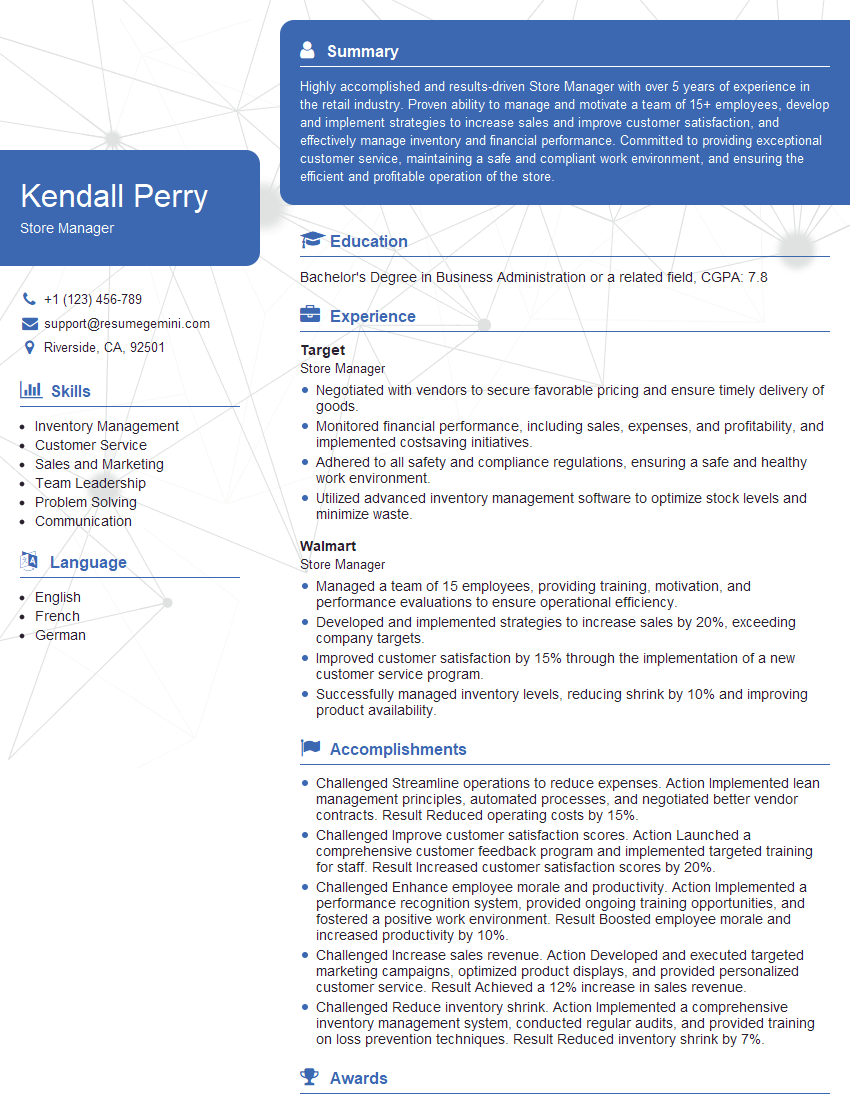
Store Manager Resume Sample
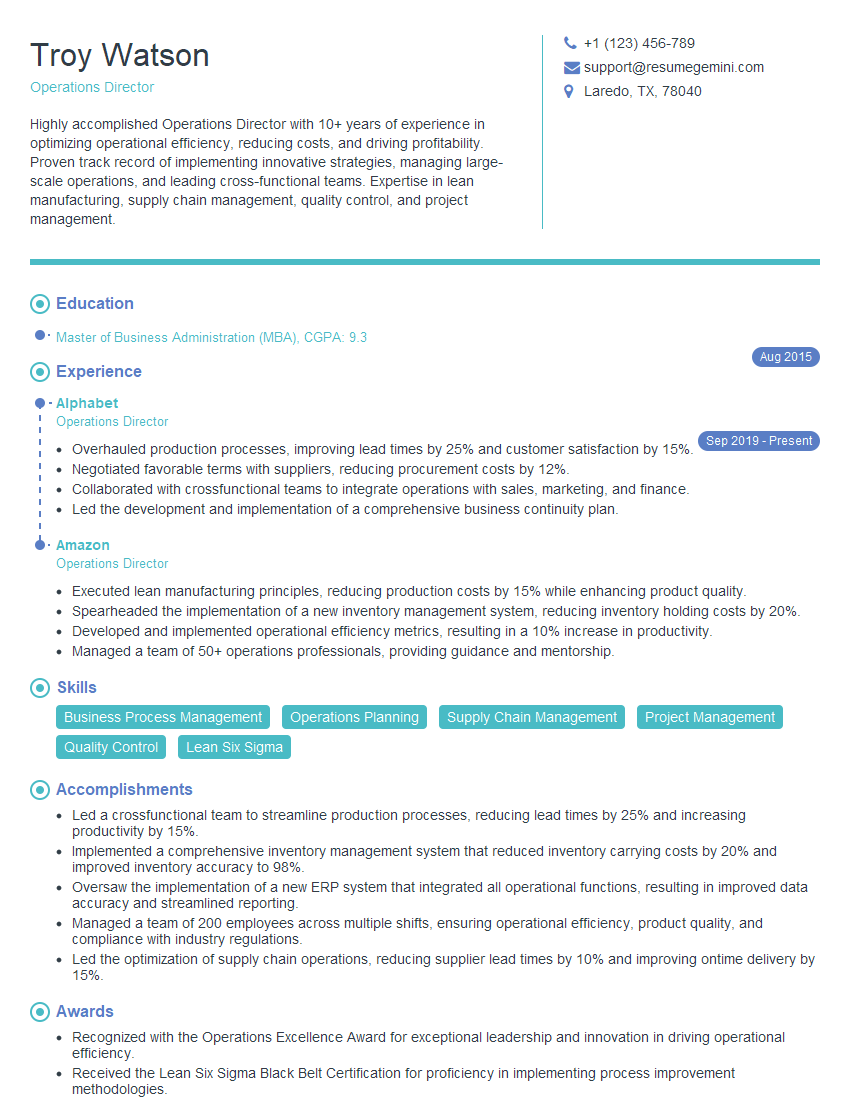
Operations Director Resume Sample
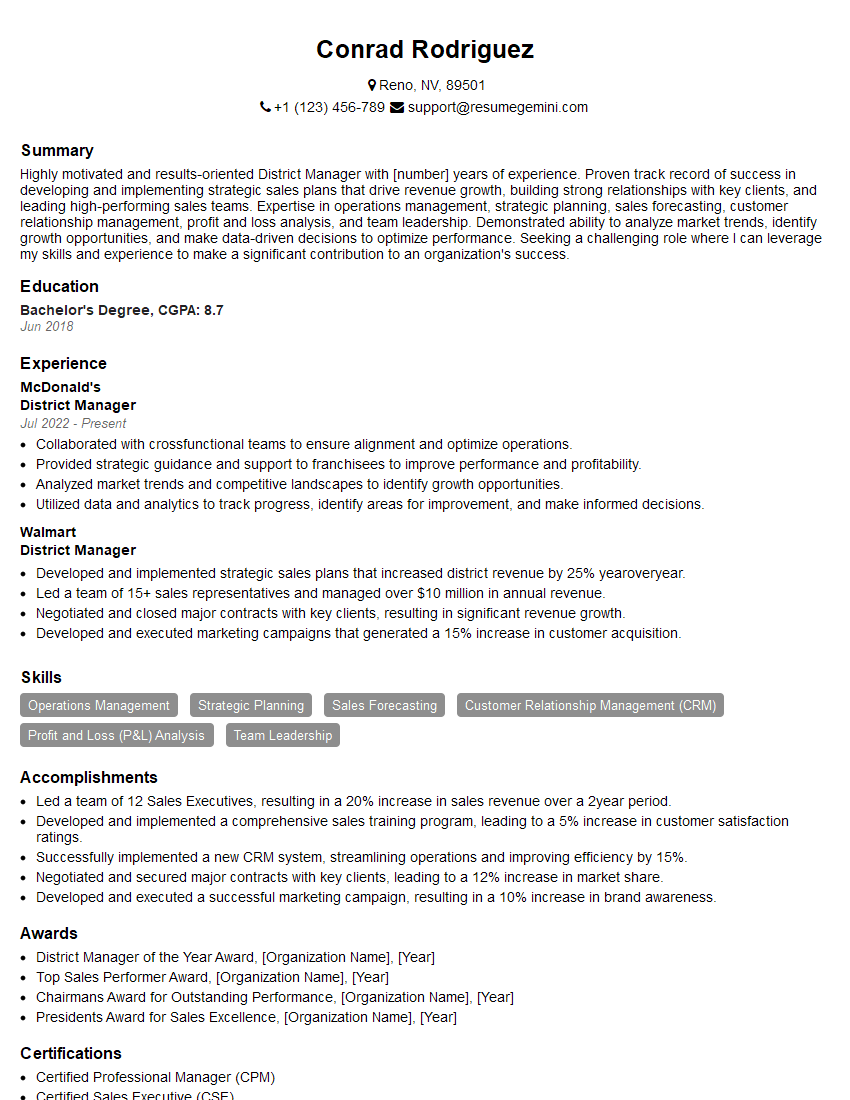
District Manager Resume Sample
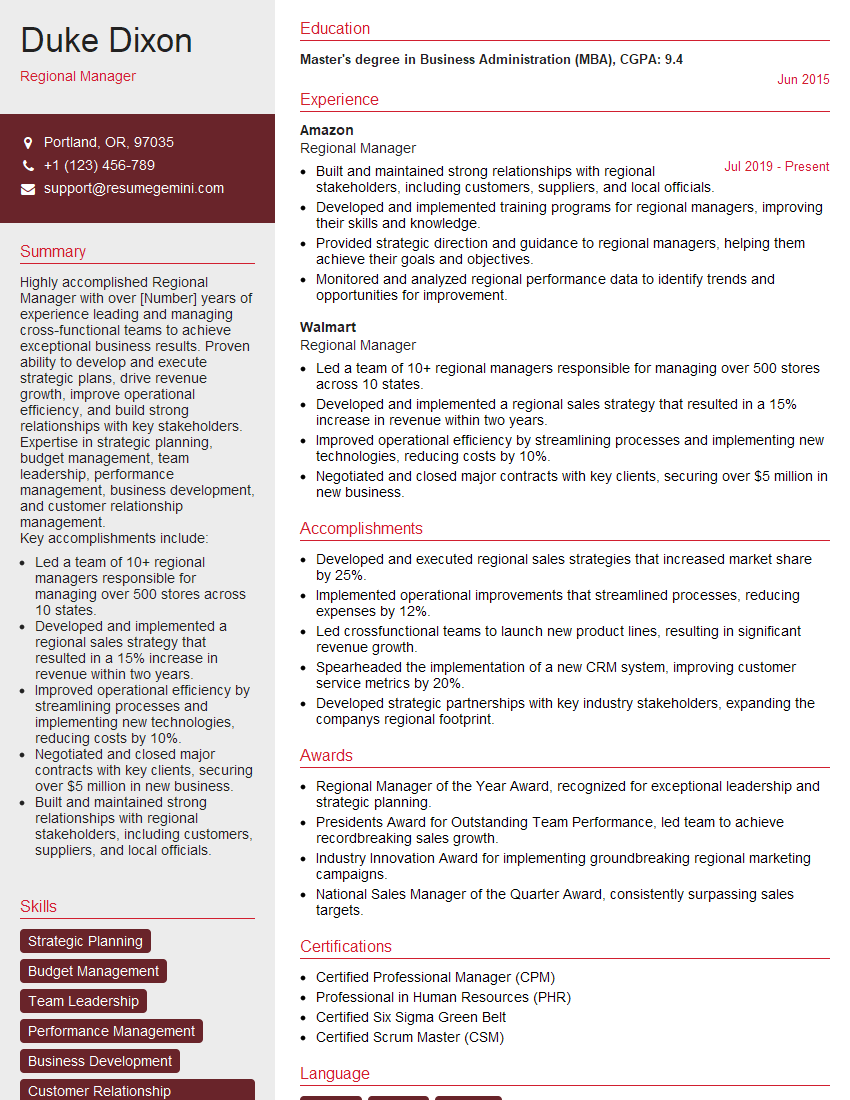
Regional Manager Resume Sample

Customer Service Manager Resume Sample
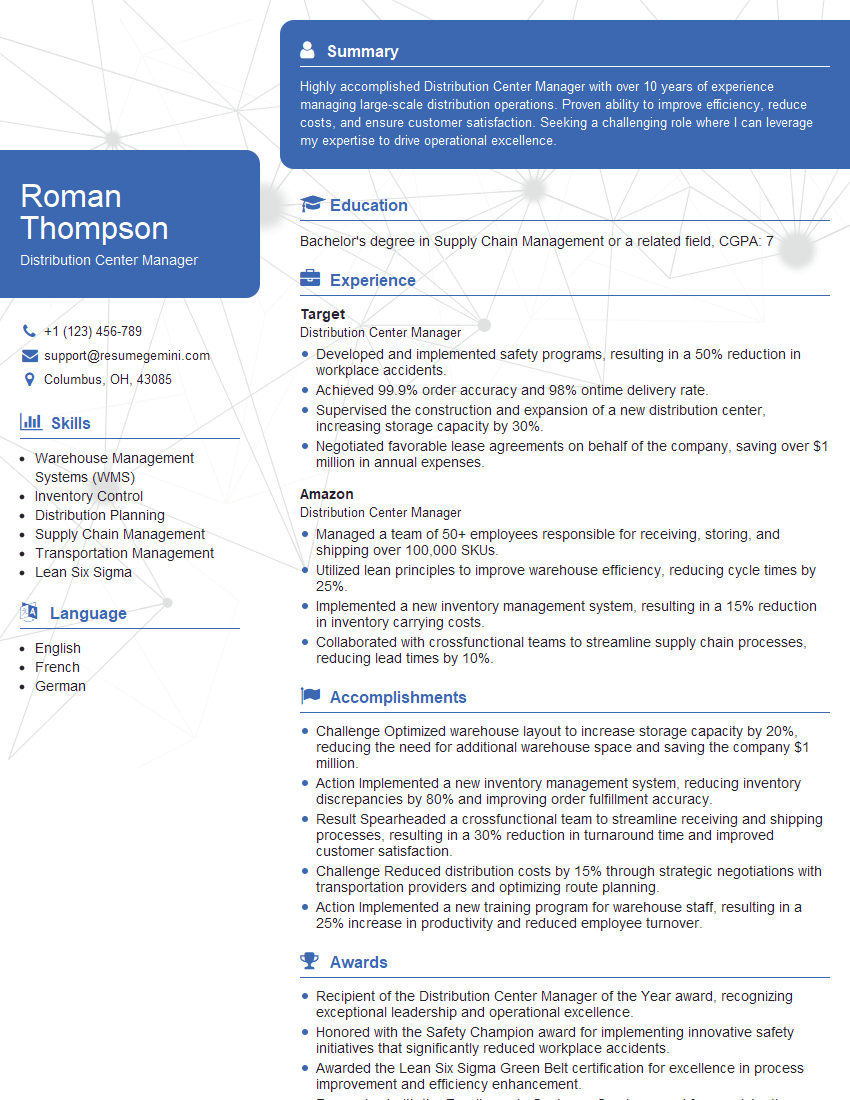
Distribution Center Manager Resume Sample
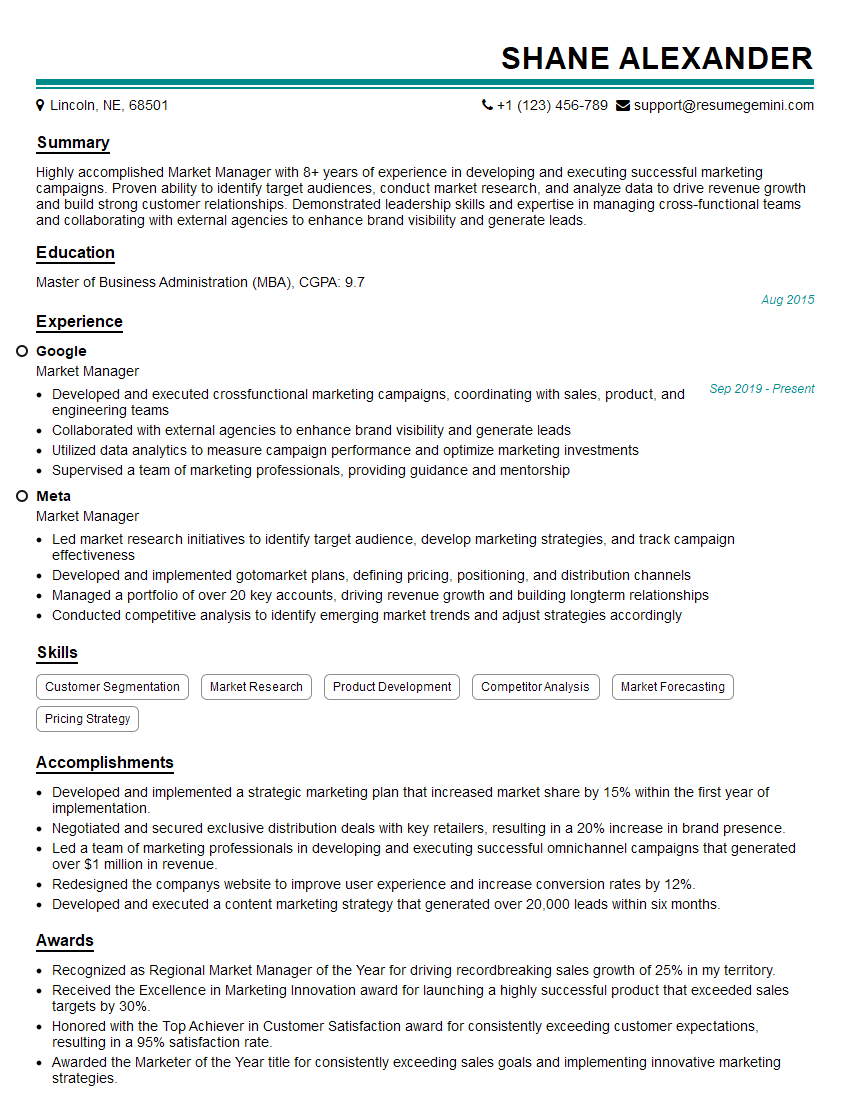
Market Manager Resume Sample
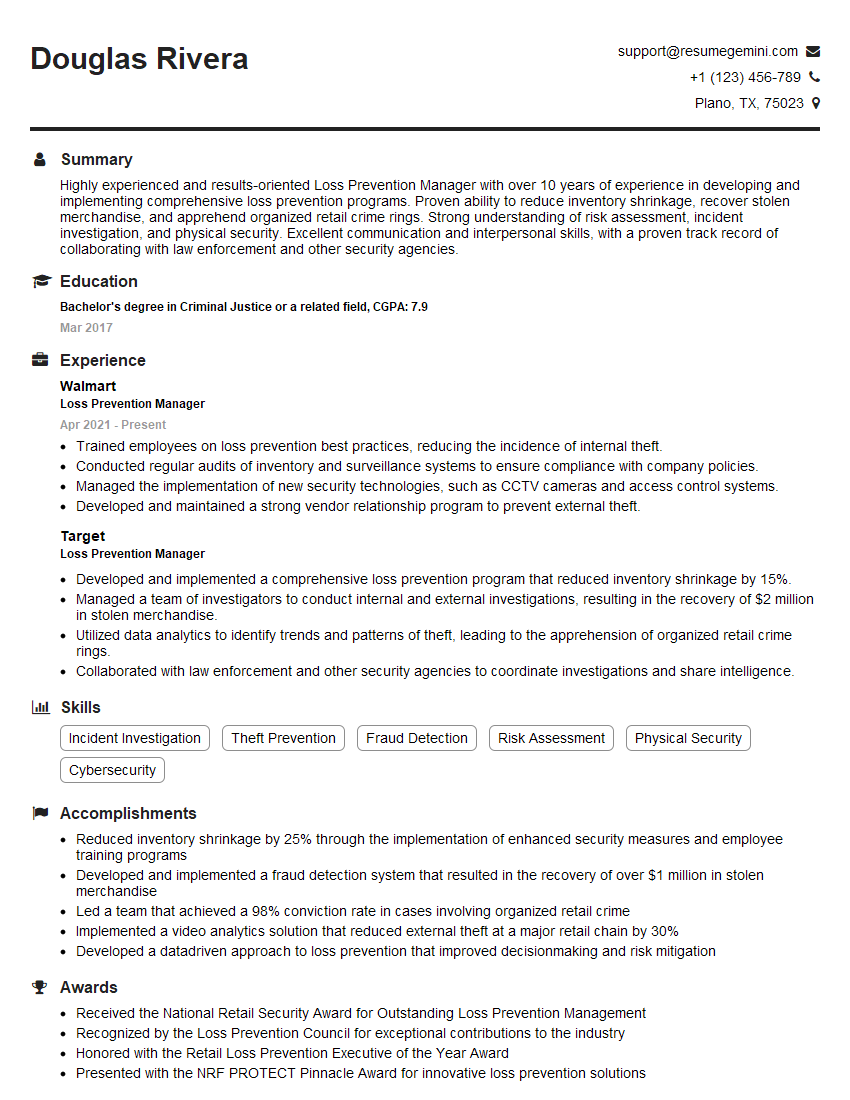
Loss Prevention Manager Resume Sample
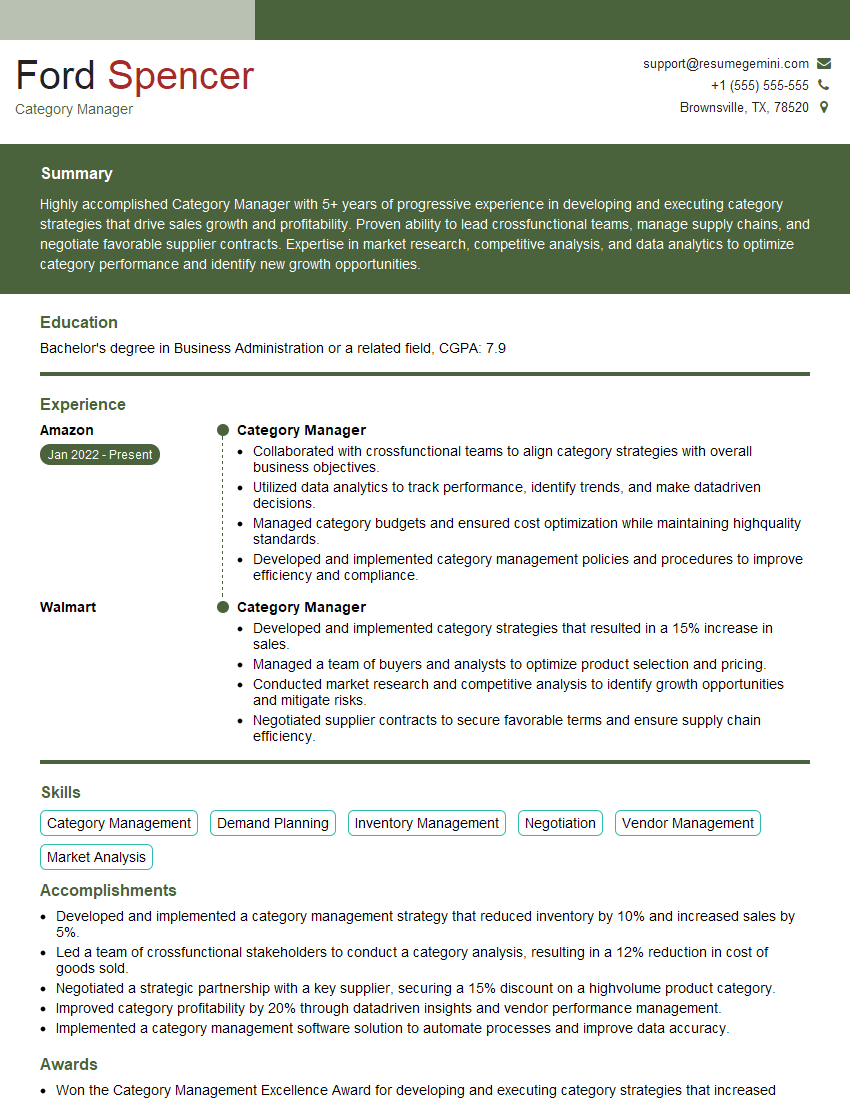
Category Manager Resume Sample
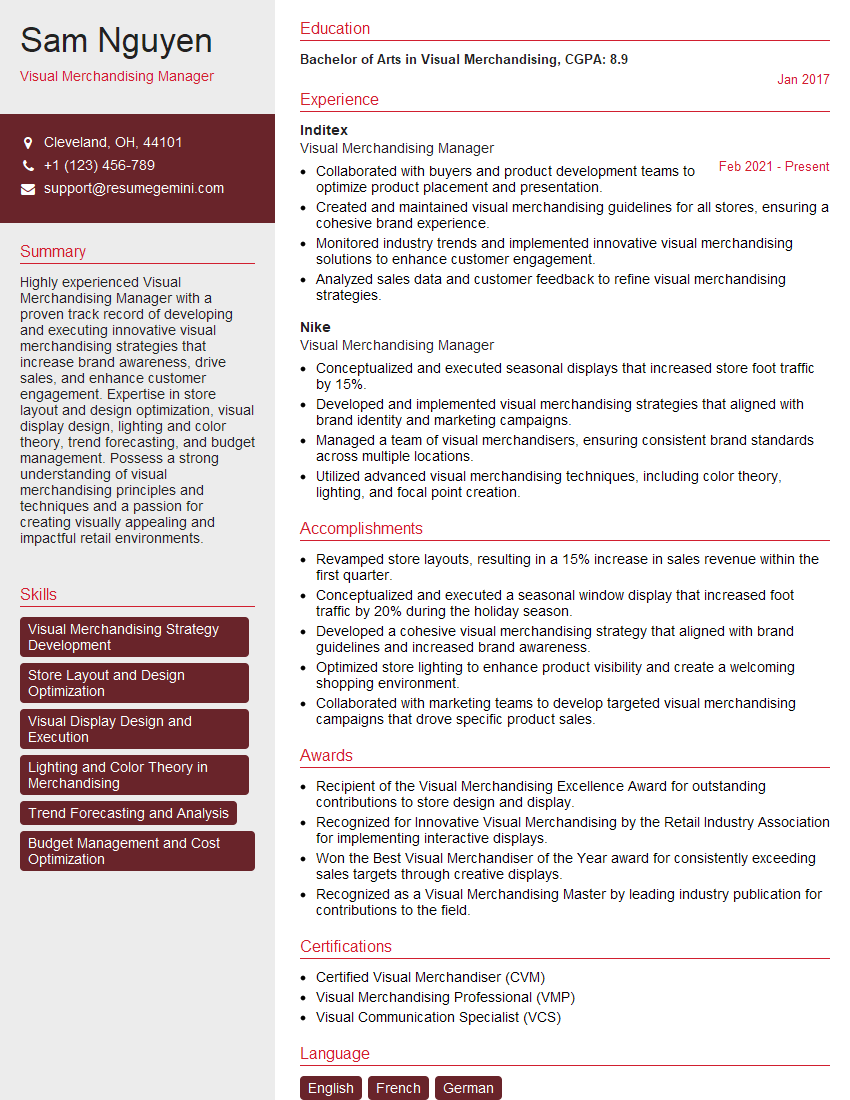
Visual Merchandising Manager Resume Sample
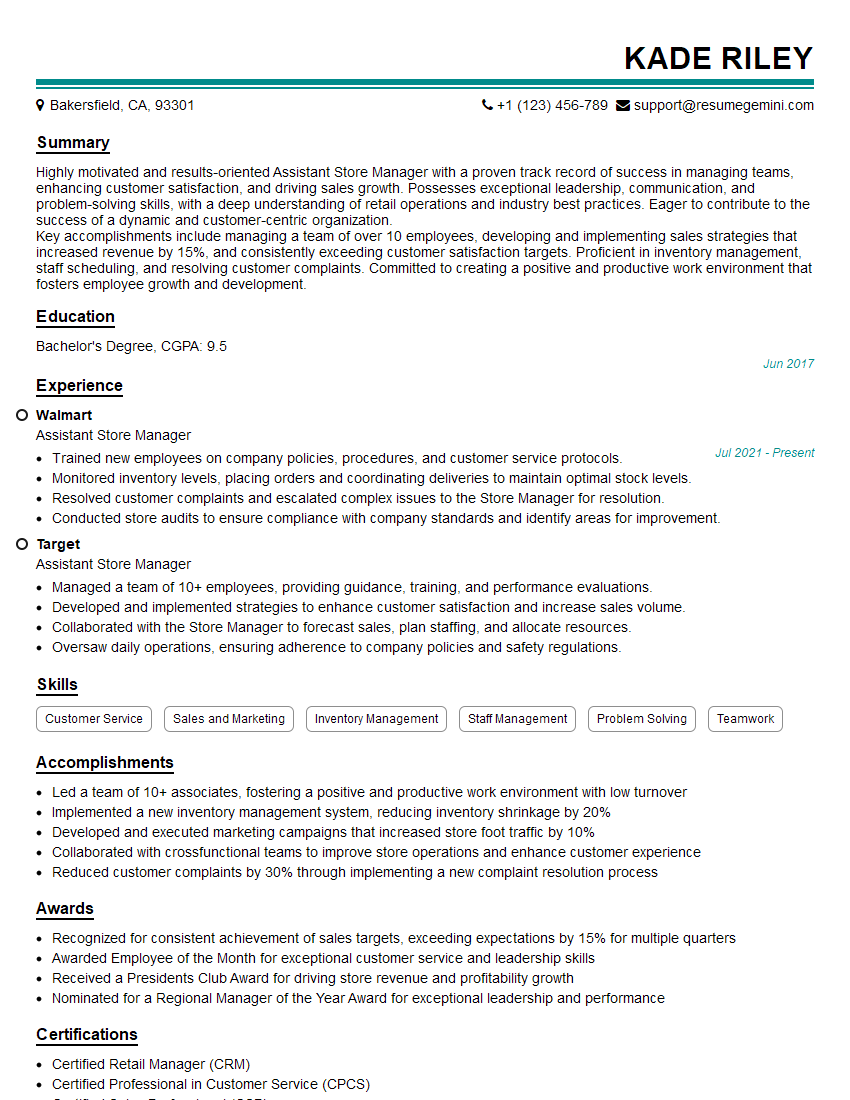
Assistant Store Manager Resume Sample
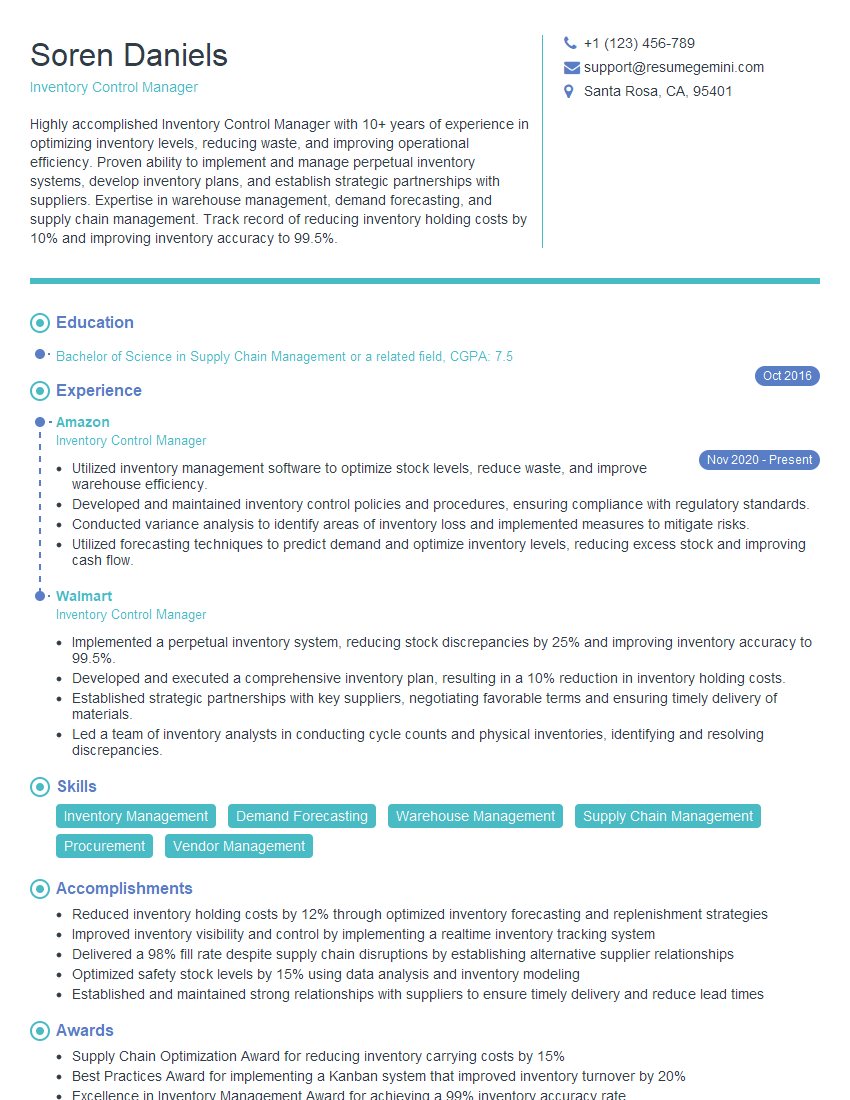
Inventory Control Manager Resume Sample
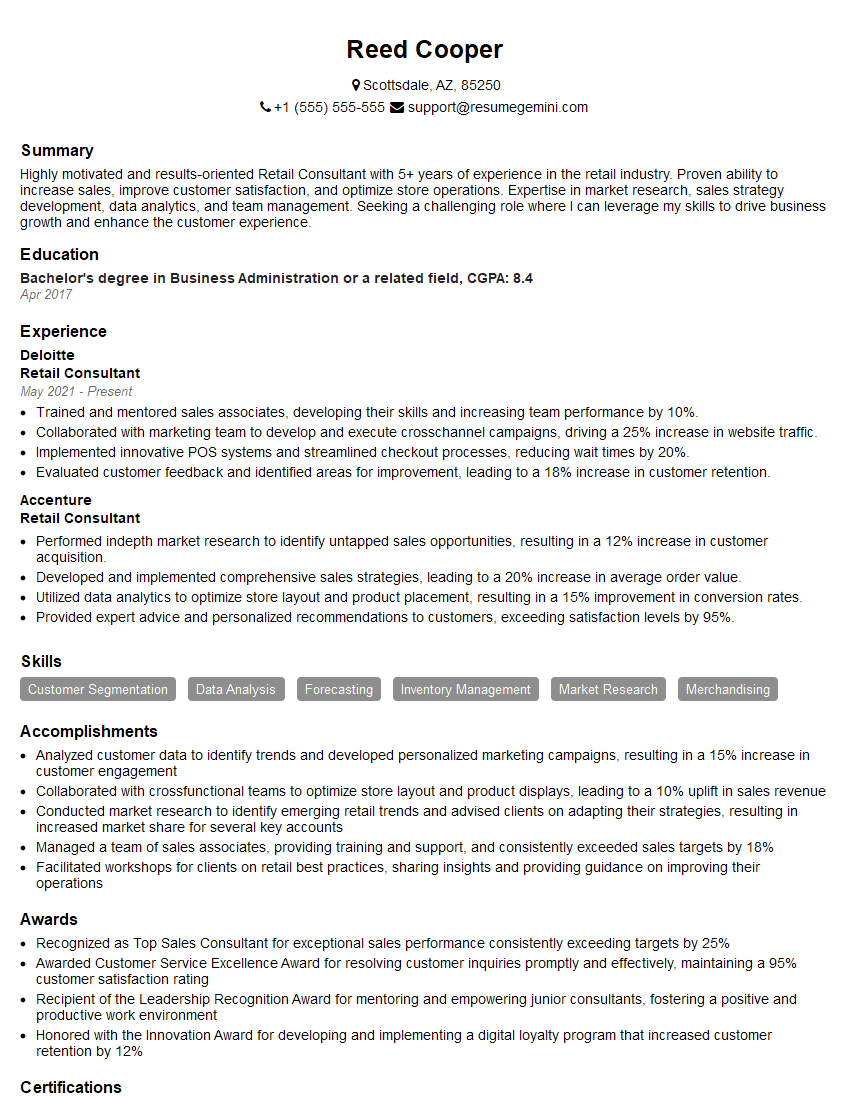
Retail Consultant Resume Sample
Explore more articles
Users Rating of Our Blogs
Share Your Experience
We value your feedback! Please rate our content and share your thoughts (optional).
What Readers Say About Our Blog
Attention music lovers!
Wow, All the best Sax Summer music !!!
Spotify: https://open.spotify.com/artist/6ShcdIT7rPVVaFEpgZQbUk
Apple Music: https://music.apple.com/fr/artist/jimmy-sax-black/1530501936
YouTube: https://music.youtube.com/browse/VLOLAK5uy_noClmC7abM6YpZsnySxRqt3LoalPf88No
Other Platforms and Free Downloads : https://fanlink.tv/jimmysaxblack
on google : https://www.google.com/search?q=22+AND+22+AND+22
on ChatGPT : https://chat.openai.com?q=who20jlJimmy20Black20Sax20Producer
Get back into the groove with Jimmy sax Black
Best regards,
Jimmy sax Black
www.jimmysaxblack.com
Hi I am a troller at The aquatic interview center and I suddenly went so fast in Roblox and it was gone when I reset.
Hi,
Business owners spend hours every week worrying about their website—or avoiding it because it feels overwhelming.
We’d like to take that off your plate:
$69/month. Everything handled.
Our team will:
Design a custom website—or completely overhaul your current one
Take care of hosting as an option
Handle edits and improvements—up to 60 minutes of work included every month
No setup fees, no annual commitments. Just a site that makes a strong first impression.
Find out if it’s right for you:
https://websolutionsgenius.com/awardwinningwebsites
Hello,
we currently offer a complimentary backlink and URL indexing test for search engine optimization professionals.
You can get complimentary indexing credits to test how link discovery works in practice.
No credit card is required and there is no recurring fee.
You can find details here:
https://wikipedia-backlinks.com/indexing/
Regards
NICE RESPONSE TO Q & A
hi
The aim of this message is regarding an unclaimed deposit of a deceased nationale that bears the same name as you. You are not relate to him as there are millions of people answering the names across around the world. But i will use my position to influence the release of the deposit to you for our mutual benefit.
Respond for full details and how to claim the deposit. This is 100% risk free. Send hello to my email id: lukachachibaialuka@gmail.com
Luka Chachibaialuka
Hey interviewgemini.com, just wanted to follow up on my last email.
We just launched Call the Monster, an parenting app that lets you summon friendly ‘monsters’ kids actually listen to.
We’re also running a giveaway for everyone who downloads the app. Since it’s brand new, there aren’t many users yet, which means you’ve got a much better chance of winning some great prizes.
You can check it out here: https://bit.ly/callamonsterapp
Or follow us on Instagram: https://www.instagram.com/callamonsterapp
Thanks,
Ryan
CEO – Call the Monster App
Hey interviewgemini.com, I saw your website and love your approach.
I just want this to look like spam email, but want to share something important to you. We just launched Call the Monster, a parenting app that lets you summon friendly ‘monsters’ kids actually listen to.
Parents are loving it for calming chaos before bedtime. Thought you might want to try it: https://bit.ly/callamonsterapp or just follow our fun monster lore on Instagram: https://www.instagram.com/callamonsterapp
Thanks,
Ryan
CEO – Call A Monster APP
To the interviewgemini.com Owner.
Dear interviewgemini.com Webmaster!
Hi interviewgemini.com Webmaster!
Dear interviewgemini.com Webmaster!
excellent
Hello,
We found issues with your domain’s email setup that may be sending your messages to spam or blocking them completely. InboxShield Mini shows you how to fix it in minutes — no tech skills required.
Scan your domain now for details: https://inboxshield-mini.com/
— Adam @ InboxShield Mini
support@inboxshield-mini.com
Reply STOP to unsubscribe
Hi, are you owner of interviewgemini.com? What if I told you I could help you find extra time in your schedule, reconnect with leads you didn’t even realize you missed, and bring in more “I want to work with you” conversations, without increasing your ad spend or hiring a full-time employee?
All with a flexible, budget-friendly service that could easily pay for itself. Sounds good?
Would it be nice to jump on a quick 10-minute call so I can show you exactly how we make this work?
Best,
Hapei
Marketing Director
Hey, I know you’re the owner of interviewgemini.com. I’ll be quick.
Fundraising for your business is tough and time-consuming. We make it easier by guaranteeing two private investor meetings each month, for six months. No demos, no pitch events – just direct introductions to active investors matched to your startup.
If youR17;re raising, this could help you build real momentum. Want me to send more info?
Hi, I represent an SEO company that specialises in getting you AI citations and higher rankings on Google. I’d like to offer you a 100% free SEO audit for your website. Would you be interested?
Hi, I represent an SEO company that specialises in getting you AI citations and higher rankings on Google. I’d like to offer you a 100% free SEO audit for your website. Would you be interested?