Cracking a skill-specific interview, like one for Strong Stage Presence, requires understanding the nuances of the role. In this blog, we present the questions you’re most likely to encounter, along with insights into how to answer them effectively. Let’s ensure you’re ready to make a strong impression.
Questions Asked in Strong Stage Presence Interview
Q 1. Describe your approach to managing nerves before a presentation.
Managing pre-presentation nerves is crucial for strong stage presence. My approach is multifaceted and focuses on preparation, relaxation techniques, and positive self-talk. Preparation minimizes anxiety by removing uncertainty; I meticulously rehearse my presentation, anticipating potential questions and challenges. This builds confidence and reduces the element of surprise. Relaxation techniques, such as deep breathing exercises and mindfulness, help to calm my nervous system before I take the stage. Finally, positive self-talk replaces negative thoughts with affirmations, focusing on my strengths and past successes. For example, instead of thinking ‘What if I forget my lines?’, I’d remind myself, ‘I’ve prepared thoroughly, and I can adapt if needed.’ This shift in mindset dramatically improves my composure.
Q 2. How do you adapt your presentation style to different audiences?
Adapting to different audiences is paramount. I analyze the audience beforehand, considering their background, knowledge level, and expectations. For a technical audience, I’ll use precise jargon and delve deeper into complex details. For a less technical audience, I simplify the language, provide more context, and focus on the practical implications. I also adjust my communication style – a formal tone for a corporate setting, a more informal and engaging tone for a student group. I gauge audience engagement during the presentation, adjusting my pace and delivery based on their reactions. For instance, if I see puzzled looks, I’ll pause to clarify, or use an analogy to make the concept more relatable.
Q 3. Explain a time you had to engage a disengaged audience. What strategies did you use?
Once, I presented a complex data analysis to a board of directors who seemed disengaged and checked out after the first few slides. I immediately recognized the need to shift my approach. I paused, acknowledged their seeming lack of interest, and asked if they had any immediate questions or concerns. This created a space for dialogue and interaction. Then, I re-framed my presentation, focusing on the key takeaways and practical implications of the data, instead of dwelling on the intricate methodology. I incorporated a real-world case study relevant to their business, making the data relatable and impactful. Finally, I used a more interactive approach, incorporating polls and brief Q&A sessions throughout the presentation to keep them engaged. This shift from a one-way lecture to a more interactive discussion revived their interest and fostered a productive exchange.
Q 4. How do you use body language to enhance your message?
Body language is essential for enhancing a message. I use open and inviting postures, maintaining eye contact to create connection and build trust. Hand gestures are used purposefully to emphasize key points or to illustrate concepts, avoiding distracting mannerisms. My movements are deliberate and confident, but not overly exaggerated. For instance, when describing a significant increase in sales, I might use a sweeping gesture upwards to visually represent the growth. Maintaining good posture projects confidence, while varying my tone and pace adds dynamism to my delivery. Essentially, my body language serves as a visual reinforcement of my message, making it more memorable and impactful.
Q 5. How do you incorporate visual aids effectively in your presentations?
Visual aids should be used strategically, not as mere decoration. I prioritize clarity and simplicity, using high-quality images, concise bullet points, and clear data visualizations. My slides are visually appealing but never overwhelm the audience with excessive text or distracting graphics. The visual aids directly support and enhance my spoken words, rather than repeating them verbatim. For example, a complex data set is best represented by a well-designed chart, rather than a table of numbers. The visual aids are carefully integrated into the narrative flow, used at the opportune moment to reinforce a specific concept or to illustrate a point.
Q 6. How do you maintain eye contact with a large audience?
Maintaining eye contact with a large audience requires a technique known as ‘scanning’. Instead of trying to make eye contact with every individual, I divide the audience into smaller sections and hold my gaze on each section for a few seconds before moving on. This creates a sense of personal connection and engagement without making the audience feel overwhelmed. I avoid staring at one spot for too long or fixating on a single person, which can make others feel excluded. The key is to create a feeling of inclusivity, ensuring that everyone feels seen and acknowledged.
Q 7. Describe your experience with using a microphone and public address system.
I have extensive experience using microphones and public address systems. Before speaking, I always test the equipment, adjusting the volume and ensuring clear sound quality. I am comfortable using both handheld and lavalier microphones, adapting my speaking style to suit the equipment. I’m mindful of microphone technique, speaking clearly and at a consistent volume, avoiding sudden loud or quiet bursts. Understanding how sound travels in a room and adjusting my voice projection is key to effective communication through a PA system. I anticipate potential technical issues and have a backup plan in place, such as prepared notes or slides, in case of equipment malfunction.
Q 8. How do you handle unexpected questions or interruptions during a presentation?
Unexpected questions or interruptions are inevitable, and handling them gracefully is a hallmark of strong stage presence. My approach is threefold: Acknowledge, Address, and Re-engage.
Acknowledge: I briefly acknowledge the interruption with a calm and confident demeanor. A simple, “That’s a great question,” or “I appreciate your input,” goes a long way in diffusing any tension.
Address: If the question is relevant and can be briefly answered, I do so concisely. If it’s tangential, I politely acknowledge its importance but explain that I’ll address it after covering the current point to maintain the flow of my presentation. This shows respect for the audience member while keeping the presentation on track. For example, I might say, “That’s a very insightful point, and we can certainly discuss that in more detail during the Q&A session.”
Re-engage: Once the interruption is handled, I seamlessly transition back to my main points, perhaps using a brief summary of the previous section as a bridge. This ensures the audience doesn’t lose their train of thought.
For example, during a presentation on project management, an audience member might ask about a specific software tool. I would acknowledge the question, briefly explain its relevance to the topic (or its tangential nature), and then smoothly move back to the next slide, reiterating the key concept to avoid any disruption to the overall narrative.
Q 9. How do you ensure your presentation is clear, concise, and engaging?
Clarity, conciseness, and engagement are interwoven threads in a successful presentation. I achieve this through meticulous planning and execution.
Clear Structure: I organize my presentation with a clear beginning, middle, and end. Each section focuses on a specific key message, supported by strong evidence, data, and visuals. Think of it as telling a story with a beginning, rising action, climax, falling action, and resolution.
Concise Language: I avoid jargon and use simple, direct language that is easily understood by my audience. I meticulously edit my slides to contain only essential information, using bullet points and visuals to emphasize key points. Each slide should have a single, clear message.
Engaging Delivery: I use varied vocal tone, pace, and body language to keep the audience interested. I incorporate visual aids, stories, and interactive elements to maintain their focus and make the presentation more memorable. I also practice active listening and make eye contact with different members of the audience.
For instance, instead of saying, “The project experienced significant resource constraints leading to a temporal displacement of the planned deliverables,” I would say, “We ran into some problems with staffing and had to reschedule some tasks.”
Q 10. Describe your method for practicing and rehearsing presentations.
My rehearsal process is iterative and multifaceted. It’s not just about memorizing lines; it’s about mastering the delivery.
Initial Outline & Content Development: I start by creating a detailed outline, ensuring a logical flow and impactful key messages. Then, I develop the content, incorporating compelling storytelling and supporting evidence.
First Run-Through: I do a full run-through, focusing on pacing, transitions, and overall clarity. I time myself to ensure the presentation fits within the allotted time.
Refinement & Feedback: I refine the content based on my initial run-through. I often seek feedback from colleagues or mentors, focusing on clarity, engagement, and areas for improvement.
Final Rehearsal: This involves a complete run-through, incorporating all visuals and technology. I focus on my delivery, ensuring confidence and naturalness. This final practice often includes recording myself to review for areas needing improvement.
This approach ensures that the final presentation is not just well-structured but also engaging and confidently delivered.
Q 11. How do you structure your presentations to maintain audience interest?
Maintaining audience interest requires a strategic approach to presentation structure. I utilize several key techniques:
Storytelling: Embedding my key messages within a compelling narrative makes the information more relatable and memorable. This helps the audience connect emotionally with the content.
Varied Delivery: I incorporate various elements to avoid monotony. This includes using different vocal tones, incorporating pauses for emphasis, and using visual aids strategically.
Interactive Elements: I incorporate opportunities for audience participation, such as polls, Q&A sessions, or even quick brainstorming activities, depending on the setting and the audience.
Visual Appeal: High-quality visuals, including images, charts, and videos, keep the audience engaged and help them process information more effectively. I avoid text-heavy slides.
Clear Transitions: I ensure smooth transitions between sections, using phrases that guide the audience through the narrative. This maintains a sense of logical progression.
For example, I might start a presentation on innovation with a captivating anecdote about a groundbreaking invention, then transition to the key principles of innovation, and finally conclude with a call to action.
Q 12. Explain your approach to using storytelling in presentations.
Storytelling is a powerful tool for enhancing audience engagement and making complex information relatable. My approach involves crafting narratives that connect emotionally with the audience, illustrate key concepts effectively, and leave a lasting impression.
Identify the Core Message: Before crafting a story, I identify the key message or takeaway I want the audience to remember. The story serves to illustrate this message in a compelling way.
Choose the Right Story Type: I select a story type that best suits the message and audience. This could be a personal anecdote, a case study, a fable, or even a hypothetical scenario.
Structure the Narrative: I craft the story with a clear beginning, middle, and end. I ensure the narrative is concise, engaging, and emotionally resonant.
Connect to the Audience: I tailor the story to resonate with the audience’s values, experiences, and expectations.
Integrate Seamlessly: I integrate the story naturally into the overall flow of the presentation, ensuring a smooth transition and clear connection to the main points.
For example, when presenting on the importance of teamwork, I might share a personal story about a challenging project that was successfully completed through effective collaboration, highlighting the specific teamwork principles that contributed to the success.
Q 13. How do you use humor effectively in a professional setting?
Humor can be a powerful tool in a professional setting, but it must be used judiciously and appropriately. My approach focuses on using humor that is relevant, respectful, and enhances the message rather than detracting from it.
Know Your Audience: Understanding your audience’s sense of humor is crucial. What might be funny to one group could be offensive or inappropriate to another.
Self-Deprecating Humor: Using self-deprecating humor can be a good way to connect with the audience and show vulnerability, but it must be done tastefully and not at the expense of others.
Relevant and Timely: The humor should be relevant to the topic of the presentation and the overall context. Avoid jokes that are outdated, offensive, or unrelated to the message.
Less is More: Use humor sparingly. A few well-placed jokes can enhance the presentation, but too much humor can be distracting or even counterproductive.
Observe Reactions: Pay attention to the audience’s reactions to your humor. If a joke doesn’t land well, move on quickly.
For example, if I’m presenting on overcoming challenges, I might share a lighthearted anecdote about a personal setback, demonstrating resilience and highlighting the lessons learned without being offensive or inappropriate.
Q 14. How do you deal with technical difficulties during a presentation?
Technical difficulties are a frustrating reality of presentations. My approach focuses on preparedness, quick thinking, and graceful problem-solving.
Prevention: I always arrive early to test the equipment and technology. I have backup plans, such as a printed copy of my slides or a flash drive with my presentation files. I also ensure I’m familiar with the presentation software and the equipment being used.
Problem-Solving: If a problem occurs, I remain calm and address the issue systematically. I assess the situation, seek assistance if needed, and try to find a quick solution. I might ask for help from the technical staff or use my backup materials.
Audience Engagement: While resolving the technical issue, I keep the audience engaged. I might make a lighthearted comment about the unexpected challenge or share a related anecdote to bridge the gap.
Graceful Recovery: If the problem cannot be resolved quickly, I apologize briefly, acknowledge the difficulty, and transition smoothly to another part of the presentation or even to a Q&A session. The goal is to minimize the disruption and maintain the overall flow of the presentation.
For example, if the projector malfunctions, I would immediately switch to my backup plan of using a printed handout, briefly apologizing for the inconvenience but assuring the audience that I can continue with the presentation using the handouts. I would then quickly explain what is happening and continue the presentation, focusing on the main points.
Q 15. How do you handle criticism or negative feedback about your presentation style?
Criticism is an invaluable tool for growth. I approach negative feedback not as a personal attack, but as an opportunity to refine my presentation style. My process involves several steps:
- Active Listening: I listen carefully to the critique, focusing on the specific points raised, avoiding emotional responses.
- Identifying Patterns: I look for recurring themes or consistent criticisms. This helps pinpoint areas needing improvement.
- Self-Reflection: I honestly assess whether the criticism is valid and whether I can improve. This requires self-awareness and objectivity.
- Seeking Clarification: If I don’t fully understand the feedback, I politely ask for clarification to ensure I’m addressing the core issue.
- Implementation and Practice: I work on improving the identified weaknesses. This might involve practicing different delivery techniques, adjusting my visual aids, or refining my message.
- Seeking Further Feedback: After implementing changes, I seek feedback again to gauge effectiveness and make further adjustments as needed.
For example, if feedback suggests I speak too quickly, I’d focus on consciously slowing down my pace, incorporating intentional pauses, and practicing with a metronome to improve rhythm.
Career Expert Tips:
- Ace those interviews! Prepare effectively by reviewing the Top 50 Most Common Interview Questions on ResumeGemini.
- Navigate your job search with confidence! Explore a wide range of Career Tips on ResumeGemini. Learn about common challenges and recommendations to overcome them.
- Craft the perfect resume! Master the Art of Resume Writing with ResumeGemini’s guide. Showcase your unique qualifications and achievements effectively.
- Don’t miss out on holiday savings! Build your dream resume with ResumeGemini’s ATS optimized templates.
Q 16. Describe a time you successfully commanded attention in a high-pressure situation.
During a crucial product launch presentation to a major investor, the projector malfunctioned five minutes into my presentation. The room was silent, and the atmosphere was tense. Instead of panicking, I quickly adapted. I used the situation to my advantage, employing several techniques:
- Maintaining Composure: I remained calm and professional, acknowledging the technical difficulty without dwelling on it. This helped reassure the audience.
- Transitioning to Improvisation: I seamlessly transitioned from my planned slide presentation to a more conversational style, highlighting key aspects using the physical whiteboard. This kept the attention focused on the content rather than the malfunction.
- Using Body Language: My confident posture and purposeful gestures engaged the audience even without visual aids. I focused on making strong eye contact.
- Focusing on Key Messages: I stripped the presentation down to its essential core messages, delivering them concisely and powerfully. I prioritized what needed to be communicated.
The result? Despite the technical hiccup, the investor was impressed by my professionalism, adaptability, and command of the subject matter. The presentation was successful because I focused on effective communication, not simply flawless technology.
Q 17. How do you ensure your presentation aligns with the audience’s needs and expectations?
Audience alignment is paramount. I start by thoroughly researching the audience’s background, knowledge level, and expectations. This involves:
- Audience Research: Gathering information about the attendees – their roles, interests, and prior knowledge of the topic.
- Tailoring Content: Adapting the content, language, and examples to resonate with the specific audience. What might work for a technical team won’t necessarily work for a group of executives.
- Using Appropriate Language: Avoiding jargon and overly technical terms unless the audience has the necessary expertise.
- Considering Presentation Style: Adjusting presentation style to suit the audience’s preferences. A formal, data-heavy approach might suit an academic setting, whereas a more informal and engaging style might be better for a younger audience.
- Interactive Elements: Incorporating interactive elements like Q&A sessions, polls, or group activities to keep the audience engaged and ensure their needs are being met.
For instance, when presenting to a group of software engineers, I’d use technical terminology and focus on detailed explanations. However, when addressing executives, I’d use a higher-level overview, emphasizing business implications and key results.
Q 18. How do you use your voice effectively to convey your message?
Vocal delivery is crucial. I focus on:
- Pace and Rhythm: Varying my pace to emphasize key points and keep the audience engaged. A monotonous tone loses attention quickly.
- Volume and Projection: Projecting my voice clearly so everyone can hear without shouting. This requires practice and awareness of the room acoustics.
- Tone and Inflection: Using appropriate tone and inflection to express emotion and convey the intended meaning. A flat tone sounds boring and uninvolving.
- Articulation and Pronunciation: Speaking clearly and correctly, ensuring every word is easily understood.
- Enthusiasm and Energy: Injecting enthusiasm into my voice to reflect my passion for the subject and keep the audience engaged.
Think of a skilled storyteller – their voice changes to reflect the emotional arc of the narrative. A good presentation should have the same kind of dynamic vocal range.
Q 19. How do you incorporate pauses and emphasis in your speech for impact?
Pauses and emphasis are powerful tools. I use them strategically to:
- Highlight Key Messages: Pausing briefly before or after important points allows the message to sink in. Emphasis (through louder volume or slower pace) further underscores these points.
- Create Dramatic Effect: Strategic pauses can build suspense or anticipation before a crucial reveal.
- Control the Pace: Pauses help regulate the pace, preventing the speech from feeling rushed or overwhelming. They provide the audience time to process information.
- Emphasize Emotion: Vocal emphasis can highlight the emotional weight of a particular phrase or story.
For example, when introducing a groundbreaking statistic, I’d pause for a moment before revealing the number, creating a sense of anticipation. Then, I’d deliver the statistic with clear emphasis to highlight its significance.
Q 20. How do you maintain a professional and confident demeanor while presenting?
Maintaining a professional and confident demeanor involves both internal and external factors:
- Preparation and Rehearsal: Thorough preparation significantly boosts confidence. Practicing the presentation multiple times helps solidify the material and smooths delivery.
- Positive Self-Talk: Before the presentation, engaging in positive self-talk can calm nerves and build confidence. Remind yourself of your expertise and experience.
- Posture and Body Language: Maintaining good posture, making eye contact, and using natural gestures create a confident impression.
- Appropriate Attire: Dressing professionally reinforces a sense of credibility and preparedness.
- Managing Nerves: Techniques like deep breathing exercises or mindfulness can help manage pre-presentation jitters.
Essentially, it’s about projecting an image of competence and authority, backed by genuine preparation and a positive mindset.
Q 21. Describe your experience with Q&A sessions after presentations.
I view Q&A sessions as an integral part of the presentation, not just an afterthought. My approach focuses on:
- Anticipating Questions: I brainstorm potential questions and prepare concise, insightful answers beforehand. This preparation shows preparedness and credibility.
- Active Listening: I attentively listen to each question, ensuring I understand it completely before responding.
- Clear and Concise Answers: I answer directly, avoiding unnecessary jargon or rambling. I tailor my response to the questioner’s level of understanding.
- Handling Difficult Questions: I handle difficult questions calmly and professionally, acknowledging the validity of the question even if I can’t provide a complete answer. I use phrases such as “That’s an excellent question; let me clarify…” or “That’s a complex issue, and we can discuss that further…”.
- Respectful Engagement: I engage respectfully with all questioners, regardless of their background or perspective.
A successful Q&A session allows for a two-way dialogue, clarifies misunderstandings, and strengthens the connection between the presenter and the audience, enhancing the impact of the overall presentation. It’s an opportunity to demonstrate expertise and responsiveness.
Q 22. How do you respond to challenging questions from the audience?
Responding to challenging questions requires a calm and confident demeanor. It’s not about knowing all the answers, but about demonstrating thoughtful engagement. My approach involves a three-step process: Acknowledge, Address, and Bridge.
- Acknowledge: I begin by acknowledging the question’s validity and importance. A simple phrase like, “That’s a great question, and I appreciate you raising it,” sets a positive tone and shows respect for the audience member.
- Address: Next, I directly address the question to the best of my ability. If I know the answer, I provide it clearly and concisely. If I don’t know the answer immediately, I’ll say something like, “That’s a complex issue, and I don’t have all the answers right now, but let’s explore this together.” This honesty builds trust.
- Bridge: Finally, I connect the question back to the broader theme of my presentation. This helps maintain the flow of the presentation and ensures that even challenging questions contribute to the overall message. For example, if the question is tangential, I might say, “While that’s an interesting point, let’s return to our discussion of X, which is closely related.”
For instance, during a presentation on leadership, a question arose about the ethics of AI in decision-making. I acknowledged the importance of the question, then briefly explained my understanding of the ethical considerations, and finally bridged it back to my main point about the importance of human oversight even in AI-driven leadership.
Q 23. How do you use visual aids to support and enhance your verbal communication?
Visual aids are crucial for enhancing communication. They shouldn’t simply duplicate what I’m saying, but rather complement and clarify it. I prioritize simplicity and clarity. I use visuals sparingly, focusing on high-quality images, graphs, or short, impactful videos. My strategy involves:
- Relevance: Every visual must directly support a specific point in my presentation. No unnecessary fluff.
- Simplicity: Avoid cluttered slides; use minimal text, opting for clear visuals with concise captions.
- Accessibility: Consider color contrast, font size, and avoid excessive animation that can be distracting.
- Variety: I mix different types of visuals to maintain audience engagement – images, charts, short video clips – to avoid monotony.
For example, when presenting data on market trends, I’d use a clear and simple line graph rather than a dense table of numbers. A picture of a successful project would illustrate a point about effective teamwork more effectively than a lengthy description.
Q 24. Explain how you maintain your energy levels during extended presentations.
Maintaining energy during extended presentations is critical. It’s a combination of physical and mental preparation. My strategy focuses on:
- Preparation: Thorough rehearsal helps me feel confident and less anxious, conserving energy.
- Hydration and Nutrition: I avoid sugary drinks and opt for water throughout the day, and have a light, healthy meal or snack before the presentation.
- Movement and Breaks: Incorporating subtle movements like shifting weight, changing posture, and walking around during longer presentations helps keep me energized. If possible, I take short breaks to stretch and refocus.
- Audience Engagement: Interactive elements like polls or Q&A sessions break the monotony and keep both me and the audience engaged.
- Positive Self-Talk: Remembering my purpose and connecting with the audience on an emotional level helps maintain my enthusiasm.
I’ve learned that pacing myself is key. I avoid speaking too rapidly and incorporate pauses strategically for emphasis and to allow the audience time to process information. This prevents burnout and helps me deliver a more impactful presentation.
Q 25. How do you assess the effectiveness of your presentation?
Assessing presentation effectiveness is an ongoing process, not just a post-presentation activity. I use a multi-faceted approach:
- Audience Observation: During the presentation, I pay attention to audience engagement—body language, questions, and overall receptiveness. This provides immediate feedback.
- Post-Presentation Feedback: I actively solicit feedback through surveys, informal conversations, or dedicated Q&A sessions. I value both positive and constructive criticism.
- Data Analysis: If applicable, I track key metrics like audience participation rates in online polls or attendance numbers.
- Self-Reflection: After each presentation, I review my performance, noting areas for improvement in content, delivery, or audience engagement.
For example, if I notice many attendees checking their watches or phones during a particular section of the presentation, it signals a need to improve that section’s pacing or engagement.
Q 26. Describe your strategy for handling audience feedback after a presentation.
Handling audience feedback is about actively listening and responding constructively. My strategy focuses on:
- Active Listening: I pay close attention to the feedback, avoiding interruptions and allowing the person to fully express their thoughts.
- Empathy and Respect: I acknowledge the feedback, regardless of whether I agree with it. I show appreciation for the audience taking the time to share their perspective.
- Thoughtful Response: I respond thoughtfully, either immediately or later, depending on the situation. If I need time to process the feedback, I’ll say so.
- Actionable Steps: Where appropriate, I use the feedback to refine my future presentations. I document the feedback and look for patterns to improve my overall performance.
Sometimes, I’ll receive critical feedback that is difficult to hear. In those situations, I maintain a calm demeanor, thank the person for their input, and take time to process their comments privately, using them as a learning opportunity. I don’t take negative feedback personally but see it as a chance to grow.
Q 27. How do you prepare for presentations in unfamiliar environments?
Preparing for presentations in unfamiliar environments requires proactive planning. My approach includes:
- Advance Reconnaissance: If possible, I visit the venue beforehand to familiarize myself with the layout, technology, and overall atmosphere.
- Technology Check: I confirm the availability and functionality of necessary equipment – projectors, microphones, internet access – well in advance.
- Backup Plan: I always have a backup plan for potential technical issues. This might include a printed copy of my slides or alternative delivery methods.
- Adaptability: I mentally prepare myself to adapt to unexpected circumstances, such as room temperature, lighting, or unexpected changes in the schedule.
For example, before a recent presentation at a conference, I visited the venue to test the microphone and projector, ensuring they were compatible with my presentation materials. I also created a simplified version of my presentation suitable for delivery without visual aids, in case of technical problems.
Q 28. How do you adapt your presentation style based on the available technology?
Adapting to available technology is crucial for effective presentation delivery. My approach depends on the specific tools available:
- Simple Setup: With minimal technology, I focus on clear verbal communication, engaging storytelling, and potentially using a whiteboard or flip chart.
- Advanced Technology: With access to sophisticated technology (projectors, interactive whiteboards, web conferencing tools), I leverage these tools to enhance my presentation using high-quality visuals, interactive elements, and live data.
- Hybrid Approach: In hybrid settings (both in-person and virtual audiences), I ensure the presentation is engaging for both groups, using technology to bridge the gap. I might use a camera to close-up on visual aids or have an assistant manage online interactions.
- Technical Proficiency: I maintain a basic level of technical proficiency to handle minor technical issues independently.
In one instance, I had to deliver a presentation using only a whiteboard and markers. I adapted by creating a visual storyline and focusing on concise explanations and impactful storytelling. In other cases, I’ve seamlessly integrated live polling using specialized software during presentations.
Key Topics to Learn for Strong Stage Presence Interview
- Confident Communication: Mastering clear and concise articulation of your ideas, even under pressure. Practice delivering your thoughts with conviction and enthusiasm.
- Nonverbal Communication: Understanding and utilizing body language effectively. This includes maintaining appropriate eye contact, posture, and hand gestures to enhance your message and build rapport.
- Commanding Attention: Techniques for captivating your audience from the start. Learn to project your voice, use pauses strategically, and maintain a positive and engaging demeanor.
- Storytelling & Narrative: Structuring your responses using compelling narratives that highlight your skills and experiences in a memorable way. Practice crafting concise and impactful stories.
- Handling Nervousness: Developing strategies to manage anxiety and nerves before and during the interview. Explore techniques like deep breathing and positive self-talk.
- Active Listening & Engagement: Demonstrating genuine interest in the interviewer’s questions and actively engaging in a two-way conversation, rather than simply reciting prepared answers.
- Adaptability & Improvisation: Practicing your ability to think on your feet and adapt your communication style based on the interviewer’s responses and the flow of the conversation.
Next Steps
Mastering strong stage presence is crucial for career advancement. It not only helps you ace interviews but also builds confidence in leadership roles and presentations throughout your career. To maximize your job prospects, create an ATS-friendly resume that highlights your communication skills and achievements. ResumeGemini is a trusted resource to help you build a professional and impactful resume. We provide examples of resumes tailored to showcasing strong stage presence skills, helping you present yourself effectively to potential employers.
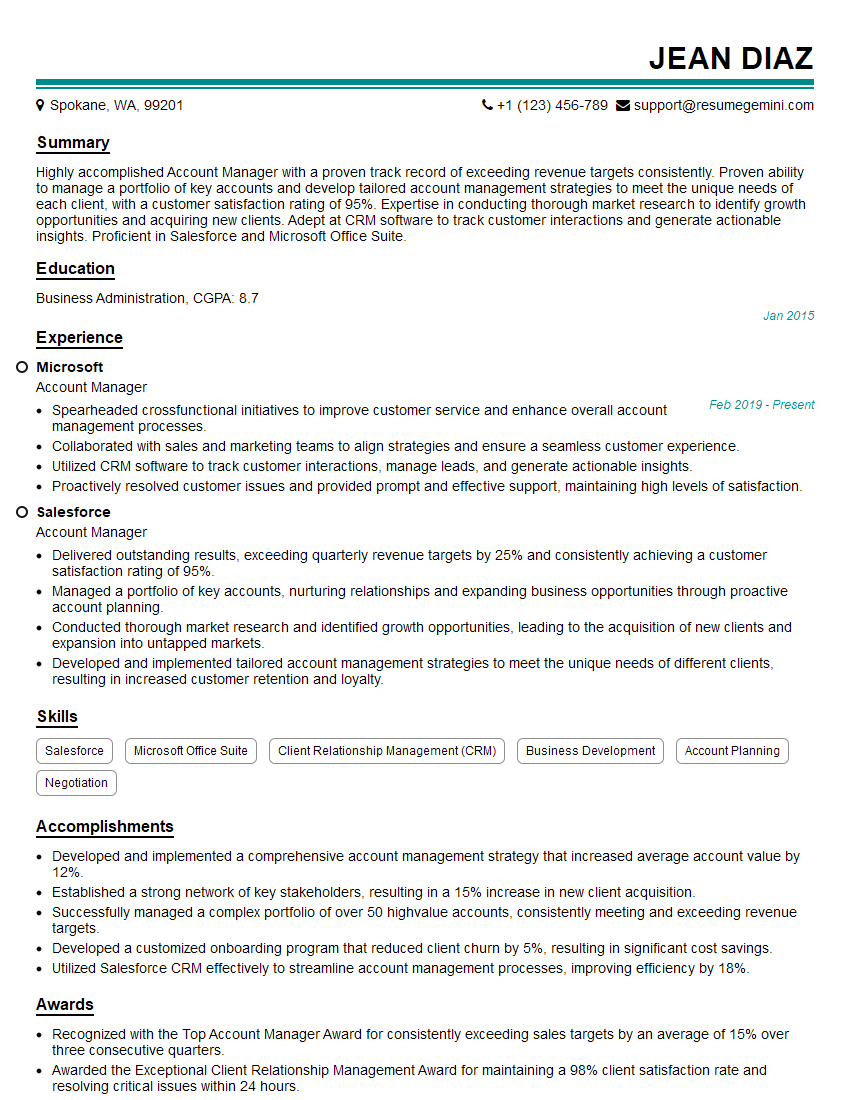
Account Manager Resume Sample
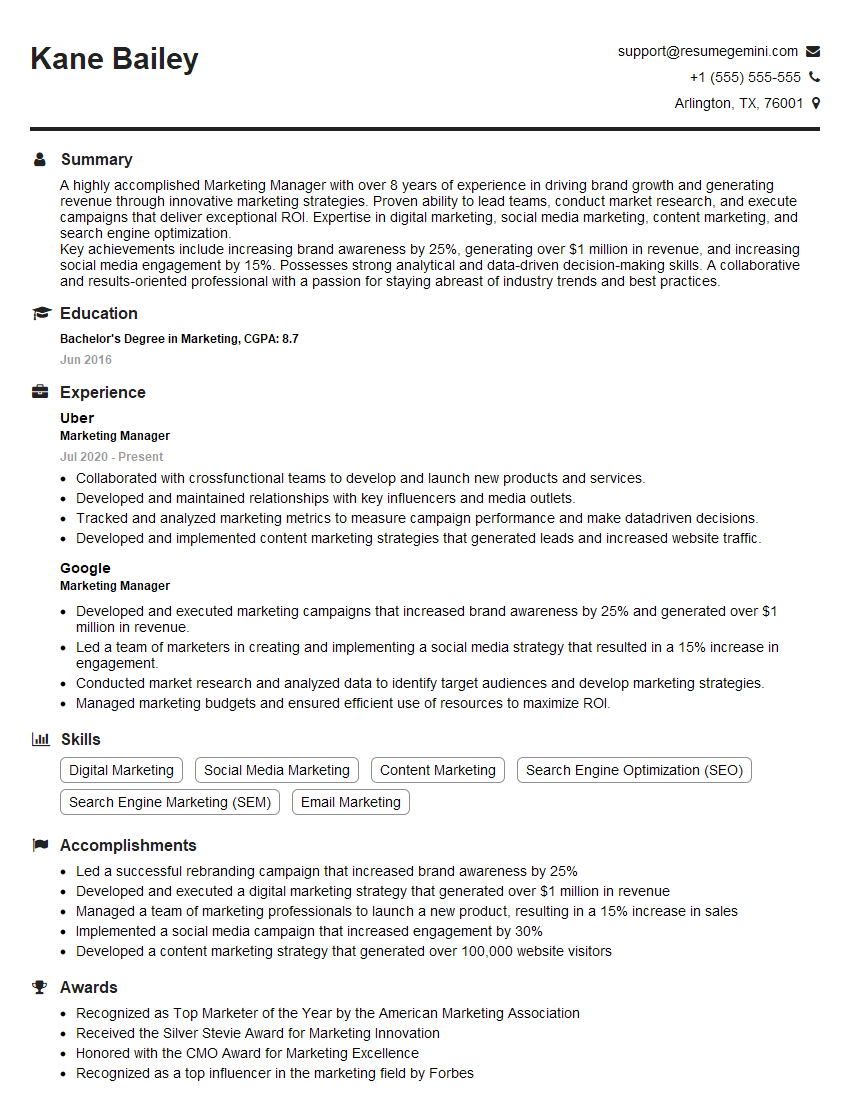
Marketing Manager Resume Sample
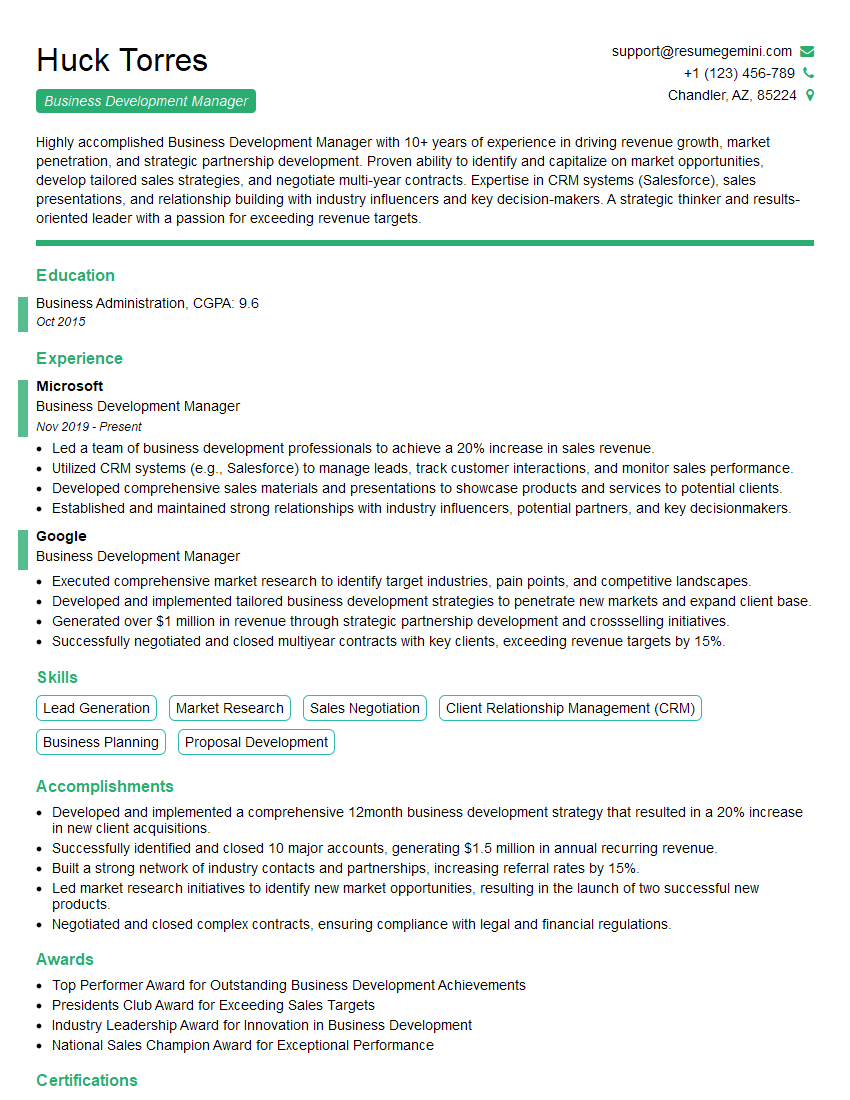
Business Development Manager Resume Sample
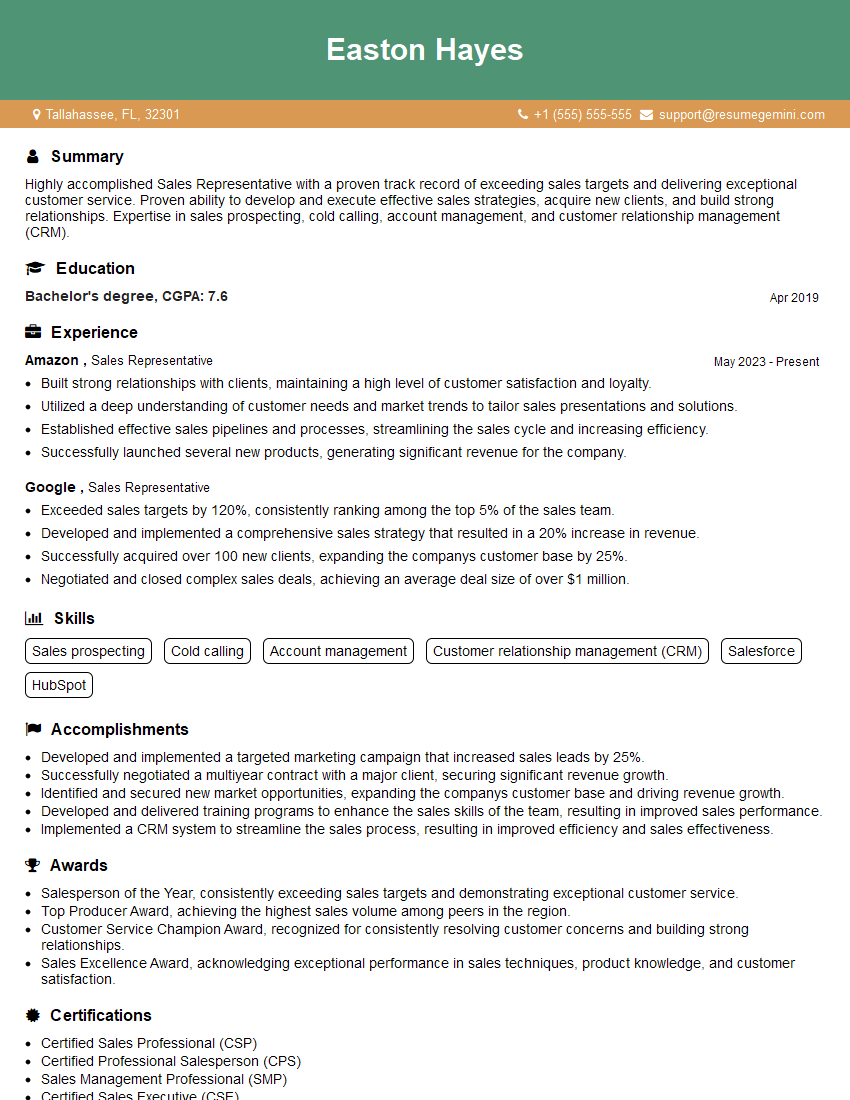
Sales Representative Resume Sample
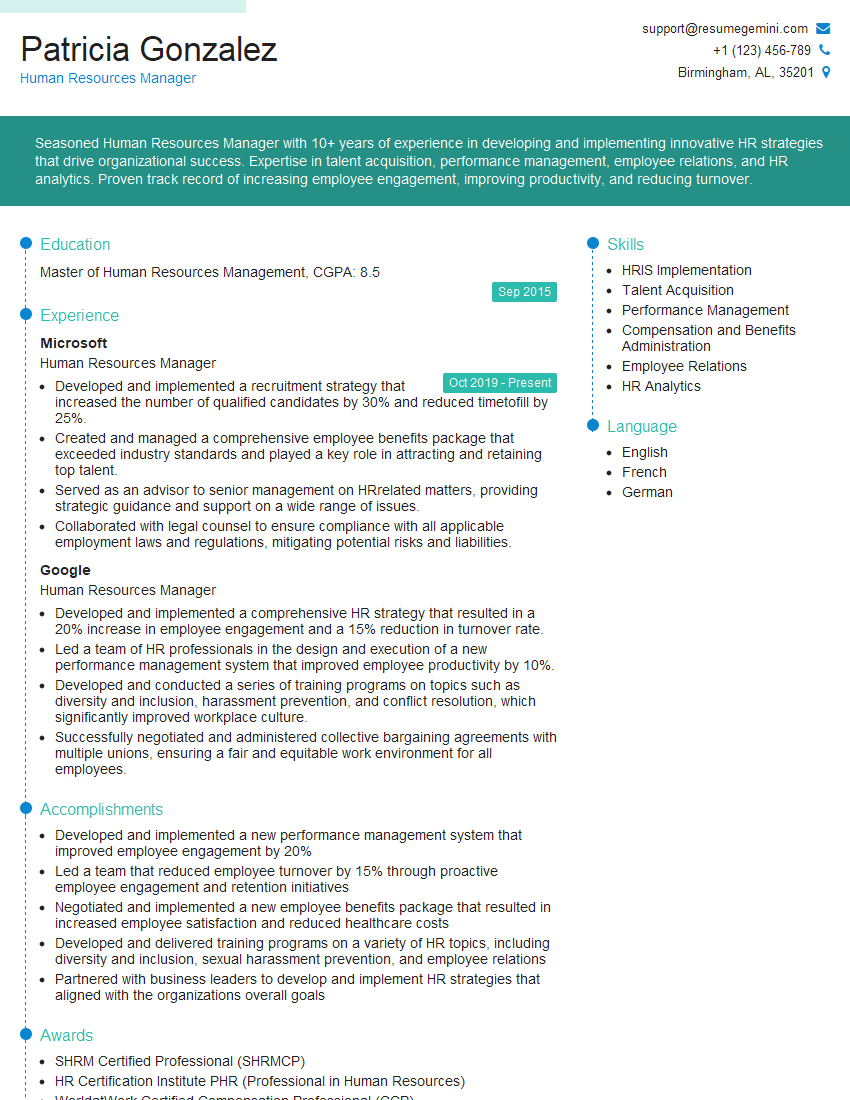
Human Resources Manager Resume Sample
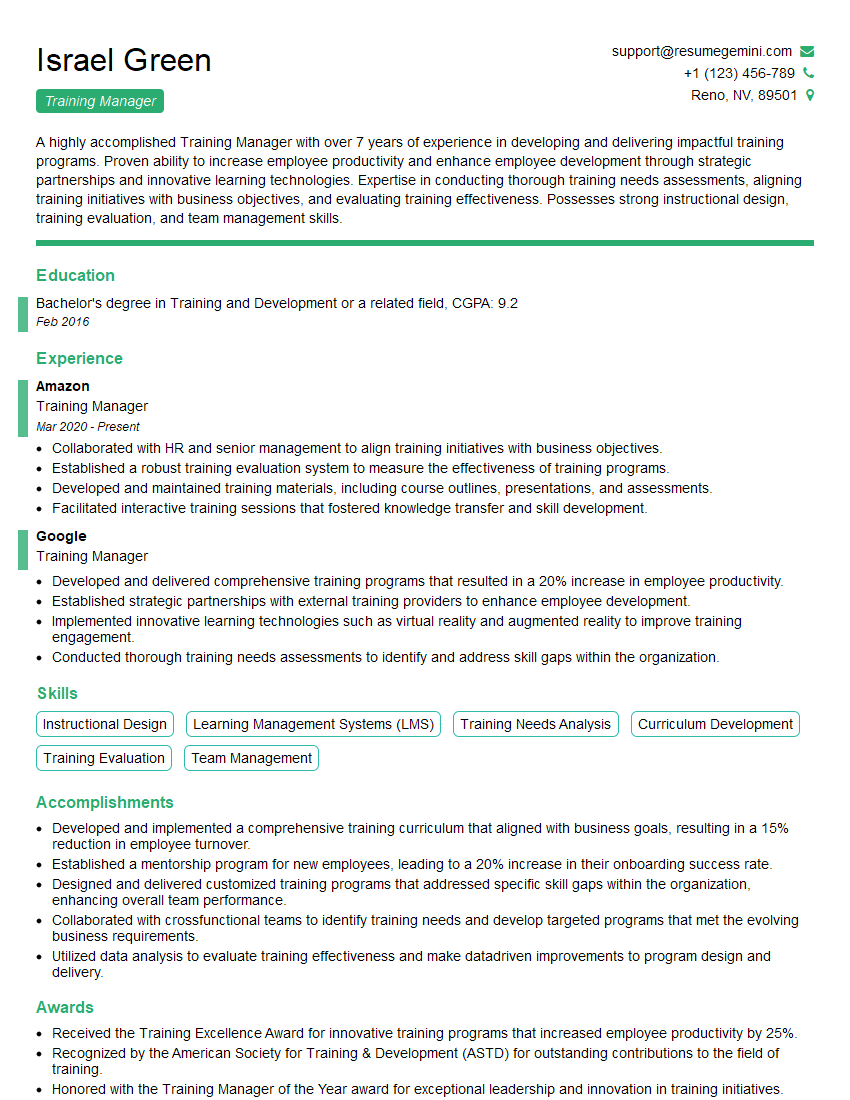
Training Manager Resume Sample
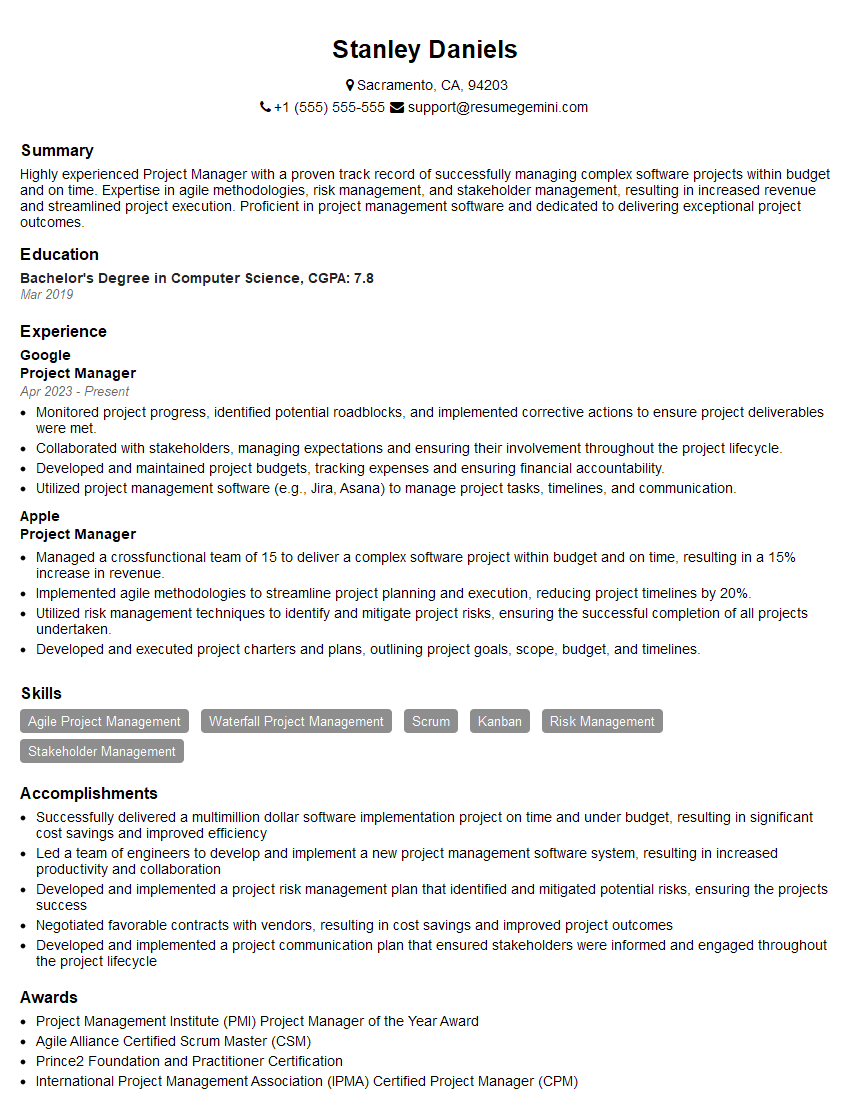
Project Manager Resume Sample
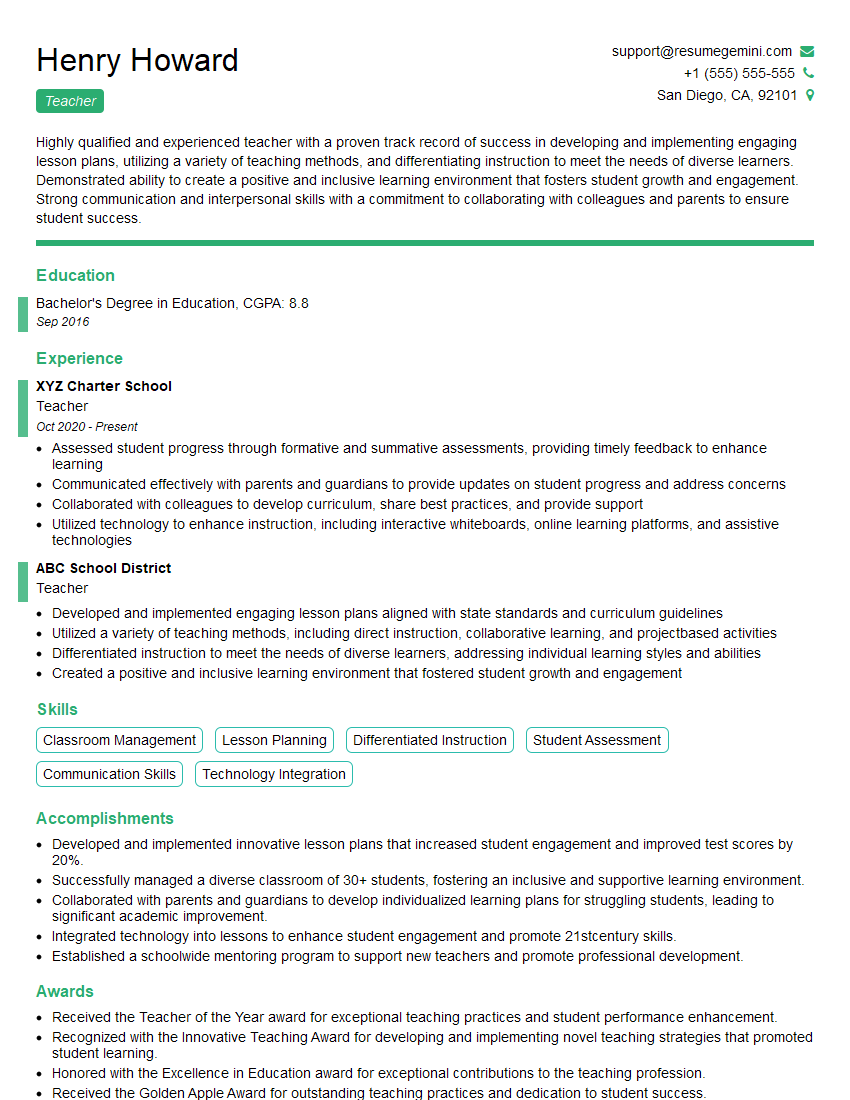
Teacher Resume Sample

Professor Resume Sample
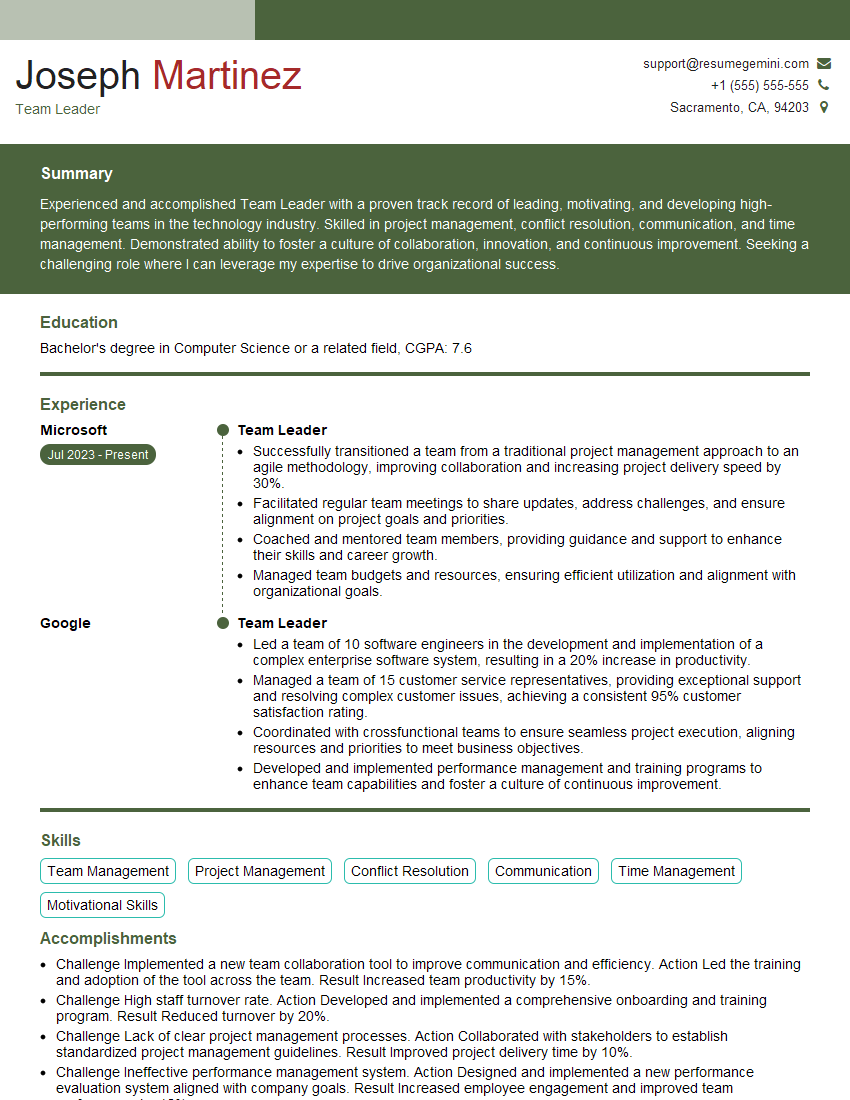
Team Leader Resume Sample
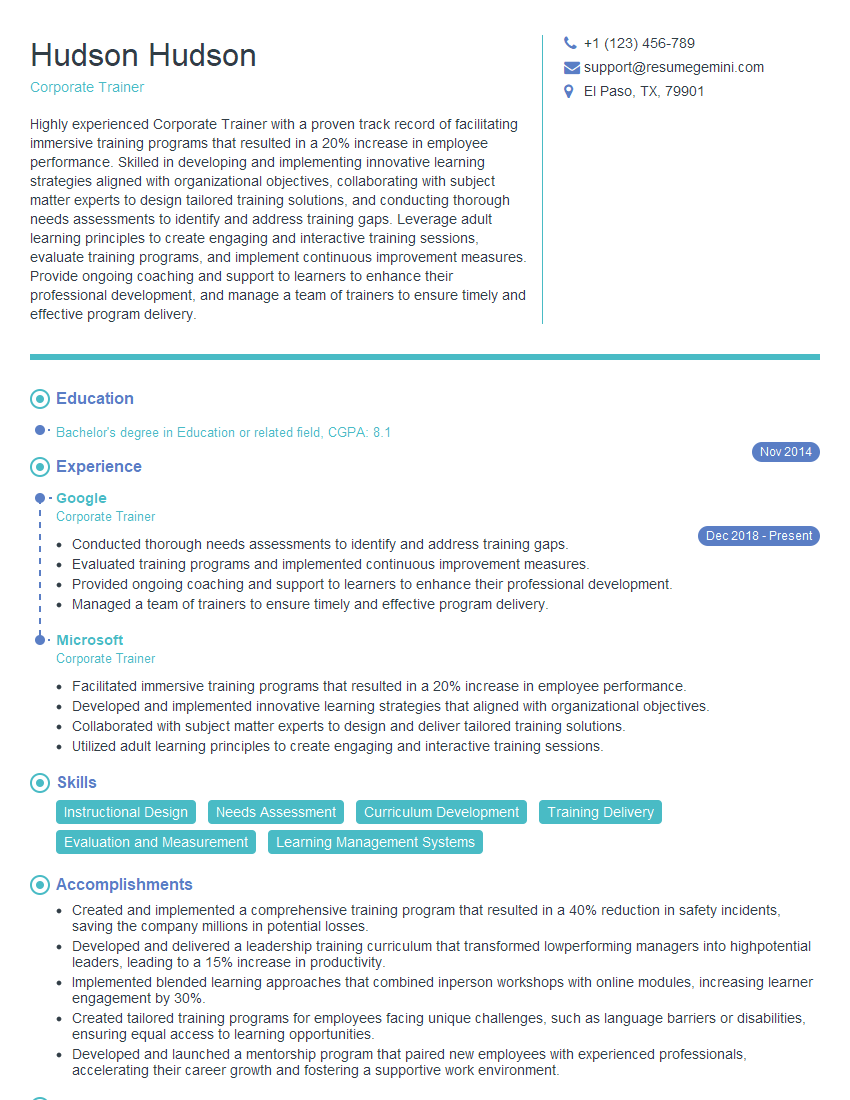
Corporate Trainer Resume Sample
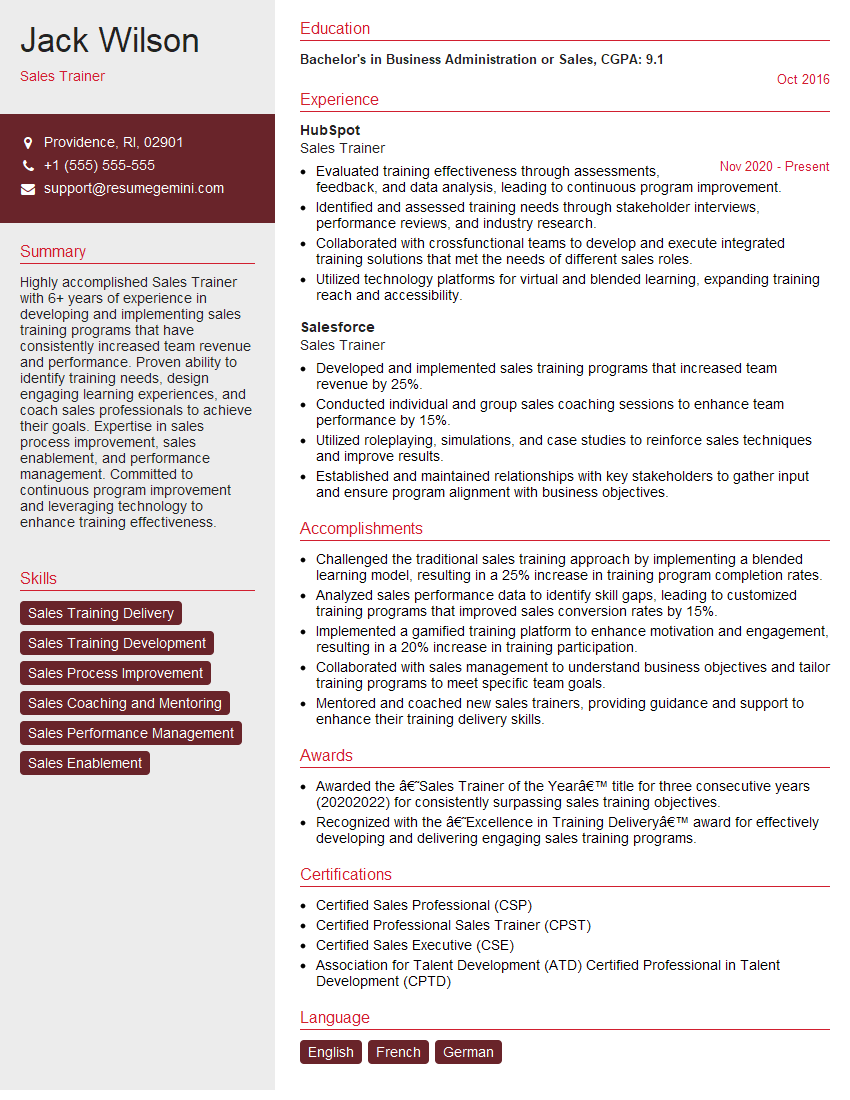
Sales Trainer Resume Sample
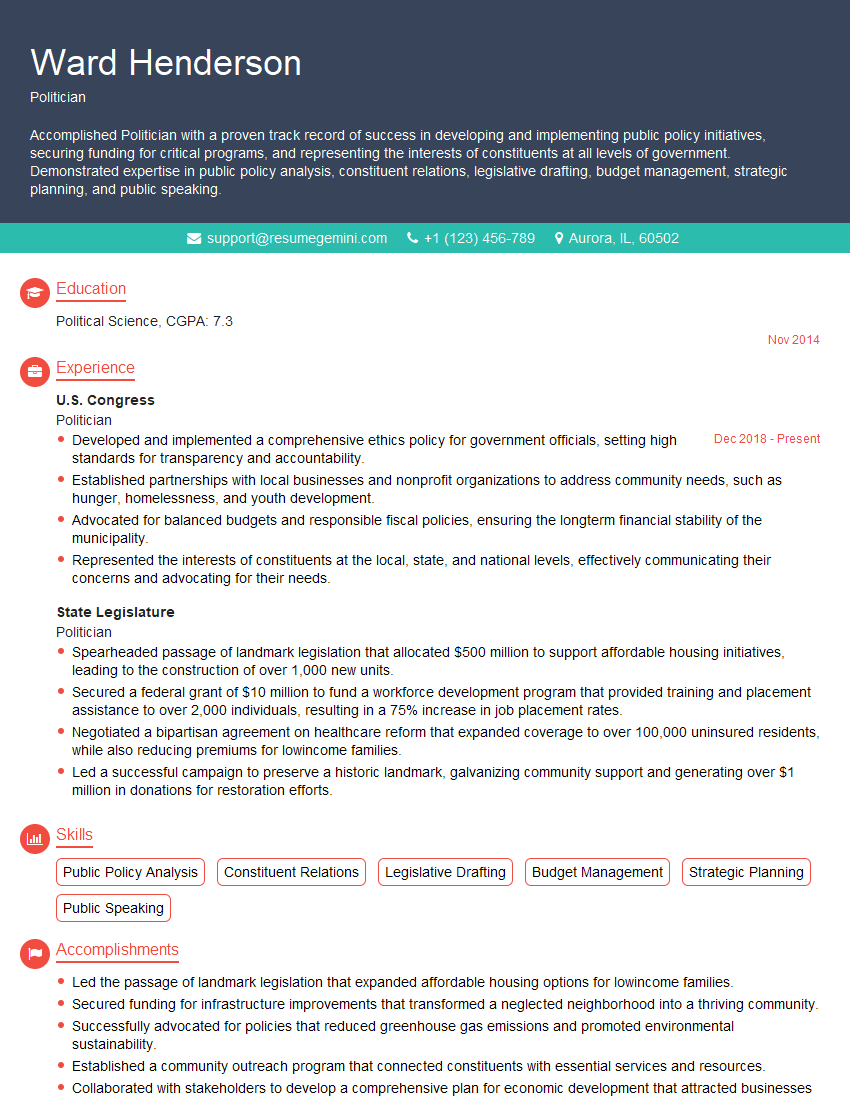
Politician Resume Sample
Actor Resume Sample
News Anchor Resume Sample
Event Host Resume Sample
Motivational Speaker Resume Sample
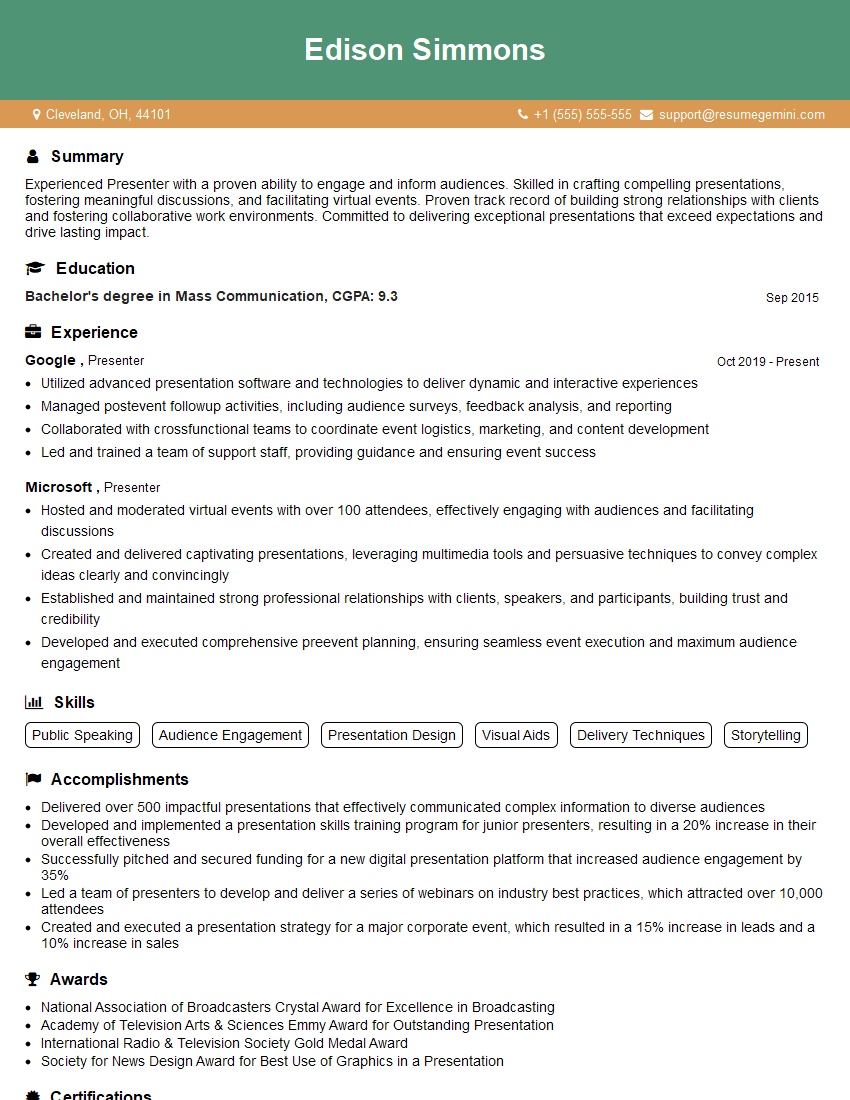
Presenter Resume Sample
Explore more articles
Users Rating of Our Blogs
Share Your Experience
We value your feedback! Please rate our content and share your thoughts (optional).
What Readers Say About Our Blog
Attention music lovers!
Wow, All the best Sax Summer music !!!
Spotify: https://open.spotify.com/artist/6ShcdIT7rPVVaFEpgZQbUk
Apple Music: https://music.apple.com/fr/artist/jimmy-sax-black/1530501936
YouTube: https://music.youtube.com/browse/VLOLAK5uy_noClmC7abM6YpZsnySxRqt3LoalPf88No
Other Platforms and Free Downloads : https://fanlink.tv/jimmysaxblack
on google : https://www.google.com/search?q=22+AND+22+AND+22
on ChatGPT : https://chat.openai.com?q=who20jlJimmy20Black20Sax20Producer
Get back into the groove with Jimmy sax Black
Best regards,
Jimmy sax Black
www.jimmysaxblack.com
Hi I am a troller at The aquatic interview center and I suddenly went so fast in Roblox and it was gone when I reset.
Hi,
Business owners spend hours every week worrying about their website—or avoiding it because it feels overwhelming.
We’d like to take that off your plate:
$69/month. Everything handled.
Our team will:
Design a custom website—or completely overhaul your current one
Take care of hosting as an option
Handle edits and improvements—up to 60 minutes of work included every month
No setup fees, no annual commitments. Just a site that makes a strong first impression.
Find out if it’s right for you:
https://websolutionsgenius.com/awardwinningwebsites
Hello,
we currently offer a complimentary backlink and URL indexing test for search engine optimization professionals.
You can get complimentary indexing credits to test how link discovery works in practice.
No credit card is required and there is no recurring fee.
You can find details here:
https://wikipedia-backlinks.com/indexing/
Regards
NICE RESPONSE TO Q & A
hi
The aim of this message is regarding an unclaimed deposit of a deceased nationale that bears the same name as you. You are not relate to him as there are millions of people answering the names across around the world. But i will use my position to influence the release of the deposit to you for our mutual benefit.
Respond for full details and how to claim the deposit. This is 100% risk free. Send hello to my email id: lukachachibaialuka@gmail.com
Luka Chachibaialuka
Hey interviewgemini.com, just wanted to follow up on my last email.
We just launched Call the Monster, an parenting app that lets you summon friendly ‘monsters’ kids actually listen to.
We’re also running a giveaway for everyone who downloads the app. Since it’s brand new, there aren’t many users yet, which means you’ve got a much better chance of winning some great prizes.
You can check it out here: https://bit.ly/callamonsterapp
Or follow us on Instagram: https://www.instagram.com/callamonsterapp
Thanks,
Ryan
CEO – Call the Monster App
Hey interviewgemini.com, I saw your website and love your approach.
I just want this to look like spam email, but want to share something important to you. We just launched Call the Monster, a parenting app that lets you summon friendly ‘monsters’ kids actually listen to.
Parents are loving it for calming chaos before bedtime. Thought you might want to try it: https://bit.ly/callamonsterapp or just follow our fun monster lore on Instagram: https://www.instagram.com/callamonsterapp
Thanks,
Ryan
CEO – Call A Monster APP
To the interviewgemini.com Owner.
Dear interviewgemini.com Webmaster!
Hi interviewgemini.com Webmaster!
Dear interviewgemini.com Webmaster!
excellent
Hello,
We found issues with your domain’s email setup that may be sending your messages to spam or blocking them completely. InboxShield Mini shows you how to fix it in minutes — no tech skills required.
Scan your domain now for details: https://inboxshield-mini.com/
— Adam @ InboxShield Mini
support@inboxshield-mini.com
Reply STOP to unsubscribe
Hi, are you owner of interviewgemini.com? What if I told you I could help you find extra time in your schedule, reconnect with leads you didn’t even realize you missed, and bring in more “I want to work with you” conversations, without increasing your ad spend or hiring a full-time employee?
All with a flexible, budget-friendly service that could easily pay for itself. Sounds good?
Would it be nice to jump on a quick 10-minute call so I can show you exactly how we make this work?
Best,
Hapei
Marketing Director
Hey, I know you’re the owner of interviewgemini.com. I’ll be quick.
Fundraising for your business is tough and time-consuming. We make it easier by guaranteeing two private investor meetings each month, for six months. No demos, no pitch events – just direct introductions to active investors matched to your startup.
If youR17;re raising, this could help you build real momentum. Want me to send more info?
Hi, I represent an SEO company that specialises in getting you AI citations and higher rankings on Google. I’d like to offer you a 100% free SEO audit for your website. Would you be interested?
Hi, I represent an SEO company that specialises in getting you AI citations and higher rankings on Google. I’d like to offer you a 100% free SEO audit for your website. Would you be interested?