Every successful interview starts with knowing what to expect. In this blog, we’ll take you through the top Supervising and training junior crew members interview questions, breaking them down with expert tips to help you deliver impactful answers. Step into your next interview fully prepared and ready to succeed.
Questions Asked in Supervising and training junior crew members Interview
Q 1. Describe your experience in onboarding new crew members.
Onboarding new crew members is crucial for setting them up for success. My approach is structured and comprehensive, encompassing three key phases: initial orientation, practical training, and ongoing mentorship.
Phase 1: Initial Orientation involves familiarizing the new crew member with company culture, safety protocols, and basic procedures. This includes paperwork, introductions to the team, and a tour of the facilities. I ensure they understand our expectations and have all necessary resources.
Phase 2: Practical Training focuses on hands-on experience. I provide guided training tailored to their specific role, gradually increasing complexity as they master foundational skills. I use a combination of demonstrations, shadowing experienced crew, and supervised practice sessions. For example, if training a junior mechanic, I’d start with basic tool identification and maintenance, progressing to simpler repairs under my direct supervision before tackling more complex tasks.
Phase 3: Ongoing Mentorship involves continuous support and feedback throughout their initial months. Regular check-ins, open communication channels, and constructive feedback sessions allow for timely adjustments and addressing any challenges they encounter. I aim to build a supportive relationship where they feel comfortable asking questions and seeking assistance.
Q 2. How do you identify training needs within a junior crew?
Identifying training needs within a junior crew requires a multi-faceted approach. I begin with a thorough assessment of their existing skills and knowledge through observation, discussions, and performance evaluations.
- Observation: I actively observe their work, noting areas where they struggle or require additional guidance. For instance, I might notice a junior chef consistently struggling with knife skills.
- Discussions: Regular one-on-one meetings allow for open communication. I ask about their challenges, aspirations, and areas they’d like to improve. This provides valuable insights into their self-perceived needs.
- Performance Evaluations: Formal evaluations provide objective data on performance metrics, highlighting areas requiring improvement or further training. This could involve assessing the number of errors made or the efficiency of completing tasks.
By combining these methods, I create a comprehensive picture of their individual training needs, allowing me to create a targeted and effective training plan.
Q 3. What methods do you use to deliver effective training?
Effective training relies on diverse methods to cater to various learning styles. I incorporate a blend of:
- On-the-job training: Hands-on experience under supervision is invaluable. This allows for immediate application of learned skills and provides opportunities for real-time feedback. For example, a junior barista might learn latte art through direct practice and observation.
- Demonstrations: Clearly showing the correct procedure helps visual learners understand the task. This is particularly effective when coupled with step-by-step explanations.
- Role-playing and simulations: Practicing scenarios relevant to their role enhances their ability to handle real-world situations. A junior customer service representative might practice handling difficult customer interactions through role-playing exercises.
- Formal training sessions: Workshops, seminars, or online courses address specific skills or knowledge gaps. These could include safety training, software tutorials, or specialized technical training.
- Mentorship and coaching: Providing individualized guidance and support fosters growth and builds confidence. Regular check-ins and feedback sessions are crucial for this approach.
The most effective training is tailored to the individual, combining different methods to maximize learning outcomes.
Q 4. Explain your approach to providing constructive feedback to junior staff.
Constructive feedback is crucial for professional growth. My approach is based on the Situation-Behavior-Impact model. I focus on specific behaviors, not personality traits. I begin by setting the stage with a positive and supportive tone.
Situation: I describe the specific situation where the behavior occurred. For example, “During yesterday’s customer service call…”
Behavior: I objectively describe the behavior without judgment. For example, “…you interrupted the customer three times.”
Impact: I explain the impact of the behavior on the situation and those involved. For example, “…this may have resulted in the customer feeling unheard and frustrated, potentially leading to a negative review.”
I conclude by offering specific, actionable suggestions for improvement. For example, “Next time, try to listen completely before responding and use active listening techniques like paraphrasing to ensure understanding.” I always emphasize a growth mindset, focusing on learning and improvement rather than blame.
Q 5. How do you handle performance issues within a junior crew?
Handling performance issues requires a systematic approach. The first step is identifying the root cause of the problem through observation, performance reviews, and discussions with the junior crew member. This could involve understanding whether the issue stems from a lack of training, skill deficiency, motivation issues, or external factors.
Then, I establish clear expectations and implement a performance improvement plan (PIP). This plan outlines specific goals, timelines, and support measures. Regular check-ins monitor progress and allow for adjustments as needed. Open communication and empathy are crucial in this process. If the performance does not improve, further disciplinary actions may be necessary, always following company policies and procedures. Documentation throughout this process is crucial for transparency and accountability.
Q 6. What strategies do you use to motivate and engage junior crew members?
Motivating and engaging junior crew members requires creating a positive and supportive work environment. I use several strategies:
- Recognition and Rewards: Acknowledging their contributions, both big and small, boosts morale and encourages continued effort. This could include verbal praise, written thank you notes, small gifts, or public acknowledgment of achievements.
- Opportunities for Growth: Providing opportunities for learning and skill development demonstrates investment in their future and increases engagement. This could involve assigning challenging tasks, sponsoring training courses, or offering mentorship opportunities.
- Clear Communication and Expectations: Ensuring transparency in communication avoids confusion and reduces frustration. This involves clearly defining roles, responsibilities, and expectations.
- Team Building Activities: Organizing social events or team-building activities fosters camaraderie and strengthens relationships within the team. This creates a more positive and supportive work environment.
- Feedback and Open Communication: Creating a culture where feedback is welcomed and open communication is encouraged empowers junior crew members and demonstrates genuine interest in their development.
By implementing these strategies, I aim to cultivate a workplace where junior crew members feel valued, supported, and motivated to excel.
Q 7. Describe a time you had to mentor a struggling junior crew member.
I once mentored a junior graphic designer who was struggling to meet deadlines and consistently producing subpar work. Initial observations and conversations revealed a lack of confidence and an unclear understanding of the design briefs.
My approach involved:
- Breaking down tasks: We broke down complex projects into smaller, more manageable tasks, creating a sense of accomplishment with each completed step.
- Targeted training: I provided additional training on specific design software and principles relevant to her challenges.
- Regular feedback: Frequent check-ins with constructive feedback focused on specific areas for improvement, not overall criticism.
- Building confidence: I celebrated small wins and provided positive reinforcement, focusing on her strengths to boost her confidence and self-esteem.
Through consistent support and tailored training, her performance gradually improved, and she eventually became a valuable member of the team. This experience highlighted the importance of understanding the root cause of performance issues and providing individualized support tailored to the individual’s needs.
Q 8. How do you ensure consistent training across a large team?
Ensuring consistent training across a large team requires a structured approach. Think of it like baking a cake – you need a consistent recipe and process to ensure every cake turns out the same. We start with a standardized training curriculum, documented meticulously in a training manual. This manual outlines all learning objectives, training modules, and assessment criteria. We use a Learning Management System (LMS) to deliver the training, track progress, and ensure everyone receives the same core content. Regular trainer calibration sessions are crucial. These sessions allow all trainers to discuss best practices, troubleshoot challenges, and ensure we’re all delivering the training in a consistent manner. For instance, if a new piece of equipment is introduced, we’ll hold a refresher training session for all trainers before they deliver it to the crew.
- Standardized Curriculum: A detailed training manual ensures consistency.
- LMS Implementation: Tracking progress and ensuring access to materials for all.
- Trainer Calibration: Regular meetings to maintain consistency in delivery.
Q 9. What metrics do you use to measure the success of your training programs?
Measuring training success goes beyond simple attendance. We utilize a multi-faceted approach. Firstly, we assess knowledge retention through post-training quizzes and practical assessments. These measure immediate knowledge transfer. Secondly, we track on-the-job performance improvements. This might involve reviewing error rates, productivity metrics, or supervisor feedback. For example, we might track the number of incidents related to a specific task before and after training to see if the training reduced errors. Finally, we gather feedback through employee surveys to understand training effectiveness and identify areas for improvement. These various metrics offer a holistic view of how successful our training programs are.
- Post-Training Assessments: Quizzes and practical evaluations to check knowledge retention.
- On-the-Job Performance: Tracking productivity, error rates, and supervisor feedback.
- Employee Feedback Surveys: Gathering input to identify strengths and weaknesses.
Q 10. How do you adapt your training methods to different learning styles?
Different people learn in different ways – some are visual learners, others prefer hands-on activities. To cater to diverse learning styles, I incorporate a variety of training methods. We use visual aids such as diagrams, videos, and presentations for visual learners. We also provide hands-on training and simulations for kinesthetic learners, allowing them to actively practice skills. For auditory learners, discussions, group work, and audio lectures are more effective. We also utilize interactive exercises, such as role-playing, to engage all learners and promote active participation. For example, during safety training, we might use a video to show proper lifting techniques, followed by a hands-on session where trainees practice lifting techniques with weights. This ensures that everyone can grasp the material regardless of their preferred learning style.
- Visual Aids: Diagrams, videos, presentations.
- Hands-on Training: Simulations and practical exercises.
- Auditory Learning: Discussions, group work, audio lectures.
- Interactive Exercises: Role-playing and other active learning strategies.
Q 11. How do you create a positive and supportive training environment?
Creating a positive and supportive training environment is paramount. I foster open communication, encouraging questions and feedback throughout the training process. I create a safe space where trainees feel comfortable making mistakes without fear of judgment. Positive reinforcement is key; I celebrate successes and acknowledge efforts. I also promote peer-to-peer learning by encouraging collaboration and teamwork. For instance, I might assign group projects or pair experienced trainees with newer ones for mentoring. This not only supports the learning process but also builds camaraderie and a sense of team unity.
- Open Communication: Encouraging questions and feedback.
- Safe Environment: Creating a space for mistakes and learning.
- Positive Reinforcement: Celebrating successes and acknowledging efforts.
- Peer-to-Peer Learning: Promoting collaboration and mentoring.
Q 12. Describe your experience using various training materials (e.g., manuals, videos).
I’ve extensively used various training materials, tailoring them to the specific training needs. Training manuals serve as the foundation, providing a structured learning path with clear objectives and step-by-step instructions. Videos are highly effective for demonstrating complex procedures or showcasing best practices. For example, in equipment operation training, videos are crucial in showing the correct sequence of steps and safety procedures. I supplement these with interactive online modules, incorporating quizzes and simulations to reinforce learning and assess understanding. I also utilize case studies and real-world examples to make the training relevant and engaging. Finally, hands-on demonstrations and practice sessions allow for direct application of learned skills. The combination of these materials makes training more comprehensive and effective.
- Training Manuals: Structured learning path with clear objectives.
- Videos: Demonstrating complex procedures and best practices.
- Interactive Online Modules: Quizzes and simulations for reinforcement.
- Case Studies and Real-World Examples: Making training relevant.
- Hands-on Demonstrations and Practice Sessions: Applying learned skills.
Q 13. How do you assess the effectiveness of training programs?
Assessing the effectiveness of training programs involves a combination of methods. We use pre- and post-training assessments to measure knowledge gained. We also track on-the-job performance metrics, such as error rates and productivity improvements, after the training. Furthermore, we regularly solicit feedback from trainees through surveys and one-on-one conversations to gauge their satisfaction and identify areas for improvement. We analyze this data to determine whether the training achieved its objectives and to make any necessary adjustments to future training sessions. For example, if post-training assessments reveal significant knowledge gaps, we would review the training materials and delivery methods to address these gaps.
- Pre- and Post-Training Assessments: Measuring knowledge gained.
- On-the-Job Performance Metrics: Tracking error rates and productivity.
- Trainee Feedback: Surveys and one-on-one conversations.
- Data Analysis: Determining effectiveness and making adjustments.
Q 14. How do you manage multiple training priorities simultaneously?
Managing multiple training priorities simultaneously requires strong organizational skills and effective time management. I utilize project management techniques, such as prioritizing tasks based on urgency and importance. I create a detailed training schedule that outlines all training programs, deadlines, and resource allocation. I break down larger training projects into smaller, manageable tasks. I also delegate tasks to other trainers whenever possible, ensuring everyone’s expertise is utilized effectively. Regular meetings with the training team allow for open communication, coordination, and problem-solving, helping to keep all training initiatives on track.
- Prioritization: Focusing on the most urgent and important tasks.
- Detailed Training Schedule: Outlining all training programs and deadlines.
- Task Breakdown: Breaking large projects into smaller, manageable tasks.
- Task Delegation: Utilizing team expertise effectively.
- Regular Team Meetings: Maintaining communication and coordination.
Q 15. How do you deal with conflict within a junior crew?
Conflict within a junior crew is inevitable, but how we handle it determines its impact. My approach is proactive and focuses on fostering open communication and mutual respect. I begin by listening empathetically to all parties involved, ensuring everyone feels heard and understood. This often reveals the root cause, which is rarely about personalities, but more often about misunderstandings, unmet expectations, or unclear roles and responsibilities.
Next, I facilitate a collaborative problem-solving session. This involves guiding the team to identify solutions collectively. I might use techniques like brainstorming or SWOT analysis to help them explore different options. For instance, if a conflict arises from differing work styles, we might explore ways to adapt and improve workflows to accommodate everyone’s strengths. The goal isn’t to assign blame, but to create a workable solution that allows everyone to contribute effectively.
Finally, I emphasize the importance of learning from the conflict. We discuss what went wrong, what could be done differently next time, and what each team member learned. This process turns a potentially negative experience into an opportunity for growth and teamwork enhancement. This approach not only resolves immediate conflicts but also builds stronger interpersonal relationships within the team and fosters a more positive and collaborative work environment.
Career Expert Tips:
- Ace those interviews! Prepare effectively by reviewing the Top 50 Most Common Interview Questions on ResumeGemini.
- Navigate your job search with confidence! Explore a wide range of Career Tips on ResumeGemini. Learn about common challenges and recommendations to overcome them.
- Craft the perfect resume! Master the Art of Resume Writing with ResumeGemini’s guide. Showcase your unique qualifications and achievements effectively.
- Don’t miss out on holiday savings! Build your dream resume with ResumeGemini’s ATS optimized templates.
Q 16. What is your experience with different training methodologies (e.g., on-the-job, classroom)?
My experience spans various training methodologies, recognizing that the most effective approach is often a blended learning model. I’ve successfully implemented on-the-job training, classroom instruction, and online modules. On-the-job training, for instance, is excellent for practical skills development; I’ve mentored junior crew members, providing guidance and hands-on experience in real-world scenarios, gradually increasing their responsibility and autonomy. This method allows for immediate feedback and tailored instruction based on individual learning styles and progress.
Classroom training, on the other hand, provides a structured learning environment suitable for foundational knowledge and theoretical understanding. I’ve led several training sessions focusing on safety procedures, company policies, and technical skills, using a mix of lectures, presentations, group discussions, and interactive exercises. Online modules are fantastic for reinforcing concepts and providing accessible resources. I’ve curated learning materials using platforms like Moodle or similar, allowing trainees to work at their own pace and review information as needed. The optimal approach depends on the specific training objectives, the learning styles of the trainees, and available resources. Ideally, it’s a carefully curated blend that leverages the strengths of each method.
Q 17. How do you ensure safety procedures are followed during training?
Safety is my paramount concern. Throughout the training process, I ensure safety procedures are not just taught but actively practiced and reinforced. This starts with a thorough understanding of all relevant safety regulations and company policies. Before any practical training begins, I conduct detailed safety briefings, covering potential hazards, risk mitigation strategies, and emergency procedures. I use interactive methods such as quizzes, simulations, and case studies to ensure trainees understand the material fully.
During hands-on training, I provide constant supervision and guidance, ensuring trainees adhere to safety protocols at all times. I use a ‘buddy system,’ pairing experienced crew members with trainees to provide additional support and oversight. Regular check-ins, observation, and feedback loops are crucial to identify any unsafe practices and address them immediately. For instance, if a trainee demonstrates incorrect equipment handling, I immediately correct their technique, explaining the potential consequences and reinforcing the proper method. This proactive approach minimizes risk and fosters a safety-conscious culture within the team.
Moreover, I continuously evaluate the effectiveness of the safety training and make adjustments as needed, ensuring it remains relevant and up-to-date. Regular safety drills and refresher courses are vital in maintaining a high standard of safety compliance.
Q 18. Describe your experience with employee performance management systems.
My experience with employee performance management systems is extensive. I’m familiar with various systems, ranging from simple observation-based assessments to more sophisticated methods incorporating key performance indicators (KPIs) and 360-degree feedback. I believe a multi-faceted approach is most effective. Regular one-on-one meetings are crucial for providing constructive feedback, setting clear expectations, and addressing any performance issues proactively. These sessions focus on both strengths and areas for improvement, using the ‘sandwich method’ to frame critical feedback positively.
I document performance consistently, using observation logs, performance evaluations, and project reviews to track progress and identify trends. Performance data is used for informed decision-making regarding training needs, promotions, and addressing underperformance. I utilize established performance evaluation forms and adhere to company policies throughout the process. When necessary, I implement performance improvement plans (PIPs) to support struggling employees, providing additional training, mentorship, and opportunities for improvement. Transparency and fairness are key elements of my approach, creating a supportive and productive work environment for the team.
Q 19. How do you track employee progress throughout the training process?
Tracking employee progress during training is a critical aspect of my role. I utilize a multi-pronged approach that combines formal and informal methods. Formally, I leverage various tools such as progress reports, checklists, and assessment tests. These tools allow me to objectively measure the trainees’ understanding of the material and their acquisition of necessary skills. For example, after completing a module on equipment operation, I conduct a practical test to assess their competency.
Informally, I maintain close contact with the trainees, observing their performance during practice sessions and providing regular feedback. This allows me to gauge their progress beyond what formal assessments may capture. I also encourage self-reflection and provide opportunities for trainees to articulate their strengths and challenges. I integrate this information into an overall assessment, ensuring a comprehensive understanding of each individual’s progress. Using a combination of formal and informal tracking methods provides a complete and accurate picture of progress, allowing for appropriate adjustments and individualized support during training.
Q 20. How do you ensure compliance with company policies and regulations during training?
Compliance with company policies and regulations is non-negotiable in my training programs. I ensure that all training materials, methods, and assessments align with relevant legal requirements and company guidelines. Before any training begins, I thoroughly review the applicable policies and regulations, identifying any potential conflicts or areas of uncertainty. I incorporate compliance training into the curriculum, dedicating specific modules to address relevant regulations such as workplace safety, data privacy, and anti-discrimination policies.
I utilize training materials provided by the company and ensure they’re up-to-date and accurate. I integrate compliance checks into various assessments, ensuring trainees understand and can apply the regulations effectively. For instance, I might include scenarios testing their understanding of data protection protocols. Regular reviews of training materials and procedures, together with updates as needed, ensure ongoing compliance. A commitment to transparency and open communication keeps the team informed about any changes and maintains a culture of compliance throughout the training process and beyond.
Q 21. What is your experience with creating training schedules and budgets?
Creating effective training schedules and budgets is a crucial part of my role. The process begins with a clear understanding of the training objectives and the number of trainees. I break down the training content into manageable modules, considering factors such as the complexity of the material, the trainees’ learning styles, and available resources. This allows me to create a realistic and achievable timeline, ensuring sufficient time for each module and adequate breaks for trainees.
Budgeting involves careful consideration of various costs, including training materials, instructor fees, facility rentals, software licenses, and travel expenses. I create a detailed budget, prioritizing cost-effectiveness and value for money. I explore various options for training resources, such as free online materials, cost-effective training venues, and efficient use of existing company resources. This budget is then reviewed and approved before the start of training. Throughout the process, I maintain regular updates to the schedule and budget, proactively addressing any unforeseen circumstances or adjustments needed to ensure optimal efficiency and cost-effectiveness.
Q 22. How would you address a situation where a trainee is not performing to expectations?
Addressing underperformance requires a multi-step approach focused on understanding the root cause, providing constructive feedback, and offering tailored support. I begin by scheduling a private meeting with the trainee to discuss their progress openly and respectfully. This isn’t about blame, but about identifying challenges.
- Identify the specific areas of weakness: Instead of general statements like “you’re not meeting expectations,” I pinpoint specific tasks or skills where the trainee is struggling. For example, “I’ve noticed you’re having difficulty with the troubleshooting process in module three. Can you tell me more about what’s challenging?”
- Active Listening and Understanding: I create a safe space for the trainee to share their perspective. Are they lacking understanding of a concept? Is there a lack of resources? Is there a personal issue affecting their performance?
- Collaborative Problem-Solving: Together, we brainstorm solutions. This could involve additional training, mentoring from a senior crew member, adjusted training materials, or even breaking down complex tasks into smaller, more manageable steps. For example, if they struggle with troubleshooting, we might use a flowchart to help structure their problem-solving process.
- Set Clear, Measurable Goals: We collaboratively define specific, measurable, achievable, relevant, and time-bound (SMART) goals for improvement. Regular check-ins are crucial to monitor progress and provide ongoing support.
- Document everything: All discussions, agreed-upon action plans, and progress updates are meticulously documented to ensure accountability and transparency.
For instance, one trainee struggled with the speed and accuracy of their data entry. By breaking down the task into smaller chunks (e.g., focusing on accuracy first, then speed), providing extra practice exercises, and offering regular feedback, we achieved significant improvement within a week.
Q 23. How do you facilitate teamwork and collaboration among junior crew members?
Fostering teamwork among junior crew members is paramount. I employ several strategies to cultivate a collaborative and supportive environment:
- Team-Building Activities: Icebreaker games, collaborative problem-solving exercises, and even casual social events help build rapport and improve communication.
- Clearly Defined Roles and Responsibilities: Each crew member needs to understand their role and how it contributes to the overall team goal. This minimizes confusion and conflict.
- Open Communication Channels: I encourage regular team meetings, where everyone feels comfortable sharing ideas, concerns, and suggestions. I also utilize project management software for better communication and task assignment.
- Collaborative Problem Solving: I present challenges as opportunities for the team to work together to find solutions. This builds trust and strengthens their collective problem-solving abilities.
- Mentorship Programs: Pairing junior crew members with more experienced colleagues fosters learning, collaboration, and support.
- Recognition and Reward: Acknowledging and rewarding teamwork and individual contributions boosts morale and encourages continued collaboration.
In one project, I implemented a team-based reward system where the entire team shared in the success of completing a project ahead of schedule and under budget. This motivated the junior members and solidified team spirit.
Q 24. Describe your experience with documenting training activities and results.
Documentation is crucial for tracking progress, identifying areas for improvement, and ensuring compliance. I utilize a combination of methods to document training activities and results:
- Training Records: I maintain detailed records of each trainee’s progress, including attendance, participation in exercises, scores on assessments, and feedback from both myself and the trainee. This may include spreadsheets or a dedicated training management system.
- Training Materials: All training materials, including presentations, handouts, and online resources, are meticulously documented and version-controlled.
- Performance Reviews: Formal performance reviews provide a comprehensive overview of the trainee’s progress, including strengths, weaknesses, and areas for improvement. This is crucial for performance management and future development.
- Incident Reports: Any incidents or near misses during training are documented to identify potential risks and implement preventative measures.
For instance, I use a spreadsheet to track trainee progress, including scores on assessments and notes on their performance in practical exercises. This allows me to easily identify areas where individuals need more support and also see overall trends in training effectiveness.
Q 25. How do you maintain updated training materials?
Keeping training materials up-to-date is essential to ensure the effectiveness of the training program. My approach involves a combination of regular reviews, feedback mechanisms, and version control:
- Regular Reviews: I schedule regular reviews of all training materials to ensure accuracy, relevance, and clarity. This includes reviewing industry best practices, checking for outdated information, and identifying any areas needing improvement.
- Feedback Mechanisms: I actively solicit feedback from trainees, senior crew members, and other stakeholders to identify areas needing updates or revisions.
- Version Control: I use a version control system (like Git for documentation or a dedicated Learning Management System with versioning capabilities) to track changes to training materials and revert to previous versions if necessary.
- Centralized Repository: All training materials are stored in a centralized, easily accessible repository (e.g., a shared drive or a learning management system). This ensures consistency and facilitates easy access for all trainers and trainees.
For example, when new software is introduced, I immediately update the relevant training materials and ensure that all trainers are aware of the changes. I also incorporate trainee feedback to enhance clarity and improve the overall learning experience.
Q 26. What software or technology do you use to support training activities?
Technology plays a crucial role in supporting my training activities. I utilize several software and technologies to enhance the efficiency and effectiveness of training:
- Learning Management Systems (LMS): LMS platforms like Moodle or Canvas provide a centralized location for delivering training materials, tracking progress, and managing assessments.
- Video Conferencing Tools: Tools like Zoom or Microsoft Teams facilitate remote training and allow for interactive sessions with trainees.
- Project Management Software: Tools such as Asana or Trello assist in managing training schedules, assigning tasks, and tracking progress.
- Collaboration Platforms: Platforms such as Google Workspace or Microsoft 365 support collaborative document editing and communication among trainers and trainees.
- Simulation Software: Depending on the field, specialized simulation software can provide realistic training environments.
For instance, our team uses an LMS to deliver online modules, track completion rates, and administer quizzes. This helps us to monitor progress efficiently and provide individualized support.
Q 27. How do you handle requests for additional training or support from junior crew members?
Requests for additional training or support are welcomed as an opportunity to enhance the learning experience and ensure competency. My approach involves:
- Assessing the Need: I first discuss the request with the trainee to understand the specific needs and challenges they are facing. This may involve a brief assessment to identify knowledge gaps.
- Developing a Plan: Based on the assessment, I develop a tailored plan to address the trainee’s needs. This may involve additional training sessions, access to supplementary resources, mentoring from a senior crew member, or a combination of approaches.
- Providing Timely Support: I aim to provide support as quickly as possible to prevent delays and minimize disruption to the trainee’s workflow.
- Documenting the Request and Response: The request, the plan developed, and the outcome of the support provided are all documented to ensure transparency and accountability.
Recently, a trainee expressed difficulty with a specific software. I provided one-on-one training sessions, assigned relevant online tutorials, and paired them with a more experienced colleague for on-the-job support, resulting in a rapid improvement in their skills.
Q 28. How do you maintain confidentiality of sensitive information during training sessions?
Maintaining confidentiality of sensitive information during training is crucial. I implement the following measures:
- Secure Training Environments: Training sessions are held in secure locations with limited access. Online training materials are password-protected, and access is restricted to authorized personnel.
- Data Encryption: Any sensitive data shared during training is encrypted to protect it from unauthorized access.
- Confidentiality Agreements: Trainees are required to sign confidentiality agreements acknowledging the sensitive nature of the information shared during training.
- Data Security Policies: I adhere to all company data security policies and procedures to ensure compliance.
- Limited Access to Sensitive Materials: Only necessary information is shared with trainees, and access to sensitive data is granted on a need-to-know basis.
For example, when training on client-specific data, I ensure all materials are password-protected, access is limited to authorized personnel only, and trainees are reminded of their confidentiality obligations both verbally and through a signed agreement.
Key Topics to Learn for Supervising and Training Junior Crew Members Interview
- Understanding Different Learning Styles: Learn to identify and adapt your training methods to suit visual, auditory, and kinesthetic learners. Consider how to tailor your approach for individual team members.
- Effective Communication and Feedback: Practice providing clear, constructive feedback, both positive and constructive criticism. Explore techniques for active listening and fostering open communication within the team.
- Delegation and Task Management: Develop strategies for effectively assigning tasks based on individual skills and experience. Learn how to monitor progress, provide support, and address challenges.
- Performance Evaluation and Improvement: Understand the principles of performance management. Learn how to conduct regular performance reviews, identify areas for improvement, and create development plans for junior crew members.
- Conflict Resolution and Team Dynamics: Explore strategies for addressing conflicts constructively and fostering a positive team environment. Learn how to mediate disagreements and promote collaboration.
- Safety Training and Compliance: Understand your role in ensuring the safety of your team and adherence to relevant regulations and company policies. Learn how to effectively deliver and assess safety training.
- Mentorship and Professional Development: Explore the role of mentorship in fostering growth and development within the team. Learn how to guide and support junior crew members in their career aspirations.
- Motivation and Team Building: Develop strategies for motivating and engaging your team. Learn how to build team cohesion and foster a sense of shared purpose.
Next Steps
Mastering the art of supervising and training junior crew members is crucial for career advancement. It demonstrates leadership potential, managerial skills, and a commitment to team success. To significantly boost your job prospects, creating an ATS-friendly resume is essential. ResumeGemini can help you craft a compelling resume that highlights your relevant skills and experience. ResumeGemini provides examples of resumes tailored to supervising and training junior crew members, ensuring your application stands out. Take advantage of this valuable resource to showcase your abilities effectively and confidently pursue your career goals.
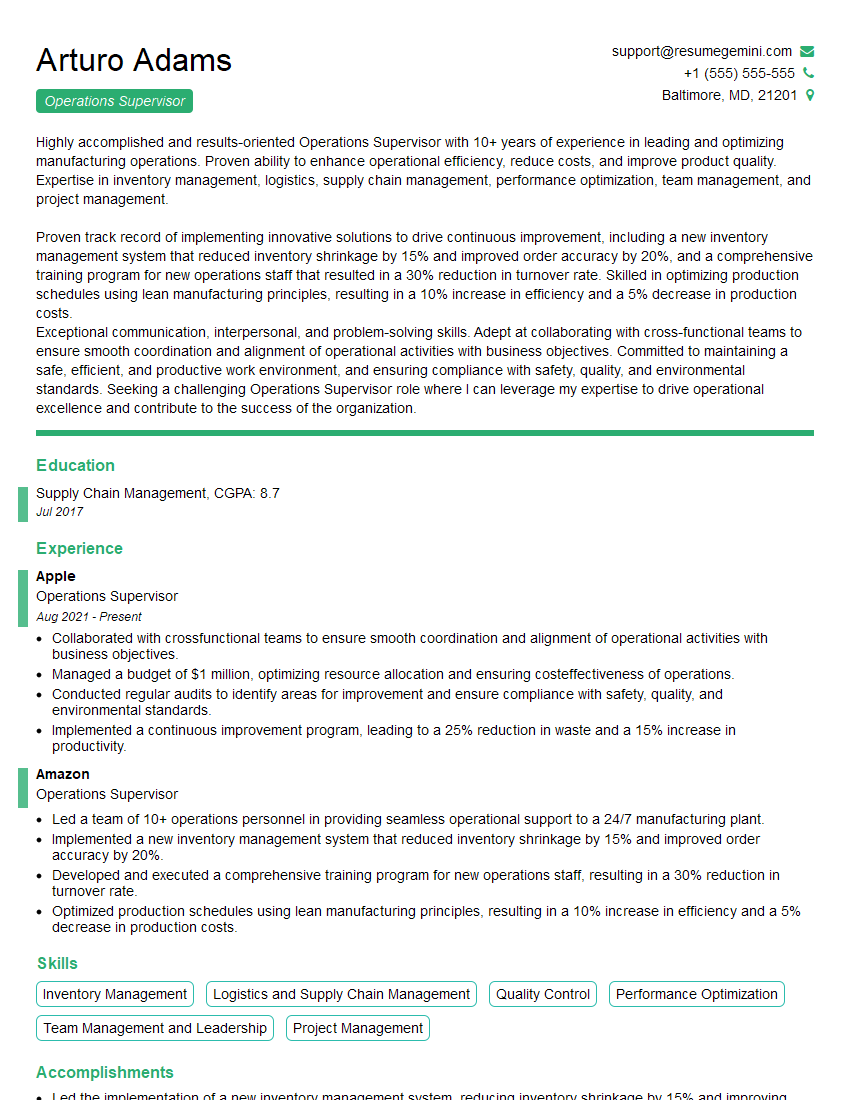
Operations Supervisor Resume Sample
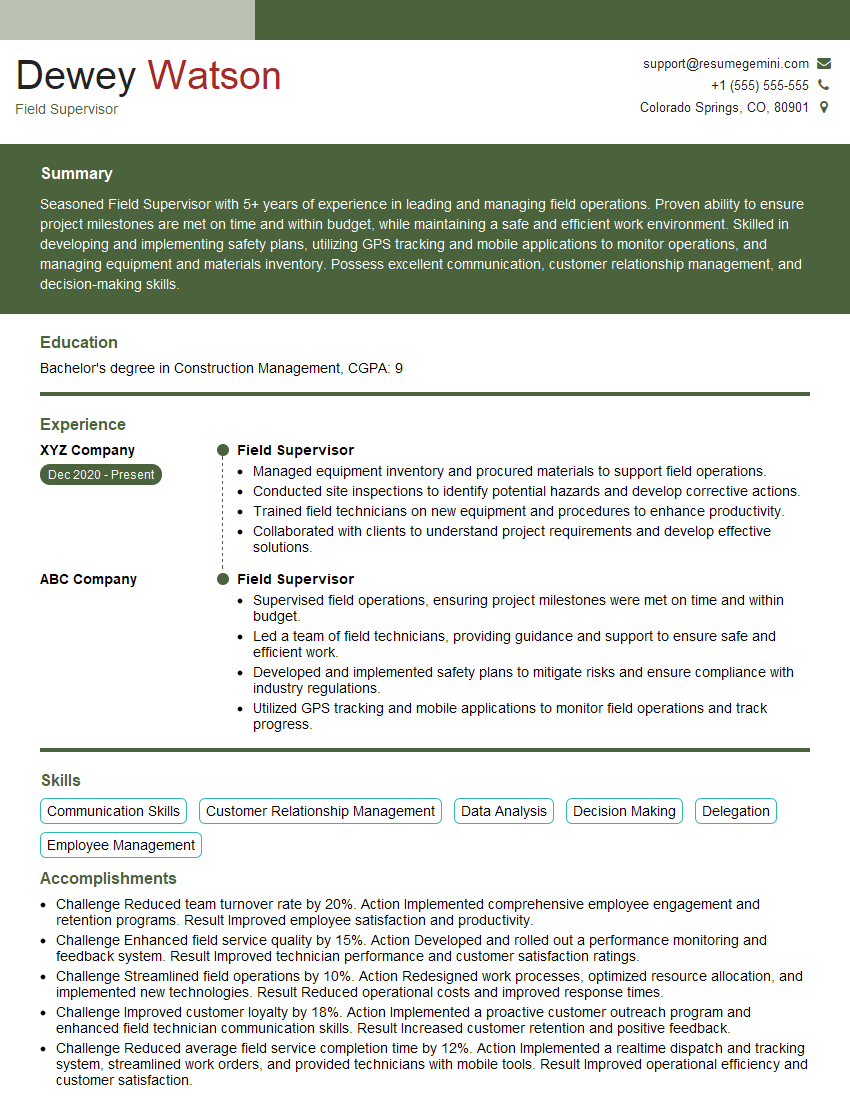
Field Supervisor Resume Sample
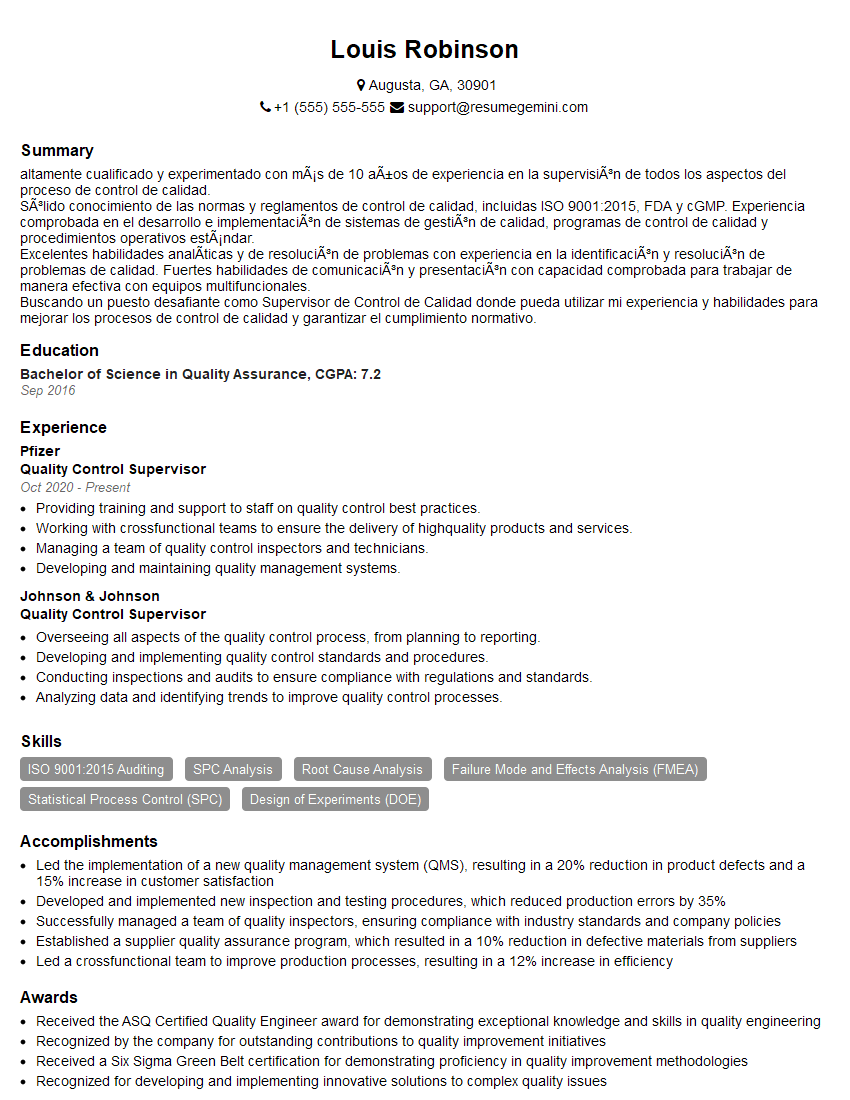
Quality Control Supervisor Resume Sample
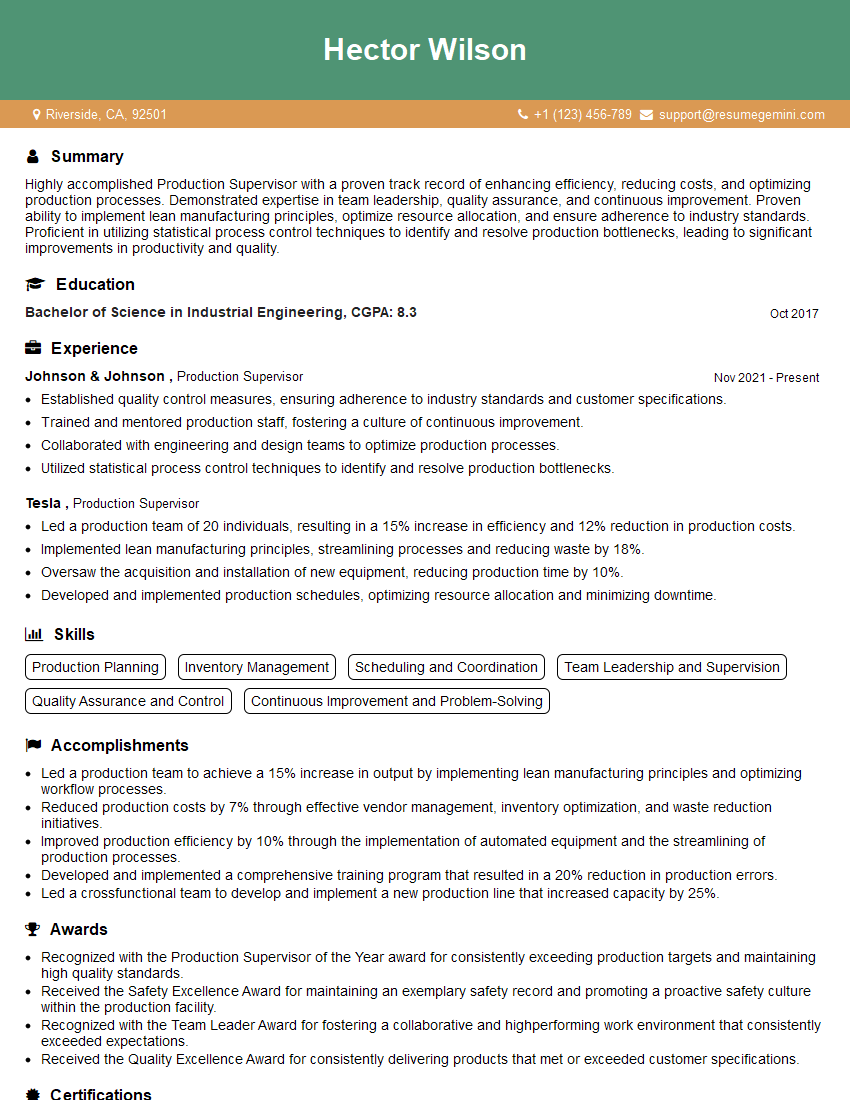
Production Supervisor Resume Sample
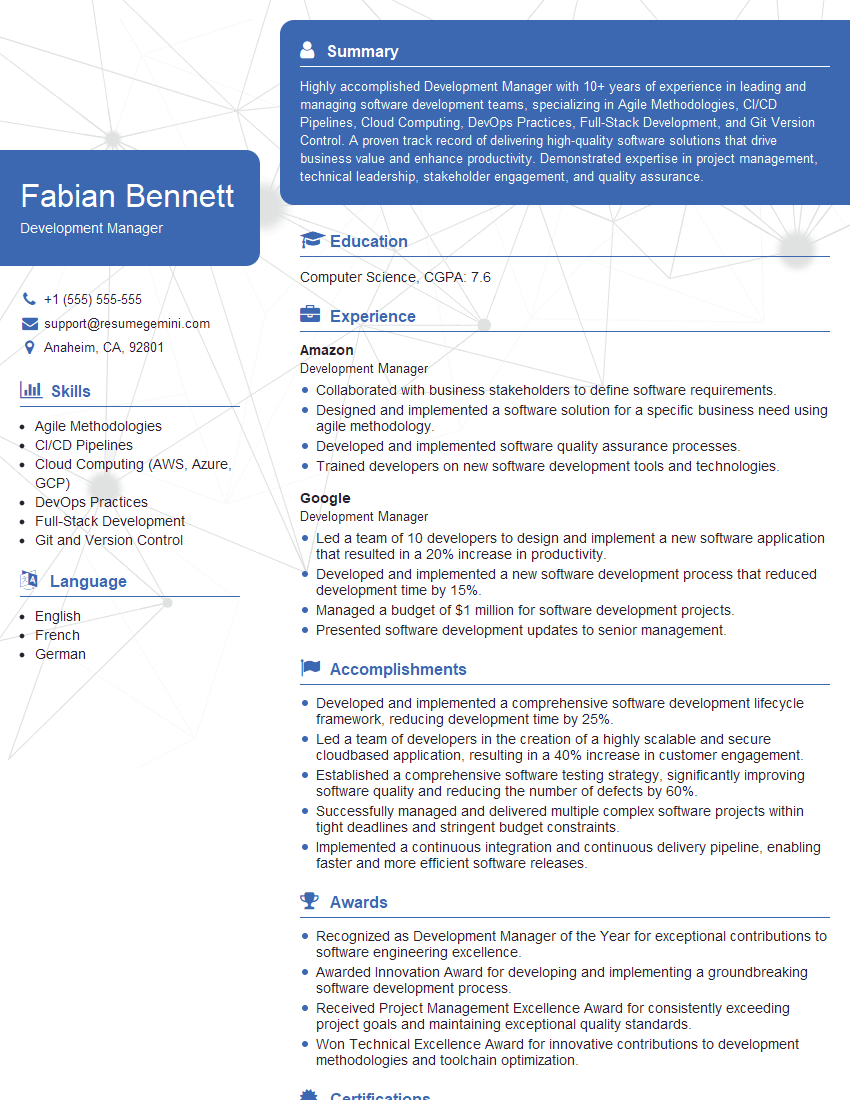
Development Manager Resume Sample
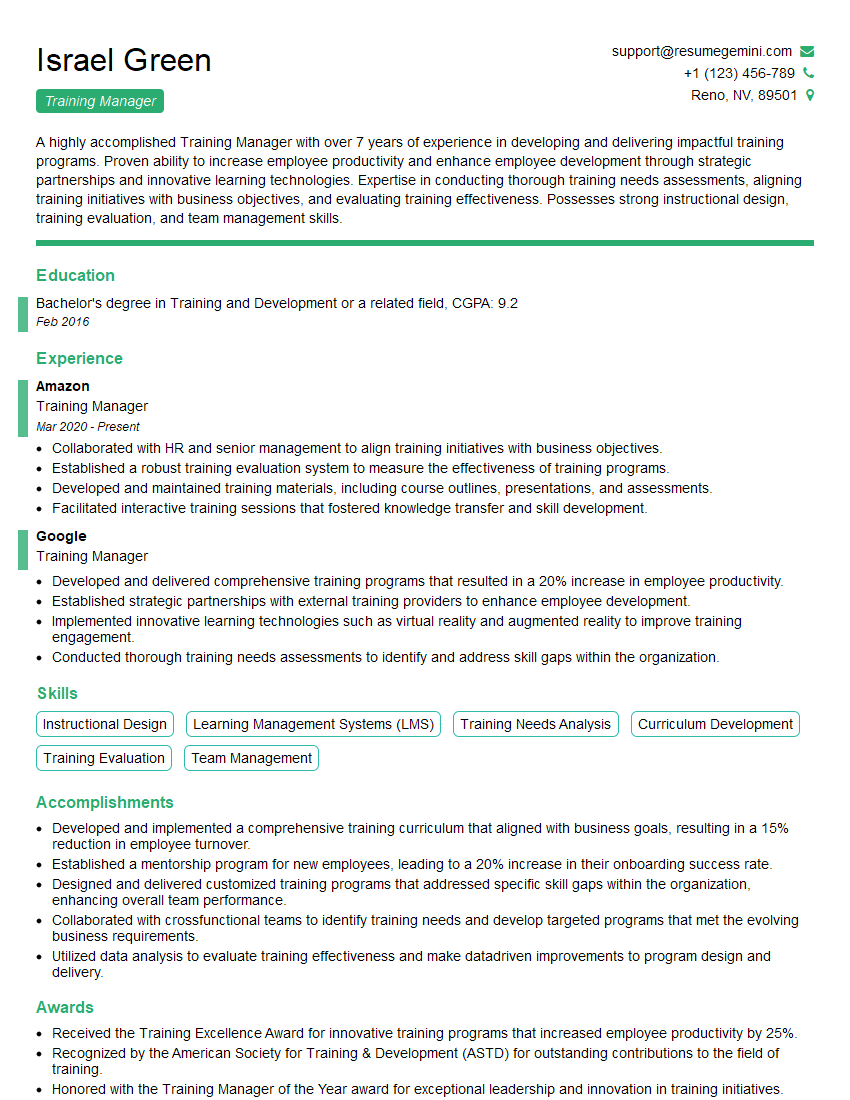
Training Manager Resume Sample

Instructor Resume Sample
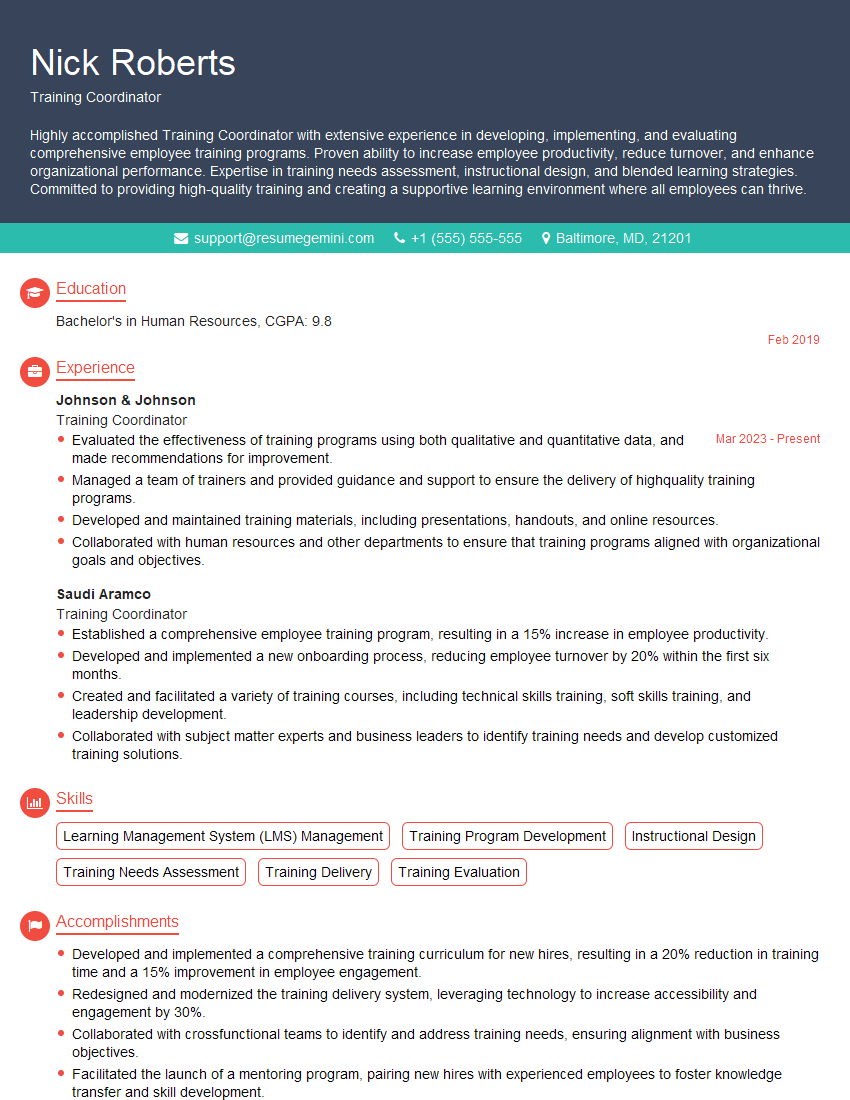
Training Coordinator Resume Sample
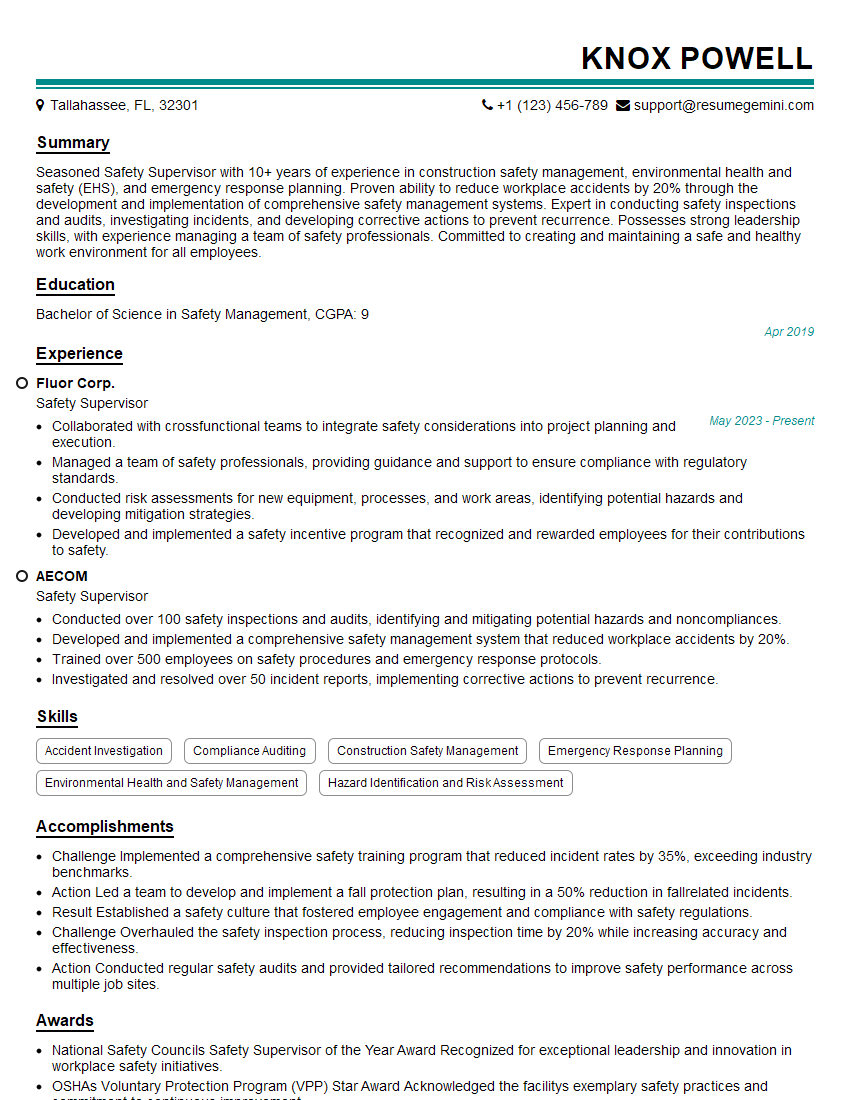
Safety Supervisor Resume Sample
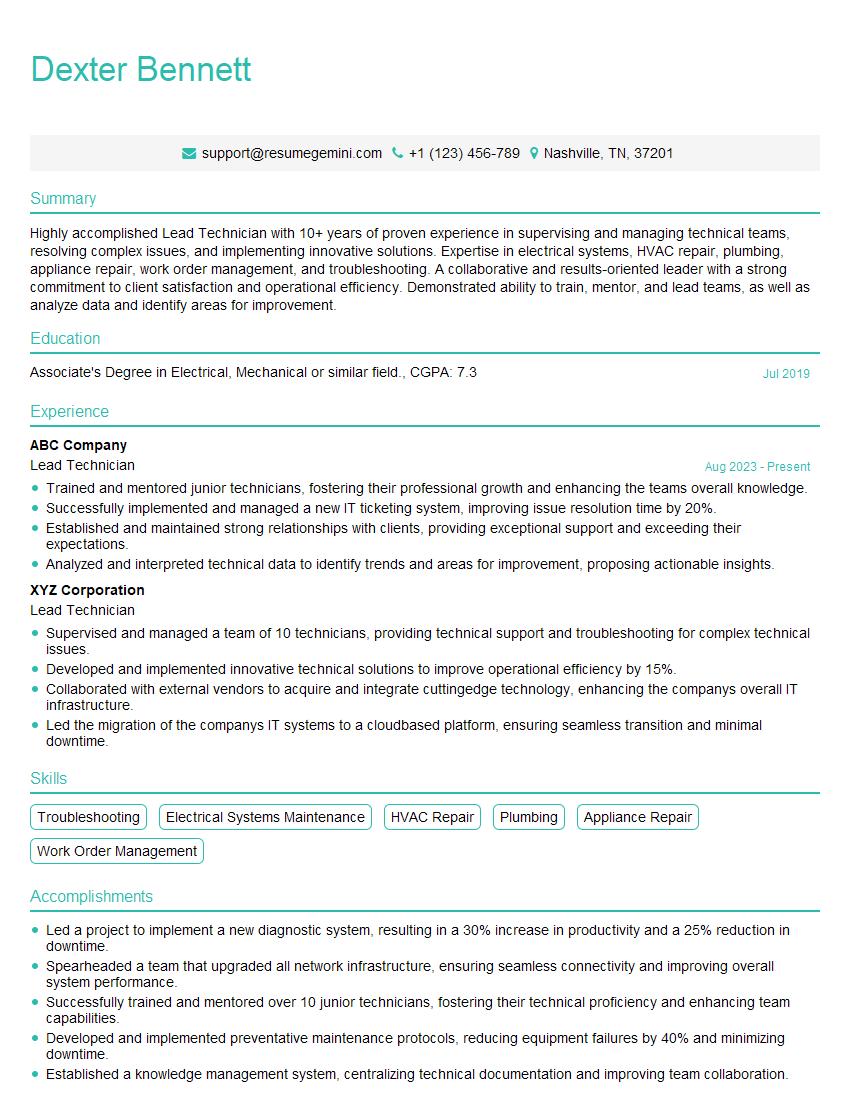
Lead Technician Resume Sample
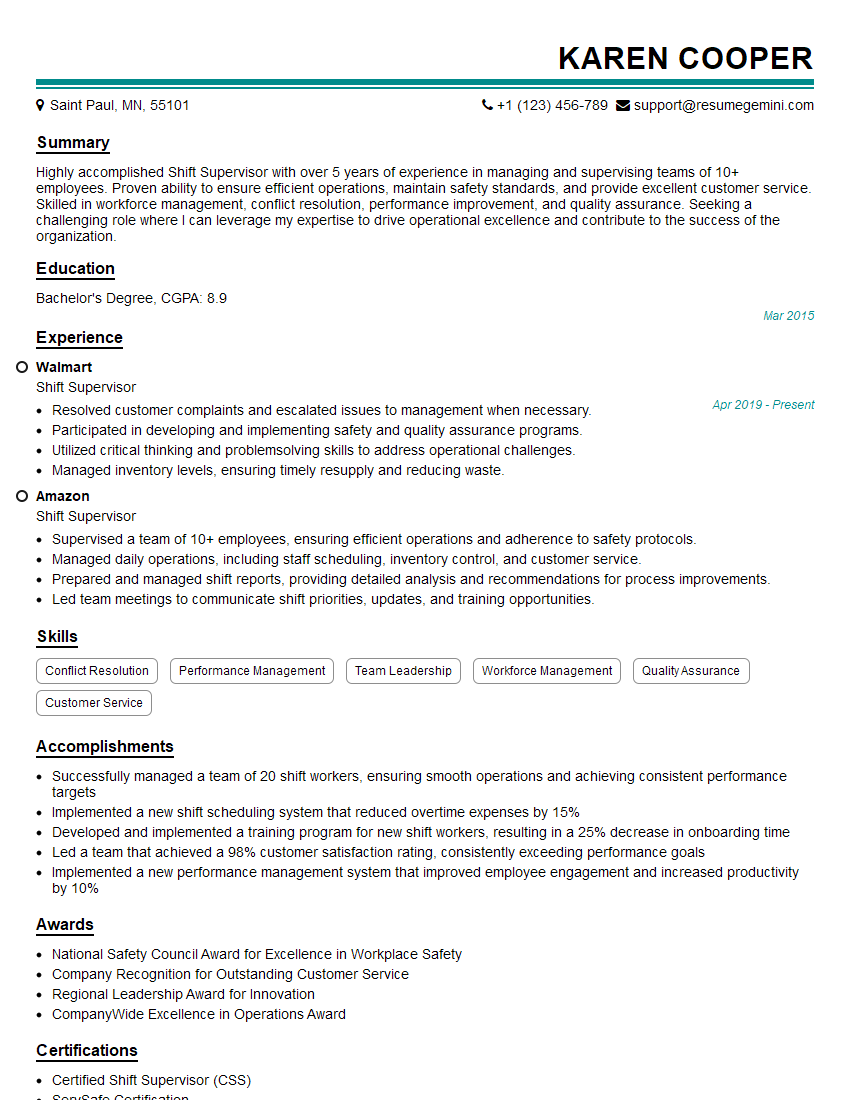
Shift Supervisor Resume Sample
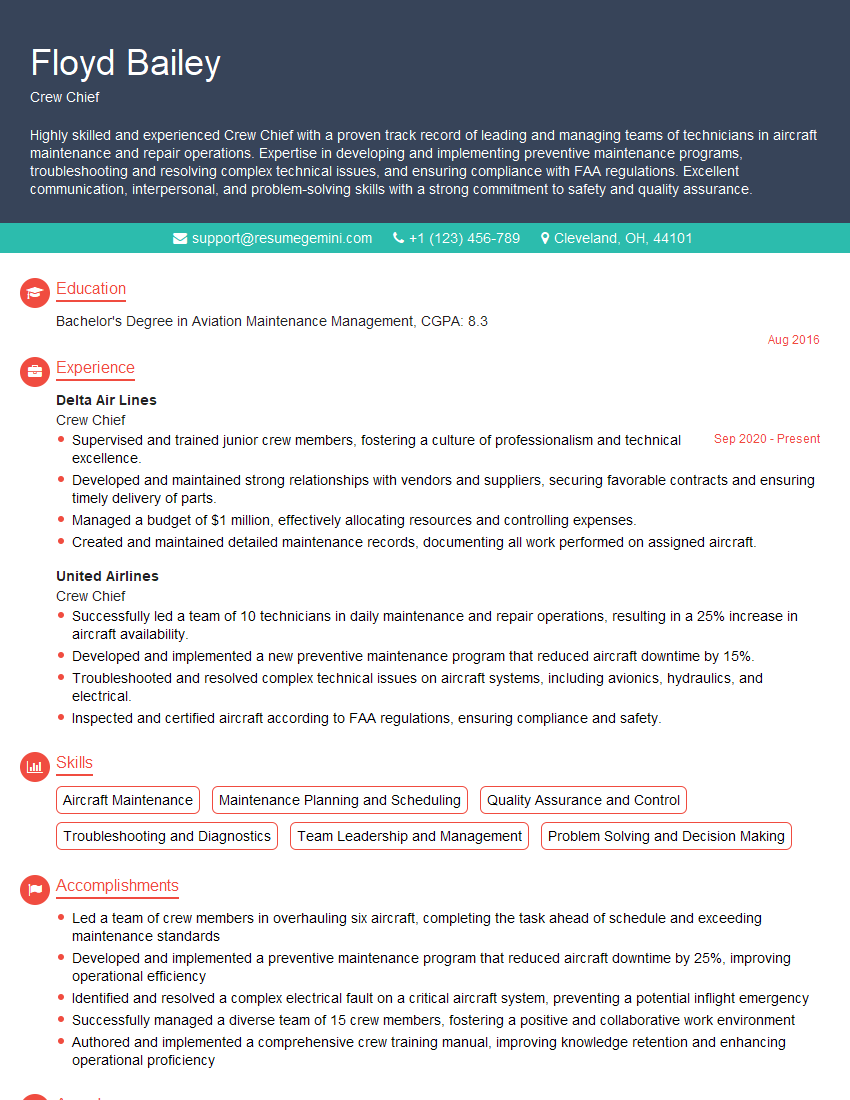
Crew Chief Resume Sample
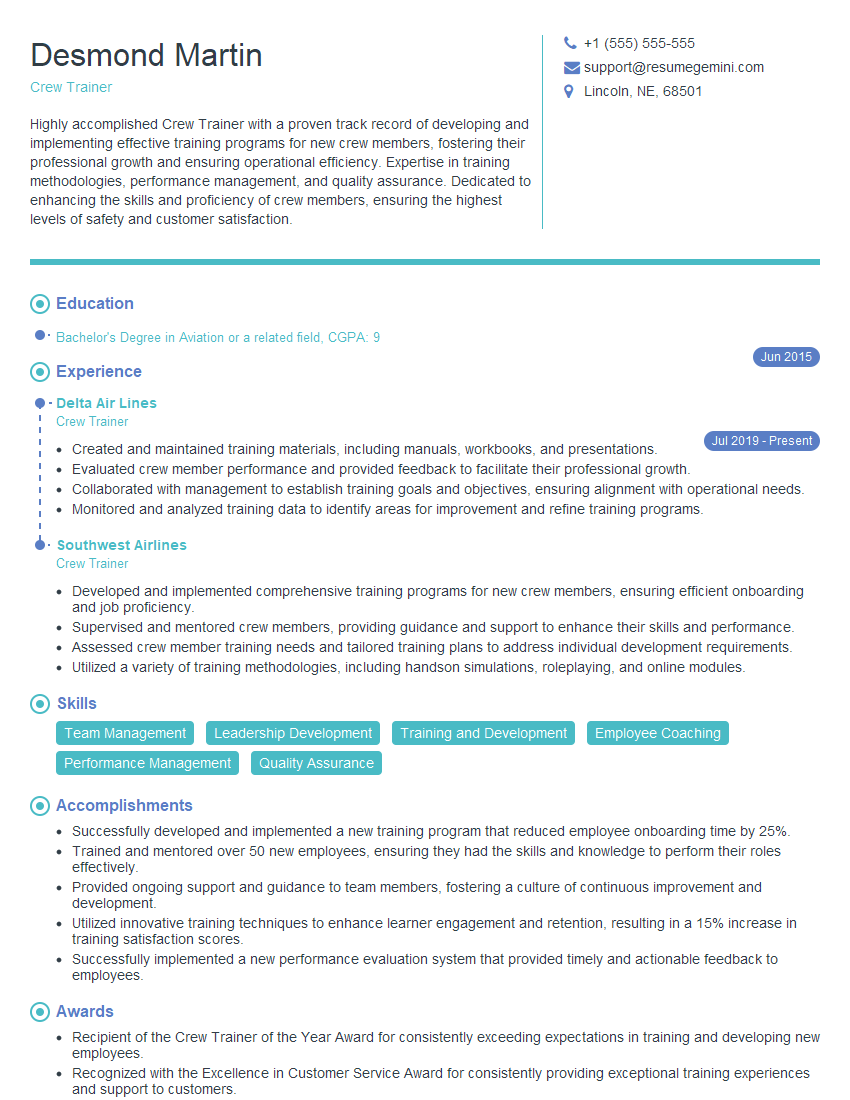
Crew Trainer Resume Sample
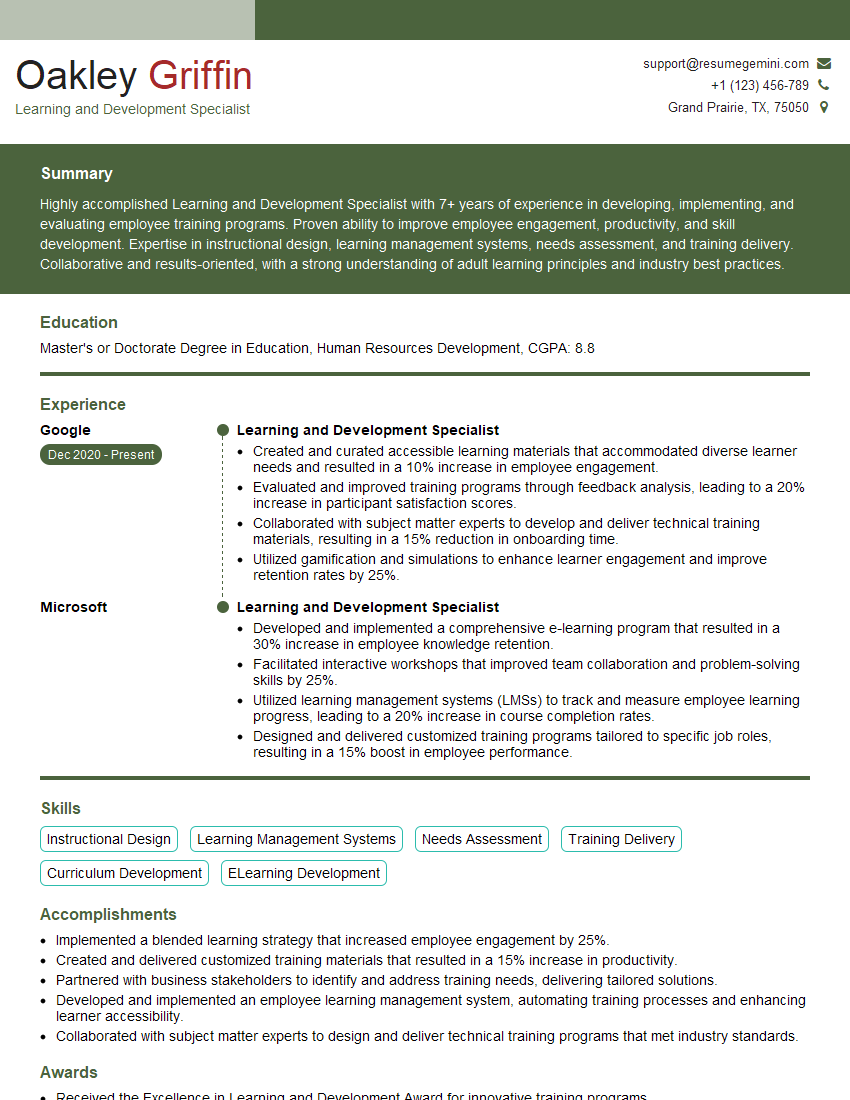
Learning and Development Specialist Resume Sample
Explore more articles
Users Rating of Our Blogs
Share Your Experience
We value your feedback! Please rate our content and share your thoughts (optional).
What Readers Say About Our Blog
Attention music lovers!
Wow, All the best Sax Summer music !!!
Spotify: https://open.spotify.com/artist/6ShcdIT7rPVVaFEpgZQbUk
Apple Music: https://music.apple.com/fr/artist/jimmy-sax-black/1530501936
YouTube: https://music.youtube.com/browse/VLOLAK5uy_noClmC7abM6YpZsnySxRqt3LoalPf88No
Other Platforms and Free Downloads : https://fanlink.tv/jimmysaxblack
on google : https://www.google.com/search?q=22+AND+22+AND+22
on ChatGPT : https://chat.openai.com?q=who20jlJimmy20Black20Sax20Producer
Get back into the groove with Jimmy sax Black
Best regards,
Jimmy sax Black
www.jimmysaxblack.com
Hi I am a troller at The aquatic interview center and I suddenly went so fast in Roblox and it was gone when I reset.
Hi,
Business owners spend hours every week worrying about their website—or avoiding it because it feels overwhelming.
We’d like to take that off your plate:
$69/month. Everything handled.
Our team will:
Design a custom website—or completely overhaul your current one
Take care of hosting as an option
Handle edits and improvements—up to 60 minutes of work included every month
No setup fees, no annual commitments. Just a site that makes a strong first impression.
Find out if it’s right for you:
https://websolutionsgenius.com/awardwinningwebsites
Hello,
we currently offer a complimentary backlink and URL indexing test for search engine optimization professionals.
You can get complimentary indexing credits to test how link discovery works in practice.
No credit card is required and there is no recurring fee.
You can find details here:
https://wikipedia-backlinks.com/indexing/
Regards
NICE RESPONSE TO Q & A
hi
The aim of this message is regarding an unclaimed deposit of a deceased nationale that bears the same name as you. You are not relate to him as there are millions of people answering the names across around the world. But i will use my position to influence the release of the deposit to you for our mutual benefit.
Respond for full details and how to claim the deposit. This is 100% risk free. Send hello to my email id: lukachachibaialuka@gmail.com
Luka Chachibaialuka
Hey interviewgemini.com, just wanted to follow up on my last email.
We just launched Call the Monster, an parenting app that lets you summon friendly ‘monsters’ kids actually listen to.
We’re also running a giveaway for everyone who downloads the app. Since it’s brand new, there aren’t many users yet, which means you’ve got a much better chance of winning some great prizes.
You can check it out here: https://bit.ly/callamonsterapp
Or follow us on Instagram: https://www.instagram.com/callamonsterapp
Thanks,
Ryan
CEO – Call the Monster App
Hey interviewgemini.com, I saw your website and love your approach.
I just want this to look like spam email, but want to share something important to you. We just launched Call the Monster, a parenting app that lets you summon friendly ‘monsters’ kids actually listen to.
Parents are loving it for calming chaos before bedtime. Thought you might want to try it: https://bit.ly/callamonsterapp or just follow our fun monster lore on Instagram: https://www.instagram.com/callamonsterapp
Thanks,
Ryan
CEO – Call A Monster APP
To the interviewgemini.com Owner.
Dear interviewgemini.com Webmaster!
Hi interviewgemini.com Webmaster!
Dear interviewgemini.com Webmaster!
excellent
Hello,
We found issues with your domain’s email setup that may be sending your messages to spam or blocking them completely. InboxShield Mini shows you how to fix it in minutes — no tech skills required.
Scan your domain now for details: https://inboxshield-mini.com/
— Adam @ InboxShield Mini
support@inboxshield-mini.com
Reply STOP to unsubscribe
Hi, are you owner of interviewgemini.com? What if I told you I could help you find extra time in your schedule, reconnect with leads you didn’t even realize you missed, and bring in more “I want to work with you” conversations, without increasing your ad spend or hiring a full-time employee?
All with a flexible, budget-friendly service that could easily pay for itself. Sounds good?
Would it be nice to jump on a quick 10-minute call so I can show you exactly how we make this work?
Best,
Hapei
Marketing Director
Hey, I know you’re the owner of interviewgemini.com. I’ll be quick.
Fundraising for your business is tough and time-consuming. We make it easier by guaranteeing two private investor meetings each month, for six months. No demos, no pitch events – just direct introductions to active investors matched to your startup.
If youR17;re raising, this could help you build real momentum. Want me to send more info?
Hi, I represent an SEO company that specialises in getting you AI citations and higher rankings on Google. I’d like to offer you a 100% free SEO audit for your website. Would you be interested?
Hi, I represent an SEO company that specialises in getting you AI citations and higher rankings on Google. I’d like to offer you a 100% free SEO audit for your website. Would you be interested?