Unlock your full potential by mastering the most common Surveillance Operations interview questions. This blog offers a deep dive into the critical topics, ensuring you’re not only prepared to answer but to excel. With these insights, you’ll approach your interview with clarity and confidence.
Questions Asked in Surveillance Operations Interview
Q 1. Describe your experience with various surveillance technologies (CCTV, GPS tracking, etc.).
My experience encompasses a wide range of surveillance technologies. I’m proficient with traditional CCTV systems, including analog and IP-based cameras, understanding their strengths and limitations in various environments. This includes experience with camera selection based on factors like resolution, low-light performance, and field of view. I also have extensive experience with GPS tracking, including real-time location monitoring, historical route reconstruction, and geofencing capabilities. Beyond these, I’ve worked with more advanced technologies like thermal imaging for applications requiring detection in low-visibility conditions, and video analytics software, allowing for automated event detection like motion alerts or object recognition. For example, in one project, we used thermal imaging to detect intruders even in total darkness, while in another, we implemented video analytics to automatically flag suspicious vehicle activity within a designated parking zone.
- CCTV: Installation, configuration, troubleshooting, and analysis of recorded footage from various manufacturers’ systems.
- GPS Tracking: Data interpretation, integration with mapping software, and analysis of movement patterns.
- Thermal Imaging: Application in perimeter security and covert surveillance operations.
- Video Analytics: Implementation and utilization of software for automated event detection and alert generation.
Q 2. Explain your understanding of different surveillance methods (covert, overt, etc.).
Surveillance methods are broadly categorized as overt and covert. Overt surveillance is open and easily noticeable; think of security cameras visibly mounted in a store or police officers patrolling an area. It’s transparent and typically intended as a deterrent. Covert surveillance, on the other hand, is hidden and clandestine. This might involve using hidden cameras, microphones, or other techniques to observe individuals or activities without their knowledge. Choosing the right method depends on the specific situation, legal considerations, and the overall objective. For instance, overt surveillance is suitable for deterring shoplifting in a retail environment, while covert surveillance might be employed in a criminal investigation where revealing the surveillance could compromise the operation. Another category is undercover operations where an operative integrates into a suspected group to gather intelligence. This requires high levels of training and planning to ensure safety and legality.
The choice between overt and covert methods often involves a risk assessment. Overt surveillance is easier to implement but may be less effective if the target is aware of it. Covert surveillance can be more effective but requires careful planning and execution to ensure its legality and ethical compliance.
Q 3. How do you ensure the legality and ethical implications of surveillance operations?
Ensuring the legality and ethical implications of surveillance operations is paramount. This begins with a thorough understanding of applicable laws and regulations, such as the Fourth Amendment in the US, regarding privacy rights. All surveillance activities must be conducted within the strict confines of the law, often requiring warrants or other legal authorizations. Ethical considerations involve careful assessment of the balance between the need for surveillance and the potential infringement on individual privacy. We must always ask: Is the surveillance proportionate to the risk or threat? Is there a less intrusive way to achieve the same objective? A crucial aspect is transparency whenever legally permissible; individuals should be informed when they are under surveillance, unless this compromises the operation.
Maintaining detailed records of all surveillance activities, including justification, methods used, and data retention policies, is crucial for accountability and legal defensibility. Regularly reviewing these policies and procedures helps ensure ongoing compliance with laws and ethical guidelines. For example, in a workplace surveillance context, employees need to be notified about monitoring practices, while in public spaces, clear signage indicating surveillance is often advisable.
Q 4. What is your experience with analyzing surveillance footage for evidence?
Analyzing surveillance footage for evidence requires meticulous attention to detail and a systematic approach. This often involves reviewing hours of recordings, looking for specific events or behaviors. I’m proficient in using specialized video analysis software to enhance image quality, zoom in on details, and slow down footage for closer examination. Knowing what to look for is critical; a thorough understanding of the investigation’s goals is essential. For example, I once analyzed hours of footage from a bank robbery to identify the perpetrator’s clothing, vehicle, and escape route. This included carefully scrutinizing background elements and comparing images against database records. Identifying subtle inconsistencies and anomalies can be crucial in piecing together the events leading to the crime. Techniques such as time-stamp correlation and facial recognition technology can significantly enhance evidence analysis. Moreover, meticulously documenting the analysis process and chain of custody for digital evidence is key to its admissibility in court.
Q 5. How do you handle challenging situations involving surveillance equipment malfunctions?
Equipment malfunctions are an inevitable part of surveillance operations. My approach involves a structured troubleshooting process. First, I assess the nature of the malfunction – is it a camera issue, network connectivity problem, or software glitch? I systematically check each component, starting from the most obvious causes. This includes verifying power supply, cable connections, network configuration, and the functioning of the recording device. If the problem is software-related, I troubleshoot the software or reinstall it if necessary. If the issue persists, I escalate it to the appropriate technical support team, providing detailed information about the equipment, the issue, and all steps already taken.
A crucial step is having backup systems in place; redundant equipment and cloud storage ensure continuous surveillance even during equipment failures. For example, if a primary camera malfunctions, a secondary camera might automatically take over. While troubleshooting, I prioritize maintaining the integrity of the ongoing surveillance. Temporary solutions might be needed until the issue is fully resolved. A thorough documentation of the malfunction and the resolution process is maintained for future reference.
Q 6. Describe your experience in maintaining surveillance databases and records.
Maintaining surveillance databases and records is crucial for efficient operation and legal compliance. I’m experienced in using database management systems to organize and store surveillance data. This involves implementing structured data entry systems to ensure consistency and accuracy. Data is carefully organized with appropriate metadata, including timestamps, location information, and description of events. Access control measures, like user permissions and encryption, protect sensitive data and maintain its confidentiality. We adhere to strict data retention policies, balancing the need to retain evidence with data minimization principles. For example, the system might automatically delete recordings after a defined period unless they’re relevant to an ongoing investigation.
Regular database backups and disaster recovery plans protect against data loss. All data handling activities are documented to maintain audit trails. This ensures transparency and the ability to quickly retrieve specific information for investigations or legal proceedings.
Q 7. How do you prioritize multiple surveillance tasks simultaneously?
Prioritizing multiple surveillance tasks simultaneously requires efficient time management and organizational skills. I use a combination of tools and techniques, including task prioritization matrices (like Eisenhower Matrix), to categorize tasks by urgency and importance. This helps me focus on critical tasks first, such as addressing immediate threats or high-priority investigations. For example, a live security incident would naturally take precedence over a less urgent task like analyzing older footage. Efficient use of technology, such as automated alerts and reporting systems, streamlines the workflow and minimizes manual intervention.
Effective communication and coordination within the team are essential when multiple surveillance tasks overlap. Clear communication and assignment of responsibilities help to prevent conflicts and ensure smooth operation. Regular team meetings to discuss progress and adjust priorities as needed are crucial for successful management.
Q 8. What are your strategies for dealing with counter-surveillance measures?
Counter-surveillance is a crucial aspect of effective surveillance operations. My strategy involves a multi-layered approach focusing on proactive measures and reactive responses. Proactively, I’d employ techniques like route variation, using deception, and utilizing technology to detect surveillance. Think of it like a game of chess; anticipating your opponent’s moves is key. For example, regularly changing routes to a target location makes it difficult for someone to maintain consistent observation. Similarly, employing countermeasures like using frequency jammers (where legally permissible) can disrupt potential surveillance efforts attempting to intercept communications. Reactively, if I suspect I’m being surveilled, I’d use observation and detection techniques. This includes looking for tell-tale signs like unusual vehicles, individuals behaving suspiciously, or unusual electronic activity. Once identified, the goal would be to carefully document the counter-surveillance efforts, analyzing them to inform future operational strategies. I might employ techniques like using signal detection equipment to locate hidden transmitters or cameras. The ultimate goal is to identify, understand and neutralize any threat to the integrity of the operation.
Q 9. Explain your knowledge of data privacy regulations related to surveillance.
Data privacy regulations are paramount in surveillance operations. My understanding encompasses laws like GDPR (General Data Protection Regulation) in Europe and CCPA (California Consumer Privacy Act) in the US, as well as other relevant state and federal regulations. These regulations dictate how personal data collected through surveillance can be used, stored, and protected. Key aspects include obtaining informed consent, data minimization (collecting only necessary data), and data security measures to prevent unauthorized access or breaches. For instance, before deploying any surveillance system, we’d meticulously assess whether it complies with these laws, ensuring we have the legal right to collect the data and subsequently, handle it responsibly. This includes documenting and maintaining records of the legal basis for the surveillance activity, and implementing strict data retention policies to ensure data is deleted after it’s no longer needed. Ignoring these regulations can result in hefty fines and legal repercussions.
Q 10. How proficient are you with video editing software for surveillance footage review?
I’m highly proficient in several video editing software packages, including Adobe Premiere Pro, Final Cut Pro, and Avid Media Composer. My expertise extends beyond basic editing; I’m skilled in advanced techniques like color correction, enhancing low-light footage, using stabilization tools, and extracting metadata from video files for analysis. For example, I’ve used video stabilization to clarify footage from a shaky camera mount, making it much easier to identify individuals and events. I’ve also successfully used color correction to improve image quality, allowing for better identification of key details and license plates that were difficult to see in the original recording. This ensures that the footage is not just easily viewable but also provides the highest quality evidence possible for investigations.
Q 11. Describe your experience working with law enforcement or other agencies during investigations.
I have extensive experience collaborating with law enforcement agencies, including local police departments and federal agencies like the FBI. This collaboration has involved providing surveillance footage as evidence, briefing investigators on the context of recordings, and assisting in the development of investigative strategies. In one instance, I worked with local police to provide high-resolution footage of a suspect’s vehicle, leading to their identification and arrest in a series of robberies. The critical role of clear, well-documented surveillance footage in criminal investigations cannot be overstated. Effective communication and a clear understanding of legal procedures are crucial for successful collaboration with law enforcement agencies.
Q 12. How do you ensure the security and integrity of surveillance data?
Ensuring the security and integrity of surveillance data is paramount. My approach involves a layered security model. This includes utilizing strong encryption both during transmission and at rest, robust access control measures restricting access to authorized personnel only, and regular security audits and penetration testing to identify and address vulnerabilities. We also employ data redundancy and backups to protect against data loss due to hardware failure or other unforeseen events. In addition, a comprehensive chain of custody protocol is followed to ensure the authenticity and integrity of the data throughout its lifecycle, from collection to archiving and disposal. This chain of custody documentation is crucial for admissibility in legal proceedings.
Q 13. What is your experience with remote surveillance technologies?
My experience with remote surveillance technologies is extensive. I’m proficient in deploying and managing various systems, including IP camera networks, utilizing cloud-based video management systems (VMS), and employing drone technology for aerial surveillance where permissible and with appropriate licenses. I understand the challenges of remote monitoring, such as network latency, bandwidth limitations, and potential cybersecurity risks. For example, I have experience configuring and managing large-scale IP camera deployments that span multiple locations, ensuring high availability and seamless operation. Furthermore, I am familiar with various remote access protocols and VPN technologies used to secure the remote viewing of surveillance data.
Q 14. How would you handle a situation where surveillance equipment is compromised?
If surveillance equipment is compromised, the immediate priority is to contain the breach and mitigate any potential damage. This involves disconnecting the compromised equipment from the network to prevent further unauthorized access, conducting a thorough forensic analysis to determine the nature and extent of the compromise, and notifying relevant authorities as required. We’d then implement corrective measures, such as updating software, strengthening security protocols and potentially replacing compromised equipment. A post-incident review will be carried out to assess what went wrong, identify vulnerabilities and implement preventative measures to prevent future incidents. This process highlights the importance of robust security measures and incident response planning.
Q 15. Explain your familiarity with different types of surveillance cameras and their capabilities.
Surveillance cameras come in a wide variety of types, each with its own strengths and weaknesses. Understanding these differences is crucial for effective surveillance planning.
- PTZ (Pan-Tilt-Zoom) Cameras: These offer remote control over panning, tilting, and zooming, allowing operators to cover a wide area and focus on specific details. Think of them as the ‘all-seeing eyes’ of a system, useful for large areas like parking lots or stadiums.
- Fixed Cameras: These cameras are stationary, providing a constant view of a specific area. They are simpler and often more cost-effective, ideal for monitoring a fixed point like a doorway or cash register.
- Dome Cameras: These cameras have a dome-shaped casing that obscures the lens’s direction, making it harder for potential vandals to know exactly where the camera is pointed. They are versatile and can be either fixed or PTZ.
- IP Cameras: These cameras transmit video data over a network, offering greater flexibility in placement and remote access. This is increasingly common due to network infrastructure advances.
- Thermal Cameras: These detect heat signatures instead of visible light, making them effective in low-light or complete darkness. Excellent for perimeter security and detecting intruders.
- Megapixel Cameras: Offering very high-resolution images, megapixel cameras allow for significant zoom and detailed analysis of recorded video. This is particularly valuable when identifying individuals or license plates.
Choosing the right camera depends entirely on the specific surveillance needs and environment. For instance, a high-security facility might employ a combination of thermal and megapixel IP cameras for comprehensive coverage and detailed analysis, while a smaller retail store might only require a few fixed dome cameras.
Career Expert Tips:
- Ace those interviews! Prepare effectively by reviewing the Top 50 Most Common Interview Questions on ResumeGemini.
- Navigate your job search with confidence! Explore a wide range of Career Tips on ResumeGemini. Learn about common challenges and recommendations to overcome them.
- Craft the perfect resume! Master the Art of Resume Writing with ResumeGemini’s guide. Showcase your unique qualifications and achievements effectively.
- Don’t miss out on holiday savings! Build your dream resume with ResumeGemini’s ATS optimized templates.
Q 16. Describe your experience with analyzing network traffic data for surveillance purposes.
Analyzing network traffic data for surveillance purposes involves identifying and interpreting patterns in network communications to detect suspicious activities. This often requires specialized tools and a deep understanding of network protocols.
My experience includes using tools like Wireshark to capture and analyze network packets, looking for anomalies such as unusual data volumes, connections to known malicious IP addresses, or attempts to access unauthorized resources. For instance, I once identified a data breach attempt by observing unusual outbound traffic to a server known for hosting malicious software, which allowed us to prevent a significant security incident.
The process often involves correlating network data with other surveillance data sources, such as camera footage or access logs, to create a complete picture of an event. This cross-referencing helps to build stronger evidence and verify findings.
Furthermore, I’m proficient in identifying unusual network activity that suggests insider threats. For example, I’ve uncovered instances where employees were exfiltrating data by using encrypted channels or transferring large files during off-peak hours.
Q 17. How do you identify and mitigate potential security risks in surveillance systems?
Security risks in surveillance systems are multifaceted and require a proactive approach to mitigation. Common vulnerabilities include:
- Unauthorized access: Weak passwords, insecure network configurations, and lack of proper authentication mechanisms can allow unauthorized individuals to access the system and footage.
- Data breaches: Failure to encrypt video data and maintain regular software updates can leave systems vulnerable to hacking and data theft.
- Physical tampering: Cameras and network equipment can be physically damaged or disabled, disrupting the system’s functionality.
- Malicious software: Viruses, malware, and ransomware can infect surveillance systems, causing data loss, system crashes, and data corruption.
Mitigation strategies involve a layered security approach, incorporating:
- Strong passwords and multi-factor authentication: This significantly reduces the risk of unauthorized access.
- Regular software updates and patching: This addresses known vulnerabilities and security flaws.
- Network security measures: Firewalls, intrusion detection systems, and network segmentation help to protect the system from external threats.
- Encryption of video data: This protects data from unauthorized access, even if the system is compromised.
- Physical security measures: This includes securing cameras and network equipment in physically secure locations, using tamper-evident seals, and implementing physical access controls.
- Regular security audits and penetration testing: Identifying weaknesses before they can be exploited.
For example, I recently implemented a comprehensive security plan for a client involving the above strategies, resulting in a significant improvement in their system’s overall security posture.
Q 18. What is your understanding of different types of surveillance software?
Surveillance software comes in various forms, each designed for different purposes and scales of operation.
- Video Management Systems (VMS): These are central control hubs for managing multiple cameras, recording footage, and providing features like search, playback, and analytics. Think of them as the ‘brain’ of the surveillance system.
- Digital Video Recorders (DVRs): These record video from cameras and store it on hard drives. Simpler than VMS, but less flexible. They’re often used in smaller systems.
- Network Video Recorders (NVRs): Similar to DVRs, but they are network-based, offering remote access and greater scalability. They are becoming more prevalent.
- Video Analytics Software: This software analyzes video footage for specific events or patterns, such as motion detection, facial recognition, or object tracking. This is the software that makes sense of all the recorded information.
- Intrusion Detection Software: This software works in conjunction with sensors and cameras to detect unauthorized entry or other security breaches.
The choice of surveillance software depends heavily on factors such as the number of cameras, the desired features, budget, and overall system complexity. A large enterprise would require a powerful VMS with advanced analytics capabilities, while a small business might find a simpler DVR solution sufficient.
Q 19. How would you develop a surveillance plan for a specific location or event?
Developing a surveillance plan requires a systematic approach, taking into account the specific location, event, and objectives.
- Needs Assessment: Identify the specific security threats and vulnerabilities that need to be addressed. What are we trying to protect? What are the potential risks?
- Site Survey: Conduct a thorough survey of the location to identify optimal camera placement, considering factors such as lighting, angles, and blind spots. Think carefully about the placement of the cameras and the angles they will cover.
- Technology Selection: Choose appropriate camera types, recording devices, and software based on the assessment and survey findings. Consider factors such as resolution, zoom capabilities, and storage capacity.
- System Design: Design the system’s architecture, including network infrastructure, cabling, and power requirements. This includes thinking about redundancy and back-up systems to ensure fail safes.
- Installation and Testing: Install the equipment, configure the software, and thoroughly test the system to ensure proper functionality. Proper installation and testing are critical.
- Training and Procedures: Provide training to personnel on system operation, monitoring, and reporting procedures. Ensure staff understands what they are doing and why.
- Maintenance and Monitoring: Establish a regular maintenance schedule for equipment and software updates to ensure the system’s long-term reliability and security. This is a crucial long term part of maintaining the system.
For example, when developing a plan for a large concert, I would prioritize coverage of key access points, crowd movement areas, and backstage areas. High-resolution cameras with PTZ capabilities would be ideal to capture detailed footage and quickly zoom in on incidents. The system would also incorporate facial recognition software for enhanced security and potential perpetrator identification.
Q 20. Describe your experience in report writing and presenting surveillance findings.
Effective report writing and presentation of surveillance findings are crucial for conveying information accurately and concisely.
My reports typically include:
- Executive Summary: A brief overview of the findings.
- Methodology: Details on the surveillance methods employed.
- Findings: A detailed account of the events observed, supported by evidence such as video footage, timestamps, and other relevant data.
- Analysis: Interpretation of the findings, drawing conclusions and highlighting significant events.
- Recommendations: Suggestions for improvement or changes in security procedures.
Presentations are tailored to the audience, focusing on clear visuals, concise summaries, and highlighting key findings. I use visual aids, such as maps, timelines, and video clips to enhance comprehension. During presentations, I’m always prepared to answer questions and elaborate on findings in detail.
For example, when presenting findings on a theft investigation to the client, I highlighted specific timestamps and close-up images captured from the surveillance video, providing irrefutable proof of the suspect’s actions. I then provided recommendations to the client to reduce the chance of such an event happening again.
Q 21. How do you ensure the accuracy and reliability of surveillance data?
Ensuring the accuracy and reliability of surveillance data is paramount. This involves several key steps:
- Calibration and testing: Cameras and recording devices should be regularly calibrated and tested to ensure proper functionality. This includes checking image quality, focus, and proper recording.
- Data integrity checks: Regular checks should be in place to ensure data is complete and hasn’t been tampered with. This includes using checksums or other data integrity methods.
- Redundancy and backups: Implement redundant systems and regular data backups to prevent data loss in case of equipment failure or system malfunctions. This ensures the system is resilient and data is protected.
- Secure storage: Store recorded data in a secure location, utilizing encryption and access controls to prevent unauthorized access or tampering. The physical location and backup should both be secure.
- Chain of custody: Maintain a strict chain of custody for evidence gathered from the surveillance system to ensure its admissibility in legal proceedings. This is important to ensure integrity of the data.
- Metadata management: Properly manage metadata associated with video recordings, such as timestamps, camera location, and other relevant information. This aids in ensuring reliability of the recorded information.
By consistently following these steps, we can maintain the integrity and reliability of surveillance data, making it valuable for investigations, security analysis, and legal proceedings.
Q 22. What is your approach to training new surveillance personnel?
My approach to training new surveillance personnel is multifaceted and focuses on both theoretical knowledge and practical skills. It begins with a comprehensive introduction to surveillance principles, including legal and ethical considerations – we emphasize responsible data handling and adherence to privacy laws from day one. Then, we move into hands-on training with various surveillance technologies. This includes classroom sessions covering the operation and maintenance of different systems, followed by extensive field exercises simulating real-world scenarios.
- Classroom Training: We cover topics such as camera placement strategies, video analytics interpretation, and report writing techniques.
- Simulated Exercises: We use mock crime scenes and controlled environments to allow trainees to practice their skills in a safe and controlled setting. This helps build confidence and allows for immediate feedback.
- Mentorship Program: Experienced personnel mentor newer team members, providing ongoing guidance and support. This fosters a collaborative learning environment and accelerates the learning curve.
- Regular Assessments: We conduct regular assessments to monitor progress and identify areas needing further development. This ensures consistent competency throughout the team.
This structured approach ensures that new personnel are well-equipped to handle the demands of surveillance operations, while also instilling a strong ethical framework.
Q 23. How do you stay updated on the latest advancements in surveillance technology?
Staying updated on advancements in surveillance technology is crucial in this rapidly evolving field. My strategy involves a combination of active participation in industry events, continuous professional development, and leveraging online resources.
- Industry Conferences and Trade Shows: Attending these events allows me to network with other professionals, learn about new technologies directly from vendors, and see demonstrations of cutting-edge equipment.
- Professional Development Courses and Webinars: I actively seek out and participate in online and in-person training courses and webinars focused on new surveillance technologies and best practices. This ensures I’m up-to-date on the latest analytical tools and software.
- Industry Publications and Journals: I regularly read industry publications and journals to stay abreast of the latest research, technological breakthroughs, and emerging trends.
- Online Forums and Communities: Engaging with online forums and professional communities provides access to discussions and insights from a wider network of experts.
By employing this multi-pronged approach, I guarantee I remain at the forefront of surveillance technology, ensuring that our operations utilize the most efficient and effective tools.
Q 24. Describe a situation where you had to troubleshoot a surveillance system failure.
During a major sporting event, our primary surveillance system experienced a complete network outage, resulting in a loss of live feeds from multiple camera locations. This presented a serious threat to security and public safety. My immediate response involved a systematic troubleshooting approach.
- Initial Assessment: I quickly identified the scope of the problem – the complete loss of network connectivity affecting several key camera locations.
- Network Diagnostics: We utilized network monitoring tools to pinpoint the location of the failure. This revealed a critical server failure due to an overloaded power supply.
- Emergency Backup System: Thankfully, we had a redundant backup system in place, albeit with lower resolution. We immediately switched to the backup system, minimizing the disruption to surveillance coverage.
- Repair and Recovery: While the backup system was operational, we worked to repair the primary system. This included replacing the faulty power supply and conducting a thorough system check.
- Post-Incident Review: Following the restoration of the primary system, we conducted a post-incident review to determine the cause of the failure, identify areas for improvement in our redundancy protocols, and update our disaster recovery plans.
This experience highlighted the importance of robust backup systems and meticulous disaster recovery planning. It also underscored the need for regular system maintenance and proactive risk management within surveillance operations.
Q 25. How do you manage large volumes of surveillance data effectively?
Managing large volumes of surveillance data effectively requires a strategic approach combining advanced technology and efficient workflows. We employ a combination of techniques to ensure data is easily searchable, manageable, and readily available when needed.
- Video Management Systems (VMS): We utilize sophisticated VMS software that provides advanced search and filtering capabilities. This allows us to quickly locate specific events or individuals within a vast amount of footage based on criteria such as time, location, and even object detection.
- Data Compression and Storage: Employing efficient compression techniques and cloud-based storage solutions reduces storage costs and optimizes retrieval speeds. We carefully balance resolution and storage needs.
- Metadata Tagging and Indexing: We rigorously tag and index video footage with relevant metadata, such as timestamps, location information, and descriptions of events. This makes it significantly easier to search and retrieve specific footage.
- Automated Analytics and Alerts: We integrate advanced video analytics capabilities into our VMS, enabling automated detection of suspicious activities or events. This reduces manual review time and improves response times to critical incidents.
By implementing these strategies, we ensure that our surveillance data is not only stored securely and efficiently, but also accessible and actionable when required, maximizing its investigative value.
Q 26. What are your skills in using mapping and geographic information systems (GIS) for surveillance?
My skills in using mapping and geographic information systems (GIS) for surveillance are extensive. I utilize GIS software to integrate spatial data with our surveillance systems, enhancing situational awareness and investigative capabilities.
- Crime Mapping: I use GIS to analyze crime patterns and identify hotspots, assisting in resource allocation and proactive deployment of surveillance resources.
- Incident Response: During critical incidents, GIS helps visualize the situation in real-time, allowing for efficient deployment of personnel and emergency services.
- Camera Placement Optimization: I leverage GIS to strategically plan optimal camera placement, maximizing coverage and minimizing blind spots.
- Data Integration: I integrate surveillance data with other GIS layers such as demographics, infrastructure, and environmental information, providing a more comprehensive view of the area under surveillance.
GIS is an invaluable tool in surveillance operations, allowing for a more data-driven and effective approach to security and safety management.
Q 27. How familiar are you with using different types of surveillance equipment, including body cameras and drones?
I’m highly familiar with a wide range of surveillance equipment, including body cameras and drones. My experience encompasses both the operational and technical aspects of these technologies.
- Body Cameras: I’m proficient in deploying, managing, and maintaining body cameras, understanding their role in enhancing officer accountability and providing valuable evidence during investigations. This includes familiarity with data management, storage, and retrieval procedures.
- Drones: I have experience in piloting drones and utilizing their aerial surveillance capabilities. This involves understanding flight regulations, operating procedures, and integrating drone footage into our overall surveillance strategy. I am also familiar with the use of thermal and other specialized drone cameras.
- Traditional CCTV Systems: My experience extends to traditional CCTV systems, including IP cameras, analog cameras, and various recording devices. I understand the strengths and weaknesses of different systems and know how to integrate them effectively.
The utilization of diverse surveillance technologies allows for a more comprehensive and adaptable security strategy, enhancing situational awareness and improving the effectiveness of our operations.
Q 28. Describe your experience with implementing and managing surveillance budgets.
My experience in implementing and managing surveillance budgets involves a meticulous approach that balances cost-effectiveness with operational needs. This includes careful planning, resource allocation, and ongoing monitoring.
- Needs Assessment: I begin by conducting a thorough needs assessment to determine the specific requirements of our surveillance operations. This ensures that our budget aligns with our operational priorities.
- Budget Preparation: I prepare a detailed budget outlining anticipated expenses, including equipment purchases, maintenance costs, personnel training, and software licensing fees.
- Cost Optimization: I actively seek out cost-effective solutions without compromising quality or effectiveness. This includes exploring different vendor options and considering alternative technologies.
- Budget Monitoring: I regularly monitor budget expenditures and track progress against our planned targets. This helps identify potential cost overruns and allows for timely adjustments.
- Return on Investment (ROI): I analyze the ROI of our investments in surveillance technologies, ensuring that our expenditures are generating a tangible return in terms of improved security and safety.
Efficient budget management is paramount in ensuring the sustainability and effectiveness of our surveillance operations, and my approach guarantees a balanced allocation of resources while maximizing return on investment.
Key Topics to Learn for Surveillance Operations Interview
- Surveillance Technologies: Understanding various surveillance technologies (CCTV, IP cameras, video analytics, access control systems) and their capabilities. Practical application: Analyzing the strengths and weaknesses of different systems for specific security needs.
- Data Analysis & Interpretation: Proficiency in analyzing surveillance footage, identifying patterns, and drawing meaningful conclusions. Practical application: Describing your experience in reviewing video evidence to solve incidents or support investigations.
- Legal & Ethical Considerations: A solid understanding of privacy laws, data protection regulations, and ethical guidelines related to surveillance. Practical application: Explaining how you ensure compliance with relevant legislation in your work.
- Risk Assessment & Mitigation: Identifying vulnerabilities in security systems and developing strategies to mitigate risks. Practical application: Detailing how you’ve contributed to improving security protocols or preventing breaches.
- Incident Response & Reporting: Experience in responding to security incidents, gathering evidence, and preparing comprehensive reports. Practical application: Describing your process for documenting and reporting security events.
- System Administration & Maintenance: Basic understanding of the setup, configuration, and maintenance of surveillance systems. Practical application: Troubleshooting technical issues and ensuring system uptime.
- Teamwork & Communication: Effective communication and collaboration skills within a team environment. Practical application: Describing situations where you’ve worked effectively with colleagues to achieve security goals.
Next Steps
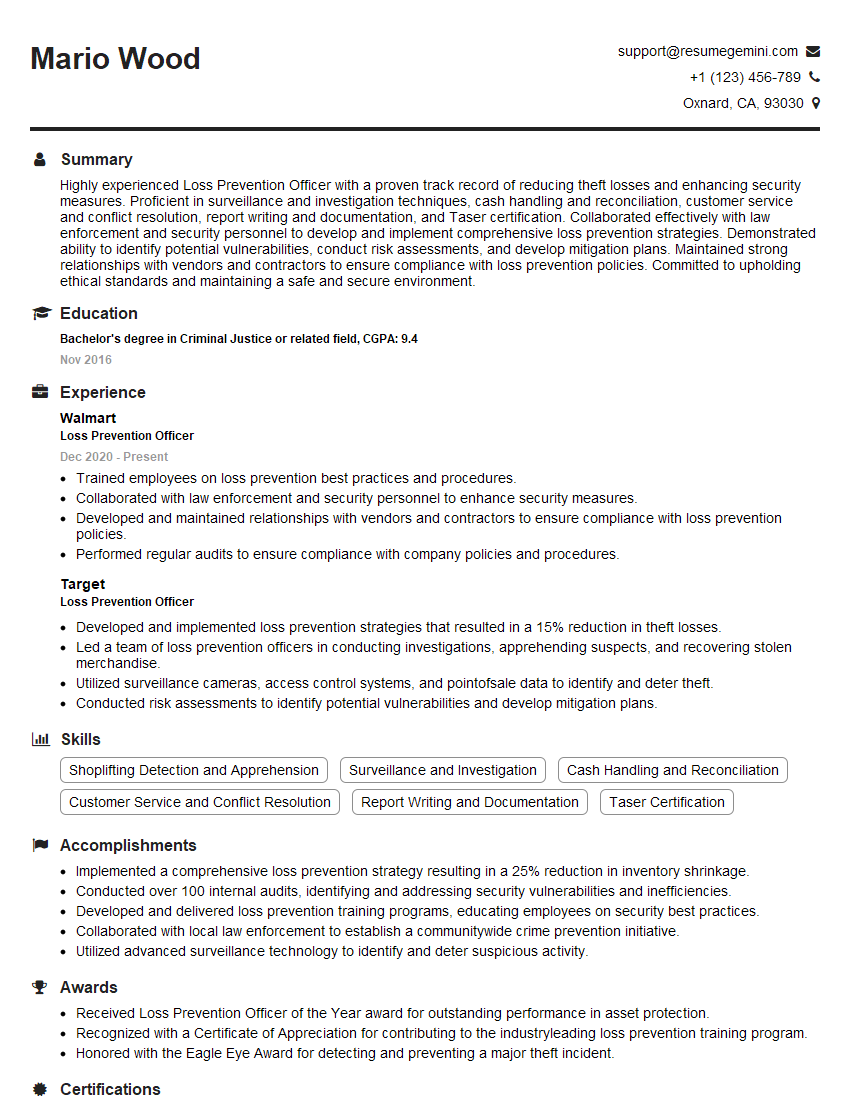
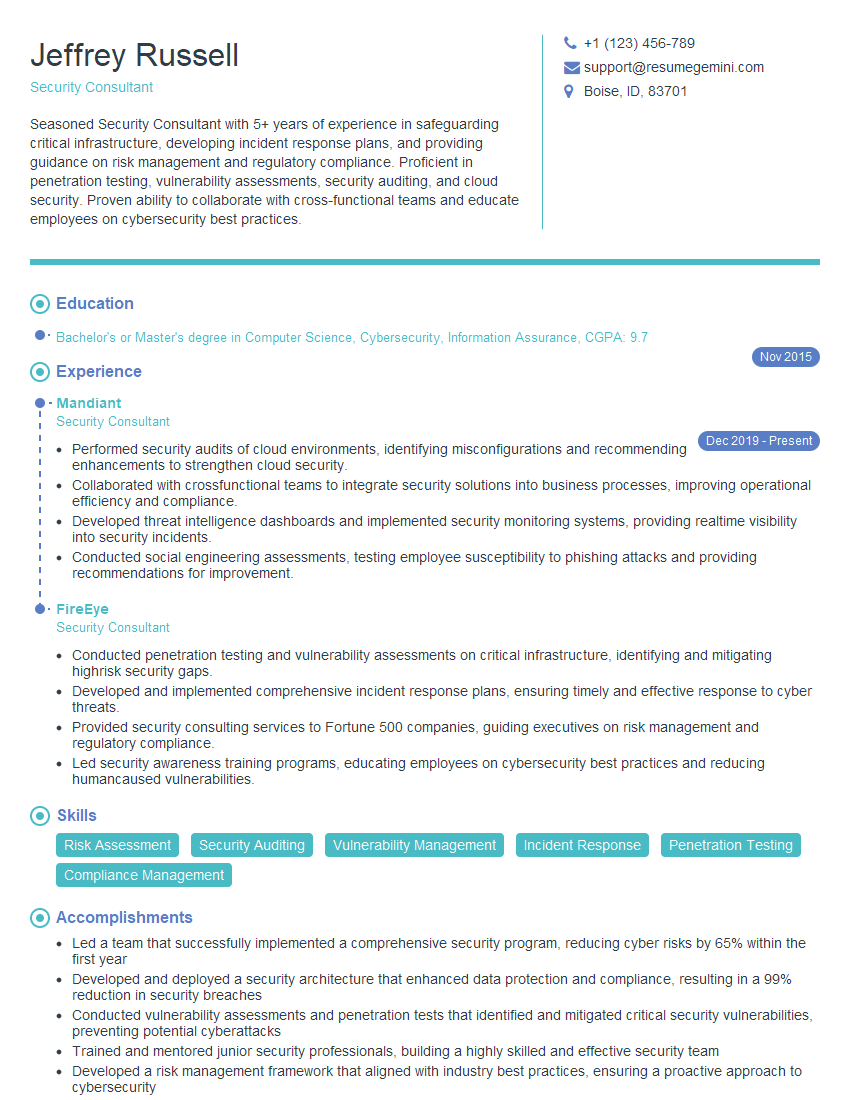
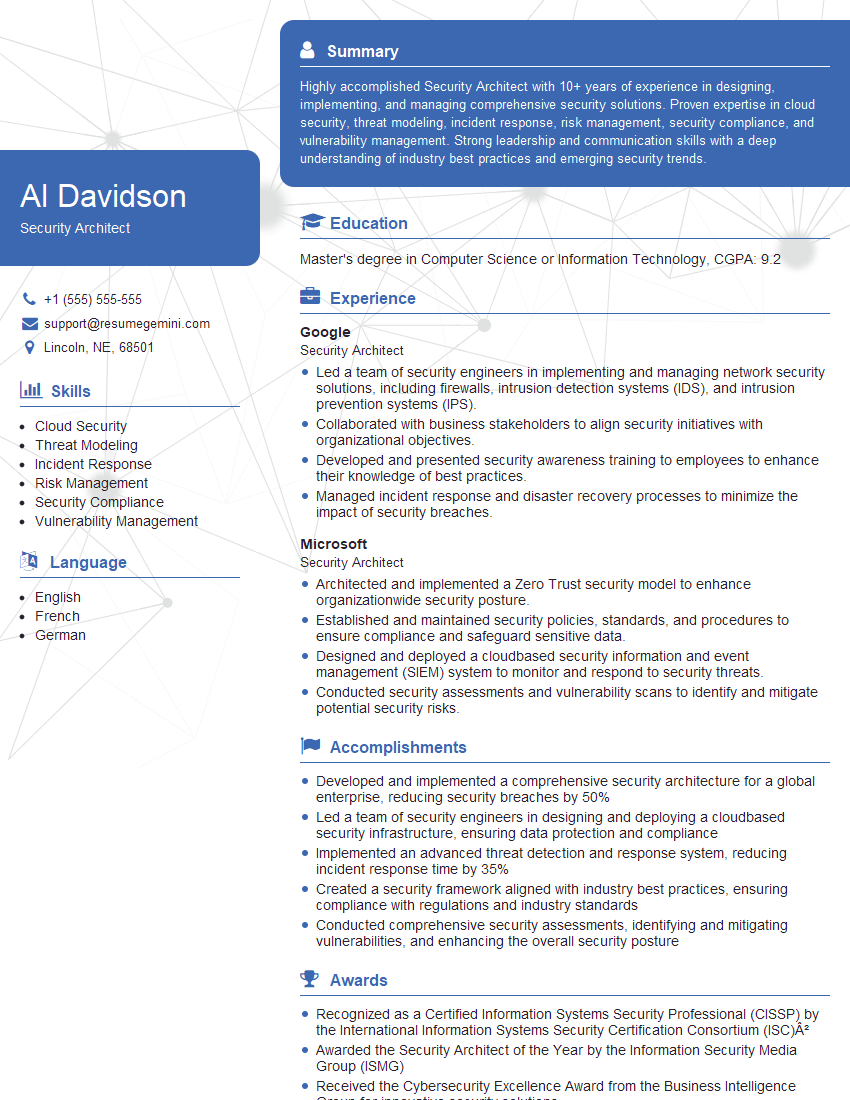
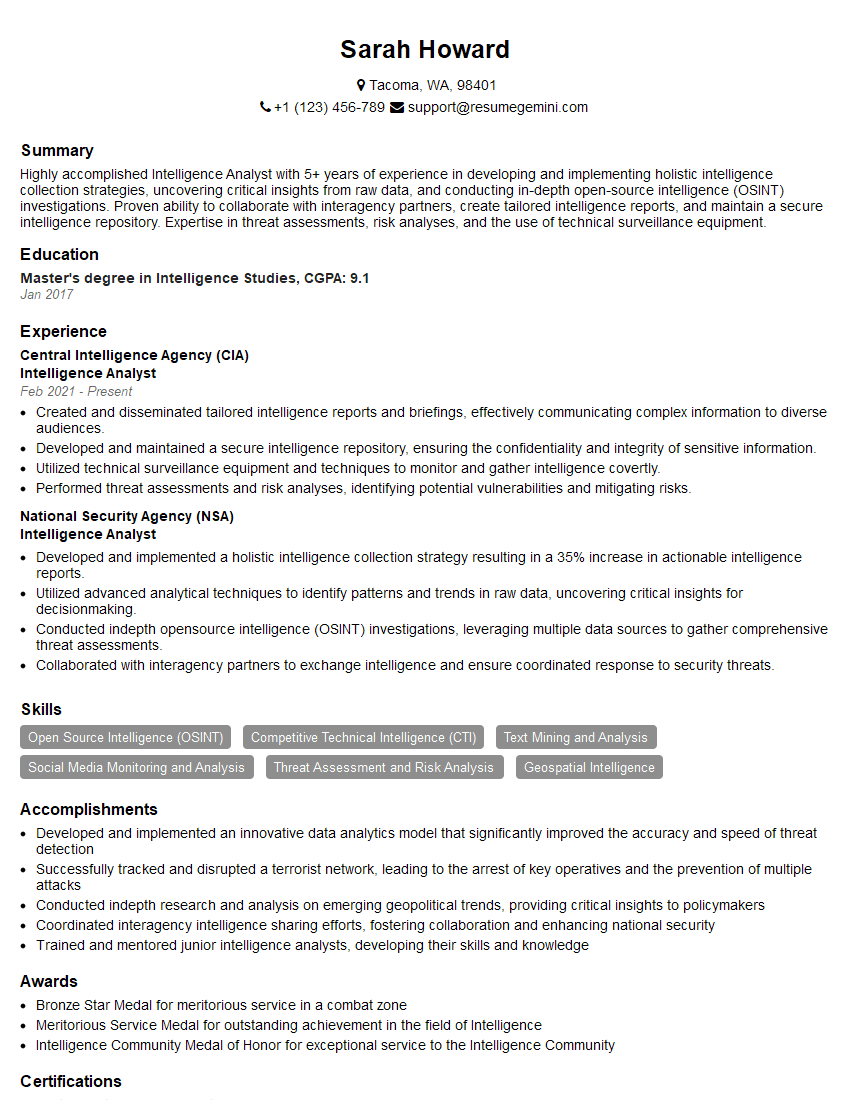
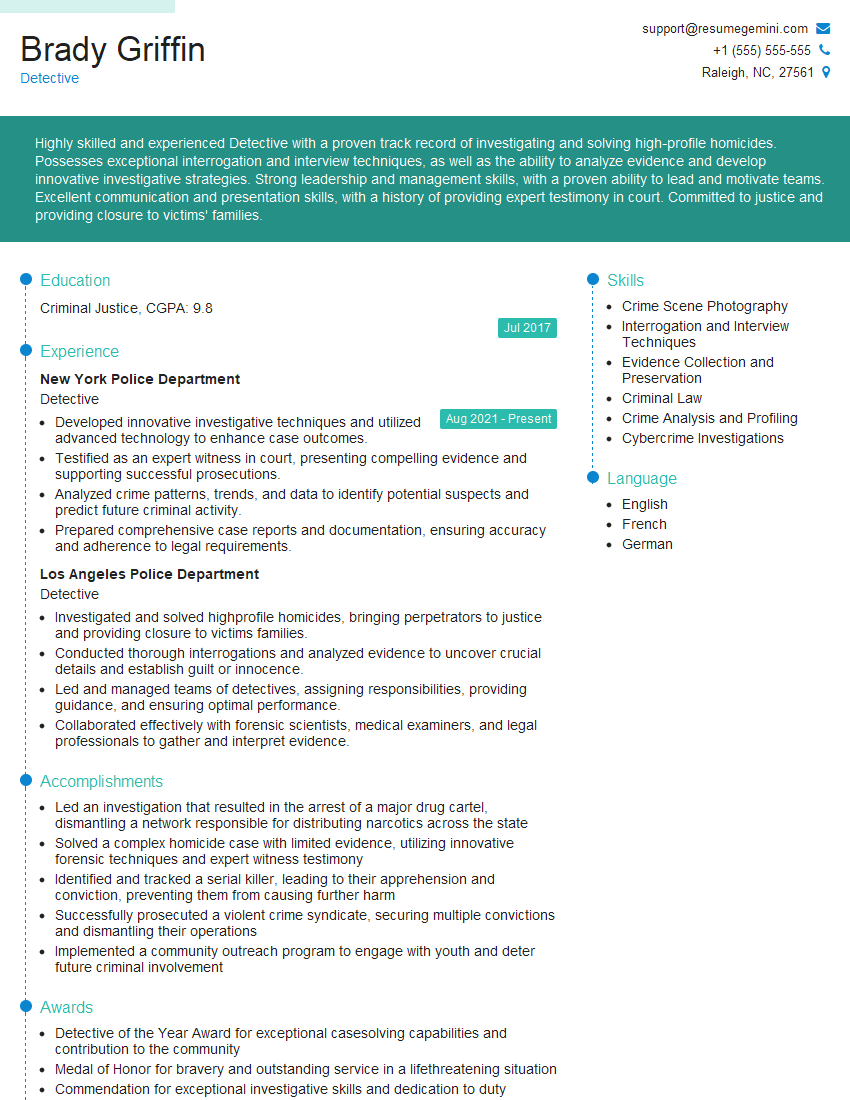
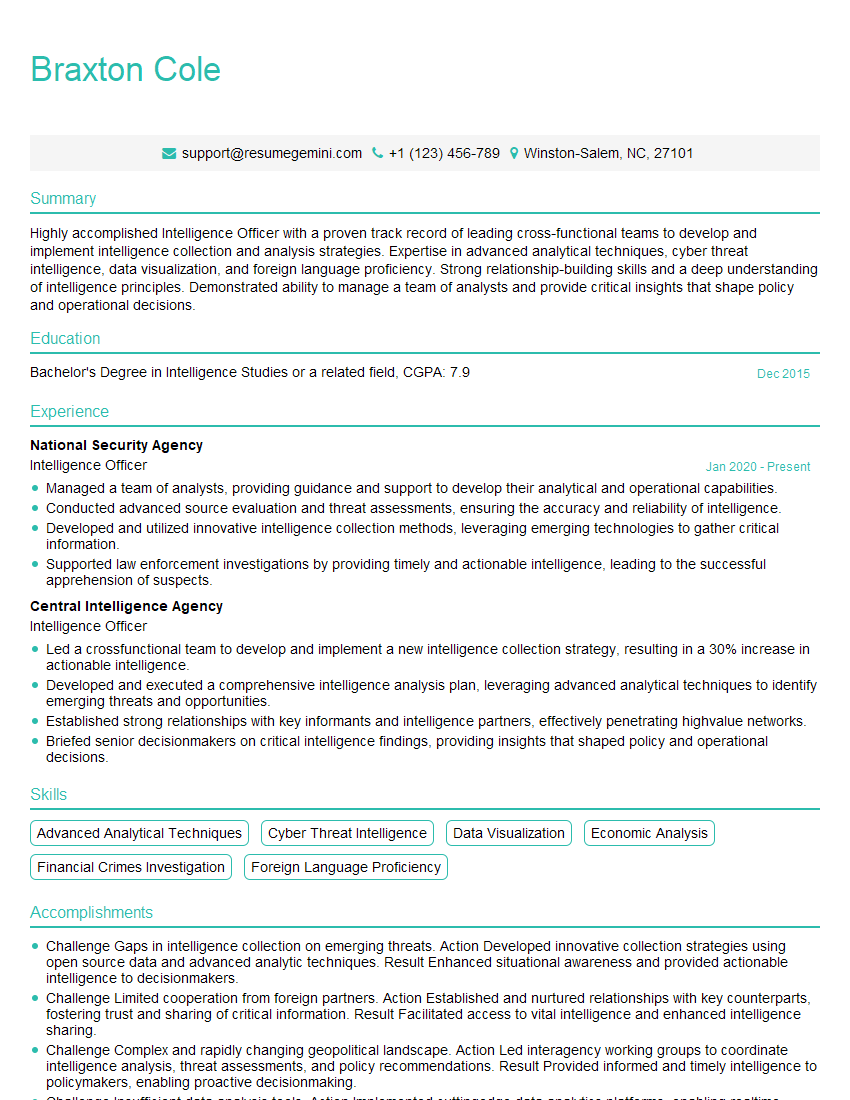
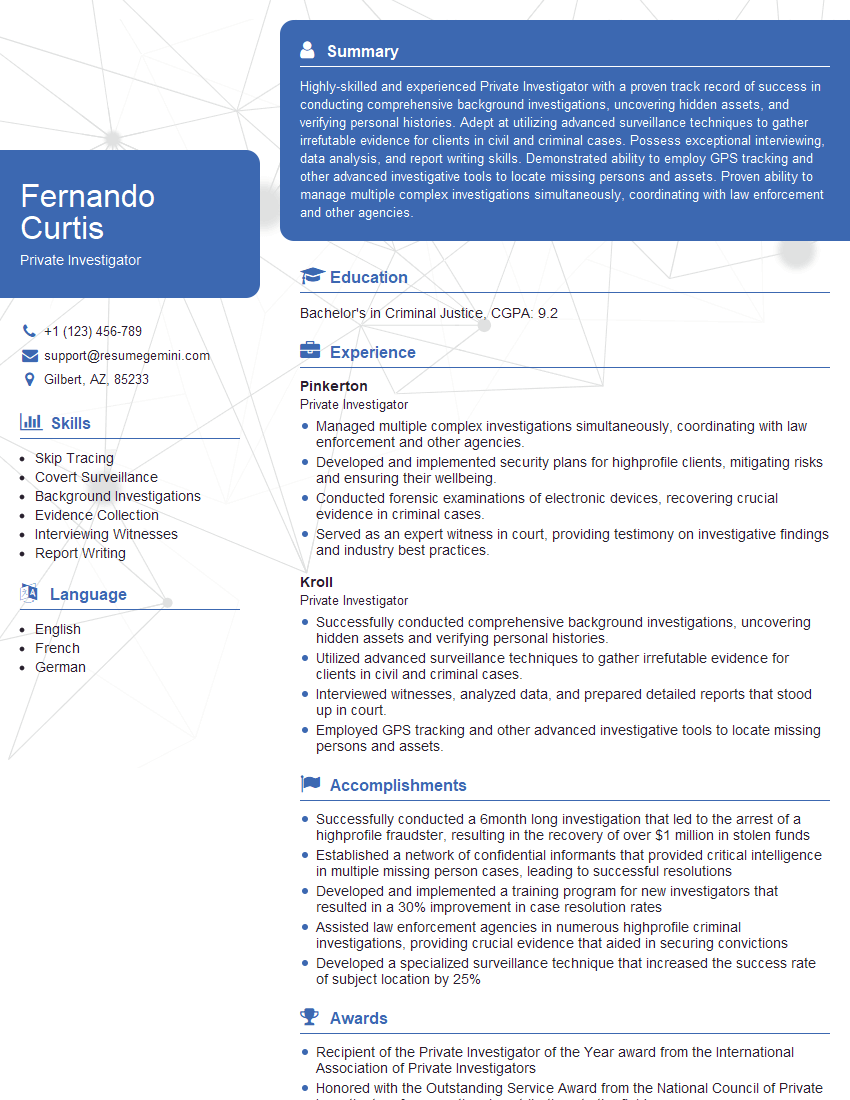
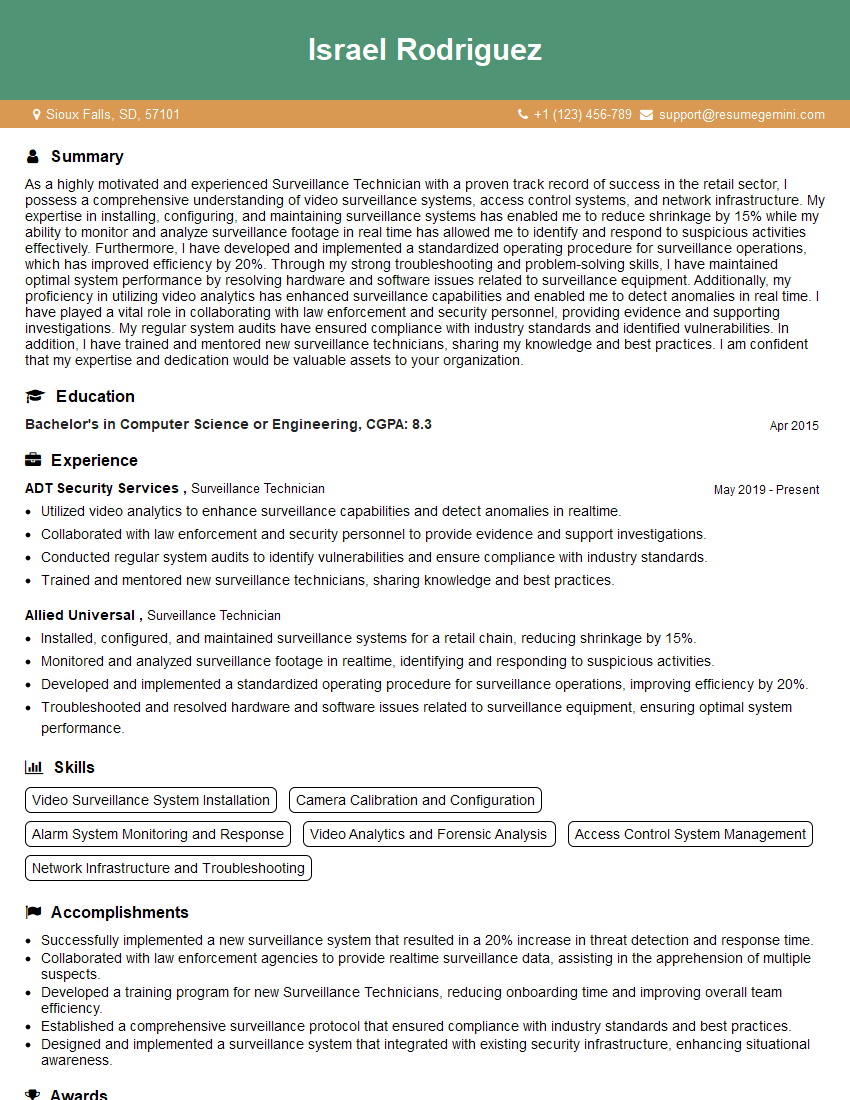
Mastering Surveillance Operations opens doors to exciting career opportunities with significant growth potential in a rapidly evolving field. To maximize your chances of securing your dream role, creating a compelling and ATS-friendly resume is crucial. ResumeGemini is a trusted resource to help you build a professional and impactful resume that highlights your skills and experience effectively. Examples of resumes tailored to Surveillance Operations are available to help guide you.
Explore more articles
Users Rating of Our Blogs
Share Your Experience
We value your feedback! Please rate our content and share your thoughts (optional).
What Readers Say About Our Blog
Attention music lovers!
Wow, All the best Sax Summer music !!!
Spotify: https://open.spotify.com/artist/6ShcdIT7rPVVaFEpgZQbUk
Apple Music: https://music.apple.com/fr/artist/jimmy-sax-black/1530501936
YouTube: https://music.youtube.com/browse/VLOLAK5uy_noClmC7abM6YpZsnySxRqt3LoalPf88No
Other Platforms and Free Downloads : https://fanlink.tv/jimmysaxblack
on google : https://www.google.com/search?q=22+AND+22+AND+22
on ChatGPT : https://chat.openai.com?q=who20jlJimmy20Black20Sax20Producer
Get back into the groove with Jimmy sax Black
Best regards,
Jimmy sax Black
www.jimmysaxblack.com
Hi I am a troller at The aquatic interview center and I suddenly went so fast in Roblox and it was gone when I reset.
Hi,
Business owners spend hours every week worrying about their website—or avoiding it because it feels overwhelming.
We’d like to take that off your plate:
$69/month. Everything handled.
Our team will:
Design a custom website—or completely overhaul your current one
Take care of hosting as an option
Handle edits and improvements—up to 60 minutes of work included every month
No setup fees, no annual commitments. Just a site that makes a strong first impression.
Find out if it’s right for you:
https://websolutionsgenius.com/awardwinningwebsites
Hello,
we currently offer a complimentary backlink and URL indexing test for search engine optimization professionals.
You can get complimentary indexing credits to test how link discovery works in practice.
No credit card is required and there is no recurring fee.
You can find details here:
https://wikipedia-backlinks.com/indexing/
Regards
NICE RESPONSE TO Q & A
hi
The aim of this message is regarding an unclaimed deposit of a deceased nationale that bears the same name as you. You are not relate to him as there are millions of people answering the names across around the world. But i will use my position to influence the release of the deposit to you for our mutual benefit.
Respond for full details and how to claim the deposit. This is 100% risk free. Send hello to my email id: lukachachibaialuka@gmail.com
Luka Chachibaialuka
Hey interviewgemini.com, just wanted to follow up on my last email.
We just launched Call the Monster, an parenting app that lets you summon friendly ‘monsters’ kids actually listen to.
We’re also running a giveaway for everyone who downloads the app. Since it’s brand new, there aren’t many users yet, which means you’ve got a much better chance of winning some great prizes.
You can check it out here: https://bit.ly/callamonsterapp
Or follow us on Instagram: https://www.instagram.com/callamonsterapp
Thanks,
Ryan
CEO – Call the Monster App
Hey interviewgemini.com, I saw your website and love your approach.
I just want this to look like spam email, but want to share something important to you. We just launched Call the Monster, a parenting app that lets you summon friendly ‘monsters’ kids actually listen to.
Parents are loving it for calming chaos before bedtime. Thought you might want to try it: https://bit.ly/callamonsterapp or just follow our fun monster lore on Instagram: https://www.instagram.com/callamonsterapp
Thanks,
Ryan
CEO – Call A Monster APP
To the interviewgemini.com Owner.
Dear interviewgemini.com Webmaster!
Hi interviewgemini.com Webmaster!
Dear interviewgemini.com Webmaster!
excellent
Hello,
We found issues with your domain’s email setup that may be sending your messages to spam or blocking them completely. InboxShield Mini shows you how to fix it in minutes — no tech skills required.
Scan your domain now for details: https://inboxshield-mini.com/
— Adam @ InboxShield Mini
support@inboxshield-mini.com
Reply STOP to unsubscribe
Hi, are you owner of interviewgemini.com? What if I told you I could help you find extra time in your schedule, reconnect with leads you didn’t even realize you missed, and bring in more “I want to work with you” conversations, without increasing your ad spend or hiring a full-time employee?
All with a flexible, budget-friendly service that could easily pay for itself. Sounds good?
Would it be nice to jump on a quick 10-minute call so I can show you exactly how we make this work?
Best,
Hapei
Marketing Director
Hey, I know you’re the owner of interviewgemini.com. I’ll be quick.
Fundraising for your business is tough and time-consuming. We make it easier by guaranteeing two private investor meetings each month, for six months. No demos, no pitch events – just direct introductions to active investors matched to your startup.
If youR17;re raising, this could help you build real momentum. Want me to send more info?
Hi, I represent an SEO company that specialises in getting you AI citations and higher rankings on Google. I’d like to offer you a 100% free SEO audit for your website. Would you be interested?
Hi, I represent an SEO company that specialises in getting you AI citations and higher rankings on Google. I’d like to offer you a 100% free SEO audit for your website. Would you be interested?