Feeling uncertain about what to expect in your upcoming interview? We’ve got you covered! This blog highlights the most important Tactics, Techniques, and Procedures (TTPs) interview questions and provides actionable advice to help you stand out as the ideal candidate. Let’s pave the way for your success.
Questions Asked in Tactics, Techniques, and Procedures (TTPs) Interview
Q 1. Define Tactics, Techniques, and Procedures (TTPs) in the context of cybersecurity.
In cybersecurity, Tactics, Techniques, and Procedures (TTPs) describe the methods attackers use to compromise systems and achieve their objectives. Think of it like a recipe for a cyberattack. The tactic is the overall goal, like ‘initial access’ or ‘privilege escalation’. The technique is a specific method used to achieve that tactic, such as ‘phishing’ (for initial access) or ‘exploit public-facing application’ (for initial access). Finally, the procedure is the step-by-step process the attacker follows to execute the technique. For example, a phishing procedure might involve crafting a convincing email, hosting the malicious payload, and tracking successful infections. Understanding TTPs is crucial for threat hunting, incident response, and developing effective security measures.
Q 2. Explain the MITRE ATT&CK framework and its significance in understanding TTPs.
The MITRE ATT&CK framework is a globally-accessible knowledge base of adversary tactics and techniques based on real-world observations. It’s like a comprehensive encyclopedia of cyberattack methods. It categorizes TTPs into different stages of an attack lifecycle, from initial access to exfiltration. This structured approach helps security professionals understand attacker behavior, map attacks to specific techniques, and prioritize defenses. Its significance lies in its ability to provide a common language and framework for understanding and communicating about cyber threats across different organizations and security tools. For example, if an analyst identifies a technique like ‘credential dumping’ in a security log, they can immediately understand its place within the broader attack lifecycle and take appropriate action.
Q 3. Describe common TTPs used in phishing attacks.
Phishing attacks rely on deception to trick victims into revealing sensitive information or installing malware. Common TTPs include:
- Spear phishing: Highly targeted emails personalized to the victim.
- Whaling: Targeting high-profile individuals (like CEOs).
- Social engineering: Manipulating victims through psychological tactics.
- Malware delivery: Embedding malicious links or attachments in emails.
- Credential harvesting: Using fake login pages to steal usernames and passwords.
- Impersonation: Pretending to be a legitimate organization or person.
For instance, a spear-phishing attack might involve sending an email that appears to be from the victim’s bank, urging them to update their account information via a malicious link. This combines social engineering and malware delivery techniques to achieve initial access.
Q 4. What are the key TTPs associated with ransomware attacks?
Ransomware attacks aim to encrypt victim’s data and demand a ransom for its release. Key TTPs include:
- Initial access: Often achieved through phishing, exploit kits, or software vulnerabilities.
- Privilege escalation: Gaining higher-level system access to perform encryption.
- Data encryption: Using strong encryption algorithms to render data unusable.
- Ransom note delivery: Displaying instructions on how to pay the ransom.
- Data exfiltration: Copying sensitive data before encryption (for additional leverage).
- Command and control (C2) communication: Using a remote server to control the infected system.
A typical scenario might involve a ransomware variant being delivered via a phishing email, which then exploits a system vulnerability to gain administrator privileges. It would then encrypt crucial data and display a ransom note demanding payment in cryptocurrency.
Q 5. How do you identify and analyze malicious network traffic using TTPs?
Identifying and analyzing malicious network traffic involves correlating observed behaviors with known TTPs. This starts with monitoring network traffic using tools like Intrusion Detection/Prevention Systems (IDS/IPS) and Network Traffic Analysis (NTA) tools. Analysts look for:
- Suspicious connections: Communication with known malicious IP addresses or domains.
- Unusual protocols: Use of uncommon ports or protocols.
- High volume of data transfer: Exfiltration of large amounts of data.
- Encrypted traffic: While not inherently malicious, encrypted traffic often warrants closer inspection.
- Data patterns: Using machine learning to identify anomalies from normal traffic patterns.
By analyzing these indicators and comparing them to known TTPs from sources like MITRE ATT&CK, analysts can determine if malicious activity is occurring. For example, a sudden increase in encrypted outbound traffic to a previously unknown IP address might indicate data exfiltration, a key TTP in various attacks.
Q 6. Explain the process of identifying TTPs from malware samples.
Identifying TTPs from malware samples involves a multi-step process, often performed in a sandboxed environment for safety:
- Static analysis: Examining the malware’s code without executing it. This might involve inspecting file headers, strings, and imported functions.
- Dynamic analysis: Running the malware in a controlled environment to observe its behavior. This involves monitoring system calls, network connections, and file system activity.
- Behavioral analysis: Identifying the malware’s actions and mapping them to known TTPs. This may involve analyzing registry modifications, process creation, and network communications.
- Reverse engineering: Deconstructing the malware’s code to understand its functionality and logic. This helps identify specific techniques used, like credential stealing or persistence mechanisms.
For instance, if dynamic analysis reveals the malware attempting to connect to a remote server and upload stolen data, this could be mapped to the ‘data exfiltration’ TTP. Combining static and dynamic analysis provides a comprehensive understanding of the malware’s TTPs.
Q 7. Describe common TTPs used in data breaches.
Data breaches often involve a combination of TTPs targeting various stages of the attack lifecycle. Common ones include:
- Initial access: Phishing, exploiting vulnerabilities, or using stolen credentials.
- Privilege escalation: Gaining higher system access to access sensitive data.
- Data discovery: Identifying valuable data assets within the network.
- Data exfiltration: Transferring stolen data to an external location.
- Data destruction: Deleting or encrypting data to cover tracks.
- Persistence: Maintaining access to the compromised system for long-term operations.
A real-world example might involve an attacker gaining initial access through a phishing email, then exploiting a vulnerability to achieve administrator privileges. They might then move laterally across the network, discover sensitive customer data, and exfiltrate it via a compromised server before covering their tracks by deleting logs.
Q 8. How do you use threat intelligence to proactively defend against known TTPs?
Threat intelligence is like having a crystal ball for cybersecurity. It allows us to proactively defend against known Tactics, Techniques, and Procedures (TTPs) by providing advanced warning of potential attacks. We leverage threat feeds, vulnerability databases, and open-source intelligence to identify TTPs used by specific threat actors or in past campaigns. This information helps us prioritize our defenses. For example, if intelligence indicates a rise in ransomware attacks using a specific exploit kit, we can immediately patch vulnerable systems and implement stricter access controls to mitigate the risk.
Specifically, we use threat intelligence to:
- Strengthen our security posture: We can identify and remediate vulnerabilities that are frequently exploited by attackers using those TTPs.
- Fine-tune our intrusion detection systems (IDS): We can add signatures and rules to detect the specific behaviors and indicators of compromise (IOCs) associated with the known TTPs.
- Develop proactive security measures: We might implement security controls like application whitelisting or behavior-based anomaly detection to prevent those TTPs from succeeding.
- Prioritize incident response planning: Knowing the typical tactics of an attacker allows us to streamline incident response, focusing on the most likely areas of compromise and minimizing downtime.
Q 9. What are the key indicators of compromise (IOCs) associated with specific TTPs?
Key Indicators of Compromise (IOCs) are the breadcrumbs left behind by attackers. They are specific artifacts or events that strongly suggest a compromise has occurred. The IOCs associated with specific TTPs vary greatly. For example:
- Phishing (TTP): IOCs might include suspicious emails with malicious attachments or links, unusual login attempts from unfamiliar locations, or the presence of malicious URLs in browser history.
- Exploit Kit (TTP): IOCs could include the presence of known exploit code in memory, unusual network connections to known command-and-control (C2) servers, or the creation of specific registry keys or files associated with the exploit.
- Lateral Movement (TTP): IOCs might be suspicious network traffic between internal systems, unusual login activity from compromised accounts, or changes in system configuration files indicating unauthorized access.
- Data Exfiltration (TTP): IOCs include large amounts of data transferred to external IP addresses, unusual activity on file servers, or the presence of data exfiltration tools on compromised systems.
Identifying these IOCs is crucial for both proactive threat hunting and reactive incident response.
Q 10. Explain how you would investigate a suspected intrusion based on observed TTPs.
Investigating a suspected intrusion based on observed TTPs is a systematic process. It involves a combination of technical analysis and detective work. Think of it like solving a mystery, where the observed TTPs are clues.
- Identify the initial vector: Determine how the attacker gained initial access (e.g., phishing email, exploited vulnerability).
- Gather IOCs: Collect evidence, including network logs, system logs, memory dumps, and file system artifacts that corroborate the observed TTPs.
- Analyze the attack lifecycle: Reconstruct the attacker’s actions by correlating the IOCs and understanding the sequence of events. This often involves analyzing logs in chronological order to trace the attack progression.
- Identify compromised systems: Determine which systems were impacted by the intrusion based on the gathered IOCs and the observed TTPs.
- Contain the breach: Isolate compromised systems from the network to prevent further damage and lateral movement.
- Eradicate the malware: Remove malicious software and restore systems to a clean state.
- Recover data: Restore any data that was compromised or encrypted.
- Analyze and document findings: Create a comprehensive report detailing the attack, the techniques used, and the remediation steps taken.
Throughout this process, continuous correlation of the observed TTPs with known threat intelligence is crucial for informed decision-making and efficient incident response.
Q 11. Describe the role of sandboxing in analyzing TTPs.
Sandboxing is like a virtual playground for malicious code. It’s a controlled environment where we can safely execute suspicious files or applications to analyze their behavior without risking our production systems. This is particularly useful for analyzing TTPs.
By observing the actions of a sample within a sandbox, we can identify the specific techniques used by the malware, such as network connections, file system manipulations, registry modifications, and attempts to communicate with command-and-control (C2) servers. This provides valuable insights into the TTPs employed, enabling us to develop effective countermeasures and signatures for our security tools. For instance, we might observe a sandboxed sample attempting to exploit a specific vulnerability, download additional payloads, or exfiltrate data. This information allows us to identify and mitigate the risk of those TTPs in a real-world setting.
Q 12. How do you correlate different TTPs to understand the overall attack lifecycle?
Correlating different TTPs to understand the overall attack lifecycle is like piecing together a puzzle. We need to identify the individual pieces (TTPs) and understand how they fit together to form the complete picture of the attack. We use tools like Security Information and Event Management (SIEM) systems and threat intelligence platforms to correlate different data sources and identify patterns.
For example, we might observe reconnaissance activity (scanning for vulnerabilities), followed by exploitation (exploiting a found vulnerability), lateral movement (moving through the network), data exfiltration (stealing data), and finally, persistence (establishing a foothold for future attacks). Correlating these TTPs reveals the attacker’s goals and strategy, allowing for more effective prevention and response.
Q 13. Explain the difference between reconnaissance and exploitation TTPs.
Recon and exploitation are distinct phases in the attack lifecycle. Think of reconnaissance as the attacker’s scouting phase and exploitation as the execution phase.
- Recon TTPs: Focus on gathering information about the target. This could involve network scanning (port scanning, vulnerability scanning), social engineering (phishing emails, spear phishing), or open-source intelligence gathering (OSINT). The goal is to identify vulnerabilities and gather information to plan the attack.
- Exploitation TTPs: Focus on compromising the target system by leveraging identified vulnerabilities. This could involve exploiting software vulnerabilities using exploit kits, brute-forcing passwords, or using social engineering to trick users into granting access. The goal is to gain unauthorized access to the target system.
Recon helps identify weaknesses, while exploitation actively uses those weaknesses to breach security controls.
Q 14. What are some common TTPs used for lateral movement within a network?
Lateral movement is the process of an attacker moving from one compromised system to another within a network. This allows them to expand their access and control. Common TTPs include:
- Pass-the-hash: Using stolen credentials to access other systems.
- Credential stuffing: Trying known credentials from other breaches against target systems.
- Exploiting vulnerabilities: Leveraging unpatched vulnerabilities to gain access to other systems.
- Using malicious tools: Employing tools like PsExec or Mimikatz to move between systems.
- Exploiting shared resources: Using access to shared files, databases, or network drives to access additional systems.
Detecting and preventing lateral movement requires strong network segmentation, regular patching, robust access controls, and continuous monitoring of user and system activity.
Q 15. How do you differentiate between legitimate and malicious TTPs?
Differentiating between legitimate and malicious TTPs hinges on context and intent. A legitimate TTP is a standard procedure used for authorized access or system management. A malicious TTP, conversely, is used to gain unauthorized access, compromise systems, or exfiltrate data. The key difference lies in the actor’s intent and authorization.
For example, a system administrator accessing a server to perform routine maintenance is a legitimate TTP. However, an attacker using the same credentials to steal data is a malicious TTP, even if the techniques employed are identical. The context – authorized vs. unauthorized access – makes all the difference.
- Legitimate: Scheduled backups, routine software updates, authorized remote access.
- Malicious: Exploiting known vulnerabilities, lateral movement within a network, data exfiltration using stolen credentials.
Analyzing the sequence of events, the tools used, and the overall goal of the activity is critical in distinguishing between the two. We look for anomalies – actions outside the established baseline of normal operations.
Career Expert Tips:
- Ace those interviews! Prepare effectively by reviewing the Top 50 Most Common Interview Questions on ResumeGemini.
- Navigate your job search with confidence! Explore a wide range of Career Tips on ResumeGemini. Learn about common challenges and recommendations to overcome them.
- Craft the perfect resume! Master the Art of Resume Writing with ResumeGemini’s guide. Showcase your unique qualifications and achievements effectively.
- Don’t miss out on holiday savings! Build your dream resume with ResumeGemini’s ATS optimized templates.
Q 16. Describe your experience with analyzing TTPs using security information and event management (SIEM) tools.
My experience with SIEM tools like Splunk and QRadar in analyzing TTPs is extensive. I utilize them to correlate events across different systems, identify patterns indicative of malicious activity, and generate alerts based on predefined rules and threat intelligence. SIEM tools allow for the visualization of attack chains, giving a holistic view of an intrusion.
For instance, I once used Splunk to detect a campaign involving a sophisticated phishing attack. By correlating login attempts from unusual geographic locations with subsequent suspicious file access patterns, we were able to pinpoint the compromised accounts and the attacker’s method of lateral movement. The visualizations within Splunk allowed us to create a timeline of the events that clearly illustrated the attacker’s TTPs.
Furthermore, I leverage SIEM’s capabilities to develop custom dashboards and reports that focus on specific TTPs relevant to our organization’s threat model. This proactive approach allows us to quickly detect and respond to potential threats.
Q 17. Explain how you would develop a security strategy based on identified TTPs.
Developing a security strategy based on identified TTPs involves a multi-stage process:
- Threat Modeling: Identifying potential threats and the likely TTPs they might employ.
- Vulnerability Assessment: Determining where our systems are vulnerable to those TTPs.
- Prioritization: Focusing on the most critical threats and vulnerabilities based on likelihood and impact.
- Mitigation: Implementing security controls to address identified vulnerabilities. This might involve patching systems, improving access control, implementing intrusion detection/prevention systems, or employing security awareness training.
- Monitoring and Improvement: Continuously monitoring for malicious activity, analyzing security logs for TTP indicators, and adjusting the security strategy as needed.
For example, if we identify a threat actor using spear-phishing followed by exploiting a known vulnerability in a specific application (a common TTP), the strategy would involve improving employee awareness training about phishing emails, patching the application vulnerability, and potentially implementing an advanced threat protection solution to detect and block the exploit.
Q 18. How do you stay updated on the latest TTPs and emerging threats?
Staying updated on the latest TTPs and emerging threats is crucial. I use a multi-faceted approach:
- Threat Intelligence Feeds: Subscribing to reputable threat intelligence platforms that provide timely updates on emerging threats and TTPs.
- Security Conferences and Webinars: Attending industry events and webinars to learn from experts and network with peers.
- Security Blogs and Publications: Regularly reading security blogs, research papers, and industry reports.
- Open-Source Intelligence (OSINT): Utilizing publicly available resources to gain insights into current threat landscapes and actor tactics.
- Collaboration with Peers: Engaging in discussions and knowledge sharing with other security professionals through forums and communities.
It’s a continuous learning process; the threat landscape is constantly evolving, so staying ahead of the curve requires consistent effort and dedication.
Q 19. What are some common TTPs used in denial-of-service (DoS) attacks?
Common TTPs used in Denial-of-Service (DoS) attacks include:
- UDP floods: Sending a massive amount of UDP packets to overwhelm the target system’s resources.
- SYN floods: Exploiting the TCP three-way handshake to exhaust server resources and prevent legitimate connections.
- ICMP floods (ping floods): Sending large numbers of ICMP echo request packets (pings).
- HTTP floods: Flooding the target with HTTP requests, consuming server bandwidth and resources.
- Slowloris attacks: Establishing many slow connections to tie up server resources without immediately consuming a lot of bandwidth.
- Botnets: Using a network of compromised devices (bots) to amplify the attack’s scale and impact.
The specific TTP used often depends on the attacker’s resources and the target’s vulnerabilities. Modern DoS attacks often leverage distributed botnets, making them much harder to mitigate.
Q 20. Describe how you would respond to an incident based on observed TTPs.
Responding to an incident based on observed TTPs is a structured process:
- Containment: Immediately isolate affected systems or network segments to prevent further damage.
- Eradication: Remove the malware or malicious code from affected systems.
- Recovery: Restore affected systems and data from backups or other recovery mechanisms.
- Root Cause Analysis: Investigate the incident to determine how the attacker gained access, the TTPs used, and how to prevent future incidents.
- Post-Incident Activity: Document the incident, update security policies and procedures, and provide remediation recommendations.
For example, if a system is compromised via a phishing email leading to malware installation (a common TTP), the response would involve immediately disconnecting the infected system from the network, running malware scans and removing the malicious code, restoring the system from a clean backup, analyzing system logs to identify the source of the attack, and updating security policies to prevent similar incidents.
Q 21. Explain your understanding of the kill chain model and its relation to TTPs.
The Lockheed Martin kill chain model provides a framework for understanding the stages of an attack, from initial reconnaissance to achieving the attacker’s objective. TTPs are integral to each stage of this model. Each stage represents an opportunity to detect and disrupt the attacker.
The stages typically include:
- Reconnaissance: Gathering information about the target.
- Weaponization: Developing a malicious payload.
- Delivery: Sending the payload to the target.
- Exploitation: Using vulnerabilities to gain access.
- Installation: Establishing a foothold on the target system.
- Command and Control (C2): Communicating with the attacker’s infrastructure.
- Actions on Objectives: Achieving the attacker’s goals (data exfiltration, system disruption, etc.).
Understanding the kill chain helps us identify the specific TTPs used at each stage and develop defenses accordingly. By mapping observed TTPs to the kill chain, we can prioritize our security controls and focus on the most critical stages of the attack.
Q 22. What are some examples of evasion techniques used to obscure TTPs?
Evasion techniques are methods attackers use to mask their malicious activities and hinder detection. Think of it like a magician pulling a rabbit out of a hat – they use misdirection to hide the true nature of their actions. These techniques aim to obscure the telltale signs of their TTPs (Tactics, Techniques, and Procedures).
Obfuscation: This involves making code or data difficult to understand. For example, attackers might use code packers to compress and encrypt their malware, making reverse engineering much harder. Imagine scrambling a recipe – you still have the ingredients, but figuring out the dish is now a challenge.
Polymorphism: Malware constantly changes its code, making signature-based detection ineffective. It’s like a chameleon changing colors – every time you try to identify it based on its appearance, it’s already different.
Metamorphism: Similar to polymorphism, but the malware actually rewrites its own code during execution, making it even more unpredictable and harder to analyze. Think of it as a self-mutating virus, constantly evolving to avoid being detected.
Living off the land (LOLBins): Attackers leverage legitimate system tools to carry out malicious actions, blending in with normal system processes. This is like using a kitchen knife for something other than its intended purpose – it’s a perfectly innocent tool, used maliciously.
Anti-analysis techniques: These techniques actively try to detect if they’re being analyzed in a sandbox or virtual environment and then either terminate or behave differently. Think of it as a suspect refusing to answer questions unless they are given a lawyer.
Q 23. How do you prioritize TTPs based on their potential impact?
Prioritizing TTPs based on potential impact requires a structured approach. We use a framework combining threat likelihood and potential consequence. Think of it like a risk matrix: some threats are highly likely but have low impact, while others are less frequent but devastating.
Likelihood: How probable is it that this TTP will be used against us? We assess this based on threat intelligence, industry trends, and our specific attack surface.
Impact: What is the potential damage if this TTP is successful? This includes data breaches, system downtime, financial losses, reputational damage etc. For instance, a successful ransomware attack causing system outage might have far higher impact than unauthorized access to low-sensitive data.
Prioritization Matrix: We combine likelihood and impact scores to categorize TTPs into high, medium, and low priority. High priority ones require immediate attention and mitigation strategies, which could include patching vulnerabilities, improving monitoring, or implementing better security controls.
For example, a TTP involving exploitation of a known, critical vulnerability in a widely used application is high priority due to high likelihood and high potential impact, while a less commonly exploited vulnerability with limited system access might be low priority unless the compromised system holds crucial data.
Q 24. Describe your experience with using threat intelligence platforms.
I have extensive experience using various threat intelligence platforms, including commercial products like CrowdStrike Falcon and open-source solutions like MISP (Malware Information Sharing Platform). These platforms are essential for staying ahead of evolving threats. They are essentially centralized repositories of threat information.
My experience covers data ingestion, analysis, and reporting. I utilize these platforms to identify emerging TTPs, analyze their effectiveness, and tailor our security posture accordingly. For instance, using STIX/TAXII standards, I can import threat intelligence feeds to enrich our Security Information and Event Management (SIEM) systems, enabling proactive threat hunting and incident response. I’ve also used these platforms to build custom threat models and threat hunts, proactively searching for indicators of compromise (IOCs) related to specific threat actors or campaign.
Q 25. Explain your understanding of the different stages of an attack based on TTPs.
Understanding the stages of an attack through the lens of TTPs is crucial for effective security. We typically break down attacks using the MITRE ATT&CK framework, which provides a structured taxonomy of adversary behavior. The stages often overlap but generally include:
Reconnaissance: The attacker gathers information about the target, identifying vulnerabilities and potential entry points (think of it as a burglar casing a house).
Weaponization: Malware or exploits are prepared and packaged to deliver the payload (the burglar choosing his tools).
Delivery: The attacker transmits the weaponized payload to the target, using various methods like phishing emails, malicious links, or software vulnerabilities (the burglar actually breaking in).
Exploitation: The attacker uses the payload to gain access to the target system, exploiting a vulnerability (the burglar making their way to the valuables).
Installation: The attacker installs malicious software or establishes persistent access to the compromised system (the burglar setting up their tools to be able to come back).
Command and Control (C2): The attacker communicates with the compromised system to maintain control and receive further instructions (the burglar checking in with the gang).
Actions on Objectives: The attacker carries out their malicious actions, like data exfiltration, data destruction, or disruption of services (the burglar stealing the valuables).
Q 26. How do you document and share your findings related to analyzed TTPs?
Documenting and sharing findings on analyzed TTPs is critical for maintaining a strong security posture. This involves a combination of structured reporting and collaborative sharing.
Structured Reporting: I use standardized formats like the MITRE ATT&CK framework to categorize and describe observed TTPs. This ensures consistency and facilitates sharing with other teams. Reports typically include details on the attack, the used TTPs, impacted systems, and recommended mitigations.
Collaboration and Sharing: Findings are shared through internal channels like wikis, security dashboards, and threat intelligence platforms. We also leverage external channels when appropriate, such as collaborating with CERT teams or sharing information through threat intelligence sharing platforms. The goal is to help others learn from our experiences and strengthen the collective defense.
Version Control: Findings and reports are maintained using version control systems (e.g., Git) to track changes and maintain audit trails. This provides clarity and accountability, enabling us to understand how our understanding of specific threats has evolved over time.
Q 27. What are some open-source tools that you use for TTP analysis?
Several open-source tools are invaluable for TTP analysis. These tools provide capabilities ranging from network traffic analysis to malware analysis.
Wireshark: For deep packet inspection and network traffic analysis, allowing us to identify malicious communication patterns.
tcpdump: A command-line network packet analyzer useful for real-time monitoring.
Burp Suite (Community Edition): For web application vulnerability assessment and identifying malicious web traffic.
YARA: A powerful tool for creating and using rules to detect malware and other malicious artifacts. It’s like a sophisticated search engine for malicious code signatures.
TheHive: A collaborative security orchestration, automation, and response (SOAR) platform that can be used for managing threat hunting and incident response activities.
Q 28. Describe a situation where you used TTP analysis to successfully prevent or mitigate a security incident.
During a recent incident, we detected suspicious network activity originating from a compromised server. Using TTP analysis and the MITRE ATT&CK framework, we identified the adversary’s tactics as lateral movement and data exfiltration. By correlating this behavior with known TTPs of a specific threat actor group, we confirmed the nature of the threat. Through further investigation, we discovered the attacker had exploited a vulnerability in a legacy application and was using a known exploit technique. Crucially, the analysis revealed that the attacker was exfiltrating data via a specific outbound IP address.
This insight allowed us to promptly block that IP address, preventing further data loss. Simultaneously, we patched the vulnerability in the legacy application and implemented enhanced monitoring for similar future threats. This combination of incident response and proactive remediation minimized the damage and significantly improved our overall security posture. The thorough documentation of the entire incident, including the TTPs involved, has been instrumental in strengthening our threat model and informing our security training programs.
Key Topics to Learn for Tactics, Techniques, and Procedures (TTPs) Interview
Preparing for a TTPs interview can feel daunting, but with the right approach, you can showcase your expertise and land your dream role. This section outlines key areas to focus on, blending theoretical understanding with practical application.
- Understanding the TTP Framework: Grasp the core principles behind defining and implementing Tactics, Techniques, and Procedures. Consider the relationships between these three components and how they interact.
- Threat Modeling and TTP Analysis: Practice identifying potential threats and vulnerabilities, then analyze how adversaries might utilize specific TTPs to exploit them. Develop your ability to articulate this process clearly.
- Practical Application of TTPs: Explore real-world scenarios where TTPs are used. Think about how different techniques are employed within various attack stages (e.g., reconnaissance, exploitation, exfiltration). Prepare to discuss these scenarios using relevant terminology.
- Mitigation and Defense Strategies: Focus on developing a strong understanding of defensive measures against common TTPs. This includes preventative controls, detection methods, and incident response planning.
- Case Studies and Examples: Research and analyze documented cyberattacks or security incidents. Focus on how specific TTPs were employed and the resulting impact. Be prepared to discuss your insights and lessons learned.
- Problem-Solving and Critical Thinking: Interviewers will likely assess your problem-solving abilities. Practice working through hypothetical scenarios involving TTPs, focusing on your analytical approach and decision-making process.
Next Steps
Mastering TTPs is crucial for career advancement in cybersecurity and related fields. Demonstrating a strong understanding of TTPs showcases your expertise and ability to proactively address emerging threats. To maximize your job prospects, focus on creating a compelling and ATS-friendly resume that highlights your skills and experience effectively. ResumeGemini is a trusted resource to help you build a professional and impactful resume.
We provide examples of resumes tailored to Tactics, Techniques, and Procedures (TTPs) roles to guide you in crafting your own. These examples will help you showcase your expertise effectively to potential employers. Remember, a well-crafted resume is your first impression – make it count!

Compliance Officer Resume Sample
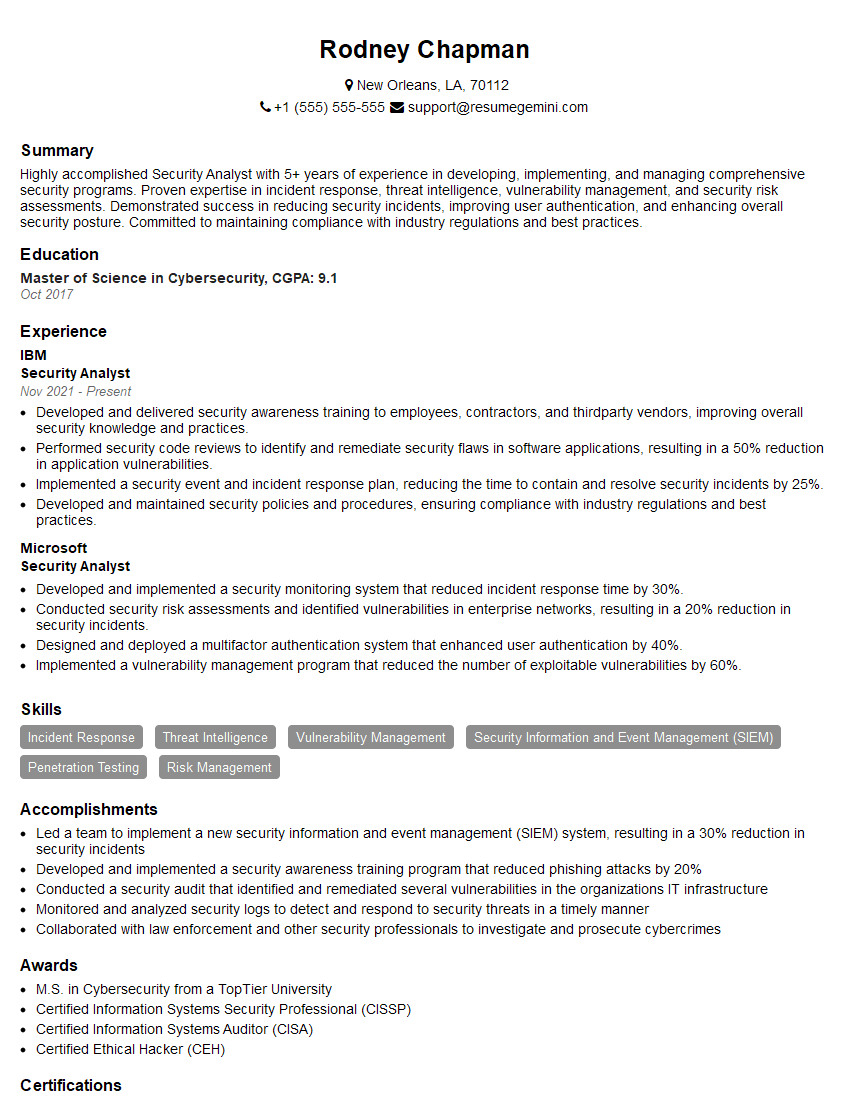
Security Analyst Resume Sample
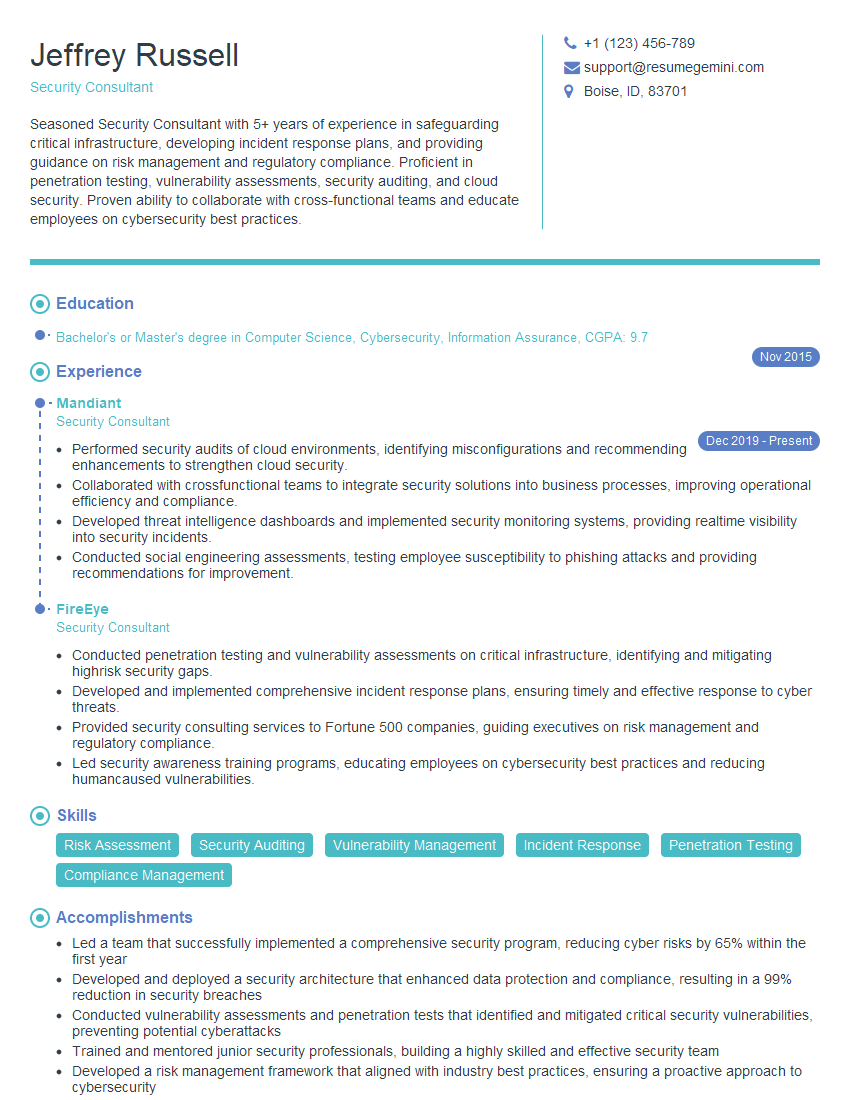
Security Consultant Resume Sample
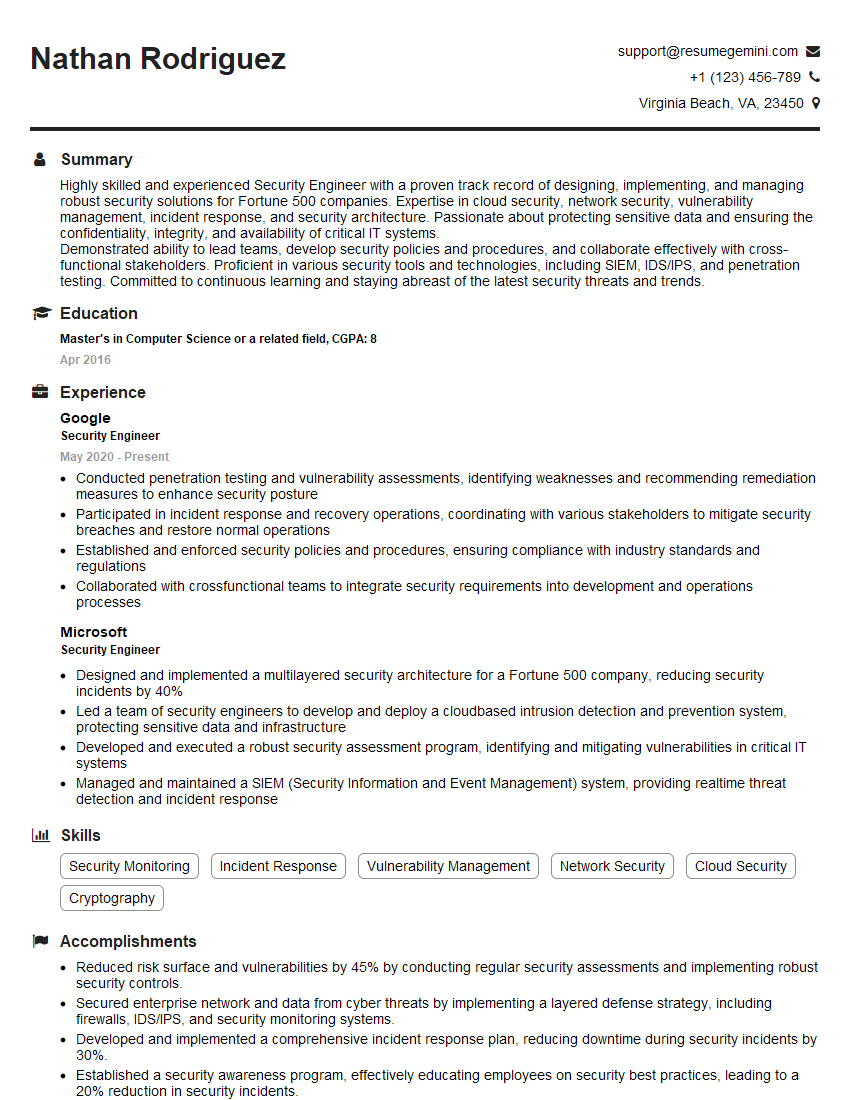
Security Engineer Resume Sample
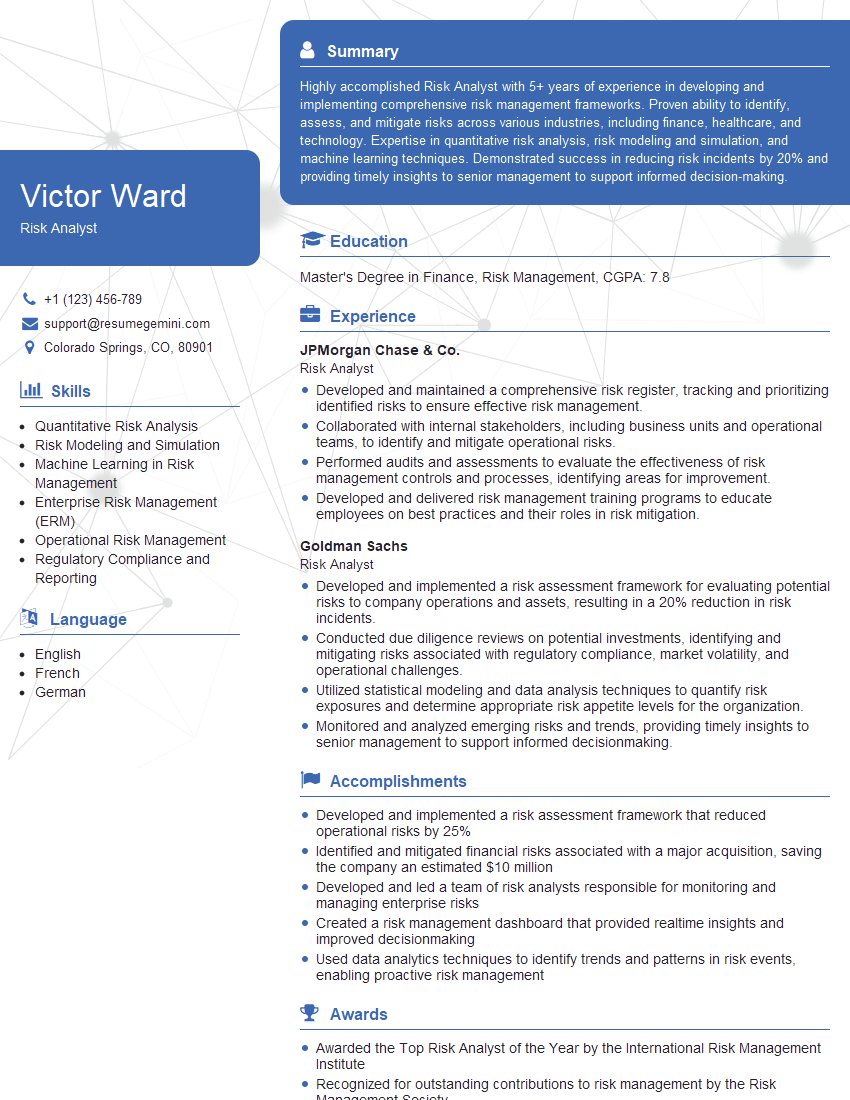
Risk Analyst Resume Sample
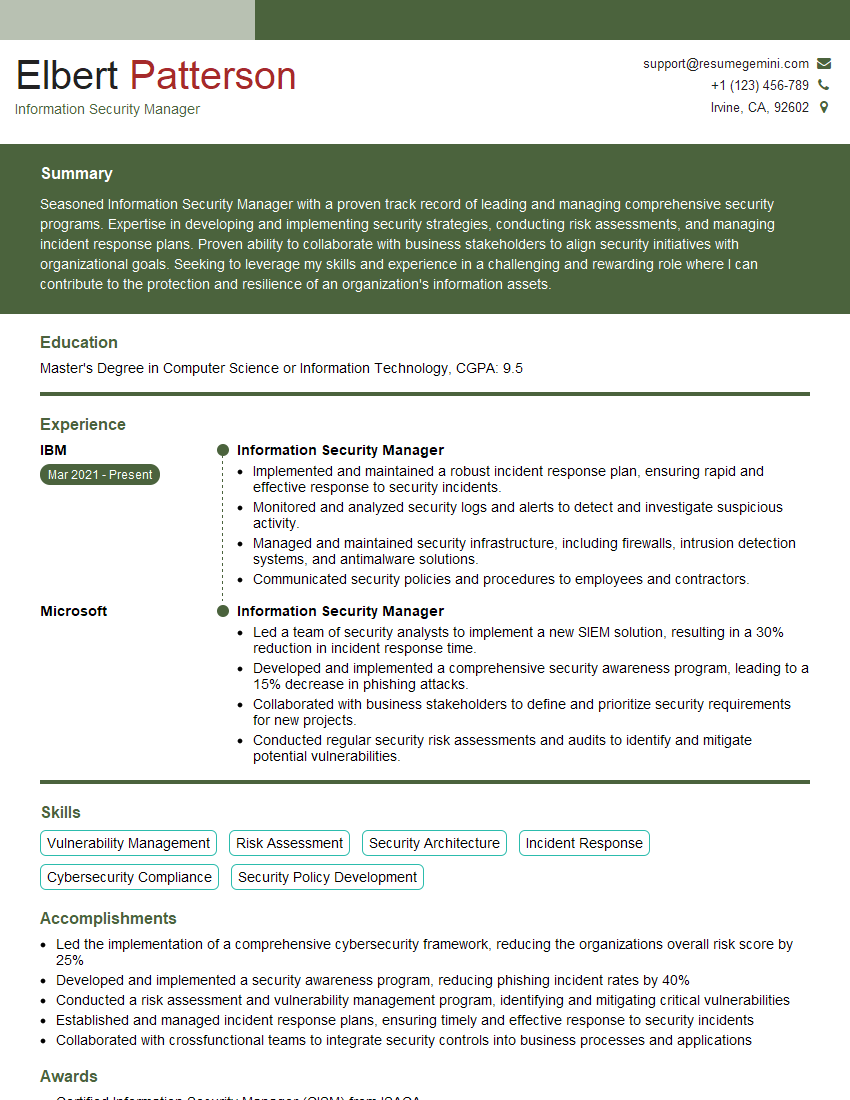
Information Security Manager Resume Sample
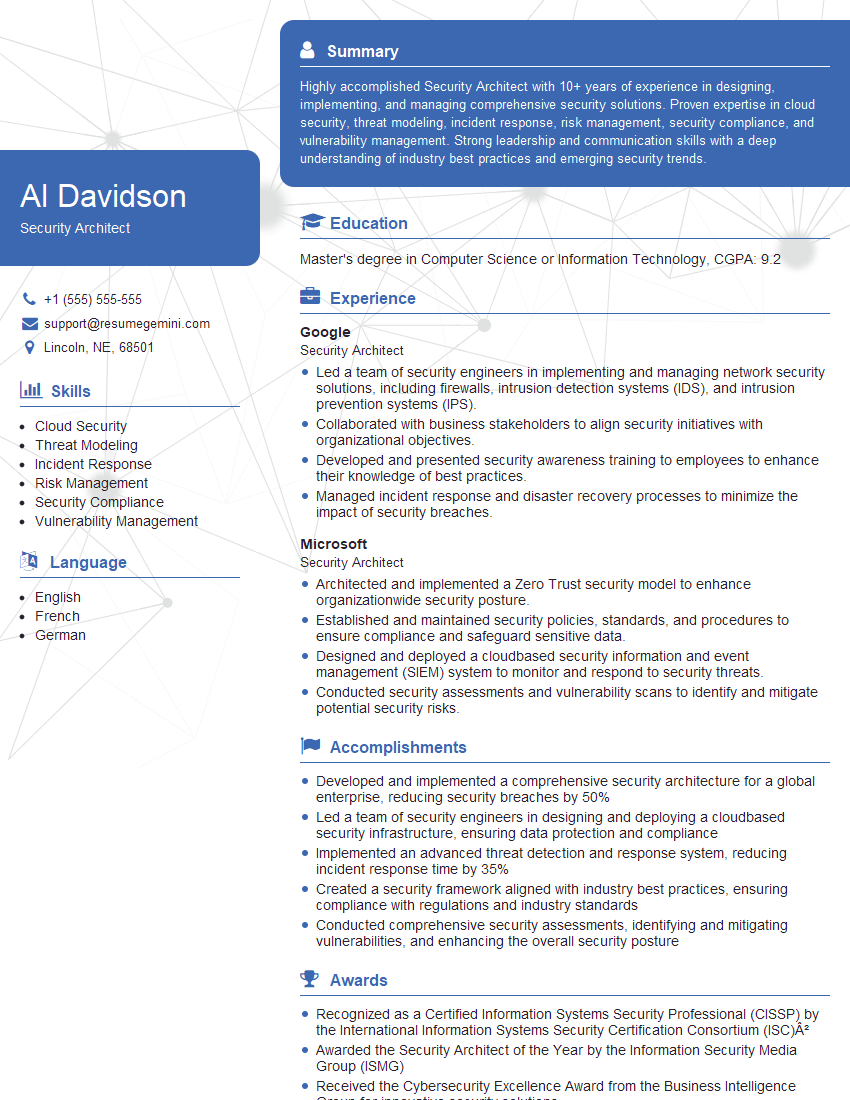
Security Architect Resume Sample
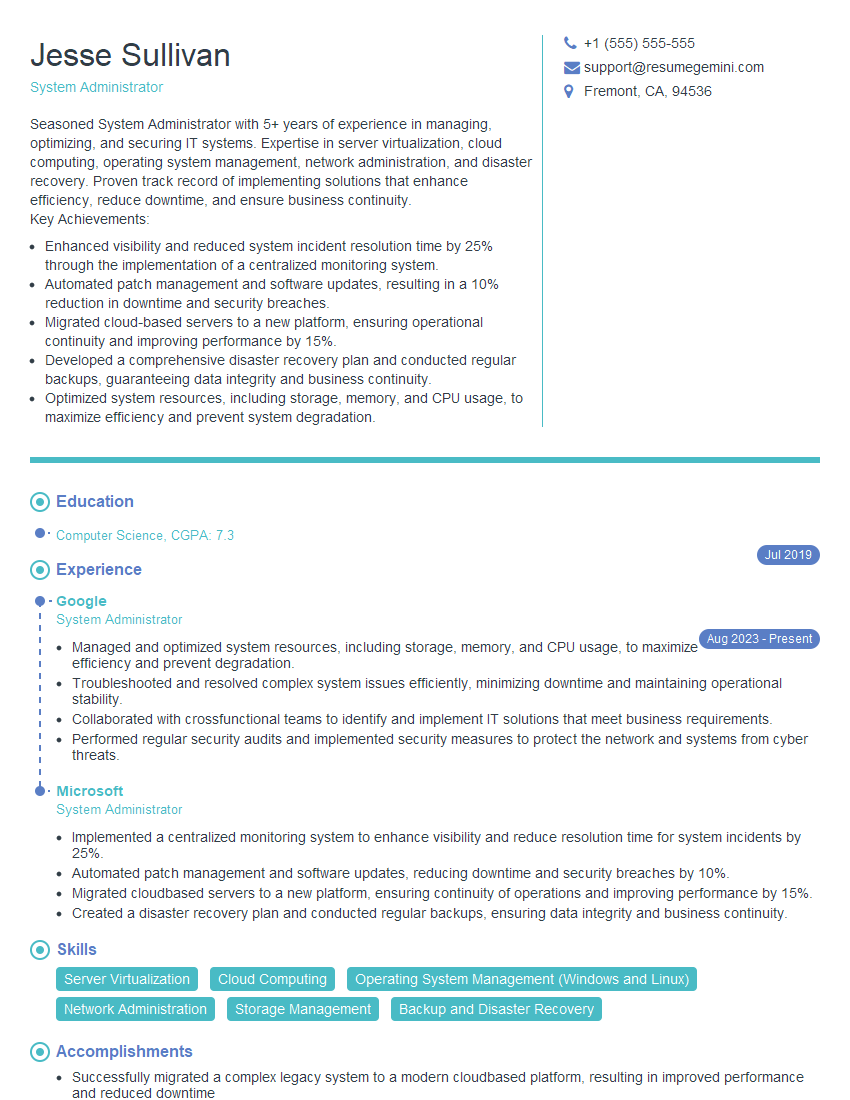
System Administrator Resume Sample
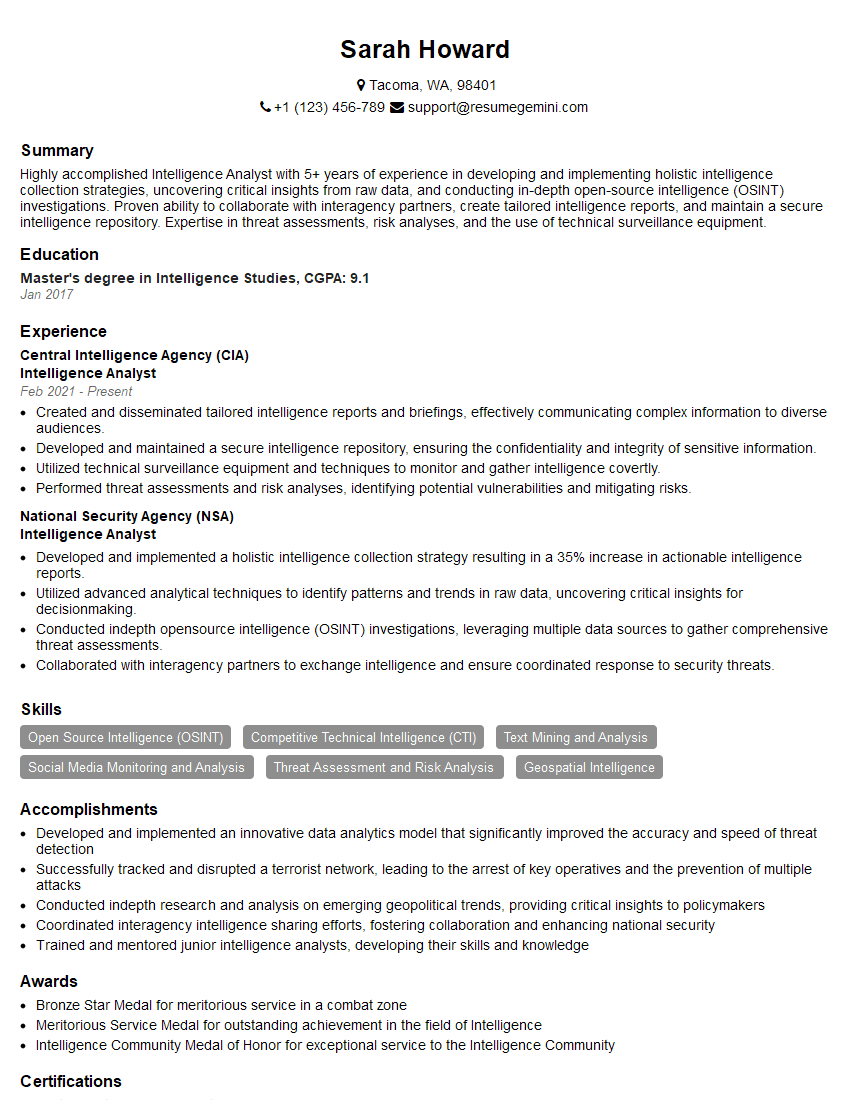
Intelligence Analyst Resume Sample
Explore more articles
Users Rating of Our Blogs
Share Your Experience
We value your feedback! Please rate our content and share your thoughts (optional).
What Readers Say About Our Blog
Very informative content, great job.
good