Are you ready to stand out in your next interview? Understanding and preparing for Target Analysis interview questions is a game-changer. In this blog, we’ve compiled key questions and expert advice to help you showcase your skills with confidence and precision. Let’s get started on your journey to acing the interview.
Questions Asked in Target Analysis Interview
Q 1. Explain the difference between target market and target audience.
While often used interchangeably, ‘target market’ and ‘target audience’ have subtle yet important distinctions. The target market refers to the specific group of customers a company aims to reach based on shared characteristics and needs, representing the overall market segment being pursued. This is a broader, more business-focused term. The target audience, on the other hand, is a more specific subset of the target market, focusing on the consumers within that market who are most likely to engage with a particular product or service. It’s the group you’re specifically tailoring your messaging and campaigns to.
Think of it like this: A company selling luxury cars (target market: high-net-worth individuals) might define its target audience as successful entrepreneurs aged 35-55 with a passion for high-performance vehicles. The target market is the larger pool; the target audience is the prime catch within that pool.
Q 2. Describe your experience with different target analysis methodologies.
My experience encompasses a wide array of target analysis methodologies. I’ve extensively used demographic segmentation (age, gender, income, location), psychographic segmentation (lifestyle, values, personality), behavioral segmentation (purchase history, brand loyalty, usage rate), and geographic segmentation (region, climate, urban/rural). I’m also proficient in employing more advanced techniques like cohort analysis to understand the behavior of specific customer groups over time, and value-based segmentation to identify customers based on their willingness to pay and perceived value of a product. In one project, I combined demographic and behavioral data to successfully identify a high-value, under-served segment for a client, leading to a significant increase in their market share. For another client, a detailed psychographic analysis allowed us to precisely craft messaging that resonated deeply with their target audience, resulting in a much higher conversion rate.
Q 3. How do you identify and segment a target market?
Identifying and segmenting a target market is a multi-step process. It begins with thorough market research, gathering data through surveys, focus groups, competitor analysis, and market trend reports. This data helps identify potential customer groups. Next, we use various segmentation techniques mentioned earlier to cluster customers into meaningful groups based on shared characteristics. I typically employ a combination of quantitative and qualitative data to create a comprehensive view.
For example, a company launching a new line of athletic wear might segment its market by demographics (age, gender, fitness level), psychographics (health consciousness, athletic goals), and behavioral factors (frequency of exercise, preferred workout types). This allows for a more nuanced and precise understanding of each segment’s needs and preferences.
The segmentation process involves refining these groups based on their potential profitability and accessibility. We prioritize segments most likely to respond positively to our offerings and are reachable through our marketing channels.
Q 4. What are the key factors to consider when developing a target market profile?
Developing a robust target market profile necessitates considering several key factors: demographics (age, gender, income, education, occupation, family size), psychographics (lifestyle, values, attitudes, interests, opinions), geographic factors (location, climate, urban/rural), behavioral characteristics (purchase history, brand loyalty, usage rate, media consumption), and needs and pain points (what problems does the product or service solve for this group?).
Each of these factors provides a piece of the puzzle. Combining them generates a rich understanding of the target market. For instance, a profile might describe a target market as “affluent, tech-savvy, environmentally conscious women aged 30-45 living in urban areas who value sustainability and convenience.” This detailed profile guides all marketing efforts, from product development to messaging.
Q 5. How do you measure the effectiveness of a target marketing campaign?
Measuring the effectiveness of a target marketing campaign requires a multifaceted approach. Key metrics include reach (how many people saw the message), engagement (likes, shares, comments), website traffic (visits from targeted campaigns), conversion rates (how many people took desired action – purchase, sign-up, etc.), and return on investment (ROI).
I typically use a combination of marketing analytics dashboards and A/B testing to track the campaign’s performance. A/B testing allows for comparing different versions of marketing materials to identify what resonates best with the target audience. Analyzing these metrics gives us insights into campaign effectiveness, identifying what’s working and what needs adjustment. This iterative process ensures campaign optimization and maximal impact.
Q 6. What are some common challenges in conducting target analysis?
Conducting target analysis presents several challenges. Data accuracy and availability can be a significant hurdle; reliable data might be limited or expensive. Defining target market boundaries can be ambiguous, requiring careful consideration of the market’s scope and potential for growth. Keeping up with market changes is crucial, as demographics, lifestyles, and needs evolve. Additionally, budget constraints can limit the scope and depth of the analysis. Finally, properly interpreting complex datasets requires expertise and careful analysis, minimizing bias and ensuring reliable conclusions.
Q 7. How do you handle conflicting data sources when performing target analysis?
Conflicting data sources are a common issue in target analysis. I address this by employing a triangulation approach, validating findings across multiple sources. This means comparing data from various sources (surveys, focus groups, sales data, etc.) and looking for patterns and consistencies. Where discrepancies exist, I investigate the reasons behind the conflicts – is one source more reliable, or are there methodological differences?
I carefully assess data quality, considering factors such as sample size, methodology, and potential bias. Sometimes, data cleaning and transformation are needed to ensure consistency. If irreconcilable differences remain, I clearly document them and explain the potential implications for the analysis in my report. Transparency is paramount.
Q 8. Describe your experience with qualitative and quantitative target analysis methods.
Target analysis relies heavily on both qualitative and quantitative methods to paint a complete picture of the target audience. Qualitative methods delve into the why behind consumer behavior, providing rich insights into motivations, attitudes, and perceptions. This is achieved through techniques like in-depth interviews, focus groups, and ethnographic studies. For example, I once conducted focus groups with potential customers to understand their frustrations with existing products in the market, leading to the development of a completely new feature set. Conversely, quantitative methods use numerical data to understand the what – the size, demographics, and buying patterns of the target market. Surveys, statistical analysis of sales data, and market research reports fall under this category. A quantitative study might reveal that 60% of our target demographic are female, aged 25-40, with an average household income exceeding $75,000. By combining both approaches, we build a robust understanding of our target market that’s both insightful and statistically sound.
Q 9. Explain the concept of a buyer persona and its role in target analysis.
A buyer persona is a semi-fictional representation of your ideal customer. It’s more than just demographics; it encompasses their goals, frustrations, values, and even their daily routines. Think of it as a detailed character sketch of your target customer. For instance, a buyer persona for a premium organic coffee brand might be ‘Sarah,’ a 35-year-old marketing executive who values sustainability, health, and convenience. She starts her day early, enjoys a quiet moment with her coffee, and is willing to pay a premium for high-quality, ethically sourced beans. In target analysis, buyer personas are crucial because they help us tailor marketing messages and product development to resonate with specific customer needs and aspirations. This personalized approach leads to increased engagement and conversion rates. Without a clearly defined persona, marketing efforts often become generic and ineffective.
Q 10. How do you use data visualization to communicate findings from target analysis?
Data visualization is paramount in communicating the findings of target analysis effectively. Instead of presenting lengthy reports filled with numbers, I prefer to use compelling visuals to convey complex information concisely. Charts, graphs, and maps are invaluable. For example, I might use a geographic heatmap to show the regional concentration of our ideal customer base, or a pie chart to illustrate the market share of different segments. Interactive dashboards are particularly effective, allowing stakeholders to explore the data at their own pace and drill down into specific details. The key is to choose the right visualization type for each data point, ensuring clarity and minimizing cognitive load. A well-designed visualization makes it easy for even non-technical individuals to understand the key insights and implications of the target analysis.
Q 11. How do you prioritize target segments?
Prioritizing target segments involves a multi-faceted approach, typically utilizing a weighted scoring system. I consider factors like segment size (market potential), profitability (profit margins and customer lifetime value), accessibility (ease of reaching and engaging the segment), and competitive intensity. Each factor is assigned a weight based on its strategic importance. For instance, a high-growth, highly profitable segment with low competitive pressure might receive a much higher score than a large but low-margin segment with intense competition. This weighted scoring helps objectively rank segments, enabling us to focus our resources on the most promising targets. This approach helps avoid spreading resources thinly across less effective segments, optimizing resource allocation and maximizing impact.
Q 12. How do you determine the size and potential of a target market?
Determining the size and potential of a target market involves a combination of secondary and primary research. Secondary research utilizes existing data sources like market research reports, census data, and industry publications to estimate market size. Primary research, involving surveys, focus groups, or experimental studies, helps refine these estimates and gain a deeper understanding of customer behavior. Let’s say we’re analyzing the market for electric vehicles. We might start with secondary data to get an overall market size estimate. Then, we use primary research (e.g., surveys) to identify specific segments within the market (e.g., urban dwellers, environmentally conscious consumers) and assess their purchasing intent and willingness to pay. Combining these approaches leads to a comprehensive understanding of the target market’s size, growth potential, and overall attractiveness.
Q 13. What are the ethical considerations in conducting target analysis?
Ethical considerations in target analysis are crucial. Data privacy is paramount. I always ensure that any data collection methods comply with relevant regulations like GDPR and CCPA. Transparency is key; individuals should be aware of how their data is being collected and used. Avoiding discriminatory practices is essential – targeting segments based on factors like race, religion, or sexual orientation without legitimate business reasons is unethical and potentially illegal. Moreover, ensuring data accuracy and avoiding misleading or manipulative marketing practices are critical for maintaining integrity and building trust with customers. Responsible use of data is paramount for long-term success and to maintain ethical conduct.
Q 14. Describe your experience with different market research techniques.
My experience encompasses a wide array of market research techniques. I’ve extensively used surveys (both online and offline) for quantitative data collection, focus groups and in-depth interviews for qualitative insights, and observational studies for understanding consumer behavior in real-world settings. A/B testing has been instrumental in optimizing marketing campaigns, and conjoint analysis has helped understand customer preferences and trade-offs between different product features. Additionally, I have utilized social media listening and sentiment analysis to gauge public opinion and understand brand perception. Each method offers unique advantages depending on the research objective. I always tailor the methods to the specific context, selecting the most appropriate techniques to maximize efficiency and accuracy.
Q 15. How do you use target analysis to inform marketing strategy?
Target analysis is the cornerstone of effective marketing. It’s not just about identifying a group of people; it’s about deeply understanding their needs, motivations, and behaviors to craft marketing messages that resonate. We use target analysis to inform strategy by defining our ideal customer profile (ICP), which guides every aspect of our marketing efforts, from messaging and channel selection to budget allocation and campaign measurement.
For example, if our analysis reveals our target audience is highly active on Instagram and values sustainability, we’ll focus our budget on Instagram ads featuring environmentally friendly products and messaging. Conversely, if our analysis shows they prefer in-depth product information, we’ll prioritize content marketing such as blog posts and detailed product descriptions.
Essentially, target analysis allows us to move beyond broad demographic targeting to precision marketing, maximizing ROI and minimizing wasted resources.
Career Expert Tips:
- Ace those interviews! Prepare effectively by reviewing the Top 50 Most Common Interview Questions on ResumeGemini.
- Navigate your job search with confidence! Explore a wide range of Career Tips on ResumeGemini. Learn about common challenges and recommendations to overcome them.
- Craft the perfect resume! Master the Art of Resume Writing with ResumeGemini’s guide. Showcase your unique qualifications and achievements effectively.
- Don’t miss out on holiday savings! Build your dream resume with ResumeGemini’s ATS optimized templates.
Q 16. How do you stay current with trends in target analysis?
Staying current in target analysis requires a multifaceted approach. I actively follow industry publications like MarketingProfs and the Harvard Business Review, attending webinars and conferences, and participating in professional networks like the American Marketing Association. I also track the latest research on consumer behavior, emerging technologies (like AI-powered market research tools), and changing social and economic trends. This constant learning ensures my strategies remain relevant and effective.
Furthermore, I regularly review case studies of successful marketing campaigns to identify best practices and adapt them to my own work. It’s crucial to stay ahead of the curve as consumer preferences and marketing landscapes evolve rapidly.
Q 17. What tools and software are you proficient in for target analysis?
My proficiency spans several tools and software critical for target analysis. I’m highly skilled in using data analysis platforms like Tableau and Power BI for visualizing and interpreting customer data. For statistical analysis, I utilize R and Python, employing packages like pandas and scikit-learn for segmentation and predictive modeling. I also have extensive experience with CRM systems (Salesforce, HubSpot) to extract and manage customer data and marketing automation platforms (Marketo, Pardot) to analyze campaign performance and its impact on various segments.
Beyond these, I’m adept at using survey tools like Qualtrics and Google Forms for primary research, and I utilize social listening tools to gather insights from online conversations about our brand and industry.
Q 18. Explain your approach to analyzing customer data for target market identification.
My approach to analyzing customer data for target market identification is systematic and data-driven. It begins with clearly defining the business objectives – what are we trying to achieve through this analysis? Then, I collect relevant data from various sources: CRM systems, website analytics, transaction history, market research reports, and customer surveys.
Next, I perform data cleaning and preprocessing to ensure its accuracy and consistency. I then employ various techniques, such as clustering algorithms (K-means, hierarchical clustering) and segmentation methods (RFM analysis, demographic segmentation, psychographic segmentation) to identify distinct customer groups. This involves using statistical analysis and visualization to understand the characteristics and behaviors of each segment.
Finally, I profile each segment, creating detailed descriptions of their demographics, psychographics, needs, and pain points. This detailed understanding forms the basis for developing targeted marketing strategies.
Q 19. How do you incorporate customer feedback into target analysis?
Customer feedback is invaluable for refining target analysis. I actively incorporate feedback through various channels, including customer surveys, reviews, social media monitoring, and focus groups. This qualitative data complements the quantitative data from other sources, providing a richer and more nuanced understanding of our target market.
For instance, negative reviews might highlight unmet needs or product shortcomings, while positive reviews can reveal aspects that resonate strongly with customers. This feedback loop ensures our target analysis remains dynamic and adaptable, allowing us to continuously refine our understanding and optimize our marketing strategies.
Q 20. Describe a time you had to make a difficult decision based on target analysis data.
In a previous role, we were launching a new product and our initial target analysis pointed towards a broad, general audience. However, as we progressed, the data revealed a smaller, highly engaged segment with a specific need that our product uniquely addressed. This presented a difficult choice: continue targeting the broader audience, potentially wasting resources, or focusing on the smaller, high-potential segment.
After careful consideration of the risks and potential rewards, backed by further analysis demonstrating the higher conversion rate within the niche segment, we decided to prioritize the smaller, highly engaged group. This proved to be the correct decision, leading to higher conversion rates and a faster return on investment than initially anticipated by targeting the broad market.
Q 21. How do you handle uncertainty and incomplete data during target analysis?
Handling uncertainty and incomplete data is a common challenge in target analysis. My approach involves a combination of techniques. Firstly, I critically evaluate the available data to assess its reliability and identify any biases. Secondly, I use data imputation techniques (like mean imputation or K-Nearest Neighbors) to fill in missing data points, while acknowledging the limitations of this approach and clearly communicating any assumptions made.
When data is truly scarce, I might employ qualitative research methods like in-depth interviews or focus groups to gather additional insights. Finally, I always communicate the degree of uncertainty in my analysis and recommendations, emphasizing that the findings are based on the available data and might need revision as more information becomes available. Transparency is key in handling situations with incomplete data.
Q 22. How do you validate your target market analysis?
Validating a target market analysis is crucial to ensure its accuracy and usefulness. It’s not just about gathering data; it’s about confirming that your assumptions about your target market are correct and that your chosen segment is viable. This involves a multi-pronged approach.
Data Triangulation: Don’t rely on a single data source. Compare findings from surveys, focus groups, market research reports, and sales data. Discrepancies should prompt further investigation.
Qualitative Feedback: Incorporate qualitative data from customer interviews and feedback sessions. This provides richer insights into customer motivations, needs, and pain points, which quantitative data often misses.
Real-World Testing: Pilot your marketing campaigns or product offerings with a smaller subset of your target market. Monitor response rates, conversion rates, and customer feedback to assess the effectiveness of your targeting.
Competitive Analysis: Analyze the strategies of competitors who successfully target similar markets. Identify what works for them and what doesn’t. Benchmarking provides valuable insights and helps to validate your own approach.
Regular Review and Adjustment: Target markets are not static. Regularly review your analysis, especially after significant market changes, new competitor entry, or changes in your own business strategy. Continuously validate and refine.
For example, if my analysis suggested a strong interest in a new eco-friendly product among young professionals, I’d validate this by comparing survey data with sales figures for similar products, interviewing young professionals about their environmental concerns, and running a small-scale ad campaign targeting this group to observe its effectiveness.
Q 23. What are some common pitfalls to avoid in target analysis?
Several common pitfalls can derail a target market analysis. Avoiding these is key to a successful outcome.
Too Broad a Definition: Defining a target market that’s too broad makes it impossible to effectively reach or resonate with your audience. Specificity is key.
Ignoring Data: Relying on assumptions or gut feelings rather than data-driven insights can lead to inaccurate targeting and wasted resources.
Neglecting Segmentation: Failing to segment your target market into smaller, more homogeneous groups can result in ineffective marketing messages.
Insufficient Customer Understanding: Not thoroughly understanding customer needs, motivations, and pain points leads to marketing campaigns that fall flat.
Lack of Competitive Analysis: Overlooking competitor strategies and market dynamics can result in missed opportunities and ineffective positioning.
Ignoring Technological Advancements: Failing to leverage relevant technologies for better targeting and analysis, such as AI-powered analytics or CRM systems, limits the effectiveness of your strategy.
For instance, assuming all millennials are interested in a particular product without considering sub-segments based on lifestyle, income, or location would be a major mistake. Similarly, neglecting data on competitor pricing and marketing strategies could lead to a poorly positioned product.
Q 24. How do you present target analysis findings to stakeholders?
Presenting target analysis findings to stakeholders requires clarity, conciseness, and compelling visuals. The goal is to communicate key insights effectively and gain buy-in for the proposed target marketing strategy.
Executive Summary: Begin with a concise summary of the key findings, including the size and characteristics of the target market and the recommended marketing approach.
Visualizations: Use charts, graphs, and maps to present data visually. This makes complex information easier to understand and remember.
Key Metrics: Focus on the metrics that matter most to stakeholders, such as market size, potential revenue, and customer lifetime value.
Actionable Recommendations: Clearly outline the recommended actions based on the analysis, including specific marketing strategies and budget allocations.
Q&A Session: Allow time for questions and discussion to address stakeholder concerns and ensure everyone is on the same page.
For example, I’d use a pie chart to illustrate the market share of different segments, a bar chart to compare key demographic characteristics, and a map to visualize geographic distribution. I would also present a table outlining projected ROI for the different target market options.
Q 25. Explain the importance of defining clear objectives before conducting target analysis.
Defining clear objectives before conducting a target analysis is paramount. Without well-defined goals, the analysis becomes aimless, potentially leading to wasted time, resources, and an unclear direction.
Clear objectives provide a framework for the entire process. They guide the data collection, analysis, and interpretation, ensuring that the resulting insights are relevant and actionable. They also help to measure the success of the target marketing strategy.
For example, if the objective is to increase market share by 15% within the next year, the target analysis will focus on identifying the specific segments most likely to contribute to this growth. Without this objective, the analysis might explore numerous segments without prioritizing those with the highest growth potential.
In essence, objectives act as a compass, directing the entire target analysis process towards a specific and measurable goal.
Q 26. How do you adapt your target analysis approach to different industries?
The approach to target analysis needs to adapt to the specific characteristics of each industry. Industries differ significantly in their customer demographics, purchasing behaviors, and marketing channels.
B2B vs. B2C: B2B target analysis focuses on identifying key decision-makers within organizations, while B2C focuses on individual consumer characteristics and preferences.
Industry-Specific Data: The relevant data sources and metrics vary across industries. For example, in the healthcare industry, regulatory compliance and patient demographics are crucial considerations, whereas in the tech industry, technological adoption rates and online behavior are more important.
Marketing Channels: The most effective marketing channels also differ. Trade shows might be crucial for B2B industries, while social media might be more effective for B2C.
Competitive Landscape: The level of competition and the strategies of competitors are industry-specific, requiring tailored analysis to understand the competitive dynamics.
For example, targeting a new software solution to enterprise clients requires a very different approach than targeting a new consumer product. In the enterprise market, I might focus on LinkedIn advertising and industry events, while for the consumer product, I might focus on social media marketing and influencer collaborations.
Q 27. Describe a situation where you had to revise your target market strategy.
I once worked on a project targeting a new fitness app to young urban professionals. Our initial target analysis indicated a strong interest in the app among this group, based on survey data and competitor analysis. However, after launching a marketing campaign, we discovered that the actual engagement and conversion rates were much lower than expected.
Further investigation revealed that while many young urban professionals expressed interest, the app’s pricing and features weren’t as appealing as we initially thought. Our analysis hadn’t adequately captured the price sensitivity and specific feature preferences within this segment. This led us to revise our target market strategy. We adjusted the pricing, enhanced specific features based on user feedback, and redefined our target audience to focus on a more affluent subset of young professionals who were less price-sensitive.
This experience taught me the importance of iterative refinement in target market analysis and the value of continuous feedback from real-world market testing. It’s crucial to remain flexible and adapt to new insights as they emerge.
Q 28. How do you measure the return on investment (ROI) of a target marketing campaign?
Measuring the ROI of a target marketing campaign requires a clear understanding of the costs and the resulting revenue or other benefits. It’s not a simple calculation and depends on the specific objectives of the campaign.
Attribution Modeling: Determine which marketing activities directly led to conversions or sales. This can be complex, especially with multi-channel campaigns.
Cost Calculation: Track all marketing expenses, including advertising, content creation, personnel costs, and technology.
Revenue Measurement: Measure the increase in revenue or sales attributable to the campaign. This requires accurate tracking of sales and marketing data.
Customer Lifetime Value (CLTV): Consider the long-term value of acquiring new customers through the campaign. A customer who makes repeat purchases contributes more to the overall ROI than a one-time buyer.
Qualitative Metrics: While financial metrics are essential, also consider qualitative factors like brand awareness, lead generation, and customer engagement.
The ROI can be calculated using a simple formula: (Revenue Generated - Marketing Costs) / Marketing Costs. However, this formula requires accurate attribution and careful consideration of all costs and revenues.
For example, if a campaign cost $10,000 and generated $50,000 in revenue, the ROI would be 400%. But this doesn’t consider the long-term value of acquired customers or the potential impact on brand awareness.
Key Topics to Learn for Target Analysis Interview
- Defining Target Markets: Understanding the process of identifying and segmenting potential customer groups based on demographics, psychographics, behavior, and needs.
- Market Research Methods: Applying qualitative and quantitative research techniques like surveys, focus groups, and data analysis to gain insights into target market preferences and behaviors.
- Competitive Analysis: Evaluating the competitive landscape, identifying key competitors, and understanding their strengths and weaknesses to inform targeting strategies.
- Target Audience Personas: Creating detailed profiles representing ideal customers, including their motivations, pain points, and purchasing habits.
- Marketing Channel Selection: Determining the most effective channels (e.g., social media, email, print) to reach the defined target audience.
- Measuring Campaign Effectiveness: Utilizing key performance indicators (KPIs) to track campaign performance and make data-driven adjustments to targeting strategies.
- Data Interpretation and Reporting: Analyzing data from various sources to present clear, concise, and actionable insights to stakeholders.
- Ethical Considerations in Target Marketing: Understanding and adhering to ethical guidelines and regulations related to data privacy and responsible targeting practices.
Next Steps
Mastering Target Analysis is crucial for career advancement in marketing, sales, and business development. A strong understanding of target markets enables you to create effective strategies, optimize resource allocation, and ultimately drive business growth. To maximize your job prospects, it’s essential to create a resume that is both compelling and ATS-friendly. ResumeGemini is a trusted resource to help you build a professional resume that highlights your skills and experience effectively. Examples of resumes tailored to Target Analysis are available to help you craft a winning application.
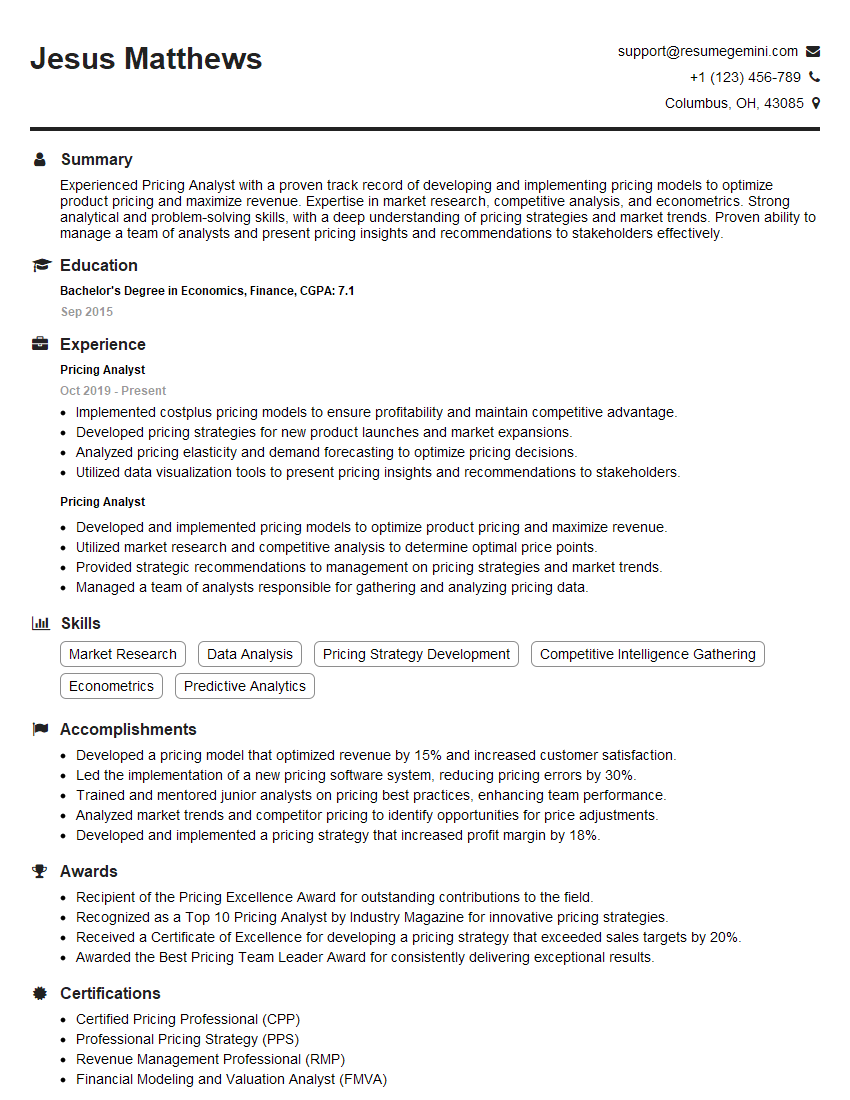
Pricing Analyst Resume Sample
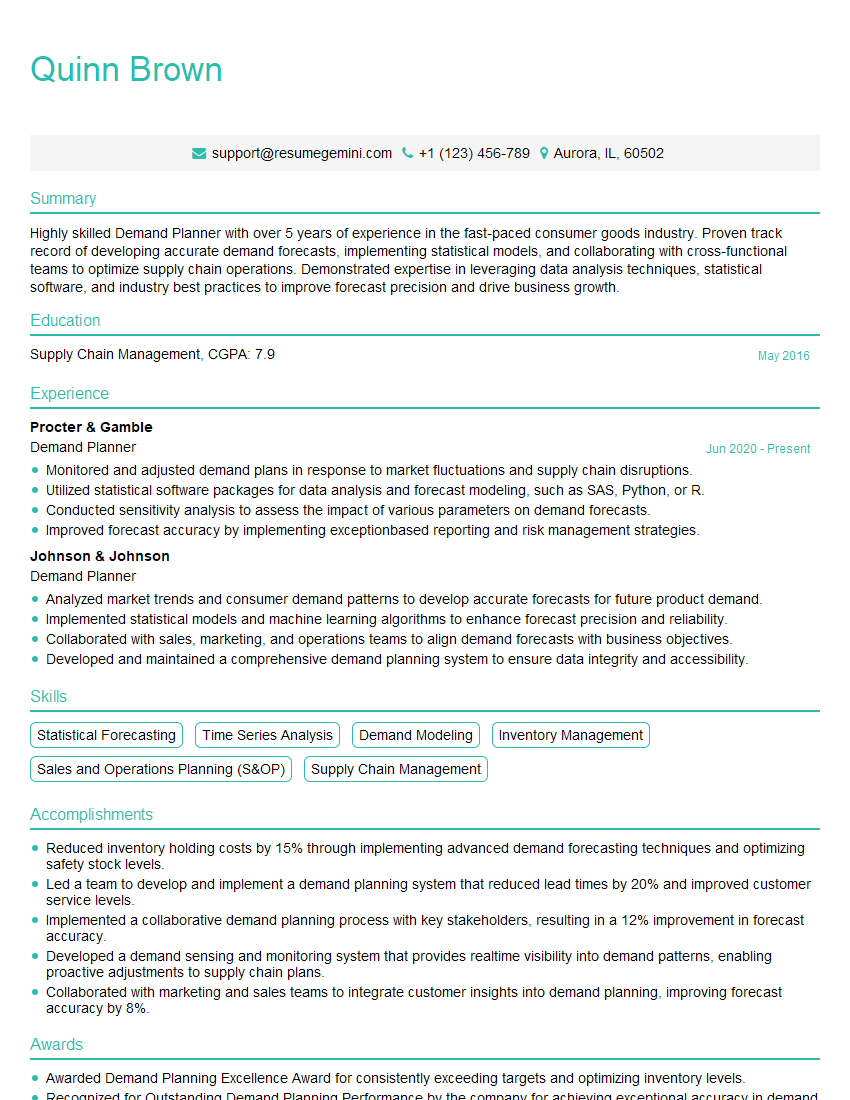
Demand Planner Resume Sample
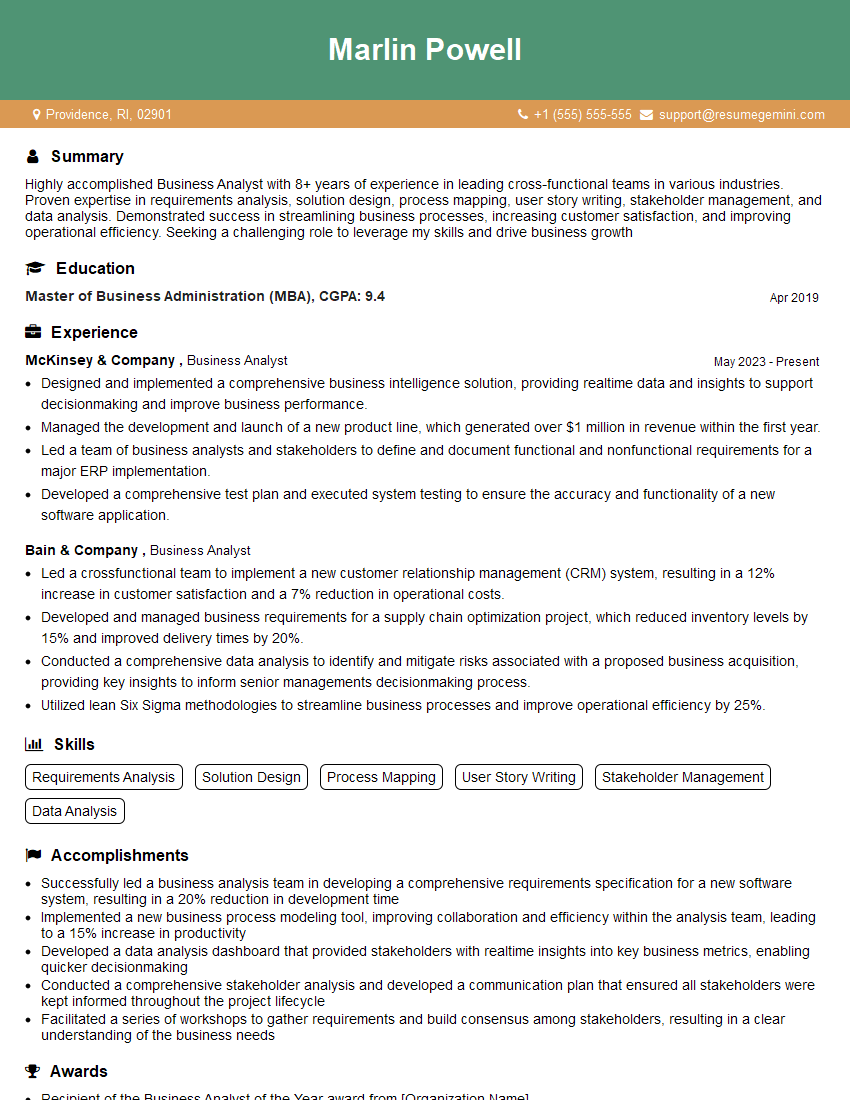
Business Analyst Resume Sample
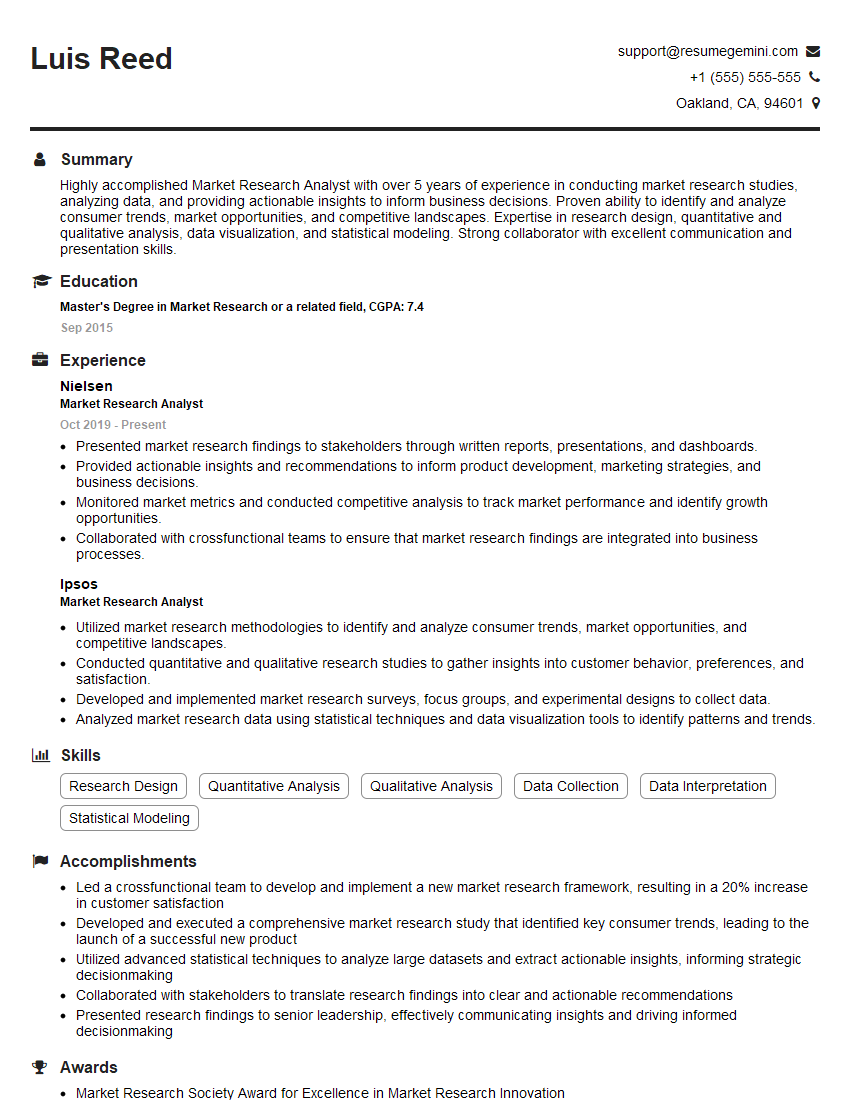
Market Research Analyst Resume Sample
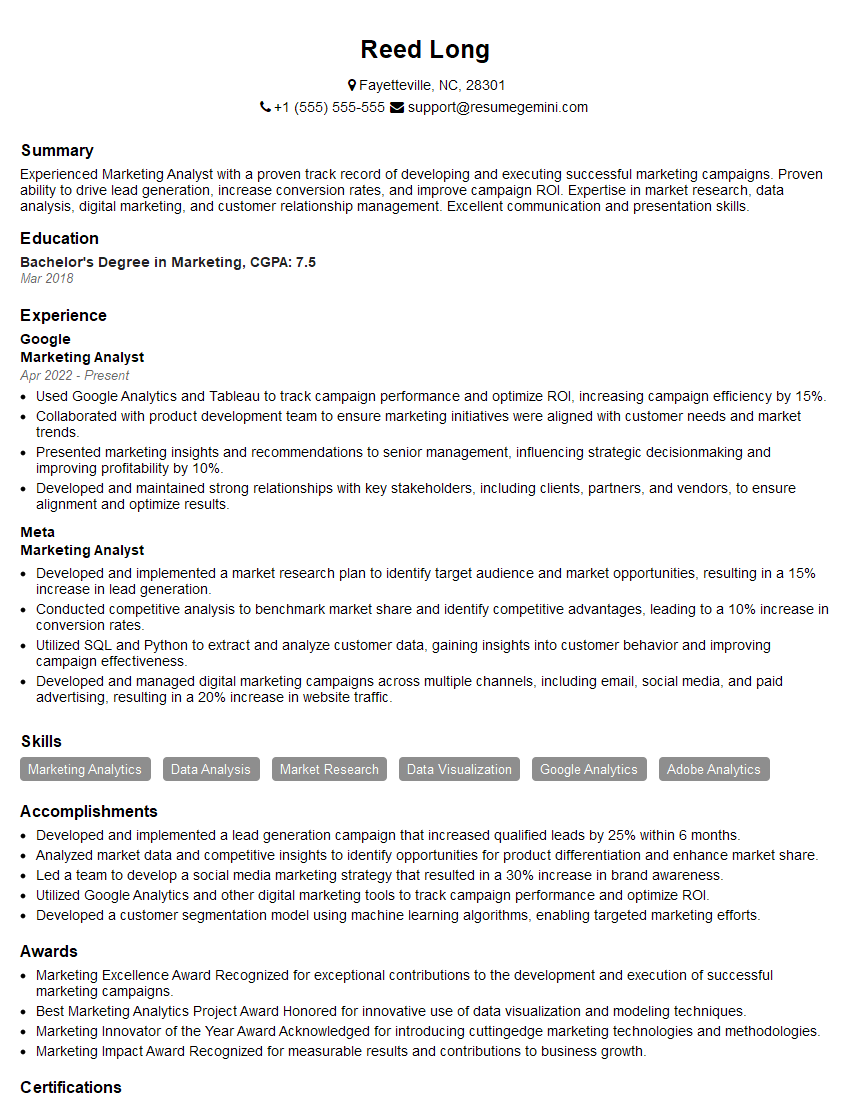
Marketing Analyst Resume Sample
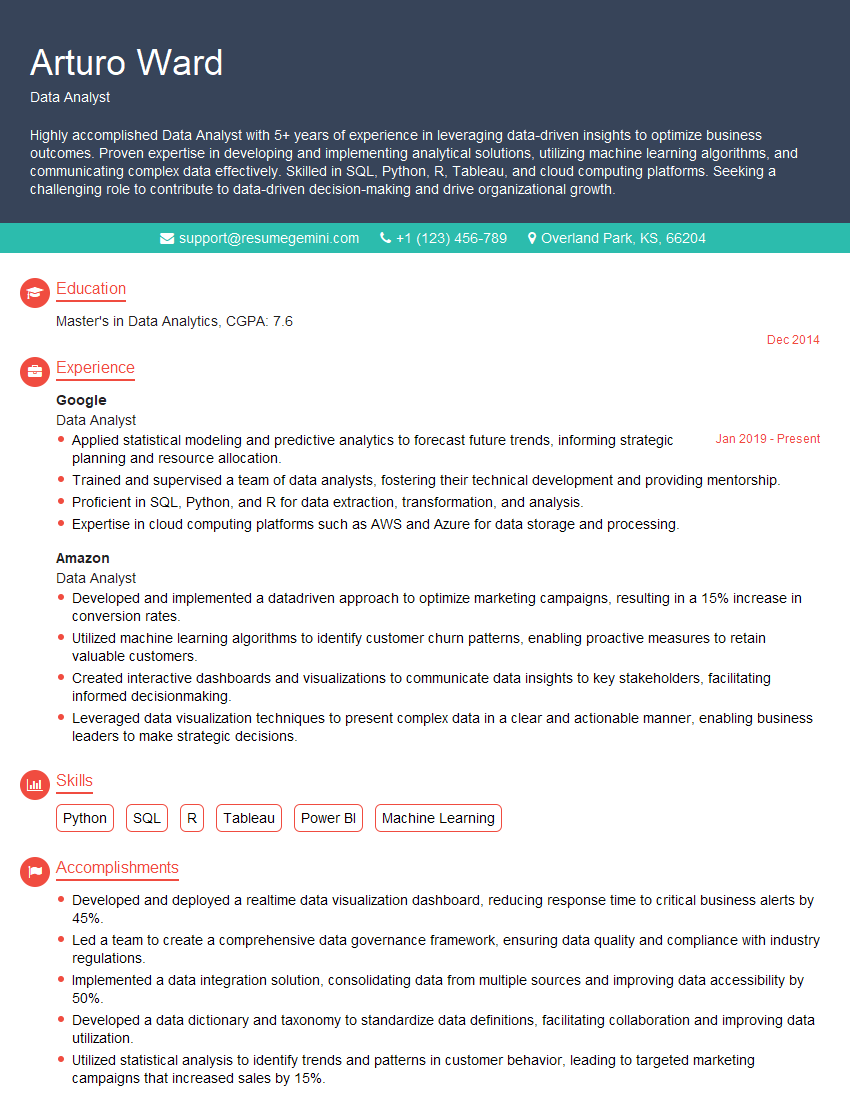
Data Analyst Resume Sample
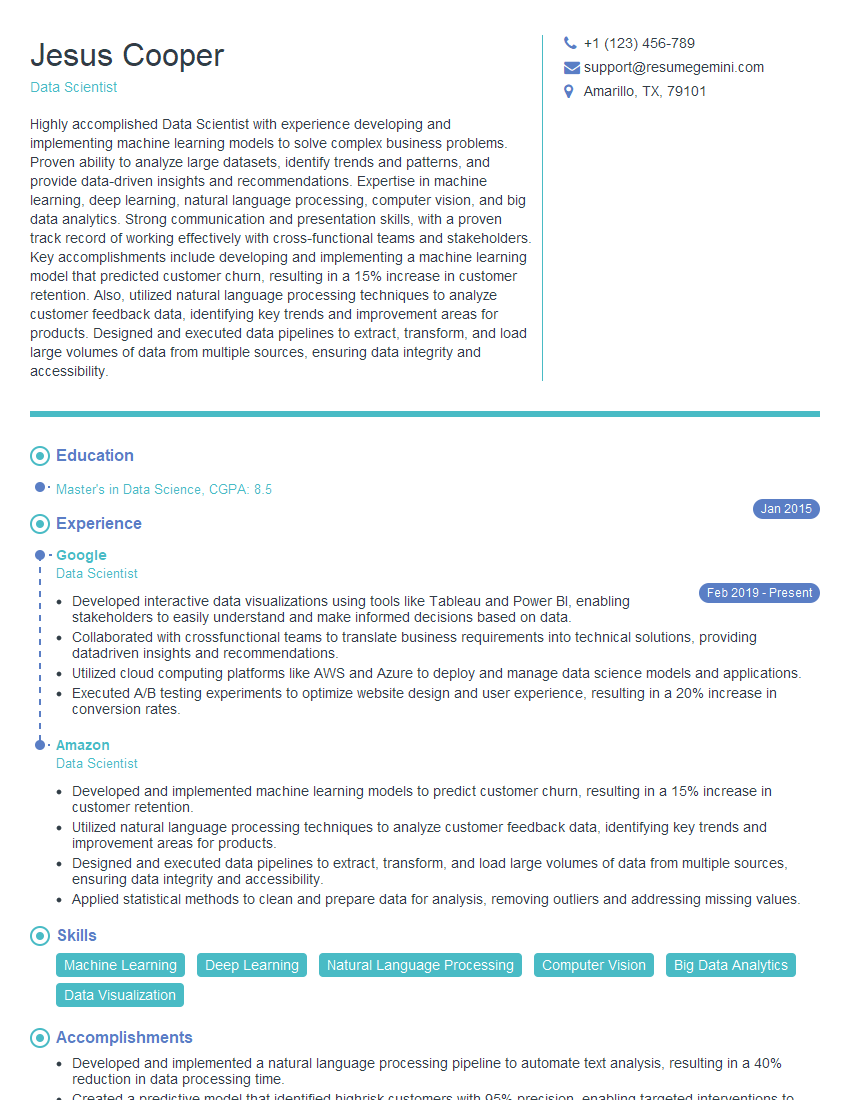
Data Scientist Resume Sample
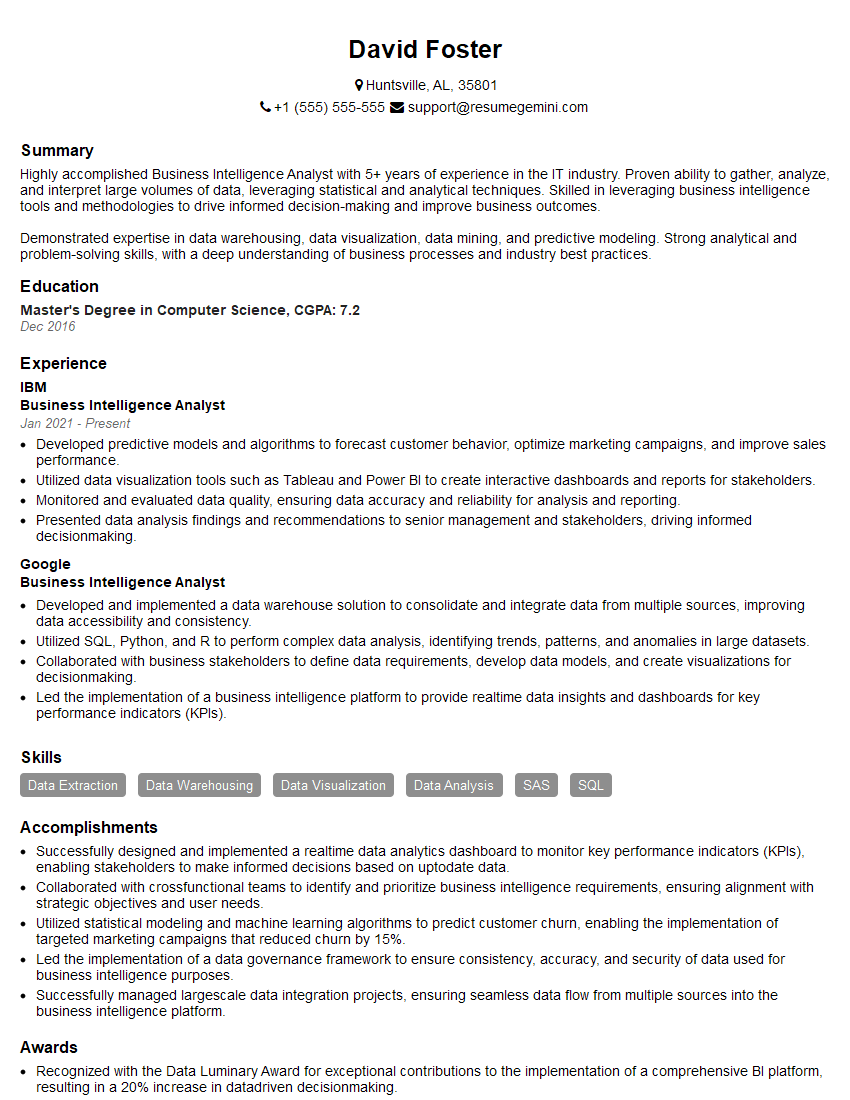
Business Intelligence Analyst Resume Sample
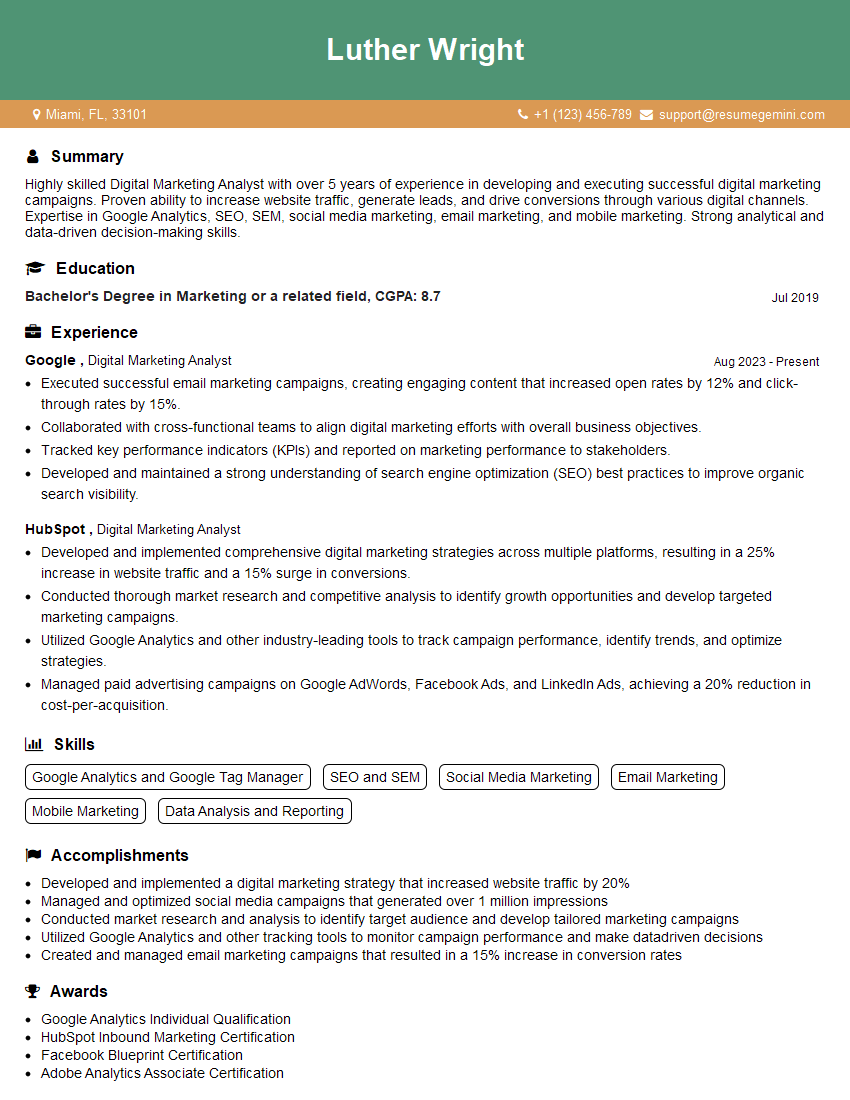
Digital Marketing Analyst Resume Sample
Explore more articles
Users Rating of Our Blogs
Share Your Experience
We value your feedback! Please rate our content and share your thoughts (optional).
What Readers Say About Our Blog
Attention music lovers!
Wow, All the best Sax Summer music !!!
Spotify: https://open.spotify.com/artist/6ShcdIT7rPVVaFEpgZQbUk
Apple Music: https://music.apple.com/fr/artist/jimmy-sax-black/1530501936
YouTube: https://music.youtube.com/browse/VLOLAK5uy_noClmC7abM6YpZsnySxRqt3LoalPf88No
Other Platforms and Free Downloads : https://fanlink.tv/jimmysaxblack
on google : https://www.google.com/search?q=22+AND+22+AND+22
on ChatGPT : https://chat.openai.com?q=who20jlJimmy20Black20Sax20Producer
Get back into the groove with Jimmy sax Black
Best regards,
Jimmy sax Black
www.jimmysaxblack.com
Hi I am a troller at The aquatic interview center and I suddenly went so fast in Roblox and it was gone when I reset.
Hi,
Business owners spend hours every week worrying about their website—or avoiding it because it feels overwhelming.
We’d like to take that off your plate:
$69/month. Everything handled.
Our team will:
Design a custom website—or completely overhaul your current one
Take care of hosting as an option
Handle edits and improvements—up to 60 minutes of work included every month
No setup fees, no annual commitments. Just a site that makes a strong first impression.
Find out if it’s right for you:
https://websolutionsgenius.com/awardwinningwebsites
Hello,
we currently offer a complimentary backlink and URL indexing test for search engine optimization professionals.
You can get complimentary indexing credits to test how link discovery works in practice.
No credit card is required and there is no recurring fee.
You can find details here:
https://wikipedia-backlinks.com/indexing/
Regards
NICE RESPONSE TO Q & A
hi
The aim of this message is regarding an unclaimed deposit of a deceased nationale that bears the same name as you. You are not relate to him as there are millions of people answering the names across around the world. But i will use my position to influence the release of the deposit to you for our mutual benefit.
Respond for full details and how to claim the deposit. This is 100% risk free. Send hello to my email id: [email protected]
Luka Chachibaialuka
Hey interviewgemini.com, just wanted to follow up on my last email.
We just launched Call the Monster, an parenting app that lets you summon friendly ‘monsters’ kids actually listen to.
We’re also running a giveaway for everyone who downloads the app. Since it’s brand new, there aren’t many users yet, which means you’ve got a much better chance of winning some great prizes.
You can check it out here: https://bit.ly/callamonsterapp
Or follow us on Instagram: https://www.instagram.com/callamonsterapp
Thanks,
Ryan
CEO – Call the Monster App
Hey interviewgemini.com, I saw your website and love your approach.
I just want this to look like spam email, but want to share something important to you. We just launched Call the Monster, a parenting app that lets you summon friendly ‘monsters’ kids actually listen to.
Parents are loving it for calming chaos before bedtime. Thought you might want to try it: https://bit.ly/callamonsterapp or just follow our fun monster lore on Instagram: https://www.instagram.com/callamonsterapp
Thanks,
Ryan
CEO – Call A Monster APP
To the interviewgemini.com Owner.
Dear interviewgemini.com Webmaster!
Hi interviewgemini.com Webmaster!
Dear interviewgemini.com Webmaster!
excellent
Hello,
We found issues with your domain’s email setup that may be sending your messages to spam or blocking them completely. InboxShield Mini shows you how to fix it in minutes — no tech skills required.
Scan your domain now for details: https://inboxshield-mini.com/
— Adam @ InboxShield Mini
Reply STOP to unsubscribe
Hi, are you owner of interviewgemini.com? What if I told you I could help you find extra time in your schedule, reconnect with leads you didn’t even realize you missed, and bring in more “I want to work with you” conversations, without increasing your ad spend or hiring a full-time employee?
All with a flexible, budget-friendly service that could easily pay for itself. Sounds good?
Would it be nice to jump on a quick 10-minute call so I can show you exactly how we make this work?
Best,
Hapei
Marketing Director
Hey, I know you’re the owner of interviewgemini.com. I’ll be quick.
Fundraising for your business is tough and time-consuming. We make it easier by guaranteeing two private investor meetings each month, for six months. No demos, no pitch events – just direct introductions to active investors matched to your startup.
If youR17;re raising, this could help you build real momentum. Want me to send more info?
Hi, I represent an SEO company that specialises in getting you AI citations and higher rankings on Google. I’d like to offer you a 100% free SEO audit for your website. Would you be interested?
Hi, I represent an SEO company that specialises in getting you AI citations and higher rankings on Google. I’d like to offer you a 100% free SEO audit for your website. Would you be interested?