Interviews are more than just a Q&A session—they’re a chance to prove your worth. This blog dives into essential Team Collaboration Tools interview questions and expert tips to help you align your answers with what hiring managers are looking for. Start preparing to shine!
Questions Asked in Team Collaboration Tools Interview
Q 1. Compare and contrast Microsoft Teams, Slack, and Google Workspace.
Microsoft Teams, Slack, and Google Workspace are all popular team collaboration platforms, but they cater to different needs and have distinct strengths. Think of them as three different restaurants – each serving a delicious meal, but with varying menus and ambiances.
- Microsoft Teams: Is deeply integrated into the Microsoft 365 ecosystem. It excels in organizations already heavily invested in Microsoft products like Outlook, SharePoint, and OneDrive. Its strength lies in its robust features for enterprise-level collaboration, including advanced security and compliance features, and comprehensive project management capabilities. Think of it as the fine-dining establishment, offering a sophisticated and comprehensive experience.
- Slack: Is known for its simplicity and intuitive interface. It’s a highly versatile platform favored for its strong third-party app integrations and its chat-centric approach. It’s excellent for fostering quick communication and streamlining workflows, particularly in smaller teams or organizations needing a more lightweight solution. It’s the casual bistro – quick, easy, and customizable to your taste.
- Google Workspace: Provides a comprehensive suite of applications, including Gmail, Drive, Docs, Sheets, and Slides, all seamlessly integrated within the platform. This integration allows for smooth workflow between communication and document collaboration. Google Workspace is particularly strong in document collaboration and offers excellent features for real-time co-editing. This is your all-you-can-eat buffet – a wide range of tools and options are available, making it ideal for many diverse needs.
The best choice depends on your organization’s existing infrastructure, size, and specific collaboration needs. A large enterprise with existing Microsoft investments might favor Teams, whereas a startup might prefer Slack’s ease of use and affordability. Google Workspace is a compelling choice for organizations prioritizing seamless document collaboration and a unified platform.
Q 2. Describe your experience with integrating collaboration tools with existing systems.
My experience with integrating collaboration tools with existing systems has been extensive. It often involves careful planning and a phased approach. For example, when integrating Slack with a company’s CRM system, I first map out the data points needed for seamless communication. This might involve setting up a custom integration using Slack’s API or leveraging a third-party integration tool.
A key aspect is ensuring data consistency and avoiding data silos. This requires careful consideration of data transformation and validation processes. During the integration, rigorous testing is crucial to detect and resolve any discrepancies or conflicts. Post-integration, ongoing monitoring and maintenance are vital for optimal performance and addressing potential issues. I’ve successfully integrated Slack with Salesforce, Microsoft Teams with SharePoint, and Google Workspace with various HR and project management systems, always focusing on a user-friendly experience.
In one project, we integrated Slack with our help desk ticketing system. This allowed our support team to receive updates instantly, respond to clients faster and keep track of every ticket’s status. The integration was done using a custom-built app that automated many tasks, improving workflow efficiency significantly. The result? Faster response times, happier clients and increased productivity.
Q 3. How would you troubleshoot connectivity issues within a team collaboration platform?
Troubleshooting connectivity issues in a team collaboration platform requires a systematic approach. Think of it like diagnosing a car problem – you need to check the basics first before getting into more complex issues.
- Check individual user connectivity: First, verify if the issue is with a single user or the entire team. Is it just one person unable to connect or is it a widespread problem? This helps narrow the focus of your investigation.
- Network connectivity: Ensure users have a stable internet connection and can access other online services. Check for network outages, firewall restrictions, or DNS problems. Sometimes, a simple restart of the router or modem can fix the issue.
- Application status: Check the status of the collaboration platform itself. Many platforms have status pages or online monitoring tools that indicate any ongoing outages or maintenance. This will quickly tell you if the problem is on your end or the platform’s.
- Client-side issues: Check if the collaboration tool application is up-to-date and functioning correctly. Clearing cache and cookies or reinstalling the application can often resolve software glitches.
- Server-side issues (advanced): If the issue persists, it might indicate a server-side problem. In this scenario, contacting the platform’s support team is crucial. They have the tools and expertise to diagnose and resolve more complex technical issues.
By following this systematic approach, you can quickly pinpoint the root cause and implement the necessary solution to restore connectivity, reducing downtime and ensuring team productivity.
Q 4. What are the key features of a successful team collaboration strategy?
A successful team collaboration strategy hinges on several key features: It’s like building a strong house – you need a solid foundation and carefully chosen materials.
- Clear Goals and Objectives: Define the specific goals the team aims to achieve through collaboration. What are the key performance indicators (KPIs)? This provides direction and purpose.
- Defined Roles and Responsibilities: Establish clear roles and responsibilities for each team member to avoid confusion and overlapping tasks. This promotes accountability.
- Appropriate Tool Selection: Choose collaboration tools that best meet the team’s specific needs and preferences. Don’t force a tool that doesn’t fit your workflow.
- Training and Support: Provide adequate training and ongoing support to ensure everyone can effectively utilize the chosen tools. This increases adoption rate.
- Communication Protocols: Establish clear communication protocols and guidelines to ensure efficient information exchange. This prevents misunderstandings and ensures everyone is on the same page.
- Regular Feedback and Evaluation: Regularly gather feedback from team members and evaluate the effectiveness of the collaboration strategy. This allows for continuous improvement.
Implementing these key features ensures the collaborative environment is productive, efficient, and aligned with organizational goals.
Q 5. Explain your understanding of different communication channels within collaboration tools (e.g., chat, video conferencing, file sharing).
Collaboration tools offer diverse communication channels, each suited for specific purposes. Think of them as different tools in a toolbox, each useful in a specific situation.
- Chat: Ideal for quick, informal communication, exchanging files, and immediate feedback. It’s the hammer in the toolbox – used for quick tasks.
- Video Conferencing: Facilitates face-to-face interactions, fostering better understanding and engagement, especially for discussions requiring visual aids or detailed explanations. This is the screwdriver – precise and perfect for detailed work.
- File Sharing: Enables the sharing and co-editing of documents, spreadsheets, presentations, and other files, promoting collaboration on projects. This is the wrench – used for larger and more complex tasks.
- Email Integration: Many collaboration platforms integrate seamlessly with email, allowing for a centralized communication hub. This improves efficiency and avoids scattered communication threads.
- Project Management Tools: Some platforms include built-in project management tools such as task assignments, progress tracking and deadlines. These facilitate planning and execution.
The effective use of these channels depends on context and purpose. For instance, a quick question might be better suited for chat, while a complex problem-solving session might require a video conference.
Q 6. How do you ensure data security and compliance within a team collaboration environment?
Data security and compliance are paramount in a team collaboration environment. This involves a multi-layered approach, like securing a bank vault – multiple safeguards are needed.
- Access Control: Implement strong password policies, multi-factor authentication (MFA), and granular access controls to restrict access to sensitive data based on roles and responsibilities.
- Data Encryption: Ensure data is encrypted both in transit and at rest to protect it from unauthorized access. This adds another layer of protection.
- Regular Security Audits: Conduct regular security audits and penetration testing to identify and address vulnerabilities. This prevents breaches before they can happen.
- Compliance Adherence: Ensure compliance with relevant data privacy regulations, such as GDPR, CCPA, or HIPAA, depending on the industry and location. This prevents legal issues.
- Data Loss Prevention (DLP): Implement DLP measures to prevent sensitive data from leaving the organization’s control. This ensures data stays within the company.
- Employee Training: Educate employees on security best practices, such as phishing awareness and password management. This safeguards the human element of security.
By implementing these measures, organizations can minimize the risk of data breaches, maintain compliance, and protect sensitive information within the collaboration environment.
Q 7. Describe your experience with managing user access and permissions in collaboration tools.
Managing user access and permissions is crucial for maintaining data security and controlling access to sensitive information within a collaboration tool. This involves a structured approach, akin to managing access to a building – you wouldn’t give everyone a key.
My experience involves utilizing the built-in permission management features of each platform. For instance, in Microsoft Teams, I’ve configured group membership, channel permissions, and guest access settings to grant appropriate levels of access to different users and teams. This ensures that sensitive information is only accessible to authorized personnel. Similarly, in Slack, I’ve leveraged workspace and channel-specific permissions to control who can post, share files, and invite new members.
In Google Workspace, I’ve managed user roles and permissions across different Google services (Docs, Drive, etc.), utilizing Google’s granular permission settings. For instance, I might grant ‘editor’ access to certain team members while restricting others to ‘viewer’ access. This level of control ensures that only authorized users can modify documents or access sensitive information. Regularly reviewing and updating these permissions is vital to maintain security and efficiency.
Effective user access management requires a well-defined access control policy that aligns with the organization’s security guidelines and data governance policies. This policy should be regularly reviewed and updated to reflect changes in personnel and organizational needs.
Q 8. How do you measure the effectiveness of a team collaboration tool implementation?
Measuring the effectiveness of a team collaboration tool hinges on understanding its impact on key performance indicators (KPIs). We shouldn’t just look at adoption rates; we need to assess whether the tool actually improves team productivity and communication.
- Increased Productivity: Track project completion times, task turnaround speeds, and overall output. A successful implementation should show improvements in these areas. For example, if a team previously took an average of two weeks to complete a project, and now completes it in one week with the new tool, that’s a clear win.
- Improved Communication: Analyze communication frequency, response times, and the clarity of information exchange. Reduced email volume, fewer misunderstandings, and quicker resolutions to issues are positive indicators. Look at metrics such as the average time to resolve a query or the number of escalated issues.
- Enhanced Collaboration: Measure how effectively the tool facilitates joint work. Increased file sharing, collaborative document editing, and participation in online discussions are key signs of effective collaboration. You could track the number of files shared, the number of comments on documents, or the participation rate in team discussions.
- User Satisfaction: Conduct regular surveys and feedback sessions to gauge user satisfaction with the tool. Address concerns and make improvements based on feedback.
By monitoring these metrics before, during, and after implementation, you can objectively assess the tool’s effectiveness and make data-driven decisions regarding its ongoing use and improvement. It’s crucial to establish clear baselines before implementation to accurately measure the impact.
Q 9. What are the best practices for onboarding new users to a team collaboration platform?
Onboarding new users smoothly is critical for successful collaboration tool adoption. It’s not just about giving them access; it’s about empowering them to use the tool effectively and confidently.
- Pre-Launch Communication: Announce the new platform well in advance, explaining its benefits and addressing potential concerns. This builds anticipation and reduces resistance to change.
- Structured Training: Provide both general overview training and role-specific training. This might include online tutorials, live webinars, or in-person workshops, tailored to different user needs. A mix of methods usually works best.
- Hands-on Practice: Incorporate interactive exercises and real-world scenarios into the training. This reinforces learning and helps users develop practical skills.
- Dedicated Support: Offer ongoing support through FAQs, dedicated help channels, or a designated ‘super user’ within the team who can provide assistance. A well-organized FAQ document is especially useful.
- Gamification (Optional): Consider incorporating gamification elements, such as points or badges, to encourage engagement and learning, especially in the early stages.
- Regular Check-ins: Conduct regular check-ins with new users to address challenges and ensure they are comfortable with the platform.
For example, when implementing Slack in a previous role, we offered a week-long introduction period with daily short tutorials and Q&A sessions, culminating in a team-based project using Slack for communication. This hands-on experience solidified their understanding. The key is to make the process user-friendly and provide ample support.
Q 10. Explain your experience with project management software integrated with collaboration tools (e.g., Asana, Trello).
I have extensive experience integrating project management software like Asana and Trello with various collaboration tools, primarily Slack and Microsoft Teams. This integration is crucial for streamlining workflows and providing a centralized hub for project management and communication.
In one project, we used Asana for task management and progress tracking. We integrated it with Slack so that project updates, task assignments, and deadlines were automatically posted to relevant Slack channels. This eliminated the need for separate email updates and ensured everyone was on the same page in real-time. We also used Zapier for more complex integrations, such as automatically creating tasks in Asana when specific keywords were mentioned in Slack channels.
With Trello, I’ve utilized similar integration strategies, leveraging its Kanban board system for visualizing workflow. The ability to directly link Trello cards to relevant conversations in a collaboration platform keeps discussions focused and readily accessible within the project context. This improves transparency and simplifies progress tracking.
The key benefit of these integrations is improved efficiency and transparency. It streamlines communication, minimizes information silos, and allows teams to focus on tasks rather than navigating multiple platforms. Choosing the right integration strategy depends heavily on the team’s size, project complexity, and preferred collaboration style.
Q 11. How do you handle conflicts or disagreements within a team using collaboration tools?
Collaboration tools can be invaluable in resolving conflicts, but they require careful management. The key is to foster open communication and transparency.
- Establish Clear Communication Channels: Designate specific channels or threads for discussing disagreements. This prevents conflicts from derailing other conversations.
- Facilitate Structured Discussions: Encourage parties to express their views clearly and respectfully, using the platform’s features for structured conversations (e.g., threaded replies, reactions). Avoid accusatory or emotional language.
- Mediation (If Needed): If the conflict escalates, a neutral third party can mediate the discussion using the collaboration tool’s features to facilitate a structured discussion, ensuring all voices are heard.
- Document Decisions: Once a resolution is reached, document it clearly within the collaboration platform for future reference. This transparency prevents misunderstandings.
- Focus on Solutions: Guide the discussion towards finding solutions rather than assigning blame. The goal is to improve collaboration, not to assign fault.
For instance, if a disagreement arises about a project’s direction, I’d create a dedicated channel in Slack. All involved parties would then outline their perspectives using numbered points, fostering a clear and structured discussion. The platform’s tools would enable easy referencing of previously made points and maintain a record of the resolution. This approach ensures a productive outcome and leaves a clear record of the resolution process.
Q 12. Describe a time you had to train others on a new collaboration tool. What was your approach?
I recently trained a team of 20 on using Notion for project management and knowledge sharing. My approach focused on a blend of structured training and ongoing support.
- Needs Assessment: I began by understanding their existing workflows and identifying their specific needs. This personalized the training and ensured its relevance.
- Modular Training Sessions: Instead of one long session, I delivered several shorter, focused modules covering key features and functionalities. This approach maximized engagement and knowledge retention.
- Hands-on Workshops: Each module included interactive exercises and practical tasks, allowing participants to apply what they learned immediately. I provided ample opportunity for questions and feedback during these sessions.
- Resource Creation: I created a comprehensive knowledge base including video tutorials, cheat sheets, and FAQs. This served as a go-to resource for users after the initial training.
- Ongoing Mentorship: Even after the formal training, I offered ongoing support and mentorship, addressing individual queries and providing assistance with complex projects.
This layered approach, combining structured training with ongoing support and readily accessible resources, led to high user adoption and satisfaction. The key was flexibility and responsiveness to the team’s unique needs and learning styles.
Q 13. What are some common challenges associated with remote team collaboration, and how do you address them?
Remote team collaboration presents unique challenges. Addressing them requires a proactive and multifaceted approach.
- Communication Barriers: Misunderstandings can arise from the lack of non-verbal cues. This can be mitigated by over-communicating, using clear and concise language, and scheduling regular video calls.
- Isolation and Loneliness: Remote workers can feel isolated. Regular virtual social events, team-building activities, and informal communication channels can combat this.
- Technology Dependence: Reliable technology and internet connectivity are crucial. Regularly testing tech setups and having contingency plans is vital.
- Time Zone Differences: Careful scheduling and asynchronous communication tools are essential to overcome time zone challenges. Clearly defining working hours and response expectations is critical.
- Maintaining Trust and Accountability: Clear expectations, regular check-ins, and transparent progress tracking are key to maintaining trust and accountability within a remote team.
For example, in a previous project with a globally dispersed team, we adopted Asana for project management, Slack for instant communication, and regular Zoom meetings for team check-ins. We established clear communication protocols, including response times for various communication channels, and utilized asynchronous communication tools like email for less urgent matters. This ensured consistent communication across time zones and maintained productivity.
Q 14. How do you ensure effective communication and information sharing within geographically dispersed teams?
Ensuring effective communication and information sharing in geographically dispersed teams demands a strategic approach.
- Centralized Communication Platform: Choose a robust platform with features such as direct messaging, group chats, video conferencing, and file sharing. Slack, Microsoft Teams, or Google Workspace are popular choices.
- Structured Communication Protocols: Establish clear guidelines for communication, specifying response times for different communication methods, and designating roles for handling specific information.
- Asynchronous Communication Tools: Leverage tools like email or project management software for tasks that don’t require immediate responses. This allows team members in different time zones to collaborate effectively.
- Regular Team Meetings: Schedule regular virtual meetings for project updates, brainstorming sessions, and informal interactions. A blend of formal and informal communication is ideal.
- Knowledge Management Systems: Implement a centralized knowledge base where important documents, information, and project details are readily accessible to all team members, regardless of location. Notion or a shared drive can work well.
- Regular Feedback Mechanisms: Establish regular feedback mechanisms to monitor communication effectiveness and identify areas for improvement. Surveys or informal feedback sessions can be used.
For example, in one project involving teams in Europe and Asia, we used a combination of Microsoft Teams for real-time communication, Asana for task management and progress tracking, and a shared Google Drive for document storage. This system ensured that information was accessible regardless of location and time zone, fostering seamless collaboration.
Q 15. What are your preferred methods for monitoring and reporting on team collaboration tool usage?
Monitoring team collaboration tool usage goes beyond simply checking logins. It’s about understanding how tools are being used to assess effectiveness and identify areas for improvement. My preferred methods involve a multi-pronged approach:
- Built-in analytics: Most platforms (like Slack, Microsoft Teams, Google Workspace) offer dashboards showing activity metrics – message volume, file sharing, meeting frequency, etc. I analyze these to identify trends and potential bottlenecks. For example, a sudden drop in channel activity might signal a communication breakdown needing attention.
- Surveys and feedback: Regular, anonymous surveys help gauge user satisfaction and identify challenges. Open-ended questions provide valuable qualitative data supplementing quantitative analytics. I’ve found that incorporating feedback directly into tool training and optimization significantly improves adoption.
- Usage reports and custom dashboards: For deeper insights, I often create custom reports using platform APIs or third-party analytics tools. This enables me to track specific metrics relevant to project goals, such as document completion rates or task assignment turnaround times. For instance, visualizing the time taken to complete tasks in a project management tool can reveal inefficiencies.
- Observation and shadowing: While less quantifiable, observing team interactions and shadowing users provides invaluable context. This helps understand the human element behind the data and identify unspoken challenges.
By combining these methods, I gain a holistic picture of tool usage, allowing me to optimize processes and ensure the tools are truly empowering teams.
Career Expert Tips:
- Ace those interviews! Prepare effectively by reviewing the Top 50 Most Common Interview Questions on ResumeGemini.
- Navigate your job search with confidence! Explore a wide range of Career Tips on ResumeGemini. Learn about common challenges and recommendations to overcome them.
- Craft the perfect resume! Master the Art of Resume Writing with ResumeGemini’s guide. Showcase your unique qualifications and achievements effectively.
- Don’t miss out on holiday savings! Build your dream resume with ResumeGemini’s ATS optimized templates.
Q 16. How do you handle version control and prevent conflicts when multiple users are editing the same document?
Version control is crucial for collaborative document editing. Without it, chaos ensues! Here’s how I handle it:
- Cloud-based platforms: Employing cloud-based platforms like Google Docs, Microsoft 365, or collaborative editing features in project management tools is paramount. These platforms inherently offer version history and simultaneous editing capabilities with built-in conflict resolution mechanisms. If multiple users make conflicting edits simultaneously, the system typically merges them, highlighting discrepancies for review and manual resolution.
- Check-in/check-out systems: For more complex documents or projects where stricter control is needed, I utilize check-in/check-out systems often found in dedicated version control software (like Git, though not directly for document editing). This ensures only one person edits a document at a time, preventing simultaneous conflicts.
- Clear communication and protocols: Establishing clear communication protocols and guidelines is crucial. Teams need to understand when and how to edit documents, and the importance of saving frequently. Regular briefings on document status also help.
- Designated editors/reviewers: For sensitive documents, assigning specific editors and reviewers ensures accountability and reduces the risk of conflicts.
The key is to choose the right tool and process for the specific task and team size. For smaller teams, the built-in features of cloud platforms often suffice. Larger or more complex projects might benefit from more robust version control systems. Communication is always the unsung hero!
Q 17. What are some best practices for designing effective workflows within a team collaboration platform?
Designing effective workflows within a team collaboration platform requires a user-centric approach focusing on simplicity, clarity, and automation where possible. My approach involves:
- Clearly defined roles and responsibilities: Each team member needs to understand their role and responsibilities within the workflow. This reduces confusion and improves accountability. For instance, assign specific individuals to review documents or approve requests.
- Standardized processes: Establish standardized processes for common tasks to maintain consistency and improve efficiency. This might involve creating templates for reports or using automated workflows for approvals.
- Automation: Integrate automation wherever possible using platform features or third-party integrations. Automated reminders, notifications, and approvals can reduce manual tasks and improve response times.
- Centralized communication: Utilize a central communication hub (a dedicated project channel in Slack or Teams) to ensure everyone stays informed about project progress. This helps avoid fragmented communication and keeps everyone on the same page.
- Regular reviews and adjustments: Workflow effectiveness should be regularly reviewed. This might be based on project outcomes, user feedback, or performance data from the collaboration tool. Identify bottlenecks and update the processes.
Think of it like designing a well-oiled machine: each part has a clear purpose, and the whole system works seamlessly. Effective workflows are essential for productivity and project success.
Q 18. How do you stay updated on the latest advancements and trends in team collaboration tools?
Staying updated in the rapidly evolving world of team collaboration tools requires a proactive approach:
- Industry publications and blogs: I regularly read industry publications and blogs focusing on collaboration technology, such as TechCrunch, VentureBeat, and dedicated collaboration tool blogs. This provides insight into emerging trends and new tools.
- Conferences and webinars: Attending industry conferences and webinars offers networking opportunities and access to the latest product releases and expert opinions.
- Vendor websites and newsletters: Keeping an eye on the websites and newsletters of major collaboration tool vendors (like Microsoft, Google, Atlassian) is crucial for staying informed about feature updates and new releases.
- Online communities and forums: Engaging in online communities and forums related to collaboration tools provides a valuable platform for exchanging ideas and learning from other professionals’ experiences. This can help quickly grasp solutions for current challenges.
- Experimentation and hands-on experience: I regularly trial new tools and features to understand their strengths and weaknesses firsthand. This hands-on experience is irreplaceable when evaluating tools and their fit for specific use cases.
It’s a continuous learning process; staying ahead of the curve requires dedication and a keen interest in the space.
Q 19. Explain your experience with implementing and managing a knowledge management system.
My experience with knowledge management systems (KMS) spans several projects, from implementing SharePoint-based solutions for large organizations to smaller, wiki-based systems for specific teams. The core aspects of successful KMS implementation include:
- Needs assessment and planning: Before implementing a KMS, a thorough needs assessment is vital. This involves understanding the organization’s information needs, identifying key knowledge assets, and defining how the KMS will support its goals. This stage helped me tailor solutions according to specific user needs.
- Content creation and organization: Establishing clear guidelines for content creation and organization is essential to ensure the KMS remains usable and relevant. This includes defining content types, naming conventions, and metadata standards.
- User training and adoption: Proper user training is crucial for KMS success. A well-designed training program will ensure users understand how to use the system effectively, including finding and contributing information.
- Content curation and maintenance: KMS is not a set-and-forget solution. Regular content curation and maintenance are necessary to ensure information accuracy and relevance. This includes reviewing and updating existing content, removing outdated materials, and organizing new additions.
- Integration with other systems: Integrating the KMS with other systems, such as CRM or project management tools, improves workflow and facilitates knowledge sharing. For example, integrating with our project management tool allowed for seamless knowledge transfer between project teams.
A successful KMS empowers organizations to effectively capture, manage, and share knowledge, resulting in enhanced decision-making and improved collaboration. It’s more than just a repository; it’s a living, breathing entity that needs constant care and attention.
Q 20. What are the key considerations for choosing a collaboration tool for a specific team or organization?
Choosing the right collaboration tool is crucial for team effectiveness. My considerations include:
- Team size and structure: The size and structure of the team influence the tool’s features. A small team might need a simpler tool, whereas a larger, geographically dispersed team requires robust communication and collaboration features.
- Work style and communication preferences: Consider the team’s working style and communication preferences. Some teams prefer asynchronous communication (email, forums), while others thrive on real-time interaction (video conferencing). The chosen tool should support the team’s preferred style.
- Integration with existing systems: The tool should seamlessly integrate with the organization’s existing systems (CRM, ERP, project management tools) to avoid data silos and improve workflow efficiency.
- Scalability and future needs: The tool should be scalable to accommodate team growth and evolving needs. Consider the future needs of the team as requirements may change.
- Budget and licensing: The cost of the tool, including licensing and maintenance, should be considered within the context of the overall budget. Free options may be suitable for smaller teams, while larger organizations may require enterprise-level solutions.
- Security and compliance: The tool’s security features should meet the organization’s security and compliance requirements, particularly when handling sensitive data.
A thorough assessment of these factors helps in selecting a tool that optimizes team collaboration and aligns with the organization’s overall strategy.
Q 21. How do you ensure accessibility and inclusivity when implementing collaboration tools?
Ensuring accessibility and inclusivity when implementing collaboration tools is vital for creating an equitable and productive work environment. This involves:
- Choosing accessible tools: Select tools that adhere to accessibility standards (WCAG) such as providing alt text for images, keyboard navigation, screen reader compatibility, and support for various assistive technologies.
- Providing training and support: Offer training and ongoing support to help users with disabilities effectively utilize the tools and their accessibility features. This might involve personalized guidance or tailored training materials.
- Using inclusive language: Encourage the use of inclusive language in all communications within the collaboration platform. Avoid jargon and use clear, concise language that is easy to understand for everyone.
- Considering diverse learning styles: Provide various learning materials and resources to cater to different learning styles and preferences. This could include videos, written instructions, and interactive tutorials.
- Regularly assessing accessibility: Regularly assess the accessibility of the collaboration tools and make necessary adjustments to ensure continuous improvement and inclusivity. This includes gathering feedback from users with disabilities and implementing any necessary updates or modifications.
Accessibility isn’t just a matter of compliance; it’s about fostering an environment where every team member can participate fully and contribute their best work. It’s about creating a truly inclusive workplace.
Q 22. Describe your experience with using APIs to integrate different collaboration tools.
Integrating different collaboration tools using APIs is crucial for streamlining workflows and enhancing productivity. My experience involves leveraging APIs to connect platforms like Slack, Microsoft Teams, and Asana. This allows for automated task updates, seamless file sharing, and centralized notification systems. For instance, I’ve used the Slack API to create a custom bot that automatically posts project updates from Asana, keeping everyone informed without requiring manual intervention. Another example involves using the Microsoft Graph API to pull data from Outlook and populate a shared project calendar in Teams, ensuring everyone is aware of meeting schedules and deadlines. Successful API integration requires a deep understanding of the specific APIs, including authentication methods, rate limits, and error handling. It’s also crucial to design a robust and scalable solution that can handle potential changes in the APIs over time.
Q 23. How would you approach the migration of data from one collaboration platform to another?
Migrating data between collaboration platforms requires a methodical approach. The first step is a comprehensive assessment of the data – identifying the types of data, volume, and the target platform’s capabilities. This assessment informs the choice of migration strategy: manual transfer (suitable for small datasets), scripting (for automating data transfer using tools like Python and relevant APIs), or utilizing third-party migration tools designed specifically for the platforms involved. Security is paramount; I always prioritize data encryption and access control throughout the migration process. For example, during a recent project migrating from Google Workspace to Microsoft 365, we used a third-party tool that provided robust data validation and security features, ensuring data integrity and minimal downtime. Post-migration testing is critical to validate data accuracy and confirm functionality across all integrated systems.
Q 24. What are the security implications of using cloud-based collaboration tools?
Cloud-based collaboration tools introduce several security implications. Data breaches, unauthorized access, and data loss are significant concerns. Mitigating these risks requires a multi-layered security approach. This includes utilizing strong passwords and multi-factor authentication, implementing robust access control measures, and regularly updating software to patch vulnerabilities. Data encryption both in transit and at rest is crucial. Choosing reputable providers with strong security certifications and compliance with relevant regulations like GDPR and HIPAA is essential. Additionally, employee training on security best practices is vital to prevent phishing attacks and other social engineering attempts. I’ve personally witnessed the importance of this in a project where regular security awareness training significantly reduced the number of phishing attempts that successfully compromised user accounts. A proactive security posture is key to preventing and mitigating these risks.
Q 25. How do you balance the need for collaboration with the need for individual focus and productivity?
Balancing collaboration and individual focus is a constant challenge. Effective strategies involve creating dedicated time blocks for focused work, free from interruptions, and scheduled collaborative sessions. Communication tools can be used strategically; for example, enabling “Do Not Disturb” modes during focused work periods and using specific communication channels for different types of collaboration. Clear communication of individual work styles and preferred communication methods within the team is essential. Managers play a key role in fostering an environment that respects both collaborative and individual needs. Ultimately, it’s about finding the right mix that maximizes both productivity and team synergy. Think of it like a well-orchestrated symphony – each musician (individual) contributes their part, but the beauty lies in their harmonious collaboration (teamwork).
Q 26. What are some strategies for promoting effective communication and collaboration across different departments?
Promoting effective cross-departmental communication and collaboration requires a multifaceted approach. Establishing clear communication channels – such as cross-functional teams, shared workspaces, and regular meetings – is crucial. Utilizing a central collaboration platform, where all departments can access relevant information and communicate efficiently, significantly improves coordination. Furthermore, fostering a culture of open communication, mutual respect, and transparency is vital. This can be achieved through training programs focused on effective communication skills and conflict resolution. Finally, using data-driven insights – like identifying communication bottlenecks and improving workflows – can significantly enhance inter-departmental collaboration. A clear example would be establishing a project management system used by all departments to track progress, milestones and facilitate transparent communication across the organization.
Q 27. Explain your experience with using analytics to improve team collaboration effectiveness.
Analyzing collaboration tool usage data provides valuable insights into team effectiveness. I have extensive experience using analytics dashboards provided by platforms like Slack, Microsoft Teams, and project management tools to track metrics such as message volume, response times, file sharing activity, and meeting attendance. This data helps identify communication bottlenecks, areas of inefficiency, and potential friction points within teams. For example, consistently low meeting attendance can indicate scheduling issues or a lack of perceived value, whereas high message volume in a specific channel might highlight a need for clearer communication protocols or better organization. This data-driven approach allows for targeted interventions, leading to improvements in team communication, productivity, and overall collaboration effectiveness. This information helps inform improvements to processes, training initiatives, or even tool selection to optimize collaboration.
Q 28. Describe your experience with managing and resolving technical issues related to team collaboration tools.
Managing and resolving technical issues with collaboration tools requires a structured approach. My experience involves troubleshooting connectivity problems, integrating different systems, and resolving user access issues. I typically start by identifying the root cause through careful observation of error messages, system logs, and user feedback. Once the root cause is identified, a solution is developed and implemented, which might involve configuration changes, software updates, or contacting technical support from the vendor. A strong understanding of IT infrastructure, networking concepts, and different collaboration platforms is crucial. Documenting resolution steps is crucial for future reference and for sharing knowledge within the team. In a recent incident involving a widespread outage of our company’s collaboration platform, I led the team in systematically identifying the issue, escalating it to the vendor, and deploying a temporary workaround to minimize disruption to the teams.
Key Topics to Learn for Team Collaboration Tools Interview
- Understanding Different Tool Categories: Explore the distinctions between project management tools (e.g., Jira, Asana), communication platforms (e.g., Slack, Microsoft Teams), and document collaboration suites (e.g., Google Workspace, Microsoft 365). Consider their strengths and weaknesses in various contexts.
- Practical Application of Workflow Optimization: Discuss how you’d use these tools to streamline team workflows, manage tasks effectively, track progress, and ensure clear communication throughout a project lifecycle. Think about real-world scenarios and your approach to solving potential bottlenecks.
- Mastering Collaboration Features: Focus on features like file sharing, version control, task assignment, real-time communication, and notification systems. Be ready to discuss your experience with specific features and how you’ve leveraged them to enhance teamwork.
- Security and Data Privacy Considerations: Understand the importance of data security within team collaboration tools. Discuss best practices for managing access permissions, protecting sensitive information, and adhering to company policies.
- Integration and Interoperability: Explore how different collaboration tools integrate with each other and other business systems. Discuss the advantages and challenges of integrating various platforms.
- Problem-Solving in a Collaborative Environment: Prepare examples showcasing how you’ve used collaboration tools to resolve conflicts, address challenges, and foster effective teamwork in diverse project situations. Focus on your problem-solving skills within a collaborative setting.
- Choosing the Right Tool for the Job: Discuss the factors to consider when selecting a team collaboration tool, including team size, project complexity, budget, and existing infrastructure. Be prepared to justify your tool selection based on specific project requirements.
Next Steps
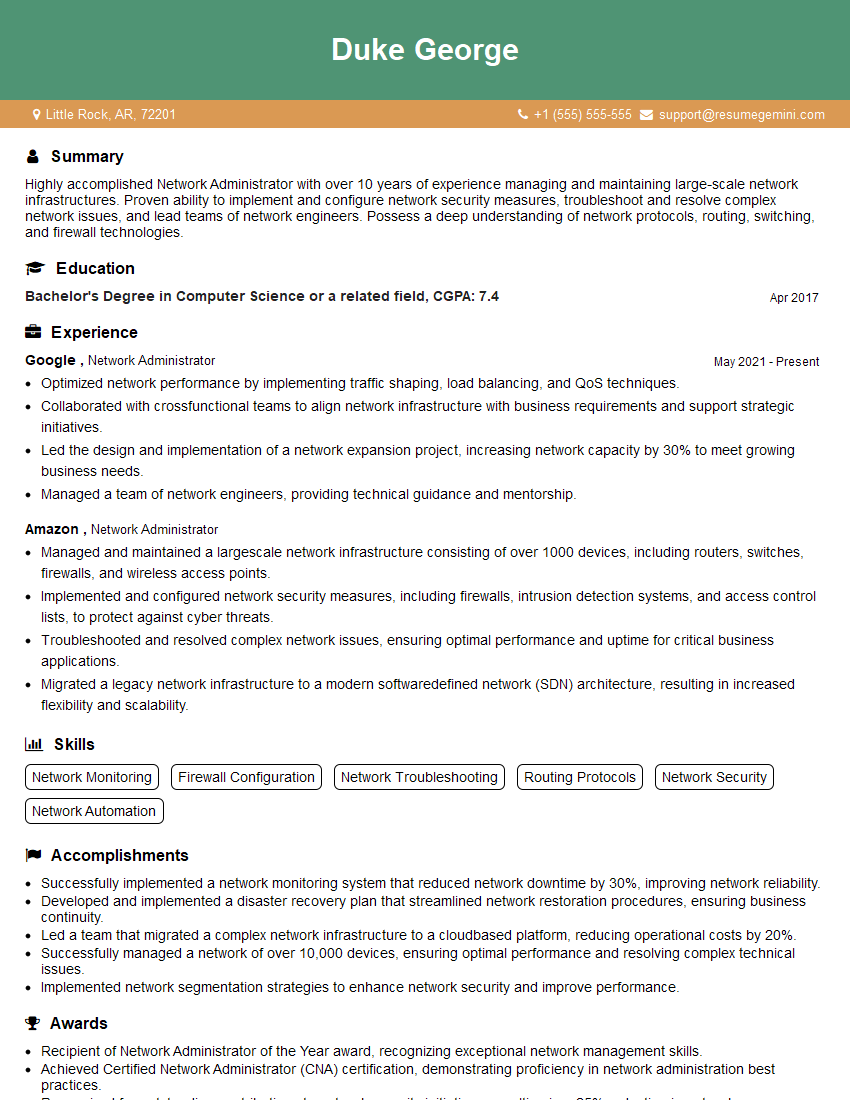
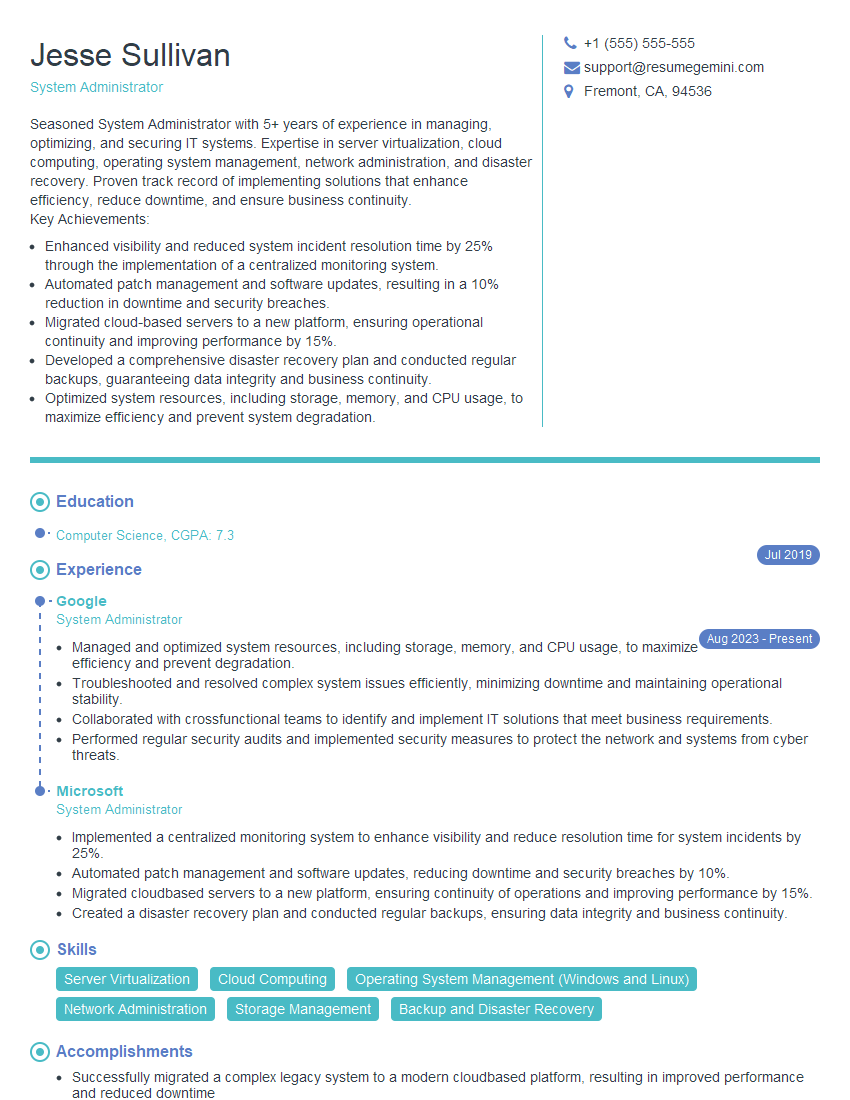
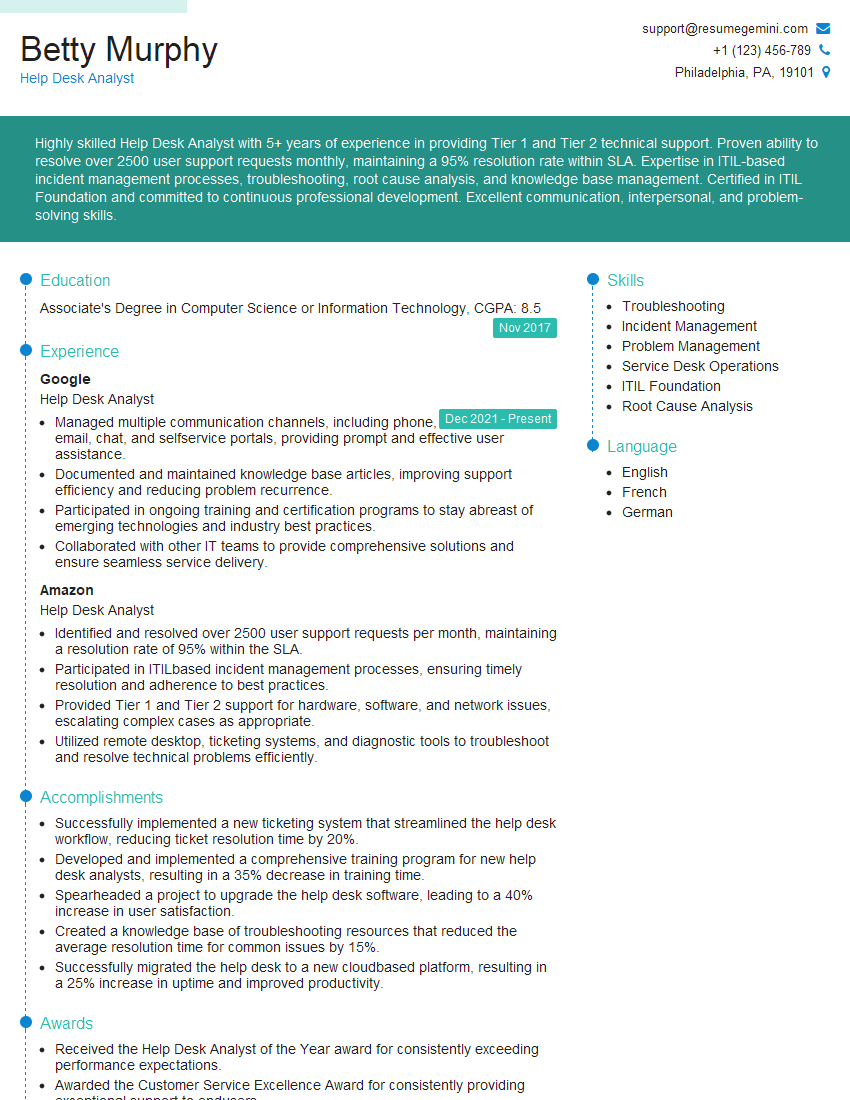
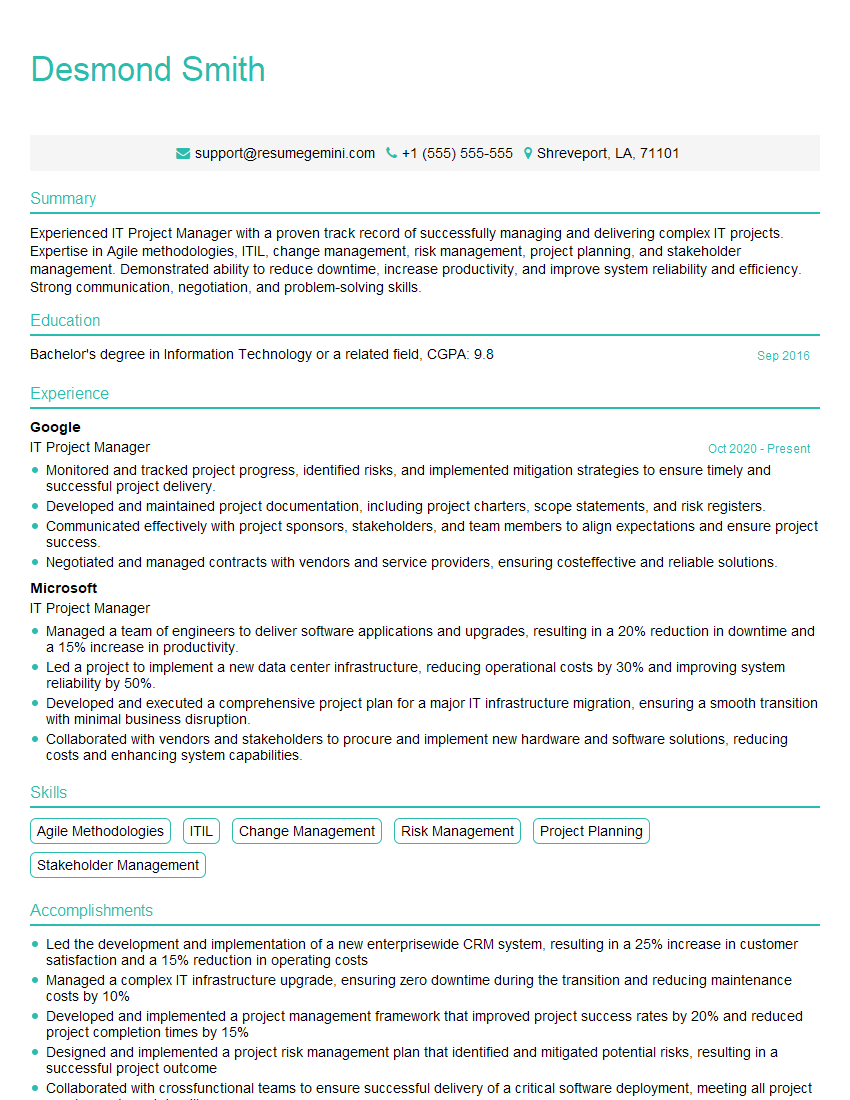
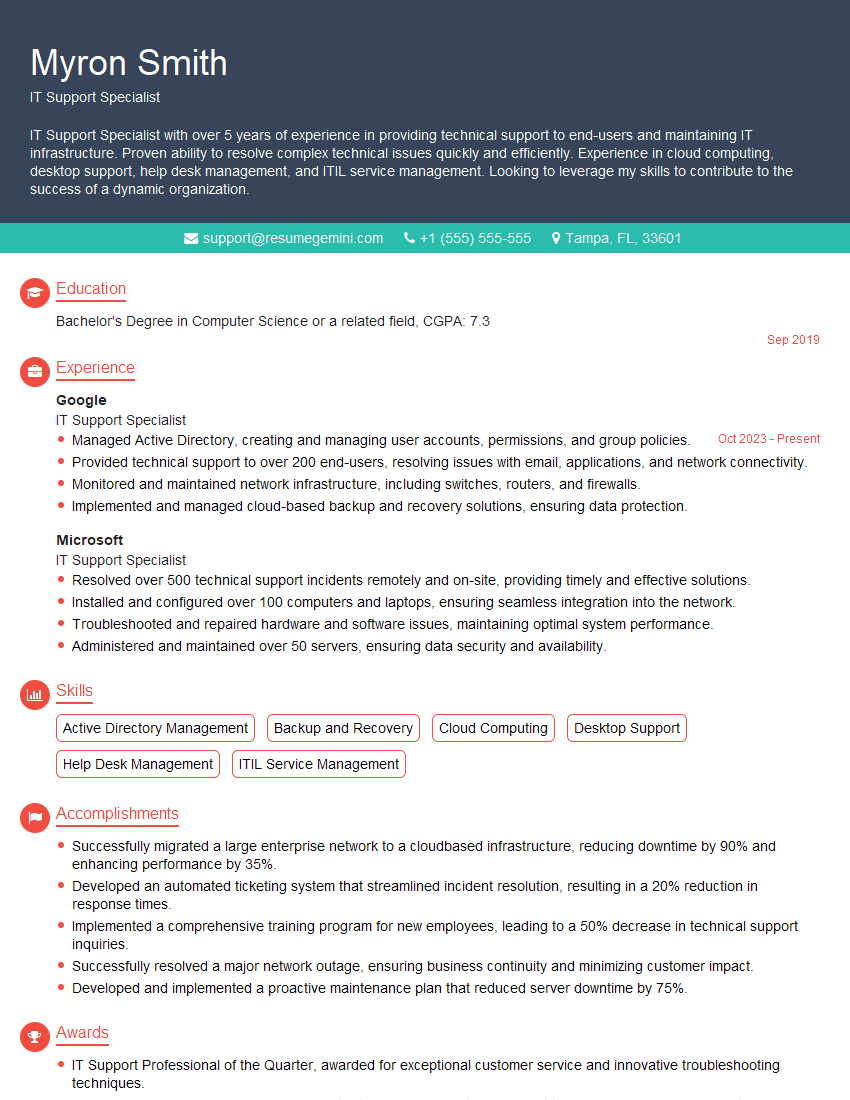
Mastering team collaboration tools is crucial for success in today’s interconnected workplace. Proficiency in these tools demonstrates valuable skills in communication, project management, and problem-solving – highly sought-after attributes by employers. To significantly boost your job prospects, creating an ATS-friendly resume is essential. This ensures your qualifications are accurately captured by applicant tracking systems, increasing your chances of landing an interview. We recommend leveraging ResumeGemini, a trusted resource, to build a professional and impactful resume. ResumeGemini provides examples of resumes tailored to Team Collaboration Tools roles, helping you showcase your skills effectively.


Explore more articles
Users Rating of Our Blogs
Share Your Experience
We value your feedback! Please rate our content and share your thoughts (optional).
What Readers Say About Our Blog
Very informative content, great job.
good