Unlock your full potential by mastering the most common Team Management and Motivation interview questions. This blog offers a deep dive into the critical topics, ensuring you’re not only prepared to answer but to excel. With these insights, you’ll approach your interview with clarity and confidence.
Questions Asked in Team Management and Motivation Interview
Q 1. Describe your experience building high-performing teams.
Building high-performing teams isn’t about assembling a group of talented individuals; it’s about fostering a collaborative environment where those talents synergize. My approach is multifaceted and centers around three key pillars: clear communication, shared goals, and mutual respect.
First, I ensure crystal-clear communication. This involves establishing regular check-ins, using various communication tools tailored to the team’s preferences (e.g., project management software, instant messaging, regular meetings), and actively soliciting feedback. Ambiguity is the enemy of productivity; transparent communication eliminates it.
Second, shared goals are paramount. I work with the team to define specific, measurable, achievable, relevant, and time-bound (SMART) goals. Everyone understands their contribution to the overall objective, fostering a sense of ownership and collective responsibility. For instance, in a previous project involving a website redesign, we established weekly milestones, ensuring everyone understood their role in hitting the deadlines.
Finally, mutual respect is cultivated by valuing individual contributions, celebrating successes, and addressing conflicts constructively. I encourage a culture of open dialogue where team members feel comfortable sharing their ideas, concerns, and challenges without fear of judgment. This creates a psychologically safe space for innovation and growth. For example, I implemented a peer-recognition program where team members could nominate each other for outstanding work, boosting morale and reinforcing positive behavior.
Q 2. How do you handle conflict within a team?
Conflict is inevitable in any team, but it’s how we manage it that determines its impact. My approach focuses on early intervention, active listening, and collaborative problem-solving.
I address conflicts promptly, preventing them from escalating. This often involves informal conversations with the involved parties, aiming to understand their perspectives without judgment. Active listening is key – truly hearing their concerns, validating their feelings, and summarizing their points to ensure understanding. This helps de-escalate tensions.
Once I understand the root cause of the conflict, I facilitate a collaborative problem-solving session. This involves guiding the team towards finding a mutually acceptable solution. The focus is always on finding common ground, not assigning blame. If necessary, I may suggest alternative dispute resolution techniques like mediation, but I always aim for a team-led resolution. For example, in a situation where two team members disagreed on the best approach to a technical problem, I facilitated a meeting where they presented their arguments, discussed the pros and cons of each approach, and collaboratively decided on a hybrid solution.
Q 3. What strategies do you use to motivate team members?
Motivation is not a one-size-fits-all approach. I use a combination of strategies tailored to individual team members and the overall team dynamics. My approach focuses on recognition, empowerment, and growth opportunities.
Recognition is vital. I publicly acknowledge and celebrate achievements, both big and small, highlighting individual contributions to the team’s success. This can be through verbal praise, written accolades, awards, or simply a thank you note.
Empowerment is crucial. I delegate tasks and responsibilities that challenge team members, allowing them to develop new skills and take ownership of their work. This fosters a sense of autonomy and accomplishment.
Growth opportunities are key to long-term motivation. I encourage professional development through training, mentorship, or other learning initiatives. This shows my commitment to their growth and career advancement, reinforcing their engagement and loyalty. I’ve found that supporting team members in pursuing certifications or attending relevant conferences significantly boosts their motivation and performance.
Q 4. Explain your approach to delegating tasks effectively.
Effective delegation is about matching the right task to the right person, at the right time, with the right support. My approach involves a structured process that starts with a clear understanding of the task and the team member’s capabilities.
First, I clearly define the task, including the desired outcome, deliverables, deadlines, and required resources. I ensure that the task is aligned with the individual’s skills and interests, whenever possible.
Second, I assess the team member’s capabilities and provide any necessary training or support. This ensures they have the tools and knowledge to succeed. It’s not just about dumping work; it’s about empowering them to succeed.
Third, I establish clear communication channels and set expectations for regular updates and feedback. I provide the necessary autonomy, allowing team members the space to manage their tasks, while ensuring clear lines of communication if they encounter challenges. This fosters a sense of trust and responsibility.
Finally, I provide regular feedback and acknowledge their accomplishments. Delegation isn’t a one-time event; it’s an ongoing process of support and guidance.
Q 5. How do you measure team performance and productivity?
Measuring team performance and productivity requires a multi-faceted approach that goes beyond simple metrics. I use a combination of quantitative and qualitative measures to gain a comprehensive understanding of the team’s effectiveness.
Quantitative measures include things like project completion rates, deadlines met, defect rates (if applicable), output volume, and customer satisfaction scores. These provide a numerical snapshot of performance.
Qualitative measures, however, are equally important. They include things like team member feedback (through surveys or one-on-ones), observation of team dynamics and collaboration, and assessment of the overall quality of the work produced. These provide valuable insights into the team’s morale, processes, and overall effectiveness.
It’s crucial to avoid over-reliance on any single metric. A balanced scorecard approach, incorporating both quantitative and qualitative indicators, paints a much more accurate and nuanced picture of team performance and helps identify areas for improvement.
Q 6. Describe a time you had to address low team morale.
In a previous project, team morale dipped significantly due to a prolonged period of intense pressure and unmet expectations. We were working on a critical deadline, and several unforeseen challenges emerged. This led to increased stress, longer working hours, and a feeling of being overwhelmed.
To address this, I implemented several strategies. First, I organized a team meeting where I acknowledged their hard work and validated their feelings of frustration. Creating a safe space for them to express their concerns was crucial. This showed empathy and understanding, breaking down some barriers.
Second, I worked with the team to re-evaluate the project’s priorities and timelines, adjusting expectations based on the challenges faced. This involved open communication and collaborative decision-making.
Third, I introduced some team-building activities and informal social events to boost morale and foster a stronger sense of camaraderie. This helped re-establish a positive team dynamic and promote a sense of shared purpose beyond just completing the project.
Finally, I focused on celebrating small wins along the way, acknowledging individual contributions and highlighting the progress made, even amidst the challenges. This helped to reignite hope and motivation. The project was eventually completed successfully, and team morale rebounded to pre-crisis levels.
Q 7. How do you provide constructive feedback to team members?
Providing constructive feedback is crucial for team growth and development. My approach is based on the principles of specificity, balance, and action orientation.
Specificity is key. Instead of general statements, I focus on specific behaviors or outcomes. For example, instead of saying “You need to improve,” I’d say “In the last presentation, the data visualizations could have been clearer; perhaps we can work together on improving your chart design techniques.”
Balance is essential. I combine positive reinforcement with constructive criticism, acknowledging their strengths before addressing areas for improvement. This makes the feedback more palatable and less daunting.
Action orientation is crucial. Feedback isn’t just about identifying problems; it’s about providing actionable steps for improvement. I always conclude by suggesting concrete actions the team member can take to address the issues raised. I might propose training resources, mentorship opportunities, or specific strategies they could implement.
I also make sure to schedule a follow-up meeting to discuss progress and provide further support. The feedback process should be viewed as a collaborative effort aimed at supporting team growth.
Q 8. What is your approach to coaching and mentoring team members?
My approach to coaching and mentoring is built on a foundation of individualized support and growth. I believe in fostering a collaborative relationship where I act as a guide, helping team members identify their strengths, address weaknesses, and achieve their professional goals. This isn’t a one-size-fits-all approach; I tailor my style to each individual’s learning preferences and needs.
- Needs Assessment: I start by understanding the individual’s aspirations, current skillset, and areas for improvement through open conversations and performance reviews.
- Goal Setting: We collaboratively set SMART (Specific, Measurable, Achievable, Relevant, Time-bound) goals, ensuring alignment with team and organizational objectives.
- Skill Development: I provide resources such as training programs, workshops, or mentorship opportunities to help them develop the necessary skills. I also encourage shadowing experienced colleagues and taking on challenging projects.
- Regular Check-ins: Consistent feedback and mentoring sessions provide opportunities for tracking progress, addressing challenges, and offering constructive criticism.
- Celebrating Successes: Recognizing and celebrating achievements boosts morale and reinforces positive behavior.
For example, I once mentored a junior team member who lacked confidence in public speaking. Through a combination of workshops, practice sessions, and positive reinforcement, they successfully delivered a key presentation to senior management, significantly boosting their self-esteem and career trajectory.
Q 9. How do you foster collaboration and teamwork?
Fostering collaboration and teamwork requires a multifaceted approach focusing on creating a positive and inclusive environment where everyone feels valued and empowered to contribute. It’s about building trust and establishing clear communication channels.
- Team Building Activities: I regularly organize team-building activities – both formal and informal – to enhance communication, build relationships, and promote camaraderie. These can range from off-site events to casual lunch gatherings.
- Clear Roles and Responsibilities: Establishing clear roles and responsibilities from the outset minimizes confusion and ensures everyone understands their contribution to the overall team goal. This often involves creating a team charter that outlines expectations and working agreements.
- Open Communication Channels: I encourage open and honest communication, fostering a culture of psychological safety where team members feel comfortable sharing ideas, concerns, and feedback without fear of judgment.
- Collaborative Tools and Technologies: Utilizing collaborative tools like project management software (e.g., Asana, Trello) facilitates communication, task tracking, and progress monitoring, improving transparency and accountability.
- Conflict Resolution: I actively address conflicts promptly and constructively, using mediation techniques to find mutually acceptable solutions and prevent escalation.
For instance, during a particularly challenging project, I facilitated a series of brainstorming sessions using a collaborative whiteboard, allowing every team member to contribute ideas, leading to creative solutions and a more cohesive team output.
Q 10. How do you handle underperforming team members?
Handling underperforming team members requires a compassionate yet firm approach. It’s crucial to understand the root cause of the underperformance before taking any action. It’s rarely a matter of simply lacking ability; often, there are underlying issues.
- Identify the Root Cause: Through open conversation and performance reviews, I identify the reasons for underperformance. This might involve inadequate training, lack of resources, personal issues, or unclear expectations.
- Set Clear Expectations: I ensure clear performance expectations are established and understood. This includes providing specific, measurable goals and outlining the performance standards.
- Provide Support and Resources: I offer the necessary training, mentoring, or resources to address the identified root causes. This could involve additional training, assigning a mentor, or providing access to specialized tools.
- Regular Check-ins and Feedback: Consistent monitoring and feedback provide opportunities to track progress, address challenges promptly, and offer constructive guidance.
- Performance Improvement Plan (PIP): If underperformance persists despite support, a formal PIP might be necessary. This outlines specific goals, timelines, and consequences for failure to meet expectations. The PIP process should be documented and transparent.
- Disciplinary Action (if necessary): As a last resort, if the PIP is not successful, and the underperformance continues to impact the team, disciplinary action may be required, following company policies.
For example, I once had a team member consistently missing deadlines. After conversations, it became clear they were overwhelmed by their workload. By redistributing tasks and providing additional training on time management, their performance significantly improved.
Q 11. Describe your experience with performance management systems.
My experience with performance management systems is extensive. I’ve implemented and managed several systems, focusing on fairness, transparency, and alignment with organizational goals. A successful performance management system should be a tool for development, not just evaluation.
- Goal Setting and Alignment: The system should ensure that individual goals are aligned with team and organizational objectives. This ensures everyone is working towards shared success.
- Regular Feedback and Performance Reviews: The system should incorporate regular feedback sessions (e.g., monthly check-ins) and formal performance reviews (e.g., annually). These should be opportunities for both evaluation and development.
- Performance Metrics and Measurement: Clear and measurable performance metrics must be established. These metrics should be specific, objective, and easily tracked.
- Documentation and Transparency: All performance evaluations and feedback should be documented thoroughly and shared transparently with the employee. This ensures fairness and accountability.
- Development Plans: The system should incorporate opportunities for professional development and growth. Performance reviews should identify areas for improvement and propose solutions.
In a previous role, I helped implement a new performance management system that moved away from a solely numerical rating system to a more holistic approach focusing on skills development and goal attainment. This resulted in improved employee engagement and a more positive work environment.
Q 12. How do you manage competing priorities within a team?
Managing competing priorities requires a structured approach and effective prioritization techniques to ensure the team focuses on the most critical tasks. Ignoring this can lead to project delays and burnout.
- Prioritization Frameworks: I utilize prioritization frameworks like the Eisenhower Matrix (Urgent/Important) to help the team identify and focus on high-impact tasks. This ensures we’re not getting bogged down in less important activities.
- Project Management Tools: Employing project management software allows for visualizing project timelines, tasks, dependencies, and deadlines. This enhances transparency and facilitates better decision-making.
- Regular Team Meetings: Regular meetings, whether daily stand-ups or weekly progress reviews, allow for tracking progress, identifying roadblocks, and adjusting priorities as needed. This helps the team remain flexible and adapt to changing circumstances.
- Open Communication: Open and honest communication is key to ensuring everyone understands the priorities and how their work contributes to the overall objectives.
- Delegation and Task Assignment: Effective delegation of tasks to team members with the appropriate skills and capacity is crucial to prevent overload and ensure timely completion.
In one project, we faced several competing deadlines. By using the Eisenhower Matrix and Kanban boards, we effectively prioritized tasks, ensuring on-time delivery of the most critical deliverables while managing expectations on less critical tasks.
Q 13. How do you ensure accountability within a team?
Ensuring accountability within a team is essential for success. It’s not about blame; it’s about fostering a culture of ownership and responsibility.
- Clear Roles and Responsibilities: Clearly defined roles and responsibilities are the foundation of accountability. Everyone must understand their tasks, deadlines, and the impact of their work.
- Regular Progress Updates: Consistent progress updates, both individual and team-level, enable early identification of issues and facilitate timely intervention.
- Open Feedback and Communication: Open and honest communication, with regular feedback, fosters a culture of transparency and helps address problems proactively.
- Performance Metrics and Tracking: Establishing and tracking relevant performance metrics provides objective measures of accountability and progress.
- Consequences for Non-Performance: While fostering a supportive environment, it’s crucial to establish clear consequences for consistently failing to meet expectations, as outlined in the performance management system.
For example, in one project, I implemented a daily stand-up meeting where each team member reported their progress, challenges, and next steps. This transparency ensured accountability and allowed for immediate action on any roadblocks.
Q 14. What are some effective communication strategies you use?
Effective communication is the cornerstone of successful team management. My strategies focus on clarity, empathy, and active listening.
- Clear and Concise Messaging: I prioritize clear, concise, and easily understood communication, avoiding jargon and technical terms whenever possible.
- Active Listening: I actively listen to understand perspectives and concerns, ensuring that all voices are heard and valued.
- Multiple Communication Channels: I utilize a variety of communication channels, selecting the most appropriate method for the situation (e.g., email for formal updates, instant messaging for quick questions, face-to-face meetings for complex discussions).
- Regular Team Meetings: Regular meetings facilitate open dialogue, brainstorming, and problem-solving, keeping everyone informed and engaged.
- Feedback Mechanisms: I establish mechanisms for providing and receiving feedback, both formally (e.g., performance reviews) and informally (e.g., regular check-ins).
- Empathy and Emotional Intelligence: I actively practice empathy, understanding individual needs and communication styles, fostering a respectful and inclusive environment.
For instance, when a team member expressed frustration with a project delay, I actively listened to their concerns, acknowledged their feelings, and collaboratively developed a solution, fostering trust and a more positive working relationship.
Q 15. How do you adapt your management style to different team members?
My management style is adaptable, not rigid. I believe in employing a situational leadership approach, tailoring my methods to each team member’s individual needs and skills. This involves understanding their strengths, weaknesses, experience level, and preferred communication style. For example, a highly experienced team member might benefit from more autonomy and less direct supervision, while a newer member might require more guidance and mentoring. I regularly check in with team members to gauge their progress, address challenges, and adjust my support accordingly. This might involve offering more detailed instructions for one task, delegating a more complex task to another, or simply providing encouragement and recognition. I also regularly seek feedback to ensure my management style is effective and supportive.
Career Expert Tips:
- Ace those interviews! Prepare effectively by reviewing the Top 50 Most Common Interview Questions on ResumeGemini.
- Navigate your job search with confidence! Explore a wide range of Career Tips on ResumeGemini. Learn about common challenges and recommendations to overcome them.
- Craft the perfect resume! Master the Art of Resume Writing with ResumeGemini’s guide. Showcase your unique qualifications and achievements effectively.
- Don’t miss out on holiday savings! Build your dream resume with ResumeGemini’s ATS optimized templates.
Q 16. Describe your experience using different team motivation techniques.
I’ve used a variety of motivation techniques, each tailored to the specific team and project. For instance, in one project, recognition and public acknowledgement of achievements – celebrating milestones with small team gatherings – proved very effective in boosting morale and productivity. In another project with a remote team, we implemented a peer-to-peer recognition program where teammates could publicly commend each other for contributions, creating a positive and supportive environment. In addition, I’ve used methods that focus on intrinsic motivation, such as fostering a sense of ownership and purpose by clearly defining team goals and allowing team members to contribute their ideas and expertise in the decision-making process. Providing opportunities for professional development and skill enhancement, such as workshops or training courses, is another crucial motivational tool, showcasing investment in their future.
Q 17. How do you handle disagreements regarding project goals or timelines?
Disagreements are inevitable, and I see them as opportunities for constructive discussion and problem-solving. My approach is to facilitate a calm and respectful dialogue, creating a safe space for all team members to express their views without fear of judgment. I start by actively listening to understand each perspective, then guide the discussion towards finding common ground. We identify the root cause of the disagreement and collaboratively brainstorm potential solutions. If a consensus can’t be reached, I will make a decision, ensuring transparency and explaining the rationale behind it. It’s important to document the decision and the rationale to avoid future misunderstandings and ensure everyone is on the same page moving forward.
Q 18. How do you build trust and rapport with your team?
Building trust and rapport is foundational to effective teamwork. I prioritize open and honest communication, fostering a culture of transparency and psychological safety where everyone feels comfortable sharing their ideas, concerns, and challenges. I make a point of getting to know my team members personally, understanding their individual needs and aspirations, demonstrating genuine interest in their professional and personal well-being. I actively listen to their feedback, both positive and negative, acting upon it constructively. Consistent and reliable follow-through on commitments, both big and small, is crucial. Being approachable and accessible, actively participating in team activities, and showing vulnerability by sharing my own experiences, all contribute to fostering a strong bond of trust and mutual respect.
Q 19. How do you identify and address team skill gaps?
Identifying skill gaps is an ongoing process. I regularly assess team performance, analyzing both individual contributions and overall project outcomes. I encourage regular self-assessment by team members, followed up with individual feedback sessions to identify areas for improvement. This also involves setting clear expectations and providing constructive feedback. We use a combination of methods including performance reviews, project retrospectives, and 360-degree feedback to gather data on individual and team performance. Once gaps are identified, I work with the team members to develop training plans, mentoring programs, or cross-training opportunities to address the identified needs. This might involve assigning them specific tasks to develop skills or arranging for external training.
Q 20. Describe your experience with team training and development programs.
I have extensive experience designing and implementing team training and development programs. This includes technical training to improve specific skills, workshops on team dynamics and communication, leadership development programs, and courses focused on project management methodologies. I tailor training programs to meet the specific needs of my team, taking into account their existing skill sets and the challenges of current and future projects. I’ve utilized various training methods, including online courses, workshops, mentoring programs, and job shadowing to ensure learning is engaging and effective. I also focus on creating a culture of continuous learning, encouraging team members to seek out professional development opportunities independently. Post-training evaluations are crucial for measuring the effectiveness of the programs and making necessary adjustments.
Q 21. How do you ensure that team members are properly recognized for their contributions?
Recognition is critical for boosting morale and motivation. I incorporate a multi-faceted approach. Public acknowledgement of accomplishments during team meetings is a simple yet effective way to show appreciation. I also utilize informal methods, such as a quick email or a personal note, praising specific contributions or skills. In formal settings, performance reviews provide an opportunity for a more structured recognition of achievements and contributions. For exceptional performance, I advocate for rewards and bonuses or promotions where appropriate, reflecting the company’s reward structure. It’s important to make sure the recognition is timely, specific, and sincere to have the maximum impact.
Q 22. What metrics do you use to measure team success?
Measuring team success isn’t about a single metric, but a balanced scorecard. It’s crucial to assess performance across various dimensions to get a holistic view. I typically use a combination of qualitative and quantitative metrics.
Quantitative Metrics: These are easily measurable and trackable. Examples include project completion rates on time and within budget, customer satisfaction scores (CSAT), defect rates (in software development), or sales figures (in sales teams). I also track key performance indicators (KPIs) specific to the team’s goals. For example, if the goal is to improve website traffic, we’d monitor things like unique visitors, bounce rate, and time on site.
Qualitative Metrics: These focus on the team’s dynamics and overall health. I use methods like regular team surveys (anonymous to ensure honest feedback), observations during team meetings and projects, and one-on-one check-ins with team members. This helps me understand team morale, collaboration effectiveness, and individual contributions.
The specific metrics will naturally vary depending on the team’s objectives and the industry. The key is to choose metrics that are relevant, measurable, achievable, relevant, and time-bound (SMART).
Q 23. How do you maintain a positive and productive work environment?
Creating a positive and productive work environment requires a multi-faceted approach. It’s about fostering a culture of trust, respect, and open communication. Here are some key strategies I employ:
Open Communication: Regular team meetings, both formal and informal, are crucial for updates, brainstorming, and addressing concerns. I encourage open dialogue and actively listen to my team members’ opinions and suggestions.
Recognition and Appreciation: Publicly acknowledging accomplishments, both big and small, boosts morale. This could be a simple ‘thank you’ for a job well done, a team lunch, or even a small bonus. Regularly recognizing individual contributions fosters a sense of value and belonging.
Work-Life Balance: Promoting a healthy work-life balance is non-negotiable. I encourage team members to take breaks, use their vacation time, and prioritize their well-being. Burnout is detrimental to both productivity and morale.
Ultimately, it’s about creating a space where people feel comfortable, respected, and empowered to do their best work. A supportive and inclusive environment often surpasses even the most well-structured processes in driving team productivity.
Q 24. How do you facilitate effective meetings?
Effective meetings are not about the number of meetings, but their impact. I strongly believe in well-structured and purposeful meetings. Here’s my approach:
Clear Agenda: Before the meeting, I distribute a clear agenda with specific objectives and expected outcomes. This ensures everyone comes prepared and focused.
Time Management: I stick to the allocated time strictly. Each agenda item has a time limit to prevent discussions from veering off track.
Active Participation: I encourage active participation from all team members, creating a safe space for everyone to share their ideas and concerns.
Actionable Outcomes: The meeting concludes with clearly defined action items, assigned owners, and deadlines. A follow-up email summarizes the key decisions and action points.
Think of a meeting as a mini-project with a clear beginning, middle, and end. This structured approach ensures that the time spent in meetings is productive and contributes meaningfully to the team’s goals.
Q 25. What’s your approach to setting clear expectations for team members?
Setting clear expectations is fundamental to successful team management. Ambiguity leads to confusion and frustration. I use a structured approach:
Collaborative Goal Setting: I involve team members in the process of setting goals. This ensures that everyone understands the objectives and feels a sense of ownership.
SMART Goals: I ensure goals are SMART – Specific, Measurable, Achievable, Relevant, and Time-bound. This provides clarity and makes it easier to track progress.
Role Clarity: Each team member has a clear understanding of their responsibilities, roles, and how their work contributes to the overall team goals. Job descriptions and regular check-ins help reinforce this.
Regular Feedback: I provide regular and constructive feedback – both positive reinforcement and areas for improvement. This helps team members stay on track and continually develop their skills.
Setting clear expectations is an ongoing process. Regular communication and feedback loops are essential to ensuring that everyone remains aligned and understands their roles and responsibilities.
Q 26. How do you manage remote or geographically dispersed teams?
Managing remote or geographically dispersed teams requires a different approach than managing co-located teams. Effective communication and technology are crucial. Here’s what I do:
Robust Communication Tools: We leverage various communication tools like Slack, Microsoft Teams, or other project management platforms for seamless communication. This enables asynchronous communication when needed and real-time collaboration when required.
Regular Virtual Meetings: We have frequent virtual meetings, including daily stand-ups, weekly progress reviews, and monthly team meetings to maintain engagement and alignment.
Project Management Software: Tools like Asana, Trello, or Jira help track progress, manage tasks, and ensure transparency across the team, regardless of location.
Building Relationships: Despite the physical distance, I prioritize building personal connections with team members through virtual coffee chats or informal online interactions. This helps foster trust and camaraderie.
The key to managing remote teams is to create a sense of community and connection even when physically apart. Leveraging technology and focusing on clear communication are essential components of this.
Q 27. Describe a time you had to make a difficult decision impacting your team.
In a previous role, we faced a critical project delay due to unforeseen technical challenges. The initial deadline was looming, and the pressure was intense. We had two options: rush the remaining work, potentially compromising quality, or push the deadline, potentially impacting client relationships.
After careful consideration and consulting with the team, including soliciting their input and perspectives, we opted to push the deadline. This was a difficult decision because of the potential negative consequences. However, we prioritized delivering high-quality work and open communication with the client. We transparently explained the situation, offered a revised timeline, and provided regular updates. Ultimately, this approach strengthened the client relationship and the team’s trust in leadership. The project was eventually completed to a high standard, demonstrating that prioritization and transparency are sometimes the most effective strategies, even when difficult.
Q 28. How do you stay up-to-date with the latest best practices in team management?
Staying current with best practices in team management is an ongoing commitment. I employ a multi-pronged strategy:
Industry Publications and Journals: I regularly read industry publications, journals, and research papers focusing on team management, leadership, and organizational psychology. This keeps me informed about the latest trends and research findings.
Conferences and Workshops: I attend conferences and workshops related to team management and leadership to network with other professionals and learn from leading experts.
Online Courses and Webinars: Platforms like Coursera, Udemy, and LinkedIn Learning offer a wealth of resources on team management, leadership development, and related topics.
Mentorship and Networking: I actively seek mentorship from experienced leaders and engage in networking opportunities to share best practices and learn from others’ experiences.
Continuous learning is crucial in this ever-evolving field. Staying updated allows me to adapt my approach and implement the most effective strategies for my team.
Key Topics to Learn for Team Management and Motivation Interview
- Understanding Team Dynamics: Explore different team structures, communication styles, and conflict resolution strategies. Consider the impact of personality types and team roles on overall effectiveness.
- Leadership Styles and Their Application: Analyze various leadership approaches (transformational, transactional, servant leadership, etc.) and their suitability for different team contexts and project goals. Be prepared to discuss practical examples where you’ve applied or witnessed these styles.
- Motivation Theories and Practical Application: Familiarize yourself with key motivational theories (Maslow’s Hierarchy of Needs, Herzberg’s Two-Factor Theory, Expectancy Theory). Prepare to discuss how you would apply these theories to boost team morale, productivity, and engagement in real-world scenarios.
- Goal Setting and Performance Management: Master the art of setting SMART goals (Specific, Measurable, Achievable, Relevant, Time-bound) and develop strategies for effective performance feedback and coaching. Consider different methods for tracking progress and celebrating achievements.
- Delegation and Empowerment: Understand the principles of effective delegation, including identifying the right tasks for the right people and providing appropriate support and training. Discuss how you empower team members to take ownership and contribute their unique strengths.
- Building a Positive Team Culture: Explore strategies for fostering trust, collaboration, and open communication within a team. Consider the role of recognition, celebration, and team-building activities in creating a positive and productive work environment.
- Handling Difficult Situations: Prepare to discuss your approach to managing conflict, addressing underperformance, and navigating challenging team dynamics. Highlight your problem-solving skills and ability to remain calm and objective under pressure.
Next Steps
Mastering Team Management and Motivation is crucial for career advancement, opening doors to leadership roles and increased responsibilities. A strong understanding of these concepts will significantly enhance your interview performance and demonstrate your potential to employers. To maximize your job prospects, create an ATS-friendly resume that highlights your relevant skills and experience. ResumeGemini is a trusted resource that can help you build a professional and impactful resume. We offer examples of resumes tailored to Team Management and Motivation to guide you through the process. Use this opportunity to showcase your abilities and land your dream job!
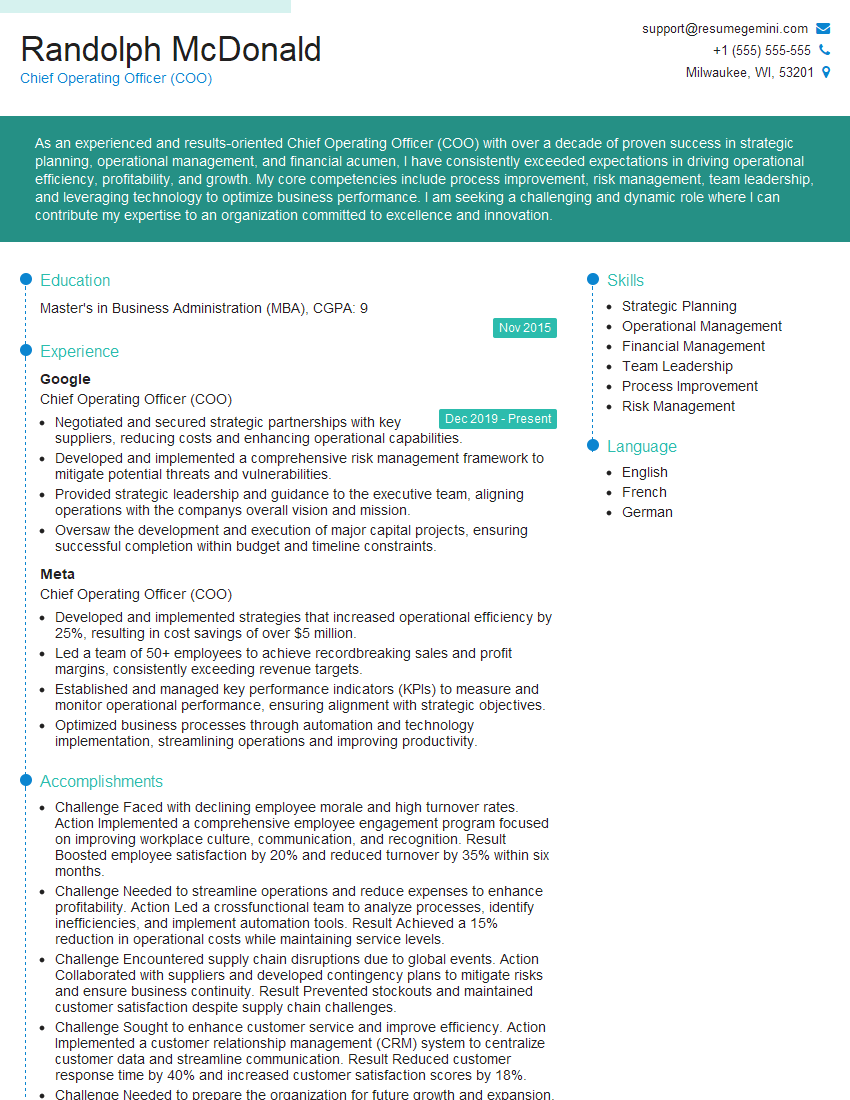
Chief Operating Officer (COO) Resume Sample
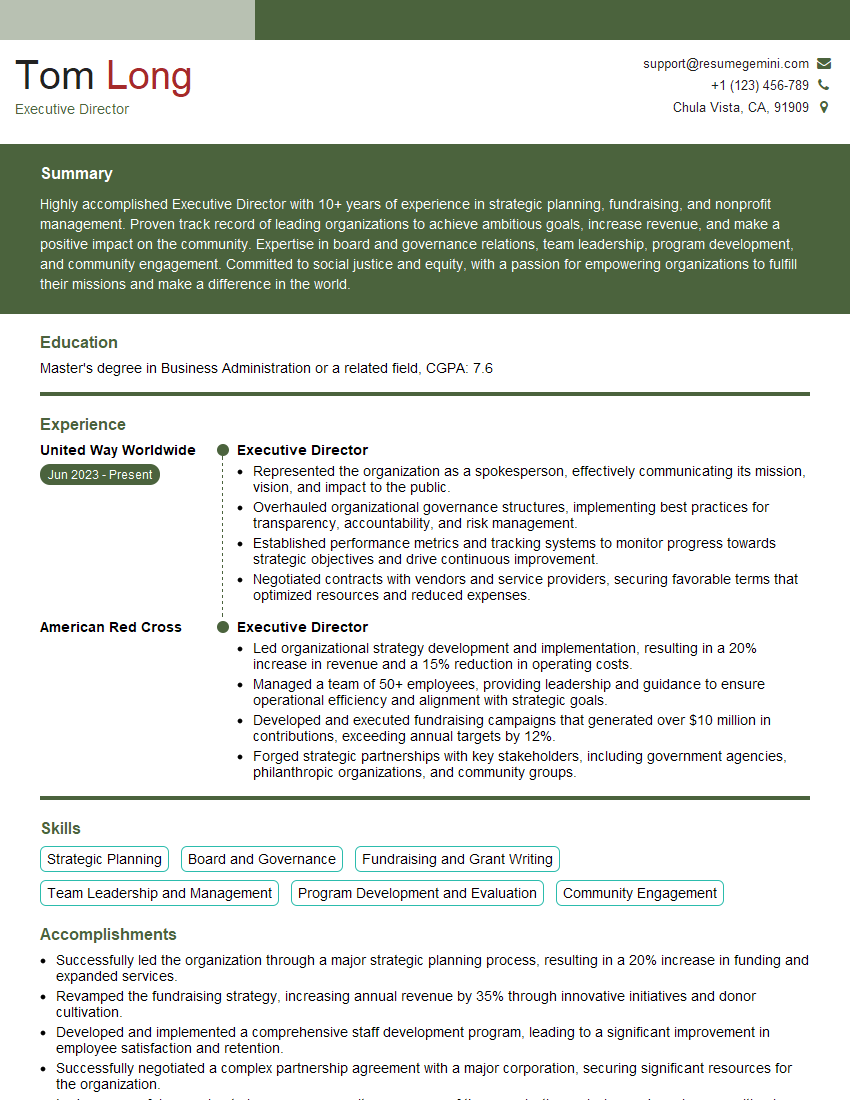
Executive Director Resume Sample
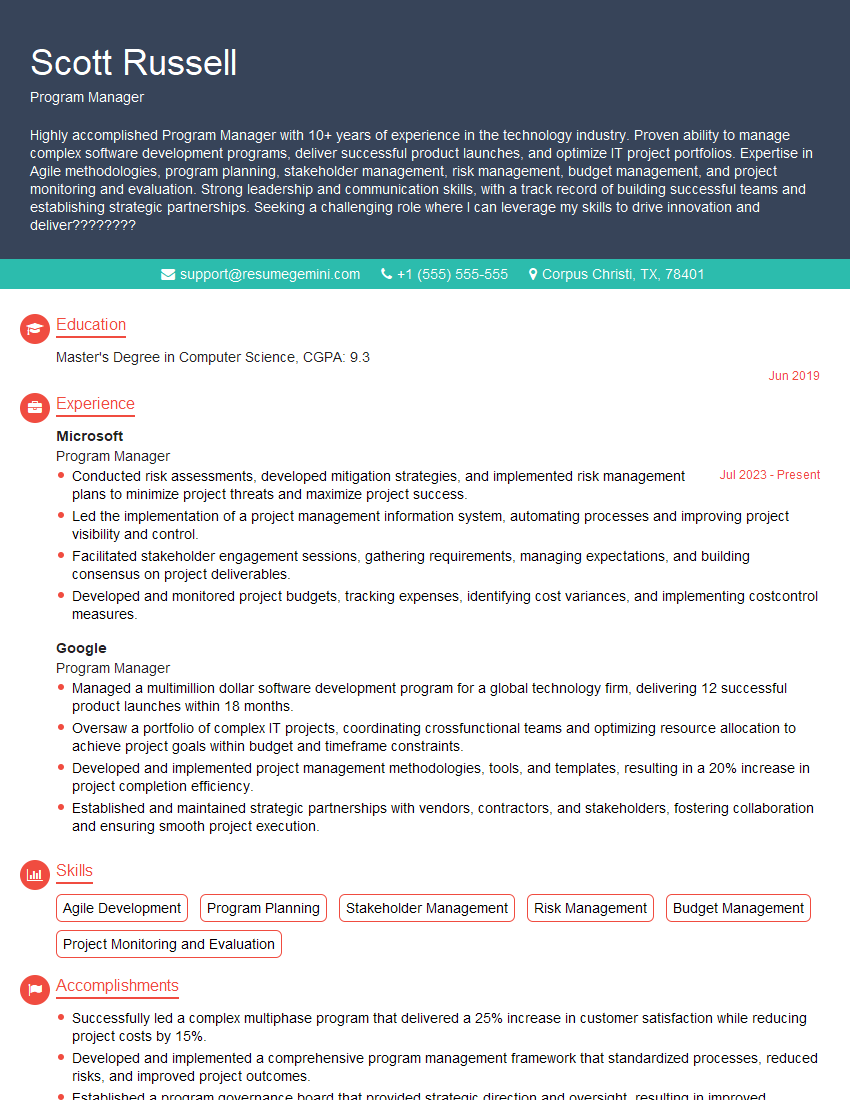
Program Manager Resume Sample

Operations Manager Resume Sample
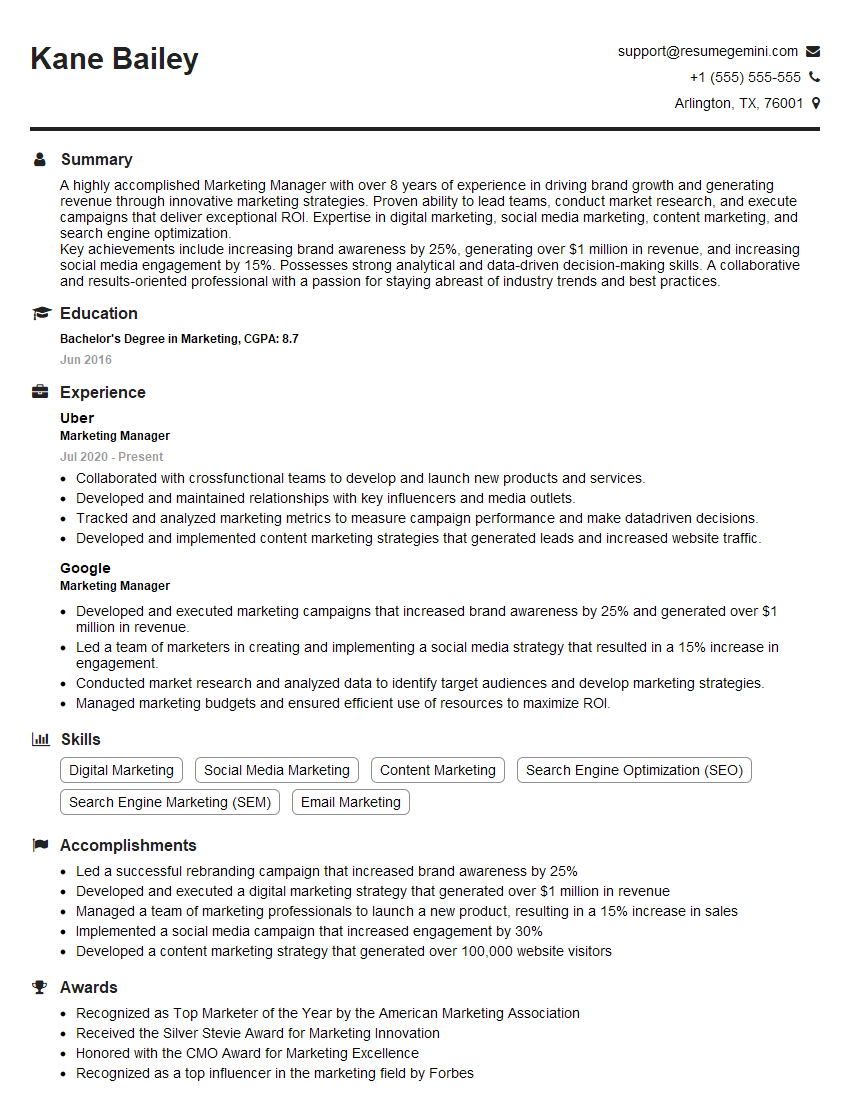
Marketing Manager Resume Sample
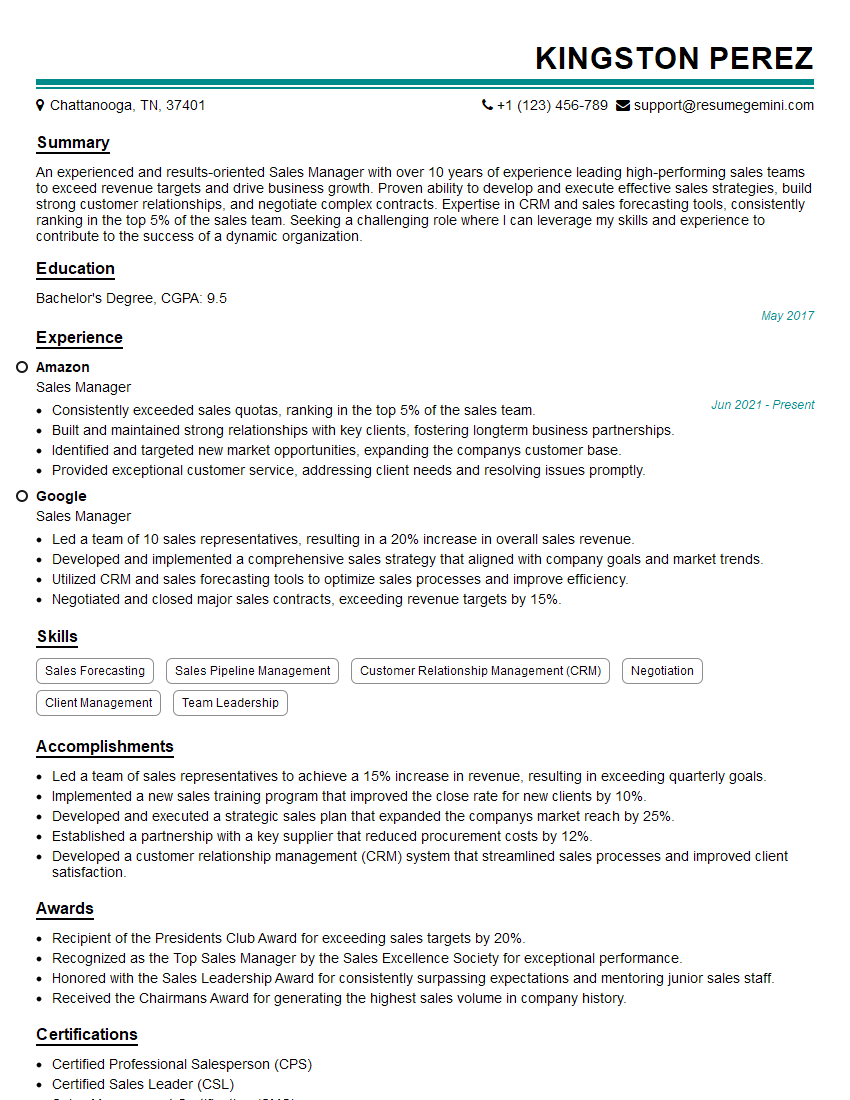
Sales Manager Resume Sample
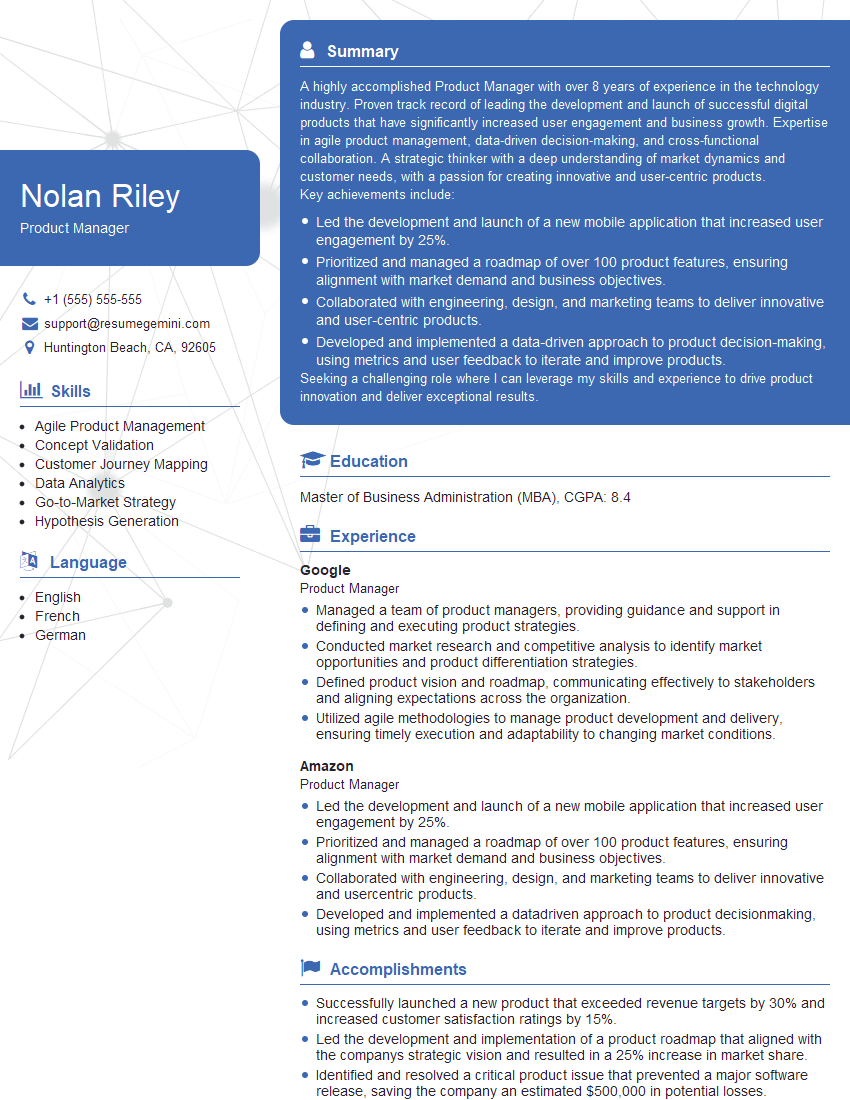
Product Manager Resume Sample
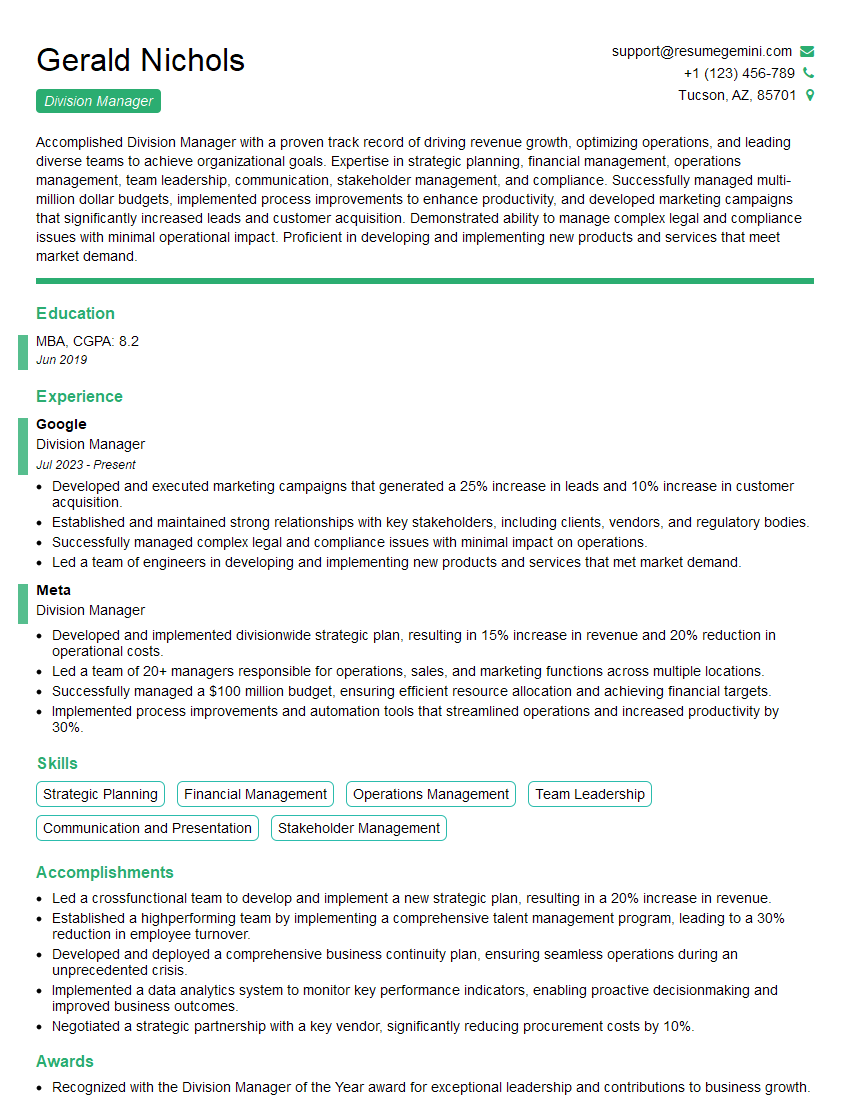
Division Manager Resume Sample
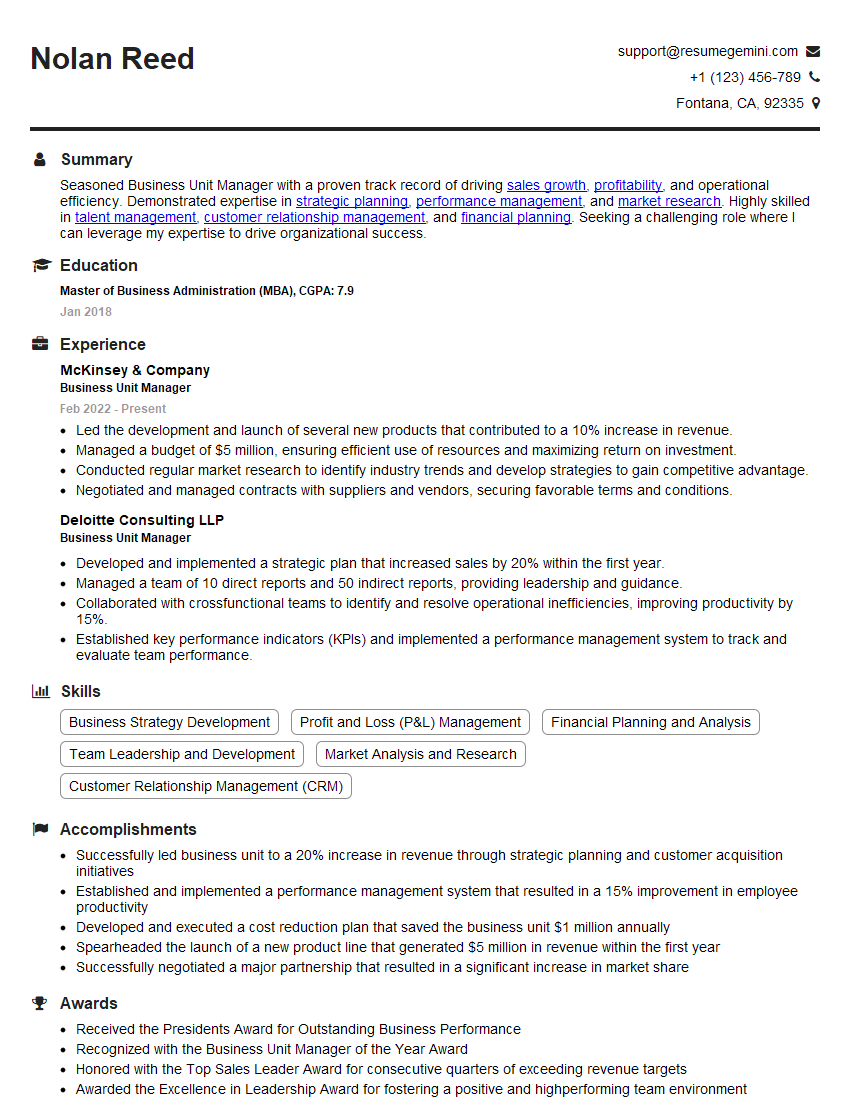
Business Unit Manager Resume Sample
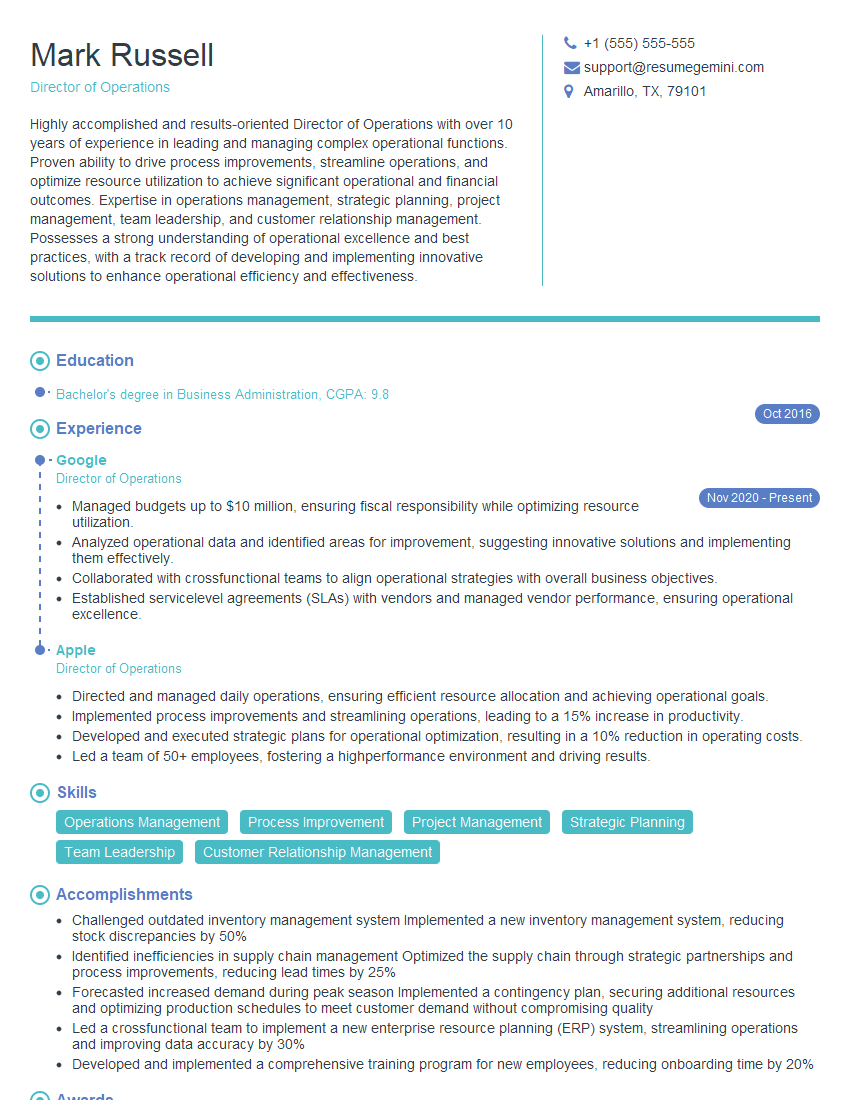
Director of Operations Resume Sample
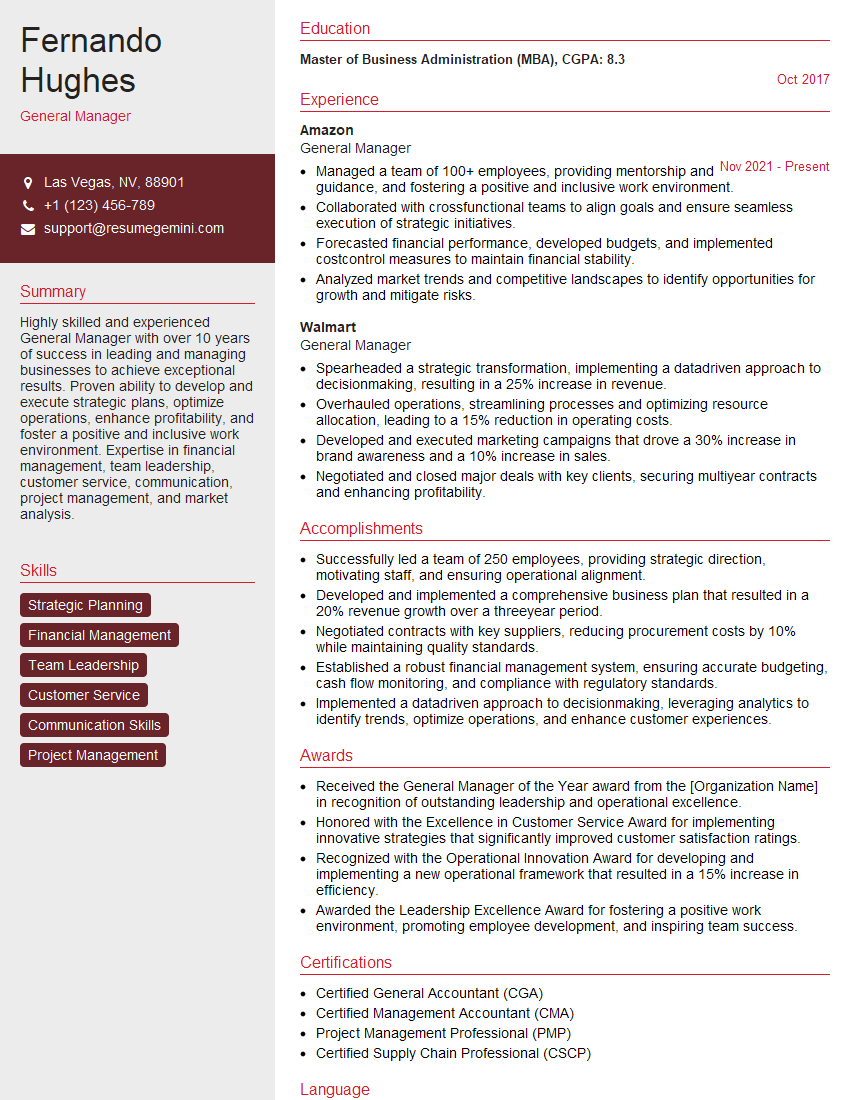
General Manager Resume Sample
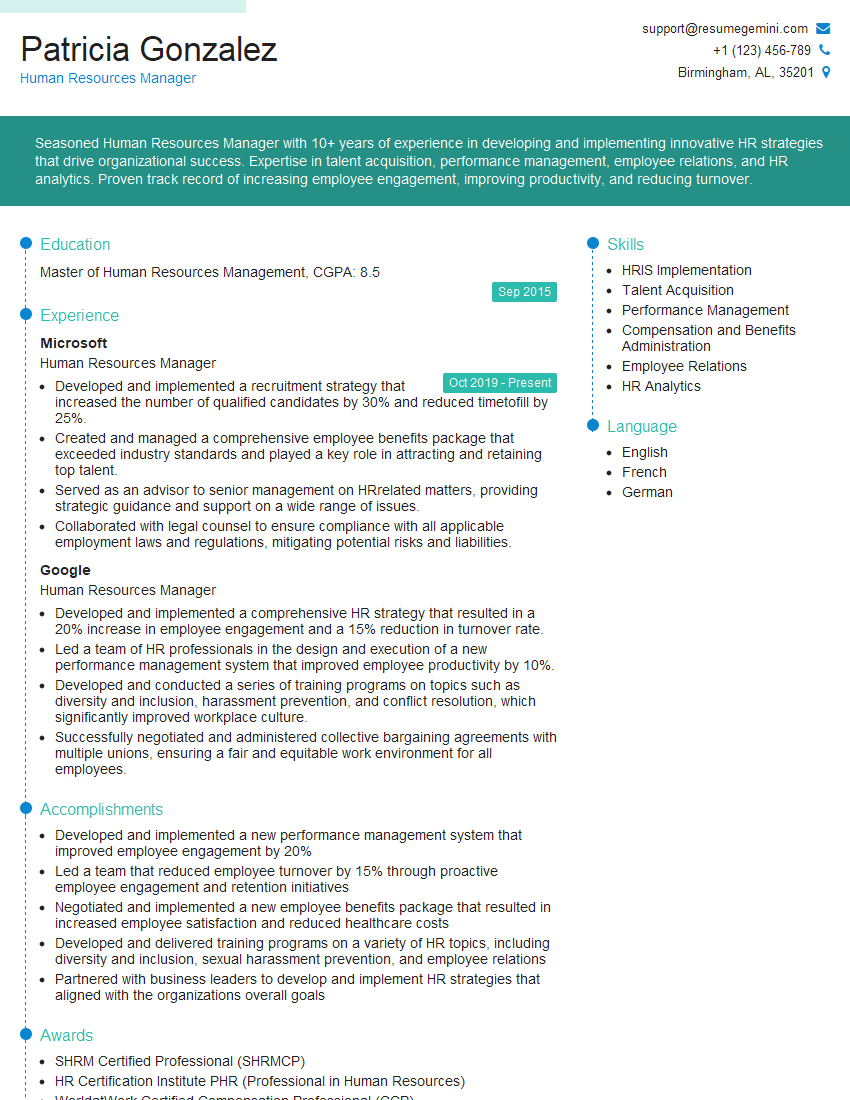
Human Resources Manager Resume Sample
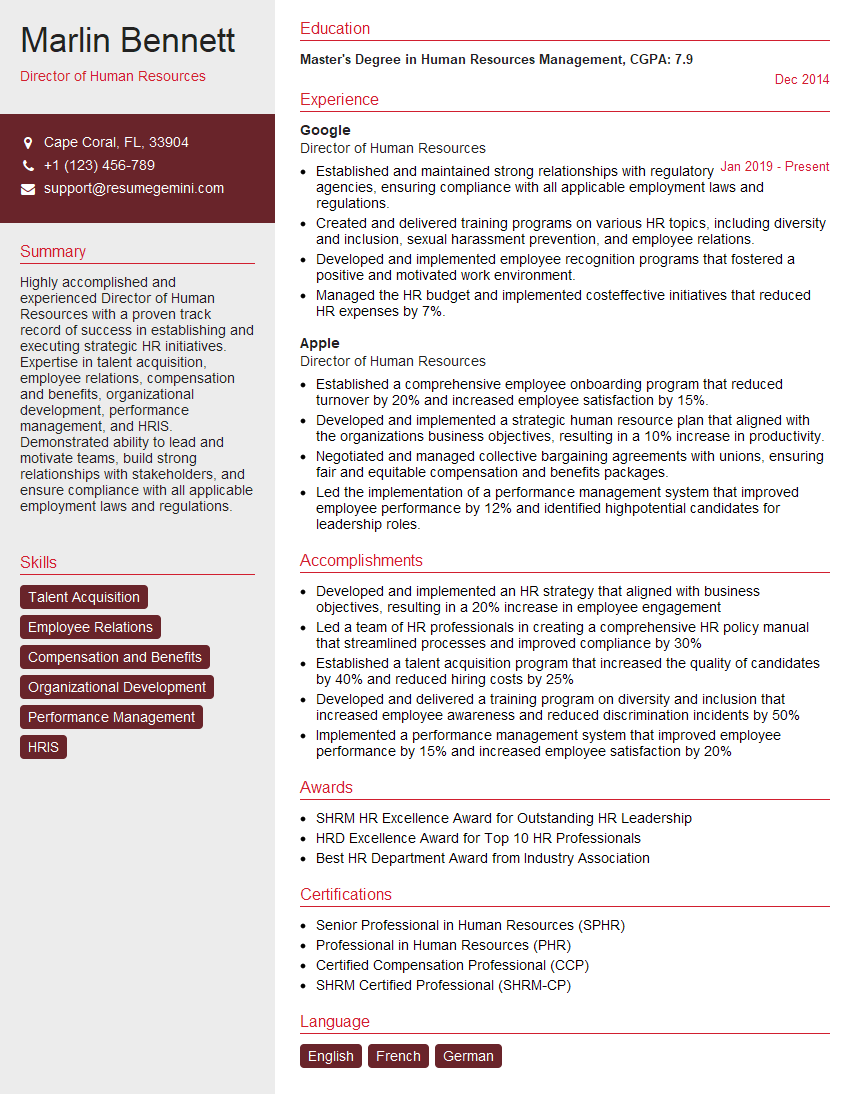
Director of Human Resources Resume Sample
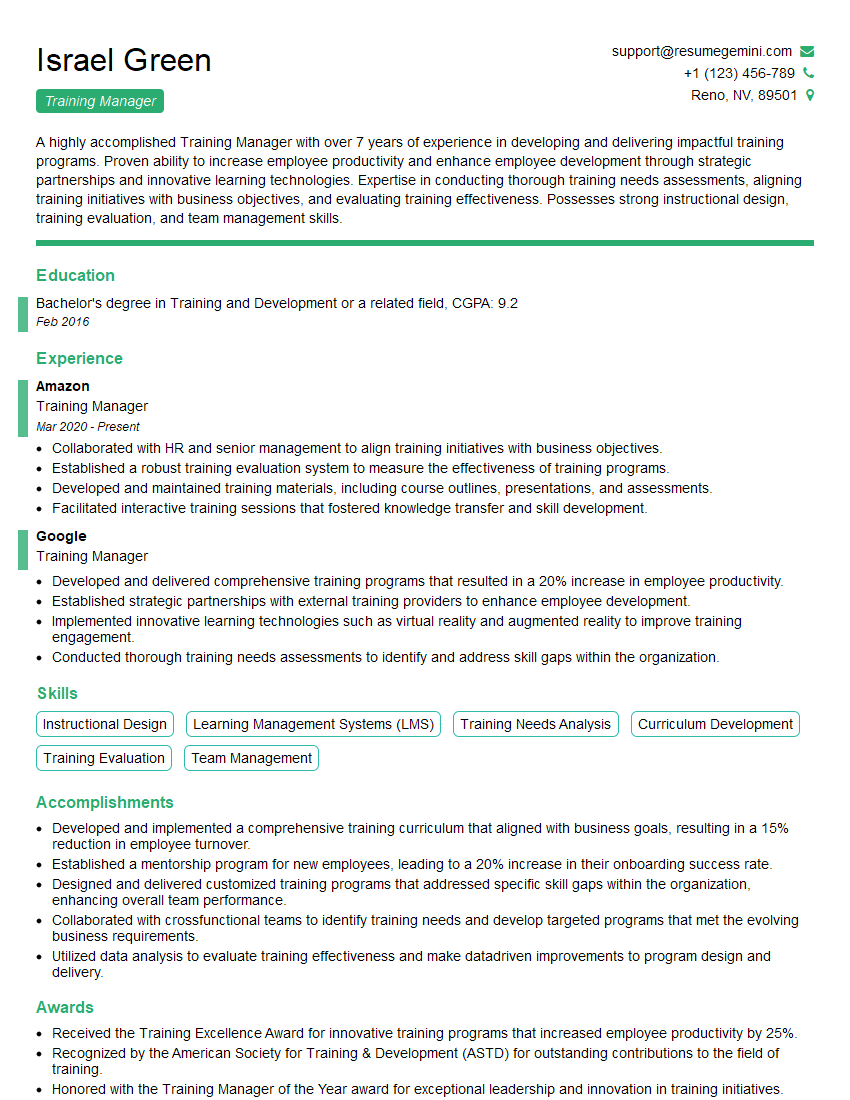
Training Manager Resume Sample

Project Manager Resume Sample
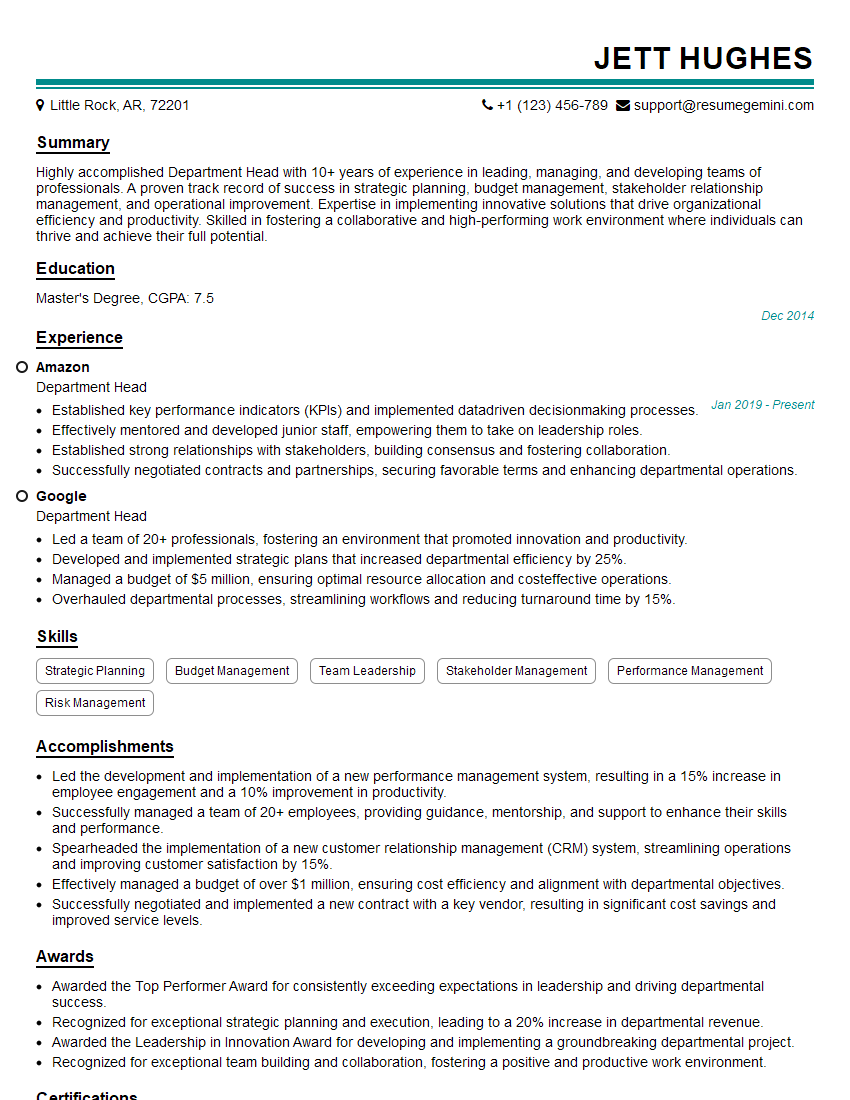
Department Head Resume Sample
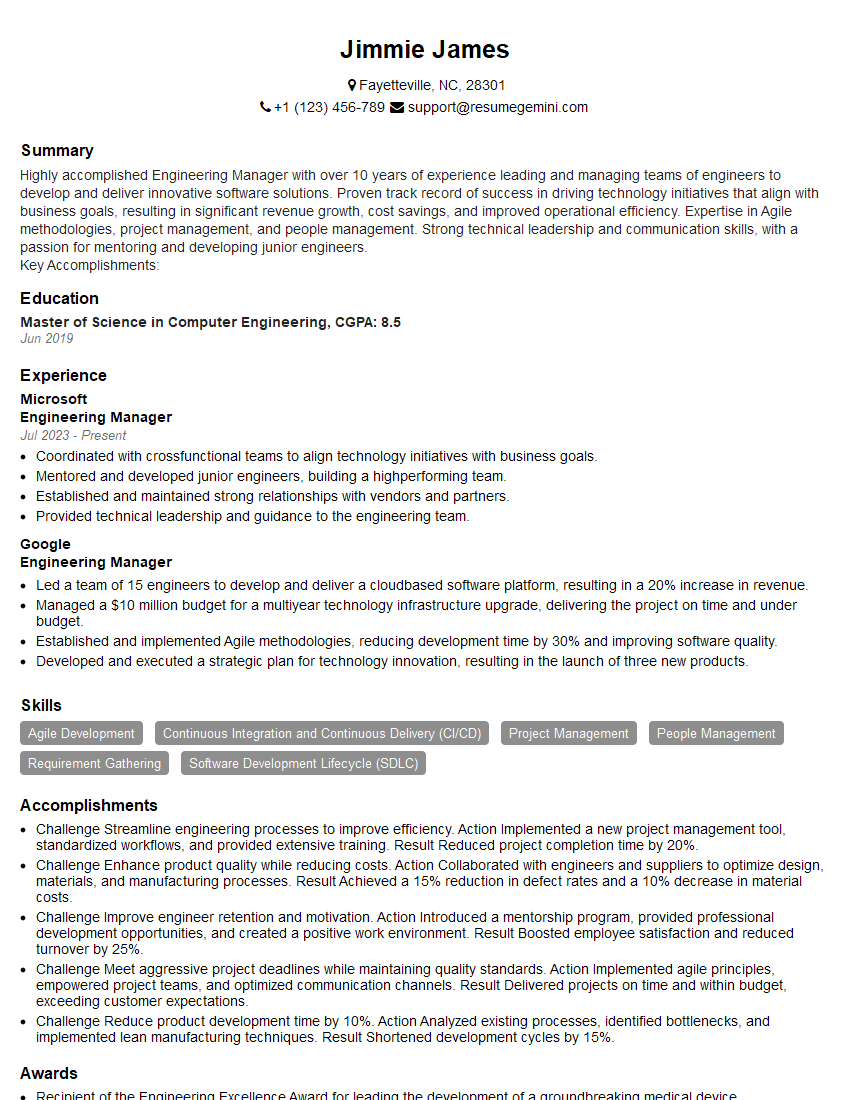
Engineering Manager Resume Sample
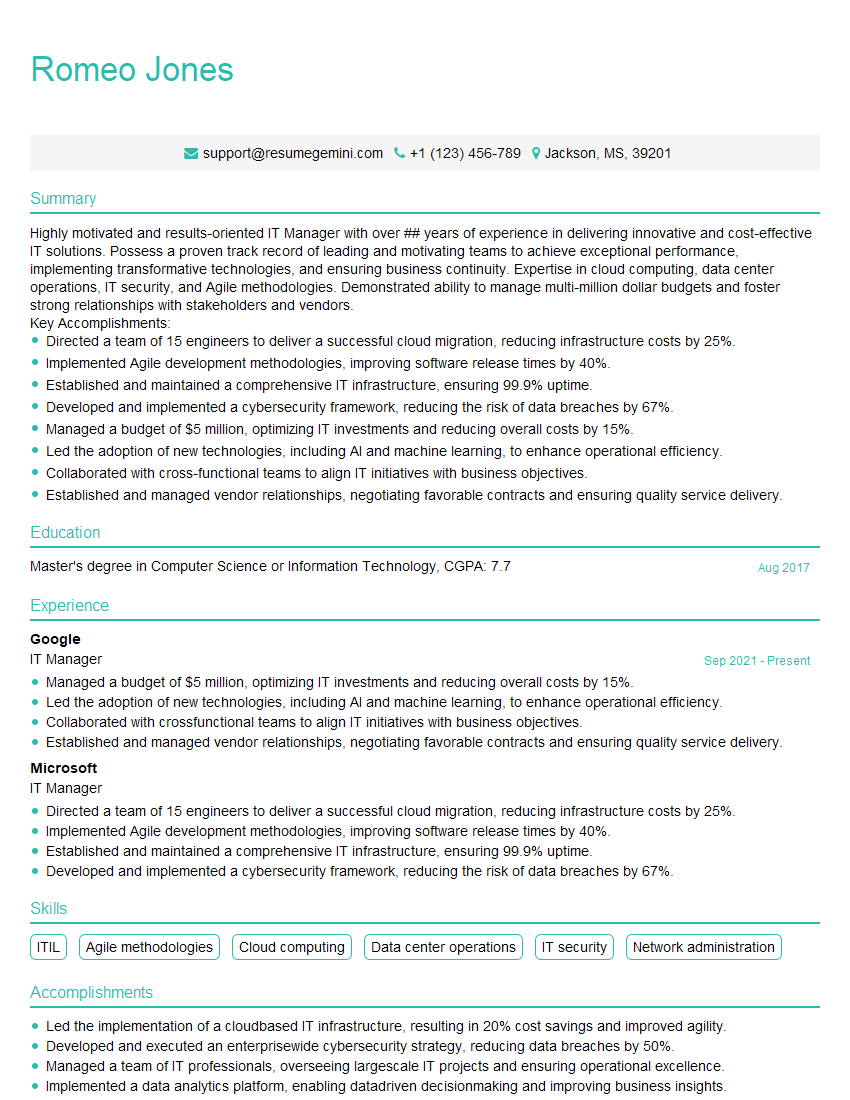
IT Manager Resume Sample
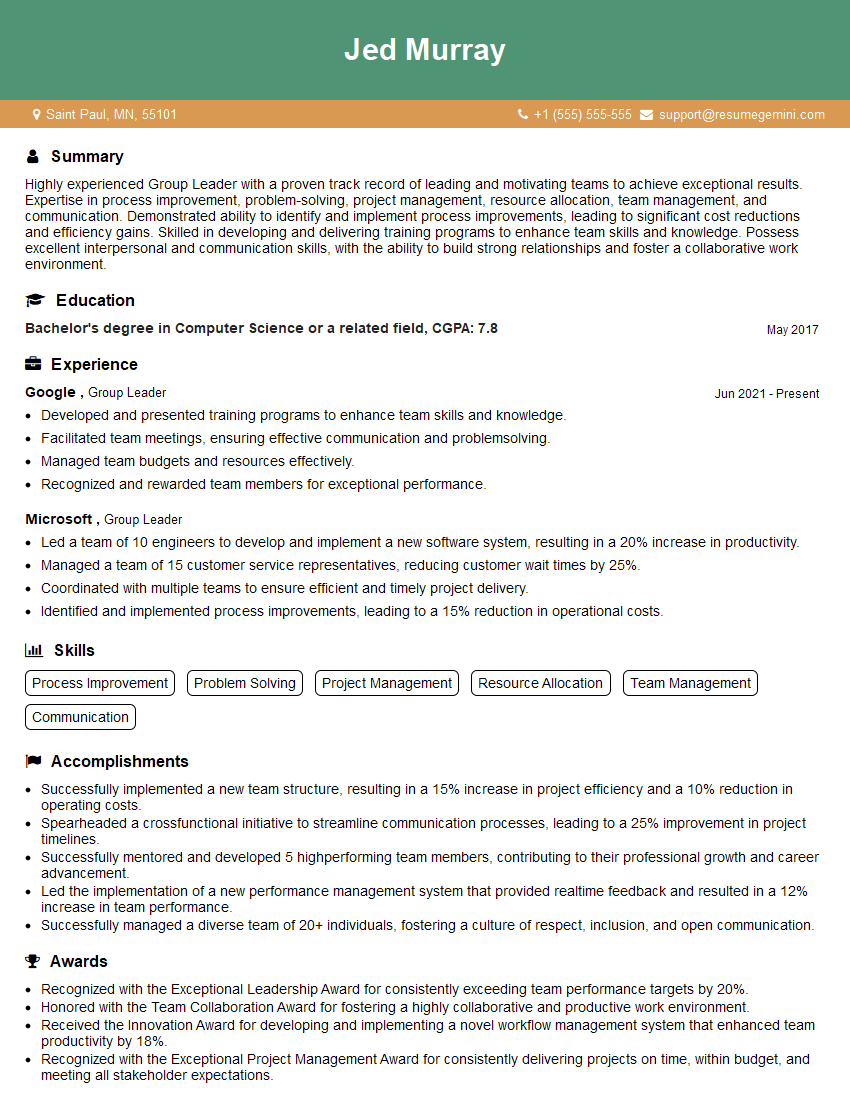
Group Leader Resume Sample
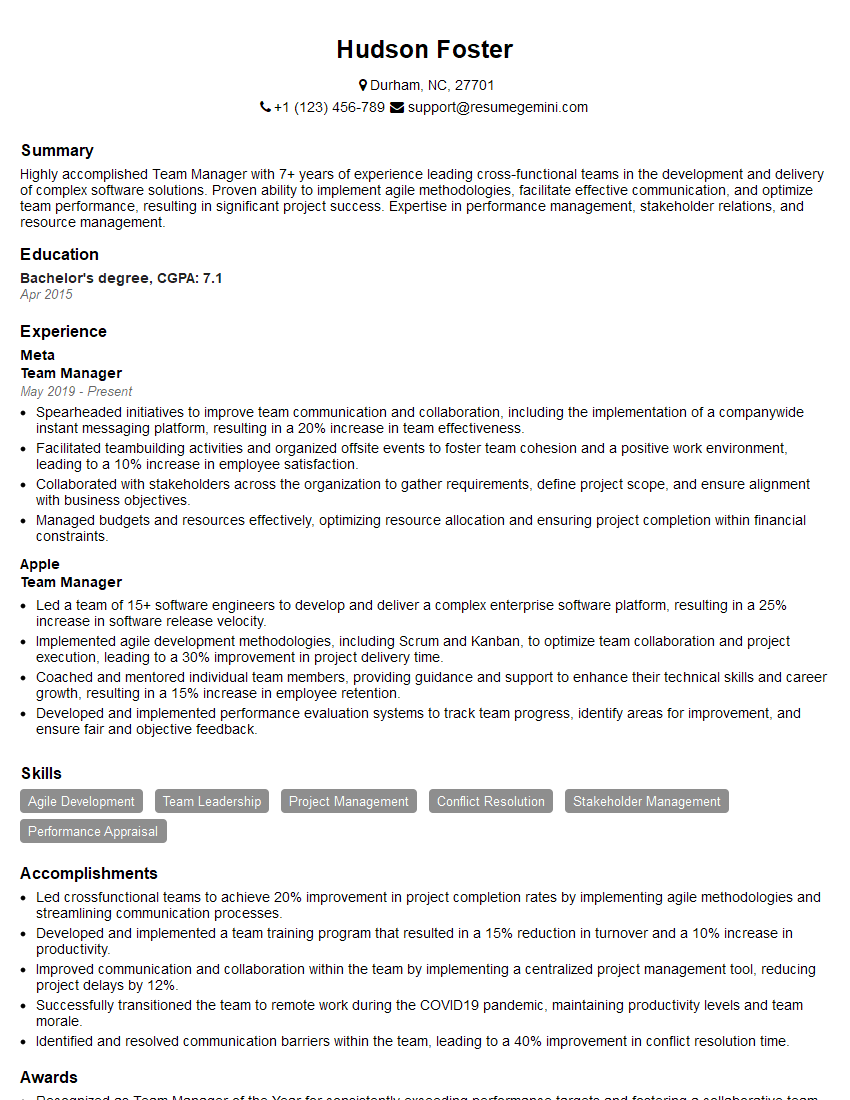
Team Manager Resume Sample
- Chief Operating Officer (COO)
- Executive Director
- Program Manager
- Operations Manager
- Marketing Manager
- Sales Manager
- Product Manager
- Division Manager
- Business Unit Manager
- Director of Operations
- General Manager
- Human Resources Manager
- Director of Human Resources
- Training Manager
- Project Manager
- Department Head
- Engineering Manager
- IT Manager
- Group Leader
- Team Manager
Explore more articles
Users Rating of Our Blogs
Share Your Experience
We value your feedback! Please rate our content and share your thoughts (optional).
What Readers Say About Our Blog
Attention music lovers!
Wow, All the best Sax Summer music !!!
Spotify: https://open.spotify.com/artist/6ShcdIT7rPVVaFEpgZQbUk
Apple Music: https://music.apple.com/fr/artist/jimmy-sax-black/1530501936
YouTube: https://music.youtube.com/browse/VLOLAK5uy_noClmC7abM6YpZsnySxRqt3LoalPf88No
Other Platforms and Free Downloads : https://fanlink.tv/jimmysaxblack
on google : https://www.google.com/search?q=22+AND+22+AND+22
on ChatGPT : https://chat.openai.com?q=who20jlJimmy20Black20Sax20Producer
Get back into the groove with Jimmy sax Black
Best regards,
Jimmy sax Black
www.jimmysaxblack.com
Hi I am a troller at The aquatic interview center and I suddenly went so fast in Roblox and it was gone when I reset.
Hi,
Business owners spend hours every week worrying about their website—or avoiding it because it feels overwhelming.
We’d like to take that off your plate:
$69/month. Everything handled.
Our team will:
Design a custom website—or completely overhaul your current one
Take care of hosting as an option
Handle edits and improvements—up to 60 minutes of work included every month
No setup fees, no annual commitments. Just a site that makes a strong first impression.
Find out if it’s right for you:
https://websolutionsgenius.com/awardwinningwebsites
Hello,
we currently offer a complimentary backlink and URL indexing test for search engine optimization professionals.
You can get complimentary indexing credits to test how link discovery works in practice.
No credit card is required and there is no recurring fee.
You can find details here:
https://wikipedia-backlinks.com/indexing/
Regards
NICE RESPONSE TO Q & A
hi
The aim of this message is regarding an unclaimed deposit of a deceased nationale that bears the same name as you. You are not relate to him as there are millions of people answering the names across around the world. But i will use my position to influence the release of the deposit to you for our mutual benefit.
Respond for full details and how to claim the deposit. This is 100% risk free. Send hello to my email id: lukachachibaialuka@gmail.com
Luka Chachibaialuka
Hey interviewgemini.com, just wanted to follow up on my last email.
We just launched Call the Monster, an parenting app that lets you summon friendly ‘monsters’ kids actually listen to.
We’re also running a giveaway for everyone who downloads the app. Since it’s brand new, there aren’t many users yet, which means you’ve got a much better chance of winning some great prizes.
You can check it out here: https://bit.ly/callamonsterapp
Or follow us on Instagram: https://www.instagram.com/callamonsterapp
Thanks,
Ryan
CEO – Call the Monster App
Hey interviewgemini.com, I saw your website and love your approach.
I just want this to look like spam email, but want to share something important to you. We just launched Call the Monster, a parenting app that lets you summon friendly ‘monsters’ kids actually listen to.
Parents are loving it for calming chaos before bedtime. Thought you might want to try it: https://bit.ly/callamonsterapp or just follow our fun monster lore on Instagram: https://www.instagram.com/callamonsterapp
Thanks,
Ryan
CEO – Call A Monster APP
To the interviewgemini.com Owner.
Dear interviewgemini.com Webmaster!
Hi interviewgemini.com Webmaster!
Dear interviewgemini.com Webmaster!
excellent
Hello,
We found issues with your domain’s email setup that may be sending your messages to spam or blocking them completely. InboxShield Mini shows you how to fix it in minutes — no tech skills required.
Scan your domain now for details: https://inboxshield-mini.com/
— Adam @ InboxShield Mini
support@inboxshield-mini.com
Reply STOP to unsubscribe
Hi, are you owner of interviewgemini.com? What if I told you I could help you find extra time in your schedule, reconnect with leads you didn’t even realize you missed, and bring in more “I want to work with you” conversations, without increasing your ad spend or hiring a full-time employee?
All with a flexible, budget-friendly service that could easily pay for itself. Sounds good?
Would it be nice to jump on a quick 10-minute call so I can show you exactly how we make this work?
Best,
Hapei
Marketing Director
Hey, I know you’re the owner of interviewgemini.com. I’ll be quick.
Fundraising for your business is tough and time-consuming. We make it easier by guaranteeing two private investor meetings each month, for six months. No demos, no pitch events – just direct introductions to active investors matched to your startup.
If youR17;re raising, this could help you build real momentum. Want me to send more info?
Hi, I represent an SEO company that specialises in getting you AI citations and higher rankings on Google. I’d like to offer you a 100% free SEO audit for your website. Would you be interested?
Hi, I represent an SEO company that specialises in getting you AI citations and higher rankings on Google. I’d like to offer you a 100% free SEO audit for your website. Would you be interested?