Feeling uncertain about what to expect in your upcoming interview? We’ve got you covered! This blog highlights the most important Technical and Mechanical Aptitude interview questions and provides actionable advice to help you stand out as the ideal candidate. Let’s pave the way for your success.
Questions Asked in Technical and Mechanical Aptitude Interview
Q 1. Explain the concept of torque and its significance in mechanical systems.
Torque, in simple terms, is a twisting force. Imagine trying to open a tight jar lid – the force you apply to twist the lid is torque. More formally, it’s the measure of how much a force acting on an object causes that object to rotate. It’s calculated by multiplying the force applied by the distance from the point of rotation (lever arm). The equation is: Torque = Force x Distance.
In mechanical systems, torque is crucial. Consider a car engine: the engine’s torque determines its ability to accelerate and haul heavy loads. A high-torque engine can easily move a heavy vehicle up a hill. In industrial settings, powerful motors with high torque are needed for tasks like lifting heavy materials or driving large machinery like conveyor belts. The units for torque are typically Newton-meters (Nm) or foot-pounds (ft-lb).
Think of a wrench tightening a bolt. A longer wrench allows you to apply the same force with a greater torque, making it easier to tighten the bolt. This demonstrates the importance of the lever arm in generating torque.
Q 2. Describe the difference between AC and DC electricity.
The key difference between AC (Alternating Current) and DC (Direct Current) electricity lies in the direction of electron flow.
- DC electricity flows in one constant direction. Think of a battery; it provides a steady flow of electrons from the negative terminal to the positive terminal. DC is used in many electronic devices, such as laptops and smartphones, and is often produced by batteries or solar panels.
- AC electricity, on the other hand, constantly reverses its direction of flow. The electrons oscillate back and forth, changing direction many times per second. The frequency of this oscillation is typically 50 or 60 Hertz (Hz). This is the type of electricity that powers our homes and businesses, distributed through power grids.
AC electricity has advantages in long-distance transmission because it’s easier and more efficient to step up (increase voltage) and step down (decrease voltage) using transformers. DC electricity is better suited for applications requiring a constant voltage and lower noise levels.
Q 3. What are the basic principles of hydraulics and pneumatics?
Hydraulics and pneumatics are both branches of fluid mechanics dealing with the transmission of power using liquids (hydraulic) or gases (pneumatic) under pressure.
- Hydraulics utilizes liquids, typically oil, that are incompressible. A pressure change in one part of a hydraulic system is transmitted throughout the system, allowing for powerful force multiplication. Think of a hydraulic jack used to lift cars – a small force applied to a small piston creates a much larger force on a larger piston, enabling the lifting of a heavy vehicle.
- Pneumatics uses gases, usually compressed air, which are compressible. Compressed air is often used to power tools and machinery because it’s readily available and relatively safe. Examples include air brakes on vehicles and robotic arms in factories. Pneumatic systems are generally simpler and lighter than hydraulic systems but offer less power.
Both systems rely on Pascal’s law, which states that pressure applied to a confined fluid is transmitted equally in all directions.
Q 4. How does a four-stroke engine work?
A four-stroke engine completes four distinct strokes (or movements of the piston) within a cylinder to convert fuel into mechanical energy. These strokes are:
- Intake: The piston moves downwards, drawing a mixture of air and fuel into the cylinder.
- Compression: The piston moves upwards, compressing the air-fuel mixture, increasing its temperature and pressure.
- Power: A spark plug ignites the compressed mixture, causing a rapid expansion of gases that pushes the piston downwards. This is where the power is generated.
- Exhaust: The piston moves upwards again, pushing the exhaust gases out of the cylinder through the exhaust valve.
This cycle repeats continuously, generating rotational motion via a crankshaft connected to the piston. This rotational motion is then used to power various mechanical systems, such as vehicle wheels or generators.
Q 5. Explain the function of a gear system and different gear types.
Gear systems use gears to transmit rotational motion and torque between shafts. Gears are toothed wheels that mesh together, allowing for changes in speed, torque, and direction.
- Function: Gear systems are essential in many machines for modifying speed and torque. A smaller gear driving a larger gear reduces speed but increases torque. Conversely, a larger gear driving a smaller gear increases speed but reduces torque.
- Gear Types: There are many types of gears, including:
- Spur gears: The simplest type, with straight teeth parallel to the axis of rotation.
- Helical gears: Have angled teeth, providing smoother and quieter operation than spur gears.
- Bevel gears: Used to transmit power between intersecting shafts.
- Worm gears: High reduction ratio gears used in applications requiring high torque at low speed.
Example: A bicycle uses a gear system. Pedaling in a low gear (smaller front gear) provides more torque for climbing hills, while pedaling in a high gear (larger front gear) provides higher speed on flat surfaces.
Q 6. What are the different types of bearings and their applications?
Bearings are mechanical components that reduce friction between moving parts. They allow for smooth rotation or linear motion.
- Types:
- Ball bearings: Use rolling balls to reduce friction, suitable for high speeds and loads. Commonly found in wheels, motors, and many rotating applications.
- Roller bearings: Use cylindrical rollers, ideal for carrying heavier loads than ball bearings but typically at lower speeds. Often used in heavy machinery and industrial equipment.
- Sleeve bearings (journal bearings): Use a lubricating film between the shaft and the bearing surface. Simpler than rolling element bearings but less efficient at high speeds.
- Thrust bearings: Designed to handle axial loads (forces along the shaft’s axis), commonly found in applications like propeller shafts.
The choice of bearing depends on the application’s specific requirements, considering factors like load capacity, speed, cost, and operating environment. A poorly chosen bearing can lead to premature wear, increased friction, and ultimately, failure of the machine.
Q 7. Describe the process of welding and different welding techniques.
Welding is a fabrication process that joins materials, usually metals, by melting them together and allowing them to cool and solidify into a joint. The process utilizes heat, pressure, or both.
- Process: The fundamental process involves melting the base materials at their edges and combining them with a filler material (in some cases) to create a strong bond. Proper preparation of the materials being joined is crucial for a strong weld.
- Welding Techniques: Many welding techniques exist, each suited to different materials, thicknesses, and applications:
- Shielded Metal Arc Welding (SMAW): Uses an electric arc to melt the metal, shielded from atmospheric contamination by a flux coating on the electrode.
- Gas Metal Arc Welding (GMAW): Also uses an electric arc but feeds the filler metal continuously from a wire electrode, usually shielded by an inert gas.
- Gas Tungsten Arc Welding (GTAW): Uses a non-consumable tungsten electrode to create the arc, providing very clean and precise welds. Often used for high-quality applications.
- Resistance Welding: Uses electric current to heat and fuse the metal, primarily used for joining thinner materials.
Proper safety precautions, including appropriate personal protective equipment (PPE) such as welding masks and gloves, are crucial when performing any welding operation.
Q 8. Explain Ohm’s Law and its applications in electrical circuits.
Ohm’s Law describes the relationship between voltage, current, and resistance in an electrical circuit. Simply put, it states that the current flowing through a conductor is directly proportional to the voltage across it and inversely proportional to its resistance.
The formula is expressed as: V = IR, where:
Vrepresents voltage (measured in volts).Irepresents current (measured in amperes or amps).Rrepresents resistance (measured in ohms).
Applications: Ohm’s Law is fundamental in electronics and electrical engineering. It’s used to:
- Calculate the current flowing in a circuit given the voltage and resistance.
- Determine the voltage required to achieve a specific current with a known resistance.
- Calculate the resistance needed to limit current flow to a safe level.
- Design circuits: Engineers use Ohm’s Law to ensure components operate within their safe parameters. For example, selecting the appropriate resistor to protect a LED from excessive current.
- Troubleshooting circuits: If a circuit isn’t working as expected, Ohm’s Law helps identify whether the problem lies with the voltage source, the resistance, or the current flow.
Example: If you have a 12-volt battery connected to a 6-ohm resistor, the current flowing through the resistor would be: I = V/R = 12V / 6Ω = 2A
Q 9. What is the difference between stress and strain?
Stress and strain are two fundamental concepts in materials science and mechanics that describe how a material responds to an applied force. They are related but distinct quantities.
Stress is the internal force per unit area within a material that arises in response to an externally applied force. It’s a measure of how much force is being ‘felt’ internally by the material. Think of it as the material ‘pushing back’ against the applied force. The formula is: Stress = Force / Area. Units are typically Pascals (Pa) or pounds per square inch (psi).
Strain is the deformation or change in shape of a material resulting from the applied stress. It’s a measure of how much the material has changed in size or shape, relative to its original dimensions. It’s usually expressed as a dimensionless ratio: Strain = Change in length / Original length. For example, a strain of 0.01 means a 1% elongation.
Difference: Stress is the cause (the internal force response), while strain is the effect (the resulting deformation). They are related through the material’s properties (like Young’s Modulus), which describes the stiffness of the material. A stiffer material will exhibit less strain for the same amount of stress.
Example: Imagine stretching a rubber band. The force you apply creates stress within the rubber band. The resulting increase in the rubber band’s length is the strain.
Q 10. How does a lever work and what are the different classes of levers?
A lever is a simple machine consisting of a rigid bar that pivots around a fixed point called a fulcrum. Levers are used to amplify force and/or change the direction of force.
How it works: By applying a force (effort) to one end of the lever, you create a turning moment (torque) around the fulcrum. This torque is transmitted to the other end of the lever, allowing you to move a load (resistance) with less effort than it would take to move it directly.
Classes of Levers: Levers are categorized into three classes based on the relative positions of the fulcrum, effort, and load:
- Class 1: The fulcrum is located between the effort and the load (e.g., seesaw, crowbar). This class offers a mechanical advantage that can be greater than, less than, or equal to 1 depending on the distances from the fulcrum to effort and load.
- Class 2: The load is located between the fulcrum and the effort (e.g., wheelbarrow, nutcracker). This class always provides a mechanical advantage greater than 1.
- Class 3: The effort is located between the fulcrum and the load (e.g., tweezers, fishing rod). This class always provides a mechanical advantage less than 1, but increases speed and range of motion.
Example: A crowbar (Class 1 lever) uses a small effort to lift a large rock. A wheelbarrow (Class 2 lever) enables a person to lift and carry heavy materials. Your forearm (Class 3 lever) allows for quick and precise movements despite requiring a greater effort than the load.
Q 11. Explain the principle of operation of a centrifugal pump.
A centrifugal pump uses centrifugal force to move fluids. It works by rapidly spinning an impeller, a rotating device with vanes, within a casing.
Principle of Operation:
- Fluid Intake: Fluid enters the pump through the suction port.
- Impeller Rotation: The impeller rotates at high speed, drawing the fluid into its center.
- Centrifugal Force: As the fluid travels through the impeller, centrifugal force pushes it outwards towards the pump casing.
- Pressure Increase: This outward movement increases the fluid’s velocity and pressure.
- Discharge: The pressurized fluid is then discharged through the discharge port.
Key Components:
- Impeller: The rotating component that generates the centrifugal force.
- Casing: The housing that contains the impeller and guides the fluid flow.
- Suction Port: The inlet where fluid enters the pump.
- Discharge Port: The outlet where fluid leaves the pump.
Applications: Centrifugal pumps are widely used in various applications, including water supply, industrial processes, and HVAC systems. They are highly versatile and are often chosen for their ability to handle large volumes of fluids at relatively high pressures.
Q 12. What are the different types of fasteners and their applications?
Fasteners are mechanical devices used to join or secure materials together. There are numerous types, each suited for different applications.
Types and Applications:
- Bolts: Cylindrical fasteners with a head and threads, used with nuts to create a strong, reusable connection. Common in construction, machinery, and automotive applications.
- Nuts: Threaded fasteners that mate with bolts to create a secure connection.
- Screws: Pointed fasteners with threads that are driven into a material directly, often used for wood, metal, or plastic. Variations include machine screws (used with nuts), self-tapping screws (form their own threads), and wood screws.
- Rivets: Permanent fasteners that are hammered or pressed into place, creating a strong joint. Common in aerospace and construction for applications requiring a robust, permanent bond.
- Nails: Pointed fasteners driven into materials, typically wood, using a hammer. Primarily used for temporary or less critical applications.
- Welding: This is a joining method, not a fastener itself, that fuses materials together using heat or pressure. Common in many manufacturing processes.
The choice of fastener depends on factors such as material properties, load requirements, and the need for reusability. Engineers carefully select the appropriate fastener to ensure the strength and reliability of the joint.
Q 13. Describe the function of a thermostat in a heating system.
A thermostat in a heating system acts as a control device that maintains a desired temperature. It’s essentially a temperature-sensitive switch that turns the heating system on and off to regulate the temperature of a space.
Function: The thermostat contains a sensing element (often a bimetallic strip or thermistor) that monitors the ambient temperature. When the temperature drops below the setpoint, the thermostat closes a switch, activating the heating system (furnace, boiler, etc.). When the temperature reaches the setpoint, the thermostat opens the switch, turning the heating system off. This creates a feedback loop, maintaining the desired temperature within a narrow range.
Types: Thermostats can be mechanical (using a bimetallic strip), electronic (using a digital sensor and microprocessor), or smart (capable of learning user preferences and integrating with other smart home devices).
Example: In a home heating system, you set your thermostat to 70°F (21°C). When the room temperature falls below this setpoint, the thermostat activates the furnace, and the heat warms up the room. Once the temperature reaches 70°F, the thermostat turns the furnace off, preventing overheating.
Q 14. Explain the concept of thermal expansion and contraction.
Thermal expansion and contraction refer to the change in the size (volume, length, area) of a material in response to changes in temperature.
Thermal Expansion: Most materials expand when heated and contract when cooled. This is due to the increased kinetic energy of the atoms and molecules at higher temperatures, causing them to move further apart and occupy a larger volume. The degree of expansion varies depending on the material’s properties (coefficients of thermal expansion).
Thermal Contraction: The reverse process of expansion; materials shrink in size as temperature decreases.
Examples:
- Railroad tracks: Gaps are left between sections of railroad tracks to accommodate expansion in hot weather. Without these gaps, the tracks could buckle and cause derailments.
- Bridges: Similar to railroad tracks, bridges are designed to account for expansion and contraction of their structural components.
- Thermometers: Liquid-in-glass thermometers work based on the principle of thermal expansion. The liquid expands as it gets warmer, moving up the column.
- Bimetallic strips: These strips consist of two different metals bonded together with different coefficients of thermal expansion. When heated, the strip bends due to the unequal expansion of the two metals, a principle used in many thermostats.
Practical Implications: Understanding thermal expansion and contraction is crucial in engineering design to prevent damage or malfunction due to temperature fluctuations. Designers must account for these effects in structures, machinery, and various other applications.
Q 15. How does a hydraulic brake system work?
A hydraulic brake system uses the power of pressurized fluid to transfer force from the brake pedal to the wheels, stopping your vehicle. Think of it like this: squeezing a toothpaste tube – the force you apply gets transmitted throughout the tube.
Here’s a breakdown:
- Brake Pedal: Pressing the pedal pushes a piston in the master cylinder.
- Master Cylinder: This contains brake fluid and the piston’s movement pressurizes this fluid.
- Brake Lines: The pressurized fluid travels through these lines to the wheel cylinders (or calipers in disc brakes).
- Wheel Cylinders/Calipers: The pressurized fluid pushes pistons within these components, forcing brake shoes or pads against the brake drum or rotor, respectively, creating friction and slowing the wheels.
The system relies on Pascal’s principle – pressure applied to a confined fluid is transmitted equally in all directions. This allows you to exert relatively little force on the brake pedal to stop a heavy vehicle. The system also incorporates safety mechanisms like a dual-master cylinder setup in many cars, offering redundancy in case of failure.
Career Expert Tips:
- Ace those interviews! Prepare effectively by reviewing the Top 50 Most Common Interview Questions on ResumeGemini.
- Navigate your job search with confidence! Explore a wide range of Career Tips on ResumeGemini. Learn about common challenges and recommendations to overcome them.
- Craft the perfect resume! Master the Art of Resume Writing with ResumeGemini’s guide. Showcase your unique qualifications and achievements effectively.
- Don’t miss out on holiday savings! Build your dream resume with ResumeGemini’s ATS optimized templates.
Q 16. What are the different types of machine tools?
Machine tools are power-driven machines used to shape or cut materials. They are fundamental to manufacturing and range from simple to highly complex systems.
Types of machine tools include:
- Lathes: Used to shape cylindrical parts by rotating them against a cutting tool.
- Milling Machines: Use rotating cutters to remove material from a workpiece, creating complex shapes.
- Drilling Machines: Create holes in materials using rotating drills.
- Grinding Machines: Use abrasive wheels to smooth or sharpen surfaces.
- Shaping Machines: Use a reciprocating tool to shape workpieces.
- CNC Machines (Computer Numerical Control): Highly automated machines controlled by computer programs, allowing for precise and repeatable operations. These encompass many of the above functionalities.
- Press Brakes: Used for bending sheet metal.
The selection of a machine tool depends heavily on the material being worked, the desired shape, and the required level of precision.
Q 17. Explain the concept of simple machines.
Simple machines are basic mechanical devices that reduce effort needed to do work. They do this by changing the magnitude or direction of a force. They are the building blocks of more complex machines. They magnify force, speed, or distance.
The six classic simple machines are:
- Lever: A rigid bar that pivots around a fulcrum (e.g., seesaw, crowbar).
- Wheel and Axle: A wheel attached to a smaller axle (e.g., doorknob, bicycle wheel).
- Pulley: A grooved wheel with a rope or cable (e.g., crane, elevator).
- Inclined Plane: A slanted surface (e.g., ramp, wedge).
- Screw: An inclined plane wrapped around a cylinder (e.g., bolt, screw).
- Wedge: Two inclined planes joined together (e.g., axe, knife).
Understanding simple machines is crucial because the principles behind them apply to countless complex machines we use daily.
Q 18. Describe the process of troubleshooting a malfunctioning machine.
Troubleshooting a malfunctioning machine is a systematic process. It requires a blend of technical knowledge, observation, and problem-solving skills.
Here’s a typical approach:
- Safety First: Ensure the machine is turned off and locked out/tagged out before any inspection or repair.
- Identify the Problem: Observe the machine’s behavior, listen for unusual sounds, and note any error messages.
- Gather Information: Check operating manuals, maintenance logs, and talk to other operators for clues.
- Visual Inspection: Look for obvious issues such as loose connections, worn parts, or leaks.
- Systematic Testing: Test individual components or systems to isolate the faulty part.
- Repair or Replacement: Once the problem is identified, repair or replace the faulty component.
- Testing and Verification: After repair, test the machine thoroughly to ensure it’s functioning correctly and safely.
- Documentation: Record the problem, solution, and any preventative measures.
For example, if a conveyor belt stops working, you might check the power supply, motor, belt tension, and sensors one by one to identify the root cause.
Q 19. What are the safety precautions to be followed while working with machinery?
Safety is paramount when working with machinery. Ignoring safety protocols can lead to serious injury or death.
Key safety precautions include:
- Lockout/Tagout Procedures: Before any maintenance or repair, always disconnect the power source and use lockout/tagout devices to prevent accidental startup.
- Personal Protective Equipment (PPE): Wear appropriate PPE such as safety glasses, gloves, hearing protection, and steel-toed shoes as needed.
- Machine Guards: Ensure all safety guards are in place and functioning correctly before operating the machine.
- Proper Training: Only operate machinery after receiving adequate training and understanding the safety procedures.
- Emergency Shut-off: Know the location and operation of emergency shut-off switches.
- Regular Maintenance: Regularly inspect and maintain machines to prevent malfunctions and hazards.
- Housekeeping: Maintain a clean and organized work area to prevent accidents.
- Reporting Hazards: Immediately report any unsafe conditions or equipment malfunctions to your supervisor.
A simple example: Never reach into a machine while it’s running; always ensure it is properly shut down and locked out before attempting maintenance or repair.
Q 20. Explain the concept of gears and gear ratios.
Gears are toothed wheels used to transmit rotational motion and torque between shafts. Gear ratios determine the relationship between the speeds and torques of the input and output shafts.
Gear Ratio: The gear ratio is the ratio of the number of teeth on the driven gear (output) to the number of teeth on the driving gear (input).
Gear Ratio = (Number of teeth on driven gear) / (Number of teeth on driving gear)
Example: If a driving gear has 20 teeth and the driven gear has 40 teeth, the gear ratio is 40/20 = 2:1. This means the driven gear rotates twice as slow as the driving gear, but with twice the torque.
Applications: Gear ratios are crucial in many applications, including automobiles (transmission), clocks, and industrial machinery. They allow for speed changes, torque multiplication, and efficient power transmission. A higher gear ratio means slower speed, but greater torque. Lower gear ratio means faster speed but less torque.
Q 21. How does a circuit breaker work?
A circuit breaker is an automatic switching device designed to protect an electrical circuit from damage caused by overcurrent or short circuits. Think of it as a safety valve for your electrical system.
Here’s how it works:
The circuit breaker contains a bimetallic strip or an electromagnet. When the current flowing through the circuit exceeds a predetermined threshold (due to an overload or short circuit), the bimetallic strip bends or the electromagnet activates, triggering a mechanism that quickly interrupts the flow of current, thus protecting the circuit.
Types: There are various types of circuit breakers, including thermal, magnetic, and thermo-magnetic types. Each type uses different methods for sensing and interrupting current flow.
Resetting: After a circuit breaker trips, it needs to be reset by switching it off and then back on. However, if it trips repeatedly, there’s a persistent problem in the circuit that needs investigation before resetting, otherwise it will keep tripping.
Importance: Circuit breakers are vital safety devices that prevent electrical fires and damage to appliances and wiring. They are commonly found in homes, offices, and industrial settings.
Q 22. Describe the different types of motors and their applications.
Motors are devices that convert electrical energy into mechanical energy, enabling motion. There are numerous types, each suited for specific applications.
- DC Motors: These use direct current electricity. They’re simple, easy to control speed, and commonly found in toys, small appliances (like fans), and power tools. A brushed DC motor uses brushes to transfer current to the rotor, while a brushless DC motor uses electronic commutation for a longer lifespan and less maintenance.
- AC Motors: These utilize alternating current. They are more robust and efficient than DC motors for high-power applications.
- Induction Motors: The most common type of AC motor. They use a rotating magnetic field to induce current in the rotor, creating torque. These are prevalent in industrial machinery, pumps, and fans due to their simplicity and reliability. Single-phase induction motors are common in household appliances, while three-phase motors power larger industrial equipment.
- Synchronous Motors: These motors rotate at a speed directly proportional to the frequency of the power supply. They offer precise speed control and are used in applications requiring constant speed, such as clocks and some industrial processes.
- Stepper Motors: These motors move in precise steps, making them ideal for applications requiring accurate positioning, like 3D printers, robotics, and CNC machines. They are controlled digitally, allowing for very fine control.
- Servo Motors: These are feedback controlled motors; a position sensor provides information back to the control system to maintain a desired position or speed. This makes them perfect for automated systems and robotics.
The choice of motor depends heavily on the application’s requirements regarding power, speed, precision, cost, and maintenance.
Q 23. What are the different types of manufacturing processes?
Manufacturing processes are the methods used to transform raw materials into finished products. They can be broadly categorized as:
- Casting: Molten material is poured into a mold, allowed to solidify, and then removed. Examples include sand casting, die casting, and investment casting, used for creating complex shapes in various metals.
- Forming: This involves shaping a material without removing any material. Examples include forging (hammering metal), rolling (passing material through rollers), and extrusion (forcing material through a die). This often produces strong, durable parts.
- Machining: Material is removed from a workpiece to create a desired shape and dimensions. This includes processes like turning, milling, drilling, grinding, and polishing. CNC machining allows for high precision and automation.
- Joining: This involves connecting different parts. Examples include welding (fusing materials using heat), soldering (using a lower melting point material), brazing, riveting, and adhesive bonding.
- Additive Manufacturing (3D Printing): This builds up a three-dimensional object layer by layer. Different techniques exist, such as Fused Deposition Modeling (FDM), Stereolithography (SLA), and Selective Laser Melting (SLM), which allow for creating complex geometries and customized parts.
- Powder Metallurgy: This involves compacting metal powders into a desired shape and then sintering (heating) them to bond the particles. This is used to create strong, lightweight components with controlled porosity.
The selection of a manufacturing process depends on factors such as the material, the desired shape and dimensions, the production volume, and cost.
Q 24. Explain the concept of tolerances and fits.
Tolerances and fits define the allowable variation in the dimensions of parts and how they interact when assembled.
Tolerance specifies the permissible range of variation from the nominal (intended) dimension. For example, a shaft with a diameter of 10 ± 0.1 mm means the actual diameter can range from 9.9 mm to 10.1 mm. Tolerances are crucial for ensuring parts function correctly and interchangeably.
Fit describes the relationship between two mating parts (e.g., a shaft and a hole). Different types of fits exist:
- Clearance Fit: The shaft is smaller than the hole, allowing for free movement.
- Interference Fit: The shaft is larger than the hole, requiring force to assemble. This creates a strong, permanent connection.
- Transition Fit: Falls between clearance and interference; assembly might require some force.
The selection of the appropriate tolerance and fit is critical for the proper functioning of assembled components. Too tight a fit can cause difficulties in assembly, while too loose a fit can lead to excessive play or looseness.
Q 25. How do you read a technical drawing?
Reading technical drawings requires understanding the conventions and symbols used. These drawings communicate the design’s geometry, dimensions, material specifications, and manufacturing instructions.
Key elements to understand:
- Views: Orthographic projections show multiple views (front, top, side) to fully represent the object’s shape.
- Dimensions: These indicate the size and location of features. They include length, width, height, diameters, and angles.
- Tolerances: Indicate permissible variations in dimensions.
- Material Specifications: Indicate the material used for the part (e.g., steel, aluminum, plastic).
- Surface Finish: Indicates the smoothness or roughness of surfaces.
- Sections: Cut-away views to show internal features.
- Symbols and Abbreviations: Standardized symbols represent common features (e.g., threads, holes, welds).
Practice and familiarity with standard drafting practices are essential. Starting with simpler drawings and gradually progressing to more complex ones is a good approach.
Q 26. Describe the different types of materials used in engineering.
Engineering materials are selected based on their properties to meet specific application requirements. Some common types include:
- Metals: Steel (high strength, versatility), Aluminum (lightweight, corrosion resistance), Titanium (high strength-to-weight ratio, biocompatibility), Copper (electrical conductivity), etc. Selection depends on strength, weight, corrosion resistance, and cost.
- Polymers (Plastics): These are lightweight, easily molded, and often cost-effective. Examples include polyethylene (packaging), polypropylene (containers), nylon (gears), and polycarbonate (high-impact resistance). The choice depends on the required strength, flexibility, temperature resistance, and chemical resistance.
- Ceramics: These are hard, brittle, and heat-resistant materials like alumina, silica, and zirconia. They are used in high-temperature applications, wear-resistant components, and insulators.
- Composites: These combine two or more materials to achieve enhanced properties. Examples include fiberglass-reinforced polymers (FRP) and carbon fiber-reinforced polymers (CFRP), used where high strength-to-weight ratio is crucial.
- Wood: A natural material used in construction and furniture making due to its renewability and attractive properties.
Material selection is crucial in ensuring the reliability, performance, and cost-effectiveness of engineering designs.
Q 27. Explain the concept of fluid mechanics.
Fluid mechanics is the study of fluids (liquids and gases) at rest and in motion. It involves analyzing forces, pressures, and flows within fluids. Key concepts include:
- Fluid Statics: Deals with fluids at rest. Key principles include pressure variation with depth (hydrostatic pressure), buoyancy (Archimedes’ principle), and Pascal’s law (pressure applied to a confined fluid is transmitted equally throughout the fluid).
- Fluid Dynamics: Deals with fluids in motion. Concepts include fluid viscosity (resistance to flow), laminar flow (smooth, layered flow), turbulent flow (chaotic, irregular flow), Bernoulli’s principle (pressure decreases with increasing fluid velocity), and conservation of mass and energy.
Fluid mechanics is essential in designing and analyzing systems involving fluid flow, such as pipelines, aircraft wings, pumps, turbines, and even blood flow in the human body. Understanding fluid behavior is critical for optimizing efficiency, minimizing energy losses, and ensuring safe and reliable operation.
Q 28. What is the difference between a solid, liquid, and gas?
The differences between solids, liquids, and gases lie primarily in their molecular structure and intermolecular forces:
- Solids: Molecules are tightly packed in a fixed, ordered arrangement. They have strong intermolecular forces, resulting in a definite shape and volume. They resist deformation.
- Liquids: Molecules are closer together than in gases but not as tightly packed as in solids. They have weaker intermolecular forces than solids, allowing them to flow and take the shape of their container. They have a definite volume but no definite shape.
- Gases: Molecules are widely dispersed and move randomly with high kinetic energy. They have very weak intermolecular forces, resulting in no definite shape or volume. They readily expand to fill the available space.
These differences impact their physical properties, such as density, viscosity, compressibility, and thermal conductivity, making each state suitable for specific engineering applications.
Key Topics to Learn for Technical and Mechanical Aptitude Interview
- Basic Physics Principles: Understanding concepts like mechanics (forces, motion, energy), thermodynamics (heat transfer, energy conversion), and fluid mechanics (pressure, flow) is fundamental. This forms the bedrock of many technical and mechanical applications.
- Mechanical Systems and Components: Familiarize yourself with the operation and function of common mechanical systems like gears, levers, pulleys, hydraulics, and pneumatics. Consider how these components interact within larger machines and systems.
- Electrical Fundamentals: A basic grasp of circuits, voltage, current, and resistance is valuable, particularly if the role involves electromechanical systems. Understanding the interplay between mechanical and electrical components is key.
- Problem-Solving and Analytical Skills: Develop your ability to break down complex problems into smaller, manageable parts. Practice using diagrams, equations, and logical reasoning to solve technical challenges. This often involves identifying root causes and proposing effective solutions.
- Material Properties and Selection: Understand the different properties of materials (strength, durability, conductivity) and how to select appropriate materials for specific applications. This is crucial for designing robust and reliable mechanical systems.
- Technical Drawing and Interpretation: Develop your ability to read and interpret technical drawings, schematics, and diagrams. This is vital for understanding designs and communicating technical information effectively.
- Troubleshooting and Diagnostics: Practice identifying potential problems in mechanical and technical systems and developing strategies for effective troubleshooting and repair.
Next Steps
Mastering technical and mechanical aptitude is crucial for career advancement in engineering and related fields. A strong understanding of these principles demonstrates your problem-solving skills and ability to apply theoretical knowledge to practical situations, making you a highly valuable asset to any team. To further enhance your job prospects, invest time in creating an ATS-friendly resume that highlights your skills and experience effectively. ResumeGemini is a trusted resource that can help you build a professional and impactful resume tailored to the specific requirements of your target roles. We provide examples of resumes tailored to Technical and Mechanical Aptitude positions to guide you through the process.
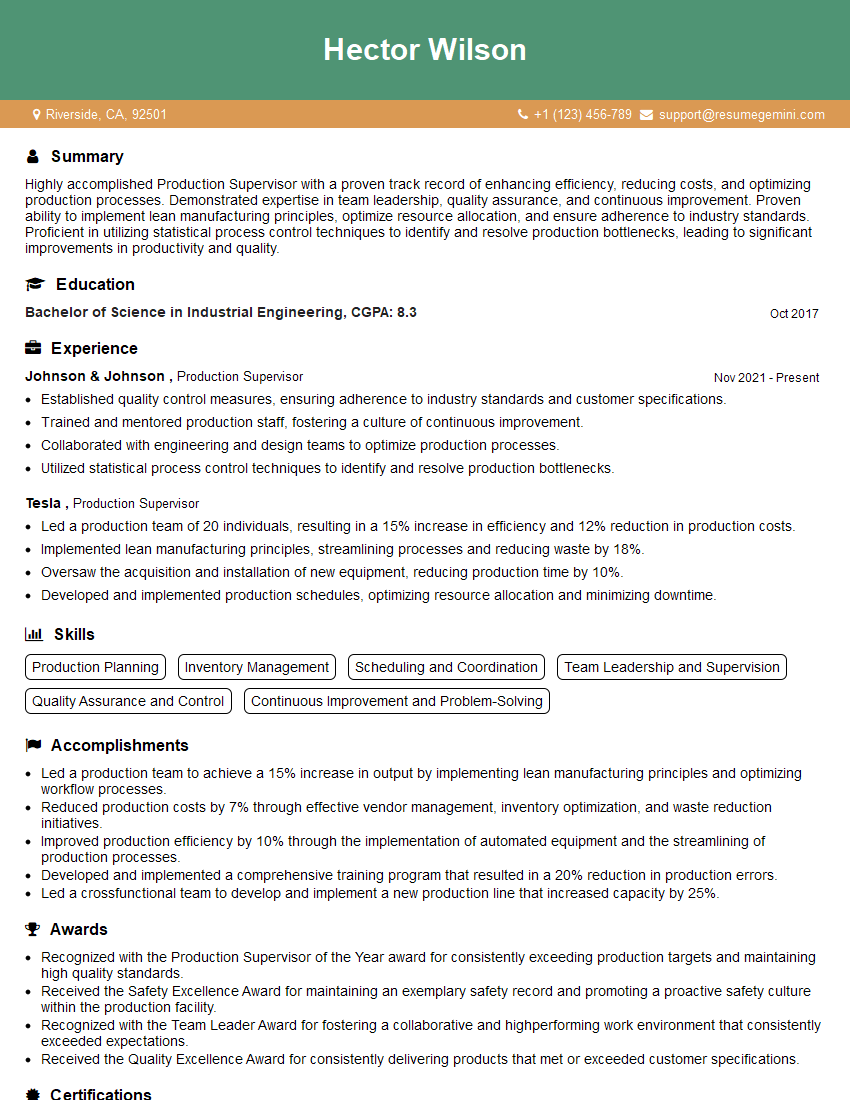
Production Supervisor Resume Sample
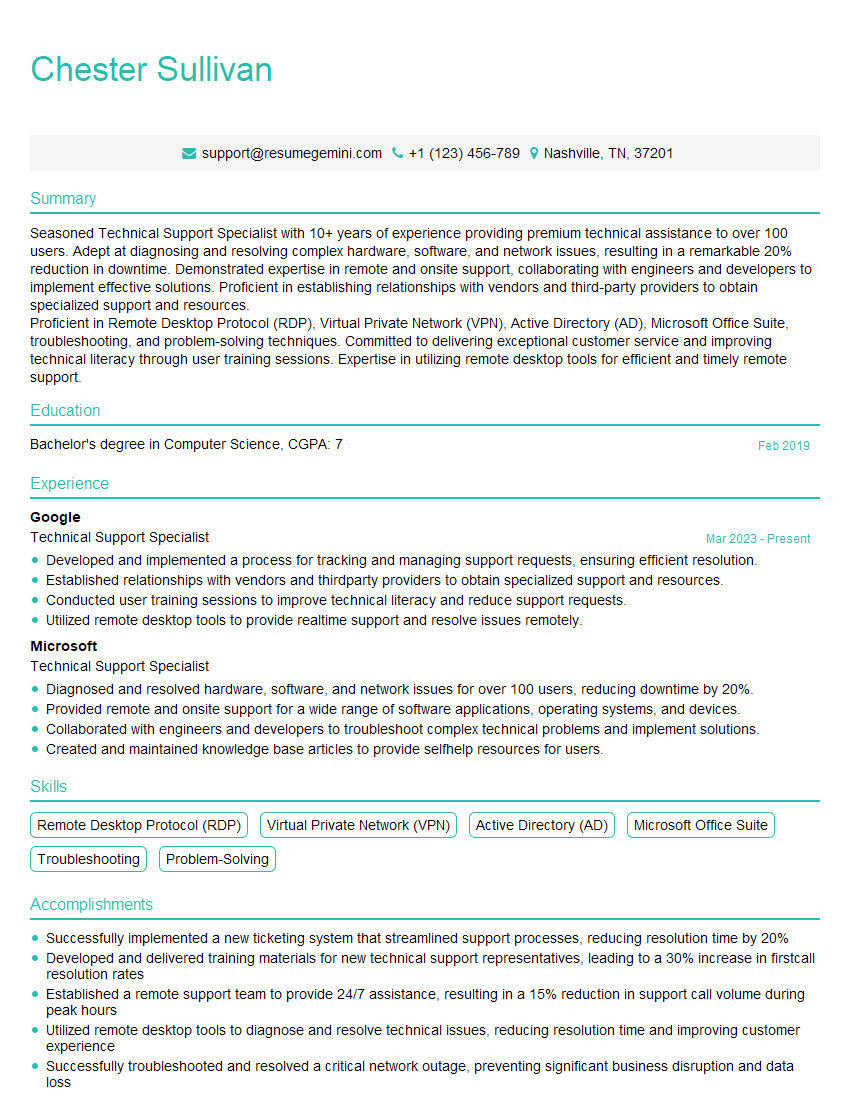
Technical Support Specialist Resume Sample
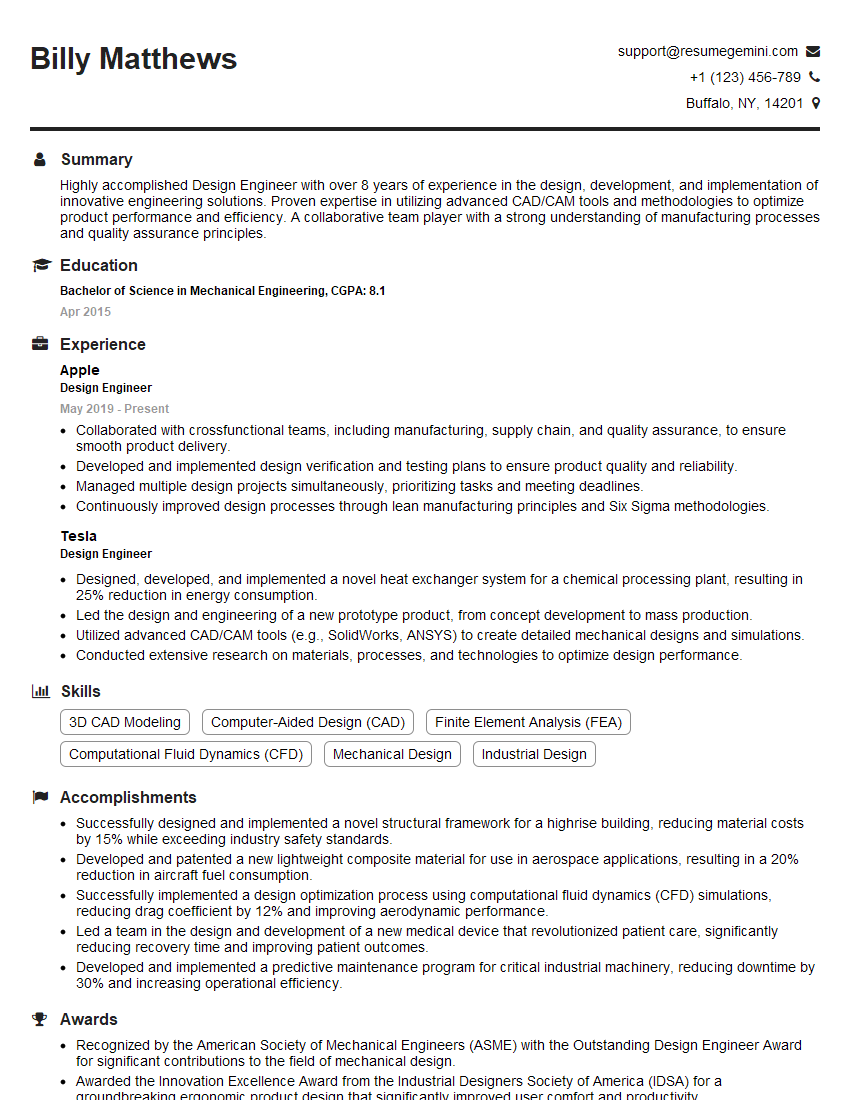
Design Engineer Resume Sample
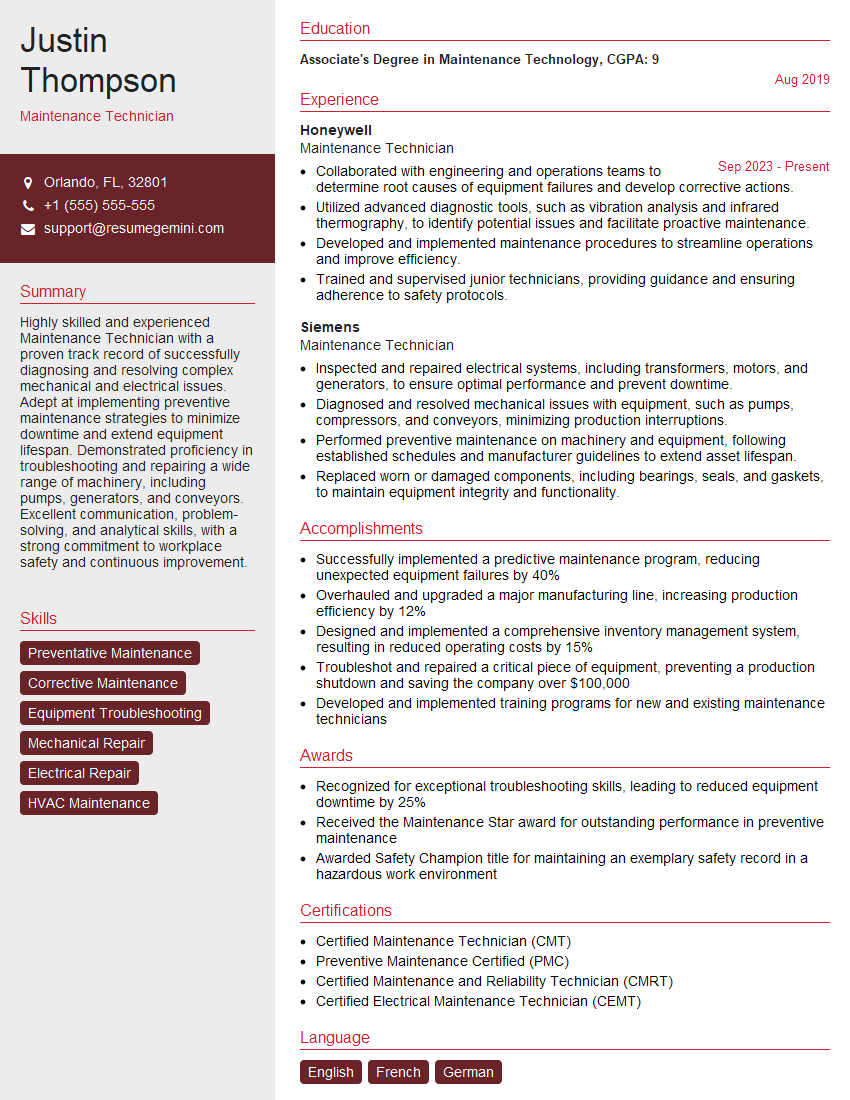
Maintenance Technician Resume Sample

Engineering Technician Resume Sample
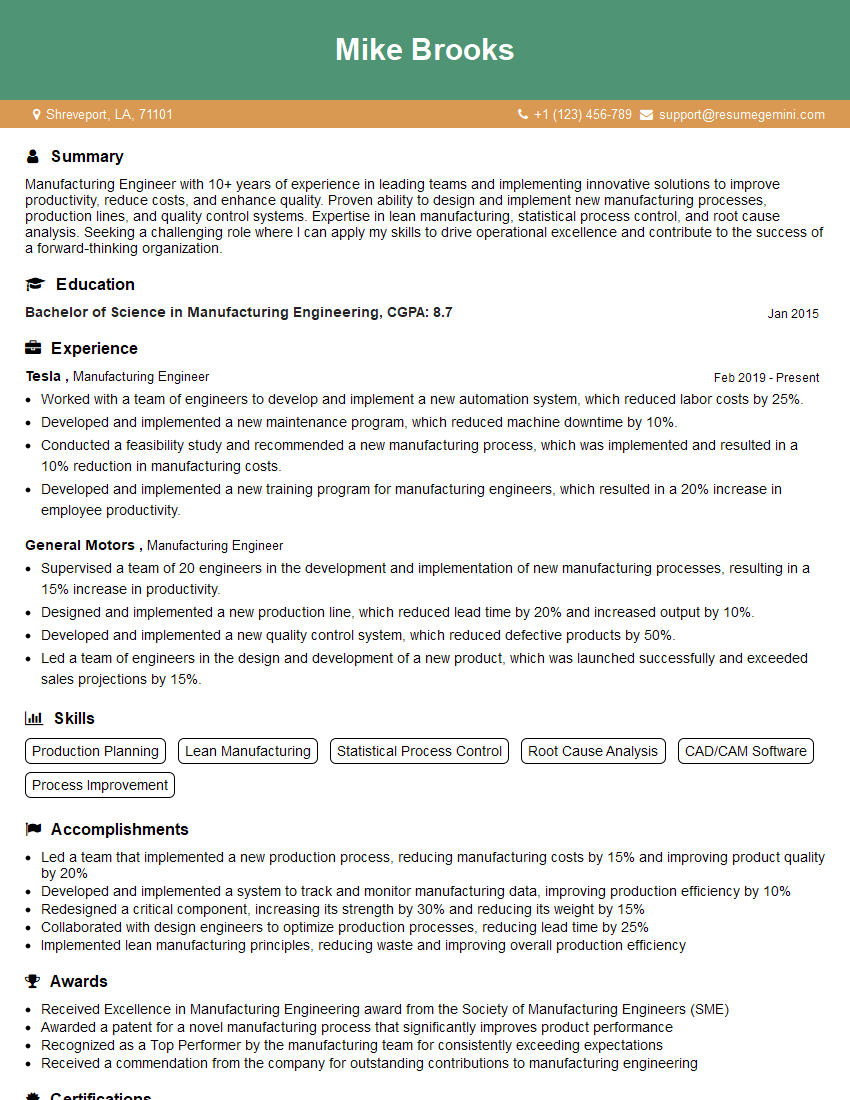
Manufacturing Engineer Resume Sample
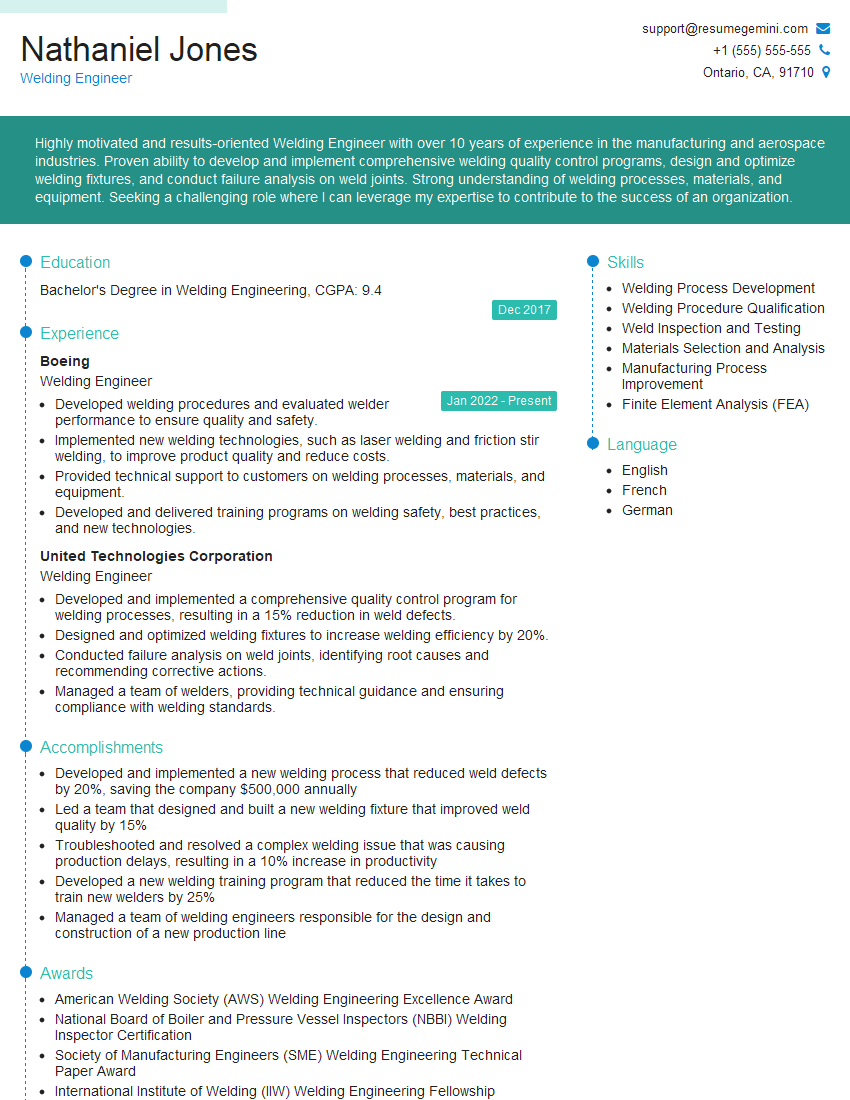
Welding Engineer Resume Sample
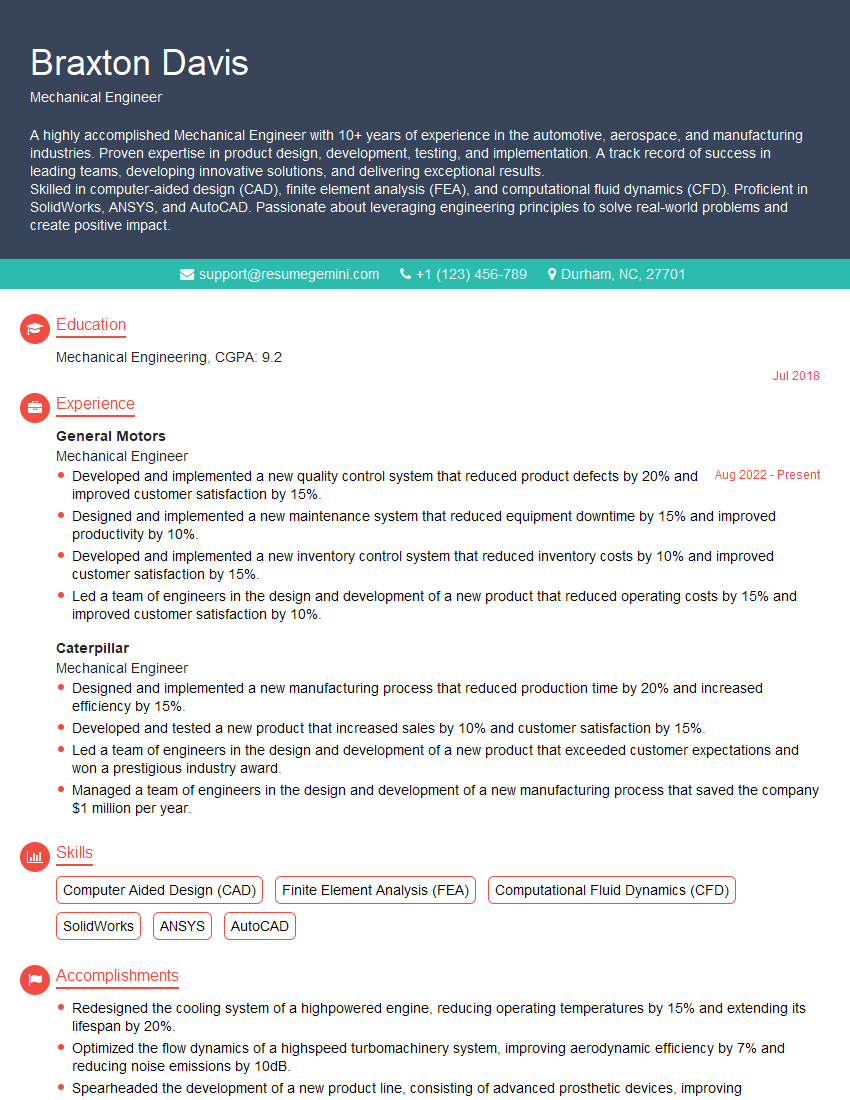
Mechanical Engineer Resume Sample
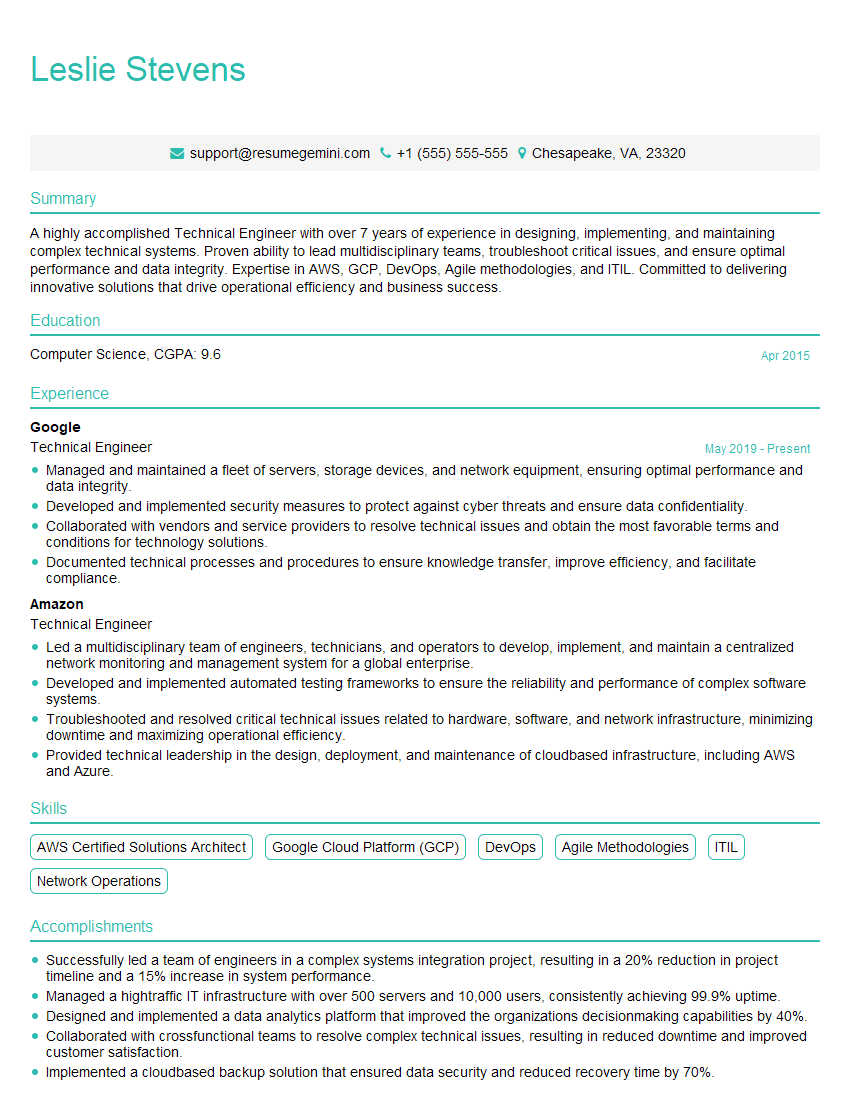
Technical Engineer Resume Sample
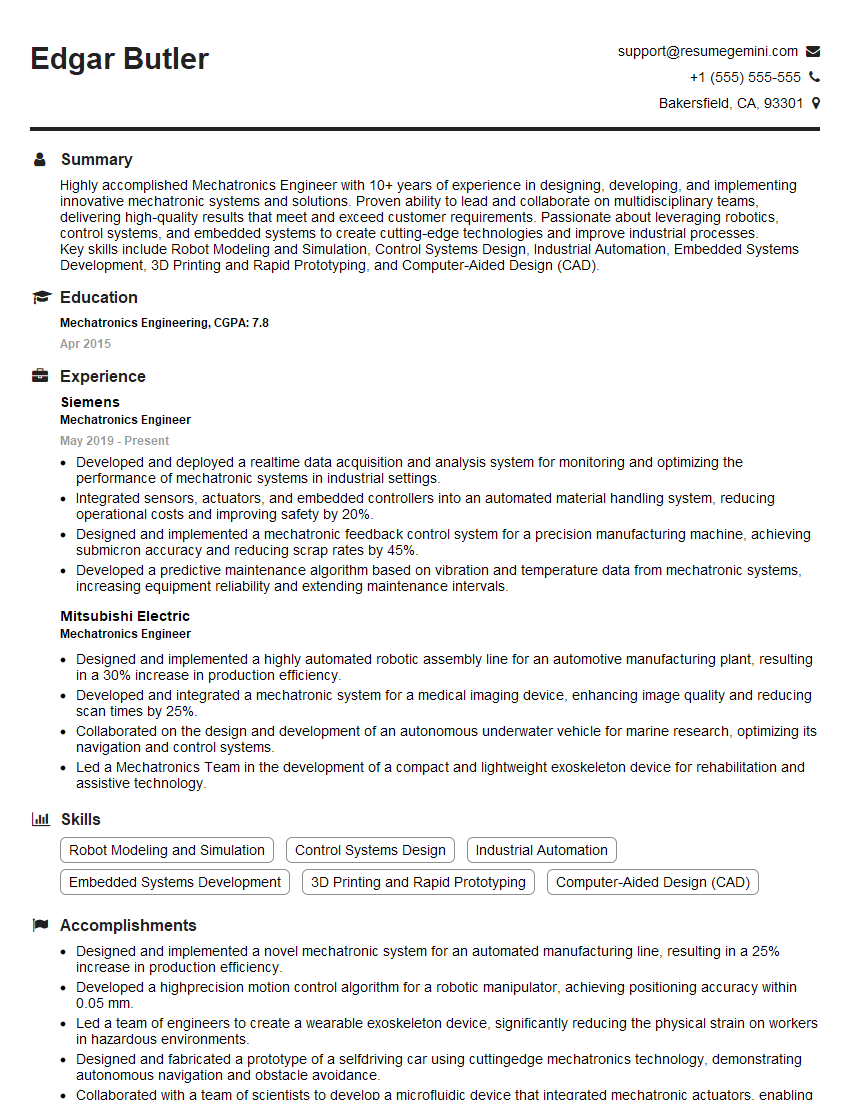
Mechatronics Engineer Resume Sample
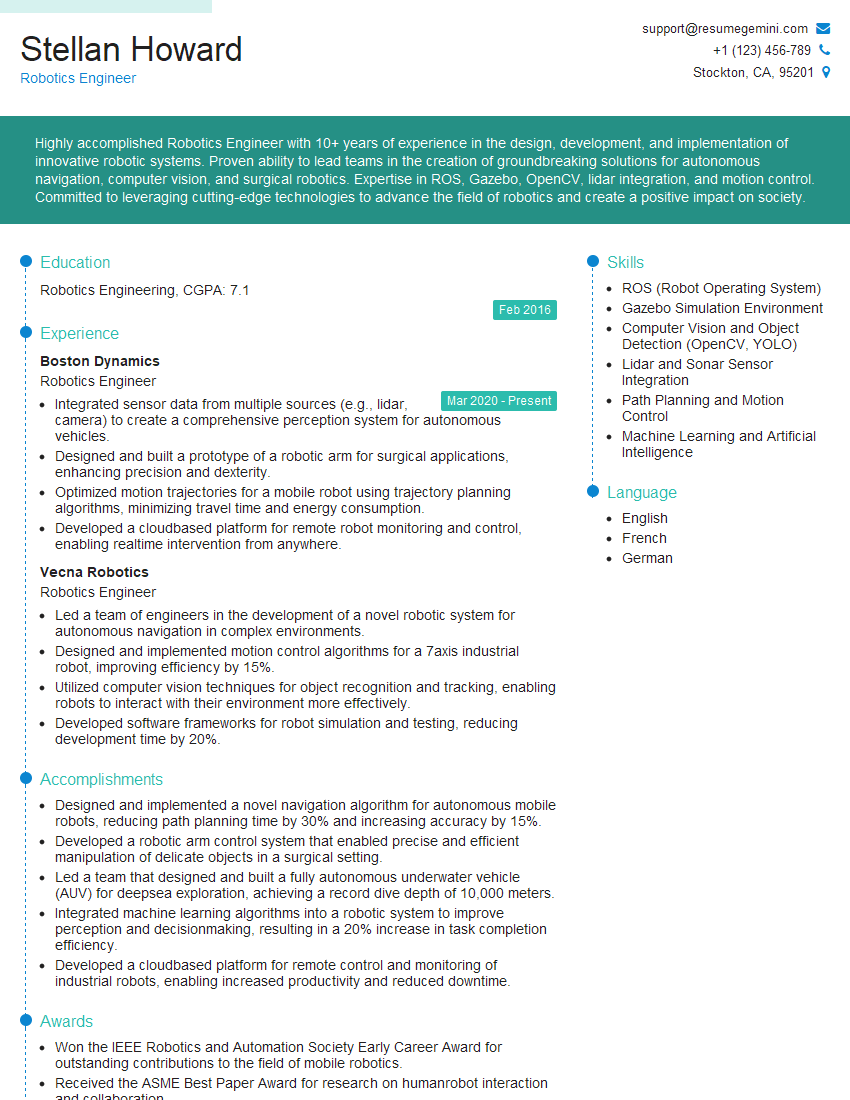
Robotics Engineer Resume Sample
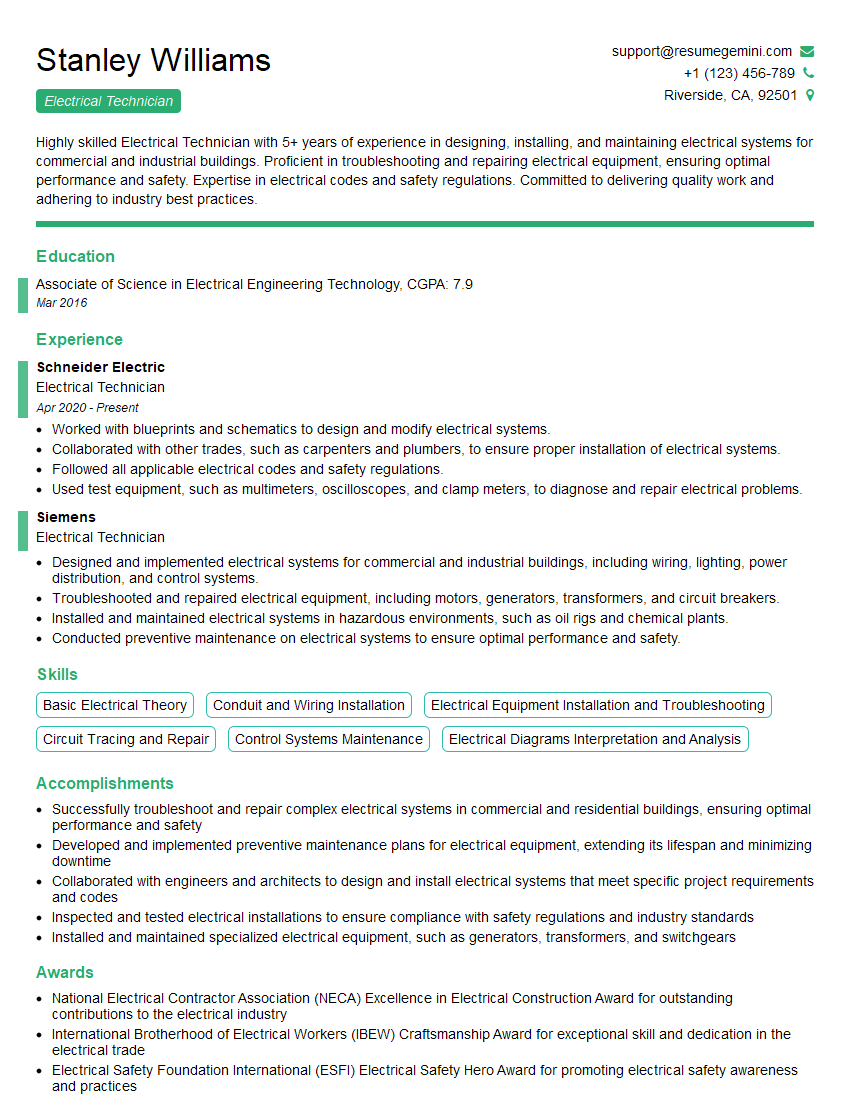
Electrical Technician Resume Sample
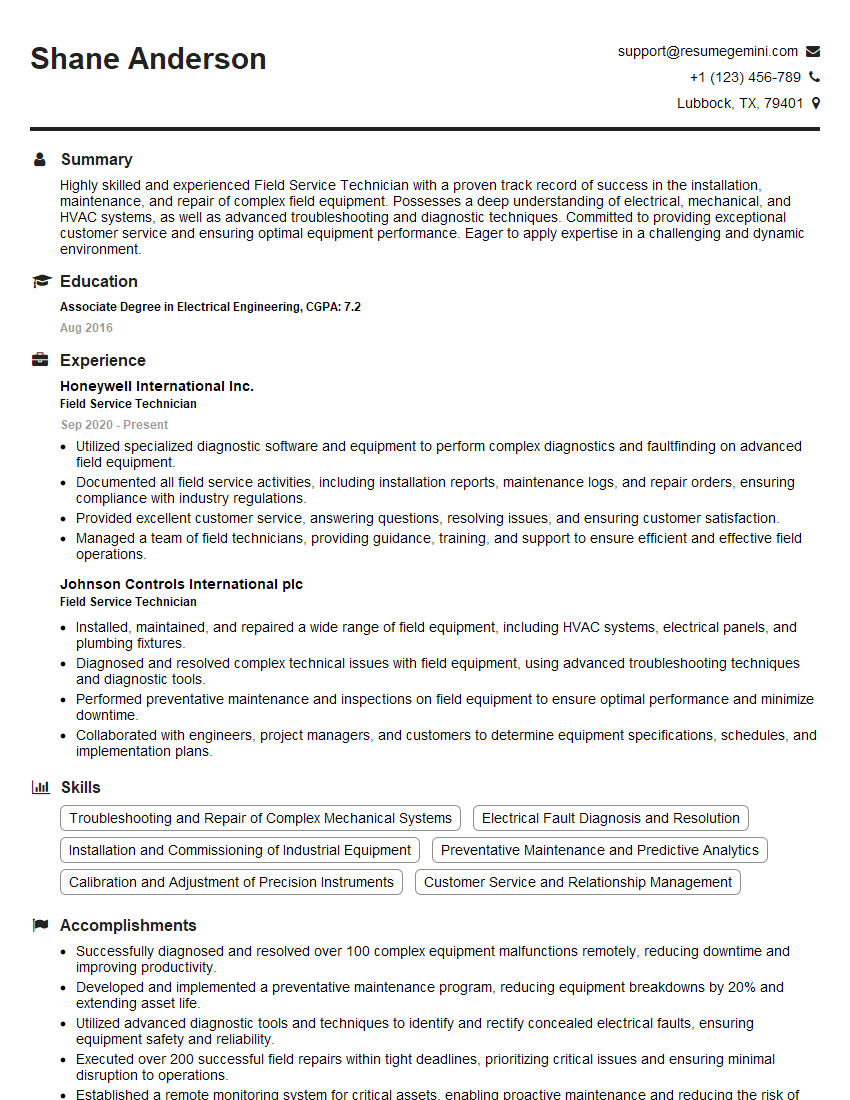
Field Service Technician Resume Sample
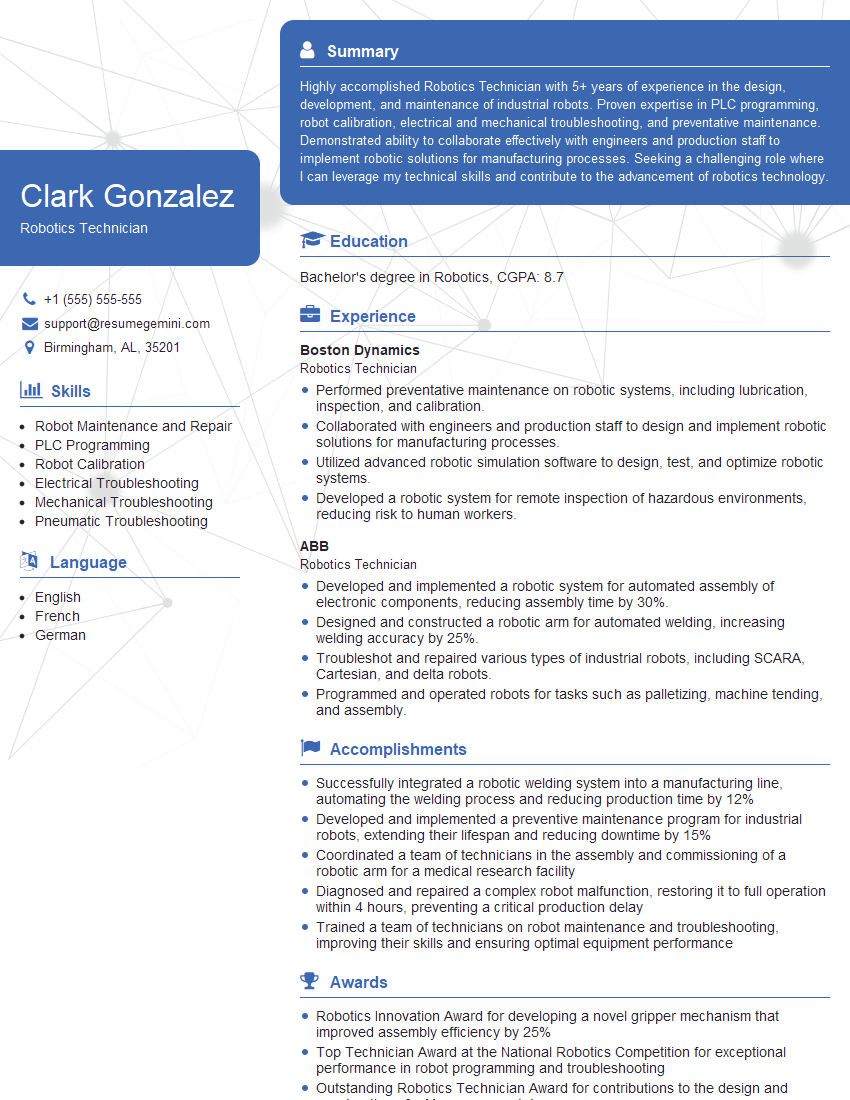
Robotics Technician Resume Sample

Machinist Resume Sample
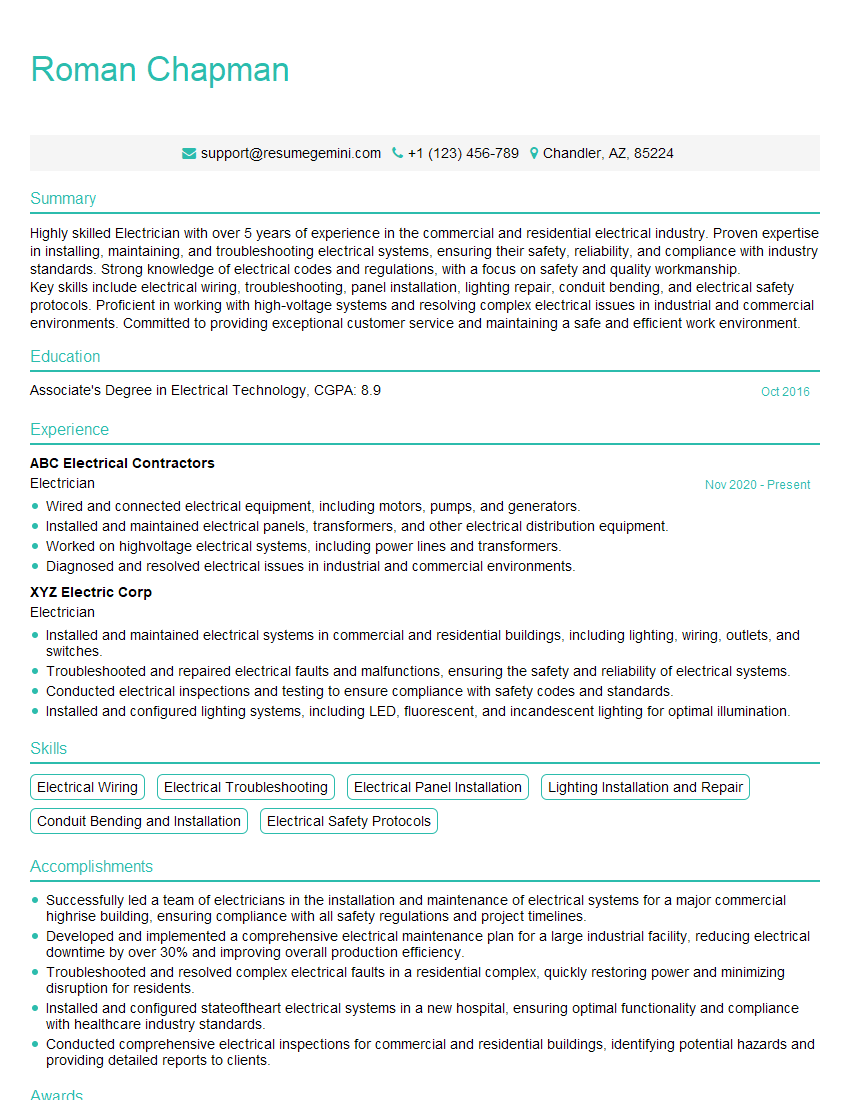
Electrician Resume Sample
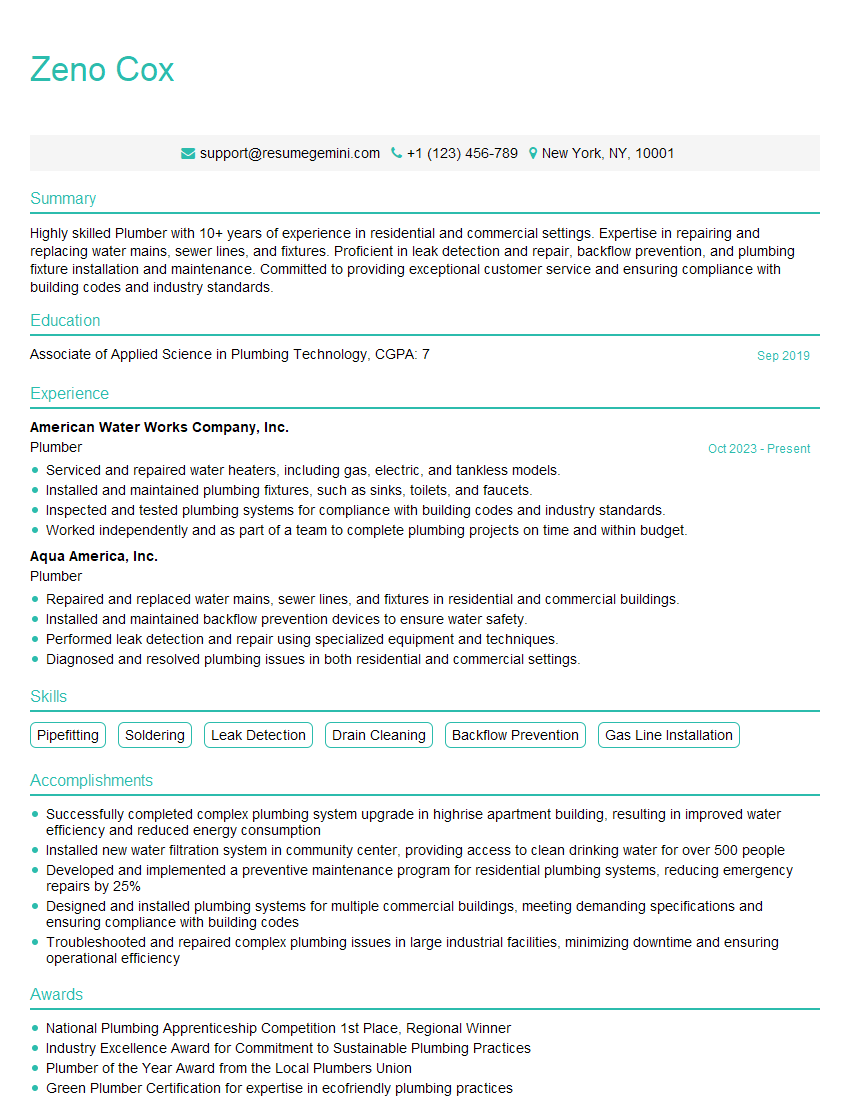
Plumber Resume Sample
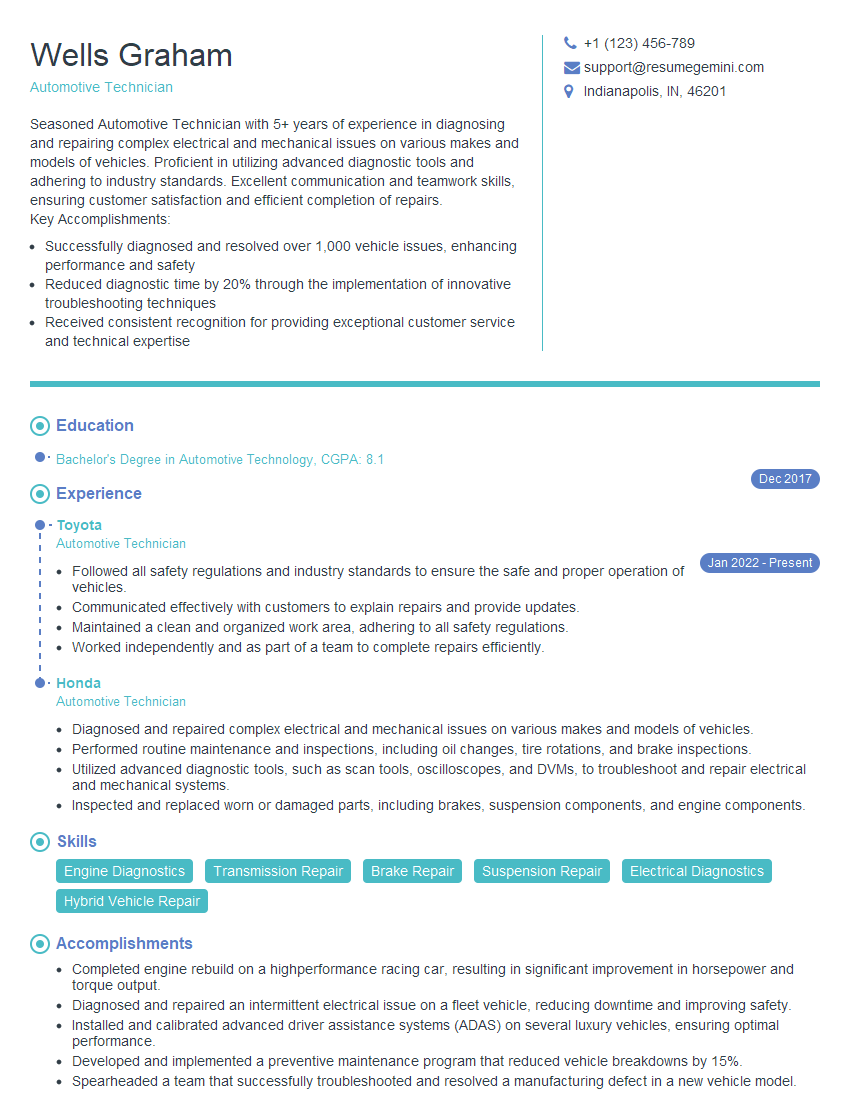
Automotive Technician Resume Sample
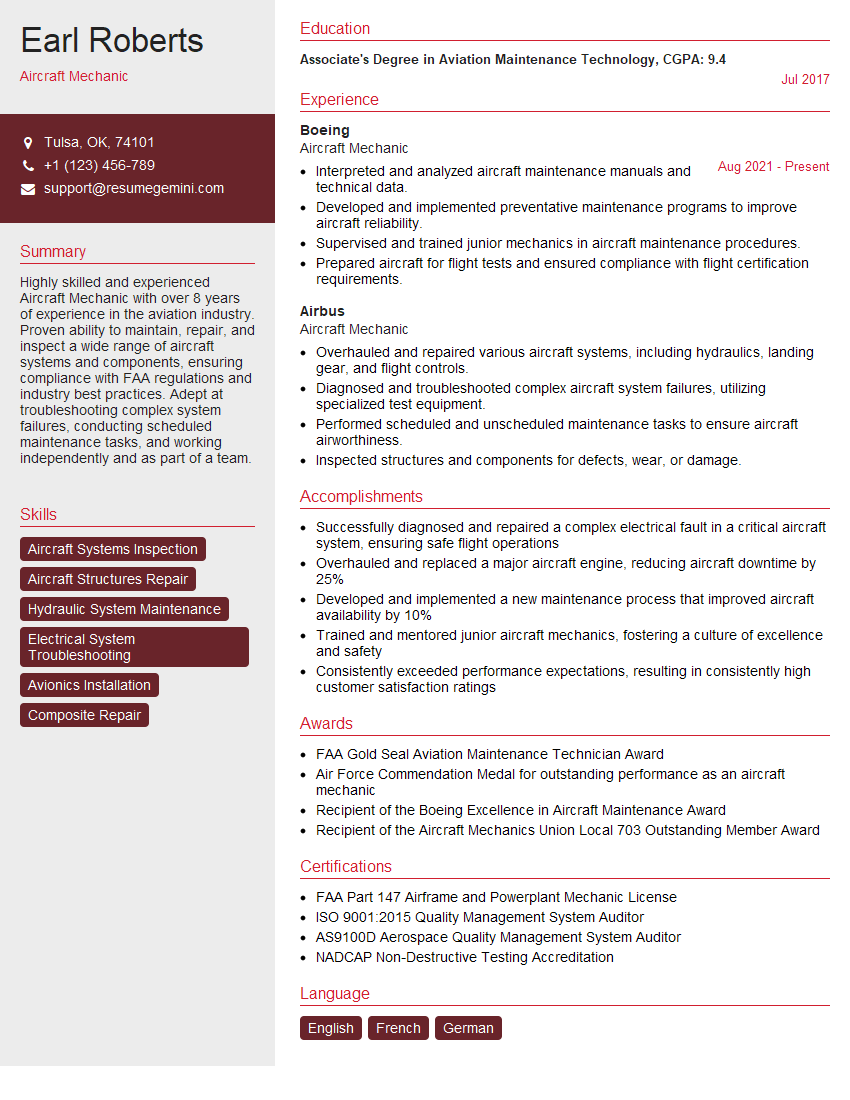
Aircraft Mechanic Resume Sample
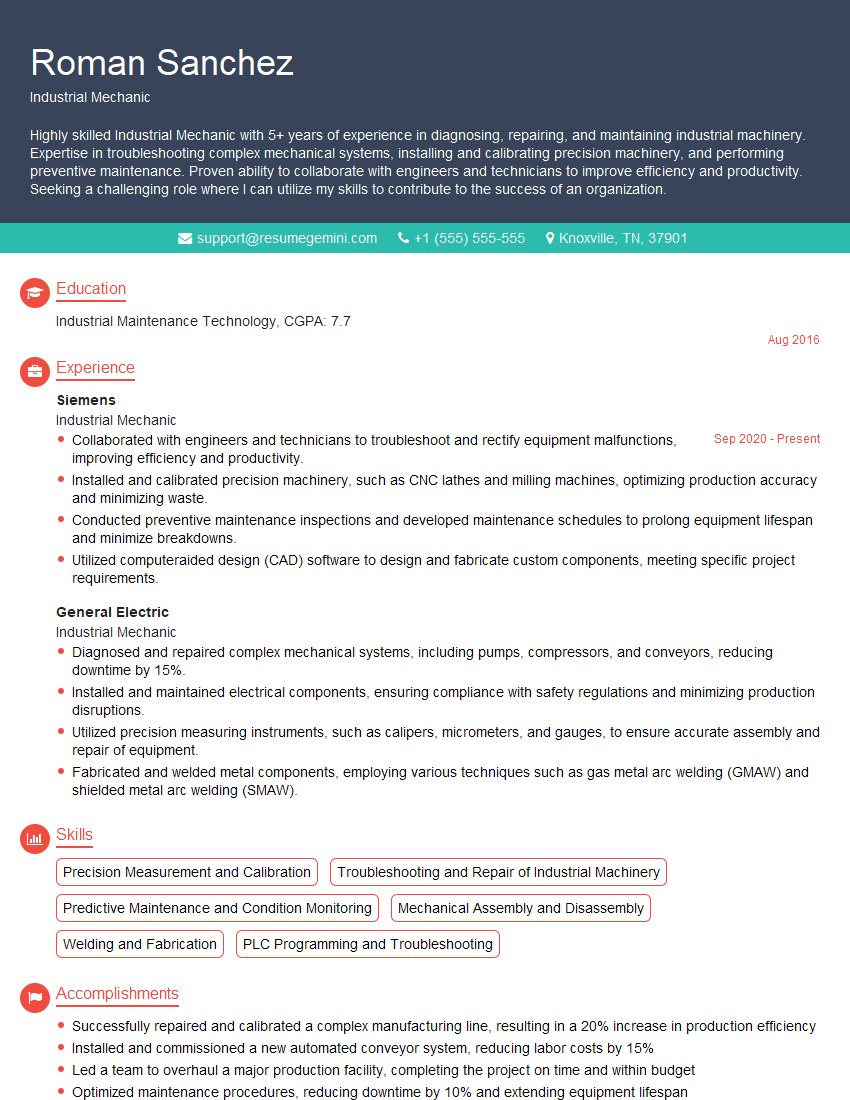
Industrial Mechanic Resume Sample
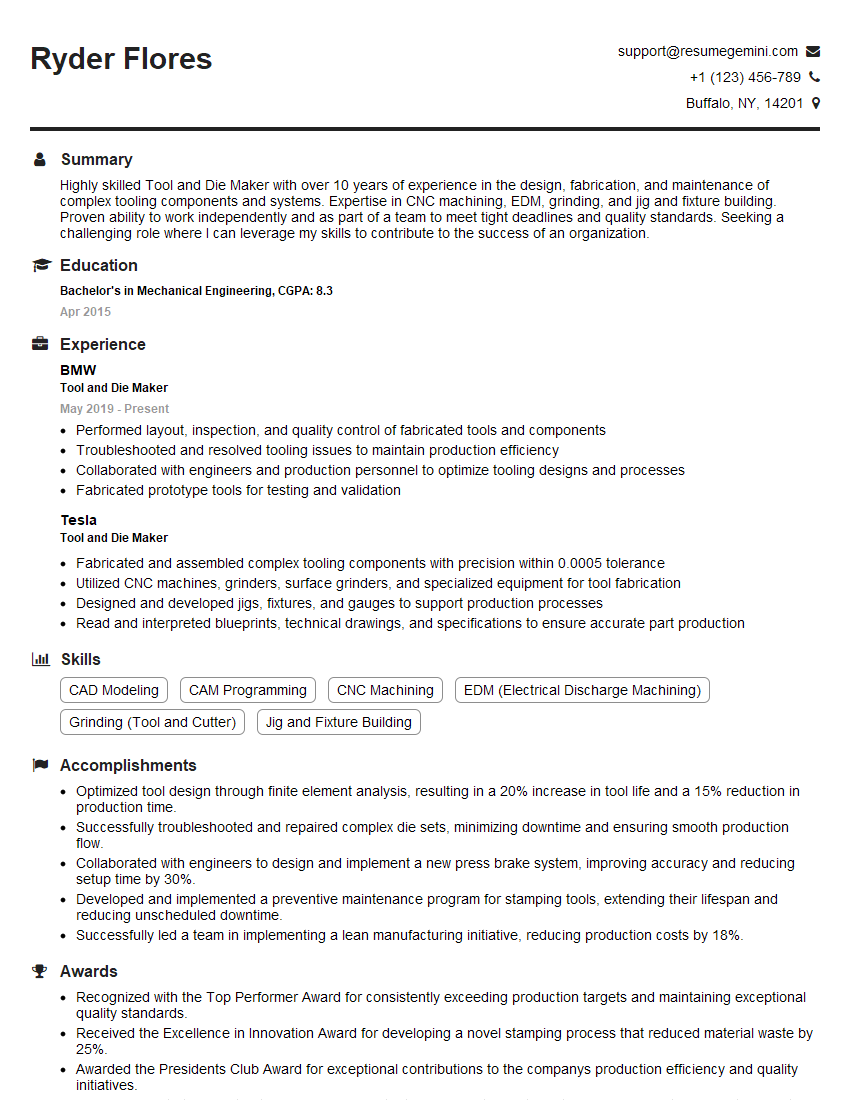
Tool and Die Maker Resume Sample
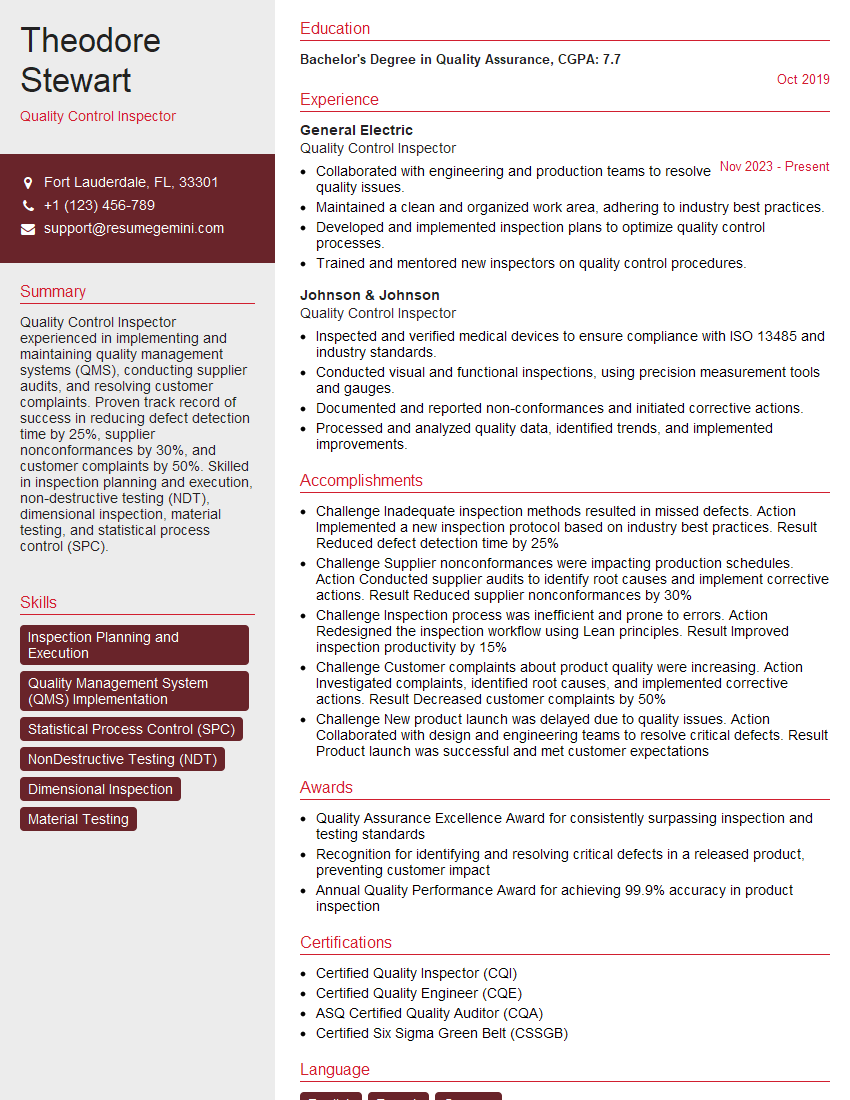
Quality Control Inspector Resume Sample
- Production Supervisor
- Technical Support Specialist
- Design Engineer
- Maintenance Technician
- Engineering Technician
- Manufacturing Engineer
- Welding Engineer
- Mechanical Engineer
- Technical Engineer
- Mechatronics Engineer
- Robotics Engineer
- Electrical Technician
- Field Service Technician
- Robotics Technician
- Machinist
- Electrician
- Plumber
- Automotive Technician
- Aircraft Mechanic
- Industrial Mechanic
- Tool and Die Maker
- Quality Control Inspector
Explore more articles
Users Rating of Our Blogs
Share Your Experience
We value your feedback! Please rate our content and share your thoughts (optional).
What Readers Say About Our Blog
Attention music lovers!
Wow, All the best Sax Summer music !!!
Spotify: https://open.spotify.com/artist/6ShcdIT7rPVVaFEpgZQbUk
Apple Music: https://music.apple.com/fr/artist/jimmy-sax-black/1530501936
YouTube: https://music.youtube.com/browse/VLOLAK5uy_noClmC7abM6YpZsnySxRqt3LoalPf88No
Other Platforms and Free Downloads : https://fanlink.tv/jimmysaxblack
on google : https://www.google.com/search?q=22+AND+22+AND+22
on ChatGPT : https://chat.openai.com?q=who20jlJimmy20Black20Sax20Producer
Get back into the groove with Jimmy sax Black
Best regards,
Jimmy sax Black
www.jimmysaxblack.com
Hi I am a troller at The aquatic interview center and I suddenly went so fast in Roblox and it was gone when I reset.
Hi,
Business owners spend hours every week worrying about their website—or avoiding it because it feels overwhelming.
We’d like to take that off your plate:
$69/month. Everything handled.
Our team will:
Design a custom website—or completely overhaul your current one
Take care of hosting as an option
Handle edits and improvements—up to 60 minutes of work included every month
No setup fees, no annual commitments. Just a site that makes a strong first impression.
Find out if it’s right for you:
https://websolutionsgenius.com/awardwinningwebsites
Hello,
we currently offer a complimentary backlink and URL indexing test for search engine optimization professionals.
You can get complimentary indexing credits to test how link discovery works in practice.
No credit card is required and there is no recurring fee.
You can find details here:
https://wikipedia-backlinks.com/indexing/
Regards
NICE RESPONSE TO Q & A
hi
The aim of this message is regarding an unclaimed deposit of a deceased nationale that bears the same name as you. You are not relate to him as there are millions of people answering the names across around the world. But i will use my position to influence the release of the deposit to you for our mutual benefit.
Respond for full details and how to claim the deposit. This is 100% risk free. Send hello to my email id: lukachachibaialuka@gmail.com
Luka Chachibaialuka
Hey interviewgemini.com, just wanted to follow up on my last email.
We just launched Call the Monster, an parenting app that lets you summon friendly ‘monsters’ kids actually listen to.
We’re also running a giveaway for everyone who downloads the app. Since it’s brand new, there aren’t many users yet, which means you’ve got a much better chance of winning some great prizes.
You can check it out here: https://bit.ly/callamonsterapp
Or follow us on Instagram: https://www.instagram.com/callamonsterapp
Thanks,
Ryan
CEO – Call the Monster App
Hey interviewgemini.com, I saw your website and love your approach.
I just want this to look like spam email, but want to share something important to you. We just launched Call the Monster, a parenting app that lets you summon friendly ‘monsters’ kids actually listen to.
Parents are loving it for calming chaos before bedtime. Thought you might want to try it: https://bit.ly/callamonsterapp or just follow our fun monster lore on Instagram: https://www.instagram.com/callamonsterapp
Thanks,
Ryan
CEO – Call A Monster APP
To the interviewgemini.com Owner.
Dear interviewgemini.com Webmaster!
Hi interviewgemini.com Webmaster!
Dear interviewgemini.com Webmaster!
excellent
Hello,
We found issues with your domain’s email setup that may be sending your messages to spam or blocking them completely. InboxShield Mini shows you how to fix it in minutes — no tech skills required.
Scan your domain now for details: https://inboxshield-mini.com/
— Adam @ InboxShield Mini
support@inboxshield-mini.com
Reply STOP to unsubscribe
Hi, are you owner of interviewgemini.com? What if I told you I could help you find extra time in your schedule, reconnect with leads you didn’t even realize you missed, and bring in more “I want to work with you” conversations, without increasing your ad spend or hiring a full-time employee?
All with a flexible, budget-friendly service that could easily pay for itself. Sounds good?
Would it be nice to jump on a quick 10-minute call so I can show you exactly how we make this work?
Best,
Hapei
Marketing Director
Hey, I know you’re the owner of interviewgemini.com. I’ll be quick.
Fundraising for your business is tough and time-consuming. We make it easier by guaranteeing two private investor meetings each month, for six months. No demos, no pitch events – just direct introductions to active investors matched to your startup.
If youR17;re raising, this could help you build real momentum. Want me to send more info?
Hi, I represent an SEO company that specialises in getting you AI citations and higher rankings on Google. I’d like to offer you a 100% free SEO audit for your website. Would you be interested?
Hi, I represent an SEO company that specialises in getting you AI citations and higher rankings on Google. I’d like to offer you a 100% free SEO audit for your website. Would you be interested?