Preparation is the key to success in any interview. In this post, we’ll explore crucial Technical Data Analysis and Interpretation interview questions and equip you with strategies to craft impactful answers. Whether you’re a beginner or a pro, these tips will elevate your preparation.
Questions Asked in Technical Data Analysis and Interpretation Interview
Q 1. Explain the difference between descriptive, predictive, and prescriptive analytics.
The three types of analytics – descriptive, predictive, and prescriptive – represent a progression in the sophistication of data analysis. Think of it as moving from understanding the past, to anticipating the future, to actively influencing it.
- Descriptive Analytics: This is about summarizing what has already happened. It involves analyzing historical data to identify trends, patterns, and anomalies. Imagine a retail business analyzing past sales data to understand which products sold best in a particular month. Key tools include summary statistics (mean, median, mode), data aggregation, and visualizations like bar charts and line graphs. The output is a description of past events.
- Predictive Analytics: This focuses on forecasting what might happen in the future. It uses statistical modeling, machine learning, and data mining techniques to predict future outcomes based on historical data and other relevant factors. For example, a bank might use predictive analytics to assess the creditworthiness of loan applicants or predict customer churn. Techniques include regression analysis, classification, and time series forecasting.
- Prescriptive Analytics: This is the most advanced type, going beyond prediction to recommend actions that can optimize outcomes. It uses optimization algorithms and simulation to suggest the best course of action in a given situation. A supply chain manager, for instance, could use prescriptive analytics to determine the optimal inventory levels to minimize costs while meeting customer demand. Techniques include linear programming, simulation, and decision trees.
Q 2. What are some common data visualization techniques and when would you use each?
Data visualization is crucial for communicating insights effectively. The choice of technique depends on the type of data and the message you want to convey.
- Bar charts and column charts: Ideal for comparing categorical data, such as sales across different regions or product categories.
- Line charts: Excellent for showing trends over time, like website traffic or stock prices.
- Pie charts: Useful for displaying proportions or percentages of a whole, such as market share or customer demographics.
- Scatter plots: Show the relationship between two numerical variables, revealing correlations or patterns. For example, plotting ice cream sales against temperature.
- Histograms: Display the distribution of a single numerical variable, highlighting central tendency and spread.
- Heatmaps: Useful for visualizing data in a matrix format, showing correlations or intensities across multiple variables. Think of a geographical heatmap showing disease prevalence.
Choosing the right visualization is key to effective communication. A poorly chosen chart can obscure insights instead of clarifying them. For example, using a pie chart with too many slices can become confusing.
Q 3. Describe your experience with SQL and its use in data analysis.
SQL (Structured Query Language) is the cornerstone of my data analysis workflow. I’ve extensively used it to extract, transform, and load (ETL) data from various sources. My experience spans relational database management systems like MySQL, PostgreSQL, and SQL Server.
For example, in a recent project, I used SQL to query a large customer database to identify high-value customers based on their purchase history and demographics. The query involved joining multiple tables, filtering results based on specific criteria, and aggregating data to calculate relevant metrics.
SELECT customer_id, SUM(purchase_amount) AS total_spent FROM purchases JOIN customers ON purchases.customer_id = customers.customer_id WHERE customer_segment = 'High-Value' GROUP BY customer_id ORDER BY total_spent DESC;
This is just a simple example; I am also comfortable with advanced SQL techniques like window functions, common table expressions (CTEs), and stored procedures to handle complex data manipulation and analysis.
Q 4. How do you handle missing data in a dataset?
Handling missing data is crucial for maintaining data integrity and avoiding biased results. The approach depends on the nature and extent of the missing data, as well as the chosen analytical method.
- Deletion: If the missing data is minimal and randomly distributed, listwise or pairwise deletion might be considered. However, this can lead to a loss of valuable information and bias if missingness is not random.
- Imputation: This involves replacing missing values with estimated ones. Common techniques include mean/median/mode imputation, k-Nearest Neighbors (k-NN) imputation, and multiple imputation. The choice depends on the data distribution and the nature of the missing data.
- Model-based approaches: Sophisticated models can predict missing values based on other variables in the dataset. These methods often outperform simpler imputation techniques, but require more expertise.
It’s vital to carefully consider the implications of each approach and document the chosen method. Simply ignoring missing data can lead to inaccurate conclusions.
Q 5. What are some common data cleaning techniques?
Data cleaning is an iterative process crucial for ensuring data quality and reliability. Common techniques include:
- Handling missing values: As discussed earlier, this might involve deletion, imputation, or using model-based techniques.
- Identifying and correcting inconsistencies: This includes fixing typos, standardizing formats (dates, addresses), and resolving conflicting data entries. For example, ensuring consistent spelling of customer names.
- Removing duplicates: Identifying and removing duplicate records to prevent inflated counts and biased results. This often involves comparing records based on key identifiers.
- Outlier detection and treatment: Identifying and handling outliers, as explained in the following answer.
- Data transformation: Transforming data to improve its suitability for analysis. This could involve scaling, normalization, or creating derived variables.
The cleaning process is often a combination of automated scripts and manual review, ensuring accuracy and robustness.
Q 6. Explain the concept of outliers and how you would identify and handle them.
Outliers are data points that significantly deviate from the majority of the data. They can be caused by errors in data collection, measurement inaccuracies, or genuinely unusual events. Identifying and handling them is essential because outliers can heavily influence statistical analyses and modeling results.
Identification: Common methods include box plots (visually identifying points beyond the whiskers), z-scores (identifying points beyond a certain number of standard deviations from the mean), and interquartile range (IQR) method.
Handling: The approach depends on the cause and impact of the outliers. Options include:
- Removal: If outliers are due to errors or are deemed to have a disproportionate influence, removal might be justified. However, this should be done cautiously and with clear justification.
- Transformation: Applying transformations like logarithmic or square root transformations can reduce the influence of outliers.
- Winsorizing or trimming: Replacing outliers with less extreme values (Winsorizing) or removing a certain percentage of extreme values (trimming).
- Robust statistical methods: Employing robust statistical methods (less sensitive to outliers) such as median instead of mean, or robust regression.
The choice of handling method depends on the context and should be carefully considered. Simply removing outliers without investigation can be misleading.
Q 7. What statistical methods are you familiar with and how have you applied them?
My statistical toolbox includes a wide array of methods, applied across various projects. Here are a few examples:
- Descriptive statistics: Calculating measures of central tendency (mean, median, mode), dispersion (standard deviation, variance), and skewness to summarize and understand data distributions.
- Regression analysis: Used extensively for predicting outcomes based on independent variables. I have experience with linear, multiple, and logistic regression, applying them to projects such as predicting customer churn or sales forecasting.
- Hypothesis testing: Conducting t-tests, ANOVA, and chi-square tests to assess the statistical significance of observed differences or relationships between variables.
- Time series analysis: Analyzing time-dependent data using techniques such as ARIMA modeling or exponential smoothing to understand patterns and forecast future values – crucial in applications like financial forecasting or demand prediction.
- Clustering: Employing techniques like k-means clustering or hierarchical clustering to group similar data points together, aiding in customer segmentation or anomaly detection.
In a past project involving customer segmentation, I employed k-means clustering to group customers based on their purchasing behavior, demographic characteristics, and website activity. This allowed for targeted marketing campaigns and improved customer relationship management.
Q 8. How do you determine the appropriate statistical test for a given dataset?
Choosing the right statistical test hinges on several factors: the type of data (categorical, numerical, continuous), the number of groups being compared, and the research question. It’s like choosing the right tool for a job – you wouldn’t use a hammer to screw in a screw!
- For comparing means between two groups: If your data is normally distributed, an independent samples t-test (for independent groups) or a paired samples t-test (for dependent groups) is appropriate. If not normally distributed, consider a Mann-Whitney U test (independent) or a Wilcoxon signed-rank test (dependent).
- For comparing means across more than two groups: A one-way ANOVA (Analysis of Variance) is suitable for normally distributed data; the Kruskal-Wallis test is the non-parametric equivalent.
- For examining relationships between variables: Correlation analysis (Pearson’s r for linear relationships, Spearman’s rho for non-linear) helps understand the association. Regression analysis (linear, logistic, etc.) predicts one variable based on others.
- For categorical data: Chi-square tests assess the independence of categorical variables.
For instance, if I’m analyzing customer satisfaction scores (numerical data) before and after a website redesign (two related groups), a paired samples t-test would be the logical choice. If comparing satisfaction across three different website designs (independent groups), a one-way ANOVA would be used. Always check assumptions of the chosen test before applying it.
Q 9. What is A/B testing and how is it used in data analysis?
A/B testing, also known as split testing, is a controlled experiment where two versions of a webpage, app, or other item are shown to different user groups to determine which performs better. It’s like a taste test – you offer two flavors of ice cream and see which one people prefer. The data analysis focuses on key metrics like conversion rates, click-through rates, or time spent on page.
In data analysis, A/B testing is crucial for optimizing user experience and increasing conversions. Imagine an e-commerce site experimenting with two different button colors to see which one leads to more purchases. We randomly assign users to either see the ‘A’ version (e.g., blue button) or the ‘B’ version (e.g., red button). After collecting data, we use statistical tests (like a chi-square test or z-test) to determine if there’s a statistically significant difference between the conversion rates of the two versions. This guides decisions on which version to deploy site-wide.
Q 10. Describe your experience with data mining techniques.
My experience with data mining techniques is extensive. I’ve applied various techniques, including association rule mining, clustering, and classification, across diverse projects. For example, I used association rule mining (think ‘market basket analysis’) to identify frequently purchased product combinations in a retail setting, which informed targeted marketing campaigns. In another project, I employed K-means clustering to segment customers based on their purchasing behavior, allowing for personalized recommendations and improved customer retention strategies. Classification algorithms like decision trees and support vector machines have been instrumental in predicting customer churn and identifying potential fraud.
My proficiency extends to handling large datasets efficiently, employing techniques such as dimensionality reduction (PCA) and feature engineering to improve model performance and interpretability. I’m also comfortable working with various data mining tools, including R and Python libraries like scikit-learn and Weka.
Q 11. Explain your understanding of regression analysis.
Regression analysis is a statistical method used to model the relationship between a dependent variable and one or more independent variables. Imagine trying to predict a house’s price (dependent variable) based on its size, location, and number of bedrooms (independent variables). Regression analysis helps establish this relationship mathematically, providing a formula to estimate the price given the values of other variables.
Different types of regression analysis exist, each suited to specific data types and relationships. Linear regression models a linear relationship, while polynomial regression handles curves. Logistic regression predicts probabilities of a categorical outcome (e.g., will a customer click an ad?). The choice depends on the nature of the data and the desired outcome. Interpreting regression results involves examining the coefficients of the independent variables, which represent their impact on the dependent variable, as well as assessing the overall goodness-of-fit (e.g., R-squared) of the model.
Q 12. How do you interpret correlation coefficients?
Correlation coefficients quantify the strength and direction of a linear relationship between two variables. The most common is Pearson’s r, ranging from -1 to +1. A value of +1 indicates a perfect positive correlation (as one variable increases, the other increases proportionally), -1 indicates a perfect negative correlation (as one increases, the other decreases proportionally), and 0 indicates no linear correlation.
For example, a correlation coefficient of 0.8 between ice cream sales and temperature suggests a strong positive relationship: higher temperatures tend to be associated with higher ice cream sales. However, correlation doesn’t imply causation. While sales increase with temperature, temperature isn’t necessarily *causing* the increased sales (other factors like sunny weather could contribute).
Q 13. What is the difference between correlation and causation?
Correlation describes an association between two variables – they tend to change together. Causation, however, implies that one variable directly influences or causes a change in another. Correlation doesn’t equal causation. Just because two things correlate doesn’t mean one causes the other.
Think of the correlation between ice cream sales and drowning incidents. Both tend to increase during summer, but one doesn’t cause the other. The underlying factor is the summer season itself. Establishing causation requires more rigorous methods, like controlled experiments or longitudinal studies, that account for confounding variables and establish a clear cause-and-effect link.
Q 14. What are some common data biases and how can they be mitigated?
Data biases significantly impact the accuracy and reliability of analyses. Some common biases include:
- Sampling bias: Occurs when the sample doesn’t accurately represent the population. For example, surveying only university students to understand national opinions introduces bias. Mitigation: Employ proper random sampling techniques to ensure representativeness.
- Confirmation bias: The tendency to search for or interpret information that confirms pre-existing beliefs. Mitigation: Employ rigorous, objective analytical methods and consider alternative explanations.
- Selection bias: Occurs when participants are not randomly assigned to groups in an experiment. Mitigation: Randomized controlled trials (RCTs) are crucial.
- Survivorship bias: Focusing on surviving entities and ignoring those that failed. For instance, analyzing only successful companies without considering failed ones can skew results. Mitigation: Include data on all entities, successful and unsuccessful.
- Measurement bias: Errors in data collection or measurement tools. Mitigation: Use validated, reliable instruments and implement quality control checks.
Addressing biases requires careful planning of the data collection and analysis process. Understanding potential sources of bias is crucial for obtaining valid and reliable results. Transparency in methodology and acknowledging limitations are also essential aspects of robust data analysis.
Q 15. How do you present your findings to both technical and non-technical audiences?
Presenting data findings effectively requires tailoring the communication style to the audience. For technical audiences, I focus on the specifics: detailed methodologies, statistical significance, and limitations of the analysis. I’ll use precise terminology and delve into the underlying data structures and algorithms. For non-technical audiences, I prioritize the ‘so what?’ The focus shifts to the key takeaways, actionable insights, and the overall impact of the findings. I use clear, concise language, avoiding jargon, and rely heavily on visualizations to convey complex information simply. I often use analogies to relate abstract concepts to everyday experiences. For example, instead of saying ‘the p-value is less than 0.05,’ I might say ‘there’s less than a 5% chance these results are due to random chance, so we can be reasonably confident in our conclusions.’
For both audiences, strong visuals are crucial. I choose the most appropriate chart type for the data and the message, ensuring clarity and easy interpretation. I always start with the key findings and then provide supporting details, building a narrative that guides the audience through the data story.
Career Expert Tips:
- Ace those interviews! Prepare effectively by reviewing the Top 50 Most Common Interview Questions on ResumeGemini.
- Navigate your job search with confidence! Explore a wide range of Career Tips on ResumeGemini. Learn about common challenges and recommendations to overcome them.
- Craft the perfect resume! Master the Art of Resume Writing with ResumeGemini’s guide. Showcase your unique qualifications and achievements effectively.
- Don’t miss out on holiday savings! Build your dream resume with ResumeGemini’s ATS optimized templates.
Q 16. Describe your experience with data storytelling.
Data storytelling is my passion. It’s about transforming raw data into a compelling narrative that informs, persuades, and inspires action. I believe the best data stories are structured like any good narrative: they have a beginning (setting the context and problem), a middle (presenting evidence and analysis), and an end (drawing conclusions and making recommendations). I use visualizations, charts, and graphs not just as illustrations, but as integral parts of the story itself, guiding the audience through the key findings and their significance.
In a recent project analyzing customer churn, I didn’t just present churn rates; I crafted a story around the drivers of churn – identifying specific customer segments most likely to churn and illustrating how various factors such as customer service interactions and product usage correlated with churn. This allowed stakeholders to not only understand the problem but also identify actionable solutions.
Q 17. Explain your experience with different data visualization tools (e.g., Tableau, Power BI).
I’m proficient in several data visualization tools, most notably Tableau and Power BI. Tableau excels at its intuitive drag-and-drop interface and powerful visualization capabilities. I frequently use it for interactive dashboards, allowing users to explore data dynamically and uncover insights at their own pace. Power BI, on the other hand, integrates seamlessly with Microsoft’s ecosystem, making it ideal for collaborative projects and data integration with existing business intelligence systems. Its robust reporting features are invaluable for creating comprehensive reports and presentations.
The choice of tool often depends on the project’s specific requirements. For smaller, exploratory projects, Tableau’s ease of use is a major advantage. For enterprise-level deployments with a need for extensive data integration and reporting capabilities, Power BI often provides a better solution. I’m also comfortable using other tools like Python’s Matplotlib and Seaborn libraries when necessary, offering more control over the visualization process for specialized needs.
Q 18. How do you ensure the accuracy and reliability of your data analysis?
Data accuracy and reliability are paramount. My approach is multifaceted. First, I thoroughly examine data sources, assessing their quality and validity. This involves understanding data collection methods, potential biases, and any limitations. Then, I implement rigorous data cleaning and validation procedures to identify and correct errors or inconsistencies. This includes handling missing values, outliers, and inconsistencies in data formats. Data validation often involves cross-referencing data from multiple sources and performing plausibility checks to ensure the data makes logical sense.
Statistical methods play a crucial role. I utilize appropriate statistical tests to assess the significance of my findings and quantify the uncertainty associated with them. I also document my entire analysis process meticulously, including data sources, transformations, and methodologies, allowing others to reproduce my work and verify its accuracy. Finally, I present the findings with appropriate caveats and limitations, acknowledging any uncertainties or potential sources of error. This transparency builds trust and ensures that the analysis is interpreted accurately.
Q 19. Describe a time you had to deal with a large and complex dataset. How did you approach it?
I once worked with a dataset containing millions of customer transaction records spanning several years. The sheer size and complexity initially posed a challenge. My approach was systematic: I began by breaking down the problem into smaller, manageable tasks. First, I performed exploratory data analysis (EDA) to understand the data’s structure, identify key variables, and detect potential issues. I used sampling techniques to work with representative subsets of the data during the initial EDA phases, greatly reducing computational time. This allowed me to quickly gain valuable insights without having to process the entire dataset immediately.
Next, I leveraged distributed computing frameworks like Apache Spark to efficiently process the massive dataset. This allowed me to perform complex calculations and transformations in a reasonable time frame. I employed various data reduction techniques to minimize data volume without sacrificing important information, such as dimensionality reduction and feature engineering. Finally, I carefully chose the appropriate visualization tools and techniques to present the key findings in a clear and concise manner.
Q 20. How do you stay updated on the latest trends in data analysis?
Staying current in the rapidly evolving field of data analysis requires a proactive and multi-pronged approach. I regularly read industry publications, both online and print, focusing on journals like the Journal of the American Statistical Association and data science blogs. I actively participate in online communities and forums such as Stack Overflow and attend webinars and conferences to stay updated on emerging trends and best practices.
I also follow influential data scientists and researchers on social media platforms like Twitter and LinkedIn, which allows me to get a quick overview of significant advancements and thought-provoking discussions. Additionally, I dedicate time to experimenting with new tools and techniques and taking online courses to build proficiency and expand my skillset. This continuous learning ensures my expertise remains relevant and sharp.
Q 21. What programming languages are you proficient in for data analysis?
For data analysis, I’m proficient in several programming languages. Python is my primary language, primarily using libraries like Pandas for data manipulation, NumPy for numerical computation, Scikit-learn for machine learning, and Matplotlib/Seaborn for visualization. R is another valuable language in my repertoire, especially for statistical modeling and data analysis tasks. Its extensive statistical packages and visualization capabilities are indispensable for certain types of analysis.
My proficiency extends to SQL, which is essential for querying and manipulating data stored in relational databases. I also have working knowledge of other languages like Java and Scala, which are useful when working with larger-scale data processing frameworks like Hadoop and Spark. The choice of programming language ultimately depends on the project’s specific needs and the available infrastructure.
Q 22. Describe your experience with different database systems (e.g., MySQL, PostgreSQL).
My experience spans several relational database management systems (RDBMS). I’m proficient in MySQL, particularly its use in handling large datasets and optimizing queries for performance. I’ve extensively used its features like stored procedures and triggers for automating data manipulation tasks. For instance, in a previous role, I optimized a slow-running MySQL query that processed millions of records daily, reducing processing time by over 70% through indexing and query rewriting. I also have experience with PostgreSQL, appreciating its advanced features like JSON support and powerful extensions. PostgreSQL’s robust transaction management was crucial in a project involving concurrent data updates, ensuring data integrity. Finally, I have familiarity with NoSQL databases like MongoDB for handling unstructured or semi-structured data, especially useful in projects involving log analysis or social media data.
Q 23. What are your strengths and weaknesses in data analysis?
My greatest strength lies in my ability to translate complex business questions into actionable data analysis plans. I excel at identifying the right data sources, cleaning and transforming the data, and applying appropriate statistical methods to derive meaningful insights. I’m also adept at visualizing data effectively, using tools like Tableau and Power BI to create compelling presentations that clearly communicate findings. A weakness I’m actively working on is consistently documenting every step of my analysis process. While I generally create well-commented code, I aim to improve my documentation of the overall project workflow to ensure reproducibility and collaboration.
Q 24. Explain your experience with ETL processes.
ETL (Extract, Transform, Load) processes are central to my workflow. I’ve worked extensively with various ETL tools and techniques. My experience includes using scripting languages like Python with libraries such as Pandas and SQLAlchemy to extract data from various sources (databases, APIs, flat files). The transformation phase often involves data cleaning, standardization, and enrichment using techniques like data imputation and feature engineering. For example, I’ve built pipelines to handle missing values in customer data using k-Nearest Neighbors imputation. Finally, I load the transformed data into target databases or data warehouses, ensuring data quality and consistency. In one project, I automated the entire ETL process, significantly reducing the time and manual effort required for data updates.
Q 25. How do you define success in a data analysis project?
Success in a data analysis project is multifaceted. Primarily, it’s about delivering actionable insights that directly impact business decisions. This means the analysis should answer the initial questions clearly and concisely, leading to measurable improvements in key performance indicators (KPIs). Furthermore, the process itself should be efficient and well-documented. A successful project is one where the results are easily understood and communicated to both technical and non-technical stakeholders. Finally, a robust and maintainable solution is vital for long-term value. For example, in a recent project, we reduced customer churn by 15% by identifying key predictors through data analysis, proving the direct business impact and demonstrating a successful project.
Q 26. Describe a time you had to troubleshoot a data analysis problem.
In one project, we were analyzing sales data to identify trends. We noticed an unusual spike in sales in a specific region. Initially, we suspected a genuine increase in demand. However, upon closer inspection of the data, we discovered an error in the data input process—duplicate records were being added for that region. Through careful data profiling, identifying inconsistent data entries, and cross-referencing the sales data with other transactional records, we pinpointed the error. We corrected the data, resulting in a much clearer picture of sales trends, thereby preventing potentially flawed business decisions based on erroneous data.
Q 27. How do you prioritize tasks when working on multiple data analysis projects?
When juggling multiple projects, I prioritize tasks based on urgency, impact, and dependencies. I use a project management framework like Agile to break down large projects into smaller, manageable tasks. I utilize tools like Jira or Trello to track progress and dependencies. I prioritize tasks with immediate deadlines and those with the highest potential impact on business objectives. I also account for dependencies between tasks, ensuring that critical prerequisites are completed before subsequent tasks are started. This systematic approach allows for efficient management of multiple projects simultaneously.
Q 28. What are your salary expectations for this role?
My salary expectations are in line with the industry standard for a data analyst with my experience and skill set in this geographic area. I am open to discussing a competitive compensation package that reflects the value I will bring to your organization. I’m more interested in a role that provides opportunities for growth and learning, alongside a competitive salary.
Key Topics to Learn for Technical Data Analysis and Interpretation Interview
- Data Cleaning and Preprocessing: Understanding techniques like handling missing values, outlier detection, and data transformation is crucial. Practical application: Preparing real-world datasets for analysis, ensuring data accuracy and reliability.
- Exploratory Data Analysis (EDA): Mastering descriptive statistics, data visualization (histograms, scatter plots, box plots etc.), and identifying patterns and trends. Practical application: Formulating hypotheses and gaining initial insights from a dataset before applying more complex methods.
- Statistical Inference and Hypothesis Testing: Grasping concepts like p-values, confidence intervals, and different hypothesis testing methods (t-tests, ANOVA, chi-squared tests). Practical application: Drawing statistically sound conclusions and making data-driven decisions.
- Regression Analysis: Understanding linear and multiple regression, interpreting coefficients, and assessing model fit. Practical application: Predicting outcomes based on various predictor variables, identifying key drivers.
- Data Visualization and Communication: Creating clear and effective visualizations to communicate complex data insights to both technical and non-technical audiences. Practical application: Presenting findings in a compelling and understandable manner.
- Database Management Systems (DBMS): Familiarity with SQL and querying databases for data extraction and manipulation. Practical application: Efficiently retrieving and preparing data for analysis from large datasets.
- Programming for Data Analysis (e.g., Python, R): Proficiency in at least one programming language commonly used for data analysis, including data manipulation libraries (pandas, NumPy). Practical application: Automating data analysis tasks and implementing advanced statistical methods.
- Machine Learning Fundamentals (Optional but advantageous): Basic understanding of supervised and unsupervised learning techniques. Practical application: Exploring predictive modeling capabilities for complex datasets.
Next Steps
Mastering Technical Data Analysis and Interpretation is key to unlocking exciting career opportunities in various fields. Strong analytical skills are highly sought after, leading to increased job prospects and higher earning potential. To maximize your chances, focus on creating an ATS-friendly resume that effectively showcases your skills and experience. ResumeGemini is a trusted resource to help you build a professional and impactful resume. We provide examples of resumes tailored to Technical Data Analysis and Interpretation roles to help guide you. Invest the time in crafting a compelling resume—it’s your first impression with potential employers.
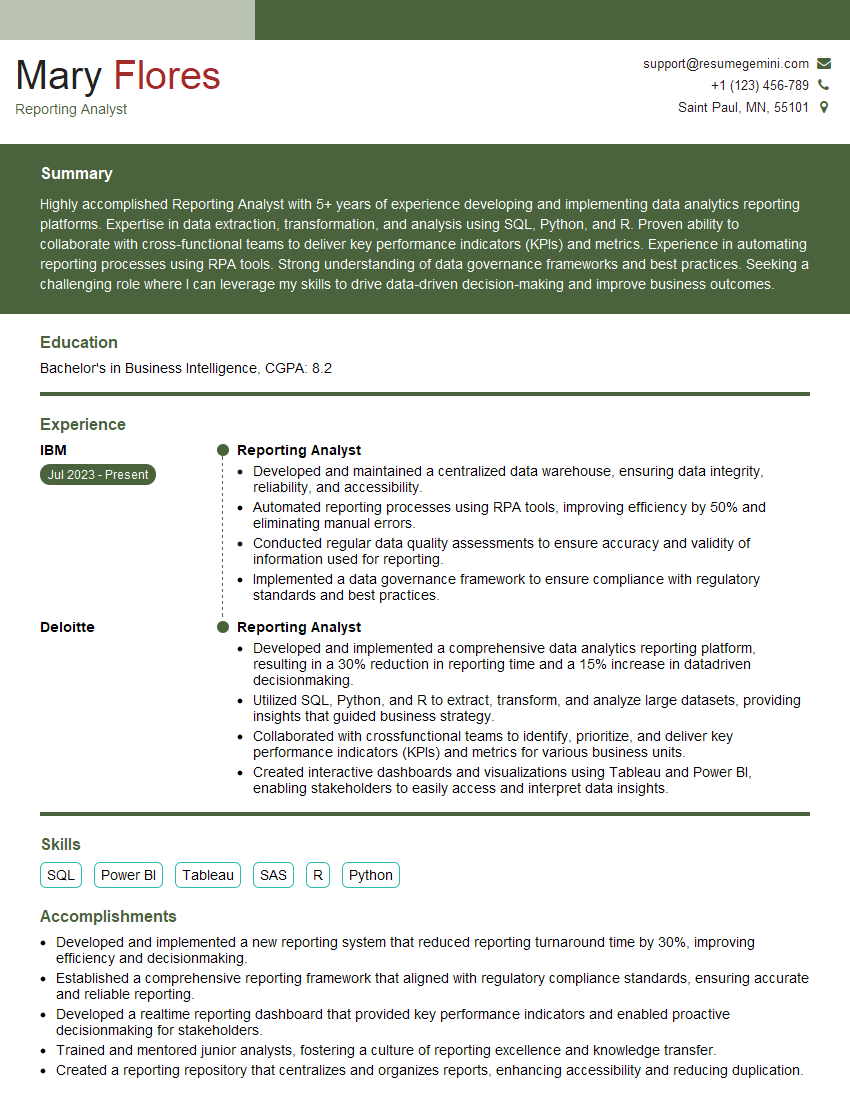
Reporting Analyst Resume Sample
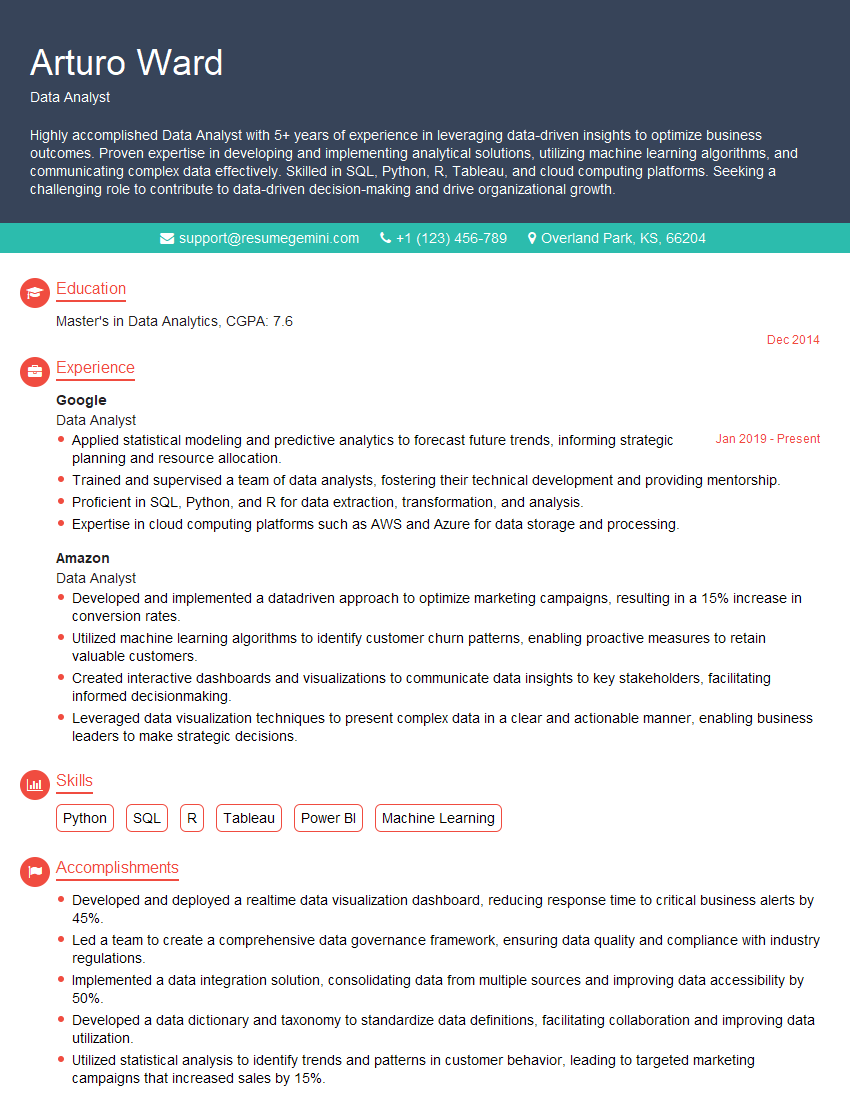
Data Analyst Resume Sample
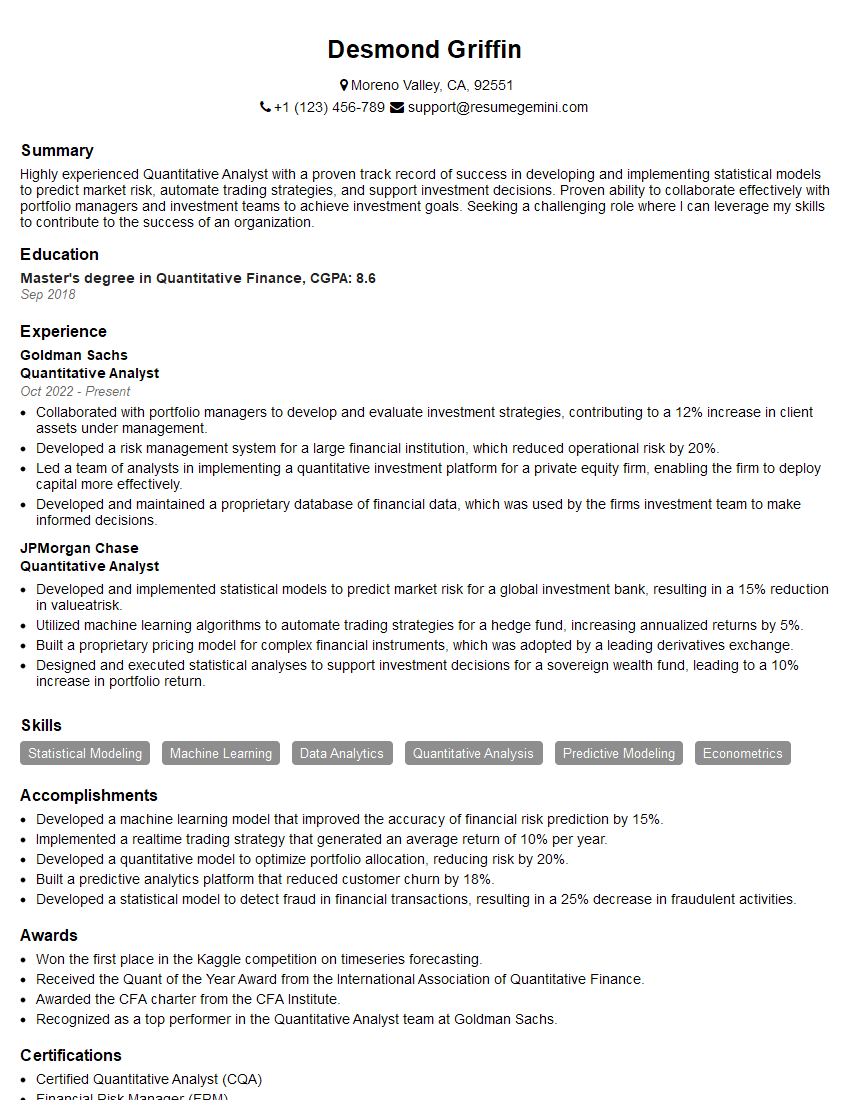
Quantitative Analyst Resume Sample
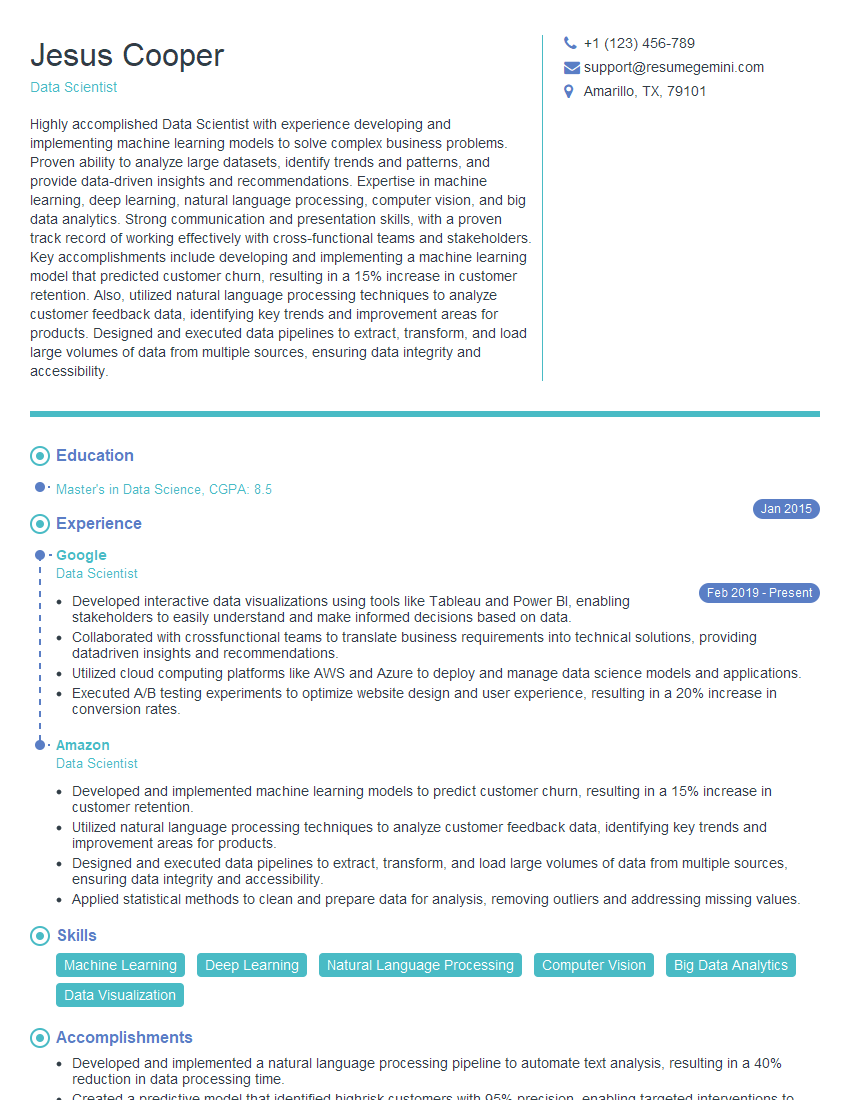
Data Scientist Resume Sample
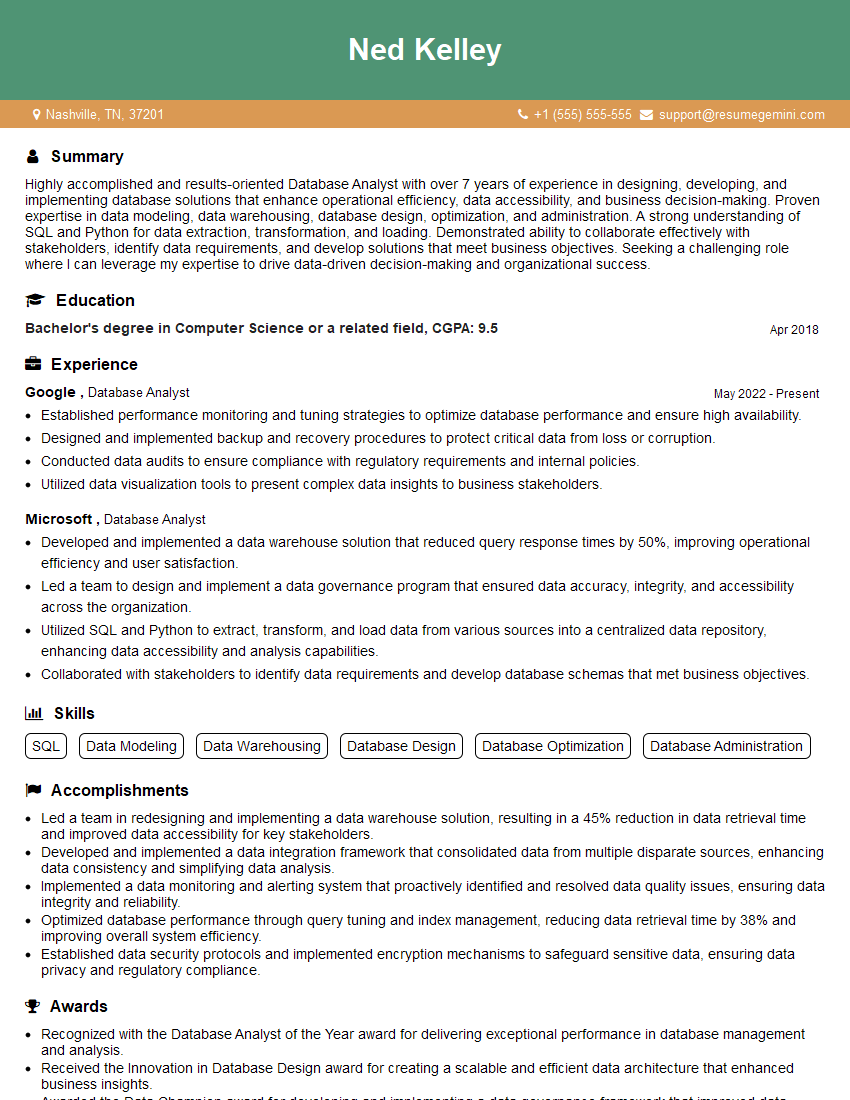
Database Analyst Resume Sample
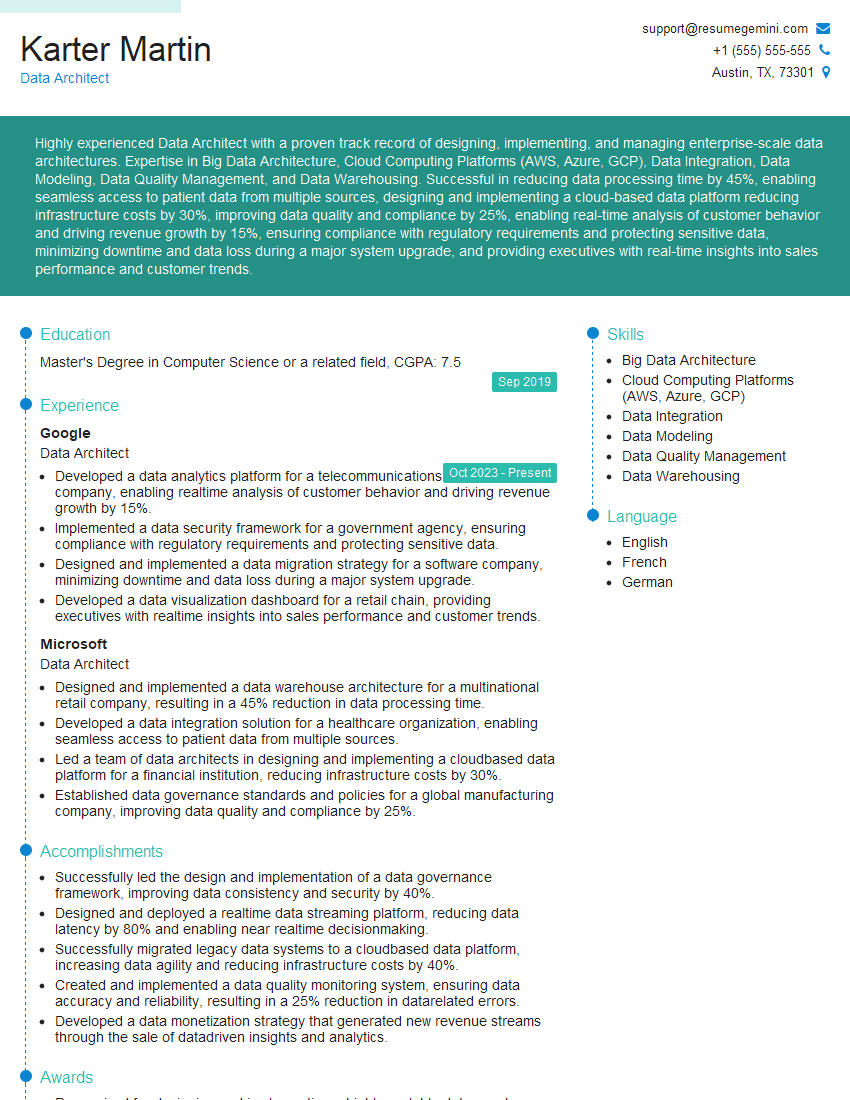
Data Architect Resume Sample
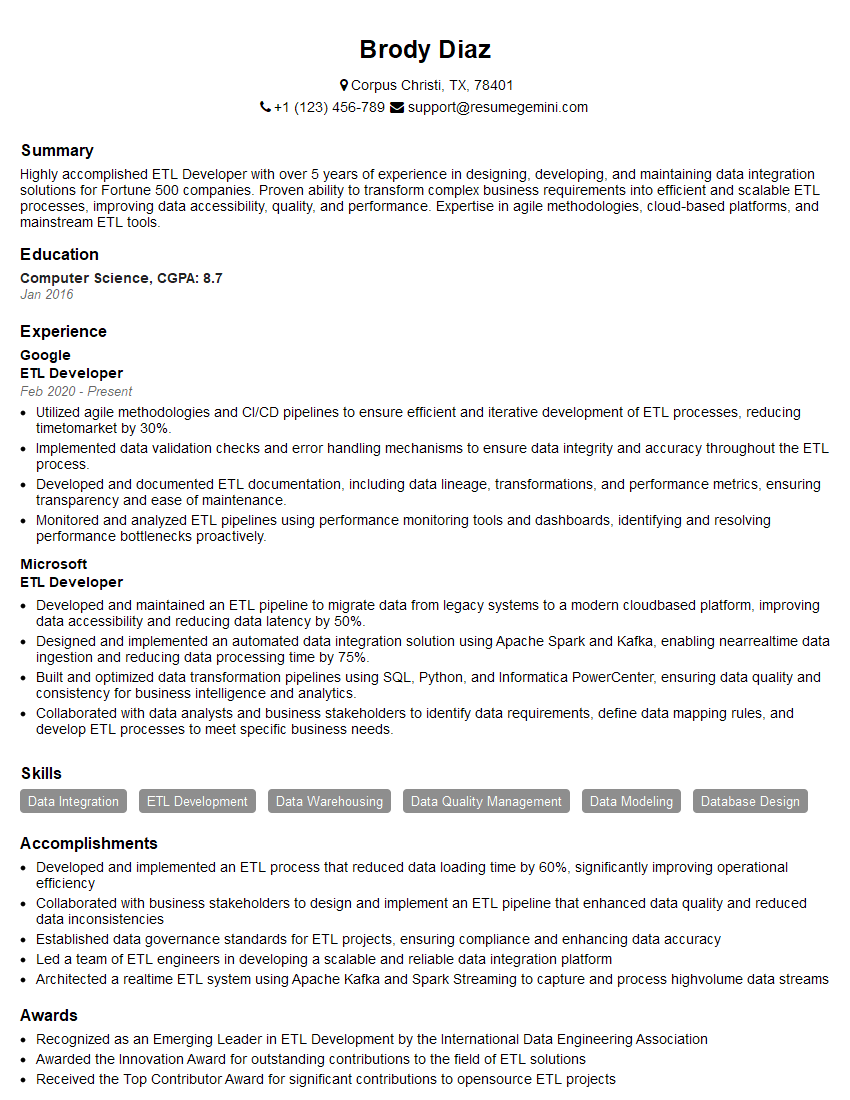
ETL Developer Resume Sample
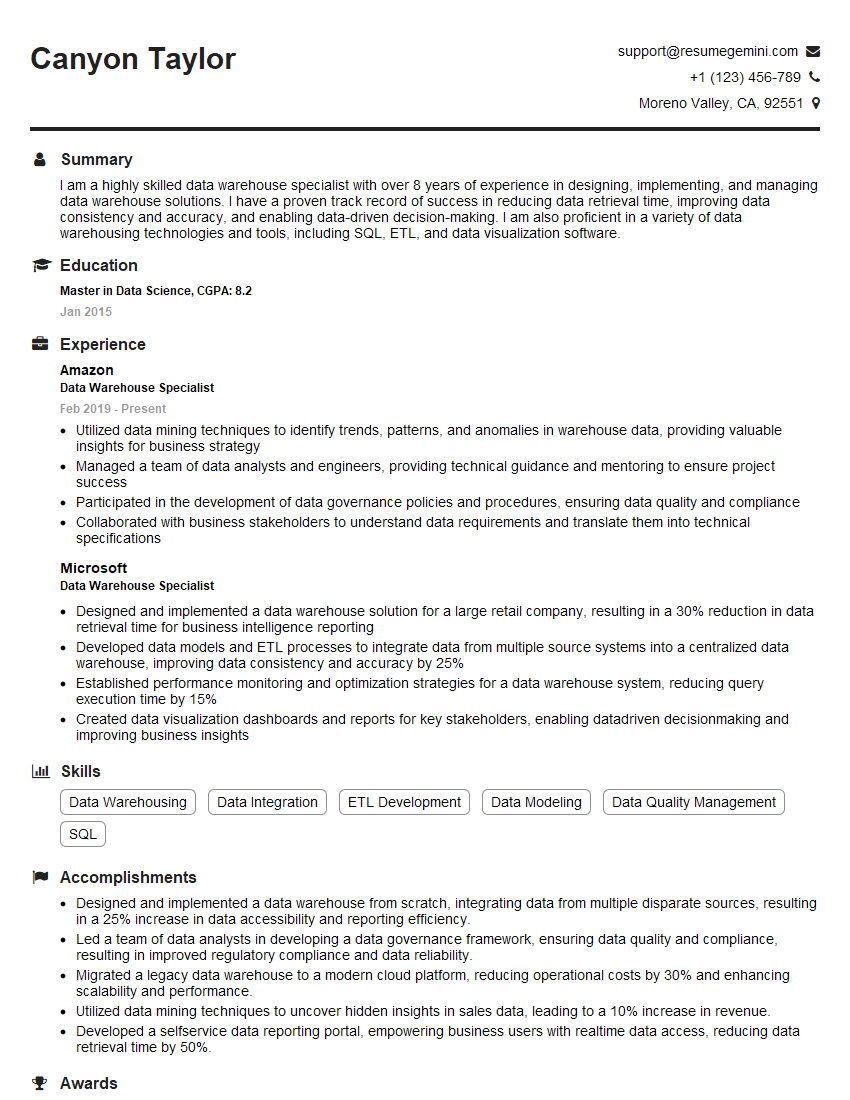
Data Warehouse Specialist Resume Sample
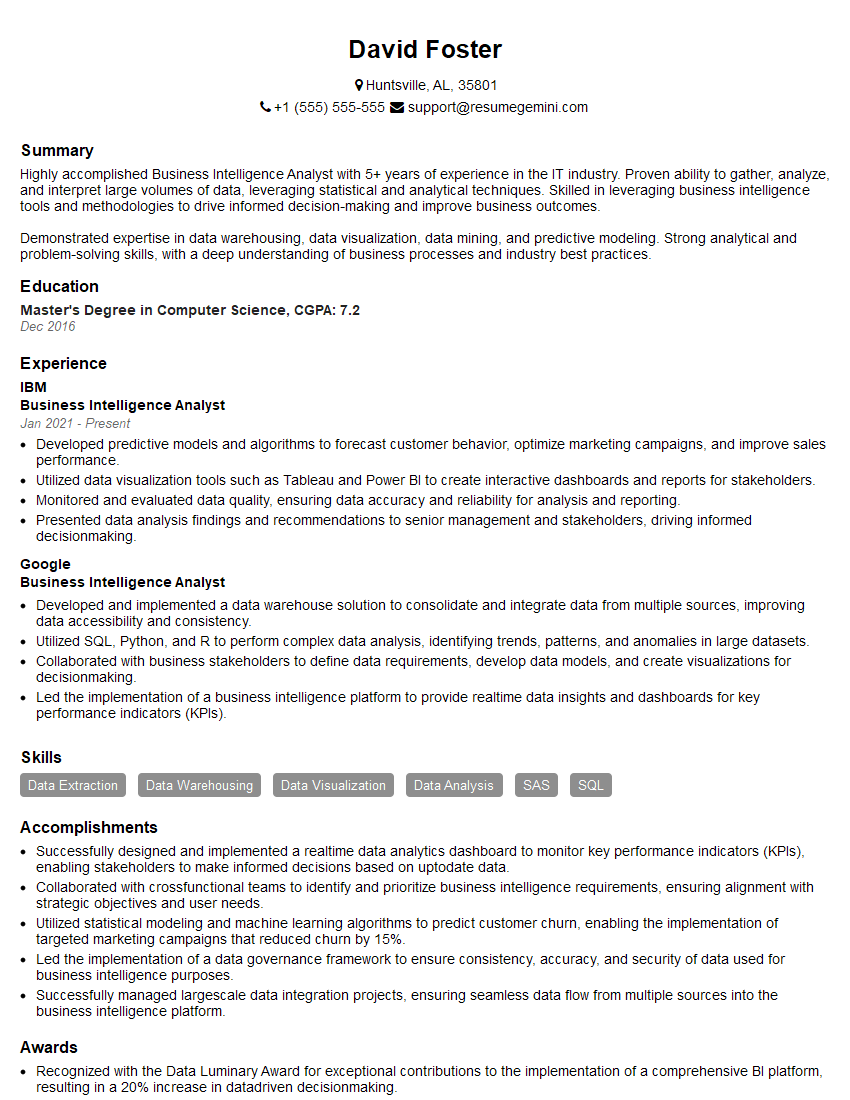
Business Intelligence Analyst Resume Sample

Statistical Analyst Resume Sample
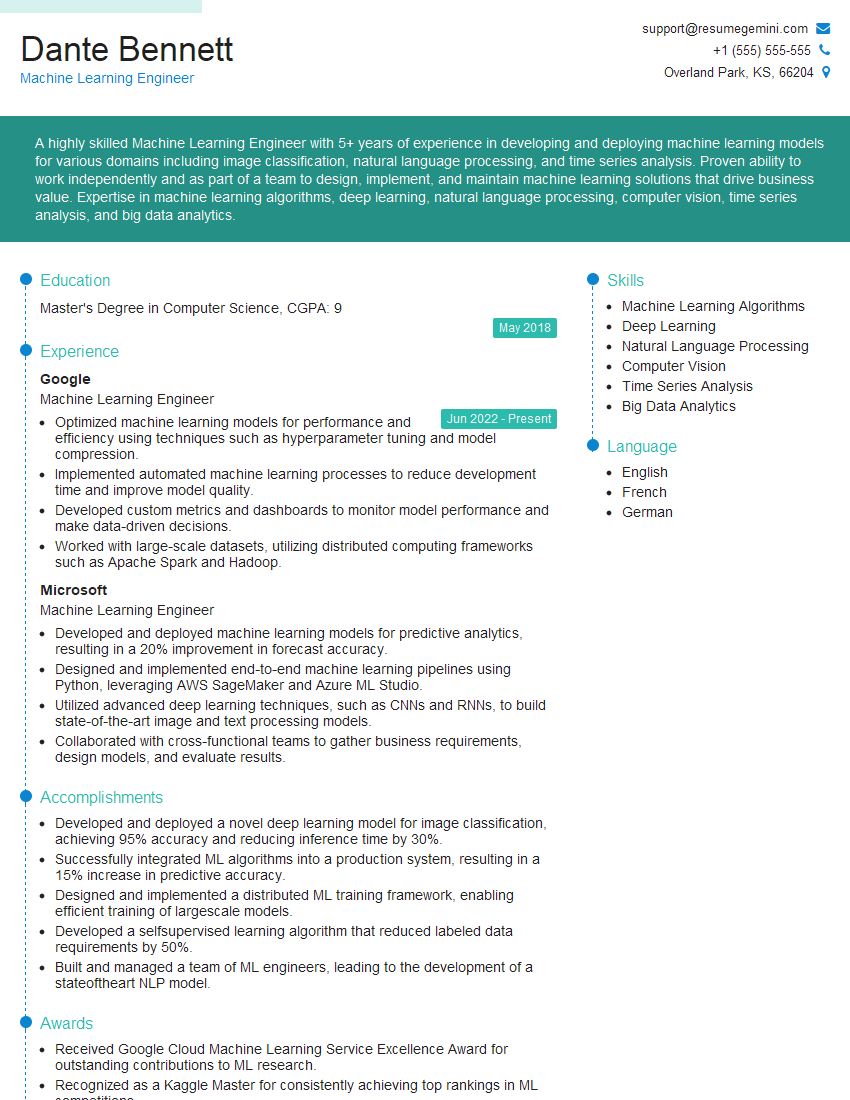
Machine Learning Engineer Resume Sample
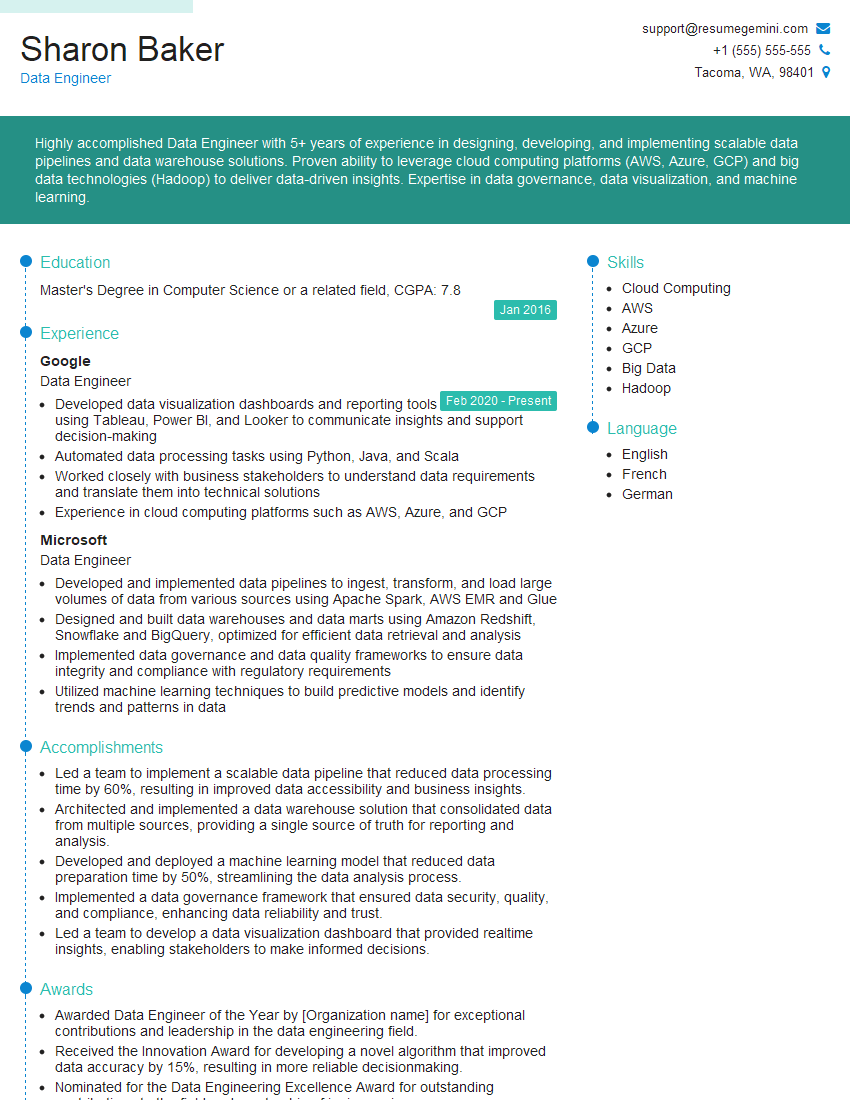
Data Engineer Resume Sample
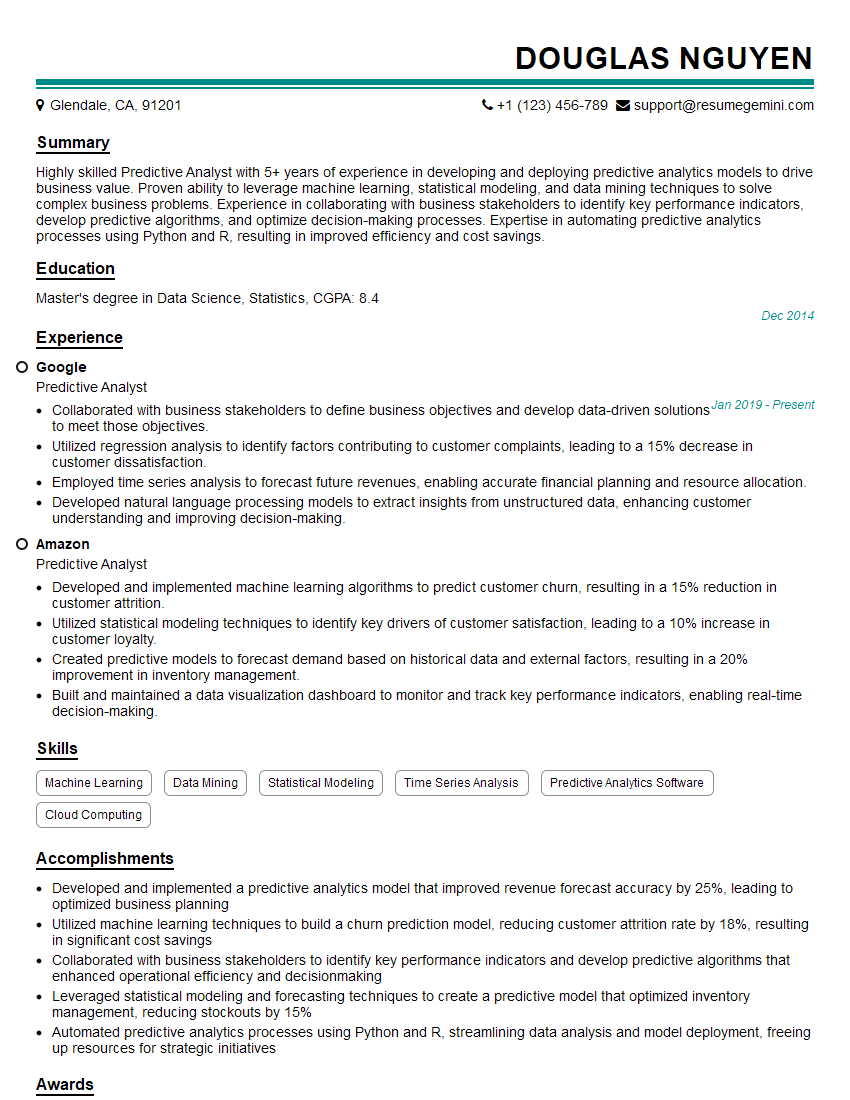
Predictive Analyst Resume Sample
Explore more articles
Users Rating of Our Blogs
Share Your Experience
We value your feedback! Please rate our content and share your thoughts (optional).
What Readers Say About Our Blog
Hello,
we currently offer a complimentary backlink and URL indexing test for search engine optimization professionals.
You can get complimentary indexing credits to test how link discovery works in practice.
No credit card is required and there is no recurring fee.
You can find details here:
https://wikipedia-backlinks.com/indexing/
Regards
NICE RESPONSE TO Q & A
hi
The aim of this message is regarding an unclaimed deposit of a deceased nationale that bears the same name as you. You are not relate to him as there are millions of people answering the names across around the world. But i will use my position to influence the release of the deposit to you for our mutual benefit.
Respond for full details and how to claim the deposit. This is 100% risk free. Send hello to my email id: [email protected]
Luka Chachibaialuka
Hey interviewgemini.com, just wanted to follow up on my last email.
We just launched Call the Monster, an parenting app that lets you summon friendly ‘monsters’ kids actually listen to.
We’re also running a giveaway for everyone who downloads the app. Since it’s brand new, there aren’t many users yet, which means you’ve got a much better chance of winning some great prizes.
You can check it out here: https://bit.ly/callamonsterapp
Or follow us on Instagram: https://www.instagram.com/callamonsterapp
Thanks,
Ryan
CEO – Call the Monster App
Hey interviewgemini.com, I saw your website and love your approach.
I just want this to look like spam email, but want to share something important to you. We just launched Call the Monster, a parenting app that lets you summon friendly ‘monsters’ kids actually listen to.
Parents are loving it for calming chaos before bedtime. Thought you might want to try it: https://bit.ly/callamonsterapp or just follow our fun monster lore on Instagram: https://www.instagram.com/callamonsterapp
Thanks,
Ryan
CEO – Call A Monster APP
To the interviewgemini.com Owner.
Dear interviewgemini.com Webmaster!
Hi interviewgemini.com Webmaster!
Dear interviewgemini.com Webmaster!
excellent
Hello,
We found issues with your domain’s email setup that may be sending your messages to spam or blocking them completely. InboxShield Mini shows you how to fix it in minutes — no tech skills required.
Scan your domain now for details: https://inboxshield-mini.com/
— Adam @ InboxShield Mini
Reply STOP to unsubscribe
Hi, are you owner of interviewgemini.com? What if I told you I could help you find extra time in your schedule, reconnect with leads you didn’t even realize you missed, and bring in more “I want to work with you” conversations, without increasing your ad spend or hiring a full-time employee?
All with a flexible, budget-friendly service that could easily pay for itself. Sounds good?
Would it be nice to jump on a quick 10-minute call so I can show you exactly how we make this work?
Best,
Hapei
Marketing Director
Hey, I know you’re the owner of interviewgemini.com. I’ll be quick.
Fundraising for your business is tough and time-consuming. We make it easier by guaranteeing two private investor meetings each month, for six months. No demos, no pitch events – just direct introductions to active investors matched to your startup.
If youR17;re raising, this could help you build real momentum. Want me to send more info?
Hi, I represent an SEO company that specialises in getting you AI citations and higher rankings on Google. I’d like to offer you a 100% free SEO audit for your website. Would you be interested?
Hi, I represent an SEO company that specialises in getting you AI citations and higher rankings on Google. I’d like to offer you a 100% free SEO audit for your website. Would you be interested?
good