Interviews are more than just a Q&A session—they’re a chance to prove your worth. This blog dives into essential Technical Drills interview questions and expert tips to help you align your answers with what hiring managers are looking for. Start preparing to shine!
Questions Asked in Technical Drills Interview
Q 1. Explain the difference between breadth-first and depth-first search algorithms.
Breadth-first search (BFS) and depth-first search (DFS) are two fundamental graph traversal algorithms. They differ primarily in the order they explore nodes.
Breadth-First Search (BFS): BFS explores a graph level by level. It starts at a root node and visits all its neighbors before moving to the neighbors of those neighbors. Think of it like exploring a maze by systematically checking all rooms on one floor before moving to the next. It uses a queue data structure to manage the nodes to be visited.
Depth-First Search (DFS): DFS explores a graph by going as deep as possible along each branch before backtracking. It uses a stack (implicitly through recursion or explicitly) to keep track of the nodes to be visited. Imagine exploring a maze by going down one corridor as far as you can before turning back and trying another corridor.
Example: Consider a tree:
A
├── B
│   ├── D
│   └── E
└── C
    └── F
BFS traversal order: A, B, C, D, E, F
DFS traversal order (pre-order): A, B, D, E, C, F
Practical Application: BFS is often used in shortest path algorithms (like finding the shortest path in a network) and finding connected components in a graph. DFS is used in topological sorting, cycle detection in graphs, and searching game trees.
Q 2. Describe a time you had to debug a complex issue in a large codebase.
During a project involving a large e-commerce platform, we encountered a perplexing issue where order processing would intermittently fail without any clear error messages. The codebase was massive, spanning multiple microservices and databases.
My debugging strategy involved a systematic approach:
- Reproduce the issue: First, I carefully documented the steps to consistently reproduce the intermittent failure.
- Isolate the problem: I used logging extensively, strategically placing log statements throughout the relevant microservices to track the flow of the order processing. This helped narrow down the area where the problem was likely occurring.
- Utilize debugging tools: I employed a debugger to step through the code line by line, examining variable values and states at critical points. This proved essential in identifying a race condition.
- Code review and testing: After pinpointing the problematic code section—a race condition in a database update—I reviewed the relevant code carefully, identified the flaw, and implemented a solution using database transactions to ensure atomicity. Thorough unit and integration testing validated the fix.
This experience reinforced the importance of robust logging, debugging tools, and a methodical approach to troubleshooting complex issues in large-scale systems. The key was breaking down the problem into smaller, manageable pieces.
Q 3. What are the time and space complexities of merge sort?
Merge sort is a divide-and-conquer algorithm that sorts a list by recursively dividing it into smaller sublists until each sublist contains only one element, then repeatedly merging the sublists to produce new sorted sublists until there is only one sorted list remaining.
Time Complexity: O(n log n) in all cases (best, average, and worst). This is because the algorithm divides the problem into halves at each step (log n), and merging takes linear time (n).
Space Complexity: O(n). Merge sort uses extra space for merging the sublists. It’s not an in-place sorting algorithm.
Imagine sorting a deck of cards. Merge sort is like splitting the deck in half, sorting each half recursively, and then merging the two sorted halves together. Because the merging step is always O(n), and the splitting happens logarithmically, the overall time complexity remains efficient even for large datasets.
Q 4. How would you handle a concurrency issue in your code?
Concurrency issues arise when multiple threads or processes access and manipulate shared resources simultaneously. To handle these, I use several techniques:
- Synchronization primitives: Mutexes (mutual exclusion locks) ensure only one thread can access a shared resource at a time. Semaphores provide more flexible control over access to shared resources. Conditions allow threads to wait for specific conditions to be met before continuing.
- Thread-safe data structures: Using data structures designed to handle concurrent access (e.g., concurrent hash maps) eliminates many potential race conditions.
- Atomic operations: Employing atomic operations ensures that operations on shared variables are indivisible and prevent race conditions.
- Locking mechanisms: Choosing appropriate locking strategies like reader-writer locks (allowing multiple readers but only one writer) can optimize concurrency.
- Transaction management: Using database transactions to manage concurrent database updates ensures data consistency.
The specific solution depends heavily on the nature of the shared resources and the level of concurrency involved. The key is to carefully consider potential race conditions and choose the appropriate synchronization mechanism to prevent them.
Q 5. Explain the concept of polymorphism and its application.
Polymorphism, meaning “many forms,” is a powerful object-oriented programming concept. It allows objects of different classes to be treated as objects of a common type. This means you can write code that works with a variety of objects without needing to know their specific type.
Application: Consider a scenario where you have various shapes (circles, squares, triangles). Each shape can have a method to calculate its area. Using polymorphism, you can define a base class Shape with an abstract method calculateArea(). Each specific shape class (Circle, Square, Triangle) would implement this method appropriately. You could then have a function that takes a Shape object as input and calls calculateArea(), seamlessly working with any type of shape without needing separate code for each.
class Shape {
    public abstract double calculateArea();
}
class Circle extends Shape {
    // ... implementation for calculateArea()
}
class Square extends Shape {
    // ... implementation for calculateArea()
}
This eliminates repetitive code and promotes flexibility and maintainability. It’s used extensively in graphical user interfaces (GUIs), game development, and many other applications where you need to handle objects of various types in a unified manner.
Q 6. What design patterns are you familiar with, and when would you use them?
I’m familiar with several design patterns, including:
- Singleton: Ensures only one instance of a class is created. Used for managing resources like database connections or logging services.
- Factory: Provides an interface for creating objects without specifying their concrete class. Useful when the exact type of object needed isn’t known at compile time.
- Observer: Defines a one-to-many dependency between objects, allowing multiple objects to be notified of changes in a subject object. Used in event-driven systems.
- Strategy: Defines a family of algorithms, encapsulates each one, and makes them interchangeable. Useful when you need different algorithms for the same task.
- Decorator: Dynamically adds responsibilities to an object. A flexible alternative to subclassing.
The choice of design pattern depends heavily on the specific problem and context. I select a pattern based on its suitability for addressing the recurring design issues and improving code maintainability, scalability, and flexibility.
Q 7. Describe your experience with different data structures (e.g., trees, graphs, hash tables).
I have extensive experience with various data structures:
- Trees (Binary Trees, Binary Search Trees, AVL Trees, Trie): Used for hierarchical data representation and efficient searching and sorting. Binary search trees are excellent for fast lookups, insertions, and deletions. AVL trees maintain balance for optimal performance. Tries are particularly efficient for prefix-based searches.
- Graphs (Directed, Undirected, Weighted): Used to represent relationships between objects. I have used graph algorithms for tasks like shortest path finding (Dijkstra’s algorithm, Bellman-Ford algorithm), finding minimum spanning trees (Prim’s algorithm, Kruskal’s algorithm), and topological sorting.
- Hash Tables: Provide fast average-case access, insertion, and deletion of elements. Ideal for implementing dictionaries and caches. Understanding collision handling techniques is crucial for performance.
- Heaps (Min-heap, Max-heap): Used in priority queues and heapsort. Provide efficient access to the minimum or maximum element.
- Arrays and Linked Lists: Fundamental data structures with different performance characteristics. Arrays are efficient for random access, while linked lists are efficient for insertions and deletions.
The choice of data structure depends heavily on the specific requirements of the application. Understanding their strengths and weaknesses is essential for designing efficient and scalable systems.
Q 8. How would you optimize a slow-running database query?
Optimizing a slow database query involves a systematic approach. Think of it like streamlining a busy highway – you need to identify bottlenecks and improve traffic flow. First, I’d use a query analyzer tool (like SQL Profiler for SQL Server or MySQL’s slow query log) to pinpoint the exact performance problem. This helps identify the slowest parts of the query. Then, I’d focus on several key areas:
Indexing: Ensure appropriate indexes exist on frequently queried columns. Imagine an index as a book’s index – it helps you quickly locate specific information. Without it, you have to search every page.
Query Optimization Techniques: This includes using
EXISTSinstead ofCOUNT(*)in subqueries for better performance, avoidingSELECT *(select only the necessary columns), and optimizing joins (e.g., using inner joins over outer joins where possible).Database Design: A poorly designed database schema can significantly impact performance. This might involve normalizing tables to reduce redundancy or denormalizing for better query performance (a trade-off to consider).
Data Type Optimization: Using the most efficient data type for each column (e.g.,
INTinstead ofVARCHARwhen appropriate) can reduce storage space and improve query speed.Caching: Implementing caching mechanisms can store frequently accessed data in memory, reducing database load. Imagine a waiter remembering frequent customer orders – it speeds up service.
Hardware Upgrades: In some cases, upgrading server hardware (more RAM, faster processors, SSDs) may be necessary to handle increased load.
For example, a query like SELECT * FROM large_table WHERE columnA = 'some value' can be significantly improved by adding an index on columnA. This dramatically speeds up the search.
Q 9. Explain your approach to testing your code.
My approach to testing is multifaceted and focuses on ensuring both the functionality and robustness of my code. I employ a combination of techniques:
Unit Tests: I write unit tests to verify individual components or functions work as expected. These tests are like checking each brick of a building before assembling it. I use frameworks like JUnit or pytest, depending on the language.
Integration Tests: These tests check how different parts of the system interact with each other. Imagine testing how well the plumbing and electrical systems in a house work together.
End-to-End Tests: I also write end-to-end tests to ensure the entire system works as a whole from start to finish. These are like performing a final inspection of the finished house.
Test-Driven Development (TDD): Often, I use TDD, where I write tests *before* I write the code. This ensures the code meets the requirements from the beginning.
Code Reviews: Peer code reviews are crucial for catching bugs and improving code quality. A fresh pair of eyes can spot things I might miss.
I strive for high test coverage to ensure as much of the codebase is tested as possible. The goal is to catch issues early and prevent them from reaching production.
Q 10. Describe your experience with version control systems (e.g., Git).
I have extensive experience with Git, using it daily for version control. I’m proficient in all the core functionalities, including branching, merging, rebasing, and resolving merge conflicts. Git is like a time machine for my code, allowing me to track changes, revert to previous versions, and collaborate effectively with others. I’m familiar with using Git workflows like Gitflow, which provides a structured approach to managing releases and features. I also regularly use Git platforms like GitHub or GitLab for code hosting and collaboration. I understand the importance of writing clear and informative commit messages to make the history easy to understand.
For instance, I’ve used Git’s branching strategy extensively for large projects, creating separate branches for different features and bug fixes. This allows for parallel development without disrupting the main codebase. I’m comfortable using pull requests to facilitate code reviews and ensure high code quality before merging changes into the main branch.
Q 11. How would you handle a situation where a critical system fails?
Handling a critical system failure requires a calm and methodical approach. My first step would be to acknowledge and assess the situation, prioritizing the safety and stability of the system. The key steps include:
Immediate Response: First, I’d initiate the incident response plan. This plan should outline the steps needed to contain the problem, minimize its impact, and restore the system.
Diagnosis: Using monitoring tools and logs, I’d diagnose the root cause of the failure. This is crucial to prevent similar issues in the future.
Containment: I’d immediately implement measures to prevent the failure from spreading or causing further damage (e.g., isolating affected components or shutting down non-critical systems).
Recovery: Depending on the nature of the failure, I’d initiate recovery procedures, which could involve rolling back to a previous stable version, deploying a hotfix, or bringing up redundant systems.
Post-Incident Review: After the system is stable, I’d conduct a thorough post-incident review to analyze the root cause, identify areas for improvement, and update the incident response plan.
I’ve handled critical failures before, and the key is to maintain composure and follow a well-defined process. Clear communication with stakeholders during the entire process is essential.
Q 12. Explain the difference between REST and GraphQL APIs.
REST (Representational State Transfer) and GraphQL are both architectural styles for building APIs, but they differ significantly in how they fetch data. Think of REST as ordering from a fixed menu, while GraphQL is like building your own meal from a buffet.
REST: Uses predefined endpoints to retrieve specific resources. Each endpoint returns a fixed data structure, even if you only need a subset of the data. This can lead to over-fetching or under-fetching of data.
GraphQL: Allows the client to specify precisely the data it needs. It sends a single query to the server, which returns only the requested data, avoiding over-fetching and under-fetching. This is more efficient.
For example, a REST API might have separate endpoints for getting a user’s profile, their posts, and their comments. With GraphQL, you can request all this data in a single query, specifying exactly which fields are needed. GraphQL’s flexibility makes it particularly well-suited for complex applications with many interconnected data points.
Q 13. What are your preferred tools for debugging and profiling code?
My preferred tools for debugging and profiling code depend on the language and context but generally include:
Debuggers: I regularly use debuggers such as gdb (GNU debugger), LLDB (LLVM debugger), or IDE-integrated debuggers (like those in VS Code, IntelliJ, or Eclipse). These allow me to step through the code line by line, inspect variables, and identify the source of errors.
Profilers: For performance optimization, I use profilers like Valgrind (for memory leaks), YourKit Java Profiler, or the built-in profiling tools within IDEs. These tools help pinpoint performance bottlenecks.
Logging: Strategic use of logging statements helps trace the flow of execution and identify areas of concern. It’s a fundamental tool for debugging any type of application.
Code Inspection: Sometimes, carefully reviewing and examining the code itself, especially during code reviews, helps discover subtle errors or inefficiencies.
I believe that a combination of these approaches provides the most effective debugging and profiling strategy.
Q 14. Describe your experience with cloud platforms (e.g., AWS, Azure, GCP).
I have significant experience with AWS (Amazon Web Services), having worked on several projects deploying and managing applications on it. I’m comfortable with various AWS services, including EC2 (for virtual machines), S3 (for object storage), RDS (for relational databases), Lambda (for serverless computing), and several others. I’m familiar with deploying applications using tools like CloudFormation or Terraform, and I understand the importance of security best practices within the AWS ecosystem.
For example, I’ve used EC2 instances to host web applications, leveraging auto-scaling groups to ensure high availability and efficient resource utilization. I’ve also used S3 for storing static assets and backups. My experience extends to designing highly available, fault-tolerant, and scalable applications on AWS, understanding concepts like load balancing, security groups, and VPCs (Virtual Private Clouds).
While my most extensive experience is with AWS, I also have familiarity with Azure and GCP (Google Cloud Platform), having worked on smaller projects utilizing their core services. I believe the underlying principles of cloud computing remain largely the same across different providers, though each offers unique strengths and specialties.
Q 15. What are some common security vulnerabilities in web applications?
Web application security vulnerabilities are weaknesses that can be exploited by attackers to compromise the application’s integrity, confidentiality, or availability. They can range from simple coding errors to complex design flaws. Let’s look at some common examples:
SQL Injection: This occurs when malicious SQL code is inserted into input fields, allowing attackers to manipulate database queries. For instance, an attacker might enter
'; DROP TABLE users; --into a username field, potentially deleting the entire user table.Cross-Site Scripting (XSS): XSS attacks inject malicious scripts into websites viewed by other users. Imagine a forum where a user posts a seemingly harmless comment containing a script; other users viewing the comment may unknowingly execute the script, allowing the attacker to steal their session cookies or other sensitive data.
Cross-Site Request Forgery (CSRF): CSRF exploits the trust a website has in a user’s browser. An attacker tricks a logged-in user into performing unwanted actions on a website they’re already authenticated to. This could be as simple as embedding a hidden form that submits a request to delete the user’s account.
Broken Authentication and Session Management: Weak passwords, predictable session IDs, or lack of proper session timeout mechanisms can allow attackers to gain unauthorized access. Think of a website that only uses a username and a simple password without any additional security measures like two-factor authentication.
Insecure Direct Object References (IDOR): This vulnerability occurs when a web application exposes internal data or functions through easily guessable URLs. For example, if a URL like
/user/profile?id=123directly reveals user information, an attacker could incrementally guess IDs to access other users’ profiles.
Preventing these vulnerabilities requires secure coding practices, regular security audits, and the use of appropriate security tools and frameworks.
Career Expert Tips:
- Ace those interviews! Prepare effectively by reviewing the Top 50 Most Common Interview Questions on ResumeGemini.
- Navigate your job search with confidence! Explore a wide range of Career Tips on ResumeGemini. Learn about common challenges and recommendations to overcome them.
- Craft the perfect resume! Master the Art of Resume Writing with ResumeGemini’s guide. Showcase your unique qualifications and achievements effectively.
- Don’t miss out on holiday savings! Build your dream resume with ResumeGemini’s ATS optimized templates.
Q 16. How do you ensure the scalability and maintainability of your code?
Ensuring scalability and maintainability is crucial for long-term success. Scalability refers to the ability of a system to handle increasing amounts of work, while maintainability focuses on ease of modification and updates. Here’s how I approach this:
Modular Design: I break down complex systems into smaller, independent modules. This allows for easier testing, debugging, and updates. Changes to one module are less likely to affect others. Think of it like building with LEGOs – you can easily replace or modify individual bricks without affecting the whole structure.
Clean Code Principles: I follow coding standards and best practices, emphasizing readability and understandability. Consistent naming conventions, well-documented code, and meaningful comments significantly improve maintainability. This makes it much easier for other developers (or even myself in the future!) to understand and modify the code.
Version Control (Git): Git is essential for tracking changes, collaborating with others, and easily reverting to previous versions if needed. This is critical for managing large projects and avoiding errors.
Automated Testing: I write unit tests, integration tests, and end-to-end tests to catch errors early in the development process and ensure code quality. Automated tests significantly improve confidence when deploying updates and scaling the system.
Database Optimization: For database-heavy applications, I optimize queries, use appropriate indexing strategies, and consider database sharding or replication for scalability.
Use of Design Patterns: Employing established design patterns (like MVC, Singleton, Factory) promotes code reusability, maintainability, and reduces redundancy.
By consistently applying these principles, I aim to create systems that are easy to understand, adapt, and scale as needed.
Q 17. Explain your understanding of Agile methodologies.
Agile methodologies are iterative and incremental approaches to software development, emphasizing flexibility and collaboration. They prioritize delivering working software frequently and adapting to changing requirements. Key characteristics include:
Iterative Development: Projects are broken into short iterations (sprints), typically lasting 1-4 weeks, each producing a working increment of the software.
Incremental Delivery: Functional software is delivered in increments throughout the project, enabling early feedback and adjustments.
Continuous Feedback: Frequent communication and collaboration between developers and stakeholders ensure the product aligns with user needs.
Adaptive Planning: Plans are flexible and adapt to changing requirements or priorities throughout the project lifecycle.
Self-Organizing Teams: Agile teams are empowered to make decisions and manage their work independently.
Frequent Testing: Continuous testing is integrated into the development process to ensure quality and catch bugs early.
Popular Agile frameworks include Scrum and Kanban. I’ve worked with Scrum extensively, using its defined roles (Product Owner, Scrum Master, Development Team), ceremonies (Sprint Planning, Daily Scrum, Sprint Review, Sprint Retrospective), and artifacts (Product Backlog, Sprint Backlog, Burndown Chart) to manage projects effectively.
Q 18. Describe a challenging technical problem you solved and how you approached it.
One challenging problem I faced involved optimizing a high-traffic e-commerce website experiencing significant performance bottlenecks during peak hours. The site was using a monolithic architecture, and the database was struggling to handle the load.
My approach involved a multi-faceted strategy:
Profiling and Analysis: I used profiling tools to identify the specific bottlenecks, pinpointing slow database queries and inefficient code sections.
Database Optimization: I optimized database queries, added appropriate indexes, and implemented caching mechanisms to reduce database load. This involved rewriting some inefficient queries and utilizing database connection pooling.
Caching Strategy: I implemented a multi-layered caching strategy, using different caching mechanisms (e.g., Redis for session data, Memcached for frequently accessed product data) at various points in the application architecture. This drastically reduced the number of database hits.
Load Balancing: We implemented a load balancer to distribute traffic across multiple web servers, preventing any single server from becoming overloaded.
Code Optimization: I refactored some inefficient code sections, optimizing algorithms and data structures to improve performance.
The result was a significant improvement in website performance, reducing page load times by over 60% during peak hours. This project highlighted the importance of systematic problem-solving, thorough analysis, and a multi-pronged approach to address complex performance issues.
Q 19. What are your strengths and weaknesses as a developer?
One of my greatest strengths is my ability to quickly learn and adapt to new technologies and challenges. I’m a proactive problem-solver who enjoys tackling difficult tasks and finding innovative solutions. My experience working on diverse projects has honed my ability to collaborate effectively within a team and communicate technical concepts clearly to both technical and non-technical audiences.
A weakness I’m actively working on is sometimes getting overly focused on details and perfectionism, potentially impacting project timelines. To mitigate this, I’m consciously practicing time management techniques and prioritizing tasks effectively, focusing on delivering high-quality work within reasonable deadlines. I also actively solicit feedback to ensure I’m not getting bogged down in unnecessary details.
Q 20. How do you stay up-to-date with the latest technologies?
Staying current in the rapidly evolving tech landscape is critical. I actively engage in several strategies:
Online Courses and Tutorials: Platforms like Coursera, Udemy, and edX offer excellent courses on cutting-edge technologies.
Technical Blogs and Publications: I regularly read industry blogs and publications like InfoQ and Hacker News to stay informed about the latest trends and advancements.
Conferences and Workshops: Attending industry conferences and workshops provides opportunities to learn from experts and network with peers.
Open-Source Contributions: Contributing to open-source projects exposes me to different coding styles, technologies, and collaborative development processes.
Experimentation and Personal Projects: I dedicate time to personal projects that allow me to experiment with new technologies and build my skills in a practical setting.
This multi-pronged approach allows me to continuously enhance my knowledge and skills, ensuring I remain at the forefront of technological advancements.
Q 21. What are your preferred programming languages and why?
My preferred programming languages are Python and JavaScript. My reasons are:
Python: Python’s readability, versatility, and extensive libraries make it ideal for a wide range of tasks, from backend development and data science to scripting and automation. Its large community and ample documentation make it easy to find solutions and support.
JavaScript: JavaScript is essential for front-end web development and increasingly important for back-end development (Node.js). Its dynamic nature and broad ecosystem of frameworks and libraries (React, Angular, Vue.js) allow for the creation of highly interactive and responsive web applications.
While my expertise extends to other languages like Java and C++, Python and JavaScript remain my preferred choices due to their powerful capabilities, ease of use, and thriving community support, which enables efficient problem solving and rapid development.
Q 22. Describe your experience with different databases (e.g., SQL, NoSQL).
My experience spans both SQL and NoSQL databases. SQL databases, like MySQL and PostgreSQL, are relational, meaning data is organized into tables with relationships defined between them. This is excellent for structured data where relationships are well-understood and data integrity is paramount. For example, in an e-commerce application, an SQL database would efficiently manage customer information, product details, and order histories, with clear links between them. I’ve used SQL extensively for projects requiring complex queries and transactions, ensuring data consistency.
Conversely, NoSQL databases, such as MongoDB and Cassandra, are non-relational and excel at handling large volumes of unstructured or semi-structured data. They’re often used for applications with high scalability and availability requirements, such as social media platforms or real-time analytics dashboards. For instance, in a social media application, storing user profiles, posts, and comments in a NoSQL database allows for flexible schema and easy scaling to accommodate millions of users. My work with NoSQL databases involved optimizing query performance and ensuring data distribution across multiple servers to maintain high availability.
Choosing between SQL and NoSQL depends entirely on the specific application requirements. I’m adept at selecting the most appropriate database technology based on factors like data structure, scalability needs, and the frequency of data modification.
Q 23. Explain the concept of object-oriented programming (OOP).
Object-Oriented Programming (OOP) is a programming paradigm centered around the concept of ‘objects,’ which encapsulate data (attributes) and methods (functions) that operate on that data. Think of it like building with LEGOs: each brick is an object with specific properties (size, color) and actions (connecting to other bricks). OOP principles improve code organization, reusability, and maintainability.
- Encapsulation: Bundling data and methods that operate on that data within a single unit (the object), protecting internal state and promoting modularity. This is like the LEGO brick’s internal structure being hidden, only its external interface matters.
- Inheritance: Creating new objects (classes) based on existing ones, inheriting their properties and methods. This is like using specialized LEGO bricks that share features with standard ones but have added functionalities.
- Polymorphism: The ability of objects of different classes to respond to the same method call in their own specific way. This is similar to how different types of LEGO connectors can all be connected, but the connection method might vary slightly.
- Abstraction: Hiding complex implementation details and exposing only essential information to the user. This is like the LEGO instructions simplifying the process of building a complex model, without showing every tiny step.
For example, consider a simple ‘Car’ object. It might have attributes like color, model, and speed, and methods like accelerate(), brake(), and turn(). OOP allows us to create different car types (like ‘SportsCar’ and ‘Truck’) inheriting from the ‘Car’ object and adding their own specific attributes and methods.
Q 24. How would you approach designing a new system or feature?
Designing a new system or feature involves a structured approach. I typically start with a thorough understanding of the problem and the requirements. This involves gathering information from stakeholders, analyzing existing systems, and identifying key performance indicators (KPIs).
- Requirements Gathering and Analysis: Clearly define the problem, user needs, and functional and non-functional requirements. This may involve user stories, use cases, and mockups.
- System Design: Create a high-level design outlining the system architecture, including modules, components, and their interactions. This often involves choosing appropriate technologies and designing the database schema.
- Detailed Design: Develop detailed designs for individual modules and components, including algorithms, data structures, and interfaces. This is where coding standards and best practices come into play.
- Implementation: Develop and test the system, ensuring adherence to the design specifications. This stage uses agile methodologies like sprints and frequent code reviews.
- Testing and Deployment: Thoroughly test the system to ensure quality and functionality. Deploy to production environments after successful testing.
- Maintenance and Monitoring: Monitor the system’s performance and address any issues or bugs after deployment. This usually involves gathering feedback from users and making improvements based on real-world usage.
Throughout this process, I emphasize iterative development and continuous feedback to ensure the final product meets the requirements and user expectations. I use tools like UML diagrams to visualize the system architecture and design.
Q 25. Describe your experience with software development lifecycle (SDLC).
My experience encompasses various Software Development Life Cycles (SDLC) methodologies, including Waterfall, Agile (Scrum, Kanban), and DevOps. Each approach has strengths and weaknesses, and the best choice depends on project specifics.
- Waterfall: A sequential, linear approach suitable for projects with clearly defined requirements and minimal anticipated changes. It has a rigid structure, making it less adaptable to evolving needs.
- Agile (Scrum): An iterative approach that emphasizes collaboration, flexibility, and frequent delivery of working software. Scrum utilizes sprints (short iterations) and daily stand-up meetings to track progress and adapt to changes.
- Agile (Kanban): A visual workflow management system focused on visualizing work and limiting work in progress. It’s highly flexible and adapts well to changing priorities.
- DevOps: A set of practices that automate and integrate the processes between software development and IT operations teams. It emphasizes continuous integration and continuous delivery (CI/CD) to shorten release cycles and improve quality.
I’ve worked extensively with Agile methodologies, particularly Scrum, in fast-paced environments where requirements frequently evolve. I find the iterative nature of Agile allows for greater responsiveness to change and increased stakeholder involvement, leading to higher-quality software.
Q 26. What are the best practices for writing clean and maintainable code?
Writing clean and maintainable code is crucial for long-term project success. It reduces bugs, improves collaboration, and simplifies future modifications.
- Meaningful Naming: Use descriptive variable and function names that clearly convey their purpose. Avoid abbreviations or single-letter names unless context is abundantly clear.
- Consistent Formatting: Follow a consistent coding style guide (e.g., PEP 8 for Python) to ensure readability and uniformity across the codebase. Tools like linters can help enforce style consistency.
- Comments and Documentation: Add clear, concise comments to explain complex logic or non-obvious sections of code. Provide comprehensive documentation for the entire system or module.
- Modular Design: Break down code into small, reusable modules with well-defined interfaces. This promotes code reusability and reduces complexity.
- Code Reviews: Conduct regular code reviews to identify potential issues, improve code quality, and share knowledge among team members.
- Version Control: Use a version control system (like Git) to track changes, manage different versions of the code, and collaborate effectively.
- Testing: Write unit tests, integration tests, and system tests to verify code correctness and prevent regressions.
Following these practices may seem like extra effort upfront, but it significantly reduces the time and cost associated with debugging, maintenance, and future enhancements. Think of it like building a house: a well-planned and organized structure will be easier to live in and maintain for years to come.
Q 27. How would you estimate the effort required for a new project?
Estimating project effort requires a combination of experience, historical data, and a clear understanding of project scope and complexity. There’s no single perfect method, but several techniques can provide reasonable estimations.
- Work Breakdown Structure (WBS): Break down the project into smaller, manageable tasks. Estimate the effort required for each task based on its complexity and historical data.
- Three-Point Estimation: For each task, estimate the optimistic, most likely, and pessimistic effort. Combine these estimates using a weighted average to account for uncertainty.
- Story Points (Agile): In Agile projects, use story points to estimate the relative effort of user stories, rather than precise time estimates. This approach is more flexible and adapts better to changing requirements.
- Historical Data: Leverage data from past projects to estimate effort for similar tasks. Adjust for differences in complexity and technology.
- Expert Judgment: Involve experienced team members in the estimation process to leverage their knowledge and expertise.
Accuracy in estimating is improved by using multiple estimation techniques and refining estimates as the project progresses. Regularly review and update estimates based on new information and lessons learned.
Key Topics to Learn for Technical Drills Interview
Ace your Technical Drills interview by mastering these key areas. Focus on understanding both the theoretical foundations and practical applications to showcase your problem-solving skills.
- Data Structures and Algorithms: Understand fundamental data structures like arrays, linked lists, trees, graphs, and hash tables. Practice implementing and analyzing algorithms for searching, sorting, and graph traversal. Consider the time and space complexity of your solutions.
- System Design: Learn to design scalable and efficient systems. Practice designing APIs, databases, and distributed systems. Focus on understanding trade-offs and making informed design choices.
- Object-Oriented Programming (OOP): Demonstrate a strong grasp of OOP principles like encapsulation, inheritance, and polymorphism. Be prepared to discuss design patterns and their applications.
- Coding Proficiency: Practice writing clean, efficient, and well-documented code in your chosen language(s). Focus on readability and maintainability.
- Problem-Solving Techniques: Develop a structured approach to problem-solving. Practice breaking down complex problems into smaller, manageable parts and applying appropriate algorithms and data structures.
- Database Management Systems (DBMS): Familiarize yourself with relational databases (SQL) and NoSQL databases. Understand database design principles and query optimization.
Next Steps
Mastering Technical Drills is crucial for advancing your career in technology. It demonstrates your technical expertise and problem-solving abilities, opening doors to exciting opportunities. To maximize your chances of success, invest time in creating a strong, ATS-friendly resume that highlights your skills and experience. ResumeGemini is a trusted resource that can help you build a professional and impactful resume. We offer examples of resumes tailored to Technical Drills interviews to guide you. Let us help you present yourself effectively to potential employers.
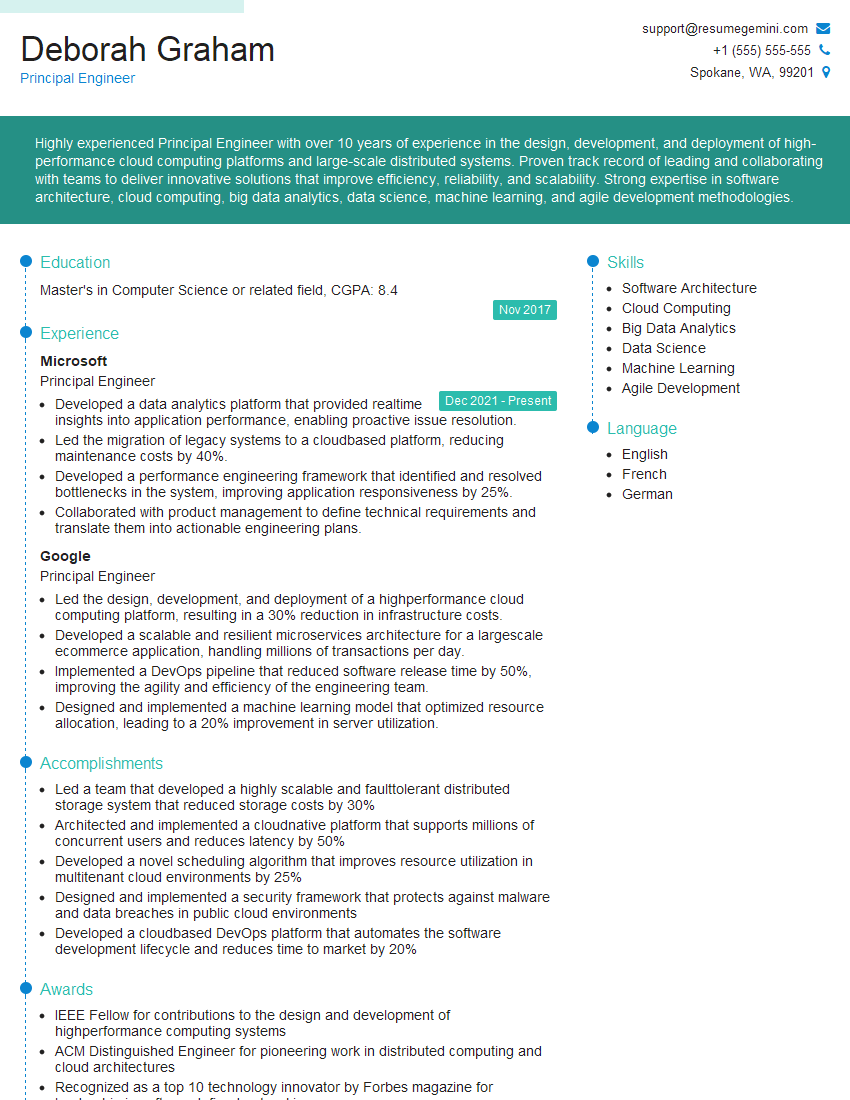
Principal Engineer Resume Sample
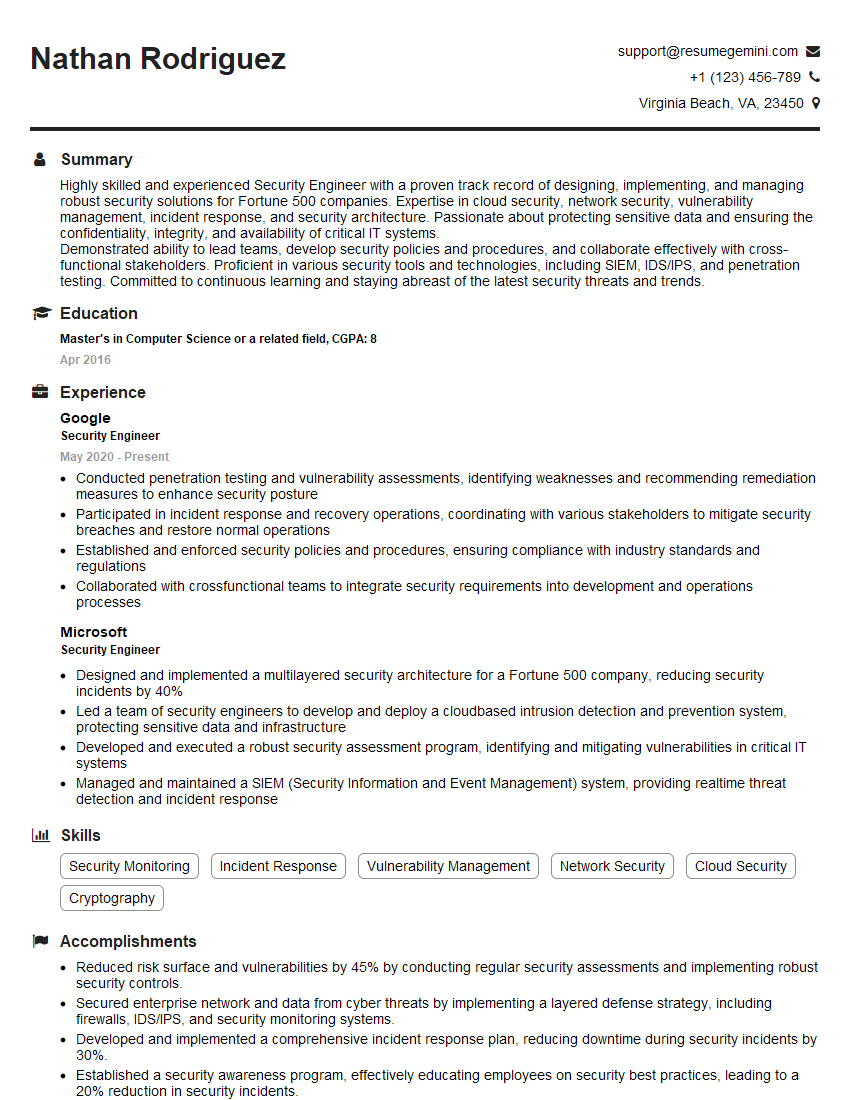
Security Engineer Resume Sample
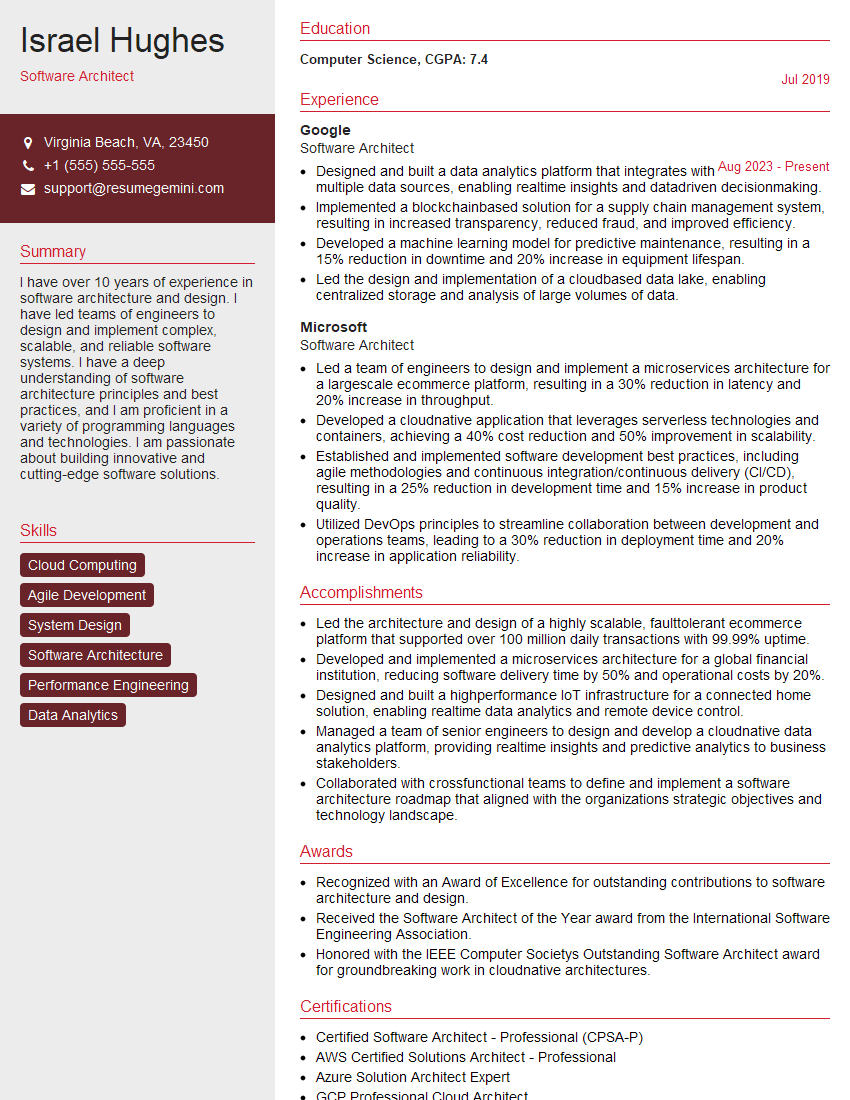
Software Architect Resume Sample
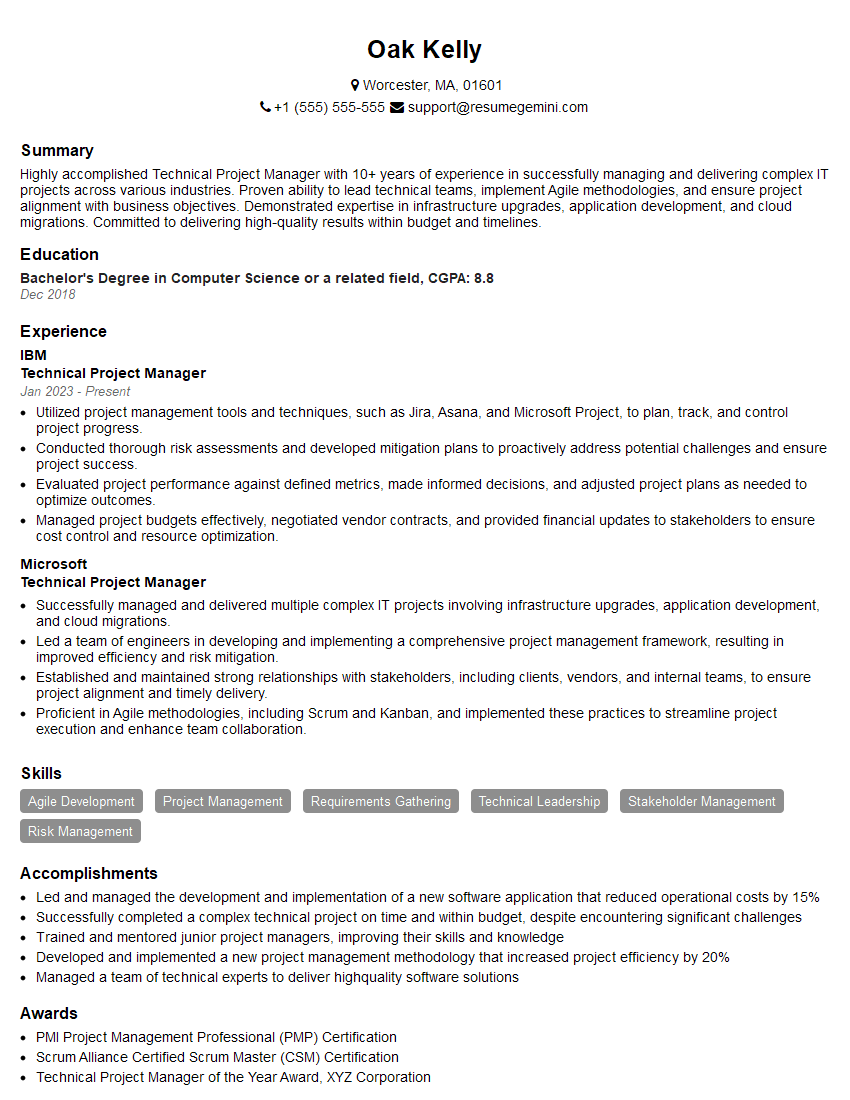
Technical Project Manager Resume Sample
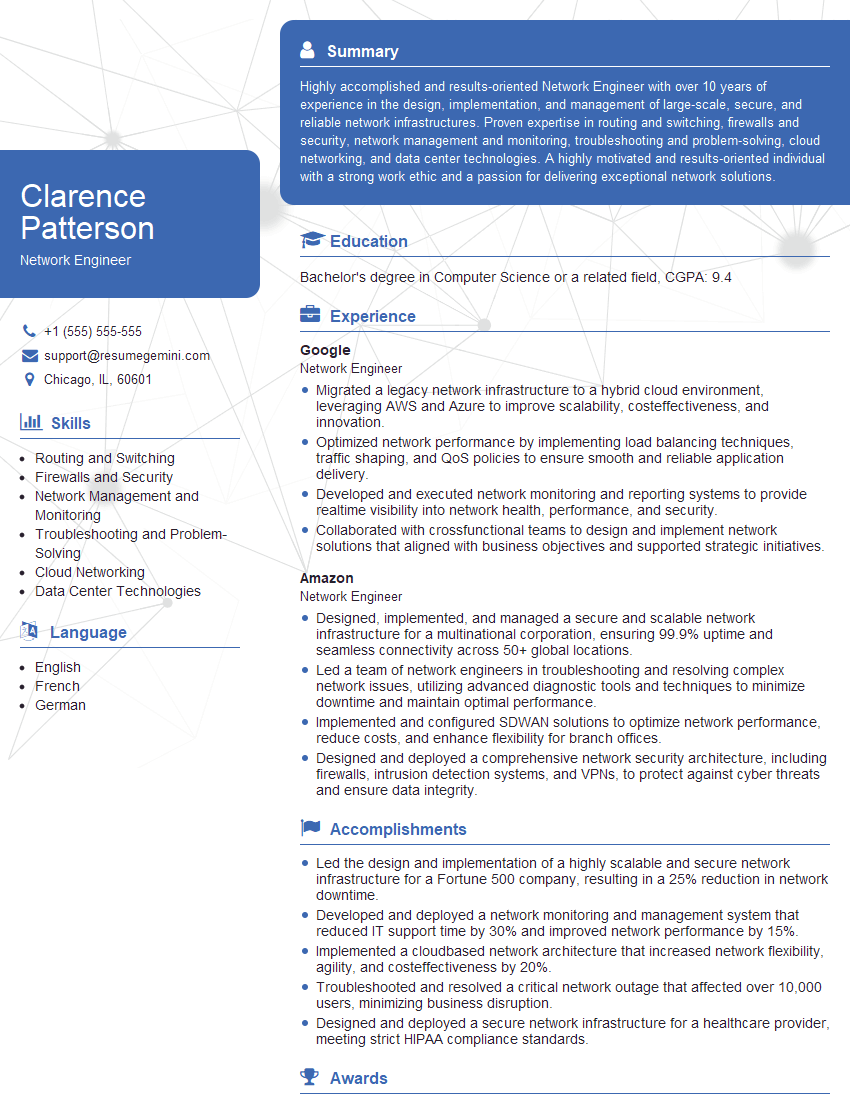
Network Engineer Resume Sample
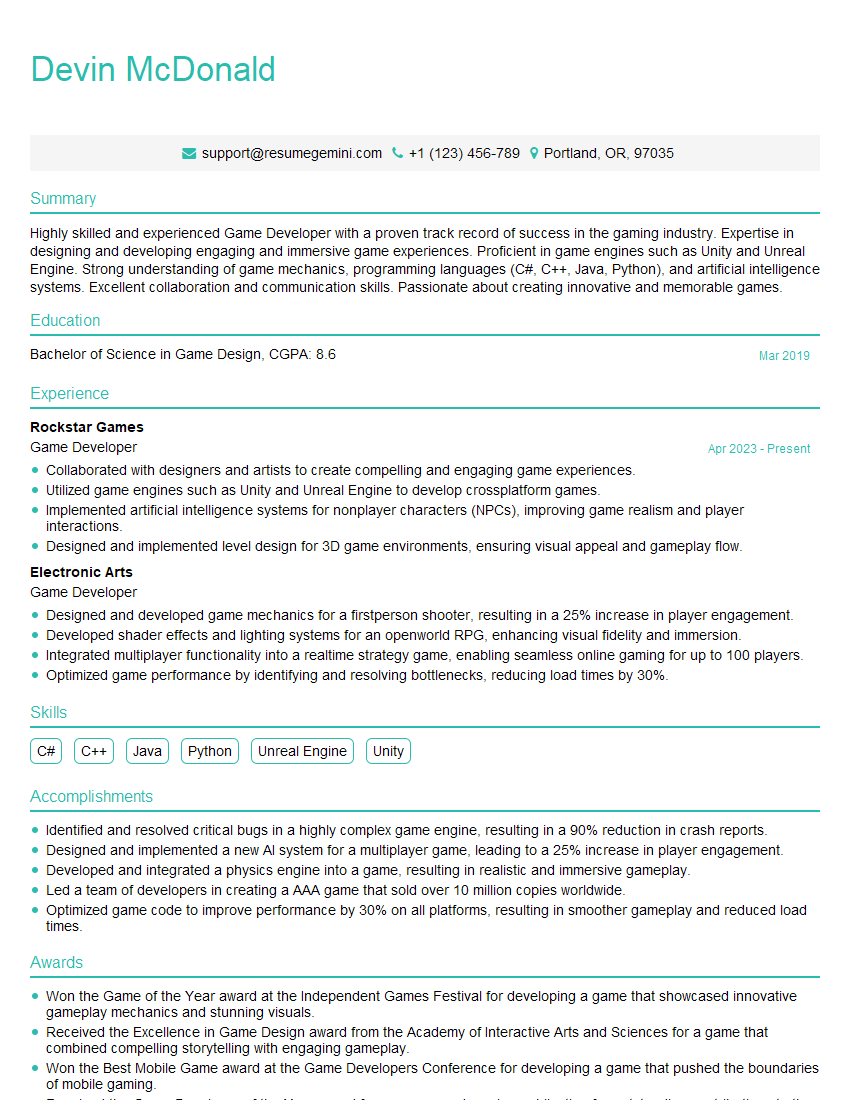
Game Developer Resume Sample
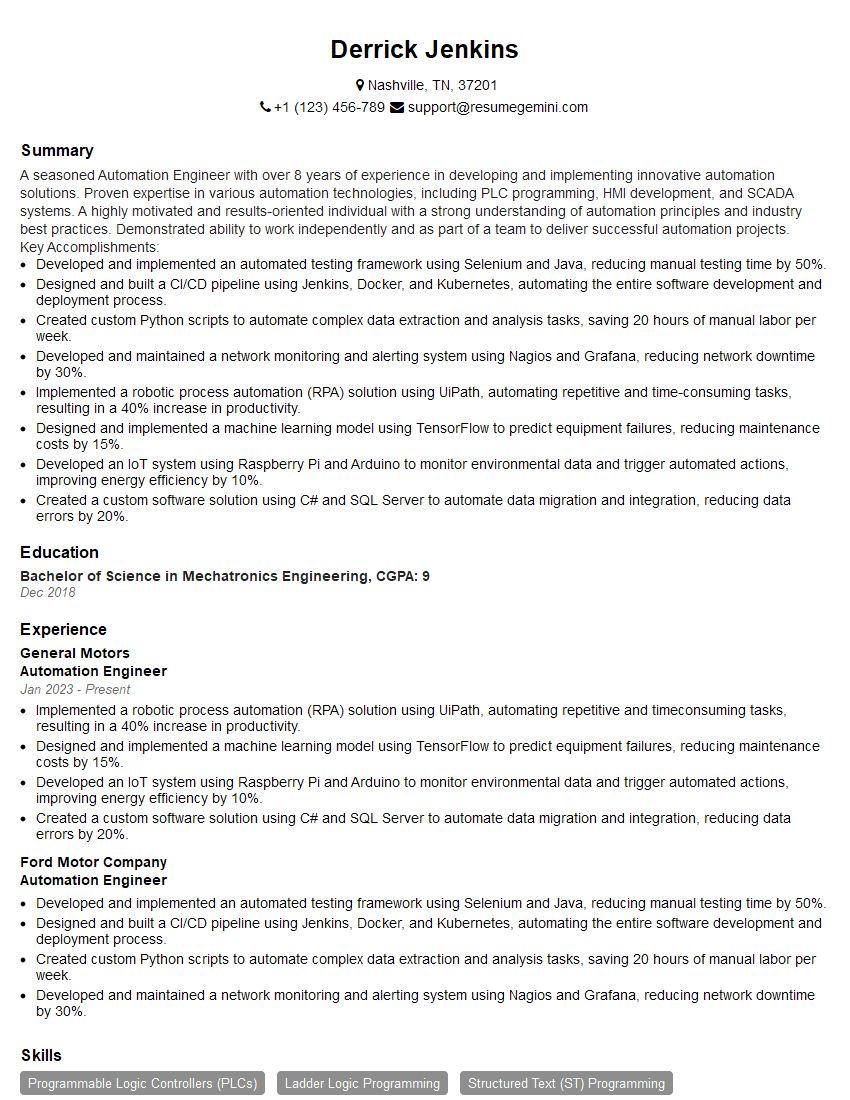
Automation Engineer Resume Sample
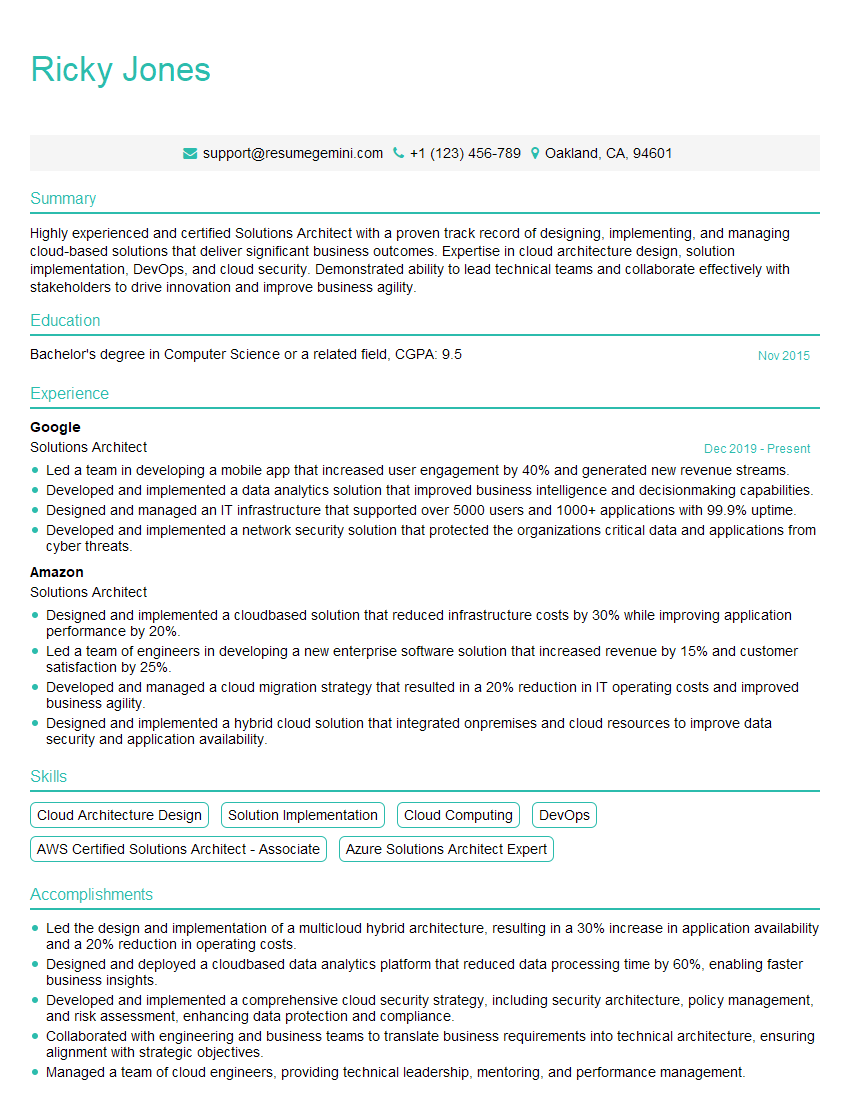
Solutions Architect Resume Sample

Senior Software Engineer Resume Sample
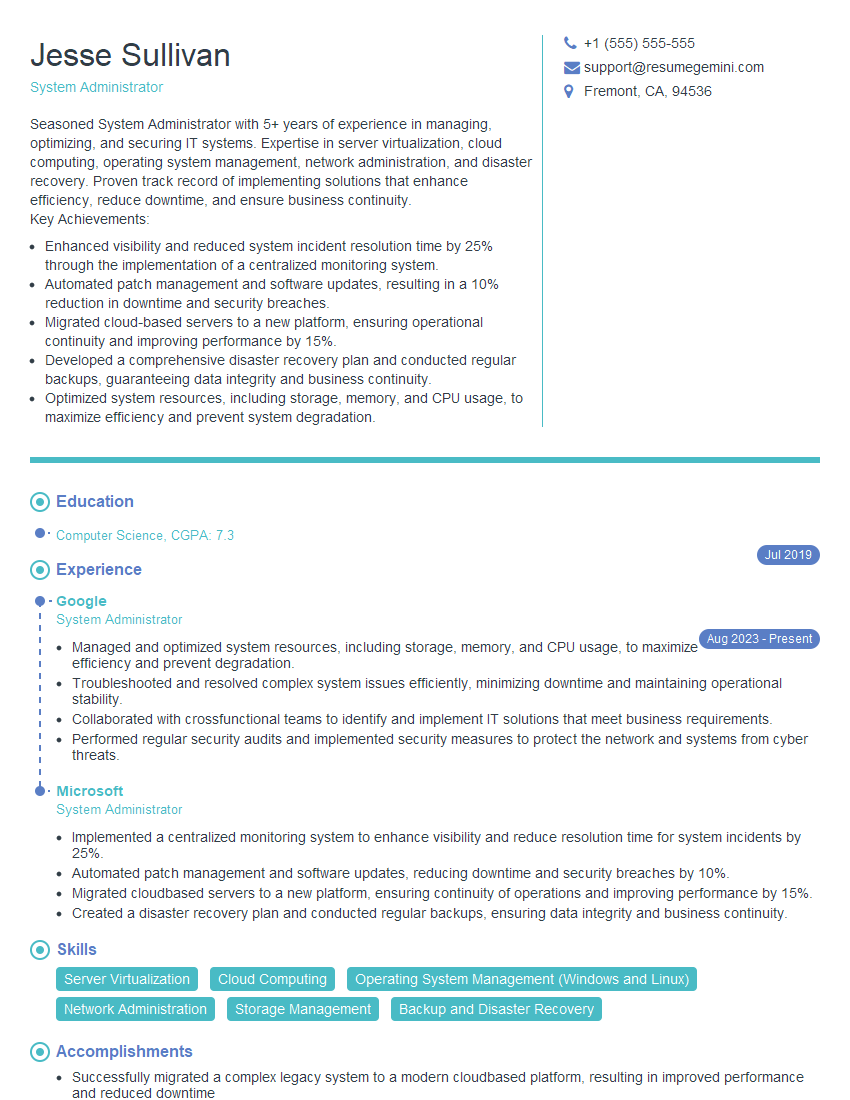
System Administrator Resume Sample
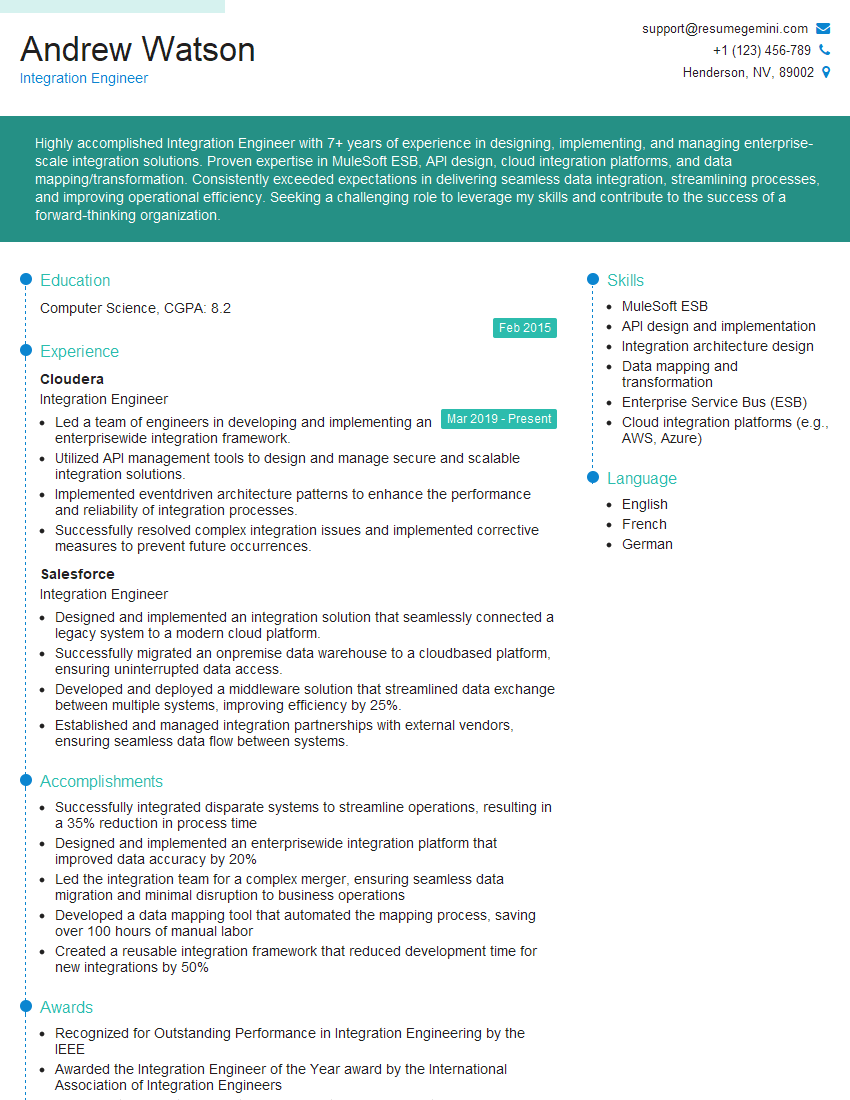
Integration Engineer Resume Sample
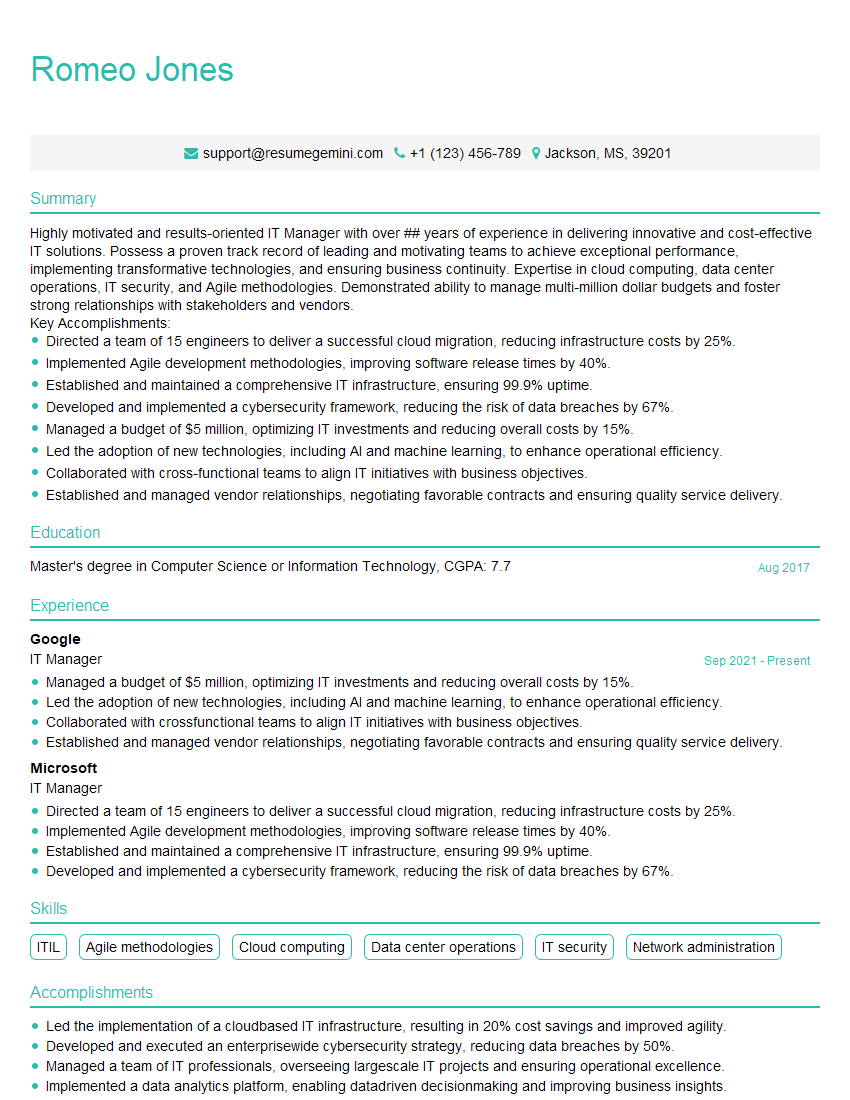
IT Manager Resume Sample
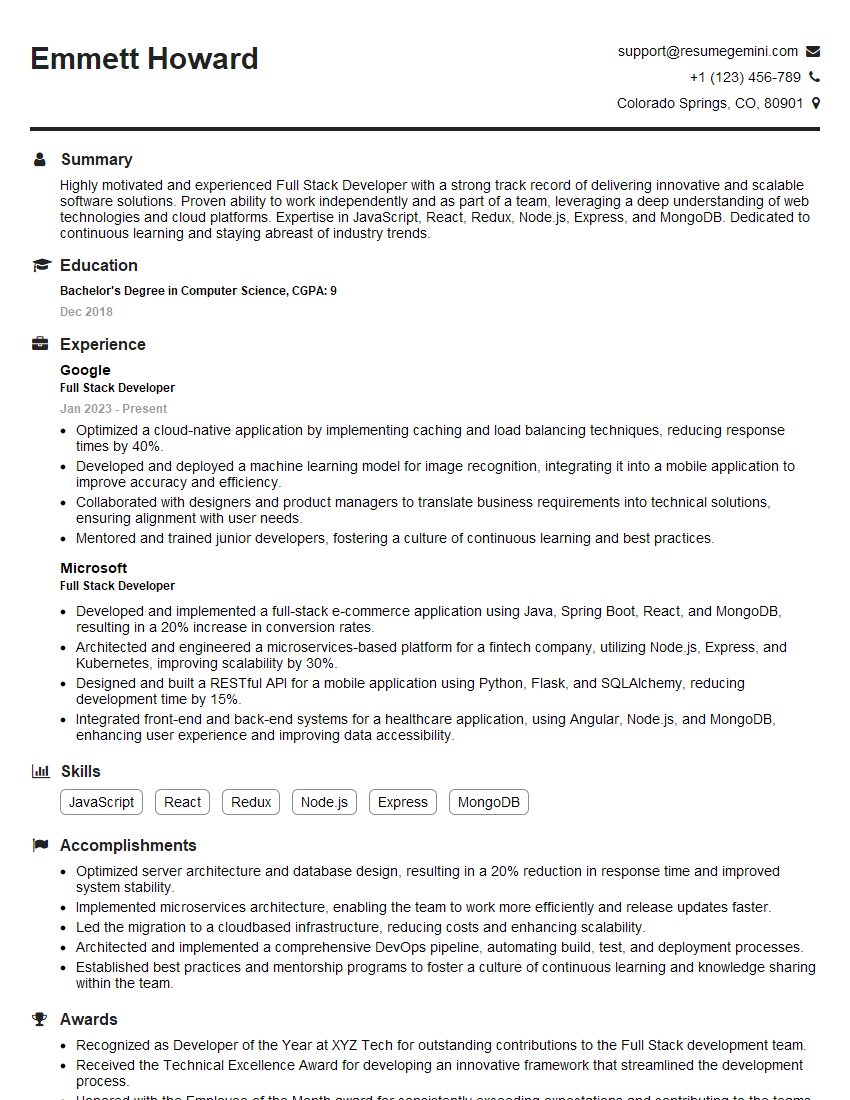
Full Stack Developer Resume Sample
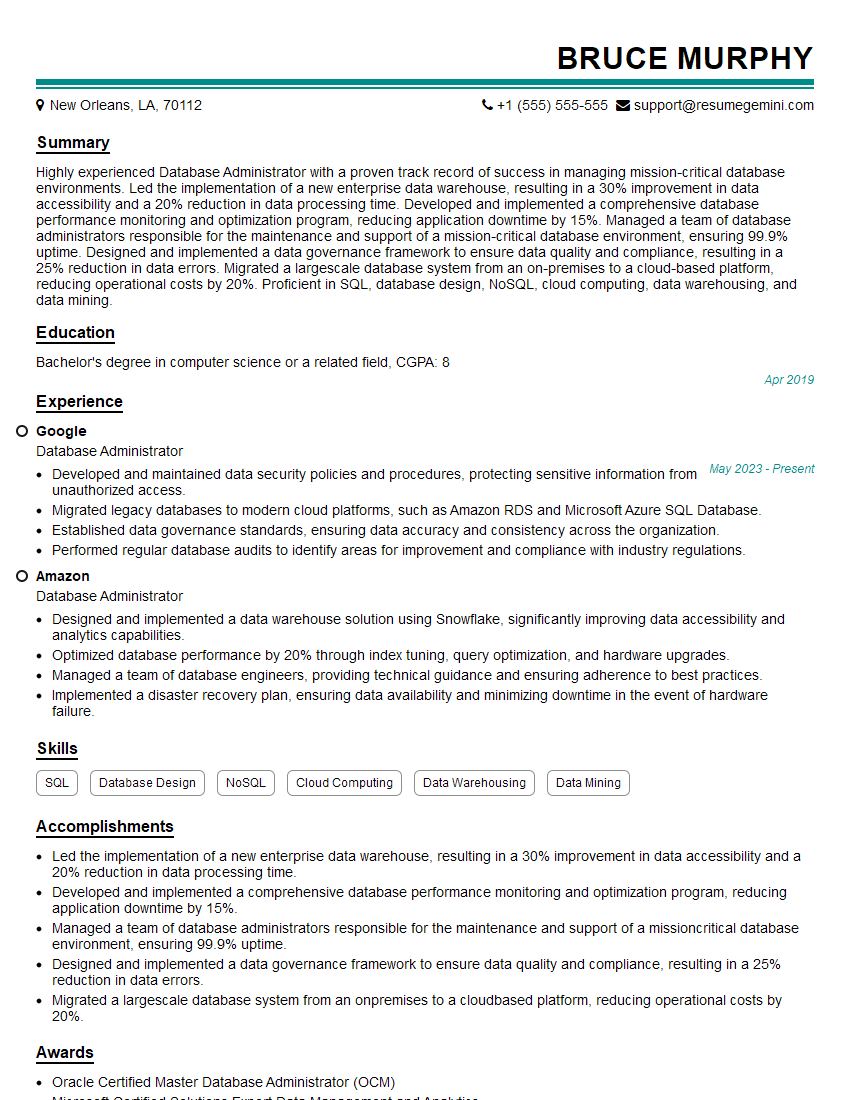
Database Administrator Resume Sample
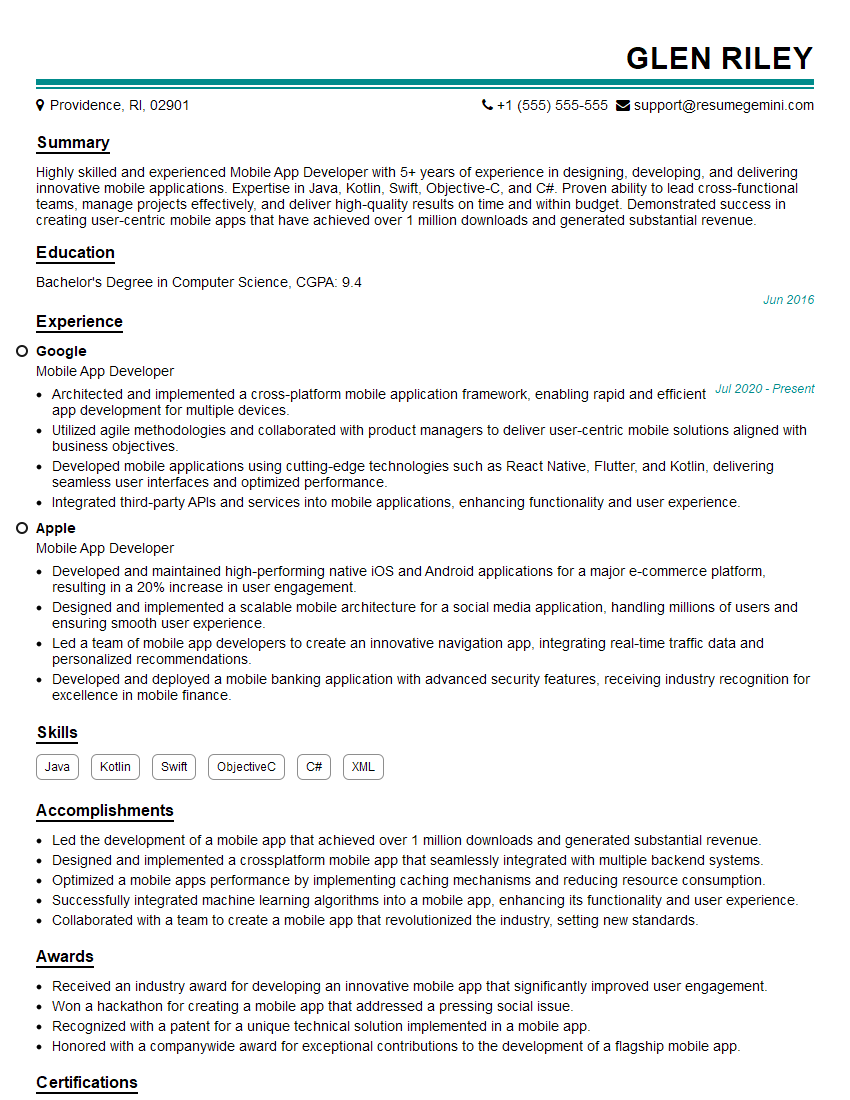
Mobile App Developer Resume Sample
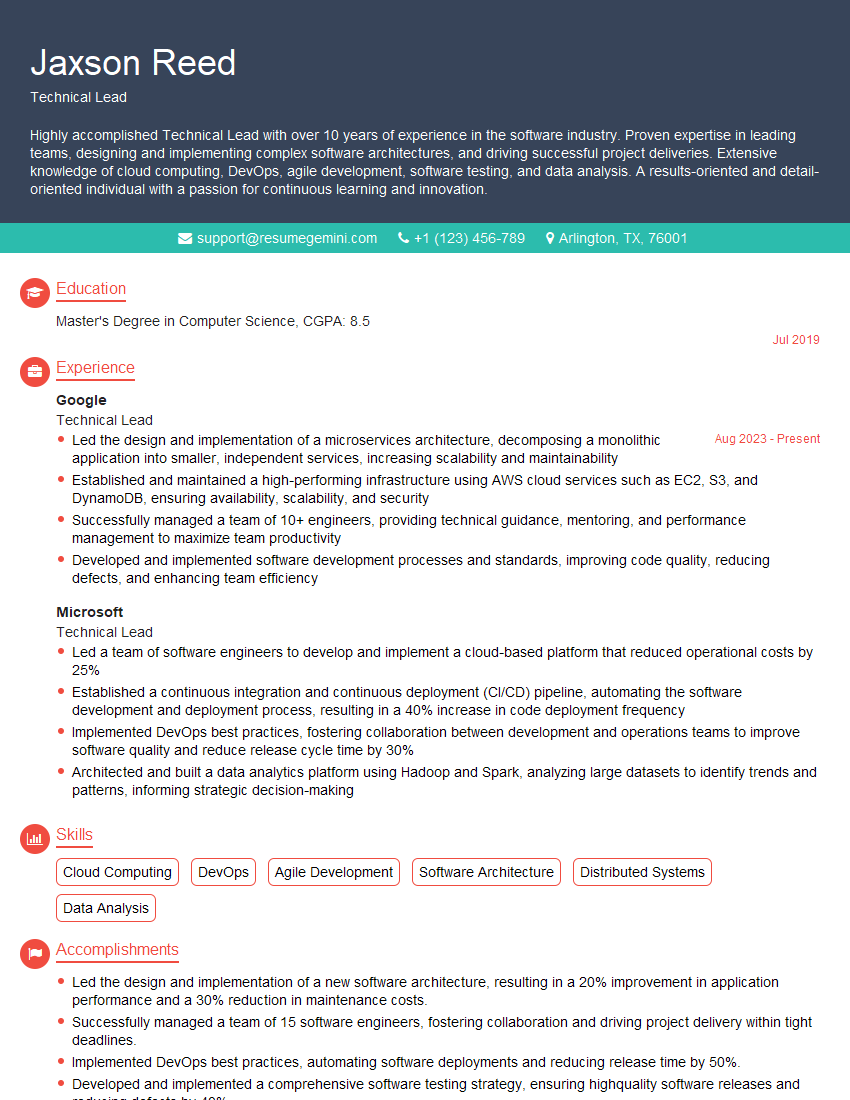
Technical Lead Resume Sample
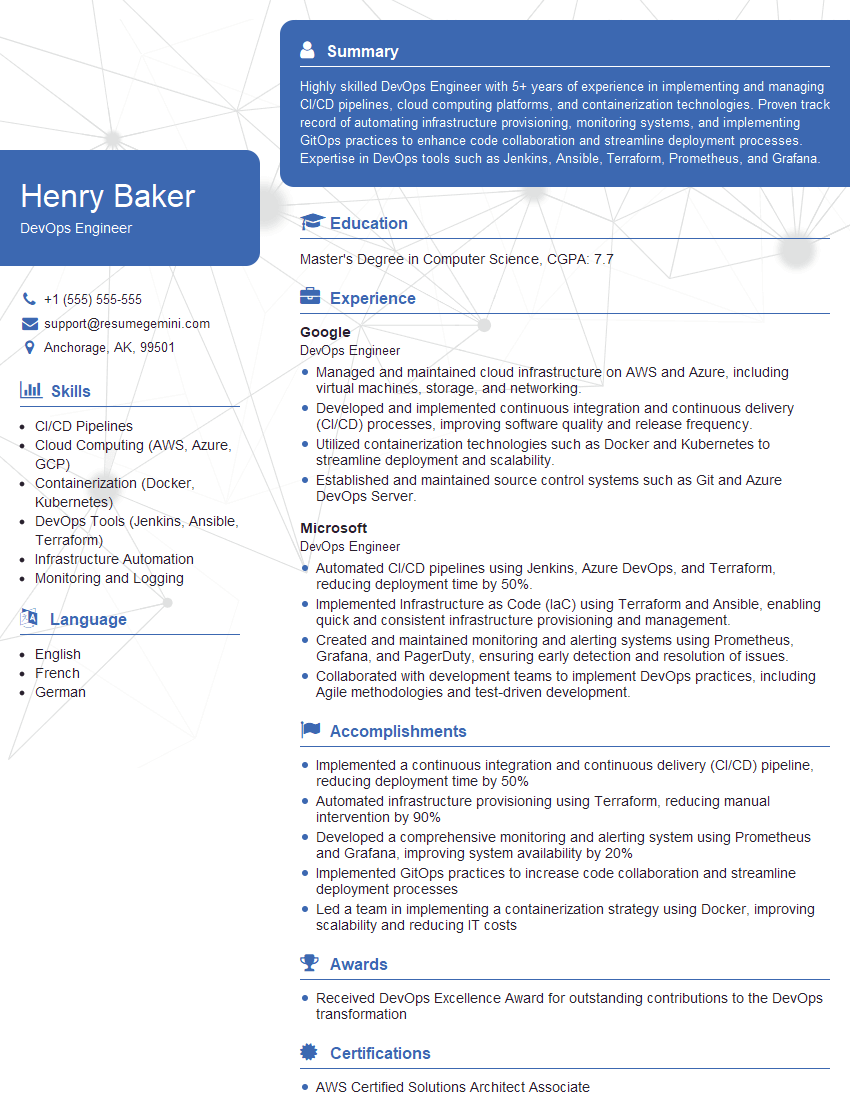
DevOps Engineer Resume Sample
Machine Learning Engineer Resume Sample
Cloud Engineer Resume Sample
- Principal Engineer
- Security Engineer
- Software Architect
- Technical Project Manager
- Network Engineer
- Game Developer
- Automation Engineer
- Solutions Architect
- Senior Software Engineer
- System Administrator
- Integration Engineer
- IT Manager
- Full Stack Developer
- Database Administrator
- Mobile App Developer
- Technical Lead
- DevOps Engineer
- Machine Learning Engineer
- Cloud Engineer
Explore more articles
Users Rating of Our Blogs
Share Your Experience
We value your feedback! Please rate our content and share your thoughts (optional).
What Readers Say About Our Blog
Hello,
we currently offer a complimentary backlink and URL indexing test for search engine optimization professionals.
You can get complimentary indexing credits to test how link discovery works in practice.
No credit card is required and there is no recurring fee.
You can find details here:
https://wikipedia-backlinks.com/indexing/
Regards
NICE RESPONSE TO Q & A
hi
The aim of this message is regarding an unclaimed deposit of a deceased nationale that bears the same name as you. You are not relate to him as there are millions of people answering the names across around the world. But i will use my position to influence the release of the deposit to you for our mutual benefit.
Respond for full details and how to claim the deposit. This is 100% risk free. Send hello to my email id: [email protected]
Luka Chachibaialuka
Hey interviewgemini.com, just wanted to follow up on my last email.
We just launched Call the Monster, an parenting app that lets you summon friendly ‘monsters’ kids actually listen to.
We’re also running a giveaway for everyone who downloads the app. Since it’s brand new, there aren’t many users yet, which means you’ve got a much better chance of winning some great prizes.
You can check it out here: https://bit.ly/callamonsterapp
Or follow us on Instagram: https://www.instagram.com/callamonsterapp
Thanks,
Ryan
CEO – Call the Monster App
Hey interviewgemini.com, I saw your website and love your approach.
I just want this to look like spam email, but want to share something important to you. We just launched Call the Monster, a parenting app that lets you summon friendly ‘monsters’ kids actually listen to.
Parents are loving it for calming chaos before bedtime. Thought you might want to try it: https://bit.ly/callamonsterapp or just follow our fun monster lore on Instagram: https://www.instagram.com/callamonsterapp
Thanks,
Ryan
CEO – Call A Monster APP
To the interviewgemini.com Owner.
Dear interviewgemini.com Webmaster!
Hi interviewgemini.com Webmaster!
Dear interviewgemini.com Webmaster!
excellent
Hello,
We found issues with your domain’s email setup that may be sending your messages to spam or blocking them completely. InboxShield Mini shows you how to fix it in minutes — no tech skills required.
Scan your domain now for details: https://inboxshield-mini.com/
— Adam @ InboxShield Mini
Reply STOP to unsubscribe
Hi, are you owner of interviewgemini.com? What if I told you I could help you find extra time in your schedule, reconnect with leads you didn’t even realize you missed, and bring in more “I want to work with you” conversations, without increasing your ad spend or hiring a full-time employee?
All with a flexible, budget-friendly service that could easily pay for itself. Sounds good?
Would it be nice to jump on a quick 10-minute call so I can show you exactly how we make this work?
Best,
Hapei
Marketing Director
Hey, I know you’re the owner of interviewgemini.com. I’ll be quick.
Fundraising for your business is tough and time-consuming. We make it easier by guaranteeing two private investor meetings each month, for six months. No demos, no pitch events – just direct introductions to active investors matched to your startup.
If youR17;re raising, this could help you build real momentum. Want me to send more info?
Hi, I represent an SEO company that specialises in getting you AI citations and higher rankings on Google. I’d like to offer you a 100% free SEO audit for your website. Would you be interested?
Hi, I represent an SEO company that specialises in getting you AI citations and higher rankings on Google. I’d like to offer you a 100% free SEO audit for your website. Would you be interested?
good