The right preparation can turn an interview into an opportunity to showcase your expertise. This guide to Tension Control Algorithms interview questions is your ultimate resource, providing key insights and tips to help you ace your responses and stand out as a top candidate.
Questions Asked in Tension Control Algorithms Interview
Q 1. Explain the difference between open-loop and closed-loop tension control.
Imagine you’re winding a fishing reel. Open-loop tension control is like simply cranking the handle at a constant speed – you’re not actively monitoring the tension on the line. The tension might vary depending on how much line is out, the weight of the fish, etc. Closed-loop control, on the other hand, is like using a tension gauge on the line. As the tension changes (a big fish bites!), you adjust your cranking speed to maintain the desired tension.
In essence, open-loop control doesn’t use feedback to adjust its output. It relies on a predetermined control signal to maintain tension. It’s simpler but less precise and susceptible to disturbances. Closed-loop control uses a sensor to measure the actual tension, compares it to the desired tension (the setpoint), and adjusts the control signal accordingly. This results in more accurate and robust tension control.
Q 2. Describe various tension control methods (e.g., dancer roll, load cell, motor current).
Several methods exist for tension control, each with its strengths and weaknesses:
- Dancer Roll: A dancer roll is a weighted roller that moves up and down depending on the web tension. Increased tension lifts the roll, reducing web speed; decreased tension lowers the roll, increasing speed. It’s a simple, passive mechanism.
- Load Cell: A load cell directly measures the force (tension) on the web using strain gauges. This provides a highly accurate reading and is well-suited for closed-loop control systems.
- Motor Current: This method infers tension indirectly by monitoring the current drawn by the motor driving the web. Higher tension requires more motor current to maintain speed. While simpler to implement than load cells, it’s less precise because motor current is affected by factors beyond tension, like friction and inertia.
Q 3. What are the advantages and disadvantages of each tension control method?
Let’s compare the advantages and disadvantages:
- Dancer Roll:
- Advantages: Simple, inexpensive, low maintenance.
- Disadvantages: Low accuracy, susceptible to vibration and disturbances, limited dynamic range.
- Load Cell:
- Advantages: High accuracy, good dynamic response, suitable for precise closed-loop control.
- Disadvantages: More expensive, requires careful calibration, can be sensitive to shock and vibration.
- Motor Current:
- Advantages: Inexpensive, easy to implement, doesn’t require additional sensors.
- Disadvantages: Low accuracy, indirect measurement, affected by many factors besides tension.
Q 4. How do you handle disturbances in a tension control system?
Disturbances like variations in material properties, changes in speed, and external forces can affect tension. Robust tension control systems handle these through several strategies:
- Feedforward Control: Anticipate disturbances. For example, if you know the material properties will change, you can adjust the setpoint proactively.
- Feedback Control: Use a sensor (like a load cell) to measure the actual tension and adjust the control signal accordingly to compensate for the disturbance. This is the core of closed-loop control.
- Adaptive Control: Adjust the controller parameters (e.g., PID gains) dynamically in response to changes in the system’s behavior. This improves the system’s ability to adapt to unforeseen disturbances.
- Robust Control Design: Design the control system to be less sensitive to uncertainties and disturbances through careful modeling and controller design techniques.
Q 5. Explain the concept of PID control in the context of tension control.
PID control is a widely used feedback control algorithm. In tension control, it works by continuously comparing the measured tension (feedback) to the desired tension (setpoint). The controller then calculates three terms to adjust the motor speed or other control actions:
- Proportional (P): Responds proportionally to the error (difference between setpoint and measured tension). A larger error results in a larger correction.
- Integral (I): Accounts for accumulated error over time. It eliminates steady-state error, ensuring the tension settles at the desired value even with persistent disturbances.
- Derivative (D): Predicts future error based on the rate of change of the error. It helps dampen oscillations and improve response speed.
The controller output is the sum of these three terms: Output = Kp * error + Ki * integral(error) + Kd * derivative(error) where Kp, Ki, and Kd are the tuning gains.
Q 6. How would you tune a PID controller for a tension control system?
PID tuning is crucial for optimal performance. Several methods exist:
- Ziegler-Nichols Method: A simple, empirical method that involves finding the ultimate gain and period of oscillation of the uncontrolled system. It provides initial estimates for
Kp,Ki, andKd. - Trial and Error: A practical method that involves iteratively adjusting the gains based on the system’s response. Start with small gains and gradually increase them while observing the system’s behavior.
- Auto-tuning Algorithms: Many modern controllers have built-in algorithms that automatically tune the PID gains. These algorithms typically involve probing the system’s response and optimizing the gains based on a defined performance criterion.
The goal is to achieve a balance between speed of response, minimal overshoot, and good disturbance rejection. Too high gains can lead to oscillations, while too low gains can result in slow response and steady-state error.
Q 7. Describe different types of sensors used for tension measurement.
Various sensors measure tension:
- Load Cells: Strain gauge-based load cells are the most common, providing accurate and direct tension measurement.
- Piezoelectric Sensors: These sensors generate an electrical charge in response to mechanical stress or force, making them suitable for measuring dynamic tension changes.
- Optical Sensors: These sensors measure web displacement or vibrations to indirectly infer tension. They are often used in high-speed applications where contact-based sensors might be unsuitable.
- Ultrasonic Sensors: Measure the speed of sound waves traveling through the web to determine its tension.
Sensor selection depends on factors like accuracy requirements, cost constraints, operating environment, and the type of material being processed.
Q 8. What are the limitations of using each sensor type?
Different sensor types for tension control, such as load cells, rotary encoders, and optical sensors, each have their own strengths and weaknesses. The choice depends heavily on the specific application and its constraints.
- Load Cells: These directly measure force, providing a straightforward tension reading. Limitations include susceptibility to environmental factors like temperature drift and potential for damage from overload. They are also relatively bulky and can be expensive for high-precision applications.
- Rotary Encoders: These measure the rotational speed and position of a shaft, often coupled with a known diameter to infer tension. They offer good precision and responsiveness, but their accuracy depends on the mechanical coupling between the encoder and the tensioned element and are susceptible to wear and tear.
- Optical Sensors: These utilize techniques like laser triangulation or image processing to measure the displacement or deflection of a tensioned element. These can be non-contact and highly accurate, but they are sensitive to ambient lighting conditions and can be costly to implement. Their suitability depends on the nature of the material and the environment.
In essence, selecting the right sensor involves balancing cost, accuracy, robustness, and the specific application requirements. For instance, a high-speed web processing line might favor a robust rotary encoder for its speed and response, while a precision cable manufacturing setting might benefit from the accuracy of an optical sensor.
Q 9. Explain the role of a controller in a tension control system.
The controller is the brain of a tension control system. It receives feedback from the tension sensor, compares it to the desired tension setpoint, and calculates the necessary adjustments to the actuation system (e.g., a motor controlling a brake or a roller). Think of it as a thermostat for tension. The controller continuously monitors the tension and makes minute adjustments to maintain the target level. The algorithm employed by the controller is crucial for achieving precise and stable tension control.
Common control algorithms include Proportional-Integral-Derivative (PID) controllers, which are widely used for their simplicity and effectiveness in handling many real-world applications. More advanced algorithms such as model predictive control (MPC) can be used for systems with complex dynamics or constraints.
The controller’s role extends beyond simple feedback control. It also handles safety aspects, preventing over-tension or under-tension conditions that could damage equipment or material. It typically incorporates features for self-tuning and fault detection to maintain optimal performance and system reliability.
Q 10. How do you model a tension control system?
Modeling a tension control system involves creating a mathematical representation of its behavior. This typically involves considering several factors:
- Mechanical Model: This describes the physical dynamics of the system, including the material properties (e.g., elasticity, stiffness), the geometry of the system (e.g., roller diameter, length of the material), and the forces acting on the material (e.g., friction, gravity).
- Actuator Model: This accounts for the dynamics of the actuator that controls tension, often a motor with associated dynamics, such as inertia, friction and gearbox efficiency.
- Sensor Model: This describes the sensor’s characteristics, including its response time, accuracy, and noise characteristics.
- Control Algorithm: The chosen control algorithm forms a vital part of the model, defining how the controller processes feedback to adjust the actuator.
The models can range from simple linear models suitable for preliminary analysis to complex nonlinear models needed for accurate simulations and controller design in sophisticated systems. Often, tools like Simulink or Matlab are employed to create and simulate these models.
For example, a simple model might represent tension (T) as a function of the motor torque (τ) and material properties (k – stiffness), represented by a simple equation such as T = k*θ - τ where θ represents a measure of angular displacement. However, realistic models are considerably more complex and incorporate nonlinearities.
Q 11. What are the common challenges encountered in implementing tension control?
Implementing tension control systems presents several challenges:
- Nonlinearities: Tension systems often exhibit nonlinear behavior due to factors like material elasticity, friction, and actuator saturation. These nonlinearities make control design challenging.
- Disturbances: External factors such as variations in material properties, speed changes, and environmental conditions can perturb the system, requiring robust control strategies to maintain tension.
- Sensor Noise: Sensor measurements are often noisy, requiring filtering or other techniques to improve accuracy. Noise can lead to oscillations or instability in the control system.
- Parameter Variations: System parameters, like material stiffness and actuator characteristics, can vary over time or with operating conditions. Adapting the control algorithm to these changes is essential for maintaining performance.
- System Complexity: Many tension control applications involve complex interactions between multiple components. Modeling and controlling these complex systems requires advanced techniques.
Addressing these challenges often necessitates a combination of careful system design, advanced control algorithms, and robust sensor selection.
Q 12. How do you handle nonlinearities in a tension control system?
Handling nonlinearities is crucial for achieving high-performance tension control. Several strategies can be employed:
- Nonlinear Control Techniques: Advanced control algorithms like sliding mode control, backstepping, or fuzzy logic control are specifically designed to handle nonlinear systems. These methods often provide better performance than linear controllers in the presence of significant nonlinearities.
- Linearization: This approach involves approximating the nonlinear system with a linear model around a specific operating point. While simpler than nonlinear methods, linearization is only effective within a limited operating range.
- Feedback Linearization: A more sophisticated technique that transforms the nonlinear system into an equivalent linear system through a suitable coordinate transformation and feedback control law. It allows for applying linear control techniques to a nonlinear system.
- Gain Scheduling: This method involves designing multiple linear controllers for different operating points and switching between them based on the system’s operating condition. This provides good performance across a wider operating range.
The choice of technique depends on the specific nature of the nonlinearities and the desired performance level. Often, a combination of approaches yields the best results.
Q 13. Explain the concept of system stability in tension control.
System stability in tension control refers to the system’s ability to maintain a desired tension level despite disturbances or variations. An unstable system will exhibit oscillations or runaway tension, potentially leading to equipment damage or material breakage. Think of it like balancing a pole – a stable system stays balanced, while an unstable system falls over.
Stability is crucial for safety and consistent product quality. An unstable system can cause significant issues in manufacturing processes, ranging from minor quality defects to catastrophic equipment failure.
Stability analysis involves examining the system’s response to disturbances and determining whether it returns to the desired tension level. Methods like eigenvalue analysis or Lyapunov stability theory are used to assess stability.
Q 14. How do you ensure the stability of a tension control system?
Ensuring the stability of a tension control system requires a multi-faceted approach:
- Proper Controller Design: Selecting an appropriate control algorithm and carefully tuning its parameters are critical. A well-tuned PID controller or a more advanced algorithm designed for the specific system nonlinearities will generally improve stability.
- Appropriate Sensor Selection and Placement: Choosing sensors with sufficient accuracy and bandwidth, and strategically placing them to effectively measure tension, is essential for accurate feedback and improved stability.
- Robust Control Strategies: Employing robust control techniques that can handle uncertainty and disturbances is important. Robust controllers are less sensitive to variations in system parameters or external disturbances.
- System Modeling and Simulation: Thoroughly modeling the system and simulating its behavior under various conditions helps identify potential instability issues before deployment. This enables verification of controller effectiveness and allows for adjustments to improve stability.
- Stability Analysis: Employing formal stability analysis techniques, such as eigenvalue analysis or Lyapunov methods, provides a rigorous assessment of the system’s stability. This helps identify potential problems and guide the design process.
Ultimately, stability is achieved through careful consideration of all aspects of the system, from the mechanical design to the control algorithm. Testing and iterative refinement are crucial parts of the process.
Q 15. Describe different control algorithms beyond PID for tension control.
While PID controllers are ubiquitous in tension control, more advanced algorithms offer superior performance, especially in complex scenarios. These include:
- Model Predictive Control (MPC): MPC predicts future system behavior based on a model and optimizes control actions to minimize future errors. This is advantageous in systems with significant delays or nonlinearities, common in long web processes. Imagine a large paper machine: MPC can anticipate tension changes caused by variations in paper thickness and adjust accordingly before the tension significantly deviates from the setpoint.
- Fuzzy Logic Control (FLC): FLC handles uncertainty and nonlinearity effectively using fuzzy sets and rules. This is particularly beneficial when precise mathematical models are unavailable, or when dealing with imprecise sensor data. For instance, in a textile winding application, FLC might manage tension based on descriptive terms like ‘high,’ ‘medium,’ and ‘low’ tension, rather than relying on precise numerical measurements.
- Adaptive Control: Adaptive control algorithms adjust their parameters online to compensate for changes in the system dynamics. This is crucial when material properties or operating conditions vary considerably. Consider a steel rolling mill; the material’s stiffness changes with temperature. An adaptive controller would automatically tune itself to maintain consistent tension despite these temperature fluctuations.
- Neural Network Control: Neural networks learn from data to approximate complex nonlinear relationships. They can be trained offline with historical data or online using real-time feedback. This is suitable for systems with highly complex behavior and unknown dynamics. For example, in a high-speed wire drawing process, a neural network could learn to precisely control tension even with variations in wire diameter and material strength.
The choice of algorithm depends on the specific application’s complexity, the accuracy requirements, and the availability of a precise system model.
Career Expert Tips:
- Ace those interviews! Prepare effectively by reviewing the Top 50 Most Common Interview Questions on ResumeGemini.
- Navigate your job search with confidence! Explore a wide range of Career Tips on ResumeGemini. Learn about common challenges and recommendations to overcome them.
- Craft the perfect resume! Master the Art of Resume Writing with ResumeGemini’s guide. Showcase your unique qualifications and achievements effectively.
- Don’t miss out on holiday savings! Build your dream resume with ResumeGemini’s ATS optimized templates.
Q 16. What is the role of feedback in a tension control system?
Feedback is the cornerstone of any effective tension control system. It’s the mechanism that allows the controller to know the actual tension and compare it to the desired tension (setpoint). This difference, called the error, is then used to calculate the necessary corrective action. Without feedback, the controller would be operating blindly, leading to significant tension variations and potential problems like material breakage or slippage.
Imagine trying to pour water into a glass without looking. You’d likely either overflow or underfill it. Feedback, in this analogy, is your vision; it tells you how much water is already in the glass and how much more is needed. Similarly, in tension control, feedback from sensors ensures the system constantly adjusts to maintain the desired tension level.
Q 17. How do you design a tension control system for a specific application?
Designing a tension control system involves a systematic approach:
- Define Requirements: Specify the desired tension range, accuracy, response time, and other performance criteria based on the application’s needs. For example, a high-speed printing press requires much faster response time than a slow-speed textile winding machine.
- System Modeling: Develop a model of the system’s dynamics, considering factors like inertia, friction, and material properties. This may involve simulations or experimental measurements.
- Sensor Selection: Choose appropriate sensors (load cells, ultrasonic sensors, etc.) based on accuracy, response time, and environmental conditions. The selection critically depends on the material properties and the level of precision required.
- Actuator Selection: Select actuators (motors, brakes, etc.) capable of providing the necessary force and speed. Consider the actuator’s response time and power capabilities relative to the load demands.
- Controller Design: Choose a suitable control algorithm (PID, MPC, etc.) and tune its parameters to meet the performance requirements. This often involves iterative adjustments based on simulation and experimental testing.
- Implementation and Testing: Implement the control system using appropriate hardware and software, then rigorously test it to ensure it performs as expected under various operating conditions. Testing involves various scenarios and includes robustness testing to unforeseen events.
Q 18. Explain the importance of proper sensor placement in tension control.
Proper sensor placement is paramount for accurate tension measurement and effective control. Poor placement can lead to inaccurate readings, delayed responses, and ultimately, poor tension control. The goal is to measure tension at a location that accurately reflects the tension across the entire system, minimizing the influence of local disturbances.
For instance, in a web-handling system, placing the sensor too close to a roller might lead to inaccurate readings due to localized friction or slippage. Ideally, the sensor should be located in a section of the web where the tension is relatively uniform and representative of the overall tension profile. Furthermore, the sensor must be robust enough to withstand the operating conditions, such as temperature variations and vibrations.
Q 19. How do you select appropriate actuators for tension control?
Actuator selection depends heavily on the application’s specific needs. Key considerations include:
- Force/Torque Requirements: The actuator must be capable of providing sufficient force or torque to control the tension under all operating conditions. This is directly related to the load and the desired tension range.
- Speed and Response Time: The actuator’s speed and response time determine how quickly it can adjust the tension in response to changes in the process. Faster response times are crucial for high-speed applications.
- Accuracy and Resolution: The actuator’s ability to precisely control the tension is critical for maintaining consistent product quality. This relates to the actuator’s control precision and resolution.
- Environmental Factors: The actuator must be able to withstand the environmental conditions, such as temperature, humidity, and dust. Consider the operational environment when making the choice.
- Cost and Maintainability: Factors such as cost, ease of maintenance, and availability of spare parts are also important considerations.
Examples include DC motors with feedback for precise control, pneumatic systems for rapid response in some applications, and hydraulic systems for high-force applications. The choice hinges on the trade-offs between performance, cost, and maintainability.
Q 20. Describe your experience with different programming languages used in tension control.
My experience spans several programming languages commonly used in industrial control systems. I’m proficient in:
- C/C++: These languages are widely used for low-level control applications where real-time performance is critical. I’ve used them extensively for developing embedded software for microcontrollers and programmable logic controllers (PLCs).
- Python: I frequently use Python for prototyping, data analysis, and higher-level control algorithms, especially when integrating with machine learning libraries. Python’s ease of use and vast libraries make it excellent for modeling and simulation.
- LabVIEW: I have experience with LabVIEW, a graphical programming environment ideal for rapid prototyping and data acquisition in industrial control. It’s powerful when you need to integrate with various hardware components, including sensors and actuators.
- MATLAB/Simulink: This powerful environment was widely used during the design and simulation phases of my projects. Simulink’s capabilities for modeling and simulating dynamic systems are invaluable in designing and verifying tension control algorithms.
The choice of language often depends on the project’s scope, the hardware platform, and the specific requirements for real-time performance and ease of development.
Q 21. How do you troubleshoot problems in a tension control system?
Troubleshooting a tension control system involves a systematic approach:
- Check Sensor Readings: Verify that the sensors are functioning correctly and providing accurate readings. This might involve calibration, testing the sensor’s output, and examining the sensor’s wiring and connections.
- Examine Actuator Performance: Ensure that the actuators are responding appropriately to the controller’s commands. This may involve checking the actuator’s power supply, feedback signals, and mechanical integrity.
- Review Control Algorithm Performance: Analyze the control algorithm’s performance, checking for parameter tuning issues or logical errors in the control code. This often involves observing the controller’s output and comparing it to the desired behavior.
- Analyze Process Variables: Examine other process variables that might be affecting tension, such as material properties, speed, and external disturbances. These factors can significantly influence the system’s performance.
- Inspect Mechanical System: Carefully inspect the mechanical components of the system for any issues such as friction, wear, or misalignment. These mechanical problems can severely impact the system’s performance.
- Use Data Logging and Analysis: Employ data logging to record sensor readings, actuator outputs, and other relevant variables. This data can be crucial in identifying patterns and trends that might point to the root cause of the problem. Analyze this data to uncover the issue.
A methodical approach, combining careful observation and data analysis, is crucial for identifying the source of problems and implementing effective solutions.
Q 22. Explain the concept of bandwidth in a tension control system.
Bandwidth in a tension control system refers to the system’s ability to respond to changes in tension. Think of it like this: a system with a high bandwidth is like a quick-reflex athlete, able to rapidly adjust to unexpected changes in tension. A low bandwidth system is more like a slow-moving heavyweight, responding sluggishly. It’s essentially a measure of how fast the control loop can correct deviations from the desired tension setpoint. A higher bandwidth generally means faster response times, but it can also lead to instability if not properly tuned.
Technically, bandwidth is often expressed in Hertz (Hz) and represents the frequency at which the system’s response to a sinusoidal input is reduced by 3dB (half power). A higher bandwidth implies the system can effectively react to higher frequency disturbances in tension.
Q 23. How do you determine the appropriate bandwidth for a given application?
Determining the appropriate bandwidth involves considering several factors. First, we need to understand the dynamics of the system itself – the speed of the rollers, the elasticity of the material, and the inertia of the driven components. A system with a lot of inertia requires a lower bandwidth to avoid oscillations. For example, controlling tension on a heavy steel cable would necessitate a much lower bandwidth compared to controlling tension on a lightweight thread.
Secondly, the nature of disturbances and the required accuracy play crucial roles. If we anticipate frequent, high-frequency disturbances, a higher bandwidth might be needed. Conversely, for applications requiring very precise tension control, a lower bandwidth might be preferred to avoid overshooting and oscillations. Finally, sensor noise also factors into bandwidth selection; high bandwidth can amplify noise and lead to unwanted corrections.
The process often involves iterative tuning and testing. We’ll start with a conservative bandwidth, observing the system’s response, and then gradually increase it until we find the optimal balance between speed and stability. Simulation tools can greatly assist in this process, allowing for testing various scenarios before implementing on physical hardware.
Q 24. What is the effect of high and low gain on a tension control system?
Gain in a tension control system determines the responsiveness of the controller to tension errors. It essentially amplifies the error signal before it’s used to adjust the control mechanism.
- High Gain: A high gain system reacts aggressively to even small errors. This leads to fast response times but can cause instability, resulting in oscillations or even runaway conditions. Imagine a thermostat with a very high gain: it will constantly overshoot and undershoot the target temperature, creating a lot of fluctuations.
- Low Gain: A low gain system reacts more slowly to tension errors. It’s more stable, but its response is slower. Think of a car with a sluggish accelerator – it’s stable but lacks responsiveness.
Finding the right gain is crucial for optimal performance. Too low, and the system is sluggish; too high, and it becomes unstable. Techniques like Ziegler-Nichols tuning method can be used to help determine an appropriate gain.
Q 25. How do you deal with sensor noise in a tension control system?
Sensor noise is a common problem in tension control. It can lead to inaccurate measurements, causing the controller to make unnecessary adjustments. Several strategies can mitigate this issue:
- Filtering: Applying a low-pass filter to the sensor signal can effectively smooth out high-frequency noise. This involves selectively attenuating frequencies above a certain cutoff frequency.
- Averaging: Taking an average of multiple sensor readings helps to reduce the impact of random noise. The more readings averaged, the smoother the signal.
- Sensor Calibration and Selection: Using high-quality sensors with low noise characteristics is paramount. Regular calibration helps ensure accuracy and minimizes drift.
- Robust Control Algorithms: Employing control algorithms that are less sensitive to noise, such as Kalman filtering, can significantly improve performance. Kalman filters use statistical models to estimate the true signal despite the presence of noise.
The choice of technique depends on the specific noise characteristics and the desired level of noise reduction. Often, a combination of methods is employed for optimal results.
Q 26. Explain the concept of integral windup and how to avoid it.
Integral windup occurs in integral controllers when the integral term accumulates a large error over time, even when the system is saturated (i.e., unable to further respond to control commands). This leads to a large overshoot or prolonged settling time after the error is corrected. Imagine a water tank with a slow draining valve: if the inflow continues exceeding the outflow for a long time, the tank will overflow even when the inflow is eventually reduced.
Several techniques prevent integral windup:
- Anti-windup schemes: These limit the integral term’s accumulation when the actuator is saturated. Techniques include clamping the integral term, resetting the integral term, or using a modified integral term calculation that considers the saturation limits.
- Conditional Integration: The integral term is only updated when the system is within its operating range, preventing accumulation outside this range.
- Tracking the actuator limits: The controller constantly monitors the actuator limits and adjusts the integral term to prevent windup accordingly. This prevents unwanted accumulation when the system is saturated.
Properly implementing an anti-windup strategy is crucial for stable and efficient control performance, preventing the system from erratic behaviors after saturation conditions.
Q 27. Describe your experience with different types of tension control hardware.
My experience encompasses a wide range of tension control hardware, including:
- Load cells: These are strain gauges that measure the force exerted on a material. They are widely used for accurate tension measurement, particularly in high-precision applications.
- Rotary encoders: These measure the rotational speed of a driven roll, which can be used to infer tension based on material properties and motor torque. They are often cost-effective and suitable for applications where less precise tension is acceptable.
- AC and DC motors with associated drives: I’ve worked with various motor types and drive technologies, including vector control, field-oriented control, and various closed-loop feedback techniques to regulate the motor’s torque and hence control tension.
- Pneumatic and hydraulic systems: These are utilized in applications requiring high force and rapid response, albeit with less precision. The control mechanisms are usually valve-based, controlling the fluid flow to adjust tension.
Each hardware type has its advantages and disadvantages regarding accuracy, cost, speed, and maintenance. Selecting the appropriate hardware depends critically on the application’s specific requirements.
Q 28. How do you ensure the safety of a tension control system?
Ensuring safety in a tension control system requires a multi-faceted approach:
- Emergency Stop Mechanisms: Implementing easily accessible emergency stop buttons and sensors to immediately halt the system in case of unexpected events or emergencies.
- Redundancy and Fail-safes: Using redundant sensors or control mechanisms to ensure the system continues functioning even if one component fails. Fail-safe mechanisms should always prioritize safety.
- Overload Protection: Incorporating mechanisms to prevent the system from exceeding its operational limits, such as torque limits on motors or tension limits based on material properties.
- Regular Maintenance and Inspection: Regularly inspecting and maintaining the system to identify and address potential hazards before they lead to accidents.
- Safety Interlocks: Using interlocks to prevent access to hazardous areas when the system is operating, for example, preventing access to moving parts unless the machine is switched off.
- Risk Assessment and Safety Procedures: Conducting a thorough risk assessment to identify potential hazards and establishing clear safety procedures to minimize risks.
Safety should be a paramount consideration throughout the design, implementation, and operation of any tension control system. A rigorous and proactive approach is essential to prevent accidents and ensure the safety of personnel and equipment.
Key Topics to Learn for Tension Control Algorithms Interview
- Fundamentals of Tension Control: Understanding the basic principles, types of tension, and their measurement.
- Algorithm Design and Implementation: Exploring different algorithmic approaches for tension control, including PID control, model predictive control (MPC), and fuzzy logic control. Consider the trade-offs between accuracy, computational cost, and robustness.
- Sensor Integration and Data Acquisition: Familiarize yourself with various sensor technologies used for tension measurement (e.g., load cells, strain gauges) and data acquisition techniques. Understanding signal processing and noise reduction is crucial.
- Actuator Selection and Control: Learn about different actuators used in tension control systems (e.g., motors, brakes) and their characteristics. Understanding how to choose the appropriate actuator and control its behavior effectively is key.
- System Modeling and Simulation: Mastering the ability to model tension control systems, simulate their behavior, and analyze their performance under different conditions. This includes understanding transfer functions and stability analysis.
- Troubleshooting and Optimization: Develop your problem-solving skills related to identifying and resolving issues in tension control systems. Learn techniques for optimizing control parameters for improved performance and efficiency.
- Practical Applications: Explore real-world applications of tension control algorithms across various industries, such as textile manufacturing, paper production, and cable manufacturing. Understanding specific use cases will enhance your understanding and ability to discuss practical implications.
Next Steps
Mastering Tension Control Algorithms significantly enhances your career prospects in automation, robotics, and manufacturing engineering. These skills are highly sought after, opening doors to challenging and rewarding roles. To maximize your job search success, it’s crucial to present your qualifications effectively. An ATS-friendly resume is essential for getting your application noticed by recruiters and hiring managers. We strongly encourage you to leverage ResumeGemini to craft a professional and impactful resume that highlights your expertise in Tension Control Algorithms. Examples of resumes tailored to this specific field are available to help guide you through the process.

Systems Engineer Resume Sample
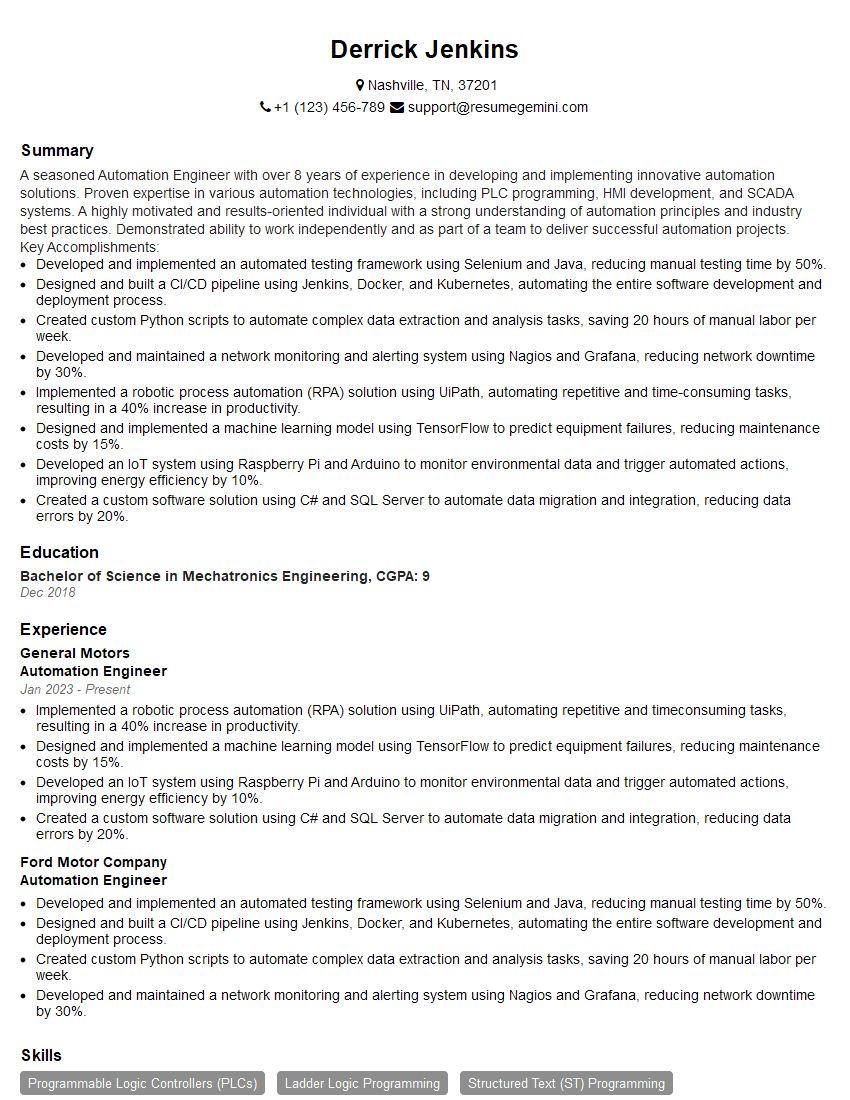
Automation Engineer Resume Sample
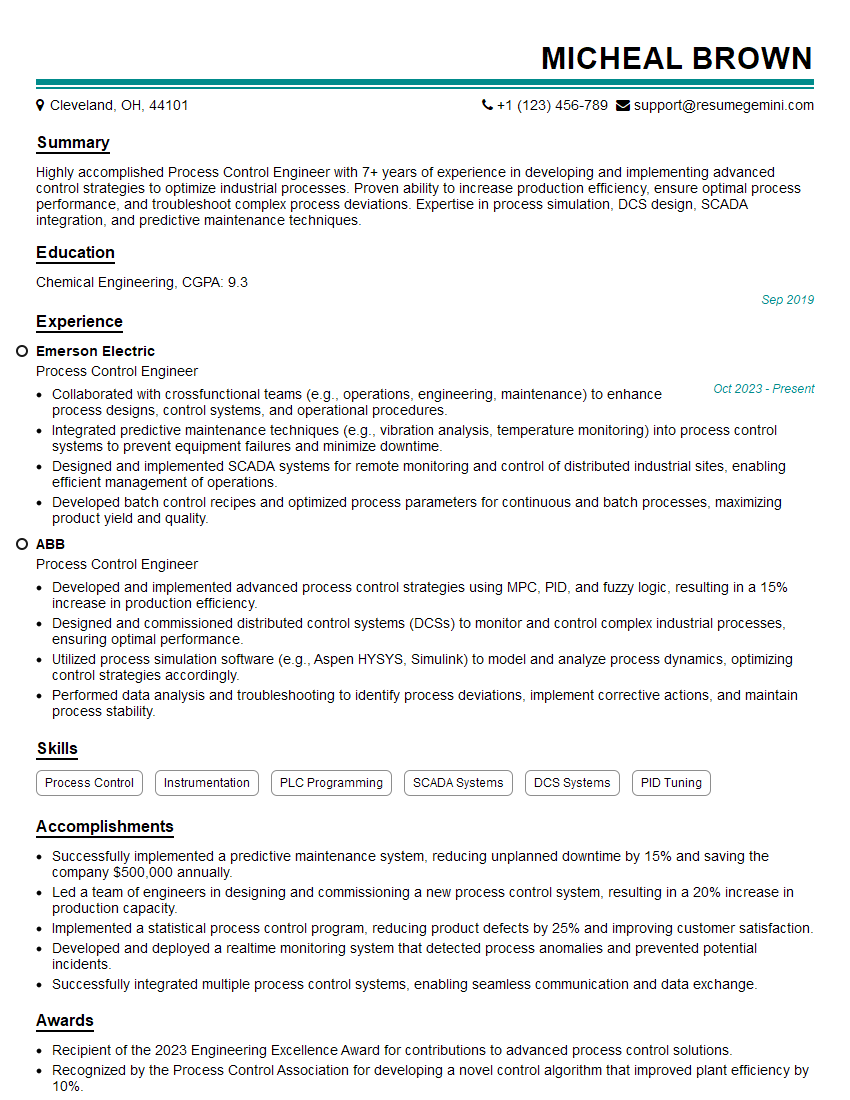
Process Control Engineer Resume Sample
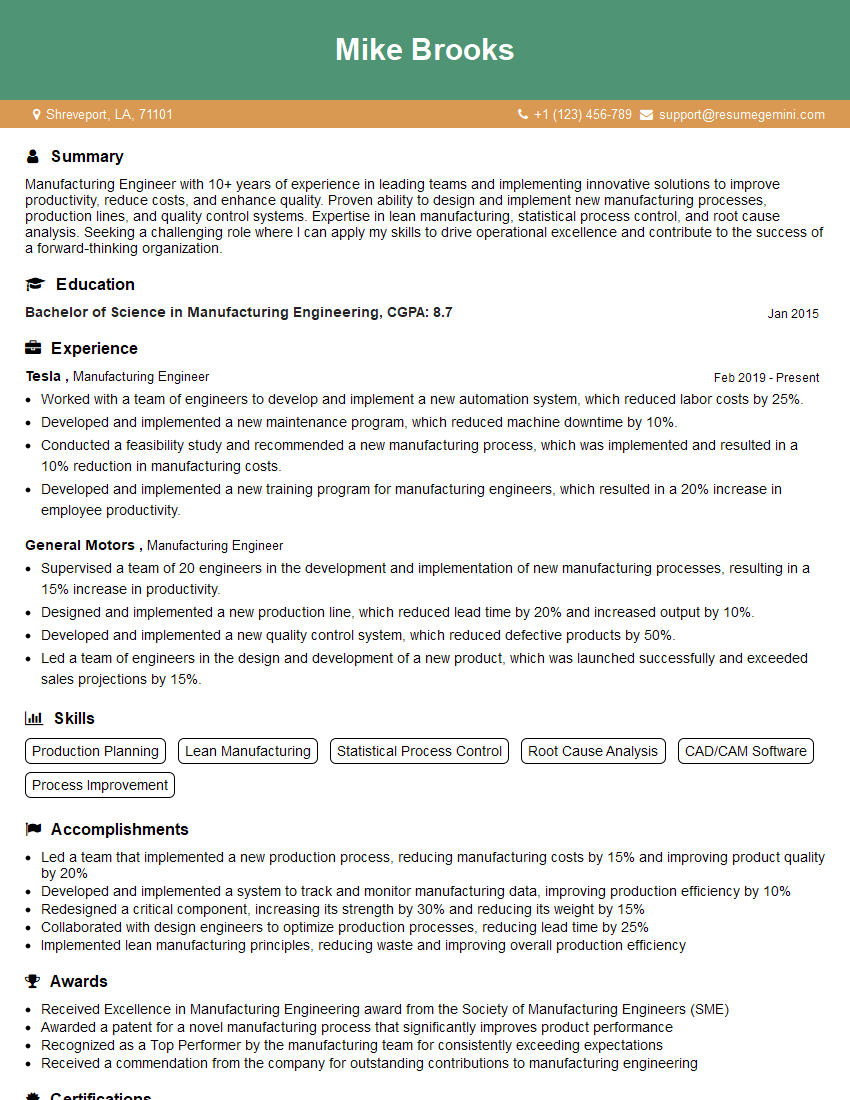
Manufacturing Engineer Resume Sample
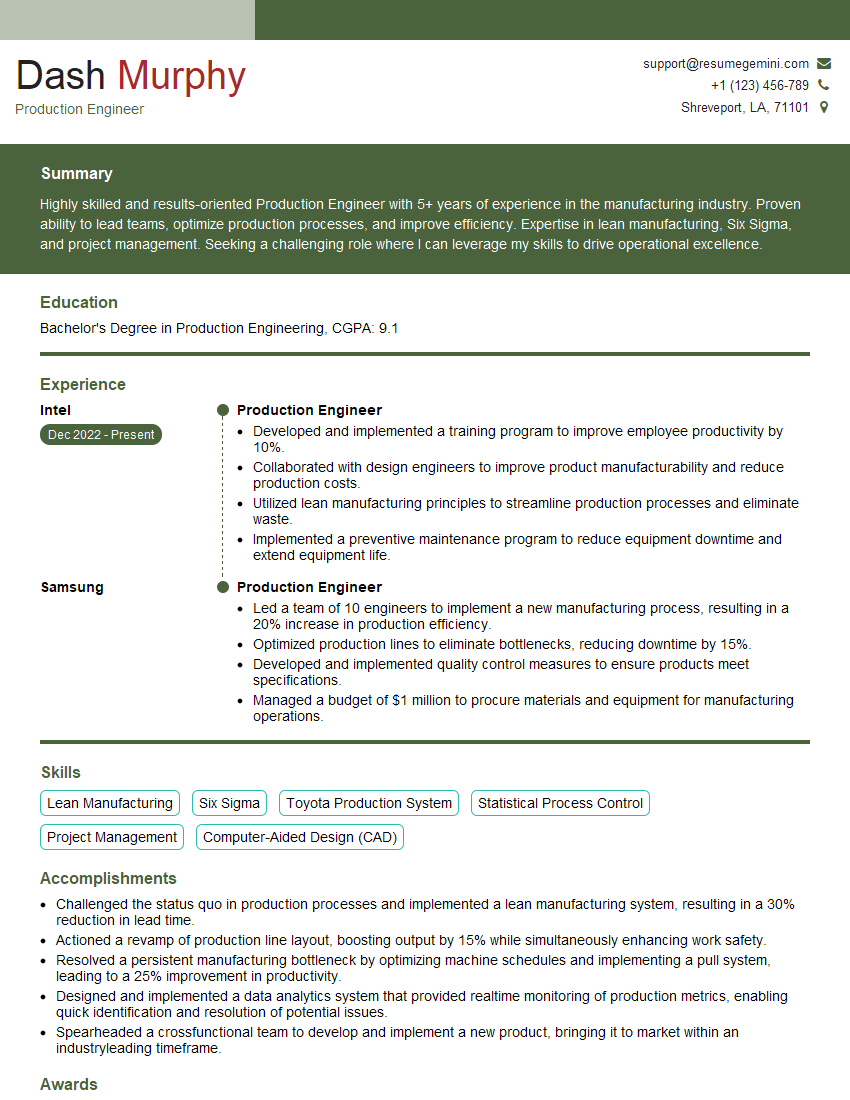
Production Engineer Resume Sample
Automation Specialist Resume Sample
Control Systems Engineer Resume Sample
Mechatronics Engineer Resume Sample
Robotics Engineer Resume Sample
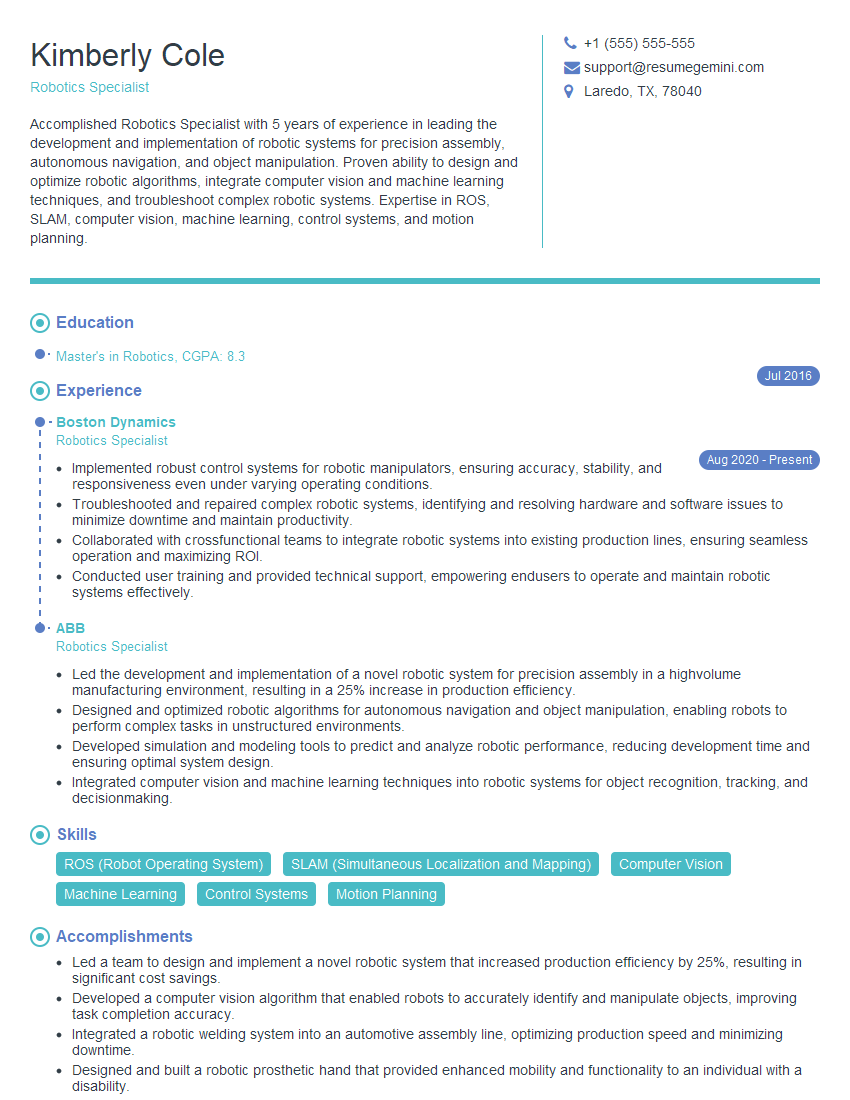
Robotics Specialist Resume Sample
Explore more articles
Users Rating of Our Blogs
Share Your Experience
We value your feedback! Please rate our content and share your thoughts (optional).
What Readers Say About Our Blog
Hello,
we currently offer a complimentary backlink and URL indexing test for search engine optimization professionals.
You can get complimentary indexing credits to test how link discovery works in practice.
No credit card is required and there is no recurring fee.
You can find details here:
https://wikipedia-backlinks.com/indexing/
Regards
NICE RESPONSE TO Q & A
hi
The aim of this message is regarding an unclaimed deposit of a deceased nationale that bears the same name as you. You are not relate to him as there are millions of people answering the names across around the world. But i will use my position to influence the release of the deposit to you for our mutual benefit.
Respond for full details and how to claim the deposit. This is 100% risk free. Send hello to my email id: [email protected]
Luka Chachibaialuka
Hey interviewgemini.com, just wanted to follow up on my last email.
We just launched Call the Monster, an parenting app that lets you summon friendly ‘monsters’ kids actually listen to.
We’re also running a giveaway for everyone who downloads the app. Since it’s brand new, there aren’t many users yet, which means you’ve got a much better chance of winning some great prizes.
You can check it out here: https://bit.ly/callamonsterapp
Or follow us on Instagram: https://www.instagram.com/callamonsterapp
Thanks,
Ryan
CEO – Call the Monster App
Hey interviewgemini.com, I saw your website and love your approach.
I just want this to look like spam email, but want to share something important to you. We just launched Call the Monster, a parenting app that lets you summon friendly ‘monsters’ kids actually listen to.
Parents are loving it for calming chaos before bedtime. Thought you might want to try it: https://bit.ly/callamonsterapp or just follow our fun monster lore on Instagram: https://www.instagram.com/callamonsterapp
Thanks,
Ryan
CEO – Call A Monster APP
To the interviewgemini.com Owner.
Dear interviewgemini.com Webmaster!
Hi interviewgemini.com Webmaster!
Dear interviewgemini.com Webmaster!
excellent
Hello,
We found issues with your domain’s email setup that may be sending your messages to spam or blocking them completely. InboxShield Mini shows you how to fix it in minutes — no tech skills required.
Scan your domain now for details: https://inboxshield-mini.com/
— Adam @ InboxShield Mini
Reply STOP to unsubscribe
Hi, are you owner of interviewgemini.com? What if I told you I could help you find extra time in your schedule, reconnect with leads you didn’t even realize you missed, and bring in more “I want to work with you” conversations, without increasing your ad spend or hiring a full-time employee?
All with a flexible, budget-friendly service that could easily pay for itself. Sounds good?
Would it be nice to jump on a quick 10-minute call so I can show you exactly how we make this work?
Best,
Hapei
Marketing Director
Hey, I know you’re the owner of interviewgemini.com. I’ll be quick.
Fundraising for your business is tough and time-consuming. We make it easier by guaranteeing two private investor meetings each month, for six months. No demos, no pitch events – just direct introductions to active investors matched to your startup.
If youR17;re raising, this could help you build real momentum. Want me to send more info?
Hi, I represent an SEO company that specialises in getting you AI citations and higher rankings on Google. I’d like to offer you a 100% free SEO audit for your website. Would you be interested?
Hi, I represent an SEO company that specialises in getting you AI citations and higher rankings on Google. I’d like to offer you a 100% free SEO audit for your website. Would you be interested?
good