Unlock your full potential by mastering the most common Traditional Plant Knowledge interview questions. This blog offers a deep dive into the critical topics, ensuring you’re not only prepared to answer but to excel. With these insights, you’ll approach your interview with clarity and confidence.
Questions Asked in Traditional Plant Knowledge Interview
Q 1. Describe the difference between an ethnobotanist and a herbalist.
While both ethnobotanists and herbalists work with plants, their approaches and focuses differ significantly. Ethnobotany is a scientific discipline that studies the relationship between people and plants. Ethnobotanists investigate how different cultures use plants for various purposes – medicine, food, clothing, shelter, rituals – documenting the traditional knowledge surrounding their use. They conduct research, often in collaboration with indigenous communities, to understand the cultural context and ecological impact of plant use. Herbalists, on the other hand, are practitioners who use plants for medicinal purposes. They may draw upon traditional knowledge, but their primary focus is on preparing and administering herbal remedies. Think of it this way: an ethnobotanist studies the *why* and *how* a culture uses a plant, while an herbalist focuses on the *application* of the plant for therapeutic benefits.
For example, an ethnobotanist might research how the indigenous communities of the Amazon rainforest use a particular plant for treating fevers, documenting the preparation methods, the plant’s specific properties, and the cultural beliefs associated with its use. An herbalist, familiar with this research, might then create tinctures or teas using that plant, guided by the ethnobotanical knowledge but focused on the practical application for healing.
Q 2. Explain the concept of bioprospecting and its ethical considerations.
Bioprospecting is the search for commercially valuable genetic and biochemical resources, particularly from biological sources such as plants, microorganisms, and animals. Companies and researchers explore biodiversity hotspots to discover novel compounds that can be used in pharmaceuticals, cosmetics, agriculture, and other industries. While potentially offering significant benefits, such as the development of new medicines and improved crop yields, bioprospecting raises crucial ethical concerns.
The primary ethical dilemma centers around the ownership and benefit-sharing of Traditional Plant Knowledge (TPK). Indigenous and local communities often possess extensive knowledge about the medicinal and other uses of plants, accumulated over generations. Bioprospecting without their informed consent and fair compensation for the use of their knowledge and genetic resources is considered biopiracy. It’s critical to ensure that the communities who have stewarded this knowledge receive equitable benefits from its commercialization. This requires establishing clear protocols for obtaining free, prior, and informed consent (FPIC) and developing mechanisms for benefit-sharing, such as royalty payments or collaborative research programs.
A practical example of this issue would be a pharmaceutical company discovering a valuable compound from a plant traditionally used by an indigenous community for medicinal purposes. Without engaging with the community respectfully and fairly sharing the profits from any products developed using their knowledge, this represents biopiracy.
Q 3. What are the key challenges in documenting and preserving Traditional Plant Knowledge?
Documenting and preserving TPK presents several significant challenges. Many communities are reluctant to share their knowledge due to fears of cultural appropriation, intellectual property rights violations, and the loss of control over their resources. Additionally, TPK is often passed down orally through generations, making it vulnerable to loss with the passing of elders. The knowledge itself is complex, nuanced, and often encoded in cultural practices and languages that may not be easily translated or understood by outsiders.
- Language barriers: Difficulties in translating traditional knowledge into scientific language can lead to misinterpretations and loss of meaning.
- Loss of traditional practitioners: The death of elders and practitioners results in an irreversible loss of valuable knowledge.
- Cultural sensitivity: Respectful and ethical engagement with communities is paramount to avoid exploitation and mistrust.
- Lack of funding and resources: Comprehensive documentation and preservation initiatives require significant funding and skilled researchers.
Effective preservation strategies must prioritize community participation and ownership, ensuring that knowledge is documented in ways that are culturally appropriate and sustainable. The use of participatory methodologies, involving community members in every stage of the process, is crucial for building trust and ensuring accurate representation of their knowledge.
Q 4. How do you identify and verify the authenticity of a medicinal plant?
Authenticating a medicinal plant involves a multi-step process combining botanical expertise with traditional knowledge. It’s not sufficient to rely on visual identification alone; many plants have look-alikes that can be toxic.
- Botanical Identification: This involves careful examination of the plant’s morphological characteristics – leaves, stems, flowers, fruits, roots – and comparing them to established botanical references and herbariums. Microscopic analysis can be used to identify distinguishing features.
- Geographic Verification: Determining the plant’s origin is essential, as the chemical composition of a plant can vary depending on its geographic location, altitude, soil type, and climate.
- Chemical Analysis: This is the most definitive way to confirm authenticity. Techniques like High-Performance Liquid Chromatography (HPLC) and Gas Chromatography-Mass Spectrometry (GC-MS) can identify the presence and quantity of specific phytochemicals that are characteristic of the plant species.
- Consultation with Traditional Practitioners: Incorporating the expertise of traditional healers and knowledge holders is crucial for confirming plant identity and verifying its traditional uses and preparation methods. This is where the ‘wisdom of the elders’ proves invaluable.
For example, identifying *Artemisia annua*, the source of artemisinin used to treat malaria, requires careful visual inspection to distinguish it from other *Artemisia* species, verifying its origin from a suitable climate, and confirming the presence of artemisinin through chemical analysis.
Q 5. What are the major phytochemical classes found in medicinal plants?
Medicinal plants are rich sources of diverse phytochemicals – biologically active compounds produced by plants. Major classes include:
- Alkaloids: Nitrogen-containing compounds often possessing potent pharmacological effects (e.g., morphine from opium poppy, caffeine from coffee).
- Terpenoids: A large and diverse group of compounds with various biological activities, including anti-inflammatory, antimicrobial, and anticancer properties (e.g., menthol from mint, taxol from yew).
- Phenolics: Compounds with antioxidant and antimicrobial properties, including flavonoids (e.g., quercetin from onions, anthocyanins from berries) and tannins (e.g., tannins in tea).
- Glycosides: Compounds containing a sugar moiety linked to a non-sugar component; they exhibit diverse activities, including cardiac effects (e.g., digoxin from foxglove) and laxative effects (e.g., sennoside from senna).
- Polyphenols: A diverse group encompassing tannins, flavonoids, and other compounds known for their antioxidant and anti-inflammatory activities.
The specific phytochemical profile of a plant determines its medicinal properties. The presence and concentration of these compounds can vary depending on factors such as plant age, growing conditions, and harvesting methods.
Q 6. Describe three methods used for plant propagation.
Plant propagation, the process of creating new plants, is essential for conservation and sustainable use of medicinal plants. Three common methods are:
- Seed Propagation: This involves collecting mature seeds, ensuring their viability (often through germination tests), and sowing them in appropriate conditions – soil type, moisture, light, temperature. It’s a cost-effective method but can be slow, and seed germination rates can vary. Examples include growing *Aloe vera* from seeds or propagating *Echinacea* from seeds.
- Vegetative Propagation: This involves using plant parts other than seeds to create new plants. Common techniques include:
- Cuttings: Taking a stem or leaf cutting and rooting it to form a new plant. Many herbs like rosemary and mint propagate easily from cuttings.
- Layering: Bending a stem to the ground, covering a portion with soil, and waiting for it to root before separating it from the parent plant. This method is used for plants like raspberries and some shrubs.
- Division: Separating a plant’s root system into smaller sections, each capable of growing into a new plant. Useful for plants like hostas and many perennials.
- Tissue Culture: This advanced technique involves growing plant cells or tissues in a sterile nutrient medium in a laboratory setting. It’s a rapid and efficient method for mass propagating plants, particularly for rare or endangered species. It’s a very useful propagation method for many orchids.
Q 7. Explain the principles of sustainable harvesting of medicinal plants.
Sustainable harvesting of medicinal plants aims to balance the need for plant resources with the long-term health of the plant populations and their ecosystems. Key principles include:
- Harvesting only what’s needed: Avoid over-harvesting, which can deplete plant populations and threaten their survival. Only harvest the required parts of the plant, leaving sufficient material for the plant to regenerate.
- Harvesting at the optimal time: Harvest plants at the stage when they contain the highest concentration of active compounds. This varies depending on the plant species and the part being harvested (e.g., roots, leaves, flowers).
- Using sustainable harvesting techniques: Avoid damaging the plant or its surrounding environment during the harvest. Employ techniques that minimize disturbance to the ecosystem.
- Replanting or promoting regeneration: After harvesting, replant or take steps to promote natural regeneration of the plant population. This could involve scattering seeds or leaving parts of the plant behind to allow for regrowth.
- Respecting cultural practices and knowledge: Involve and respect the knowledge and practices of local communities who traditionally harvest medicinal plants. Ensure equitable benefit sharing when applicable.
- Cultivation of medicinal plants: Cultivating plants instead of relying solely on wild harvesting ensures a sustainable supply and reduces pressure on natural populations. This is particularly important for species facing overharvesting.
Sustainable harvesting is crucial for ensuring the continued availability of medicinal plants for future generations and preserving biodiversity.
Q 8. Name five plants with known ethnobotanical uses in your region (or a region you are familiar with).
Five plants with significant ethnobotanical uses in the Amazon rainforest, a region I’m intimately familiar with, include:
- Uncaria tomentosa (Cat’s Claw): Traditionally used for its anti-inflammatory and immune-boosting properties. Indigenous communities utilize it for various ailments, from arthritis to infections.
- Paullinia cupana (Guarana): Known for its high caffeine content, guarana is used to enhance energy levels and concentration. It’s a crucial part of many traditional Amazonian beverages.
- Copaifera reticulata (Copaiba): The resin of this tree has a long history of use as an antiseptic, analgesic, and anti-inflammatory agent. It’s applied topically for wound healing and various skin conditions.
- Euterpe oleracea (Açaí): Rich in antioxidants, açaí berries are a dietary staple, providing essential nutrients and believed to promote overall health and well-being.
- Cecropia species: Various Cecropia species are utilized for their medicinal and practical applications. For example, the leaves may be used to treat skin ailments, while the wood is often employed in construction.
It’s important to note that the specific uses and preparation methods vary widely among different Indigenous communities within the Amazon.
Q 9. How do you assess the safety and efficacy of herbal remedies?
Assessing the safety and efficacy of herbal remedies requires a multi-faceted approach combining traditional knowledge with scientific rigor. It’s not simply about efficacy in isolation; safety is paramount.
My approach involves:
- Ethnobotanical Research: Thorough documentation of traditional preparation methods, dosage, and reported effects. This involves working closely with Indigenous communities, respecting their intellectual property and cultural knowledge.
- Phytochemical Analysis: Identifying and quantifying the active compounds within the plant material. This helps to understand the potential mechanisms of action and potential toxicity.
- In vitro Studies: Testing the extracts on cell cultures to assess their biological activity (e.g., antimicrobial, anti-inflammatory) and cytotoxicity (toxicity to cells).
- In vivo Studies: Animal studies to further evaluate efficacy and safety before human trials. This is crucial to minimize the risk of adverse effects.
- Clinical Trials: Rigorous human trials, following ethical guidelines, are necessary to confirm efficacy and safety in humans. This is the gold standard for assessing any medicinal intervention.
- Traditional Knowledge Validation: Comparing the findings from scientific studies with the traditional observations and uses to validate the efficacy claims and to understand potential limitations of the traditional uses.
This integrated approach, combining traditional knowledge with modern scientific methods, ensures a responsible and ethical assessment of herbal remedies.
Q 10. What are the different methods of plant extraction used in phytochemistry?
Plant extraction in phytochemistry aims to isolate bioactive compounds from plant material. Several methods are employed, each with its advantages and disadvantages:
- Solvent Extraction: This is a common method involving the use of solvents (like ethanol, methanol, or water) to dissolve the desired compounds. Different solvents extract different types of compounds.
e.g.,Ethanol is often used to extract alkaloids and other polar compounds. - Supercritical Fluid Extraction (SFE): Utilizing supercritical CO2 as a solvent. This method is environmentally friendly and offers high extraction efficiency.
- Maceration: A simple method where the plant material is soaked in a solvent for a prolonged period. It’s suitable for relatively stable compounds.
- Percolation: Similar to maceration, but the solvent continuously passes through the plant material to ensure better extraction.
- Soxhlet Extraction: A continuous extraction method where the solvent is repeatedly cycled through the plant material, improving efficiency.
- Ultrasound-Assisted Extraction (UAE): Using ultrasound waves to enhance the extraction process by increasing the cell wall permeability.
The choice of extraction method depends on the target compounds, the plant material’s characteristics, and the desired purity and yield.
Q 11. Discuss the potential for conflicts between Traditional Plant Knowledge and Intellectual Property Rights.
Conflicts between Traditional Plant Knowledge (TPK) and Intellectual Property Rights (IPR) arise frequently. IPR systems, designed primarily for industrial innovations, often clash with the communal and often non-documented nature of TPK.
The core issues are:
- Biopiracy: The unauthorized appropriation of TPK for commercial gain, often without benefit sharing with the Indigenous communities holding the knowledge.
- Lack of Recognition of TPK as Intellectual Property: Many IPR systems fail to acknowledge the unique status of TPK, leaving it vulnerable to exploitation.
- Difficulties in Establishing Ownership: TPK is often collectively held and passed down through generations, making it challenging to define individual or group ownership for IPR purposes.
Addressing these conflicts requires:
- Recognition of Indigenous Rights: Acknowledging the rights of Indigenous communities over their TPK, including the right to control its use and benefit from its commercialization.
- Benefit-Sharing Agreements: Establishing clear agreements that ensure fair and equitable sharing of benefits derived from the commercialization of knowledge and resources.
- Sui Generis Systems: Developing specific legal frameworks that better protect TPK and recognize its unique nature.
- Prior Informed Consent: Obtaining the free, prior, and informed consent of Indigenous communities before any research or commercialization involving their TPK.
Ultimately, protecting TPK requires a fundamental shift in how IPR systems operate, moving beyond a purely Western, individualistic model towards a more inclusive approach that recognizes collective ownership and communal rights.
Q 12. Explain the role of Traditional Ecological Knowledge in conservation.
Traditional Ecological Knowledge (TEK) plays a crucial role in conservation. It represents generations of accumulated understanding of ecosystems and their management. TEK offers valuable insights into:
- Biodiversity Management: Indigenous communities often have sophisticated systems for managing biodiversity, including sustainable harvesting practices and traditional resource management techniques.
- Ecosystem Restoration: TEK provides knowledge of traditional techniques for restoring degraded ecosystems and maintaining ecosystem services.
- Species Conservation: Indigenous peoples have often developed specific practices for the conservation of endangered species and their habitats.
- Climate Change Adaptation: TEK contains valuable insights into adapting to changing environmental conditions and mitigating the impacts of climate change.
Integrating TEK into conservation efforts leads to more effective and culturally appropriate conservation strategies. It’s vital to work collaboratively with Indigenous communities, ensuring that their knowledge is respected and incorporated into conservation plans, not simply appropriated.
Q 13. Describe a case study where Traditional Plant Knowledge has informed modern medicine or pharmacology.
A compelling case study is the discovery of the anti-cancer properties of the Pacific Yew tree (Taxus brevifolia). Indigenous communities in the Pacific Northwest of North America have long used this tree for various medicinal purposes. However, it was only through scientific research, initially prompted by TPK, that the active compound taxol was isolated and its potent anticancer activity discovered.
While the initial discovery and isolation of taxol didn’t directly involve Indigenous communities in a collaborative research process, the knowledge of the tree’s medicinal properties provided a starting point for Western scientific investigation. This exemplifies the potential for TPK to inspire and inform modern drug discovery, highlighting the importance of integrating TPK into biomedical research for future discoveries.
Q 14. How do you approach the ethical considerations of working with Indigenous communities on Traditional Plant Knowledge?
Ethical considerations when working with Indigenous communities on TPK are paramount. It’s essential to prioritize respect, reciprocity, and transparency in all interactions.
My approach encompasses:
- Free, Prior, and Informed Consent (FPIC): Always obtaining FPIC before conducting any research or utilizing their TPK. This means ensuring communities fully understand the research objectives, potential risks and benefits, and have the agency to decline participation.
- Benefit-Sharing Agreements: Establishing clear agreements on how the benefits—financial, intellectual, or otherwise—derived from the research will be shared fairly with the participating communities.
- Capacity Building: Supporting the communities in developing their own capacity for research and knowledge management, empowering them to control their own knowledge.
- Respect for Cultural Protocols: Following community-specific protocols and practices, recognizing that traditional knowledge systems often have unique ways of sharing and managing information.
- Long-term Collaboration: Building sustainable and long-term relationships based on mutual respect, trust, and shared goals, ensuring the sustainability of collaborations beyond the scope of a single project.
- Knowledge Ownership: Working in partnership to understand the community’s definition of knowledge ownership and recognizing and respecting the collective nature of TPK.
Ethical considerations are not mere formalities but are essential to building productive, respectful, and mutually beneficial collaborations with Indigenous communities.
Q 15. What are some of the common misconceptions about Traditional Plant Knowledge?
A common misconception is that Traditional Plant Knowledge (TPK) is a homogenous body of knowledge. In reality, TPK is incredibly diverse, varying significantly between cultures, regions, and even within communities. Another misconception is that it’s inherently ‘unscientific’. While not always formalized using Western scientific methods, TPK is based on generations of observation, experimentation, and refinement, representing a sophisticated understanding of the natural world. Finally, some believe TPK is easily replaceable by modern medicine. This ignores the cultural significance and often unique efficacy of plant-based remedies for specific ailments and populations. It’s crucial to understand that TPK is not a monolithic entity but a rich tapestry of practices developed over millennia.
- Example: The use of Artemisia annua for malaria treatment, known for centuries in Traditional Chinese Medicine, was only recently validated by Western scientific research, highlighting the value of integrating TPK with modern science.
Career Expert Tips:
- Ace those interviews! Prepare effectively by reviewing the Top 50 Most Common Interview Questions on ResumeGemini.
- Navigate your job search with confidence! Explore a wide range of Career Tips on ResumeGemini. Learn about common challenges and recommendations to overcome them.
- Craft the perfect resume! Master the Art of Resume Writing with ResumeGemini’s guide. Showcase your unique qualifications and achievements effectively.
- Don’t miss out on holiday savings! Build your dream resume with ResumeGemini’s ATS optimized templates.
Q 16. Describe the process of developing a new herbal product, from identification to market.
Developing a new herbal product is a multi-stage process requiring careful attention to safety, efficacy, and regulatory compliance. It begins with ethnobotanical research, identifying plants used traditionally for a specific purpose. This involves fieldwork, interviews with traditional healers, and meticulous documentation. Next is phytochemical analysis to identify active compounds within the plant material. Preclinical studies, such as cell-culture assays and animal models, test the product’s efficacy and safety. Clinical trials then assess its effects in humans, adhering to rigorous standards. Once efficacy and safety are established, regulatory approvals are pursued, often varying based on regional legislation. Finally, manufacturing and marketing involve selecting appropriate production methods, creating packaging, and developing a marketing strategy.
Example: Imagine developing a topical cream from Calendula officinalis (marigold) for wound healing. Ethnobotanical research might show its long-standing traditional use. Phytochemical analysis reveals compounds with anti-inflammatory properties. Preclinical studies confirm wound-healing activity in animal models, followed by clinical trials demonstrating effectiveness and safety in human subjects. Finally, regulatory approval ensures the product meets quality and safety standards before launch.
Q 17. What are some potential risks associated with the use of herbal remedies?
While many herbal remedies offer benefits, potential risks exist. These include allergic reactions to plant components; drug interactions, where herbal remedies may interact negatively with pharmaceuticals; toxicity from improper dosage or use of poisonous plants; lack of standardization, leading to inconsistent product quality; and adulteration, where products may contain harmful substances or less of the intended active ingredients than advertised. It’s also crucial to be aware of the potential for misinformation surrounding herbal remedies.
- Example: St. John’s wort, while effective for mild depression, can interact with many medications, including birth control pills and some antidepressants, potentially reducing their efficacy or causing harmful side effects.
Q 18. How do you identify poisonous plants and describe appropriate safety measures.
Identifying poisonous plants requires careful observation and a combination of knowledge and tools. This involves using field guides, botanical keys, and sometimes laboratory analysis. Key characteristics to look for include distinctive leaf shapes, flower structures, fruit types, and overall plant morphology. Learning to identify poisonous plants through reputable sources like university extension programs, botanical gardens, and experienced botanists is crucial. Safety measures include never consuming or handling unfamiliar plants, wearing gloves and protective clothing when handling potentially toxic plants, thoroughly washing hands after contact, and seeking immediate medical attention if poisoning is suspected. A strong understanding of local flora is also critical.
- Example: Toxicodendron radicans (poison ivy) is easily recognizable by its three-leaf clusters. Touching it can cause severe skin irritation. Proper safety measures include avoiding contact, wearing protective clothing, and washing affected areas immediately with soap and water.
Q 19. What are the benefits and limitations of using Traditional Plant Knowledge in healthcare?
Traditional Plant Knowledge offers valuable benefits to healthcare, including providing affordable and accessible remedies, particularly in remote or underserved areas. TPK often offers culturally appropriate and holistic approaches to health and wellbeing, addressing the social and spiritual aspects of illness. However, TPK has limitations. Lack of standardization and quality control can compromise efficacy and safety. Limited scientific evidence for the efficacy of some remedies exists. Additionally, TPK can be vulnerable to loss due to cultural changes and environmental degradation. Therefore, integrating TPK with modern science and healthcare systems is essential to maximize its benefits while mitigating risks.
Q 20. Explain the concept of biocultural diversity and its relevance to Traditional Plant Knowledge.
Biocultural diversity refers to the interconnectedness of biological diversity (plants, animals, ecosystems) and cultural diversity (knowledge, practices, languages). Traditional Plant Knowledge is fundamentally linked to biocultural diversity because TPK is deeply embedded within specific cultural contexts and reflects intricate relationships between people and their environment. The loss of biodiversity often leads to the loss of associated TPK, impacting not only human health but also cultural heritage. Conserving biocultural diversity necessitates protecting both the environment and the traditional knowledge systems that depend on it.
- Example: Indigenous communities possessing knowledge of medicinal plants are intimately connected to the ecosystems where those plants grow. Deforestation or habitat loss directly threatens both the plants and the traditional knowledge associated with them.
Q 21. Describe the different methods of data collection and analysis in ethnobotanical research.
Ethnobotanical research employs various data collection methods, including participant observation (spending time with communities to observe practices firsthand), semi-structured interviews (using open-ended questions to gather detailed information), focus groups (facilitated discussions with multiple participants), and collection of plant specimens for identification and analysis. Data analysis involves qualitative methods like thematic analysis of interview transcripts to identify recurring patterns and themes and quantitative methods like statistical analysis to examine the frequency of plant use and correlate it with factors like plant availability and effectiveness. Often, a mixed-methods approach, combining both qualitative and quantitative techniques, offers a more comprehensive understanding of the research topic.
Q 22. What are some of the threats to the diversity of medicinal plants?
The diversity of medicinal plants faces numerous threats, primarily stemming from human activities and environmental changes. Think of it like a delicate ecosystem; if one part is damaged, the whole system suffers.
- Habitat Loss and Degradation: Deforestation, urbanization, and agricultural expansion are major culprits, destroying the natural habitats where these plants thrive. For example, the shrinking rainforest reduces the availability of many unique medicinal species.
- Overexploitation: Unsustainable harvesting practices, driven by high demand for certain medicinal plants, lead to population decline and even extinction. The overharvesting of ginseng, for instance, has significantly impacted wild populations.
- Climate Change: Shifting temperatures, altered rainfall patterns, and increased frequency of extreme weather events disrupt plant growth and distribution, affecting both the quantity and quality of medicinal plants. Changes in altitude suitable for certain plants will force migration or extinction.
- Pollution: Air, water, and soil pollution contaminate medicinal plants, reducing their efficacy and potentially rendering them toxic. Heavy metal contamination in soil can accumulate in plants, making them unsafe for human use.
- Invasive Species: Invasive species can outcompete native medicinal plants for resources, leading to a reduction in their populations. Imagine a weed overtaking a field of valuable medicinal herbs.
- Lack of Conservation Efforts: Insufficient research, inadequate protection measures, and a lack of awareness about the importance of medicinal plant conservation contribute to their decline.
Q 23. How does climate change impact the availability and distribution of medicinal plants?
Climate change significantly impacts the availability and distribution of medicinal plants. It’s like shifting the playing field for these plants, forcing them to adapt or perish.
Rising temperatures can alter the growing seasons, making it difficult for plants to complete their life cycles or reducing their overall yield. Changes in precipitation patterns, from droughts to floods, can severely impact plant growth and survival. Imagine a plant adapted to a specific rainfall pattern suddenly facing extended periods of drought. It’s likely to wither and die.
Furthermore, climate change can cause shifts in the geographic distribution of medicinal plants, forcing them to migrate to higher altitudes or latitudes in search of suitable habitats. This can disrupt established supply chains and make it harder to access certain medicinal resources. A plant species might completely disappear from an area because it can’t adapt to the new conditions.
Increased frequency of extreme weather events, such as wildfires and storms, can directly damage plant populations, reducing their abundance and diversity. A single wildfire can wipe out entire populations of plants.
Q 24. How can Traditional Plant Knowledge contribute to the development of sustainable agriculture?
Traditional Plant Knowledge (TPK) offers invaluable insights for developing sustainable agricultural practices. Think of it as a treasure trove of wisdom passed down through generations.
TPK encompasses a vast understanding of plant properties, cultivation techniques, and pest and disease management strategies. This knowledge can be applied to promote biodiversity, enhance soil health, and reduce reliance on synthetic inputs in agriculture. For instance, TPK might reveal practices for intercropping that improve soil fertility and reduce the need for chemical fertilizers.
Examples of TPK contributing to sustainable agriculture include:
- Agroforestry: Integrating trees into agricultural landscapes, as practiced in many traditional farming systems, improves soil health, provides shade, and increases biodiversity.
- Crop Rotation: Rotating crops based on traditional knowledge can help to maintain soil fertility and reduce pest and disease pressure. Some rotations might rely on specific plants to improve soil quality.
- Pest and Disease Management: Utilizing locally sourced biopesticides derived from plants mentioned in traditional practices reduces reliance on harmful synthetic pesticides. For example, neem extracts have long been used to control insects.
- Water Management: Traditional water harvesting and irrigation techniques, often adapted to local conditions, promote efficient use of water resources.
Q 25. What is the role of Traditional Plant Knowledge in food security?
Traditional Plant Knowledge plays a crucial role in ensuring food security, particularly in rural and indigenous communities. It’s a vital safety net in challenging times.
TPK encompasses knowledge of wild edible plants, traditional farming techniques, and food preservation methods, enabling communities to diversify their food sources and enhance resilience to climate change and other shocks. Imagine communities having access to a wide variety of wild edible plants as supplementary food sources during lean times.
TPK’s contributions to food security include:
- Identification and Utilization of Wild Edible Plants: This knowledge provides a safety net during times of food scarcity or crop failure. Understanding which wild plants are edible, how to prepare them, and what their nutritional values are is vital.
- Sustainable Farming Practices: Traditional farming systems often incorporate techniques that enhance soil health, water conservation, and crop diversity, leading to increased food production and resilience.
- Food Preservation: Traditional methods of food storage and preservation, such as drying, fermentation, and smoking, extend the shelf life of food and reduce post-harvest losses.
Q 26. How can we ensure the equitable sharing of benefits derived from Traditional Plant Knowledge?
Equitable sharing of benefits derived from Traditional Plant Knowledge is paramount, demanding ethical considerations and respect for the rights of indigenous and local communities. It’s about recognizing their contributions and ensuring fair compensation.
This requires establishing transparent mechanisms that ensure knowledge holders receive appropriate recognition, benefit-sharing agreements, and participation in research and development processes. The Nagoya Protocol on Access to Genetic Resources and the Fair and Equitable Sharing of Benefits Arising out of their Utilization is a significant step towards establishing international guidelines, but successful implementation requires much more.
Key strategies for equitable benefit-sharing include:
- Prior Informed Consent (PIC): Obtaining free, prior, and informed consent from indigenous and local communities before accessing their Traditional Plant Knowledge.
- Mutually Agreed Terms (MAT): Negotiating mutually agreed terms for the use of TPK that clearly outline benefit-sharing mechanisms.
- Capacity Building: Investing in the capacity building of indigenous and local communities to enable their participation in research, development, and commercialization processes.
- Intellectual Property Rights (IPR): Exploring appropriate mechanisms to protect the intellectual property rights of indigenous and local communities associated with their TPK.
Q 27. Discuss the importance of cross-cultural understanding in the study of Traditional Plant Knowledge.
Cross-cultural understanding is essential for the effective study and application of Traditional Plant Knowledge. Think of it as a bridge connecting different perspectives and experiences.
Different cultures possess unique perspectives on the natural world and have developed distinct systems of knowledge related to plants. By fostering cross-cultural dialogue and collaboration, researchers can gain a more comprehensive understanding of the potential applications of TPK, avoid misinterpretations, and ensure culturally sensitive research practices. Ignoring cultural context can lead to misunderstandings and the misappropriation of knowledge.
Examples of the importance of cross-cultural understanding include:
- Ethnobotanical Research: Effective ethnobotanical studies require respectful engagement with indigenous and local communities, incorporating their perspectives and ensuring their participation in all research phases.
- Accurate Knowledge Translation: Accurate and culturally sensitive translation of TPK is crucial to avoid misinterpretations and ensure the knowledge is preserved and applied appropriately.
- Avoiding Cultural Appropriation: Cross-cultural understanding helps to prevent the appropriation of TPK without proper attribution or consent, ensuring that knowledge holders receive appropriate recognition.
Q 28. Explain how Traditional Plant Knowledge can inform the development of new plant-based pharmaceuticals.
Traditional Plant Knowledge provides a rich foundation for the development of new plant-based pharmaceuticals. It’s like having an ancient library filled with potential cures.
TPK documents centuries of observation and experimentation with plants, revealing potential medicinal properties and traditional uses of plants that may not be easily identified through conventional scientific methods. This information can serve as a starting point for modern pharmaceutical research and drug discovery. For example, many modern pharmaceuticals are derived from plants traditionally used for medicinal purposes.
Examples of TPK informing the development of new plant-based pharmaceuticals:
- Lead Compound Discovery: TPK can point to plants with potential bioactive compounds that can be isolated, characterized, and further developed into new drugs. This saves scientists time and resources, reducing the scope of their investigations.
- Traditional Use as a Guide: Traditional uses of plants can guide researchers toward investigating specific therapeutic properties, streamlining the research process and potentially accelerating the development of new treatments.
- Ethnopharmacological Studies: Ethnopharmacological research combines traditional knowledge with modern scientific methods to systematically evaluate the medicinal properties of plants and validate traditional uses.
Key Topics to Learn for Traditional Plant Knowledge Interview
- Ethnobotany & its Subfields: Understand the history, methodologies, and diverse applications of ethnobotany, including its intersections with anthropology, ecology, and pharmacology.
- Plant Identification & Classification: Master the skills of plant identification using morphological characteristics, taxonomic keys, and regional flora guides. Practice applying this knowledge in various contexts.
- Traditional Uses of Plants: Explore the historical and contemporary uses of plants in medicine, food, materials, and ritual practices across different cultures. Be prepared to discuss specific examples and their underlying principles.
- Sustainable Harvesting & Conservation: Demonstrate knowledge of ethical and sustainable practices in harvesting and utilizing plant resources. Discuss conservation strategies and the importance of preserving traditional plant knowledge.
- Cultural Significance & Intellectual Property Rights: Understand the importance of respecting cultural protocols and intellectual property rights associated with Traditional Plant Knowledge. Be prepared to discuss ethical considerations.
- Modern Applications & Research: Discuss how Traditional Plant Knowledge informs modern scientific research, particularly in areas like drug discovery, bioprospecting, and sustainable agriculture. Be prepared to analyze case studies.
- Challenges & Opportunities: Be able to discuss the challenges facing the preservation and application of Traditional Plant Knowledge, such as biodiversity loss, cultural erosion, and biopiracy. Also, discuss potential opportunities for collaboration and innovation.
Next Steps
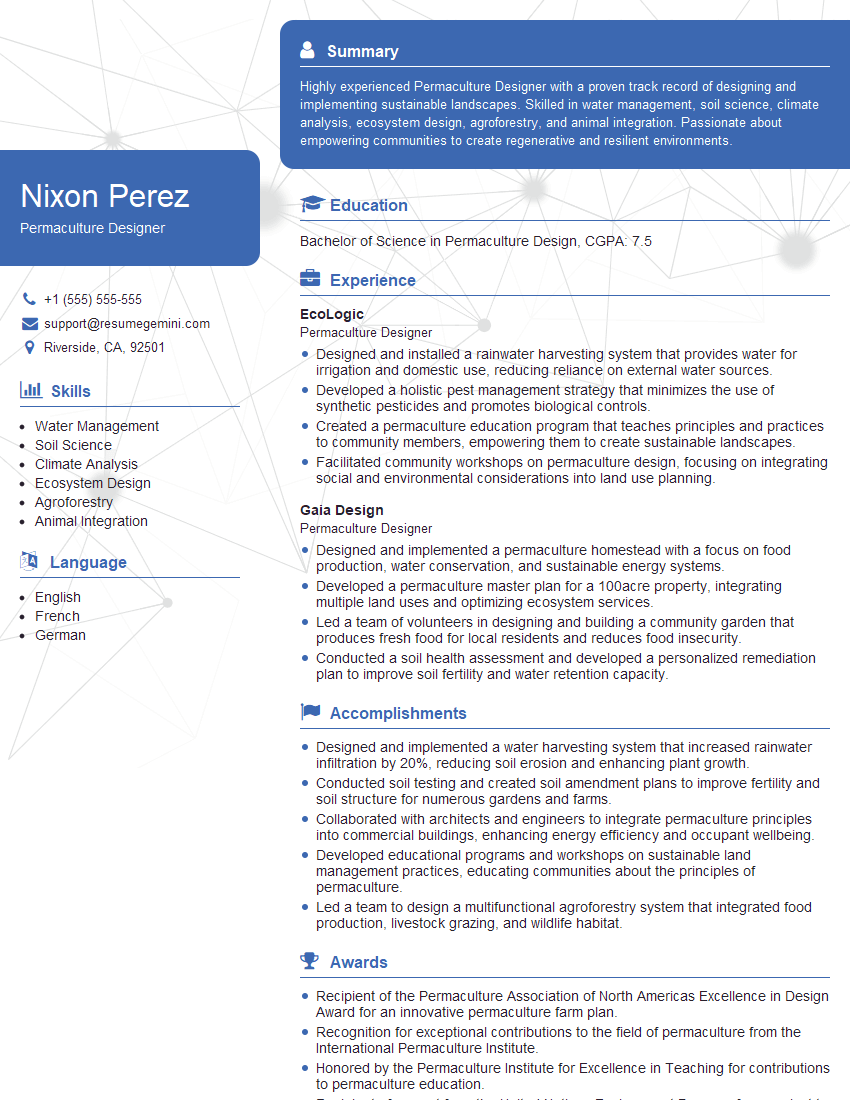
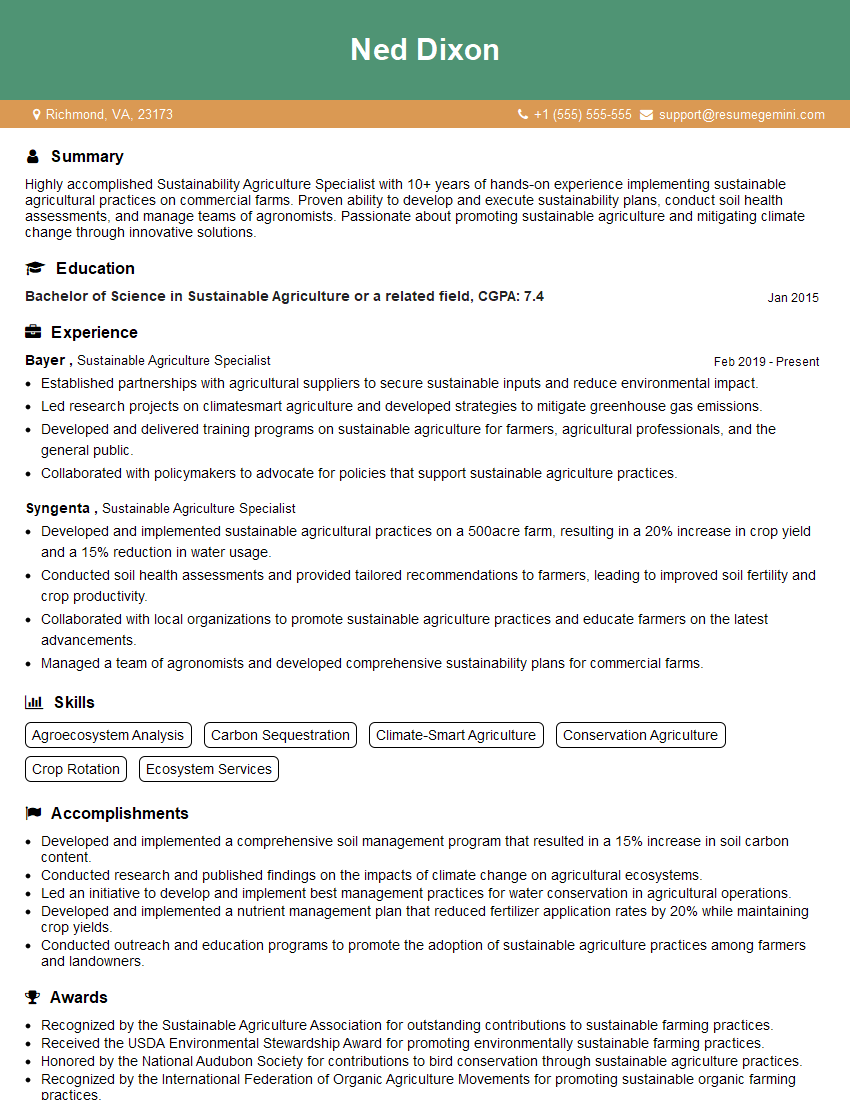
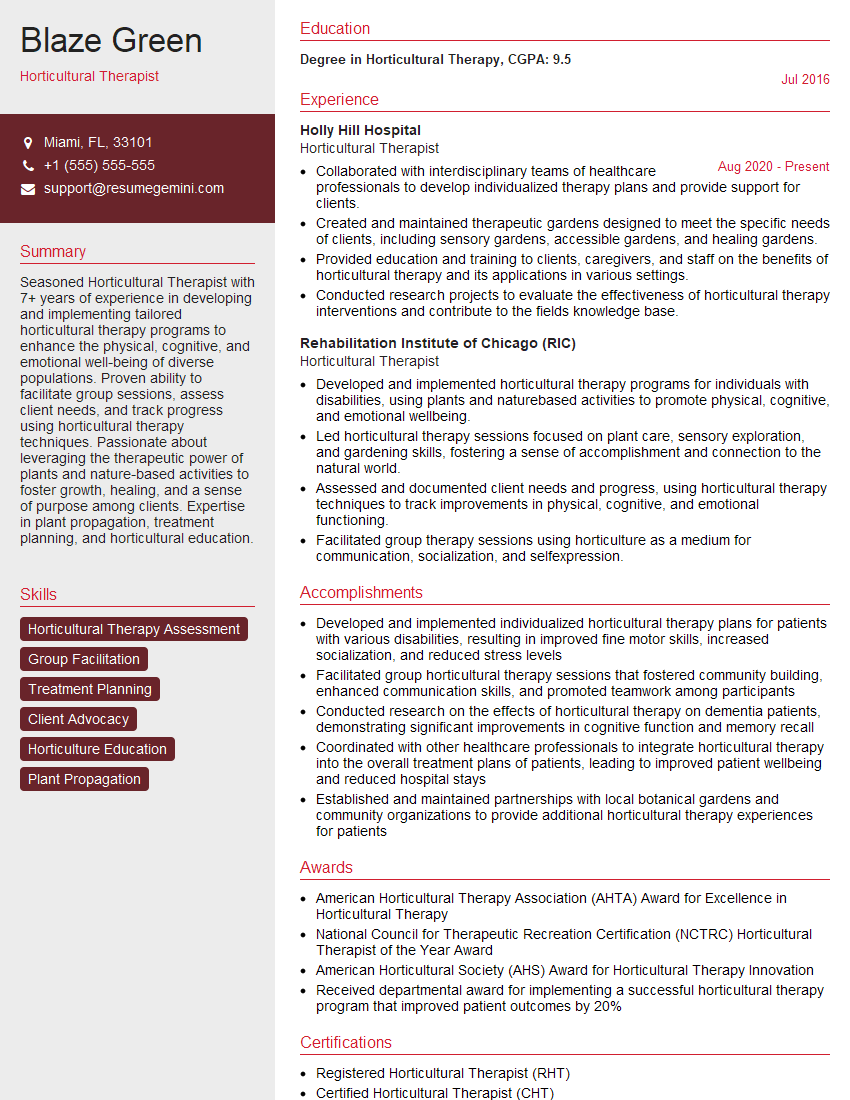
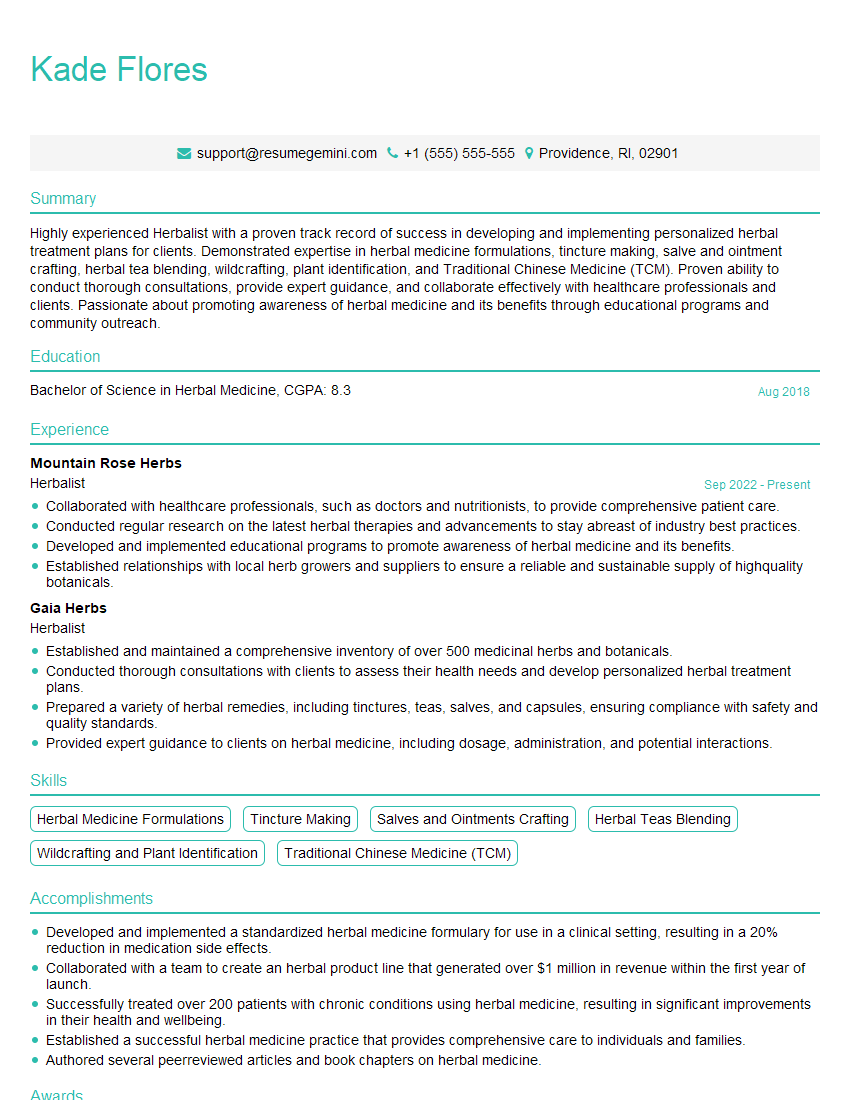
Mastering Traditional Plant Knowledge opens doors to exciting and impactful careers in fields ranging from conservation and research to healthcare and sustainable development. To significantly boost your job prospects, creating a strong, ATS-friendly resume is crucial. ResumeGemini is a trusted resource that can help you build a professional resume that highlights your skills and experience effectively. Examples of resumes tailored specifically to Traditional Plant Knowledge roles are available to guide you through the process. Invest time in crafting a compelling resume – it’s your first impression on potential employers.
Explore more articles
Users Rating of Our Blogs
Share Your Experience
We value your feedback! Please rate our content and share your thoughts (optional).
What Readers Say About Our Blog
Attention music lovers!
Wow, All the best Sax Summer music !!!
Spotify: https://open.spotify.com/artist/6ShcdIT7rPVVaFEpgZQbUk
Apple Music: https://music.apple.com/fr/artist/jimmy-sax-black/1530501936
YouTube: https://music.youtube.com/browse/VLOLAK5uy_noClmC7abM6YpZsnySxRqt3LoalPf88No
Other Platforms and Free Downloads : https://fanlink.tv/jimmysaxblack
on google : https://www.google.com/search?q=22+AND+22+AND+22
on ChatGPT : https://chat.openai.com?q=who20jlJimmy20Black20Sax20Producer
Get back into the groove with Jimmy sax Black
Best regards,
Jimmy sax Black
www.jimmysaxblack.com
Hi I am a troller at The aquatic interview center and I suddenly went so fast in Roblox and it was gone when I reset.
Hi,
Business owners spend hours every week worrying about their website—or avoiding it because it feels overwhelming.
We’d like to take that off your plate:
$69/month. Everything handled.
Our team will:
Design a custom website—or completely overhaul your current one
Take care of hosting as an option
Handle edits and improvements—up to 60 minutes of work included every month
No setup fees, no annual commitments. Just a site that makes a strong first impression.
Find out if it’s right for you:
https://websolutionsgenius.com/awardwinningwebsites
Hello,
we currently offer a complimentary backlink and URL indexing test for search engine optimization professionals.
You can get complimentary indexing credits to test how link discovery works in practice.
No credit card is required and there is no recurring fee.
You can find details here:
https://wikipedia-backlinks.com/indexing/
Regards
NICE RESPONSE TO Q & A
hi
The aim of this message is regarding an unclaimed deposit of a deceased nationale that bears the same name as you. You are not relate to him as there are millions of people answering the names across around the world. But i will use my position to influence the release of the deposit to you for our mutual benefit.
Respond for full details and how to claim the deposit. This is 100% risk free. Send hello to my email id: lukachachibaialuka@gmail.com
Luka Chachibaialuka
Hey interviewgemini.com, just wanted to follow up on my last email.
We just launched Call the Monster, an parenting app that lets you summon friendly ‘monsters’ kids actually listen to.
We’re also running a giveaway for everyone who downloads the app. Since it’s brand new, there aren’t many users yet, which means you’ve got a much better chance of winning some great prizes.
You can check it out here: https://bit.ly/callamonsterapp
Or follow us on Instagram: https://www.instagram.com/callamonsterapp
Thanks,
Ryan
CEO – Call the Monster App
Hey interviewgemini.com, I saw your website and love your approach.
I just want this to look like spam email, but want to share something important to you. We just launched Call the Monster, a parenting app that lets you summon friendly ‘monsters’ kids actually listen to.
Parents are loving it for calming chaos before bedtime. Thought you might want to try it: https://bit.ly/callamonsterapp or just follow our fun monster lore on Instagram: https://www.instagram.com/callamonsterapp
Thanks,
Ryan
CEO – Call A Monster APP
To the interviewgemini.com Owner.
Dear interviewgemini.com Webmaster!
Hi interviewgemini.com Webmaster!
Dear interviewgemini.com Webmaster!
excellent
Hello,
We found issues with your domain’s email setup that may be sending your messages to spam or blocking them completely. InboxShield Mini shows you how to fix it in minutes — no tech skills required.
Scan your domain now for details: https://inboxshield-mini.com/
— Adam @ InboxShield Mini
support@inboxshield-mini.com
Reply STOP to unsubscribe
Hi, are you owner of interviewgemini.com? What if I told you I could help you find extra time in your schedule, reconnect with leads you didn’t even realize you missed, and bring in more “I want to work with you” conversations, without increasing your ad spend or hiring a full-time employee?
All with a flexible, budget-friendly service that could easily pay for itself. Sounds good?
Would it be nice to jump on a quick 10-minute call so I can show you exactly how we make this work?
Best,
Hapei
Marketing Director
Hey, I know you’re the owner of interviewgemini.com. I’ll be quick.
Fundraising for your business is tough and time-consuming. We make it easier by guaranteeing two private investor meetings each month, for six months. No demos, no pitch events – just direct introductions to active investors matched to your startup.
If youR17;re raising, this could help you build real momentum. Want me to send more info?
Hi, I represent an SEO company that specialises in getting you AI citations and higher rankings on Google. I’d like to offer you a 100% free SEO audit for your website. Would you be interested?
Hi, I represent an SEO company that specialises in getting you AI citations and higher rankings on Google. I’d like to offer you a 100% free SEO audit for your website. Would you be interested?