Unlock your full potential by mastering the most common Troubleshoot and resolve machine problems interview questions. This blog offers a deep dive into the critical topics, ensuring you’re not only prepared to answer but to excel. With these insights, you’ll approach your interview with clarity and confidence.
Questions Asked in Troubleshoot and resolve machine problems Interview
Q 1. Describe your experience troubleshooting complex mechanical systems.
My experience troubleshooting complex mechanical systems spans over ten years, encompassing diverse industries like manufacturing and automation. I’ve worked on everything from intricate robotic arms and high-speed packaging machines to large-scale industrial presses. This experience has honed my ability to systematically diagnose problems, often involving multiple interconnected components. For example, on one occasion, I resolved a recurring jam in a high-speed bottling line. Initially, the issue appeared to be a simple sensor malfunction. However, through meticulous investigation, I discovered the root cause was a slight misalignment in the conveyor belt further upstream, causing bottles to shift and obstruct the filling mechanism. This highlights my ability to look beyond superficial symptoms to uncover the underlying problem.
Another significant experience involved a large CNC milling machine experiencing unpredictable shutdowns. I employed a combination of diagnostic software analysis, physical inspection, and electrical testing to identify a failing power supply capacitor. This illustrates my expertise in diagnosing electrical and mechanical problems within complex systems. My approach always involves a careful consideration of the entire system, not just the immediate point of failure.
Q 2. Explain your process for diagnosing a malfunctioning machine.
My process for diagnosing a malfunctioning machine follows a structured approach: I begin by gathering all available information – error messages, operator observations, and historical maintenance records. Next, I perform a visual inspection, checking for obvious signs of damage, leaks, or loose connections. This is followed by a systematic testing of individual components, using appropriate diagnostic tools, to isolate the faulty part. I often employ a ‘divide and conquer’ strategy, breaking the system down into smaller subsystems until I pinpoint the source of the problem. For instance, if a machine isn’t starting, I’d first check the power supply, then the control system, then the individual motors. The process is iterative; my initial hypotheses might need adjusting as I gather more information. Detailed documentation throughout the process is crucial for tracking progress and identifying patterns.
Q 3. How do you prioritize multiple machine repairs simultaneously?
Prioritizing multiple machine repairs involves a strategic approach considering several factors: the severity of the malfunction (downtime cost, safety risks), the urgency (impact on production schedules), and the availability of parts and resources. I utilize a prioritization matrix, ranking repairs based on their impact and urgency. Critical failures that halt production or pose safety hazards are addressed first. Less critical repairs can be scheduled for later, minimizing overall downtime. For instance, a machine critical to a production line would take precedence over a machine with a minor malfunction impacting only a less crucial process. Effective communication with the team and management ensures everyone understands the repair schedule and the rationale behind the prioritization.
Q 4. What diagnostic tools and techniques are you most proficient in?
My diagnostic tool proficiency includes a range of techniques and equipment. I’m highly skilled in using multimeters for electrical testing, oscilloscopes for signal analysis, and thermal imaging cameras to detect overheating components. I’m proficient in using various diagnostic software packages for analyzing machine data and interpreting error codes. My mechanical skills encompass utilizing precision measurement tools like calipers and micrometers, as well as utilizing various specialized tools for specific machine types. Moreover, my experience includes utilizing vibration analysis equipment to identify mechanical imbalances or bearing issues – a key technique in predictive maintenance.
Q 5. How do you interpret machine error codes and diagnostic reports?
Interpreting machine error codes and diagnostic reports requires a combination of technical knowledge and experience. I begin by consulting the machine’s manual to understand the meaning of specific codes. Many codes are quite generic; understanding the context and the sequence of events leading to the error is vital. Diagnostic reports often provide valuable clues about system performance and potential problems. I look for trends and patterns in the data, such as recurring errors or unusual spikes in parameters, which could indicate impending failures. The experience allows me to differentiate between a transient error (a one-time glitch) and a persistent problem requiring repair. Often, I cross-reference the information from various sources – the machine’s manual, online forums dedicated to the specific equipment, and the manufacturer’s support documentation – to build a comprehensive picture of the problem.
Q 6. Describe a time you had to troubleshoot a problem with limited information.
In one instance, a critical piece of production equipment malfunctioned, and the error message was non-specific and largely unhelpful. The manufacturer’s support was unavailable due to a holiday. With limited information, I adopted a methodical approach. I started by carefully examining the machine’s control panel, logging all parameters. Then I documented the sequence of events leading up to the failure by interviewing operators. I found a subtle pattern: The issue occurred consistently after a long period of running. Using thermal imaging, I detected an unusually high temperature in a specific motor. Further investigation revealed a worn bearing that had resulted in increased friction and overheating. This ultimately caused the failure. By combining observation, careful documentation, and the elimination of possibilities, I successfully resolved the issue despite scarce information.
Q 7. How do you document your troubleshooting process and findings?
My documentation process is meticulous. For every troubleshooting task, I maintain a detailed log using a combination of written notes, digital records, and photographic evidence. This log includes: a clear description of the problem, the steps taken to diagnose the issue, the parts replaced or repaired, and any changes made to the machine’s settings. I also record the outcomes of each step and the final resolution. I frequently use digital tools to capture data from machine diagnostics, providing a comprehensive record. This thorough documentation aids future troubleshooting by helping me identify patterns, potential recurring problems, and facilitating efficient training for others. It is essential for traceability, warranty claims, and auditing purposes.
Q 8. What safety precautions do you take when troubleshooting machinery?
Safety is paramount when troubleshooting machinery. My approach is always to prioritize preventing accidents before starting any work. This begins with a thorough risk assessment of the machine and the specific problem. I always:
- Lockout/Tagout (LOTO): Before even touching the machine, I meticulously follow the established LOTO procedure. This ensures the machine is completely de-energized and incapable of unexpected operation. This isn’t just flipping a switch; it’s about verifying the lack of power using appropriate testing equipment.
- Personal Protective Equipment (PPE): I always wear appropriate PPE, including safety glasses, gloves, steel-toed boots, and hearing protection, depending on the specific task. This selection is driven by the machine’s potential hazards.
- Environmental Awareness: I carefully consider the environment around the machine. Are there any tripping hazards? Is the area well-lit? Are there any potential for chemical spills or exposure?
- Consult Documentation: Before I begin any troubleshooting, I review the machine’s safety manual and any relevant schematics or diagrams to understand potential dangers and safe operating procedures.
- Seek Assistance When Needed: I am not afraid to ask for help if I am uncertain about a procedure or if the problem presents an unusual safety risk. Safety is a team effort.
For example, once I was troubleshooting a malfunctioning conveyor belt. Before even approaching it, I ensured that the main power was shut off, locked out, and tagged out. I then checked the power using a non-contact voltage tester to confirm that it was indeed de-energized. Only then did I start my diagnosis.
Q 9. How familiar are you with preventative maintenance procedures?
I’m very familiar with preventative maintenance procedures. My experience includes developing and implementing preventative maintenance schedules, conducting regular inspections, and performing routine maintenance tasks. I understand that preventative maintenance is far more cost-effective than dealing with emergency repairs. A well-structured preventative maintenance plan includes:
- Regular Inspections: Visual inspections for wear and tear, leaks, loose connections, and any signs of damage.
- Lubrication: Regularly lubricating moving parts to reduce friction and wear.
- Cleaning: Keeping the machine clean and free of debris to prevent malfunctions.
- Calibration: Calibrating sensors and other measuring devices to ensure accuracy.
- Component Replacement: Replacing components before they fail, such as belts, filters, and seals, based on their expected lifespan.
For instance, in a previous role, I implemented a preventative maintenance schedule for a large packaging machine. This involved a weekly lubrication schedule, monthly inspections for wear on the belts and rollers, and quarterly replacements of air filters. This significantly reduced downtime and improved the machine’s overall lifespan.
Q 10. Describe your experience working with hydraulic or pneumatic systems.
I have extensive experience working with both hydraulic and pneumatic systems. I understand the principles of fluid power, including pressure, flow, and force. I’m proficient in troubleshooting leaks, diagnosing pressure issues, and identifying problems with valves, actuators, and pumps.
In hydraulic systems, I can diagnose issues like low pressure (caused by leaks, pump failure, or restricted lines), high pressure (due to blocked lines or faulty pressure relief valves), and fluid contamination. I can identify leaks by sound, visual inspection, or using pressure gauges.
Similarly, in pneumatic systems, I can troubleshoot issues such as low air pressure (caused by leaks, compressor failure, or clogged lines), and valve malfunctions. I can utilize air pressure gauges and flow meters to pinpoint the source of the problem.
For example, I once diagnosed a hydraulic leak in a large press machine by meticulously tracing the hydraulic lines, using a pressure gauge to isolate the section with the pressure drop. The leak was eventually located in a small fitting, which was promptly replaced.
Q 11. Explain your understanding of PLC programming and troubleshooting.
I have a solid understanding of PLC programming and troubleshooting. I’m proficient in several PLC programming languages, including ladder logic (LD), structured text (ST), and function block diagrams (FBD). My troubleshooting skills involve using diagnostic tools like PLC software to monitor inputs, outputs, and internal program variables.
When troubleshooting PLC programs, I typically follow a systematic approach:
- Review Program Logic: I carefully examine the program’s logic to identify potential issues. This may involve using simulation tools to test specific parts of the program.
- Check Input/Output Signals: I use the PLC software to monitor input and output signals to identify any discrepancies between expected and actual values.
- Examine Internal Variables: I examine the values of internal variables within the program to determine the flow of execution and identify any unexpected behavior.
- Utilize Diagnostic Tools: I utilize the PLC’s built-in diagnostic tools to identify errors or faults.
- Trace Execution: I employ the step-by-step execution feature in the programming software to systematically check the logic and identify the point of failure.
For example, I once resolved a PLC program error in a robotic arm by tracing the execution to a faulty conditional statement. A simple correction in the code resolved the issue, demonstrating the value of methodical debugging.
Q 12. How do you handle situations where you are unable to resolve a machine problem?
If I’m unable to resolve a machine problem, I follow a well-defined escalation procedure. My first step is always to thoroughly document the problem, including the symptoms, the steps I’ve already taken, and the results. I then escalate the issue to my supervisor or a more experienced technician. This documentation is crucial for effective communication and efficient problem-solving.
Before escalating, I also typically reach out to technical support or consult relevant documentation – the machine’s manual, online forums, or manufacturer’s website. This ensures I’ve exhausted all possible internal resources before involving additional personnel.
Transparency and clear communication throughout this process is essential. I keep my supervisor updated on my progress and any roadblocks encountered. This ensures everyone is on the same page and works towards a timely solution.
Q 13. What is your experience with different types of sensors and actuators?
I have extensive experience with various types of sensors and actuators. This includes:
- Proximity Sensors: Inductive, capacitive, and photoelectric sensors used for detecting the presence of objects without physical contact.
- Limit Switches: Mechanical switches used to detect the position or movement of a machine part.
- Pressure Sensors: Used to measure pressure in hydraulic, pneumatic, or other systems.
- Temperature Sensors: Thermocouples, RTDs, and thermistors used to measure temperature.
- Flow Sensors: Used to measure the flow rate of liquids or gases.
- Actuators: Hydraulic, pneumatic, and electric actuators used to control movement and position.
My experience involves selecting the appropriate sensor or actuator for a particular application, installing them correctly, and troubleshooting malfunctions. For example, I once resolved a faulty robotic arm movement by replacing a damaged encoder in the motor, a crucial component used for position feedback.
Q 14. How do you determine the root cause of a recurring machine problem?
Determining the root cause of a recurring machine problem requires a systematic and methodical approach. I usually start by collecting data:
- Detailed Documentation: I meticulously document every instance of the problem, including the time, duration, and any relevant conditions.
- Data Logging: If possible, I use data loggers to record relevant parameters, such as pressure, temperature, or vibration, to identify patterns and trends.
- Visual Inspection: I carefully inspect the machine for any signs of wear, damage, or loose connections.
- Root Cause Analysis: I use techniques like the “5 Whys” to drill down to the fundamental cause. This process involves repeatedly asking “Why?” to uncover the underlying reason for the problem.
- Statistical Analysis: For complex issues, statistical analysis of collected data can help identify correlations and potentially pinpoint the root cause.
For example, a packaging machine kept jamming at irregular intervals. By meticulously documenting each instance and analyzing the machine’s log data, I found that the jams always occurred after a specific sequence of operations. The root cause was eventually traced to a faulty sensor triggering the sequence too early due to vibrations. Replacing the sensor and damping the vibrations solved the issue permanently.
Q 15. Describe your experience with electrical troubleshooting techniques.
Electrical troubleshooting requires a systematic approach, combining theoretical knowledge with practical skills. My experience encompasses a wide range of techniques, from basic multimeter readings to advanced circuit analysis. I start by visually inspecting the system for obvious problems like loose connections, damaged wires, or overheating components. Then, I use multimeters to check voltage, current, and resistance, systematically isolating the faulty section. For instance, while working on a conveyor belt system, I once identified a short circuit in a motor controller by carefully tracing the circuit and using a multimeter to pinpoint the exact location of the fault. This involved understanding the wiring diagram, using appropriate safety precautions, and utilizing different multimeter functions like continuity testing and voltage measurement.
Beyond basic diagnostics, I am proficient in using more specialized tools such as oscilloscopes to analyze waveforms and identify intermittent issues. This is particularly helpful in detecting problems with electronic control circuits that aren’t readily apparent with simple multimeter checks. In one instance, an oscilloscope helped diagnose a faulty sensor signal causing erratic operation in a robotic arm, allowing for precise replacement of the malfunctioning sensor.
Career Expert Tips:
- Ace those interviews! Prepare effectively by reviewing the Top 50 Most Common Interview Questions on ResumeGemini.
- Navigate your job search with confidence! Explore a wide range of Career Tips on ResumeGemini. Learn about common challenges and recommendations to overcome them.
- Craft the perfect resume! Master the Art of Resume Writing with ResumeGemini’s guide. Showcase your unique qualifications and achievements effectively.
- Don’t miss out on holiday savings! Build your dream resume with ResumeGemini’s ATS optimized templates.
Q 16. How familiar are you with different types of machine control systems?
I am familiar with a variety of machine control systems, including Programmable Logic Controllers (PLCs), Human-Machine Interfaces (HMIs), and Distributed Control Systems (DCS). My experience spans various programming languages commonly used in these systems, such as Ladder Logic (used in many PLCs), structured text, and function block diagrams. I understand the principles of closed-loop control, sensor integration, and actuator control. For instance, I’ve worked extensively with Allen-Bradley PLCs, Siemens SIMATIC PLCs, and Rockwell Automation HMIs, troubleshooting issues ranging from simple input/output (I/O) problems to complex programming errors. Understanding the specific control system architecture is crucial for effective troubleshooting. A PLC-controlled system requires a different approach compared to a DCS system, in terms of both diagnostic tools and methodology.
Furthermore, I’m comfortable working with both analog and digital control systems. Analog systems often require careful calibration and adjustment, whereas digital systems benefit from precise software diagnostics and modifications. I believe in continuous learning in this rapidly evolving field, always staying updated with the latest technologies and standards.
Q 17. What are your preferred methods for communicating technical information?
Effective communication is paramount in my profession. My preferred methods depend on the audience and the complexity of the issue. For instance, when reporting to management, I use concise written reports with clear summaries and recommendations. For technical discussions with engineers, I prefer face-to-face meetings or video conferencing where I can actively engage in problem-solving. I often use visual aids, such as diagrams, charts, and screenshots, to clearly illustrate my findings. I also believe in clear and accurate documentation. For technicians, I might use simple, direct language and provide hands-on guidance. In all cases, I emphasize clarity, conciseness, and accuracy, ensuring everyone understands the problem and the proposed solution.
I’m comfortable using various communication tools, including email, instant messaging, and project management software to ensure timely and efficient communication. For complex issues, I use comprehensive reports that include detailed logs, diagnostic data, and suggested corrective actions. Ultimately, the goal is to convey information effectively, regardless of the audience or communication channel.
Q 18. How do you ensure the accuracy of your machine repairs?
Accuracy in machine repairs is crucial for both safety and efficiency. I employ several methods to ensure accuracy. Firstly, I meticulously document every step of the troubleshooting process, including observations, measurements, and tests performed. This documentation serves as a valuable record for future reference and aids in verifying the accuracy of repairs. Secondly, I always double-check my work before returning the machine to service. This might involve multiple tests and inspections to ensure the problem is completely resolved and that the repair hasn’t introduced any new issues.
Furthermore, I rely heavily on diagnostic tools and equipment to verify my findings. Using calibrated instruments and following established procedures helps minimize errors. In cases involving complex repairs, I may consult with other experienced technicians or engineers to review my approach and ensure the accuracy of my conclusions. Ultimately, my commitment to accuracy stems from a deep understanding of the importance of safety and reliability in industrial machinery.
Q 19. Describe your experience with robotic systems and their maintenance.
My experience with robotic systems includes troubleshooting various types of robots, from simple articulated arms to complex collaborative robots (cobots). My expertise extends to understanding their mechanical, electrical, and software components. I’m familiar with common issues like sensor malfunctions, motor failures, and programming errors. For instance, I once resolved a robotic welding system malfunction by identifying a misalignment in the robot’s end-effector, resulting in inconsistent weld quality. This involved careful inspection of the mechanical components, calibration of the robot’s position sensors, and verification of the welding parameters.
Maintenance of robotic systems requires a preventive and corrective approach. Preventive maintenance includes regular inspections, lubrication, and cleaning. Corrective maintenance involves addressing issues as they arise, using diagnostic tools and software to pinpoint the cause of the problem. Safety is a paramount concern when working with robots; I always adhere to safety protocols and use appropriate personal protective equipment (PPE). I am also knowledgeable about robot safety standards and regulations.
Q 20. Explain your understanding of vibration analysis in troubleshooting.
Vibration analysis is a powerful tool for troubleshooting machinery problems. Excessive vibration is often an indicator of underlying mechanical issues, such as imbalance, misalignment, looseness, or bearing defects. My understanding of vibration analysis involves using specialized instruments like accelerometers and vibration analyzers to measure and analyze the vibrational characteristics of machines. The data collected is then analyzed using spectrum analysis techniques to identify the frequency components of the vibration, which can be correlated with specific machine faults.
For example, a high amplitude vibration at a specific frequency might indicate a bearing defect. By analyzing the vibration data, we can diagnose the problem and determine the necessary corrective action, such as replacing a faulty bearing or performing a machine alignment. Vibration analysis allows for early detection of potential problems, preventing catastrophic failures and reducing downtime. The technique is particularly useful for rotating machinery like motors, pumps, and compressors.
Q 21. How do you maintain a safe and organized work environment?
Maintaining a safe and organized work environment is crucial for efficient and error-free work. I adhere to strict safety protocols, including wearing appropriate PPE, following lockout/tagout procedures, and using tools correctly. My workspace is always organized, with tools and materials properly stored and labeled. I ensure clear pathways for movement and minimize tripping hazards. Regular cleaning and maintenance of the work area are part of my routine.
Furthermore, I actively participate in safety training and stay informed about relevant safety regulations. I always report any unsafe conditions or incidents to the appropriate personnel. A safe and organized environment contributes directly to improved efficiency and reduced risk of accidents or injuries. It’s a vital aspect of my professional practice.
Q 22. How do you stay current with advancements in machine technology?
Staying current in the rapidly evolving field of machine technology requires a multi-pronged approach. It’s not enough to rely solely on past experience; continuous learning is crucial.
- Professional Development: I actively participate in industry conferences, webinars, and workshops. These events offer insights into the latest advancements, best practices, and emerging technologies.
- Industry Publications and Journals: I regularly read trade journals and online publications dedicated to machine technology and maintenance. This allows me to stay abreast of new research, innovative solutions, and case studies of successful troubleshooting.
- Online Courses and Certifications: I supplement my knowledge by taking online courses and pursuing relevant certifications. Platforms like Coursera, edX, and LinkedIn Learning offer a vast array of courses covering specific machine types and troubleshooting techniques.
- Manufacturer Resources: I utilize the resources provided by manufacturers, including technical manuals, online forums, and training materials. Understanding the specifics of different machine designs is vital for effective troubleshooting.
- Networking: I actively network with other professionals in the field through professional organizations and online communities. Sharing knowledge and experiences is an invaluable way to stay up-to-date and learn from others’ successes and failures.
For example, recently I completed a course on advanced PLC programming, which directly improved my ability to diagnose and resolve issues in automated machinery.
Q 23. Describe a time you had to work under pressure to resolve a critical machine issue.
During a critical production outage at a bottling plant, a crucial conveyor system unexpectedly shut down. The plant manager was understandably stressed, as downtime meant significant financial losses. The initial diagnosis pointed to a potential motor failure, but after several hours of investigation, I discovered the issue was a clogged lubrication system upstream, causing excessive friction and ultimately leading to the motor’s shutdown.
Working under immense pressure, I prioritized a methodical approach. First, I secured the area to prevent further damage and ensured the safety of personnel. Then, I systematically checked each component of the conveyor system, meticulously documenting my findings. The clogged lubrication system was identified only after carefully inspecting the system’s schematics and conducting a thorough visual inspection of the entire line.
This situation highlighted the importance of understanding not only the primary machine components but also related systems. Once the lubrication system was cleared, the conveyor resumed operation, minimizing production downtime. The experience reinforced the importance of methodical troubleshooting, even under significant pressure.
Q 24. What is your approach to resolving conflicts with colleagues or supervisors regarding machine repairs?
Conflicts are inevitable in any collaborative environment, and resolving them professionally is critical. My approach centers on open communication, mutual respect, and a focus on finding solutions.
- Active Listening: I begin by listening attentively to understand each party’s perspective. This is often more important than immediately offering solutions.
- Data-Driven Discussions: I rely on data and evidence to support my arguments. This helps to de-escalate emotional conflicts and focus on objective facts.
- Collaboration and Compromise: I strive to find mutually agreeable solutions that address everyone’s concerns. Compromise is sometimes necessary to achieve a positive outcome.
- Escalation Protocol: If the issue cannot be resolved directly, I follow the established escalation protocol, involving supervisors or higher management only when necessary.
For example, I once had a disagreement with a colleague regarding the best approach to repairing a hydraulic system. By actively listening to their concerns, presenting my solution with supporting data, and discussing the pros and cons of both approaches, we reached a compromise that resulted in a more efficient and effective repair.
Q 25. How do you ensure the quality and reliability of your work?
Ensuring the quality and reliability of my work is paramount. My approach encompasses several key strategies:
- Adherence to Standards: I always strictly follow safety regulations, industry best practices, and the manufacturer’s recommendations. This ensures consistent quality and minimizes risks.
- Thorough Documentation: Detailed documentation of my work is essential. This includes documenting the troubleshooting process, the root cause of the issue, the repair procedure, and any preventative measures taken. This helps ensure repeatability and improves future troubleshooting efficiency.
- Quality Control Checks: I always conduct rigorous quality control checks before finalizing repairs. This could include testing the machine under simulated operating conditions to confirm proper functionality.
- Continuous Improvement: I actively seek ways to improve my processes and techniques. Learning from past experiences and mistakes is vital for continuous improvement.
- Preventive Maintenance: A significant aspect of ensuring reliability is implementing a robust preventive maintenance schedule. This helps identify potential problems before they escalate into major failures.
For example, after repairing a CNC machine, I conduct a series of test cuts with varying parameters to verify accuracy and precision before returning it to production.
Q 26. What is your experience with using Computer-Aided Design (CAD) software for troubleshooting?
My experience with CAD software in troubleshooting is primarily focused on interpreting and understanding machine schematics and designs. While I don’t use CAD for creating designs myself, the ability to interpret complex 3D models and drawings is invaluable for diagnosing issues.
For instance, when troubleshooting a complex robotic arm, access to the CAD model allowed me to visualize the internal mechanisms, identify potential points of failure, and better understand the spatial relationships between components. This significantly expedited the diagnosis and repair process. Familiarity with CAD allows for a clearer understanding of the machine’s design and functionality beyond what a simple manual might offer. I am proficient in interpreting common CAD formats, such as .dwg and .stp files.
Q 27. Explain your understanding of different types of lubrication systems and their maintenance.
Lubrication systems are critical for the smooth operation and longevity of machinery. Different types of systems exist, each with specific maintenance requirements:
- Grease Lubrication: This system utilizes grease, which provides a thick, viscous lubrication. Maintenance includes regular greasing according to the manufacturer’s specifications and monitoring the grease condition. Over-greasing can be detrimental, as can under-greasing.
- Oil Lubrication: This system employs oil, often circulated through a system of pumps and filters. Maintenance includes regular oil changes, filter replacements, and monitoring oil levels and pressure. Oil degradation can indicate potential issues.
- Centralized Lubrication Systems: These systems automatically dispense lubricants to multiple points on a machine. Maintenance focuses on ensuring the system’s proper function, including regular inspections of pumps, lines, and metering devices.
- Mist Lubrication: This system uses an air-oil mixture to lubricate moving parts. Maintenance includes monitoring oil levels in the reservoir, and regularly cleaning and maintaining air filters and nozzles. Proper air pressure is essential.
Understanding the specific type of lubrication system used in a machine is crucial for effective maintenance. Neglecting proper lubrication can lead to premature wear, friction, and ultimately, machine failure. Regular inspections and adherence to manufacturer’s recommendations are vital for extending the lifespan and efficiency of machinery.
Q 28. How do you balance the need for quick repairs with the importance of thorough diagnostics?
Balancing the need for quick repairs with thorough diagnostics is a critical skill. A rushed repair might fix the immediate problem but could mask a more serious underlying issue, leading to future failures. My approach prioritizes a methodical process that combines speed and accuracy:
- Initial Assessment: I begin with a rapid assessment to determine the nature of the problem and the immediate safety implications. This allows me to prioritize actions to ensure safety and minimize immediate downtime.
- Focused Diagnostics: Once safety is addressed, I conduct targeted diagnostics, focusing on the most likely causes based on the initial assessment. This prevents unnecessary time spent on less probable areas.
- Data-Driven Decisions: I rely on data from sensors, logs, and other sources to inform my decisions. This prevents guesswork and ensures a more accurate diagnosis.
- Prioritization: I prioritize repairs based on the severity of the issue and its impact on overall operations. This allows me to address the most critical problems promptly, while still allocating time for thorough investigation.
- Preventive Measures: Following a successful repair, I take steps to prevent future occurrences, implementing any necessary preventative maintenance tasks or suggesting process improvements.
For example, if a machine’s motor is overheating, I might initially cool the motor to prevent further damage, while simultaneously diagnosing the root cause – a worn bearing or a problem with the cooling system – before initiating the appropriate repair. This combines a quick fix with long-term preventative measures.
Key Topics to Learn for Troubleshooting and Resolving Machine Problems Interview
- Operating System Fundamentals: Understanding different OS architectures (Windows, Linux, macOS), their functionalities, and common troubleshooting techniques.
- Hardware Diagnostics: Practical application of diagnostic tools and techniques to identify hardware failures (CPU, RAM, storage, peripherals). This includes understanding error codes and logs.
- Network Troubleshooting: Identifying and resolving network connectivity issues, including TCP/IP, DNS, and common network protocols. Practical experience with network monitoring tools is valuable.
- Software Troubleshooting: Debugging application errors, understanding log files, and utilizing debugging tools. Experience with various software applications and their troubleshooting methods is crucial.
- Problem-Solving Methodologies: Mastering systematic approaches like the 5 Whys, root cause analysis, and documenting troubleshooting steps for efficient problem resolution.
- Remote Troubleshooting Techniques: Understanding and applying remote access tools and techniques for efficient and secure problem resolution in distributed environments.
- Security Considerations: Addressing security vulnerabilities and implementing best practices to prevent future issues. This includes understanding basic cybersecurity principles.
- Documentation and Reporting: Clearly and concisely documenting troubleshooting steps, resolutions, and preventative measures for future reference.
Next Steps
Mastering troubleshooting and resolving machine problems is paramount for career advancement in IT. These skills demonstrate critical thinking, problem-solving abilities, and a proactive approach to maintaining system stability – highly sought-after qualities in today’s tech landscape. To significantly boost your job prospects, invest time in crafting an ATS-friendly resume that effectively showcases these skills. ResumeGemini is a trusted resource to help you build a professional and impactful resume. We provide examples of resumes tailored to highlight expertise in troubleshooting and resolving machine problems, helping you stand out from the competition and land your dream role.
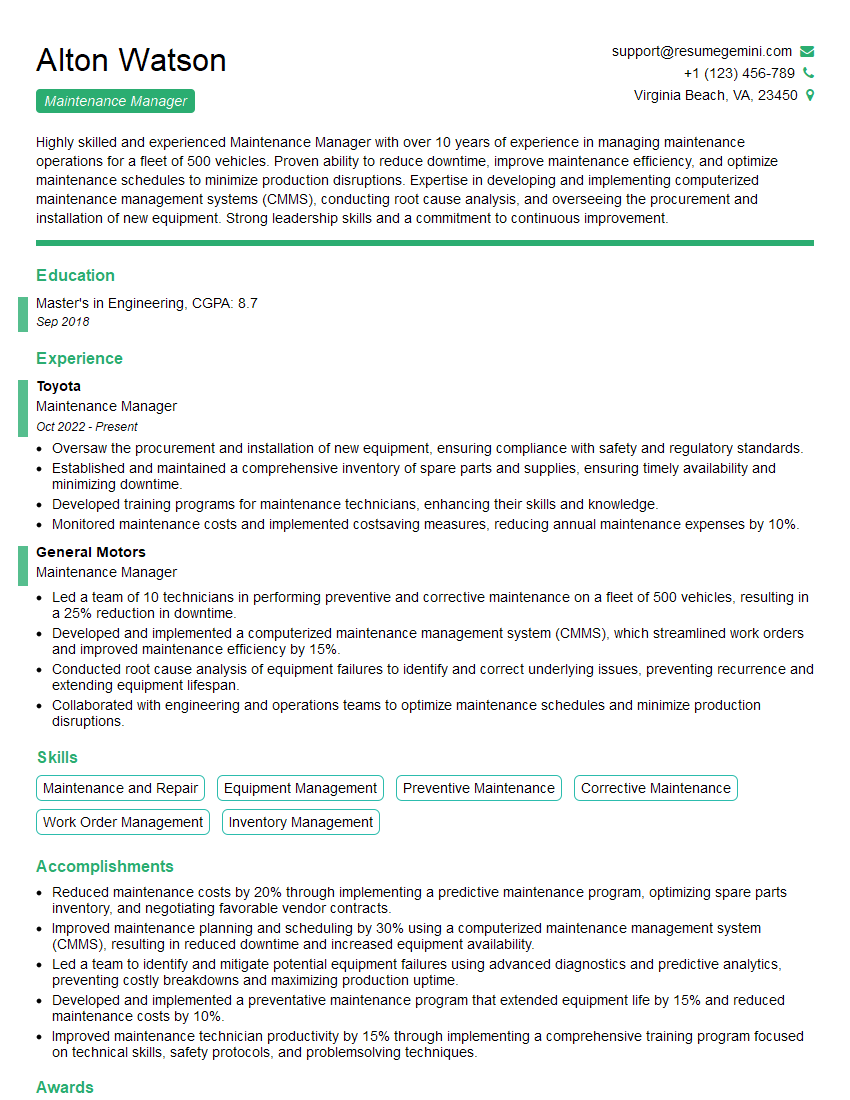
Maintenance Manager Resume Sample
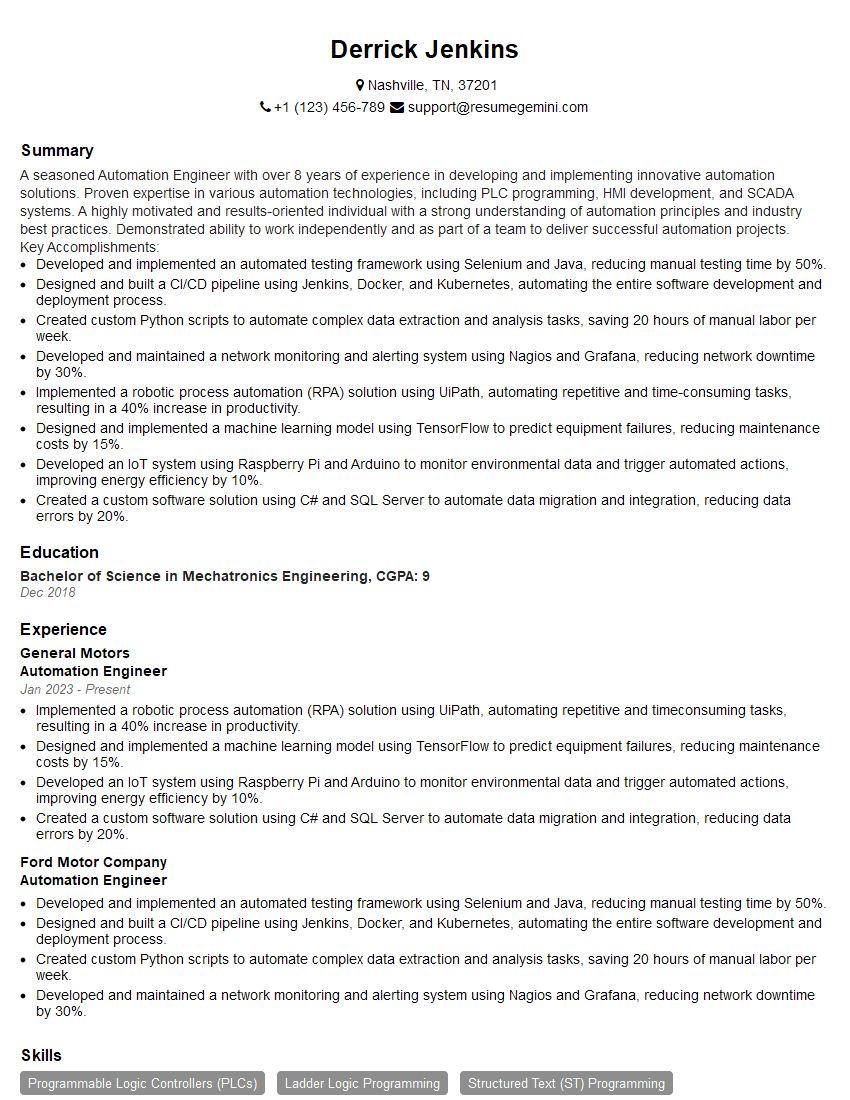
Automation Engineer Resume Sample

Technical Support Engineer Resume Sample
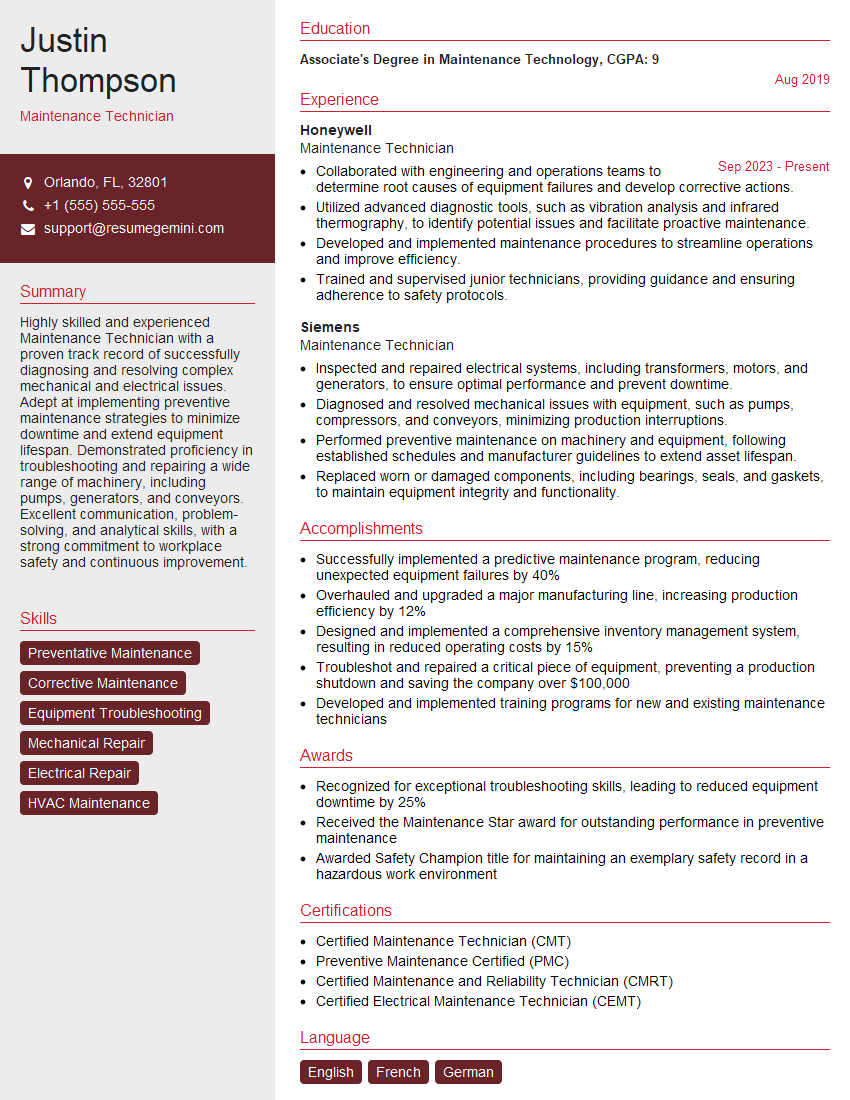
Maintenance Technician Resume Sample
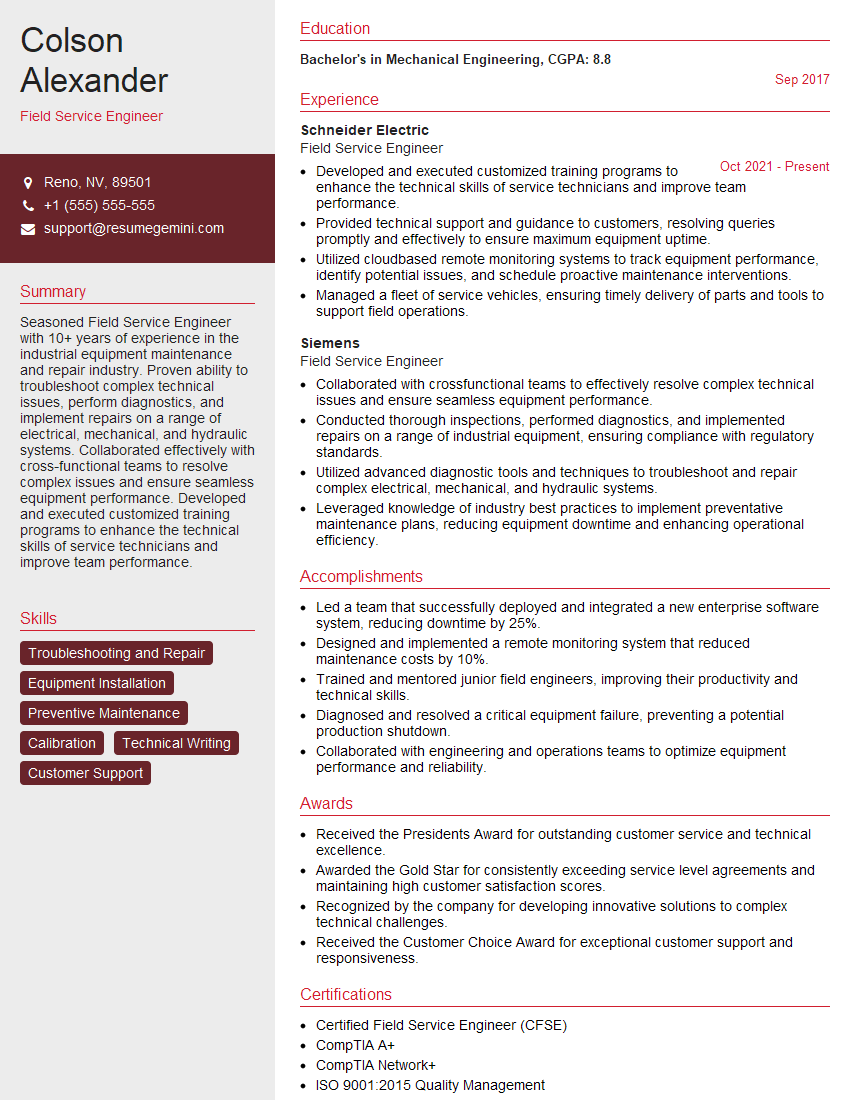
Field Service Engineer Resume Sample
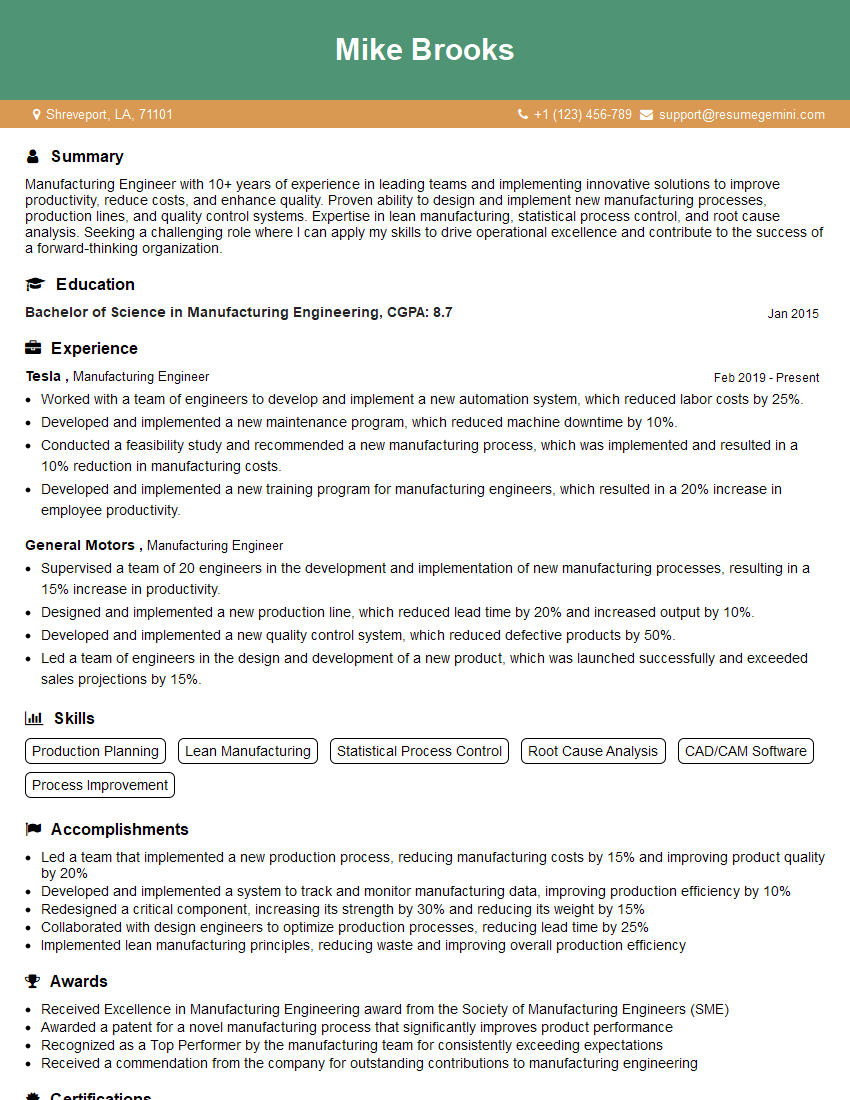
Manufacturing Engineer Resume Sample

Control Systems Engineer Resume Sample
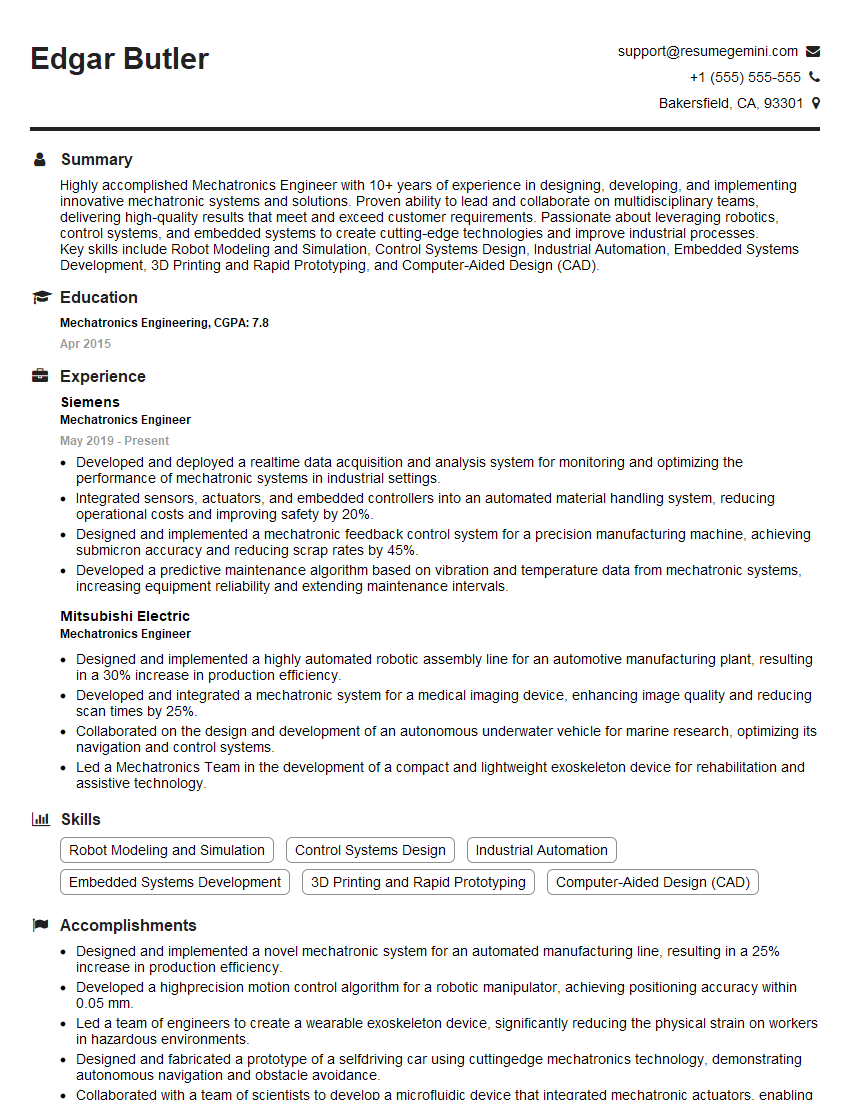
Mechatronics Engineer Resume Sample
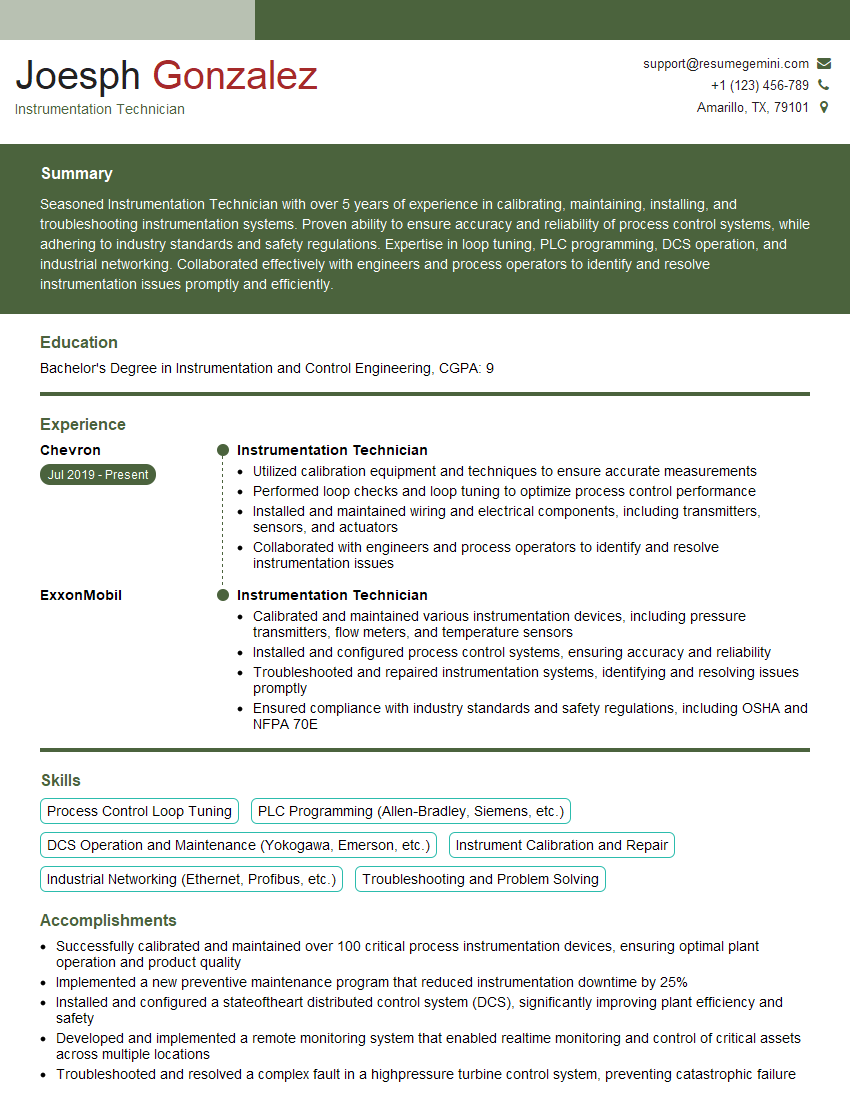
Instrumentation Technician Resume Sample
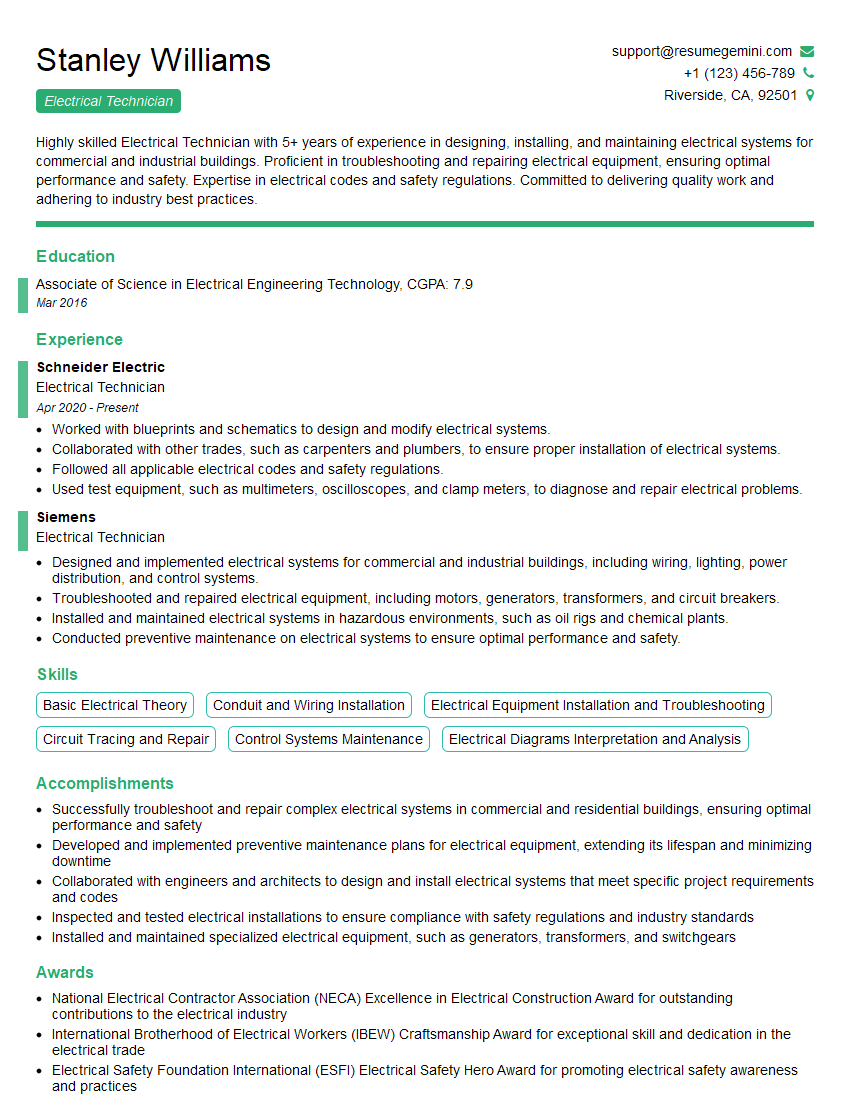
Electrical Technician Resume Sample
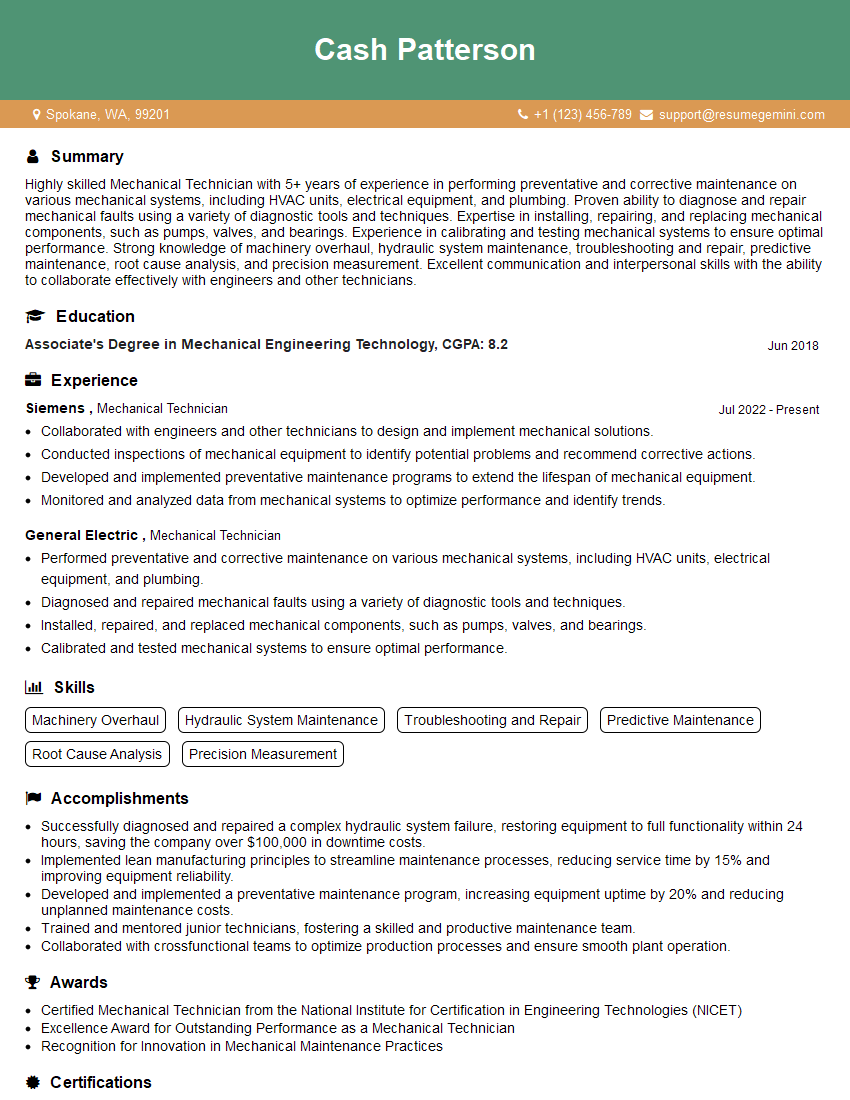
Mechanical Technician Resume Sample
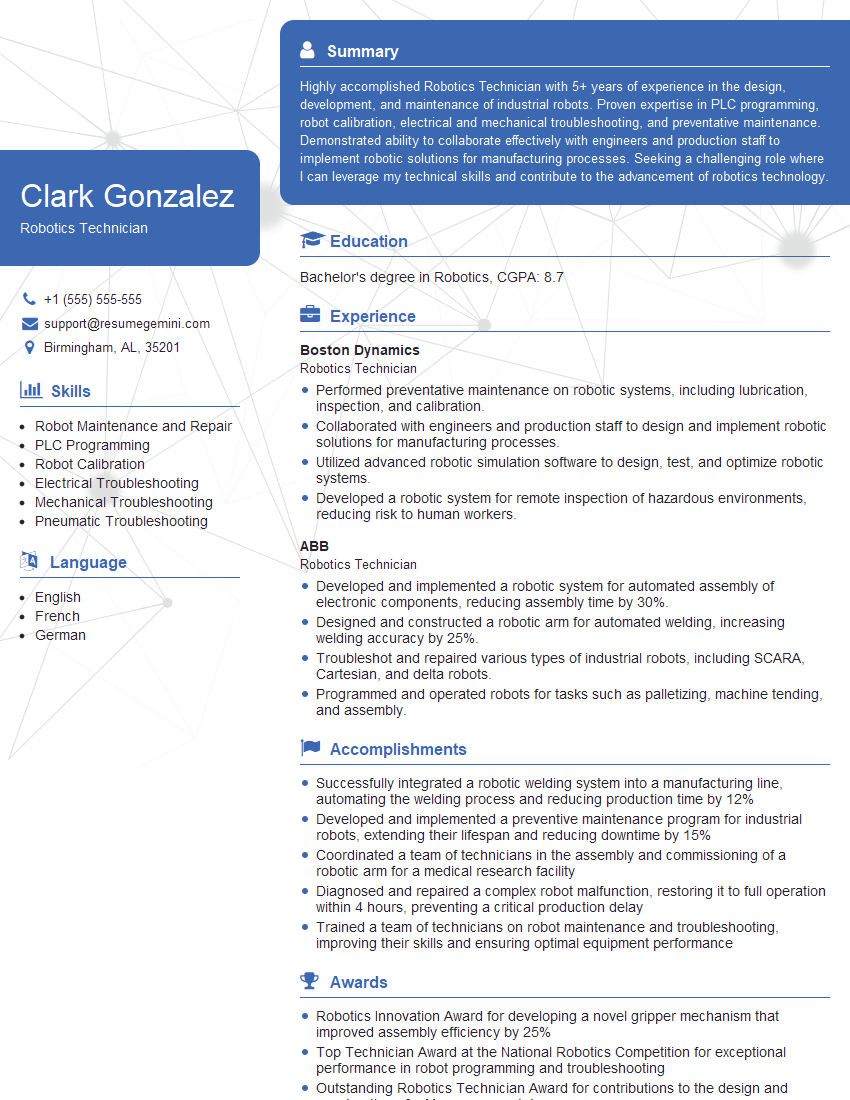
Robotics Technician Resume Sample
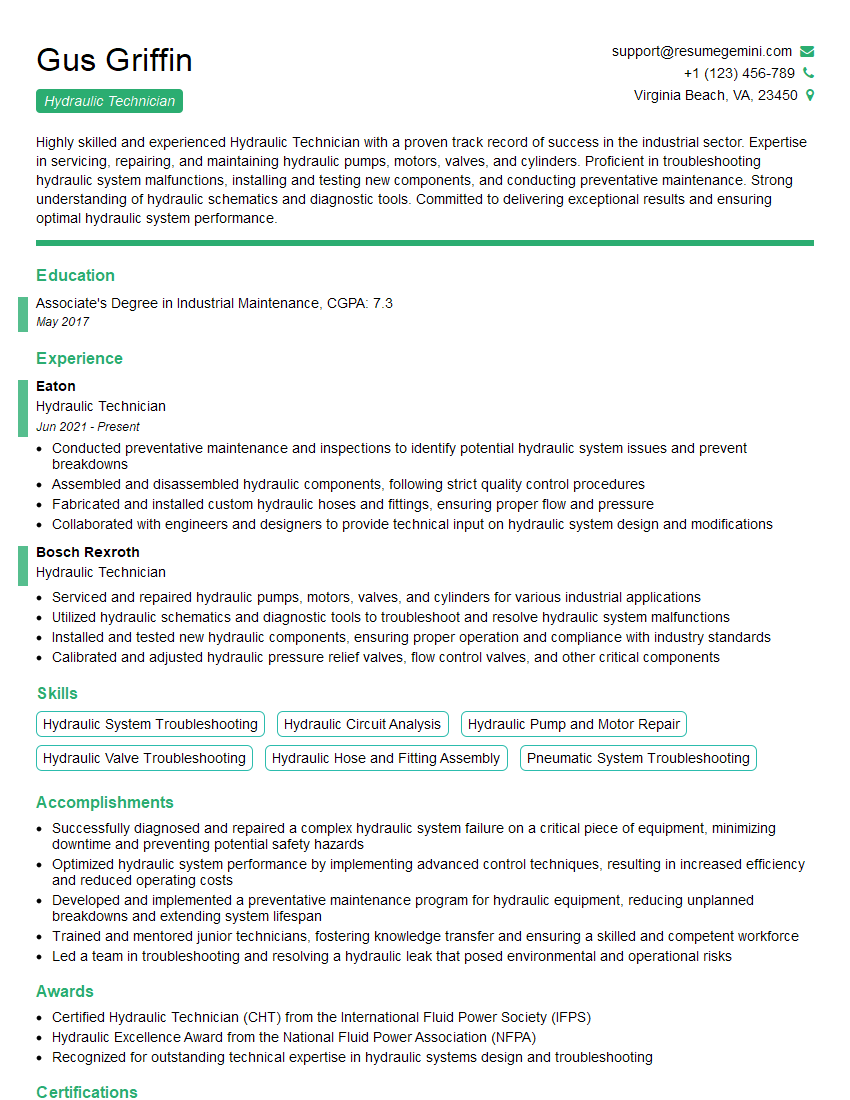
Hydraulic Technician Resume Sample
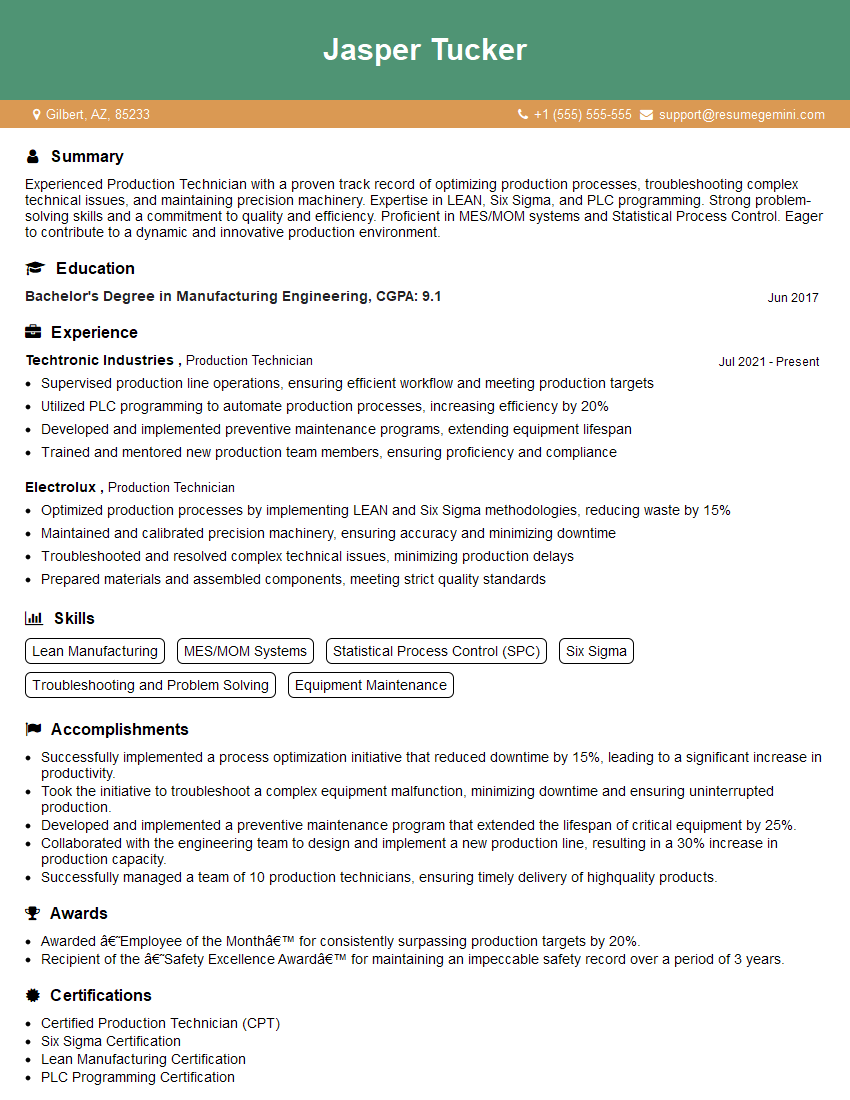
Production Technician Resume Sample
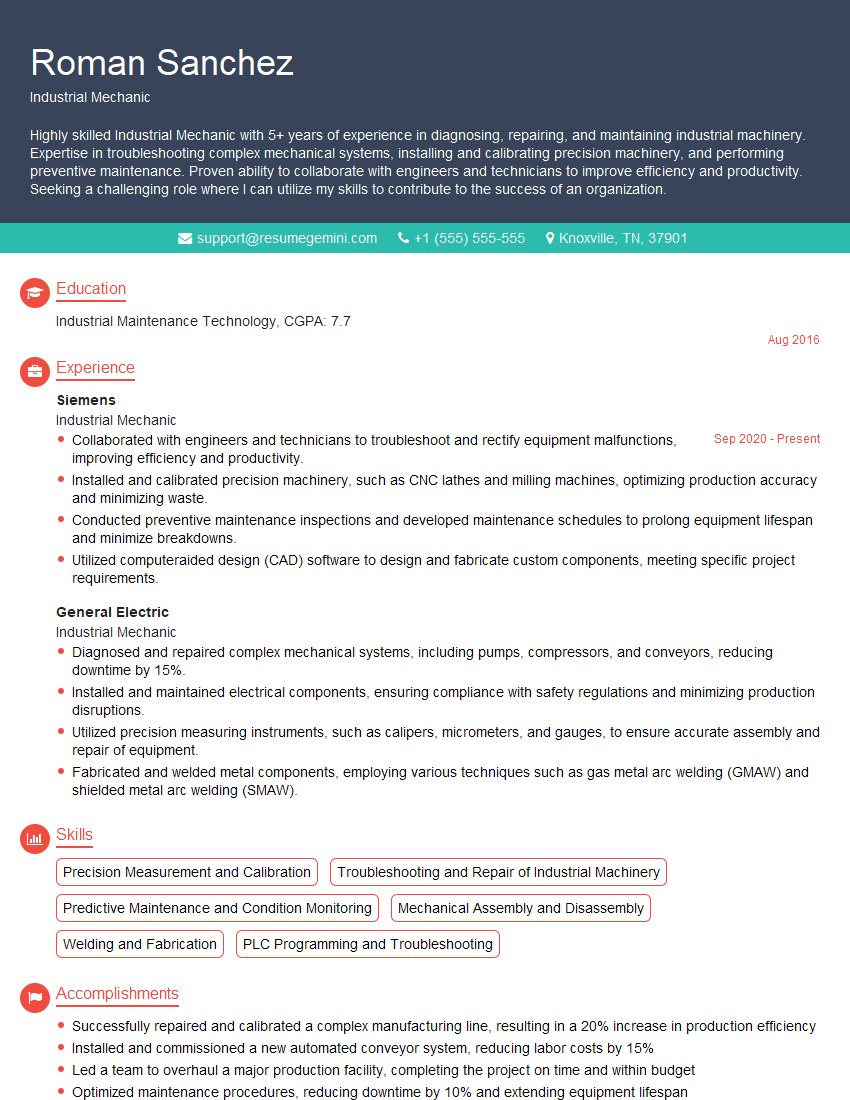
Industrial Mechanic Resume Sample
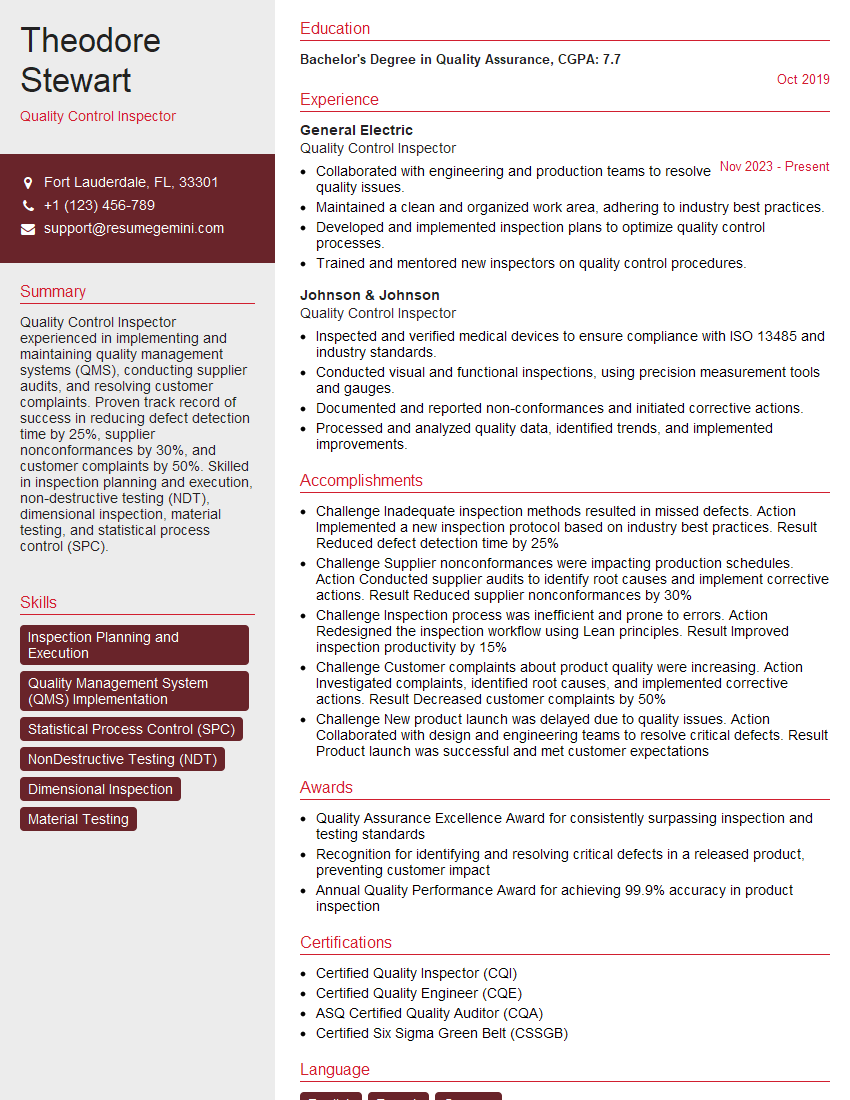
Quality Control Inspector Resume Sample
- Maintenance Manager
- Automation Engineer
- Technical Support Engineer
- Maintenance Technician
- Field Service Engineer
- Manufacturing Engineer
- Control Systems Engineer
- Mechatronics Engineer
- Instrumentation Technician
- Electrical Technician
- Mechanical Technician
- Robotics Technician
- Hydraulic Technician
- Production Technician
- Industrial Mechanic
- Quality Control Inspector
Explore more articles
Users Rating of Our Blogs
Share Your Experience
We value your feedback! Please rate our content and share your thoughts (optional).
What Readers Say About Our Blog
Attention music lovers!
Wow, All the best Sax Summer music !!!
Spotify: https://open.spotify.com/artist/6ShcdIT7rPVVaFEpgZQbUk
Apple Music: https://music.apple.com/fr/artist/jimmy-sax-black/1530501936
YouTube: https://music.youtube.com/browse/VLOLAK5uy_noClmC7abM6YpZsnySxRqt3LoalPf88No
Other Platforms and Free Downloads : https://fanlink.tv/jimmysaxblack
on google : https://www.google.com/search?q=22+AND+22+AND+22
on ChatGPT : https://chat.openai.com?q=who20jlJimmy20Black20Sax20Producer
Get back into the groove with Jimmy sax Black
Best regards,
Jimmy sax Black
www.jimmysaxblack.com
Hi I am a troller at The aquatic interview center and I suddenly went so fast in Roblox and it was gone when I reset.
Hi,
Business owners spend hours every week worrying about their website—or avoiding it because it feels overwhelming.
We’d like to take that off your plate:
$69/month. Everything handled.
Our team will:
Design a custom website—or completely overhaul your current one
Take care of hosting as an option
Handle edits and improvements—up to 60 minutes of work included every month
No setup fees, no annual commitments. Just a site that makes a strong first impression.
Find out if it’s right for you:
https://websolutionsgenius.com/awardwinningwebsites
Hello,
we currently offer a complimentary backlink and URL indexing test for search engine optimization professionals.
You can get complimentary indexing credits to test how link discovery works in practice.
No credit card is required and there is no recurring fee.
You can find details here:
https://wikipedia-backlinks.com/indexing/
Regards
NICE RESPONSE TO Q & A
hi
The aim of this message is regarding an unclaimed deposit of a deceased nationale that bears the same name as you. You are not relate to him as there are millions of people answering the names across around the world. But i will use my position to influence the release of the deposit to you for our mutual benefit.
Respond for full details and how to claim the deposit. This is 100% risk free. Send hello to my email id: lukachachibaialuka@gmail.com
Luka Chachibaialuka
Hey interviewgemini.com, just wanted to follow up on my last email.
We just launched Call the Monster, an parenting app that lets you summon friendly ‘monsters’ kids actually listen to.
We’re also running a giveaway for everyone who downloads the app. Since it’s brand new, there aren’t many users yet, which means you’ve got a much better chance of winning some great prizes.
You can check it out here: https://bit.ly/callamonsterapp
Or follow us on Instagram: https://www.instagram.com/callamonsterapp
Thanks,
Ryan
CEO – Call the Monster App
Hey interviewgemini.com, I saw your website and love your approach.
I just want this to look like spam email, but want to share something important to you. We just launched Call the Monster, a parenting app that lets you summon friendly ‘monsters’ kids actually listen to.
Parents are loving it for calming chaos before bedtime. Thought you might want to try it: https://bit.ly/callamonsterapp or just follow our fun monster lore on Instagram: https://www.instagram.com/callamonsterapp
Thanks,
Ryan
CEO – Call A Monster APP
To the interviewgemini.com Owner.
Dear interviewgemini.com Webmaster!
Hi interviewgemini.com Webmaster!
Dear interviewgemini.com Webmaster!
excellent
Hello,
We found issues with your domain’s email setup that may be sending your messages to spam or blocking them completely. InboxShield Mini shows you how to fix it in minutes — no tech skills required.
Scan your domain now for details: https://inboxshield-mini.com/
— Adam @ InboxShield Mini
support@inboxshield-mini.com
Reply STOP to unsubscribe
Hi, are you owner of interviewgemini.com? What if I told you I could help you find extra time in your schedule, reconnect with leads you didn’t even realize you missed, and bring in more “I want to work with you” conversations, without increasing your ad spend or hiring a full-time employee?
All with a flexible, budget-friendly service that could easily pay for itself. Sounds good?
Would it be nice to jump on a quick 10-minute call so I can show you exactly how we make this work?
Best,
Hapei
Marketing Director
Hey, I know you’re the owner of interviewgemini.com. I’ll be quick.
Fundraising for your business is tough and time-consuming. We make it easier by guaranteeing two private investor meetings each month, for six months. No demos, no pitch events – just direct introductions to active investors matched to your startup.
If youR17;re raising, this could help you build real momentum. Want me to send more info?
Hi, I represent an SEO company that specialises in getting you AI citations and higher rankings on Google. I’d like to offer you a 100% free SEO audit for your website. Would you be interested?
Hi, I represent an SEO company that specialises in getting you AI citations and higher rankings on Google. I’d like to offer you a 100% free SEO audit for your website. Would you be interested?