Unlock your full potential by mastering the most common Troubleshooting Machine Issues interview questions. This blog offers a deep dive into the critical topics, ensuring you’re not only prepared to answer but to excel. With these insights, you’ll approach your interview with clarity and confidence.
Questions Asked in Troubleshooting Machine Issues Interview
Q 1. Describe your experience troubleshooting mechanical failures in machinery.
My experience in troubleshooting mechanical failures spans over ten years, encompassing a wide range of machinery from simple assembly lines to complex industrial robots. I’ve worked on everything from diagnosing minor bearing wear to resolving major hydraulic system failures. I’m adept at identifying the root cause of malfunctions, not just treating the symptoms. For instance, I once resolved repeated downtime on a packaging machine by tracing the issue not to the packaging mechanism itself, but to a worn gear in the conveyor system which was causing inconsistent product feed. This highlights the importance of systemic thinking in troubleshooting.
I’ve developed a strong understanding of various mechanical components like pumps, motors, gearboxes, pneumatic systems, and hydraulics. This enables me to quickly isolate the problem area and develop effective repair strategies.
Q 2. Explain your process for diagnosing a malfunctioning machine.
My process for diagnosing a malfunctioning machine is methodical and systematic. It typically involves these steps:
- Safety First: Ensure the machine is properly locked out and tagged out before any inspection or troubleshooting begins.
- Gather Information: I start by gathering information from operators about the nature of the malfunction, when it started, and any preceding events. I also review any available logs or maintenance records.
- Visual Inspection: A thorough visual inspection is next. This often reveals obvious signs of damage, leaks, or loose connections.
- Testing and Measurement: I use various diagnostic tools (discussed later) to measure parameters like pressure, temperature, voltage, and current. This helps pinpoint the source of the problem.
- Component Testing: If necessary, I’ll isolate individual components to test their functionality.
- Root Cause Analysis: Once the faulty component is identified, I thoroughly investigate the *why* – the root cause – to prevent recurrence. This often involves examining operational parameters, wear patterns, and potential design flaws.
- Documentation and Repair: I meticulously document the fault, the diagnostic process, and the repair solution. This ensures traceability and facilitates future maintenance.
Q 3. How do you prioritize multiple machine issues simultaneously?
Prioritizing multiple machine issues simultaneously requires a strategic approach. I utilize a risk-based prioritization system considering the following factors:
- Impact on Production: Issues impacting critical production lines are prioritized first. A machine crucial to meeting a major deadline takes precedence over a less critical one.
- Safety Risks: Issues posing a safety risk to personnel are addressed immediately.
- Downtime Costs: Machines with higher downtime costs due to production loss or potential damage are prioritized higher.
- Urgency: Issues that are escalating or causing further damage require immediate attention.
I often use a matrix to visualize these factors and assign priorities. This allows me to manage multiple issues efficiently while ensuring the most critical ones are addressed promptly.
Q 4. What safety precautions do you take when troubleshooting machinery?
Safety is paramount in machinery troubleshooting. My safety precautions always include:
- Lockout/Tagout (LOTO): I strictly adhere to LOTO procedures to prevent accidental energization or startup of the machine during troubleshooting.
- Personal Protective Equipment (PPE): I always wear appropriate PPE such as safety glasses, gloves, and hearing protection, depending on the task and machine.
- Risk Assessment: Before starting any work, I conduct a thorough risk assessment to identify potential hazards and implement control measures.
- Following Safety Procedures: I strictly adhere to all company safety procedures and guidelines.
- Seeking Assistance: If faced with a situation beyond my expertise or comfort level, I don’t hesitate to seek assistance from more experienced colleagues or supervisors.
Q 5. How familiar are you with preventative maintenance procedures?
I am very familiar with preventative maintenance (PM) procedures. I understand that PM is crucial in reducing downtime, extending the lifespan of equipment, and ensuring safety. My knowledge extends to both scheduled PM, involving regular inspections and lubrication, and condition-based PM, which utilizes sensors and data analysis to predict potential failures before they occur.
I’m proficient in developing and implementing PM schedules, performing routine checks, and identifying potential problems before they lead to major breakdowns. My experience includes working with computerized maintenance management systems (CMMS) to track PM activities and generate reports.
Q 6. Describe a time you had to troubleshoot a complex machine issue. What was your approach?
One complex issue I encountered involved a robotic welding cell that suddenly started producing inconsistent welds. The initial visual inspection revealed nothing. The problem was intermittent, making diagnosis challenging. My approach was systematic:
- Data Acquisition: I started by collecting data from the robot’s controller, focusing on parameters like welding current, voltage, and travel speed.
- Pattern Recognition: I analyzed the data looking for patterns correlating with the weld inconsistencies. I discovered a correlation between inconsistent welds and slight variations in the robot’s arm movement.
- Sensor Calibration: I suspected a problem with the robot’s position sensors. After careful testing and calibration, I found that one of the sensors was slightly out of alignment.
- Verification: After recalibration, I thoroughly tested the welding cell. The inconsistent welds were resolved.
This experience highlighted the importance of data-driven troubleshooting and the need to carefully examine even subtle variations in machine performance. It also emphasized the need for regular calibration and maintenance of critical sensors.
Q 7. What diagnostic tools and techniques are you proficient in?
I’m proficient in using a variety of diagnostic tools and techniques, including:
- Multimeters: For measuring voltage, current, and resistance.
- Oscilloscope: For analyzing electrical signals and waveforms.
- Infrared (IR) Thermometers: For detecting overheating components.
- Vibration Analyzers: For detecting imbalances or bearing wear.
- Pressure Gauges and Transducers: For measuring pressure in hydraulic and pneumatic systems.
- Data Acquisition Systems (DAQ): For collecting and analyzing large amounts of data from various sensors.
- CMMS (Computerized Maintenance Management Systems): For tracking maintenance activities, generating reports, and predicting potential failures.
Beyond tools, I am skilled in employing techniques like root cause analysis, fault tree analysis, and 5 Whys to systematically identify the underlying causes of machine malfunctions.
Q 8. How do you interpret error codes and diagnostic messages?
Interpreting error codes and diagnostic messages is the cornerstone of effective troubleshooting. It’s like deciphering a machine’s secret language to understand what’s gone wrong. I approach this systematically. First, I identify the source of the message – is it from a control panel display, a log file, or a diagnostic tool? Then, I consult the machine’s manual or documentation to find the specific meaning of the code or message. Many codes are numerical, often hexadecimal (base-16), and might refer to specific components or errors within a system. For example, a code like ‘0x0015’ might indicate a sensor malfunction on a specific axis of a robotic arm. Sometimes, the message is more descriptive, like ‘Low Oil Pressure’. In either case, I cross-reference the code or message with my knowledge of the machine’s architecture and functionality to pinpoint the likely problem area. If the code is unfamiliar, online resources, vendor support, or even forums dedicated to that specific machine model can be invaluable.
For instance, once I encountered a cryptic error code on a CNC milling machine. The manual listed the code as indicating a ‘Servo Drive Fault’. Instead of immediately assuming a faulty drive, I checked the power supply to the drive, the wiring connections, and even the encoder feedback signal. Ultimately, a loose connection was the culprit. This highlights the importance of not jumping to conclusions but systematically checking all related components.
Q 9. Explain your experience with PLC programming and troubleshooting.
My experience with PLC (Programmable Logic Controller) programming and troubleshooting spans over [Number] years, working with various models from [List PLC manufacturers, e.g., Siemens, Allen-Bradley, etc.]. I’m proficient in ladder logic, structured text, and function block programming. Troubleshooting PLCs often involves reading the program, identifying the sequence of operations, and tracing the flow of data. This might involve using diagnostic tools built into the PLC, such as monitoring variables in real-time or forcing inputs to test specific parts of the program.
I’ve dealt with scenarios ranging from simple logic errors causing unexpected outputs to more complex issues like communication failures between the PLC and other devices. For example, I once troubleshooted a production line where a PLC was failing to properly sequence conveyor belts. By carefully examining the PLC program and using the diagnostic tools, I discovered a timing issue within the program that was causing the sequencing to become erratic. A minor adjustment to the timers resolved the problem, preventing significant production downtime. I am also skilled in using simulation software to test and debug PLC programs before deploying them to the actual machine, significantly reducing the risk of errors in the field.
Example Ladder Logic Snippet (Illustrative): // Check for sensor input IF Sensor_1 THEN // Activate output Output_1 := TRUE; END_IF;Q 10. How do you document your troubleshooting process?
Thorough documentation is critical for efficient troubleshooting and future reference. My documentation process involves several key steps. I begin by creating a concise description of the problem, including the observed symptoms, the affected machine, and the date and time the issue occurred. Next, I record all troubleshooting steps taken, including specific tests performed, measurements obtained, and any changes made. This might involve using checklists or forms depending on the specific needs. Any error messages, codes, or diagnostic data are carefully recorded. I also include diagrams or sketches to clarify complex systems or component relationships. Finally, the root cause and the implemented solution are documented with sufficient detail to enable quick resolution of similar problems in the future. This approach ensures knowledge sharing within the team and reduces repetitive troubleshooting efforts.
Using a digital system like a shared document or a company database is ideal for efficient documentation and access. I prefer using a combination of text, diagrams, and images to ensure clarity and ease of understanding.
Q 11. How do you handle situations where you cannot immediately identify the root cause of a machine malfunction?
When faced with an elusive machine malfunction, a systematic and methodical approach is essential. The first step is to meticulously gather more data. I’d perform more comprehensive tests, potentially involving specialized diagnostic equipment. I would examine all relevant parameters and logs. This often includes consulting with colleagues or external experts; a fresh perspective can be invaluable. The process might involve isolating sections of the machine to see if the problem follows. This ‘divide and conquer’ approach allows us to systematically eliminate potential causes. For example, if the problem involves a complex assembly, isolating the potential sources of the problem to sub-assemblies can help tremendously. Sometimes, simulating the malfunction is helpful. Creating a simplified version of the system can isolate the source of the problem with less risk to the operational equipment. Finally, if all else fails, documenting the unresolved issue is crucial. This documented issue can inform future maintenance, upgrades or even help to prioritize investigation of similar issues in the future.
Q 12. Describe your experience with hydraulic and pneumatic systems.
I have extensive experience working with hydraulic and pneumatic systems in industrial settings. My experience includes troubleshooting leaks, identifying pressure drops, diagnosing component failures (pumps, valves, cylinders, etc.), and understanding the basics of fluid power. Troubleshooting hydraulic systems often involves checking fluid levels, pressure readings, and filter conditions. Leaks can be pinpointed using pressure testing, dye testing, or even listening for unusual noises. In pneumatic systems, I look for air leaks, and check pressure regulators and valves. I am skilled in interpreting hydraulic and pneumatic schematics and using pressure gauges and other diagnostic tools. For example, I once resolved a significant production delay on a bottling line where a hydraulic cylinder was failing to extend. Through systematic inspection, I discovered a blockage within the hydraulic circuit, which I cleaned out restoring normal operation. My experience extends to maintaining and repairing these systems, ensuring equipment safety and efficiency.
Q 13. How do you determine whether a machine issue is mechanical, electrical, or software-related?
Determining whether a machine issue is mechanical, electrical, or software-related requires a structured approach. I start by carefully observing the symptoms. Mechanical problems often manifest as unusual noises (grinding, clicking, or knocking), vibrations, binding, or physical damage. Electrical issues might result in power failures, short circuits, erratic behavior, or burnt components. Software problems often lead to unexpected outputs, program crashes, or incorrect data processing. A systematic investigation is key. For example, if a machine stops unexpectedly, I might first check the power supply, then look for error codes, and then finally inspect mechanical components for wear and tear if the electrical and software seem sound. I might use multimeters for electrical testing, and visual inspection along with other mechanical diagnostic tools to troubleshoot mechanical problems. A thorough understanding of the machine’s system architecture and the interdependencies between the various systems is essential for effective problem-solving.
Q 14. What is your experience with using schematics and diagrams for troubleshooting?
Schematics and diagrams are indispensable for troubleshooting. They provide a visual representation of the machine’s components, their connections, and the flow of information or energy. I’m proficient in reading and interpreting various types of diagrams, including electrical schematics, pneumatic and hydraulic diagrams, and piping and instrumentation diagrams (P&IDs). These diagrams help me trace signals, identify potential failure points, and understand the interdependencies between different parts of the system. For example, using an electrical schematic, I can trace the path of a signal from a sensor to a PLC, helping me identify a faulty wire or connector. Similarly, a hydraulic schematic helps me understand the flow of hydraulic fluid through the system, enabling me to locate pressure drops or leaks. I’m also adept at creating my own diagrams to document my findings and communicate information effectively. This ability is particularly crucial when working on complex systems or when documenting the repairs made to a machine for future reference.
Q 15. Describe your experience with different types of sensors and actuators.
My experience with sensors and actuators is extensive, encompassing a wide range of technologies used in various industrial settings. Sensors are the eyes and ears of a machine, providing crucial data about its operation, while actuators are the muscles, carrying out commands to control the machine’s actions.
- Sensors: I’ve worked extensively with proximity sensors (inductive, capacitive, photoelectric) for detecting object presence, temperature sensors (thermocouples, RTDs, thermistors) for monitoring heat, pressure sensors (strain gauges, piezoelectric sensors) for measuring force, and flow sensors (Coriolis, ultrasonic) for measuring fluid movement. For example, in a robotic arm assembly line, proximity sensors ensure the arm doesn’t collide with objects, and temperature sensors prevent overheating of motors.
- Actuators: My experience includes pneumatic actuators (cylinders, valves) for generating linear or rotary motion using compressed air; hydraulic actuators (cylinders, motors) for high-force applications using pressurized oil; and electric actuators (servo motors, stepper motors) for precise control and positioning. In a packaging machine, pneumatic cylinders might control the clamping mechanism, while servo motors precisely position the labeling system.
Understanding the nuances of different sensor and actuator technologies, their limitations, and appropriate selection for specific applications is crucial for effective troubleshooting and system optimization.
Career Expert Tips:
- Ace those interviews! Prepare effectively by reviewing the Top 50 Most Common Interview Questions on ResumeGemini.
- Navigate your job search with confidence! Explore a wide range of Career Tips on ResumeGemini. Learn about common challenges and recommendations to overcome them.
- Craft the perfect resume! Master the Art of Resume Writing with ResumeGemini’s guide. Showcase your unique qualifications and achievements effectively.
- Don’t miss out on holiday savings! Build your dream resume with ResumeGemini’s ATS optimized templates.
Q 16. How do you ensure the safety of yourself and others while troubleshooting machinery?
Safety is paramount when troubleshooting machinery. My approach always prioritizes risk assessment and mitigation. Before even touching a machine, I meticulously follow the lockout/tagout (LOTO) procedure, ensuring all power sources – electrical, pneumatic, hydraulic – are completely isolated and locked out. This prevents accidental energization and potential injury.
I always wear appropriate personal protective equipment (PPE), including safety glasses, hearing protection, steel-toed boots, and sometimes gloves, depending on the specific task and potential hazards. I’m also careful to observe my surroundings and avoid potential trip hazards or other unsafe conditions.
Furthermore, I never work alone. Having a colleague present provides an extra layer of safety, especially when dealing with potentially hazardous machinery. If I’m unsure about a particular procedure or safety aspect, I immediately consult with a supervisor or safety officer.
Q 17. How familiar are you with root cause analysis techniques?
I’m highly proficient in various root cause analysis (RCA) techniques. My typical approach often involves a combination of methods to ensure a thorough investigation. The ‘5 Whys’ technique is a great starting point for identifying the chain of events leading to a failure. However, it’s not always sufficient on its own.
I often use the Fishbone Diagram (Ishikawa Diagram) to visually organize potential causes categorized by different factors such as people, methods, machines, materials, and environment. This helps identify contributing factors that might be missed with a linear approach. For complex systems, Failure Mode and Effects Analysis (FMEA) helps proactively identify potential failure modes and their impact, allowing for preventative measures. Finally, data analysis, using machine logs and sensor data, plays a critical role in pinpointing the root cause based on objective evidence.
For instance, if a production line stops unexpectedly, I’ll use a combination of the 5 Whys, a Fishbone diagram to map potential issues, and review system logs to determine the exact sequence of events and identify the fundamental reason for the failure, ensuring this is addressed to prevent recurrence.
Q 18. How do you stay up-to-date on the latest technologies and troubleshooting methods?
Staying current in this rapidly evolving field requires a multifaceted approach. I regularly attend industry conferences and workshops to learn about the latest advancements in machinery technology and troubleshooting methodologies.
I actively participate in online communities and forums, engaging with other professionals to share knowledge and learn from their experiences. Reading industry publications, technical journals, and manufacturers’ documentation keeps me abreast of new technologies and best practices. Many manufacturers offer comprehensive online resources, including troubleshooting guides and training materials. I also pursue professional development courses and certifications to maintain and enhance my expertise.
Q 19. Describe your experience with different types of industrial machinery.
My experience encompasses a broad spectrum of industrial machinery, including:
- Packaging machinery: I’ve worked on various packaging lines, from simple cartoners to complex automated systems involving robotic arms and vision systems. Troubleshooting issues in these lines often involves understanding the integration of different mechanical, electrical, and control systems.
- CNC machines: I have experience troubleshooting CNC milling and turning machines, diagnosing issues ranging from mechanical misalignment and tool wear to software glitches and control system malfunctions. This often involves utilizing diagnostic software and understanding G-code programming.
- Conveyor systems: I’ve worked on various conveyor systems, addressing issues like belt slippage, motor failures, and sensor malfunctions. These systems are crucial for material handling, and their downtime can significantly impact production.
- Robotics: I have some experience troubleshooting robotic systems, including robotic arms used in assembly and welding applications. These systems require a deep understanding of both mechanical and software components.
This diverse background enables me to quickly adapt to new machinery and efficiently identify and resolve a wide range of problems.
Q 20. How do you handle pressure when troubleshooting a critical machine failure?
Troubleshooting a critical machine failure under pressure requires a calm and methodical approach. My first priority is to stabilize the situation and prevent further damage.
I focus on gathering information quickly but accurately. This includes reviewing machine logs, talking to operators to understand the context of the failure, and visually inspecting the machine for obvious problems. I then prioritize tasks based on urgency and impact, focusing on restoring essential functionality first. If necessary, I escalate the issue to management and involve other specialists, clearly communicating the situation and my progress. I find that breaking down complex problems into smaller, manageable tasks helps prevent feeling overwhelmed. Prioritizing clear communication and teamwork is key to successful troubleshooting under pressure.
Q 21. What is your experience with troubleshooting network-connected machines?
My experience with network-connected machines includes troubleshooting issues related to communication protocols, network connectivity, and data analysis. I’m familiar with various industrial communication protocols, such as Ethernet/IP, Profinet, and Modbus TCP.
Troubleshooting these systems often involves using network diagnostic tools to identify communication errors, packet loss, and latency issues. I’m proficient in using network analyzers and protocol analyzers to pinpoint the source of communication problems. Furthermore, I can utilize data from network-connected sensors and controllers to identify patterns and anomalies that indicate underlying malfunctions.
For example, if a remote PLC (Programmable Logic Controller) stops communicating, I would first verify network connectivity using a ping test, then check the PLC’s configuration parameters and communication settings. If the problem is data-related, I’ll analyze the data streams to identify corrupted packets or unusual data patterns.
Q 22. How do you communicate technical information to non-technical personnel?
Communicating technical information to non-technical personnel requires a shift in perspective. Instead of using jargon and technical terms, I focus on clear, concise language and relatable analogies. Think of it like translating a complex language into something everyone can understand.
- Avoid jargon: Replace terms like ‘proprietary algorithm’ with ‘a special set of instructions’.
- Use analogies: Comparing a complex process to something familiar, like a car engine or a water system, makes it easier to grasp.
- Visual aids: Diagrams, flowcharts, and even simple drawings can explain complex concepts visually.
- Focus on the impact: Explain how a technical issue affects the user or the business, rather than getting bogged down in the technical details. For instance, instead of saying, ‘The database query is experiencing a deadlock,’ I’d say, ‘The system is running slowly because it’s struggling to process requests, causing delays for users.’
For example, when explaining a server outage to a client, I’d avoid technical terms like ‘DNS propagation delay’ and instead say something like: ‘The website is temporarily unavailable because we’re experiencing a problem connecting to our servers. We’re working to fix it as quickly as possible and expect it to be resolved within [timeframe].’
Q 23. Describe a time you had to work with a team to solve a complex machine issue.
During my time at [Previous Company], we faced a critical issue with a robotic arm used in a high-precision manufacturing line. The arm began exhibiting erratic movements, causing production to halt. This wasn’t a simple fix – it involved multiple disciplines.
Our team consisted of mechanical engineers, electrical engineers, software engineers, and myself as the machine troubleshooter. We followed a structured approach:
- Initial assessment: We carefully examined the arm’s movements, checked for error messages, and ruled out simple causes like power fluctuations.
- Data analysis: We reviewed the arm’s operational logs to identify any patterns or anomalies. The logs showed unusual spikes in motor current just before the erratic movements began.
- Specialized expertise: The electrical engineer analyzed the motor control circuits and discovered a faulty component causing intermittent power surges.
- Collaborative solution: Working together, we replaced the faulty component, retested the arm, and verified the fix. We also implemented preventive maintenance to avoid future issues.
This experience highlighted the importance of collaboration and specialized skills in resolving complex machine problems. Clear communication and a structured approach were key to our success.
Q 24. What is your approach to escalating a machine issue that you cannot resolve?
My approach to escalating an unresolved machine issue is systematic and documented. It’s crucial to provide sufficient context and avoid wasting the time of higher-level personnel.
- Thorough documentation: I compile all relevant information: error messages, diagnostic logs, steps already taken, and potential causes. This ensures the next person can quickly grasp the situation.
- Prioritization: I assess the impact of the issue. If it’s critical, I escalate immediately. Less critical issues can wait for a less urgent response.
- Clear communication: I communicate the issue concisely and clearly, focusing on the problem, its impact, and what steps I’ve already tried. I include the documentation mentioned above.
- Suggesting solutions: Instead of just reporting a problem, I offer my hypotheses and suggest possible next steps that a senior engineer could take.
For example, if I’m unable to resolve a PLC (Programmable Logic Controller) programming error, I’d escalate by providing the PLC program code, diagnostic logs showing specific error codes, and a description of the troubleshooting steps I’ve undertaken along with screenshots. I would also suggest potential causes based on my experience and recommend possible solutions, for example, checking specific sections of the code.
Q 25. How do you balance the need for speed with the need for thoroughness in troubleshooting?
Balancing speed and thoroughness is a critical skill in troubleshooting. Rushing can lead to overlooking crucial details and ineffective fixes; being overly thorough can lead to unacceptable downtime.
My approach involves a structured troubleshooting methodology, using a combination of quick checks and in-depth analysis.
- Initial quick checks: Start with simple checks like power supply, connections, and obvious physical damage to quickly rule out easy fixes.
- Systematic approach: Follow a logical troubleshooting process, such as the ‘divide and conquer’ method, to narrow down the possible causes.
- Prioritization: Identify the most likely causes based on experience and available data and address those first.
- Documentation: Keep detailed notes of all steps, findings, and decisions, regardless of time pressure. This documentation allows for quicker resolution of similar future issues and enables easy handover.
For instance, if a machine is not starting, I’d first check the power switch, fuses, and power supply. Only after these simple checks fail would I delve deeper into more complex system diagnostics. This prioritized approach ensures I address critical issues quickly while also enabling thorough analysis when necessary.
Q 26. What are your strengths and weaknesses in troubleshooting?
My greatest strengths in troubleshooting are my systematic approach, strong analytical skills, and my broad knowledge base across various machine types and technologies. I’m comfortable working independently but also excel in collaborative environments.
However, my weakness is sometimes being overly thorough, especially with complex issues. I’m actively working on improving my ability to prioritize tasks and delegate appropriately to ensure quicker resolutions where possible. This is addressed through improved time management techniques and a focus on escalating issues effectively when necessary.
Q 27. What are some common machine failures you have encountered?
Over the years, I’ve encountered a wide range of machine failures. Some common ones include:
- Sensor malfunctions: Faulty sensors can lead to inaccurate readings and erratic machine behavior. This can range from simple wiring issues to sensor degradation over time.
- Motor problems: Motor failures, including bearing wear, winding faults, or power supply issues, are frequent occurrences.
- PLC programming errors: Logic errors in the PLC program can lead to unpredictable machine actions, necessitating careful code review and debugging.
- Hydraulic or pneumatic leaks: These can cause reduced performance or complete system failure, requiring the identification and repair of leaks.
- Mechanical wear and tear: This is often a gradual process leading to component failure; regular maintenance is crucial for preventing this.
The specific causes and troubleshooting approaches vary greatly depending on the machine type and complexity. However, a systematic approach and strong analytical skills are always crucial for effective resolution.
Q 28. Describe a time you had to troubleshoot a machine issue under time constraints.
I once had to troubleshoot a packaging machine malfunction during a critical production run. The machine, responsible for packaging a perishable product, had suddenly stopped working, and the product was rapidly approaching its expiration date. This created immense pressure to resolve the issue quickly.
Following my structured approach, I first performed quick checks – power, sensor readings, and basic mechanical operations. Finding no obvious issues, I moved to in-depth diagnostics. I analyzed the machine’s error logs, which pointed towards a faulty control valve. I quickly confirmed the fault, located a replacement valve from our inventory, and replaced it. This involved careful and precise work to avoid damaging other components. I then restarted the machine and confirmed it was functioning correctly.
The entire process, from initial diagnosis to machine restart, took less than 45 minutes, minimizing production downtime and preventing significant product loss. This highlighted the importance of thorough preparation, efficient troubleshooting, and swift decision-making under time constraints.
Key Topics to Learn for Troubleshooting Machine Issues Interview
- Understanding System Architecture: Gain a strong grasp of how different machine components interact. This includes hardware (CPU, RAM, storage, peripherals) and software (operating systems, applications, drivers).
- Diagnostic Techniques: Learn practical application of diagnostic tools and methodologies. This includes using system logs, event viewers, monitoring tools, and applying systematic troubleshooting methods (e.g., binary search, elimination).
- Troubleshooting Methodologies: Master structured problem-solving approaches such as the five whys, root cause analysis, and effective documentation of troubleshooting steps.
- Hardware Troubleshooting: Develop practical skills in identifying and resolving hardware malfunctions, including peripheral issues, power supply problems, and internal component failures.
- Software Troubleshooting: Become proficient in diagnosing and resolving software errors, including application crashes, driver conflicts, and operating system issues. This includes understanding error messages and logs effectively.
- Networking Fundamentals: Understand basic networking concepts relevant to troubleshooting, such as IP addresses, DNS, TCP/IP, and common network protocols. Be prepared to discuss troubleshooting network connectivity issues.
- Remote Troubleshooting Techniques: Learn and demonstrate proficiency in techniques for remotely diagnosing and resolving machine issues, including utilizing remote desktop tools and collaborating effectively with remote teams.
- Security Considerations: Understand security implications related to troubleshooting, emphasizing data protection and safe practices during the diagnostic and repair process.
- Preventive Maintenance: Discuss strategies and best practices for preventative maintenance to minimize future machine issues and improve system uptime.
Next Steps
Mastering troubleshooting skills is crucial for career advancement in any technical field. A strong understanding of machine issues and their resolution demonstrates valuable problem-solving abilities and technical expertise – highly sought-after qualities in today’s job market. To increase your chances of landing your dream role, it’s essential to present your skills effectively. Creating an ATS-friendly resume is key to getting your application noticed. We recommend using ResumeGemini to build a professional and impactful resume that highlights your troubleshooting abilities. ResumeGemini provides examples of resumes tailored to Troubleshooting Machine Issues to help you showcase your experience and qualifications in the best possible light.
Process Engineer Resume Sample

Network Engineer Resume Sample
Systems Administrator Resume Sample
Automation Engineer Resume Sample
Technical Support Specialist Resume Sample
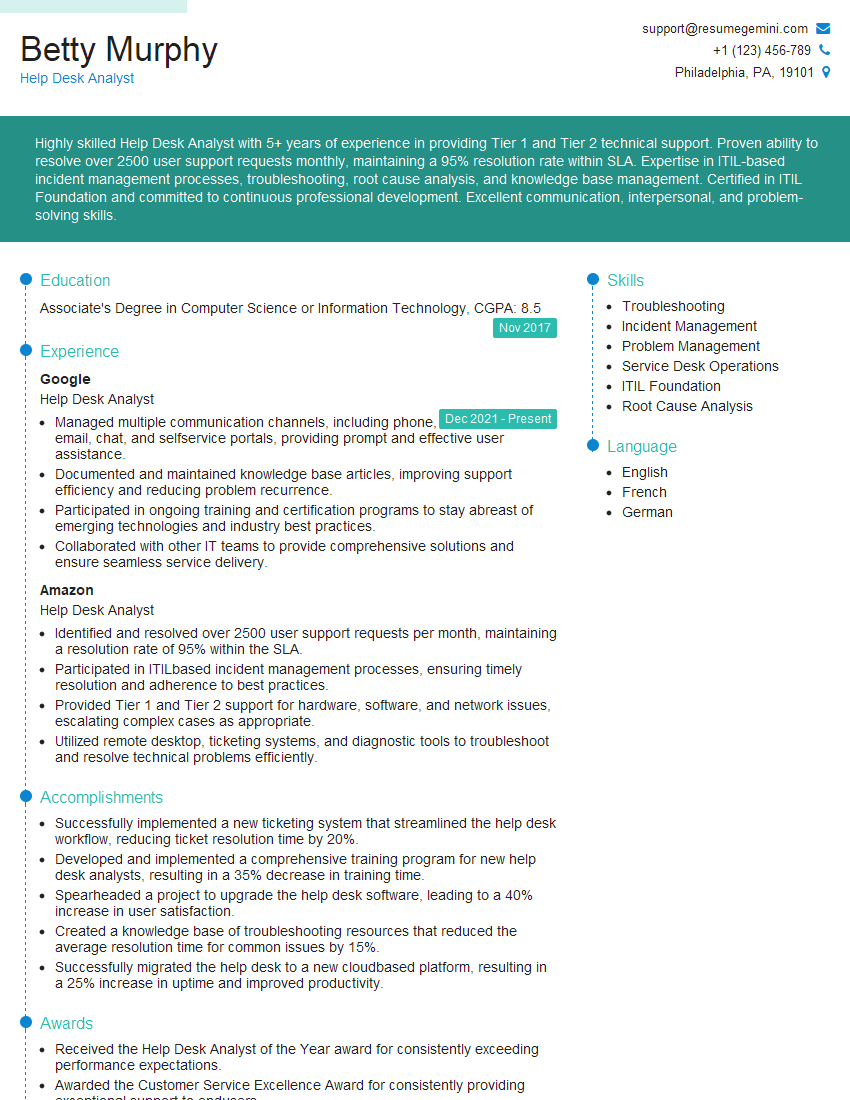
Help Desk Analyst Resume Sample
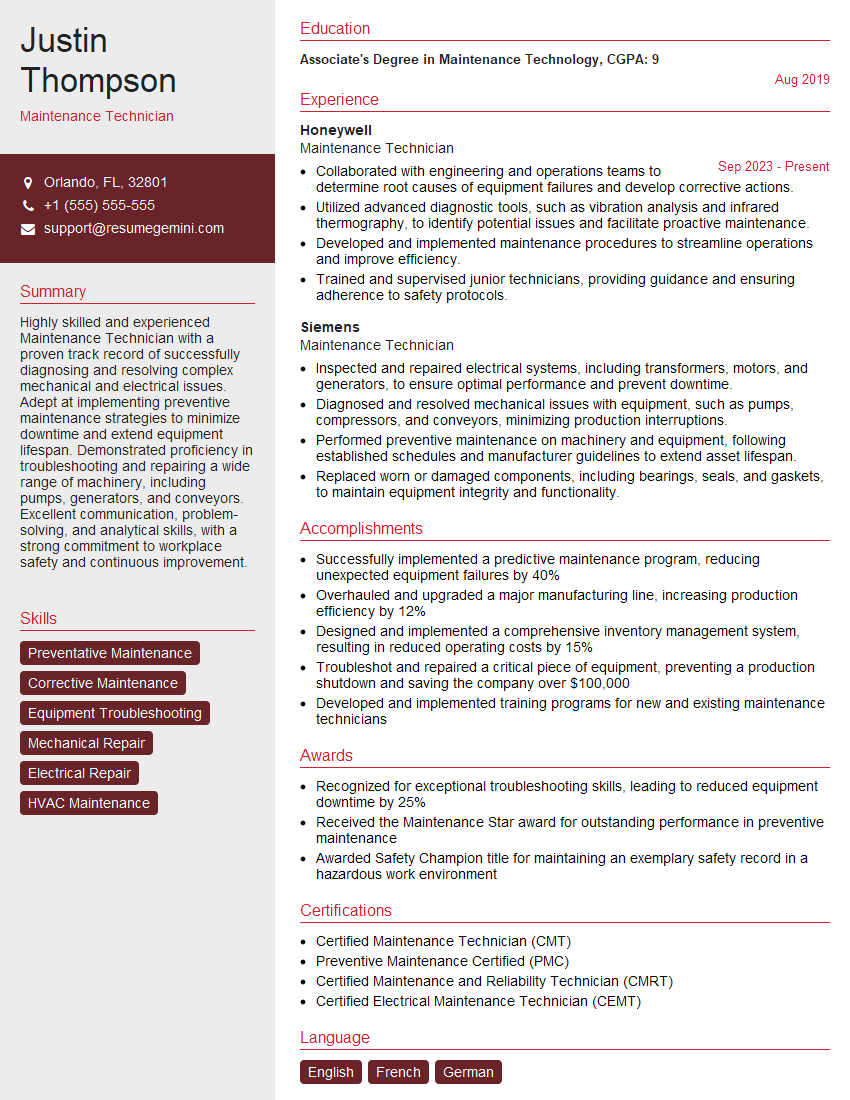
Maintenance Technician Resume Sample
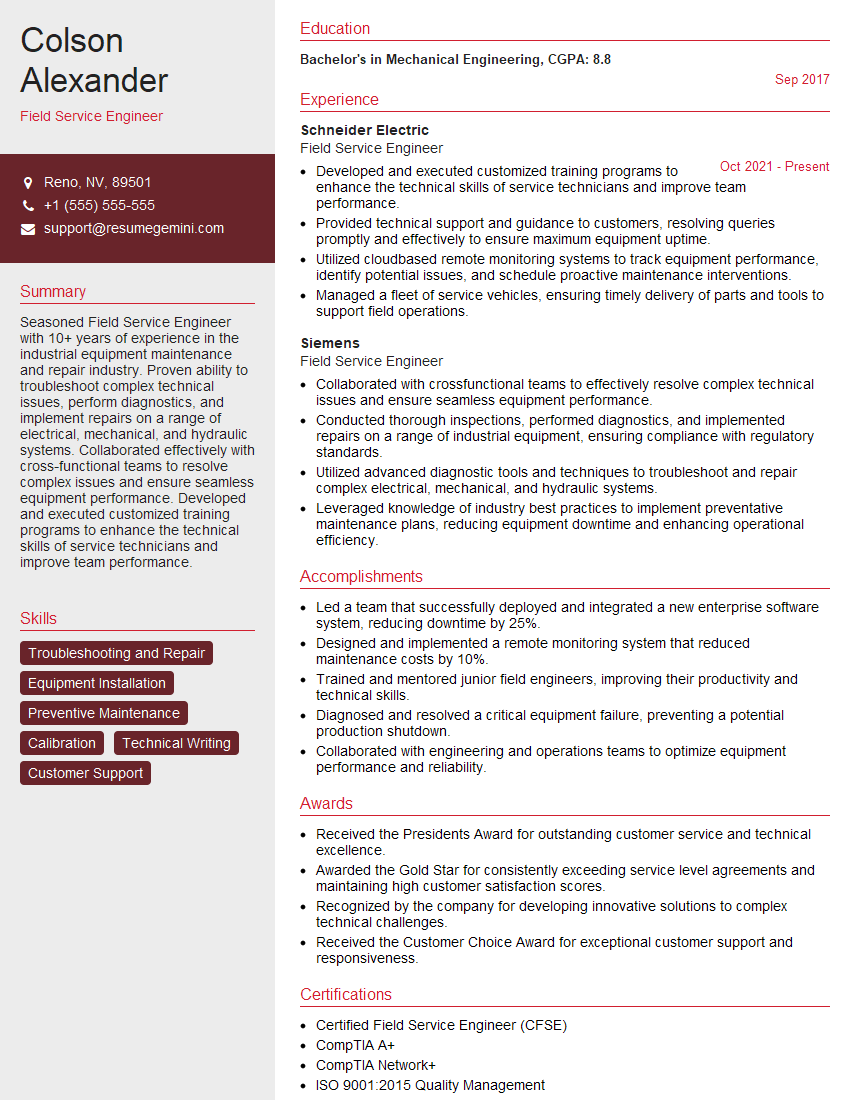
Field Service Engineer Resume Sample
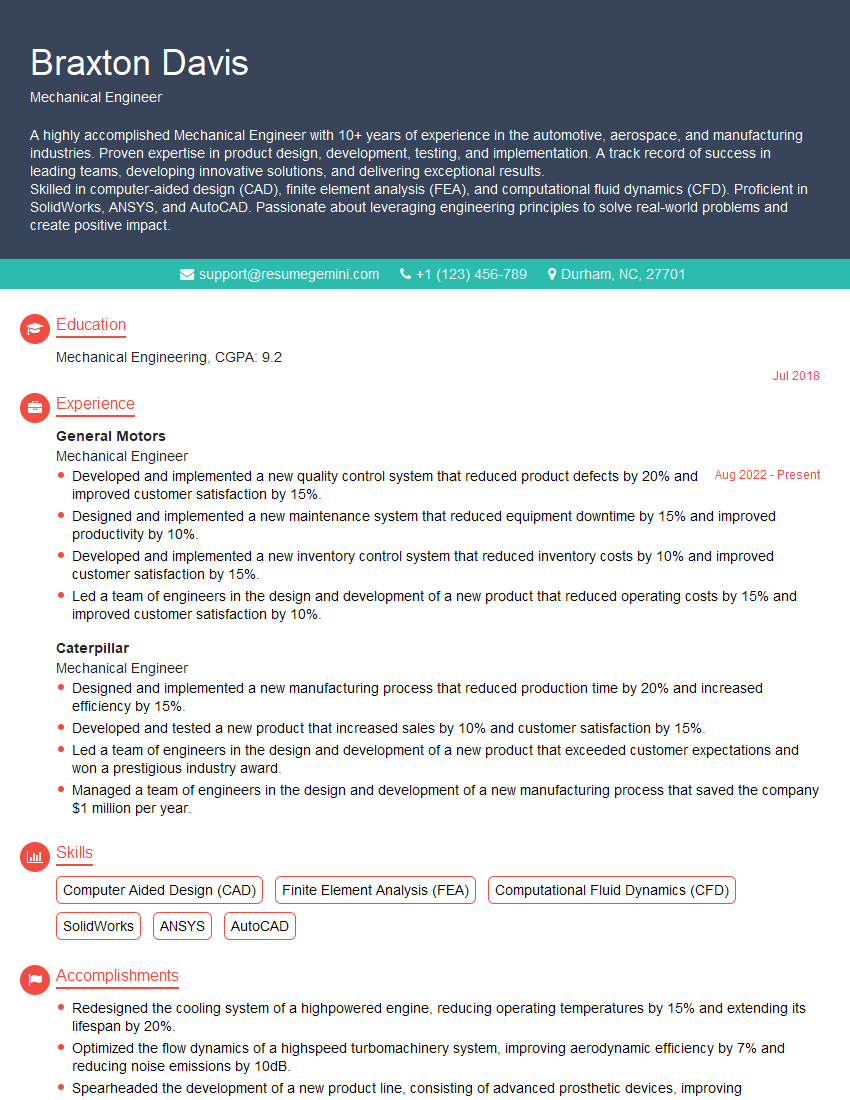
Mechanical Engineer Resume Sample
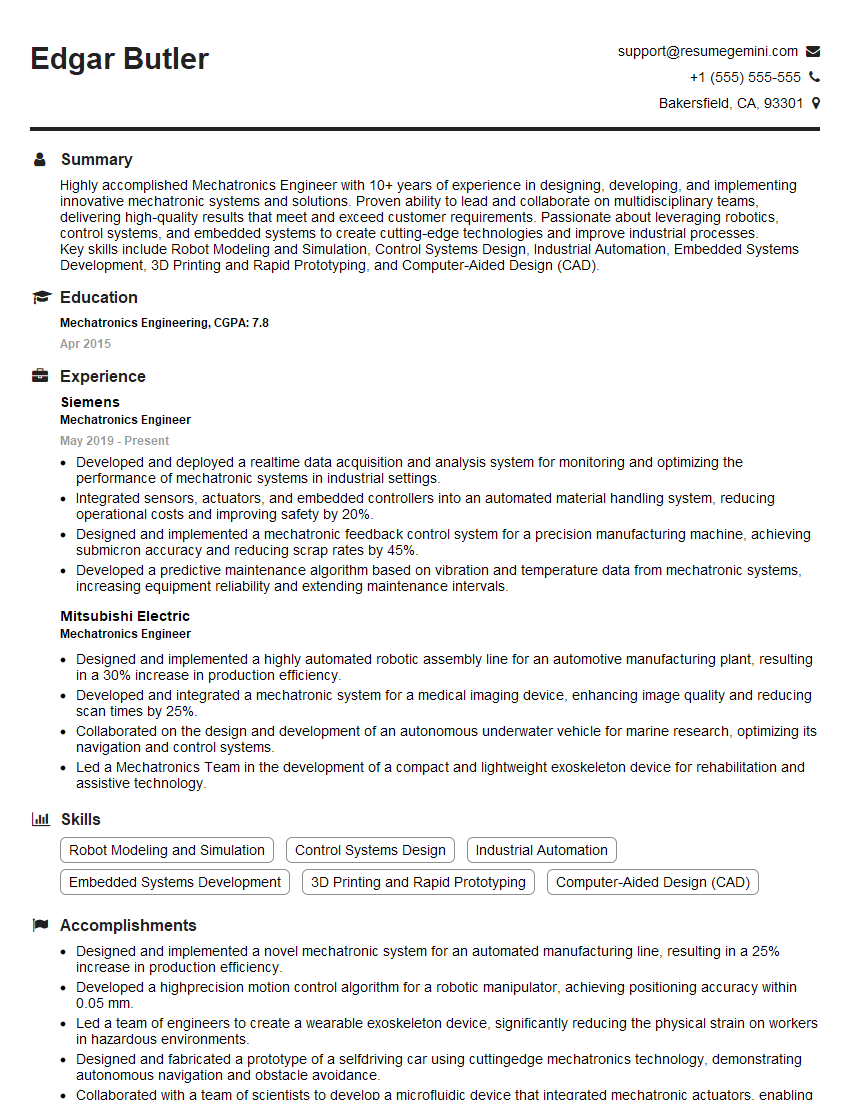
Mechatronics Engineer Resume Sample
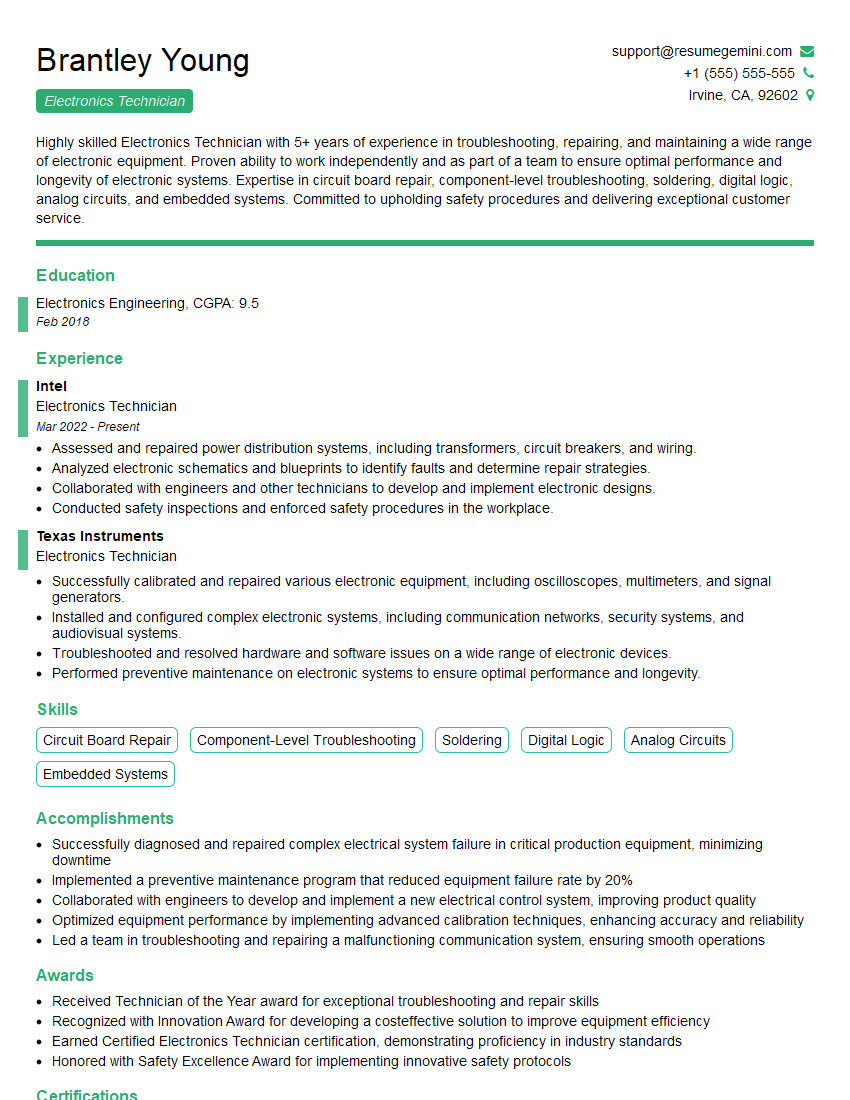
Electronics Technician Resume Sample
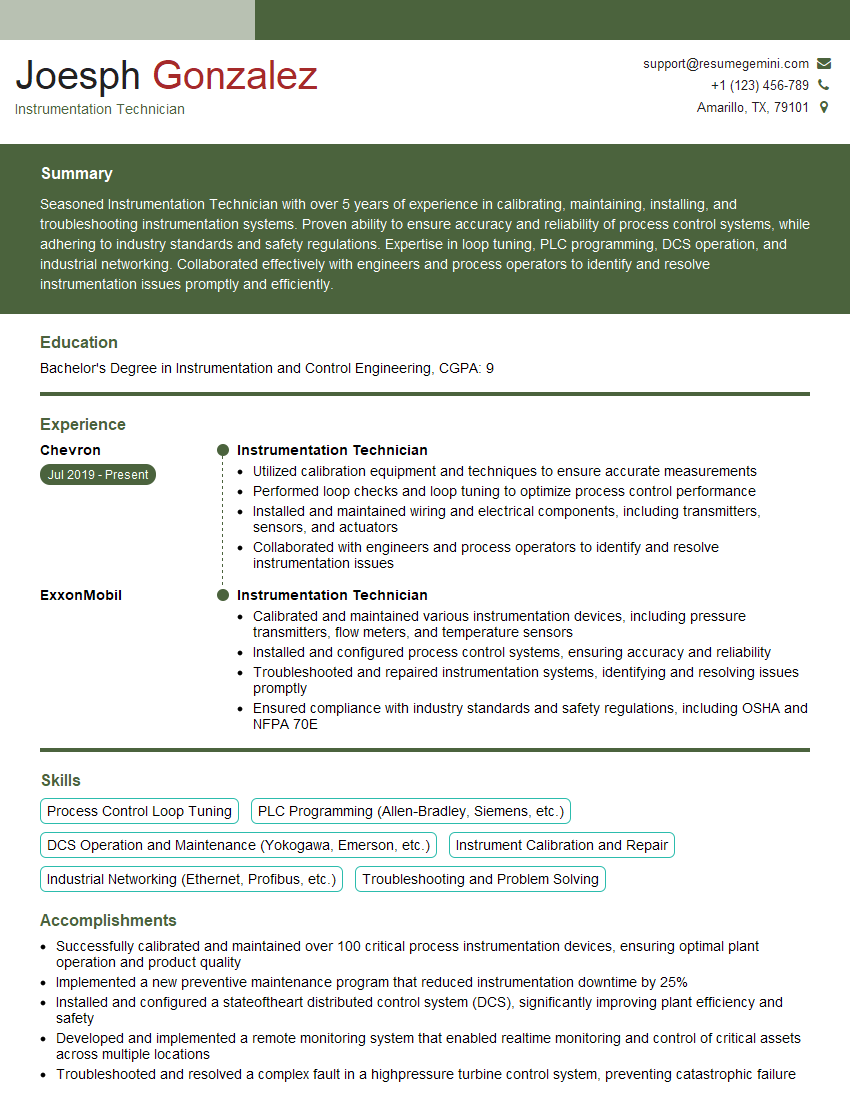
Instrumentation Technician Resume Sample
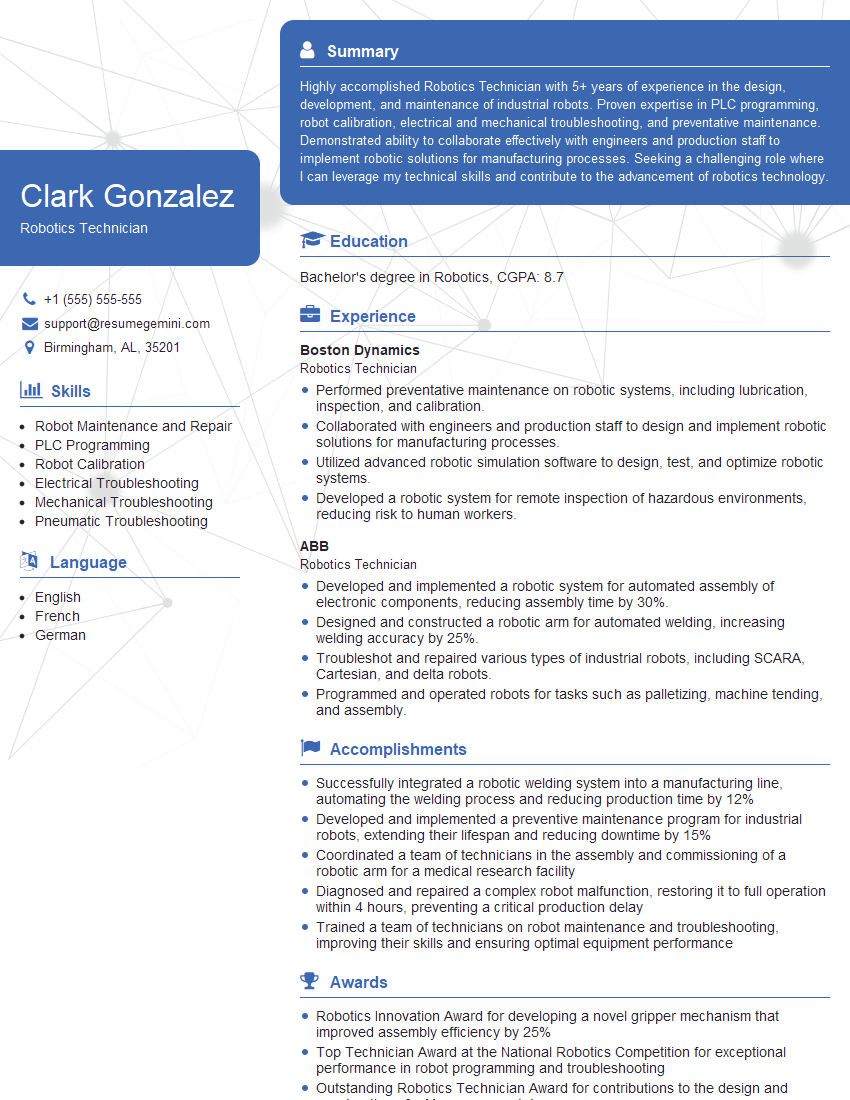
Robotics Technician Resume Sample
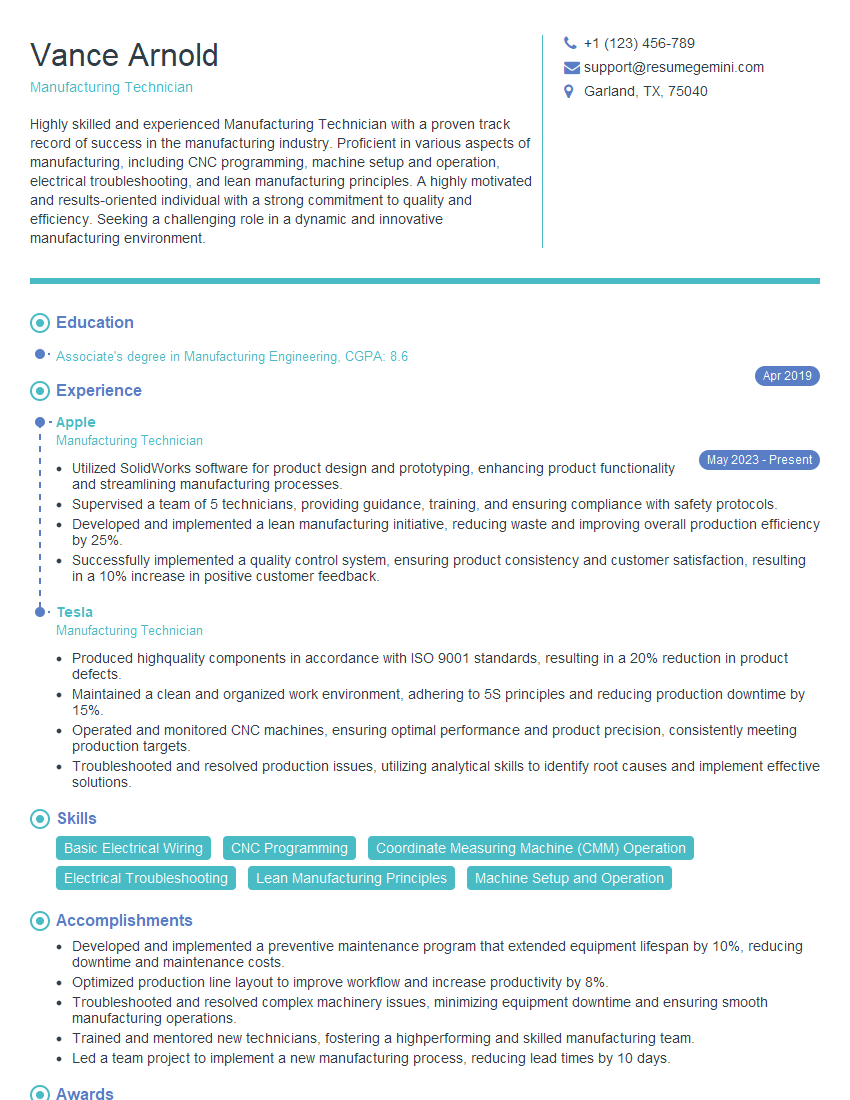
Manufacturing Technician Resume Sample
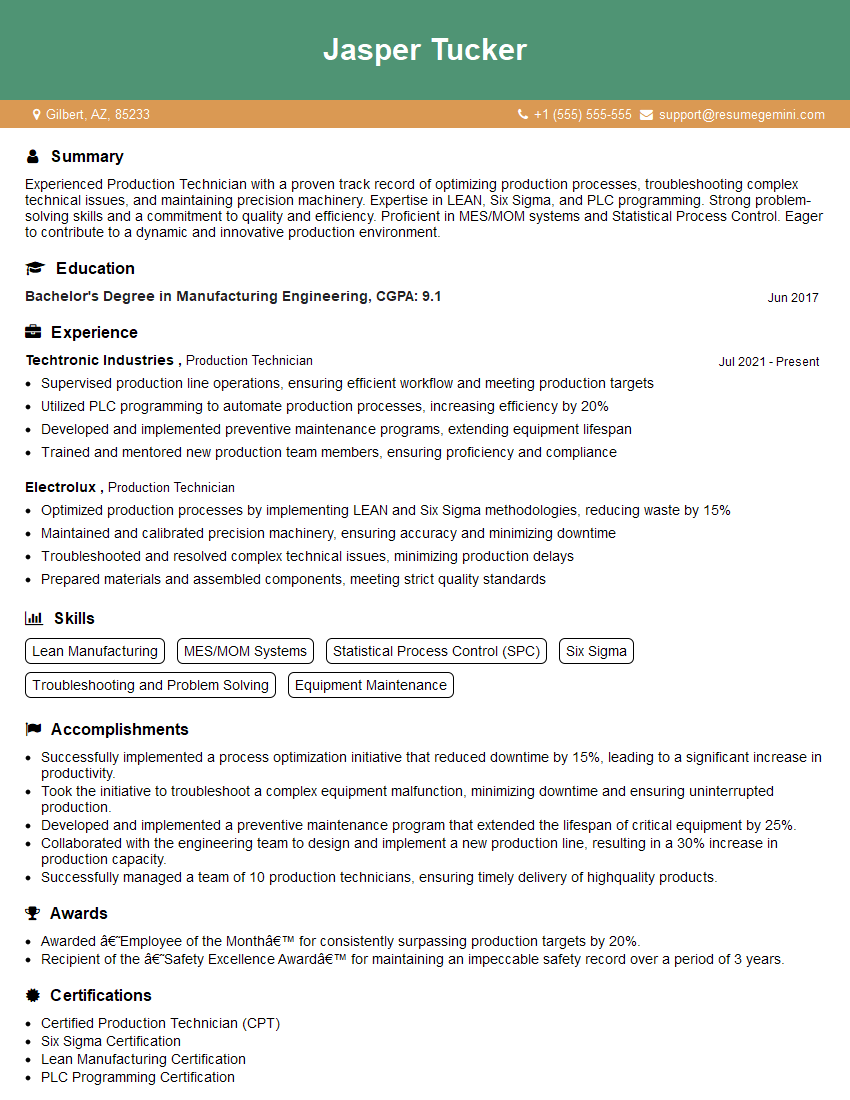
Production Technician Resume Sample
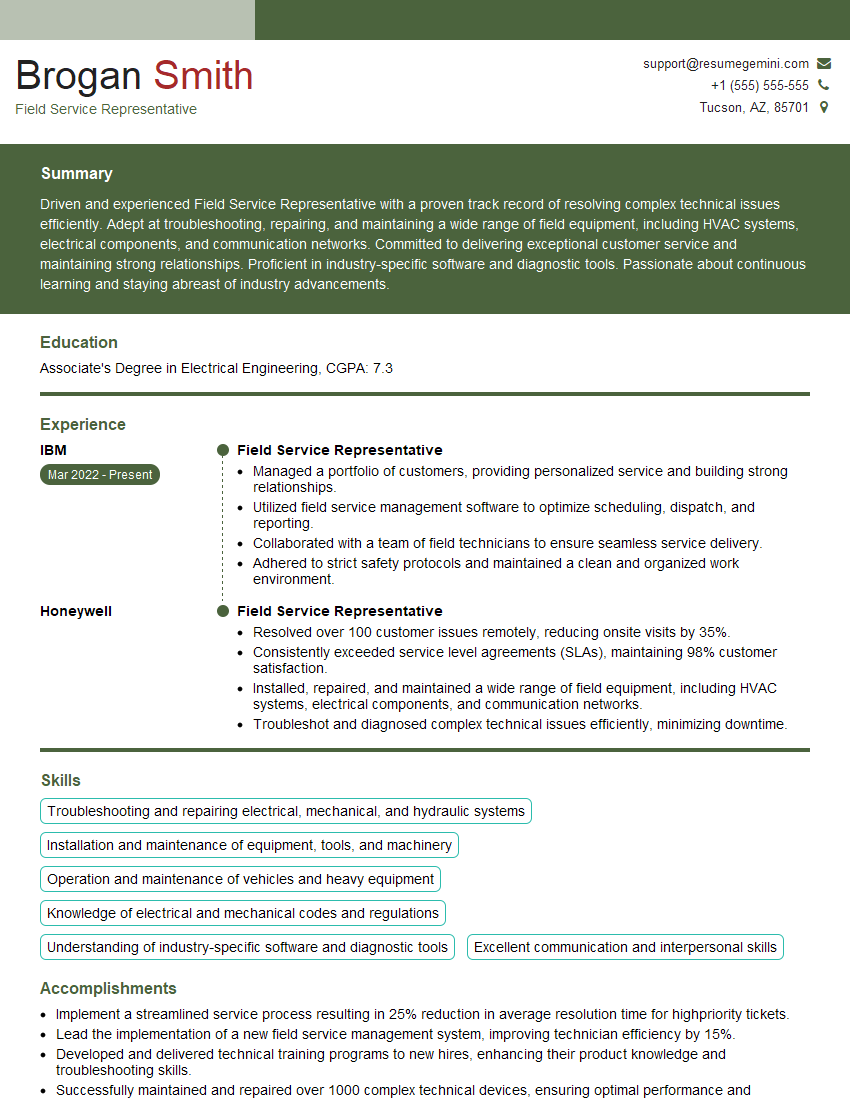
Field Service Representative Resume Sample
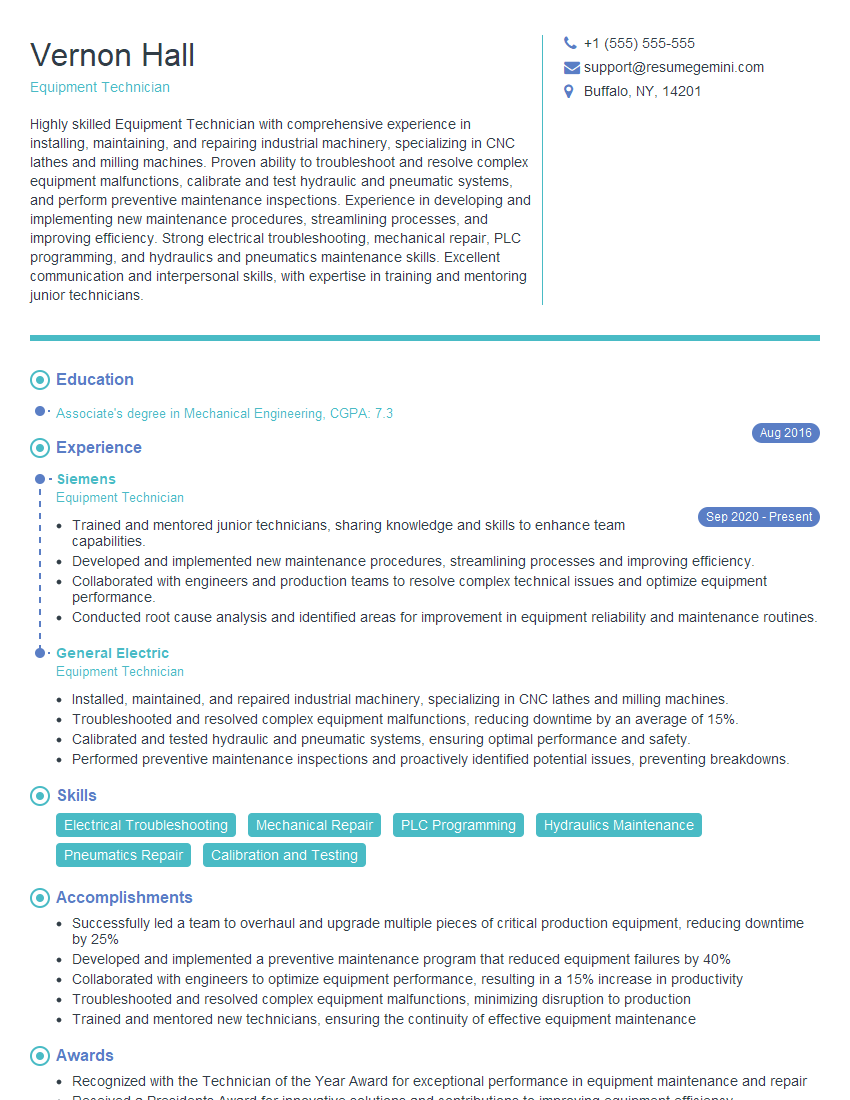
Equipment Technician Resume Sample
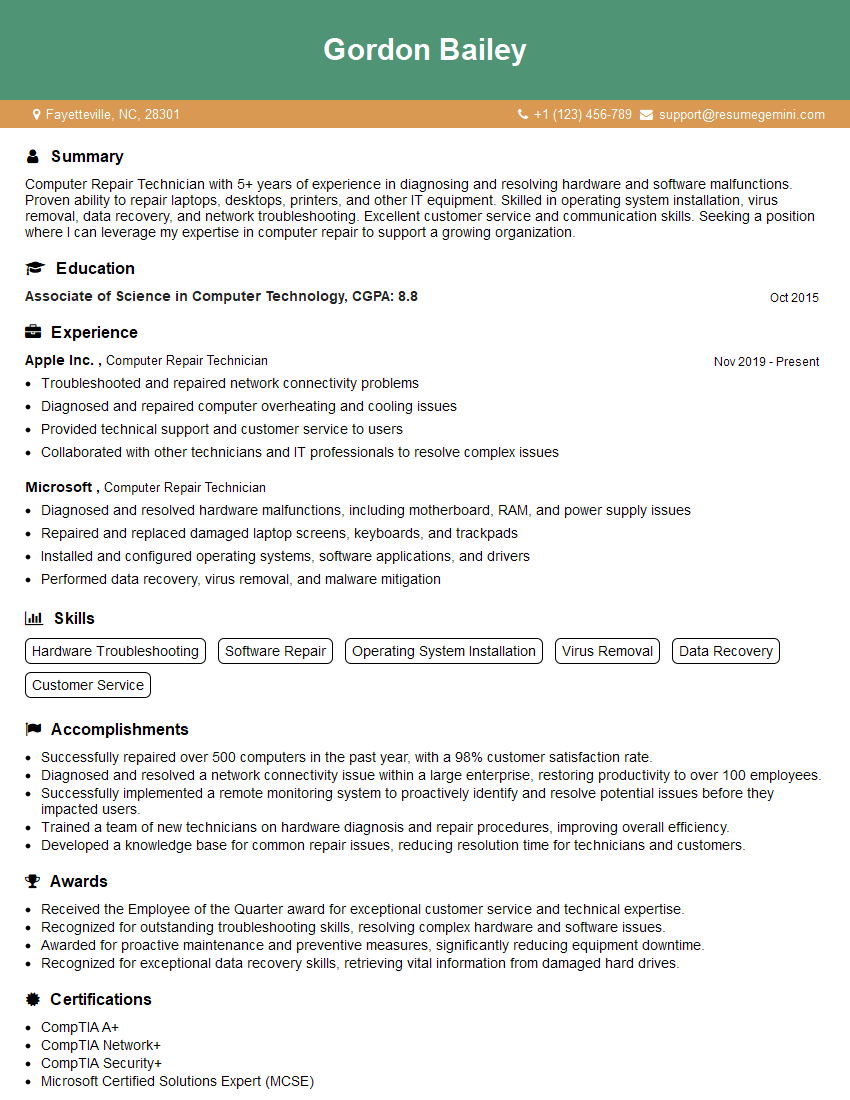
Computer Repair Technician Resume Sample
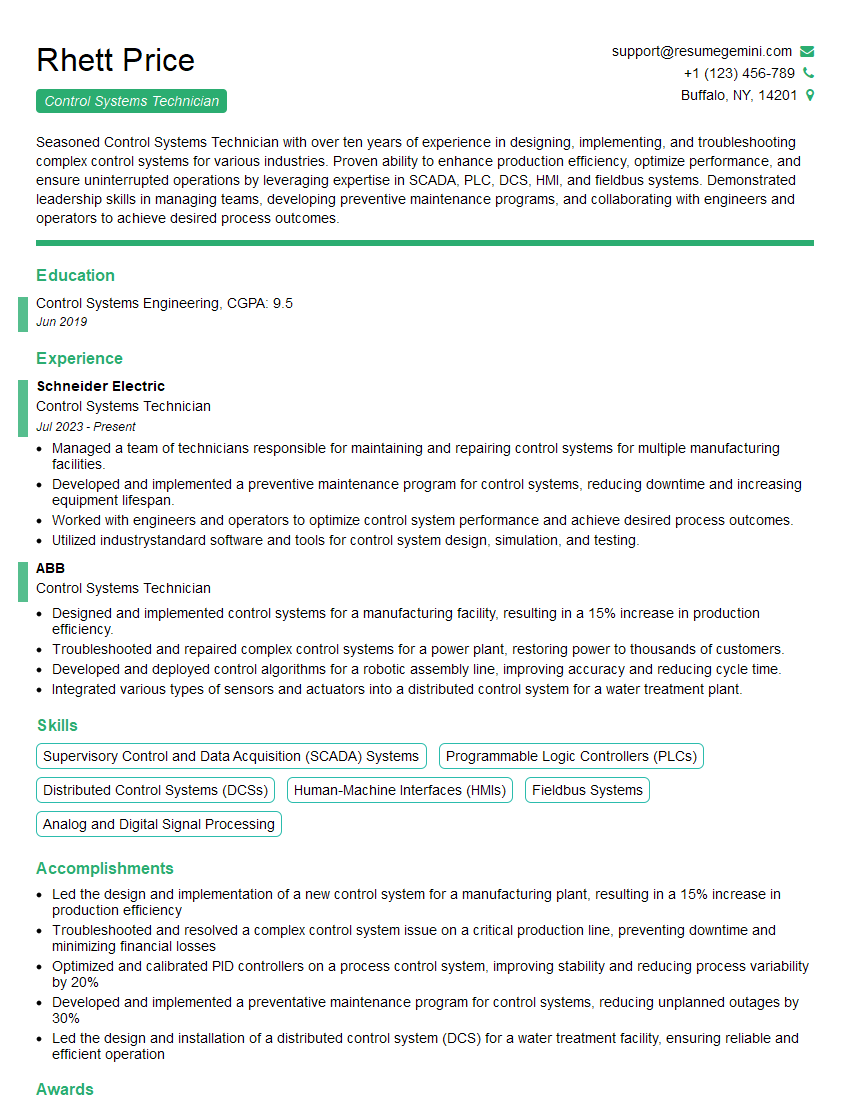
Control Systems Technician Resume Sample
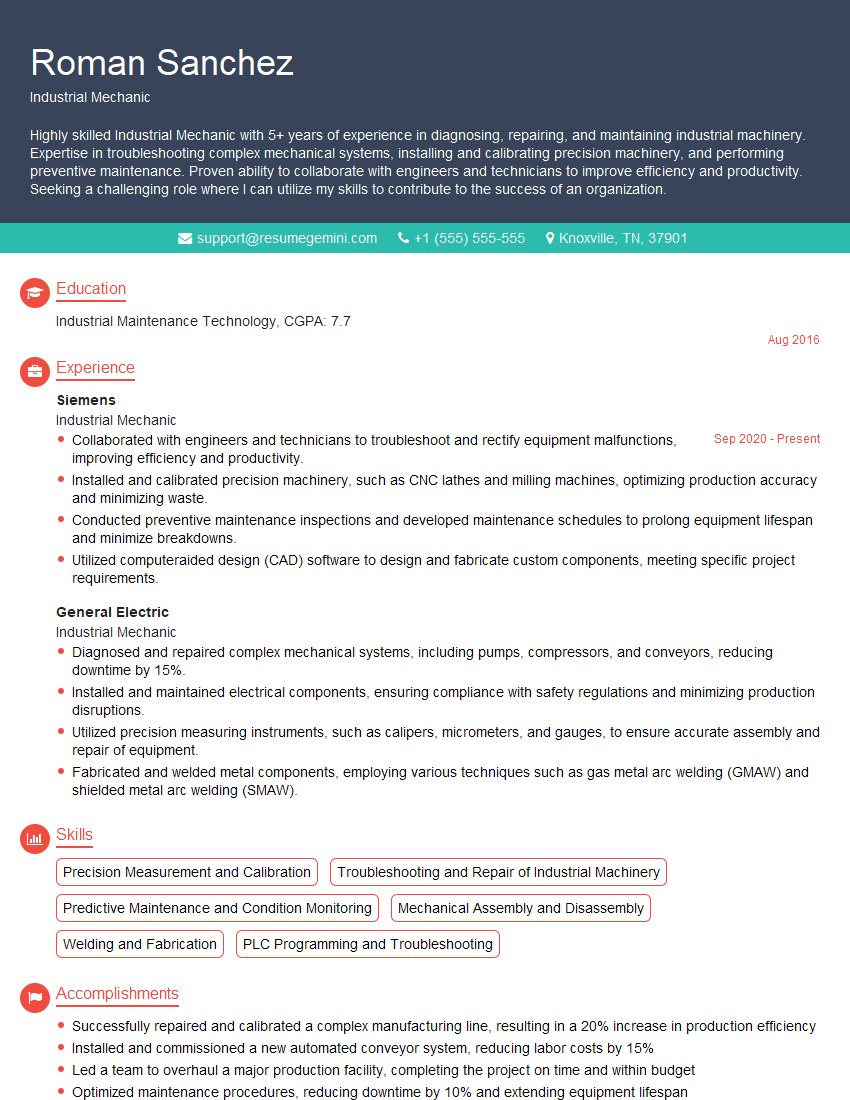
Industrial Mechanic Resume Sample

Quality Control Inspector Resume Sample
- Process Engineer
- Network Engineer
- Systems Administrator
- Automation Engineer
- Technical Support Specialist
- Help Desk Analyst
- Maintenance Technician
- Field Service Engineer
- Mechanical Engineer
- Mechatronics Engineer
- Electronics Technician
- Instrumentation Technician
- Robotics Technician
- Manufacturing Technician
- Production Technician
- Field Service Representative
- Equipment Technician
- Computer Repair Technician
- Control Systems Technician
- Industrial Mechanic
- Quality Control Inspector
Explore more articles
Users Rating of Our Blogs
Share Your Experience
We value your feedback! Please rate our content and share your thoughts (optional).
What Readers Say About Our Blog
Attention music lovers!
Wow, All the best Sax Summer music !!!
Spotify: https://open.spotify.com/artist/6ShcdIT7rPVVaFEpgZQbUk
Apple Music: https://music.apple.com/fr/artist/jimmy-sax-black/1530501936
YouTube: https://music.youtube.com/browse/VLOLAK5uy_noClmC7abM6YpZsnySxRqt3LoalPf88No
Other Platforms and Free Downloads : https://fanlink.tv/jimmysaxblack
on google : https://www.google.com/search?q=22+AND+22+AND+22
on ChatGPT : https://chat.openai.com?q=who20jlJimmy20Black20Sax20Producer
Get back into the groove with Jimmy sax Black
Best regards,
Jimmy sax Black
www.jimmysaxblack.com
Hi I am a troller at The aquatic interview center and I suddenly went so fast in Roblox and it was gone when I reset.
Hi,
Business owners spend hours every week worrying about their website—or avoiding it because it feels overwhelming.
We’d like to take that off your plate:
$69/month. Everything handled.
Our team will:
Design a custom website—or completely overhaul your current one
Take care of hosting as an option
Handle edits and improvements—up to 60 minutes of work included every month
No setup fees, no annual commitments. Just a site that makes a strong first impression.
Find out if it’s right for you:
https://websolutionsgenius.com/awardwinningwebsites
Hello,
we currently offer a complimentary backlink and URL indexing test for search engine optimization professionals.
You can get complimentary indexing credits to test how link discovery works in practice.
No credit card is required and there is no recurring fee.
You can find details here:
https://wikipedia-backlinks.com/indexing/
Regards
NICE RESPONSE TO Q & A
hi
The aim of this message is regarding an unclaimed deposit of a deceased nationale that bears the same name as you. You are not relate to him as there are millions of people answering the names across around the world. But i will use my position to influence the release of the deposit to you for our mutual benefit.
Respond for full details and how to claim the deposit. This is 100% risk free. Send hello to my email id: lukachachibaialuka@gmail.com
Luka Chachibaialuka
Hey interviewgemini.com, just wanted to follow up on my last email.
We just launched Call the Monster, an parenting app that lets you summon friendly ‘monsters’ kids actually listen to.
We’re also running a giveaway for everyone who downloads the app. Since it’s brand new, there aren’t many users yet, which means you’ve got a much better chance of winning some great prizes.
You can check it out here: https://bit.ly/callamonsterapp
Or follow us on Instagram: https://www.instagram.com/callamonsterapp
Thanks,
Ryan
CEO – Call the Monster App
Hey interviewgemini.com, I saw your website and love your approach.
I just want this to look like spam email, but want to share something important to you. We just launched Call the Monster, a parenting app that lets you summon friendly ‘monsters’ kids actually listen to.
Parents are loving it for calming chaos before bedtime. Thought you might want to try it: https://bit.ly/callamonsterapp or just follow our fun monster lore on Instagram: https://www.instagram.com/callamonsterapp
Thanks,
Ryan
CEO – Call A Monster APP
To the interviewgemini.com Owner.
Dear interviewgemini.com Webmaster!
Hi interviewgemini.com Webmaster!
Dear interviewgemini.com Webmaster!
excellent
Hello,
We found issues with your domain’s email setup that may be sending your messages to spam or blocking them completely. InboxShield Mini shows you how to fix it in minutes — no tech skills required.
Scan your domain now for details: https://inboxshield-mini.com/
— Adam @ InboxShield Mini
support@inboxshield-mini.com
Reply STOP to unsubscribe
Hi, are you owner of interviewgemini.com? What if I told you I could help you find extra time in your schedule, reconnect with leads you didn’t even realize you missed, and bring in more “I want to work with you” conversations, without increasing your ad spend or hiring a full-time employee?
All with a flexible, budget-friendly service that could easily pay for itself. Sounds good?
Would it be nice to jump on a quick 10-minute call so I can show you exactly how we make this work?
Best,
Hapei
Marketing Director
Hey, I know you’re the owner of interviewgemini.com. I’ll be quick.
Fundraising for your business is tough and time-consuming. We make it easier by guaranteeing two private investor meetings each month, for six months. No demos, no pitch events – just direct introductions to active investors matched to your startup.
If youR17;re raising, this could help you build real momentum. Want me to send more info?
Hi, I represent an SEO company that specialises in getting you AI citations and higher rankings on Google. I’d like to offer you a 100% free SEO audit for your website. Would you be interested?
Hi, I represent an SEO company that specialises in getting you AI citations and higher rankings on Google. I’d like to offer you a 100% free SEO audit for your website. Would you be interested?